Beer-articles 1026
Wallenpaupack Brewing Company Shines at Great American Beer Festival with Three Medal Wins

Wallenpaupack Brewing Company, located near Hawley, recently achieved notable recognition at the Great American Beer Festival held from October 9 to 11 in Denver, Colorado. The brewery was awarded three medals during the event: two bronze medals for their Cracking Weisse and Cracking Weisse with raspberry, as well as a silver medal for their Kroon beer.
Cracking Weisse is a German sour ale, and the raspberry variation is categorized as a specialty Berliner-style Weisse. Kroon, on the other hand, is a Belgian-style strong specialty ale.
Out of all the breweries in Pennsylvania, Wallenpaupack Brewing was one of only four to earn medals, with other awardees based in Allentown and Pittsburgh, each taking home bronze medals.
The Great American Beer Festival featured approximately 273 breweries and cideries competing for honors, with 347 medals awarded in total. Expert judges evaluated a staggering 8,315 entries from breweries across the U.S. and Washington, D.C.
Wallenpaupack Brewing Company, which opened in 2017 under the ownership of Rebecca Ryman, is celebrated as a full production, award-winning craft brewery. It boasts a spacious 14,000-square-foot brewpub, a beer garden, and a restaurant, positioned conveniently on Route 6 between Hawley and Lake Wallenpaupack. Additionally, the brewery operates a second taproom known as The Wake Zone in nearby Tafton.
Beer Nut: The Pivotal Brews That Shaped Modern Drinking Trends
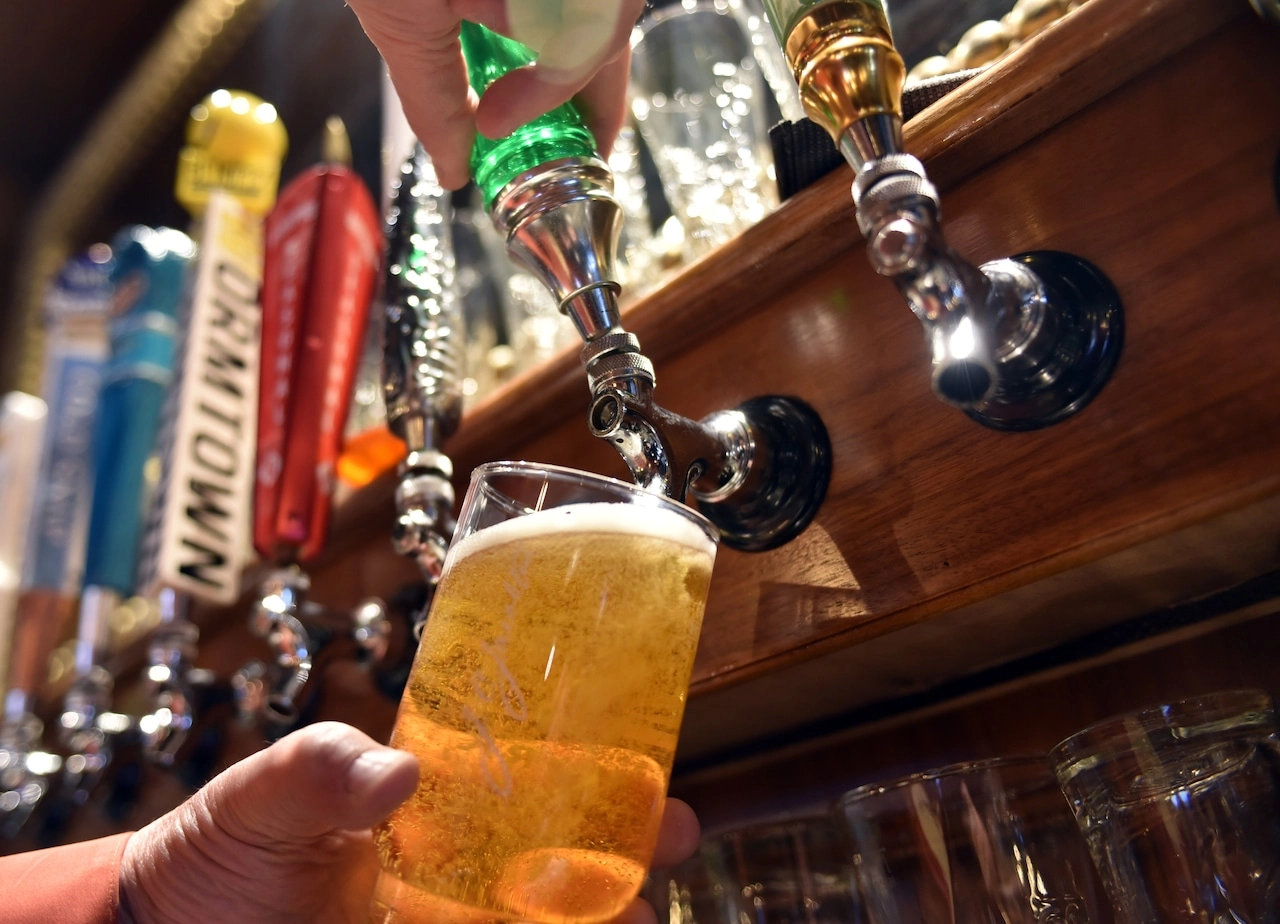
There’s a clear distinction between style and fashion.
While style suggests a timeless aesthetic, fashion pertains to fleeting trends. This concept is applicable in the realm of beer as well, where certain beer styles can occasionally transition into temporary fashions. For instance, the current obsession with IPAs represents a beer style that has also morphed into a fashion trend, particularly the New England IPAs. Similarly, imperial stouts saw a surge in popularity a while ago, with high-alcohol versions capturing the attention of many drinkers.
These trends often gain momentum when a particular beer makes a significant impact in the craft beer community. A prime example is Tree House Brewing’s Julius, which made waves upon its release and sparked the hazy New England IPA trend. Similarly, the enthusiasm for imperial stouts can be traced back to iconic brews like 3 Floyds’ Dark Lord and Portsmouth Brewery’s Kate The Great. Both were groundbreaking in their alcohol content and complexity, showcasing brewers’ creativity and prompting widespread excitement among beer enthusiasts.
Tree House’s innovative approach led to an expansion of the New England IPA trend, which holds a significant share of the craft beer market today. This trend began around 2012 with the introduction of Julius from a brewery that started in Brimfield and has since grown to be considered one of the top breweries in the country.
However, not every beer style is destined to achieve such popularity. For instance, bitters are unlikely to become the blockbuster favorite in the craft beer scene. Similarly, while a well-crafted pilsner may be appreciated by connoisseurs, it typically doesn’t inspire the same fervor or following as some other styles.
In summary, some beer styles, especially those with distinct character and creativity, have the potential to become not only popular but also fashionable within the craft beer landscape.
Russia’s Baltika Beer to Make Its Indian Debut in 2026: Launching in Maharashtra and Uttar Pradesh
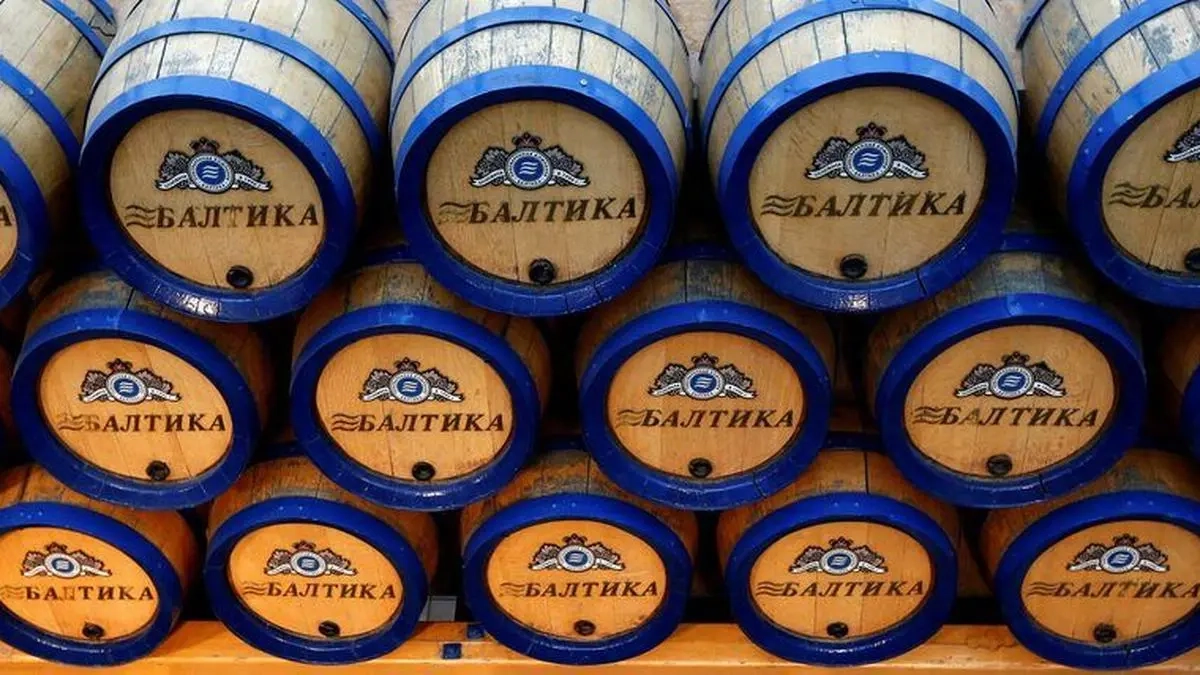
Russia’s leading beer producer, Baltika, is set to enter the Indian market in 2026, with an initial launch in the states of Maharashtra and Uttar Pradesh, as reported by TASS. The brewery, known for its distinctive numbered beer series ranging from 0 to 9, plans to introduce its flagship collection first, with adaptations for local preferences to follow.
Commercial Director of Baltika, Egor Guselnikov, stated that the Indian market presents substantial potential for international brands, including Russian ones, despite regulatory challenges and the diverse local requirements. The company aims to create a unique beer tailored specifically for Indian tastes after establishing its initial offerings.
The brand’s numbered beers, especially beers numbered 3 to 9, have an interesting backstory connected to Vladimir Putin, who was inspired during his tenure as deputy mayor of St. Petersburg in the 1990s. The zero beer in the series is alcohol-free, catering to a varying demographic.
For more details, you can visit the original article here.
The Art and Science of Beer Making: How Even Small Changes Impact Flavor, Color, and Aroma
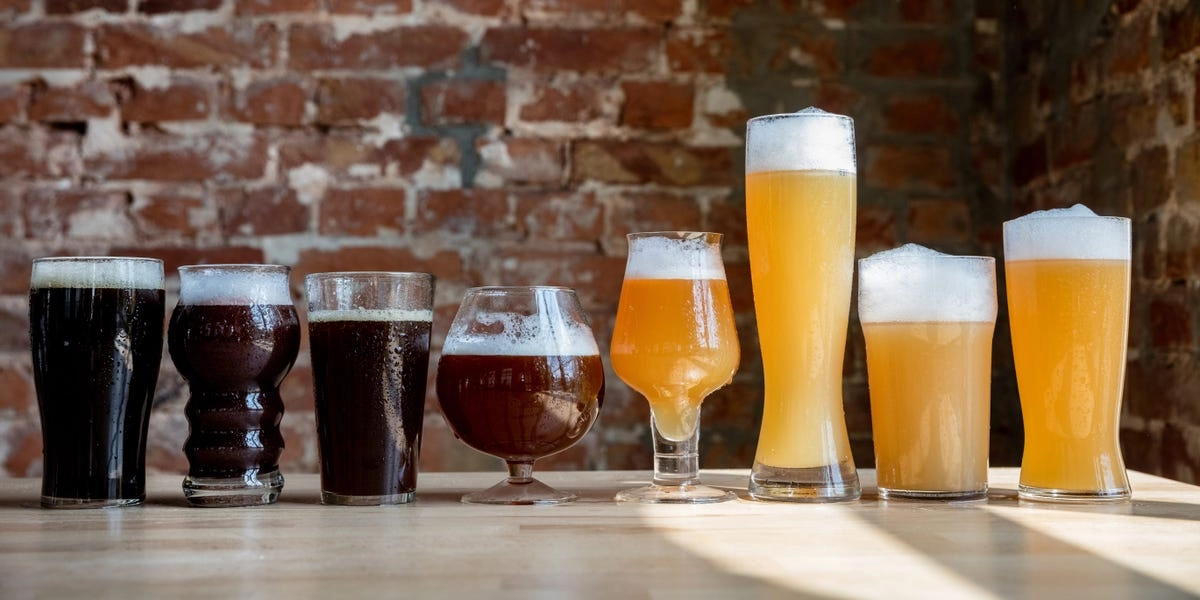
Beer is an alcoholic beverage that has been a part of human history for thousands of years, created from barley, water, hops, and yeast. The brewing process, while having evolved over time, still utilizes these fundamental ingredients, allowing for a vast array of beer types and flavors.
To understand how beer is made, we consulted with Matt Brynildson, brewmaster at Firestone Walker Brewing Company. He emphasized three primary ingredients that play vital roles in beer production:
- Malt: Primarily malted barley is used, which provides the sugars needed for fermentation. Other grains can also be added to the mix.
- Hops: This flower not only adds bitterness and flavors but also serves as an antimicrobial agent that helps clean the fermentation process.
- Water: The main ingredient in beer that dissolves the sugars during mashing.
- Yeast: This living organism ferments the sugars into alcohol and carbon dioxide, which creates beer’s intoxicating properties.
The Brewing Process
The beer brewing process consists of several key steps:
Malting
Barley grains are soaked in water to germinate, which activates enzymes that convert starches into sugars. After germination, the grains are dried to stop the process. This malting is essential for creating the sugar content required for fermentation.
Mashing
Crushed malt is mixed with warm water to create a sugary solution called wort. The soaking aids in extracting sugars, which become a nutrient-rich solution for yeast.
Boiling
The wort is boiled, partly to sterilize it and reduce the water content for a more concentrated flavor. Hops are added in this stage, providing both flavor and stability for the beer.
Fermentation
Once boiled, the wort cools, and yeast is introduced. The yeast consumes the sugars from the wort, producing alcohol and carbon dioxide. This fermentation period varies in duration but typically takes about a week for most beers.
Additional Ingredients
Craft breweries often experiment with various additives such as fruits, spices, and other flavorings, introduced at different stages of the brewing process to enhance taste and aroma.
Types of Beer
Although all beer shares common ingredients, the methods of fermentation, along with the specific types of grain and hops used, create distinctive styles. Main categories include:
- Lagers vs Ales: Differentiated mainly by fermentation temperature and method—lagers are fermented cool and from the bottom, while ales ferment at warmer temperatures from the top.
- Stouts and Porters: Made using roasted malt, giving them dark colors and flavors reminiscent of chocolate and coffee.
- IPAs: Characterized by their intense hop flavors, often with a focus on citrus or pine notes achieved through careful hopping strategies.
Conclusion
Beer is unique among alcoholic beverages due to its specific use of malted grains and hops, along with its varied ranges of flavor and characteristics brought about by small tweaks in the brewing process. This combination of tradition and innovation keeps beer in a celebrated position around the world today.
For more information on types of beer and brewing techniques, visit Firestone Walker Brewing Company or explore the variety of beer styles.
10 Must-Try Beer Styles: A Journey from Pilsners to Porters for Every Beer Lover

Knowing a few beer styles can enhance your drinking experience, even with the current landscape showcasing over 100 distinct types, ranging from hoppy IPAs to rich stouts and refreshing pilsners. Experts suggest that familiarizing yourself with the core varieties is beneficial since many styles share characteristics.
"Many styles borrow from each other, so understanding a handful of styles can help with understanding a wider range," explains Savannah Yeager, manager of Eight Row Flint, a bar in Houston.
Understanding Beer Types
Beer is primarily classified as either ale, lager, or hybrid, determined by the yeast and fermentation method.
- Ales are fermented with top-fermenting yeast at warmer temperatures, producing a fuller flavor profile with fruitier notes.
- Lagers utilize bottom-fermenting yeast and ferment at cooler temperatures, resulting in a crisp, clean taste.
- Hybrids combine techniques from both ales and lagers.
Essential Beer Terminology
When diving into the world of beer, here are some key terms to know:
- Fermentation: The process where yeast converts sugars into alcohol and carbon dioxide.
- Wort: The liquid extracted from the mash, where sugars are dissolved.
- Adjuncts: Ingredients like fruits or grains added to influence flavor.
- Mouthfeel: The texture and body of the beer in your mouth.
Common Beer Styles
Here’s a breakdown of several classic styles to explore:
Pilsner
- Type: Lager
- ABV: 4.5% – 5%
- Description: Bright and crisp, with a light gold appearance. This refreshing beer is known for its mildly spiced hop flavor, making it ideal for summer.
Kölsch
- Type: Hybrid
- ABV: 4.5 – 5%
- Description: Originating from Cologne, Germany, this beer is light, slightly fruity, and has a clean finish, combining characteristics of both ales and lagers.
Sour
- Type: Ale
- ABV: 3 – 5%
- Description: Known for its tartness, sours often incorporate a variety of fruits during fermentation, with origins tracing back to Belgium.
Wheat Beer
- Type: Ale
- ABV: 4 – 7%
- Description: Slightly cloudy with a pale yellow color, wheat beers are often creamy with notes of banana and clove, making them refreshing and popular in warm weather.
Saison
- Type: Ale
- ABV: 4.4 – 8.4%
- Description: With a subtly sweet profile, Saisons are traditionally brewed in the cooler months and stored for summer, often featuring spices in the recipe.
American Pale Ale
- Type: Ale
- ABV: 5 – 6%
- Description: This beer presents a balance of toasted malt and the strong citrus aromas from American hops, well-received for its refreshing qualities.
IPA (India Pale Ale)
- Type: Ale
- ABV: 6 – 8%
- Description: Known for its high hop bitterness, IPAs offer strong floral and tropical fruit flavors, with various sub-styles that adjust body and hoppiness.
Amber Ale
- Type: Ale
- ABV: 4.5 – 6%
- Description: A balance of malty sweetness and a moderate hop presence, Amber Ales are easy to drink and popular in various regions.
Porter
- Type: Ale
- ABV: 5 – 7%
- Description: Featuring roasted malt flavors, porters are often noted for notes of coffee and chocolate, delivering a rich, yet approachable experience.
Stout
- Type: Ale
- ABV: 5.5 – 8%
- Description: Dark and full-bodied, stouts exhibit roasty flavors and creamy textures, making them a favorite among those who enjoy heavier beers.
Conclusion
Understanding the distinctions between these beer styles can greatly enhance your appreciation for different flavors and profiles. Prefer lighter, crisper selections? Opt for pilsners or wheat beers. Favor darker, richer varieties? You may gravitate toward porters or stouts. Regardless of your choice, the diversity of beer styles ensures there’s something for everyone.
Tom Holland and Robert Downey Jr. Unveil Coffee and Beer Launch: A ‘Whole New Kind of Collaboration’

Two Hollywood icons, Tom Holland and Robert Downey Jr., have collaborated to launch a unique line of beverages that intertwine their personal brands. Holland, known for his role as Spider-Man, has introduced his non-alcoholic beer brand, BERO, while Downey Jr. brings his well-loved happy coffee to the mix.
The collaboration features two distinct products: BERO Coffee Draught and the "Eternal Hoptimist" ground coffee blend. The BERO Coffee Draught combines the rich flavors of a classic stout-style beer with the robust notes of roasted coffee, resulting in a smooth and creamy beverage that’s alcohol-free but caffeinated. Meanwhile, the Eternal Hoptimist coffee is made from 100% arabica beans sourced from Brazil and Colombia, celebrated for their citrus and pine flavors.
Both products are part of a limited-edition release with an emphasis on quality and experience. They reflect a strong friendship and respect between the two stars, who have shared the screen in various Marvel films. They express that this collaboration encapsulates their vision of creating enjoyable products that can be appreciated at any time of day.
Holland describes the partnership as not only a business venture but also a celebration of friendship. He praises Downey Jr.’s coffee expertise and explains that both products aim to deliver premium experiences in every sip.
These limited-edition beverages are available for a short time, and fans are encouraged to purchase them quickly as restocks are unlikely.
Madison Beer and NFL Boyfriend Steal the Spotlight from Taylor Swift and Travis Kelce After Adorable Kissing Video!

During a recent NFL game, a video of singer Madison Beer sharing a brief sideline kiss with her boyfriend, quarterback Justin Herbert, went viral on TikTok. Fans quickly chimed in, drawing comparisons to Taylor Swift and Travis Kelce. Comments included remarks like, “better than Tay and Travis…because she gets to watch him struggle and win.”
The affectionate moment occurred during the game between the Los Angeles Chargers and the Washington Commanders, where Herbert jogged over to Beer for a quick kiss before returning to his warmup. This public display of affection sparked a wave of reactions on social media, with one user stating, “Madison and Justin are everything Taylor Swift and Travis Kelce wish they could be.” Another joked, “Lost on the field but won off the field,” highlighting the couple’s positive public image.
Fans embraced the relationship, dubbing them "America’s sweethearts," as they continued to support each other in the spotlight.
For more details, check out the coverage on RealityTea and The Fashion Spot.
Japan Faces imminent Shortage: Asahi Beer Running Low Just Days Away!

Japan is facing a severe shortage of its most popular beer, Asahi Super Dry, due to a cyber attack that disrupted production. The attack, which occurred earlier this week, has caused significant issues for the company, halting its ability to process orders, manage deliveries, and provide customer service.
Retail stores across the country are warning customers that the beloved beer may soon be unavailable. Lawson, one of Japan’s largest convenience store chains, stated that stocks of Asahi products could plummet as early as tomorrow. Additionally, an executive at another retail outlet confirmed that supplies of Super Dry would likely run out within two to three days, leaving many consumers anxious over the impending shortage.
Despite a trend of declining beer consumption in Japan over the last two decades, the country still consumes an impressive 296.9 billion bottles of beer annually, averaging about 54.4 large bottles per person. In 2024 alone, Asahi sold 73 million cases of Super Dry domestically, alongside significant sales of its alcohol-free Style Free and Clear Asahi beers.
This incident has caused a ripple effect in the beverage industry, further fueling a culture of panic buying among consumers. The cyber attack has been confirmed to only affect operations within Japan, and Asahi has reassured its customers that its European operations, including supply chains to the UK, remain unaffected.
The brewing company has not specified when its systems will be restored and has stated that there is currently no evidence to suggest that any customer data has been compromised. This attack is part of a broader pattern of cyber incidents affecting various companies worldwide, with significant companies like Jaguar Land Rover and Marks & Spencer also recently falling victim to similar attacks.
For more details about the situation, see the full report at The Telegraph.
Rory McIlroy Celebrates Ryder Cup Victory with Wife Erica Stoll and Addresses Beer-Throwing Controversy

Rory McIlroy celebrated his victory at the 2025 Ryder Cup with an emotional moment alongside his wife, Erica Stoll. The couple was seen sharing a kiss at the Bethpage Black Golf Course in Old Bethpage, NY, but the celebration was marred by an incident when a fan threw a beer can at Stoll.
During the event, Stoll, who supported McIlroy throughout the three days, was startled when the can was tossed at her head. As the crowd reacted, McIlroy attempted to rush towards his wife, but was held back by security.
Post-incident, McIlroy praised Stoll for her composure, stating, “Erica is fine. She’s a very, very strong woman…she handled everything this week with class and poise and dignity.” McIlroy condemned the foul behavior from certain spectators, labeling it “unacceptable and abusive.” He emphasized that golf should maintain a higher standard of conduct, given its potential to unite people.
Despite the challenges earlier in their relationship, including a brief split in 2024 when McIlroy filed for divorce before later reconciling, the couple’s bond remains strong. They continue to show affection at golf events and share a five-year-old daughter, Poppy.
The incident serves as a reminder of the pressures athletes face, not just in competition but also in their personal lives during public spectacles.
Rory McIlroy Slams ‘Unacceptable Abuse’ Towards Wife Erica After Beer Incident

Rory McIlroy has spoken out against the "unacceptable abuse" directed at his wife, Erica, during the recent Ryder Cup at Bethpage Black. After video footage showed a beer being thrown at Erica, McIlroy commended her handling of the situation, emphasizing that golf should uphold higher standards of decorum.
Despite securing a 15-13 victory over the U.S., which marked Europe’s third win on American soil since 2004, the focus quickly shifted to the unsportsmanlike behavior displayed by some fans throughout the event. McIlroy faced a barrage of insults, including chants of "F— you, Rory," particularly offensive given that some insults targeted his family and personal life.
McIlroy, who had briefly filed for divorce from Erica last year before reconciling, noted that American fans brought up their past troubles during the tournament. During one incident, a spectator knocked a beer out of another fan’s hand, drenching Erica as they left the 17th green.
In a press conference, McIlroy stated, "Golf has the ability to unite people," but he insisted that the behavior witnessed was contrary to the sport’s foundational principles. He remained supportive of his wife and credited her strength throughout the weekend, despite reports of her leaving the 17th in tears following the incident.
Other team members echoed McIlroy’s sentiments. Justin Rose mentioned he was unaware of the abuse Erica experienced, praising her resilience. Shane Lowry also highlighted the appalling treatment she received while supporting her husband during the matches.
Looking ahead, McIlroy emphasized the need for fans attending future tournaments, especially in Ireland for the next Ryder Cup, to behave with respect. He has indicated that they would communicate the need for improved fan conduct to ensure that similar incidents are not repeated.
Reflecting on his own experience during the tournament, McIlroy admitted to occasionally responding to the taunts with frustration, including swearing back at fans. While he managed to perform well overall, including winning three and a half points, the cumulative experience of verbal abuse took its toll.
In the aftermath of the tournament, McIlroy expressed hope that the incident served as a wake-up call to the golfing authorities to address fan behavior, ensuring that respect prevails for both players and their families.