RUM Group Surges 7% Following $13.7B GPU Contract, While Trump Media Sees Modest Gains

RUM Group’s stock experienced a notable uptick of 7%, reaching $9.68, following the announcement of a significant commercial agreement to supply GPUs and GPU services valued at approximately $13.7 billion. This contract stands out considerably in relation to RUM Group’s reported quarterly revenue of only $25.46 million. So far in the year, the shares have climbed 43%.
Conversely, Trump Media & Technology Group saw a minimal increase of 2%, bringing its stock price to $9.26. Despite a historical connection to RUM Group, the two companies have diverged in their operations and market reactions, given that Trump Media’s stock has been down 31% year to date.
The Global X Data Center & Digital Infrastructure ETF (DTCR) also faced a 1% decline to $27.99, indicating a downward trend in the broader data center sector, which is largely attributed to the individual contract situation affecting RUM Group.
Details of the GPU Deal
The monumental order is divided into three equal parts over a span of six years, sourced from RUM Group’s facility in Maysville, Georgia, which is currently being developed. It’s worth noting that only the first two tranches will be binding after the customer has finalized and approved the proposed delivery dates, making the third tranche conditional.
On August 23, RUM Group entered into a binding warrant agreement with its customer, allowing the customer to acquire up to 50.81 million Class A shares at an exceedingly low price of $0.01 per share. The vesting schedule includes several conditions based on completion and subsequent expansions tied to delivery volumes.
Financing Challenges
However, RUM Group acknowledged its current lack of funds to fulfill this large-scale contract, prompting the need for capital raising measures through debt or equity. This situation raises concerns, especially as the company has a dilutive warrant impacting share distribution.
The restructuring of RUM Group in June, when it took over the AI cloud company Northern Data, marked a new direction towards AI infrastructure, complementing the recent GPU order which includes over 22,400 NVIDIA GPUs.
Divergence of RUM Group and Trump Media
While Trump Media is often associated with RUM Group, the companies are increasingly viewed as distinct entities, with RUM focusing on data center and GPU infrastructure and Trump Media remaining entrenched in media and financial services sectors. The contrasting stock performances of RUM Group and DTCR underscore that current market movements are more influenced by specific contract developments rather than broader industry trends.
Traders and investors now closely observe how RUM Group will navigate its financing requirements for the contract buildout, as management may soon provide insights into whether they will pursue debt or equity, influencing overall share valuation and performance.
Top Store-Bought White Wine Vinegars That Deliver Restaurant-Quality Flavor
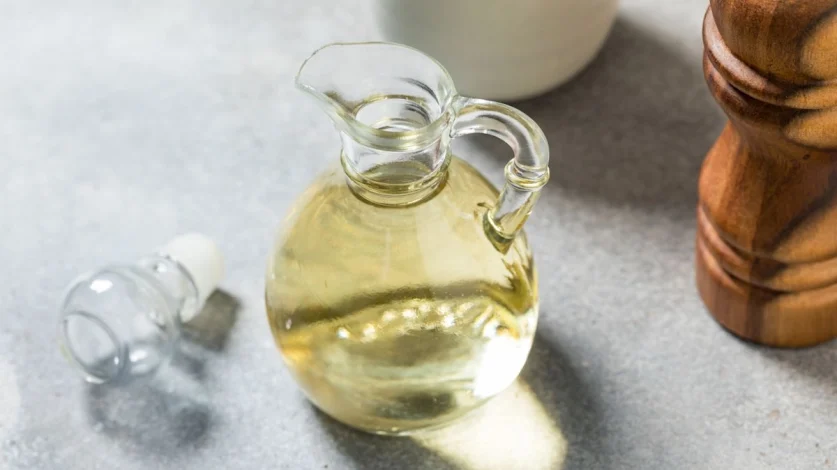
An unassuming bottle of white wine vinegar may not seem like a prominent player on grocery store shelves, yet it can significantly enhance flavors in a variety of culinary applications, from salad dressings to marinades. Among the various options available, Star Italian Kitchen’s white wine vinegar stands out, offering a taste that rivals that of high-end restaurants price at an affordable $3 to $5.
In a recent tasting of eight store-bought white wine vinegars, Star Italian Kitchen claimed the top spot, excelling in three key areas. First, it struck a perfect balance of sharpness without being overwhelmingly sour. In contrast, the Signature Select white wine vinegar from Albertsons was criticized for its excessive acidity. Second, its aroma was pleasantly subtle, avoiding the mustiness associated with some other vinegars. Finally, the flavor profile boasted complex fruity notes, making it equally suitable for both sweet and savory dishes.
Produced from a carefully selected blend of white wines imported from Spain, this vinegar’s balanced and nuanced flavor is precisely what sets it apart and makes it a must-have for both amateur cooks and professional chefs.
Star Italian Kitchen’s white wine vinegar is versatile enough to elevate a basic salad dressing or serve as a zesty marinade for chicken or fish. One satisfied Kroger shopper reported a "clean taste" perfect for pickling and also noted its effectiveness in cooking sauces like Hollandaise.
While some might consider substituting this exceptional vinegar for ordinary white vinegar, it is essential to recognize their differences. White wine vinegar is made from grapes and has a sweeter, more complex character compared to the grain-based white vinegar. Using the genuine product enhances the overall quality and depth of flavors in cooking.
For more detailed insights on the differences between the two types of vinegar, you can refer to articles that explain them.
Midwest Favorite Root Beer Makes Its Freezer Debut!
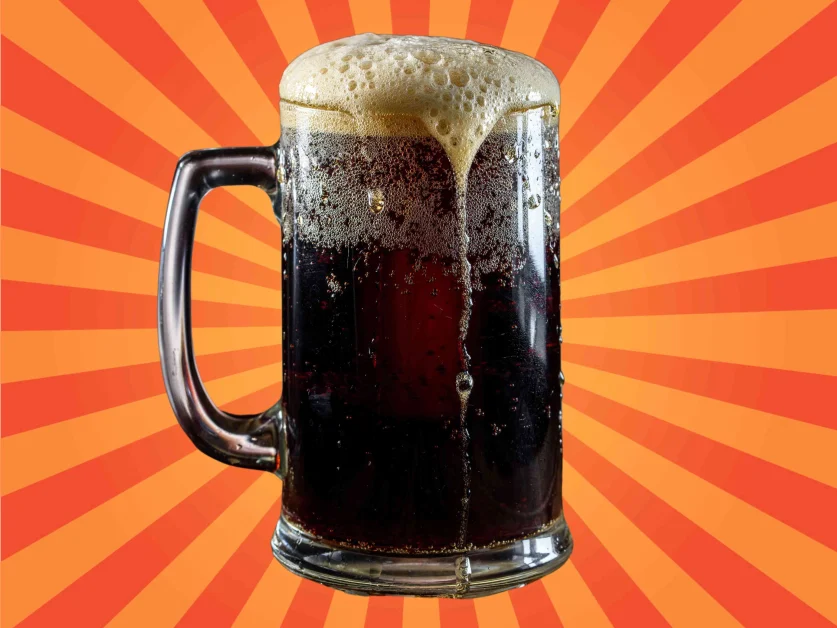
It’s an exciting time for root beer enthusiasts as 1919 Root Beer, a beloved specialty brand from Minnesota, is making its way into the freezer aisle for the first time. Known for its sweet hints of vanilla, 1919 has gained a loyal following, with many fans claiming it’s superior to even the well-known A&W.
In collaboration with Kemps, the brand is introducing a new line of frozen desserts, featuring five unique ice cream flavors, some infused with its signature root beer. Each quart-sized container sports a vibrant red carton topped with a golden lid, perfect for summer enjoyment.
Among the new offerings is the Frozen Float Swirl, combining creamy vanilla ice cream with delicious root beer swirls. For chocolate lovers, the Muddy Float flavor presents a chocolate ice cream alternative, retaining that nostalgic root beer float experience. Another flavor, Nutty Float, adds a delightful twist with chocolate-covered peanuts mingled within the vanilla ice cream, perfectly complementing the root beer ribbons.
Interestingly, the collaboration also includes two flavors that do not feature root beer at all: Lemon Dream, a refreshing lemon ice cream with graham cracker bits, and plain Vanilla, which could pair well with 1919 Root Beer for a homemade float.
Excitement is spreading across social media, with fans eager to try every flavor. Currently spotted at Hy-Vee stores, it seems this delectable treat may be a Midwest exclusive, although many hope for a wider release.
For those who can’t wait or prefer to create their own treats, there are plenty of recipes to whip up root beer-flavored delights at home.
Top Picks: America’s Best Rye Whiskey Revealed by BevTest
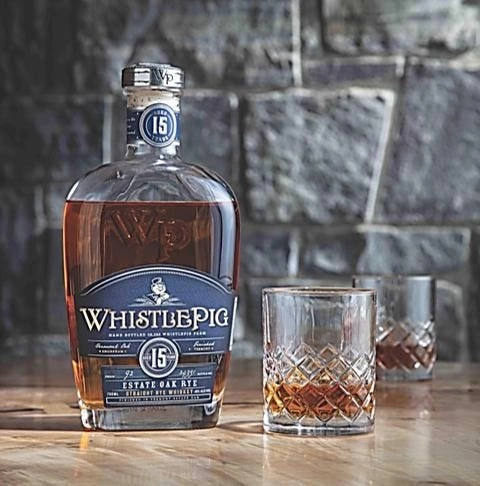
Six rye whiskies stood out in the 2026 Beverage Testing Institute (BevTest) judging, highlighting the diverse and evolving landscape of American rye whiskey. From a 15-year-old estate oak rye to a six-year cocktail-friendly rye, these selections demonstrate rye’s capacity to blend sweetness, oak, fruit, and spice without losing its signature peppery essence.
The top-ranked whiskey was WhistlePig 15 Year Estate Oak Rye, earning 96 points. This 100% rye whiskey is aged in sustainably harvested Vermont estate oak, leading to rich aromas of caramel, vanilla, and allspice, complemented by a flavor profile that includes butterscotch, tobacco, and a very long finish. Judges highlighted its distinctive notes and the balance it strikes between intensity and flavor complexity.
Following closely was the Boone County 8 Year Founder’s Reserve, receiving 95 points. This Kentucky straight rye, made from a mash bill of 95% rye, presents aromas of caramelized sugar and cinnamon, with robust flavors of brown sugar and toasted grain. Its versatility allows it to perform well in cocktails or neat.
Elijah Craig Barrel Proof Rye (Batch B526) also earned 94 points. Bottled uncut, this classic Kentucky rye showcases a complex nose of molasses and stewed fruits. The palate is rich, offering a dense array of flavors, including toffee and nutmeg, with a remarkably long finish that features toasty oak and rye spices.
Sagamore Reserve Series 10 Year received 94 points, showcasing Maryland-style rye through careful blending of different mash bills. Its aromatic profile suggests dessert-like qualities with peach cobbler and toasted almond, while the palate reveals rich flavors and a long, slightly sweet finish.
WhistlePig 10 Year Small Batch, another 94-point rye, is noted for its balance of sweetness and spice, characterized by anise and caramel on the nose and a finish that includes baking spices and citrus zest. Its versatility makes it a valuable selection for both sipping and cocktails.
Finally, WhistlePig PiggyBack 6-Year (also 94 points) is tailored for cocktail mixing, presenting a spicy palate with hints of cocoa and old leather, along with a long finish of baking spices and vanilla.
These six whiskies represent the depth of flavor and style in the rye whiskey category, proving that rye is asserting its place as a standout choice among whiskey enthusiasts.
For more information on these top whiskies, visit:
Why RUM Group and Trump Media Saw Major Gains: The Focus on Alternative Media Platforms Today

On Friday, two alternative-media companies linked to former President Trump experienced distinct stock movements illustrating different strategic directions. RUM Group (NASDAQ:RUM) shares rose 7% to $9.04 due to a significant pivot towards AI infrastructure, while Trump Media & Technology Group (NASDAQ:DJT) gained 6%, reaching $9.03, a rare positive day amidst a challenging year.
The Global X Data Center and Digital Infrastructure ETF (NASDAQ:DTCR) was down 0.5%, indicating that RUM Group’s rise is more about its specific AI strategies rather than a general sector trend. Both firms started 2026 as small-revenue platforms but have since restructured their financial strategies, leading to stark contrast in market performance.
RUM Group’s positive momentum is powered by its $767 million acquisition of Northern Data AG, completed in June. This deal transitioned RUM from a video-sharing platform to a comprehensive AI compute provider under the banner of Quake AI, which now boasts a substantial fleet of NVIDIA GPUs. Following the acquisition, RUM’s revenues surged by 61%, reaching over $40 million in the second quarter, with projections for Q3 between $87 million and $93 million. Management considers the potential revenue opportunity from increased AI services to exceed $3 billion annually if they fully monetize their energy capacities.
In contrast, Trump Media has faced major setbacks, specifically losing about $190 million due to a failed Bitcoin strategy, which it has since abandoned. The company’s foray into cryptocurrency resulted in a $238 million net loss in Q2 2026, even as its revenue from Truth Social reached only $1.7 million. As part of its recovery effort, Trump Media is pivoting towards expanding its Truth API offerings and acquiring TAE Technologies, a nuclear fusion firm, to strengthen its financial footing.
Despite both RUM Group and Trump Media’s attempts to shift towards capital-intensive hard assets, the market’s response has been vastly different. The share prices of the two companies have converged, not just indicating their differing results year-to-date, but showcasing how strategic choices in their capital allocation have defined their trajectories.
Investors will now be watching RUM Group to see if it can sustain its revenue guidance amid its AI pivot, while Trump Media needs to verify the viability of its new strategies following the merger with TAE Technologies.
The Ultimate Lagers: Winners of the 2026 World Beer Awards Revealed
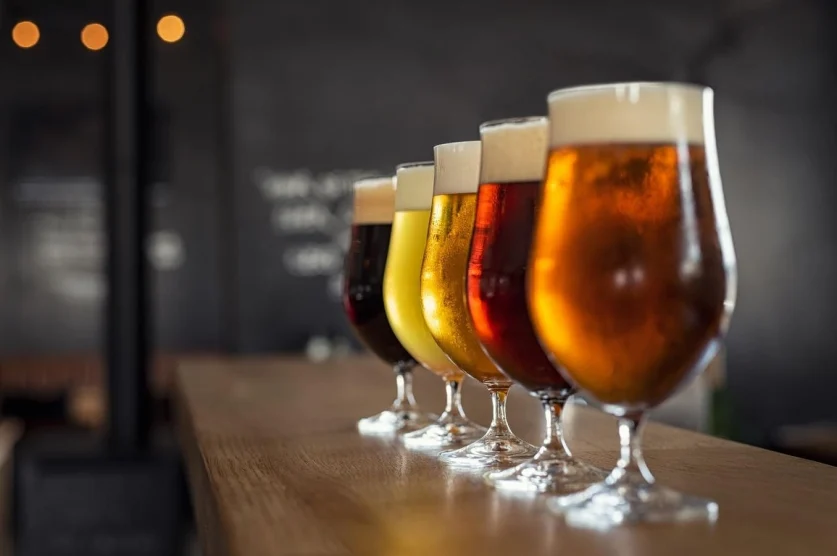
Lager is making a comeback, showcasing its impressive diversity in the 2026 World Beer Awards. Traditionally seen as a standard, mass-produced beer, lagers, comprising 62% of the North American market, are now being redefined by craft brewers worldwide.
The awards spotlighted an array of exceptional lagers, with Belgium’s Bavik Super Pils winning the title for World’s Best Lager. This beer stands out by using 100% malt and aroma hops, resulting in a crisp and hop-forward flavor. Another notable winner, Germany’s Hiddenseer Winterbock, was named World’s Best Bock, showcasing a rich malt character perfect for the colder months.
From the Netherlands, Alfa Edel Pils claimed the World’s Best Classic Pilsener title, featuring a family-run brewery and a history of accolades. Meanwhile, China’s Waima Craft Beer Golden Crow Pilsner took home the title for World’s Best Czech Style Pale, exemplifying the global reach and innovation in lager brewing.
Additionally, Tesila Schwarzbier, recognized as World’s Best Dark Lager, demonstrates the complexity of dark lagers through its clean finish and deep flavors. The Estrella Levante Reserva 60 excelled in the Dortmunder category, highlighting the successful adaptation of traditional European styles in Spain.
Canada showcased its brewing prowess with Granville Island Island Lager winning World’s Best Helles/Münchner, and Blue Mountain Light Lager earning the title of World’s Best Light Lager. These victories underline that light beers can indeed offer character and style.
These awards encourage beer enthusiasts to explore the vast, intricate world of lagers beyond the ordinary, reflecting the global evolution and appreciation of this classic style.
For further insights and information on the diverse world of brewing, follow Hudson Lindenberger.
To Freeze or Not to Freeze: The Debate on Storing Good Vodka in the Freezer
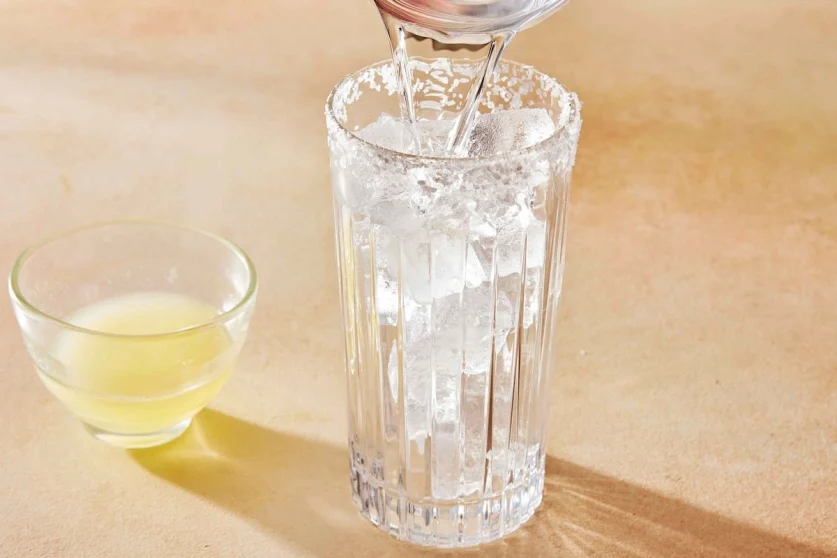
Keeping your vodka in the freezer can enhance its smoothness, making it less harsh on the palate. However, there are important considerations depending on the type of vodka you have.
What Happens When You Store Vodka in the Freezer?
Vodka, typically bottled at around 40% ABV (80 proof), has a freezing point much lower than that of water, meaning it won’t freeze solid in a standard freezer. Instead, it becomes thick and velvety at cold temperatures, which can help mask any harshness in flavor, particularly in less expensive bottles.
Best Types of Vodka for Freezer Storage
Classic, unflavored vodkas are the best candidates for freezer storage. These spirits are often designed to be smooth and versatile, and chilling them can enhance their drinkability, making them more refreshing and enjoyable.
When to Avoid Freezer Storage
For premium vodka, you might want to forgo long-term freezer storage. Serving high-quality vodka slightly chilled allows you to better appreciate its aroma and complex flavor profile. To determine your preference, consider trying the vodka at room temperature first, then chilled in the fridge, and finally from the freezer.
Craft or infused vodkas should also avoid the freezer due to their delicate flavors, which can be muted by extreme cold. A refrigerator storage can be a good compromise, providing chill without significant flavor loss.
Longevity of Vodka in the Freezer
An unopened bottle of vodka can be stored in the freezer indefinitely due to its high alcohol content, which provides excellent shelf stability. After opening, a tightly sealed bottle can still last for years. To maintain its quality:
- Keep the cap tightly sealed to avoid oxidation and odor absorption.
- Store the bottle upright to prevent damage to the cap or cork.
- Minimize temperature fluctuations to help preserve its flavor.
Vodka Cocktails to Enjoy
Whether you prefer your vodka ice-cold or just slightly chilled, here are some refreshing cocktail ideas to try:
Sipping Success: Discovering Award-Winning Wines at the Rodeo’s Wine Garden

The San Antonio Rodeo is known for its lively atmosphere, but it has a hidden gem that might surprise many: a wine garden featuring award-winning wines. Every January, this rodeo hosts an international wine competition, inviting entries from around Texas and beyond. The winning wines are then served in the wine garden during the event, allowing visitors to enjoy some of the best selections while surrounded by the vibrant sights and sounds of the rodeo.
This unique feature blends Texas culture with traditional rodeo elements, including live music and delicious food. It’s an ambiance where wine lovers can sip on medal-winning varieties while soaking in the lively rodeo atmosphere. For those who might think of rodeos as strictly beer and barbecue events, this experience offers a refreshing perspective on Texas’ diverse culinary offerings.
Despite the unexpected pairing of fine wines and the rodeo, many of the winning wines hail from Texas itself, showcasing the state’s burgeoning reputation in the wine industry. The San Antonio Rodeo’s wine garden is more than just an addition; it’s a delightful fusion of two rich Texas traditions that invites all to broaden their perceptions.
Unraveling the Spirit: The Key Differences Between Irish Whiskey and Scotch
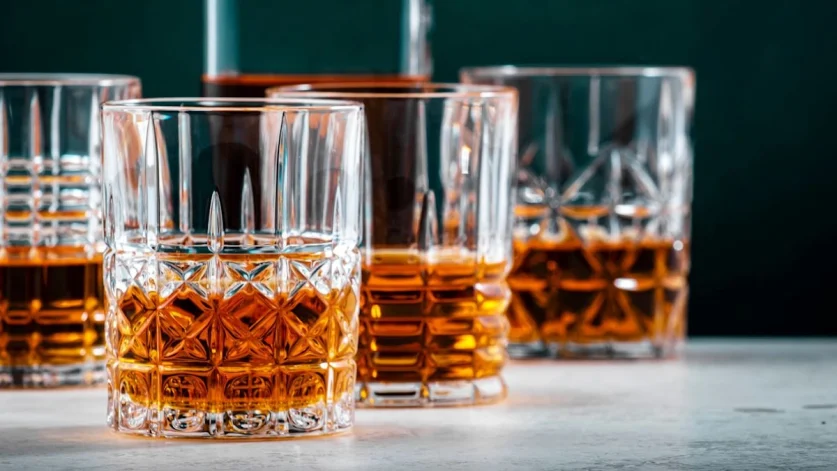
The world of whiskey offers a diverse range of options, notably highlighted by Irish whiskey and Scotch whisky. Both are distilled spirits made from fermented grain mash, aged for at least three years in wooden barrels, and are required to be distilled to at least 40% ABV. Despite their similarities, there are critical distinctions worth noting.
Irish Whiskey
Irish whiskey must be produced in Ireland, and it is typically triple-distilled. This unique process results in a smoother, fruitier flavor profile because it eliminates harsher notes. Producers can use a variety of cereal grains, providing a flexibility in flavor that Scotch does not possess. Furthermore, there are no strict regulations regarding the types of barrels used for aging, which can range from fresh oak to previously used wine or spirit casks. Jameson is perhaps the most famous label in this category, but many other brands like Green Spot, Teeling, and Bushmills also offer excellent options.
Scotch Whisky
Scotch whisky is produced exclusively in Scotland and is subject to stricter regulations. For example, it must be made from malted barley, distilled twice, and aged in oak barrels. The traditional use of peat during the malting process often gives Scotch its characteristic smoky flavor, which contrasts heavily with the lighter nature of Irish whiskey. Notable brands in this category include Johnnie Walker and Ballantine’s, with Scotch exports amounting to billions each year.
Conclusion
For whiskey enthusiasts, understanding these distinctions between Irish whiskey and Scotch is essential. The nuances in distillation processes, ingredient regulations, and aging methods contribute to the unique characteristics of each type, helping consumers to appreciate the rich histories and cultural significance inherent to both spirits.
Discover the World’s Best IPAs: Highlights from the 2026 World Beer Awards
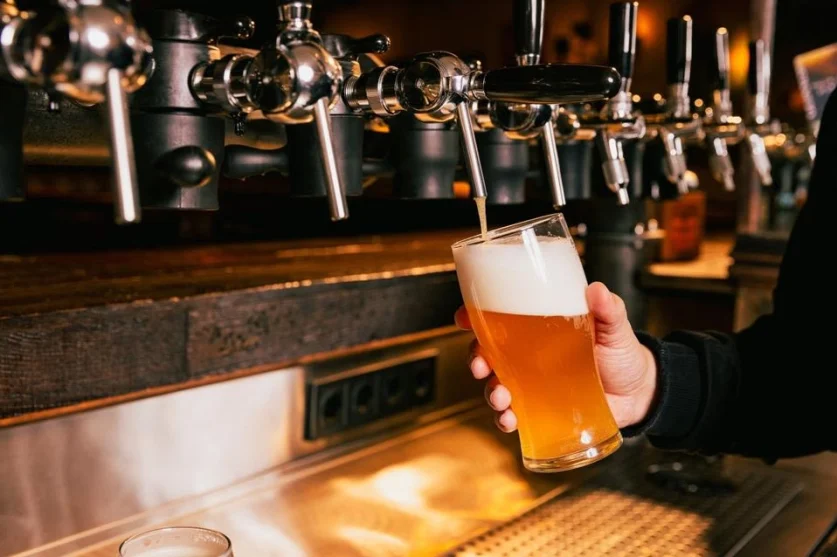
India Pale Ale (IPA), a staple of American craft beer culture, has seen a tremendous rise in global popularity. The 2026 World Beer Awards highlighted this with an exciting twist; none of the top rankings in the IPA categories went to American breweries. Instead, breweries from Brazil, Japan, Germany, Canada, and China took home honors, showcasing the expansion of IPA’s reach beyond U.S. borders.
The World Beer Awards, which has been held annually since 2007, assesses commercially available beers through blind tastings. This global competition provides a platform for brewing talent from around the world to flourish, often highlighting beers that may not receive attention in American-centric contests like the Great American Beer Festival.
Here is a rundown of the seven exceptional IPAs that earned the title of World’s Best in their respective categories:
World’s Best Milkshake IPA/New England IPA
Landel Atrás do Bloco – Brazil
This 7.5% ABV hazy IPA not only secured the top award but also boasts a rich, tropical flavor thanks to a double dry-hopping with Mosaic, Cascade, and Citra hops. Atrás do Bloco has garnered multiple accolades within Brazilian beer circles, including a gold at the 2026 Concurso Brasileiro de Cerveja.
World’s Best American Style IPA
Derailleur Brew Works WC IPA – Japan
Originating from Osaka, this 7% ABV IPA channels classic West Coast vibes. It features an aromatic blend of tropical and citrus notes, culminating in a clean and bitter finish characteristic of American IPAs.
World’s Best Black IPA
Camba Black Shark – Germany
With an 8.5% ABV and 100 IBUs, Black Shark delivers a complex profile that combines the expected hop flavors of an IPA with roasted malt notes reminiscent of a stout, including hints of coffee and dark chocolate.
World’s Best English Style IPA
Therezópolis Jade – Brazil
This 6.5% ABV IPA marries floral and citrus aromas characteristic of traditional English IPAs while offering a uniquely Brazilian flair. Jade had previously won a World Beer Awards Gold in 2025.
World’s Best Imperial/Double IPA
Archibald Double IPA – Canada
Coming from Quebec, this 8.5% ABV brew is heavy on Amarillo, Simcoe, and El Dorado hops, exuding citrus, nectarine, and pineapple flavors while maintaining a robust bitterness.
World’s Best Session IPA
RichKat Craft Brewing Rebound – China
From Hong Kong, Rebound takes the Session IPA title. It is a lighter alternative to its previous Double IPA iteration, preserving the hop intensity while reducing the ABV for a more refreshing experience.
World’s Best Specialty IPA
Cervejaria Unika Orange Kush – Brazil
This innovative beer won in the eclectic Specialty IPA category, showcasing Brazil’s knack for creative brewing. Orange Kush is part of a vibrant scene that saw Brazilian breweries achieve three out of the seven World’s Best IPA titles this year.
The World Beer Awards exemplify the global evolution of the IPA, reminding beer enthusiasts that flavors and styles can vary widely, offering many new experiences. For those seeking to try these exceptional beers, considering a visit to these breweries could lead to delightful discoveries in the world of craft beer.