7 Tea Cocktails to Try in Charleston Right Now
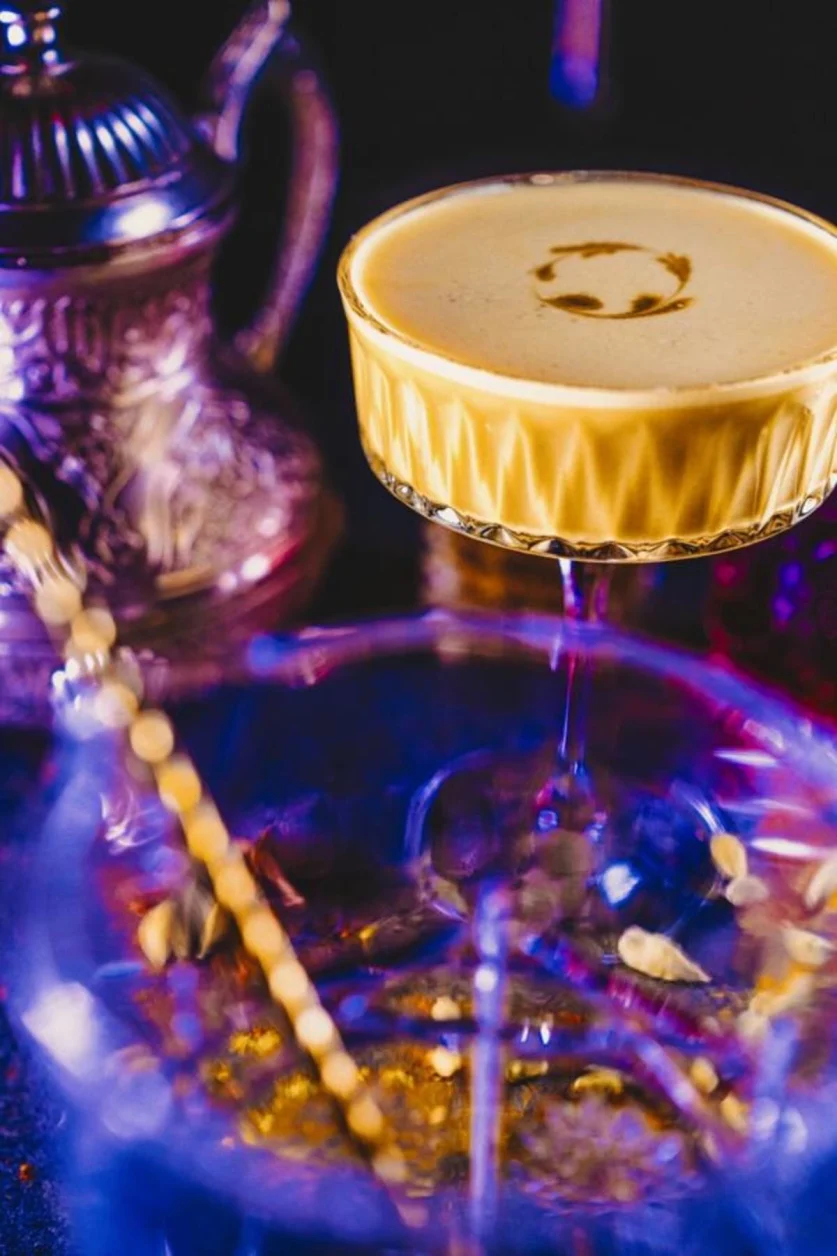
Tea is finding its way into more cocktails, adding everything from subtle floral notes to warm spice and a pleasant tannic finish. In Charleston, the trend draws on the city’s deep tea heritage and offers options ranging from spirit-forward drinks to alcohol-free sips.
Here are seven tea cocktails to try around town:
Chai No Lait at Coterie
A menu staple since Coterie opened in 2020, the dairy-free Chai No Lait combines chai-steeped gin with Angostura bitters and egg-white foam. Its creator, co-owner Jeremy Buck, designed it to bring the creamy, fragrant feel of a chai latte into a refreshing cocktail.
Coterie also serves the Laotong, made with chamomile-infused pisco.
The Mitchell at Camellias
Inspired by Southern peach tea, The Mitchell pairs English breakfast tea with bourbon. The result is a smooth, fruit-forward drink designed to be approachable. It fits naturally at Camellias, a bar inside Hotel Bennett known for its afternoon tea service.
Pluff and Proper at The Palmetto Hotel
Created with local tea company Oliver Pluff, this cocktail combines The Botanist gin with orange clove tea, lemon and bergamot notes. The tea adds warm tannins and complexity.
The hotel is also developing a Tea Tini Trio, with options that can be made using nonalcoholic spirits.
Nashpati No. 5 at Rivayat
This fall cocktail brings together reposado tequila, Earl Grey tea, black peppercorn, spiced pear liqueur, lemon, garam masala and jaggery. Beverage director Juleon Schneider drew inspiration from tea-poached pears, and says bergamot’s citrusy character pairs especially well with tequila.
Garden Fog at Sweatman’s Garden
Sweatman’s Garden offers several tea-based drinks, including the habanero fresca, which can be served as a mocktail or made with alcohol. A seasonal favorite, the Garden Fog, combines nonalcoholic fernet, pear and Earl Grey soda, topped with marshmallow fluff.
Divine Intervention at Ma’am Saab
This chai-spiced bourbon cocktail, finished with West Indies orange bitters, is Ma’am Saab’s take on an Old Fashioned. It has evolved through several versions over the years, with its current form introduced in fall 2025.
Karachi Wala at Ma’am Saab
Also built around chai, the Karachi Wala mixes vodka, warm spices and amaretto. Owner and executive chef Raheel Gauba created it as a nostalgic tribute to evenings with friends in Karachi, where cups of chai helped gatherings last a little longer. Sweeter and softer than the Divine Intervention, it’s intended as an after-dinner drink.
Uncle Nearest Whiskey Brings Fall Cocktails to Newfields’ Harvest Nights
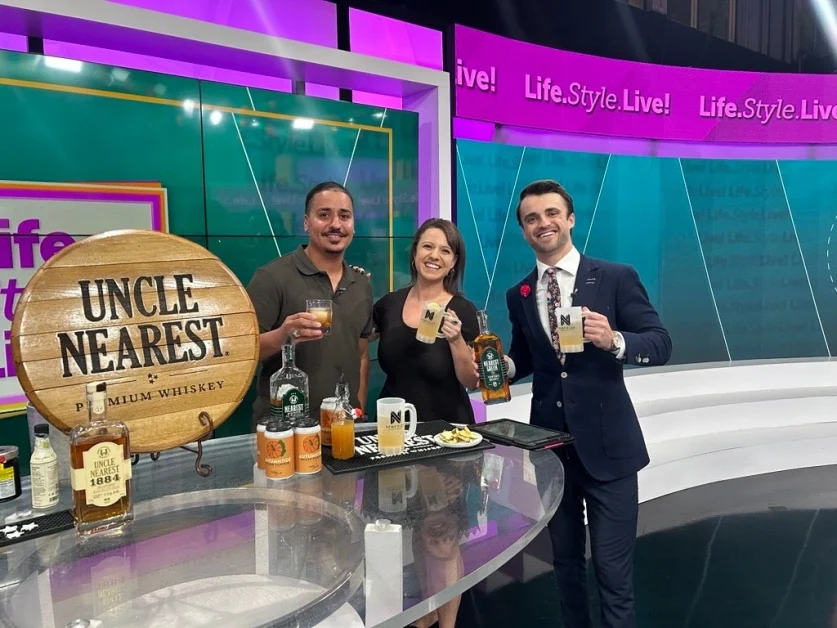
Uncle Nearest Premium Whiskey is bringing Tennessee whiskey and autumn cocktails to Newfields’ annual Harvest Nights celebration in Indianapolis.
At the event, Uncle Nearest’s director of emerging markets, Andrew Stein, and Newfields’ associate director of culinary arts, Lindsay Jo “LJ” Whirley, shared the brand’s history and demonstrated two seasonal drinks.
The whiskey honors Nearest Green, recognized as the first known African American master distiller in the United States. Since launching in 2017, the brand has grown nationally while highlighting Green’s legacy and contributions to Tennessee whiskey.
A partnership between Uncle Nearest and Newfields began with sponsorship of the venue’s Garden Party and later expanded to Harvest Nights. Stein, an Indiana native who lives in Fishers, said his local ties helped bring the collaboration together.
One popular offering is the Uncle Nearest Apple Jack, made with Nearest Green Tennessee Whiskey, apple cider and Autumn Tide beer from Ash and Elm Cider Co. About 1,500 were served during the event season by the time of the segment. Whirley said it’s simple to make at home and well suited to fall gatherings.
Stein also demonstrated a seasonal old-fashioned with Uncle Nearest 1884 Small Batch Whiskey. The recipe calls for 2 ounces of whiskey, ½ ounce of demerara syrup and a couple of dashes of black walnut bitters. Stir and strain into a glass, then garnish with a maraschino cherry and orange peel.
Harvest Nights allows Newfields to feature local and regional brands alongside seasonal food and drinks. The event draws tens of thousands of visitors throughout the season. Guests can find the Apple Jack in the beer garden near the large, light-decorated purple tree.
Harvest Nights runs through Nov. 1 at Newfields. Tickets are available through Newfields; members receive a 20% discount, and children under 5 are admitted free.
Cape Coral Oktoberfest: Beer, Live Bands, and Everything You Need to Know
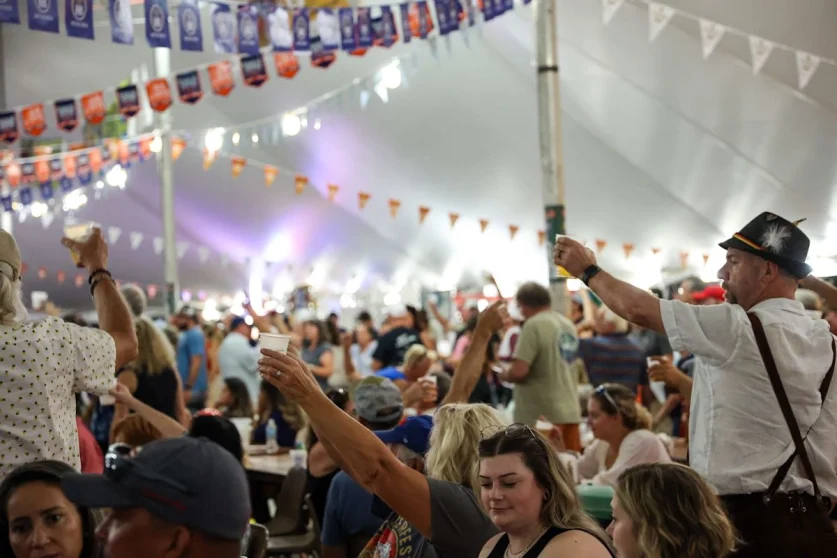
Cape Coral’s 41st Oktoberfest runs Oct. 16–18 and Oct. 23–25 at the German American Social Club, bringing together German food, live music, carnival rides and traditional festivities.
For Christine Blasses, this year’s Ms. Oktoberfest, the celebration is about more than beer and bratwurst. She describes it as a chance to share Gemütlichkeit—a German sense of warmth, togetherness and friendship. Blasses, who was born in Bavaria and now lives in Cape Coral, says she hopes to help connect the German and American communities and encourage younger people to get involved with the club.
The festival grew out of an Oktoberfest tradition that began in 1810 to mark the wedding of Crown Prince Ludwig of Bavaria. Cape Coral’s German American Social Club started hosting a private celebration in 1964 and later opened its event to the public. Organizers say it now draws around 40,000 visitors across the two weekends, making it Florida’s largest standalone Oktoberfest.
Guests can expect German bands, dancing, chicken dancing, carnival attractions and classic festival dishes, including bratwurst and potato pancakes. Blasses will represent the club and German culture, meet attendees and judge the stein-holding contest.
Dates, hours and tickets
The festival takes place at the German American Social Club, 2101 SW Pine Island Road, Cape Coral.
- Fridays: 4 p.m.–midnight
- Saturdays: noon–midnight
- Sundays: noon–8 p.m.
- Admission: $8 in advance or $10 at the gate; children 12 and under enter free
- VIP passes: $125–$150, with private seating, a bar and restrooms
- Parking: Free
For event details and tickets, visit the Cape Coral Oktoberfest website.
Ja Rule Delays 238-Store Whiskey Rollout to Strengthen His Team
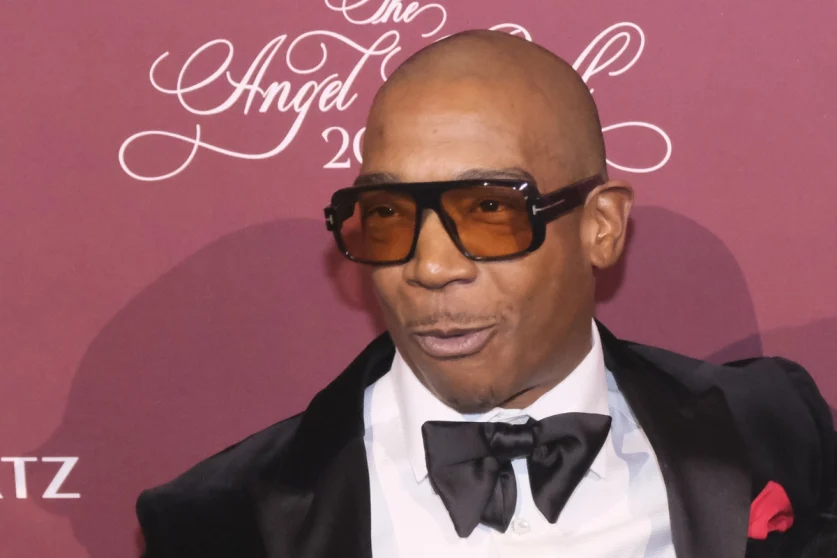
Ja Rule and his Amber & Opal co-founders are holding off on a potential 238-store rollout while they build the team and resources needed to support the whiskey brand.
In an interview with Inc., Ja Rule said the brand could expand into those stores now. But the four founders decided to concentrate on seven markets where they can personally visit retailers and help drive sales.
Co-founder Herb Rice said a nationwide launch could spread the team too thin. Store tastings and bar visits require time, and retailers may stop carrying bottles that do not sell. Ja Rule described the workload as “17 hats” that the founders are trying to divide among themselves.
The business began in 2021, when Ja Rule and Rice invested in barrels of whiskey they planned to sell after the liquor aged. As other members of their investment group began bottling whiskey for themselves, the pair saw an opportunity to create a brand. They later partnered with Rice, Sandy Sandiford and Kelvin Barton to launch Amber & Opal.
The whiskey from their original investment was not used in the brand’s blend. After consulting distillers, the founders chose Maryland rye for the recipe instead. The blend was developed to suit both Ja Rule, who was new to whiskey, and his more experienced partners, who paid close attention to details such as its smoky finish.
The team experimented with honey, spices and tea before settling on a blend featuring orange blossom honey, fig, ginger, cinnamon and lapsang souchong black tea.
Ja Rule has also promoted the whiskey in person. In early 2025, he visited a Miami Beach store to sign bottles, take photos and offer tastings. He said these appearances gave him a chance to connect with fans beyond his music.
The founders are seeking $5 million to $7 million in funding, which Ja Rule said would help them hire staff and expand into more markets over the next year or so.
Amber Ale vs. Pale Ale: What Are the Main Differences?
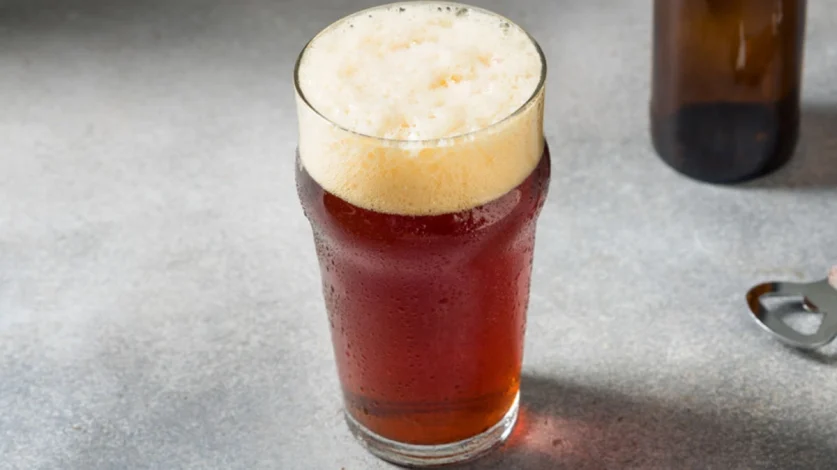
Amber and pale ales share a British heritage and are both top-fermented beers, but differences in color, malt, hops, and flavor make them distinct. Their alcohol levels are similar: pale ales generally range from 4% to 6% ABV, while amber ales are typically around 4.5% to 6.2%.
Color and malt
Pale ales are usually golden to light amber, while amber ales tend toward reddish-brown or copper. Their color ranges overlap on the Standard Reference Method (SRM) scale: pale ales generally fall between 4 and 16, and amber ales between 11 and 18.
Amber ales get their deeper color and richer character from toasted caramel or crystal malts. These malts lend sweetness and sometimes nutty or caramel notes. Hops balance that sweetness with mild bitterness and occasional citrus flavors, though amber ales are not usually considered especially hoppy.
Pale ales typically lean more on hops than malt. American pale ales, in particular, often feature citrus and pine notes, with a subtler malt sweetness. As a result, pale ales tend to taste lighter and more refreshing, while amber ales are often fuller-bodied and sweeter.
Styles and origins
Pale ale originated in 18th-century England, where the name distinguished lighter beers from dark styles such as porters and stouts. Pale ales now include several varieties. India pale ales (IPAs), for example, generally have more hops, stronger flavors, and higher alcohol content. Belgian pale ales tend to use more malt, while English pale ales often balance malt and hops more evenly.
Amber ales are related to British Isles styles such as Irish red and Scottish ales. American amber ale became a distinct style during the 1980s craft-beer movement. Amber and red ales are sometimes labeled interchangeably, though Irish red ales are typically maltier and less hoppy than American amber ales.
Serving and food pairings
Amber ales are generally served at 45–55°F, while pale ales are often served a little warmer, around 50–60°F. Tulip glasses suit amber ales; a standard pint glass is a good choice for pale ales. Tulip glasses also work well for IPAs, helping concentrate their aromas.
Pale ales pair easily with many dishes, including spicy foods, Asian cuisine, and rich meals such as cheesy pizza. Amber ales work well with sweet-and-savory foods, cheddar or Parmesan, cheesy pasta, and chocolate desserts. Both styles are good matches for barbecue and grilled meat.
How to Find Wine That Tastes Expensive for $20 or Less, According to Experts
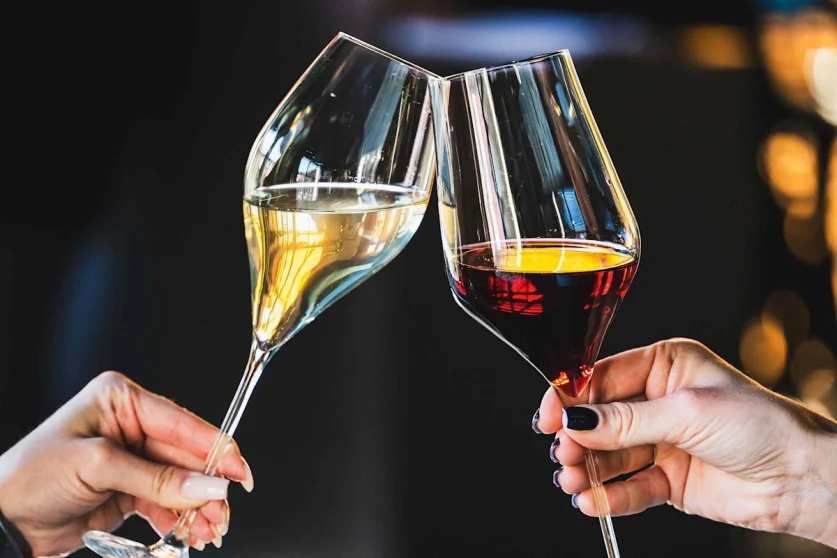
Finding an impressive bottle of wine for $20 or less is possible if you look beyond famous labels and premium regions. Wine experts recommend focusing on value, not price alone: costs can reflect land, labor, scarcity, and reputation as much as what’s in the glass.
1. Try less familiar grapes and regions
Popular grapes such as Chardonnay and Cabernet Sauvignon often carry higher demand. Look instead for options like Chenin Blanc, Tannat, or Gamay. You can also explore less expected styles from well-known wine countries—for example, German sparkling wine, Pinot Noir, or Chardonnay.
Labels that name a specific region, such as Sonoma rather than simply California, can offer a useful clue about where the grapes were grown.
2. Check for quality designations
European labels often include designations that indicate wines were made under defined standards. In Germany, look for the VDP eagle; in Italy, DOCG; in France, AOP; and in Spain, DOCa. These marks don’t guarantee you’ll love every bottle, but they can help narrow your search.
3. Explore neighboring regions and a producer’s other wines
A famous wine region’s less celebrated neighbors can deliver similar character at lower prices. For instance, Campo de Borja Garnacha can offer ripe fruit, spice, and smooth tannins for less than many Rioja Tempranillos.
You can also seek out alternatives to prestigious styles: Crémant instead of Champagne, Cru Beaujolais instead of red Burgundy, or Gigondas instead of Châteauneuf-du-Pape. Even renowned producers may make more affordable wines alongside their sought-after bottlings.
4. Ask a knowledgeable seller
Independent wine shops and experienced restaurant sommeliers can point you toward strong-value bottles. Share your budget, the kinds of wines you usually enjoy, and what you’re serving with dinner. Those details help them make a more tailored recommendation.
5. Match the bottle to the occasion
Think about what you want from the wine. More affordable bottles are often made to be enjoyed young, with generous fruit and an approachable style. Costlier, more complex wines may be designed to develop over many years in a cellar.
Wine is subjective, and a high price doesn’t automatically mean a better match for your tastes or your meal. A modestly priced bottle can be a satisfying choice for tonight—even if you admire the prestige of more expensive wines.
Food Network New York City Wine & Food Festival Returns This Week with an All-Star Lineup
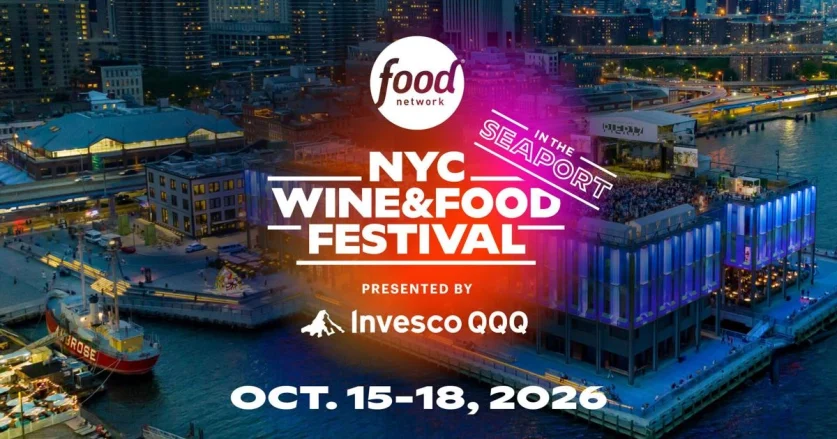
New York City’s Wine & Food Festival returns for its 19th year from October 15–18, 2026, bringing more than 50 events to venues across the city. The program includes tastings, cooking demonstrations, rooftop gatherings and special dinners. Some events have sold out, but tickets remain for select experiences through the festival website.
The festival’s lineup includes chefs, performers and other public figures such as Rachael Ray, Bert Kreischer, Machine Gun Kelly, Nigel Ng, Kwame Onwuachi, D-Nice, Method Man and Whoopi Goldberg. Luann de Lesseps, Dorinda Medley and Kelly Bensimon will also appear at a Friday event hosted by Bryan and Michael Voltaggio.
The festivities begin Thursday, October 15, with the Blue Moon Burger Bash, hosted by Rachael Ray and Bert Kreischer at The Rooftop at Pier 17. A celebrity panel will help judge the burger competition. That evening, chef Nobu Matsuhisa will host a Peruvian-inspired dinner, marking his festival debut.
Friday’s events include Best of the Best, featuring more than 15 James Beard Award winners, nominees and semifinalists, and the debut of Flavors of Bollywood, celebrating Indian cuisine and culture.
On Saturday, Kwame Onwuachi will host New York After Dark, a rooftop event pairing a chef-curated meal with music from D-Nice. Sunday begins with Morning Buzz, a new non-alcoholic event focused on the city’s coffee, matcha, tea and breakfast scene. The festival closes with The Cookout, hosted by JJ Johnson and Angela Yee, featuring a performance by Method Man and an appearance by Whoopi Goldberg.
The Grand Tasting at the Invesco QQQ Festival Campus in the Seaport remains a central part of the weekend, with restaurant tastings, wine and spirits, demonstrations and book signings. Hosts include Marcus Samuelsson, Andrew Rea, Ayesha Nurdjaja and Michael Symon.
Also returning is FoodieCon, a day of creator-focused conversations, challenges, tastings and meet-and-greets. Other events include Oyster Bash, Tacos & Tequila, chef collaboration dinners and the festival’s first non-alcoholic dinner, at The Maze NYC.
Net proceeds will benefit the Event Zero Foundation, which promotes sustainability and environmental responsibility in the events industry, and the James Beard Foundation, which supports excellence in the culinary community.
DEC Tells Moriah Whiskey Producer It Needs an Air Permit

New York’s Department of Environmental Conservation says a whiskey-aging facility in Moriah must apply for an air emissions permit by the end of October.
The DEC’s decision concerns WhistlePig Whiskey’s warehouses in the Mineville hamlet, where residents have reported gummy black deposits on nearby homes and businesses. The substance is a fungus known as Baudoinia compniacensis, which can grow on surfaces exposed to ethanol vapor released during the whiskey-aging process. The DEC says it does not believe the deposits pose a health hazard.
In a letter to Moriah Ventures LLC, a WhistlePig subsidiary, DEC Regional Engineer Yuan Zeng said the company operates at least 11 aging warehouses at the site and has approval to build three more. Based on the company’s estimate of 14,000 barrels per warehouse, the facility could hold at least 154,000 barrels. The DEC estimates its potential ethanol emissions at about 531 tons a year—well above the 50-ton threshold for a major source of volatile organic compounds.
The permit, known as an Air Title V permit, is issued jointly by the DEC and the U.S. Environmental Protection Agency. Zeng said the EPA has determined that emissions of volatile organic compounds from spirit-aging facilities can be regulated.
WhistlePig has previously denied that its Mineville warehouses caused the deposits. As a gesture of goodwill, it agreed to pressure-wash homes within 900 feet of the facility. Filtering the emissions could reduce the deposits, but distillers say filtration may also affect the whiskey’s taste.
WhistlePig ages and stores its whiskey in Moriah and bottles it in Shoreham, Vermont.
Vodka Encyclopedia, Part V: Chapter 28
When vanilla smells sweet or lemon peel suggests freshness, aroma is shaping the way we imagine taste. Yet vanilla aroma contains no sugar, and lemon-peel aroma is not the same as the citric acid in lemon juice. We experience aroma, taste, and texture separately, then blend them into a single impression.
Vodka is no different. A drink may seem sweet, citrusy, syrupy, or smooth, but those impressions do not identify specific ingredients. Sweetness does not prove that sugar was added, and a thick mouthfeel does not prove the presence of glycerol. To understand what is in a bottle, it helps to distinguish what we perceive from what analysis or production records can establish.
What carries over from the raw material?
The raw material alone does not determine the character of the finished vodka. Fermentation transforms sugars into alcohol and other substances; starchy ingredients must first be converted into fermentable sugars. Distillation then separates components according to how readily they enter the vapor. Sugars and glycerol generally remain in the still, while some volatile compounds formed during fermentation may pass into the distillate. Rectification can remove some of those compounds, while others may remain depending on the product’s design.
So “made from grapes” does not necessarily mean that grape sugar remains in the bottle.
The stage at which an ingredient is used also matters. Lemon juice contributes acids, sugars, water, and other juice components. Macerating lemon peel extracts aromatic compounds from the peel. Redistilling with the peel favors compounds that travel with the vapor. Although each method might be described as “using lemon,” each produces a different liquid.
Even finding a compound in a bottle does not establish its source. For example, detecting citric acid cannot reveal whether it came from fruit juice or was added separately. That requires evidence from production records and ingredient information.
Sweetness: sugar and aroma are not the same
“Sugar” can refer to different substances, including sucrose, glucose, and fructose. Their sweetness differs, and the impression also depends on concentration, temperature, acidity, aroma, alcohol content, and the liquid’s overall composition. A small sweetness adjustment and a liqueur built around sweetness serve different purposes.
A sweet-smelling aroma can also affect how sweet a drink seems. Research has found that vanilla aroma can increase sweetness ratings in samples containing sugar, though the effect depends on the conditions and the person tasting it. It is not a universal rule for vodka. Research on the interaction between aroma and sweetness
Tasting notes become more useful when they separate these experiences. For example:
- The aroma suggests vanilla sweetness.
- The sweetness on the palate is restrained.
- Fruit aroma returns in the finish, prolonging the sweet impression.
This is more informative than simply calling a vodka “sweet.” Alcohol, water, trace compounds, temperature, and irritation all contribute to taste, so perceived sweetness should not automatically be equated with high sugar content.
Acids: sourness, aroma, and pH
Citrus aroma and citrus sourness come from different sources. Volatile compounds in the peel create much of its aroma, while citric acid in the juice contributes to sourness. Adding acid does not recreate the aroma of the peel.
Acids also differ from one another. Citric acid and acetic acid, for example, have different properties and do not behave identically in alcohol. And pH is not a direct measure of the total acid in a liquid or of how sour it tastes. Two liquids with the same pH can taste different because of the type and amount of acid and the presence of other ingredients. Titratable acidity offers a different kind of information.
Comparisons of vodka pH also need consistent conditions, including alcohol concentration, temperature, measurement method, and dilution. An acid adjustment may change the balance or perceived sharpness, but its effect depends on the acid, the amount, and the drink. It does not reduce the amount of ethanol, even if the burn feels different.
Glycerol and mouthfeel
Glycerol, also called glycerin, is a sweet, viscous substance that mixes readily with water. It can be produced during fermentation, but it does not readily evaporate during ordinary distillation and generally remains in the residue. Its presence in a fermentation liquid therefore does not tell us how much, if any, will be present in distilled vodka.
Nor does glycerol’s viscosity as a pure substance mean that a small amount in a drink will necessarily feel syrupy. The perceived texture depends on concentration and on the other components in the liquid. A study of dry white wine found that adding glycerol did not increase perceived mouth viscosity under conditions where sweetness was controlled. That finding does not directly establish how vodka behaves, but it cautions against assuming that any viscous additive will make a drink feel thicker. Research on glycerol and perceived viscosity in white wine
Vodka’s mouthfeel is also affected by alcohol concentration, temperature, and the properties of the water-ethanol mixture. “Smooth,” “thick,” or “oily” are not enough to prove that glycerol was added. Whether its use is permitted is a separate question, governed by the rules applying to the product and market.
How botanicals and flavorings reach the liquid
Maceration extracts compounds from plants, but the process does not transfer every component at the same rate or in the same proportion. The results depend on alcohol strength, temperature, time, the size and condition of the plant material, and agitation. Along with aroma, extraction can draw out color, bitterness, or astringency. Longer soaking does not automatically produce a better aroma.
Redistillation with botanicals works differently. It emphasizes components that travel into the vapor and reach the condensate. Plant color, sugars, and acids generally remain in the still, while aromatic compounds transfer according to the equipment and distillation conditions. As a result, macerated and redistilled versions of the same plant can differ in color, aroma, taste, and texture. A clear appearance does not mean botanicals were not used.
Producers may also use extracts or flavorings made separately. These can help shape aroma and maintain consistency between batches, but quality depends on the materials, formulation, storage, and quality control—not simply on whether something is labeled “natural.” An aroma reminiscent of coffee, chocolate, or fruit does not mean the drink contains the nutritional components of those foods. EFSA: Types and evaluation of flavorings
Bison grass and coumarin
Bison-grass vodka illustrates how plant aromas can suggest sweetness without sugar. Polish producer Żubrówka describes the grass and its coumarin content as part of the drink’s aromatic character. Coumarin is associated with hay-like aromas that some people connect with honey or vanilla. That impression is distinct from sweetness supplied by sugar, and the plant’s aroma cannot be explained by coumarin alone. Żubrówka: Grass and aroma
It is also important to distinguish using a plant from adding isolated coumarin. Regulations may treat those cases differently. EU rules prohibit adding coumarin as such to food while addressing its presence from plant-derived sources separately. US rules also require careful interpretation: the FDA addresses coumarin and tonka-bean sources, while TTB materials distinguish naturally occurring coumarin in plants and refer to bison grass. The applicable rules depend on the plant, production method, product category, and market. EU Regulation 1334/2008, Annex III · US FDA coumarin regulation · US TTB coumarin materials
A strong grassy aroma does not prove a high concentration of coumarin. Other plant compounds, alcohol strength, and temperature influence how the aroma appears. Confirming a compound’s concentration requires targeted analysis.
Product names and legal categories
“Plain” is a common description for vodka without prominent fruit or herbal flavors, but it does not prove that no finishing adjustments were made. What is permitted depends on the relevant regulations. Similarly, “flavored” does not necessarily mean sweet: some products emphasize aroma with little sweetness, while others combine fruit, sugar, and acidity. Color is not a reliable guide either; flavored vodka can be clear, and plants or fruits can give a product color.
The boundary between vodka, flavored spirits, and liqueurs also varies by country. In the EU, categories can depend on factors such as flavor, alcohol strength, and sugar content. US and Japanese rules use their own criteria. A fruit aroma does not by itself make a drink a liqueur; transparency does not prove it is plain vodka; and sweetness does not mean a product receives the same legal classification everywhere.
Rules also distinguish between what may be used, what category the product falls into, and what must appear on the label. In Japan, vodka is generally classified as a spirit, while the distinction between spirits and liqueurs involves extract content as well as ingredients and production methods. Extract content measures non-volatile substances and is not simply a measure of sugar or perceived sweetness. Japan National Tax Agency explanation of liquor categories
For specific products, the rules in the market where they are sold matter. For example, EU rules set limits on sweetening adjustments for vodka and define requirements for flavored vodka and liqueurs. US standards allow limited sugar and citric acid in vodka, while other flavoring materials may affect the product’s category. These requirements should not be compared as if their units or definitions were interchangeable. EU Regulation 2019/787 · US vodka standard · US flavored spirits standard · US liqueur standard
In Japan, labeling rules also distinguish ingredient information from additive declarations, with exceptions and specific naming conventions. A short label cannot necessarily reveal the full aroma formulation or production method. Japan National Tax Agency materials on alcoholic-beverage labeling
Separate what is permitted, used, detected, and perceived
Ingredient claims become clearer when divided into four questions:
- Permitted: Is the ingredient allowed for this product category in this market?
- Used: Did the producer actually use it?
- Detected: Does analysis show that it is present?
- Perceived: Can a taster sense an effect?
Permission does not mean every product contains the ingredient. Detection does not reveal when or why it was introduced. And a sensation such as smoothness cannot prove that a particular substance is present. Testing an ingredient’s effect requires controlled comparisons that keep alcohol content, temperature, and other conditions consistent.
Terms such as “smoothing agent” are not universal ingredient names or guarantees of a smooth result. Likewise, “additive-free” needs context: it may refer to the absence of particular sugars, flavorings, or other substances. The claim should be checked against the producer’s information and the applicable rules.
The work done in a clear glass is invisible. A producer might create a sweet impression through aroma without adding sugar, balance fruit with a small amount of acid, extract botanicals by maceration, or select aromatic components through redistillation. Understanding those choices makes tasting more precise: “sweet” can be separated into sugar and aroma, “refreshing” into acidity, citrus notes, and coolness, and “smooth” into texture, alcohol bite, and finish.
Chemistry does not diminish the pleasure of drinking. It helps explain what we are sensing—and what the producer may have done to create it.
How Much Should You Spend on a Good Bottle of Red Wine in 2026?
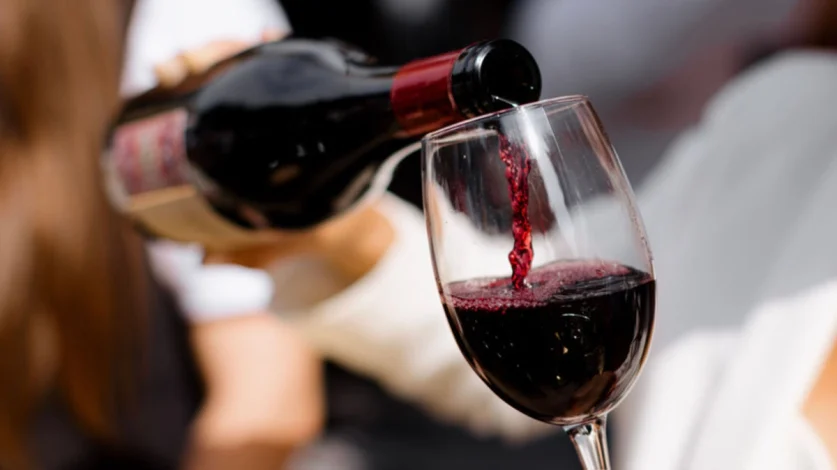
A quality bottle of red wine doesn’t need to cost a fortune. In 2026, spending around $20 to $25 is a practical sweet spot: it’s often enough to find wines that better express their grape variety or growing region, without paying a premium for prestige or rarity.
Wines in the roughly $15–$25 range are often called “premium,” though the label is an industry category, not a promise of quality. You can still find enjoyable bottles for less than $15, but moving beyond that price point can improve your odds of finding a carefully made wine.
Spending more can bring further improvements, but the value gains tend to diminish. The jump from a $10 bottle to one priced around $20 may be more noticeable than the difference between a $20 bottle and one costing $40 or $50. Higher prices may reflect features such as extended barrel aging, scarce grapes, or a famous region—details that may matter more to collectors and experienced tasters than to casual drinkers.
Ultimately, what counts as a good wine depends on personal taste. For most people, a bottle around $20 should offer a satisfying balance of quality and value.