4 Simple Tips for Beginners to Identify Quality Whiskey
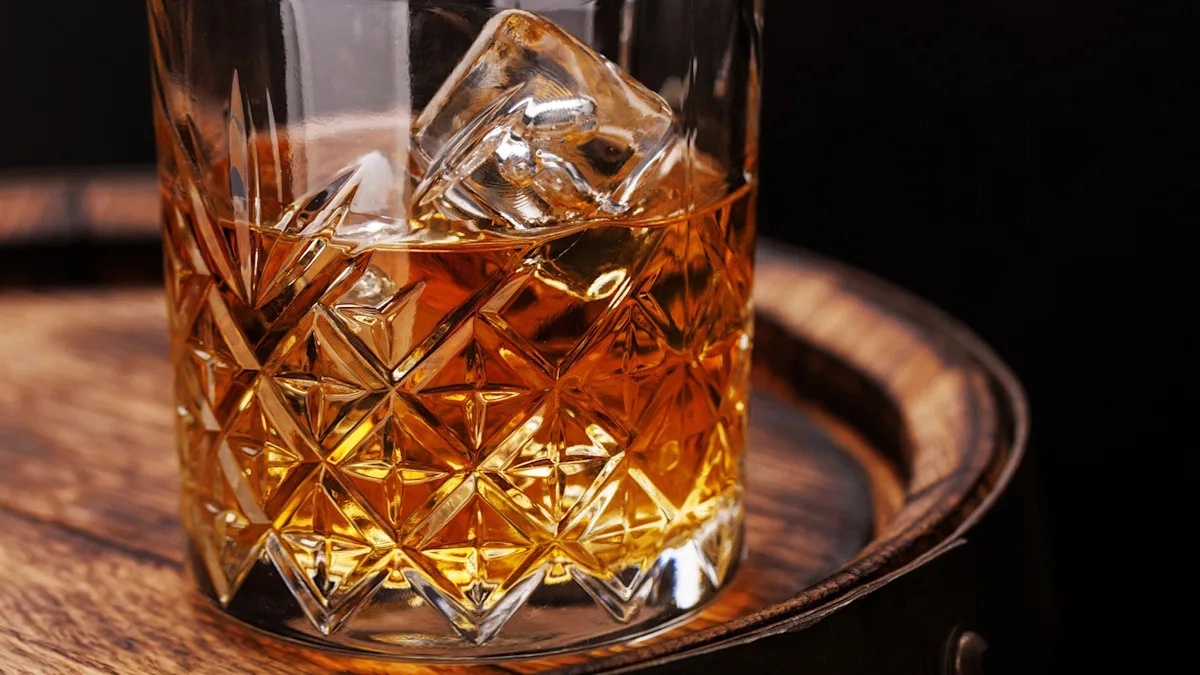
Your first visit to a liquor store can be daunting, especially when it comes to whiskey. Unlike wine, where labels might help guide you, whiskey often comes in more traditional bottles with minimalistic designs. Navigating through various shades of amber can be overwhelming. Here are some essential tips for beginners to help select quality whiskey.
Start with Established Brands
Focusing on well-known brands can be a good strategy when starting out. These brands have built their reputations over time by ensuring consistent quality. Consider trying Jameson, Bulleit, or Wild Turkey, as they provide access to different whiskey styles while maintaining high-quality standards. These selections will offer a solid baseline for your whiskey experience and help establish your preferences.
Avoid Added Colors and Flavors
While browsing, you might be attracted to bottles with darker colors. It’s important to remember that color can be misleading; darker isn’t necessarily synonymous with better quality. Some brands add caramel coloring to enhance visual appeal, which doesn’t affect flavor. Opting for whiskey with fewer additives is generally better for beginners, providing a clearer understanding of the spirit’s natural flavors.
Consider Aged Whiskeys
The aging process of whiskey plays a significant role in its flavor profile. Older whiskeys often possess richer, more complex flavors due to longer time spent in barrels, which can contribute notes of vanilla, spice, and smokiness. Newer whiskeys might have a harsher, more alcohol-forward taste. For starters, look for options aged between eight to twelve years to experience a balanced flavor.
Watch for Hazy or Cloudy Appearance
A quality whiskey should have a clear appearance, free from any haziness or sediment. A cloudy look can indicate a filtration issue or shortcuts in production. However, some whiskeys labeled as non-chill filtered may exhibit slight haze intentionally to preserve certain flavors. If a whiskey is not advertised as non-chill filtered, its clarity can be a good indicator of its quality.
By following these guidelines, beginners can confidently navigate the whiskey aisle, ensuring a rewarding first foray into this diverse spirit world. Experimenting with various brands and styles will help refine your taste and ultimately enhance your enjoyment of whiskey.
The New Era of Downtown Napa: Embracing Wine Tasting Without Reservations

Downtown Napa is undergoing a transformation that promises to redefine the traditional wine experience in Napa Valley. Shifting away from the standard model of exclusivity and reservation-only tastings, Downtown Napa now offers a walkable wine scene that allows visitors to explore without the need for appointments or transportation.
For decades, Napa Valley has symbolized American wine prestige, characterized by its elaborate tasting rooms and curated experiences. However, this exclusivity has become a barrier for younger consumers and casual visitors. As the U.S. wine industry faces declining sales and changing preferences, Downtown Napa is emerging as a novel approach that might be key to its future.
The allure of Downtown Napa rests in its simple premise: visitors can enjoy wine without the hassle of cars or reservations. This new model contrasts sharply with the traditional Napa experience that demands extensive planning and significant investment, which many consumers no longer find appealing.
The current landscape shows a notable decline in wine consumption, particularly among younger adults. Reports indicate a slowdown in premium wine growth and a shift towards alternative beverages such as canned cocktails and non-alcoholic options. This trends suggest that the wine industry is facing structural changes, compelling producers to rethink their consumer engagement strategies.
Generational shifts are evident, as Millennials and Gen Z prioritize experiences that are authentic, inclusive, and flexible. Traditional wine tastings, often rigid and high-priced, can fall short of these expectations. In contrast, Downtown Napa provides a vibrant setting where visitors can casually explore tasting rooms and eateries without the formalities typical of traditional wine tourism.
The layout of Downtown Napa enhances this experience. As a compact area, it encourages visitors to walk between various tasting rooms, restaurants, and cultural venues, many of which welcome walk-ins, bypassing stringent reservation requirements.
Prominent venues in Downtown Napa exemplify this shift. The Vintner’s Collective showcases wines from small producers, while Azur offers a contemporary, speakeasy-style environment aimed at younger audiences. Additionally, The Bungalow by Gentleman Farmer combines wine, food, and live music in a relaxed atmosphere, breaking away from the formality of traditional tastings.
Culturally, the Rail Arts District nearby adds a new dimension to Napa’s identity, featuring a diverse range of food experiences and cultural spaces. It emphasizes community, creativity, and a laid-back vibe over the past’s exclusive focus on wine.
As Downtown Napa defines a new path, other renowned wine regions across the U.S. are likely to follow suit, acknowledging the necessity for adaptability in a changing market. This new model emphasizes the integration of wine into broader cultural experiences that involve food, music, and social engagement. By prioritizing accessibility and enjoyable experiences, Downtown Napa not only caters to the preferences of the current consumer base but also charts a promising future for the wine industry as a whole. The absence of reservations and cars signifies an evolution in how wine culture is perceived and experienced today.
Virginia’s A. Smith Bowman Distillery Debuts First New Rye Whiskey in 16 Years
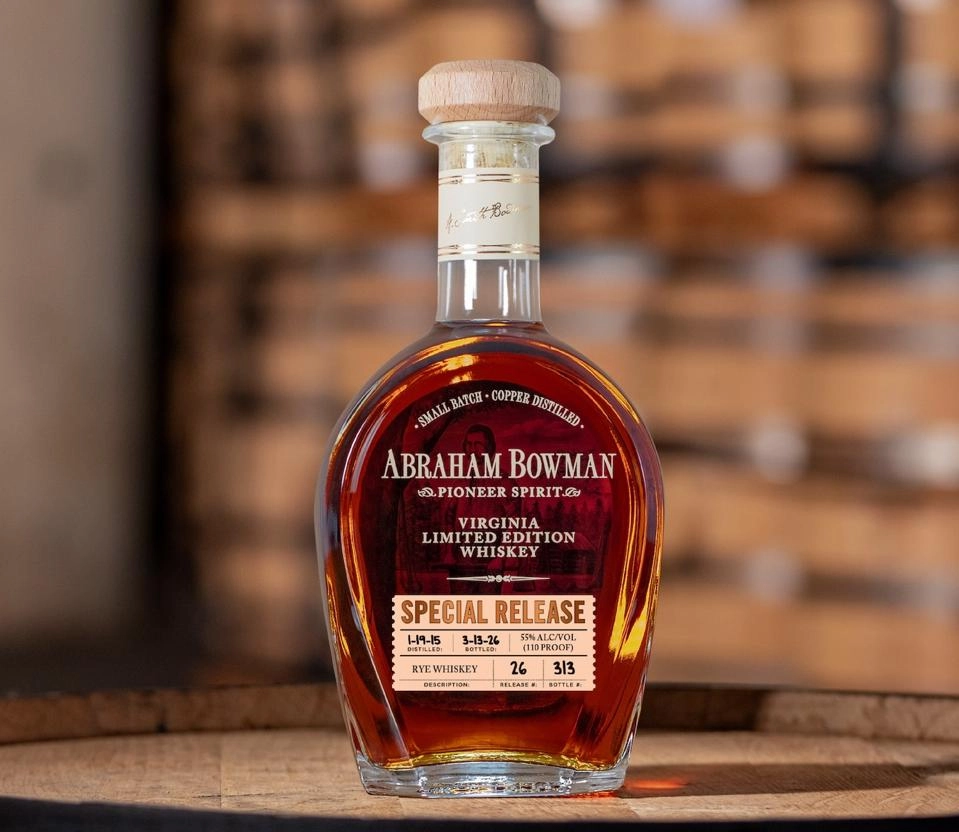
Virginia’s A. Smith Bowman Distillery has introduced its first new rye whiskey in 16 years, marking a significant addition to its award-winning lineup. Known among whiskey enthusiasts, Bowman has developed a strong reputation for its “Special Release” line, which began in 2010 with a well-received 9-year-old rye whiskey bottled at 90 proof. Over the years, the distillery has released 24 different variations, yet none have included rye—until now.
The newest offering, Special Release #26, was distilled in 2015 and aged for over a decade in the distillery’s Warehouse A, where cooler temperatures help with the aging process. This current release boasts an impressive ABV of 110 proof, a notable increase from its predecessor’s 90 proof.
David Bock, Master Distiller at A. Smith Bowman, stated, “Every Abraham Bowman Limited Edition release is an opportunity to ask new questions and explore new processes for making whiskey.” He emphasized that this release aimed to perfect their rye mash bill, resulting in a spirit that is both expressive and balanced, featuring notes of maple syrup, vanilla, apricot, orange zest, and a spice-forward finish with hints of black pepper and mint.
Fans eager to acquire a bottle can enter an online lottery, running from May 4th to May 11th. Winning participants will be notified and can purchase one bottle in person at the distillery gift shop from May 13th to 31st, with an MSRP of $79.99 before taxes and fees. A limited number of bottles will also be available through select retailers and bars across the U.S.
Caffeinated Cocktails: The Art of Sipping in Style
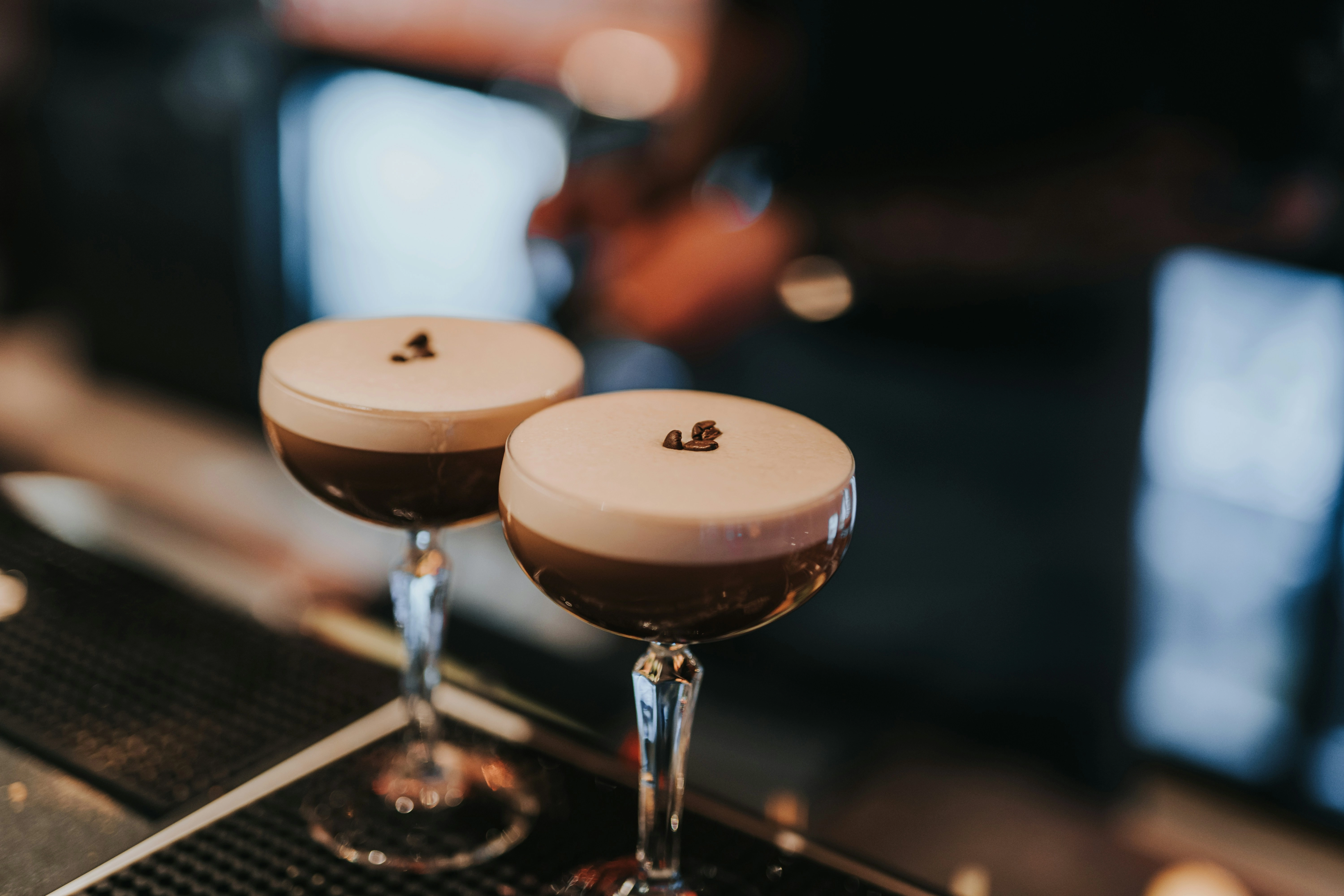
As tastes continue to evolve, the world of caffeinated cocktails is seeing a surge in interest, particularly with drinks like the espresso martini leading the charge. Once associated with the less refined vodka-and-Red-Bull mix of the early 2000s, cocktails infused with caffeine are now gaining a sophisticated touch, appealing to a growing audience seeking quality over quantity.
The espresso martini, which made a notable comeback about five years ago, is recognized as a cultural touchstone, especially amongst younger drinkers. It has become one of the most ordered cocktails across the U.S., even getting a humorous nod from Ariana Grande in a recent "Saturday Night Live" skit. Many mixologists are experimenting with various ingredients, moving beyond coffee to include options like tea and matcha. The demand for these cocktails aligns with the broader trend of mindful drinking, as traditional alcohol consumption declines.
Historically, the espresso martini was invented in the 1980s by British bartender Dick Bradsell, who crafted it for a model seeking a drink that would “wake me up and fuck me up.” This combination of vodka, fresh espresso, and coffee liqueur was a hit especially in upscale cocktail bars, sustaining popularity until it waned in the late ’90s. Fast-forward to 2021 when it experienced a massive resurgence, partly driven by the increasing coffee culture in the U.S., where more than two-thirds of the population consumes coffee daily.
Besides the espresso martini, the carajillo is noted for its rich history, believed to be created by Spanish colonialists in the 19th century. This cocktail features coffee and has gained traction in the U.S. as a punchy alternative to its espresso-based counterpart. Places like Casa Vega and Old Havana Cuban Bar have introduced it into their cocktail menus, showcasing its versatility.
Moreover, matcha-infused cocktails are carving out their niche in the caffeinated drinks landscape. L.A.’s Bar Next Door, for example, serves a lighter blend using gin, green tea, and fruit notes, appealing to a wellness-oriented crowd seeking a healthier caffeine boost. As trends continue to shift towards more sophisticated and health-conscious options, there are even discussions around coffee and tonic combinations looking for their moment in the spotlight.
While the espresso martini remains a staple in bars and restaurants, as evidenced by the experimentation across various spirits like tequila and rum, the embrace of other caffeinated cocktails reflects a landscape where consumer preferences are shaping a more refined drinking culture. It’s clear that caffeinated cocktails are more than a fleeting trend; they’re here to stay, offering a stylish intersection of flavor and functionality.
Why the Best-Selling Vodka Brand in America Outshines the Competition
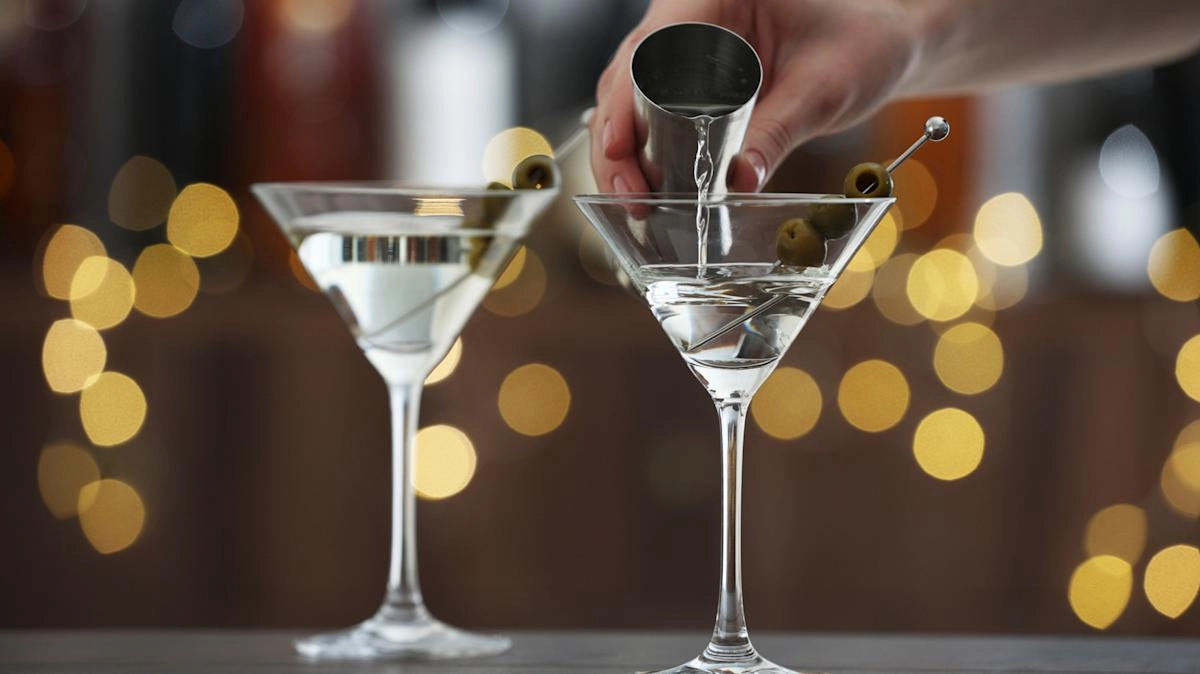
In the competitive world of liquor, Tito’s Handmade Vodka has established itself as the clear leader in the U.S. market, significantly outpacing its competitors. In 2024, Tito’s sales reached an impressive $2.6 billion, with over 12 million cases sold—4 million more than its closest rival, Smirnoff. This dominance has remained consistent since 2020, when Tito’s first claimed the title of best-selling vodka brand.
The brand’s success can be attributed to various factors, beginning with its approachable roots. Tito’s was founded by Bert Beveridge, who started distilling vodka in Texas during the early 1990s, gaining official permits to operate a distillery before producing award-winning vodka. The straightforward branding—characterized by a lackluster label designed by Beveridge himself—reinforces its image as a down-to-earth product.
Affordability also plays a key role in Tito’s appeal. A 750 milliliter bottle typically retails for around $22, offering a high-quality product at a reasonable price. Despite its popularity, the vodka market is witnessing overall declines in sales, influenced by shifting lifestyle choices among younger consumers. For instance, in Virginia, Tito’s experienced a drop in total sales from 2024 to 2025, highlighting that even the top contender faces challenges amid changing drinking habits.
As Tito’s continues to lead, it remains to be seen how the evolving dynamics of the liquor industry will impact this beloved brand.
For more details, visit Food Republic.
Top Whiskeys of the Future: Highlights from the 2026 London Spirits Competition
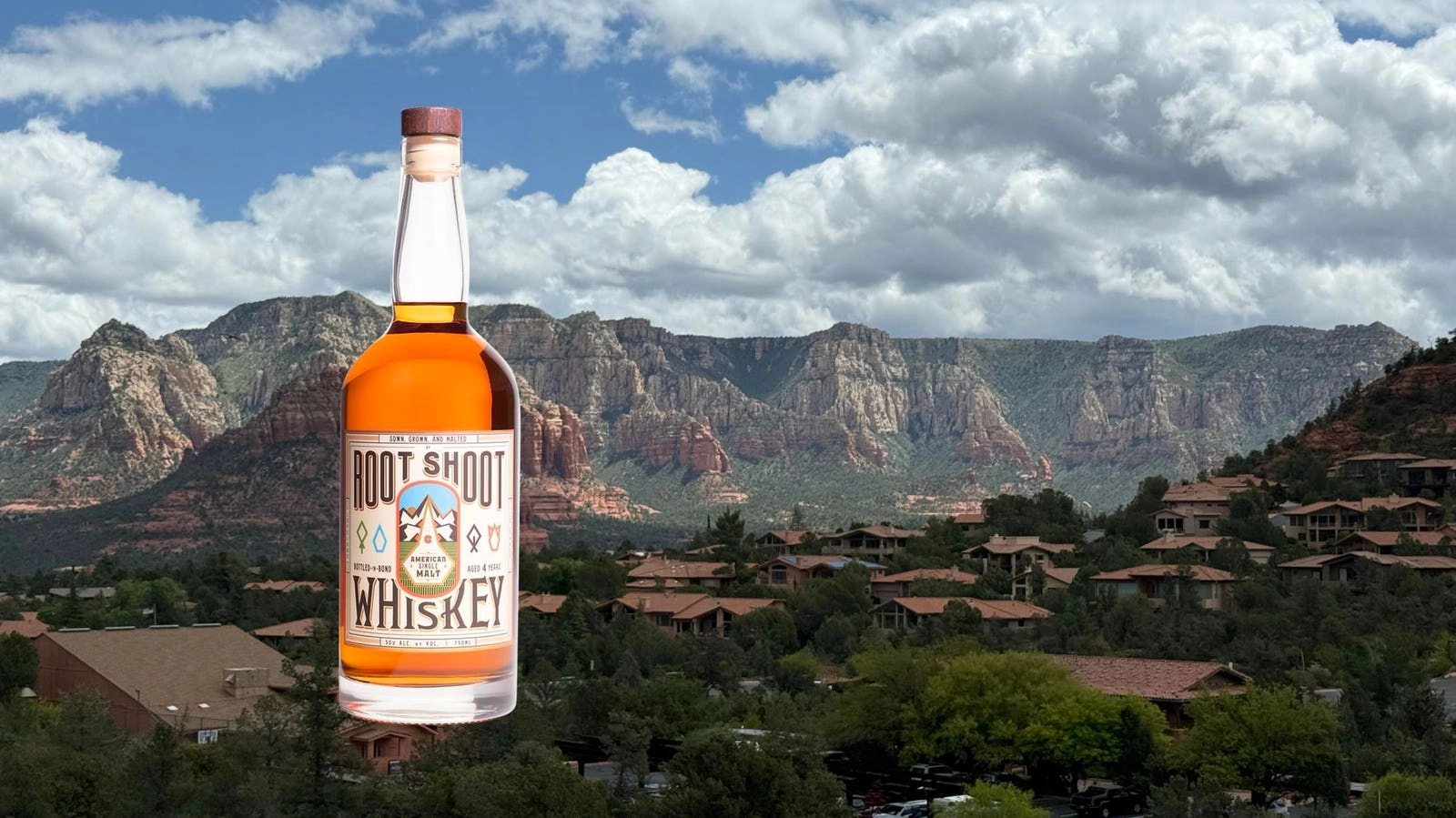
The London Spirits Competition declared Root Shoot American Single Malt as the top whiskey of 2026, scoring an impressive 97 points. This 4-year aged, $42 whiskey from Loveland, Colorado, surprisingly outperformed renowned competitors from traditional whiskey-producing regions, including Scotland, Bourbon, and Irish whiskey.
The London Spirits Competition, known for evaluating spirits based on quality, value, and marketability, judged Root Shoot on its impressive nuances and market potential, which contributed significantly to elevating the standing of American Single Malt whiskey internationally. This category has only recently gained formal recognition in the U.S. as of 2025.
Root Shoot American Single Malt is characterized by its rich, semi-sweet flavor profile, described by tasters as featuring flavors of buckwheat honey, spiced pear, granola, and cacao nibs, finishing with hints of clove and cardamom. This complexity is attributed to the distillery’s close connection to its ingredients, as it sources its grains from a family farm just miles away from its production site, ensuring a high degree of control over flavor quality.
This recognition of Root Shoot Spirits not only showcases its craftsmanship but serves as a reminder for whiskey enthusiasts to explore and enjoy this relatively new yet exceptional addition to the American whiskey landscape before it becomes less accessible.
Wiseacre Launches Panuzzo King Brew Following Major Beer Award Triumphs
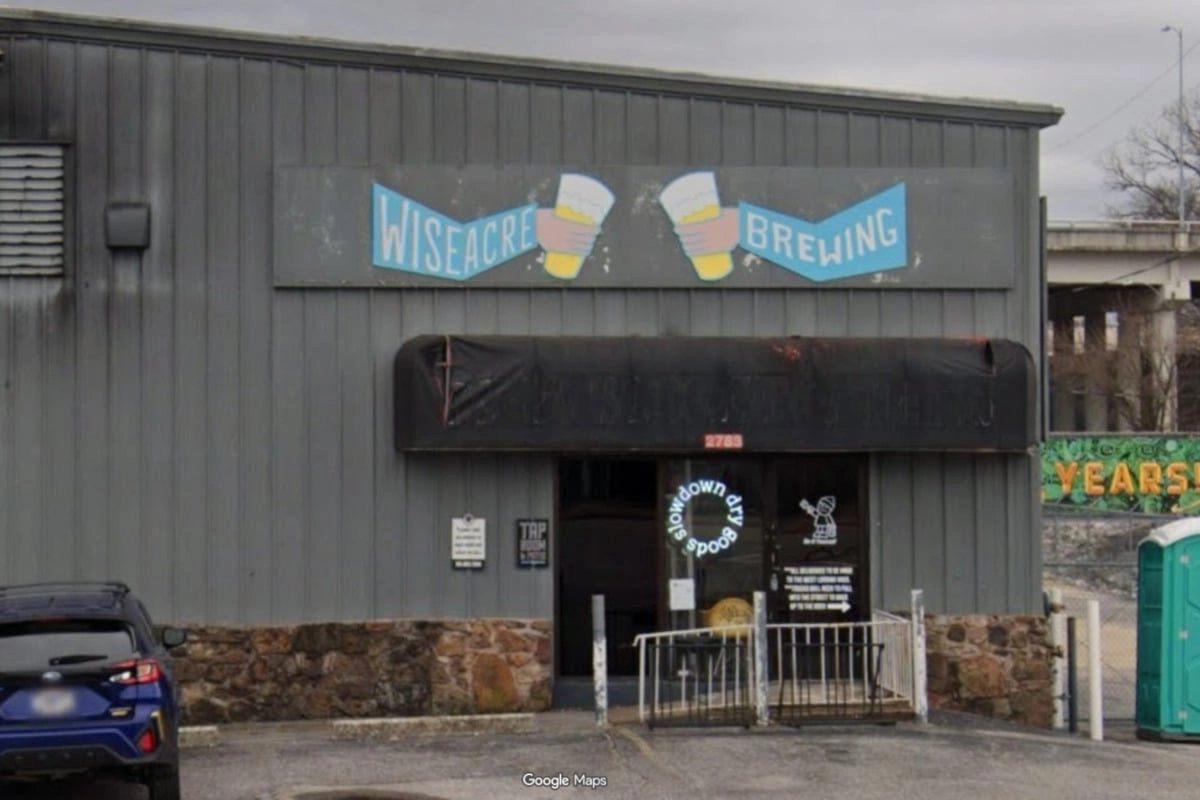
Wiseacre Brewing Co. has transformed its original Broad Avenue taproom into a vibrant community hub, introducing a sandwich counter known as Panuzzo King. This new addition comes after a remarkable year for the brewery, which has garnered multiple awards in the national beer circuit. Co-founders Davin and Kellan Bartosch recently discussed their achievements on The Daily Memphian’s Sound Bites podcast.
Award-Winning Brews
Wiseacre Brewing’s Sky Dog Amber claimed top honors at the 2025 Great American Beer Festival, while its Tiny Bomb won silver in the German-style pilsener category. Additionally, their Oktoberfest, named Gemütlichkeit, received bronze at the 2025 World Beer Cup. These accolades have significantly enhanced Wiseacre’s reputation beyond Memphis.
Introduction of Panuzzo King
Opened in September 2025, Panuzzo King focuses on the folded-pizza panuzzo and operates Thursday through Sunday. It replaces previous food truck vendors, creating a stable kitchen environment that echoes the brewery’s setup at their downtown location where beer is complemented by a dedicated snack counter. More details can be found on the Wiseacre website.
Menu Highlights
The Panuzzo King menu features bold, shareable sandwiches, including options like Philly’s Phinest, stacked with roasted pork, and a Vegan Dream Bánh Mì. Sides such as cheesy bread and spinach-artichoke dip are also available, designed to pair well with the brewery’s beer offerings and accommodate the busy weekend crowds.
Impact on the Community
By adding a permanent kitchen, Wiseacre not only enriches the Broad Avenue experience but also draws patrons for both sandwiches and brews. This model mirrors their downtown strategy, maximizing revenue and foot traffic under their roof, and providing consistent food service for guests.
Winning prestigious awards attests to the dedication of Wiseacre’s production team, and the Bartosch brothers highlighted that the industry recognition reinforces their commitment to quality. With an expanded taproom menu and award-winning beverages, Wiseacre Brewing is set to welcome even more fans eager for a casual dining experience.
Uncorking the Past: The Role of Rum in Early Canadian History
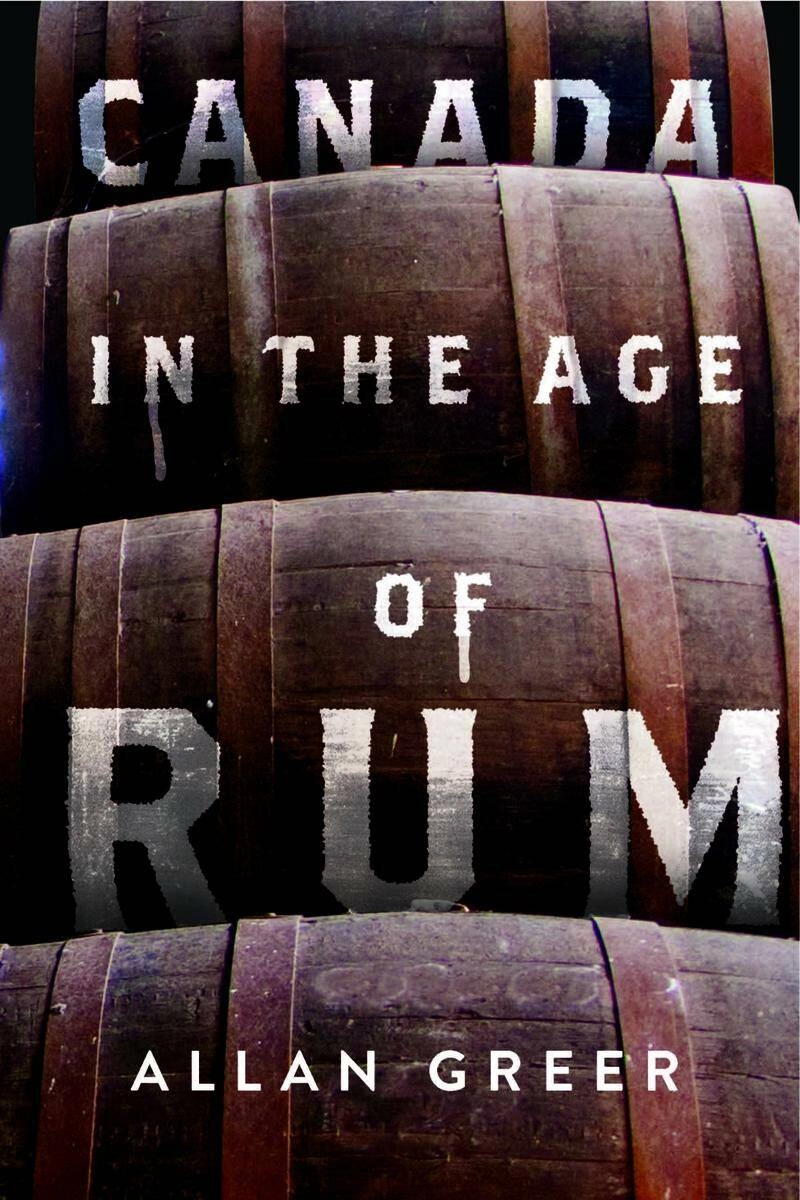
Have you ever wondered about the impact of rum on Canadian history? This question is explored in Allan Greer’s new non-fiction book, Canada in the Age of Rum, where he delves into the often overlooked but significant role rum played in pre-Confederation Canada.
Greer, a professor emeritus at McGill University, examines rum’s journey from the fishery in Newfoundland during the 1670s to its influence on the fur trade in Western Canada by the 1830s. He discusses how the early colonies were “awash in a sea of rum” and highlights its role in commerce, politics, and social structures.
One of the most compelling aspects of Greer’s analysis is the complex relationship among the fur trade, Indigenous communities, and companies like the Hudson’s Bay Company and the North West Company. He emphasizes the ceremonial significance of rum in trade protocols between Indigenous leaders and company representatives.
While Greer acknowledges the business aspects of rum, he does not shy away from addressing its detrimental effects, from those in Newfoundland’s fishing ports to the fur traders in Upper Canada and beyond. He argues that the recognition of rum’s harmful impacts contributed to its decline by the 1830s.
Greer supports his narrative with charts and graphs illustrating rum’s usage and consumption, but it is his storytelling style—evoking parallels to Ken Burns—that truly engages readers. His writing style introduces a “mystery” element regarding how rum lost its powerful status over time, piquing curiosity and encouraging readers to delve deeper into the narrative.
Canada in the Age of Rum serves as an engaging summer read, offering insights that will change how one views the rum section of their local Liquor Mart.
For those interested in exploring this topic further, the book is available for purchase at major retailers.
The Fiery Secret Behind Jack Daniel’s: Why Massive Fires Are Key to Perfecting Their Whiskey
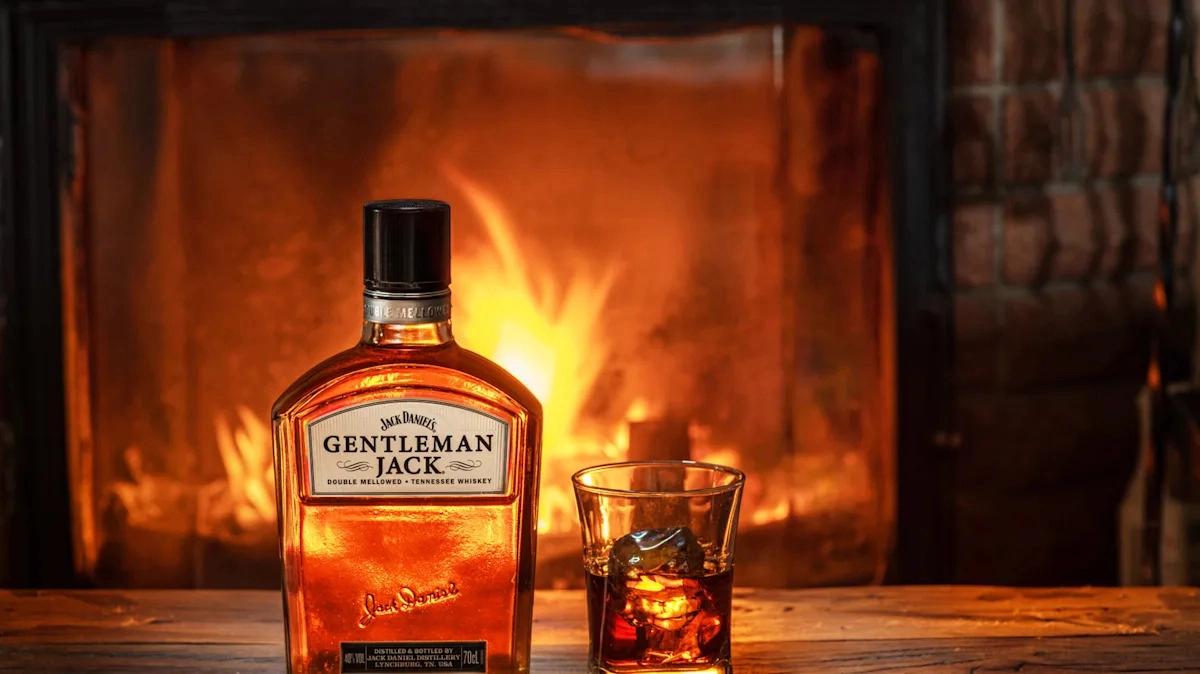
Did you know that the renowned whiskey maker Jack Daniel’s employs a unique method involving massive bonfires to enhance its whiskey quality? This technique, called the "Lincoln County Process," is a critical part of the craft at the distillery located in Lynchburg, Tennessee. The process involves stacking and soaking wooden pallets made of hard sugar maple in whiskey before igniting them. This may sound unconventional, but it plays a significant role in transforming raw, unaged whiskey into the finished Tennessee whiskey that many enjoy.
The roots of this process can be traced back to 1864 when Jack Daniel, the brand’s namesake, learned the method from Nathan "Nearest" Green, an enslaved Black man who was instrumental in Daniel’s early distilling career. This practice eventually became the standard for any spirit labeled as "Tennessee Whiskey."
Here’s how it works: once the bonfire is extinguished and the sugar maple embers cool down, they are placed in large containers. The bourbon is then poured over these coals, which act as a filter, allowing the whiskey to pass through 10 feet of charcoal. This essential step removes impurities and enhances flavor over several days before the whiskey is stored in oak barrels for aging—usually taking four to six years, though some varieties can age up to 14 years.
The filtration process is vital for creating a smooth and sweet flavor profile in the whiskey, as noted by former master distiller Jeff Arnett. The unique ability of charcoal to capture impurities—such as sulfur compounds and aldehydes—while allowing the alcohol to pass through makes it an effective natural filter. Furthermore, the distillery’s focus on sustainable practices ensures that they plant and protect sugar maple trees to maintain the necessary resources for their craft.
For more insights into the intriguing world of Jack Daniel’s whiskey and its crafting techniques, you can read detailed whiskey facts here.
From Vino’s Brewpub to Lost Forty: A Journey Through the History of Arkansas Craft Beer

I’m not particularly a beer enthusiast; I enjoy it occasionally but generally gravitate towards wine and whiskey instead. Beer, for me, is situational—it complements warm days, long walks, or simply when there’s nothing else cold to choose from.
Arkansas’ craft beer scene, however, is a story worth telling. It traces back to early establishments like Vino’s Brewpub, which laid the groundwork for the state’s explosion of microbreweries. Vino’s, established in 1996 in Little Rock, was among the first to introduce a new wave of craft beer culture to Arkansas. With a menu filled with unique local flavors, it set a standard for others to follow.
Fast forward to today, and the craft beer landscape in Arkansas has blossomed significantly with breweries like Lost Forty Brewing and others that have made names for themselves over the years. These breweries have not only innovated recipes but also embraced the farm-to-table movement, sourcing ingredients locally and promoting sustainability. As many breweries opened their doors, community events celebrating craft beer began to emerge, uniting enthusiasts and newcomers alike.
The evolution of craft beer in Arkansas reflects not just a shift in beverage choices but also a broader cultural movement in the state, encouraging local entrepreneurship and community engagement. It’s a testament to how something as simple as beer can encapsulate a state’s history while paving the way for new traditions and connections.