Get Your Free Tickets: Buffalo Trace Whiskey Tastings Coming to 4 Cities!
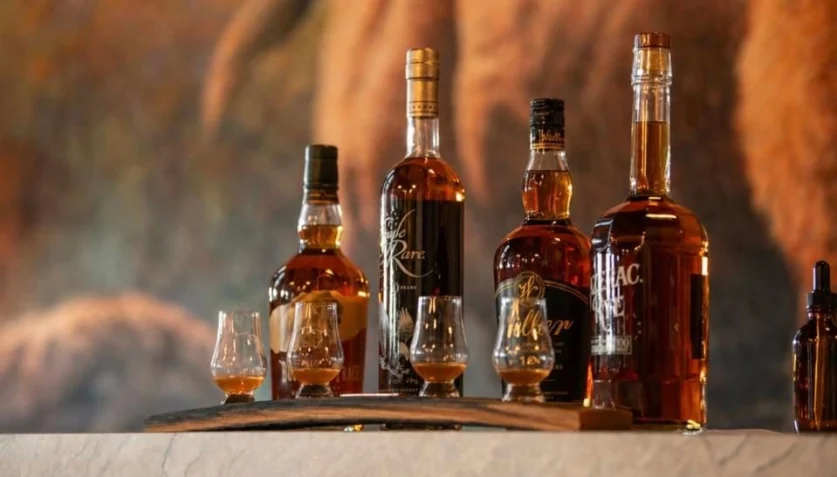
Buffalo Trace Distillery is set to embark on a new tour this October, offering free whiskey tastings in four U.S. cities, making it easier for bourbon enthusiasts to experience their renowned spirits without traveling to Kentucky. The distillery will feature its Buffalo Trace On Tour program in Branson, Kansas City, Dallas/Fort Worth, and Denver.
The tasting sessions will last approximately 75 minutes and will be hosted by an expert who will guide guests through four different whiskeys: Buffalo Trace Bourbon, Eagle Rare 10 Year Old, Weller Antique 107, and the newly introduced Sazerac Rye 100 Proof. This special rye whiskey, launched in 2025, was created to cater to bartenders’ requests for a higher-proof rye suitable for cocktails.
Erica Bovard, the senior brand director at Buffalo Trace, emphasized the significance of this tour, stating it provides a way to connect with fans and expand their reach beyond Frankfort. The enthusiasm from the previous year’s tour encouraged the distillery to return to familiar markets while also exploring new locations.
The Buffalo Trace On Tour concept started in 2025, initially visiting cities like St. Louis and Tampa. This year, attendees can expect a total of 14 complimentary tasting sessions at each city, over four days. The schedule includes:
- Branson, Missouri: Big Cedar Lodge, Oct. 1-4
- Kansas City, Missouri: The Bauer, Oct. 8-11
- Dallas/Fort Worth, Texas: The Laurel, Oct. 14-17
- Denver, Colorado: Church Ranch Event Center, Nov. 12-15
Limited-edition city-specific barware will also be available for purchase at each location, although whiskey bottles won’t be sold during the events. Tickets are free, but attendees must be 21 or older, and reservations are necessary. Registration opens on September 2nd at 10 a.m. ET, with a cap of four tickets per person suggested, expected to fill up rapidly due to high demand.
For those looking to experience the essence of Buffalo Trace in these selected cities, the opportunity promises to be enjoyable and informative. More details and reservations can be found on the Buffalo Trace Distillery website.
Unveiling Florida’s Favorite Brews: The Most Popular Beers in the Sunshine State
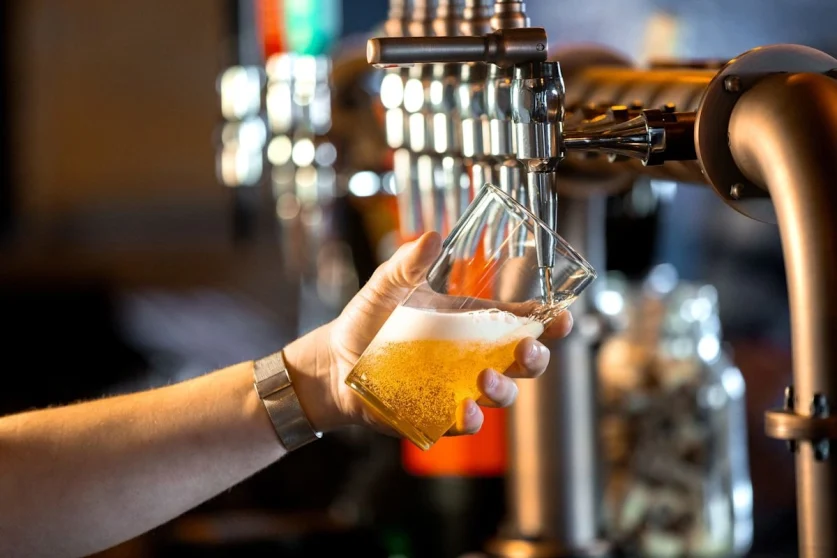
Florida recognizes numerous state symbols, including the mockingbird as the state bird and the sabal palm as the state tree. However, there is no designated state beer. Recently, Innerbody Research conducted an analysis of national search data to determine the most popular beers across different states, including Florida, which ranks 24th among the most beer-loving states in the U.S.
In their study, they discovered that Florida’s favorite beer is Stella Artois. The research highlighted the state’s top five beers:
- Stella Artois
- Yuengling
- Guinness
- Bud Light
- Peroni / Blue Moon
Furthermore, the analysis revealed some interesting national trends:
- Michelob Ultra is crowned America’s favorite beer, taking the top spot in three states.
- Stella Artois dominates by being the most popular beer in 12 states, including Florida, Georgia, and Illinois.
- Light beers are prevalent, with Bud Light and other similar brands also making significant appearances in various states.
- Wisconsin continues to be recognized as America’s beer capital for the second consecutive year.
In the context of Florida’s preferences, the popularity of Stella Artois aligns with broader regional trends and showcases a diverse beer culture in the state. The full report detailing more findings can be explored on Innerbody Research’s website.
A Taste of Collaboration: 11 Tennessee Distilleries Unite to Create a Unique Blended Whiskey
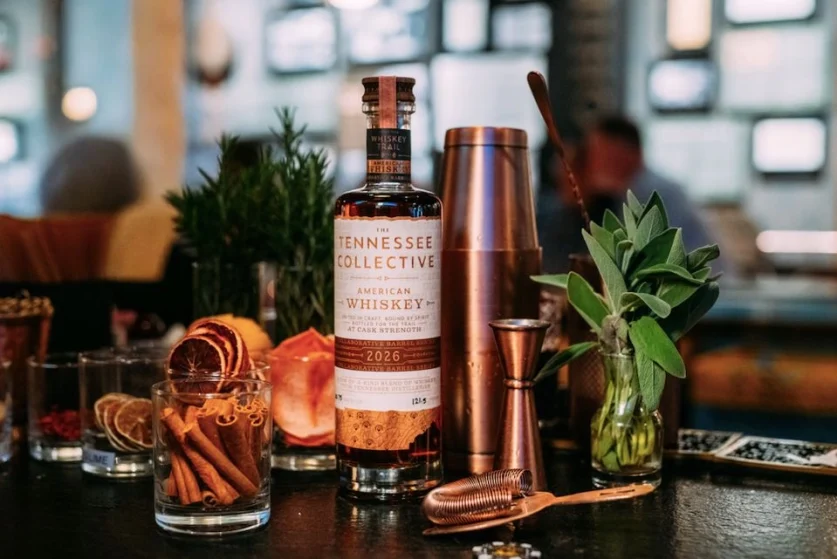
Eleven Tennessee distilleries recently came together to create a unique blend of whiskey, showcasing a harmonious collaboration within the state’s whiskey industry. This project, named the Tennessee Collective, involves distilleries contributing barrels of their whiskey, reflecting their individual identities while uniting for a common cause.
On September 1, consumers will be able to purchase this special edition for $79.99. The 120-proof, cask-strength American whiskey follows a successful inaugural release that sold out and garnered several awards in 2025. Proceeds from the sales will support the Tennessee Whiskey Trail, promoting both visitation to and awareness of these distilleries.
The Tennessee Whiskey Trail, initiated in 2017, has grown to include over 30 distillery locations across the state. The idea for the Collective was generated internally by members of the Tennessee Distillers Guild, aiming to create a collaborative project that would unite producers and spotlight Tennessee whiskey.
The first edition featured twelve distilleries, while this year, eleven took part, each contributing a barrel of whiskey aged at least four years. The barrel selections varied widely, with each distillery making personalized choices, such as Nelson’s Green Brier, which included a nine-year-old whiskey made using an original pre-Prohibition recipe.
Once all the selected barrels were gathered, the blending occurred at Old Glory Distilling Co., which handled the intricate process of combining distinctly different whiskeys into a singular product. The blend was designed to meld harmoniously while preserving the unique flavors of each individual whiskey.
The resulting whiskey is characterized by a flavorful profile that combines notes of oak, nuttiness, vanilla, and spices. Bottling will feature hand-filled, hand-labeled bottles, adding a personal touch to each purchase.
An important update in state law means that the whiskey can now be sold at any participating distillery’s tasting room, allowing consumers to purchase directly from the producers and deepen their connection to the whiskey’s source. Each bottle will come with a Proof-It tag to provide authenticity and access to stories about the contributing distilleries and their whiskey contributions.
The Tennessee Collective goes beyond a mere whiskey offering; it represents a movement within a community that balances competition with collective support. Each edition will reflect the current landscape of Tennessee distilling, merging the past’s traditions with future aspirations.
The Rise of Nonalcoholic Wine: Why Wine Lovers Are Embracing the Trend
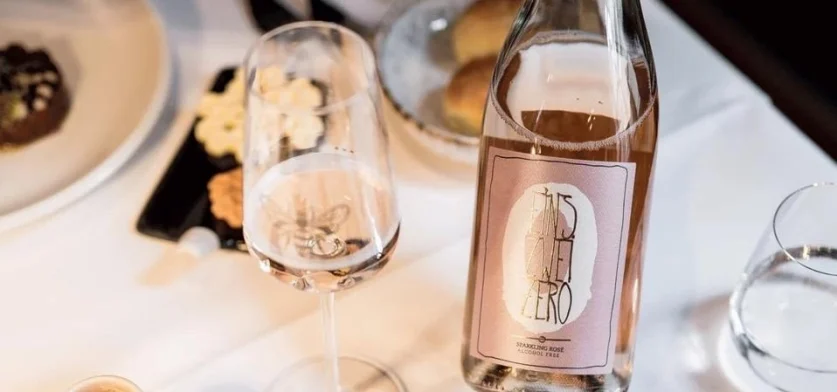
The Growing Appeal of Nonalcoholic Wine
Nonalcoholic wine has significantly evolved from being perceived as a mere sweet alternative for those who don’t drink. This segment is now embraced by established winemakers and luxury brands as a legitimate extension of wine culture.
According to a report from NielsenIQ, the nonalcoholic beverage market—including wine—reported $925 million in off-premise sales in 2025, reflecting a 22% growth year-over-year. Notably, 92% of nonalcoholic beverage purchasers also buy alcoholic products, indicating that many are simply opting for alcohol at times they choose to drink.
The Varied No Alcohol Moments
The rise in popularity can be attributed to specific occasions where traditional wine might not be suitable. For example, French Bloom originated when founder Maggie Frerejean-Taittinger, pregnant with twins, longed for refined pairing options at restaurants. Similarly, Domaine EdeM was inspired by Elena Maza of the Catena family, who sought lighter wines as age altered her tolerance to alcohol.
In Sonoma County, the creators behind Mavrique identified dissatisfaction with the quality of available alcohol-removed wines. Conversely, West + Wilder pivoted after a health crisis led one founder to abandon alcohol entirely, prompting the creation of a premium nonalcoholic alternative.
How Winemakers Are Rebuilding Wine Without Alcohol
The challenge for producers of nonalcoholic wine lies in maintaining the aroma, structure, and texture that make wine enjoyable. Since alcohol contributes to the body and aroma of wine, removing it alters the tasting experience. Sparkling wines generally have an advantage in this area; carbonation can reinstate some mouthfeel lost when alcohol is taken out.
New Zealand’s Giesen, with over 40 years in the industry, produces a range of seven Giesen 0% wines through a conventional fermentation process followed by spinning-cone technology that effectively separates and recycles aroma compounds back into the wine.
In Germany, Weingut Leitz employs vacuum distillation, which allows for a gentler extraction of alcohol at lower temperatures to minimize aroma loss.
Domaine EdeM combines dealcoholized wines with botanicals to create unique offerings, while luxury brand French Bloom, backed by Moët Hennessy, has become the first official alcohol-free sparkling wine in partnership with Formula 1.
The audience for nonalcoholic wine is diversifying, attracting not just those abstaining from alcohol but also wine enthusiasts who seek options depending on the context. As producers continue to craft enticing and quality nonalcoholic wines, this category is solidifying its place in the wine market.
RUM Group Rises 11% as CEO Sets Sights on Challenging CoreWeave and Nebius, While Trump Media Remains Steady

RUM Group’s stock surged by 11%, reaching $10.44, after CEO Chris Pavlovski declared that the company is taking on prominent competitors in the AI infrastructure space, specifically targeting CoreWeave and Nebius. This announcement comes on the heels of RUM Group’s aggressive strategy to expand its AI capabilities, significantly benefitting from its recent acquisition of Northern Data, which added around 22,400 NVIDIA GPUs to its inventory.
In contrast, shares of Trump Media & Technology Group fell by 0.6% to $9.23, continuing a year-to-date decline of 30%. Despite the variance in performance, retail investors often associate the two companies due to their linked names, reflecting broader market sentiments.
The global backdrop for these stocks appears to be improving, with significant gains observed in related ETFs such as the Global X Data Center & Digital Infrastructure ETF and the Global X Social Media ETF. However, RUM Group’s optimism is tempered by a significant financial hurdle revealed in its recent SEC filings. The company has indicated that it currently lacks the financing required to meet the obligations of a $13.7 billion GPU services contract, which has raised concerns about its ability to deliver on its ambitious plans.
Pavlovski has made it clear that RUM Group’s AI division, Quake AI, is aiming to compete fiercely against major players in the market. The company is now focused on securing financing options which may include debt or equity, although this places additional pressure on its future prospects given its existing financing obligations. The contract’s payment structure includes multiple phases, with one phase conditional on the approval of a proposed delivery schedule, further complicating matters.
RUM Group’s ambitions for growth are framed against the backdrop of potential dilution risks, especially with a warrant for 50.81 million Class A shares offered at a nominal price, which can significantly affect shareholders if exercised. Given the current market dynamics, investors are advised to maintain cautious exposure to RUM Group as the company navigates these financial challenges.
Overall, the landscape is set for RUM Group to attempt to assert itself in the competitive AI infrastructure market, but the path forward hinges on addressing its financing needs and demonstrating its capability to fulfill large-scale contracts while mitigating dilution risk.
The Top Beers of 2026: Winners of the World Beer Awards Unveiled
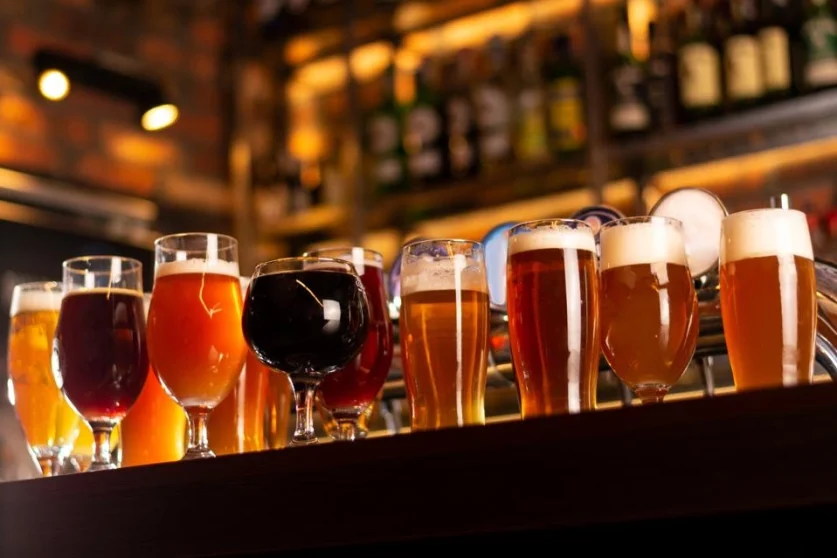
The 2026 World Beer Awards recently unveiled its winners, showcasing a diverse selection of beers from around the globe. The competition, organized annually since 2007, evaluates thousands of brews through rigorous blind tastings, pushing selected beers through a series of rounds based on categories and styles. Only the utmost quality beers are recognized, with 11 categories highlighted this year.
Among the winners, Harvey’s Lewes Castle Brown Ale from England was named the World’s Best Dark Beer. This traditional English brown ale offers roasted malt and dark sugars, resulting in a complex flavor profile with coffee and licorice elements.
The title of World’s Best Flavoured Beer went to Le Trou Du Diable’s Le Coq – Brassin Spécial from Quebec. Initially winning in the Flavoured Wild & Sour category, it continues to impress on an international stage.
Brazil’s Landel garnered the World’s Best IPA award with Atrás do Bloco, a 7.5% ABV hazy IPA that employs a trio of hops—Mosaic, Cascade, and Citra—resulting in a refreshing tropical character.
Belgium’s Bavik Super Pils clinched the World’s Best Lager title with its crisp and hop-forward taste, proving that Belgian brewers excel beyond their famed ales.
England celebrated another victory with Twice Brewed’s Pitch Black, which was recognized as the World’s Best Mid-Strength Beer, catering to drinkers wanting flavor without high alcohol content.
Germany’s Maisel’s Weisse Alkoholfrei took the lead in the No & Low Alcohol Beer category, showing that non-alcoholic options can deliver enjoyable drinking experiences.
In the pale beer category, France’s Angelus Blond stood out, first claiming the title of World’s Best Pale Belgian Style Ale before winning the overall crown.
Brouwerij Westkwartier’s Oud Bruin further emphasized Belgium’s prowess by winning the World’s Best Sour & Wild Beer title, showcasing a blend of rich malt and tartness.
Schneider Weisse’s TAP9 Eisbock claimed the Specialty Beer title with its unique freezing method that enhances flavors and alcohol strength.
Moldova’s Keller Holz Imperial Stout took home the award for the World’s Best Stout & Porter, surprising many as it outperformed established breweries from beer-centric countries.
Rounding out the list, China’s Fulu Fresh Beer German Wheat Beer proved its mettle, winning the World’s Best Wheat Beer award, emphasizing the growth of craft brewing in Asia.
The diversity of the winners reflects the increasing globalization of brewing, with a blend of styles from countries not traditionally recognized for their beer culture. This year’s awards reinforce the notion that exceptional beer can be found beyond familiar brands, inviting enthusiasts to explore new flavors and origins.
For more details on the winners, visit the World Beer Awards.
Wine’s Dilemma: Everyday Relevance Versus Appeal, According to New Study
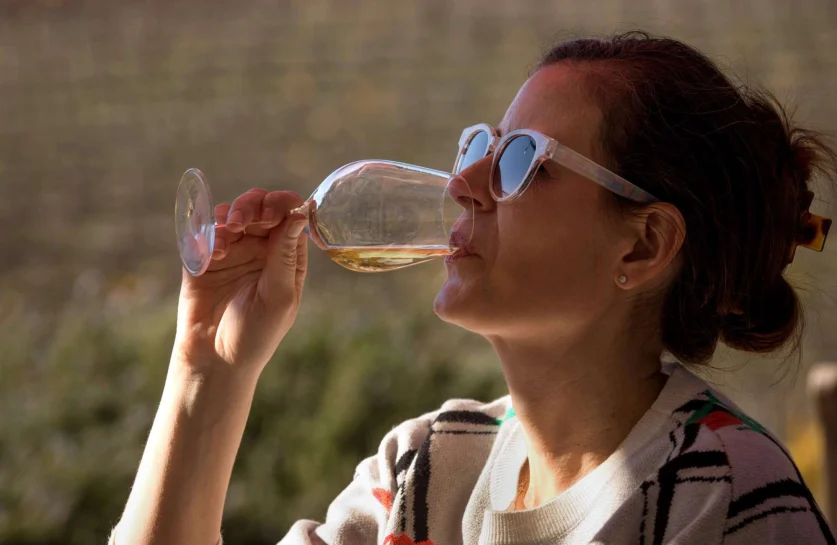
Wine is facing challenges in attracting younger consumers, not due to a lack of appreciation but rather a perceived disconnect with everyday life. This insight arises from the latest research conducted by Oakland’s consumer insights firm, Material, during a webinar presented by the Wine Market Council.
New council president, Michelle Egan, emphasized that wine’s issue is less about its image and more about its relevance in daily scenarios. While consumers view wine as enjoyable, they often associate it with traditions and special occasions rather than casual, everyday moments.
Material’s study, which targeted different consumer segments across generations, revealed that many younger drinkers—such as Generation Z and millennials—tend to drink less wine compared to older generations. Despite these younger age groups consuming more alcohol overall, they often feel uncertain about choosing wine and lack understanding of common descriptors.
The survey also demonstrated how younger consumers are experimenting with wine, incorporating it into cocktails or serving it over ice. This openness suggests a shift in how they wish to enjoy wine. The key takeaway for wineries? They need to remove barriers around wine consumption by offering simple guidance, promoting discovery, and encouraging more relaxed tasting opportunities.
Respondents expressed a desire for practical help, such as food-pairing ideas or recommendations for selecting wines, with many favoring informal tasting events over traditional winery tours or formal dinners. The research underlined that the way forward for the wine industry involves increased visibility on social media and more accessible tasting opportunities.
In summary, wineries must adapt to the preferences of younger drinkers by redefining how wine fits into everyday life and making the experience more engaging and approachable. This involves simplifying choices, securing relevant taste pairings, and fostering environments where wine can be enjoyed freely and casually.
Michter’s Crowned the World’s Most Admired Whiskey in Drinks International’s 2026 Rankings
LOUISVILLE, Ky. — The latest ranking from Drinks International has once again crowned Michter’s as the World’s Most Admired Whiskey for the fourth consecutive year. This accolade highlights Michter’s distilling prowess, which includes bourbon, rye, and American whiskey crafted in Louisville.
The rankings reflect the evaluations from an Academy of independent global drinks buyers, journalists, bartenders, and whiskey experts from over 25 countries. They serve as a definitive accolade in the whisky industry, especially significant during these challenging times for international trade.
Michter’s Executive Vice President, Matt Magliocco, expressed the team’s gratitude for the recognition. He emphasized the dedication to producing high-quality whiskey, noting the extra steps involved in ensuring their products deliver a unique flavor profile.
Andrea Wilson, Michter’s Master of Maturation and COO, commented on the complexity of whiskey production yet reaffirmed their straightforward goal: to create exceptional products that people enjoy. The recognition from industry experts reinforces their commitment to improvement.
Shay Waterworth, Editor of Drinks International, praised Michter’s for continuously setting high standards in quality. He noted the brand’s popularity at trade shows, showcasing the respect and admiration it garners from whiskey professionals globally.
Michter’s Master Distiller, Dan McKee, reflected on the communal aspect of enjoying whiskey, highlighting how it connects people. He expressed gratitude for the recognition, which he deemed beyond his wildest dreams.
Michter’s operates not only its main distillery in Shively, Louisville, but also has additional sites in Springfield, where it grows its own grain, and a second distillery in downtown Louisville featuring educational tours and tastings.
With a legacy of uncompromising quality, Michter’s offers a selection of highly acclaimed bourbons, ryes, sour mash whiskey, and American whiskey, all aged to perfection.
For further details on the Drinks International Most Admired Whiskies List, please visit: Drinks International. More information about Michter’s can be found at michters.com.
Top 10 Bottles for Crafting the Perfect Whiskey Sour
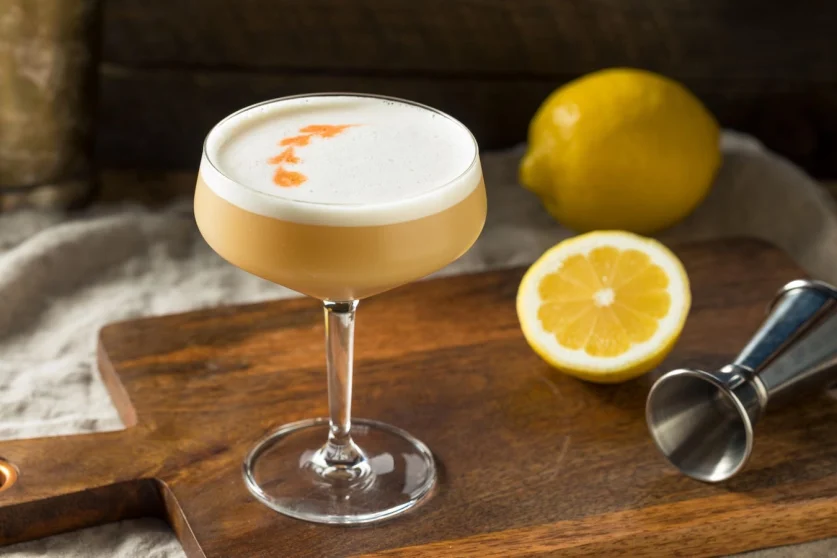
Crafting the perfect whiskey sour involves not only the right ingredients but also choosing the ideal base spirit. As National Whiskey Sour Day approaches on August 25th, it’s an excellent time to explore different whiskies that can elevate this classic cocktail.
The whiskey sour is a straightforward mix of whiskey, lemon juice, simple syrup, and often, egg white. The choice of whiskey—be it bourbon, scotch, or rye—greatly influences the cocktail’s character. Christian Shaum, a sommelier at Asador Bastian in Chicago, notes that lighter spirits like a single malt can create a smooth experience, while spicier ryes yield a bolder profile. Additionally, he emphasizes the importance of shaking the drink correctly—a nine-second shake followed by double straining can achieve the perfect texture.
Here are ten whiskies recommended by bartenders to elevate your whiskey sour:
Willett Family Estate 4 Year Bourbon
This high-proof bourbon (125 proof) offers caramel undertones, necessitating adjustments to the recipe like reducing simple syrup and increasing bitters for balance.
Jack Daniel’s Gentleman Jack
This smooth spirit brings a touch of sweetness, enhancing the cocktail’s flavor while ensuring it remains well-balanced with fresh lemon juice.
The Balvenie DoubleWood 12
For a unique twist, this scotch aged in bourbon and sherry casks adds notes of orange and honey, providing a richly flavored sour.
Eagle Rare Bourbon
With dark fruit notes and a 10-year age statement, this bourbon rounds out the cocktail and enriches its complexity.
Johnnie Walker Black Cask
This scotch imparts a smoky sweetness alongside rich, toasty notes, making it a compelling base for a whiskey sour.
Sazerac Rye
Packing a punch with 90-proof strength, this rye gives the drink a spirit-forward presence while benefiting from a richer sugar syrup.
Rabbit Hole Heigold
This high-rye bourbon combines the spice of rye with the sweetness of bourbon, creating a dual character in cocktails.
Four Roses Small Batch
A more premium version of the original, it features ripe berry and dried spice notes, thanks to its six to seven years of aging.
Buffalo Trace
Known for its balance of sweetness and spice, this bourbon offers the depth to shine alongside lemon juice and sugar.
Knob Creek
Its higher proof (100-proof) gives this bourbon a robust character that stands up to the acidity of lemon, enhancing the drink’s overall profile.
Each of these whiskies brings unique attributes to the classic whiskey sour. Whether you prefer the smoothness of a bourbon, the complexity of a scotch, or the bite of a rye, experimenting with different labels can lead you to discover your personal favorite.
3 Essential Tips for Crafting the Perfect Bourbon Cocktails
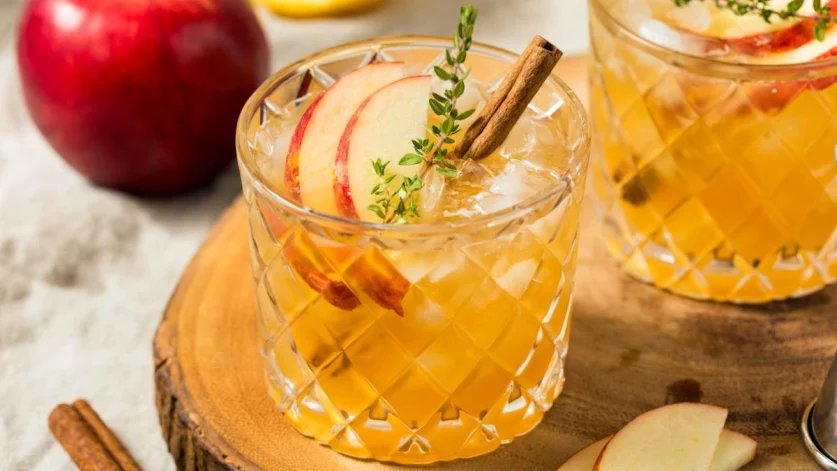
Crafting the perfect bourbon cocktail can elevate your home bartending experience. Evan Flynn, bar manager at Death & Co Denver, shares insightful tips for creating delicious bourbon drinks.
Keep It Simple
Flynn emphasizes that many great bourbon cocktails are simple. A shorter ingredient list allows the bourbon to shine without being overshadowed by excessive components. Signature cocktails like the Manhattan or old fashioned usually have only a few ingredients, which is essential for highlighting the quality of the bourbon. Choosing a good bourbon, particularly an aged variety, enhances the drink’s complexity and quality.
Higher Alcohol by Volume (ABV)
When selecting bourbon for mixing, consider higher-proof options. Flynn advises looking for bourbons that are at least 90 proof (45% ABV). A bourbon’s proof can amplify its flavor profile, bringing out richer nuances when mixed correctly. However, personal preference is crucial, so it is advisable to experiment with various bourbons to find the one that suits your taste.
Stir, Don’t Shake
For bourbon cocktails, Flynn recommends stirring rather than shaking. Shaking can overly dilute the spirit and diminish its nuanced flavors. Stirring results in a well-balanced drink without excessive dilution.
Flynn also suggests choosing quality bourbons near or below the $40 mark for mixing. While premium bourbons offer rich flavors, they might not be ideal for cocktails due to their complex profile.
For those looking to perfect their bourbon cocktail skills, experimenting with different mixers like ginger beer or bitter amaro can bring a new dimension to traditional recipes. By following these tips, you can ensure that your bourbon cocktails are both delicious and reflective of the spirit’s quality.