Understanding Cigar Blend Whiskey: A Unique Spirit with No Tobacco Involved
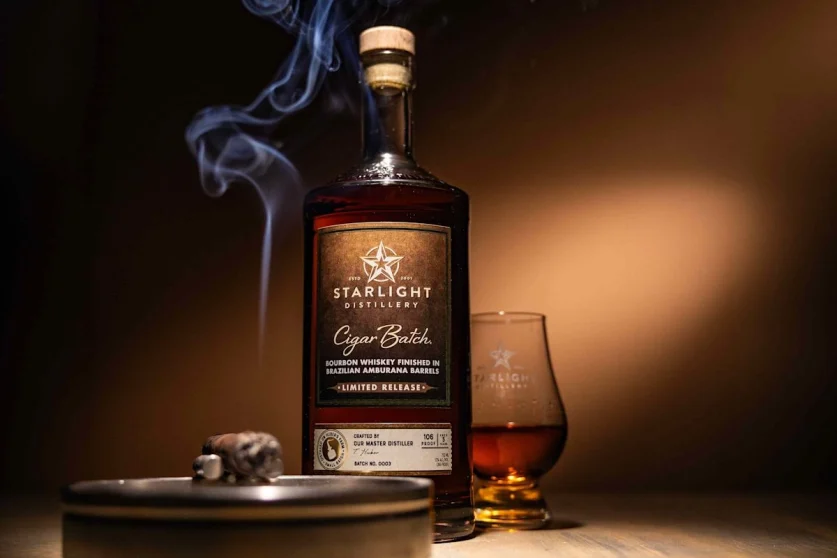
If you’ve encountered the term "cigar blend whiskey," you might wonder what it means. Contrary to what the name suggests, there is no tobacco involved. However, the specifics of what constitutes a cigar blend whiskey can vary widely among producers.
Christian Huber from Starlight Distillery explains their approach: "For us, a cigar blend whiskey is crafted to be enjoyed alongside a cigar." This means the flavors—spice, tannin, and sweetness—are deliberately balanced to complement the cigar’s smoke, forming a harmonious pairing instead of clashing.
There isn’t a universally accepted definition for cigar blend whiskey, referred to by various names like "cigar cut." Generally, these whiskies undergo cask finishing processes, often in barrels that previously contained Armagnac, Cognac, or sherry. The base can be derived from bourbon, Scotch, rye, or a mix of whiskey types, and it doesn’t even have to be whiskey, as the category can include brandy.
Many cigar blends utilize secondary maturation in unique cask types. For instance, Starlight’s cigar release features aging in Amburana wood, which Huber notes pairs excellently with Nicaraguan cigars due to shared spice notes.
The concept of cigar blend whiskey is said to have roots in brandy, where the idea originated before making its way to American whiskey. Nancy Fraley, a master blender at Jos. A. Magnus, is credited with popularizing the cigar blend bourbon in the U.S. but acknowledges past influences from her time in the brandy sector.
Fraley’s first blend was inspired by a moment of smoking a pipe on her deck. She crafted the idea around pairing whiskies with cigars, akin to enjoying chocolate and peanut butter together. The result was a cigar blend bourbon which boasts notes of tobacco, baking spices, vanilla, and dried fruits from its aging in Armagnac, Cognac, and sherry casks.
The creation of a successful cigar blend involves both art and science. Fraley points out that brandy carries more fatty acids than bourbon, resulting in a particular flavor profile that complements cigars beautifully. This unique blend of flavors is careful to not simply capitalize on novelty; it aims to enhance the overall experience of drinking.
Despite the growing popularity of the cigar blend category, the nuances of each expression can differ dramatically among distilleries. Some brands, according to Fraley, may not fully grasp the principles behind their blends, leading to less effective pairings.
Amanda Beckworth from Virginia Distillery Co. shares the sentiment that while there is room for innovative interpretations of cigar blends, honoring the tradition of the category remains vital. Their Cigar Blend employs additional aging in a variety of casks, enriching the offering with complex flavors.
Enjoying a cigar blend doesn’t necessitate pairing it with a cigar. It can complement desserts or be utilized in cocktails. Beckworth points to dessert pairings like chocolate truffles or suggests cocktails like a Black Manhattan featuring cigar blends for a rich experience.
Huber emphasizes the importance of education around cigar and whiskey pairings, fostering a deeper appreciation for both. The idea is to understand and enjoy the interaction between cigars and whiskey beyond simply selecting a bottle.
For those intrigued by cigar blend whiskey, the journey involves exploring a unique and immersive interplay of flavors, whether with or without an accompanying cigar.
Whiskey Wednesday: Exploring Jack Daniel’s, Hard Truth, and Beyond!
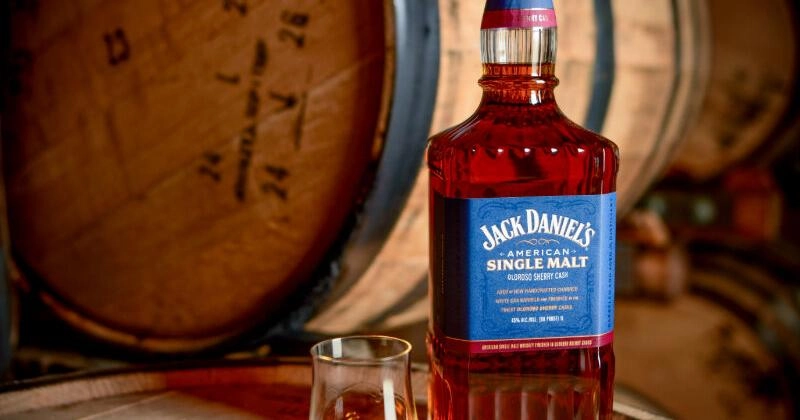
I’m excited to share some recent innovations in the whiskey world, highlighting the latest offerings from Jack Daniel’s, Hard Truth, and a collaborative effort among Tennessee distilleries.
Jack Daniel’s American Single Malt Whiskey
Jack Daniel’s has finally made its American Single Malt Whiskey available nationwide. Initially released for select duty-free stores, this whiskey has garnered attention since the Alcohol and Tobacco Tax and Trade Bureau recognized American Single Malt as a new whiskey category. This limited-availability product boasts a mash bill made entirely from malted barley, distilled in Lynchburg, and aged in charred American oak barrels. It’s finished in used casks that previously held oloroso sherry.
With a gentle 45% ABV, this whiskey offers fruity notes of dark chocolate and berries on the nose. The palate features bitter cocoa and dark fruits, with a finish highlighting oak and sherry nuances. It’s being sold in 1-liter bottles for around $74.99, making it more accessible than previous years.
Hard Truth’s Dark Roast Rye
Hard Truth Distilling Co. from Nashville, Indiana, is known for its innovative approaches to whiskey-making. Their latest release, the Master Distiller’s Reserve Dark Roast Rye, is a well-crafted blend of chocolate malt rye and caramel malt rye, distilled in one season and aged for at least four years. Bottled at 100 proof, this rye encapsulates a complex profile, featuring strong roast and chocolate notes alongside traditional rye spiciness.
With its compelling flavor of fudge brownie and dark roast coffee, this release is perfect for the anticipated cooler autumn evenings, ready to complement a cigar by the fire.
The Tennessee Collective American Whiskey
The third new product comes from a project involving 11 members of the Tennessee Whiskey Trail. They collaborated at Old Glory Distilling Co. to craft a blended whiskey that captures the essence of Tennessee’s whiskey-making talent. The second iteration of The Tennessee Collective has been released as a limited-edition cask-strength whiskey.
This whiskey is characterized by immediate oaky and nutty notes, followed by caramel and spicy vanilla from the aging process. This cohesive blend maintains a balanced flavor profile while inviting exploration with each sip. Available at an SRP of $79.99, it’s a unique way to experience a slice of the state’s distilling heritage.
In summary, these new releases reflect the creativity and dedication of Tennessee’s distilleries in navigating the evolving landscape of spirits. Whether you’re a fan of Jack Daniel’s unique offerings, Hard Truth’s innovative experiments, or the collaborative charm of The Tennessee Collective, there’s something exciting to discover.
Unveiling the Hauntingly Delicious: Macabre Spirits Launches Ghost Face Vodka in Blood Orange Flavor
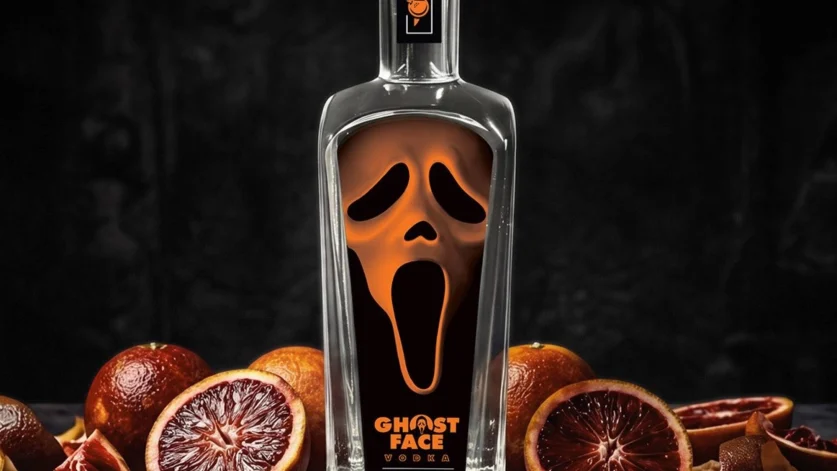
Just in time for Halloween, Macabre Spirits, the horror-themed alcohol brand created by Matthew Lillard and Justin Ware’s Find Familiar Spirits, has launched a new flavor of Ghost Face Vodka: Blood Orange. This follows the success of the original vodka, which sold out shortly after its release in February.
The new Blood Orange flavor is aimed at the horror fan demographic who may have missed out on the first release. In addition to the vodka, a Ghost Face Blood Orange Killer Collection box set will be available online starting September 29. Details about what’s included in the box set are still under wraps, but it is expected to be similar to the original, which featured an autographed bottle, pins, rocks glasses, and more.
Ghost Face Vodka Blood Orange is crafted from 100% non-GMO potatoes, creating a gluten-free spirit that boasts a smooth texture and rich flavor. It is infused with a mix of pressed citrus fruits, including blood oranges, and undergoes a meticulous fermentation and distillation process to ensure a clean finish.
Matthew Lillard expressed excitement about the new release, saying, "We were blown away by the response to the first box, but disappointed so many of our fans weren’t able to get their hands on one. If you weren’t able to score the original, we’re confident the sequel won’t disappoint."
For those interested in trying the new flavor, it will be available in stores nationwide, alongside the original flavor, making it more accessible to a larger audience of horror and vodka enthusiasts.
Revealed: The Number One Beer in America According to Newest Report
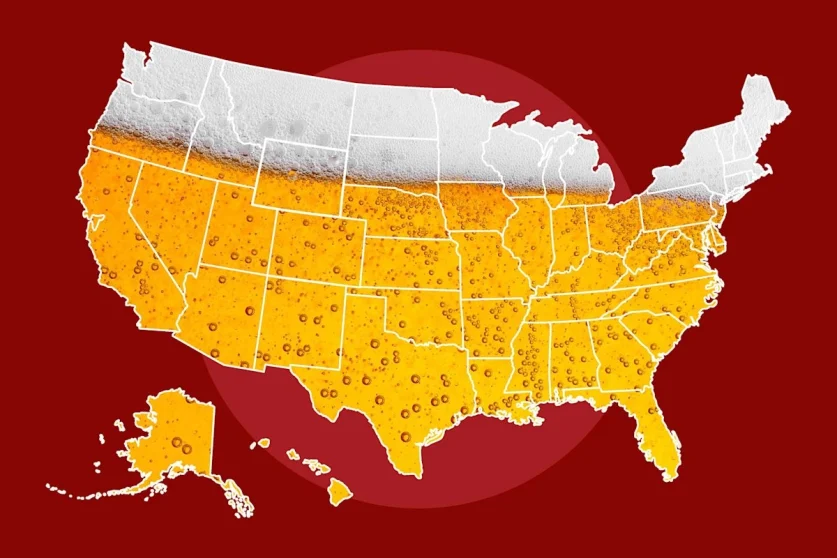
According to a recent analysis by Innerbody, Michelob Ultra has emerged as the most popular beer in the United States, leading in Google search interest. The report also highlights other top contenders, including Bud Light, Stella Artois, Budweiser, and Guinness. Michelob Ultra is notably the most searched beer in Alabama, Nevada, and Oklahoma.
The analysis evaluated Google Trends data for 36 significant beer brands across all 50 states and Washington, D.C., over one year. It reflects search interest rather than actual sales. Despite its popularity, many individual states show strong preferences for local beers. For instance, Colorado favors Fat Tire, Massachusetts is inclined towards Samuel Adams, and Wisconsin enjoys Miller Lite.
Stella Artois stands out as the beer most loved across multiple states, being the top search in 12 states, including Florida and New York. It traces back to its roots in Belgium and is particularly popular in warmer regions.
Guinness, while different as a stout, ranks fifth and boasts a solid fan base on the East Coast, leading searches in states such as New Jersey and Maryland. Other local favorites highlighted in the report involve Hamm’s in Minnesota, Budweiser in Missouri, and Rainier Beer in Washington.
The full list of the most popular beers by state showcases various regional preferences alongside the national favorites. For those interested in the beer landscape across the U.S., this analysis offers a vibrant overview of how different brews resonate with various localities.
For detailed insights on each state’s most searched beer, you can find the full report from Innerbody here.
Experience the Ultimate Oktoberfest: Samuel Adams Unveils Legendary Seasonal Brews and Inflatable Beer Halls
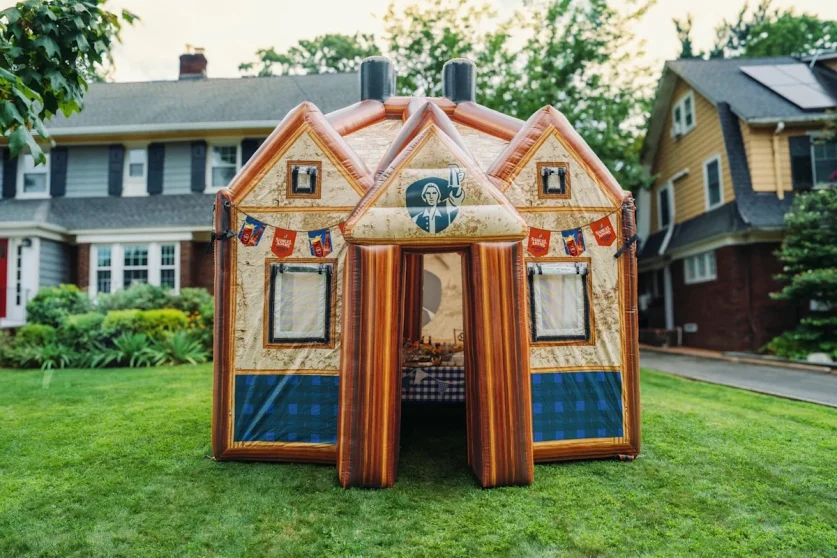
Samuel Adams is celebrating the return of Oktoberfest with a unique twist: the Front Yard Beer Hall, a life-size inflatable structure that allows beer lovers to recreate the festive atmosphere of Munich’s Oktoberfest right in their own yards. This innovative addition will be available starting September 1, for both direct purchase and through a sweepstakes where participants can win an oversized version of the hall.
The Front Yard Beer Hall is designed for social gatherings, perfect for home Oktoberfest parties, barbecues, and tailgates. It can be purchased for $199 at samueladams.com/beerhall while supplies last or entered to win the sweepstakes until September 15, 2026.
In addition to the inflatable hall, Samuel Adams is launching their iconic Octoberfest beer and debuting a new Non-Alcoholic Octoberfest along with an Apple Spice Ale. These brews will be featured in a limited Fall Legends Variety Pack that includes Octoberfest, Jack-O pumpkin ale, and Harvest Helles.
The Legendary Fall Line-Up:
- Octoberfest (5.3% ABV): A smooth Märzen with rich malt and caramel notes, a seasonal favorite.
- NON-Alcoholic Octoberfest: Offers the same flavor as the original with less than 0.5% alcohol.
- NEW Apple Spice Ale (5.0% ABV): Features apple and seasonal spices for a refreshing taste.
- Jack-O (4.4% ABV): A pumpkin ale with spices and a hint of citrus.
- Harvest Helles (5.4% ABV): A crisp lager with bright citrus notes.
The Fall Legends Variety Pack is available now in 12-packs ($15.99-$17.99) and 24-packs ($27.99-$29.99) at retailers nationwide.
To find these offerings, check out samueladams.com/find-a-sam for availability. For more details, visit SamuelAdams.com.
To Bring or Not to Bring Wine: Expert Insights on the Etiquette of Gifting at Gatherings
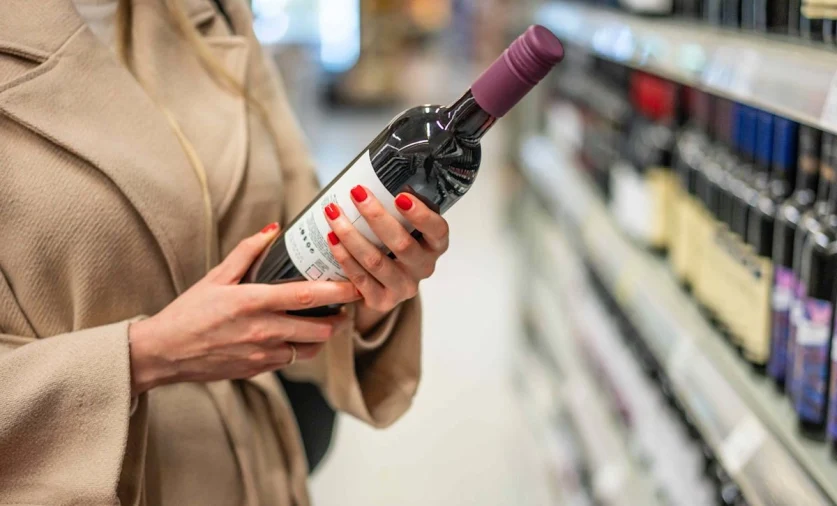
Should You Ask Before Bringing Wine? Here’s What You Need to Know
Bringing a bottle of wine to a gathering is often seen as a thoughtful host gift. However, whether it’s appropriate can be more nuanced than you may think.
The Importance of Knowing Your Host’s Preferences
Wine can be a great gift, but it’s crucial to know if the host enjoys it. According to hosting expert Sarah True, founder of True Event, there are several occasions when gifting wine may not be the best choice. For instance, if the host doesn’t drink, has specific wine pairings in mind, or if they might feel pressured to serve it, your gesture could inadvertently create more responsibility for them.
Asking the Right Questions
If there is uncertainty about whether to bring wine, it’s perfectly acceptable to ask the host beforehand. A simple query like, “I’d love to bring you something. Would you enjoy a bottle of wine, or would you prefer something else?” allows the host to guide the decision without feeling awkward.
In cases where you decide to bring a bottle, clarify that there is no expectation for it to be opened during the event. This removes any potential pressure the host might feel regarding their drink options.
Alternative Gift Options
If it seems wine isn’t the right fit, consider other gift ideas that are equally appreciated but less demanding. True suggests items like candles, kitchen towels, or even edible gifts such as specialty chocolates, pastries, or gourmet coffee. These options allow the host to enjoy your gift at their leisure instead of feeling they must incorporate it immediately into the event.
Conclusion
The goal of bringing a host gift is to show appreciation without adding to the host’s responsibilities. Thoughtful consideration of their preferences and open communication can help ensure your gesture is warmly received.
5 Delightful Cocktails to Make with Costco’s Kirkland Signature Vodka
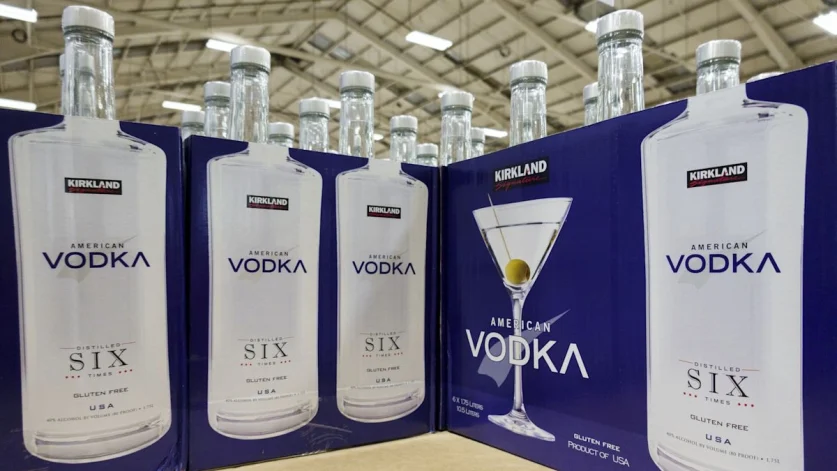
Costco’s Kirkland Signature Vodka has gained popularity for its smoothness, drinkability, and affordability, making it an excellent base for a variety of cocktails. Priced at around $13.69 for a 1.75-liter bottle in some regions, this vodka can be stored in the refrigerator to help maintain quality. Here’s a rundown of five cocktails that pair perfectly with Kirkland Signature Vodka.
Bloody Mary
A classic brunch staple, the Bloody Mary is a delightful mix of vodka, tomato juice, and an array of spices and garnishes. The muted flavor of Costco’s vodka allows the bolder ingredients—like hot sauce, pickle juice, and Worcestershire sauce—to shine. For a spicy twist, consider infusing your vodka with hot peppers using a sous vide process to elevate your Bloody Mary experience.
Moscow Mule
This refreshing cocktail combines vodka with ginger beer and lime juice, ideally served in a chilled copper mug. The mild profile of Kirkland Signature Vodka complements the spiciness of ginger beer, making it a trendy choice. Interestingly, although it’s named after the Russian spirit, the Moscow Mule originated in the U.S. in the 1940s as a marketing ploy.
Espresso Martini
Perfect for brunch, the espresso martini is a delightful blend of vodka, coffee, coffee liqueur, and simple syrup. The Kirkland vodka’s smooth texture enhances the rich flavors of the cocktail. You can personalize the drink by adjusting the amount of coffee liqueur or adding spices like cinnamon for warmth or hazelnut liqueur for a nutty flavor.
Lemon Drop
This sweet and sour cocktail, reminiscent of candy, is crafted with vodka, fresh lemon juice, triple sec, and simple syrup, often served with a sugared rim. While triple sec is standard, you can also use Kirkland’s orange liqueur to create a richer flavor profile.
Dirty Shirley
A grown-up version of the beloved childhood mocktail, the Dirty Shirley features vodka mixed with grenadine, lemon-lime soda, and garnished with maraschino cherries. The combination of fruity sweetness and bubbly carbonation creates a refreshing experience, with Kirkland Vodka providing a smooth background that allows the other flavors to shine.
These cocktails showcase the versatility of Kirkland Signature Vodka, making it a go-to option for any home bartender looking to craft delicious drinks without breaking the bank.
Petaluma River Craft Beer Festival 2023: New Brewers, Live Music, and Unforgettable Experiences Await!
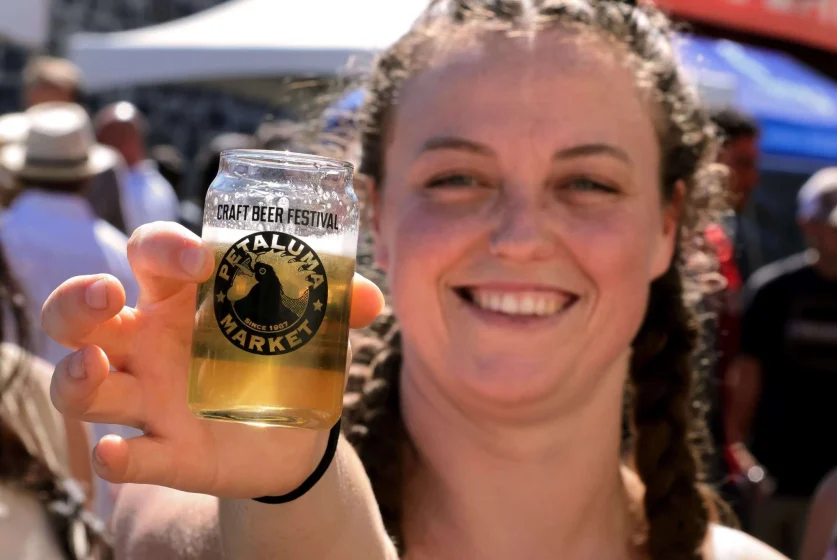
When the Petaluma River Craft Beer Festival returns to Water Street on Saturday, September 12, it will feature a record 24 breweries along with several newcomers and a partnership between two local Rotary clubs.
John Burns, a former festival co-chair and member of the Petaluma Valley Rotary Club, noted that this year’s event is unique—it’s the first time two Rotary clubs, the Petaluma Valley and the Petaluma Sunrise Rotary Club, have collaborated to host the festival. Co-chairs for this year are John Moller and Katherine Wells.
Scheduled from 1 to 5 p.m., the festival will take place along the riverfront in downtown Petaluma. Attendees can sample drinks from local breweries and enjoy live music and food from various local restaurants. The proceeds from the festival benefit local nonprofits focused on education, support for seniors, and those experiencing homelessness, with part of the funds allocated for the preservation of the Petaluma River and wetlands.
General admission provides a commemorative beer glass for sampling, allowing guests to interact with brewers and explore new beverages. Among the festival newcomers are notable breweries and beverage makers from around Northern California. Some long-established names will also be present, such as Anderson Valley Brewing and Gowan’s Cider from Mendocino County as well as Drakes Brewing and Ghost Town Brewing from the East Bay.
Local participation includes The Keg Stand Brewing Co., which is eager to connect with the community. Owner Jacob Gullett emphasizes the intimate, community-focused atmosphere that their brewery has. They plan to showcase several of their beers, which include a range of styles from cream ales to IPAs.
In addition to craft beers, Freedom Juice 1776 from Napa will debut its fermented agave beverage. This year marks another first with two hard cider producers represented; along with Gowan’s Cider, Petaluma’s Goat Rock Cider will also provide tastings.
Musical highlights include performances from The Schlick Ones, marking their first time headlining the festival, alongside Americana-rock band Over the Line and blues outfit Randy & The Special Agents.
For safety, a limited number of designated-driver tickets will be available, offering snacks and non-alcoholic beverages, alongside a purchasing certificate for food vendors. Attendance is restricted to those aged 21 and older.
Event Details:
- What: 12th Annual Petaluma River Craft Beer Festival
- When: 1 to 5 p.m., Saturday, Sept. 12
- Where: Downtown Petaluma riverfront, entrance by Water Street near the Balshaw Bridge
- Admission: $60 in advance; $65 on-site if available. Designated-driver tickets are $25.
- Tickets: petalumarivercraftbeerfest.org
Bayou Rum Designates Crescent Crown Distributing as Its Louisiana Distribution Partner
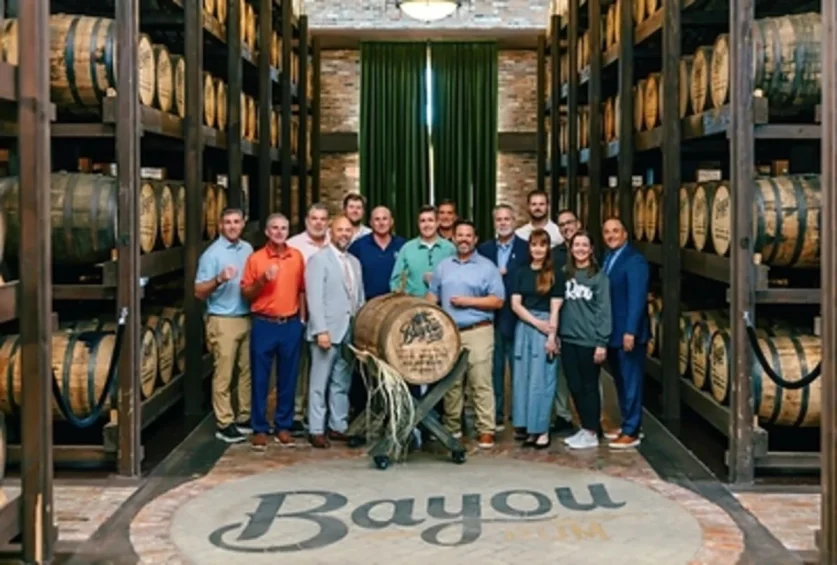
Bayou Rum has announced its partnership with Crescent Crown Distributing as its distribution partner in Louisiana, marking a significant step for the distillery. The first shipments of Bayou Rum commenced on September 1, 2026, with Crescent Crown, a family-owned distributor since 1982, operating in multiple locations in Louisiana.
Crescent Crown Distributing serves around 8,000 retail and on-premise accounts across South Louisiana and has been expanding its portfolio to include spirits since 2023. This partnership signifies a return to local roots for Bayou Rum, which is distilled in Lacassine, Louisiana from locally grown sugarcane and molasses sourced from M.A. Patout & Son, the oldest family-owned sugar mill in the U.S.
The new distribution agreement arrives alongside a major rebranding and product overhaul for Bayou Rum, which includes an updated recipe for its flagship expressions—Bayou White and Bayou Spiced—designed to enhance flavor and overall character. The brand has also implemented a modernized production line capable of filling 3,600 bottles per hour and repositioned its shelf space to compete more effectively against imported rums.
Angelo Torre, President of Louisiana Spirits LLC, expressed pride in the collaboration, stating, "Bayou Rum is proudly born and raised in Louisiana, so entrusting our brand to a Louisiana-based distributor makes this partnership with Crescent Crown especially meaningful." Similarly, Chris Bourg, President of Crescent Crown Distributing, emphasized the honor of adding Bayou Rum to their portfolio and the shared Louisiana heritage between both entities.
Going forward, Bayou Rum plans to expand its distribution beyond Louisiana, aiming to establish a broader presence across several southern states with further developments expected in the fall.
Why Spritz Cocktails Are the Year-Round Trend You Can’t Miss
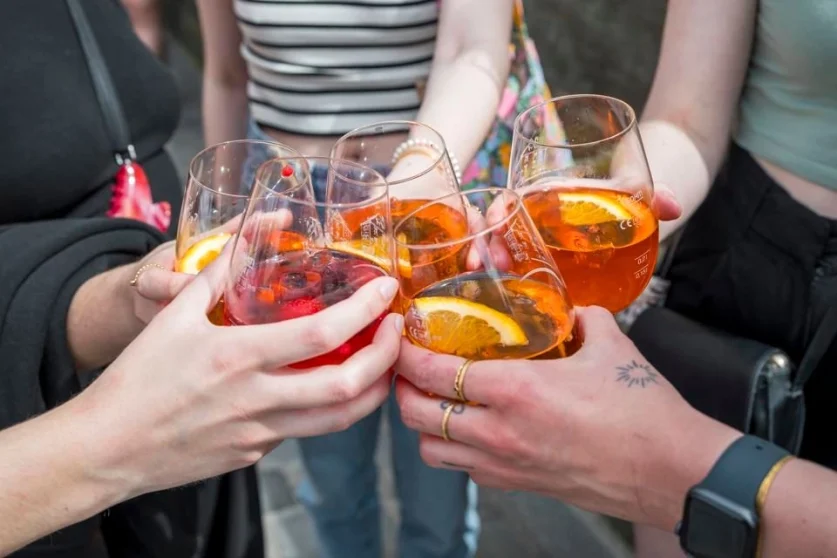
The spritz cocktail, which traces its roots back to 19th-century Northern Italy, has evolved from a summer favorite to a year-round drink. With the traditional recipe featuring Aperol, Prosecco, and soda, this cocktail is now being adapted for fall and beyond. Featuring a flexible 3-2-1 build that combines bubbly, liqueur, and club soda, it allows for creative variations perfect for different seasons.
JoJo Fletcher, co-founder of Saint Spritz, underscores the drink’s rise in popularity. People today crave light, refreshing cocktails that enhance social experiences, ideally suited for daytime gatherings or casual brunches. This shift embraces the aperitivo culture—enjoying a refreshing drink with friends before dinner—which has gained traction in the U.S. in recent years.
Marshall Dawson from Gallo Winery notes that the spritz not only offers flavor but also an experience that is less heavy on the stomach. The cultural rituals surrounding aperitif hour and socializing at home have contributed to its appeal.
The spritz has seen numerous modern adaptations, moving beyond the classic combination of Prosecco and Aperol. For instance, floral flavors are gaining popularity. Mixologist Rafaela Francisco highlights the emerging elderflower and limoncello spritzes, which provide a lighter taste compared to traditional bitters. Similarly, the Sarti Spritz, made with the fruity Sarti Rosa liqueur, is attracting attention for its distinct sweetness.
Locations such as American Social in Florida are now serving the Sarti Spritz, showcasing its refreshing fruitiness while maintaining the core spritz qualities. The cocktail’s portability is also a key factor behind its popularity; ready-made options like canned Saint Spritz serve to bring the spritz experience to more casual settings.
Since the spritz relies heavily on Prosecco, selecting a quality base is essential. Dawson recommends La Marca Prosecco for its bright notes that enhance the overall cocktail experience. Vittorio Marzotto from Santa Margherita emphasizes the balance and freshness provided by quality prosecco, which is crucial for a refreshing drink that invites repeated enjoyment.
When selecting Prosecco, the recommendation is to look for the Prosecco DOC label, as it ensures both authenticity and quality. According to Arianna Pizzolato from the Prosecco DOC Protection Consortium, choosing wines with this designation guarantees they come from specific regions and production guidelines, contributing to the cocktail’s desired freshness and effervescence.
In summary, the spritz cocktail is more than just a summer drink; it has transformed into a versatile, all-year beverage that reflects current social drinking trends. With numerous variations on the classic recipe and a focus on quality ingredients, the spritz continues to enchant aficionados and newcomers alike.