Beachwood Celebrates the Legacy of the ‘Father of Wine Country Cuisine’ in Huntington Beach
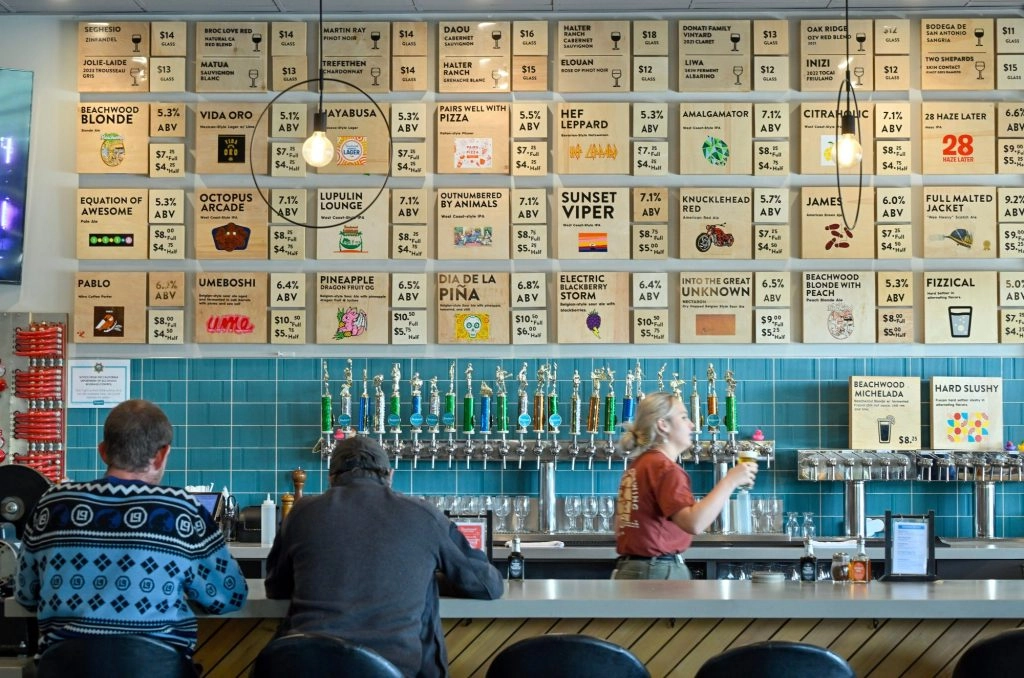
Beachwood Pizza & Beer, located in Huntington Beach, is celebrating the legacy of the late Chef John Ash, often regarded as the ‘father of Wine Country cuisine’. To honor his contributions, the restaurant will feature a limited-time menu from October 23 to November 2, inspired by Ash’s celebrated cookbook “From Earth to Table.”
The temporary menu includes three distinctive dishes: an Earth To Table Sourdough Pizza, a wine-braised chicken Orecchiette, and a Spiced Wine Poached Pear dessert. Chef Ashley Arias, who created these dishes, noted how Ash’s focus on seasonal, local ingredients heavily influenced her culinary approach. The pizza combines Bechamel sauce, mozzarella, Dutch brie, Canadian bacon, portabella mushrooms, and caramelized onions, aiming to capture the essence of a charcuterie board.
The chicken dish features creamy, wine-braised chicken served with herbed Shiitake mushrooms, sun-dried tomatoes, and parmesan, described as "super herbie" and "savory." The dessert utilizes the same type of wine mentioned in Ash’s cookbook to poach the pears, achieving a tender texture while retaining firmness.
Beachwood’s owner, Gabriel Gordon, reflected on Ash’s impact on his career, highlighting Ash’s influence as a mentor and friend during his formative cooking years. This tribute not only showcases the flavors and philosophies of Ash’s cooking but also reinforces the continued relevance of his work in contemporary cuisine.
Location: Beachwood Pizza & Beer, 5205 Warner Ave., Huntington Beach
Event Duration: October 23 – November 2
More Information: Beachwood Brewing
Where Wine Meets Creativity: Bella Union Winery’s Inspiring Artist-In-Residence Program
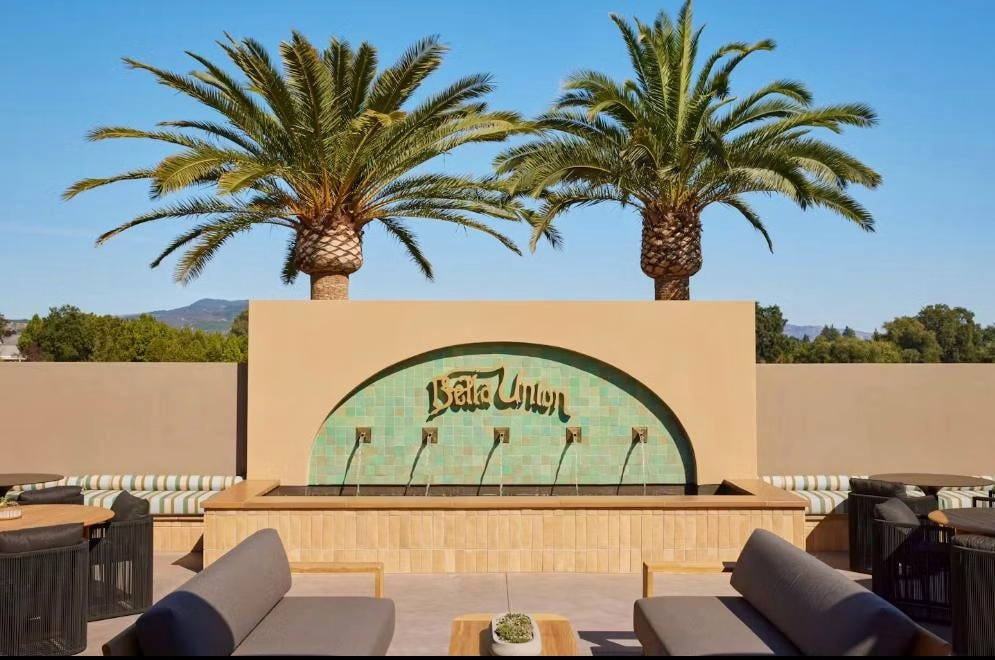
Bella Union winery, which opened in Napa Valley in autumn 2024, has successfully attracted over 10,000 visitors by offering unique tasting experiences and hosting an Artist in Residence program. This initiative encourages collaboration between wine and art, making it a highlight of the winery’s offerings.
The winery features a variety of tasting experiences, with pricing options designed to accommodate guests of all demographics. One notable aspect is the Bella Union Salon Series, which features quarterly events where visitors can meet the Artist in Residence. The program was established to highlight the connections between winemaking and the arts, particularly cultural contributions from the Hispanic community.
Harold Mendez, the first artist selected for the residency, focused on creating a piece that reflects the essence of Bella Union while also exploring his mixed heritage as a first-generation American. His artwork, “A Moment’s Notice,” incorporates the colorful lees—sediment leftover after fermentation—from the winemaking process, showcasing a fusion of winemaking and artistic expression.
Following Mendez, Eduardo Sarabia, an artist known for his interdisciplinary approach and based in Guadalajara, will take on the next residency starting November 2025. Sarabia will also engage with guests during Artist Salon experiences, continuing the tradition of marrying artistry with the winemaking process at Bella Union.
To learn more about the Bella Union Artist in Residence program and their experiences, visit Bella Union Winery and the Artist in Residence program.
Winemaker Sounds Alarm: ‘Really Scary’ Ingredients Found in American Wine Bottles
U.S. winemaker Charles Smith raises concerns about the lack of transparency regarding the ingredients in American wines. During an interview with FOX Business’ Stuart Varney, he revealed that there are more than 70 additives that can be included in these wines without being labeled, which leads many consumers to mistakenly believe that wine is made purely from grapes.
Smith argues that it is essential for consumers to know what they’re drinking, advocating for the legal requirement to list all ingredients on wine bottles, whether on the label, via a QR code, or online. He stated, "You don’t know if you happen to be susceptible or even allergic to any of these because you don’t know what’s in the wine."
His own brand, Real Wine, takes a different approach by providing complete transparency with a simple label that states, "Ingredients: grapes." He stands out as the only North American producer that uses only grapes in his wine.
Despite changes in drinking trends, particularly among younger adults gravitating towards spirits or beer, Smith maintains optimism for the wine industry’s future, emphasizing that wine should be a fun and relaxing experience. Recent surveys indicate a decline in alcohol consumption among U.S. adults, with the lowest levels recorded since 1939, highlighting potential shifts in generational preferences.
Ultimately, Smith’s message underscores the importance of ingredient transparency, suggesting it’s just as vital as taste in the wine industry.
Remembering Michael Smuss: A Hero of the Warsaw Ghetto Uprising Passes Away at 99
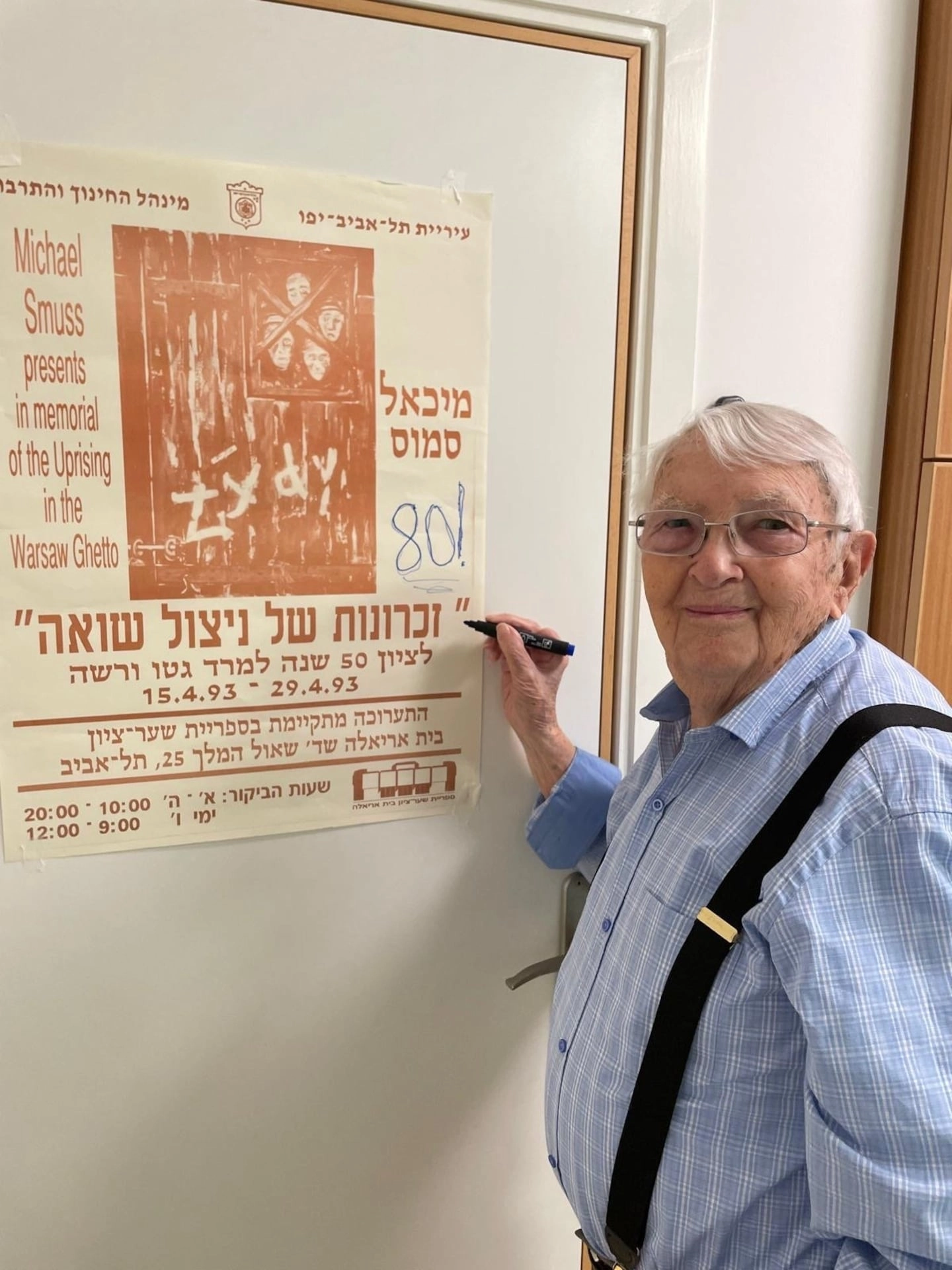
Michael Smuss, a Holocaust survivor, painter, and fighter during the Warsaw Ghetto Uprising, has passed away at the age of 99. His death on October 21 was confirmed by his wife in Israel, with Yad Vashem, the World Holocaust Remembrance Center, announcing that his funeral would take place the following day.
Born in 1926 in Danzig, now known as Gdansk, Poland, Smuss later moved to Lodz and Warsaw. By 1940, he was one of the hundreds of thousands of Jews imprisoned in the Warsaw Ghetto, which initially housed around 380,000 people, with conditions deteriorating into rampant disease and starvation.
Joining the Jewish resistance, Smuss became involved with an underground group led by Mordechai Anielewicz. During his resistance efforts, he accessed materials to create Molotov cocktails, which were crucial for their fight against Nazi forces. Smuss described how they prepared bottles filled with flammable substances, anticipating the Nazi assault.
On April 19, 1943, when the Nazis attempted to demolish the ghetto, hundreds—Smuss included—fought back fiercely. He successfully resisted and was one of the few to survive what lasted almost a month before the ghetto was subdued. Although he was captured and en route to Treblinka, the Nazis redirected him back due to a labor shortage, leading Smuss to endure life in other camps.
After the war, Smuss emigrated to the United States, where he established a family before moving to Israel and embarking on his healing journey through art. He developed a passion for painting, utilizing it as a means to process his traumatic past. Throughout his life, he maintained an incredible sense of humor, much to the admiration of his family. Smuss’s legacy includes his dedication to educating future generations about the horrors he endured and survived.
Louisiana Rum Distillery Named Sixth Best Craft Rum by USA Today
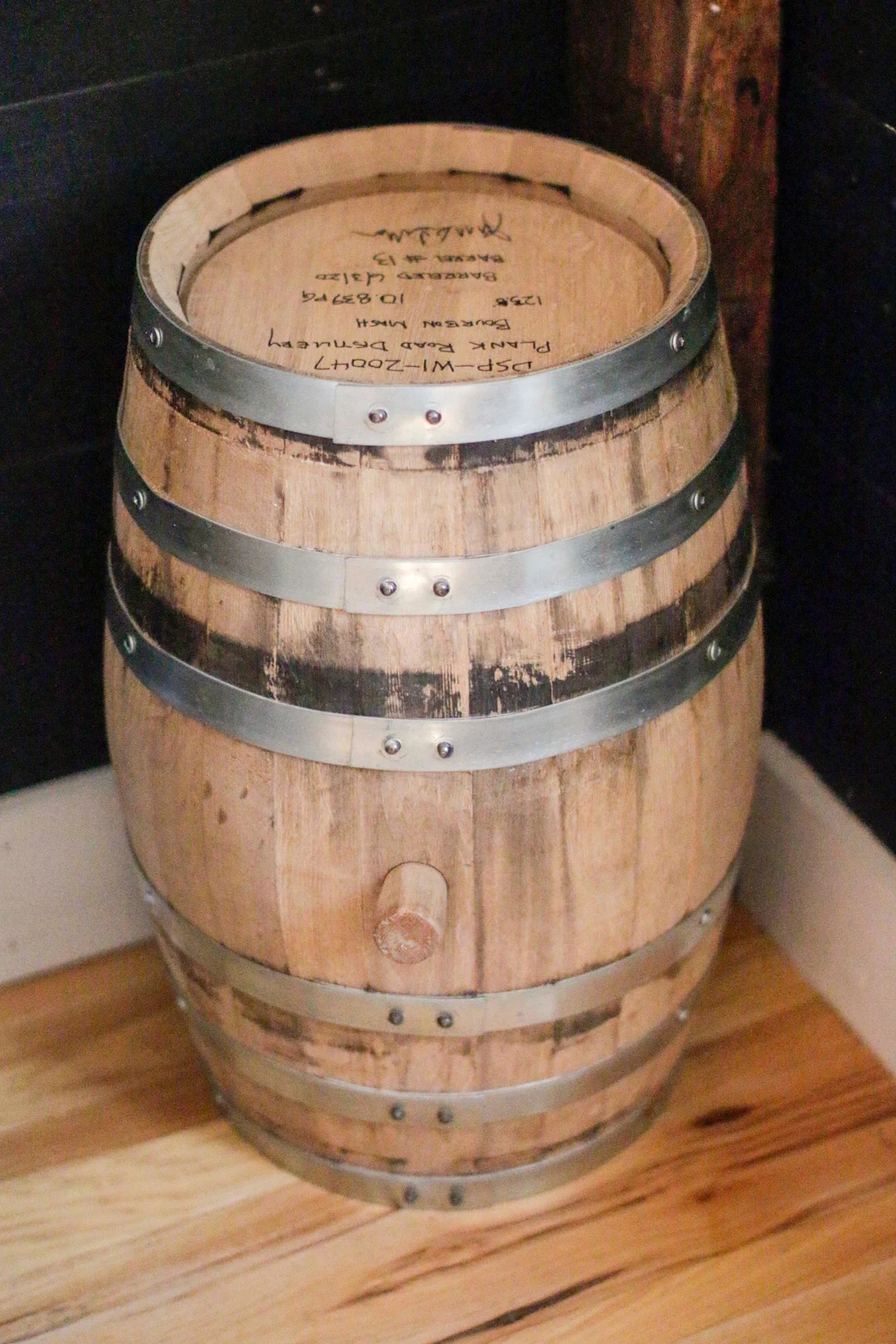
Oxbow Rum Distillery has recently made headlines by being named the sixth-best craft rum distillery in the United States according to USA Today’s 10Best Readers’ Choice Awards. This family-run distillery in Louisiana operates on a five-generation cane farm and sugar mill, distinguished by its production of single-estate rums utilizing rare ingredients such as fresh-pressed raw cane juice and high-quality Grade A molasses.
The unique sugarcane used for Oxbow Rum is cultivated on the estate itself, benefiting from the rich soil of an old Mississippi River oxbow. This sustainable approach means that the harvested cane is directly transformed into raw cane juice and raw sugar, with blackstrap molasses serving as a byproduct.
The distillation process at Oxbow involves fermenting the sugar to create alcohol, which is first distilled in a copper hybrid pot still and subsequently in a stainless steel still. The spirits produced can either be aged in premium oak barrels for depth or left unaged and gently proofed over time. Notably, their Oxbow Estate Line is crafted without any added sugar, color, or flavor, aiming to deliver the purest rum experience. Furthermore, the labels of their False River flavored rums provide transparency about their ingredients, enhancing consumer trust.
For those interested in exploring the world of rum, Oxbow Rum Distillery exemplifies a commitment to quality and tradition that resonates with enthusiasts and connoisseurs alike.
52eighty Distilling: Littleton’s Vodka, Whiskey, and Gin Maker Files for Chapter 7 Bankruptcy
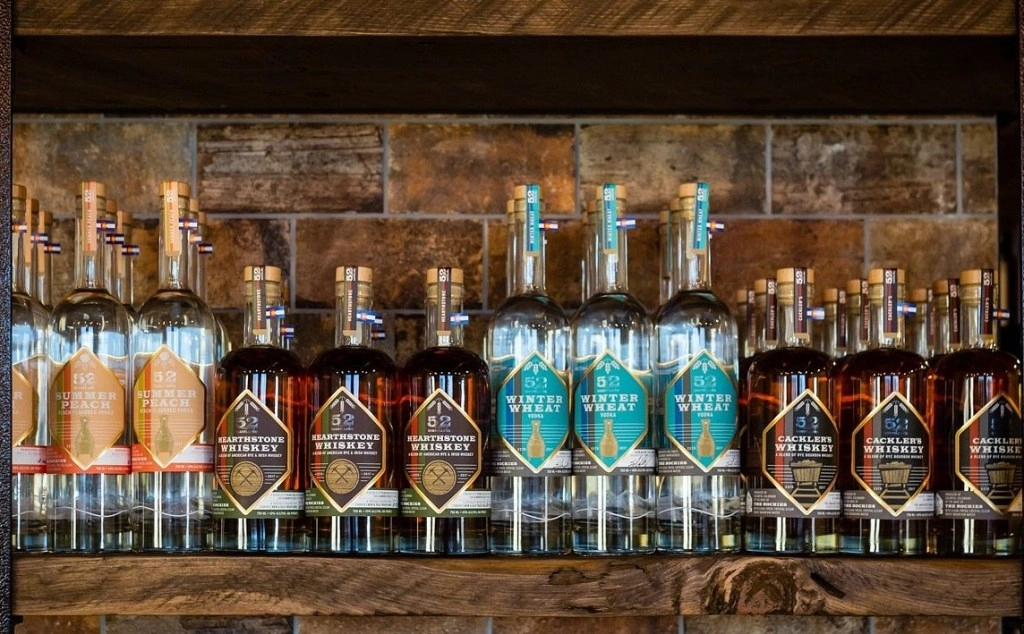
A Littleton-based distillery known as 52eighty Distilling, which has been producing vodka, whiskey, and gin since its founding in 2018, has announced its decision to cease operations. The company filed for Chapter 7 bankruptcy last week, marking the end of its journey as it intends to liquidate its assets.
Founded by brothers Erick and Drew Demgen alongside their friend Lou Pacenta, 52eighty Distilling has encountered declining sales over the past few years. By mid-October 2025, the distillery reported a meager revenue of $72,629, a significant drop from the $97,900 generated in all of 2024 and from $158,040 in 2023.
The distillery sold its products through its website, various retailers, and its tasting room located at 10488 W. Centennial Road in Littleton, which has now closed its doors. The bankruptcy filings indicate that the last rent payment of nearly $20,000 was made in July 2025, with the lease extending until February 2028.
In the filings, 52eighty listed its assets at approximately $288,000, which includes $175,000 in equipment. Additionally, the company has about $10,000 worth of alcohol ready for processing and $6,000 worth of raw materials. However, the distillery’s liabilities total around $1.1 million, with substantial debts owed to the U.S. Small Business Administration and Ready Cap Lending.
Each of the founding trio holds an 18% stake in the company according to the bankruptcy documents, which do not specify the ownership of the remaining shares. Attorney Robertson B. Cohen of Cohen & Cohen is overseeing the bankruptcy proceedings for 52eighty.
Baking the Perfect Old Fashioned Whiskey Cake: A Step-by-Step Guide
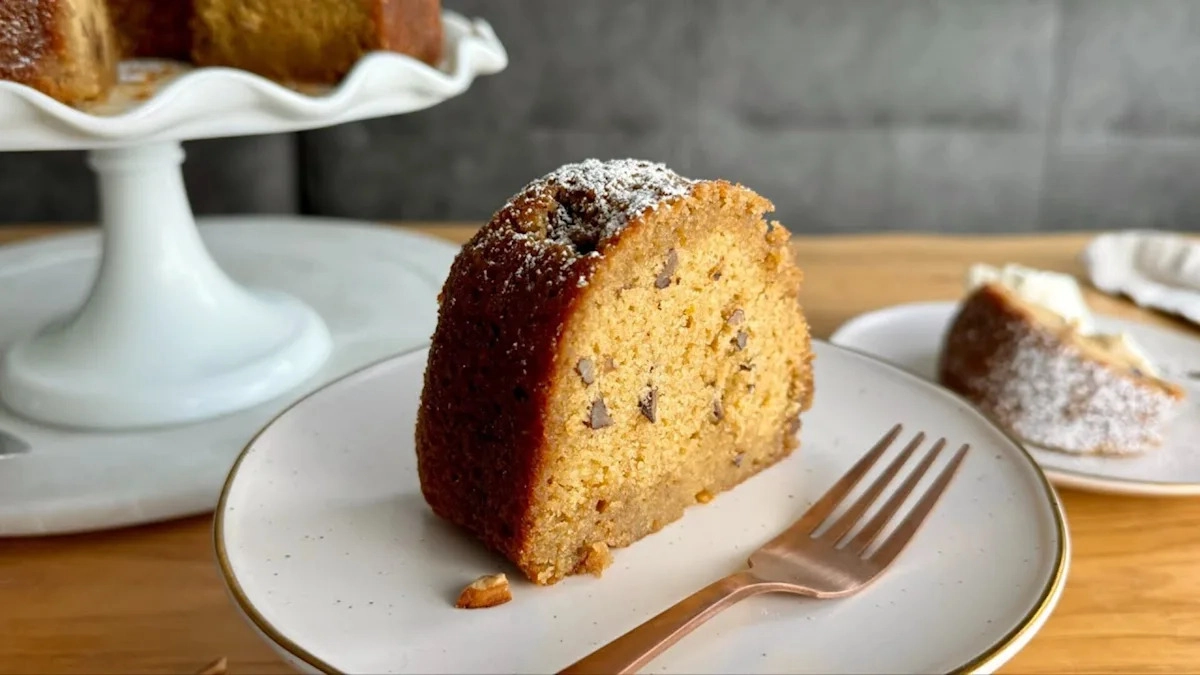
This old-fashioned whiskey Bundt cake is not only easy to prepare but is also designed to impress your guests with its elegant appearance and delightful flavor. The cake boasts a rich, sweet, and slightly boozy profile, making it a perfect choice for gatherings or special occasions.
To create this charming dessert, you will need basic baking ingredients such as flour, sugar, eggs, and, of course, whiskey. The combination of these elements results in a moist cake with a tender crumb.
The whiskey adds a distinct character, providing depth to the flavor without overwhelming the sweetness. Once baked and cooled, this beautiful Bundt cake can be glazed or dusted with powdered sugar for added allure.
Perfectly paired with a cup of coffee or tea, this cake is a crowd-pleaser and will surely be a memorable addition to your dessert table. Whether you’re serving it at a dinner party or enjoying it at home, it celebrates the comforting flavors of whiskey in a delightful way.
Unveiling the World’s Best Rye Whiskey: Highlights from the 2025 Las Vegas Global Spirit Awards

Five rye whiskeys achieved top honors at the 2025 Las Vegas Global Spirits Awards (LVGSA), with two Platinum and three Gold medals awarded. The standout was WhistlePig Small Batch Rye, aged 10 years, which earned the title of World’s Best Rye with an impressive score of 99.4 out of 100.
The LVGSA is a respected U.S.-based competition featuring blind tastings judged by a panel of industry veterans. The awards are divided into categories where spirits are evaluated based on appearance, aroma, palate, balance, and finish. In 2025, the judges highlighted the nominees for their bold character and quality craftsmanship, which exemplifies the best of rye whiskey.
Award-Winning Whiskies
-
WhistlePig Small Batch Rye Aged 10 Years, 50% ABV, 750 ml (99.4/100 points)
- Originating from Vermont, this rye whiskey is known for its 97-100% rye mash bill. Judges noted its aromas of allspice and dried orange zest, complemented by flavors of caramel, vanilla, and rye spices. The finish is long and rich.
-
WhistlePig Old World Rye Aged 12 Years, 43% ABV, 750 ml (99.3/100 points)
- This whiskey matures for 12 years and undergoes a unique finishing process in Madeira, Sauternes, and Port casks. Its tasting notes include caramel, dried fruits, and a smooth texture.
-
American Icon, Big Red Rye, 45% ABV, 750 ml (92.7/100 points)
- Produced by American Icon Spirits, this rye exhibits aromas of citrus and baking spices, and on the palate, flavors of caramel and cooked grains are prominent. It finishes with hints of wood spices.
-
TINCUP Rye Whiskey, 45% ABV, 750 ml (91.5/100 points)
- Sourced from MGP Ingredients, this rye features notes of orange zest and vanilla, with a palate showcasing caramel and spicy rye.
-
Old Potrero, California Cellar Series #04 Almanac Beer Finish, 57.5% ABV, 750 ml (90.7/100 points)
- A cask-strength offering that mixes malt tones from beer barrels with the signature spice of rye. It boasts flavors of caramel, roasted malt, and stone fruit.
These awardees illustrate the depth and versatility of American rye whiskey, showcasing its expressive nature and potential for refined flavors. Whether enjoyed neat or in cocktails like a Manhattan, these whiskies highlight the craft and legacy of rye whiskey in America.
For more information about the Las Vegas Global Spirits Awards, visit LVGSA.
Raise a Glass: Creative Cocktails to Celebrate Día De Los Muertos Inspired by the Phases of the Moon

Richard Sandoval Hospitality is celebrating Día de los Muertos with an innovative culinary event called Sacred Moon. This initiative transforms the phases of the moon into unique cocktail-and-plate pairings, showcasing the rich traditions of the holiday.
Chef Richard Sandoval, recognized for his passion for Latin American cuisine, is launching Sacred Moon at over 60 restaurants globally. The event features a month-long immersive experience with special menus, decorations, and drinks inspired by the lunar cycle. The culinary highlight includes an intimate tasting dinner that presents three distinct dishes paired with eight cocktails, known as the Lunar Beverage Collection.
The tasting event, designed to deepen the appreciation of Día de los Muertos, will be led by Sandoval along with Chef Giancarlo Sandoval and mixology expert Riesler Morales from Casa Lumbre, a renowned Mexican spirits company. Each cocktail in the collection is inspired by a phase of the moon. For instance, the Lunar Goddess cocktail uses tequila and fig-infused honey, while the Moon’s Embrace features Mexican whiskey and rose water.
For those unable to attend the tasting event, a selection of these specially crafted cocktails will be available at select Richard Sandoval restaurants across the U.S. until November 3. Additionally, certain locations internationally, such as Cayao at the Four Seasons Resort in Cabo San Lucas and Toro at The St. Regis Kanai Resort in Riviera Maya, will also feature the holiday-inspired menu.
Chef Sandoval is sharing a couple of cocktail recipes from the Lunar Beverage Collection for those looking to celebrate at home. The recipes include a cocktail inspired by the New Moon, featuring mezcal and pumpkin, and another inspired by the Waxing Crescent, which mixes tequila with tamarind and black salt.
These curated cocktails not only honor Mexican culinary traditions but also invite guests to experience the vibrant spirit of Día de los Muertos through delightful flavors and artisanal craftsmanship.
Judge Grants Burglar Time to Locate £24K Wine Heist Stash

A pedicab driver, Iuliu Kubola, has been involved in a series of burglaries that targeted several restaurants in London, including Piazza Italiana where he stole wine valued at nearly £24,000. On June 6, Kubola used a wheelie bin to transport 73 bottles of wine from the restaurant’s cellar to his pedicab.
During a hearing at the Old Bailey, his lawyer, Daisy Kell-Jones, claimed that Kubola, 61, was eager to return the stolen wine to the police. Consequently, Judge Mark Lucraft KC postponed his sentencing to November 3 to allow Kubola the chance to fulfill this promise.
Kubola had previously pleaded guilty to the June 6 burglary and admitted to committing three additional thefts. These included taking approximately £6,000 worth of wine and £200 from the till at Comptoir Cafe and Wine in Mayfair on May 10, alongside smaller thefts from Oliveto restaurant and Piazza Italiana.
He was apprehended on June 22 near Piazza Italiana, discovered with an array of tools and stolen alcohol in his possession. In a police interview, when questioned about his intentions with the stolen wine, he remarked, "Wine is to drink, no?"
Kell-Jones noted that Kubola had worked for two of the establishments he targeted and claimed he stole the wine due to unpaid wages. Prosecution lawyer Matthew Jolliffe sought £31,393.20 in compensation for the restaurant to cover the stolen goods and damage incurred. The judge expressed hope that Kubola’s cooperation in recovering the wine would allow for some of the compensation amount to be recouped.
Kubola is scheduled to return to court on November 3 for sentencing.