Suntory’s Hyper-Aged Bourbon: A Glimmer of Hope in a Challenging Year for Whiskey

Knob Creek, a notable name in the Jim Beam portfolio, has introduced its oldest bourbon yet, the 21-Year-Old. This release arrives at a critical juncture for bourbon, coinciding with a period of declining sales in American whiskey, reflecting a broader concern within the industry.
As one of Suntory Global Spirits’ flagship brands, Knob Creek’s latest offering not only signifies the brand’s effort to lead in the ultra-premium bourbon category but also showcases its rich heritage. The release comes amid significant leadership changes within Suntory, including the recent resignation of CEO Takeshi Niinami, who played a pivotal role in the successful merger of Suntory and Jim Beam.
The Knob Creek 21-Year-Old distinguishes itself as it spans two distinct production eras: Fred Noe, a long-time distiller, crafted it prior to Beam’s acquisition by Suntory in 2014. The bourbon community has shown enthusiasm, engaging in lively discussions regarding its tasting notes and expected allocation on various forums.
Notably, this bourbon is bottled at 100 proof, a thoughtful choice to maintain balance and smoothness, avoiding overpowering wood flavors that can emerge in older spirits. Thus, the tasting notes are characterized by aromas of seasoned oak and caramelized sugar.
Retailing at $250, the Knob Creek 21-Year-Old’s availability has been somewhat unconventional, with some customers acquiring bottles before the official launch. Nevertheless, die-hard fans of bourbon may still find opportunities to purchase it at local liquor stores as the initial stock lasts.
For further information, visit Knob Creek’s official site.
Why This $17 Bottle of Red Wine is My Thanksgiving Must-Have

As autumn arrives, marked by falling leaves and the onset of chillier weather, many people begin to savor the comforting flavors of the season in their meals and beverages. For one wine lover, this transition also brings a change in beverage preference. While summer is a time for refreshing, citrusy white wines, fall calls for something richer and deeper.
Red wines often lead to headaches for the writer, but there is one exception: Lambrusco, a sparkling red wine from Italy’s Emilia-Romagna region. Celebrated for its light, fruity, and floral character, Lambrusco comes in various styles ranging from sweet to dry. The writer suggests two specific varieties for beginners: Lini Lambrusco Rosso and Denny Bini Lambrusco dell’Emilia.
What makes Lambrusco a perfect fall wine?
-
Lightly Sparkling: Lambrusco is a frizzante wine, providing a gentle fizz that makes it very approachable compared to highly carbonated options like Champagne.
-
Versatile Pairing: This wine transcends traditional pairing rules, harmonizing beautifully with a variety of dishes, from seafood to hearty pot roasts. It is particularly favored for Thanksgiving dinners.
-
Ideal for Transitioning Weather: With its balance of warmth and fruitiness, Lambrusco suits the fluctuating temperatures of autumn, making it a suitable companion alongside seasonal favorites like pumpkin spice lattes and mulled cider.
As you plan your fall gatherings or prepare for Thanksgiving, consider adding Lambrusco to your table. Its delightful flavors and versatility make it a great choice for any meal.
“Out-of-This-World” Wine Event Soars Above Sonoma Winery: A Celestial Experience Awaits

An exciting stargazing event is set to return to the skies over Hamel Family Wines in Sonoma this fall. Guests will be treated to a unique experience led by astronomer Dan Gordon, who will provide access to a high-powered telescope, allowing attendees to explore the universe above.
This captivating event not only showcases the beauty of the night sky but also aligns with Hamel’s commitment to biodynamic winegrowing practices, which honor lunar and astrological cycles. Each ticket includes two glasses of the winery’s exceptional wines, paired with light bites crafted by executive chef Thomas Mendel, a recent winner of the "Best World Young Chef Competition" in Singapore.
Scheduled for November 7 and December 12 from 6 to 8 p.m., tickets are priced at $110 for non-members and $75 for members. Interested participants can purchase tickets on Hamel Family Wines’ event page.
Location: Hamel Family Wines, 1504 Sonoma Highway, Sonoma; 707-996-5800.
Savor the Season: The 7 Best Fall Punch Cocktails for Your Big-Batch Gatherings
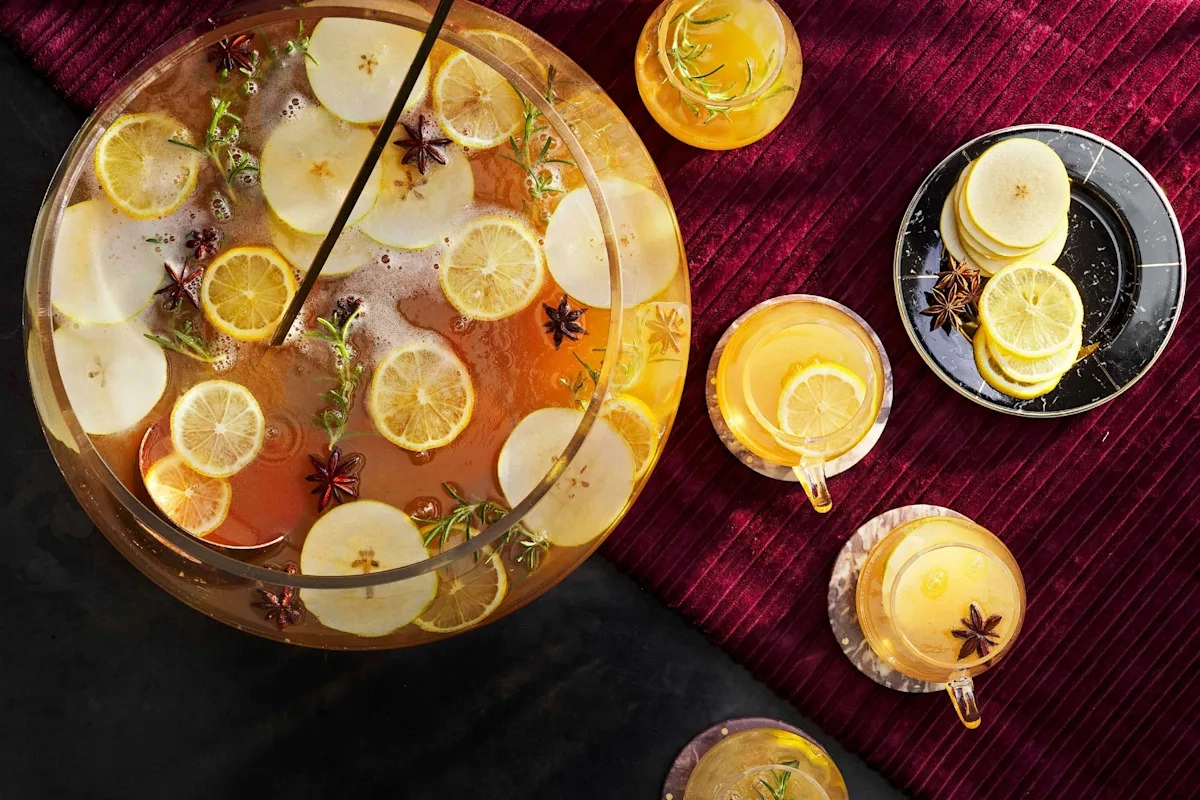
This fall season, as the weather cools and the leaves change color, it’s the perfect time to gather with friends and family around a punch bowl. Whether you’re cozying up by a fireplace or hosting an autumnal gathering, the right beverage can enhance the mood. Here’s a selection of seven big-batch cocktails ideal for fall, featuring a mix of traditional flavors and innovative blends.
Gaelic Punch
This warm Irish punch, crafted by cocktail historian David Wondrich, showcases Irish whiskey. It incorporates classic elements like spirit, sugar, citrus, and spices, creating a comforting drink perfect for chilly evenings. For the best results, use a young Irish whiskey and pre-warm the serving bowl to maintain the drink’s temperature.
Nonalcoholic Cranberry-Pomegranate Punch
M. Carrie Allan developed this vibrant zero-proof punch, which combines cranberry and pomegranate juices with a tea-infused simple syrup. To elevate its festive spirit, top this refreshing drink with a non-alcoholic sparkling wine. For those who prefer an alcoholic version, you can easily substitute with a dry prosecco or cava.
Sparkling Cranberry-Ginger Punch
A delightful blend of tart cranberry juice and spicy ginger ale, this low-alcohol punch leverages frozen cranberries to keep it cool. You may want to have extra sparkling wine handy for guests to enjoy a top-off throughout the evening.
Sparkling Pear Punch
In this effervescent punch, chef Mashama Bailey celebrates the flavors of pear through pear brandy, pear nectar, spiced liqueur, hard cider, and fresh slices. A hint of lemon juice adds brightness, making it perfect for both fall and winter festivities. You can prepare the basic mixture a day in advance and just add the sparkling cider on the day of your event.
Pomegranate-Tequila Punch
This festive punch merges blanco tequila with pomegranate juice, ginger tea, maple syrup, and lime juice for a perfectly balanced sweet-sour taste. It can be batched up to three days before serving, making it a convenient option for holiday gatherings.
Anjou Punch
Crafted by bartender Leo Robitschek, this punch combines Cognac, pear liqueur, cinnamon, citrus juice, and Champagne. Its rich flavors and festive spirit make it an excellent choice for fall and winter celebrations, serving up to 12 people.
Cranberry Punch with Sumac
Another refreshing creation by chef Mashama Bailey, this punch features a bright base of frozen cranberries combined with sugar and tart sumac, topped off with sparkling water. The preparation is simple and produces a drink that captures the essence of seasonal flavors without the alcohol.
These large-batch cocktails not only provide variety for guests with different tastes but also set a warm and inviting tone for your fall gatherings. Happy mixing!
Vodka-Infused Caramel Apple Grapes: The Halloween Party Treat That Wow’d Everyone!

As Halloween approaches, preparations for themed snacks take center stage, leaving costume planning on the back burner. This year, a delightful treat on the menu is caramel apple-inspired grapes, infused with a boozy twist. The aim is to blend the visual appeal of traditional caramel apples with a more bite-sized and shareable option that is both fun to create and enjoy.
The Appeal of Caramel Apple Grapes
Caramel and candy apples may be a seasonal favorite, but they can be quite impractical as party treats. They require precise cooking techniques with a candy thermometer, resulting in large servings that are difficult to handle. In contrast, caramel grapes not only maintain the festive aesthetic but also simplify the experience. These grapes are tasty on their own, yet the challenge is to elevate them for an adult gathering.
Infusing Alcohol for Added Flavor
For a fun adult twist, start by rinsing the grapes. Before drying them, submerge them in a bowl of caramel vodka and let them soak for about an hour to enhance their flavor without making them taste overly alcoholic. After soaking, simply follow the usual steps for coating the grapes.
Tips for Success with Boozy Caramel Apple Grapes
- Ensure Grapes Are Dried: Completely dry the grapes before applying caramel; moisture will prevent the coating from sticking.
- Choose Store-Bought Caramels: Opt for store-bought caramels rather than homemade versions, as they are more suited for dipping.
- Experiment with Toppings: While the classic caramel and peanuts are a must-try, don’t hesitate to mix it up with toppings like rainbow sprinkles, chocolate flakes, or nuts to create unique variations that are sure to please.
For those organizing a Halloween party, these boozy caramel apple grapes are an easy and crowd-pleasing treat. Consider making a larger batch to accommodate partygoers, keeping in mind their irresistible appeal!
Reclaiming Caribbean Identity: The Culinary Journey of a Trinidadian Chef

Chef Natasha de Bourg is making waves in the culinary world as the Executive Chef of Rumhouse, a restaurant located near the Maryland Governor’s Mansion in Annapolis. It offers an elevated take on Caribbean cuisine and reflects de Bourg’s Trinidadian roots. Known for her vibrant and bold cooking style, de Bourg’s menu is a tribute to the Caribbean’s rich cultural heritage, illustrating a blend of flavors that tell a powerful story of endurance and identity.
Rumhouse serves dishes that carry deep historical significance, from jerk-marinated meats to creamy coconut sauces. Chef de Bourg emphasizes the narrative behind each dish, hoping to show patrons that Caribbean cuisine is rooted in both struggle and triumph. "What was once enslaved is now precisely what people want and demand," she says, underscoring the journey that shaped these culinary traditions.
Rumhouse stands out not only for its food but also as a statement against the notion of the Caribbean as merely a tourist playground. Rather, it boldly asserts that the culinary landscape is defined by the people of the islands, their flavors, and their stories. De Bourg’s menu staples include her family’s pelau—a beloved West Indies rice dish—which connects her with her heritage and serves as a reminder of the resilience inherent in Caribbean cooking.
With a background as the first Caribbean female student at César Ritz Colleges Switzerland, de Bourg has trained in several Michelin-starred establishments, gaining experience across Europe before bringing her talents back to her roots. Her past participation on Bravo’s reality series Below Deck Sailing Yacht has added a public dimension to her career, although she has faced stereotypes that often misrepresent Caribbean women.
Despite these challenges, de Bourg has built a dedicated following; reservations for Rumhouse are often fully booked weeks in advance. Customers travel from neighboring states to savor her unique interpretations of Caribbean classics, where traditional dishes like jerk lamb and crab cakes receive high praise for their authenticity and flavor.
Beyond Rumhouse, de Bourg is also the founder of the Trinidad Culinary Association, which fosters a stronger culinary community in her homeland. She views her restaurant not just as a business, but as part of a broader cultural movement to reclaim and redefine Caribbean identity through food.
She envisions Rumhouse as a vessel of pride, elegance, and cultural expression, demonstrating that Caribbean cuisine deserves recognition on the global stage. "Our nations and their cuisine have always been great," she reflects, celebrating the depth and richness of her culinary heritage while inviting guests to join her on this flavorful journey.
A Classic Take: The Garvey Old Fashioned Cocktail Recipe

The Garvey Old Fashioned cocktail is a delightful twist on the classic recipe, incorporating molasses-rich dark rum and an infusion of pineapple syrup along with savory jerk spices. This spirit-forward drink is not only flavorful but also visually appealing, served over a large ice cube in a rocks glass and garnished with a slice of dehydrated pineapple.
This drink pays homage to Marcus Garvey, a notable Afro-Jamaican political activist whose ideologies greatly influenced Black nationalism in the early 20th century.
Why the Garvey Old Fashioned Works
What sets the Garvey Old Fashioned apart is its ability to elevate the nutty and savory profiles of Ten To One’s Dark Rum. Traditionally, simple syrup would add sweetness to such cocktails, but here, a pineapple-infused demerara syrup is utilized for a rich, caramelized sweetness. Made by reducing equal parts demerara sugar and pineapple juice, it adds a unique fruity twist.
Additionally, the use of jerk bitters, crafted from spices typically found in jerk seasoning such as black pepper, nutmeg, and habanero, introduces a warm and spicy kick, transforming the expected Old Fashioned experience into something refreshing and new.
Ingredients
- 2 ounces Ten To One Dark Rum
- 1 1/2 teaspoon pineapple demerara syrup
- 2 dashes jerk bitters
- Dehydrated pineapple slice, for garnish
Directions
- In a mixing glass filled with ice, stir together the rum, pineapple demerara syrup, and bitters for about 30 seconds until well chilled.
- Strain into a rocks glass over a large ice cube and garnish with a dehydrated pineapple slice.
How to Make Pineapple Demerara Syrup
To create the pineapple demerara syrup, combine:
- 1/2 cup demerara sugar
- 1/2 cup pineapple juice
In a small saucepan, heat the mixture over low heat, stirring until the sugar dissolves. Allow it to cool to room temperature, then store in an airtight container in the refrigerator for up to three weeks.
This innovative cocktail not only celebrates a rich cultural heritage but also offers a deliciously unique twist that is perfect for any cocktail enthusiast.
Deliciously Simple Apple-Rum Compote Recipe for Fall Flavors

Apple-Rum Compote
Transform autumn’s beloved fruit into a delightful, spiced preserve with a hint of rum.
This apple compote recipe, created by pastry chef Joanne Chang, blends tart and sweet apples to prevent any cloying sweetness. The addition of rum provides warmth and a light kick to the flavor profile. This versatile condiment is not only a great jam alternative but also serves as a subtly spiced layer for cakes.
Cooking Technique: Flambé
To achieve a caramelized rum flavor without overpowering the dish with alcohol, Chang employs a flambé technique. After simmering the apples with brown sugar and spices, she carefully ignites the rum poured into the skillet. The flames burn off some alcohol and enhance the overall complexity of the compote. While this method doesn’t eliminate all alcohol, it does mellow the intensity.
Notes from the Food & Wine Test Kitchen
- Gold rum, recommended for its balanced aging, complements the dish perfectly.
Ingredients
- 1 medium McIntosh, Braeburn, or Fuji apple, peeled, cored, and cut into 1/2-inch pieces
- 1 medium Granny Smith apple, peeled, cored, and cut into 1/2-inch pieces
- 5 tablespoons packed light brown sugar
- 1 tablespoon all-purpose flour
- 1/4 teaspoon kosher salt
- 1/8 teaspoon ground cinnamon
- 1/2 cup (4 ounces) gold rum
- 1 teaspoon fresh lemon juice
- 1/2 teaspoon vanilla extract
Directions
- In a large skillet, combine both types of apples, brown sugar, flour, salt, and cinnamon. Let the mixture stand for about 30 minutes, stirring occasionally, until the sugar starts to dissolve.
- Cook the apple mixture over medium-high heat, stirring often, until the apples are tender, about 5 minutes.
- Remove the skillet from heat and pour the rum into it. Using a long match, carefully ignite the fumes just above the rum mixture. Shake the skillet gently until the flames extinguish, which should take about 1 minute.
- Return the skillet to medium-high heat and cook, stirring frequently, until the liquid has almost evaporated completely, around 2 minutes. Remove from heat.
- Mash the apple mixture using a fork or potato masher until mostly smooth. Stir in lemon juice and vanilla extract. Allow the compote to cool completely at room temperature, about 30 minutes.
Make Ahead
This compote can be made up to three days in advance and stored in an airtight container in the refrigerator.
Enjoy this apple-rum compote on its own, as a topping for buttered scones, or incorporated into layer cakes for a deliciously festive touch.
Justin Herbert’s Heroic Basketball Save: Madison Beer Goes Viral!

Justin Herbert, quarterback for the LA Chargers, recently captured attention when he defended his girlfriend, Madison Beer, during a recent Lakers game. As the couple enjoyed a courtside seat at the Crypto.com Arena, a stray basketball headed their way. In a swift act of chivalry, Herbert sprang into action, swatting the ball away before it could hit Beer, showcasing his athleticism while earning major brownie points as a boyfriend.
The moment quickly went viral, with fans sharing photos online that highlighted Herbert’s protective gesture. The two were dressed stylishly, with Herbert opting for a black shacket paired with blue light-washed jeans, while Beer donned a sleek black halter top and matching denim, accessorized with silver jewelry. Their outing came shortly after the Chargers secured a victory against the Minnesota Vikings in the NFL season.
Rumors of their romance began swirling in August 2025, when they were seen leaving a music video shoot together. They publicly confirmed their relationship on October 5, 2025, during a Chargers game where they shared a sideline kiss. Their appearance at the Lakers game marked their first public outing as an official couple, further endearing them to fans and followers.
Justin Herbert’s Heroic Moment: How He Saved Madison Beer at the Lakers Game

Justin Herbert, the LA Chargers quarterback, recently caught the attention of fans as he showcased his impressive reflexes during a Lakers game. Accompanied by his girlfriend Madison Beer, he instinctively swatted away a basketball that was heading straight for her.
This scene unfolded while the couple enjoyed courtside seats at a game against the Minnesota Timberwolves at the Crypto.com Arena. As the stray ball bounced off the court, Madison flinched in surprise, but Justin was quick to act, swatting the ball away with poise reminiscent of a football interception.
The moment was captured in photos that quickly went viral, eliciting admiration from fans for Herbert’s chivalrous act. Their outing followed the Chargers’ recent victory and marked what many consider their first public appearance as a confirmed couple.
Justin and Madison first sparked romance rumors in August 2025 after being spotted together post a music video shoot, later officially confirming their relationship with a sweet kiss during a Chargers game in October.
Dressed casually, Herbert sported a black shacket paired with light-washed jeans, while Madison looked stylish in a black halter top and jeans, completing her outfit with matching accessories.