What is Madeira Wine?

What is Madeira Wine?
Madeira wine isn’t something that we really hear too much about nowadays, and when it is mentioned, we think that it sounds rather quaint; we can almost imagine a scene straight out of Edgar Allan Poe. While Madeira wine may not be on everyone’s Top Ten Wines list, it is a wine that has been around for centuries and is definitely worth trying. Here’s a look at another one of Portugal’s fine alcoholic beverages.
Madeira is produced on the Portuguese islands of Madeira, which are located about 400 km north of the Canary Islands off the west coast of Africa. Madeira wine is a classic fortified wine, meaning that it has a distilled spirit added to it to boost its alcohol content. Madeira can range from dry wine taken as an aperitif to sweet wine that works well as a digestif to be taken along with a dessert. Cooking versions of the wine are very inexpensive and can be flavored with salt and pepper.
A little bit of history
The islands of Madeira have a long wine-making history; the islands were used as a port of call from the late 1400s, and in order for the wine produced in the area to survive long trips at sea, grape spirit was added to act as a kind of preserving agent. During the voyage at sea, the wine with the added spirit would be subject to violent movement and to extremes of temperature; the winemakers of Madeira learned that this changed the flavor and characteristics of the wine. They found that unsold stores of their wines which had gone around the world actually tasted better after exposure to heat and oxidization. Therefore, present-day Madeira, in order to get the optimum flavor and characteristics, is heated to 600 C (1400 F) for a prolonged period of time and exposed to oxidization. Because of this, Madeira wine is very robust and will remain good to drink even if it has been opened for a long while.
Most Madeira or Madère wines, in accordance with EU regulations, are only made in the Madeira Islands. However, some small producers in the United States and Crimea produce fortified wines that they label as Madeira or Madera.
The golden age of Madeira wine was the 18th century, and the largest consumer of the wine was the United States. Madeira wine was used to toast the country’s Declaration of Independence, and was said to be a favorite of Thomas Jefferson and George Washington.
Due to plant diseases in the 19th and early 20th centuries, Madeira production slowed almost to a halt and the only Madeira wines being produced were those of poor quality and were used more for cooking than for drinking. However, in the past 50 years, the noble grape varieties Sercial, Verdelho and Bual and Malvasia were replanted and good Madeira wines are again being produced. Benelux countries are the main consumers now, but markets for Japan and the U.S. are becoming stronger.
The process
Grape growing on the islands is a costly endeavor; it is labor intensive due to steep slopes and the need to keep the vines elevated to prevent different types of plant diseases. Picking cannot be mechanized due to the extensive terracing that is needed to grow wine grapes; everything needs to be done by hand.
Malvasia and Bual grapes make the sweetest wines, with Verdelho and Sercial grapes making the driest. Other varieties used are the robust Tinta Negra Mole and Complexa. The grapes are then picked, crushed, pressed, and finally fermented in stainless steel vats or casks made of oak. Bual and Malvasia grapes are almost always fermented with their skins in order to balance out the sweetness of the wine. The grapes used for dry wines have their skins removed before fermentation. According to the amount of sweetness desired, neutral grape distilled spirit will be added to halt the fermentation process; the earlier the spirit goes in, the sweeter the wine will be. Producers of cheap Madeira destined to be sold as cooking wine will let the wine ferment until it is totally dry and will only add spirit later to prevent alcohol loss due to evaporation.
The aging process: Estufagem
The aging process which is totally unique in the winemaking world is called estufagem, and it entails heating the wine up to 1400 F. There are three different methods; cuba de calor or heated tanks in which the wine is held for 90 days for the cheapest Madeira wine; armazem de calor which is like a heated room in which the tanks are held for six months up to a year, and the most expensive of the Madeira wines are heated and aged in a canteiro, or rooms where casks are left to age in rooms warmed by the sun with no artificial source of heat. The aging in a canteiro can last between 20 to 100 years.
But what do Madeira wines taste like?
All Madeira wines are characterized by a very mellow flavor, and have the same color as a tawny port. The four major styles or types of Madeira are named after the grape variety used.
Malvasia is the sweetest of the Madeira wines. Also known as Malmsey, fermentation is stopped early in the process and the wine is dark, rich in texture with a taste similar to coffee and caramel. Malvasia has high acidity levels, so while the wine is sweet, it is not cloyingly so. It is usually taken as a dessert wine.
Bual is not quite as sweet as Malvasia, but it is also dark in color, has a medium rich texture, and presents raisin flavors.
Verdelho is less sweet and is drier than Bual, has high acidity, and has smoky notes that connoisseurs enjoy.
Sercial is fermented until it is nearly dry, and is the driest of the Madeira wines. High-toned colors are combined with almond flavors and high acidity. Sercial is usually taken as an aperitif as it is very dry.
Reserve Madeira wines have been aged for five years, Special Reserve ten years, Extra Reserve 15 years, Colheita or Harvest are wines from a single vintage but aged for less time than a true Vintage, and Vintage or Frasqueira wines have been aged for at least twenty years.
There are other specialist types of Madeira wines available on the market, but for now, any one of the varieties we have described above will be an absolute delight to try.
Tweet It!: #MadeiraWine
The Top 5 Liqueurs to Drink Neat

The Top 5 Liqueurs to Drink Neat
Liqueurs are sweet alcoholic beverages that can be taken in lieu of dessert. High quality liqueurs can be taken neat, meaning that they don’t need to be mixed with anything, don’t need ice, and can be served at room temperature and will taste absolutely magnificent. Some liqueurs are just far too sweet and far too syrupy to be taken on their own and absolutely must be consumed along with other ingredients in a cocktail. However, good, superior quality liqueurs simply must be sipped straight out of a fancy liqueur glass. Here is our Top Five list of liqueurs to drink neat.
5. Kahlúa This fine Mexican liqueur which is produced from Arabica coffee beans grown in Veracruz and other parts of the Latin American country can be considered King of the after-dinner drinks; not only does it form an integral part of about 50% of all bar cocktails, it is also absolutely magnificent in a cup of coffee and it is perfectly sublime on its own after dinner. There are plenty of coffee liqueurs on the market, but all pale in comparison to Kahlúa. If you’re hankering for a sweet coffee treat after a heavy meal but don’t want an espresso or something that is sickly-sweet, then a 2 ounce glass of Kahlúa, slowly sipped, will be the perfect tipple.
4. Advocaat and Rompope Tying for fourth place on our list of the top liqueurs are the two eggnog type drinks that are famous the world over; Advocaat comes from Holland and Rompope comes from Latin America. Both drinks are very similar in that they are both based on eggs, sugar, and milk, and both beverages are like a liquid version of incredibly good custard. While in most cases eggnog is something that people will only have in the winter time in the Christmas season, Advocaat and Rompope are delicious year-round.
Advocaat is usually produced in Holland and Belgium, and is made of eggs, sugar, and brandy. Creamy smooth and custard like, it has an alcohol content between 14% to 20%. Thick Advocaat, which is only sold on the domestic market, can be eaten with a spoon and is sometimes sold as a topping for waffles. The more liquid version that is for export can be used for cocktails such as a snowball, but connoisseurs and fans alike prefer Advocaat just by itself. It can absolutely be described as a rich dessert in liquid form. Advocaat is available in most countries.
The most famous version of Rompope comes from Puebla, Mexico. Also made of eggs, cream, and sugar, it almost always contains the strong vanilla Mexico is famous for and it also contains rum instead of brandy. Although commercial versions from Puebla are of excellent quality and can turn any event into a special occasion, in Mexico many people still prefer to make home-made rompope in the winter. Availability may be an issue; outside of Mexico, commercial rompope is hard to find. However, in the southern United States, certain liquor shops may sell it to the delight of locals.
3. Vana Tallinn At number three on our list is a liqueur that has only recently come to our attention; this powerful liqueur is simply terrific after a heavy meal but it’s also so nice that it will work well as a genteel drink to accompany an afternoon tea-snack. Hailing from the Estonian capital of Tallinn, this liqueur can also be potentially dangerous; the sweetness and flavors disguise its incredibly high alcohol content, which can range from 35% to 50% alcohol by volume. A famous cocktail made with the liqueur is called “The hammer and sickle” – mixed with Russian sparkling wine, the Vana Tallinn is the hammer that hits you on the head and the champagne is the sickle that will cut off your legs. Up until 2007, Vana Tallinn and its cream version were only available in Europe. It is now available in the United States, where it has won awards in tasting competitions. Vana Tallinn is a beautiful liqueur, but one must remember to drink it in moderation due to the high alcohol content.
2. Grand Marnier Cordon Rouge Many argue that when it comes to orange liqueurs, the French liqueur Grand Marnier Cordon Rouge is simply the best on the market and has been the best since it was first manufactured in 1880. Made from a mixture of Cognac brandy, sugar, and distilled essence of bitter orange, Grand Marnier is 40% alcohol by volume and can be taken as a cordial or digestif. What makes Grand Marnier such a favorite with old-timers and the new generation alike is its featherweight texture and intense orange flavor that does not seem at any time synthetic. While Grand Marnier is like Kahlúa in that it is used as a basic ingredient in hundreds of cocktails, it is also used in cooking. However, the true delight of Grand Marnier can only be experienced when sipped neat with leisure.
And the number 1 spot goes to…Bailey’s Irish Cream. While some connoisseurs of fine liqueur may disagree, there is a reason why Bailey’s Irish Cream is usually everybody’s favorite liqueur and in some cases favorite alcoholic beverage; it’s just phenomenally good! Based on Irish whiskey and cream, this sweet and rich beverage is satisfying and flavorful without being over-the-top sugary. The Irish whiskey flavour is there, but is not overpowering, and the texture of the drink is velvety without being too thick or too much like melted ice cream. Some aficionados like to have two or three ice cubes added in their glass, but the best way to enjoy this drink is the simple way; straight up, no ice, and nothing fancy added. Bailey’s has been popular for decades now, and its popularity shows no signs of slowing down.
At your next dinner party, if you don’t have the time to make a dessert, or you want to serve something other than a dessert wine to go along with an end-of-the-night sweet, try any one of the above five liqueurs and you and your guests will be stunned by how good they are.
Tweet it! #LiqueursNeat
All You Need to Know About Rum

All You Need to Know About Rum
What’s better than a great Piña Colada, sipped on a warm beach in some lovely tropical area? If your answer is two great Piña Coladas, then this article is definitely one you want to read. The main type of alcohol used for this cocktail is the world-famous rum, a distilled liquor that’s produced mainly in the Caribbean made from sugarcane by-products such as molasses or sugarcane juice. Known as one of the world’s best mixers, rum can be added to hot and cold cocktails and is also delightful on its own, either taken neat or served over ice cubes. Every good bar in the world, whether a commercial bar or home bar, will have at least two varieties of rum to make a wide range of drinks. Here is all you need to know about rum.
Rum is basically distilled fermented sugar cane juice or molasses which has been aged in oak barrels. Spanish terminology is usually used: ron viejo is “old rum” and ron añejo is “aged rum. Most of the world’s rum-producing nations are found in Latin America and the Caribbean, and include the Dominican Republic, Belize, Nicaragua, Martinique, Guatemala, Costa Rica, Columbia, Venezuela, Bolivia, Grenada, St. Vincent, Barbados, Jamaica, St. Lucia, Puerto Rico, Guyana, and the U.S. Virgin Islands. Other countries that produce rum on a lesser scale include Spain, Canada, Australia, and Mexico.
Light rums, which are clear in color, are usually used for mixed drinks, while darker and golden rums are taken neat or iced; however, in recent years this has been changing as more bartenders are finding good mixer combinations.
Rum features heavily as a cultural element in the Caribbean as well as in Canada’s Maritimes and Newfoundland. Rum is also associated with the Royal Navy were it was mixed with beer or water and called “grog”, and is also forever associated with piracy that occurred over the centuries in the Caribbean Sea. The name for rum depends on the country of its origin: for example, in Spanish-speaking areas of production, the label will say ron; in French speaking countries the label will say rhum. Nick-names for rum include “Nelson’s blood”, “kill-devil”, “demon water”, and “Barbados Water.”
Rum has been around in some form or another for thousands of years, with evidence of distilling being found in ancient Indian and Chinese archaeological sites. Marco Polo described something similar to a rum which was given to him while he was travelling in what is now known as Iran. However, modern rum and rum producing techniques were discovered in the New World in the 17th century; slaves on plantations discovered that molasses could be distilled. The popularity of the drink expanded to so an extent that in the United States before the Revolutionary War, every person in the colonies was drinking about 14 liters of the beverage per year.
Rum is a little bit difficult to classify as each rum-producing country has its own rules and regulations. However, rums can be classified according to the language spoken in the country where it is produced. However, due to the popularity of Puerto Rican rum in the United States, most of the rums produced in the U.S. will be done in the “Spanish-speaking” style rather than the “English-speaking” style.
Spanish-speaking regions and islands will make añejo rums that are smooth. Cuba, Guatemala, Panama, Puerto Rico, Venezuela, Nicaragua and the Dominican Republic make this type of rum; the U.S. Virgin Islands also make “Spanish-speaking” rum. The Canary Islands, off the coast of Africa, make a rum from honey; it carries a geographical designation.
English-speaking regions make darker rums with a fuller, more pronounced taste. The rums keep their underlying molasses taste. Grenada, Barbados, Belize, Bermuda, Guyana, St. Kitts, Trinidad and Tobago and Jamaica all make these darker, richer rums.
French-speaking regions of the Caribbean produce rums that are “agricultural” and are made from sugar cane juice only and have a pronounced sugarcane flavor. Rhum is generally more expensive than molasses-based rum. Martinique, Haiti, and Guadeloupe produce this style of rum.
Cachaça is a Brazilian spirit which is similar to rum and is in fact classified as a rum in the United States. Panama produces a beverage called seco, which is triple-distilled rum that is more like vodka in character.
Light rums are usually clear in color and are not aged for long in order to keep them light, slightly sweet and somewhat neutral in flavor.
Gold rums are aged for varying amounts of time in charred oak barrels in order to give them a medium body, a darker, amber color, and a stronger “caramel” type of flavor.
Dark rums are aged longer in deeply charred barrels and can be brown, red, or black. They taste strongly of molasses or caramel and have a fuller body. Spice tones can also be detected in dark rum.
Spiced rums are usually dark rums that have been infused with spices. Cheaper varieties are usually light rum that has been spice infused and artificially colored.
So, the next time you feel like experiencing rum, try something a little different rather than the usual rum and coke or Piña Colada. Try a rhum on the rocks, a neat gold rum, or even try spiced dark rum in this beautiful, age-old drink for cold winter days: Hot Buttered Rum.
Hot Buttered Rum
1 mug
1 teaspoon butter
1 teaspoon brown sugar
2 oz spiced rum
1 star anise
2 cloves
1 cinnamon stick
1 inch piece of lemon rind
1 squeeze of lemon
Water
In a pan, boil water and spices along with the lemon rind for two or three minutes. In a mug, mash the brown sugar into the butter until it forms a paste. Pour the hot spiced water into the mug, and add the rum. Give everything a stir, and add a small squeeze of lemon. Heaven in a mug, and the best way to add a bit of brightness on days that are bitterly cold.
Tweet It! #Rum
Port Wine: Something Different And Sophisticated
Looking For Something Different And Sophisticated?
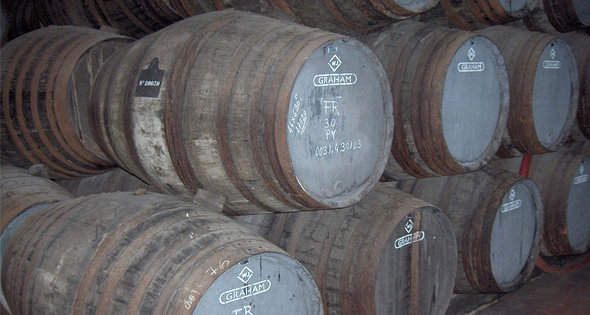
Try Port Wine
Trying new wines is always fun; there are fabulous red wines like Shiraz, Tempranillo, Malbec and Merlot that are always lovely to drink, and there are some great white wines like Chardonnay, Gewürztraminer, and Vinho Verde that are the perfect accompaniment for creamy and spicy dishes. Rosé wines are an absolute delight any time of the year.
But what do you do when you get a little bit bored of drinking wine? Beer might not be your thing, and cocktails may be a little too “fluffy” for your liking, and maybe you think that after-dinner liqueurs aren’t right for you. So what should you try to expand your knowledge of alcoholic beverages?
Well, the solution may be to look to the past and see what your grandparents would have after a nice fancy meal with friends. Drinks that we may think of as bit stodgy and old-fashioned are making a big comeback and many people are enjoying these drinks again. Fortified wines are becoming popular on fine restaurant and bar menus; Sherry, Madeira and that old staple, Port wine, are all basking in the limelight. If you’ve never tried a fortified wine before, then Port wine will probably be a great wine to start with. Here is everything you need to know about one of Portugal’s most famous products.
Port wine or Porto, which is produced exclusively in the Douro Valley of Portugal, is a fortified wine. Fortified wine is a wine to which brandy or another distilled beverage has been added. Usually it is a sweet red wine that is served after a meal as a dessert or along with a dessert. Although most of the varieties on the market are sweet, it can also be dry or semi-dry. Furthermore, there are white ports available on the market that are also very good and make for a nice change.
Port-style wines are also produced in other countries; however, only bottles from Portugal are labeled with the words “Dão”, “Oporto”, “Porto”, and “Vinho do Porto”. Port-style wines from elsewhere will only be labeled as “Port” wine.
Port wine is made from grapes that are only grown and processed in the demarcated Douro river region. In order to stop fermentation at the appropriate time to keep the sweetness level high, a spirit called aguardente is added; it must be noted here that that aguardente is not brandy; it is a neutral grape spirit. The spirit bears no resemblance to commercial brandy at all. The wine is then put into barrels and aged in cellars, which are called caves. The wine, after aging, was then brought to the mouth of the Douro River, the city of Porto. From here, the wine was exported, and the wine was named after the seaport city.
The Douro river region is the oldest regulated and demarcated wine region in the world; the microclimate on the hillsides makes the area perfect for the cultivation of grape, almonds, and olives. Some of the most picturesque areas along the Douro River also happen to be the most productive: São João da Pesqueira and Pinhão feature farms that cling to incredibly steep slopes that seem to drop off into the river. A favorite spot for many tourists who visit the area is the small city of Régua which is very beautiful.
There are more than one hundred varieties of grapes that are allowed to be used in the production of port wine; however, most producers stick to the five most common ones, which are Tinta Barroca, Tinta Cão, Tinta Roriz (also known in Spain as Tempranillo), Touriga Francesa, and Touriga Nacional. The most desirable of the five grapes is the Touriga Nacional, but it is very hard to cultivate and produces small yields. White ports are made with Donzelinho Branco, Esgana-Cão, Folgasão, Gouveio, Malvasia Fina, Rabigato and Viosinho. The most expensive Port wines come from the Quinta do Noval area.
Common Types of Port Wine
Ruby Port is the least expensive port wine on the market. The wine is usually stored in stainless steel tanks before bottling in order for it to keep its characteristic deep red color. It doesn’t improve with age.
Tawny Port is Port wine that has been aged in wooden barrels in order to oxidize and evaporate somewhat. The flavor mellows, and the color changes to a golden brown. Tawny Port is characterized by a nutty, sweet taste; in sweet or medium-dry versions Tawny Port is usually consumed as a dessert wine. If the age of the wine is not indicated on the label, the wine has been aged for two years in the wooden barrels.
Crusted Port For those who can’t afford a Vintage Port (which are the most expensive), a Crusted Port is of higher quality than a Tawny Port and is will give an aficionado a good idea of what a vintage will taste like. A blend of various vintages, the wine is bottled unfiltered and sealed with a cork that is driven. It must be decanted before drinking. Crusted Port improves with age, and the date on the label refers to the date the wine was bottled, not the date of the harvest. This version of Port wine must be aged in the bottle for three years before it is allowed to be sold. It can be consumed immediately after purchase if one so desires because most sellers will let the bottles age in their shop cellars for an additional amount of time before selling.
Vintage Port This style of Port is made entirely with grapes of a single declared vintage year; Vintage ports only account for 2 percent of all Port wine production in Portugal. Vintage however, is not declared every year in the Douro Region and every port house declares their own vintages. Some port houses will declare every year except for disastrous years as vintage, while the more conventional houses will generally only declare 3 vintages every ten years. Vintage Port wines must be aged for at least 2 and a half years in wooden barrels; the wine must further be aged for a minimum of ten years in the bottle. The most expensive Vintage Port wines need to be aged for at least 40 years.
Tweet it! #PortWines
The Triumphant Return of Sherry

The Triumphant Return of Sherry
While some people who are involved in the alcoholic beverage industry may think that Sherry is a drink that has become somewhat old fashioned, a sort of “grandpa’s drink”, the truth of the matter is that the younger generation is rediscovering just how pleasurable a nice glass of Sherry can be either before a meal or as an accompaniment to other foodstuffs. Sherry may not be on most people’s radar just yet, however, as more and more restaurant and bar patrons get tired of the same old wine, beer, and cocktails, Sherry is a type of alcohol that we will surely see on the menus of finer establishments and in the liquor cabinets of connoisseurs in the years to come.
Many of us may have some vague recollection of what sherry is; perhaps we’ve even had a sip of it once or twice in our lives at some special occasion with the older generation. However, since it’s been a long time and most bartenders unfortunately can’t tell us much about the fortified wine, here is a little bit of a “Sherry primer”.
Sherry is a wine that is fortified and is made of white grapes that are grown near the town of Jerez de la Frontera in Andalusia, in southern Spain. A fortified wine is a normal wine that has had a spirit such as brandy added to it at some time in the fermentation process in order to increase its alcohol by volume content. Sherry can range from dry to sweet, from light to dark in color, from fresh to aged.
Light styles of dry Sherry are very similar to white wine and are made with the Palomino grape; Manzanilla and Fino are two types of lighter wines. Darker, heavier versions that are left to age in barrels and oxidize are also made with Palomino grapes and include Amontillado and Oloroso Sherry. Very sweet dessert wines are made with Pedro Ximenez or Moscatel grapes mixed with Palomino sherries.
Interestingly enough, the name “Sherry” is actually an Anglicization of Xeres, the alternative name for Jerez. In former times, the fortified wine which came from Jerez de la Frontera was known as “sack” which came from the word “saca” in Spanish, which means extraction. Under European law, “Sherry” has protected designation of origin status; because of this, all wine that has “Sherry” on its label must come from a region known as “the Sherry Triangle”. This triangle consists of El Puerto de Santa Maria, Sanlúcar de Barrameda, and Jerez de la Frontera, and all three locations are found in Cádiz province. The official denomination of origin is Denominación de orígen Jerez-Xeres-Sherry.
Production
As far as production is concerned, Sherry is basically made in the same way wine is, however, once fermentation is complete, the base wine is fortified with grape spirit to boost the alcohol content. Manzanilla and Fino wines must have an alcohol content of 15.5 percent if there are to be aged; while aging, a layer of a yeast-like substance called flor will develop and protect the wine from oxidization while it is aging in the barrel. Oloroso wines much have an alcohol content of 17 percent in order to be deemed as good for aging; Oloroso sherries will oxidize to a degree because flor does not develop, and the Sherry will become darker in color.
Sherries are initially dry, unlike their Port wine counterparts; this is because the spirit is added after fermentation, and any sugar will be added later. With Port wine, in order for it to stay sweet, spirit is added halfway during the fermentation process.
Sherry wines are blended with a variety of wines from different years, a process called solera and for that reason there cannot be anything considered a “vintage” sherry. What makes Sherry different from other fortified wines is that there is the possibility that an incredibly old wine may have been used, and for this reason some wine experts and true connoisseurs will state that Sherry is undervalued and underappreciated in the wider wine industry.
A Brief History of Sherry
Sherry has a long history. When distillation was introduced to the region around the year 711, winemakers and distillers found that their products combined to be a wonderful drink. Production had been established in the area for five centuries when Alfonse X of Castile took over the area, however it was after this reconquest that export of Sherry began in earnest.
Sherry was considered incredibly important for centuries, and was so important that when Magellan sailed around the world, the sherry he carried on board had cost him more than his entire weapons inventory. Sherry became very popular in Britain after Francis Drake sacked Cádiz in 1587; among the spoils were almost three thousand barrels of the fortified wine that he brought with him on the trip home.
Varieties of Sherry
Fino is the driest and palest variety of Sherry. It is aged in barrels with flor yeast and is unoxidized.
Manzanilla is a very light style of Fino and is made in the Sanlúcar de Barrameda area.
Manzanilla Pasada is a Manzanilla that is aged and partially oxidized, with a nutty flavour.
Amontillado is a Sherry that is aged under flor but is afterwards exposed to oxygen. It is darker than Fino but lighter in color than an Oloroso. Sometimes Amontillado will be sweetened; however, once sweetened it can no longer be labeled as Amontillado.
Oloroso is a darker and richer wine that has been aged for longer than a Fino or Amontillado. When Oloroso has been sweetened, it can only be sold as “Cream Sherry” and producers are not allowed to label it with the words “Oloroso”.
Jerez Dulce or Sweet Sherries are produced by fermenting dried Pedro Ximénez grapes or dried Moscatel grapes. The resulting wine is sweet and dark brown or black in color.
Sherry may not be the most fashionable drink now, but it’s only a question of time before it will get rediscovered; it is a sure thing that shortly it will make a triumphant return.
Tweet It!: #ReturnOfSherry
Canada’s Ice Wine

Canada’s Ice Wine
A special type of wine that is gaining in popularity worldwide but is still relatively unknown is a very special dessert wine that is called ice wine and is made from healthy grapes that have been frozen while still on the vine. Unlike standard dessert wines made with grapes that contain a degree of rot, grapes used in ice wine production are free of disease and the resulting wine is high in acidity and “clean” while being sweet and slightly syrupy in consistency.
Critics and the general public are very fond of the beverage; however, most wine producing nations on the planet cannot produce true ice wine because it simply doesn’t get cold enough; the only two countries which experience the correct temperatures are Canada and at times, Germany.
Ice Wine: Around Since Roman Times, but Rare
Ice wine has been around for a long time, with the Romans rumored to have known the technique, and mentions of Eiswein being made in the 1500s and 1600s. However, it wasn’t until the 1970’s that ice wine began to be produced on a proper commercial scale after a good technique was discovered. Even though better technology has permitted ice-wine production on a larger scale in places like Ontario, Nova Scotia and British Columbia in Canada, production can still be incredibly risky, and frozen grapes must be harvested within hours of achieving the correct temperature (-80C), meaning a large workforce must be mobilized within minutes, sometimes in the middle of the night. The grapes also have to be processed while they are still frozen in order for the sweeter, more concentrated juices to come out. If the grapes thaw, the entire endeavor can be ruined.
This is one of the reasons why ice wine is so expensive; it’s just incredibly expensive to produce, and on average a small 375 ml bottle will cost up to three times more than a 750ml bottle of fine regular wine. However, for the flavor experience, it’s a price many ice wine fans are happy to pay.
The Process
The main varietal used in Canadian ice wines is Vidal, and according to Canada’s Vintner’s Quality Alliance (VQA) the term ice wine can only be applied for wines made with grapes that have frozen while still on the vine; dessert wines made from grapes that have been flash frozen in a processing facility are usually called ice-box wines. Ice wines, because of their very high amounts of sugar, also take much longer than normal wines to ferment; fermentation of the frozen grapes can take as long as several months and special yeast must be used.
There are sparkling ice wines available on the market as well; incredibly rare, it has only been on the market since the late 1990’s and is produced using the charmat method. For now, the only winery that offers sparkling ice wine is Inniskillin in the Canadian province of Ontario.
While Vidal is the most popular ice wine varietal, ice wine makers in Canada, and to some extent in the U.S. have been experimental with other types. German ice wines usually use Riesling grapes, and another common type is Cabernet Franc. Experimental grapes being tested at present are Chardonnay, Gewurztraminer, Seyval Blanc, Pinot Noir and even Cabernet Sauvignon. However, the color of ice wine only ranges from amber to rose; a truly deep colored red ice wine is an impossibility because the grape skins do not get the chance to steep as they do with unfrozen grapes in the “must” process.
Taste and Aroma
As far as flavor is concerned, ice wine has become far more popular than dessert wine as a beverage because it is very sweet yet very refreshing due to its high acidity. Ice wine is described as being medium to full-bodied and has a long finish that lingers. Unlike fresh, young regular wines such as Beaujolais, ice wine is not simple or naïve in any way; aromas can include things like caramel, pears, apples, peaches, figs, dried apricots, honey or citrus, and some white varietals have a bouquet reminiscent of lychee, pineapple and mango. The flavors are fruit forward, but are deep and linger nicely.
German ice wines tend to have a relatively low alcohol content, being comparable to that of a strong beer at 6%. Canadian ice wines, due to somewhat consistent harvests and larger must weights, have a higher content, like that of regular table wine, which can range from 8% to 13%. In Canada, if the must weight is insufficient for the strict guidelines of ice wine production, the resulting wine can be sold as a “special select late harvest” or a “select late harvest” and will be sold for a fraction of the price of ice wine. If a person wishes to try something similar to an ice wine but cannot afford it, a special select late harvest will be a satisfactory substitute, but will not have all the depth of an ice wine.
To Age or not to Age?
Depending on your personal tastes, ice wine can be aged or it can be consumed immediately after purchase. Some critics will argue that if the wine is aged, it will lose its characteristic complex fruitiness and will turn a more amber color; however others state that aging will bring about new flavors and aromas, adding yet another layer to the ice wine’s flavor profile.
Ice wines sold commercially are newcomers in the wine game; and although they are expensive, it is worth the money to buy a good bottle from your local wine shop. Ask the shop owner or employees for their recommendation and chances are you’ll start adding ice wines to your home wine collection.
Beaujolais Nouveaux: Is It All Marketing Hype?

Beaujolais Nouveaux: Is It All Marketing Hype?
It is almost that time of year again where French wine producers will be in a frantic rush to get their bottles of Beaujolais Nouveaux out to the markets on time amid frenzied promotions and fanfare. However, is this wine deserving of such hype?
Beaujolais Nouveaux is a red wine made from Gamay grapes in the French region of Beaujolais; French wines tend to be named after the region where they are from rather than the grape varietal used. It is a vin de primeur which means it is a young wine that is unaged and is only fermented for a few short weeks before it is released on the market the third Thursday of November every year. This Thursday is called Beaujolais Nouveaux day, and is subject to a massive amount of marketing.
This year, Beaujolais Nouveaux Day will be on November 15th. According to French laws, the wine may only be released for public consumption after 12:01 on the third Thursday of November. Because this is a wine that must be consumed as fresh as possible, meaning that to appreciate its young flavors fully, the wine cannot age and the sooner a person can drink it after its release, the better. Flavors of Beaujolais nouveaux wines have been described as very fruity, light on tannins, and refreshing.
The release of Beaujolais serves two purposes; one is to provide a nice, naïve wine for people who don’t really like heavier, aged red wines, and the second purpose is to work as a sort of indicator of what the grape harvest and wine vintage for the year will be like. Beaujolais changes year after year, due to climatic conditions; a poor Beaujolais Nouveaux could very well mean that other wines made with the year’s grapes could also be somewhat poor. This is one of the reasons why it is so eagerly awaited; it offers a sneak peek into the mysteries of wine making.
Critics of Beaujolais Nouveaux are those who enjoy aged wines, and compare drinking the fresh, young wine to eating cookie dough. Those who don’t enjoy Beaujolais Nouveaux claim the taste is far too simple and immature; however, these same people will in fact say that after a Beaujolais has aged for a year or two, the complexity that develops makes for a much more drinkable wine.
The history of Beaujolais wine is very interesting. In France, Beaujolais has always made a vin de l’année or a yearly wine to celebrate the end of the harvest. However, up until the Second World War, the wine that was produced was only meant for local, small scale consumption. The Beaujolais AOC was established in 1937, and stated then that officially, the wine could only be released for sale after December 15 of the harvest year. In 1951, the rules were changed so that wine could be sold four weeks earlier, and the name Beaujolais Nouveaux was born.
Wine marketers saw a lot of potential for the sales of Beaujolais Nouveaux: Georges Duboeuf saw it as a way to move astounding amounts of ordinary wine at a good price for producers and as a way to increase cash flow within a few short weeks of a harvest. The idea of a race to get the very first bottles of the vintage to Paris was born, and the race to get the Beaujolais Nouveaux to the French Capital became a larger and larger media event as each year went by. By the time the 1970’s rolled around, the race was attracted massive amounts of media attention, and the races spread to other parts of the world in the 1980’s and 1990’s. The catchphrase “ Le Beaujolais nouveaux est arrivé!” (The new Beaujolais has arrived!” was replaced in 2005 with “It’s Beaujolais Nouveaux Time”.
In the United States, Beaujolais Nouveaux has become a wine associated with Thanksgiving, an event which takes place around one week after the wine has been released and is consumed in the same spirit of celebrating the end of the year’s harvest.
Some of the marketing gimmicks used on Beaujolais Nouveaux day include delivery via hot-air balloon, delivery via the now-defunct Concorde transatlantic jet, and delivery by elephants. Some say that the event is more about the fanfare and less about the wine because in reality, the wine is the cheapest one on the market and even the biggest fan of Beaujolais Nouveaux will admit it is a simple wine that doesn’t have much to offer other than fruitiness and a bit of alcohol content.
Is Beaujolais Nouveaux all about the hype? Yes, it is, but it also lets the people who are true wine lovers get an idea of what the year’s harvest will be like and what superior, aged wines made with the same vintage will be like. But when it comes down to it, the Beaujolais Nouveaux wine is actually the perfect wine to serve at a family dinner or celebration; light on the tannin content and high on the fruity flavors, even people who are beer drinkers will like having something to their tastes that’s a bit special and a little bit fancy.
If you aren’t a wine drinker and are looking for a wine to bring to your Thanksgiving Day family dinner, then by all means, listen to the hype and get a bottle of any Beaujolais Nouveaux; it will actually go very nicely with all of the traditional dishes and sides, like turkey and stuffing, candied yams, mashed creamed potatoes and cranberry sauce.
As the saying goes, Beaujolais Nouveaux is what it is; a simple wine that was originally meant to be drunk at the end of the year’s harvest in a spirit of celebration. It’s not the best wine in the world, but as many wine aficionados will state: “It’s better than just drinking plain water!”
Kahlua, Mexico’s Finest Liqueur

Kahlua, Mexico’s Finest Liqueur
Liqueurs belong to the group of after-dinner alcoholic beverages that can almost take the place of a dessert; not only are they sweet, satisfying and rich, they can also help digest a heavy meal. Liqueurs have been around for a long time, with some of the most famous originating from European monasteries during the medieval times, which explains why the liqueurs that have been on the market for centuries have religious-themed names, such as Benedictine or Frangelico.
One of the world’s most beloved liqueurs however, is not European at all and is a bit of a newcomer in the millennia-old liqueur industry; Mexico’s finest liqueur Kahlua. This coffee flavored, rum-based liqueur has almost become synonymous with the country and is usually taken by itself neat or is mixed in a variety of cocktails; one of the most popular ways to drink it is to add a shot or two of it to a nice hot cup of coffee. Both coffee and liqueur experts agree that Kahlua amplifies the flavour of coffee and can turn plain coffee into a flavor experience.
Kahlua isn’t really an old beverage; it fact production started in the mid-1930’s by Pedro Domecq. As most people familiar with the Spanish language will have noticed, the name of the liqueur isn’t particularly Spanish; the name Kahlua comes from the Veracruz Nahuatl (the language of Mexico before the Spanish Conquest in the late 1400’ and early 1500’s) words which mean “House of the Acolhua People”.
Kahlua has an alcohol content of 20%; however there are some areas where it can contain up to 21.5% alcohol by volume. There is also another version of the famous drink which is available in the United States, Canada, Australia and some select duty-free shops called Kahlua Especial. This version is made only with Veracruz-grown Arabica coffee beans, has an alcohol content of 36%, has less of a syrupy consistency and is less sweet.
Kahlua is no ordinary coffee-flavored liqueur; other companies have tried to produce a liqueur that is comparable, but almost all Kahlua aficionados can tell when their cocktails or after-dinner digestifs have been replaced with an imitator. The flavor of competing products is less intense, tastes more sugary, and at times the taste can even be a bit bitter due to the coffee used to make the liqueur. Simply put, Kahlua is the best and that is the reason why it can be found around the globe.
As mentioned earlier, there are several ways to enjoy Kahlua: a drop in a cup of coffee or a cup of nice hot chocolate can make a miserable, cold and rainy day seem much more enjoyable. However, Kahlua makes for some great cocktails, and the recipes that follow are just a few of the hundreds that are out there.
Brown Cow
1 short glass, full of ice
1.5 oz Kahlua
2 oz milk or half & half cream
Simply pour the ingredients over ice, stir and enjoy.
Monkey’s Lunch
1 short glass full of ice
1.5 oz Kahlua
1 oz Crème de Bananes liqueur
2 oz milk
Pour the ingredients over ice, stir and enjoy
Dark Depths
1 tall glass, full of ice
1 oz Kahlua
½ oz crème de cacao (can be white or dark)
½ oz rum
Coca-Cola
Milk or cream.
Pour the Kahlua, crème de cacao and rum over ice, then fill the glass almost to the top with Coca-Cola. Top with milk or cream.
Black Russian
1 short glass, full of ice
1.5 oz Kahlua
1 oz vodka
Pour ingredients over ice, and give a quick stir. To make a Black Mexican, simply substitute tequila for the vodka.
White Russian
1 short glass, full of ice
1.5 oz Kahlua
1 oz vodka
3 or 4 oz of milk or cream
Pour all ingredients over ice, and give a quick stir. To make a Cool Russian, substitute mint vodka for the plain vodka.
B-52
1 shot glass
½ oz Kahlua
½ oz Grand Marnier
½ oz Bailey’s Irish Cream
Pour the Kahlua in the drink first, then slowly pour in the Bailey’s Irish Cream, but pour it over a spoon so that it layers on top of the Kahlua. Pour in the Grand Marnier, but remember that this also needs to be poured over a spoon so that it will float on top of the Bailey’s. To make a B-52 coffee, simply pour the ingredients into a cup of coffee.
Spanish Coffee
1 coffee mug with a sugar rim
1.5 oz Kahlua
½ oz rum
Coffee
Whipped cream and an orange slice for garnish
Pour the ingredients in a coffee mug with a sugar rim, and place two or three spoonfuls of whipped cream on top, and place the orange slice on the rim.
The Polar Bear
1 coffee mug with a sugar rim
1.5 oz Kahlua
1 oz mint vodka
Hot chocolate
Whipped cream and an orange slice for garnish
Pour the Kahlua, and mint vodka in a mug with a sugar rim, and add hot chocolate. Top with whipped cream, and garnish with a slice of orange on the side of the mug.
Kahlua has become an essential ingredient in bars that specialize in cocktails the world over. From Beijing to Quintana Roo, from Vancouver to Vladivostok, it is perhaps the most famous liqueur and once you have a try of it, you’ll see why it’s beloved by so many people. If you haven’t tried it, there’s no time like now to have a taste of the planet’s best coffee liqueur.
Red Wine, White Wine, and Rose Wine Discussed
Red Wine, White Wine, and Rose Wine:
All You Need to Know about the Basics
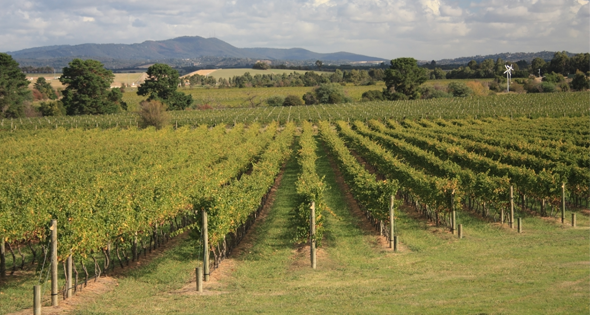
Wines are a little bit confusing; although everybody basically knows the difference between red wine, white wine and rose wines, a lot of other terms that are bandied about in the wine industry or are used on wine bottle labels can be confusing. What does Shiraz mean? What does table wine mean? Here is a beginner lesson in what all those confusing terms mean.
Wine 101
As mentioned before, wines are generally divided up into three groups: red wine, white wine, and rose wine. White wines and rose wines are usually served chilled, while red wines are served at room temperature or slightly below in order for their full bouquet to be appreciated.
Wine grapes vs. supermarket grapes
All wines sold in shops are made from grapes unless otherwise stated on the bottle. However, the grapes used in wine production are not the same as grapes that are sold in supermarkets to eat as food; on a sweetness scale of one to ten, supermarket grapes are about a 7.5, while grapes used in winemaking are about a 12.
Blended wines and table wines
Different varieties of grape make different types of wine that have completely different flavors, textures, and colors. The type, species or subspecies of grape that is used to make wine is called a varietal. Inexpensive wines generally use several different types of varietal; although many of these mixed varietal wines are good, they are considered to be of lower quality than single varietal wines or wines that are a blend of only two varietals. You can easily identify a wine that is made from many different kinds of grapes; the label will only say that the contents of the bottle are “white wine” “red wine” or “rose wine”. The label will not contain the names of any grape varietal. These wines are also called table wines or will have the French term “vin ordinaire” or ordinary wine. The wines may also be described as sweet, medium, or dry, with dry meaning the wine is not sweet in any way.
Varietals: Reds
Now this is where things get a bit more complicated. Wines can further be categorized according to the type of grape that was used in the wine’s production. For example, a wine bottle which contains the word “Shiraz” or the word “Malbec” means the wine inside was made almost exclusively with Shiraz grapes or with Malbec grapes. Each type of grape will make a wine that tastes subtly different. Here are a few of the most common red wine varietals and their main characteristics:
Red Wines
Cabernet Sauvignon A deeply colored wine that is high in tannins. Tastes of black fruit such as blackcurrant, vegetables such as bell peppers and can be high in acidity. Other tastes or flavors that may be present are black cherry, chocolate, vanilla and oak. The oak flavour is due to the oak barrels in which it may be aged. Cabernet Sauvignon wines pair well with beef, stews, steaks, strong cheeses and dark chocolate.
Merlot Merlot usually has a fuller body than Cabernet Sauvignon, but has a softer flavour and a medium tannin level. Tastes of red fruit such as strawberries; and wines that are made with super-ripe grapes will taste like fruitcake and chocolate. Food pairings include pork tenderloin, hamburgers, lamb, and hard cheeses.
Shiraz (Syrah) Deeply colored with medium to high tannin levels, this wine has a flavor that is reminiscent of blackberry, black pepper, warm spices and to some extent, chocolate and oak. Shiraz pairs very well with steak, grilled lamb, beef fondue, BBQ ribs, pork chops and hard cheese.
White Wines
White wines also come in varietals, and here are three of the most common:
Chardonnay A very delicate wine that is slightly fruity in flavour, and depending on the region where it is grown, is can taste of green apples, pear, citrus fruit, or tropical fruit. Chardonnay can also be oaky and buttery in character, and has high natural acidity. Food pairings include seafood, grilled vegetables, soft, creamy cheeses, asparagus and chicken.
Sauvignon Blanc A crisp, dry white wine of medium to high acidity that has flavors that make one think of gooseberries and green fruit. Sauvignon Blanc is a nice wine to have on its own, but it also goes well with marinated chicken, oysters, Swiss cheese and Cobb salad.
Riesling A wine that is slightly sweeter but can vary between sweet to dry. Tastes include green fruit, citrus, stone fruit, honey, mango and pineapple. Most Rieslings have high acidity, and pair well with trout, curries, and desserts such as pumpkin pie.
Rose Wines
Pronounced “ro-ZAY”, these are basically wines made with red varietals in which the grape skins were removed after a short while, resulting in a wine with slightly lighter characteristics and a pink color. Rose wines are always served chilled. Varietals used for making Rose, Rosado, Rosato or “blush” wines as they are also known, are Pinot Noir, Shiraz, Grenache, Malbec, Merlot, Cabernet Sauvignon, Tempranillo, Zinfandel or the Italian Sangiovese varietal.
Rose wines can range from very sweet to bone dry, with the European versions being the driest on the market. If a person has never tried wine before, rose wines are usually the perfect introduction as they are a bit lighter in tannins, which take some getting used to. Rose wines are also incredibly versatile when it comes to food pairings; because they have both the characteristics of white and red wines, they will go well with almost any meal.
How to Use a Waiter’s Corkscrew

Don’t Rely on Gimmicky Wine Openers,
Learn to Use a Waiter’s Corkscrew
Having a glass of wine and experimenting with different varietals is one of life’s biggest pleasures. However, one thing that is no fun at all is bringing a fabulous bottle of wine to a friend’s house and not having a way to open it. Almost every house hold will have a ridiculous device to open wine: a needle and air pump system to remove a wine cork, a Swiss army type contraption that consists of a plain screw-type piece of metal that has no leverage system requiring superhuman strength to yank out once inserted, or worse, a corkscrew with two arms that one presses down once the corkscrew bit has been twisted in.
A great bottle of wine – or even a cheap bottle of wine- can get ruined by nasty bits of cork floating around in it caused by inferior cork removing devices. The simplest solution to opening a bottle of wine is to use the old-fashioned waiter’s corkscrew; a fairly straightforward gadget that usually only costs a few dollars.
A waiter’s corkscrew, when folded, looks almost like a pocket knife. At one end there will be a small folding knife, the other end will contain a fold-out lever, and in the middle will be a fold-out corkscrew. Some models may have a bottle opener attached, and the so-called “Spanish waiter’s corkscrew” will have a hinged double lever which makes the entire process even easier. The Spanish waiter’s corkscrew will usually be more expensive, with solid, robust models starting around $20.
Presenting the wine
If you are working as a waiter or waitress in a restaurant, NEVER open a bottle of wine until the client has seen you bring the wine to the table and present it to the person who ordered it. This is to ensure that the correct wine has been brought out; you need to hold the bottle in such a way that the client can clearly see the label. Once the bottle has been approved, then the opening ritual may occur.
The opening of the bottle
If you have never opened a bottle of wine before, set the bottle down on a stable surface, like the table. Do not try to open the bottle holding it aloft in your hands until you’ve got some experience.
First, unfold the knife, and use it to cut off the foil around the top of the cork. Run it all the way around, and then remove the small circle of foil. Some bottles also have foil that is easy to pull open, just look for the little tab.
Second, fold the knife back in, and unfold the lever and the corkscrew bit.
Third, insert the corkscrew bit directly in the middle of the exposed cork while holding the bottle firmly with one hand. Twist it in while pressing downwards, and insert the cork all the way in. However, be careful that the corkscrew does not come out of the bottom of the cork; this can cause bits of cork to get dropped into the wine. If this occurs in a restaurant setting, the customer has every right to refuse to pay for the wine. Wine with cork chunks in it is known in the industry as being “corked” as is considered undrinkable (it tastes awful).
Fourth, after ensuring the corkscrew is in as far as it can go without breaking the bottom of the cork, bend the lever down so that the notched bit sits on the top edge of the bottle. This will act as an anchor when you pull out the cork with the corkscrew.
Fifth, with one hand holding the bottle and keeping the edge of the lever on the bottle edge, push or pull up the other end or handle of the device; this will lift out the cork relatively easily. Be careful at this point; if the cork looks like it is going to break in half, simply twist the corkscrew in a little bit more and lift the handle again.
Cork details in a restaurant or bar setting
At this point, the cork will be out of the bottle and the wine will be ready to pour; however, if you are in a setting where you are serving wine to a customer, remove the cork from the corkscrew by twisting it off and put the cork down in front of the person who ordered the wine. The customer at this point will test is the wine is “good” by touching the end of the cork that was closest to the wine; it should be wet. A cork that is dry at both ends means that some evaporation has occurred inside the bottle and the wine may have turned into vinegar. If the client complains that the cork is dry, he or she is under no obligation to pay for the bottle as the contents are possibly ruined. Smelling a cork usually doesn’t indicate much; it will generally only smell of wet cork material. Once the cork has been touched and it is wet at one end, the wine can be poured and enjoyed.
Opening a bottle of wine with a waiter’s corkscrew sounds a little complicated, but once it’s been attempted a few times it becomes second nature and easy. Don’t waste your money on other “easy methods”; the classic waiter’s corkscrew has been around for decades, possibly centuries and is by far the best device for opening wine on the market today.
Discuss! #WaitersCorkscrew