Sip into Paradise: Barstool’s Koloa Rum Cocktail Recipe for Your Hawaiian Getaway
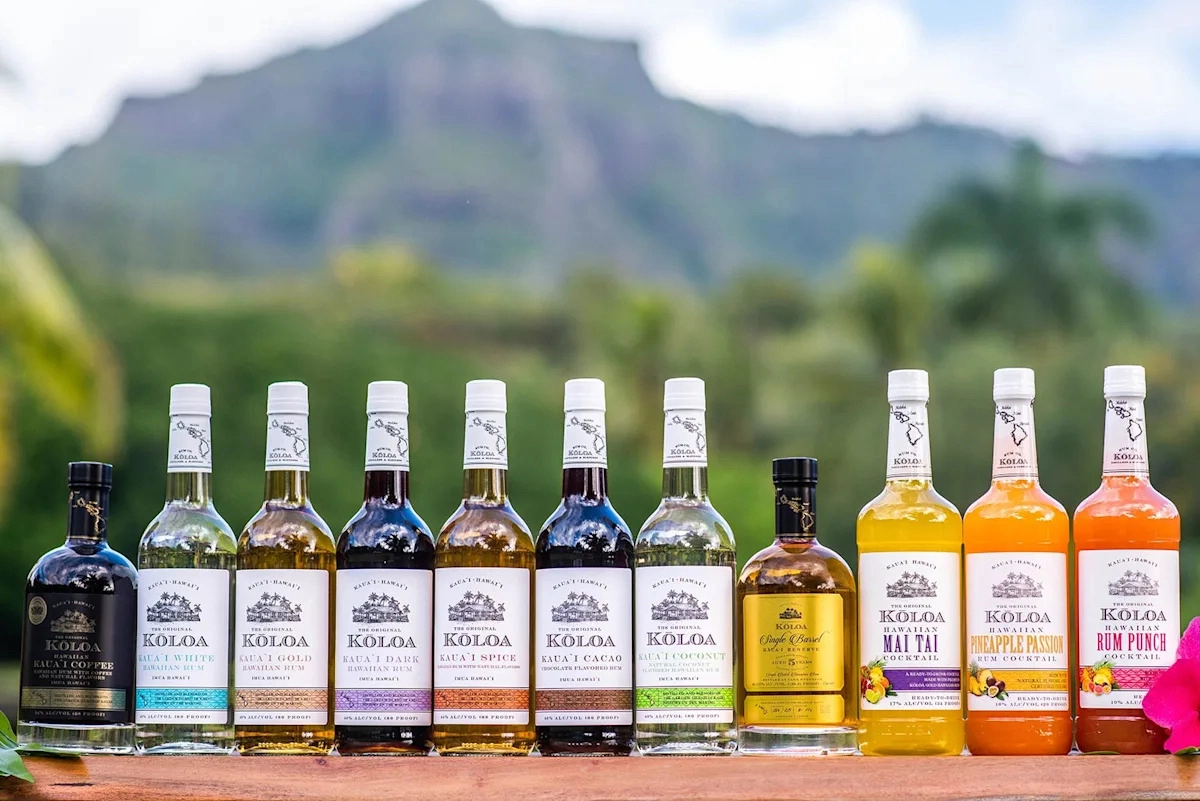
Spring break may be over, but the excitement for travel and memorable cocktails continues. A delightful cocktail recipe featuring Koloa Rum from Kaua’i takes center stage, transporting you to Hawaii with every sip. This recipe is perfect for those dreaming of the tropics, even if you’re just relaxing at home.
Coconut Citrus Sunrise
This colorful drink not only looks stunning but also delivers on flavor, thanks to a blend of fresh fruit and rum enhanced by the bitter notes of Campari.
Ingredients:
- 1 ounce Kōloa Kauaʻi Coconut Rum
- 1/2 ounce Campari
- 3 ounces fresh-squeezed orange juice
- Honey, orange wheel, and shredded coconut for garnish
Method:
- Start by preparing a rocks glass: brush the rim with honey and roll it in shredded coconut, if desired.
- Fill the glass with ice and pour the Campari directly into the base.
- In a cocktail shaker, combine the coconut rum and orange juice over ice, shaking well.
- Strain the mixture into the glass over the Campari to create an appealing layered effect.
- Add an orange wheel for garnish.
For those looking to explore more about rum, check out our best dark rum guide for additional cocktail inspirations.
This recipe is all about fun, flavor, and a dash of tropical flair, reminding us that no matter where we are, a great drink can take us on a journey. Cheers!
Celebrating 50 Years of the Judgment of Paris: California Wine’s Journey to Self-Discovery and Recognition
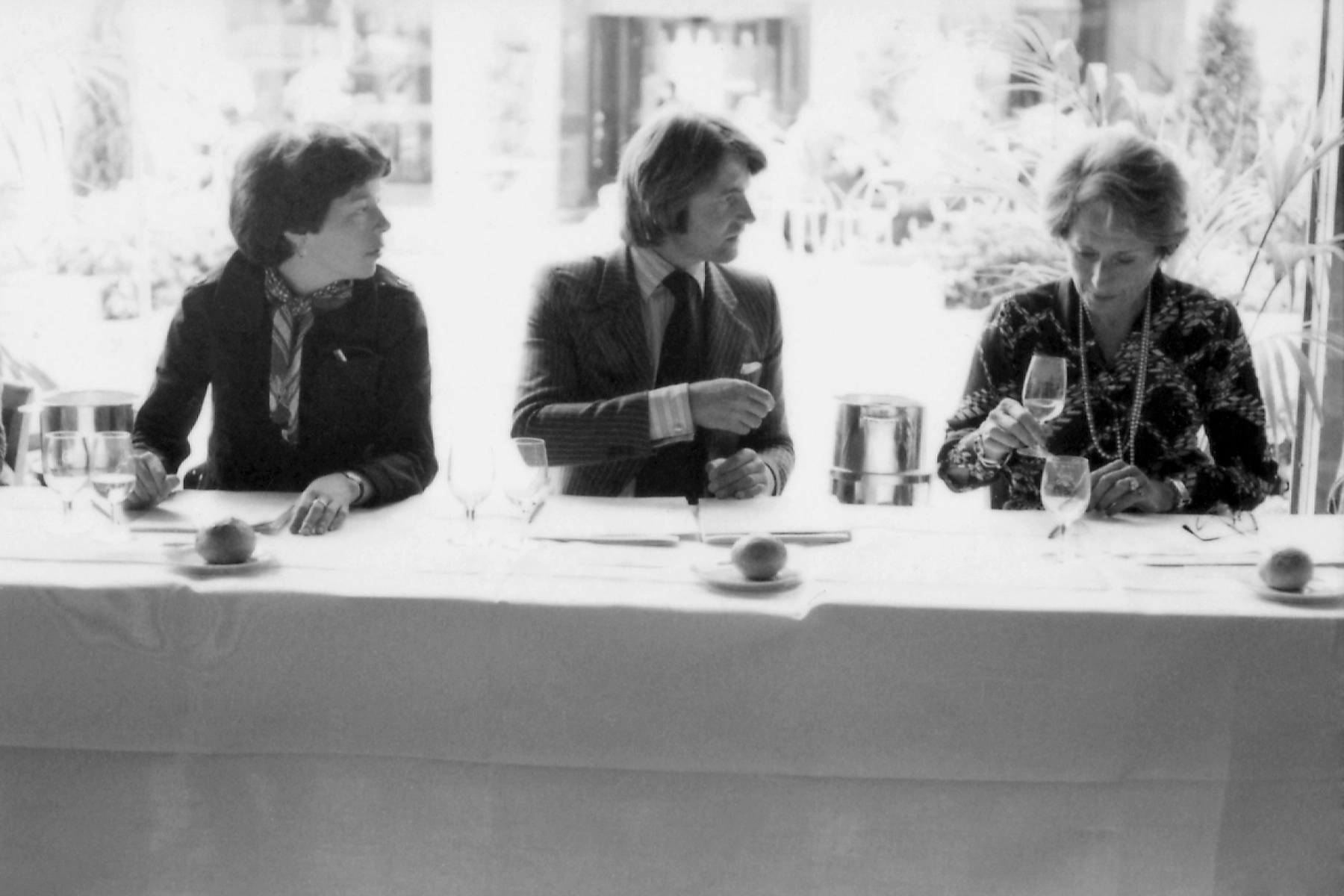
Down a picturesque driveway lined with palm trees and vibrant flower beds lies La Quinta Resort, reminiscent of a 1926 hacienda. Within its walls, a private room celebrates the legacy of Miljenko “Mike” Grgich, a pivotal figure in the California wine industry. As the winemaker for Chateau Montelena, Grgich produced the renowned 1973 Chardonnay, which was crowned the best in the Judgment of Paris blind tasting in 1976, propelling Napa Valley into the global wine conversation.
Grgich’s influence extended beyond this singular victory. After the competition, he founded Grgich Hills Estate, buying land in Rutherford that was once affordable. Even after his retirement at 95, he passed down his winemaking legacy to his nephew, Ivo Jeramaz, who reflects on the Judgment’s profound impact on their family and the wine industry. "Mike most likely would’ve never had his own winery without the Judgment of Paris," Jeramaz states, highlighting how the historic tasting bolstered Grgich’s confidence and solidified Napa’s reputation.
The Judgment of Paris was more than just a win for American wine; it transformed perceptions on a global scale. The competition featured French judges who, believing themselves to be tasting the best wines, inadvertently crowned American wines. This moment altered the trajectory of wine appreciation worldwide, proving California could produce wines that rivaled the long-esteemed regions of Europe.
To commemorate the 50th anniversary of the Judgment, Grgich Estate hosted a dinner at La Quinta, where Jeramaz shared memorable moments tied to their wines, including the final vintage enjoyed by his uncle. The dinner celebrated not only Grgich’s legacy but also the broader implications of the Judgment for the New World.
The legacy lives on, as seen in wineries like Stag’s Leap Wine Cellars, which also shone during the Judgment with its 1973 Cabernet Sauvignon. Winemakers continue to embrace the recognition that the Judgment provided, using it to push boundaries and cultivate exceptional wines. Luis Contreras from Stag’s Leap speaks to the historical significance of the event, emphasizing its role in affirming the quality of Napa wines.
Chalone Vineyards, another notable competitor in the Judgment, reflects on how the tasting positioned California’s central coast as a significant wine-producing area. Winemaker Mari Wells Coyle points out that the event helped demonstrate Monterey’s potential, furthering recognition of varied terroirs within the state.
Fast forward to today, the ethos of nurturing the land and cultivating wine with care continues to shape the industry. Jeramaz, mindful of Grgich’s wisdom, emphasizes the importance of sustainable practices and regenerative farming, ensuring the growth of exceptional grapes while adapting to current challenges.
Fifty years after the Judgment of Paris, the California wine industry stands resilient, grounded in a values-driven approach, merging tradition with innovation, ready to embrace future challenges while honoring its rich past.
The Best New Bourbons of 2025: Insights from the Council of Whiskey Masters
The Council of Whiskey Masters, known as the foremost authority in whiskey expertise, recently showcased the most exciting American whiskey releases of 2025. This elite group, comprising master blenders, distillers, and seasoned judges, engaged in a thoughtful assessment to identify standout bottles for whiskey enthusiasts.
Highlights from 2025’s Best American Whiskeys
-
Michter’s 20-Year-Old Kentucky Straight Bourbon
- ABV: 57.1%
- Price: $5,500
Paul Pacult describes it as “easily the finest bourbon” of the year, featuring aromas of black cherry and marzipan.
-
Knob Creek 21-Year-Old Kentucky Straight Bourbon
- ABV: 50%
- Price: $260
Justin Stumpfer praises it for its regal profile, highlighting notes of leather, deep oak, and dark toffee.
-
Old Fitzgerald 7-Year Bottled-in-Bond
- ABV: 50%
- Price: $59
Tom McCormick regards it as an exceptional choice for bourbon lovers looking to elevate their experience.
-
Heaven Hill Grain-to-Glass Specialty Barrel Series
- ABV: 55%
- Price: $130
Susan Reigler calls it a “spicy butterscotch bomb” with remarkable depth.
-
NOCO Cask Strength Bourbon 4X
- ABV: 64.65%
- Price: $250
Sebastien Gavillet highlights its delicate yet layered complexity, featuring notes of baked apple and dark chocolate.
-
Bard Distillery “Muhlenberg John Prine You-Got-Gold” Bourbon
- ABV: 47%
- Price: $77
Martin Duffy describes it as “light and effervescent” with hints of vanilla and brown sugar.
-
Woodinville Straight Bourbon Whiskey, Aged 9 Years
- ABV: 50%
- Price: $135
Described as rich and bold by Joseph V Micallef, it appeals to those who enjoy barrel-influenced flavors.
-
Jack Daniel’s 14-Year Tennessee Whiskey
- ABV: 53.5%
- Price: $700
Samuel Wright notes its robust profile, reinforcing Jack Daniel’s place in the premium whiskey market.
Conclusion
These selections reflect not only the diverse offerings in the world of American whiskey for 2025 but also emphasize a movement toward age-statement revivals and craftsmanship. The recommendations from the Council of Whiskey Masters set a benchmark, guiding enthusiasts toward the most compelling new releases of the year. Whether you prefer a traditional bourbon, innovative Tennessee whiskey, or a unique single malt, this curated list provides an excellent roadmap for your tasting journey.
For more insights into whiskey, explore additional articles:
7 Essential Facts for Knob Creek Bourbon Whiskey Lovers
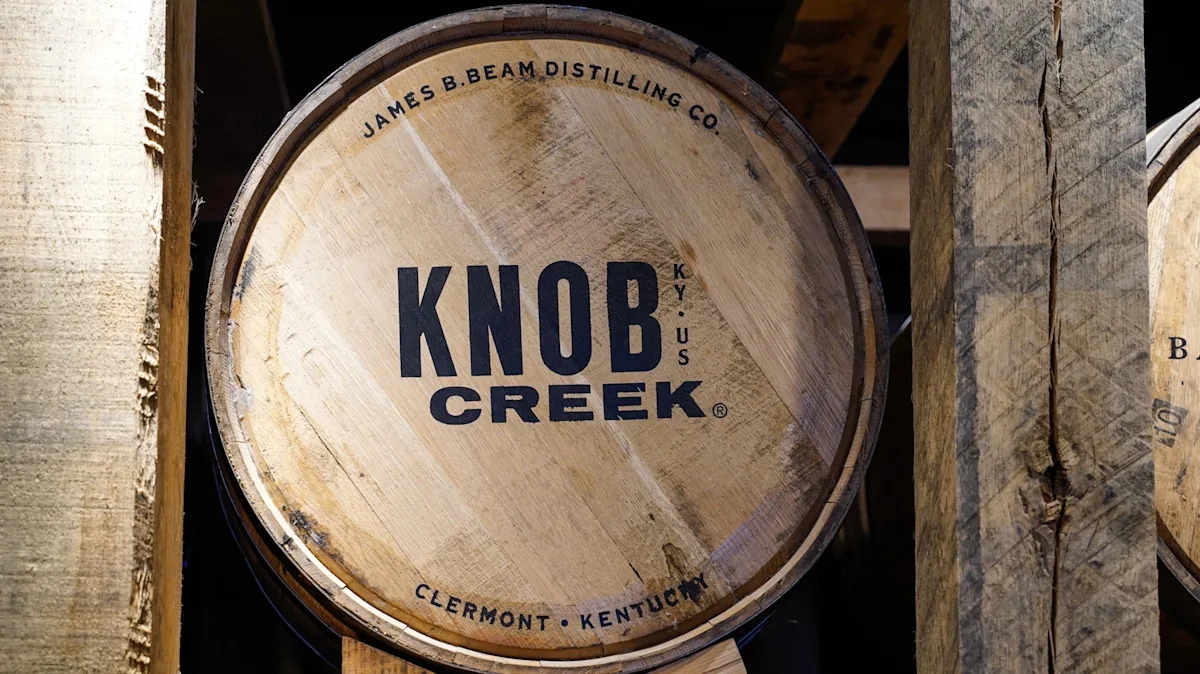
Knob Creek bourbon is a staple in many bars, known for being a reliable choice for whiskey lovers. Launched in 1992 as part of the Jim Beam Small Batch Bourbon Collection, it emerged during the 1990s bourbon revival, crafted by Booker Noe, grandson of Jim Beam. This period was crucial as bourbon was losing popularity to lighter spirits like vodka, prompting some distillers to make their products smoother and less bold. In contrast, Knob Creek was introduced as a pre-Prohibition style whiskey that embraced full flavors, aligning with a trend called "premiumization" that aimed to restore the spirit’s stature.
The name “Knob Creek” references a real place in Kentucky, specifically Knob Creek Farm, linked to Abraham Lincoln’s childhood. While Lincoln himself has no connection to the whiskey’s production, the name evokes historical significance, associating the brand with traditional Kentucky whiskey heritage.
Knob Creek is distinctive for its 100 proof bottling, which is higher than many mainstream bourbons that often sit at 80 proof. This choice enhances the bourbon’s flavor and adheres to the brand’s philosophy of delivering a full-bodied experience. Its 9-year age statement, a key part of its identity, emphasizes the importance of aging in new charred oak barrels—an essential factor that imparts characteristic flavors like vanilla, caramel, and spice.
Despite its artisanal branding, Knob Creek is produced by the Jim Beam distillery, making it accessible and backed by a robust infrastructure. The term "small-batch" does not have a strict legal definition, but it positions Knob Creek in the middle between mass-market and craft spirits, appealing to those seeking a more substantial whiskey experience.
Knob Creek adheres closely to traditional bourbon-making practices, using a mash bill that typically consists of 75% corn, 13% rye, and 12% malted barley. This choice results in a balanced profile combining the sweetness of corn and the spiciness of rye. Additionally, the aging process in heavily charred oak barrels influences the whiskey’s taste and texture, yielding a product that is bold and rich, with a complex flavor profile that has made it a favorite among bourbon enthusiasts.
For more details on bourbon options, you may check The 25 Best Bourbon Brands, Ranked.
Discover the Affordable Mixed Wine Bundle: Enjoy Quality at Under $5 a Bottle!
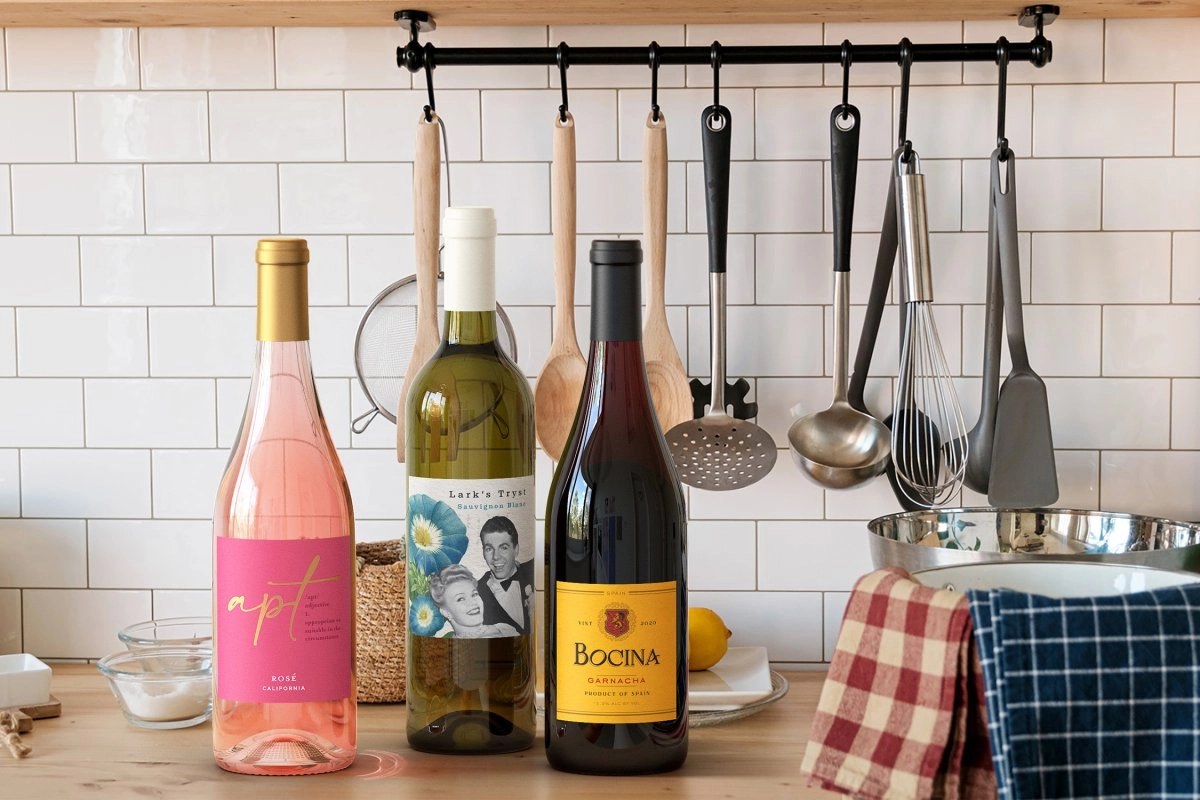
Shopping for wine can often leave one feeling overwhelmed, especially when trying to navigate terms like "tannins" and "fruit-forward." A new solution has emerged in the form of an 18-bottle wine bundle from Swirl Wine Shop, available for a limited time for $79 (regularly priced at $280), plus shipping. This collection simplifies the purchasing experience by offering a variety of easy-drinking wines directly to your doorstep.
The bundle allows for a choice between three collections: 18 bottles of red, white, or a mixed set that includes a selection of rosé. Each bottle is a standard 750ml, ensuring that you receive a full case. The red wine selection features fruit-forward flavors like cherry and dark chocolate, sourced from well-known wine regions such as Spain and South Africa. Similarly, the white collection offers lighter options like Chardonnay, perfect for warm weather or casual gatherings.
Notably, the wines included in the bundle are designed to be approachable, meaning you don’t need extensive wine knowledge to appreciate them. Many of these selections have even received accolades in blind tasting events, promising both quality and enjoyment.
Highlighted wines from the lineup can include a Garnacha Tempranillo blend with raspberry and vanilla notes, a Chilean Cabernet Sauvignon with hints of cranberry and pomegranate, and a Columbia Valley wine featuring a sweet finish.
It’s important to note that the bundle purchase comes with a discounted voucher to be redeemed on the Swirl website. With bottles priced at under $5 each, this presents a great opportunity to explore different varietals without the usual intimidation of wine shopping.
To grab the Swirl 18-bottle wine bundle for $79, head over to Swirl Wine Shop and enjoy this limited-time offer.
Behind the Scenes: Madison Beer Gives Fans a Sneak Peek into Locket Tour Rehearsals

Madison Beer is gearing up for her Locket tour, which kicks off tonight in Kraków, Poland. Following the release of her deluxe edition of her third studio album, this marks her most ambitious world tour yet, featuring an impressive 32 shows that will conclude in New York City this July.
Beer’s journey to stardom began in a familiar way for many artists today—she gained attention by posting covers on YouTube. A pivotal moment occurred in 2012 when she sang Etta James’s “At Last.” The video caught the eye of Justin Bieber, who reposted it, leading to her signing with a record label and a rapid rise in fame. She chronicles these experiences and challenges in her memoir, The Half of It.
Her latest musical chapter began with her hit song “Make You Mine,” which found viral success on TikTok and earned her a Grammy nomination in 2025. The song serves as a centerpiece for Locket, an album that elegantly traverses genres such as dance, dream pop, and R&B. In an interview with ELLE, Beer expressed her passion for diverse and upbeat dance music, aiming to incorporate unique sounds into her work.
Accompanying her news, exclusive behind-the-scenes glimpses of her tour preparations have been shared, providing fans an intimate look into the working life of the pop star as she embarks on this exciting new venture.
Daniel Johnnes: The Visionary Behind La Paulée’s Transformation into Wine’s Most Joyful Power Event
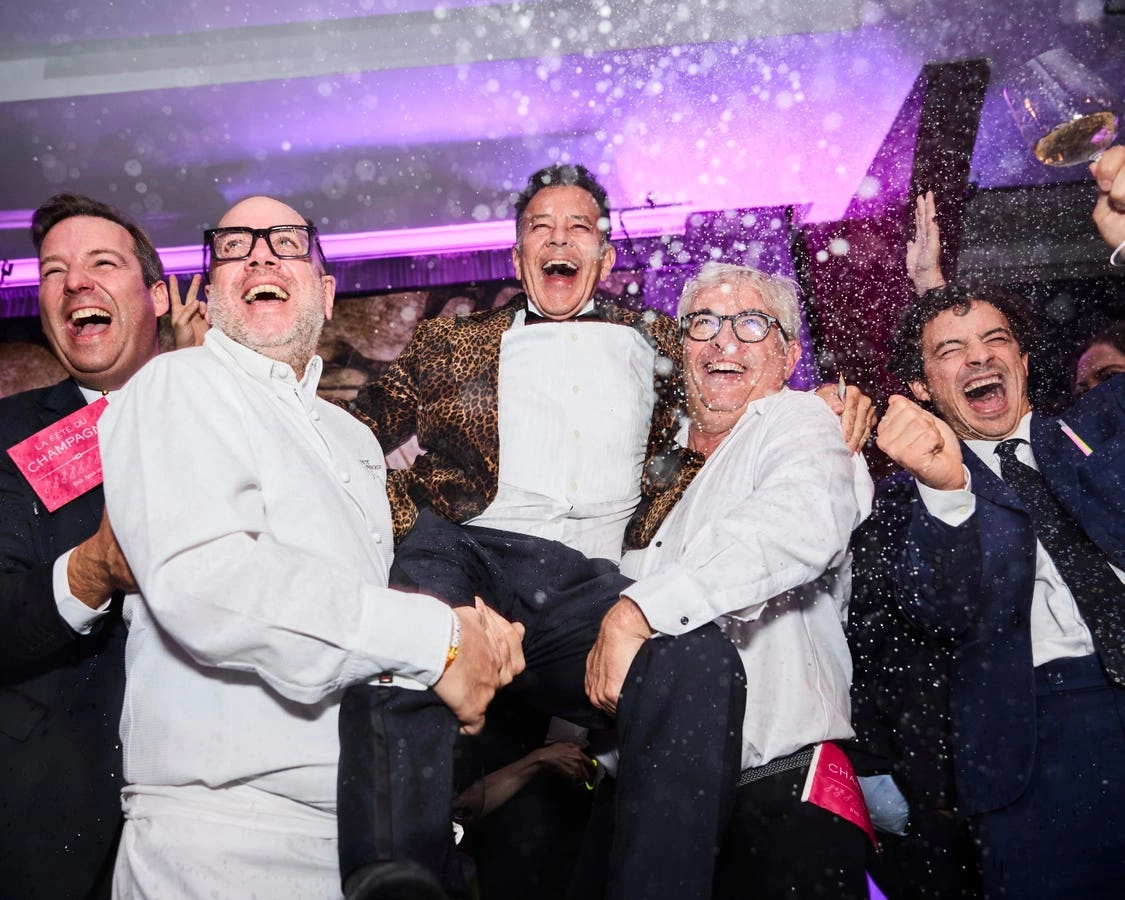
Daniel Johnnes has transformed the experience of fine wine, making it joyful and accessible over decades through immersive events. He understands that to attract younger audiences, the wine industry must embrace hospitality and storytelling rather than intimidation and complexity.
Johnnes’s journey began in 1974, inspired by a trip to a small village in France, sparking a deep appreciation for French culture. He honed his skills alongside chefs in renowned French kitchens before establishing himself in New York, where he learned to blend high-quality wine with genuine hospitality. His work at Montrachet illustrated that fine dining could be relaxed yet sophisticated.
The creation of La Paulée, inspired by a traditional Burgundian harvest celebration, represents his vision of wine appreciation as a communal experience. This event combines elements of food festivals, cultural gatherings, and celebratory concerts while emphasizing connection over elitism. Johnnes highlights the importance of allowing consumers to engage with producers, chefs, and sommeliers, making wine feel alive and memorable.
La Fête du Champagne, another of Johnnes’s major contributions, aims to reframe Champagne as a versatile food wine rather than just a celebratory drink. He sees parallels between Champagne and the evolution of Burgundy, advocating for its appreciation in daily contexts, not just special occasions.
Johnnes recognizes that young wine enthusiasts seek experiences more than ownership; they desire participation and storytelling. He emphasizes the significance of authenticity and personal connection, insisting that the producers behind each wine must be present at his events, which adds emotional depth to the experience.
His commitment extends to educational initiatives, such as the Sommelier Scholarship Fund, which provides aspiring sommeliers with access to benchmark wines. By doing so, he helps build a bridge between the producers and the next generation of consumers, ensuring a knowledgeable and welcoming community.
The essence of Johnnes’s philosophy lies in warmth and kindness. He hires his team based not just on qualifications but on their character, stating, “You can’t learn to be a nice person.” This approach contributes to a welcoming atmosphere that encourages exploration rather than defensiveness.
Johnnes’s legacy in the wine industry will be defined by his ability to remove pretension, foster connections, and promote a deeper understanding of wine as part of everyday life. His vision of hospitality champions the concept that sharing meaningful experiences is what truly enriches the enjoyment of wine.
In a world where interaction often feels impersonal, Johnnes’s dedication to genuine human connection is a beacon for the modern hospitality landscape, pointing towards a future where wine is not merely a luxury but a beloved part of life’s celebrations.
Elevate Your Boxed Spice Cake Mix: Add This Dark Liquor for an Incredible Twist!
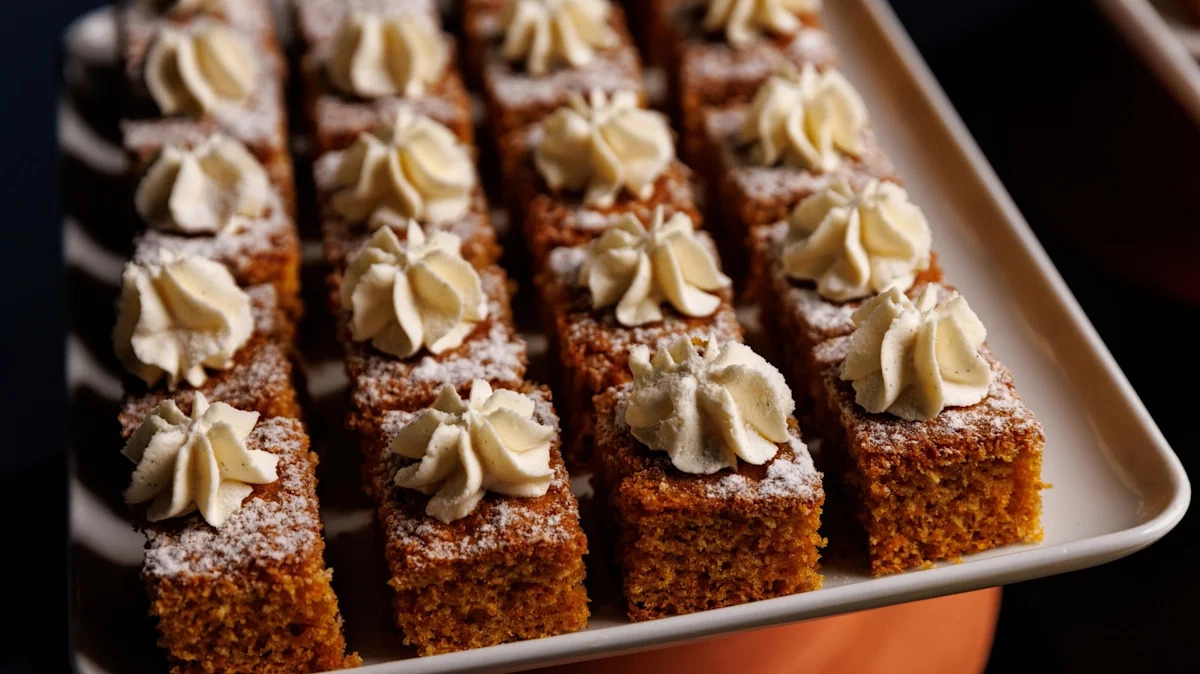
Looking to enhance your baking routine? Elevate your boxed spice cake mix to new heights by incorporating dark rum. This simple addition can transform an ordinary cake into a gourmet dessert without the hassle of starting from scratch.
According to culinary expert Joshua Carlucci, dark rum is "a baker’s secret weapon." Aged in charred oak barrels, dark rum carries rich notes of caramel, tobacco, and dried fruits, making it a perfect complement to the spices in a cake. When you add two to three tablespoons of dark rum to the batter, it increases moisture and imparts a caramelized flavor. Alternatively, you can create a glaze by mixing dark rum with confectioner’s sugar, brushing it over the cake after baking for added moisture and richness.
While there are many rums available, dark rum is uniquely suited for spice cake. Unlike spiced rum, which may overpower the cake’s flavors, or lighter rums that lack depth, dark rum strikes a perfect balance.
For those ready to push the boundaries of flavor, consider making dark rum buttercream frosting by adding a splash of the liquor to your frosting mix. This pairs amazingly with warm, moist cakes, especially a spiced apple cake.
With the time saved by using a boxed mix, you can focus on creative finishing touches that elevate the cake. Think toppings such as toasted nuts, dried fruit, or a sprinkle of spices like cinnamon and nutmeg.
In summary, a few tablespoons of dark rum can dramatically enhance the flavor and experience of your spice cake, transforming it into a remarkable dessert that leaves a lasting impression.
Top 8 Liquors That Pair Perfectly with Ginger Beer
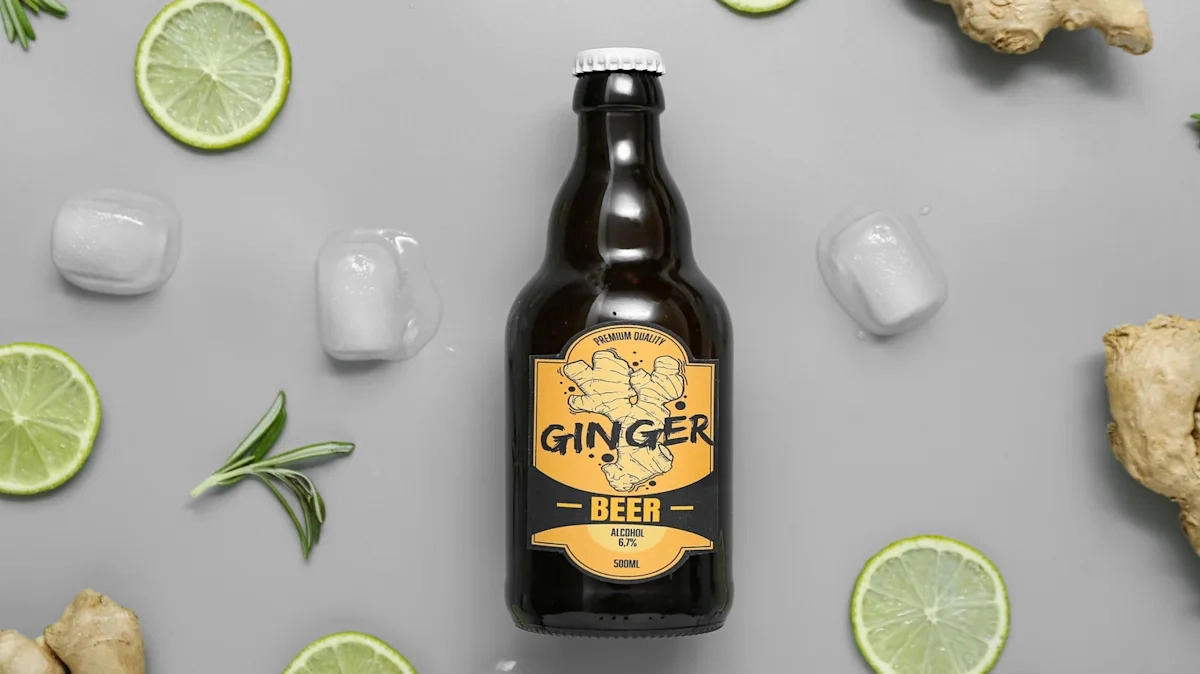
Ginger beer is a flavorful drink that’s fantastic on its own, but it becomes even more delightful when mixed with a variety of spirits. Here are eight of the best liquors to pair with ginger beer, perfect for your next cocktail creation.
-
Vodka
Vodka is incredibly versatile and a bartender’s friend. Its subtle flavor allows ginger beer to shine, making it the perfect choice for a Moscow mule. This classic recipe combines vodka, ginger beer, and fresh lime, and has been a favorite since the early 1900s. Vodka’s neutral profile ensures that the ginger beer remains the main attraction. -
Tequila
Tequila can be a great alternative to vodka in a Moscow mule, leading to a refreshing Mexican mule cocktail. The zesty flavors of tequila complement the spiciness of ginger beer beautifully. It’s also budget-friendly, with brands like Espolòn and El Jimador offering quality options. -
Dark or Spiced Rum
The dark and stormy cocktail, made with ginger beer and dark rum, is a classic combination worth trying. Dark and spiced rum both enhance the flavors of ginger beer, and adding a splash of lime juice can elevate their distinct tastes. -
Gin
Gin, with its array of flavors, pairs excellently with ginger beer. A favorite mix is the foghorn cocktail, which simply combines London dry gin, ginger beer, and lime juice. This refreshing drink offers a fun twist on the typical ginger beer highball. -
Bourbon and Whiskey
Bourbons and whiskeys add depth and character to ginger beer cocktails. The sweetness and complexity of these spirits work well together. You can create a Kentucky mule with bourbon or an Irish mule with whiskey, both delicious options that emphasize the spiciness of ginger beer. -
Mezcal
If you prefer a smoky flavor, mezcal is a distinct option that blends beautifully with ginger beer. This combination allows the mezcal’s unique flavors to shine through, making a classic Mexican mule even more interesting. -
Cognac
For a sophisticated option, cognac can transform a simple ginger beer drink into something elegant. The French mule combines ginger beer, lime, and cognac for a refreshing cocktail that’s both approachable and unique. -
Amaro
If you’re in the mood for something different, amaro offers a bittersweet profile that can enhance ginger beer’s spice. Whether you choose Ramazzotti or Cynar, you can create a delightful Italian buck cocktail featuring ginger beer, lime juice, and amaro for a refreshing and complex drink.
Each of these spirits adds a unique twist to ginger beer, making it a fantastic base for a variety of cocktails. Whether you’re a fan of classic recipes or looking to try something new, there’s a perfect pairing for everyone.
Galiano Wine Bar & Restaurant: A New Culinary Gem Opens in St. James!
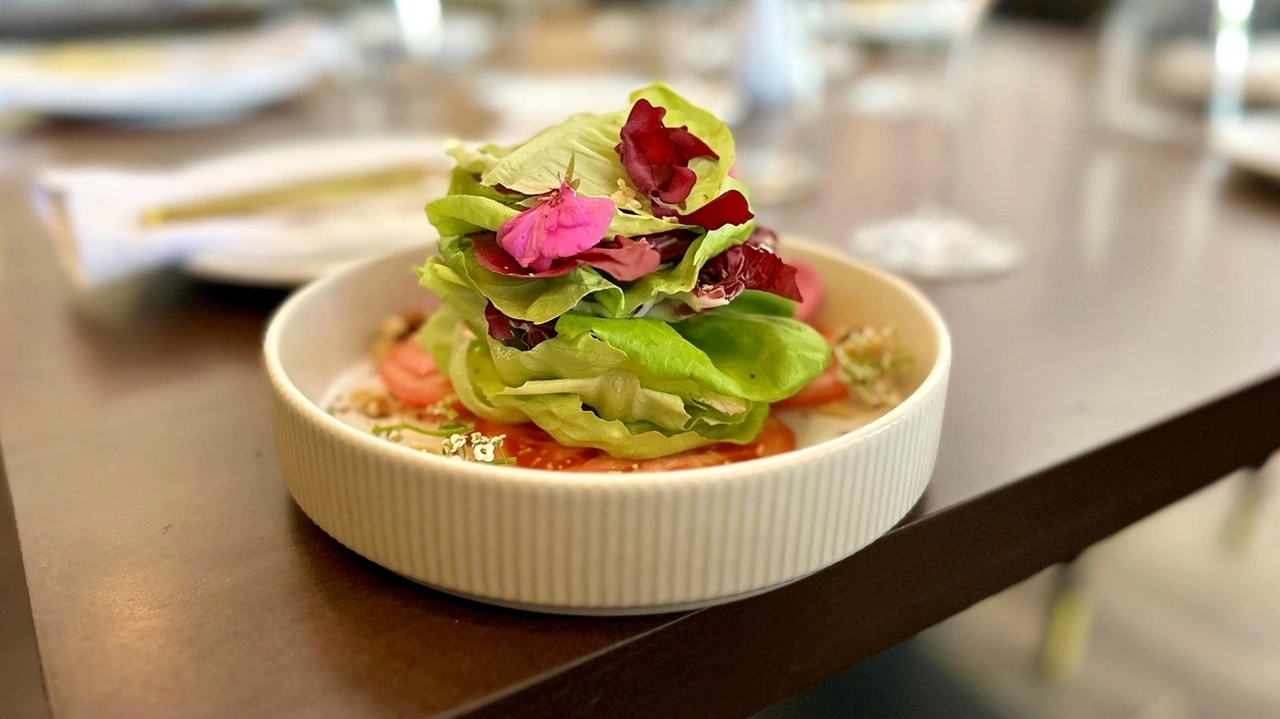
Galiano Wine Bar & Restaurant has recently opened its doors in St. James, offering an enticing pairing of boutique wines and exquisite cuisine. This cozy establishment aims to become a culinary landmark not just for the neighborhood but for all of Long Island.
Vinny Galiano, the owner, has a rich history in the hospitality industry that traces back to his childhood in Commack, where he began his career at Filetto’s pizzeria in East Northport. Despite a successful stint in web development, his passion for serving others remained strong. A birthday gift in 2017—wine-making equipment—sparked his journey into winemaking. By 2020, he and his wife, Stephanie, had their own winery, sourcing grapes from California to create exclusive wines for their club.
Recognizing the need for a physical space to promote his products locally, Vinny seized the opportunity when the former Bean’s Bagels space on Lake Avenue became available. He sought to establish a dining venue that would shift the culinary focus toward Lake Avenue, an area often overshadowed by establishments along North Country Road.
As fate would have it, Vinny found the perfect chef when Roger Martinez, an experienced culinary artist and fellow St. James resident, spotted a "help wanted" sign at the restaurant’s location. Martinez, the former executive chef at New York City’s acclaimed Il Buco, brings a wealth of experience from notable kitchens, including those of David Bouley and the legendary Ferran Adrià at El Bulli in Spain. After his lengthy commute to the city, the prospect of working closer to home was appealing.
The two quickly discovered they complemented each other’s visions. Martinez was eager to craft a seasonal menu that would pair beautifully with the wine selections from Galiano. Every dish on the menu is thoughtfully designed to enhance the nine original Galiano wines, complemented by an additional 30 international bottles—most of which can be enjoyed by the glass—alongside specialty cocktails and a curated selection of beers.
The spring menu presents a variety of flavorful plates, transitioning from light offerings like a Bibb-radicchio salad and scallops in an herb-infused broth to heartier dishes such as Wagyu sirloin, half a chicken with ramps, and braised lamb shank. With prices predominantly under $30 and select main courses between $46 and $52, the dining experience is accessible yet upscale. Desserts feature Valrhona chocolate ganache and seasonal fruit tarts, among other delights.
The charming restaurant, which accommodates fewer than 30 guests, boasts a wall of windows providing a serene view of Lake Avenue. For Vinny, the venture represents not only a business opportunity but a chance to enjoy more family time, especially with two young daughters at home. “I’ve realized that almost everything good in life starts with a glass of wine and a ‘Cheers,’” he reflects, eager to contribute to significant moments for patrons at Galiano Wine Bar & Restaurant.
For more information, visit galianowine.com. Galiano Wine Bar & Restaurant is located at 410 Lake Ave., St. James, and operates Wednesday and Thursday from 4 to 9 p.m., Friday and Saturday from noon to 10 p.m., and Sunday from noon to 9 p.m. They are closed on Monday and Tuesday.