The IWSC’s Top Pick: Discovering the World’s Best Vodka
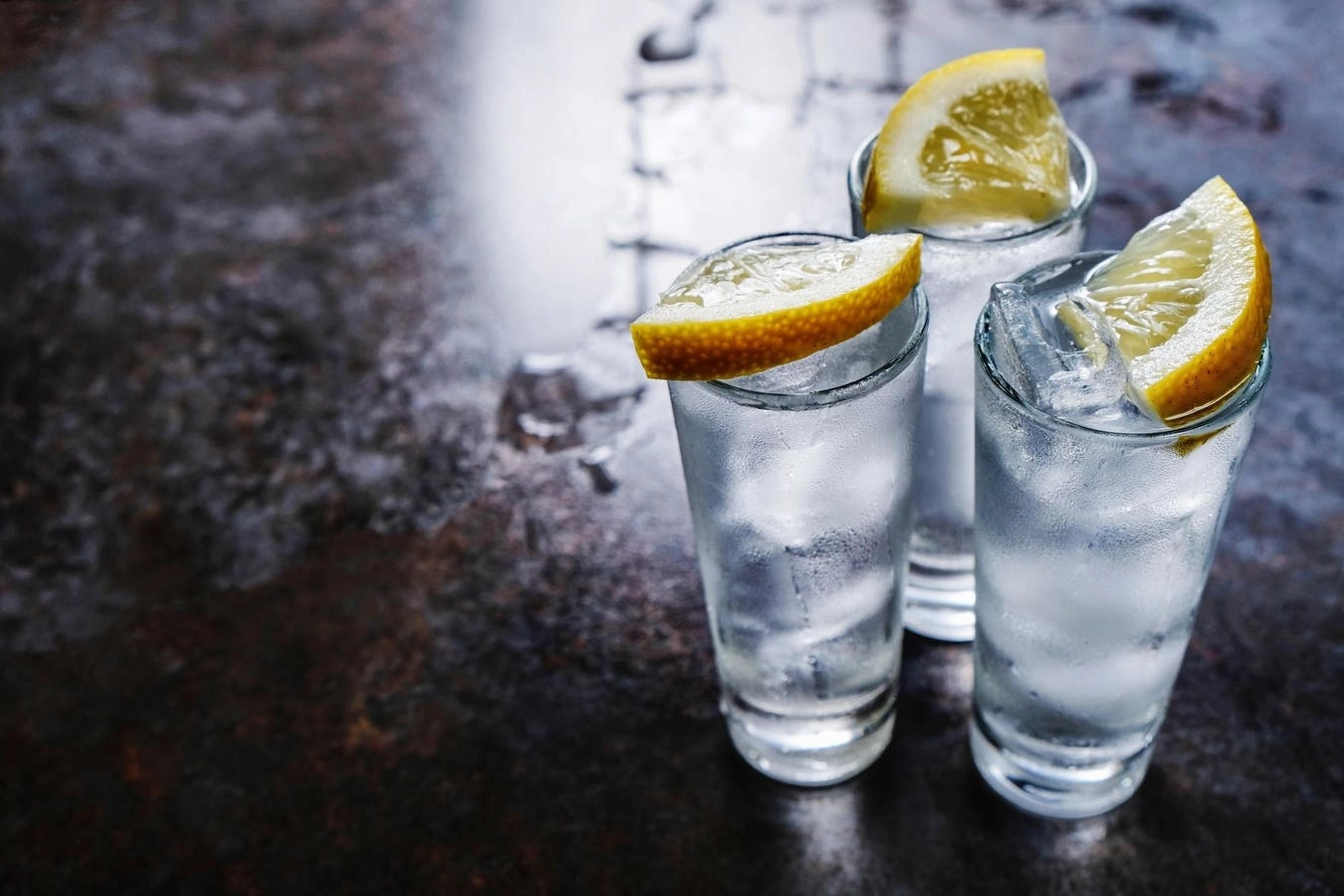
The International Wine & Spirit Competition (IWSC) recently announced the world’s best vodkas for 2025, awarding the coveted Vodka Spirit Trophy to two exceptional brands: Sexy Fish Vodka from England and Gustav Dill Vodka from Finland. These selections highlight the diversity and elegance found in the world of vodka, elevating it beyond its typical neutrality.
Sexy Fish Vodka
Hawkridge Distillers produced the Sexy Fish Vodka, achieving a remarkable score of 98 points from the IWSC. This vodka is crafted through a collaboration with the luxury restaurant brand, Sexy Fish, which has locations in London, Miami, and Manchester. The production process involves small-batch distillation using copper stills to ensure purity and character, enhanced by a multi-stage distillation process.
This vodka is triple filtered, resulting in clarity and a smooth, velvety texture. The natural sweetness contributes to a refined palate, complemented by floral and fruity aromas, particularly stone fruit. Notable flavors include citrus, vanilla, almond, and a hint of spices, culminating in a long, floral finish.
Gustav Dill Vodka
Gustav Dill Vodka, produced by Lignell & Piispanen, also received an impressive 98 points along with the 2025 Vodka & Tonic Trophy. This Finnish distillery, established in 1852, focuses on local botanicals and pristine Arctic water. The vodka of this particular expression utilizes aroma distillation, incorporating fresh Finnish dill to capture the herb’s essence.
The base spirit is a highly purified neutral grain vodka, blended with dill distillate and pure Finnish water, designed specifically for pairing with tonic. The resulting product showcases a distinct aroma and flavor profile of fresh dill accompanied by cucumber and subtle citrus, providing a crisp and balanced finish.
Conclusion
The IWSC’s 2025 Trophy winners showcase vodka’s ability to transcend its traditional perceptions. Sexy Fish Vodka offers a smooth, multilayered experience with an elegant finish, while Gustav Dill Vodka exemplifies how flavor can enhance a classic spirit, making it an ideal choice for those seeking aromatic and refreshing options. Together, these bottles redefine the spectrum of vodka, proving its versatility and sophistication in the world of premium spirits.
For more information on the International Wine & Spirit Competition, visit IWSC.
Are Sam’s Club Member’s Mark Vodka and Costco’s Kirkland Brand the Same Product?
Wholesale retailers Sam’s Club and Costco have been known for their competitive prices and extensive selection of products, including alcoholic beverages. Among consumers, the Kirkland Signature vodka from Costco has gained attention, leading to rumors about its similarities to the Member’s Mark vodka available at Sam’s Club. It has been speculated that both vodkas are essentially the same product, potentially produced at the same facility as the well-regarded Grey Goose vodka.
However, these claims are not substantiated. The Member’s Mark vodka is labeled as distilled in Louisville, Kentucky, by I.W.A Distilling. In contrast, the Kirkland vodka at Costco is produced by the LeVecke Corporation, which operates out of Mira Loma, California. This distinction confirms that the two vodkas come from different manufacturers.
Despite the differences, consumers have expressed satisfaction with both products, often highlighting their quality relative to their price. On forums like Reddit, customers have praised the smoothness of Sam’s Club’s Member’s Mark vodka, with users remarking how it compares favorably to more well-known brands, such as Tito’s, while being significantly less expensive. Similarly, Kirkland vodka has received accolades from consumers for its taste and affordability.
Ultimately, while both vodka brands are not identical, they have carved out a niche for themselves in the budget-friendly vodka market, pleasing many consumers who are looking for quality at a lower price point.
Cheers to Culture: Enjoying Beer and Wine at the Chautauqua Institution Amphitheater

For the first time ever, Chautauqua Institution is serving beer and wine in its renowned amphitheater, a significant milestone as it faces financial hurdles. This new service was launched during a concert featuring Bonnie Raitt, where attendees were allowed to buy alcoholic beverages and bring them into the venue.
Vanessa Weinert, a representative from Chautauqua, commented, "For the first time in Chautauqua’s history at the amphitheater, we will be doing concessions inside of the amphitheater." Patrons can now choose from a variety of drinks, including sauvignon blanc and sparkling rosé, which can be enjoyed during performances.
This shift marks a departure from Chautauqua’s long-standing policy of a dry campus, a tradition that had been upheld until concessions were first allowed in 2017. Weinert highlighted the historical context, referencing a local phenomenon of "Chautauqua tea" that has been humorously questioned regarding its true contents.
The decision to sell alcohol follows a period of significant financial strain for the institution, which has seen a drop in ticket sales and a decrease in Canadian visitors, along with a budget deficit. Kyle Keough, the interim CEO, discussed the institution’s struggles, noting a decline in attendance post-COVID and a need for substantial budget adjustments, estimated between $4 million to $6 million for the upcoming season.
To adapt, Chautauqua is looking to host more major concerts beyond its usual nine-week season, including the addition of alcohol sales at the amphitheater, following the model of other major performance venues.
Richard Zorn, venue operations manager, was busy preparing for this launch, hopeful that the new offerings would enhance the concert experience.
The move to serve alcohol is part of broader efforts by the Chautauqua Institution to revitalize attendance and ensure financial sustainability in a rapidly changing environment.
21st Amendment Brewery: A Bay Area Craft Beer Pioneer Announces Shutdown

The esteemed 21st Amendment Brewery, a cornerstone of the Bay Area craft beer scene, has announced it will be shutting down both its brewpub in San Francisco and its production facility in San Leandro. Co-founders Shaun O’Sullivan and Nico Freccia revealed that they will wind down operations in the coming months after 25 years of business.
Founded in 2000, 21st Amendment Brewery initially started as a brewpub and became notable for canning its beers, pioneering a movement that has since transformed the craft beer industry. The brewery expanded significantly in 2015 when it opened a large facility in San Leandro, becoming widely recognized for distributing its products across the U.S. and even engaging in contract brewing for other brands.
However, the onset of the COVID-19 pandemic severely impacted sales, coupled with a general decline in beer consumption post-pandemic. To adapt, they sought a financial partner and attempted to diversify their offerings with alternative beverages like energy drinks. Despite these efforts, sales never rebounded to pre-pandemic levels, prompting their financial partner to withdraw support.
In light of these challenges, O’Sullivan and Freccia have made the difficult decision to close both locations. They plan to celebrate their legacy over the next few months, with the brewpub’s closure possibly aligning with the San Francisco Giants’ last home game on September 28. Meanwhile, they are seeking potential buyers for the brand and brewery assets and will finalize their production of popular brews like “Brew Free! Or Die Blood Orange IPA” in the meantime.
Top Spots for Craft Beer Lovers in Seattle: Your Ultimate Guide

If you’re on the lookout for exceptional craft beer, Seattle is a must-visit destination. With its vibrant brewing scene, the city has a variety of spots worth checking out.
Urban Family
Located in Ballard, Urban Family is a haven for sour beer enthusiasts. The brewery specializes in fruity, bright sours that appeal even to those who may not typically enjoy the style. Pair your drinks with food trucks that frequently visit or join in on their monthly comedy hour for a fun experience.
Great Notion
Known for its flavorful brews, Great Notion is a staple among beer lovers. While you might find their cans in stores, tasting them on tap at their Georgetown or Ballard locations elevates the experience. Whether you prefer pastry sours, tart ales, or IPAs, there’s something for everyone.
Fair Isle
For those who fancy farmhouse ales, Fair Isle is a top choice in Ballard. The atmosphere is akin to a chic wine bar, making it a great spot for a date or a casual hangout. Its beautiful decor complements the high-quality ales, promising an unforgettable taste experience.
Fremont Brewery
As one of Washington’s largest craft breweries, Fremont is iconic in Seattle. Known for its patio vibe, the brewery welcomes all, including dogs and kids. Sample their diverse offerings, including IPAs, stouts, and lagers while enjoying the outdoor atmosphere.
Holy Mountain
A hidden gem, Holy Mountain is perfect for goth and metal enthusiasts. Originally functioning from a garage, this brewery has garnered attention for its oak-aged beers and various flavor profiles. Their location offers a creative ambiance, and their range continues to expand to cater to different tastes.
Explore these breweries on your next trip to Seattle for an unforgettable craft beer experience!
Bird Gang Spirits Joins Forces with Rita’s to Debut Water Ice-Inspired Flavored Vodka
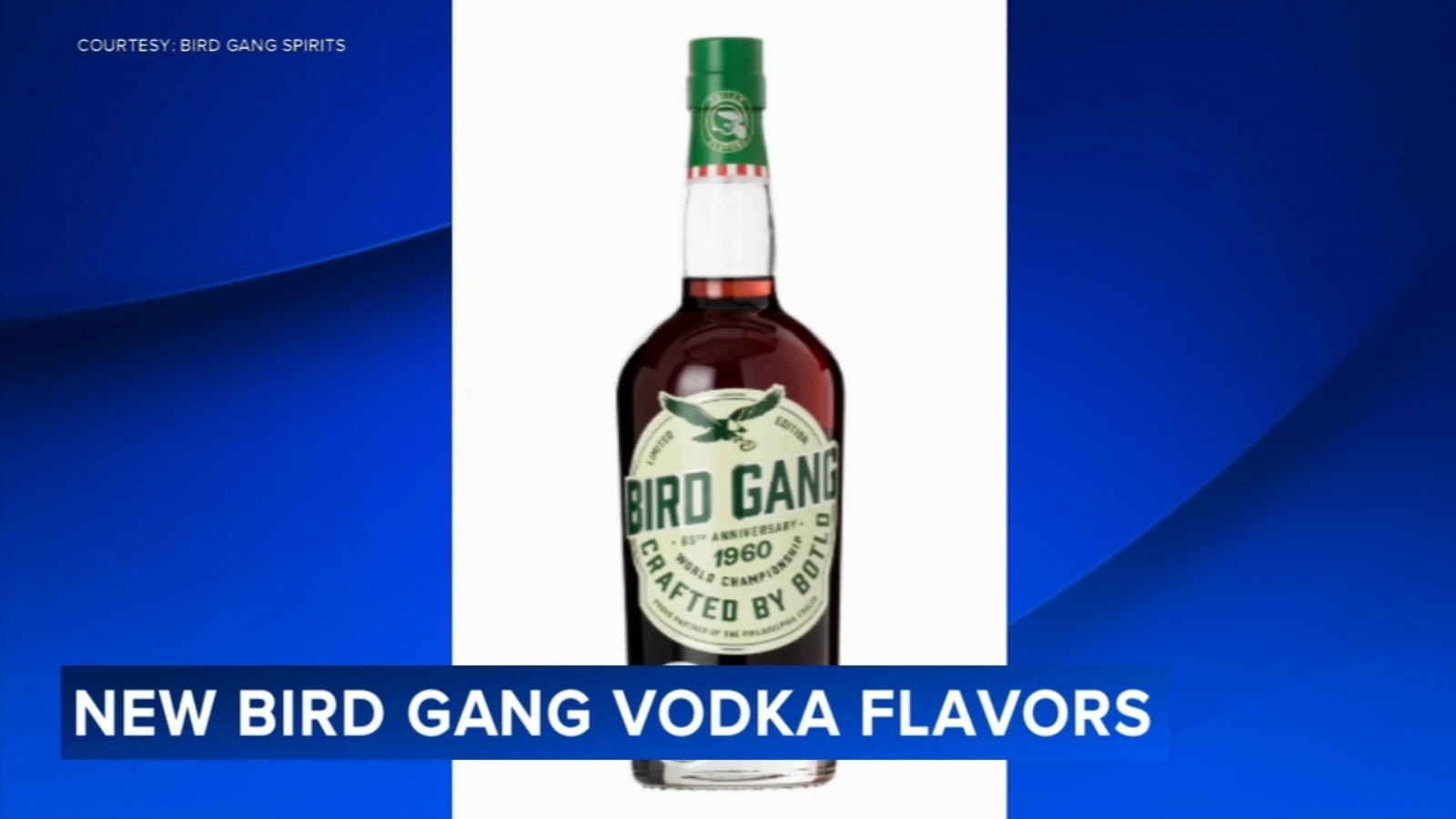
Bird Gang Spirits is bringing a unique twist to Philadelphia Eagles game days by collaborating with Rita’s to introduce a line of water ice-inspired flavored vodka. As fans gather outside the Lincoln Financial Field to celebrate the season opener, the excitement is palpable, and the drinks are flowing.
Among the new offerings are Black Cherry Italian Ice vodka and Mango Italian Ice vodka, each priced at $28 per bottle. Bird Gang is promoting these flavors as perfect additions for tailgating, embracing the festive spirit of Eagles games.
Rum Mixers: 8 Flavorful Additions for Effortless and Delicious Cocktails
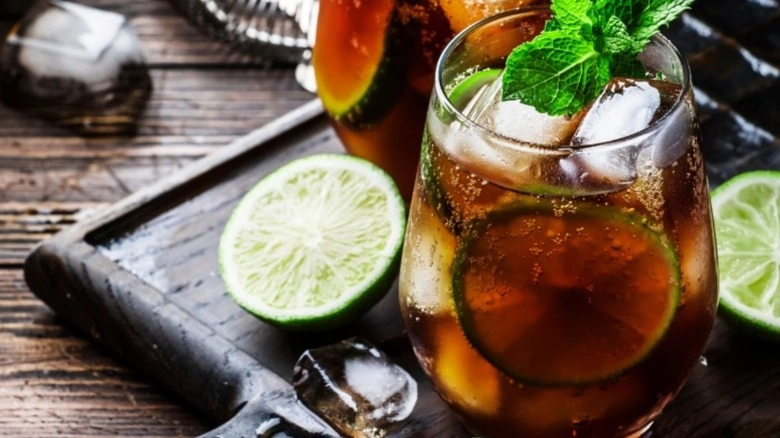
When considering rum mixers, many think of tropical cocktails or the classic rum and cola. However, rum’s versatility allows for a variety of creative combinations. While the flavor of rum can range from sweet to woody, there are several mixers that can either enhance its unique taste or bring a refreshing twist to your drink.
Here’s a list of creative mixers to try with rum that go beyond the usual fruity blends or cola:
-
Club Soda: A simple yet refreshing choice, combining spiced rum with club soda over ice creates a light drink. A lime garnish can add an extra zing. You can experiment with different kinds of rum for varying flavors.
-
Ginger Ale: Mixing ginger ale with rum results in a delightful drink. The milder taste of ginger ale allows the rum’s inherent flavors to shine, making it an excellent combination, especially with spiced or aged rums.
-
Pineapple Juice: A popular mixer for rum, pineapple juice brings a tropical vibe to the drink. Whether you use dark, light, or spiced rum, this combination can be easily enhanced with mint or liqueur for additional flair.
-
Coconut Water: Known for being low in calories and hydrating, coconut water pairs wonderfully with rum, especially on hot days. An amber rum mixed with chilled coconut water offers a light, refreshing sip.
-
Coca-Cola: This duo is a classic that many enjoy. It’s straightforward, with endless variations based on the type of rum used. Adding lime transforms it into a Cuba Libre, which is another fantastic option.
-
Iced Tea: Iced tea serves as a great base for a spiked drink. Mixing it with rum and a splash of lemon juice over ice creates a cooling beverage suitable for any season.
-
Root Beer: Root beer’s unique taste can produce a fun cocktail when combined with rum. It works well in a root beer float, enhanced further with vanilla ice cream for an indulgent treat.
-
Apple Cider: This mixer can be enjoyed either cold or warm. When mixed with rum, it becomes a cozy drink, especially when adding spices like cinnamon and cloves for warmth.
These mixers illustrate how adaptable rum can be, providing flavorful possibilities for your cocktails. Whether you’re relaxing at home or hosting friends, these combinations are sure to elevate your drink experience.
Bluebird Distilling Launches Ready-to-Drink Canned Old Fashioned Whiskey Cocktails
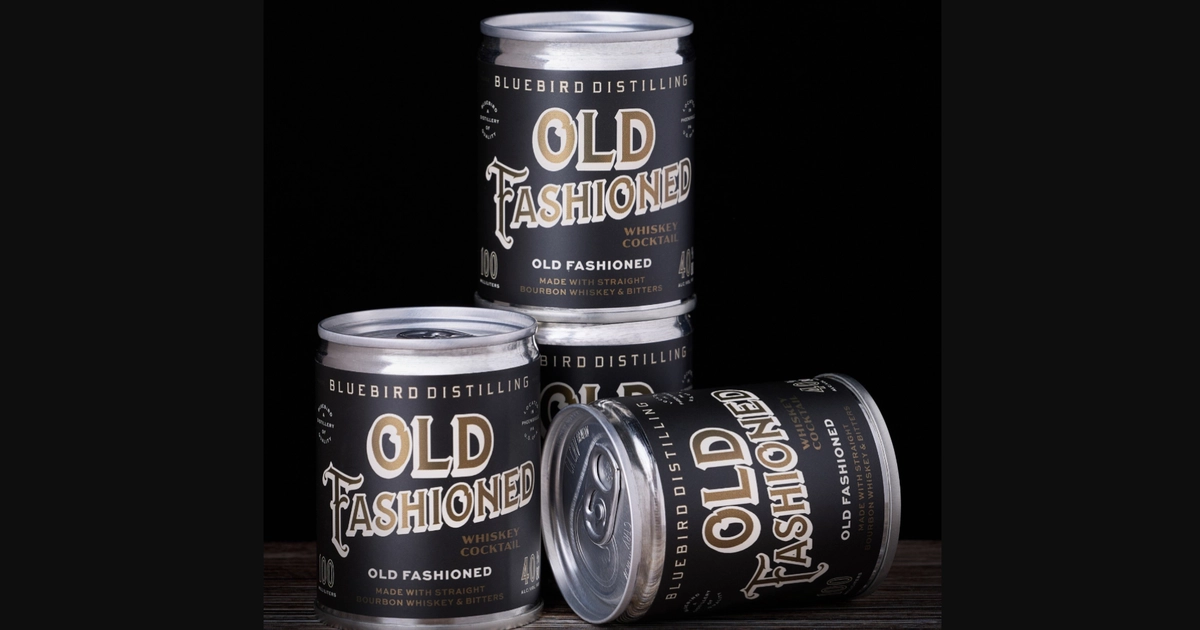
Bluebird Distilling has launched a new offering: canned Old Fashioned Whiskey Cocktails, now available at their Phoenixville bottle shop and online for Pennsylvania residents. These 3-ounce cans contain an 80 proof cocktail (40% ABV) crafted with Bluebird’s Four Grain Bourbon, bitters, and a hint of cane sugar, retailing at $26.99 per four-pack.
The Old Fashioned cocktails boast a rich array of flavors, with aromas of tobacco, toffee, and orange zest, followed by a palate featuring caramel and baking spices. The drink finishes with a velvety blend of orange, vanilla, and spice.
Jared Adkins, the founder of Bluebird Distilling, noted that many of their customers enjoy Bluebird spirits outdoors, prompting them to create a portable, craft cocktail perfect for taking on adventures.
Earlier this year, Bluebird Distilling announced a $2 million expansion of its Phoenixville location, which will introduce various new features including a full-service pizzeria, expanded seating, and an enhanced bottle shop. This marks the first time the distillery will sell food, promising house-made bread, seasonal sandwiches, and salads. Adkins hinted at more exciting changes in the pipeline as the distillery continues to diversify its product offerings.
For more information or to purchase, you can visit their online shop.
3 Game-Changing Ingredients to Elevate Your Cocktails
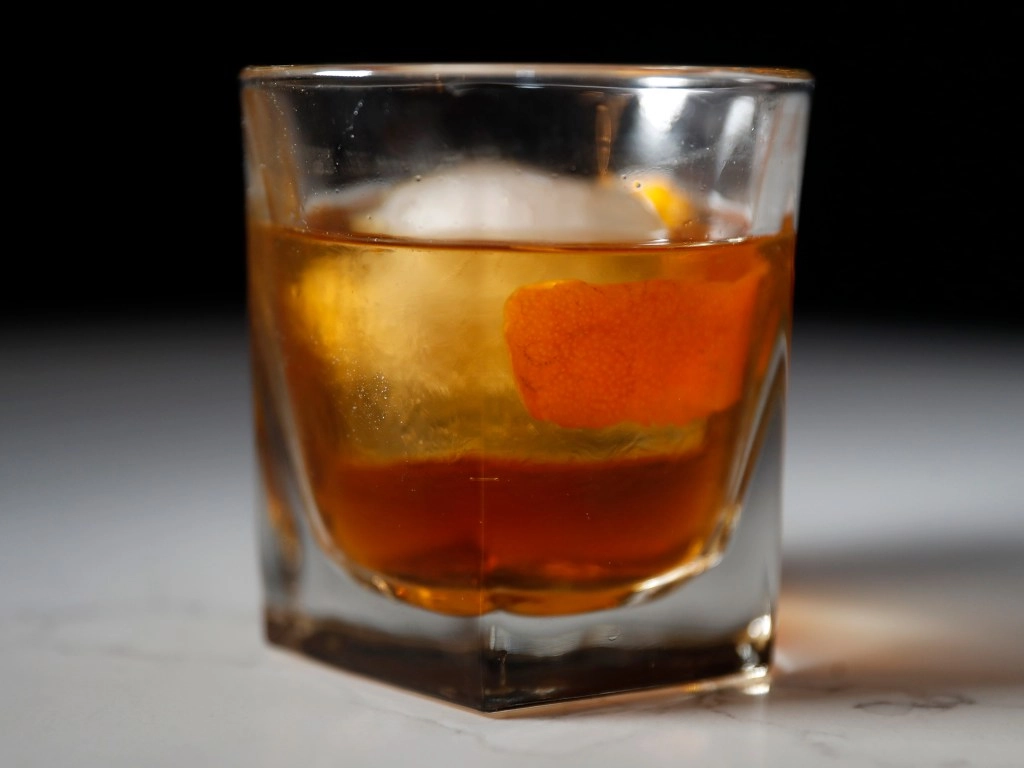
When it comes to crafting the perfect cocktail, many people focus heavily on the main spirit and neglect the crucial supporting ingredients. However, the right additions can make a substantial difference in transforming a drink from good to exceptional.
To illustrate this point, let’s explore three essential ingredients that can elevate your cocktails:
1. Abbott’s Aromatic Bitters
- Price: $19.99 for 4 ounces (50% ABV)
- Origin: Marin
Abbott’s Bitters are a historic brand that has made a comeback thanks to Tempus Fugit Spirits. Originally popular in the early 20th century, these bitters offer a complex flavor profile with hints of saffron and cinnamon. They’re perfect for cocktails like Old Fashioneds or Manhattans that require a bit of extra punch. Importantly, make sure to avoid calling it Angostura!
More Information on Abbott’s Bitters
2. Rue de Rêve’s Rouge Aperitif Wine
- Price: $42 for 750 milliliters (18% ABV)
- Origin: Sonoma County
Unlike traditional vermouth that utilizes wormwood, Rue de Rêve’s Rouge aperitif combines red wine with gentian, resulting in a more complex and less sweet flavor. It works beautifully in traditional cocktails like a Negroni or Boulevardier, providing a fresh and bright contribution to your drink.
More Information on Rue de Rêve Aperitifs
3. DEBZ Sonoma’s Lavender/Lemon Rimming Sugar
- Price: $10 for 5.5 ounces
- Origin: Sonoma
Rimming sugars and salts can greatly enhance the aesthetic and flavor of cocktails. DEBZ Sonoma, run by Debra DeMartini, creates unique blends using organic sugars and Pacific sea salt. The lavender/lemon sugar adds a balanced floral and citrus touch, perfect for drinks like a Lemon Drop. These rimming options can also be used to create flavorful saline solutions, adding yet another layer to your cocktail experience.
More Information on DEBZ Sonoma
Incorporating these ingredients can effortlessly elevate your cocktail game, ensuring that every sip is not just good, but exceptional.
Deliciously Creamy: Yvonne Cobb’s Vodka Pasta Recipe
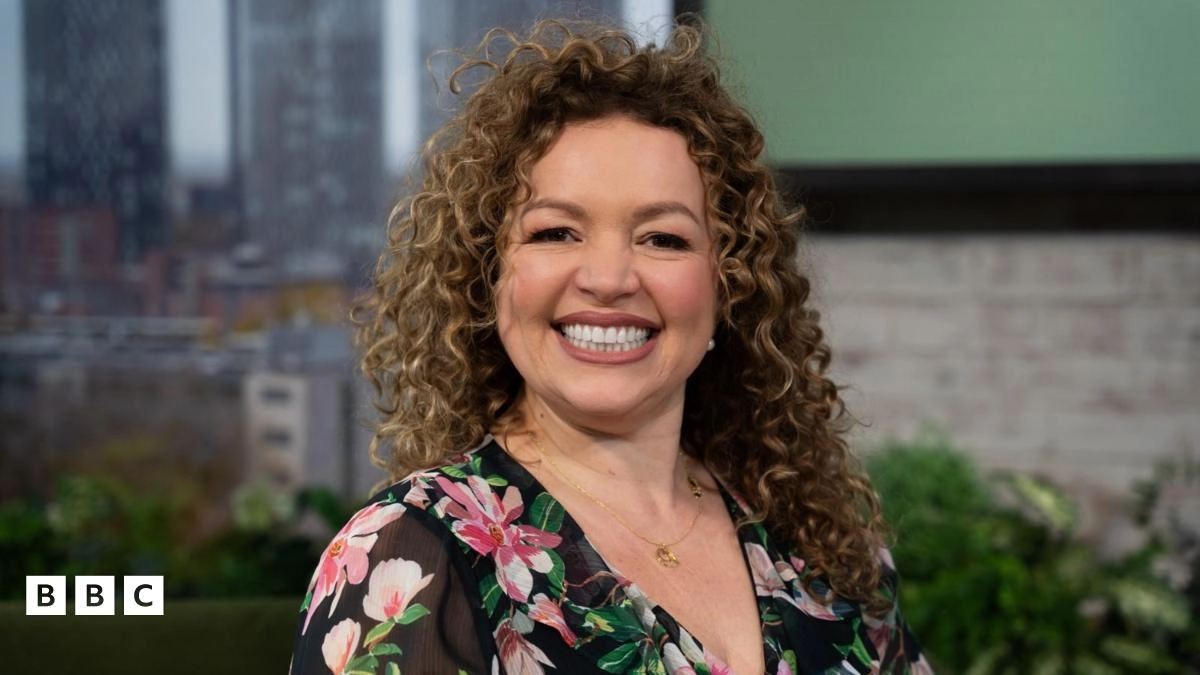
Yvonne Cobb’s Vodka Pasta Recipe
This Vodka Pasta recipe is a delightful dish that serves four and is perfect for a comforting meal.
Ingredients:
- 300g penne pasta
- 100ml reserved pasta water
- 3 banana shallots or 1 red onion, sliced
- 4 garlic cloves, chopped
- 1 tsp crushed chili flakes
- 4 heaped tbsp tomato puree
- 50ml cold water
- 4 large ripe tomatoes, chunky chopped
- 100ml vodka
- 100ml double cream
- 2 large fresh mozzarella cheese, sliced
- A handful of fresh basil leaves, loosely chopped
- Olive oil for frying
- Seasoning to taste
For toppings:
- Grated parmesan cheese
- 6 crispy bacon rashers, chunky chopped
- A few basil leaves
Method:
-
Begin by boiling the penne pasta until al dente. Once cooked, drain it while reserving 100ml of the pasta water and leaving the cooked pasta in the pan.
-
Fry the bacon until crispy, then cut it into small pieces and set aside.
-
In a skillet, fry the sliced shallots in olive oil for a few minutes, then add the chopped garlic and cook for an additional couple of minutes. Stir in the crushed chili flakes and sauté for 1-2 minutes before adding the tomato puree. Gradually pour in the cold water to create a loosely thick sauce.
-
Add the chopped tomatoes to the skillet and cook for a few minutes.
-
With the heat still high, carefully add the vodka. Stir gently until it’s reduced.
-
Lower the heat to medium, then stir in the double cream and reserved pasta water.
-
Add the fresh mozzarella cheese, stirring gently until it melts slightly.
-
Finally, toss in the chopped basil leaves, reserving a few for garnish.
-
Serve with grated parmesan, crispy bacon pieces, and a sprinkle of fresh basil on top.
Enjoy this delicious Vodka Pasta, perfect for any gathering or a cozy dinner at home!