October 2023 277
Aims of Wastewater Beer to Help Alleviate US Drought

Revolutionizing Water Sources: From Skyscraper Wastewater to Refreshing Beer
In a time when chronic droughts and climate change continue to wreak havoc on the American West, finding innovative ways to conserve and utilize water sources has become a necessity. Enter Aaron Tartakovsky, the CEO of recycling company Epic Cleantec, who has taken an unconventional approach to raise awareness about the untapped potential of water sources that might initially seem unsavoury.
Tartakovsky’s ingenious idea revolves around beer, a beverage that has brought people together since the dawn of human civilization. By brewing a beer using recycled wastewater from a San Francisco skyscraper, he aims to showcase the benefits of utilizing alternative water sources and ensure the security of communities for future generations.
The beer, aptly named Epic OneWater Brew, uses water derived from the showers, sinks, and washing machines of a 550-home apartment building. Epic Cleantec treats the building’s wastewater in its basement, purifying it and returning much of it to be reused for flushing toilets and the irrigation system. Although California law prevents this treated water from being used for drinking, once filtered, it exceeds federal drinking quality standards.
To create Epic OneWater Brew, the water undergoes a three-stage purification process. Bacteria targets contaminants similar to how our stomachs break down food, followed by filtration through membranes one-thousandth the diameter of a human hair. Finally, the water is disinfected with ultraviolet light and chlorine. The result? A crystal-clear liquid that not only meets drinking standards but also tastes just like any other beer.
Chris Garrett, the CEO of Devil’s Canyon brewery, collaborated with Epic Cleantec and produced 7,200 cans of the beer. Surprisingly, the treated wastewater provides a “cleaner slate” than the municipal water typically used by the brewery for brewing. Blind tastings have confirmed that there is no discernible change in taste, even for the most discerning beer snobs.
Despite the success and undeniable quality of Epic OneWater Brew, California law currently prevents the two companies from selling the beer commercially. However, they remain hopeful that this will change in the future. In the meantime, they have been distributing cans for free during major events such as Climate Week in New York.
This innovative project has demonstrated that the general public is more ready for recycled water than previously believed. In some parts of the United States, recycled wastewater has long been used for non-drinking purposes like watering golf courses and crops. Other states, such as Orange County, pump treated water into the ground, replenishing underground aquifers. Still, with water sources drying up due to prolonged droughts, authorities are exploring ways to recycle wastewater for direct reuse. California plans to adopt new measures for “direct potable reuse” (DPR) technology before the end of 2023.
Opponents of recycled water have often dubbed the process “toilet-to-tap,” relying on disgust rather than understanding the advanced technology used for purification. However, a recent study from Stanford University revealed that recycled water may be cleaner than much of the water consumed daily. Furthermore, using recycled water offers advantages over expensive alternatives like seawater desalination, which requires proximity to coastlines and is more energy-intensive.
The story of Epic OneWater Brew showcases the potential and importance of utilizing alternative water sources. By challenging preconceptions and raising public awareness, Aaron Tartakovsky, Chris Garrett, and their respective companies have laid the foundation for a healthier and sustainable future. As the world grapples with the effects of climate change, innovative initiatives like this are vital in ensuring the preservation of our precious resources for generations to come.
Changing Perceptions and Challenging Preconceptions: The Surprising Potential of Wastewater
When we think of wastewater, we often envision something dirty, foul-smelling, and definitely not fit for consumption. But what if I told you that there’s a brewery out there that is using wastewater to make delicious beer? Yes, you read that right! Epic Cleantec, a craft brewery based in California, is challenging our preconceptions about wastewater and showing us the untapped potential it holds.
Meet Mitch, a professor of civil and environmental engineering, who firmly believes that initiatives like Epic Cleantec can change attitudes towards wastewater and revolutionize the way we think about this resource. In recent years, several other breweries in Arizona and Idaho have also jumped on board, brewing beer using wastewater. This trend is slowly but surely breaking down the public’s negative impression of ‘toilet-to-tap’ water.
But why wastewater, you might ask? Well, for starters, seawater is becoming increasingly scarce and expensive to treat. Municipal wastewater, on the other hand, is abundantly available and can be an excellent alternative. It is a untapped resource that can benefit not only breweries but also other industries and agriculture.
Brewing beer using wastewater might sound unappetizing, but it’s important to note that we are not drinking raw wastewater. The water goes through multiple filtration and treatment processes to ensure that it meets all the required safety standards. These advanced treatment methods remove impurities and contaminants, resulting in clean, potable water that can be used for various purposes.
By embracing the use of wastewater, breweries like Epic Cleantec are not only reducing their environmental impact but also challenging our perceptions of what is acceptable. They are reminding us that with the right technology and processes in place, we can transform something deemed impure into something that brings joy and pleasure.
The success of these breweries lies not just in their ability to produce tasty beers but also in their dedication to educating the public about the safety and benefits of using treated wastewater. It’s about changing mindsets and fostering a more sustainable mindset when it comes to water usage.
So, the next time you raise a glass of beer, take a moment to appreciate the innovation and forward-thinking that went into turning what was once considered waste into a delightful beverage. Let’s toast to initiatives like Epic Cleantec and the others out there who are challenging conventions, changing attitudes, and proving that there is potential even in the most unlikely places.
Cheers to a future where wastewater is no longer seen as a burden, but instead as a valuable resource that can contribute to a more sustainable and enjoyable world. Let’s raise awareness, start conversations, and continue to push the boundaries of what we thought was possible. Together, we can make a difference.
With simple ingredients that you already possess, you are able to create red wine vinegar.

Discover the Magic of Homemade Red Wine Vinegar###
Vinegar is an unsung hero in our pantry, often overlooked but incredibly versatile. It adds a bright acidity to dishes and is an essential ingredient in many recipes. While it’s easy to pick up a bottle from the store, making your own red wine vinegar is a rewarding and simple project that allows you to have complete control over the ingredients.
Contrary to popular belief, you don’t need any fancy equipment or spend extensive amounts of time. All you need is a jar and a bit of patience. To start, you’ll need red wine and a small amount of unpasteurized vinegar. The name “vinegar” itself comes from the French words “vin” (wine) and “aigre” (sour), reflecting its origins in fermented alcoholic beverages. Various types of vinegar, like red wine vinegar, champagne vinegar, and rice wine vinegar, are named after the alcohol they begin with. For instance, apple cider vinegar is made from hard cider, while distilled white vinegar is derived from flavorless grain alcohol. Acetic acid bacteria, naturally present in the alcohol, transforms it into vinegar. When vinegar isn’t pasteurized, the bacteria remain in the bottle, ready to start a new batch.
To start your homemade red wine vinegar journey, you’ll need a bottle of unpasteurized vinegar and a good-quality bottle of red wine. Look for unpasteurized vinegar labeled “contains the mother” at your local store. It’s important to choose a wine that you would enjoy drinking since its flavors will contribute to your final vinegar. While there are many great affordable wines available, you want to ensure the wine is not poor quality.
Once you have your supplies, clean a half-gallon jar thoroughly. Pour the wine into the jar, along with two cups of water and half a cup of vinegar. The addition of water brings down the alcohol percentage to a level conducive to bacterial activity. Shake or whisk the mixture to introduce enough air for the bacteria to thrive. Loosely cover the jar with a paper towel and secure it with a rubber band to prevent contamination while still allowing air circulation. Now, you let nature work its magic. Keep the jar at room temperature and let the starter from the vinegar do its thing.
After about eight weeks, you can give your homemade vinegar a taste. If you’re happy with the flavor, transfer it to a pretty bottle for storage. If you prefer a more sour taste, you can let it sit for another two weeks. If you want to add some extra flair, you can infuse your finished vinegar with a sprig of rosemary, black peppercorns, or crushed berries.
One interesting aspect of making your own vinegar is the solid piece of vinegar mother that is left behind in the jar. This “mother” is an accumulation of acetic acid bacteria and can be used as a starter for your next batch of vinegar. Simply add wine and water to the jar, and let the magic happen again.
By making your own red wine vinegar, you not only have full control over the ingredients and flavor but also gain a deeper appreciation for this underappreciated pantry staple. So why not embark on this easy and rewarding project? Your taste buds will thank you.
(Source: Adapted from Tasting Table)
Wastewater beer has the objective of assisting in quenching the drought experienced in the United States.

In a world where water scarcity is becoming an increasingly critical issue, finding innovative ways to make the most of available resources is crucial. One company, Epic Cleantec, is taking an unconventional approach to water conservation by using recycled wastewater to brew beer.
The idea behind this unique venture is to raise awareness about the untapped potential of water sources that might initially seem unsavory. With California facing chronic drought exacerbated by global warming, finding sustainable solutions is more important than ever.
Aaron Tartakovsky, the boss of Epic Cleantec, believes that beer has a unique ability to bring people together and educate them about the importance of using recycled water. By manufacturing a drink that is enjoyed by millions and using recycled wastewater as an ingredient, the company aims to show the public that recycled water can help secure our communities for generations to come.
The beer itself is made using water derived from the showers, sinks, and washing machines of a San Francisco apartment building. Epic Cleantec treats the building’s wastewater in the basement, returning much of it to the residents for reuse in flushing toilets or the irrigation system. While California law prohibits redirecting the treated water to taps for drinking, once filtered, the water meets or exceeds federal drinking quality standards.
To prove the quality of the water, Epic Cleantec has teamed up with a brewery to create Epic OneWater Brew, a drink inspired by German Kolsch beers. The water is purified in three stages, using bacteria to target contaminants, membranes to filter the water, and ultraviolet light and chlorine for disinfection. The end result is a crystal-clear liquid that tastes no different from beer brewed with traditional water sources, according to blind taste tests conducted by the brewery.
Despite the success of the project and the positive feedback from beer drinkers, California law currently prevents the companies from marketing or selling the beer commercially. However, they are hopeful that this can be changed in the future and have been distributing free cans of the beer during major events to showcase the potential of recycled water.
While using recycled wastewater for brewing beer may seem like a novel concept, it is not a new practice in certain parts of the United States. Scottsdale, Arizona, has long recycled wastewater for use on golf courses and crops, and in Orange County, California, treated water is pumped into the groundwater supply before being returned to taps. However, due to the severity of California’s current drought, authorities are exploring ways to directly reuse wastewater without first returning it to the natural environment.
This approach, known as “direct potable reuse,” has already been successfully implemented in places like Windhoek, Namibia. However, it has faced opposition in the United States, with opponents dubbing the process “toilet-to-tap” in an attempt to evoke disgust. Yet, a recent study by Stanford University found that recycled water may actually be cleaner than much of the water we drink daily, thanks to the rigorous purification processes involved.
As we face an uncertain future in terms of water availability, it is crucial that we explore all possible solutions to conserve this precious resource. Recycling wastewater for brewing beer might seem like a small step, but it serves as a powerful reminder that there are untapped opportunities all around us. By embracing innovative approaches like this, we can ensure that our communities remain secure for generations to come.
The innovation and ingenuity of the human mind never cease to amaze me. Every day, we hear about pioneering ideas that push boundaries and challenge societal norms. Today, I am going to share with you a remarkable story that embodies this spirit of thinking outside the box and turning the unimaginable into reality.
Water scarcity is a pressing issue that plagues many parts of the world. It has become increasingly crucial for us to explore alternative sources of water to meet our growing needs. But what if I told you that we could actually turn wastewater into drinkable water? Yes, you heard that right. We can turn the water that goes down our drains into clean, potable water fit for consumption.
Meet Mitch, a brilliant professor of civil and environmental engineering. Mitch, along with several other like-minded individuals, has been working tirelessly to change the way we look at wastewater. For years, there has been a stigma attached to the idea of using treated wastewater for drinking purposes, often referred to as ‘toilet-to-tap.’
However, Mitch believes that initiatives like Epic Cleantec’s can help change these perceptions. Epic Cleantec is an innovative company that has successfully developed a process to turn seawater into potable water. Their revolutionary method not only provides a sustainable solution to water scarcity but also challenges the notion that seawater is more acceptable than treated wastewater.
In recent years, similar projects have been carried out in Arizona and Idaho, where craft beers have been brewed using treated wastewater. These initiatives have played a crucial role in breaking down the public’s negative perception of recycled water.
Mitch emphasizes the importance of these actions in shifting public attitudes towards wastewater treatment. He believes that by showcasing real-world applications of treated wastewater, we can eliminate the stigma associated with reusing water from toilets.
Water is a precious resource, and we must make every effort to conserve and utilize it wisely. Projects like Epic Cleantec’s and the ventures in Arizona and Idaho demonstrate that with the right technology and mindset, we can overcome the challenges of water scarcity.
Imagine a world where wastewater is no longer considered a waste but a valuable resource. A world where we can confidently drink water that was once flushed down our toilets. This might seem far-fetched, but thanks to the determination and revolutionary thinking of individuals like Mitch, it may soon become a reality.
So, the next time you raise a glass of cold, crisp beer or take a refreshing sip of water, remember the incredible journey it has been on. Our perception of wastewater is changing, and projects like Epic Cleantec’s are leading the way towards a more sustainable future.
Let us applaud the innovators and pioneers who continue to challenge conventions and transform the impossible into possible. Cheers to a world where wastewater is no longer seen as waste, but as a valuable resource that can sustain us all.
Jack Daniel’s has released a rare new single malt, as smooth as Tennessee whiskey – here’s how you can get it.

A Unique Twist on Tradition: Jack Daniel’s American Single Malt Whiskey
For over a century and a half, Jack Daniel’s has been synonymous with quality whiskey. But now, they have embarked on a new endeavor, distilling an American single malt whiskey. When you hear the term “single malt,” your mind may wander to the grassy flavors of Scotch whisky, where peat moss plays a vital role in the malting process. However, the American single malts currently available are mostly produced by craft distillers. Jack Daniel’s new American Single Malt Whiskey, priced at $99.99 (90 proof), is a departure from its Scottish counterparts, as it does not incorporate peat. Instead, it utilizes the same yeast used in their Tennessee and rye whiskeys. However, unlike typical whiskey, which incorporates corn, rye, and barley, this single malt keeps it simple with only malted barley.
The barley used in this single malt is different from what Jack Daniel’s uses in their other whiskeys. Nonetheless, it undergoes the usual process of grinding, fermenting, and distilling in Lynchburg, Tennessee. This distinctive grain brings a nuttier or biscuit-like flavor to the whiskey. Chris Fletcher, the master distiller, notes that after aging in new, charred American oak barrels for approximately five years and finishing it in Oloroso Sherry casks, the whiskey exhibits aromas of honey, malted chocolate, and dark fruits. The flavors are equally intriguing, with notes of bread and dry cherry, accompanied by a unique texture and viscosity derived from the barley.
In 2012, Jack Daniel’s began experimenting with a 100% malt grain bill, intending to put their own twist on timeless single malt traditions. Last year, they released a limited edition American Single Malt Special Release, crafted from single barrels. This year, the plan is to continue this tradition, ensuring a more consistent flavor profile through the blending process. Unfortunately, to acquire this rare gem, one has to visit duty-free retail locations worldwide or certain U.S. military bases. Nonetheless, Jack Daniel’s hopes that this new single malt will help elevate their brand on a global scale.
Master Distiller Chris Fletcher emphasizes that their goal was not to replicate the world of Scotch whisky but to create a distinctly American version of single malt whiskey. He highlights the importance of staying true to the Tennessee style and infusing it with the essence of American craftsmanship. By doing so, they have added their own mark to the single malt landscape, paying homage to tradition while forging a new path.
The release of Jack Daniel’s American Single Malt Whiskey signifies a fusion of old and new, tradition and innovation. As whiskey lovers, we embrace this exciting chapter in the world of American spirits. It is a testament to the evolution of a beloved brand and a glimpse into the future of whiskey-making.
Note: This article was originally published on USA TODAY by Mike Snider.
Angel’s Envy successfully nailed its inaugural cask-strength rye whiskey in a taste test.

Angel’s Envy has made a name for itself in the whiskey world for its exceptional cask-finished releases. As a fan-favorite, the annual Cask Strength Bourbon release always generates a lot of excitement among whiskey enthusiasts. But this time, Angel’s Envy is taking it a step further by introducing their first-ever Cask Strength Rye, also cask-finished. This exciting venture falls under the purview of their new master distiller, Owen Martin, who has been with Angel’s Envy for just about a year.
The details of this new Cask Strength Rye are quite intriguing. It starts with a mashbill of 95 percent rye and five percent malted barley, which was distilled at MGP in Indiana in 2015. The base liquid was then aged for five to seven years, and some of the whiskey was finished in sauternes wine barrels for three years, while the rest spent six months in toasted oak barrels (both French and American). The end result is a whiskey bottled at 114.4 proof.
Now, I understand that hearing about a toasted oak finish might give you some reservations. If not done right, it can overpower the palate and overshadow other flavors with an onslaught of baking spices. But fear not, in this case, that is definitely not the situation. This high-proof rye whiskey is a delightful blend of fruity and peppery notes, courtesy of that 95 percent rye mashbill. Taking a sip reveals the magnificence of pear and cherry flavors, accompanied by the richness of dark and milk chocolate, almond, and a hint of toasted spice that adds depth without dominating. If you prefer a slightly lower proof, feel free to add a splash of water, but keep in mind that this whiskey has strength without being overly hot.
There’s a catch, though. With only 5,500 bottles of the Cask Strength Rye available, it might prove challenging to find when it hits the shelves in December (with a suggested retail price of $270). This limited availability is even more restricted compared to the Cask Strength Bourbon, which will see a release of over 20,000 bottles. However, don’t worry, as the Cask Strength Bourbon is also an exceptional whiskey that is definitely worth seeking out and likely to sell out quickly.
Owen Martin’s first attempt at blending Angel’s Envy Cask Strength has yielded fantastic results. With this introduction of their 12th bourbon and their first rye in the cask-finished category, the excitement for future releases from this distillery is palpable. If you manage to get your hands on a bottle of the Cask Strength Rye, consider yourself lucky. And if you’re still unsure about it, let me assure you that this whiskey has received a well-deserved score of 94 out of 100, making it a true gem.
So, mark your calendars and keep an eye out for Angel’s Envy’s Cask Strength Rye release. But be prepared to act fast, as the limited number of bottles is sure to make it a sought-after whiskey among enthusiasts. And who knows, this might just be the beginning of an exciting journey into the world of Angel’s Envy cask-finished whiskeys.
Learn how to make this beer cheese in just 10 minutes at home – it’s the same recipe served at Reba McEntire’s restaurant, available exclusively here.

“Bring the Taste of Reba’s Place to Your Kitchen: Try this Delicious Beer Cheese Recipe”
Reba McEntire understands that not everyone can travel all the way to her restaurant in Atoka, Oklahoma, so she decided to share some of her famous dishes in her first cookbook, Not That Fancy. This Grammy award-winning singer has included at-home versions of menu items served at Reba’s Place, a popular 15,000-square-foot restaurant, bar, and live entertainment venue in her home state.
Reba’s Place is known for its “down-home atmosphere” and “Southwestern-style” food, thanks to the talented chef Kurtess Mortensen, formerly from the Pioneer Woman Mercantile. Situated in Atoka, a town located halfway between Tulsa and Dallas, Reba’s Place has been attracting locals and tourists since its opening in January.
One of the signature dishes at Reba’s Place is their mouthwatering beer cheese, and the best part is that it only takes 10 minutes to make at home. “Beer and cheese—what a combo!” says Reba. She thoughtfully included this recipe in her cookbook to give her fans a taste of her restaurant until they can visit in person.
Reba describes the beer cheese as “tasty but also very filling,” so she advises everyone to limit themselves. Whether you use it as a spread or a dip, or simply enjoy it straight out of the bowl, Reba assures there will be no judgment here.
Here’s the recipe for Reba’s Place Beer Cheese:
Ingredients:
– 1 Tbsp. unsalted butter
– 2 garlic cloves, minced
– 1 cup (8 oz.) beer (brown ale or lager)
– 1 lb. sharp white Cheddar cheese, shredded (about 4 cups)
– 1 Tbsp. Worcestershire sauce
– 1 tsp. hot sauce
– 1 tsp. dry mustard
– ½ tsp. Dijon mustard
– ¼ tsp. freshly ground black pepper
– Dash of cayenne pepper
– Kosher salt, to taste
Instructions:
1. Melt the butter in a small skillet over medium heat. Add minced garlic and cook, stirring constantly, until fragrant (about 1 minute).
2. Slowly pour in the beer. Remove the skillet from heat and let it cool slightly at room temperature for about 5 minutes.
3. In a food processor, combine the shredded Cheddar cheese, Worcestershire sauce, hot sauce, dry mustard, Dijon mustard, black pepper, and cayenne pepper.
4. Carefully add the beer mixture to the food processor. Secure the lid and pulse until the mixture becomes smooth and creamy. Remember to scrape down the sides of the bowl as needed.
5. Add salt to taste and pulse to combine.
6. Transfer the beer cheese to a serving bowl and serve it with your favorite dippers.
7. If you have any leftovers, store the beer cheese in an airtight container in the refrigerator for up to 1 week.
This recipe serves approximately 12 people and requires only 10 minutes of active time. It’s perfect for gatherings, parties, or simply enjoying a delicious snack in the comfort of your own home.
So, if you’re craving the taste of Reba’s Place but can’t make it to Atoka, bring Reba’s famous beer cheese to your kitchen. Stay tuned for more mouthwatering recipes and interesting articles by signing up for our newsletter.
Chef Mario Carbone explains why cheese should not be included in vodka sauce.
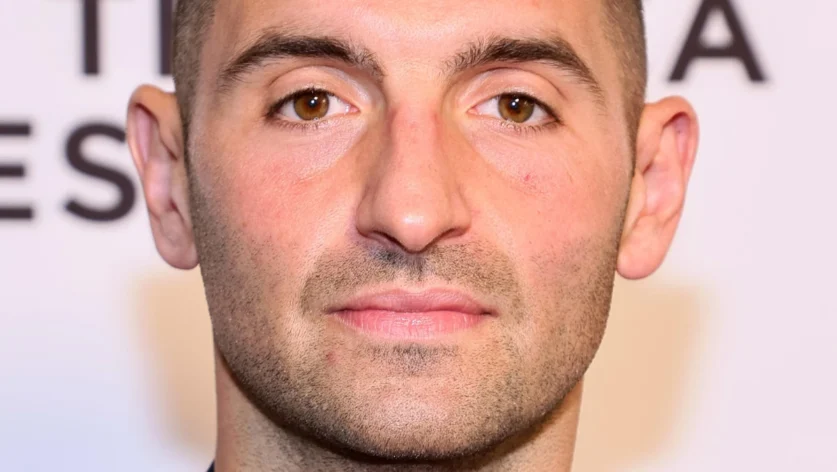
Talking about the prominent figure in the culinary world, it is impossible not to mention Mario Carbone. His renowned Spicy Vodka Sauce from Carbone Fine Foods has gained nationwide popularity since its release in September. In fact, it has become the highlight of numerous “Carbone spicy vodka sauce hack” videos on social media. If you’re interested, you can purchase the sauce on the Carbone Fine Foods website, and mark your calendars for National Vodka Day on October 4th.
Recently, Chef Carbone paid a visit to the gourmet grocery store Citarella on 6th Avenue in Manhattan. During his visit, he shared more about his iconic Spicy Vodka Sauce, including his annoyance with the countless versions of “hacks” that involve adding cheese. “We don’t put cheese in it,” stated Carbone. “In fact, we frown upon it when customers request it at the restaurant.” It’s not that the chef has a personal vendetta against cheese in pasta dishes; he simply believes that cheese is not an essential ingredient for every pasta recipe. “I genuinely don’t think it’s necessary. The dish is already rich on its own,” he explained. “At our restaurant, when our pasta is served, people immediately ask for cheese before even tasting it. I get frustrated with my parents about it, and they respond by reminding me that they raised and educated me.”
Taking a closer look at the ingredients used in Carbone’s vodka sauce, it becomes apparent why the chef’s frustration stems from the addition of cheese. Carbone vodka sauce is meticulously made in small batches using onions, chili peppers sourced from Calabria, and San Marzano tomatoes grown in volcanic ash in Italy. Chef Carbone went on to share a heartwarming anecdote from his experience when he personally travelled to a field in Italy to handpick the San Marzano tomatoes and meet the grower. “It was an emotional experience for both me and the farmer. When I left after a few hours, he was in tears. It was a deeply touching moment for all of us.”
Interestingly, even Chef Carbone’s idol, Bobby Flay, adds cheese to his vodka sauce. In a TikTok video, Flay demonstrates how he prepares Carbone’s spicy vodka rigatoni with his girlfriend, Christina Pérez, mentioning, “I’m gonna add a little Parmigiano Reggiano. I just can’t help myself.” However, if you ask Mario Carbone, he believes that if you can resist the temptation, you should. Carbone remarked, “Bobby Flay likes to put cheese in it, I don’t know why but he does.”
Carbone also shared an amusing detail during his visit to Citarella. When he and his business partner, Rich, lived together in an apartment in Manhattan’s West Village, they would often say, “WWBD?” – short for “What would Bobby do?” However, it seems that the answer to that question is that “Bobby would put cheese in his vodka sauce,” which goes against Chef Carbone’s principles.
In conclusion, Chef Mario Carbone has made a name for himself in the culinary world with his famous Spicy Vodka Sauce, which has become a social media sensation. His emphasis on not adding cheese to the sauce stems from his belief that it is unnecessary for the already rich and flavorful dish. So the next time you enjoy Carbone’s Spicy Vodka Sauce, remember to savor it in its purest form, just as the chef himself intends.
One drink that combines a classic cocktail and your favorite beach beer is the Corona Sunrise.

Imagine this: you’re in the mood for a refreshing drink to enjoy during your next happy hour or a memorable meal with your friends. You want something that combines the timeless allure of a classic cocktail with the familiar taste of your favorite beach beer. Well, look no further because the Corona Sunrise is here to fulfill your desires. This delightful concoction seamlessly merges the best of both worlds into one delicious beverage.
Before we delve into the details, let’s first take a look at the classic Tequila Sunrise. This cocktail has been around for decades and is famous for its vibrant, sunrise-like appearance and the perfect blend of tequila, orange juice, and grenadine syrup. Although its origins can be traced back to the 1930s, it really gained popularity during the 1970s and has since become a staple in bars and beachside destinations all over the world.
While the Tequila Sunrise is undoubtedly delicious, there’s something undeniably comforting about enjoying an ice-cold beer. And when it comes to the world of beers, Corona stands out with its light, crisp, and refreshing taste. Combining these two beloved drinks creates a unique explosion of flavors. The sharpness of the tequila, the sweetness of orange juice and grenadine, and the slightly sour and refreshing qualities of the beer all come together perfectly in the Corona Sunrise.
To create your very own Corona Sunrise, you’ll need the following ingredients: 1 ounce of your favorite tequila, 2 ounces of freshly squeezed orange juice, 1/2 ounce of grenadine syrup, some lime juice, 1 bottle of chilled Corona Extra, and optional garnishes like orange slices, lime wedges, and maraschino cherries.
To begin, pour out (or drink) a portion of the beer so that the liquid is level with the top of the label. This will create enough space for the rest of the recipe. Next, add the tequila followed by the freshly squeezed orange juice. Then, pour in the grenadine syrup and finish off with a splash of lime juice. With your thumb, plug the bottle’s lid, gently invert it, and carefully return it to its upright position, avoiding any spills. Finally, garnish your Corona Sunrise with a citrus wedge and a maraschino cherry.
As easy as cracking open a canned cocktail, the Corona Sunrise is the ultimate drink for the beach. It effortlessly combines the timeless charm of a classic Tequila Sunrise with the soothing and refreshing qualities of Corona. Whether you’re sipping it at a sandy paradise, by the pool, or simply in your backyard, this drink encapsulates the essence of a carefree vacation. So, the next time you find yourself yearning for that perfect beachside beverage, treat yourself to a Corona Sunrise and indulge in the best of both worlds with every sublime sip. Cheers to paradise in a glass!
Maximize the whiskey’s flavor by following the expert-approved method for tasting.

Discovering the Art of Whiskey Tasting: A Journey to Refining Your Palate
Whiskey, a beverage that has delighted countless enthusiasts over the years, holds a world of flavors waiting to be explored. To truly appreciate this complex drink, it is crucial to differentiate between simply drinking whiskey and taking the time to taste it. For those who haven’t yet ventured into the realm of whiskey tasting, fear not. Food journalist and seasoned cicerone (an expert in the art of beer tasting), Mandy Naglich, has shared her tried and tested pointers to help us embark on our own journey toward refining our tasting palates.
One of Naglich’s first pieces of advice is to pause and take it slow. Every whiskey deserves sufficient time to reveal its intricate flavors. When sampling multiple whiskeys, Naglich recommends keeping a little remaining in each glass after sipping. This clever approach allows you to compare and contrast the nuances in taste, smell, color, and more. According to Naglich, our noses are incredible at detecting differences, and as we sip and sniff various samples, the typical aromas of whiskey, such as vanilla, gradually give way to the unique characteristics of each whiskey, bringing into focus the contrasting elements present in each glass.
For those seeking further guidance, Naglich’s recently published book, “How to Taste: A Guide to Discovering and Savoring Life,” offers additional advice. In this book, she goes beyond whiskey tasting, exploring various flavors and sensory experiences that can enhance our appreciation of life’s simple pleasures.
Shifting our focus from simply enjoying the buzz whiskey provides, Naglich encourages us to savor the taste, examine quality, and identify more subtle flavor notes. By approaching whiskey with refined sensibility, we elevate the experience, transforming it into a moment of pure pleasure and discovery. This newfound understanding of taste and quality will undoubtedly prove valuable when selecting a favorite whiskey and effectively pairing it with whiskey-based cocktails.
Whether you choose to sample whiskey in the comfort of your own home or as part of a more formal tasting session, Naglich outlines certain steps to ensure a fulfilling experience. The three fundamental elements Naglich suggests focusing on when tasting whiskey are mouthfeel, aroma, and flavor. Mastering the art of differentiating these factors and identifying their distinct traits will elevate your whiskey knowledge and appreciation.
To enhance the tasting experience further, Naglich recommends using Glencairn glasses, specifically designed for whiskey tasting. With their bulbous, rounded bottom and tapered top, these glasses allow for gentle swirling, enhancing the concentration of aromas. When taking that first sip, start slowly and with a small amount. This initial taste familiarizes your tongue with the whiskey’s texture without overwhelming your senses. This method allows you to thoroughly analyze the flavor profile. After your first sip, give your mouth a brief respite before taking another, allowing your taste buds to fully experience any lingering aftertaste.
As you become more comfortable with the intricacies of whiskey tasting, you can delve deeper into distinguishing the various tasting notes. Savor each sip, and endeavor to identify flavors beyond the initial impression. Building an intimate familiarity with whiskey requires time and concentration. Eventually, with dedication, you will develop the ability to recognize and appreciate the unique attributes that set each type of whiskey apart.
In conclusion, whiskey tasting is an art that, when approached with patience and mindfulness, can unlock a world of flavors. By following Naglich’s expert advice, you too can embark on a journey of discovery, refining your palate and experiencing whiskey in its truest form. Remember, the key lies in taking the time to uncover the hidden complexities of each glass, allowing yourself to fully immerse in the realm of whiskey tasting. Cheers to that!
– This blog post is an adaptation of the original article published on Tasting Table.
During the MLB playoff game, a generous Phillies fan surprised everyone in their section by treating them to free beer.
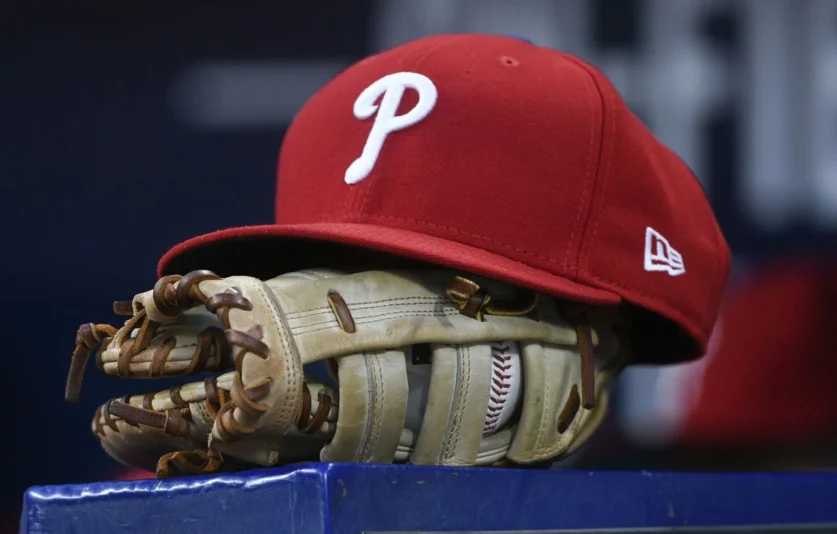
Philadelphia Phillies fans were in for a surprise during Wednesday’s Wild Card series game against the Miami Marlins. After the Phillies secured a 7-1 victory, a video began circulating on social media, showing a vendor at Citizens Bank Park distributing $4,500 worth of beer to the delighted fans in a particular section.
The video, originally posted on Instagram by the vendor himself, quickly went viral, captivating fans across the city. In the footage, the vendor, Reggie Douvalsaint, can be seen cracking open beer after beer and handing them out generously, reminiscent of Oprah Winfrey’s famous giveaways. The crowd looks on in shock as Douvalsaint exclaims, “You get a beer, and you get a beer!” It is revealed that a kind-hearted anonymous fan had purchased the beers for the entire section, leading to the euphoric scene.
For Phillies fans, this was the cherry on top of an already exciting game. Just moments before the beer incident, infielder Bryson Stot hit a grand slam, extending the team’s lead to 7-0. Fans were so overcome with joy that they started sharing videos of the home run, with the only sound being the deafening roar of the crowd. The atmosphere in South Philly was reminiscent of Bryce Harper’s memorable home run during Game 3 of the World Series, when fans celebrated so passionately that they believed it caused an earthquake at Penn State, a theory that was later debunked.
While Stott’s homer didn’t spark any false rumors, it did provide an excellent reason for a beer giveaway celebration. Phillies fans embraced the unexpected gesture, enjoying their complimentary drinks and basking in the team’s victory.
Moments like these remind us of the joy and camaraderie that sports can bring. The generosity of the nameless fan and the viral nature of the video serve as a testament to the passion and spirit of Philadelphia Phillies fans. It feels good to be part of a community that stands together and celebrates together, even during challenging times.
So, to the anonymous fan and Reggie Douvalsaint, we raise our glasses and toast to your generosity and the unforgettable memories you created for the Phillies faithful. Let’s hope that this act of kindness sets the stage for even more memorable moments in the future. Cheers!