Muskego’s Beloved Bass Bay Brewhouse Plans Exciting Comeback with Lakeside Beer Garden!
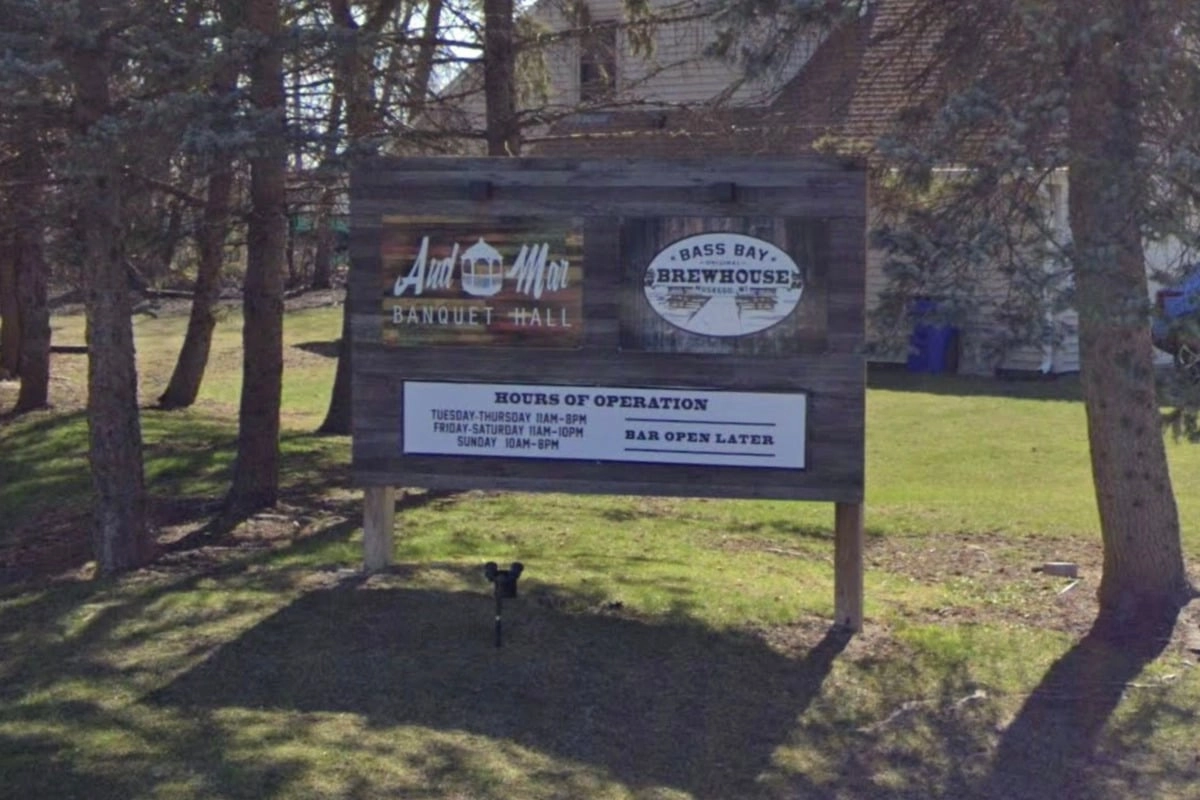
Bass Bay Brewhouse, a beloved family-owned restaurant in Muskego, is planning a comeback following a devastating fire that occurred on December 12, 2025. The fire resulted in the complete loss of both the restaurant and the Aud Mar Banquet Hall, displacing the family and necessitating a significant multi-department firefighting response. The cause of the fire remains under investigation. Despite the tragedy, the local community quickly rallied to support the affected employees and the family.
As demolition begins on the remnants of the building, owner Ryan Oschmann has announced plans to open a beer garden on the remaining outdoor grounds. Notably, many outdoor elements, including the gazebo and the bar area, survived the fire. The Muskego city council has already approved a liquor license for the beer garden, which could accommodate up to 500 patrons. The goal is to create a welcoming space for locals while reconstruction of the main building commences, with an anticipated opening in early June 2026.
Bass Bay Brewhouse has a history of hosting outdoor events, having previously secured permits for pop-up beer gardens and outside dancing. This experience lays a solid foundation for the upcoming beer garden initiatiative, allowing the owners to maintain a connection with the community during the rebuilding phase.
Oschmann mentioned that demolition work is already underway and that they expect to submit formal rebuilding plans in the coming weeks, with construction set to start later that summer. The opening of the beer garden is seen as a way to retain employees, generate some income, and keep the property visible while awaiting the necessary insurance and building permits.
In light of the closure, local restaurants and neighbors have stepped up to help the Bass Bay staff, raising over $70,000 through fundraisers. The operational beer garden will serve as a mainstay of lakeside dining, offering outdoor seating and a temporary menu as the family works through the rebuilding process. For updates and more information, interested patrons can visit Bass Bay’s website.
Experience a Blend of Grooming and Grit: New State College Barbershop Introduces Whiskey-Infused Services
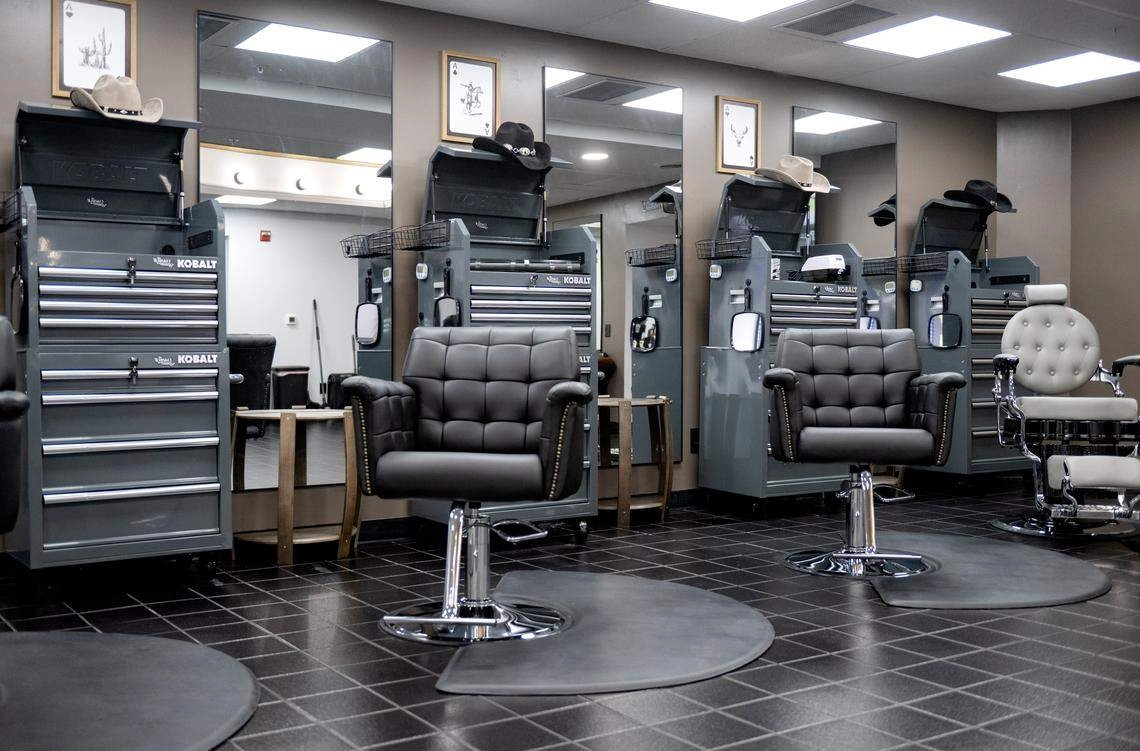
A new barbershop in downtown State College, named The Whiskey Barber Salon, seeks to redefine the traditional barbershop experience. Located at 135 S. Pugh St. beneath the Scholar State College hotel, it offers a variety of hair and beard grooming services tailored for customers of all ages. The barbershop’s unique western theming and whiskey-infused treatments aim to create a memorable atmosphere for clients seeking more than just a haircut.
Owner Tanya Campbell emphasizes a personalized approach to each client. “We’re not a rushed, in-and-out shop,” she says, focusing on delivering precision and consistency to create styles that complement each individual’s lifestyle. The shop offers a complete grooming experience for $35, which includes a precise haircut, neck shave, shampoo, eyebrow trim, and a hot steam towel. Children’s haircuts start at $30.
Whiskey plays a significant role in the barbershop’s branding, featuring whiskey-infused hot towels among other products from brands like Duke Cannon that incorporate Buffalo Trace bourbon whiskey. Customers can relax with a complimentary drink such as Vitamin Water, Bai water, or a small glass of whiskey during their visit.
“We’re doing our best to source products that go with our brand and style,” Campbell explains, pairing the ambiance of dark woods with the high-class barbering experience she aims to provide. The shop officially opened in early April and plans to celebrate its launch with a ribbon-cutting ceremony.
The atmosphere at the salon aims to forge personal connections between the staff and clients, fostering a community feeling. Salon professional Cassie Poorman notes that getting to know customers leads to better service and stronger relationships, encouraging them to return for both quality cuts and positive experiences.
To support its launch, Campbell’s team received assistance through the Retail Launch Assistance Program, which provides funding for first-time brick-and-mortar businesses. This support not only alleviated financial burdens but also integrated them into the State College business community.
Kendra Kielbasa, the improvement district’s retail advocate, hopes the program will continue to benefit new businesses, noting the satisfaction of guiding owners through the startup process. For Campbell, the program has been invaluable in establishing connections within the local community—a crucial aspect of her business philosophy.
The Whiskey Barber Salon is open weekdays from 8 a.m. to 7 p.m. and Saturdays from 8 a.m. to 2 p.m. Clients can easily schedule appointments through their website.
Eccentric Pioneer Square Wine Bar Sets Sights on World Cup Takeover
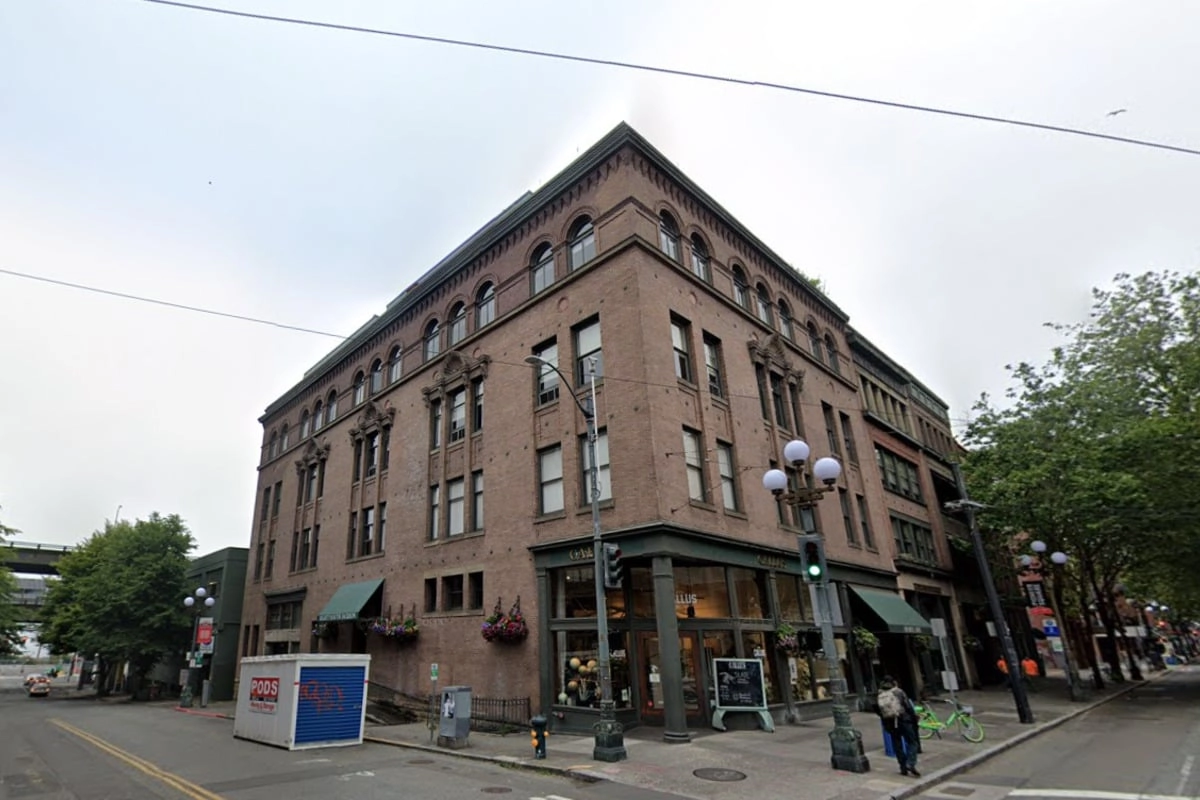
A vibrant new wine bar named Wine Darling is set to open in Seattle’s historic Pioneer Square, specifically in the ground floor of the Crown Hotel. This establishment aims to create a unique atmosphere by emphasizing a music-first approach, featuring ticketed performances and DJ nights.
The Crown Hotel, established in 1900 and located within the Pioneer Square historic district, has recently been undergoing changes to attract new tenants. The bar’s operators envision a cozy and eccentric space that resonates with local culture and aesthetics. Although a firm opening date hasn’t been disclosed yet, the venue’s design will be in vibrant colors, aimed at offering a welcoming experience.
With Seattle preparing to host six matches during the 2026 World Cup, the location is strategically positioned to capitalize on the influx of sports fans. Plans are in place to temporarily transform the wine bar into a sports-themed space for the matches in June, aligning with ongoing neighborhood initiatives for watch parties and community events.
Presently, the ground-floor retail space of the Crown Hotel remains available for leasing, indicating that the operators may conduct pop-up events to gauge community interest prior to a grand opening. Updates regarding events and operating dates will be made available as plans progress.
For more details about Wine Darling, you can check out the Puget Sound Business Journal.
Kelce Brothers Shine in Hilarious New Garage Beer Mini-Movie

The Kelce brothers have returned with a follow-up to their original beer-themed mini-movie, titled “The Last True Cold One”. Brothers Jason and Travis Kelce, beloved figures of the NFL, collaborated again to promote their beer brand, Garage Beer. The new installment showcases Jason’s wife Kylie in her acting debut, while Travis’s fiancée, Taylor Swift, does not make an appearance.
The short film serves as a satirical take on spaghetti westerns and runs for 16 minutes. In it, Jason plays a cowboy role reminiscent of a "Pale Rider" figure, while Kylie assumes the character of "Miss Kylie." The story begins with Jason Kelce entering a saloon in search of a cold beer, only to learn that the establishment serves their drinks at room temperature.
As he grapples with this unacceptable beer temperature, he encounters the villain Beau Allen, who humorously declares, “We don’t do cold.” What follows is a raucous barroom brawl that leads Jason on an adventure to rescue Kylie, who reveals that Beau is hoarding all the cold beer in a locked vault. The film culminates in a comedic showdown, featuring wild antics and a bizarre scene involving ice cubes.
Overall, “The Last True Cold One” offers a humorous glimpse into the Kelce brothers’ creativity, providing a lighthearted take on western tropes. It’s a delightful watch for fans of the duo and those interested in their beer brand.
The Ultimate Bottle Guide to Buffalo Trace Traveller Whiskey: Discover the Best of this Iconic Spirit
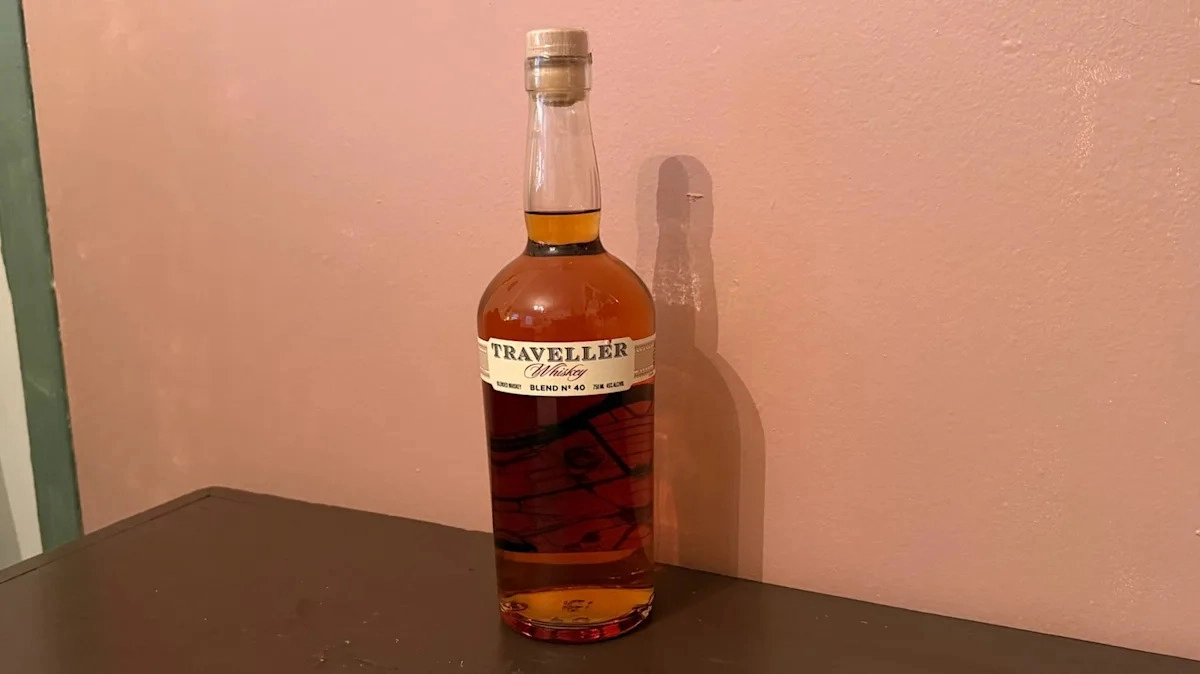
Many whiskey enthusiasts know Buffalo Trace Bourbon, a Kentucky-based distillery known since the early 2000s. However, in 2024, they introduced a new blend called Traveller Whiskey, aimed at appealing to novice whiskey drinkers. With rich notes of vanilla, caramel, and oak, this whiskey boasts 45% alcohol by volume yet remains approachable. It garnered significant acclaim, winning 15 awards, including a Gold at the 2024 American Whiskey Masters Awards.
The origins of Buffalo Trace can be traced back to the early 1800s, surviving Prohibition and producing over a million barrels since then. The relationship between the distillery and Chris Stapleton, a renowned Kentucky-born musician, led to the creation of Traveller Whiskey. Stapleton, who famously sang about Tennessee whiskey, collaborated with Buffalo Trace to develop this new spirit, tasting up to 50 blends before concluding on the final product.
In terms of flavor, the whiskey offers a mellow experience without the harsh burn typical of other stronger spirits. Neat, it reveals its smoothness through flavors of caramel and spices, while on the rocks, it presents different notes of aged fruit and a lighter profile. While sampling, drinkers may find it best enjoyed neat to appreciate its full complexity.
The composition of Traveller Whiskey is less transparent than that of their bourbons. Though the exact grain mix remains a trade secret, it includes more than two varieties from the distillery’s portfolio. It also lacks an age statement, which means the maturation period isn’t publicized. The whiskey carries the philosophy that good whiskey, like a good song, speaks for itself on the first sip.
This whiskey can be enjoyed in various ways—neat, on the rocks, or in cocktails. One standout cocktail is the Lucky Penny, made with honey syrup and lemon juice, enhancing the whiskey’s maple undertones.
Interestingly, Stapleton himself is not a heavy drinker, having reflected on his relationship with alcohol. While he enjoyed drinking in his younger years, he now approaches it with balance and moderation, maintaining an impressive bourbon collection at home.
A unique feature of the Buffalo Trace Traveller Whiskey bottle includes a hidden map of Lexington, Kentucky, viewable through the whiskey itself, symbolizing the origins of both Stapleton and the distillery. Additionally, in 2025, it was designated as the first official whiskey of Major League Baseball, further embedding its presence in culture by connecting with fans in a unique multi-year partnership.
For more information on Buffalo Trace products, you can visit the official site Buffalo Trace.
Martha Stewart’s Genius Method for Serving Ice-Cold Vodka at Any Party
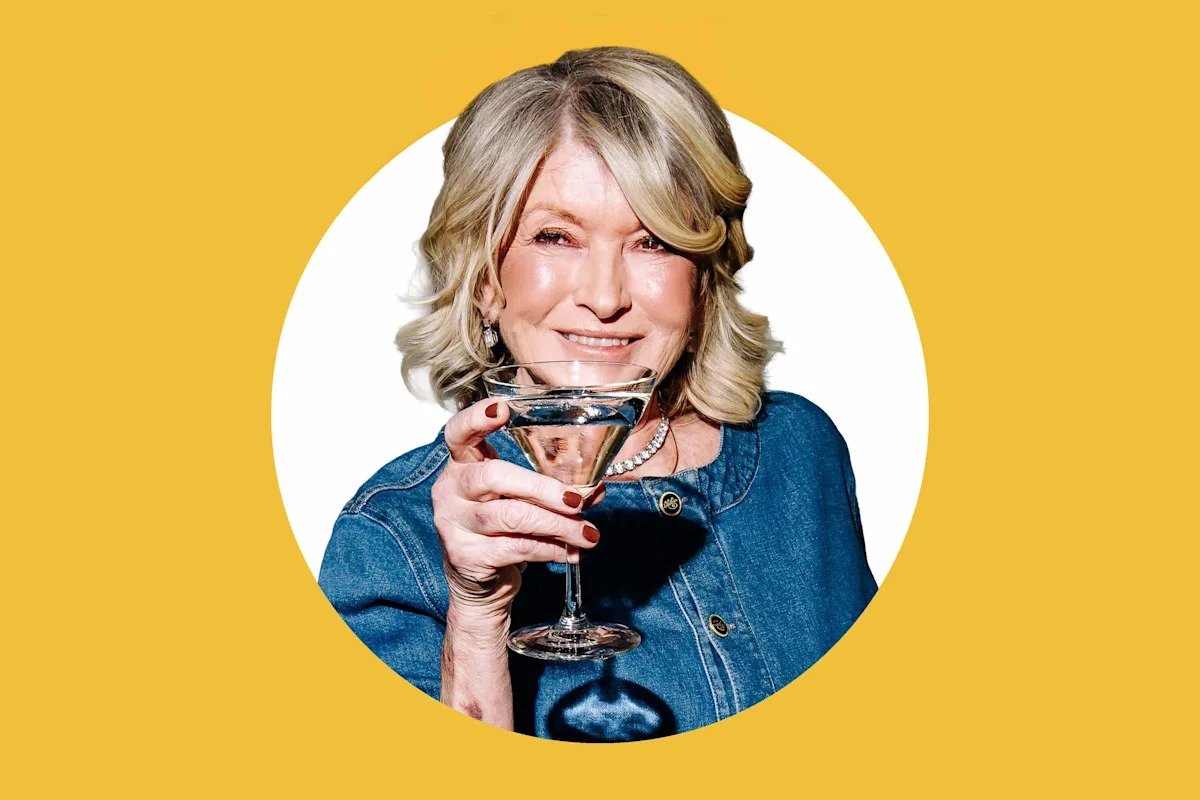
Martha Stewart has shared an ingenious method for serving ice-cold vodka, perfect for impressing guests at your next party. Known for her culinary expertise and lifestyle tips, Stewart emphasizes the unique experience that chilled vodka brings, both in texture and taste.
Many vodka enthusiasts store their bottles in the freezer to enhance the drink’s richness. Chilling vodka modifies its texture, making it thicker and smoother, while also reducing the alcohol’s sharp aromatic notes. However, simply keeping the vodka in the freezer may not be enough when it comes time to serve. As the bottle warms up, it can lose the refreshing chill that makes it enjoyable.
To maintain that icy temperature, Stewart recommends a creative approach: freeze the vodka within a block of ice. This unconventional hack involves using an empty milk carton to create a beautiful ice fixture around the vodka bottle.
Here’s how to execute her trick:
- Gather a fifth (750-milliliter) bottle of vodka, an empty half-gallon milk carton, and optional decorative flowers.
- Cut the top off the milk carton, leaving one open end.
- Insert the vodka bottle into the carton and fill the surrounding space with flowers for an elegant touch.
- Fill the carton with water and freeze it until just before serving.
- Once frozen, peel away the cardboard to reveal the vodka encased in ice, keeping it cold and stylishly presented.
This charming method not only enhances the drinking experience but adds a visual element that can elevate any gathering. Stewart’s fans have shared their positive experiences with this technique, proving it to be a hit at parties, especially during holidays like Christmas.
For those looking to provide a unique touch at their next event, this iced vodka presentation is sure to leave an impression.
Read more about this on Food & Wine.
Savor the Season: Delicious Hot Cocktails to Welcome Spring
April often signifies the arrival of spring, but this year has felt less vibrant and more somber, especially with recent dreary weather. Traditionally, this time would call for refreshing white wines or light cocktails, but the persistent overcast skies and rain have pushed these items off the menu.
In light of the unusual weather, it’s a perfect time to explore warm cocktails instead. This transition reflects not only the season’s imperfection but also the opportunity to creatively reimagine classic drinks. This article introduces three unique hot cocktails that bring comfort while still feeling seasonal.
1. Hot Bull ShotOriginally a twist on a bloody Mary, this cocktail features beef bouillon instead of tomato juice. Here’s how to make it:
- Ingredients:
- 1 ½ ounces Alamere Spirits’ Espelette Chili Vodka
- 6 ounces hot water
- 1 teaspoon Better Than Bouillon beef base (or one beef bouillon cube)
- 1/4 teaspoon hoisin sauce
- 1 dash Chinese five-spice powder
- 2 dashes Sol Food’s Pique hot sauce
- 1 star anise
- 1 beef jerky stick
- Directions:Combine the ingredients in a heat-tempered mug and stir. Use the star anise and jerky stick as garnish.
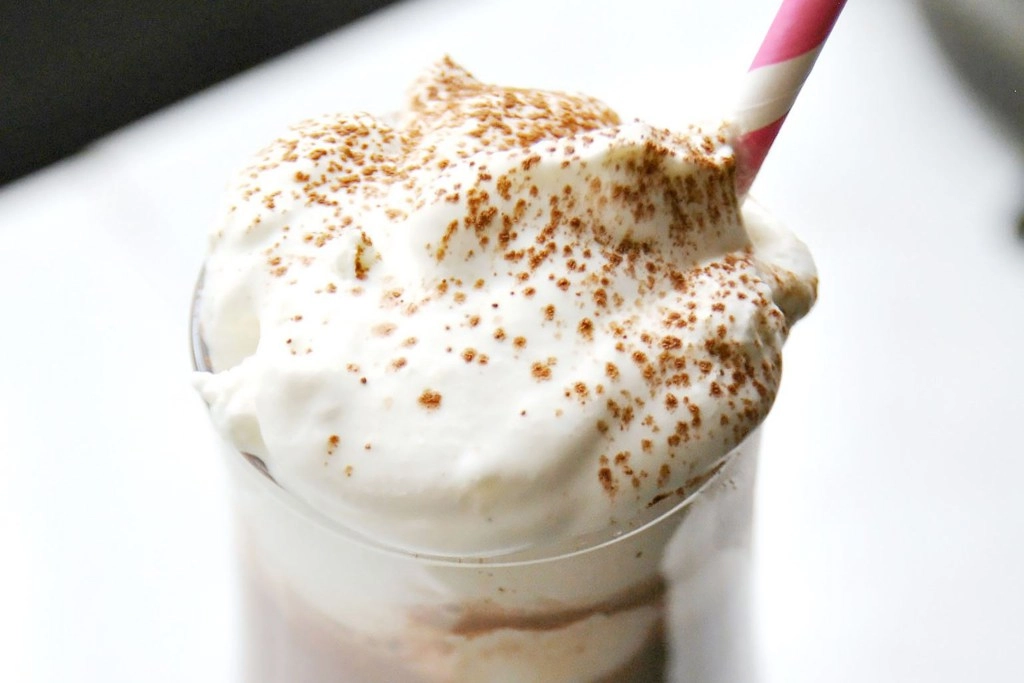
2. Spiced Hot Chocolate with Ported RyeA saucy take on traditional hot chocolate:
- Ingredients:
- 2 ounces Sausalito Liquor Co.’s Unsinkable Rye
- 6 ounces warm milk or a milk substitute
- 1 teaspoon Ghirardelli Hot Cocoa Mix
- Whipped cream for garnish
- 1 cinnamon stick
- 1 pinch cayenne pepper
- 1 brandy-soaked maraschino cherry
- Directions:Stir the first three ingredients in a heat-safe mug. Garnish with whipped cream and add a sprinkle of cayenne and a cherry.
3. Apple Jasmine Hot CiderThis warm cider recipe incorporates flavorful apple brandy:
- Ingredients:
- 2 ounces Sonoma Brothers Distilling’s Apple Brandy
- 5 ounces hot water
- 1 ounce apple juice
- ¼ ounce fresh lemon juice
- 1 jasmine tea bag
- 1 cinnamon stick
- 1 orange slice
- Directions:Mix the brandy, hot water, apple juice, and lemon juice in a mug. Add the tea bag to steep briefly before garnishing.
Despite this unusually cold spring, these hot cocktails can bring warmth and comfort while waiting for the true season to arrive.
Introducing SunnyD Vodka Seltzer PURPLE: A Refreshing Twist on a Classic Favorite!
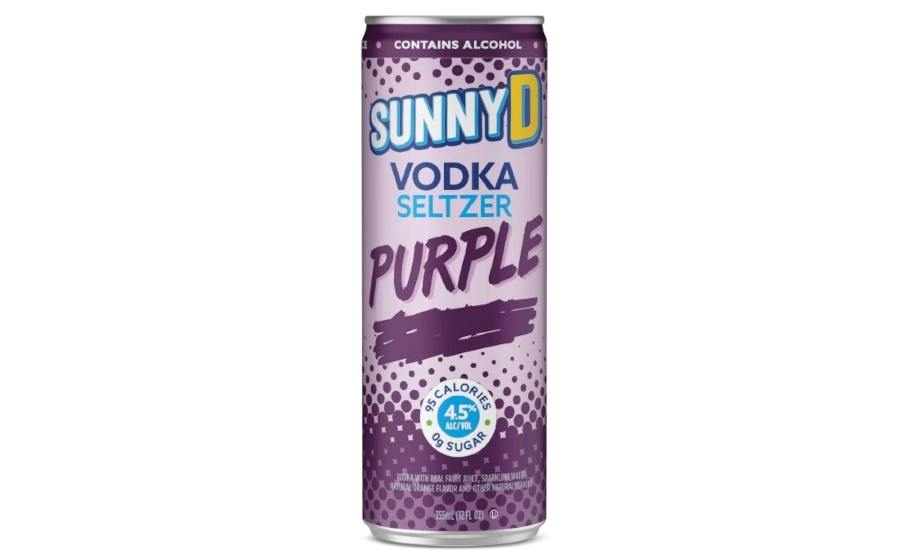
SunnyD Vodka Seltzer has introduced a new limited-time offering called PURPLE, inspired by the iconic “Purple Stuff” from the beloved 1990s SunnyD commercials. The brand aims to give a contemporary twist to this nostalgic reference, crafting a flavor-forward hard seltzer that resonates with today’s drinkers.
Randi Jachino, the Chief Marketing Officer of Harvest Hill Beverage Co., expressed excitement about this launch, noting, “PURPLE was always the mystery in the fridge. Now it is the boldest thing in the cooler.” The essence of the original advertisement is captured in this modern drink, designed for social gatherings and enjoyment.
With a light and bubbly profile, SunnyD Vodka Seltzer PURPLE has a 4.5% ABV and is set to hit select retailers nationwide for a suggested retail price of $9.99 for a four-pack, but only for a limited time.
For more information, visit SunnyD Cocktails.
Decoding the House Wine: When It’s Safe to Take the Plunge
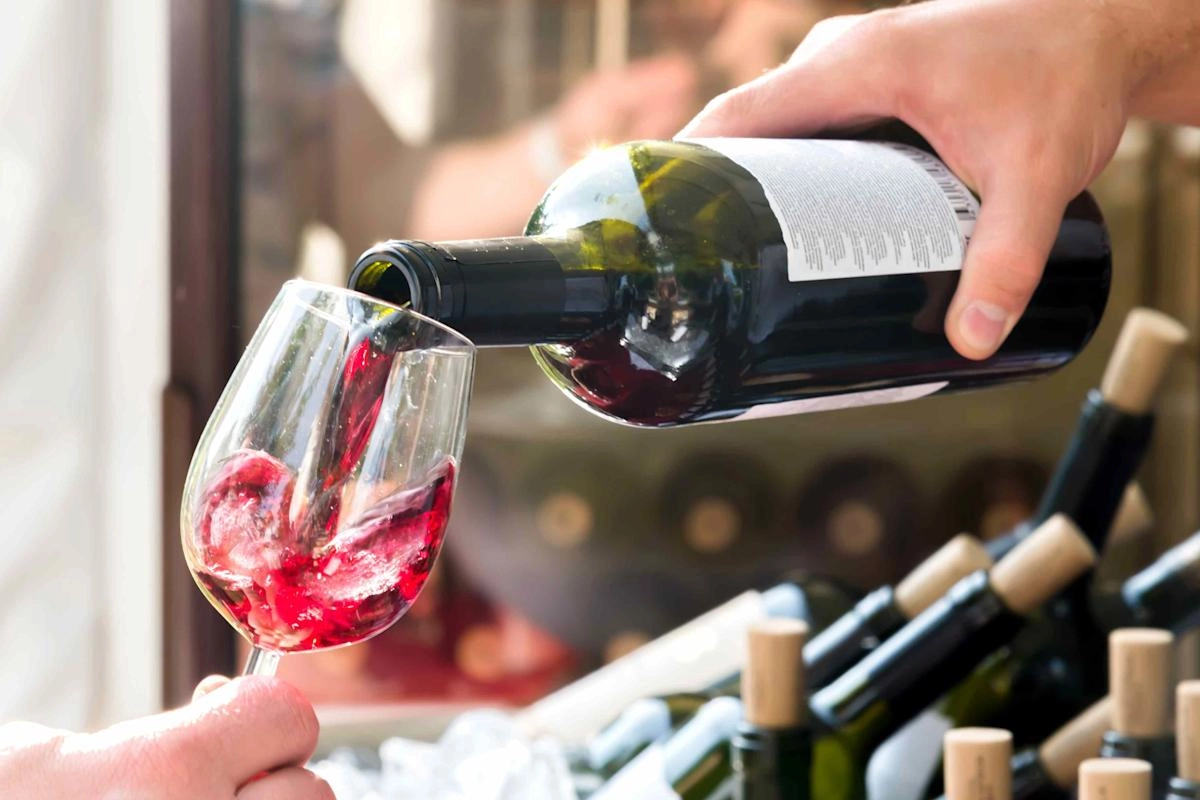
We’ve all faced the dilemma of whether to order house wine when dining out—sometimes it’s an affordable option, and other times, it can lead to regret. So what should you consider before taking the plunge?
According to Ryne Hazzard, the wine director at Casa Teresa in Washington, D.C., house wines can offer great value if selected thoughtfully. However, they can also be a catch-all for low-quality stock. When considering a house wine, look for certain indicators that might reveal its worth.
Key Indicators of Quality
-
Menu Details: If the house wine includes specific details like the producer’s name and region, it’s likely been chosen with care. Conversely, vague descriptors like "house red" can sometimes indicate a lack of thought put into the selection.
-
Reputable Regions: Joe Beziek, a sommelier from Ellerman House in Cape Town, suggests wines from Italy and France as safer choices, as even lower-tier wines from the EU must meet certain quality standards. Similarly, regions known for decent wine like Portugal, South Africa, and Austria can also be worth considering.
Red Flags to Avoid
- Low Prices: Alarmingly cheap house wines often signify bottles that are either poor quality or not selling well.
- Storage Practices: If the house wine isn’t treated with the same care as other wines—like being stored properly—this could be a sign of neglect.
- Uninformed Staff: If the restaurant staff can’t provide details like the wine’s region or year, it’s likely best to look for alternatives.
Gauging Quality QuicklyIf deciphering the menu feels tedious, a simple question can help: “What is your house wine, and why was it chosen?” A knowledgeable staff member’s enthusiasm can indicate a quality selection.
When to Consider House WineHouse wines are often best selected in casual dining settings, such as pizza places or burger joints, where they contribute to a relaxed experience. They may also be a solid choice at family-run restaurants that prioritize thoughtful selections within tight budgets.
Final ThoughtsIf the house wine comes with detailed information or the staff can confidently justify its place on the menu, it’s worth sampling. However, if it feels like an afterthought or lacks enthusiasm, consider exploring different options.
For more information on wine quality and selections, visit Food & Wine.
Royalton Resorts Teams Up with Iconic Mount Gay Rum to Celebrate the Heart and Soul of Barbados
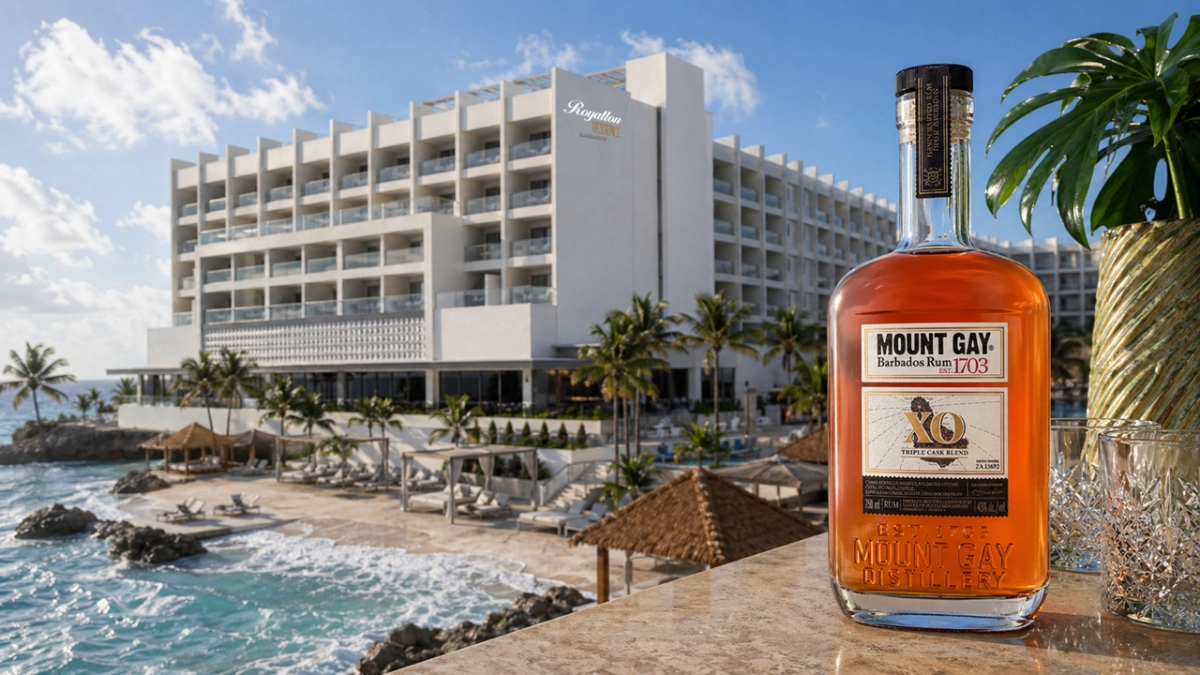
Ahead of the much-anticipated opening of Royalton Vessence Barbados on June 1, 2026, Royalton Hotels & Resorts has announced a significant partnership with the iconic Mount Gay Rum. This collaboration aims to create an immersive experience that captures the essence of Barbados, integrating the island’s rich cultural heritage and flavorful offerings into the resort’s guest experience.
Located along the picturesque Platinum Coast, the Royalton Vessence Barbados will feature 220 modern suites designed to provide an elevated Caribbean luxury experience. The resort focuses on creating a deep connection to the local culture, where guests do not merely visit but truly experience the spirit of Barbados.
The partnership with Mount Gay Rum, the world’s oldest rum distillery, enriches the guest experience from the moment of arrival. Visitors will be welcomed with a personalized toast featuring custom Mount Gay Rum in their rooms. Throughout their stay, guests will enjoy a selection of Mount Gay expressions across the resort’s various dining establishments and bars, which include five restaurants and four exclusive rooftop food options.
Guests will also have access to VIP tours of Mount Gay’s historic distilleries and visitor centers, along with the opportunity to purchase limited-edition rum bottles available only in Barbados. The collaboration highlights the rich storytelling tradition of the island, with curated rum tastings and experiences uniquely designed for this new destination.
Adding to the resort’s distinctive offering, Royalton Vessence Barbados will be the first Late Night Swim resort, providing an adult-oriented environment with opportunities to disconnect and immerse in the vibrant culture through live entertainment and destination-inspired activities.
Antoine Couvreur, Managing Director of Mount Gay, expressed excitement about the partnership, noting that it allows them to share their heritage in a meaningful way while creating unique experiences for visitors from around the globe. Alejandro Rodriguez del Peon, Vice President of Marketing & PR at Royalton Hotels & Resorts, emphasized that Mount Gay is a vital part of the island’s identity, and through this collaboration, guests will have authentic and memorable experiences.
As the grand opening approaches, Royalton Vessence Barbados is now accepting reservations, inviting guests to experience the new approach to all-inclusive travel, deeply rooted in culture and the unmistakable spirit of Barbados.
For more information about Royalton Vessence Barbados, please visit royaltonresorts.com. More information about Mount Gay and its offerings can be found at mountgayrum.com.