Liquor-articles 2100
The Vodka Honor Roll: Top Picks According to the IWSC
The International Wine & Spirit Competition (IWSC) is renowned for its role as a respected authority in the beverage industry, showcasing the best of wine and spirits from around the globe. Among the most notable recognitions is the IWSC Honor Roll, which celebrates brands that demonstrate exceptional quality consistently over the years. For 2025, only two vodkas made it onto this elite list, highlighting their extraordinary craft and character.
Established in London in 1969, the IWSC evaluates categories from over 90 countries using blind-tasting methods to ensure impartial assessments. The competition’s "Top 50" project has recognized not just single standout bottles but producers whose consistent quality across their portfolios captivates judges. Vodkas must earn gold medals in three of the last five competitions to qualify for the Honor Roll, reflecting their reliability and craftsmanship. Out of thousands of entries, only 46 spirits met this high standard, and the two vodkas selected were Alberta Pure Vodka and Royal Mash Vodka.
Alberta Distillers’ Alberta Pure Vodka features a 40% ABV and is priced at $17 for a 750 ml bottle. Founded in Calgary, Alberta, in 1946, Alberta Distillers is known for its rye whiskey production and exceptional distillation techniques in extreme climates. Its Pure Vodka is made from 100% Canadian grains and glacier-fed spring water, showcasing a dedication to quality. The vodka is refined through multiple distillations and charcoal filtration, resulting in a clean aroma with hints of citrus and grain. It offers a smooth taste with notes of white pepper and a crisp, mineral finish, making it perfect for classic cocktails or enjoyed straight with caviar.
Royal Mash Vodka, also at 40% ABV, is priced higher at $44 for a 750 ml bottle. Produced in Jersey, this vodka is crafted from the unique Jersey Royal potato, a crop protected by designations of origin, ensuring its quality. The vodka is distilled four times and non-chill-filtered, creating a product rich in nuances. On the nose, it offers a creamy grain aroma combined with hints of almond and citrus. Its palate features a blend of white pepper and cereal grains with a velvety finish, emphasizing its luxurious profile intended for sipping.
Considering these two vodkas side by side reveals the diversity within the vodka category, often overshadowed in the spirit world. Alberta Pure Vodka focuses on purity and refinement, whereas Royal Mash Vodka underscores the heritage and complexity of its raw ingredients. Both embody the characteristics that put them on the IWSC Honor Roll — a commitment to excellence that ensures they are regarded as among the finest vodkas available today.
Top Scotch Whiskies That Will Delight Rum Lovers
If you’re a fan of rum and whisky, you’ll appreciate the practice of aging Scotch whisky in rum casks. Scotch must be matured in oak barrels for at least three years, and while American oak barrels are common, some distillers opt for barrels that previously held rum. This process introduces a unique array of flavors to the whisky, including notes of caramelized sugar, toasted vanilla, and tropical fruits.
Aging whisky in ex-rum barrels enhances its complexity and depth. Here are some standout recommendations if you’re looking to explore Scotch whiskies that have been finished or aged in rum casks:
-
Dewar’s Caribbean Smooth Whisky
This blended Scotch has spent at least 8 years maturing and is finished in Caribbean rum casks. It offers a complex profile with aromas of toasted vanilla and tropical fruits, complemented by flavors of ripe pineapple, sticky toffee, and chocolate. The finish is a warm blend of caramel and tropical notes. -
The Balvenie 14 Year Caribbean Cask
A must-try, this whisky is aged for 14 years in traditional oak before being finished in casks that held a unique West Indian rum. The result is a flavorful mix featuring aromas of pineapple and butterscotch, with palette layers of orchard fruits and vanilla, culminating in a lengthy, sweet finish. -
Glen Scotia Double Cask Rum Finish
This whisky undergoes a double maturation, first in ex-bourbon barrels and then in Guyanese Demerara rum barrels. It presents a delightful mix of salted caramel and brown sugar on the nose, while the palate showcases molasses cookies and baking spices, resulting in a long, warm finish.
For those aiming to add distinctive flavors to their home bar, these selections are exceptional examples of how rum cask finishing elevates the Scotch whisky experience.
Badshah Ventures into Premium Spirits: Introducing Shelter6 to Capture 25% of India’s Vodka Market

India’s premium spirits market is getting a new entry with the launch of Shelter6, a vodka brand developed by popular musician Badshah in partnership with Cartel Bros, known for their successful whisky brands. Shelter6 has ambitious goals, aiming to capture 25% of India’s vodka market and achieve a valuation of ₹700 crore within three years.
The brand prioritizes quality, boasting a vodka distilled six times in Russia using glacial water from Saint Petersburg. Badshah emphasizes that the focus is not just on creating a world-class product but on delivering the best possible experience. He articulates a vision where Shelter6 becomes synonymous with enjoyable gatherings, stating, "If you don’t have a bottle of Shelter6 on your table or in your home bar, the party isn’t cool."
The premium spirits segment in India is rapidly expanding, driven by young consumers looking for better drinking experiences. Moksh Sani, Co-Founder of Cartel Bros, notes a significant opportunity in the vodka category due to the current lack of quality products that resonate with consumers’ desires. He believes Shelter6 can fill that gap, providing a high-quality product at a fair price, enhanced by Badshah’s star power.
Importantly, Shelter6 is not targeting a specific age group but aims to attract anyone who appreciates quality products. It currently has a presence in Maharashtra, with plans to expand to North and South India shortly. Over the next few months, Shelter6 aims to be available pan-India.
Additionally, the brand has already secured initial orders from the UAE and has plans to enter 7-8 markets globally, beginning with Singapore and Thailand.
Badshah explains the inspiration behind the name “Shelter,” attributing it to a sense of warmth and camaraderie he wishes to convey, while also embodying a hint of rebelliousness.
For more information, you can check Market Coverage and stay updated on Business News.
NEFT Vodka Selected as the Official Spirit of the RACER Creator Awards Presented by Dunlop
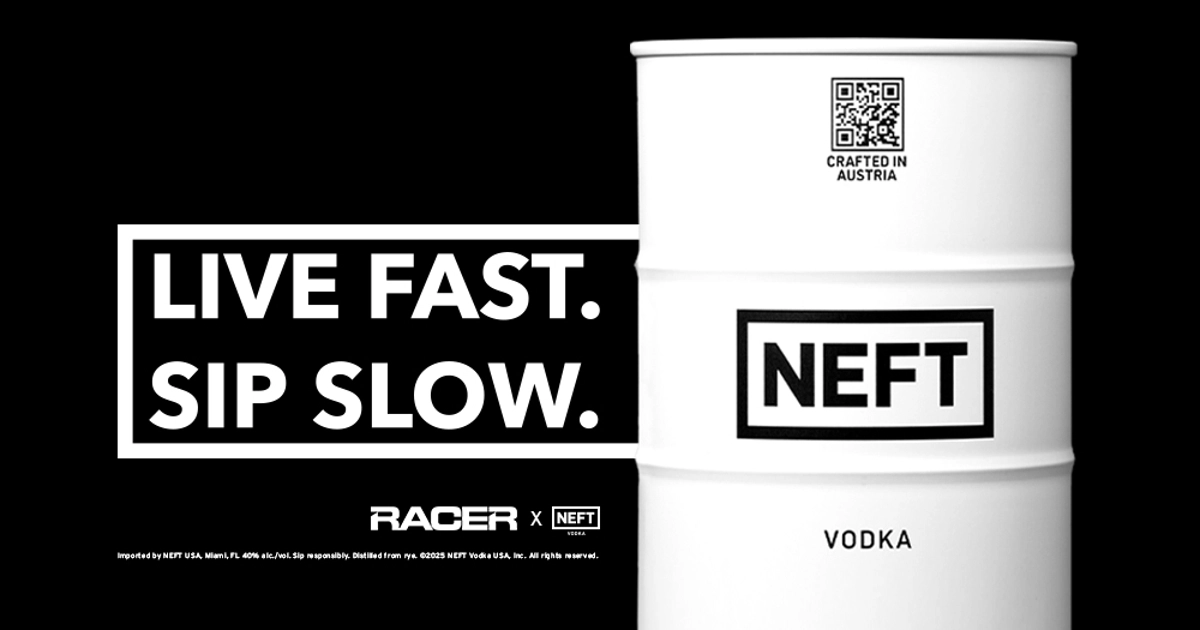
RACER has officially partnered with NEFT Vodka as the Official Spirit of the inaugural RACER Creator Awards, presented by Dunlop. NEFT Vodka, recognized for its premium quality and unique barrel packaging, will sponsor the post-awards reception. This event aims to bring together creators, industry leaders, and motorsports icons to celebrate excellence in automotive storytelling.
Taro Koki, the Executive Producer of the RACER Creator Awards, expressed excitement about the partnership, noting that NEFT Vodka’s creative spirit and dedication to craftsmanship align perfectly with the awards’ mission to honor innovators in the automotive and motorsports community.
Crafted in Austria with pure Alpine spring water and ancient rye grains, NEFT Vodka has gained popularity among both creators and enthusiasts. The collaboration emphasizes mutual values of authenticity, artistry, and excellence shared between NEFT Vodka and the vibrant creator community recognized by the RACER Creator Awards.
Jeff Mahony, CEO of NEFT Vodka, stated the importance of sponsoring the awards, highlighting how they celebrate innovation and inspire the next generation of creators within the automotive culture.
The RACER Creator Awards will honor achievements across 20 categories, ultimately culminating in a special Creator of the Year award. Winners will be determined through a combination of fan voting and a judging panel led by head judge, Jeff Zwart.
For more information about NEFT Vodka, visit NEFT Vodka.
Discover 10 Hidden Gem Vodka Brands You Need to Know About, Recommended by Experts
In the world of vodka, many brands seem to blend into one another, often stripped of unique character by production techniques designed for neutrality. However, a wave of innovative brands are challenging this norm and showcasing distinct flavors, sustainability, and unique production methods.
Innovative Vodka Brands
Hard Cut Vodka
Produced by Hollywood’s Dolph Lundgren, Hard Cut Vodka is a potato-based spirit that boasts a higher proof at 90 (45% ABV) compared to the standard 40%. Crafted from Idaho potatoes and Rocky Mountain water, this vodka stands out for its full-bodied flavor and minerality, making it a significant departure from typical vodka offerings.
Origen Holistic Vodka
Beloved by bartenders, Origen is distilled from organic wheat and is infused with botanical elements like elderberry and green tea. This process gives it distinct flavor notes, including subtle olive and citrus, which contribute to a cocktail experience that is anything but neutral.
Gallant Vodka
Gallant is a French vodka made from winter wheat and proofed with spring water. It presents a complex flavor profile featuring bright orange zest and layers of black pepper and vanilla nougat, making it versatile for cocktails while still being accessible with a price point just under $20.
Edwards 1902 Vodka
Crafted from single-estate King Edwards potatoes, Edwards 1902 offers a creamy texture with unique flavor thanks to its British production. The vodka’s production emphasizes terroir, and it even has a flavored version infused with local rhubarb.
Misadventure Vodka
This California vodka is made by fermenting surplus baked goods, an innovative approach that not only creates a unique product but also addresses food waste. This socially conscious brand claims a zero carbon footprint, and its price point around $20 makes it an accessible choice.
Amass Vodka
Distilled initially in Denmark and now made in California, Amass Vodka features over two dozen botanicals, resulting in a flavor profile filled with nuances of florals and citrus. Its careful crafting brings complexity, reflected in its slightly higher price of $39.99 for a 750ml bottle.
Mermaid Salt Vodka
Infused with sea salt from the Isle of Wight, Mermaid Salt Vodka offers a unique salty character that enhances cocktails like Dirty Martinis and Bloody Marys. The incorporation of local sea salt is indicative of a growing trend in vodka production towards expressive flavors and local ingredients.
Sapling Vodka
A UK brand focused on sustainability, Sapling Vodka sources organic wheat and plants a tree for every bottle sold to offset emissions. Their commitment to environmental consciousness is matched by innovative packaging that reduces their carbon footprint.
Reyka Vodka
Distilled in Iceland using a Carter-Head still, Reyka showcases ancient lava rock filtering and pristine Icelandic water, creating a neutral yet remarkably clean vodka. Priced around $20, it combines small-batch artistry with accessibility.
Prairie Organic Vodka
Sourced from organic corn in Minnesota, Prairie Organic Vodka offers a refreshing flavor profile that’s bright and fruity. Distilled in small batches and focusing on quality, it represents the best of American craft vodka, encouraging consumers to explore beyond mainstream options.
These lesser-known vodka brands not only offer exciting variations on a classic spirit but also demonstrate a meaningful shift towards sustainability and unique flavor profiles in the industry. As cocktails evolve to prioritize balance and complexity, these innovative vodkas are positioned to lead the charge into a new era for spirits.
Revealing the World’s Best New Rye Whiskey: Highlights from the 2025 Top Shelf Awards
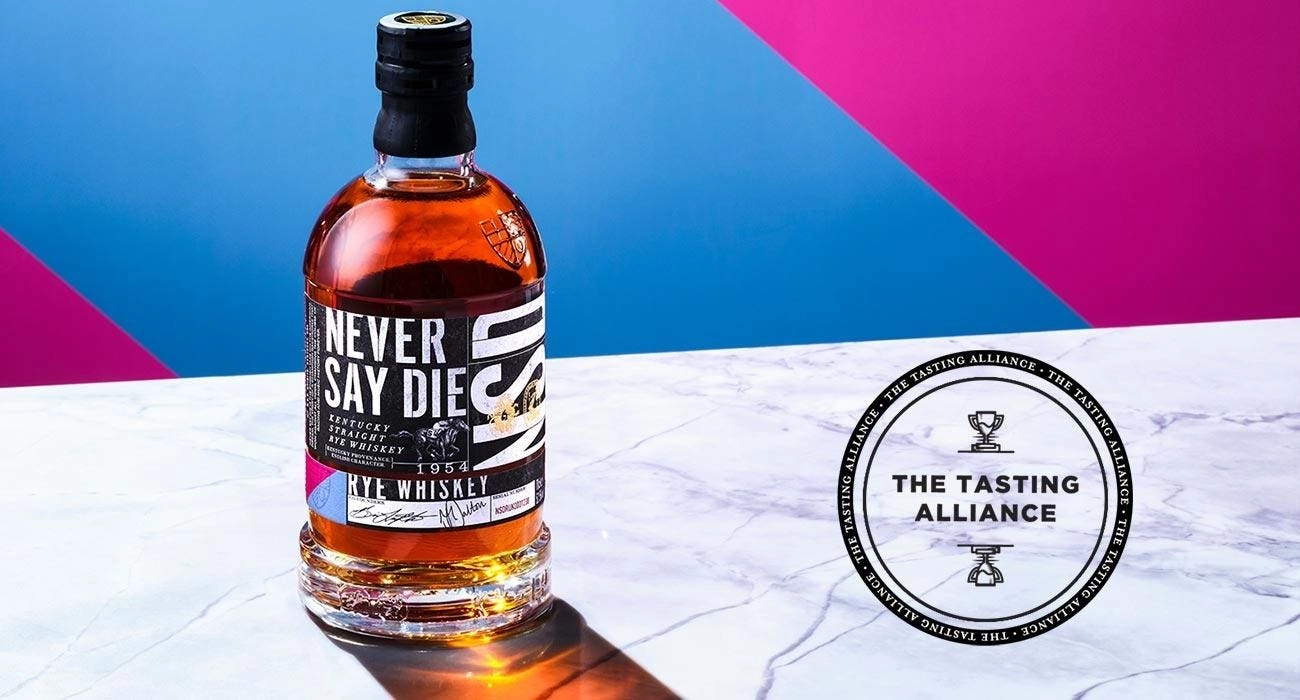
A transatlantic English-finished rye whiskey, Never Say Die, has been awarded the title of Best New Rye of 2025 at the Top Shelf Awards, held during the San Francisco World Spirits Competition. This accolade is particularly notable as it surpasses the accolades of larger American whiskey brands.
Never Say Die employs a unique production method where the rye is initially distilled and partially matured in Kentucky. This process includes a transatlantic journey that takes six weeks, during which the whiskey’s maturation continues in England’s cooler climate at the White Peak Distillery in Derbyshire. The combination of both locations results in a complex and elegant flavor profile appreciated by the judges.
During the Atlantic crossing, the spirit is constantly agitated due to the motion of the ship, enhancing the interaction between the whiskey and the oak cask. This method accelerates the development of flavors that would typically take longer in a traditional static warehouse setting.
The subsequent maturation in Derbyshire contrasts sharply with Kentucky’s volatile climate, allowing for milder aging conditions. This dual environment leads to a smoother and more rounded taste compared to traditional rye whiskies.
According to Brian Luftman, co-founder of Never Say Die, the brand aimed to innovate by taking American whiskey on a journey to explore how different environments could influence its character. The name Never Say Die pays homage to an American racehorse known for its perseverance, embodying the brand’s ethos of resilience.
The award-winning Never Say Die Rye Whiskey retails for $84.95 (£64.95) and is available at various retailers.
For more information, you can visit:
Canerock Caribbean Rum Secures Listing at Sainsbury’s: A New Taste of the Caribbean

Caribbean rum brand Canerock has made its debut in grocery stores through a new listing at Sainsbury’s. The flagship product, Canerock Rum, is now available in 400 Sainsbury’s locations for a retail price of £36.50 per 70cl bottle.
Canerock is characterized by its infusion of coconut, ginger, and Madagascan vanilla, offering drinkers a unique tasting experience with soft vanilla notes and a tropical character. The brand describes the flavor profile as rich with caramel, soft spices, raisins, and hints of allspice and oak tannins, best enjoyed neat, on the rocks, or in a mule cocktail.
According to Connie Brown, head of retail at Canerock’s brand owner, Maison Ferrand UK, the rum embodies “pure island spirit in a bottle,” emphasizing its smooth and flavorful qualities designed for leisurely sipping. The transition of production from Jamaica to Maison Ferrand’s dedicated West Indies Rum Distillery in Barbados allows for a closer connection to local, natural ingredients that enhance Canerock’s signature character. Brown added that despite the production changes, Canerock maintains its authentic Caribbean DNA, symbolizing the warmth and craftsmanship of the region.
This move signals a significant step for Canerock as it aims to reach a broader audience and allow rum enthusiasts in the UK to savor a “true taste of Barbados.”
For more details on Canerock, visit Sainsbury’s.
Rum Wednesday Spotlight: Discovering Sonrisa Rum

I understand why people typically associate rum with warm weather, given that it’s often produced in tropical climates and enjoyed at beach bars or by poolsides. While I appreciate a classic rum and cola or a double Hemingway daiquiri, I’ve discovered that rum can also be delightful in the colder months.
Some of my favorite winter rum beverages include hot buttered rum or a variation of the Dark ‘n’ Stormy with ginger tea. However, the autumnal cocktail I enjoy the most is the Havana Negroni, a nuanced twist on the classic Negroni that beautifully balances bitterness and sweetness. The recipe is simple: mix one part Campari, one part sweet vermouth, and one part dark rum. Stir over ice and strain into a rocks glass filled with fresh ice, garnished with an orange peel if desired.
What I love about this concoction is its versatility. You can adjust the "one part" measurement according to the number of drinks you’d like to make. While the Campari should remain unchanged, the sweet vermouth can be selected based on your flavor preferences, ranging from the rich notes of Carpano Antica to the more traditional Dolin Rouge.
As for the rum, it’s crucial to use dark rum. Recently, I’ve been using Sonrisa Reserva, which is produced in Puerto Rico. This rum has a rich depth of flavor, offering notes of cacao, caramel, and pipe tobacco that harmonize beautifully in a Havana Negroni. This particular rum won a Gold Medal at the 2024 San Francisco World Spirits Competition and is aged for at least three years in used whiskey barrels, providing complex flavors comparable to high-end tequilas and whiskeys.
Sonrisa Reserva is distributed locally by Best Brands and is priced around $60, placing it alongside other premium rums in the market. I encourage you to indulge in a Havana Negroni this week, but perhaps stick to just one—after all, it’s a recipe that’s unapologetically strong on alcoholic content.
Delicious Bites to Pair with Whiskey at Philly Mag’s 2025 Whiskey & Fine Spirits Festival

Philadelphia magazine’s Whiskey & Fine Spirits Festival is returning this year, scheduled for Thursday, November 13th at Lincoln Financial Field. Featuring over 250 varieties of whiskey, scotch, vodka, gin, rum, and tequila, this event promises more than just tastings; it’s an immersive experience dubbed a "Gatsby-level spectacle."
Attendees can look forward to live performances, celebrity appearances, and interactive games. Notable attractions include a mini golf setup at the Skrewball Peanut Butter Whiskey booth, an Eagles-themed lounge featuring a new limited-edition Gran Coramino Tequila bottle, and an autograph session with Eagles legend Hugh Douglas at the Jack Daniel’s Tailgate.
In addition to the impressive array of spirits, a variety of food pairings will be available. Some highlights include:
- 33rd St Hospitality – Crab and corn fritters
- Center City Pretzel – Soft pretzels
- Emmett – Rye Tartlet with a Sass-Squash cocktail
- Revival BBQ – Smoked gouda mac and cheese, maple-stuffed cornbread, and cider honey pulled chicken
- Village Whiskey – Pulled pork sliders
- Garces Trading Company – Pumpkin arancini and tuna tartar (VIP only)
For those keen to explore the nuances of different spirits, enjoy games, and rub elbows with notable personalities, tickets for Philadelphia magazine’s Whiskey & Fine Spirits Festival are available now.
For more information and to buy tickets, visit the Whiskey Fest page.
Discover the World’s Best Rye Whiskey: Highlights from the 2025 New York World Spirits Competition

Rye whiskey is experiencing a renaissance, solidifying its place in the U.S. spirits market after a long decline. According to the results of the 2025 New York World Spirits Competition (NYWSC), two distinctive rye whiskeys stood out among the finalists for Best Rye Whiskey, showcasing the ongoing evolution and complexity of this spirit.
K.Luke’s Small Batch Toasted Barrel Rye, crafted by Jonathan Maisano, took home the Best in Class award. Maisano, whose background is in sommelier training, co-founded K.Luke in 2021 with his wife, Jennifer, aiming to create exceptional small-batch blends by sourcing from various Indiana and Kentucky distilleries. His meticulous approach focuses on blending different whiskeys rather than distilling his own, allowing for innovative flavor combinations. The Batch 5 release, which was finished in toasted barrels, boasts a rich flavor profile with notes of rye bread, tobacco, honey, and baking spices, earning high praise from judges. Only 643 bottles were produced, making it a sought-after item for enthusiasts.
On the innovative side, Bespoken’s Alchemist Series Release #012 received a Double Gold Medal. This whiskey utilizes a proprietary finishing technology that accelerates the aging process, allowing the distillers to experiment with toasting techniques in ways previously unimaginable. This cereal-rich concoction, flavored with notes of oatmeal cookie, spices, and autumn fruits, demonstrates Bespoken’s commitment to pushing the boundaries of traditional whiskey production. Although not yet available for public purchase, Bespoken’s innovative approach suggests a significant shift towards more experimental whiskey creations.
The NYWSC results highlight that the future of rye whiskey is bright, built on both a respect for tradition and a drive for innovation. Whether it’s the classic craftsmanship seen at K.Luke or the forward-thinking methods of Bespoken, rye whiskey is evolving—offering fans a delightful array of choices that celebrate both the history and potential of this spirited category.
For more information on the competition, visit New York World Spirits Competition.