Liquor-articles 2100
Expert Guide: When Should You Put Vodka in the Freezer?
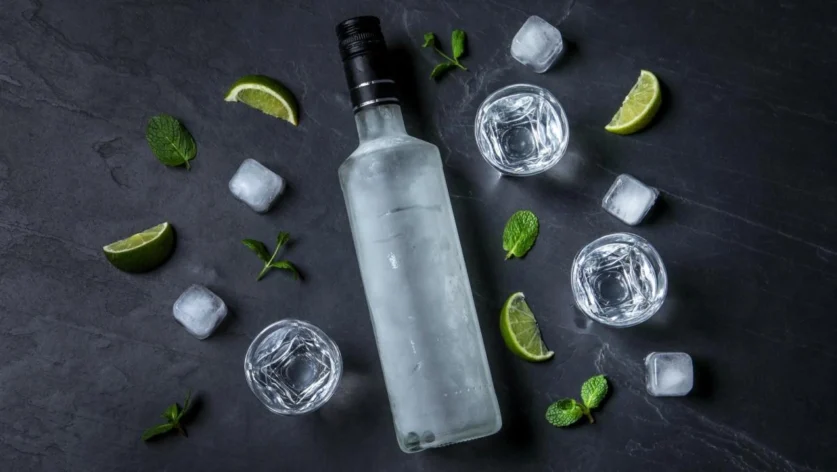
You may have heard that you should never store vodka in the freezer because its low freezing point will impact the taste and viscosity of the drink. However, one expert’s advice may make you revise that rule to read “almost never” instead, as they presented one important exception.
Molly Horn is the manager of cocktail strategy at Total Wine & More, so it’s fair to say they know their tipple. Mashed asked Horn if vodka should ever be stored in the freezer, and they said, “If you love martinis, I think storing a bottle of vodka in the freezer […] is an excellent choice.”
Freezing vodka, in general, makes it thicker (because water and ethanol have different freezing points) and can negate the more subtle aspects of its flavor. This isn’t ideal if you’re drinking it neat, but it can actually help with getting the perfect texture for a martini. What is viscous to neat vodka is silky to a martini. Horn recommends using “winter wheat vodka, which has that beautiful silky-smooth texture especially right out of the freezer.” Masking the vodka’s taste can actually help if you want to draw attention to other ingredients, such as vermouth in a classic vodka martini or any other extras you’re using in your martini recipe.
Read more: Popular Vodka Brands Ranked From Worst To Best
While chilling vodka in the freezer is great for martinis, Molly Horn doesn’t recommend it for everything. “If you’re into more refreshing, citrusy cocktails — or simple highballs, like vodka sodas and tonics, I would say keep that bottle on your backbar until you’re ready to pour,” they told Mashed. If you’re making a refreshing Cosmopolitan, for example, be sure to keep your vodka firmly out of the freezer. The cranberry juice and Cointreau liqueur will provide the necessary silkiness, and since a Cosmo is technically a sour you won’t want to mask the vodka’s natural burn.
If you want to take it further and really focus on how the subtle taste of vodka combines with other elements of a cocktail, note that some mixologists have taken to preparing cocktails entirely off the backbar. Scaffas, or room temperature cocktails, are served sans ice, minimizing dilution. Because the primary focus of scaffas is on getting the best taste out of your alcohol, it’s best to apply this rule to cocktails that combine different spirits. This works best with whiskey-based cocktails as the best way to sample whiskey is at room temperature. However, there’s nothing stopping you from experimenting with a vodka-based Black Russian or Appletini.
Read the original article on Mashed.
From Moonshining Grandmother to Rum Entrepreneur: A Unique Business Origin Story

Sofia Deleon has launched her own rum, Tenango, after being inspired by her great-grandmother.
A Philadelphia entrepreneur has taken her great-grandmother’s legacy of making moonshine and created her own rum company.
Sofia Deleon, of El Merkury restaurants, just launched Tenango Rum earlier this year. Born and raised in Guatemala City before coming to the United States in 2012, Deleon always heard stories about her great-grandmother in the 1920s. “My great-grandmother used to make cusha, which is a Guatemalan version of moonshine that’s made with corn and sugarcane,” Deleon says. “I thought it was very inspiring, and it led me to follow in her footsteps.”
So Deleon says she decided that for her next entrepreneurial venture, she decided to investigate rum. “Growing up in Guatemala, I saw a disconnect between how Americans see rum and how the rest of the world sees rum,” Deleon says. “Most Americans associate with super sweet, hangover-prone tiki drinks that come with an umbrella that they’re most likely drinking on vacation.”
But rum, she says, can be so much, much more. “I want to reshape that perception of rum,” Deleon says.
Tenango is a 100 percent, single source rum, and it is crafted at a Guatamalan distillery. Made with grade A molasses on a column still using a traditional, Spanish method, it is aged in American white oak barrels.
The depth of the flavor, she says, distinguishes it from other rums, but its packaging is also distinctive.
“When I went back home and embarked on this rum journey, I wanted my product to extend beyond a great liquid,” Deleon says. “My larger goal was to give back and represent Guatemala in the best way.”
“To me, nothing says Guatemala more than the colorful weavings found all over the country so I thought ‘How can I best incorporate them in my bottle?’” she adds.
This question led Deleon to create a co-op of Mayan women, who handcraft each cover of every bottle. “It’s one thing to see a tag saying ‘made by hand,’ but to see it woven in a foot loom is something really magical,” she says. “The first time I witnessed the process in-person, I decided I wanted to do everything possible to keep this art alive through my product.”
Deleon was connected to one of the women through her father, who lives in Guatemala. “He managed to build the trust that was needed to allow this project to succeed,” she says.
Deleon then worked with a local designer known for working with traditional tejidos or Guatemalan fabric. “We must have gone through dozens of iterations until we got it to finally fit the bottle,” she says.
Deleon expresses her fondness for savoring Tenango neat, particularly after a hard day at work. However, she also appreciates it in cocktail concoctions. She says, “At the dining establishments, it captivates my curiosity to explore the various mixologist innovations around spirit-forward recipes. Interestingly, one dessert drink that stays close to my heart is Carajillo, as the coffee elements dovetail beautifully with the rum’s attributes.”
Currently, Tenango is available for purchase in Pennsylvania and New Jersey at an offering price of $49.99 per bottle. For its future trajectory, Deleon is optimistic about broadening the reach. She adds, “Akin to El Merkury, Tenango is a byproduct of my aspiration to portray Guatemala in a better light, which despite being a spectacular nation with rich offerings, is frequently misrepresented negatively in the press.”
Jim Morrison’s Preferred Choice of Whiskey: The Classic American Favorite, Jack Daniel’s
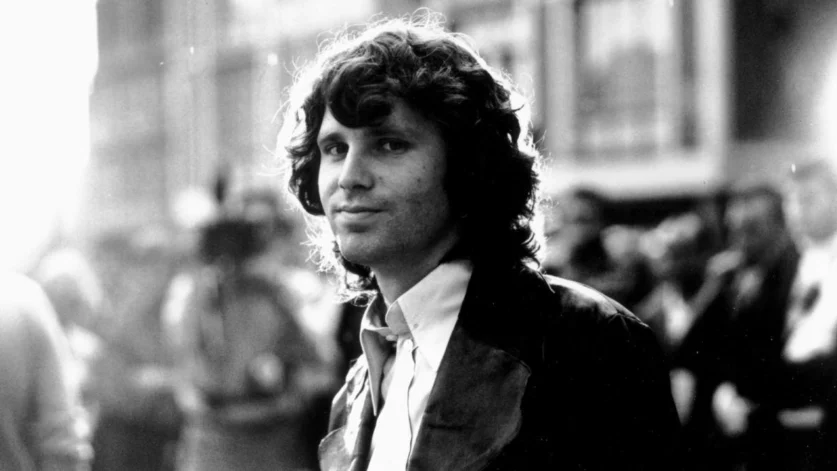
Every magnificent poet has a preferred elixir that invigorates their thoughts and contributes to their creation of beautiful lines that we enjoy singing or reciting. Jim Morrison, the lead vocalist of The Doors, was truly a poet, and his chosen muse was whiskey. However, his brand of preference was not the kind appreciated by soft sour aficionados, nor was it a boutique craft brand. Intriguingly, it is a brand that Frank Sinatra also enjoyed. Morrison was an admirer of Jack Daniel’s whiskey.
The vocalist’s fondness for this spirit is echoed in The Doors’ “Alabama Song (Whiskey Bar)” where the initial verse commences with, “Well, show me the way to the next whiskey bar, Oh don’t ask why.” While it is known that he also partook in Irish whiskey, as shown when he shot the cover for his final album, “L.A. Woman,” and even savored some Chivas, the allure of Jack Daniel’s remained unabated. The question is, what made this brand so irresistible to a soulful crooner like Sinatra and Morrison, the frontman of a psychedelic rock band?
Read more: The 27 Best Bourbon Brands, Ranked
The history of Jack Daniel’s whiskey is intertwined with the world of music. It began when the original creator of the spirit established his White Rabbit and Red Dog saloons in 1892 in Lynchburg, Tennessee and formed the Silver Cornet Band to unite people through music and drink. It became fashionable and bewitched artists from each consecutive generation. Among the other greats who shared Morrison’s affection for JD are Jimmy Page, Keith Richards, Mick Jagger, and Tom Petty. Kesha even references brushing her teeth with this spirit in her song “Tik Tok.”
What makes JD a whiskey of choice? It is often considered a good introduction for those who want to explore drinking this booze. Its price point makes it affordable and its overarching notes of caramel, vanilla, and oak keep those who enjoy this spirit coming back for more. Not to mention, per Drinks International, Jack Daniel’s ranked sixth in their 2023 annual list of bestselling American whiskey brands and has been a staple on this list in previous years as well. This classic Tennessee whiskey can be consumed straight, but it is perfect for a Jack and Coke, as well as a classic Lynchburg lemonade.
Read the original article on Tasting Table.
The Ultimate Ranking of Kylie Jenner’s Sprinter Vodka Soda Flavors
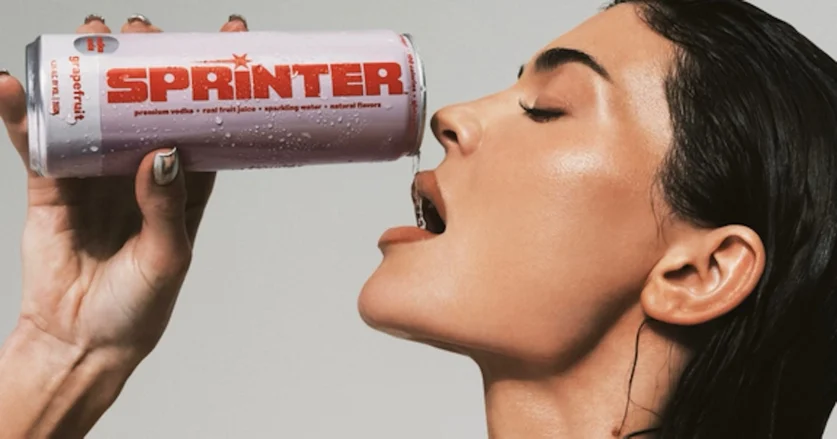
Bubbly poolside sip acquired.
Kylie Jenner is adding vodka soda to her list of growing businesses. The 26-year-old has already established herself in the celebrity beauty sphere with Kylie Cosmetics, and launched her viral clothing line, Khy, in 2023. Now, the youngest KarJenner is joining the alcoholic beverages industry with her top-tier vodka soda line, Sprinter.
The ready-to-consume cocktails are currently available in four fruity flavors perfect for spring break and summer: black cherry, peach, grapefruit, and lime. Despite the RTD canned drink market being crowded with popular choices like White Claw, LaCroix, and Truly, the Sprinter founder asserts that her product is “the best tasting vodka soda” — and she insists, “I’ve sampled a lot.”
Although some might draw parallels between her leap into the liquor business to Kendall Jenner’s, with her 818 Tequila brand, Kylie isn’t in competition with the supermodel. Rather, “Sprinter is 818’s bubbly little sister” that you bring along for picnics, backyard gatherings, and beach visits.
The canned beverages are designed for enjoyment during fun times with friends. As per the words of Chandra Richter, a beverage development expert, “Sprinter is a vodka soda in a can that turns every situation into a celebration.”
Indeed, the cans have a unique Y2K aesthetic, making them a perfect fit for any cooler. However, before you include Sprinter in your upcoming friends’ gathering, you might want to find out which flavors taste the best and if these vodka sodas live up to the hype surrounding them.
In the following, staffers from Elite Daily and Bustle take and rate every single flavor from Kylie Jenner’s Sprinter series. They range from just okay to absolutely delicious. Yes, there’s a clear victor. –Rachel Chapman, Staff Writer, Elite Daily
Generally, when vodka soda comes to mind, lime is the first flavor one might think of. Surprisingly, this was the particular flavor that most the Elite Daily staff couldn’t quite appreciate, likening it to a subpar substitute of a traditional soda.
“This seltzer tastes like someone tried to draw Sprite from memory,” says Kelsey Stiegman, Senior Fashion Editor at Bustle, Elite Daily’s sister site. Instead of being a vodka soda with a hint of lime, this is all lime.
It also leans heavily on the soda side — but that doesn’t need to be a bad thing. Despite most testers putting this one at the bottom of their list, Elite Daily’s Senior Editor of Entertainment and Dating, Sarah Ellis, enjoyed the Sprinter lime flavor, saying, “When the vibe is right for soda, this is the move.”
Most staffers said they weren’t usually fans of grapefruit, but Kylie’s version was an exception. “It was tasty, bubbly, and subtle enough to remind me of the pamplemousse-flavored LaCroix,” says Elite Daily writer Hannah Kerns.
BDG Editorial Associate Jillian Giandurco, echoed Kerns’ sentiments, adding that it’s a refreshing choice for poolside sips.
However, if you’re a real-life fan of grapefruit, this drink might not appeal to you as much. Ellis, a self-proclaimed grapefruit enthusiast, states, “This one wasn’t totally my jam.” She’d consume it if available at a party, but it wouldn’t be her top pick.
Conversely, Kylie’s Sprinter incorporates actual fruit juice, making it light and invigorating, but it’s the intense black cherry fragrance that steals the limelight. Elite Daily’s Deputy Editor of Experiences and Style, Kaitlin Cubria, remarks, “The first thing that struck me was the aroma. It had a strong black cherry scent.”
Whilst Cubria wasn’t overly taken with it, Abby Lebet, Manager of Editorial Operations at Elite Daily’s parent organization, BDG, was captivated by the “sweet (but not overly so)” black cherry aroma.
Notwithstanding the fragrance, the majority of staff concurred that the black cherry flavor is delightful, with Stiegman observing that it’s “sweeter, but equally as refreshing” as White Claw’s black cherry flavor. Even Ellis singled it out as her most liked, stating “It’s sweet and uncomplicated without any artificial taste (which is an issue I have with some other seltzers on the market).”
Kylie’s beau, Timothée Chalamet, may be most famously known for his relationship with peaches in Call Me by Your Name, but the Sprinter peach flavor is almost as iconic.
This was hands down the fave of the Sprinter vodka sodas, winning over most staffers with its scent and real peach flavor. “I’m usually wary of peach seltzers because it can taste really artificial,” Lebet shares, “but this was light and refreshing.”
Cubria felt it was like a “peach creamsicle,” while Ellis said it reminded her of “a perfect summer day.” This is the one you’ll want to bring to every party — if you’re willing to share.
Taste-testers:
Rachel Chapman, Staff Writer
Kaitlin Cubria, Deputy Editor, Experiences & Style
Sarah Ellis, Senior Editor, Entertainment & Dating
Hannah Kerns, Staff Writer
Jillian Giandurco, Editorial Associate, BDG
Abby Lebet, Manager, Editorial Operations, BDG
Kelsey Stiegman, Senior Fashion Editor, Bustle
Be the first to know what’s trending, straight from Elite Daily
Tuesday Tails: An Introduction to Rum Raisin from SPCA East Texas
Next up in 5
Example video title will go here for this video
Next up in 5
Example video title will go here for this video
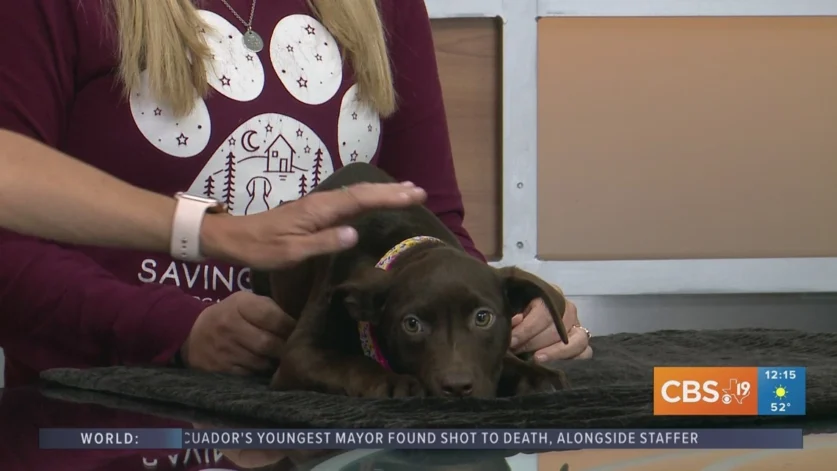
TYLER, Texas — For today’s edition of Tuesday Tails, meet Rum Raisin from the SPCA of East Texas.
Rum Raisin is a female 12-week-old chocolate Labrador Retriever mix. Her mom weighs about 60 pounds.
The SPCA of East Texas is also in need of volunteers to bottle feed, and also foster families to place cats and dogs.
The SPCA of East Texas is located at 3393 W. Grande Blvd. in Tyler.
Adoption office hours are Tuesday through Saturday, by appointment only.
ADOPTION REQUIREMENTS
APPLY TO ADOPT
The mission of the SPCA of East Texas is to improve the lives of animals, alleviate their suffering, and elevate their status in society.
If you can’t adopt, fosters are always needed. Click here to learn more about the SPCA of East Texas’ foster program.
For more information on adopting and the SPCA of East Texas, click here.
Exploring Favorite Whiskey through the Lens of Machine-Generated Art

Scottish distillery Port Ellen is making it easier for whiskey lovers to understand the chemical composition of their favorite drink.
As visitors to a legendary distillery in Scotland savor whiskey samples at the end of their tour, they’ll not only taste and whiff the spirits. They’ll see what’s inside of them, thanks to a wall-size projection of machine-generated digital art based on the drinks’ complex chemical signatures.
The art, called “Out of the Ether,” looks like a hypnotic puff of gold, white and gray smoke and clouds swirling and bubbling inside a giant glass marble. In fact, it’s a visualization of two rare whiskies based on their flavor and aroma profiles.
This spirited creation celebrates whiskey’s chemical complexity.
Whiskey producers often resort to scientific techniques such as gas chromatography and high-speed liquid chromatography to analyze their products. These processes separate and analyze various compounds present in the whiskey. However, the data representation in the form of peaks and dips on a graph is not exactly decipherable for the average whiskey drinker.
This is where “Out of the Ether” comes into play.
“Our goal was to simplify what was previously understood only by an organic chemist or a whiskey enthusiast,” explains Ewan Morgan, national luxury ambassador and head of whiskey outreach at Diageo. “With just a look, you can understand the unique character of the distillery and the whiskey.”
The distillery in question is Port Ellen, situated on the rugged isle of Islay off the West Coast of Scotland. Islay, famous as “Whisky Island,” has the highest number of distilleries per head in the UK. It is renowned for its whiskeys laced with a smoky flavor that stems from peat.
Diageo’s machine-generated visualization is based on data points on the chemical profiles of two Port Ellen whiskeys.
Port Ellen Distillery opened in 1825 and exported whiskey to North America as early as 1848. It closed down 40 years ago, one of a slew of Scottish “ghost” distilleries forced to shutter in the late 1970s and early 1980s as production of single malt Scotch whiskey outstripped demand.
Port Ellen reopened last week, remodeled and now owned by Diageo, the company behind brands including Johnnie Walker, Guinness, Smirnoff and Tanqueray that has invested $236 million to invigorate Scotch whiskey distilleries and tourism. Aimée Robinson, Port Ellen’s master blender, says the kinetic “Out of the Ether” art is part of the distillery’s long-term mission to chart the “atlas of smoke” in hopes of better understanding its nuances and mysteries.
To mark Port Ellen’s rebirth, the distillery is releasing two limited-edition whiskies, Port Ellen Gemini Original and Port Ellen Gemini Remnant, both of which come from 1978 European oak casks. One is a “remnant cask” that was saved by a Port Ellen employee when the distillery closed in 1983. He stored it at the Lagavulin Distillery where he went on to work.
The type of wood from which a cask is crafted, its seasoning process, and even its size and shape can significantly influence the flavor of whiskey. A leftover cask might still contain the remnants of some of the most historic whiskies from Port Ellen.
Over the last couple of years, Diageo has been employing a bespoke algorithm called SmokeDNAi. This innovative piece of tech has been used to supervise the concurrent maturation journeys of the Gemini whiskeys. It helps to demystify the intricate chemical evolution of spirits that originated similarly but matured in varying casks.
Morgan notes that both whiskies are Port Ellen, yet they resemble two significantly different whiskies.
The algorithm handled thousands of data points from both spirits. It compiled and structured information on their primary 10 compounds. Some of these include vanillin, which imparts a vanilla aroma, phenol, which gives a medicinal scent, tannins that induce astringency and bitterness, and translactone, known for releasing a creamy coconut flavor. Following this, the data was used to produce a visualization based on parameters provided by human input.
A graphic overlaying the art shows the percentile breakdown of the whiskeys’ primary compounds, and details how each one influences their character.
Aimée Robinson, Port Ellen’s master blender, looks at data on the whiskeys’ chemical makeup alongside an artistic interpretation of it.
The SmokeDNAi algorithm, developed in collaboration with data and design studio Bose Collins, could help Port Ellen predict the outcome of blending whiskies and the best release dates for them. It could also produce more visual representations for liquor lovers from novices to connoisseurs—comparing and contrasting the smokiness of whiskies from different-aged barrels, such as an 8-year-old cask versus a 16-year-old one, for example.
“That will make it much easier for people to learn about these whiskeys,” Morgan said from Scotland, where he was visiting the newly opened Port Ellen Distillery. “They will know what they’re looking for and have a much better understanding and hopefully enjoy them a little bit more.”
Morgan, a third-generation whiskey maker, has enjoyed many a fine whiskey in his day. He said he appreciates too many things about the drink to enumerate, but among them are the way it brings people together.
“It’s a very social drink. It creates these wonderful life moments,” he said. Plus, “it’s evocative. It creates memories. It also brings you back to memories.”
The Port Ellen Distillery on the Scottish island of Islay has reopened 40 years after it closed.
Our Unbiased Review of Kylie Jenner’s Newly Launched No-Sugar-Added Vodka Sodas

How do they taste? Read on to find out.
Reviewed by Dietitian Emily Lachtrupp, M.S., RD
Fizzy canned alcoholic drinks may be your go-to, but some of them can be high in added sugar. A new vodka soda, created by megastar Kylie Jenner, combats this concern.
Meet Sprinter, the recent addition to the vodka seltzer scene that is touted to be a healthier option without sacrificing taste. The new boozy sodas—now available online and at Total Wine locations—currently come in four flavors: Grapefruit, Lime, Peach and Black Cherry.
The seltzers are gluten-free and vegan, which is great for those with related allergies or dietary preferences. They’re also only 100 calories per can—and with simple ingredients like vodka, fruit juice and sparkling water, you won’t find any added sugar in each of these drinks. What they do have is 36 grams of carbohydrates per can, which is OK for a drink enjoyed in moderation.
For an alcoholic beverage, the Sprinter cans seem like the perfect healthier option for vodka soda lovers. But how do they taste? Some of EatingWell’s editors put them to the test. Here are their honest reviews.
Related: We Tried Spindrift’s Two New Flavors—Here’s Our Honest Review
The most positive review after sipping on a Sprinter comes from our editorial director Victoria Seaver, M.S., RD.
“As far as spiked seltzers go, I thought these were pretty tasty,” says Seaver. “I like that they don’t use artificial sweeteners, solely because I don’t enjoy the taste of them in seltzers. The flavor from the juice was subtle yet provided enough flavor to make for a yummy drink.”
If you like a not-as-sweet, more refreshing sip, then keep your eye on these cans. Just in time for summer, Seaver said she can see herself sipping on one of these fruity concoctions paired with ice and a fresh lemon or lime wedge this upcoming season.
And if you’re curious about how they compare to other vodka sodas and spiked seltzers on the market, our associate editorial director Carolyn Malcoun said she would choose this over a White Claw.
“These tasted more natural to me,” explained Malcoun. “I thought that although there are natural flavors in them, the actual juice was more prominent flavor-wise.”
Related: What Experts Want You to Know about ‘Natural Flavors’ in Your Food
With that said, our editors who aren’t already fans of spiked sodas weren’t mind-blown after trying Sprinter. So if you’re not already a vodka soda drinker, these may not be revolutionary enough to turn you into a lover of the fizz.
Overall, our editors enjoyed the taste of Sprinter—and if you’re interested in trying Jenner’s new drinks, we’re giving the green light. Since they do contain alcohol, it’s best to drink these seltzers in moderation—which is one drink a day for women and two a day for men.
Feeling inspired? Check out these healthy vodka cocktail recipes you can make at home.
Related: Alcohol vs. Edibles: Is One Worse for Your Health Than the Other?
Read the original article on Eating Well.
Rocky Mountain Liquor Inc.’s Skyrocketing Stock Amid Inconsistent Financials: Can the Uptrend be Sustained?

Over the past quarter, shares in Rocky Mountain Liquor (CVE:RUM) have risen significantly, showing an impressive 78% increase. However, with the company’s financial statistics fluctuating, there are doubts whether this strong share price trajectory can be sustained. In this article, we are going to explore Rocky Mountain Liquor’s ROE.
ROE, or Return on Equity, is a benchmark used to evaluate how efficiently a firm’s management is using the firm’s money. It essentially calculates a business’ profitability relative to shareholders’ equity.
Read our most recent analytical report on Rocky Mountain Liquor
Let’s take a look at the formula for ROE:
Return on Equity = Net Profit (from continuing operations) ÷ Shareholders’ Equity
From this given equation, the ROE for Rocky Mountain Liquor equates to:
3.1% = CA$273k ÷ CA$8.8m (Calculated from the previous twelve months leading up to September 2023).
The term ‘return’ is defined as the total amount gained after tax over the span of the previous twelve months. Hence, this implies that for every CA$1 of its shareholder’s investments, the organization yields a profit of CA$0.03.
We have already established that ROE serves as an efficient profit-generating gauge for a company’s future earnings. Based on how much of its profits the company chooses to reinvest or “retain”, we are then able to evaluate a company’s future ability to generate profits. Generally speaking, other things being equal, firms with a high return on equity and profit retention, have a higher growth rate than firms that don’t share these attributes.
It is quite clear that Rocky Mountain Liquor’s ROE is rather low. Not just that, even compared to the industry average of 17%, the company’s ROE is entirely unremarkable. Therefore, the disappointing ROE therefore provides a background to Rocky Mountain Liquor’s very little net income growth of 3.9% over the past five years.
Next, on comparing with the industry net income growth, we found that Rocky Mountain Liquor’s reported growth was lower than the industry growth of 9.2% over the last few years, which is not something we like to see.
Earnings growth is a huge factor in stock valuation. What investors need to determine next is if the expected earnings growth, or the lack of it, is already built into the share price. By doing so, they will have an idea if the stock is headed into clear blue waters or if swampy waters await. Is Rocky Mountain Liquor fairly valued compared to other companies? These 3 valuation measures might help you decide.
Currently, Rocky Mountain Liquor does not distribute any dividends, indicating that they reinvest all of their profits back into the business. However, this fact doesn’t solely explain the low earnings growth figure we previously mentioned. Therefore, there may be other reasons, such as a deteriorating business condition.
In general, Rocky Mountain Liquor’s performance could be interpreted in various ways. Although the company reinvests at a high rate, the low Return on Equity (ROE) suggests that this reinvestment brings no benefits to its investors, and worse, it negatively affects the earnings growth. To wrap up, it would be wise to proceed with caution regarding this company. One way to ensure this could be by considering the business’s risk profile. Our risks dashboard would detail the three risks we have identified for Rocky Mountain Liquor.
Had any feedback on this content or concerned about it? Contact us direct! Alternatively, reach out to us via email at: editorial-team (at) simplywallst.com.
This general piece by Simply Wall St is grounded in historical data and analyst forecasts and utilizes an unbiased methodology. Our contents do not serve as financial advice and do not provide stock purchase or sell recommendations. Instead, they fail to consider personal objectives or financial circumstances. Our aim is to deliver fundamental data-driven long-term analysis. Note that our study may neglect the most recent price-sensitive company announcements or qualitative material. Simply Wall St has no stakes in any stocks mentioned.
The Whiskey Spotlight: Featuring Lost Lantern Far Flung Rye as This Week’s Pick

Scotch whisky has had independent bottlers since the 1800s — companies that buy casks from various distilleries and bottle them under their own name, often aging them in their own warehouses as well. Gordon & MacPhail, Duncan Taylor, the Scotch Malt Whisky Society and many others are almost as well known as the most famous distilleries, without necessarily distilling anything they bottle.
In the U.S., there are also plenty of what are known as “non-distiller producers.” Unlike the Scots, however, the Americans have tried to cover it up — making up backstories, deflecting, obfuscating, and basically doing whatever they can to distract us from the fact that their “craft” whiskey was in fact distilled at enormous facilities like MGP (now known as Ross & Squibb) in Indiana. Perhaps the most egregious offender was Templeton Rye, which in the early 2010s concocted the tall tale that their whiskey was made in Iowa from a special recipe that dated back to Prohibition, and was beloved by none other than Al Capone. In fact, it was distilled in Indiana, using one of MGP’s stock mashbills employed by a bunch of other brands.
Fortunately, sourcing whiskey from outside distilleries is no longer the scandal it once was, since the industrial-sized places in Indiana, Tennessee and Kentucky generally do it very well. It’s become a point of pride for brands like Proof & Wood and Smooth Ambler to mention exactly what they’re sourcing, and from where. And that’s a good thing. But Lost Lantern, launched in 2020 by a former manager at New York’s Astor Wine & Spirits and a senior whisky specialist at Whisky Advocate magazine, is one of the only American indies to do things the way the Scots do it, buying casks directly from distilleries and highlighting those distilleries on the bottles.
486 bottles, 5 distilleries, 1 region — the American Midwest — and 1 terrific whiskey.
Lost Lantern prefers to collaborate with smaller independent distilleries across the country rather than larger conglomerates. They establish direct connections with the distillers, who frequently are also the founders during this early phase of American craft distilling. They work together to formulate unique expressions and blends besides purchasing casks.
In its most recent series, Lost Lantern ventures into some of the Midwest’s prime indie distilleries, launching several single-cask bourbons, ryes, and wheat whiskeys. These are from some of the leading names in the area, such as FEW Spirits in Illinois and Cedar Ridge in Iowa. Lesser-known yet outstanding distilleries include Wollersheim in Wisconsin and Middle West Spirits in Ohio. They also created a blended whiskey called Far Flung Rye. Although all are noteworthy, Far Flung Rye is more accessible due to greater availability.
Far Flung Rye is a blend of rye whiskeys aged 4-9 years and sourced from five Midwestern distilleries: Cedar Ridge; Middle West Spirits; Wollersheim; Indiana’s Starlight Distillery; and Tom’s Foolery in Ohio. At a significant 60.8% ABV, it is a full-bodied, flavorful blend with splashes of dark chocolate and malt, a hint of grass, and reminders of rye bread. It packs a punch but can be mellowed with some water, retaining its robust flavor. Given its limited availability and relatively high pricing, it might not be ideal for cocktails, but it lends itself beautifully to a lush Black Manhattan.
Far Flung Rye serves as a fitting introduction to the often-unnoticed Midwestern spirits sector, and any rye whiskey aficionado would appreciate it. If you don’t locate it at your local liquor store, you can check out Lost Lantern’s website for availability.
Unexpected Treats at SXSW: Billboard and Smirnoff Smash Vodka Soda Include Cardo Got Wings, Pickleball and More!

Even through some cloudy weather, Billboard and Smirnoff Smash Vodka Soda brought the unexpected together to SXSW 2024.
For the annual collision of music, tech and entertainment, Billboard touched down in Austin, Texas for our annual takeover, which included the Pickleball Experience in celebration of the new Smirnoff Smash Vodka Soda launch. At a streetside location on Rainey Street, +21 festival-goers took to the court for gameplay, grabbed free swag, bites from local food trucks and had the opportunity to try the new line’s new flavors. The merging variety of options include Watermelon Lime, Pineapple Orange, Strawberry Dragonfruit and Raspberry Peach.
More from Billboard
EU Regulators Say Apple, Google and Meta Are in ‘Non-Compliance’ With Digital Markets Act
The Pretty Reckless to Support AC/DC on 2024 PWR Up European Tour
‘Austin’ Hitmaker Dasha Signs to Warner Records
On the court, a referee led the pickleball action, while a crew of Smirnoff Smash Vodka Soda brand ambassadors and bystanders cheered on the players. When it came to tunes, a roster of star-studded DJs provided some high-energy pop and hip-hop classics to keep the momentum at an all-time high. Cardo Got Wings, the hitmaker to staples from Drake and Travis Scott, even encouraged folks to raise their cans and celebrate the festivity. Additional DJ/producers included Texas-based collective, The Chopstars, featuring DJ Hollygrove, DJ Slim K, DJ Candlestick and OG Ron C, who made their way to the courts for some competitive action.
At the Pickleball Experience, attendees also had the chance to win tickets to Billboard presents THE STAGE concert series at the Moody Amphitheater. Over at the venue, Smirnoff Smash Vodka Soda set up shop with a specialty bar, samples and custom cocktails like the Smirnoff Mule and Smirnoff Texas Lemonade. Cardo performed at the opening night, showing more love to the brand with the variety of flavors on his DJ rig and plenty of hits to keep the crowd dancing.
Best of Billboard
Janet Jackson’s Biggest Billboard Hot 100 Hits
H.E.R. & Chris Brown ‘Come Through’ to No. 1 on Adult R&B Airplay Chart
Anne Wilson’s ‘I Still Believe in Christmas’ Crowns Christian Airplay Chart