Beer-articles 1026
“New Jersey’s Dark IPA Crowned as Best Gluten-Free Beer by USA Today Readers”
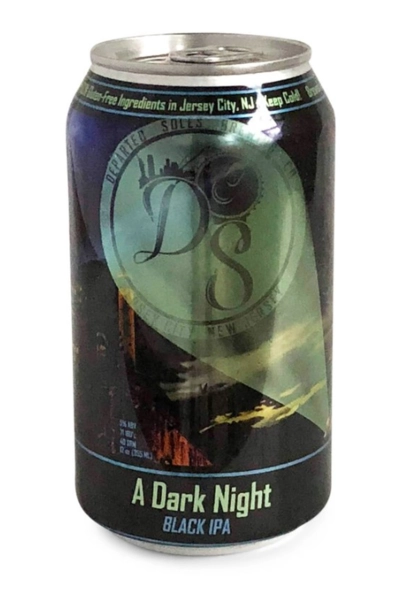
Ever considered a cold, gluten-free beer to complement your turkey this year? Interestingly, it’s made right in New Jersey.
There has been a surge in the production of gluten-free products, and breweries are not left out either.
The USA Today’s 10Best Readers’ Choice Awards has gathered a list of Best Gluten-Free Beers 2023 from various parts of the country and identified the top 10 gluten-free beers worth trying.
The report states that these delightful brews, comprised of alternative ingredients like sorghum, rice, millet, lentils, and nuts, were chosen by a panel of experts and voted by our readers. A brewery from New Jersey has been awarded the country’s top Gluten Free Beer.
The No. 1 gluten-free beer ranked on the list: A Dark Night — Departed Soles Brewing Company.
“A Dark Night from Departed Soles Brewing Company in New Jersey is a black IPA made with 100% gluten-free ingredients. The hop-forward beer, designed to taste like a shaken-up black and tan, finishes with flavors of roasted malts”, says USAT.
The Jersey City brewery’s Black IPA is one of the brewery’s first gluten-free offerings and has been recognized at the 2016 World Beer Cup and at the Best of Craft Beer Awards.
“In late October, we remembered the life of my late best friend, Chris Ward, who suffered from gluten intolerance and set me down this path of brewing. We’ve been laughed at, called names, and kicked out of bars when we talk about the importance of this product. In what is a dark time of the year to us, it means the world to me that our dark beer received this award,” said Brian Kulbacki, Owner and Head Brewer of Departed Soles.
This article originally appeared on Asbury Park Press: NJ brewery takes top spot in USA Today Readers’ Choice Awards 2023
Impacts of Climate Change on the Beer Industry: How Farmers and Researchers are Adapting

Fox News Flash top headlines are here. Check out what’s clicking on Foxnews.com.
On a bright day this fall, tractors crisscrossed Gayle Goschie’s farm about an hour outside Portland, Oregon. Goschie is in the beer business — a fourth-generation hops farmer. Fall is the off-season, when the trellises are bare, but recently, her farming team has been adding winter barley, a relatively new crop in the world of beer, to their rotation, preparing barley seeds by the bucketful.
In the face of human-caused climate change impacting water access and weather patterns in the Willamette Valley — a region known for hops growing — Goschie will need all the new strategies the farm can get to sustain what they produce and provide to local and larger breweries alike.
All of a sudden, climate change “was not coming any longer,” Goschie said, “it was here.”
Brewer Scott Peterson retrieves spent grain from a lauterton while brewing a German-style Pilsner at Von Ebert Brewing in Portland, Oregon on Oct. 22, 2023. (AP Photo/Amanda Loman)
UFC ANNOUNCES BUD LIGHT AS ITS OFFICIAL BEER IN PARTNERSHIP WITH ANHEUSER-BUSCH
Climate change is anticipated to only further the challenges producers are already seeing in two key beer crops, hops and barley. Some hops and barley growers in the U.S. say they’ve already seen their crops impacted by extreme heat, drought and unpredictable growing seasons. Researchers are working with growers to help counter the effects of more volatile weather systems with improved hop varieties that can withstand drought and by adding winter barley to the mix.
According to Mirek Trnka, a professor at the Global Change Research Institute, scientists have been aware that beer production is likely to be influenced by climate change. His team recently conducted a study exploring the impact of these changes on hop yields. The study, published in Nature Communications, estimates a potential decrease between four to 18% by 2050. This is consistent with a similar study Trnka carried out 15 years ago.
“If we don’t take action, we risk losing even those things we might not initially associate with climate change. Beer is one such example,” he warned.
SOME AMERICANS MOVING ON FROM BUD LIGHT BOYCOTT, MARKING ‘SIGNIFICANT IMPROVEMENT’ FOR BRAND: SURVEY
Trnka explains that climate change progresses at a rate that may not be immediately noticeable, yet is faster than one might expect. The fact that researchers are addressing this issue suggests promise for adaptive strategies and solutions, such as changes to farming practices. Nevertheless, Trnka still possesses concerns.
Hops shortages in Europe are triggering changes for American producers as well. There’s a craft brewery that relies on Goschie for some of its hops; it’s been forced to attempt to replicate German hop flavors with new U.S. grown varieties due to the effects of hot, dry summers on their European varieties within the past few years.
As a result, researchers have taken up the challenge to develop hops varieties more resistant to summer heat, warmer winters, shifting patterns of pests and diseases, and decreased snowfall that reduces irrigation availability. One such researcher is Shaun Townsend, a senior researcher and associate professor at Oregon State University. He’s leading a project where hops are subjected to drought conditions to breed more drought-resistant varieties.
The process isn’t simple and could span a decade. It must also consider brewers’ primary concerns – taste and yield. However, the looming threat of water scarcity is a concern these researchers can’t afford to ignore, Townsend remarked.
Although perfecting hops is still an ongoing process, significant strides have been made in enhancing barley. Kevin Smith, an agricultural professor and plant geneticist at the University of Minnesota, explained that while spring barley is the preferred choice for U.S. beer industries, winter barley (a variety sown in the fall and remains in the field during the coldest parts of the year) may now be viable in the Midwest. Such a shift could replace other barley types previously abandoned due to climatic conditions, plant diseases, and economic factors, prioritizing less risky crops instead.
Winter barley may also be desirable for craft breweries that have started emphasizing local ingredients and who want something grown close by. And it can also be grown as a cover crop, meaning that farmers can prevent erosion, improve their soil health and keep carbon stored in the ground by planting it during the off-season when fields are normally bare.
However, not everyone has agreed on the potential of winter barley. Smith shared a story about his predecessor, a dedicated spring barley breeder. Another scientist, Patrick Hayes, a professor at Oregon State University, was discussing his hopes for the future of winter barley. Smith’s predecessor wrote on a business card, “it can’t be done,” referring to his firm belief that winter barley was not worth the effort.
Hayes has kept the card in his office, and has made it his mission to enhance winter barley.
According to Ashley McFarland, the vice president and technical director of the American Malting Barley Association, winter barley programs now exist in virtually every state in the country. She doesn’t think winter barley will ever dominate the crop in the U.S., but argues that producers will need to diversify their risk in order to be more resilient to climate shocks.
Molson Coors and Anheuser Busch, which are the largest beer companies in the United States, publish annual environmental reports in which they commit to sourcing barley and hops sustainably and reducing their water consumption. Neither company, however, responded to a request for further details on these initiatives from the Associated Press.
Hops are a notoriously demanding crop in terms of their climatic requirements, notes Douglass Miller, a senior lecturer at Cornell who teaches a class on beer. Without water, beer production is simply not possible. He went on to speculate that the price of beer might go up due to the impact of climate change on the supply chain. However, the same can be said for all other items on the menu. “All beverage categories are experiencing this,” he pointed out.
No matter how companies and farmers manage their barley and hops during the winter, climate change could dictate what types of beer consumers can purchase in the future.
“It will be increasingly difficult for us as plant breeders to provide new varieties of barley and new varieties of hops that can meet, just, all of the terrors of the climate change process,” Hayes said. “And I say terrors because … it’s that volatility, which is so, so frightening.”
“Unlock a Flavorful Soup Experience: Beer as Your Secret Ingredient”

Beer, being one of the longest-standing alcoholic drinks on planet, has matured into an expansive craft that includes myriad styles with endless variations. Whether your preference is lagers, stouts, wheat beers, or ales, beers form an essential part of beverage cultures. They not just stand alone as a drink, but their unique flavor and texture makes them complementary to a warm bowl of soup or stew as well.
Beer is mainly composed of malted grain, yeast, and hops, providing a balance of bitter and sweet, bread-like taste and carbonation along with distinct grain flavors and extras such as citrus, coffee, or chocolate. The complexity and rich sensation of beer can infuse a wealth of taste and fullness to any soup you decide to cook.
In addition, adding beer to soup does not require any fancy tricks or advanced techniques; it simply involves opening up a bottle and pouring a bit into your soup base, then mixing in your cream, broth, or other culinary liquid, followed by simmering. When beer is heated and mixed with the simmering soup, it will shed its carbonation and alcohol strength, intensifying its abundant taste notes and thickening your soup.
Just as most experienced cooks suggest using a wine that is good enough to drink alone for recipes that call for wine, the same principle holds for adding beer to soup. What’s more, if you don’t end up using the entire bottle of beer in your soup, you get the bonus treat of sipping the remaining while you prepare for your meal.
Read more: 20 Popular Canned Soups, Ranked Worst To Best
Whether you’re a beer connoisseur or not, anyone can recognize the vast range of flavors different types of beers contain. Consequently, certain types of beer are best suited for certain types of soup. For example, nut brown ales have a nutty and earthy flavor that can elevate cream and cheese-based soups, from corn chowders to broccoli and cheese soup.
A bitter, hoppy pilsner with malty, yeasty sweetness makes another great companion for cheese-based soups, like this beer-cheddar soup recipe from Tasting Table recipe creator Alexis Deboschnek. You could also use a pilsner in a French onion soup, lending a complementary bitter finish to the sweet caramelized onions and rich melted cheese.
For ground beef or bean-based chilies, a robust, thick porter or stout can enhance the meaty umami flavor and add substance. Porters and stouts also pair well with beef, lamb, or mushroom stews, and birria. Lighter, milder, and sweeter wheat beers can uplift a chicken or fish soup, whether it’s a Sicilian fish soup, Brazilian moqueca, or a chicken tortilla soup. To fully unlock the flavorful capabilities of beer, include it with sauteed vegetables and let it reduce for a couple of minutes before you add other cooking liquids. If you’re creating a roux-based soup, introduce the beer to the flour, butter, and spices before the cream, milk, and cheese.
Read the original article on Tasting Table.
The Impact of Climate Change on Beer Production and Adaptation Strategies

Climate change is anticipated to impact two key beer crops: Hops and barley. Some growers in the U.S. say they’ve already seen these crops impacted by extreme heat, drought and unpredictable growing seasons. (Nov. 11) (AP Video: Brooke Herbert)
Schlafly Beer of St. Louis Ushers in New CEO as Former Chief Takes on Consulting Role

Fran Caradonna, the Chief Financial and Administrative Officer at St. Louis Brewery, is now the company’s new CEO.
Fran Caradonna is also the CEO of Schlafly Beer.
Schlafly Beer, which is the oldest craft brewery in the St. Louis area, declared a governance change on Friday. Fran Caradonna is moving from her CEO position to a “consultancy role” for the brewery’s owners and executives.
David Schlafly, the now-former Vice Chair, will replace her as the head of the brewery. Details regarding when the change will come into effect or the reasoning behind the change were not immediately provided. However, Schlafly Beer announced that its Chief Financial Officer, Bill Florent, would manage day-to-day operations.
The brewery refused to comment on the shift. Caradonna, a three-decades-long industry veteran who joined Schlafly in 2019, was not immediately available for a phone interview.
Schlafly conveyed a message from Caradonna in their announcement. She stated, “The decision was a tough one, I didn’t take it lightly. I have a deep affection for the folk, the firm, and Schlafly Beer’s future. My last four and a half years in the beer industry will always be the crowning achievement of my career.”
Stephen Hale, a former Schlafly employee and its founding head brewer, had high praise for Caradonna based on their time together at the company.
“Her tenure there was extraordinarily exceptional,” he commented during a phone conversation on Friday.
In the announcement made by the company, David Schlafly expressed his gratitude to Caradonna for her dedication to the brewery.
“Her commitment towards our employees and customers in the past four and a half years is much appreciated. We are equally thankful for her ongoing support,” he stated. “I am very enthusiastic about embarking on a journey that’ll introduce Schlafly Beer to a fresh generation.”
Ever since its establishment in 1991, Schlafly has successfully carved a niche for itself among the myriad microbreweries in the area. At present, their beers are distributed across 17 states, as reported by the company.
Witness an incredible view of the bluffs along the Mississippi River from Alton to Grafton on the Great River Road. The breathtaking colors of fall paint the landscape, as observed on Friday, Oct. 27, 2023. Video credit: David Carson, dcarson@post-dispatch.com
Get the latest local business news delivered FREE to your inbox weekly.
Energy and environment
{{description}}
Email notifications are only sent once a day, and only if there are new matching items.
Longtime employees Kenny Clifton and Jack O’Leary, both 28, took over the 77-year-old family-run butcher shop in Brentwood in September.
Some women paid more than $4,000 for a boudoir shoot. They say they received nothing in return. “It’s a lot of people, and it’s a lot of money…”
Here are key retail and business openings and closings for the St. Louis area in October.
Clayco joins Boeing in receiving state subsidies to expand in north St. Louis County.
Mission Taco Joint and Mission Foods entered a joint settlement after Mission Foods argued the restaurant’s name was trademark infringement.
Unconventional Brewing: Twitch Star Uses Own Vaginal Yeast to Make Beer

Thanks for contacting us. We’ve received your submission.
At yeast, it’s all-natural.
Kaitlyn Siragusa, who goes by Amouranth on Twitch and OnlyFans, is adding her own special ingredient to a beer she’s creating with Polish beer company The Order of Yoni’s: her own vaginal yeast.
The company, which announced the collaboration on Oct. 30, promotes alcoholic beverages as a sensual experience in the form of beer. Each drink consists of lactic acid from vaginal bacteria to bring pleasure to every sip, the site reads.
“It’s hilarious. People will buy it for sure,” Siragusa, 29, told Dexerto. “I don’t know if they’ll actually drink it, I mean, they’ll probably drink it.”
The Twitch influencer has an itch that her vaginal yeast additive will give the beer a creamy but sweet taste.
“They want to make beer using my vaginal yeast… like the same profile,” she said.
Siragusa, who resides in Houston, admitted she had to pap smear herself before handing her vaginal smear sample to the gynecologist.
“These smears are taken to a laboratory where bacteria are isolated, cleaned, then analyzed and multiplied,” the site adds. “At the end of the process, the bacteria are used to produce the pure lactic acid that goes into Yoni beer.”
The Post reached out to Siragusa for comment.
According to the company, incorporating vaginal lactobacillus — a type of probiotic produced in the vagina — into Yoni beer fosters femininity, sensuality, charm, passion and sexuality.
Siragusa, who has 6.4 million followers on Twitch, is “confident” her personal infusion will be a hit.
The entrepreneurial spirit is unafraid to discover novel methods of generating income via unconventional means — she recently earned nearly $2 million while sleeping online and once earned $8,000 to call somebody a loser.
“We spend considerable time searching for a woman possessing all the desirable instincts, the Goddess we endeavor to encapsulate,” states the company’s website.
The Order of Yoni has a range of other drinks with fermented ingredients named after their enticing models like “The Patricia Beer Bottled Beauty,” “The Paulina Beer Bottled Seduction,” and “The Monika Beer Bottled Desire.”
There is no specified date for the release of Siragusa’s vaginal yeast beer, but the longer it ferments, the more flavorful it becomes.
Discover Brewery Vivant’s ‘Dünk the Halls’ Beer: The Exclusive Brew for Grand Rapids’ First ‘Christkindl Markt’

GRAND RAPIDS, MI — Brewery Vivant created an exclusive German-style beer to add to the European magic of Grand Rapids’ first Christkindl Markt opening next week.
Brewery Vivant, which typically brews in the style of Belgium and France, collaborated with the Grand Rapids Downtown Market to bring a traditional German beer for the festivities.
The exclusive brew is called Dünk the Halls and is in the style of a traditional Dünkelweizen. The German-style dark wheat beer is amber hued, malt forward, with soft hints of caramel and toffee. Ward notes it will be less like a stout or porter but rather a “tick darker than an amber.”
Related: First-ever ‘Christkindl Markt’ planned for Grand Rapids Downtown Market this year
“It’s fun to do something traditional but new to our brewery,” said Jon Ward, experience warden at Brewery Vivant.
The brewery and Downtown Market are expecting to fill many steins as 60 barrels have already been brewed ahead of the Nov. 17 market opening. To put that in perspective, that’s 120 kegs worth.
The collaboration kept the tradition of Christkindl Markt in mind bringing custom steins to the Christmas village at the Downtown Market, located at 435 Ionia Ave. SW. The reusable 16 ounce steins will be sold in the German-style beverage hall. A beer and a sein will cost $15 and refills will be $8.
Brewers were mindful of making something “flavorable but crushable” when deciding how dark, heavy or alcoholic the brew should be, Ward said.
The idea was to make an enjoyable beer to walk around with and at 5.1% abv Dünk the Halls is “very easy to drink a stein of,” Ward said.
Ward said this is the largest order for a single, offsite event that Brewery Vivant has ever brewed. He said the brewery has capacity to continue brewing as the event continues through Dec. 23. The market will be closed on Thanksgiving, Nov. 23.
During the run of the event, pints of Dünk the Halls will also be available at Brewery Vivant, located at 925 Cherry St SE, Grand Rapids. There will also be limited 16 ounce cans available at the brewery.
Related: Learn curling at first-ever Christkindl Markt this winter
The Christkindl Markt beer hall, held on the western side of the Downtown Market, will also feature classic European tipples like mulled wine.
European fare will be available to pair with the specialty drinks including, Polish sausages, hearty soups, crepes and a melted raclette cheese, which can be put on top of bread, veggies and other items.
The Christmas market will also include fire pits, live entertainment, specialty gifts and curling lessons. Reservations for curling lessons or private chalets with an electric heater can be made ahead of time at christkindlmarktgr.com.
Want more Grand Rapids-area news? Bookmark the local Grand Rapids news page or sign up for the free “3@3 Grand Rapids” daily newsletter.
More on MLive:
Outdoor ‘Kerstmarkt’ returning to downtown Holland for 26th year
Tanger Outlets hosting pictures with Santa, tree lighting holiday event
10 great places to get a tasty margarita around Grand Rapids
‘America’s Tallest’ Singing Christmas Tree gearing up for the holidays. Here’s how to buy tickets
If you purchase a product or register for an account through a link on our site, we may receive compensation. By using this site, you consent to our User Agreement and agree that your clicks, interactions, and personal information may be collected, recorded, and/or stored by us and social media and other third-party partners in accordance with our Privacy Policy.
Unlocking the Flavor: How to Effortlessly Add Beer to Any Dish with this Freezing Hack

Beer is a delicious and adaptable ingredient in cooking, although it can be challenging to use. For instance, if a recipe requires a small quantity of beer, it might not justify opening a full bottle, particularly if you don’t fancy a drink. In such an instance, a simple ice tray can be your solution, allowing you to freeze the ideal amount of beer. All you need to do is fill each slot with your preferred beer and then freeze it. When needed, simply take out the required number of cubes and include them in your dish.
Beer is a fantastic addition to various recipes. It can give a fish or chicken batter a rich, savory flavor, while also adding a touch of brightness and acidity to soups and stews. Dark beers can also add an extra layer of flavor to rich, chocolatey baked goods. You may be questioning why you can’t just freeze a bunch of bottles or cans for future use, and the answer is quite dramatic.
Read more: 10 Of The Healthiest Beers You Can Drink
Storing beer in your freezer might lead to a huge mess and leave you without any beer for your culinary endeavors. The water in the beer expands as it freezes, posing a significant problem with cans. As the water has no place to expand, it could burst through the metal and spill all over the freezer. Bottles face the same dilemma, with the risk of the stopper popping off or even the glass breaking.
Adding brews to ice cube trays is clearly the better option, as you won’t need to worry about busted cans and broken glass and lids. The only potential downside is that freezing beer causes it to lose its bubbles, which will pose an issue with certain recipes. For instance, the carbonation in beer is key to making airy beer bread, so you may want to use a fresh can or bottle in place of frozen for those recipes. Otherwise, you can easily make beer cubes in your freezer with just a few simple steps.
When beer has an alcohol by volume percentage somewhere between 4% and 6%, it will most likely freeze at 28 degrees Fahrenheit. Fortunately, most home freezers are set to 0 degrees Fahrenheit, which means you should have no issue creating your beer cubes.
When choosing an ice cube tray to store your beer, keep in mind that most standard trays hold between ½ and 1 fluid ounce, so you may want to get a couple if you plan on making an abundance of cubes. You can also try making larger square beer cubes that hold four times the volume. When pouring, slow and steady is your best bet. If you slosh the beer into the trays too quickly, the cubes could foam up. Once they’re filled evenly, it will take about six hours for them to fully freeze before you can remove them. You can also leave the cubes in the freezer overnight, but consider covering them if you plan on keeping them in there for an extended period so that they’re less exposed to air and any circulating odors. With these tips, you can enjoy easy access to beer to boost your cooking.
Read the original article on Daily Meal.
“Discover the Freezing Hack: An Easy Guide to Infuse Your Dishes with Beer”

Beer is a flavorsome and versatile ingredient for cooking, however, merging it in recipes is easier said than done. For instance, a tiny part of beer required in a recipe might not validate opening a complete bottle if you’re not desiring an alcoholic drink. In this circumstance, a simple ice tray can come in handy to freeze the ideal serving of beer. All it needs is to fill each slot with a portion of your preferred brew and put it in the freezer. Whenever needed, as many cubes can be fetched and added to your cooking.
Beer is a wonderful ingredient for different types of recipes. It provides a rich, savory taste to the batter for fish or chicken, and adds a hint of brightness and acidity to soups and stews. Dark beers can even be utilized to enhance baked goods featuring rich chocolate. You might have a question about why you can’t just put a few bottles or cans into the freezer to conserve beer for recipes, and the answer is quite explosive.
Read more: 10 Of The Healthiest Beers You Can Drink
Preserving beer in your freezer might result in a massive mess and leave you with no brews for your cooking. The water in beer expands as it freezes, posing a significant risk with cans. The ever-expanding water will have no place to escape, thus likely causing the metal to burst and spill all over the freezer. Bottles display the same problem, implying that the cap could potentially pop off or the glass could break.
Adding brews to ice cube trays is clearly the better option, as you won’t need to worry about busted cans and broken glass and lids. The only potential downside is that freezing beer causes it to lose its bubbles, which will pose an issue with certain recipes. For instance, the carbonation in beer is key to making airy beer bread, so you may want to use a fresh can or bottle in place of frozen for those recipes. Otherwise, you can easily make beer cubes in your freezer with just a few simple steps.
When beer has an alcohol by volume percentage somewhere between 4% and 6%, it will most likely freeze at 28 degrees Fahrenheit. Fortunately, most home freezers are set to 0 degrees Fahrenheit, which means you should have no issue creating your beer cubes.
When choosing an ice cube tray to store your beer, keep in mind that most standard trays hold between ½ and 1 fluid ounce, so you may want to get a couple if you plan on making an abundance of cubes. You can also try making larger square beer cubes that hold four times the volume. When pouring, slow and steady is your best bet. If you slosh the beer into the trays too quickly, the cubes could foam up. Once they’re filled evenly, it will take about six hours for them to fully freeze before you can remove them. You can also leave the cubes in the freezer overnight, but consider covering them if you plan on keeping them in there for an extended period so that they’re less exposed to air and any circulating odors. With these tips, you can enjoy easy access to beer to boost your cooking.
Read the original article on Daily Meal.
The new pizza and beer restaurant in Walnut Creek pays tribute to the fathers of its owners, who have a passion for pizza.

Greetings food lovers! We have an exciting new restaurant to introduce to you today. Last week, the dynamic duo of cousins, Baldeep and Gurpreet Sangha, proudly swung open the doors of their latest culinary venture in Walnut Creek. Allow us to introduce you to the fabulous Bill and Bali’s Pizza and Pints!
Now, what makes this restaurant extra special is its heartfelt dedication to their fathers, who are the namesakes of this delightful establishment. Let’s take a trip down memory lane and explore the rich history behind Bill and Bali. Hailing from the vibrant Punjab region in India, these brothers embarked on a journey to the United States. They initially settled in Yuba City before making their way to the beautiful Bay Area in the 1980s.
During their time in the Bay Area, Bill and Bali stumbled upon a culinary revelation – pizza! They became enamored with the delectable pies served by renowned Bay Area-founded chains such as Straw Hat and Round Table. It wasn’t long before pizza became a staple in their lives, igniting their passion for this Italian delicacy.
Fast forward to the present day, their legacy lives on through their devoted sons. Baldeep, the son of Bali, currently resides in Oakland, while Gurpreet, son of Bill, calls Fairfield his home. These two cousins decided to pay homage to their fathers’ memories upon discovering a vacant restaurant space just around the corner from their successful taproom and whiskey bar, Hops & Scotch.
And thus, Bill and Bali’s Pizza and Pints was born. This charming pizzeria embraces a family-friendly ambiance, making it the perfect spot for a night out with loved ones. With eight TVs adorning the walls, you can catch all the action of your favorite sports team, such as the Warriors, while indulging in scrumptious food.
Now, let’s talk about the star of the show – the pizzas! Bill & Bali’s offers a tantalizing array of rectangular Roman-style pizzas. These mouthwatering creations boast light, 96-hour cold-fermented crusts that will leave you yearning for more. One noteworthy delight is the “Burrata Love Affair” ($26), featuring prosciutto, burrata, arugula, and a delectable balsamic glaze. If you crave some heat, the “Calabrian Firecracker” ($24) is sure to delight, laden with salami, Calabrian peppers, Mike’s Hot Honey, mushrooms, and gooey mozzarella. And let’s not forget the vegetarian option – “Popeye’s Passion” ($22) will have you swooning over its garlicky goodness, with artichokes, mushrooms, and, of course, spinach.
But wait, there’s more! Bill and Bali’s Pizza and Pints also offer a tantalizing selection of salads, wings, mozzarella sticks, and desserts to complement your meal. If you have room for something sweet, their créme brûlée cheesecake ($12) and tiramisu ($14) are absolute must-tries.
Accompanying the delectable food is an extensive offering of wine, beer, cider, and seltzer. You’ll be spoiled for choice when it comes to finding the perfect beverage to complement your pizza.
Ready to indulge in this pizza paradise? Bill and Bali’s Pizza and Pints warmly welcomes you from 11 a.m. to 10 p.m. daily. And during football season, they even open their doors 30 minutes earlier on Sundays so you can catch the pre-game excitement at 9:30 a.m. You can find them at 7011 Sunne Lane, Suite 120, in Walnut Creek. For more information, make sure to visit their website at billandbalis.com.
So, what are you waiting for? Gather your loved ones and head over to Bill and Bali’s Pizza and Pints for an unforgettable dining experience. Celebrate the loving memories of two incredible fathers while savoring the flavors of Italy and India in the heart of Walnut Creek. Bon appétit!