Swing into Flavor: Penelope Bourbon Launches 18-Bottle Golf-Themed Whiskey Series
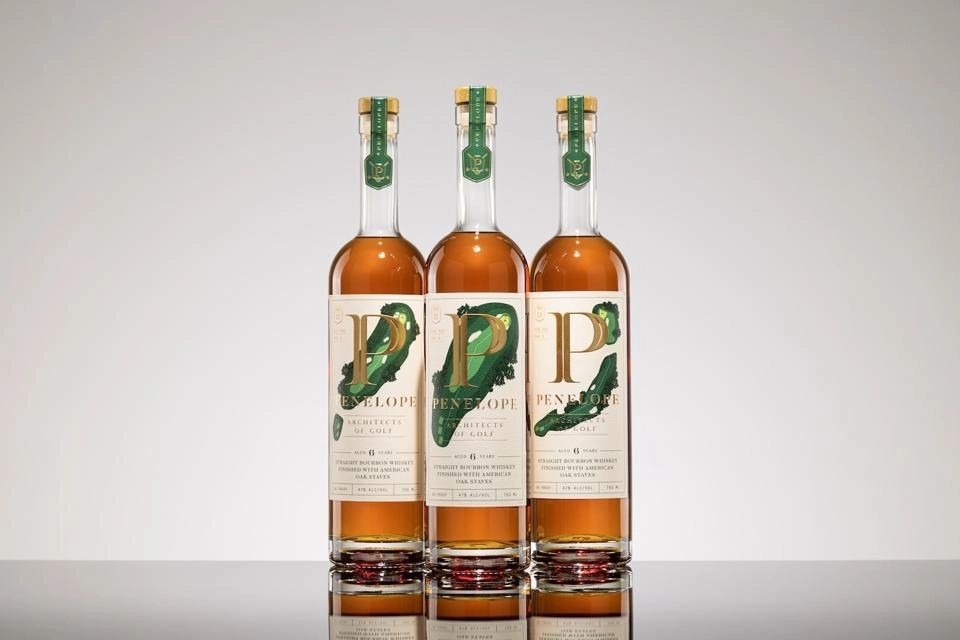
Penelope Bourbon has made a significant mark in the whiskey industry since its inception in 2018, rapidly establishing itself as one of the most popular American whiskey brands. The company gained substantial attention when it was acquired by MGP, a prominent grain and whiskey conglomerate, in a deal reported to be worth up to $200 million in 2023. Despite the acquisition, the founders, Michael Paladini and Danny Polise, have remained active, continuing to lead the brand and oversee product innovations.
Their latest offering is the "Architects of Golf" series, a unique collection of 18 limited edition bottles designed to capture the essence of a round of golf. Both Paladini and Polise are avid golf enthusiasts, and their passion for the sport is evident in this new creation.
The series pays tribute to Penelope’s existing Architect bourbon, which incorporates French oak staves, adding complexity to the whiskey’s flavor profile. The new collection features three initial bottles, each a 6-year bourbon whiskey bottled at 94 proof. While the specific distillation source isn’t disclosed, past releases suggest that it likely comes from MGP-owned Ross & Squibb in Indiana, or Luxco’s Lux Row in Kentucky.
The bourbons in this series are finished with American oak staves, applied with varying intensities over different durations. For example, the first bottle has the lightest stave finish, while the third bottle has the most robust application.
Paladini reflects on the significance of the series, stating, “Architects of Golf is a nod to the subtleties of the game and where some of our best ideas took shape.” He emphasizes how minor adjustments in the blending process can lead to substantial impacts on the final product.
The Architects of Golf series is set to hit shelves in May, with each bottle priced at a suggested retail of $59.99.
A Culinary Celebration: The 16th Annual Hawaii Food & Wine Festival is Back!
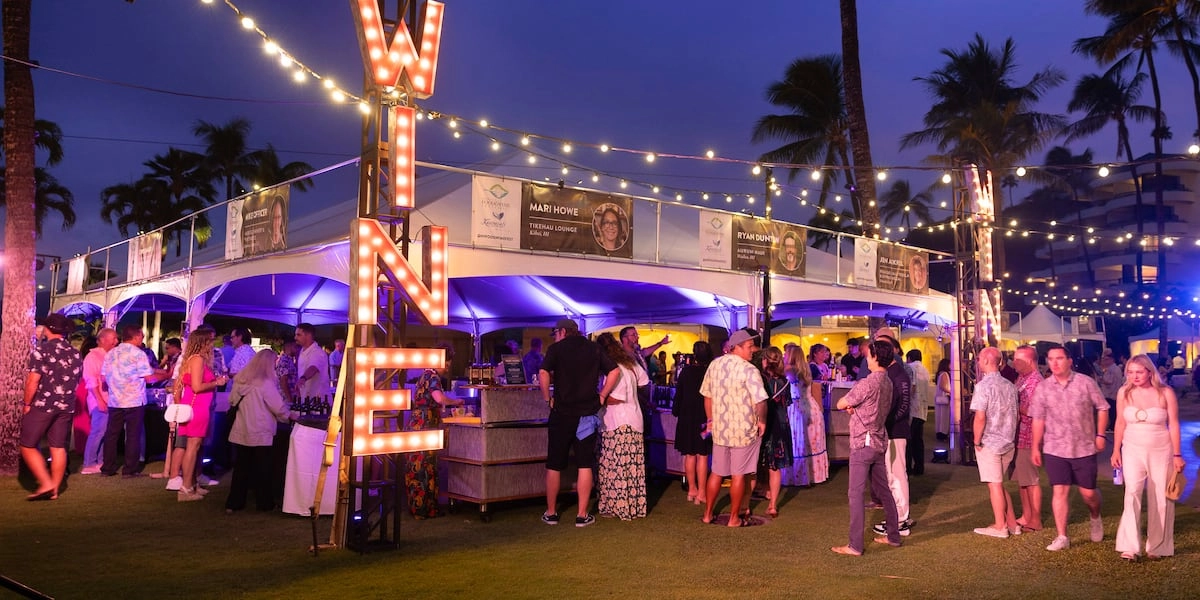
The 16th annual Hawaii Food & Wine Festival is set to celebrate “Traditions & Heritage” from October 16 to November 8, spanning three islands: Hawaii Island, Maui, and Oahu. Boasting nearly 100 chefs from the U.S. and abroad, the festival raises funds for culinary education, local agriculture, workforce development, and sustainability initiatives, having collected over $5.2 million since its inception in 2011.
This year, the festival will feature a lively lineup of events, with 18 new chefs joining many returning culinary leaders. Guests can look forward to a wide range of activities including brunches, gala dinners, grand tastings, golf events, and a professional development conference. Every chef participating will highlight local ingredients, reflecting Hawaii’s rich culinary and agricultural heritage.
Key scheduled events include:
Hawaii Island
- Cuisines of the Sun Golf Classic
October 16, Mauna Kea Golf Course - Smoked, Shucked & Cured
October 17, Mauna Kea Beach Hotel
Maui
- Roy Yamaguchi Golf Classic
October 23, Ka’anapali Golf Course - Caviar, Pearls & Aphrodisiacs
October 24, Sheraton Maui Resort & Spa
Oahu
- FEAST Summit
November 5, Sheraton Waikiki Beach Resort - Culture in AgriCULTURE
November 6, Kāko‘o ‘Ōiwi - 24K Magic
November 6, Alohilani Resort Waikiki Beach - The Greatest Hits
November 7, Kapiolani Community College - The Breakfast Club
November 8, Hyatt Regency Waikiki Beach Resort and Spa
Tickets are available now for purchase on the Hawaii Food and Wine Festival’s website. More information regarding the festival lineup, chefs, and events is accessible online.
Hop Wired: Lawson’s Finest Brewing Unveils Top IPA of the Year Contender
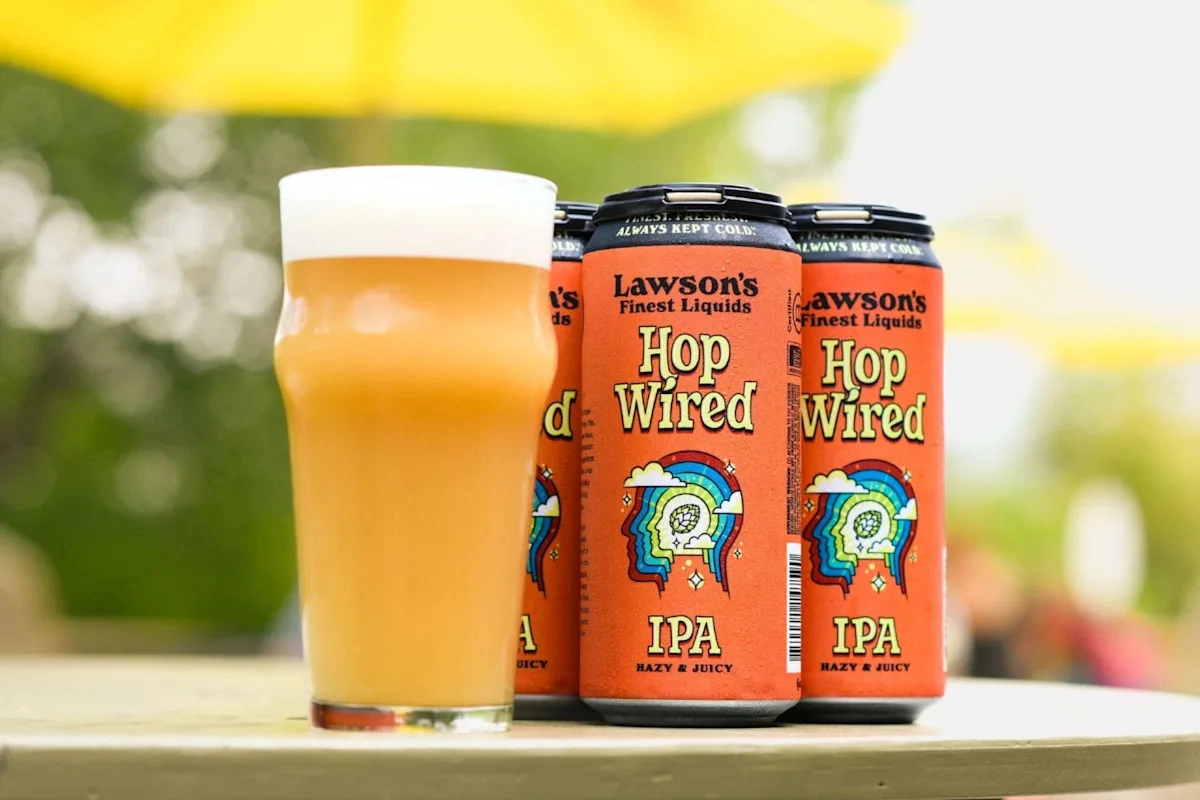
So far, 2026 has proven to be a promising year for beer enthusiasts, highlighted by several exceptional spring beer releases that span a wide range from light lagers to robust maibocks. Among these, Lawson’s Finest Liquids has introduced a new standout: the Hop Wired IPA.
This hazy IPA offers a remarkable balance, avoiding the overly juicy or tropical flavors that often dominate the style. Instead, it features a well-executed hoppy finish, exemplifying how an IPA should taste without resorting to excessive candied fruit notes. Available both in cans and on draft from the brewery’s Vermont locations, Hop Wired is being distributed in eleven states, making it accessible to a broader audience.
At 6.8% ABV, Hop Wired’s mouthfeel is just right. For the best experience, it’s recommended to pour it into a glass that allows ample aeration—preferably with a wide opening—to fully appreciate the interplay of fruit and hops in its aroma. In a market flooded with India Pale Ales, Hop Wired stands out as one of the finest offerings tasted recently.
Lawson’s Finest, which started as a nanobrewery in 2008, has quickly risen to prominence in the craft beer scene, becoming well-regarded for its variety of beers, particularly IPAs and unique maple stouts. While anticipation builds for the upcoming 3-Way IPA, Hop Wired is already a strong contender for beer of the year.
For more information, visit Lawson’s Finest.
10 Refreshing Summer Cocktails to Celebrate the Season
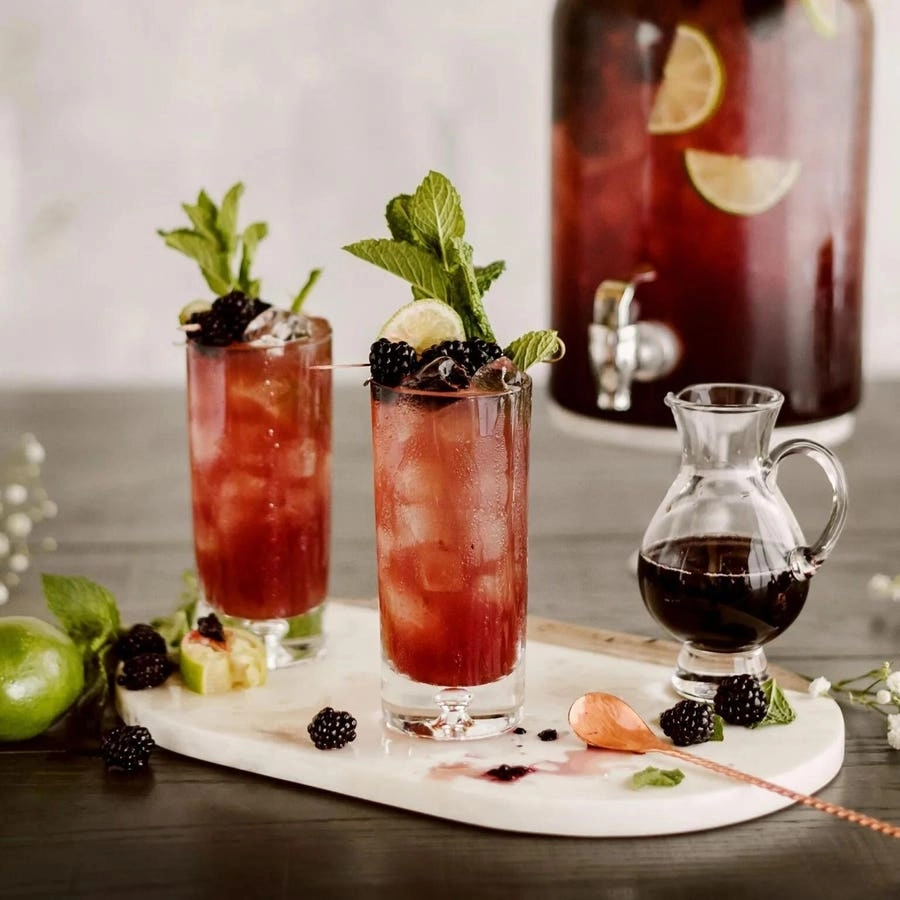
With Memorial Day Weekend marking the unofficial start of summer, it’s essential to have refreshing cocktails on hand for your celebrations. Here’s a selection of delightful summer cocktail recipes featuring a variety of spirits, perfect for parties, barbecues, or any sunny gathering.
Black-Eyed Rye
This cocktail features Sagamore Small Batch Rye Whiskey, known for its balanced profile.
-
Ingredients:
- 1.5 oz. Sagamore Small Batch Rye Whiskey
- 0.5 oz. lime juice
- 1 oz. blackberry syrup (made by mixing equal parts water, sugar, and blackberries)
- 3 oz. ginger beer
- Mint leaves or dehydrated lime for garnish
-
Instructions:
- Shake the whiskey, lime juice, and blackberry syrup with ice.
- Strain into a highball glass and top with ginger beer.
- Garnish with mint or lime.
The Pear-fect Hound
An elegant cocktail featuring Hera the Dog Vodka, which supports animal shelters.
-
Ingredients:
- 2 oz. Hera The Dog Vodka
- 2 oz. pear nectar
- 0.5 oz. fresh lemon juice
- 0.5 oz. simple syrup
-
Instructions:
- Shake all ingredients with ice.
- Strain into a martini or coupe glass and garnish with fresh pear or lemon.
Pineapple Rickey
A refreshing gin-based cocktail featuring Drumshanbo Gunpowder Gin Brazilian Pineapple.
-
Ingredients:
- 1.5 oz. Drumshanbo Gunpowder Gin Brazilian Pineapple
- 0.5 oz. lime juice
- 0.75 oz. pineapple juice
- Soda water for topping
-
Instructions:
- Combine ingredients in a highball glass over ice.
- Top with soda water and garnish with pineapple.
Taffer’s Summer Punch
A fruity punch made with Taffer’s Browned Butter Bourbon.
-
Ingredients:
- 2 oz. Taffer’s Browned Butter Bourbon
- 1 oz. fresh lime juice
- 2 oz. pineapple juice
- 2 oz. fresh orange juice
- Splash of grenadine
-
Instructions:
- Shake all ingredients with ice and strain into a rocks glass over ice.
- Garnish with a pineapple wedge and Maraschino cherry.
Strawberry Black Pepper Smash
A delightful drink that layers flavors using fresh strawberries and Tequila Corralejo.
-
Ingredients:
- 1.5 oz. Tequila Corralejo Silver
- 2-3 fresh strawberries, hulled
- 0.5 oz. fresh lemon juice
- 0.5 oz. agave syrup
- Fresh black pepper (to taste)
- 1 oz. soda water (optional)
-
Instructions:
- Muddle the strawberries in a shaker.
- Add the rest of the ingredients and shake well.
- Strain into a rocks glass and garnish.
Bellini Martini
A charming cocktail great for summer brunches.
-
Ingredients:
- 1.5 oz. Tito’s Vodka
- 0.5 oz. basil eau de vie (or basil-infused liqueur)
- 1 oz. fresh peach purée
- 0.25 oz. fresh lemon juice
- 2 oz. chilled Prosecco
-
Instructions:
- Chill a glass and mix all ingredients in a shaker with ice.
- Strain into the chilled glass and top with Prosecco.
- Garnish with a peach slice or basil leaf.
Summer Send-Off Punch
A citrusy punch using Bombay Sapphire, perfect for gatherings.
-
Ingredients:
- 0.75 part Bombay Sapphire
- 0.25 part St-Germain
- 0.5 part white vermouth
- 4 parts ginger ale
- Lime, mint, and ginger to garnish
-
Instructions:
- Combine the spirits and ginger ale in a bowl.
- Garnish with lime slices and mint, and serve over ice.
Patchwork
A cocktail inspired by the National Quilt Museum in Kentucky, blending fruit and spirits beautifully.
-
Ingredients:
- 2 fresh strawberries
- 3-4 basil leaves
- 1 oz. Cognac
- 1 oz. Mezcal
- 0.75 oz. lemon juice
- 0.5 oz. Cointreau
- 0.5 oz. simple syrup
-
Instructions:
- Muddle strawberries and basil in a shaker.
- Add the remaining ingredients and shake.
- Strain over an ice cube and garnish with a basil leaf.
Ponche Caballero
This Mexican-inspired cocktail incorporates tamarind and pineapple.
-
Ingredients:
- 2 oz. Tequila Partida Blanco
- 1.5 oz. tamarind nectar
- 1.5 oz. pineapple juice
- 0.5 oz. agave nectar
- 0.5 oz. fresh lime juice
- 2 dashes Angostura bitters
-
Instructions:
- Shake and strain into a rocks glass over ice.
- Garnish with fresh pineapple.
Brugal French 88
A light and refreshing cocktail to welcome guests at summer brunches.
-
Ingredients:
- 1 oz. Brugal 1888 Rum
- 0.5 oz. elderflower liqueur
- 0.5 oz. fresh lemon juice
- 0.5 oz. chamomile tea syrup
- 3 oz. Prosecco
-
Instructions:
- Shake all ingredients, strain into a chilled flute, and top with Prosecco.
- Garnish with a lemon twist.
These cocktail recipes will elevate your summer gatherings and provide delicious refreshment throughout the season. Enjoy responsibly!
The Beer Boom Goes Flat: Why Breweries Are Calling Last Orders
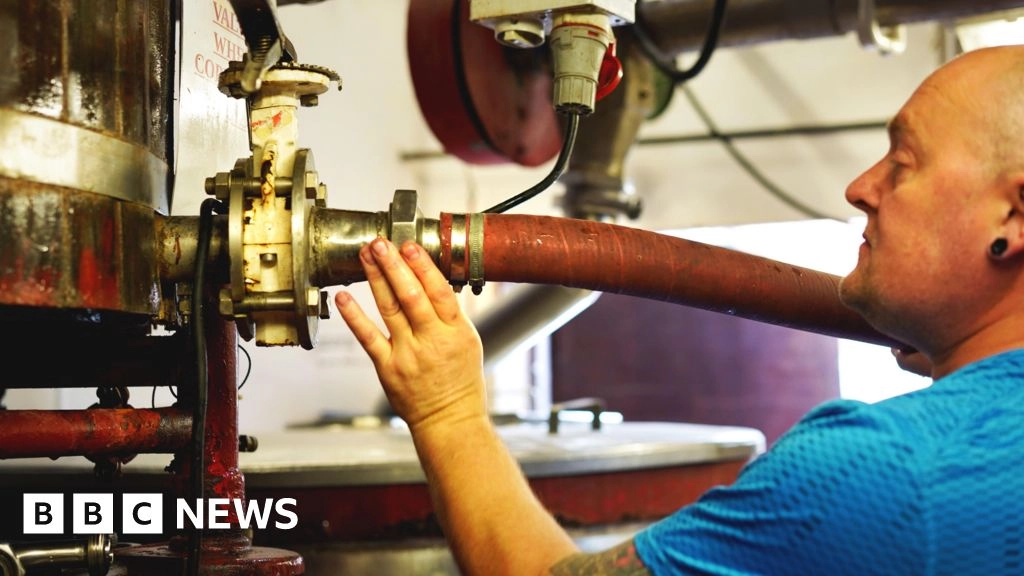
In Burton-upon-Trent, Al Wall, head brewer at the oldest independent brewery in a town that once produced a quarter of British beer, reflects on the stark changes in the brewing industry over the years. While Burton was once home to over 30 breweries, it now counts just eight, a trend echoed nationwide as 320 breweries closed in the UK last year, leaving a net loss of 150, according to Companies House data.
The beer industry is currently witnessing an alarming decline, with estimates suggesting that two pubs are closing every day. The number of UK breweries dropped to 2,320 by April 2023, a significant reduction from the peak of 2,594 in 2022. Tim Webb from the Campaign for Real Ale (CAMRA) highlighted the struggles faced by smaller breweries, primarily due to the monopolization of market access by large brewery companies who often own the draught lines in pubs. Additionally, price undercutting by larger brands limits smaller breweries’ chances of selling in supermarkets.
Consumer habits have shifted dramatically since the beer boom of the late 2010s, when 317 breweries were incorporated in just one year. Currently, less than 2,000 breweries remain in England, the lowest count since 2018; 95 of these are facing administration or liquidation.
James Clarke from the Hook Norton Brewery notes that consumer patterns have transformed, leading to a decrease in overall beer consumption. In contrast, the brewery has seen a renaissance in traditional beer styles, despite brewing only half the volume it did 15 years ago. This shift is echoed in the marketplace, where heritage and craft beers are performing well, while the demand for standard lagers continues to decline.
To cope with the changing landscape, many breweries are diversifying their offerings. Hook Norton has adopted strategies like establishing a visitor center and a microbrewery within its facility. Similarly, the Society of Independent Brewers (Siba) encourages members to open taprooms to sell directly to consumers in order to survive.
However, the brewing industry faces immense financial pressures, with high taxation levels crippling many businesses. Siba has called for tax reductions on draught beer served in pubs, citing the vital role that local breweries play in their communities.
Despite the challenges, some regions, like London, have not experienced a net loss of breweries. In the West Midlands, the historical heart of beer brewing, there have been 12 more dissolutions than start-ups recently.
In Burton, Wall and Emma Cole from the Burton Bridge and Heritage Brewing Company aim to uphold the town’s brewing heritage. They hope their efforts will inspire optimism and signify that the brewing spirit in Burton will not fade away. However, the increasing operational costs pose a major threat, with breweries struggling to maintain pricing despite rising expenses.
Despite the decline in many areas, clusters of independent breweries continue to thrive. Sheffield and Bristol, for instance, boast vibrant scenes with multiple breweries within close proximity. The co-founder of Triple Point Brewery in Sheffield, George Brook, acknowledges the challenges but also emphasizes the strong community support for independent beer culture.
Governmental measures recently reviewed could improve the brewing landscape by addressing barriers to small breweries in accessing pubs. The launch of a £4.3 billion business rates support package indicates potential future support for these vital community establishments.
The Three Top Ranked Bourbons from the 2026 ADI Whiskey Judging Reveal Their Distinct Excellence

The American Distilling Institute’s 2026 Judging showcased the evolving landscape of bourbon, emphasizing its traditional roots while highlighting innovative approaches. The results revealed three standout bourbons, each demonstrating unique expressions and character.
1. Still 630 Distillery, Due Process Bourbon (65.4% ABV)
Produced in St. Louis, Missouri, Due Process is celebrated for its raw power and intensity. With a mash bill of 70% corn, 20% rye, and 10% malted barley, this bourbon is aged for 4-5 years and bottled at a notable 130.6 proof. The bourbon offers a bold nose featuring caramelized sugar, vanilla, and toasted oak, with flavors of clove, cinnamon, and charred oak resonating on the palate. It presents a dense texture and a lengthy finish marked by oak char and peppery rye spice.
2. Widow Jane 10-Year Bourbon (45.5% ABV)
Sourced from various Kentucky distilleries and bottled in Brooklyn, Widow Jane is known for its uniqueness, with limestone-rich water from the Widow Jane Mine enhancing its profile. This bourbon features layered aromas of vanilla, cinnamon, and nutmeg, complemented by a blend of cherry and toasted pecan on the palate. Its smooth texture and balanced finish make it approachable while maintaining complexity.
3. Joseph Magnus Bourbon (50% ABV)
Joseph Magnus takes a distinctive route by finishing primarily 8–9-year-old Indiana bourbon in sherry and Cognac casks, creating a whiskey rich in dried fruit and chocolate flavors. It combines toffee and brown sugar notes with spices and a velvety mouthfeel. The finish is long and evolving, integrating both oak and nutty tones.
These selections highlight the breadth of bourbon’s stylistic range, reinforcing that within the strict legal definitions, creativity is abundant. Each expression presents an excellent choice for any bourbon enthusiast, offering a blend of tradition and innovation at relatively reasonable prices.
Revitalize Your Cocktail Game: Try This Delicious Raspberry Vodka Sour!
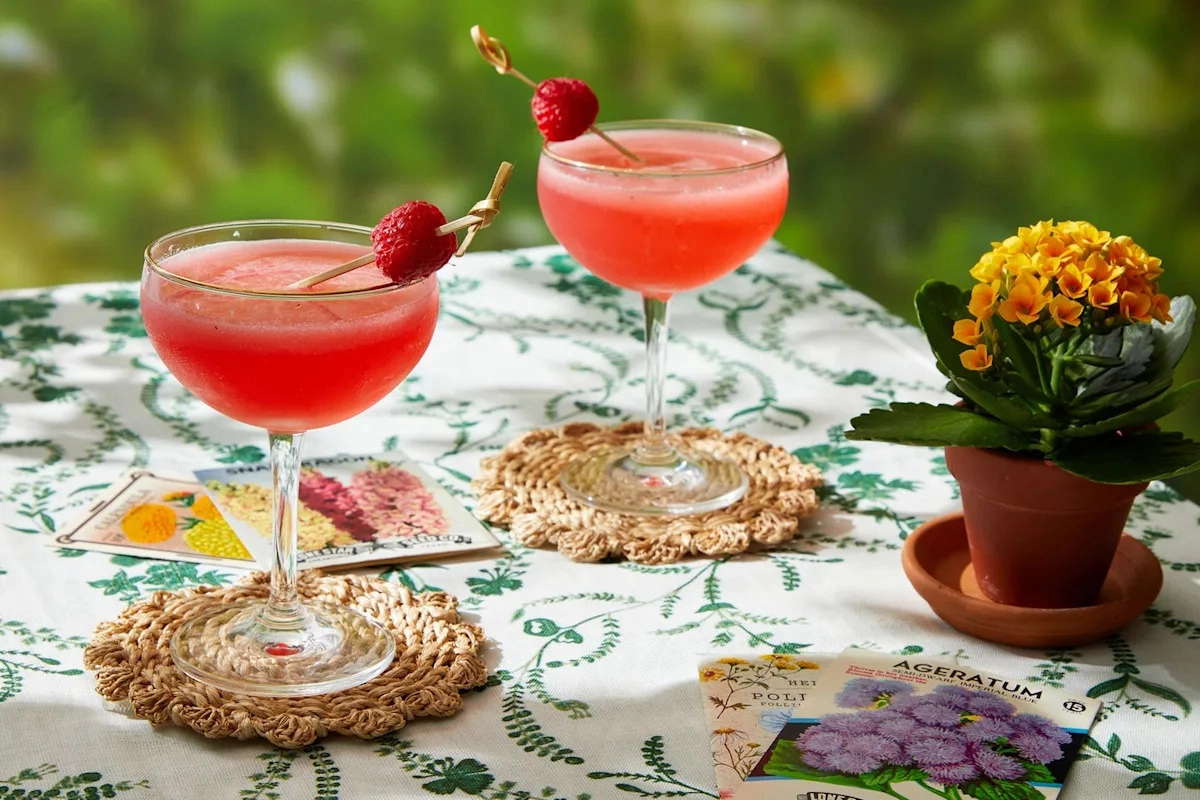
This refreshing Raspberry Vodka Sour cocktail is designed to elevate your happy hour with its vibrant flavors and simple preparation. With a combination of fresh raspberries, vodka, and lemon juice, it offers a delightful balance of sweetness and tartness, making it the perfect drink for any occasion.
Ingredients
- 6 fresh raspberries, plus extra for garnish
- 1/2 to 3/4 oz simple syrup
- 2 oz vodka
- 1 oz fresh lemon juice
Directions
- In a cocktail shaker, muddle the raspberries with simple syrup until they break down.
- Add the vodka, lemon juice, and ice to the shaker. Shake vigorously for 15 to 20 seconds until well chilled.
- Strain the mixture into a coupe or cocktail glass using a fine mesh strainer.
- Finish with a fresh raspberry on a cocktail pick for garnish.
This cocktail not only impresses visually but is also quick to make, allowing you to enjoy a stylish drink in just minutes. Cheers to delightful cocktails and joyful gatherings!
Assessing the Impact of the Wine Industry Slump on Local Winery and Vineyard Values
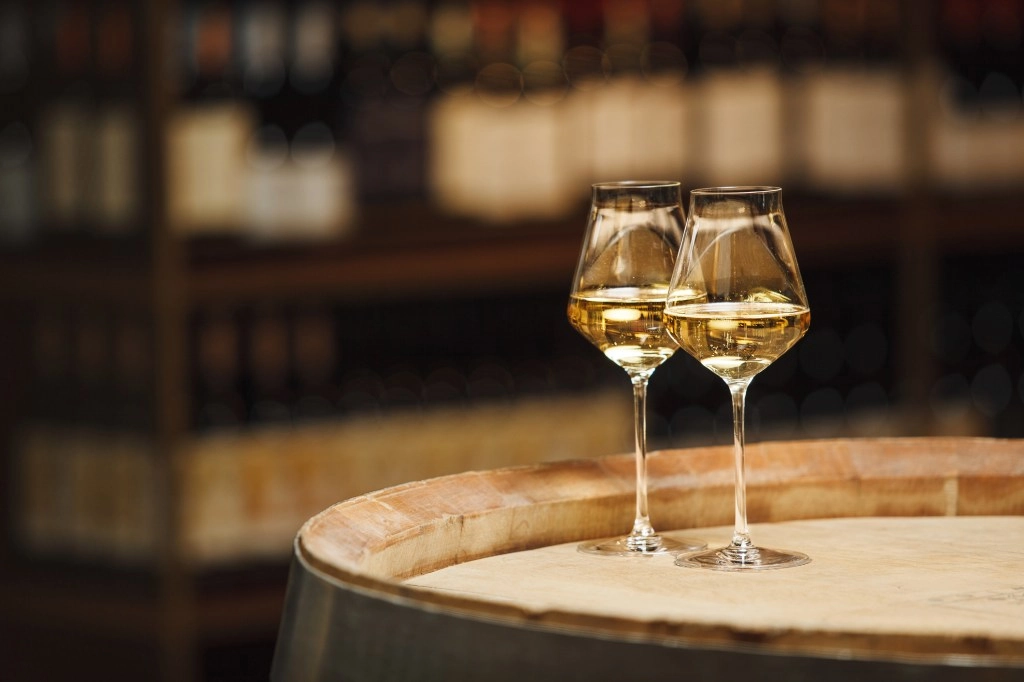
The North Coast wine industry is currently facing one of the most significant downturns in decades, causing a ripple effect on vineyard values, grape demand, and the overall market structure. Analysts and appraisers at a recent conference painted a stark picture of an industry reset rather than a quick recovery.
Mario Zepponi, a merger-and-acquisition expert, indicated that the U.S. wine market could shrink to about a third of its peak size during this correction. He reassured attendees that despite the downturn, wine as a category isn’t collapsing; rather, it is undergoing necessary changes. The industry may see many vineyard acres removed and struggles in selling larger wine production facilities.
Zepponi predicts a long recovery, with any significant improvement possibly not appearing until 2028. He tied the downturn to a combination of factors, such as shifting health perceptions about alcohol, economic pressures on younger consumers, and increased competition from cannabis-related expenditures. Younger demographics, particularly millennials, are veering away from wine, which they often consider a discretionary purchase.
Despite the downturn in wine consumption, seen as peaking around 2020, the industry has pushed for "premiumization," encouraging consumers to spend more per bottle, although this strategy may alienate younger buyers.
The supply side remains troublesome, with California still oversupplied. Many vineyards intentionally limited their production levels to manage stock, yet the expected reductions in supply haven’t manifested quickly enough to stabilize the market.
Distribution channels have also experienced turmoil, with the collapse of a major distributor causing significant upheaval, forcing wineries to navigate new distributor relationships while dealing with increased costs.
Interestingly, small luxury wineries that sell under 20,000 cases annually still find success through direct-to-consumer sales. Some wine categories such as Prosecco and ready-to-drink wine products are gaining traction, even amid broader woes in the wine industry.
However, the landscape for mergers and acquisitions has transformed. Valuations have dropped sharply compared to the peak of the market in 2021-22. Wineries that were once viewed as priceless have seen their worth diminish, while many independent wineries are reevaluating their positions, choosing to wait for more favorable conditions to sell.
Vineyard values across the North Coast are under immense pressure, particularly for regions outside prime areas. Counties like Mendocino and Lake are experiencing dramatic declines in vineyard values, while some investments in Sonoma are also feeling the strain.
Even the once-defensive Napa Valley isn’t immune, with only top-tier vineyards managing to hold their value. Many growers face impending financial pressure, leading to potential distressed sales that could further devalue the market.
In conclusion, the upheaval being experienced in the wine industry signifies a period of introspection and adjustment. While signs of stability are anticipated, stakeholders must adapt to a changing consumer landscape and market dynamics to navigate the ongoing challenges.
The Rise of the Additive-Free Rum Movement: Meet Its Trailblazing Leader and the Market’s Response
Kuleana Rum Works, a Hawaiian distillery known for its additive-free rums, is expanding its reach across the U.S. despite a shrinking spirits market. The company has partnered with Craft & Art Wine and Spirits to bolster its national infrastructure for distribution. This partnership comes as Kuleana Rum Works experiences remarkable growth, evidenced by a 93.1% increase in 52-week dollar sales and a 100% year-to-date growth.
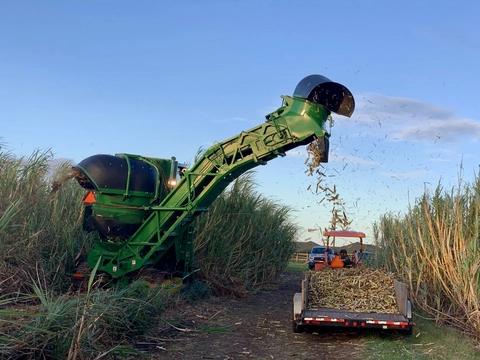
The popularity of Kuleana’s rum isn’t just a trend; consumers are increasingly opting for transparency and natural flavors in their spirits. Instead of relying on additives commonly used in the industry, Kuleana focuses on using fresh heirloom Hawaiian sugarcane, also known as kō, sourced from its regenerative farm in Kohala. This dedication allows Kuleana Rum Works to distill flavors that cannot be mimicked using conventional methods.
Steve Jefferson, Founder and CEO, emphasizes the company’s commitment to what they call “Rum Revolution 2.0,” which demonstrates consumer demand for exceptional, natural products. Their rum range includes notable offerings such as Huihui®, Nanea®, Hawaiian Rum Agricole®, and Hōkūlei®, each crafted to showcase what additive-free rum can achieve in terms of flavor and versatility.
The CEO of Craft & Art, Kevin Fennessey, echoes this sentiment by highlighting how Kuleana is redefining the rum category through its unique approach and quality. With this strategic partnership, Kuleana aims to transform its growing momentum into a more substantial market presence across various channels.
For more information, visit Kuleana Rum Works and Craft & Art Wine and Spirits.
Crystal Light Revives Vodka Refreshers with Exciting New Flavors!
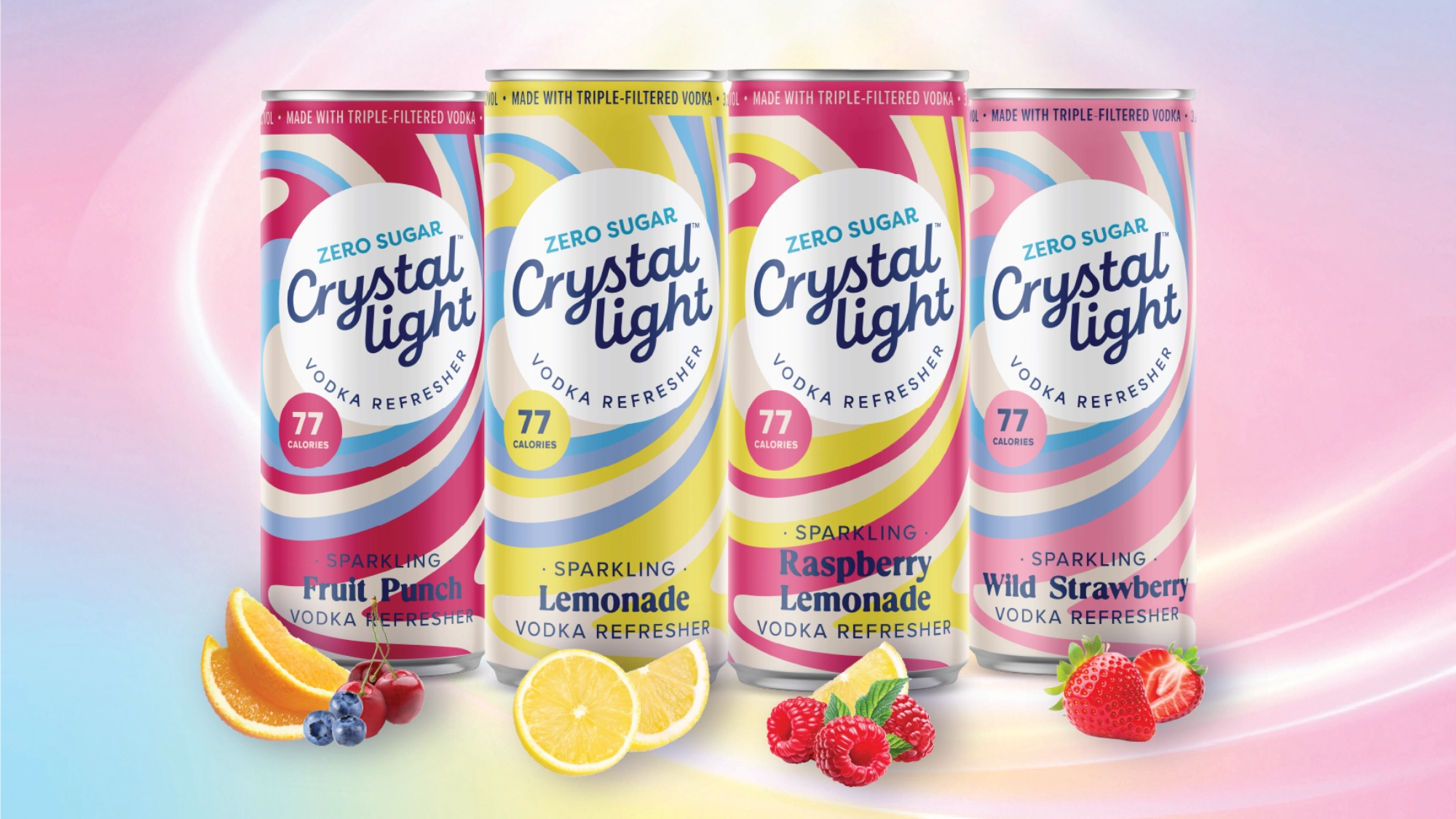
Crystal Light has reintroduced its popular Vodka Refreshers just in time for summer. The lineup now includes the returning flavors of Lemonade and Wild Strawberry, alongside two exciting new options: Fruit Punch and Raspberry Lemonade.
The Vodka Refreshers are crafted with triple-filtered vodka, offering a lightly fizzy, ready-to-drink experience without the hassles of mixing. This effort marks an expansion into 46 states, making it easier for fans to enjoy these refreshing drinks. Available in four-packs and variety packs, the Vodka Refreshers aim to enhance any summer gathering, from beach days to backyard barbecues.
With the Ready-to-Drink (RTD) cocktail market growing rapidly, Crystal Light’s Vodka Refreshers are poised to capture attention with bold flavors and ease of use, making them a convenient option for any summer event.
For more information, you can check out the official Crystal Light page here.