Explore Kástra Elión Vodka: The Olive-Based Spirit Perfect for Martinis
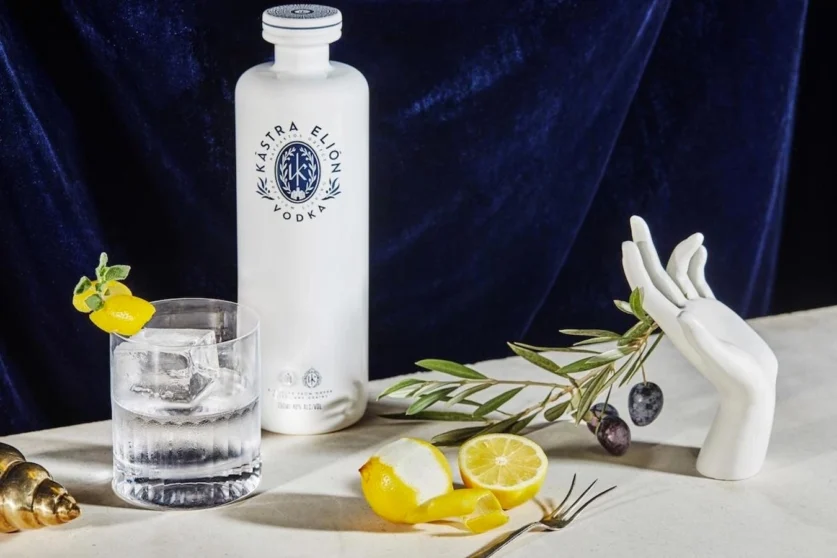
Kástra Elión vodka is made from a blend of olives and wheat.
Vodka has a reputation for being flavorless and neutral, and yet its popularity persists. Much of the marketing that drives the category is focused on lifestyle cachet, rather than aroma and taste. But this reputation is mostly outdated. Because while some brands, even a few of the best regarded, are distilled to the point of flavorlessness and lean into their neutrality, others are packing flavor and texture into each bottle. Some are even experimenting with base ingredients that go beyond the usual grains and potatoes.
Kástra Elión falls into this new crop of vodkas. It hails from Greece, where it’s made from a blend of Greek olives and wheat. It’s named for the ancient castle that stands guard over the hills and olive groves of Nafpaktos, the ancestral home to the vodka and the family that created it.
The brand was founded by master blender and certified flavor chemist Frank Mihalopoulos, who’s spent nearly four decades in product development for companies like Baskin Robbins, Dunkin Donuts and Kahlua, and has also consulted for spirits brands including Absolut and Stoli. He’s joined by co-founder and son-in-law, Mike Camello, who serves as the company’s president.
“We were vodka drinkers and interested in some of the European vodkas made using malted barley and rye, and those who were getting good texture in their vodkas,” says Camello. They thought: Why not try making a vodka from olives?
It took about a year for Mihalopoulos to make it work. He set up a lab and acquired distillation equipment, and began testing olive varieties from all over the world. “I didn’t want to be sentimentally attached to the story, but we settled on a three-variety blend that happens to come from the same region in Greece that I’m from.”
Kástra Martini |
It’s a craft process, and the yield loss is much higher than what most vodka distillers see, but Mihalopoulos explains that tight distillation cuts are necessary to eliminate all the heads and volatile compounds introduced by the olives.
Olives contain little sugar, hence the ethanol is sourced from the grains. Mihalopoulos explains that the olives enhance the inherent qualities of the grain rather than contributing to the flavor. The role of the olives is to give the vodka its distinctive smooth texture and mouthfeel. Prior to bottling, the distilled spirit is combined with spring water from Mount Taygetus in Greece, renowned for its mineral-rich quality.
The aroma of Kástra Elión vodka is exceptionally pure, devoid of any off-putting synthetic smells or excessive alcohol sting. The scents are a delightful blend of sweet and savory, with predominant notes of vanilla and butterscotch. The palate is subtly fruity, with traces of citrus and a hint of pepper. It rests on the tongue, its impact lingering, stimulating the salivary glands as the flavors evolve into a more dominant butterscotch and vanilla taste along with a hint of toasted bread.
Camello prefers his Kástra Elión on the rocks with olives, but he realizes that not everyone enjoys sipping vodka. Luckily, this vodka is ideal for Martinis. In introducing this vodka to bartenders, the brand encourages them to allow the spirit to be the star of the drink and not to overdo the sugar. “We want the character and mouthfeel of the vodka to stand out,” Camello comments.
Recently, Kástra Elión introduced its own olive brine and cocktail olives, available separately or in a kit that includes a bottle of vodka, intended to craft the ultimate Dirty Martini. Both the brine and the olives are sourced from the same Nafpaktos region in Greece where the vodka is distilled, offering one the opportunity to summon the complete trio for a distinctively Greek, olive-centric rendition of the classic cocktail.
Master Distiller of Buffalo Trace and Chris Stapleton Unveil New Traveller Whiskey
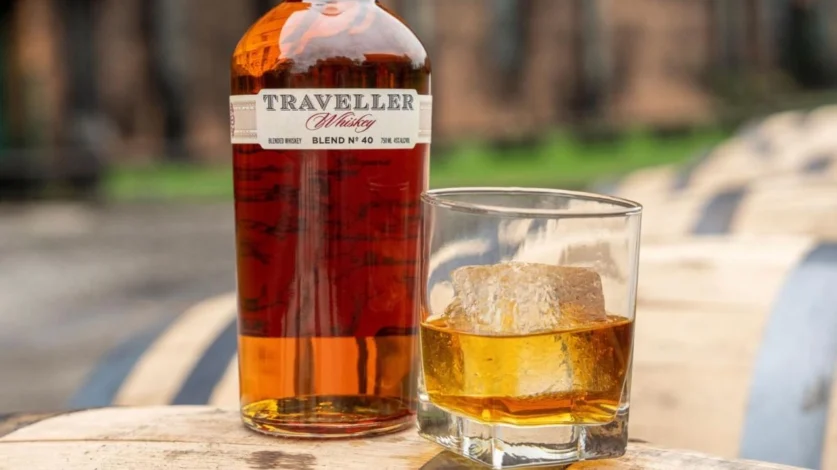
If you’ve heard Chris Stapleton‘s smooth rendition of “Tennessee Whiskey,” it might not be surprising that established whiskey brand Buffalo Trace has tapped the Grammy-winning crooner for a collab. Leave it to the genius of Buffalo Trace’s Master Distiller, Harlen Wheatley, to match Stapleton’s soulful tunes with an equally captivating whiskey. Traveller Whiskey, a newly launched premium blend that celebrates the alliance between the singer and the award-winning whiskey brand, is such a sipper.
“Some things just make total sense — and this is definitely one of those things,” Stapleton said of the dream project in a press release shared with Tasting Table. Traveller, also the name of Stapleton’s 2015 Grammy-winning solo debut, is a fitting name for the liquid product. After careful experimentation and multiple taste tests, the celebrity and whiskey label mash-up has culminated in an oaky, 90-proof whiskey blend that delivers subtle undertones of leather and sweet maple.
The blend has a nose of vanilla and a buttery, sweet taste that’s followed by a spicy, toasted finish that will leave drinkers reaching for the bottle. “When making art — and we really do think that both Chris’ music and the whiskey we make at Buffalo Trace is art — you experiment, test, adjust, and don’t give up until you’ve got it right,” Wheatley said, estimating that over 50 blends were tasted before deciding upon the final combination that would be used to make Traveller Whiskey.
Read more: The 25 Best Bourbon Brands, Ranked
Traveller Whiskey isn’t the first project that has brought the singer and the brand together, however. Chris Stapleton was born near the Kentucky distillery, and the brand has supported fundraising efforts for some of his charitable activities. From the start, the goal for this whiskey-making endeavor was to create a blend that could be enjoyed by a wider audience, from the novice whiskey drinker to the collector and connoisseur. “This is a whiskey for everyone, whether you’ve been enjoying all the variety in the category for years or are just now discovering it,” Harlen Wheatley explained in the press release.
Both master musician and distiller set out to create a whiskey that could not only be enjoyed when served neat at the end of a long day but could also be mixed into recipes, like an old fashioned cocktail, for beverages that are easy to put back. Bottles of Traveller Whiskey made their way into the hands of bartenders and retailers on January 1, 2024, so eager customers can expect to see the blend appear on shelves soon. With a suggested price of $39.99, this is a bottle that likely won’t break any New Year’s financial resolutions.
Read the original article on Tasting Table.
Exploring Non-Alcoholic Wines Worth Tasting During Dry January

In recent years, there’s been a growing interest in non-alcohol drinks.
Non-alcoholic beer has been a thing for decades.
Cocktails without alcohol can be found in almost any bar.
In recent years, you can add alcohol-free wines to this growing list.
In fact, sales of non-alcohol wines have grown dramatically in recent years.
Some people don’t drink alcohol any time of year.
Others choose to not drink alcohol certain times of the year, including this month, which some people now refer to as Dry January.
That’s why I thought now would be a great time to dive into the wide world of non-alcohol wines.
Along with several recommended no-alcohol wines, you can also learn more about how wine is made without alcohol.
So how do alcohol-free wines taste? In general, pretty good to outstanding in one particular case. Some of the prices also seemed a bit high for wines without alcohol, in my opinion.
Let me add that I think it’s best to think of alcohol-free wines as something different from wines with alcohol. They’re not bad, just different – sort of like the difference between white or red wines, port or sparkling wine. One isn’t better than the other. They’re simply unique.
Hope you enjoy.
How popular are alcohol-free wines?
The short answer? Increasingly popular. In recent years, sales figures for alcohol-free have skyrocketed. In 2022, consumers purchased 23 percent more alcohol-free wines that year compared to the year before, according to data collected by Nielsen Consumer LLC.
However, it is important to note that the market for alcohol-free beverages (which includes no-alcohol wine, beer and spirits) is still relatively small compared to the total alcohol market. Overall, the sale of all non-alcohol beverages accounted for 0.47 percent of total alcohol sales in 2022, according to Nielson Consumer.
What is alcohol in wine?
First, it’s important to understand how alcohol gets into wine. Remember, wine is made with grapes. So why does wine have alcohol but grape juice does not?
One word – fermentation.
During the fermentation process – which often takes one to two weeks – yeast breaks down sugar. The result is a byproduct called ethanol.
Ethanol is what makes alcohol in wine. Or rather, yeast turns sugar into alcohol (ethanol) during fermentation.
Most winemakers add yeast during the fermentation process. However, there are a very small number of winemakers who simply allow natural yeasts to develop during the fermentation process.
How is alcohol-free wine made?
In order to make alcohol-free wine, ethanol must be removed after the fermentation process. Again, without fermentation, wine would not be wine. It would simply be grape juice.
Many winemakers call this process dealcoholization. This is why some winemakers refer to alcohol-free wines as dealcoholized wines.
As you can expect when it comes to wine, there’s no one single way every winemaker removes alcohol from wine.
After fermentation, some alcohol-free winemakers chill the wine, spin it and vacuum out the ethanol.
Other winemakers heat the wine slightly in order to evaporate the ethanol. However, winemakers who use this dealcoholization process need to be extremely careful since extreme heat can ruin a wine and destroy all its wonderful flavors.
Tasting notes for alcohol-free wines
A quick overall observation. As I noted above, I think it’s important to think about alcohol-free wines as being their own distinct category. In general, if you like natural wines and hard ciders, I think you’ll like a lot of these no-alcohol wines. Here are my individual wine notes.
Giesen New Zealand Pinot Grigio ($16 Suggested Retail Price)
Location: New Zealand
Grapes: Pinot grigio
Tasting notes: Delightful, aromatic, floral wine with tart apple-like flavor and aroma. Very subtle and not too sweet. A great alcohol-free wine to introduce people to these types of wines.
Noughty Dealcoholized Blanc ($24.99 SRP)
Location: South Africa
Grapes: 55% chenin blanc and 45% chardonnay
Tasting notes: Extremely tart, crisp wine with green apple-like flavors with a zingy, slightly-sweet yet also dry, cider-like finish.
Saint Viviana Sauvignon Blanc ($22.99 SRP)
Location: Washington
Grapes: Sauvignon blanc
Tasting notes: Intense, bold, hard cider-like flavor with a hint of sourness. Great wine with spicy foods or anything with concentrated flavors.
Saint Viviana Cabernet Sauvignon ($22.99 SRP)
Location: Paso Robles, California
Grapes: Cabernet Sauvignon
Tasting notes: Light, floral red wine with hints of cherry and raspberry. Almost Beaujolais like in flavor and aroma. Over time in the glass, those flavors become woodsy and softer.
French Bloom Alcohol-Free Sparkling Wine, Le Rose ($44 SRP)
Location: Southwest France
Grapes: Blend of chardonnay and pinot noir
Tasting notes: My favorite wine of the tasting, this bright, lively, fresh, floral sparkling wine hits all the right notes. Flavors and aromas are subtle and include hints of rose petals and peach. A truly delightful French sparkling wine that just happens to not have any alcohol.
Cheers!
Wine Press by Ken Ross appears on Masslive.com every Monday and in The Republican’s Weekend section every Thursday.
If you purchase a product or register for an account through a link on our site, we may receive compensation. By using this site, you consent to our User Agreement and agree that your clicks, interactions, and personal information may be collected, recorded, and/or stored by us and social media and other third-party partners in accordance with our Privacy Policy.
Experience the Perfection of Martinis with Kástra Elión Vodka, Crafted From Olives
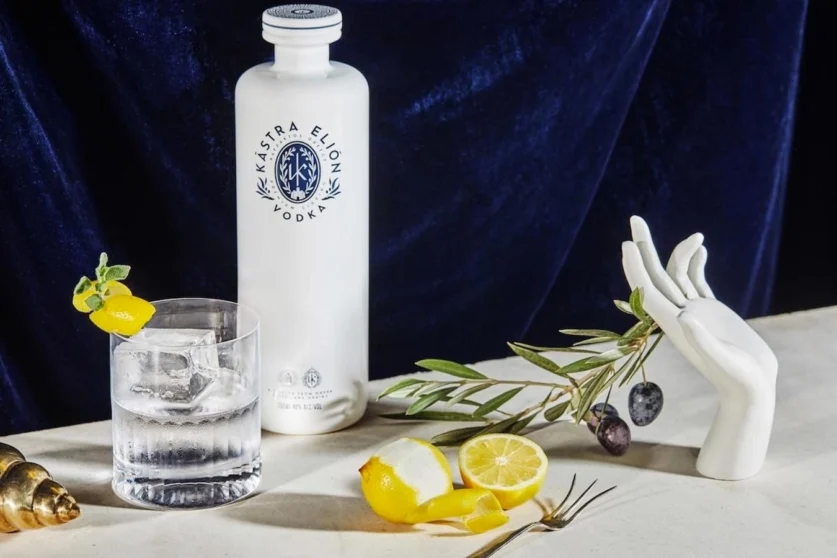
Kástra Elión vodka is made from a blend of olives and wheat
Vodka has a reputation for being flavorless and neutral, and yet its popularity persists. Much of the marketing that drives the category is focused on lifestyle cachet, rather than aroma and taste. But this reputation is mostly outdated. Because while some brands, even a few of the best regarded, are distilled to the point of flavorlessness and lean into their neutrality, others are packing flavor and texture into each bottle. Some are even experimenting with base ingredients that go beyond the usual grains and potatoes.
Kástra Elión falls into this new crop of vodkas. It hails from Greece, where it’s made from a blend of Greek olives and wheat. It’s named for the ancient castle that stands guard over the hills and olive groves of Nafpaktos, the ancestral home to the vodka and the family that created it.
The brand was founded by master blender and certified flavor chemist Frank Mihalopoulos, who’s spent nearly four decades in product development for companies like Baskin Robbins, Dunkin Donuts and Kahlua, and has also consulted for spirits brands including Absolut and Stoli. He’s joined by co-founder and son-in-law, Mike Camello, who serves as the company’s president.
“We were vodka drinkers and interested in some of the European vodkas made using malted barley and rye, and those who were getting good texture in their vodkas,” says Camello. They thought: Why not try making a vodka from olives?
It took about a year for Mihalopoulos to make it work. He set up a lab and acquired distillation equipment, and began testing olive varieties from all over the world. “I didn’t want to be sentimentally attached to the story, but we settled on a three-variety blend that happens to come from the same region in Greece that I’m from.”
Kástra Martini |
It’s a craft process, and the yield loss is much higher than what most vodka distillers see, but Mihalopoulos explains that tight distillation cuts are necessary to eliminate all the heads and volatile compounds introduced by the olives.
Olives don’t contain a lot of sugar, so the ethanol in vodka comes from the grains. Mihalopoulos explains that the olives enhance the pre-existing qualities in the grain. They do not contribute any flavor to the vodka, and the company had no intentions of creating olive-flavored vodka. Instead, olives add to the vodka’s characteristic mouthfeel and smoothness. Before it is bottled, the distilled spirit is mixed with spring water from the mineral-rich Mount Taygetus in Greece.
The Kástra Elión vodka has a very clean smell, free from any chemical odors or strong alcohol sting. Its aroma is sweet and savory, with predominant scents of vanilla and butterscotch. The taste includes mild fruit notes, citrus, and a slight hint of pepper. The flavors linger on your tongue and stimulate the salivary glands, developing into stronger tastes of butterscotch, vanilla, and toasted bread.
Camello enjoys drinking Kástra Elión straight with olives, though he understands that not everyone prefers to sip vodka. Thankfully, it can be served well in Martinis. When presenting the vodka to bartenders, the brand hopes that they keep the drinks focused on the spirit and don’t overload it with sugar. “We want the vodka to shine and preserve its mouthfeel,” Camello expresses.
Kástra Elión recently launched its own olive brine and cocktail olives. They are available as individual items or in a kit with a bottle of vodka, designed to create the ultimate Dirty Martini. Both the brine and olives come from the same Nafpaktos region where the vodka is produced, enabling one to enjoy a full Greek, olive-centric take on the traditional cocktail.
Captivating Photos of the Day: Rum-Soaked Saint and Flour Fights – Thursday Edition

The Guardian’s picture editors select photographs from around the world
Thu 28 Dec 2023 08.23 EST Last modified on Fri 29 Dec 2023 04.11 EST
Photograph: Phil Noble/Reuters
Photograph: Rodrigo Garrido/Reuters
Photograph: snapshot/Future Image/U Stamm/Rex/Shutterstock
Photograph: Mahmud Hams/AFP/Getty Images
Photograph: Adrian Kraus/AP
Photograph: Jeffrey Arguedas/EPA
Photograph: Jade Gao/AFP/Getty Images
Photograph: Anadolu/Getty Images
Photograph: Davide Bonaldo/Rex/Shutterstock
Photograph: Arun Sankar/AFP/Getty Images
Photograph: Marco Trovati/AP
Photograph: Alexander Nemenov/AFP/Getty Images
Photograph: Menahem Kahana/AFP/Getty Images
Photograph: Anadolu/Getty Images
Photograph: Nhac Nguyen/AFP/Getty Images
Photograph: Jaime Reina/AFP/Getty Images
Photograph: Rex/Shutterstock
Beer Nut: The Question Looms – Is Beer Losing Its Popularity?
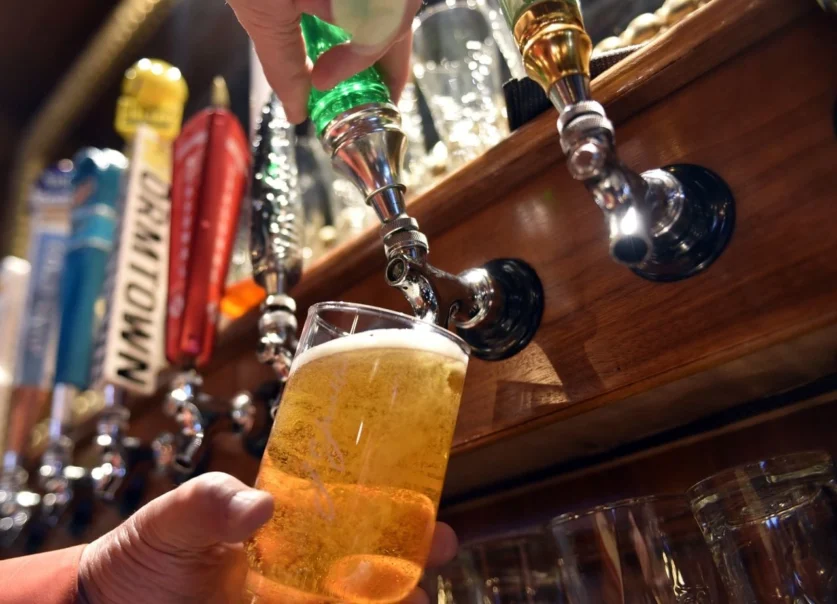
Is beer fading?
Over the past few weeks, I’ve written about both how beer fared in 2023 and some thoughts on what’s in store for 2024. While I remain cautiously optimistic overall, some clouds gathering on the horizon can still give me pause.
One such specter was the focus of a recent story on Fox News Digital by Anders Hagstrom. The piece noted that Americans drank less beer in 2023 than any other year this century. No matter what the extenuating circumstances, that fact can’t be seen as a positive for beer fans.
Of course, craft beer still only makes up a small percentage of the overall U.S. beer market. So part of the 2023 decline has to be blamed on the boycott against Bud Light. You might recall that the boycott was fueled by conservative reaction to Bud Light’s sponsorship agreement with transgender activist and social media influencer Dylan Mulvaney.
The brand commemorated Muvaney’s year of identifying as a woman by showcasing cans with the influencer’s likeness. This decision provoked backlash causing Bud Light’s sales to plummet 30% from 2022.
Nevertheless, even such a significant blow to one brand, regardless of its size, can’t fully explain why beer has reached a 23-year low.
As detailed in a recent Washington Examiner report, the changing preferences of younger generations are contributing to the dwindling beer sales. The report cited an MRI-Simmons data firm survey revealing that Generation Z drank less alcohol in comparison to other legal adults in the country. Only 58% of respondents acknowledged consuming alcohol in the past six months and a mere 56% of that group had consumed beer.
The widespread legalization of marijuana seems to have also taken a part of the beer market share. The younger generation appears to prefer marijuana over alcohol. Market analysts predict that sales will continue to fall steadily and show no sign of rebounding in 2024.
But everything is relative: Considering beer enjoyed more than a decade of extremely robust sales, it can probably take a hit. And the main indicator of beer’s flatlining was pointed out in a Slate article midway last year: Beer sales aren’t horrible; it just has lost market share to other types of alcohol. Last year was the first time beer came in second place for market share: Spirits edged out beer 42.9% to 41.2% as far as market share.
So let’s not think the sky is falling (and it certainly seems like Skye Vodka isn’t falling), but instead let’s keep celebrating the Golden Age of Beer we live in, by raising a glass – of beer, of course.
If you purchase a product or register for an account through a link on our site, we may receive compensation. By using this site, you consent to our User Agreement and agree that your clicks, interactions, and personal information may be collected, recorded, and/or stored by us and social media and other third-party partners in accordance with our Privacy Policy.
Chris Stapleton Debuts New Traveller Whiskey in Collaboration with Buffalo Trace’s Master Distiller
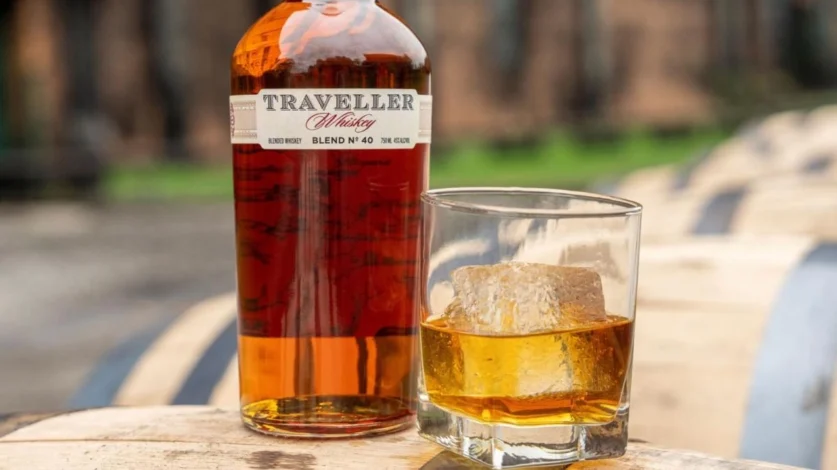
If you’ve heard Chris Stapleton‘s smooth rendition of “Tennessee Whiskey,” it might not be surprising that established whiskey brand Buffalo Trace has tapped the Grammy-winning crooner for a collab. Leave it to the genius of Buffalo Trace’s Master Distiller, Harlen Wheatley, to match Stapleton’s soulful tunes with an equally captivating whiskey. Traveller Whiskey, a newly launched premium blend that celebrates the alliance between the singer and the award-winning whiskey brand, is such a sipper.
“Some things just make total sense — and this is definitely one of those things,” Stapleton said of the dream project in a press release shared with Tasting Table. Traveller, also the name of Stapleton’s 2015 Grammy-winning solo debut, is a fitting name for the liquid product. After careful experimentation and multiple taste tests, the celebrity and whiskey label mash-up has culminated in an oaky, 90-proof whiskey blend that delivers subtle undertones of leather and sweet maple.
The blend has a nose of vanilla and a buttery, sweet taste that’s followed by a spicy, toasted finish that will leave drinkers reaching for the bottle. “When making art — and we really do think that both Chris’ music and the whiskey we make at Buffalo Trace is art — you experiment, test, adjust, and don’t give up until you’ve got it right,” Wheatley said, estimating that over 50 blends were tasted before deciding upon the final combination that would be used to make Traveller Whiskey.
Read more: The 25 Best Bourbon Brands, Ranked
Traveller Whiskey doesn’t mark the first collaboration between the singer and the distillery. Chris Stapleton was raised near the Kentucky distillery which has contributed towards several of his charitable endeavors. The main aim behind this whiskey production was to devise a mixture that would be appreciated by everyone, from individuals new to whiskey to aficionados and collectors. “This whiskey is designed for everyone, irrespective if you have been sampling different whiskies for years or are new to the taste,” stated Harlen Wheatley in the press release.
The celebrated singer and distiller aimed to craft a whiskey that could be not only savored at the end of a tiresome day but that could also be an ingredient in recipes, such as an old fashioned cocktail, resulting in beverages that are easy to enjoy. Traveller Whiskey was made available to bartenders and retailers from January 1, 2024, hence keen customers can anticipate seeing this blend in stores soon. At a suggested price of $39.99, it’s a bottle unlikely to shatter any New Year’s financial resolutions.
Read the original article on Tasting Table.
Crisis in the Vineyard: Is Washington Wine in Trouble?

This story is from an installment of The Oeno Files, our weekly insider newsletter to the world of fine wine. Sign up here.
Last summer, in a meeting in Eastern Washington, Ste. Michelle Wine Estates (SMWE), delivered some devastating news to the grape growers in attendance. The state’s largest winery told the vineyards it would purchase 40 percent less fruit from them over the next five years. That massive reduction came on the heels of SMWE announcing layoffs earlier in the year; just last month it revealed yet another round of job cuts. SMWE has long been a driver behind Washington wine, so its cascade of bad news cast a pall over the state’s entire industry in 2023. Words like “crisis” have been thrown around, while others argued Washington wine needed to be saved.
More from Robb Report
7 Bold Wine-World Predictions for 2024
7 Food and Drink Pairings That Will Make You Look Like a Culinary Master
Robb Report’s Wine Club Will Give You Exclusive Access to Exceptional Napa Valley Reds
Sean P. Sullivan, the publisher of Northwest Wine Report, summarized the situation well in an article written in early December, just after the second round of layoffs was announced. As Sullivan so succinctly states, “Washington is very much a tale of two industries.” SMWE produces seven million cases of wine per year—almost half of the state’s entire output—while “90 percent of Washington wineries make fewer than 5,000 cases per year.” So although there’s been a lot of doom and gloom in the air, in our eyes, much of the hand wringing is akin to a large fast-food chain announcing it will be closing eateries immediately followed by news outlets forecasting the end of fine dining.
While it seems that a major producer cutting its orders on fruit by 40 percent is a bad thing, not everyone sees it that way. Sullivan thinks it could be “very beneficial for Washington.” He tells us, “It gives growers a once-in-a-generation opportunity to evaluate what they have planted, where they have it planted, what is working, what is not, and what they might do differently. That will lead to taking out varieties or vines in some areas as well as planting or replanting in others.” And as Scott Lloyd, general manager of Quilceda Creek Winery—which grows its own grapes in estate vineyards and does not buy any fruit from outside growers—says, “For other wineries, there will be a renewed opportunity to have access to vineyards they have not had before to make fantastic wine at a great value.”
If you haven’t yet had the pleasure of sampling Washington State wine, you’re definitely missing out. This brand of wine is characterized by variety, with over 80 different grape varieties grown in the region. Despite this diversity, consumers and traders continue to prefer products they can easily identify. Common pairings include Napa with Cabernet Sauvignon, and Burgundy with Pinot Noir and Chardonnay. In Washington State, variations range from Cabernet Sauvignon, Chardonnay, Merlot, Riesling, Syrah, Sauvignon Blanc to any grape variety you can think of. Being the second-largest wine-producing state in the US, Washington started its winemaking journey in the 1860s. Today, a substantial proportion of the state’s wine products are shipped out of state. Top-tier wineries deliver directly to their consumers.
Quilceda Creek epitomizes such wineries. Their Cabernet Sauvignon is in such high demand that customers have to join a waiting list. Quilceda Creek owns and operates its own vineyards in the Columbia Valley and Red Mountain AVAs. A bottle of Quilceda Creek Cabernet Sauvignon fetches $200, while a bottle from Chateau Ste. Michelle Columbia Valley Cab Sauv sells for $17. Quilceda Creek’s prospects look bright, given its fiercely loyal customer base and consistent high ratings for its Cabernets.
Jesús Martínez Bujanda Mora, CEO of Valdemar Family, who represents the fifth generation of his family’s winemakers, also produces wine in Washington State at their Valdemar Estates winery in Walla Walla. While he predicts a high level of competition due to an oversupply of grapes, he believes that the quality and consistent high standards of Washington’s wines will counter any potential negative fallouts from the competition.
The Valdemar Family, in addition to Cabernet Sauvignon and Chardonnay, also produces Syrah, which could potentially further broaden Washingtons’s appeal to wine lovers. The high-quality, diverse and well-priced Syrah and Syrah-based blends, ranging from light and earthy to full-bodied and rich, make for an enticing prospect for consumers.
Everyone we spoke with offered a positive outlook for Washington wine. “Although we’re clearly in a period of transition, we remain optimistic about the future,” Kristina Kelley, executive director of the Washington State Wine Commission, says.
That transition echoes the one facing the industry as a whole, with sales falling the last few years as younger drinkers look to different beverages or abstain from alcohol entirely. That’s taking a toll on the likes of SMWE that specialize in wines on the lower end of the price spectrum. But there’s still a market for premium offerings, which Washington has plenty of. So we will carry on covering some of the shining stars to guide our readers toward the best wines the state has to offer. Look for bottles from L’Ecole No 41, Sparkman Cellars, DeLille Cellars, Figgins, Leonetti, Doubleback, and even the high-end bottlings from the winery that started this conversation, Chateau Ste. Michelle.
Want more exclusive wine stories delivered to your inbox every Wednesday? Subscribe to our wine newsletter The Oeno Files today!
Best of Robb Report
Why a Heritage Turkey Is the Best Thanksgiving Bird—and How to Get One
9 Stellar West Coast Pinot Noirs to Drink Right Now
The 10 Best Wines to Pair With Steak, From Cabernet to Malbec
Sign up for Robb Report’s Newsletter. For the latest news, follow us on Facebook, Twitter, and Instagram.
Discover Kástra Elión: The Olive-Based Vodka That Elevates Your Martini
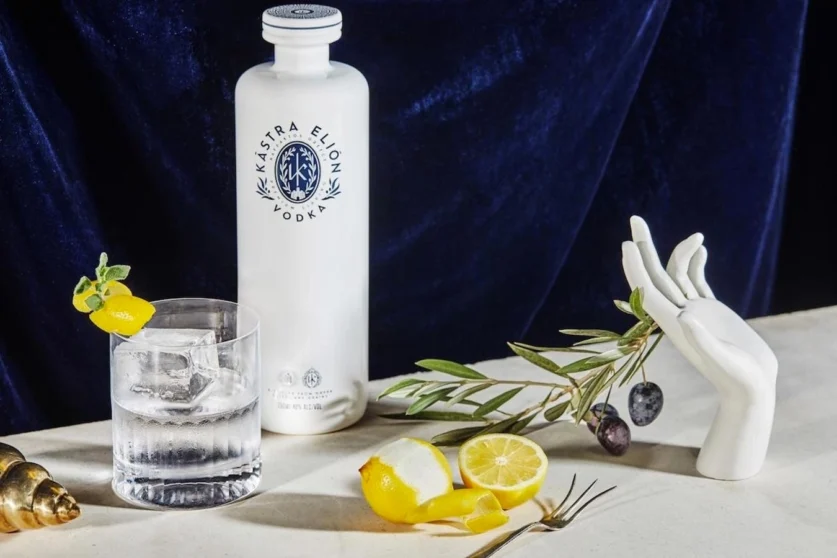
Kástra Elión vodka is made from a blend of olives and wheat
Vodka often carries an expectation of having a rather flavorless and neutral element, yet it conserves its popularity. It seems that its status is not about how it tastes or smells, but the lifestyle it represents. However, this image is mostly passé. There are brands, some even among the highly esteemed, that distil their product to the point of flavorlessness, basking in their neutrality. While several others thoroughly infuse aroma and texture into each bottle, more daring ones toy with unconventional base ingredients, extending beyond the common grains and potatoes.
Kástra Elión is a part of this innovative group of vodka brands. Originating from Greece, this vodka is a blend of Greek olives and wheat. Named after an ancient castle, which stands sentinel over the hills and olive orchards of Nafpaktos— the ancestral residence of the vodka and its founding family.
The brand’s inception was spearheaded by master blender and certified flavor chemist Frank Mihalopoulos. He has accumulated nearly forty years of experience in product development for companies like Baskin Robbins, Dunkin Donuts, and Kahlua. Moreover, he served as a consultant for spirits brands such as Absolut and Stoli. His co-founder and son-in-law, Mike Camello, serves as the president of the company.
“We were enthusiasts of vodka, particularly the European varieties fashioned from malted barley and rye, noted for their exquisite textures,” shares Camello. They pondered the possibility: Can vodka be produced from olives?
Mihalopoulos invested a year in realising this concept. He arranged for a lab and procured distillation apparatus, embarking on tests with various global olive types. “I consciously detached sentimentality from the narrative, but coincidentally, we opted for a combination of three varieties that conveniently stem from my own home region in Greece.”
Kástra Martini |
The entire procedure is artisanal in nature, and it logs a higher yield loss than most vodka producers face. However, Mihalopoulos clarifies that conducting precise distillation cuts are imperative to filter out the heads and unstable compounds that are introduced by the olives.
There’s not a lot of sugar in olives, so the ethanol comes from the grains. Mihalopoulos is quick to point out that the olives lift up what already exists in the grain. There’s no flavor contribution from the olives, and the company never set out to make olive-flavored vodka; instead, the olives contribute the vodka’s trademark mouthfeel and smoothness. Before bottling, the distilled spirit is blended with spring water from Greece’s mineral-rich Mount Taygetus.
Kástra Elión vodka has a very clean nose, free of any off-putting chemical notes or exaggerated alcohol burn. Aromas are sweet and savory, with vanilla and butterscotch leading the way. The palate brings mild fruit notes, citrus and a hint of pepper. It sits on the tongue and stays with you, activating the salivary glands as flavors build to more butterscotch and vanilla and some toasted bread.
Camello likes to drink Kástra Elión on the rocks with olives in it, but he acknowledges that not everyone wants to sip vodka. Fortunately, it’s well-suited to Martinis. When introducing the vodka to bartenders, the brand hopes they keep drinks spirit-driven and don’t go too crazy with sugar. “We want the vodka to shine and keep its mouthfeel,” says Camello.
Kástra Elión recently launched its own olive brine and cocktail olives, available individually or in a kit alongside a bottle of vodka, that are meant to create the ultimate Dirty Martini. The brine and olives both hail from the same Nafpaktos region where the vodka is made, so one can enlist the full trio for a very Greek, very olive-focused take on the traditional cocktail.
Revolutionize Your Rum: Cool It Down with Frozen Coconut Water Cubes
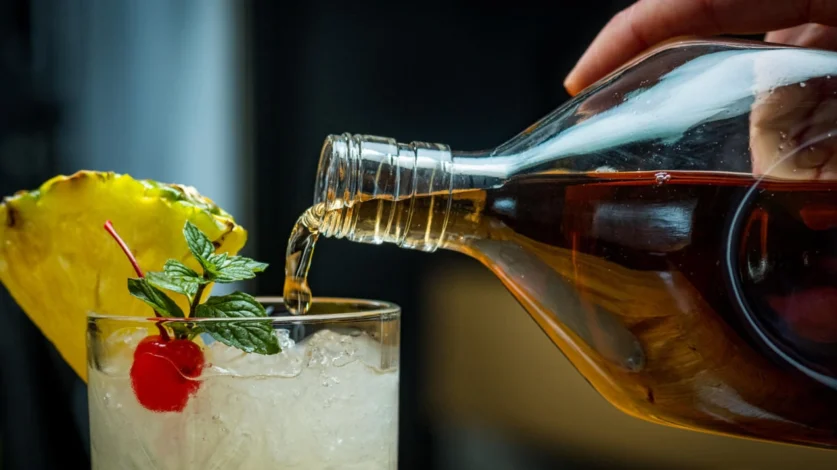
There’s no wrong way to enjoy a single measure of good rum. You can have it straight, mix it with water or cocktails, or savor it on the rocks with ice. The latter option is perfect for newcomers or those seeking a milder taste, as it tempers the sharpness while letting you relish the sweet, nectar-like flavor without an overwhelming alcohol punch.
However, there’s a reason why lots of folks recommend using whiskey stones instead of regular ice when enjoying rum on the rocks. Accidentally adding too much water can dilute the unique flavors and nuances within the rum (especially the pricy kinds), and it’s hard to get the balance just right when you’re dealing with varying-size ice cubes. But instead of whiskey stones, here’s an idea: coconut water ice cubes!
Made from coconut water instead of plain water, these ice cubes won’t dilute the rum’s flavors as they melt. Instead, they’ll enhance the taste of the liquor with a hint of coconut, giving neat rum a rather tasty and tropical coconut twist. They’re incredibly easy to make. Simply get some fresh coconut water — the fresher, the better — and pour it into a large whiskey ice cube mold. Pop them in the freezer, and in a couple of hours, you’ll get a trayful of coconut water ice cubes ready to go. Drop one into a neat measure of rum, sit back, and enjoy your rum on the rocks!
Read more: 23 Cocktails To Try If You Like Drinking Gin
These special ice cubes aren’t limited to just rum on the rocks; they’re a perfect addition to a wide range of tropical cocktails! Let’s start with the classic daiquiri. It’s a simple blend of rum, lime, and sugar, but you can elevate it by incorporating coconut cream and a few coconut water ice cubes while blending. The result is a sweet, nutty, and undeniably tropical creation that evokes the essence of a Caribbean sunset. It’s perfect for sipping whether you’re lounging on a palm-lined beach or enjoying it at your kitchen island.
These versatile ice cubes can also enhance a variety of chilled or blended tropical cocktails that feature rum. Take the Caribeño, for example, which already includes coconut water as a core ingredient. Adding coconut water ice cubes doesn’t dilute the taste; instead, it’ll amplify the drink’s signature equatorial flavor and give you a drink with a far more pronounced taste.
But while these coconut ice cubes work best in rum-based drinks, they can work with other liquors, too. If you’re a tequila enthusiast, consider fortifying a coconut margarita with these cubes. They’ll introduce a smooth, robust coconut essence that will bring this classic cocktail to a whole new level. And for an extra creamy touch, try adding coconut cream to the coconut water before freezing the cubes.
Read the original article on Tasting Table.