Revolutionary Experimental Wine Bottle Tracks Oxygen Flow Through the Cork
Most people think of a cork in a wine bottle as simply a seal that keeps the liquid contained. However, a recent study published in Science Advances by a team of French scientists reveals that corks play a crucial role in regulating oxygen transfer, functioning almost like an additional ingredient in the wine.
Thomas Karbowiak, a chemist at the University of Burgundy, emphasizes the importance of understanding how oxygen diffusion through cork stoppers affects wine oxidation and aging. Oxidation is a key factor in the aging process, allowing wine to mature and develop a complex aroma while avoiding excessive oxygen exposure, which can render the wine stale.
To study these dynamics in a simplified manner, the researchers developed a "miniature bottle system." This experimental rig consisted of small glass vials mimicking the shape of standard wine bottles, sealed with scaled-down cork stoppers ranging from 6 to 42 millimeters. This setup allowed the scientists to monitor real-time oxygen kinetics and chemical reactions within the wine without the interference of external air.
The study identified four distinct phases of oxygen transfer through the cork starting from the moment it is inserted. The first phase involved equilibration between the gas and liquid phases in the first 15 days. Surprisingly, during the next six months, the researchers found that most of the oxygen entering the wine was coming from the cork, rather than the external environment, as it began to outgas oxygen from its cellular structure.
Around four months into the experiment, the cork began to chemically interact with the wine, extracting phenolic compounds such as gallic acid and ellagic acid. These compounds acted as scavengers, consuming the oxygen released by the outgassing cork and thereby lowering the overall oxygen content in the wine.
After 15 months, the team observed a long-haul phase where oxygen gradually permeated through the cork from the outside. By the end of the 18-month experiment, they found that vials with longer corks experienced reduced rates of oxygen transfer, making changes nearly imperceptible.
Though tasting tests were not conducted in this study, Karbowiak acknowledged that understanding oxygenation is essential for flavor and has already drawn interest from winemakers and cork manufacturers. Their future work aims to quantify the interplay of the four oxygen transfer mechanisms, and also investigate how cork properties evolve over time. Ultimately, this research could enable winemakers to choose appropriate corks for each vintage, maximizing the potential of the wine when it reaches optimal tasting conditions.
For more details, you can refer to the study published in Science Advances.
The Perfect Store-Bought Vodka Sauce: Elevate Your Pasta Game Every Time!

Vodka sauce has long been a beloved choice, known for its creamy texture and rich flavors that elevate a simple tomato sauce by incorporating cream and vodka to create a luxurious consistency. To simplify dinner preparation, several manufacturers provide ready-made vodka sauces. After testing 16 different options, the winner was Botticelli organic creamy vodka sauce, recognized for its exceptional quality.
Botticelli stood out in a variety of criteria including flavor, texture, ingredient quality, nutritional value, price, and availability. The sauce is made from high-quality, organic ingredients that reflect a homemade taste. It features chunky, juicy Italian tomatoes, complemented by savory herbs, earthiness from olive oil, and thick cream. The addition of vodka enhances the sauce’s aroma, resulting in a heavenly scent when heated. It also includes Parmigiano Reggiano and pecorino Romano, contributing further richness. The sauce is not only smooth but also contains delightful chunks of tomatoes that burst with flavor. Priced at $6.99 per jar, it offers good value compared to lower-ranked competitors.
Botticelli’s creamy vodka sauce has earned high praise from users on platforms like Instagram and Amazon, with many reviewers calling it their favorite due to its flavor and texture, asserting that it requires no additional seasoning.
Typically served over penne, the sauce fits perfectly into the grooves of the pasta. However, it’s also versatile and can be used over cavatappi, fusilli, or rigatoni. For those looking for alternatives to traditional pasta dishes, the vodka sauce can replace standard pizza sauce or serve as a flavorful topping for chicken or meatball sandwiches. Additionally, it pairs well with grilled cheese sandwiches or as a sauce for chicken Milanese.
For additional culinary insights and recipes, consider signing up for newsletters from food-centric websites.
Smash vs. Bramble Cocktails: Uncovering the Key Differences
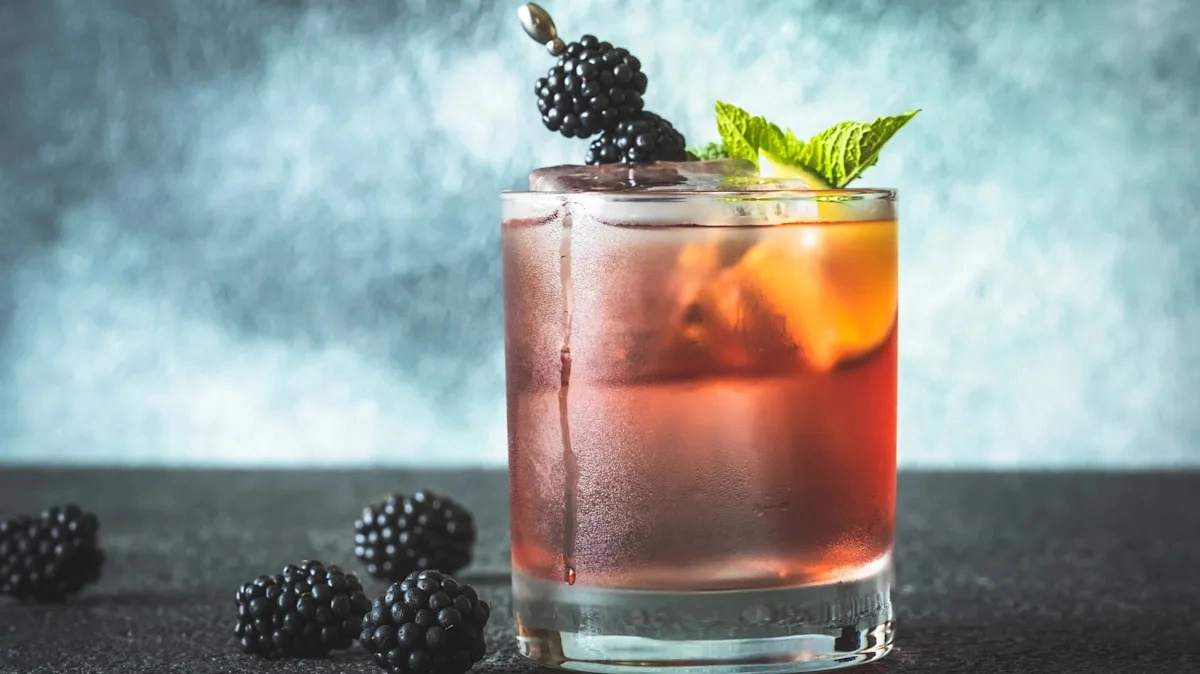
At first glance, Smashes and Brambles appear quite similar—both are invigorating, fruit-forward cocktails that typically feature crushed ice and citrus, garnished with fresh elements. However, a key distinction exists between the two: a Smash covers a broad category of cocktails, whereas a Bramble is a specific cocktail with a unique recipe. The Smash’s origins trace back to mid-19th century, and it is often seen as a relative of the Mint Julep, highlighting its adaptability over generations.
The Smash category prominently features a base spirit combined with crushed ice and both fruity and herbal elements, typically enhanced by mint. The act of “smashing” or muddling the fresh ingredients into the drink is a fundamental process that sets it apart. One of the most recognized variations is the Whiskey Smash, which incorporates elements of a traditional Mint Julep, adding lemon wedges to release the essential oils from the rind.
In contrast, the Bramble, developed in the 1980s by London bartender Dick Bradsell, focuses on freshness with its inclusion of blackberries, a fruit that resonates with Bradsell’s childhood memories. The cocktail combines gin, fresh lemon juice, simple syrup, and crème de mûre, a blackberry liqueur, creating a visually striking drink with a layered “bleeding” effect when the liqueur is drizzled over crushed ice.
The differences become apparent when analyzing the preparation of each drink. In a Smash, the fruit and herbs are muddled directly into the cocktail, offering a rustic and fresh flavor profile. Conversely, the traditional Bramble relies on the liqueur for its blackberry flavor, although some modern interpretations may include muddled blackberries for a twist.
Mint serves as a key ingredient in most Smash cocktails, although basil has begun to make its mark, creating exciting combinations like blackberry sage Vodka Smash. Therefore, while both cocktails showcase seasonal fruits beautifully, the methods and ingredients used significantly influence their taste and presentation.
For further exploration of cocktail differences, you might check out the Whiskey Smash and other exciting variations that highlight seasonal ingredients.
Whiskey Of The Week: Exploring Lost Lantern’s United States Of Bourbon
Whiskey enthusiasts will find a unique celebration in Lost Lantern’s latest bourbon creation, The United States Of Bourbon, which serves as a tribute to America’s 250th birthday. This exceptional blend showcases the evolution of bourbon across the entire nation, incorporating flavors from distilleries in each of the fifty states — from Kentucky to Alaska.
Bourbon is deeply ingrained in American culture, and its definition has been federally recognized since Congress declared it the country’s only native spirit in 1964. Traditionally associated with Kentucky, the bourbon landscape has expanded significantly since the early 2000s when craft distilleries began to flourish nationwide. Tuthilltown Spirits, the first legal craft distillery in New York post-Prohibition, is a prime example of this rising trend, sparking interest and innovation in bourbon production across the U.S.
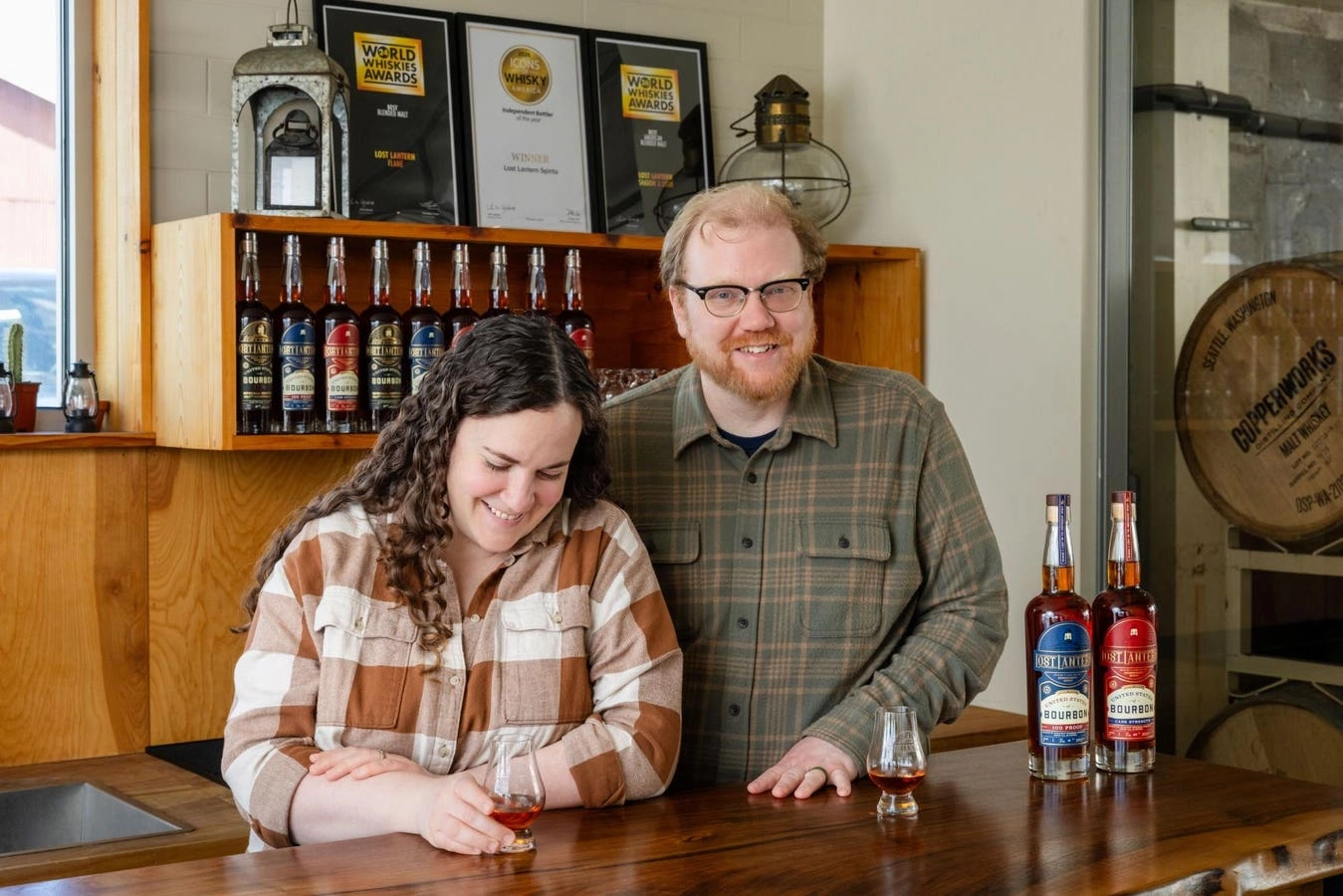
As of 2025, over 2,200 craft distilleries are operating in the country, all producing a range of artisan spirits, including bourbon. Among these innovators are Nora Ganley-Roper and Adam Polonski, the founders of Lost Lantern. Their mission to travel the country, sourcing exceptional whiskeys, has culminated in their ambitious project to create a blend from all fifty states.
Completed in 2025, The United States Of Bourbon is presented in both 100 proof and cask strength versions (61.5% ABV), signifying the diverse profiles of bourbon available today. These bourbons are crafted to reflect the distinct characteristics of their regions, resulting in flavors that come from both local grains and unique aging conditions.
The 100 proof bottles are offered at $79.99, while the cask strength variant retails for $99.99. Each bottle features a two-year age statement, with the blend comprising bourbons aged up to ten years, and the flavors reveal burnt caramel, candied orange peel, creamy vanilla, and a hint of oak spice. The cask strength iteration presents a richer mouthfeel and additional notes of dark chocolate, inviting drinkers to explore its depths with or without water.
Lost Lantern’s creation not only highlights the distinctiveness of American bourbon but also cultivates a sense of unity and celebration. Perfect for a July 4th gathering, both expressions are designed to be enjoyed and shared, making for a memorable experience centered around the stories and flavors of America’s diverse bourbon heritage.
Breckenridge Distillery’s Rum Cask Finish Wins Top Honors at San Francisco World Spirits Competition
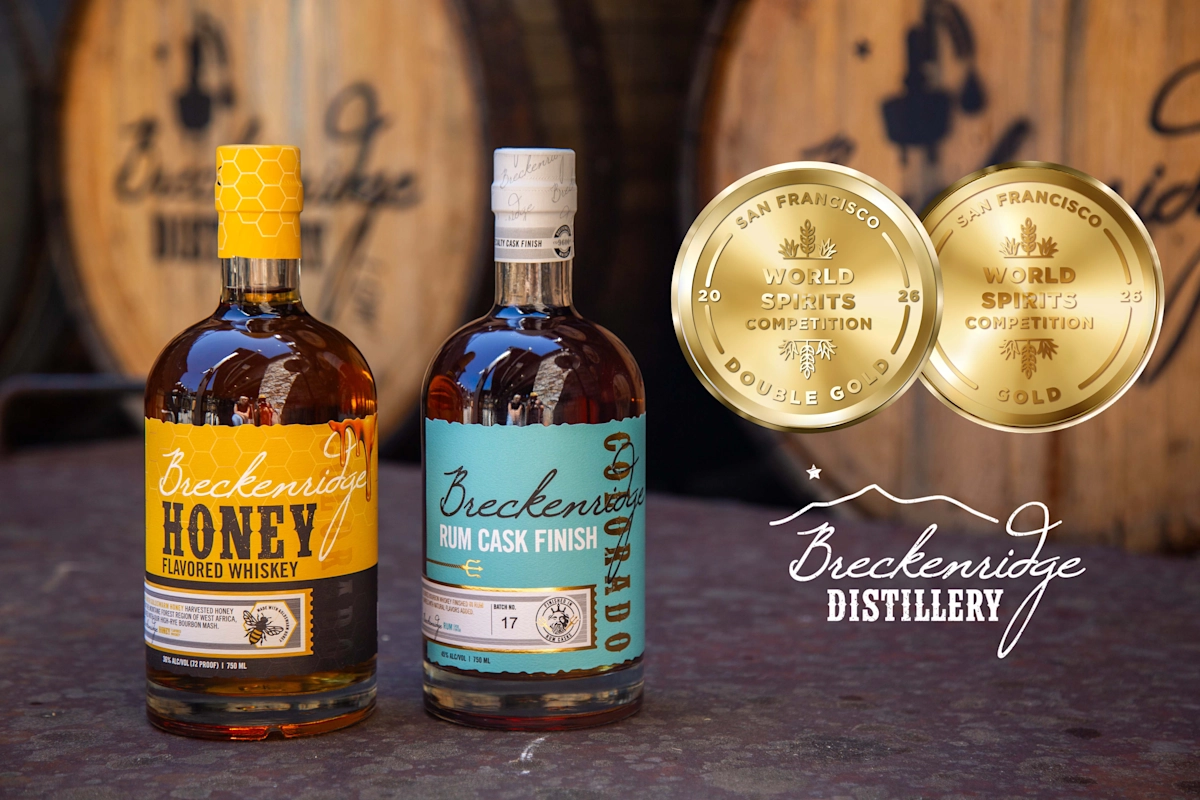
Breckenridge Distillery has achieved remarkable success at the prestigious San Francisco World Spirits Competition, garnering the highest honor for its Rum Cask Finish expression, which was awarded a Double Gold medal with a score of 97 points. This coveted accolade signifies unanimous recognition from the judging panel, placing the Rum Cask Finish among the elite spirits globally. Alongside this honor, Breckenridge’s Honey Whiskey also received a gold medal, further solidifying the distillery’s reputation for excellence.
Bryan Nolt, the Founder and CEO of Breckenridge Distillery, expressed pride in the recognition, emphasizing the brand’s commitment to high standards across every aspect of production—from blending to innovative finishing techniques. The double honor reflects their dedication to quality and craftsmanship in the competitive spirits market.
Among the two award-winning products, the Breckenridge Rum Cask Finish is a unique bourbon that incorporates aged Colorado rum casks, delivering rich flavors of candied apple, dark chocolate, and allspice. Priced at $59.99 and bottled at 90 proof, it aims to captivate whiskey enthusiasts.
Similarly, the Breckenridge Honey Whiskey, infused with uncommon rainforest honey from Nigeria, provides a distinctively smooth taste complemented by layers of molasses, oak, and holiday spices. This blended whiskey is offered at an MSRP of $38.00, making it an appealing choice for a wide range of consumers.
Both expressions are available through select retail outlets nationwide and can also be purchased for home delivery where permitted. Breckenridge Distillery, known as the “World’s Highest Distillery,” has received numerous accolades, including three Icons of Whisky titles and multiple Best American Blended awards from industry competitions. Their dedication to creating exceptional spirits is reflected not only in their awards but also in their efforts to provide visitors with immersive experiences at their distillery in Colorado.
For more details, you can visit Breckenridge Distillery.
Scotland Fans Spark ‘Emergency’ Beer Deliveries as Boston Bars Run Dry
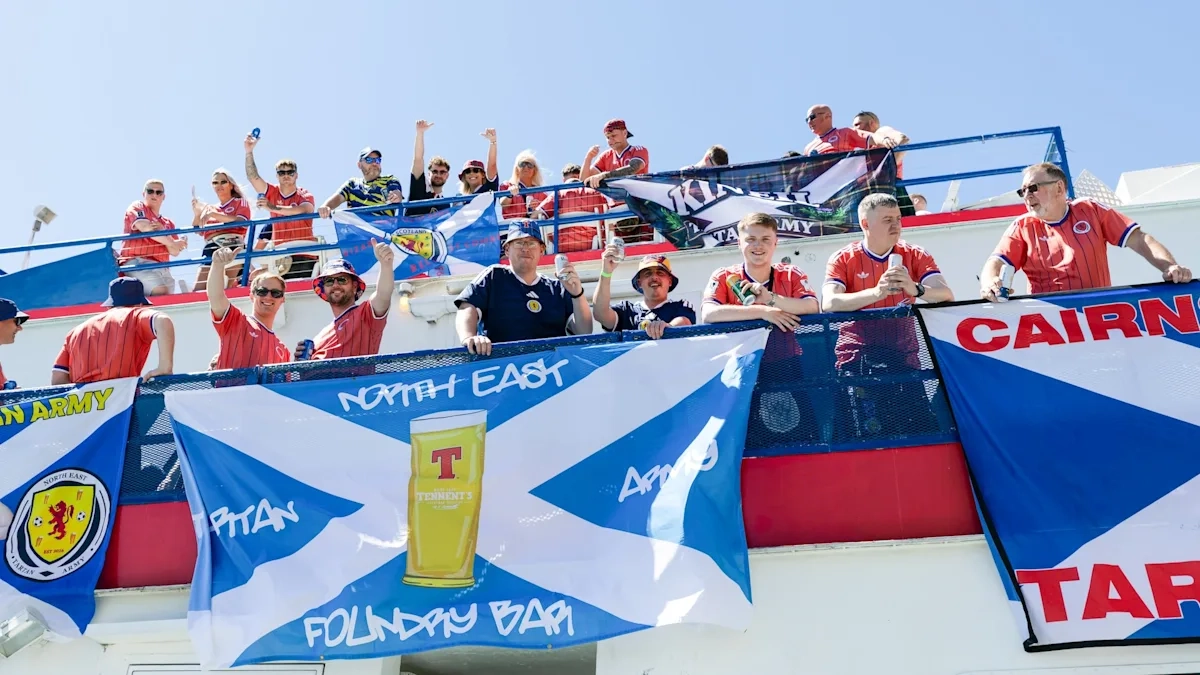
Scotland soccer fans have taken over Massachusetts during the 2026 FIFA World Cup, leading to dramatic beer shortages in Boston bars. According to Devon Savage, Communications Manager for Samuel Adams, the "Tartan Army" drank four times more beer than usual over the span of a long weekend from June 11 to June 21. This surge in consumption resulted in the Sam Adams Downtown Boston Taproom running out of its flagship Boston Lager by Saturday, prompting an emergency resupply.
In total, over 4,000 pints of the lager were sold, nearly 90 kegs were emptied, and four emergency deliveries were made to meet the overwhelming demand. Other bars in Boston, such as the White Bull Tavern and Hennessy’s Bar, also reported beer shortages, with patrons remarking that the Scottish fans had depleted their stock. Scottish fan Dave Orr noted, "There was no beer" left at the White Bull Tavern.
To ensure bars are stocked for the upcoming matches, the Boston Beer Company announced plans for additional deliveries in the days to come. Scotland’s national team had recently secured a 1-0 victory against Haiti in their opening group stage match, and they were gearing up to face Morocco next, followed by a match against Brazil.
The atmosphere surrounding the World Cup has led to a lively scene in Boston, showcasing the enthusiasm and commitment of Scotland’s fans.
Bulleit Celebrates 20 Years with New Straight Rye Whiskey Release
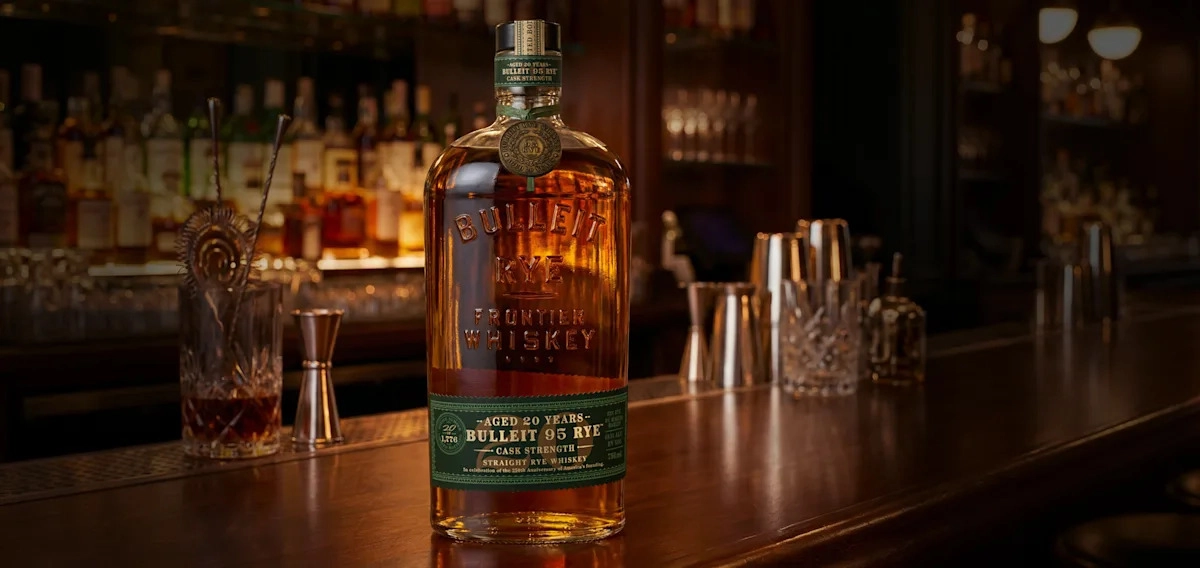
Bulleit Distilling Co. has announced the release of its newest offering, the Bulleit 20-Year-Old Straight Rye Whiskey, a limited edition crafted to celebrate the heritage of rye whiskey in America. With a production limit of only 1,776 individually numbered bottles, this release is a nod not only to the rich history of rye as a foundational grain in whiskey-making but also to a significant moment in American history.
Rye whiskey has long been a crucial component of the American distilling landscape, and Bulleit has been at the forefront of its resurgence. The new 20-Year-Old Rye is made from Bulleit’s signature 95% rye mash bill and showcases the work of Nicole Austin, the Director of American Whiskey Liquid Development and Capabilities at Diageo, who oversaw the blending process. The whiskey’s maturation spanned two decades in carefully selected barrels that preserved the distinct rye notes while adding depth and complexity.
"With a rye this mature, the challenge is finding barrels where age adds depth without overwhelming the grain," Austin explained. "We wanted to maintain the spice and structure that characterize Bulleit Rye while revealing new layers of flavor through twenty years of maturation."
The whiskey presents a nose filled with aromas of seasoned oak, baking spices, and dried fruit. On the palate, it unfolds into a rich blend of caramelized sweetness, dark fruits, and spicy notes, leading to a long, satisfying finish.
Bulleit 20-Year-Old Rye Whiskey will be available starting July 2026, and it can be purchased for a suggested retail price of $299 for a 750mL bottle. Consumers interested in reserving this exclusive whiskey can do so through AnyRoad.
For more details about Bulleit Whiskey products, visit bulleit.com or follow their updates on social platforms.
Bulleit Unveils Its Oldest Rye Whiskey Yet: Introducing a 20-Year-Old Cask-Strength Release
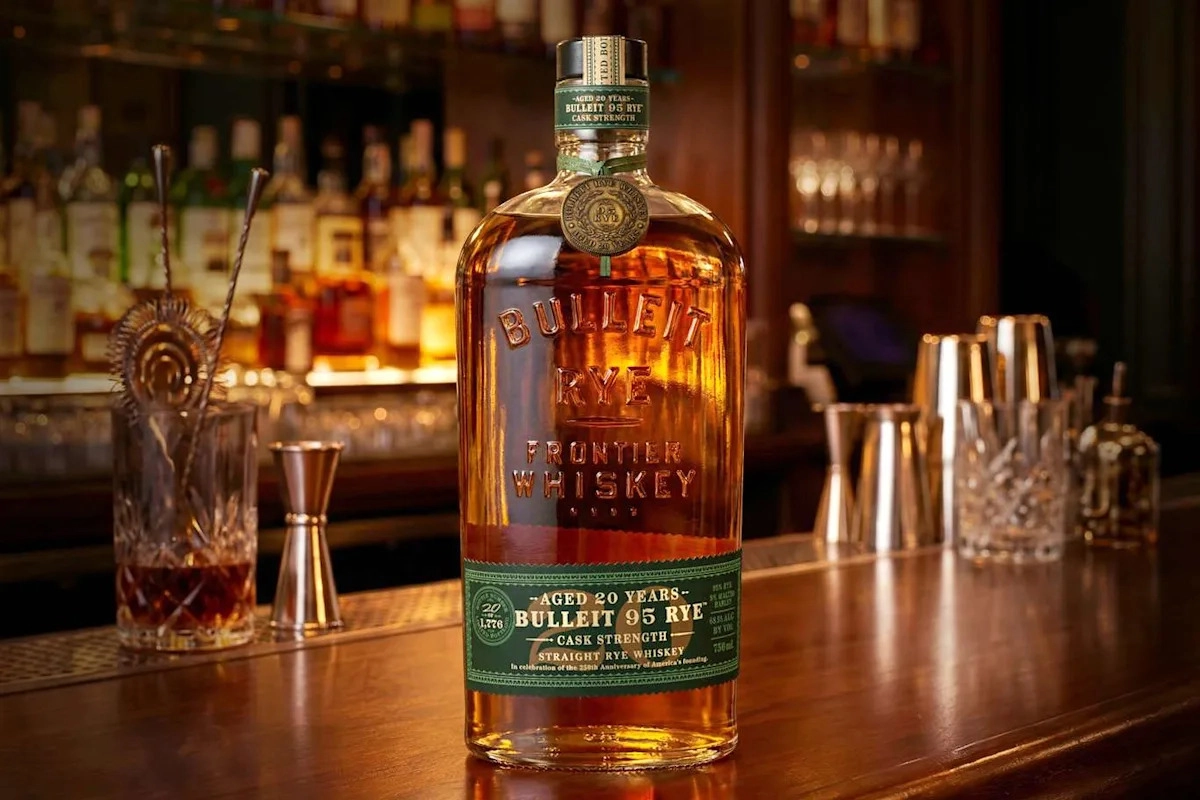
Bulleit Distilling Company has announced the release of its oldest rye whiskey to date: the Bulleit 20-Year-Old Straight Rye Whiskey. Limited to just 1,776 bottles, this cask-strength offering boasts an impressive 137 proof. Crafted from a 95% rye mashbill and aged for two decades, this whiskey promises to deliver the rich spice and complexity that fans have come to expect from the Bulleit brand.
Historically, rye whiskey has played a significant role in American drinking culture. It was a dominant spirit before bourbon gained popularity. Its distinct flavor profile—spicy and robust—was enjoyed in colonial taverns across the northeastern U.S. However, following Prohibition, rye whiskey’s presence diminished until distilleries like Bulleit revived interest in this storied spirit in the early 21st century.
As the U.S. approaches its 250th anniversary, the revival of rye whiskey serves as a reminder of the country’s deep-rooted distilling history. In the early 2010s, Bulleit contributed significantly to the resurgence of rye, introducing bartenders to a spicier, more structured whiskey for cocktails.
Nicole Austin, the director of liquid development at Bulleit’s parent company Diageo, meticulously selected the barrels for this whiskey to ensure they preserved the essence of rye even after lengthy aging. During her search, she focused on finding barrels that maintained the grain’s brightness and spice, avoiding excessive oak influence that could dull the whiskey’s character.
Tasting notes for the Bulleit 20-Year-Old Straight Rye Whiskey reveal a nose rich with fruit and cream layered over polished leather, clove, maple spice, and soft vanilla. On the palate, it is semisweet, with clove at its core surrounded by ripe fruit, leather, and warm spices, finishing with a lasting complexity shaped by its two decades in barrel.
Bulleit’s latest offering will be available starting in July at their distillery and select cities, with a suggested retail price of $299. This whiskey not only showcases the intricate flavors of rye but also acknowledges the historical importance of this spirit in American culture.
Mount Gay Introduces Its First Ever Age Stated Rums: Discover the Exceptional 15 and 25-Year-Old Expressions
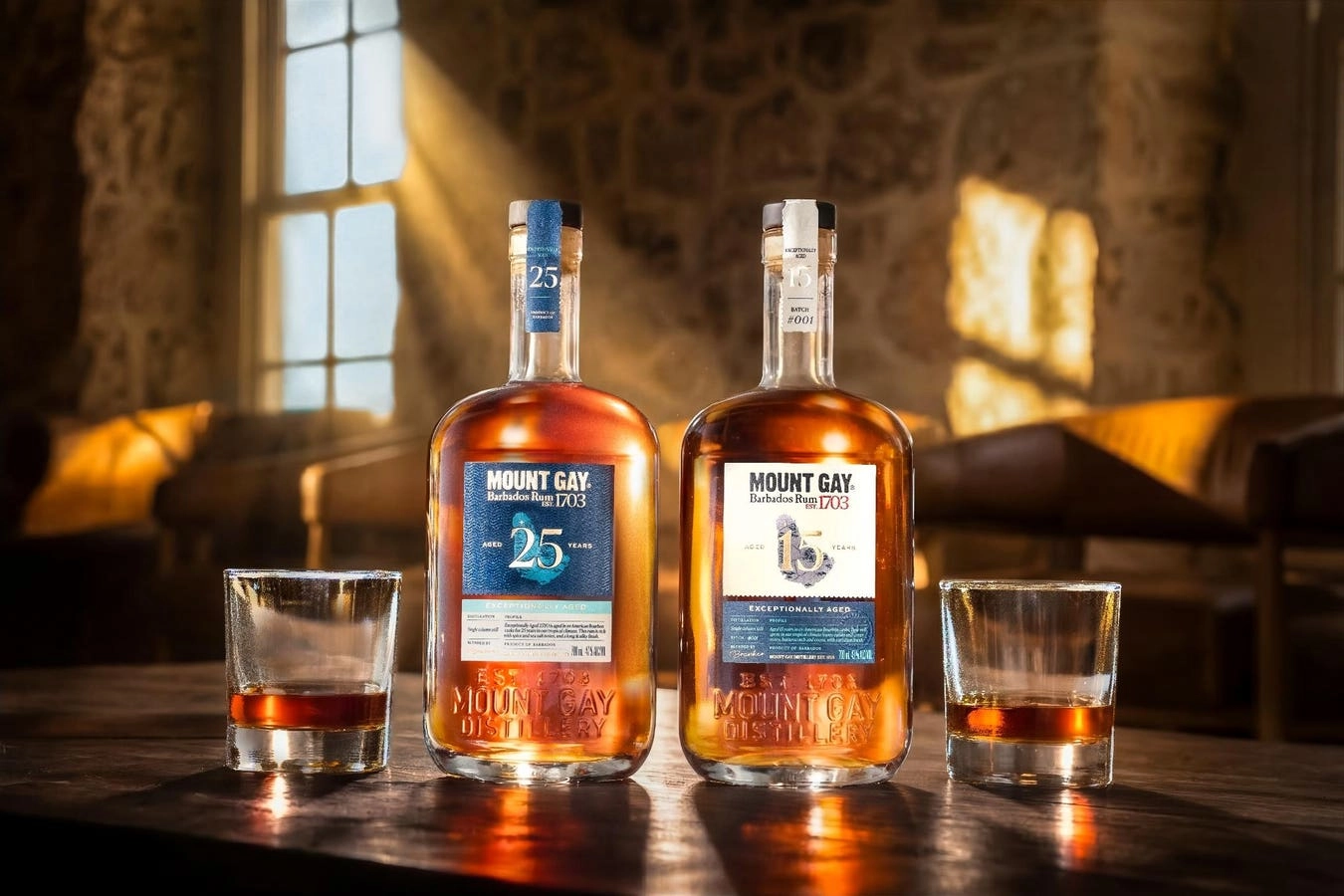
Mount Gay Rum, renowned as the world’s oldest distillery founded in 1703, is introducing its first-ever age-stated products: the Exceptionally Aged 15 and 25 Year Rums. This marks a significant milestone for the brand, which has been producing rum for over 300 years without labeling any of its offerings with an age.
These inaugural releases, set to hit the market in limited quantities (with fewer than 5,000 bottles for each), are part of Mount Gay’s Exceptionally Aged Collection. Recent premium releases have been successful for the brand, especially the Single Estate Series and the Master Blender Collection, leading to the development of these new age-stated rums.
Crafted in St. Lucy, Barbados, both rums were completely distilled, aged, blended, and bottled at the distillery. They matured in 100% ex-bourbon barrels, with an emphasis on how the spirits evolve within that cask.
-
Exceptionally Aged 15: This rum is distilled from a blend created by former Master Blender Jerry Edwards, matured under the watch of Allen Smith and current Master Blender Trudiann Branker, who curated the final blend in 2025. Bottled at 43% ABV and non-chill filtered, it presents flavors of caramelized orchard fruits, vanilla, and sticky toffee pudding with hints of plantains and grapefruit candy, finishing with crème caramel and black tea notes.
-
Exceptionally Aged 25: Also distilled by Jerry Edwards in 1999, it is aged similarly under the stewardship of both Smith and Branker, culminating in a robust 47% ABV offering. Tasting notes reveal aromas of leather and dark caramel, with complex flavors such as brandy-soaked raisins, burnt orange, and a finish reminiscent of vintage high-rye bourbons.
The Mount Gay Exceptionally Aged 15 will be available globally, totaling 4,942 bottles at an MSRP of $90. The 25-year version will be limited to 2,376 bottles, priced at $199. Master Blender Branker emphasizes that these creations honor the distillery’s long heritage and the craftsmanship of the generations of blenders before her.
Bridging the Gap: Understanding the Wine Industry’s Divide Beyond Market Forces
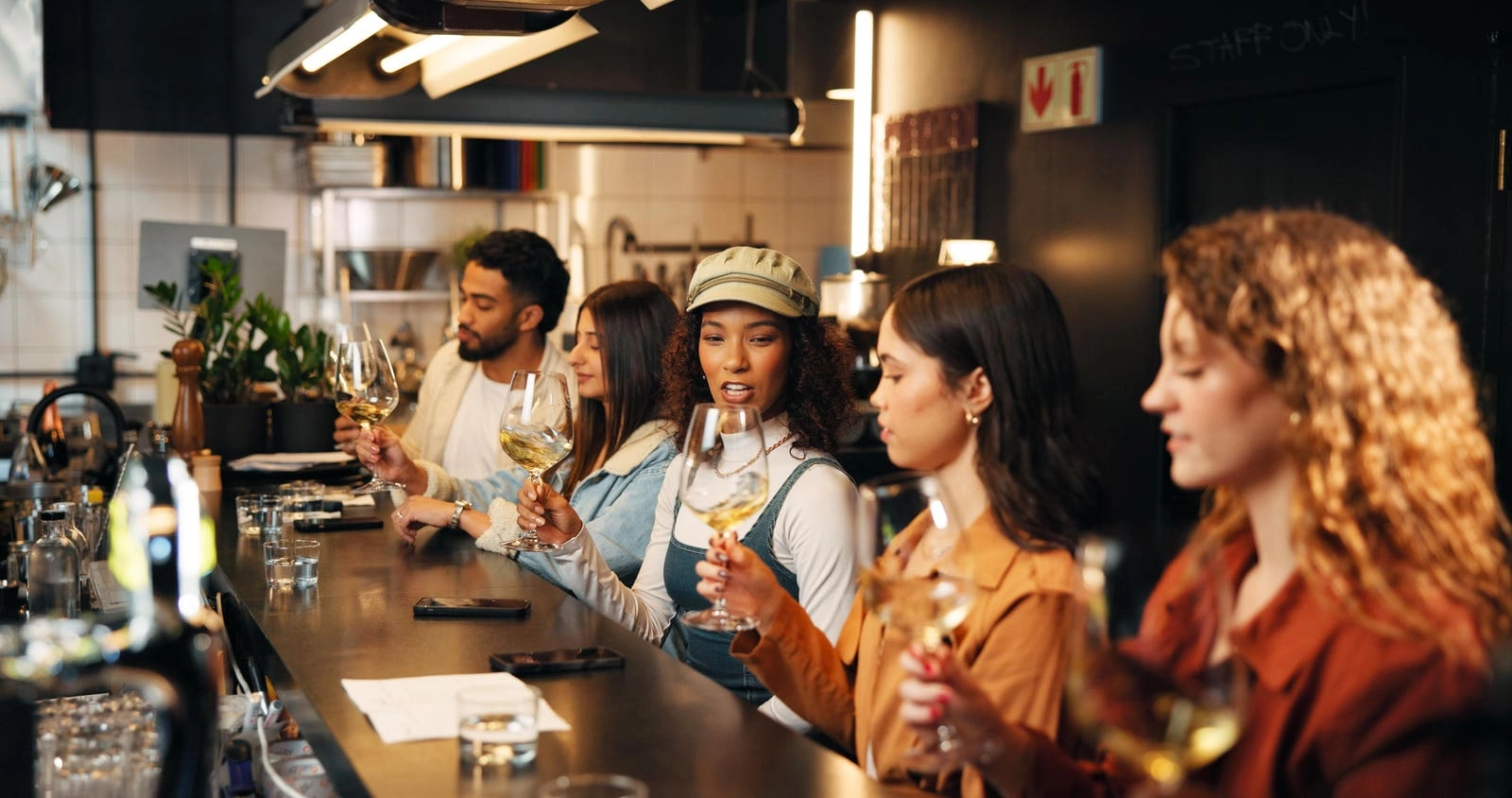
Silicon Valley Bank’s 2026 Direct-to-Consumer (DTC) report has highlighted a notable divide in the wine industry. The data shows a stark contrast in performance between successful and struggling wineries, revealing that this disparity is driven by strategic outlook rather than market conditions.
In 2025, high-performing wineries achieved a remarkable 22% revenue growth, while their lower-performing counterparts experienced a 13% decline. The median winery found itself stagnant, with no growth at all. This widening gap raises the question of what differentiates thriving wineries from those that are struggling.
According to Rob McMillan, EVP and founder of Silicon Valley Bank’s wine division, the key difference lies in their focus. Successful wineries concentrate on outward relationships, customer engagement, and brand building, whereas struggling ones focus primarily on internal costs and operational efficiencies. This fundamental shift in mindset impacts all aspects of business strategies, including pricing, event coordination, and marketing.
Price strategies illustrate this gap further. High-performing wineries are more inclined to increase their prices, with a focus on maintaining perceived value, while lower-performing brands often resort to steep discounts, communicating a sense of decline to premium buyers. Regulatory shifts in tasting fees have compounded the problem for those in the lower tier, with many using price cuts as a compensatory strategy without a clear plan for brand positioning.
Another aspect of concern is the decreasing foot traffic in tasting rooms, which has seen a consistent decline of about 2% year over year. Lower-performing wineries tend to overspend on renovations in hopes of attracting visitors, yet this approach does not address the core issues. The once-reliable tasting room model for attracting customers is evolving as consumers shift their preferences.
Wine clubs, which represent a significant revenue stream, show stagnation with membership growth flatlining and attrition rates high. The challenge is compounded by demographic shifts, as older, more loyal members cycle out, and younger members show less loyalty. The profitability remains a critical issue; nearly half of wineries report not being profitable, even with rising bottle prices.
Looking ahead, the wine industry faces increased competition, with the number of U.S. wineries ballooning from about 7,500 in 2019 to 11,000 in 2026. As such, advertising and new customer engagement strategies are becoming essential.
McMillan predicts that the industry could experience no growth conditions by 2027 or 2028, following a potential consolidation phase. Innovative strategies, such as virtual tastings and direct engagement with customers beyond traditional tasting rooms, could lead the way forward.
In summary, the ongoing transformations in the wine industry reflect a need for wineries to adapt to contemporary consumer behaviors while diversifying their revenue strategies. This pivot is crucial for achieving not just survival, but thriving in an increasingly complex marketplace.
Read the full report here
Explore further insights from Silicon Valley Bank’s wine division
Learn about the latest trends in the wine industry