What’s Hitting the Shelves? Exciting New Beverage Launches: From Rum to Coffee

22-Jul-2024
– Last updated on
22-Jul-2024 at 08:42 GMT
Related tags
Rum Co. of Fiji is rejuvenating its presence in Australia with a rebrand of its RATU and BATI ranges (pictured above).
Now available on Australian shelves, the updated look transitions from tribal to tropical, encapsulating the spirit and heritage of Fiji.
Produced in Fiji, Rum Co. of Fiji honours its heritage through a distinctive Fijian style of rum-making. This process respects the tropical landscape, from hand-cutting sugar cane grown in volcanic soil to distilling it at the foot of the iconic Sleeping Giant Mountain.
The rebrand pays homage to the brand’s deep connection to Fiji: with the new design pack featuring cultural patterns, the iconic Sleeping Giant Mountain, and a bright tropical palette. A new logo, now featuring sugar cane and a cane knife, also incorporates the fitting slogan “Paradise Distilled” symbolizing the essence of the island and craftsmanship for the rum.
Both BATI and RATU ranges are now on Australian shelves at Dan Murphy’s, First Choice Liquor, and independent bottle shops.
Rum Co. of Fiji is owned by Paradise Beverages, part of Coca-Cola Europacific Partners.
BODYARMOR Sports drink has teamed up with the sports and comedy group DUDE PERFECT to launch an exclusive new flavor and bottle, available for a limited time in US stores this summer.
Perfect Pop is a nostalgic, refreshing flavor inspired by the classic cherry and berry ice pops, maintaining BODYARMOR’s commitment to real ingredients, real flavor, and nothing artificial.
The Dudes were actively involved in the creation of this new launch – from testing flavors and designing labels to collaborating with the BODYARMOR team on developing a go-to-market strategy for Perfect Pop.
Perfect Pop is available now through the end of August (or until supplies last) and can be found online or at major retailers, including Walmart, Sam’s Club, Albertson’s, and more.
“`html
BrewDog Distilling Co. has announced the addition of five new RTD cocktails to its Wonderland Cocktail line-up.
The new flavors – Cosmo, Whisky Sour, Strawberry Daiquiri, Watermelon Margarita and Long Island Iced Tea – are available to purchase online in the UK at £3.90 each or from BrewDog bars.
The drinks come in 125ml cans and have an ABV of 10% – 14%, depending on the flavor.
Steven Kearsley, Managing Director of BrewDog Distilling Co., shared: “We launched Wonderland Cocktail Co. in October 2023, and since then we’ve achieved over 3,000 new distribution points for our bar-quality canned cocktail range. A few months back, we ran a poll on Instagram giving people the chance to vote for the serves they want to join the range – and we’re responding by making them!”
“`
These new cocktails join the existing Wonderland Cocktails range: Mojito, Cantarito Paloma, Espresso Martini, Passionfruit Martini, and Margarita.
Food and beverage company Agus is launching Hello Day! Magico – a drink that combines natural fruit juice and crunchy coconut chunks (nata de coco) across Europe this month: starting in Netto, Kaufland and other retailers and distributors.
The new drink is currently available in three flavors: mango, lychee, and coconut.
Warsaw-headquartered Agus – whose portfolio includes beverages, snacks, and dairy – says the new launch illustrates its strategy to grow, develop, and think outside the box: “Biting into and chewing springy coconut bits is at the heart of the beverage’s pleasure, providing unexpected experiences,” notes the company.
The drinks branding has been created by Italian agency Break Design: with ‘magico’ coming from the English words ‘magic’ and ‘coconut’ – or, quite simply, the word for magic in Italian.
The drink contains less than 5g/100ml of sugar, aligning it with health recommendations and minimizing exposure to sugar taxes (depending on market).
Lewis Hamilton’s alcohol-free spirit brand Almave has launched its second expression: tying in with his British Grand Prix win at Silverstone earlier this month.
The brand is the creation of the Formula 1 superstar and Mexican spirits group, Casa Lumbre, and is distributed in the UK by Mangrove Global.
New launch Almave Blanco complements its sippable predecessor as a liquid that’s designed to be mixed. It captures a naturally balanced sweetness against herbaceous flavors from the agave and a refreshing acidity. Where Almave Ambar reflects the same qualities as a reposado or Anejo tequila or mezcal, Blanco is designed as the ideal base to mix into alcohol-free cocktails.
Agave flavors are captured thanks to the uniqueness of Almave’s distillation: much like tequila, the liquid is distilled from real agave in the Jalisco region of Mexico and is created using an entirely new process that’s based on age-old Mexican traditions.
According to research carried out by the IWSR, the UK’s low and no-alcohol market is expected to see a volume growth of 10% between now and 2026.
Almave Blanco will RRP at £24 and is now available to the on and off-trade through Mangrove Global.
V Rum, a new premium, sustainable British rum brand, is launching in the UK with two expressions.
Founded by British husband-and-wife entrepreneurs, Nicole and Carl Churchill, the brand made its debut on Channel 4’s Sunday Brunch, championed by Ian Burrell, The Rum Ambassador.
The spirit is made from scratch using locally sourced, premium natural ingredients; and brought to life by Head Distiller, Mikey Melrose, at the brand’s sustainable distillery in Hampshire.
V Rum’s founders launch with the intention of becoming a mainstream British rum brand, while championing a focus on sustainable production. Entrepreneur Carl Churchill launched his first internet business aged 12 and was later tipped as ‘one to watch’ by the Sunday Times Rich List in 2003.
V Rum launches with a Premium White Rum (40% ABV) and an Overproof White Rum (60% ABV), designed for cocktail mixing or sipping neat.
The brand’s cosmic theme and unique recipes come from a 2009 discovery by astronomers and astrobiologists that ‘space smells like rum’.
V Rum’s distillery uses 100% renewable electricity, green gas provided by Ecotricity, an advanced heat recovery system to mitigate emissions, and uses molasses from UK sugar production to limit air miles. The emissions that V Rum cannot avoid are offset via Ecologi’s carbon avoidance initiative, which contributes to tree planting to support future mitigation. Future plans include solar panels and lighter packaging options.
UK coffee company Little’s is launching a new Chocolate Coffee Pod Variety pack, retailing at £4 per pack of 10 Nespresso compatible capsules.
The new pack contains two flavors for mocha lovers: with Mexican chocolate and rich mocha capsules.
Little’s mission is to ‘get you as close to a cup of specialty coffee as possible from the comfort of home’, for as little as 64p a cup: with a range of premium instant coffee, coffee capsules, and ground coffee. It hopes to appeal to Gen Z with the same agility, novelty, and sense of fun as coffee shops; but via the grocery aisle, which is still dominated by instant coffee.
In 2022, it moved its coffee capsule manufacturing from Europe to the UK to reduce transportation and is the only brand to manufacture capsules in the UK.
The brand uses fully traceable specialty grade Honduran coffee for all flavored ground and capsules and is en route to becoming carbon neutral.
Looking for more beverage inspiration?
Take a look at last week’s round-up of new beverage launches.
Copyright – Unless otherwise stated all contents of this web site are © 2024 – William Reed Ltd – All Rights Reserved – Full details for the use of materials on this site can be found in the Terms & Conditions
Related topics
East Coast Celebrity Chef Explores Oregon Wine Country and Savors Portland Pizza

“`html
Erin French, the chef-owner of The Lost Kitchen in Freedom, is shown at a cookbook-signing event in Freeport, Maine. Portland Press Herald via Getty
Since opening her restaurant, The Lost Kitchen, in her hometown of Freedom, Maine, chef Erin French has become well-known for her cooking, her personal story of overcoming struggles to find success, and also for how difficult it is to snare a reservation at The Lost Kitchen, the mill-turned-restaurant that requires would-be diners to mail postcards requesting reservations, in the hopes that their postcard will be among those chosen at random.
The Lost Kitchen has gained national renown as high-profile figures such as Martha Stewart have visited, and French has authored books and hosted her own TV series, which airs on the Magnolia Network, the media joint venture between Chip and Joanna Gaines (of “Fixer Upper” fame) and Warner Bros. Discovery.
French’s media footprint has expanded even more with the arrival this summer of a new series, The show, which premiered on the Magnolia Network and the Max streaming platform on June 23, finds French and her husband, Michael Dutton, driving their Airstream trailer across the country to visit cities and states where French hopes to find fresh inspiration for meals served at The Lost Kitchen.
“`
So far, French and Dutton have visited Louisiana, Texas, Arizona, and California. In the episode that aired Sunday, July 21, the couple came to Oregon, on what they said was the first day of spring.
The couple set up camp on a site overlooking Illahe Vineyards, in the Dallas area. The winery is, French said, one of their favorites, “that we procure wines from for The Lost Kitchen.”
French said in the episode that Oregon is producing all the things that go together. “This is the week of hazelnuts and wine and pasta and open fire cooking, pizza — there’s scene here. We’ve got to check it out.”
Before all that, though, French went on a “truffle foraging adventure,” though her husband, who wasn’t feeling well, stayed behind in the trailer. French met up with Elan Hagens, owner and founder of Temptress Truffles, and Kevin McFarland, who breeds truffle-sniffing dogs and guides truffle hunting excursions.
Hagens told French that the Willamette Valley is one of the “most fruitful regions” for truffles, and the trio, accompanied by a truffle-hunting dog, walked through a wooded area, searching for black truffles and Oregon winter white truffles.
Then, French drove to Portland, where she stopped in at Pastificio d’Oro, for a lesson in preparing hand-made pasta.
“I’ve always wanted to learn how to make handmade pasta, but I’m intimidated,” French said.
French met Chase Dopson and Maggie Irwin, noting that Chase and Maggie are partners, in that he takes care of the pasta, and she takes care of everything else. Dopson demonstrated his technique, which involves using a mattarello, a handmade wooden rolling pin.
French confessed that she’s never made pasta, and has felt “mortified and embarrassed” about it. Following Dopson’s directions, French rolled out pasta dough, and said, “I can already feel my mistakes.”
Both agreed with Dopson’s observation about cooking — “your mood is in your food.”
After cooking granola, with chopped hazelnuts and Oregon honey among the ingredients for breakfast at camp, French was joined by two visiting Lost Kitchen employees, Alex Burnham and Lauren Crichton, as they went to Illahe to preview some wines they might want for The Lost Kitchen.
When they started the wine cellar at The Lost Kitchen, French said, they wanted to have wines that you couldn’t find all over the place. “We wanted it to be like it came from these small vineyards that were doing thoughtful things,” she said. “And Illahe has been on our list since then.”
Karen Richards, of Illahe, poured a number of wines for French, Burnham and Crichton, and talked about the Illahe commitment to sustainability and natural growing practices.
Sitting outside, under a cloudy Oregon sky and with lush greenery in the background, French tasted one wine, and said, “Oh, we know this. This got us through the pandemic.”
A post shared by Tournant (@tournantpdx)
French’s next stop was Tournant, where Jaret Foster and Mona Johnson told French how they went from working in “classic kitchens” to meeting at the Portland Farmers Market, to starting a “farm to fire” dining business, where food is often prepared over an open fire.
Then it was back to Portland, where French was now joined by Dutton, as they walked with the St. Johns Bridge in the background. They agreed they had to go try “some West Coast pizza.” They went to Gracie’s Apizza, where owner Craig Melillo was making pizzas with seasonal ingredients.
“Apparently, Portland, Oregon is like the pizza spot on the West Coast,” Dutton told French. He lived and worked in New York for years, Dutton said, and loves New York pizza. “Let’s see how good it is” in Portland, Dutton said, and added that he bet Melillo was from the East Coast.
Melillo served up a hazelnut pizza with balsamic vinegar; a daily pie with green garlic pesto with kale, pickled chiles and potatoes; and a tomato pie with green garlic and Pecorino cheese.
French and Dutton chowed down. “Nice thin crust,” Dutton said, approvingly. “The pizza is legit,” French said. “We got some real talent on the West Coast for pizza. Might be giving the East Coast a little run for the money.”
Dutton then shared his theory with Melillo, that Portland is gaining a reputation as a pizza place because people are bringing their skills and talents from the East Coast.
Melillo said he grew up in Connecticut, just outside of New Haven, but added that Dutton’s theory was wrong. “I don’t think that’s exactly why it’s really good here,” Melillo said. “The thing about here is the ingredients are so good. Particularly in my case. Every cheese you’re eating, except the Pecorino, is from the Pacific Northwest.”
French concluded that a theme of the week in Oregon was, it’s not about how many people can you feed, “it’s about how many people can you do something really special for.”
Back at their camp, French invited some of the locals she met to share a meal she prepared, including duck breast, onions, hazelnuts, pears, truffles and pinot noir.
“I feel like we don’t ever want to leave,” French said.
The “Oregon: Wine Country” episode of “Getting Lost With Erin French” is “The Lost Kitchen” is
— Kristi Turnquist covers features and entertainment. Reach her at 503-221-8227, kturnquist@oregonian.com or @Kristiturnquist
Our journalism needs your support. Please become a subscriber today at OregonLive.com/subscribe
If you purchase a product or register for an account through a link on our site, we may receive compensation. By using this site, you consent to our User Agreement and agree that your clicks, interactions, and personal information may be collected, recorded, and/or stored by us and social media and other third-party partners in accordance with our Privacy Policy.
The Top Pilsner: Winner of the U.S. Open Beer Championship

The best pilsners of 2024 came in a variety of sub-categories.
The best pilsners in various sub-categories were announced by The U.S. Open Beer Championship in early July. The Ohio-based beer festival is one of the most prestigious in the world and along with the World Beer Cup and The Great American Beer Festival, is one of the big three beer festivals in the U.S.
This year judges tasted more than 9,000 beers across 170 styles submitted from breweries across the U.S. and globe. Though the competition gets the majority of its submissions from the U.S., it has also seen beers submitted from countries in Asia, Europe, Africa and elsewhere.
The competition was founded by brewer Dow Scoggins in 2009 and Scoggins recently told me the festival has always prided itself in the diversity of the categories it judges. You can see that when it comes to pilsners. The festival has five pilsner categories and a sixth category that can go either to a lager or pilsner (pilsners are a type of lager so although all pilsners are lagers, not all lagers are pilsners).
This year many major beer festivals have seen an uptick in pilsner submissions reflecting growing interest in the category from consumers. Many brewers I speak to have long preferred the subtle yet complex pilsner category to the more in-your-face IPA category which had come to dominate beer sales. In part because of this, these days pilsners are starting to take some market share from IPAs, though they are not yet as popular.
The pilsners below were all gold medal winners at this year’s U.S. Open Beer Championship, meaning they were deemed the best of the best by the festival’s panel of judges.
This popular Denver brewery with several locations is no stranger to success with several previous medals from prestigious beer competitions to its name. These include a 2024 bronze medal from the World Beer Cup for a beer called Smooth Exportations, a German-Style Oktoberfest. Here it took home the top prize in this competitive light and crisp lager category.
This brewery Czechs all the marks (get it?) for lovers of Czech/Bohemian pilsners with Czech Republic ingredients including the quintessential pilsner Saaz hop. Per the brewery, this beer has “a slight honey-like sweetness and toasted cracker flavor from the lightly kilned malt and a wonderfully spicy, herbal, and floral hop aroma.”
Only a true pill wouldn’t like this pils from Riverlands Brewing Co. that is made with German pilsner yeast and a mix of American Sterling hops and German Saphir hops. The brewery’s tasting notes say this beer features “a beautiful blend of floral, spice, lemongrass, and citrus hop flavors,” and “a pleasant bitterness.”
This gets the gold medal from me for best name on this list, which is all the more impressive because the brewery that released it, Taproom Beer Co., doesn’t exactly earn creativity points for its name. Getting back to this beer, it’s made with a new experimental hop called HRC-003 from the Hop Research Council and per the brewery “boasts [a] bouquet of tropical, stonefruit, and berry qualities.”
The latest award-winning brew from this critically acclaimed brewhouse and movie theater is named for the nickname given to the main character in the iconic Rocky franchise. Not only is this beer and many others from the San Antonio beer award-winning, I’m betting it pairs well with popcorn.
One Community. Many Voices. Create a free account to share your thoughts.
Our community is about connecting people through open and thoughtful conversations. We want our readers to share their views and exchange ideas and facts in a safe space.
In order to do so, please follow the posting rules in our site’s Terms of Service. We’ve summarized some of those key rules below. Simply put, keep it civil.
Your post will be rejected if we notice that it seems to contain:
User accounts will be blocked if we notice or believe that users are engaged in:
So, how can you be a power user?
Thanks for reading our community guidelines. Please read the full list of posting rules found in our site’s Terms of Service.
Tennessee Whiskey vs. Bourbon: Understanding the Key Differences and Similarities

What’s the difference between Tennessee whiskey and bourbon? Not much.
One common misconception about bourbon is that it only comes from Kentucky, but that’s not true.
Tennessee whiskey is a type of bourbon, explained Matthew “Moss” Morrissey, executive director of Whiskey House, a nonprofit organization that uses its extensive collection of old and rare whiskies for charitable causes like auctioning off tastings to raise money for the American Cancer Society.
What do bourbon and Tennessee whiskey have in common? They must be bottled at between 80 and 125 proof ethanol, made of at least 51% corn and aged in new, charred oak barrels.
But Tennessee Whiskey must follow two more requirements:
“One, it’s made in Tennessee and two, it goes through the ‘Lincoln County Process,'” Morrissey said. “And that’s just a fancy way of saying filtering through charcoal.”
The carbon in charcoal bonds with undesirable compounds in whiskey and removes them before aging.
Does it make a difference?
“Yes, absolutely,” Morrissey said. “That’s why it’s smooth and mellow.”
Whiskey doesn’t have to be brown; that’s the effect of barrel-aging. Unaged whiskey, for example, is called white whiskey. Many distilleries called their white whiskey “moonshine,” though moonshine by definition is untaxed and unregulated, and anything you’re buying on the up-and-up is most certainly both of those.
Morrissey, a Nashville native, said not everyone held Tennessee whiskey in high regard historically. But that’s all changed — thanks to an expansion of premium spirits.
“Jack Daniel’s, over the last four years or so, has started producing more lines of whiskey that a lot of people have fallen in love with,” he said. “Even people who didn’t care about Jack Daniel’s before.”
Suddenly, some who claimed not to like Jack Daniel’s anymore because of overindulging in Old No. 7 in college changed their tunes, he said, adding: “Including myself.”
Jack Daniel’s Single Barrel Coy Hill High Proof
Jack Daniel’s Bonded Tennessee Whiskey
Old Dominick Bottled in Bond Tennessee Whiskey
Nelson’s Green Brier Tennessee Whiskey
George Dickel Bottled in Bond (Fall 2005)
This article originally appeared on Nashville Tennessean: Tennessee whiskey: Type of bourbon, spirit recommendations, more
Charleston Tragedy: Police Report Driver in Fatal Hit-and-Run Had Been Drinking at Sweet Grass Vodka Lounge

kcota@postandcourier.com
The Sweet Grass Vodka lounge, pictured Nov. 16, 2022, in The Refinery complex on Meeting Street Road in Charleston.
BY TERI ERRICO GRIFFIS and KAILEY COTA
Now that police have offered a glimpse of what happened in the hours leading up to two 20-year-olds being struck and killed on a Charleston street, more questions swirl about how one of the men accused in the fatal hit-and-run could have been served alcohol at one bar in particular.
An investigator testified in court July 17 that Seth Carlson, 33, allegedly drank several beverages at Sweetgrass Lounge — a flagship bar for Sweet Grass Vodka that had lost its liquor license a month before the fateful night in late April.
Story continues below
The Charleston-based spirits business and brand has been swirling in financial and legal trouble for most of 2024.
On March 5, the state Department of Revenue sent a letter to Jarrod Swanger stating that he hadn’t filed his South Carolina personal income taxes in 2020, 2021 and 2022, and also did not have liquor liability insurance coverage for the business. The same month, the state denied renewal of his liquor manufacturer license along with permits to sell on-premises beer, wine and liquor by the drink.
Swanger needed a liquor license to sell and serve alcohol to patrons at his Meeting Street Road lounge, located in The Refinery development on Charleston’s upper peninsula.
Assets inside the lounge and backroom bottling plant, including all liquor, were then seized from the property on April 19 by a creditor owed $2.5 million.
Neither Swanger nor his attorneys could be reached to discuss how he operated a private party at the lounge on April 28.
Staff at Alchemist Wine and Spirits at Six Mile in Mount Pleasant said that liquor was bought wholesale before the private party and charged to the Sweet Grass account.
Leading up to accidents, Carlson was part of a band playing a gig at Sweetgrass Lounge on April 27, Charleston Police Department investigator Jose Bordallo said during a July 17 hearing.
A bartender remembered seeing Carlson drink an Edmund’s Oast beer and shot of tequila before performing, the officer testified. After the gig, the bartender told police Carlson took another tequila shot and finished a band member’s beer so it wouldn’t go to waste, Bordallo said.
Police also talked to a bandmate who recalled Carlson drinking several alcoholic beverages. The band member remembered Carlson drinking one beer, two whiskey drinks and a shot of tequila, Bordallo testified.
Carlson left Sweetgrass Lounge around 9 p.m. and later arrived at Henry’s on the Market, Bordallo said. Bordallo did not present evidence indicating Carlson drank at Henry’s, a longtime business next to the historic Charleston City Market.
Police reported that Carlson was driving north on Morrison Drive around 1:12 a.m. on April 28. Video footage from the scene shows a Chevrolet pickup truck swerving around a slight curve and striking Arianna Gamber and Lizzy Zito as they walked along the roadway just past an entrance ramp to the Arthur Ravenel Jr. Bridge.
The truck, which police identified as driven by Carlson, did not stop after the collision. According to police, video footage a half-mile north of the collision site showed that his front passenger headlight was no longer shining.
Carlson continued driving for 10 minutes until a witness observed him “driving erratically” and eventually saw him crash his truck into a ditch on Sam Rittenberg Boulevard in West Ashley.
The concerned witness got out to check on Carlson and noticed that he smelled of alcohol and was sweating, according to Bordallo’s testimony. Carlson then fled the scene on foot, abandoning his truck.
He was “three sheets to the wind” Bordallo said the woman told police during an interview.
A private company towed the truck on April 28 before police connected it to the double hit-and-run on Morrison Drive. The tow truck driver noted an empty beer bottle inside the truck but did not preserve it, Bordallo said.
A half-hour after the truck struck Gamber and Zito, a second car driven by Max Gentilin, 25, also struck the women, police say.
Video from the scene at 1:43 a.m. shows a car switch lanes just past the entrance to the bridge and veer into a bike lane. It struck the curb and then bounce over the victims’ bodies.
Gentilin had been drinking alcoholic beverages he held in both hands at a bar that night, Bordallo testified before Chief Magistrate Judge Richardine Singleton-Brown. Bordallo did not say which bar that video of Gentilin came from.
A walker discovered the women’s bodies about seven hours later.
Carlson is charged with two counts of hit and run with death and two counts of reckless homicide. Gentilin is charged with two counts of hit and run with death. Both defendants are free on bond.
Reporter
Kailey Cota is a breaking news and public safety reporter for the Post & Courier’s Charleston location. She is a graduate of the University of South Carolina.
Little Pee Dee River was labeled “endangered” earlier this year. It is in an extreme drought now as river watchers hope days of rain will offer some relief. Read more
Folly Beach is known for surfing. But powerful currents can make swimming at the beach rough. Here’s what causes them and how to avoid getting in over your head. Read more
Police shared that one of the drivers in the April 28 hit-and-run on Morrison Drive drank beforehand at Sweet Grass Vodka, but questions swirl how if the owner, Jarrod Swanger, didn’t have a liquor license. Read more
Stronger hurricanes are driving higher insurance rates, and insurers use catastrophe models to quantify risks and costs. But critics say these black box algorithms can be deceptive. Read moreStorm of Money: Hurricanes, insurance, and the secret black boxes that make our rates so high
Unveiling the World’s Best Pinot Noir: Insights from the Decanter World Wine Awards
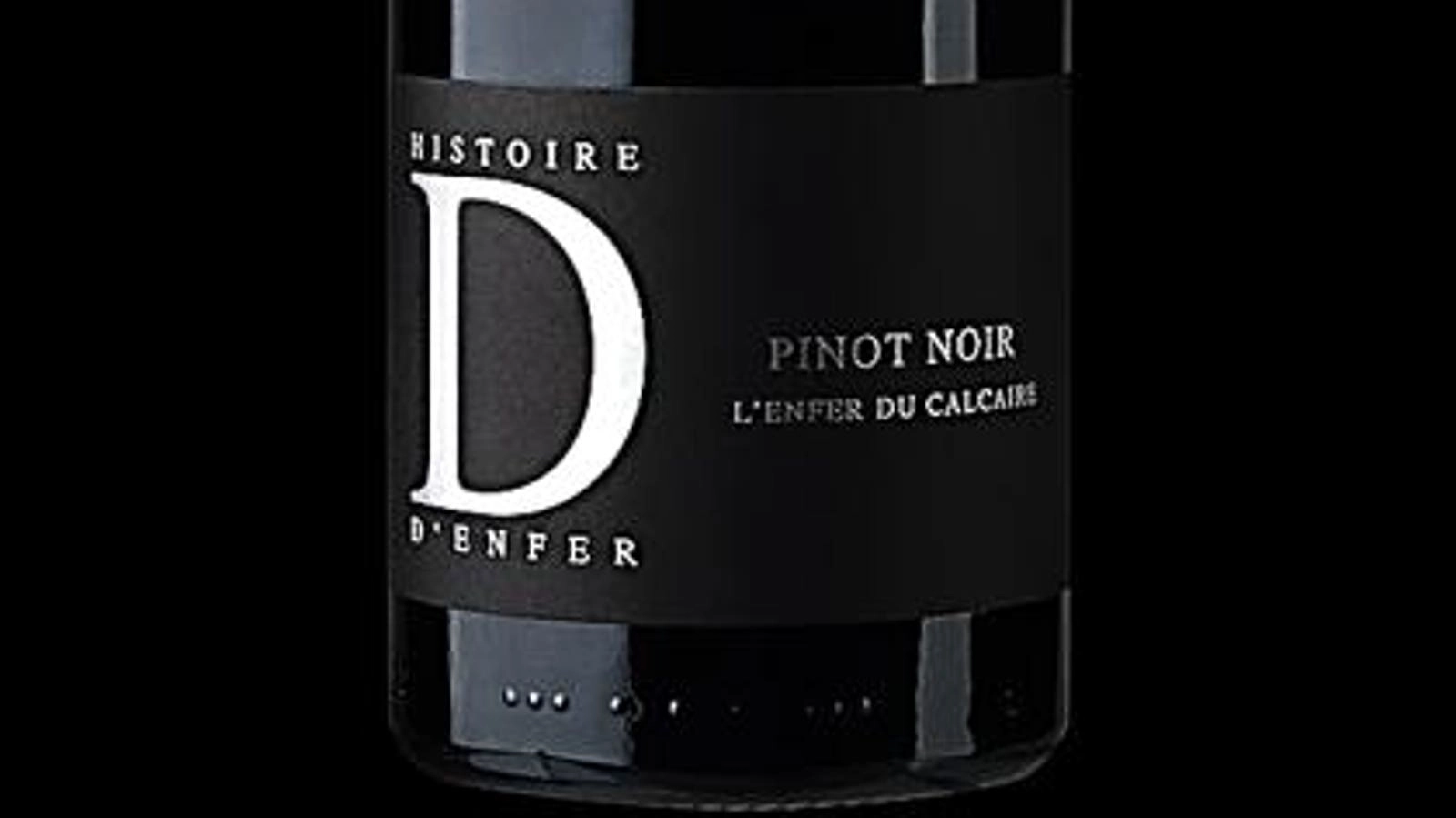
Domaine Histoire D’enfer, L’enfer Du Calcaire Pinot Noir 2019,
Six Pinot Noir wines won Platinum medals at the 2024 Decanter World Wine Awards (DWWA). The competition is the largest wine competition in the world and is considered among the most prestigious. Over 18,000 wines were entered in the recently completed 2024 judging. Below are tasting notes on the six winners and some background on their producers. All six medalists had identical scores of 97/100 points.
Domaine Histoire D’enfer, L’enfer Du Calcaire Pinot Noir 2019, 13.9% ABV, 750 ml
Domaine Histoire D’enfer is a boutique winery in Salquenen, Valais, Switzerland. Established with a focus on high-quality, small-batch production, the winery’s name, “Histoire D’enfer,” translates to “Hell’s History,” reflecting their region’s challenging but rewarding viticulture. The winery is dedicated to expressing the unique terroir of Valais through its wines.
The vineyards are characterized by limestone-rich soils, contributing to the wines’ minerality and elegance.
This Pinot Noir reveals a stunning ruby color with a bouquet that features aromas of ripe red cherries, cranberries, and subtle floral notes. The palate is nuanced and complex, with layers of red fruit, minerality, and a hint of spice. The texture is silky, with fine, well-ripened tannins and a balanced acidity that leads to a long, elegant finish. The limestone influence is evident, adding a distinct minerality and freshness to the wine.
The DWWA Judging panel described the wine as featuring:
Enchanting raspberry, strawberry, and freshly picked cherries charm and delight with a delicious infusion of sumptuous red licorice, clove, and star anise rippling alongside. Capacious and warming with a simmering gravelly undertone of mineral tannin. Superb!
Audeant Wines, Luminous Hills Pinot Noir 2021, 12.9% ABV, 750 ml
Audeant Wines, located in the Willamette Valley, Oregon, is a small family-owned winery dedicated to crafting premium Pinot Noir wines. The winery emphasizes sustainable farming practices and minimal intervention in the winemaking process to preserve the fruit’s purity and the vineyard’s distinct characteristics.
The vineyards are situated on a mix of volcanic and sedimentary soils at an elevation of approximately 700 feet above sea level.
Luminous Hills Pinot Noir is a vibrant and expressive wine with a deep garnet hue. The nose is filled with aromas of black cherries, raspberries, and a touch of earthiness. It offers a rich texture on the palate with flavors of dark fruit, cocoa, and a hint of spice. The wine is well-structured with fine tannins and a bright acidity, culminating in a long, nuanced finish.
The DWWA Judging Panel described the wine as exhibiting:
Ripe crushed cherries and perfumed red flowers leap out of the glass and cascade over the crunchy, youthful palate; with an immersive texture, silky smooth tannins and a squeaky-clean acidity. Impressively long and memorable.
Bay of Fires, Pinot Noir 2022, 13.6% ABV, 750 ml
Bay of Fires, Pinot Noir 2022, 13.6% ABV, 750 ml
Bay of Fires is a prominent winery in Tasmania, Australia, renowned for its cool-climate wines. The winery’s location provides ideal conditions for growing high-quality Pinot Noir, characterized by intense flavors and balanced acidity. The vineyards feature sandy loam and volcanic soils, which help to produce wines with great finesse and complexity.
This Pinot Noir from Bay of Fires is elegant and refined, showcasing a beautiful translucent ruby color. The nose reveals aromas of violets, blackberries, and a hint of spice. The palate is silky and smooth, with flavors of dark cherries, plums, and subtle oak undertones. The wine has a vibrant acidity and fine-grained tannins that provide structure and length, leading to a graceful finish.
In describing the wine, the DWWA Judging Panel noted:
Prior to 2024, we’ve never had a Tasmanian Pinot in our Best In Show selection. This year we have two. Was it because 2022 was a sensational vintage? Not exactly – the east coast of the island suffered from a spectacularly cool, wet season; elsewhere on the island, though, conditions did indeed vary from good to outstanding.
The first wine in our pair is a pan-Tasmanian blend with source fruit from several regions. It is a translucent dark red in colour, with warm, settled aromas of plum, cherry, and raspberry just teased towards sweetness with subtle oak. It is warm, soft and mouth-filling, built on the same core of subtly mingled fruits with muted, natural acidity and fine tannins, the combination giving an almost silky charm to the wine. This considered, restrained winemaking lays the groundwork for a Pinot which is hugely easy to drink yet at the same time deeply satisfying and highly amenable – a Pinot to sip on its own, to chill with fish or to serve at a cool room temperature for white meats and salads.
Yarra Yering, Pinot Noir 2022, 13% ABV, 750 ml
Yarra Yering is one of the most iconic wineries in the Yarra Valley, Victoria, Australia. Established in 1969, it has a long history of producing exceptional wines that reflect the region’s terroir.
The vineyards are planted on a mix of sandy clay loam and volcanic soils, which enhance the aromatic complexity and structure of the wines.
The Yarra Yering Pinot Noir is a wine of great elegance and complexity. It is a light ruby color. It features fragrant aromas of red berries, roses, and a hint of forest floor on the nose. The wine is finely textured on the palate with flavors of strawberries, cherries, and delicate spice. The tannins are soft and silky, complemented by a refreshing acidity that enhances the wine’s length and balance.
The DWWA Judging Panel described the wine as being:
Alive with bright red cherry, raspberry and strawberry fruit with just a subtle hint of five spice oak. Solid and smooth with velvety tannins and a melting spine of acidity. Long and lingering with a vanilla plum finale.
Lowestoft, Single Vineyard Jacoben Pinot Noir 2022, 13.5% ABV, 750 ml
Lowestoft, Single Vineyard Jacoben Pinot Noir 2022, 13.5% ABV, 750 ml
Lowestoft is a premium wine producer in the Derwent Valley, Tasmania, Australia. The winery focuses on single-vineyard expressions that highlight the distinct characteristics of their unique terroirs. The vineyards are characterized by sandy loam over clay, which helps to produce wines with depth and complexity.
This Single Vineyard Jacoben Pinot Noir is a testament to the exceptional quality of Tasmanian Pinot Noir. It displays a brilliant ruby color with a bouquet of red cherries, wild strawberries, and subtle floral notes on the nose. The palate is rich and layered, offering dark fruit flavors, earthy undertones, and a touch of spice. The wine is well-structured with refined, well-integrated tannins and vibrant acidity, leading to a long, elegant finish.
In describing the wine, the DWWA Judging Panel observed:
The second of this year’s outstanding 2022 Tasmanian Pinot Noirs comes from the Derwent Valley, just north of Hobart and in the rain shadow of Mount Wellington. The region can be drought-susceptible in warm summers, but in the wetter season of 2022 its site stood it in good stead.
This is a darker wine than its pan-Tasmanian peer, but beautifully crafted: singing red fruits without any shadowing from oak and with the intrinsic grace and charm of the Derwent Valley’s fruit well to the fore. On the palate, it is pure, bright, and mouth-filling, packed with juicy raspberry; both tannins and acids are soft and sustaining. They nourish and ease the gorgeous fruit core through the palate to a gently subsiding finish. There’s just a touch of tarry complexity behind those fruits. Virtuoso work from a Pinot region of extraordinary promise.
McArthur Ridge, Southern Tor Pinot Noir 2022, 13.5% ABV, 750 ml
McArthur Ridge is in the Alexandra Basin, Central Otago, New Zealand. The winery is known for its high-altitude vineyards, which produce Pinot Noir with distinctive character and depth. The vineyards feature schist, gravel, and sandy loam soils, which contribute to the wines’ concentration and minerality.
Southern Tor Pinot Noir is a beautifully crafted wine with a deep ruby color. The nose is expressive, with aromas of blackberries, dark cherries, and a hint of spice. The palate is rich and concentrated, featuring layers of ripe fruit, earthy notes, and well-integrated oak. The tannins are firm yet velvety, and the wine’s bright acidity provides balance and length, resulting in a complex and satisfying finish.
In commenting on the wine, the DWWA Judging Panel noted:
We may not have found any Burgundian Pinot Noir wines to feature in this year’s Best In Show selection, but three Pinots from the Southern Hemisphere goes some way to compensate. This example from the Alexandra Basin sub-region shows why there is so much excitement about Central Otago.
It’s translucent dark red in color, with articulate aromas of warm red berries, red cherries, and root spice. It’s softly articulated on the palate and sweet-fruited, with great grace and poise. The wine’s structure comes more prominently from its acidity than from its relatively discreet tannin profile. In just two years, it has already begun to soften and open; look out for stones and an herbal complexity, as well as root spice, on the finish.
These six wines have been recognized for their exceptional quality, reflecting their respective producers’ unique terroirs and winemaking expertise. They are, without question, among the very best Pinot Noir wines in the world.
One Community. Many Voices. Create a free account to share your thoughts.
Our community is about connecting people through open and thoughtful conversations. We want our readers to share their views and exchange ideas and facts in a safe space.
In order to do so, please follow the posting rules in our site’s Terms of Service. We’ve summarized some of those key rules below. Simply put, keep it civil.
Your post will be rejected if we notice that it seems to contain:
User accounts will be blocked if we notice or believe that users are engaged in:
So, how can you be a power user?
Thanks for reading our community guidelines. Please read the full list of posting rules found in our site’s Terms of Service.
The Worst Rum Choices to Avoid When Making Mojitos

“`html
When those hot, hazy days of summer roll around, few cocktails hit the spot better than a mojito. Mojitos are light, refreshing, and fizzy, and they’re pretty straightforward. The classic version calls for rum, lime, mint, sugar, and soda water. Although it’s almost infinitely customizable, it’s those ingredients that come together to create this incredible cocktail that’s popular for a reason. But let’s take a closer look at the rum. While it’s often suggested that white or light rum is the best option for a mojito, are there rums you should avoid?
Yes, and it’s not what you think. Oft-repeated cocktail wisdom says you should steer clear of spiced rum when making mojitos, but we’d argue that’s not the case. A spiced rum can make an absolutely incredible mojito, and we’ll tell you how.
We will add, however, that if you’re looking for a cocktail that truly plays to a mojito’s strengths, you’ll want to keep those light, refreshing flavors — and dark rum isn’t going to do that. While you can, in theory, use a dark rum in a mojito, it will be a deep, molasses- and caramel-heavy cocktail, not the smooth, summertime drink everyone expects when they think of this cocktail. In the warm season, at least, stick with the light rums, avoid the dark, and rely on other options to switch up the flavor profile of this versatile drink.
Read more: 26 Popular Vodka Brands, Ranked By Their Versatility
“`
When making a refreshing, summery mojito, you’ll likely want to give dark rum a miss because it changes the entire feel of the cocktail into something with a lot of heavy flavors. A classic mojito is a light, fresh cocktail with forward flavors of mint and lime. Swap in dark rum, and you’ll get something very different. Sure, it’s also a delicious cocktail, but if you serve it to someone claiming it’s a mojito, know that it’s not going to be what they’re expecting. Dark rums bring strong, distinctive flavors that make them more well-suited to sipping straight or on the rocks instead of in a cocktail like a mojito.
Now, let’s talk about spiced rum. If you’re looking to get creative with your mojito game, you can use spiced rum for a twist on the classic cocktail. With the addition of a few other ingredients, you’ll make something worthy of repeating.
Add a pineapple slice for garnish, a splash of cranberry juice to mellow out the spice, a dash of aromatic bitters, or some ginger. That can be ginger that’s muddled along with the mint, or you can replace the soda water with ginger beer or ginger ale. Using spiced rum with ginger — particularly in the proper proportions — will still result in a light and summery cocktail that stays true to the spirit of the classic mojito.
If the only rum you have on hand is dark and you still find yourself in the mood for making mojitos, you should know that there are several alternatives that will be much better than a dark rum. The very best replacement might be a simple vodka. A plain vodka won’t have any flavors that take away from the lime and mint, but plenty of flavored vodkas — particularly citrus vodkas — can also work well.
Gin can also be a perfectly acceptable option, bringing a light botanical freshness ideal for a hibiscus and blackberry mojito. It’s also fun to experiment with: Whether you like light or heavy botanical flavors, sloe gin, or one of the fruit-forward varieties, a gin mojito can be pretty amazing. If you’re a fan of botanicals, you’ll also need to try a mojito with the rose-flavored spirit Lanique or the elderflower-flavored St. Germain, which can be used in a deliciously herbaceous mojito.
No matter what liquor you choose, keeping that refreshing quality is key to making an incredible mojito. There’s no shortage of additions that can enhance it: Add some honey or fruits like strawberries, watermelon, cherries, blueberries, and pomegranates. The lime and mint are key, but what if you don’t have any fresh mint? Use store-bought breath mints to make a minty simple syrup — really! Get creative, but stay away from the dark rum if you want a refreshing version of this classic.
Read the original article on The Daily Meal.
The U.S. Open Beer Championship Crowns the World’s Best Pilsner

The best pilsners of 2024 came in a variety of sub-categories.
The world’s best pilsners in various sub-categories were announced by The U.S. Open Beer Championship in early July. The Ohio-based beer festival is one of the most prestigious in the world, and along with the World Beer Cup and The Great American Beer Festival, it is one of the big three beer festivals in the U.S.
The competition was founded by brewer Dow Scoggins in 2009. Scoggins recently mentioned that the festival has always prided itself on the diversity of the categories it judges. This is evident in the pilsner categories. The festival has five pilsner categories and a sixth category that can go either to a lager or pilsner (pilsners are a type of lager so although all pilsners are lagers, not all lagers are pilsners).
This year, many major beer festivals have seen an uptick in pilsner submissions, reflecting growing interest in the category from consumers. Many brewers I have spoken to have long preferred the subtle yet complex pilsner category over the more in-your-face IPA category, which had come to dominate beer sales. Due to this preference, pilsners are starting to take some market share from IPAs, though they are not yet as popular.
The pilsners below were all gold medal winners at this year’s U.S. Open Beer Championship, meaning they were deemed the best of the best by the festival’s panel of judges.
This popular Denver brewery with several locations is no stranger to success, with several previous medals from prestigious beer competitions to its name. These include a 2024 bronze medal from the World Beer Cup for a beer called Smooth Exportations, a German-Style Oktoberfest. Here, it took home the top prize in this competitive light and crisp lager category.
This brewery Czechs all the marks (get it?) for lovers of Czech/Bohemian pilsners, with Czech Republic ingredients including the quintessential pilsner Saaz hop. Per the brewery, this beer has “a slight honey-like sweetness and toasted cracker flavor from the lightly kilned malt and a wonderfully spicy, herbal, and floral hop aroma.”
Only a true pill wouldn’t like this pils from Riverlands Brewing Co. that is made with German pilsner yeast and a mix of American Sterling hops and German Saphir hops. The brewery’s tasting notes say this beer features “a beautiful blend of floral, spice, lemongrass, and citrus hop flavors,” and “a pleasant bitterness.”
This gets the gold medal from me for best name on this list, which is all the more impressive because the brewery that released it, Taproom Beer Co., doesn’t exactly earn creativity points for its name. Getting back to this beer, it’s made with a new experimental hop called HRC-003 from the Hop Research Council and per the brewery “boasts [a] bouquet of tropical, stonefruit, and berry qualities.”
The latest award-winning brew from this critically acclaimed brewhouse and movie theater is named for the nickname given to the main character in the iconic Rocky franchise. Not only is this beer and many others from the San Antonio beer award-winning, I’m betting it pairs well with popcorn.
One Community. Many Voices. Create a free account to share your thoughts.
Our community is about connecting people through open and thoughtful conversations. We want our readers to share their views and exchange ideas and facts in a safe space.
In order to do so, please follow the posting rules in our site’s Terms of Service. We’ve summarized some of those key rules below. Simply put, keep it civil.
Your post will be rejected if we notice that it seems to contain:
User accounts will be blocked if we notice or believe that users are engaged in:
So, how can you be a power user?
Thanks for reading our community guidelines. Please read the full list of posting rules found in our site’s Terms of Service.
Enhance Your Rum Cocktails with Rich Flavors Using This Unique Type of Sugar

When describing the flavor of rum, especially dark, aged expressions, a common consensus among the experts is that it offers notes of molasses. And that should be obvious since molasses is one of the main ingredients from which the popular spirit is distilled (the other one being sugarcane juice). Therefore, it would make sense to use a darker, deeper flavored sugar when mixing rum cocktails. Next time you whip up a batch of mojitos or a nice Caribbean-style rum punch, consider swapping the regular sugar in your recipe for muscovado sugar.
This lesser-known sweetener is one of the most unrefined sugars out there, acquiring its deep brown color and moist, crumbly texture from its high content of molasses. Muscovado is made by evaporating sugar cane juice but leaving varying amounts of molasses in the final product, depending on whether it’s labeled as light or dark muscovado. The flavor is therefore more complex, with notes of toffee and caramel. It is widely used in baking, confectionary, and even to add another layer of flavor to a barbecue sauce.
Read more: The 40 Absolute Best Cocktails That Feature Only 2 Ingredients
The purpose of adding a sweetener to a cocktail is to enhance its flavor or balance bitterness and acidity. You can use muscovado just as you do regular sugar in a cocktail, but remember that your choice of sweetener will change its taste profile — muscovado will yield a richer sweetness with hints of caramel. You can use it to muddle herbs or fruit or make a sugar syrup with much more depth and body. It would be especially good in Tiki cocktails that use a Caribbean rum or Rhum Agricole, such as a Zombie, or in drinks where rum is used in place of whiskey or Bourbon such as a rum old fashioned, Manhattan, or Cable Car cocktail. It is stellar in creamy drinks like the Bushwhacker or added to coffee-based cocktails to enhance their chocolatey notes.
You will find muscovado at most regular grocery stores, although the price might be a bit higher than that of regular sugar due to its artisanal, labor-intensive process. However, the slight price increase will be worth it, as you will certainly find plenty of uses for it in your kitchen and bar.
Read the original article on Tasting Table.
Glen Powell and Luke Combs Impress Fans with Epic Beer Chugging Skills at Concert

Luke Combs knows how to have a good time.
On Friday, July 19, the singer, known for his 2023 cover of “Fast Car,” invited Glen Powell and the “Twisters” stars onstage with him at MetLife Stadium to chug beer.
After the cast, including Daisy Edgar-Jones and Anthony Ramos, walked on stage, they were handed Miller Lite beer. On the count of three, they lifted their cans up for a group shotgun.
Once Powell and Combs were done, they threw the beer cans toward the country music star’s roaring audience.
Edgar-Jones seemed to struggle chugging the alcohol, so Powell offered an assist, downing the rest of her drink.
Powell shared a clip of the moment on his Instagram story and above it, added tornado and beer emoji.
Edgar-Jones added on her own story, “So this happened.”
Combs, the singer of “Beer Never Broke My Heart,” is known for his drink shotgunning skills. In May 2023, Ed Sheeran posted a video of Combs teaching the “Thinking Out Loud” singer how to shotgun, with step-by-step instructions on how to open the can and flip it up for the perfect chug.
Combs’ song “Ain’t No Love In Oklahoma” is featured on the soundtrack for “Twisters,” in addition to tunes from Jelly Roll, Miranda Lambert and more.
In the song, Combs sings, “I can’t breathe and I catch my breath/ But I keep chasing that same old devil/ Down the same old dead-end highway.”
In “Twisters,” Powell plays a rodeo star-turned-tornado chaser, who thrives on danger. In the film, he teams up with Kate (Edgar-Jones) and Javi (Ramos) to survive a sinister storm season in Oklahoma.
A few days before the film was released on July 19, Powell stopped by TODAY to talk about the movie, and he said he couldn’t wait for fans to see the film.
“I really love this one. I mean, maybe it’s because I feel really comfortable in a cowboy hat,” he said with a laugh during the July 17 interview. “Growing up in Texas — all my friends want to see this one, so it’s great.”
This article was originally published on TODAY.com