Exploring the Perfect Pair: Why Wine Complements Cigars So Well

Enjoying the Taste of Wine with Cigars
Many believe that whiskey is the best companion for a cigar, but in Sonoma County, a circle of enthusiasts argues that wine is the superior choice. During a recent ‘Summer Smoke’ dinner event at Rodney Strong Winery, I had the chance to engage with several proponents of this pairing and delve into their reasoning.
The gathering saw a partnership between Rodney Strong and Squire Cigars, a business in Santa Rosa, California, currently marking its 50th anniversary. General Manager Kim Squire, whose parents, Barney and Linda Squire, founded the company, shared insightful perspectives on this debate.
“Traditionally, people associate whiskey or rum with cigars as the ideal pairing. However, considering the variety of cigar strengths, pairing them with something milder like wine can actually enhance the experience, making it a better complement to the cigars than other beverages,” she noted.
To demonstrate her perspective, Kim presented four distinct types of cigars each paired with a selection from Rodney Strong wines. The attendees had the option to try these pairings with a small sample of cigar and a taste of wine, or to indulge in a full-sized cigar.
Rodney Strong is particularly renowned for its award-winning cabernet sauvignon wines from Alexander Valley, most notably the Bordeaux blend known as Symmetry which retails for $70 per bottle. While highlighting cigar pairings for these specific wines, Kim also explored possible pairings with other Rodney Strong varietals such as sauvignon blanc, chardonnay, pinot noir, and port, pairing two of these as well.
Portfolio of Wines Crafted by Rodney Strong Winery
Below are the four Rodney Strong wines that Kim Squire paired with cigars:
#1 – Rodney Strong Symmetry paired with Davidoff Winston Churchill Cigar – The deep and complex flavors of berries, earth, and coffee in this cabernet blend complement the robust tastes of pepper, cream, dark chocolate, and coffee found in the Churchill cigar.
#2 – Rodney Strong Cabernet Sauvignon with Aladino Corojo Cigar – Bursting with notes of black currants, plum, boysenberry, cedar, and a touch of mocha, this refined cabernet pairs beautifully with the Aladino Corojo cigar. This cigar offers a bouquet of sweet spice, cocoa, cedar, and floral nuances.
#3 – Rodney Strong Pinot Noir with Arturo Fuente Hemingway Cigar – The velvety black cherry and spice flavors of the pinot noir are perfectly matched with the lighter, creamy sweetness and subtle pepper notes of the Hemingway cigar.
#4 – Rodney Strong Sauvignon Blanc with Avo XO Cigar – For those who favor white wine, the crisp and aromatic grapefruit, floral, and pear notes of the sauvignon blanc pair exquisitely with the smooth, mild flavors of the XO cigar, which highlights hints of salty cashews, cream, cedar, sweet molasses, leather, and spice.
Some of the Cigars Served at the Wine & Cigar Pairing Event at Rodney Strong
The ‘Summer Smoke’ event at Rodney Strong winery featured a family-style dinner and was conducted outdoors on a large grassy area with a picturesque view of the vineyards in Sonoma County. Although not everyone at the fully booked event engaged in both the cigar and wine tastings (with a select few opting solely for wine-tasting), the cigar enthusiasts found much to enjoy.
“A cigar is a wonderful addition to the wine-pairing journey. A youthful Cabernet, rich with bold fruits and sturdy tannins, pairs exceptionally well with an earthy Robusto,” explained Palmer Emmitt, Owner and Winemaker at Emmitt-Scorsone Wines, as he explored various cigar and wine combinations.
Christopher O’Gorman, Senior Director of Communications at Rodney Strong Wine Estates, also enjoys the dynamic between wine and cigars. “Exceptional wine paired with fine cigars is like a match made in heaven. Both possess intricate flavors that echo their origins and cover a broad range of aromas and textures, from delicate and smooth to rich and robust,” he noted.
Guests Relaxing on the Lawn at the Wine & Cigar Pairing Event at Rodney Strong Winery
But Rodney Strong winemaker, Olivia Wright, decided not to participate in the pairing, though she did an excellent job describing the wines to guests.
“I don’t smoke cigars, but our proprietor, Tom Klein, greatly enjoys them – especially with wine, and so do many of our winery customers,” stated Olivia Wright, Winemaker with Rodney Strong Wine Estates.
“Also, I know that we all have different palates, and so if people enjoy pairing wine with cigars, I think that is wonderful. The world of wine will be a better place if we get rid of rules about what people should and shouldn’t like about wine pairing,” she added.
Interestingly both Squire Cigars and Rodney Strong winery are family owned businesses, with Squire Cigars first opening their doors in 1974 and Rodney Strong established in 1959. Recently, Squire Cigars introduced wine lockers to their cigar shop, enabling customers to receive advice on selecting the best wine from their lockers to pair with cigars.
“Wine and cigars just go together,” mentioned Kim Squires, “so why not offer wine lockers at our cigar shop? Truly, people are missing out if they don’t pair their wine with cigars.”
Actor George Hamilton epitomizes the elegance of pairing different types of wine and cigars.
One Community. Many Voices. Create a free account to share your thoughts.
Our community is dedicated to fostering connections through open and thoughtful dialogue. We encourage our readers to express their opinions, share ideas, and discuss facts within a respectful and secure environment.
Please adhere to the posting guidelines specified in our Terms of Service. Below is a brief overview of these essential rules. In essence, please remain respectful at all times.
Your submission will be declined if it appears to include prohibited content as outlined in our policies.
User accounts will be suspended if there is evidence or suspicion of violations according to our community standards.
So, how can you be a power user?
Thanks for reading our community guidelines. Please read the full list of posting rules found in our site’s Terms of Service.
Consumer Alert: Counterfeit Glen’s Vodka Discovered in Store Due to ‘Nail Varnish’ Smell Complaints
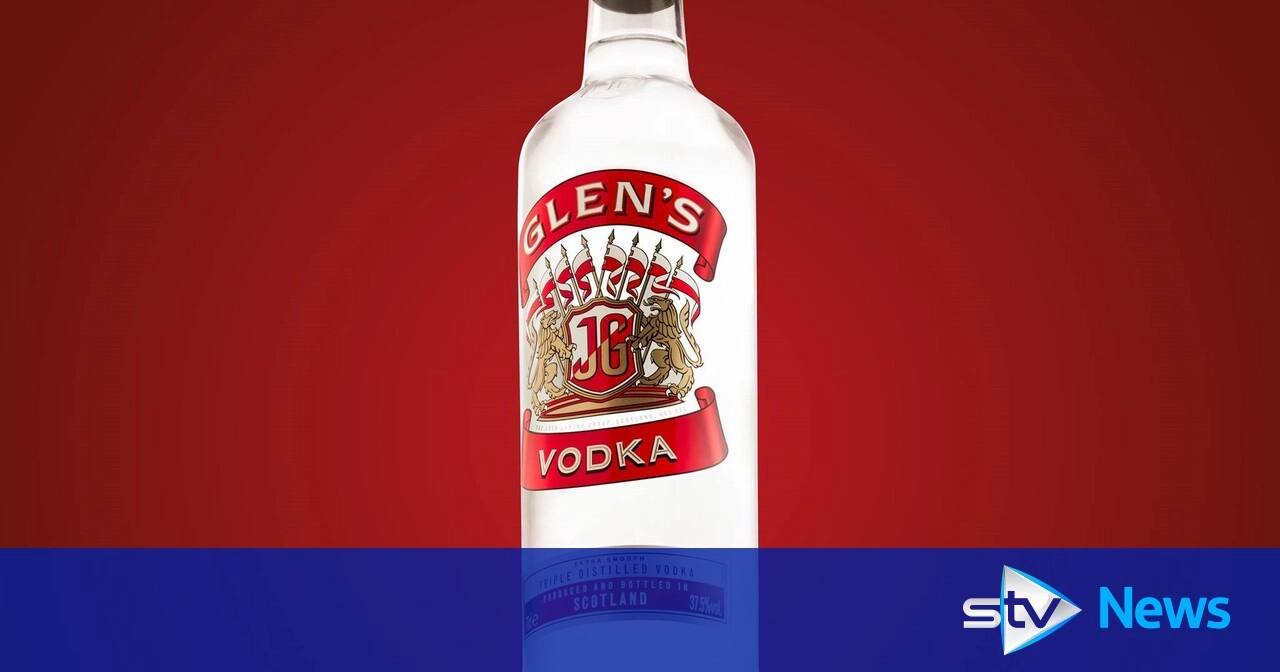
Over 40 counterfeit bottles were discovered in a shop in Coatbridge during an investigation.
Over 40 bottles of fake Glen’s vodka have been recovered from a shop after a customer said the alcohol smelled like “nail varnish remover”.
Food Standards Scotland (FSS) and North Lanarkshire Council launched an investigation after the counterfeit bottles were discovered in a shop in Coatbridge.
Following a compliant from a consumer who detected a strong odor of nail varnish remover in what was falsely labeled as Glen’s vodka, local environmental health officers have taken action. They tracked down and removed the 35cl bottles from sale and collected samples for testing.
Both the Food Standards Scotland (FSS) and local councils are urging the public to exercise increased caution when buying alcoholic beverages, advising a thorough check of any bottles purchased recently.
“Consuming such counterfeit products poses serious health risks,” stated Ron McNaughton, head of the Scottish Food Crime and Incidents Unit at FSS.
“The labeling, the appearance of the packaging, and the odor can be indicative of an issue.”
“Purchasing counterfeit alcohol leaves you unsure about what ingredients it includes and its potency, which might result in severe illness or intoxication after just a drink or two.”
“Please contact us if you suspect you have purchased counterfeit items.”
Councillor Helen Loughran, chair of the environment and climate change committee at North Lanarkshire Council, stated, “This was an important find by our officers at a store in Coatbridge, who swiftly acted to confiscate the counterfeit items from being sold.”
“Our environmental health and food safety officers remain vigilant to the potential issue of counterfeit alcohol within North Lanarkshire to protect public health.”
Anyone who suspects they have bought counterfeit alcohol should reach out to their local council’s environmental health service or the FSS Scottish Food Crime and Incidents Unit at foodcrime@fss.scot.
Contact North Lanarkshire Council’s environmental health at environmental-health@northlan.gov.uk or call 01236 856361.
For those with information about counterfeit alcohol or related food crimes, please call the free and anonymous Scottish Food Crime Hotline at 0800 028 7926.
Glen’s has been reached for a statement.
Stay updated with the latest national news.
Use your mobile device to scan the QR code for the most recent news updates from across the country.
Weyland-Yutani Launches Aspen Beer Inspired by ‘Alien: Romulus’ Movie

Xenomorph in 20th Century Studios’ ALIEN: ROMULUS. Photo courtesy of 20th Century Studios. © 2024 20th Century Studios. All Rights Reserved.
Ridley Scott’s seminal sci-fi/horror film Alien (1979) is known for many things: the infamous Chestburster scene, the debut of Sigourney Weaver playing badass Ellen Ripley, and a new breed of cosmic terror known as the Xenomorph.
A can of fermented hops isn’t exactly synonymous with the classic movie…unless, of course, you’re a super-fan who pays attention to the smallest production details.
For close to half a century, eagle-eyed viewers have discussed the topic of Aspen Beer, the Nostromo crew’s alcoholic beverage of choice. Most notably imbibed by Captain Dallas (Tom Skerritt) during Kane’s final meal, the drink represents one of the franchise’s first-ever references to Weyland-Yutani, the greed-obsessed “Company” that will do anything to get its hands on a Xenomorph specimen. While the corporation would play a much larger and more visible role in the sequels that followed, it’s very cool to learn the callous conglomerate that spans innumerable industries was always there from the very beginning — albeit spelled without the “d” at the end of “Weyland.”
Captain Dallas (right) holds a can of Aspen Beer in 1979’s “Alien.”
Initially just a minor prop in the background, Aspen Beer has become a recurrent element in the Alien series, intriguing fans who can now even taste it themselves through Alien: Romulus. In conjunction with the movie’s grand release in theaters this weekend, 20th Century Studios has collaborated with Angel City Brewing to bring this fictional beverage to life.
“We reflected on the beer’s appearances throughout the series and contemplated what a crew on a spaceship would likely prefer as a regular drink,” says marketing manager Kelsey Damassa. “Our conclusion was a drink not too strong in alcohol content or too exotic in flavor. We aimed for a beer type that would be universally enjoyable.”
Guided by this concept, head brewer Layton Cutler crafted the real-world version of Aspen Beer as a blonde ale, as these “lightly flavored, classic beer styles … never become outdated or unpopular,” according to Damassa. “This blonde ale exemplifies such qualities — bright, traditional, and immensely satisfying. It’s the ideal beverage for space exploration.”
To be as faithful as possible to the product design featured in the ‘79 feature that set the whole mythos in motion, the Angel City team worked off high-res images of the Aspen Beer logo provided by 20th Century Studios.
“We tried to stay as true as possible to the original label design, but also wanted to add a little Angel City and Los Angeles flair,” Damassa says. “You’ll notice our iconic Angel is featured on the front of the can under the ‘Aspen Beer’ logo. You’ll also notice that we changed the location on the ribbon from Aspen, Colorado to Los Angeles, California to give a subtle nod to where the beer was brewed.”
Aspen Beer as produced by Angel City Brewing
Aspen Beer as produced by Angel City Brewing
Those looking to get taste of an ice-cold Aspen can head over to Angel City Brewery in Los Angeles (216 S Alameda Street), where the beer is available on tap and in a limited number of to-go cans. Facehugger eggs sold separately…
Alien: Romulus is now playing exclusively in theaters.
Directed and co-written by Fede Álvarez (Evil Dead, Don’t Breathe), the film takes place between the events of Alien and Aliens. Its story centers around a group of young scavengers who get way more than they bargained for while trying to steal cryo-pods from an abandoned Weyland-Yutani research station. Ridley Scott served as a producer on the project via his Scott Free banner.
Unveiling the Whiskey Brand Behind Starbucks Reserve’s Exclusive Barrel-Aged Coffee
If you’ve ever visited a Starbucks Reserve location (there are nine worldwide, six of which are roasteries), then you know that you won’t find many of the company’s best-known beverages on the menu. There’s no “venti PSL” at a Roastery — but there is a Hot Honey Affogato and Toffeenut Bianco Latte. Starbucks’ Reserve Roasteries are hubs for the coffee giant to experiment and offer premium espresso and coffee bean innovations, and they host a number of unique creations. At the three New York City locations, Starbucks features such intricate coffee beans as Sun-Dried Brazil Fazenda Recanto with rose and lavender, and Rwanda Sholi Kundwa with chamomile and ginger. Included in this assortment is Starbucks Reserve Knob Creek Bourbon Barrel-Aged Guatemala coffee with chocolate and fruit tones — and there’s more to this specific roast than initially appears (or tastes).
Starbucks Reserve developed its barrel-aged Guatemalan coffee in partnership with whiskey giant Knob Creek. According to the Starbucks Reserve website, the batch is sourced from “an extraordinary lot of Guatemalan beans, meticulously cared for during the aging process in Knob Creek Kentucky Straight Bourbon Whiskey barrels.” This long-standing coffee tradition merges with the expertise of the famed Kentucky distillery, creating a coffee described by Starbucks as having “mellow sweetness, notes of chocolate, hints of stone fruit, and an aura of rich oak.” For optimal preservation of these intricate, crafted flavor elements, this barrel-aged coffee is best brewed using a pour-over, French press, or even made into a lavish batch of cold brew.
Read more: 26 Coffee Hacks You Need To Know For A Better Cup
Barrel-aging is a skilled method to infuse flavor into coffee without the need for heavy sugary syrups or synthetic flavorings, and it’s completely alcohol-free. It’s a trend that’s been gaining momentum in the coffee industry in recent years, inspiring the creation of brands like Regent Coffee and Bourbon Coffee Co. Good Folks Coffee in Louisville, Kentucky also produces a custom Pappy & Company coffee blend aged in luxury Pappy Van Winkle bourbon casks.
In the process of barrel aging, green coffee beans that have not yet been roasted are stored in a barrel previously used for aging alcohol, such as Knob Creek bourbon whiskey. These beans remain in the barrel to soak up distinctive aroma and flavor profiles. After an undetermined period, the beans absorb enough character and are then roasted and brewed into a unique, robust coffee. Expertly adjusting the duration of aging allows for a controlled infusion of aroma. Coffee beans aged in Knob Creek barrels typically adopt qualities such as earthiness, nuttiness, oakiness, hints of vanilla, spice, and a touch of sweetness.
Many enthusiasts have posted online about their experiences with this coffee. It is served in Starbucks Reserve Roasteries and stores, commonly sweetened with vanilla syrup. According to one user on Reddit, this vanilla additive complements the bittersweet tones of dark cherry in the coffee, creating a smoothly balanced flavor. For those wanting to experiment, it’s suggested to add a splash of Knob Creek bourbon to a cup of black drip coffee made from Starbucks Guatemala specialty beans.
For more information, read the original article on Tasting Table.
Fake Vodka Seized from Scottish Shop Following Nail Varnish Complaint
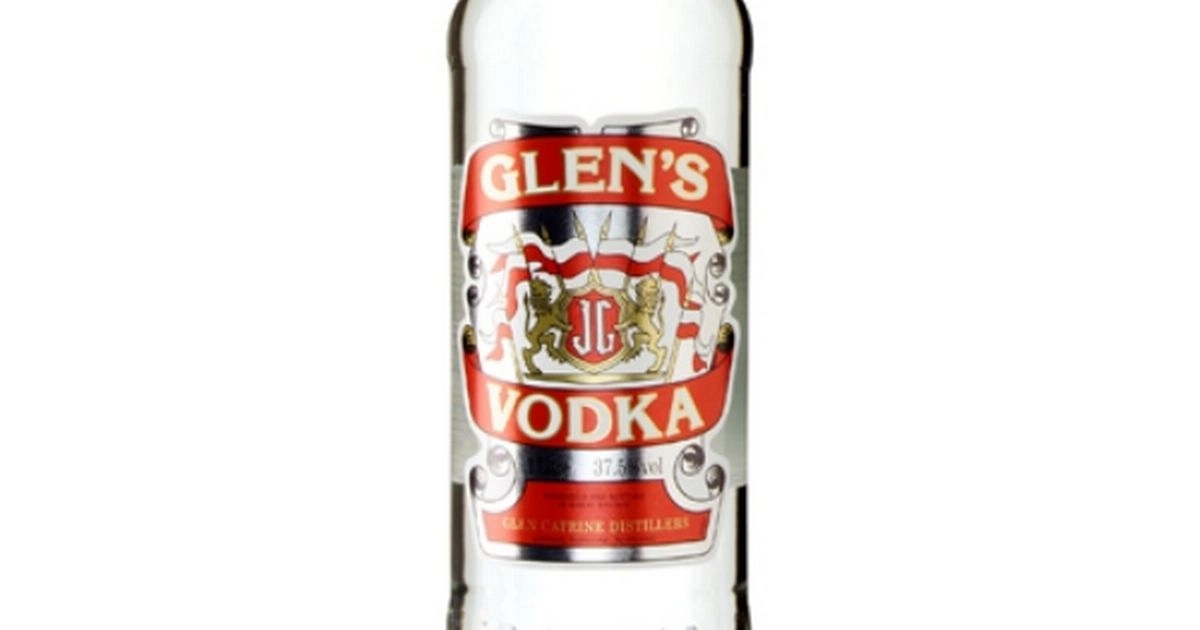
Over 40 bottles of counterfeit vodka, fraudulently labelled as Glen’s, were taken from the shelves of the premises.
Get the latest top news stories sent straight to your inbox with our daily newsletter
We have more newsletters
Get the latest top news stories sent straight to your inbox with our daily newsletter
We have more newsletters
Several fake vodka bottles have been collected from a Scottish store after a customer noticed a “nail varnish” odor.
Authorities confiscated over 40 bottles (35cl) of counterfeit vodka, falsely branded as Glen’s, from a location in Coatbridge, North Lanarkshire. The bottles were seized following a complaint by a customer who detected the smell of nail varnish in one of the bottles they bought.
Officers from the North Lanarkshire Council‘s environmental health team along with Food Standard Scotland acted promptly to withdraw the vodka from sale. The seized bottles were analyzed and confirmed to be unauthorized.
The food watchdog together with North Lanarkshire Council is alerting the public to exercise heightened caution while purchasing alcohol. They also encourage consumers to scrutinize any alcohol products they may have recently bought. products.
Ron McNaughton, who leads the Scottish Food Crime and Incidents Unit at FSS, stated, “Consuming these types of products poses a significant health risk. Aspects such as the labeling, appearance of the packaging, and the odor can be indicators that something is amiss.
“Purchasing counterfeit alcohol is risky since you’re unaware of the ingredients it contains and its potency, which may cause severe illness or intoxication even after consuming just one or two drinks. We encourage you to contact us if you suspect you have purchased counterfeit products.”
Councillor Helen Loughran, who is the Chair of the Environment and Climate Change Committee at North Lanarkshire Council, commented, “This was an important find by our officers at a retail outlet in Coatbridge, who promptly removed these fraudulent items from the shelves. Our environmental health and food safety officers are continually on alert for counterfeit alcohol issues in North Lanarkshire to ensure the safety of the public.”
If anyone possesses details concerning counterfeit alcohol or broader issues of food crime, they are encouraged to reach out to the Scottish Food Crime Hotline (0800 028 7926), operated in association with Crimestoppers. This service is confidential and free to use.
Stay updated with the latest news from across Scotland and more by subscribing to our daily newsletter here.
Cheers to National Rum Day: 10 Fantastic Cocktails to Try on August 16

Crafted around the world, rum is a diverse alcoholic beverage that enhances a variety of mixed drinks.
While World Rum Day is typically marked on the second Saturday of July annually, National Rum Day is recognized in the United States on August 16th. Rum is commonly linked to Caribbean nations; however, this spirit made from sugarcane is now distilled in many regions, including Scotland, Africa, and Hawaii.
Rum serves as the fundamental ingredient in many tropical concoctions and several classic beverages like the daiquiri, mojito, and piña colada. Creative mixologists are increasingly using rum in unconventional and even savory drinks. Here are 10 excellent examples, acknowledging both the artisans behind them and the beloved spirit.
This unique cocktail imitates the traditional appetizer of Prosciutto and melon, generously mixed with rum.
Created by the team at New York’s Bottino restaurant, this cocktail represents a summery blend, incorporating the smoky and savory flavors typical of the classic Italian Prosciutto and melon pairing. The creators at Bottino enhance this experience using San Daniele Prosciutto fat-washed Jamaican rum, ripe summer melon, and a dash of lemon to deliver a refreshing citrus twist, creating what they describe as an “umami explosion in a glass.”
To prepare the rum infused with San Daniele Prosciutto fat, mix the ingredients and allow the blend to rest for at least three hours. This process permits the rum to fully absorb the distinctive smoky and savory characteristics of the prosciutto. After infusing, strain and chill the rum prior to mixing.
For the cocktail, take a shaker and combine the prosciutto fat-washed rum with cantaloupe juice, lemon juice, and simple syrup. Add ice to the shaker and energetically shake for about 15 seconds until the mixture is well-chilled. Strain the concoction into a cooled coupe or rocks glass. Garnish with a skewer of melon cube and a rolled slice of prosciutto, topped off with a dehydrated lime wheel.
The Cartel Old Fashioned exudes a tropical coconut essence.
Coconut Cartel Rum incorporates coconut water instead of distilled water in the proofing process for their premium aged Guatemalan rum and their newly introduced blanco blend from the Dominican Republic. These distinctive rums are perfect for enhancing cocktail recipes where a coconut flavor is desired.
In a mixing glass, combine syrup, bitters, and rum. Fill the glass with ice and stir for 20 seconds. Strain the mixture into a rocks glass filled with fresh ice. Use an orange peel over the glass for aroma and as a garnish.
Heat coconut water and coconut palm sugar over low heat until the sugar has completely dissolved.
Featuring Koloa Rum, this cocktail, originally designed for Thanksgiving, suits any festive occasion.
“I designed this recipe specifically for Thanksgiving since it celebrates the flavors in cranberry sauce. I wanted the color palette to be very Thanksgiving-inspired, with red, burnt orange, and light orange. All that said, it could work any time during the fall or even into citrus season,” says mixologist Lee Corbett.
Fill a highball glass with ice and pour the cranberry juice into the bottom. Then, in a cocktail shaker, combine the tangerine juice, rum, and ginger liqueur; shake with ice and strain gently into the serving glass without disturbing the bottom layer. Fill with ginger beer to the top. Garnish with a citrus slice and a few sugared cranberries on a cocktail pick.
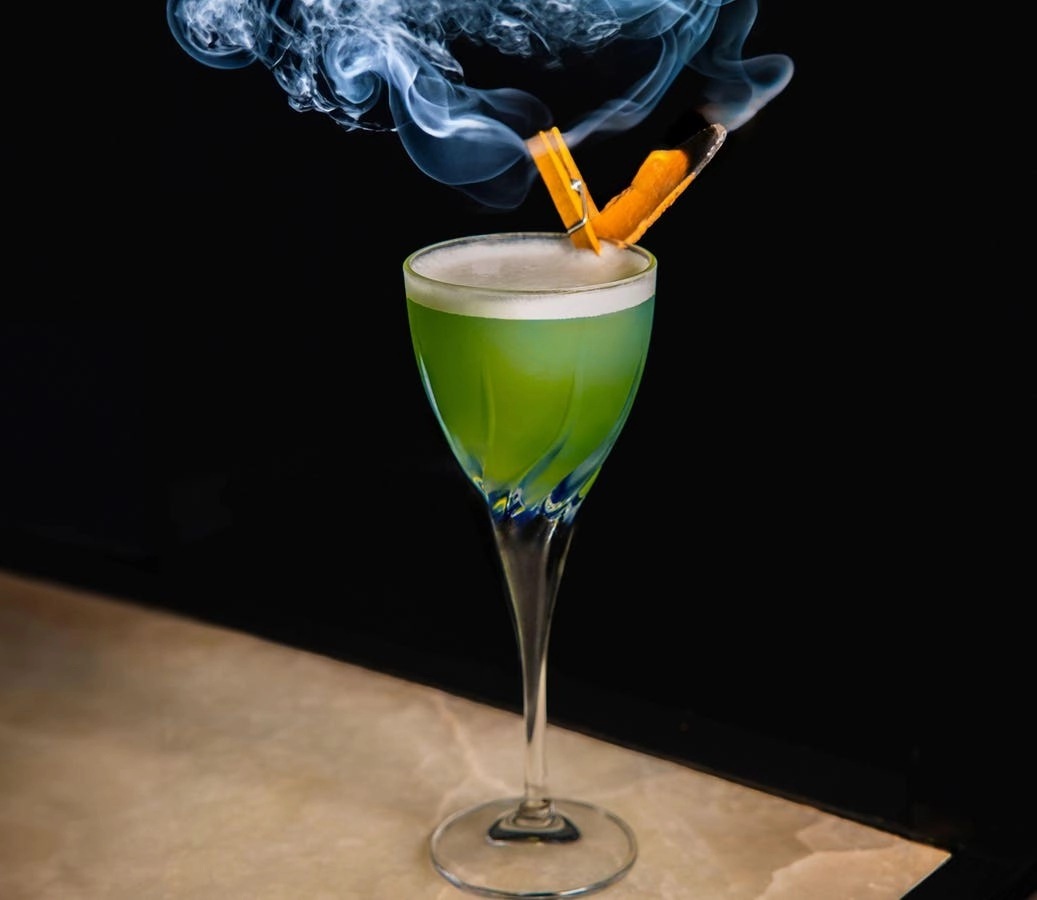
The Estatua Verde cocktail, created by acclaimed Austin, Texas bartender Justin Lavenue.
A fabulously fancy, statuesque up cocktail from the mind of Justin Lavenue, co-owner of The Eleanor in Austin, Texas. At the bar, they garnish the drink with a torched cassia bark chip and a few sprays of flamed Amburana-infused Plantation O.F.T.D. Dark Rum.
Mix 3 oz of Estatua blend with .75 oz of lime juice and 2 dashes of foam tincture in a shaker tin. Introduce cubed ice, seal, and shake vigorously. Pour through a Hawthorne strainer into a cooled Nick & Nora glass, then garnish before serving.
Enhance your mojito by incorporating fresh coconut water for a refreshing variation.
The recently launched Eclipse Navy Strength rum by Mount Gay, which enjoys a historical association with sailing, is crafted at 57.1% ABV and delivers complex flavors of vanilla, passionfruit, roasted pineapple, and a touch of sea salt.
Begin by gently muddling mint leaves at the base of the shaker. Add Eclipse Navy Strength, lime juice, and simple syrup, then give it a light shake. Serve the mixture in a Collins or highball glass, top up with coconut water and crushed ice, and finish with a mint garnish.
Rum, basil and lemon make this Imperial Basil Smash an easy, modern classic.
This herby take on the classic smash cocktail incorporates fresh basil and Dominican rum to create a complex yet refreshing drink.
Pour the basil and lemon juice into a shaker and gently chop them; add the Barceló Imperial and simple syrup, then complete with ice. Shake vigorously, strain, and pour into a shallow glass with ice. Garnish with basil leaves.
Give your classic Bloody a twist by using the dark rum of your choice instead of vodka. Recipe courtesy of Bridget Albert, mixologist at Southern Glazer’s Wine & Spirits.
Mix all ingredients in a mixing glass filled with ice. Shake thoroughly. Pour into a tall glass filled with ice. Add garnishes including a celery stalk, cherry tomato, and an olive.
This cocktail, crafted with Brugal 1888 rum, offers a perfect blend of fruity and spicy flavors.
While typically seen as a tropical, often frozen drink with fruity flavors, the classic daiquiri is actually quite straightforward and refreshing, made simply with rum, lime juice, and a touch of sugar. This newer version incorporates the exotic flavor of mango and a subtle spiciness from Ancho Reyes.
After shaking, strain the mixture into a rocks glass containing ice. Enhance with a garnish of Tajin and slices of mango.
The Chili Passion Martini fuses rum with the essence of Southeast Asia.
The creators at Jaya at The Setai in Miami designed this vibrant and spicy concoction. They steep the vodka in a mix of red Fresno and jalapeño chiles for at least two days to develop the right flavor intensity.
Mix all the ingredients in a mixing glass. Incorporate chili flakes. Shake over ice and strain into a Martini glass. Use a Thai chili for garnish.
The Cloudlifter, crafted with Ron Zacapa, stands out as a superb choice for an after-dinner drink.
This delightful dessert cocktail showcases Guatemala’s finest Zacapa 23 Rum, matured for 23 years in casks that previously aged American whiskey, Sherry, and Pedro Ximénez wines.
Combine all ingredients in a shaker with ice. Shake and strain to discard the ice, then dry shake and double strain into an Otis coupe glass. Top with crushed pistachios and serve.
One Community. Many Voices. Create a free account to join the conversation.
Our community aims to connect individuals through open and thoughtful dialogue. We encourage our readers to express their opinions and exchange insights and information in a respectful environment.
In order to do so, please follow the posting rules in our site’s Terms of Service. We’ve summarized some of those key rules below. Simply put, keep it civil.
Your post will be rejected if we notice that it seems to contain:
User accounts will be blocked if we notice or believe that users are engaged in:
So, how can you be a power user?
Thanks for reading our community guidelines. Please read the full list of posting rules found in our site’s Terms of Service.
10 Must-Try Rum Cocktails to Celebrate National Rum Day
Rum, a globally cherished spirit, is celebrated for its versatility in enhancing an array of cocktails.
While World Rum Day takes place on the second Saturday of July each year, the United States marks National Rum Day on August 16. Commonly linked with the Caribbean, rum’s production has expanded from Scotland to Africa and Hawaii.
Known primarily as the foundation of many tropical beverages and classics like the daiquiri, mojito, and piña colada, innovative mixologists are now also exploring rum’s potential in creating unique and sometimes savory drinks. Here are 10 brilliant examples, paying homage to the artisans and the beloved spirit.
This intriguing cocktail offers a reimagined take on the classic combination of Prosciutto and melon, featuring a significant splash of rum.
Concocted by the culinary experts at Bottino restaurant in New York, this cocktail serves as a delightful summertime beverage, cleverly integrating the classic flavors of Italian Prosciutto and melon. The creators at Bottino blend San Daniele Prosciutto fat-washed Jamaican rum with sweet melon and a splash of lemon to introduce a refreshingly tangy note, crafting a drink that bursts with savory smoky flavors.
For infusing the rum, meld it with San Daniele Prosciutto fat and let it sit for at least three hours. This process lets the rum soak up the distinct smoky and savory flavors of the prosciutto. Once infused, ensure the rum is strained and chilled for subsequent use.
Place the prosciutto fat-washed rum, cantaloupe juice, lemon juice, and simple syrup in a shaker. Add ice and shake vigorously for about 15 seconds to ensure the mixture is well-chilled. Strain this concoction into a pre-chilled coupe or rocks glass. Garnish with a skewered melon cube and a rolled slice of prosciutto, and crown it with a dehydrated lime wheel for the perfect finishing touch.
The Cartel Old Fashioned enjoys a unique tropical coconut essence.
Coconut Cartel Rum incorporates coconut water in lieu of distilled water during the proofing process of their premium aged Guatemalan rum and their new blanco blend from the Dominican Republic. These distinctive rums are perfect for crafting cocktails where a hint of coconut is desired.
In a mixing glass, combine syrup, bitters, and rum. Add ice to the glass and stir for 20 seconds. strain the mixture into a rocks glass filled with fresh ice. Express orange peel over the glass and garnish with the peel.
Heat coconut water and coconut palm sugar on low until the sugar is completely dissolved.
Designed with Koloa Rum and the holiday spirit of Thanksgiving in mind, this cocktail is suitable for any season.
“I designed this recipe specifically for Thanksgiving since it celebrates the flavors in cranberry sauce. I wanted the color palette to be very Thanksgiving-inspired, with red, burnt orange, and light orange. All that said, it could work any time during the fall or even into citrus season,” says mixologist Lee Corbett.
Fill a highball glass with ice and pour the cranberry juice into the bottom. Then, in a cocktail shaker, combine the tangerine juice, rum, and ginger liqueur; shake with ice and strain gently into the serving glass without disturbing the bottom layer. Fill with ginger beer to the top. Garnish with a citrus slice and a few sugared cranberries on a cocktail pick.
The Estatua Verde cocktail, created by acclaimed Austin, Texas bartender Justin Lavenue.
A fabulosuly fancy, statuesque up cocktail from the mind of Justen Lavenue, co-owner of The Eleanor in Austin, Texas. At the bar, they garnish the drink with a torched cassia bark chip and a few sprays of flamed Amburana-infused Plantation O.F.T.D. Dark Rum.
Mix 3 oz of Estatua blend with .75 oz of lime juice and 2 dashes of foam tincture. Assemble these ingredients in a shaker tin. Introduce cubed ice, seal the tin, and give it a robust shake. Employing a Hawthorne strainer, pour the concoction into a chilled Nick & Nora glass, garnish, and serve.
Add a playful twist to your mojito with fresh coconut water for a refreshing variation.
Inspired by the historical relationship between Mount Gay and the art of sailing, the newly introduced Eclipse Navy Strength rum is crafted at 57.1% ABV and unveils rich layers of vanilla, passionfruit, roasted pineapple, and sea salt.
Begin by gently muddling mint leaves at the bottom of the shaker tin. Add Eclipse Navy Strength, lime juice, and simple syrup, then give it a gentle shake. Transfer the mixture to a Collins or highball glass, then enhance with coconut water. Finish with a topping of crushed ice and a sprig of mint for garnish.
Rum, basil, and lemon combine to form the delightful Imperial Basil Smash, a modern easy-to-make classic.
This variant of the traditional smash cocktail blends fresh basil with Dominican rum to create a drink that is both complex and refreshingly delightful.
Mix basil and lemon juice in a shaker, lightly muddle them together, then add Barceló Imperial and simple syrup, and top it off with ice. Shake well, strain, and serve in a rocks glass filled with ice. Embellish with a few basil leaves.
Innovate your traditional Bloody Mary by substituting vodka with any dark rum. This recipe is shared by Bridget Albert, a mixologist at Southern Glazer’s Wine & Spirits.
Mix all components in a mixing glass filled with ice. Vigorously shake, then strain into a tall glass also filled with ice. Add garnishes of a celery stalk, cherry tomato, and olive.
Fruity yet spicy, this cocktail crafted with Brugal 1888 rum touches upon every flavor note.
Though often perceived as a quintessentially tropical beverage that is usually fruity and served frozen, a classic daiquiri is rather straightforward and refreshing, made up of rum, lime juice, and a sprinkle of sugar. This modern variation integrates the luscious flavor of mango and a subtle kick of heat from Ancho Reyes.
After shaking, strain the mixture into a rocks glass filled with ice. Embellish with Tajin seasoning and slices of mango.
The Chili Passion Martini blends rum with flavors from Southeast Asia.
The culinary team at Jaya at The Setai in Miami developed this spicy and celebratory beverage. They steep the vodka with red Fresno and jalapeño chiles for at least two days to perfect the taste.
Mix all components in a glass. Include chili flakes. Shake with ice and strain into a Martini glass. Top with a Thai chili for garnish.
The Cloudlifter, created with Ron Zacapa, serves as a superb choice for an after-dinner drink.
This delightful dessert cocktail showcases Guatemala’s finest Zacapa 23 Rum, meticulously aged for 23 years in casks that have previously matured American whiskey, Sherry, and Pedro Ximénez wines.
Mix all ingredients in a shaker tin with ice. Shake and strain to discard ice, then perform a dry shake and double strain into an Otis coupe glass. Finish by garnishing with crushed pistachios and serve.
One Community. Many Voices. Create a free account to share your thoughts.
Our community focuses on bringing people together through open and thoughtful dialogue. We encourage our readers to express their opinions and engage in meaningful exchanges of ideas and facts in a respectful environment.
In order to do so, please follow the posting rules in our site’s Terms of Service. We’ve summarized some of those key rules below. Simply put, keep it civil.
Your post will be rejected if we notice that it seems to contain:
User accounts will be blocked if we notice or believe that users are engaged in:
So, how can you be a power user?
Thanks for reading our community guidelines. Please read the full list of posting rules found in our site’s Terms of Service.
Proposed Ingredient Labels for Wine: A Step Towards Transparency and Relief for Consumers
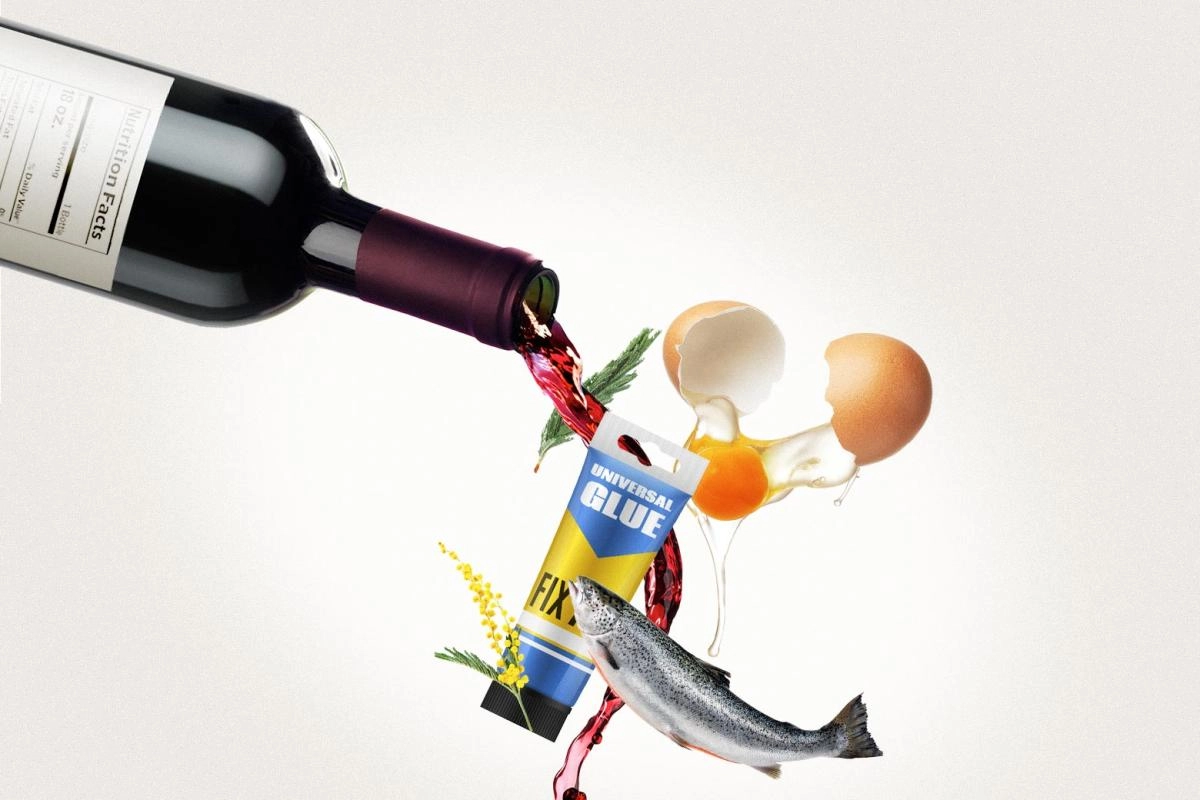
Ever wondered what’s inside a bottle of wine? Naturally, grapes come to mind. But isn’t it just wine, not some fruit-infused vodka mix?
Consider this—there are over 60 possible additives approved by the government that could be in wine. These include elements like gum arabic from acacia tree sap, albumen from egg whites, isinglass made from fish bladders, and even polyvinylpolypyrrolidone, which is a type of industrial glue. The term Special blend just gained a whole new dimension.
One might think it’s logical to list these substances clearly on the wine bottle’s label. But when I first advocated for ingredient and nutrition labels on wine bottles back in the early 2000s, the response from industry leaders was less than encouraging. The head of a major wine organization dismissed the idea as confusing for consumers—who, according to him, weren’t interested in that information anyway. A prominent U.S. wine journalist commented that most wine drinkers wouldn’t comprehend the details anyway.
Given such resistance, it’s no surprise that, almost two decades later, despite continuous efforts by federal regulators, wine still lacks mandatory nutrition and ingredient labelling. It’s one of the few major consumer products without such requirements. For context, during this period, we have witnessed significant historical and technological advancements—from the election of the first African American president to the mainstream adoption of doorbells with cameras and the Chicago Cubs winning their first World Series in over a century. Yet, information on wine bottles remains limited.
“For over two decades, I doubted whether my advocacy for ingredient labeling on wines would have any tangible impact,” shared Randall Grahm, a revolutionary winemaker from California who has persistently championed this cause. “The lack of interest within the wine sector made our efforts seem even more daunting.”
This year, however, marks a pivotal change. With renewed attempts from regulators to mandate these labels, the surprising twist is the industry’s lack of resistance. This shift is attributed partially to declining wine sales and interest, particularly outside the baby boomer demographic, in conjunction with a surplus of unsold and unharvested grapes. It appears the industry is now willing to experiment with transparency in labeling, hoping it might alleviate some of their financial difficulties.
I can only echo the sentiment that disclosing ingredients in wine is a logical step. It is regrettable, however, that it has taken two decades to reach this conclusion.
The push for ingredient labeling began roughly in 2003 when the Tax and Trade Bureau, part of the U.S. Treasury Department responsible for alcohol regulation, introduced this initiative. Given alcohol oversight falls under their jurisdiction rather than the Food and Drug Administration, they aimed to replicate the clarity seen in grocery staples like ketchup and cream-of-mushroom soup through a comprehensive ingredients listing on alcoholic beverages including wine, beer, and spirits. Michael Kaiser, involved in government affairs with the Wine America trade group, recalls the origin of this regulatory proposal, though details of the exact time seem faded by years.
Was this request unreasonable? According to Jamie Mok, a spokesperson for the Academy of Nutrition and Dietetics, it wasn’t. “From a dietitian’s perspective,” she notes, “the goal is to educate and increase awareness about what is in our food so that individuals can make informed decisions about their health.” This may include essential details like sugar content for diabetics or hidden allergens such as eggs and nuts.
However, the backlash in 2003, which generated 34 pages of comments, might make one think the TTB was attempting to reinstate Prohibition. One notable backlash came from the Wine Institute, which argued that nutritional labels were ineffective, pointing out that obesity rates in America had soared despite their introduction in the 1990s. Such a drastic viewpoint essentially suggested discarding the proposal altogether, urging the government to consider “reasonable alternatives.”
The concept of transparency seemed to lose its value here. Grahm believed that the term reasonable was more about excusing winemaking compromises than enhancing product quality. “If winemakers had to disclose all substances used in wine production, the approach to winemaking would likely become more cautious and deliberate,” he argues. “This would not only enhance the general quality of wine but also lead to the production of more unique wines.”
Opponents also argued against ingredient listing, citing problems such as ‘label clutter.’ Winery back labels were already crowded with UPC codes and promotional text; where would nutritional facts and ingredients fit? Indeed, the industry prioritized enticing descriptions like “flavors of gooseberry and lychee nuts” over conveying nutritional data.
My preferred strategy for discussion? Wine, consumed purely for enjoyment, doesn’t necessitate informational labels! This idea stems from a viewpoint expressed in a 2014 article by two lawyers in a trade magazine that no longer exists. This argument, known as the “Wine Is Art” claim, suggests that wine should be treated differently from other consumer products, warranting an exemption from typical labeling requirements. As reported in a 2019 study, it was found that consumers felt uncertain and bewildered about ingredient disclosures on wine, which in turn, diminished its perceived naturalness.
The wine industry did have some reasonable worries, however. It was unclear how the TTB would manage to regulate labeling on imported wines, which make up about 40 percent of the wine sold in the U.S. Crucially, the requirement for annual label updates due to vintage changes could be economically draining for the approximately 11,000 small wineries across the country. While the biggest 100 wineries, responsible for 90 percent of U.S. wine production, wouldn’t be significantly impacted financially, a tiny winery producing merely 500 to 1,000 cases annually could incur considerable costs if required to update labels yearly.
Not to be overlooked were the objections from the beer and spirits sectors, particularly from craft beer producers. These producers were against listing calorie content because hop-rich craft beers can contain up to 50 percent more calories than standard beers. They also contested the TTB’s method for determining serving sizes based on alcohol content; the higher the alcohol percentage, the smaller the deemed serving size. Most beers hold about 5 percent alcohol, yet craft brews can have much higher alcohol levels. Craft beer makers resisted the idea that a single bottle of their 9 percent alcohol beer might count as two servings, contrasting with mainstream beers of similar size being considered a single serving.
Hence, the proposal remained just a proposal until 2016.
When the TTB introduced a rule permitting optional labeling, a select few international beer and spirits manufacturers adopted it, but the bulk of wine producers chose to disregard it. This decision led to two outcomes: firstly, Kaiser of the Wine America group declared the matter resolved, with those desiring labels free to use them, while others could maintain the status quo. Secondly, individuals like Grahm believed this signaled the conclusion of mandatory labeling initiatives.
However, subsequent developments over the next few years prompted the TTB to reconsider its stance, with the two leading wine industry organizations eventually offering their backing. In 2022, three consumer advocacy organizations, including the Center for Science in the Public Interest, initiated a lawsuit against the Treasury Department to enforce the implementation of alcohol labeling proposed in the early 2000s. While legal experts were divided on the lawsuit’s potential success, the action signaled to groups like Wine America the substantial consumer interest in labeling. Kaiser noted, “All market research indicates that consumers desire this. We just need to find a method that introduces labels without economically straining the industry.”
The European Union offers an example, having mandated ingredient and nutrition labeling by the end of 2023, a regulation that also applies to U.S. wines sold within its borders. To alleviate the financial burden on smaller wineries, the EU adopted a UPC code system that links to a winery’s website. This code remains the same across vintages, allowing wineries to update label information online, thus eliminating the need for new print runs.
But perhaps the most important event is the 2-year-old—and still-going-strong—wine slump and what appears to be little enthusiasm among younger cohorts for red, white, or anything else. Mok says those younger consumers prefer ingredient transparency, especially for things like added sugar and nonvegetarian ingredients. Not surprisingly, two urban myths have emerged in the past decade or so, directly related to the lack of labels: that wine is full of added sugar, when, in fact, most of the sugar disappears during fermentation; and that wine uses animal products for filtering, when almost all wine is filtered through a gravel-like product called bentonite.
So where are we today? How soon can you expect to see a proper label on your favorite bottle? The TTB has outlined a process to first add fact boxes and allergen warnings, followed by ingredient labels. It includes a period for public comment as well as what are called listening sessions, during which TTB staff can talk to producers about the proposal. The timeline is vague, says Kaiser—maybe by the end of 2025, maybe longer. And it could also change depending on the results of the presidential election in November; a GOP victory could further slow the process.
For those of us who have been waiting two decades for labels, this isn’t the best news. But a process is more than we’ve had, and as long as we keep the process moving, we can get the change we want—and that the wine business needs. Just think: In a few years, you might be able to gaze into your evening glass and fully appreciate what’s in there—lovingly harvested grapes, fish bladder derivatives, and so much more besides.
Revealed: The Price of a Beer at Michigan Football Games

ANN ARBOR — As the Michigan Wolverines defend their national championship title at the season opener this month, fans at Michigan Stadium will, for the first time, be able to purchase alcohol during the games.
An individual involved in the new arrangement discussed the details with MLive on Tuesday.
Attendees can look forward to a selection that includes beer, wine, and several canned cocktails available at various concession stands throughout the stadium. A more extensive bar service will be provided at the club and suite levels, featuring offerings from five different Michigan breweries such as Founders, with two based in Ann Arbor, and at least one imported beer option.
According to Michael Jordan, the general manager of Sodexo, which manages food services for Michigan athletics, a 16-ounce beer will be priced at $12.25. He is not affiliated with the famous Michael Jordan known for the logo on the Wolverines’ uniforms.
A glass of wine served from a box will cost around $10. The price of a canned cocktail, similar to a High Noon, is still to be determined but might be approximately $15.
At Michigan Stadium, while gates and many concessions open two hours before kickoff, alcohol sales will not begin until one hour prior to kickoff and will cease early in the fourth quarter.
During the eight home games this fall, alcohol will be available at various locations around the Big House, excluding the main concession stands which were traditionally manned by volunteers from nonprofits for fundraising purposes, such as church groups or Boy Scouts. According to Jordan, these groups have raised about $2,000 per game; last season, Michigan distributed over $1 million to these groups, and there is currently a waiting list for game day volunteering opportunities.
As per NCAA regulations, nonprofit organizations are prohibited from selling alcohol at events, resulting in 400 dedicated staff members who will handle alcohol sales at the Michigan Stadium. These concessions might also offer certain snacks, like peanuts.
Managing beer sales in an almost century-old stadium that accommodates around 110,000 fans per game presents unique challenges, such as the absence of a walk-in refrigerator. To address this, Sodexo will need to hire extra equipment to facilitate the new service.
Research indicates that making alcohol available at sports events can diminish the incidence of alcohol-related problems. This is thought to be because fans may not feel compelled to excessively pre-drink before attending. However, concerns remain. At Michigan Stadium, proof of age will allow a patron to purchase no more than two alcoholic beverages at a time and they will be given a wristband to help staff monitor alcohol consumption in the seating areas. Additionally, vendors will be trained to recognize when they should refuse to serve more drinks to a fan.
This year marks the first occasion that Michigan has sold alcoholic beverages at Crisler Center and Yost Ice Arena events starting in February. According to Jordan, the introduction was successful with few issues arising and he observed an increase in the lively atmosphere during hockey matches due to the availability of beer.
With the introduction of alcohol at Michigan Stadium, an escalation in excitement is inevitable.
If you purchase a product or register for an account through a link on our site, we may receive compensation. By using this site, you consent to our User Agreement and agree that your clicks, interactions, and personal information may be collected, recorded, and/or stored by us and social media and other third-party partners in accordance with our Privacy Policy.
Heroic Rescue Pup “Whiskey” Saves Family from Devastating House Fire

The phrase “who rescued who?” resonates deeply with the tale of the courageous dog Whiskey. Initially saved by a family, Whiskey reciprocated by alerting them when smoke started filling their home.