Templeton Prohibition Era Whiskey Rye
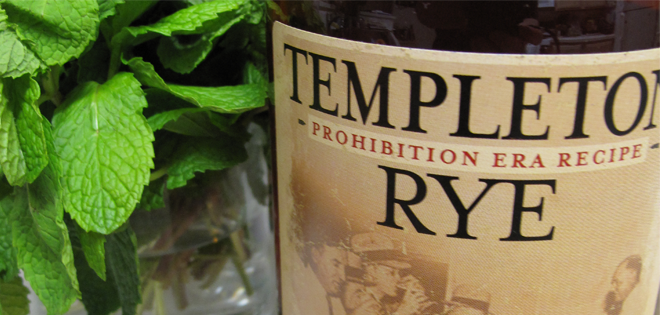
Rye Whiskey Review: Templeton Prohibition Era Whiskey Rye
One of the most delightful surprises that’s come about in the past few years is the American revival of micro-distilleries producing almost-forgotten home-based spirits. Home distilleries were common during the Prohibition era in the United States, and while most of these “micro-distillers” were producing bath-tub gin and moonshine, there were a few that were making what is still called “the good stuff”. One company that’s leading the “good stuff” revival is Templeton, whose rye whiskey is based on the original Prohibition era recipe developed by residents in a small Iowa town.
Right off the bat, Templeton Prohibition Era Whiskey Rye is worth a try just for its historical value; who doesn’t want a taste of what people were drinking during the U.S. ban on alcohol? However, although the novelty value is there, the product is much more than a one-trick pony. This is one rye whiskey with a depth and character that will knock your socks off it’s so good.
The history of Templeton Rye is very interesting. The residents of Templeton, Iowa, began to illegally make rye whisky in their incredibly small town of 350 residents. Before long, because their product was smooth and superior to everything else that was available, it became known as “the good stuff” and is said to have been Al Capone’s beverage of choice.
Templeton Rye continued to be made illegally even after Prohibition ended for die-hard, loyalist aficionados. Finally, in 2006, Templeton Rye became legally available eighty-five years after it first appeared.
But what really makes Templeton Prohibition Era Whiskey Rye “the good stuff”? Is it all marketing hype, or is there something to back up the claims?
It’s not just marketing hype. First of all, Templeton Rye is not mass-produced; it is only made in small batches in order to maintain high standards of production. Second of all, Templeton uses the original Kerkhoff family recipe – which consists of a 90% rye grain mash. Modern “rye” whiskies only need to have a 51% rye grain mash to be considered true rye whiskies. Thirdly, the rye used is locally grown or comes from the United States, Canada, or Europe, and only the highest quality grain gets selected to ensure the best flavor. An interesting side note is that 45% of the rye sent to Templeton gets rejected.
Surprisingly, the Templeton distillery doesn’t use the old-fashioned copper wash pot stills that some other micro-distillers seem to favor. The distillers at Templeton’s philosophy is that high quality ingredients are what matter most when it comes to making quality rye whiskey, and modern distillation technology works just fine.
Tasting Notes
Appearance
The stout and round little bottle might make pouring difficult, but the visual effect is charming and it looks like a bottle old-timey products may have come in. The label is nicely done, and works as a good frame for the amber-colored liquid inside. Right off the bat, this looks like something interesting to drink.
Aroma
This is where things start to get intriguing. The color alone might suggest a caramel note, but the aromas present are dry, grassy (think of freshly-cut lawn), and spicy, like a good quality garam masala or the spices used in a Christmas punch. This bouquet is unexpected, but very pleasant.
Taste
Here is where the expected caramel and toffee notes come in, along with hints of allspice and butterscotch. Everything combines together smoothly.
Body
This is another important aspect that contributes a lot to the Templeton Rye experience. The body is a little bit “chewy”, but it goes well with the rich amber tones.
Finish
This can sort of be described as an “aftertaste”, and many lesser-quality spirits may taste nice up front but may leave a bitter, sour, or generally unpleasant lingering effect. The finish with Templeton is clean, smooth, and the balance has been described as optimal.
How to Drink Templeton Prohibition Era Whiskey Rye
As mentioned earlier, Templeton is “the good stuff”, and what you don’t want to do is drown this magnificent beverage in a run-of-the-mill soda, masking all of its gorgeous characteristics. Templeton Rye on the rocks is a favorite of rye connoisseurs, but another way to enjoy Templeton is in a cocktail specially formulated to highlight all of its subtleties.
One such cocktail is the Boulevardier, a pre-Prohibition favourite. Campari, a bitter apéritif combines well with the caramel and toffee aspects of Templeton Rye, and the vermouth adds just a hint of sweetness to balance everything. This is a cocktail that’s actually recommended by the Templeton Distillery.
Boulevardier
1 cocktail glass
2 ounces Templeton Rye
¾ ounce Campari
¾ ounce sweet vermouth
Pour all ingredients in a cocktail shaker with plenty of ice and stir everything for about thirty seconds. Strain into the glass, and garnish with a slice of orange.
Tweet It! #TempletonProhibition
Ragged Mountain Rum

Rum Review: Ragged Mountain Rum
Rum is one of those things that we usually don’t pay much attention to: if we’re hosting a party and planning on making some piña coladas or daiquiris, we’ll run to the liquor store and pick up a bottle of rum that we are familiar with. We’ll probably pick up a nice bottle of Barcardi, and although there is absolutely nothing wrong with Bacardi rum, the truth is that we are limiting ourselves when we think of rum as a drink to consume in shot form or only in cocktails.
Rum is incredibly varied, and depending on the region where it’s made, it can be a light refreshing drink, or it can be a beverage that can quite possibly put some hair on your chest. The point is that if we only stick with the familiar brands of silver or unaged rum, we are really missing out on a world of flavor. What is doubly tragic is the fact that there are plenty of micro-distilleries in the United States that are making sublime rum that gets ignored on the shelves of alcohol markets.
One American rum that is underappreciated but is quickly gaining fame is Ragged Mountain Rum from the Berkshire Mountain Distillers in Massachusetts. Established only five years ago, this distillery is already producing prize-winning spirits such as gin along with their Ragged Mountain Rum. Like other recent American distillers, the spirits are handcrafted, meaning more flavor and depth remain, and the unique character of their products is attracting legions of fans who are bored of mass-produced, soul-less spirits.
Ragged Mountain Rum is produced only in small batches in traditional pot stills, which further adds depth and complexity to the liquor. According to the website, the over-proof raw spirit is first aged in oak barrels, before any water is added to it. After aging, when water is added, the only water used comes from an on-site spring which is famous for its outstanding levels of purity. The resulting rum is full-bodied, complex, and an absolute delight to drink.
Taste and character
Appearance: The plain, bulge-neck bottle is the first thing one notices; a Spartan label lets the beautiful amber color of the rum speak for itself; no fancy bells and whistles are needed to see this is a rum of quality.
Aroma: One of the biggest complaints that non-rum drinkers have about lower-quality rum is that it smells of old molasses. Ragged Mountain, however, is different; hints of freshly-cut grass, roasted nuts, cinnamon, and oak make for a very pleasant olfactory experience.
Taste: What makes Ragged Mountain Rum a real delight is that rather than having the somewhat flat taste of regular bar rum, it has a taste reminiscent of burnt cane sugar and cinnamon mixed with the brightness of a faint hint of copper. The roasted nut aroma is reflected in the palate as well, and the finish is nice and long, tasting of good quality cinnamon and light-bodied toffee. The taste was much more complex and pleasing than expected.
Tasting and Aroma summary: This is an American rum that is equal to and even surpasses the majority of the Caribbean rums that are on the market. If you’re looking for something different than the traditional Spanish, English, or French versions of rum, then Ragged Mountain Rum will not disappoint and will probably become your favourite.
How to Drink Ragged Mountain Rum
Ragged Mountain Rum works very well as a mixer if you’re a person who finds drinking rum neat to be a little difficult. While rum is traditionally taken by itself and sipped, there are also some fantastic cocktails that feature rum. Because of Ragged Mountain Rum’s hint of cinnamon, it can be taken as an after-dinner digestif, served in an old-fashioned glass with or without a lump of ice; it can also take a cocktail up to the next level. Here are two recipes that are certain to please:
Ragged Mountain Daiquiri
1 cocktail glass or large martini glass
2 ounces Ragged Mountain Rum
¼ teaspoon extra fine white sugar (use more for a sweeter drink)
½ ounce lime juice
Pour the rum, sugar, and lime juice in a cocktail shaker that’s full of ice. Shake vigorously for about 30 seconds, then strain and pour into the glass.
Hot Buttered Rum
1 coffee mug
2 ounces Ragged Mountain Rum
About 4 ounces boiling water
1 cinnamon stick
1 star anise
2 cloves
Squeeze of lemon and 1 inch lemon rind
One teaspoon butter
One or two teaspoons brown sugar
Boil water in a pot along with the cinnamon stick, star anise, cloves, squeeze of lemon and lemon rind. Boil for two or three minutes until very fragrant. In the coffee mug, mix together the butter and brown sugar in the mug until a paste is formed. Add the boiling spiced water, then stir in the rum and serve. This drink is perfect on a cold day and has also been used as a home cold remedy for centuries.
Tweet It!: #RaggedMountainRum
Great Tasting Ardbeg Scotch Whiskey

Scotch Whiskey Review: Ardbeg Ten Years Old
A lot of people who enjoy single malt whiskies from Scotland unfortunately usually stick to a few of the well-known, popular brands that can be found in liquor stores everywhere. While these famous whiskies are superb and are well-loved for good reason, there are some whiskies that come from the country’s smaller distilleries that are simply phenomenal and so full of character that they make the famous brands seem almost bland in comparison. One single malt whisky that has been a favorite of connoisseurs for a few years now is Ardbeg Ten Years Old, a terrific liquor produced by the Ardbeg distillery on Islay, a small island off Scotland’s west coast. While very uncommon in shops around the world just a few short years ago, Ardbeg is rightfully gaining a large, incredibly loyal fan base.
A little history
The Ardbeg distillery was founded in 1815, and in 1887 output was over 1.1 million litres of whiskey per year. In 1911 the name Ardbeg was registered as a trademark, however, in the 1980’s production came to a standstill and the distillery was closed more or less permanently until 1997, when Glenmorangie purchased it. In 1998, Ardbeg 1975 was launched, and a year after re-opening, Ardbeg was voted Distillery of the Year. In 2000, Ardbeg Ten Years Old was launched, and ever since then, Ardbeg’s various fine single malt whiskies have been winning awards such as the World Whisky of the Year. Fortunately, because of their fine products and loyal growing customer base, the Ardbeg distillery is highly unlikely to ever close again.
Taste and character
Ardbeg Ten Year is known in whisky connoisseur circles as the best whisky in the world, in fact, for three years in a row it has actually been voted as “Best Whisky in the World”. What makes Ardbeg so incredibly good is that it is peatiest and smokiest of all the Islay whiskies, which are known for being smoky and peaty. However, what separates Ardbeg from competitors is that it strikes a balance; it has a fruity floral aspect to it which prevents the smokiness and peatiness from taking over. The result is a sublime experience. Distillers at Ardbeg say that because the whisky is non-chill filtered, its ABV is 46% rather than the industry standard 40%. This means that all the flavor is retained, but at the same time more depth and body get added.
The complex aroma is what tasters first notice; peat, citrus, dark chocolate, smoky fruit and ocean minerals, along with black pepper, graphite, bell peppers and pear juice. When a drop of water is added to the whisky, even more aromas are released; briny sea spray, pine forests, vanilla and hazelnut scents make a person’s mouth water in anticipation.
The taste can only be described as an explosion; peat, citrus, garam masala, toffee, brine, bananas and currants are only some of the sensations a person can experience. The finish is like a very dry espresso, with hints of liquorice and smoke, and it doesn’t end there; because the finish is so long a person will also experience ephemeral notes of aniseed, toasted almonds, and fresh, ripe pears.
How to drink Ardbeg Ten Years Old
Ardbeg is absolutely a single malt that you want to drink by itself with just a drop or two of water to open up the flavors and aromas to their maximum potential. Ardbeg can be consumed without ice or water; however, only about half of its characteristics can be experienced when no water is added. For those who like their whisky to be cold, ice can be used, but rather than use ice cubes one large lump of ice should be placed in the glass. This is to ensure the ice doesn’t melt too soon and water down the whiskey too much. While plain tap water is recommended, carbonated mineral water can be used as long as it is the Highland Spring brand that is found in Scotland. Other brands tend to adulterate the flavor.
Cocktails and mixers
All experts agree that Ardbeg should not be used in a cocktail; it is meant to be enjoyed with only water. However, if you are convinced that Ardbeg will make a lovely mixed drink, keep in mind that it will not mix well with sweet flavors. Therefore, if you simply must make a cocktail, try the classic Bannockburn where Ardbeg’s smoke and peat character will blend well with the other ingredients.
Bannockburn Cocktail
1 Old Fashioned glass
1.5 ounces Ardbeg Ten Years Old
1 dash Worcestershire sauce
1.5 ounces Tomato juice
1 Slice of lemon
1 “lump” of ice
In a cocktail shaker packed with ice, stir the Ardbeg, Worcestershire sauce and tomato juice for about thirty seconds. Strain and pour in an Old Fashioned glass, and add one lump of ice. Garnish with a lemon slice.
For more information about Ardbeg Distillery products, visit www.ardbeg.com.
Tito’s Handmade Vodka
Vodka Review: Tito’s Handmade Vodka
Vodka brings certain images to mind like cold weather and Red Square in Moscow. However, one man’s dream is slowly but surely revolutionizing the way we think of the clear liquor; Tito Beveridge of Austin, Texas is showing that one of the world’s best vodkas is actually from the U.S.A.
Austin, Texas isn’t exactly the first place you think of when you’re looking for an excellent smooth vodka. Former geologist Beveridge wants to remedy that by making small, hand-crafted batches of vodka in Texas’ first and oldest distillery. Unlike vodka producers who make their product on an industrial scale which usually sacrifices quality, Tito’s Handmade Vodka is distilled six times to ensure a pure, wonderful-tasting drink. To compare, Grey Goose, the French vodka which is considered to be the first true premium vodka on the market, is distilled five times. If you think Grey Goose is a good vodka (which it is by all means), then even without tasting it you can imagine how sublime Tito’s Handmade Vodka will be.
What makes it unique
According to Beveridge, there are two things that make Tito’s vodka unique in the vodka industry. First of all, the vodka is not distilled in modern column stills; everything is micro-distilled in the same type of old-fashioned pot stills that high-end Cognac and single-malt whisky makers use. Pot stills are more labor-intensive to operate, but assure a higher quality product at the end of the day, much to the delight of vodka fans in the United States. The second thing that makes Tito’s unique is yellow corn, which gives the vodka an ever-so-light sweet aftertaste. Almost all other vodkas that are on liquor store shelves are made from wheat or potatoes and are purposely made to have very little character or distinguishing characteristics.
Awards
Tito’s Handmade Vodka has been winning awards for more than a decade now. Commercial production started in 1997, and by 2001, it had unanimously won the San Francisco World Spirit Competition Double Gold Medal for vodka, a category with over 70 competitors. Spirit Journal has also given Tito’s Handmade Vodka four-star ranking twice; once in 2001 and again in 2007. This outstanding product will surely continue making a name for itself on the international scene.
Taste
If you’re used to wheat-based vodkas, then Tito’s is going to be quite different. First of all, the texture of the vodka is a bit thicker when it touches the tongue, but it is still smooth. There is very little burn, and very little nose. As mentioned earlier, unlike other vodkas which don’t have much in the flavor department and also have an unpleasant bite (especially vodkas made from potatoes), Tito’s has a surprising aftertaste that is mildly sweet. Many reviewers claim this characteristic makes it a beautiful sipping vodka (“perfect for marinating ice cubes” according to one expert) that shouldn’t be mixed; however, other reviewers state that this slightly sweet aftertaste makes for an incredibly deep dry martini.
An interesting note that some reviewers made is that after drinking Tito’s Handmade Vodka, hangovers were minimal or even non-existent. Even though too much of any type of alcohol will usually result in feeling rotten the next day, the distillation process for Tito’s which produces the incredibly smooth character of the vodka, filters out impurities that can make a hangover worse. Tito’s is distilled six times; products of lesser quality are only distilled three times, and this is why cheap vodka or spirits can cause hangovers of almost epic proportions.
How to drink Tito’s Handmade Vodka
Neat
What’s nice about this product is that it’s great for connoisseurs and it’s also great for people who simply want a tasty cocktail. If you are a lover of vodka, then the best way is to simply drink it neat, undiluted, and slightly chilled with no ice. If you can’t chill your vodka first, then it is all right to add a few ice cubes to your drink. If you don’t like the thicker consistency of Tito’s, then adding an ice cube or two will also adjust the consistency to something you’re more familiar with.
Mixers, infusions, and cocktails
Tito’s is also great as a mixer; it’s a neutral spirit with a slight hint of sweetness that will add depth to any cocktail. It will also infuse well to make a flavored vodka; just go visit titosvodka.com for a few ideas. If you’re a mixed-drinks fan, here are two recipes featuring Tito’s Handmade Vodka that you’ll surely enjoy:
Tito’s Handmade Vodka Martini
1 martini glass, chilled
2 ounces Tito’s Handmade Vodka
¼ ounce or a spritz white vermouth
1 cocktail olive on a toothpick or one twist of lemon
Pour the vodka and vermouth in a cocktail shaker that’s full of ice and stir with a long spoon for at least thirty seconds. Pour into the martini glass, add olive or the lemon twist and serve.
Tito’s Handmade Vodka Lemon Drop
1 martini glass, chilled and rimmed with fine sugar
1.5 ounces Tito’s Handmade Vodka
½ ounce freshly squeezed lemon juice
½ ounce sugar syrup
1 lemon twist
Pour the vodka, lemon juice, and sugar syrup into a cocktail shaker that’s full of ice. Shake for at least thirty seconds, and pour into the chilled martini glass. Garnish with a twist of lemon.
Tweet It! #TitosVodka
The Health Benefits of Whisky, Red Wine & Beer

Whisky, Red Wine, Beer and Health Benefits
It’s true that alcohol, when consumed in excess, is bad for you and can cause a massive range of health and social problems, from cirrhosis of the liver to families breaking up among other things. However, when alcohol is enjoyed responsibly, in moderation, it can actually benefit your health. Here’s a look at some of the surprising ways whisky, red wine, and beer can make you a healthier person.
Whisky
One of life’s little luxuries is a bit of good, single-malt Scotch whisky. Along with being fat free and extremely low in carbohydrates, two drams or servings of whisky or any other type of alcohol will lower your chances of developing dementia or having a stroke by 50 percent. Furthermore, the risk of developing diabetes can be reduced up to 40%; this is due to alcohol’s ability to increase your body’s “good” cholesterol levels and decrease blood clots.
Another thing that alcohol is good for is fighting cancer; it contains ellagic acid, a chemical that destroys cells that are cancerous. Scotch whisky is the type of alcohol that contains the highest amount of ellagic acid, so don’t be afraid to have one or two ounces per day. You’ll be decreasing your risk of developing cancer.
If you’re watching your weight, whisky is probably better for you than drinking wine or other types of alcohol: whisky only has 55 calories per serving. To compare, red wine has about 90 calories, and a serving of light beer contains around 100.
Red Wine
Drinking a moderate amount of red wine is also very good for your health. It contains a staggering number of antioxidants and is claimed to have an anti-aging effect. The rejuvenating properties were so well publicized that there were even spas that began offering red-wine facials and baths; however, it appears as though the wine needs to actually be consumed in order for a benefit to occur. Facials and baths have the annoying tendency of staining your skin, so they are best avoided.
The main benefit of drinking red wine appears to be a healthy heart. Thanks to resveratrol and other antioxidants, red wine reduces the risk of developing heart and cardiovascular disease. Resveratrol has also been shown to be effective in reducing the risk of dementia and Alzheimer’s disease; other studies have shown that it can also contribute towards a longer lifespan.
Having a glass of red wine that’s rich in melatonin may also help you get a good night’s sleep. Cabernet Sauvignon, Merlot and Chianti are varietals that contain the substance which regulates the body clock, so a glad before bedtime might be a good idea if you want better rest. Melatonin is also an antioxidant, which means it has anti-aging properties and can help prevent cancer.
As mentioned above, red wine can help prevent cancer. Researchers from Spain’s Santiago de Compostela University found that a glass of red wine per day reduces the risk of developing lung cancer by 13 percent. The overall risk for men developing prostate cancer is cut by 50% by drinking four or more glasses of red wine every seven days, and moderate red wine consumption can cut women’s risk of breast cancer. However, women must be very careful not to overindulge; too much red wine can actually increase the risk of breast cancer, so it’s best to keep to only one or two servings of red wine per day.
Interestingly, researchers also found that people who drink more than two glasses of red wine per day don’t catch colds as often as people who don’t drink wine at all.
Finally, red wine, because of the presence of the already-mentioned resveratrol and saponins, has anti-inflammatory properties and can lower LDL cholesterol.
Beer
When it comes to health and fitness, beer usually isn’t the first substance that comes to mind. Beer is associated with the infamous “beer belly”, weight gain, and Homer Simpson. While beer does have negative effects when too much is consumed, when it’s taken in moderation, it has some truly stunning health benefits.
Most surprising is the fact that drinking one beer a day for women and two beers a day for men can make your bones stronger. Because beer is high in silicon, moderate drinking gives your bones a boost. However, drinking more than the recommended amount can put you at a higher risk for suffering a fracture. Again, moderation is the key!
A pint of beer a day also appears to be good for your heart by reducing the risk of heart disease by about 30 percent. Having one or two beers also appears to contribute to an increase in your body’s levels of HDL or “good” cholesterol.
One or two beers a day can reduce your risk of developing type 2 diabetes by 25%. However, once again researchers showed that consuming more than 2 beers had absolutely no benefit in this department.
Beer drinking seems to be particularly good for women; along with the other health benefits of a pint a day, women 25-40 years of age are less likely to develop high blood pressure.
Whisky, Red Wine and Beer
All three types of alcohol contribute towards longevity and a better quality of life if and only if consumed in moderation. In fact, some researchers boldly state that if Europeans stopped drinking their one or two beers a day, life expectancy on the continent would decrease by two years. Happiness, it is suspected, would also decrease drastically.
Tweet It!: #AlcoholHealthBenefits
What exactly is One Serving or Unit of Alcohol?
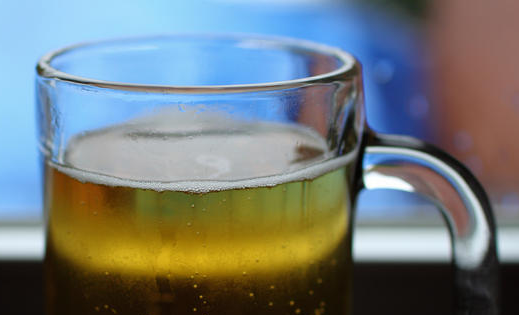
What exactly is One Serving or Unit of Alcohol?
Alcoholic beverages are kind of funny when it comes to serving sizes and measurements, and there does seem to be a persisting belief that all drinks containing alcohol contain the exact same amount of inebriant. To many, a glass of wine, a glass of scotch, a glass of alcopop, and a glass of beer will all have the same effect, and this can and does quite often lead to disastrous results.
After downing a glass of hard liquor, a person might claim “I’m not drunk, I’ve only had one drink”, but their behaviour and blood alcohol levels will beg to differ. Likewise, a person who is naive about alcohol may emphatically state “I’m so wasted, I’ve had an entire glass of beer” and may delude themselves into thinking that they are indeed drunk.
There is a lot of confusion in the media and in the general public about what constitutes “one serving” of alcohol, and the confusion gets even worse when some official organizations start talking about “units” of alcohol. Here we will define exactly what one “serving” and one “unit” mean so that you can make wiser choices when going out with friends or staying at home and enjoying a few drinks in good company.
Alcohol by Volume (ABV) versus Proof
First of all, while it may be common sense to some, one glass of beer does not equal one glass of wine or a glass of hard liquor; each type of drink contains different alcohol content. This is why you won’t feel much if you have a glass of beer but will feel very drunk if you have a glass of undiluted, straight gin or vodka. Beer usually has 4.7 percent alcohol by volume, or ABV. Wine contains anywhere from 11 percent to 14 percent alcohol by volume, and hard liquor such as vodka, gin, rum, and tequila will contain 35 to 40 percent ABV. Some hard liquor and liqueurs will contain even more, with some being up to 54 percent ABV. This means that a glass of rum will contain far more alcohol than a glass of beer or wine.
In the United States, along with the ABV measurement, they will sometimes use the term “proof”, which is defines as being twice the ABV. Hence, a rum that has a 40 percent ABV may also be called “80 proof”. The famous Bacardi 151 is 151 proof and contains 75.5 percent ABV. The high concentration of alcohol is what makes it flammable.
One Serving Measure
One serving or one standard drink of alcohol will contain 0.6 fluid ounces or 17.8 millilitres of pure alcohol. This translates to:
• 12 ounces or 355 mlof standard 4.5 percent ABV beer or wine cooler
• 8 ounces or 237 ml of malt liquor
• 5 ounces or 178 ml of table wine
• 3.5 ounces or 103 ml of fortified wine such as sherry or port wine with a 17 percent ABV
• 2.5 ounces or 74 ml of cordial, liqueur, aperitif or digestif with a 24% ABV
• 1.5 ounces or 44 ml of “hard liquor” with 40 percent ABV such as most commercially available rum, gin, vodka, brandy, and tequila.
One Unit Measure – United Kingdom and Australia
In the United Kingdom and Australia, a unit of alcohol is defined as a measure of the volume of pure alcohol in an alcoholic beverage. In the U.K., one unit is equal to 10 millilitres of pure alcohol, while in Australia one unit is defined as 10 grams (12.7 ml) of alcohol. In Great Britain, the number of alcohol units will be published on the container’s label.
For a healthy adult, 75% of an Australian unit can be metabolized in an hour, and 95% of a U.K. unit can be metabolized in the same amount of time.
If you’re in the United Kingdom, and find yourself in a pub, you can do a quick calculation of the number of alcohol units. For example, a pint of beer contains 568 millilitres. Multiply the volume of the drink by the ABV percent, which, in this case, is 4 % (but keep in mind ABV varies from beer to beer). Then divide the number by 1000.
(568 X4) / 1000 = 2.3 units
Because most beers in the U.K. have an ABV of more than 4 percent, a pint will have almost 3 units of alcohol.
Here are the units of alcohol that typical popular beverages will contain:
• A large glass of wine will contain about 3 units, while a smaller glass (175 ml) will only have two.
• A small glass (50 ml) of sherry will contain approximately one unit of alcohol.
• A 25 ml measure of hard liquor such as vodka or rum will contain one unit.
• A 35 ml measure of hard liquor (common in pubs) will contain 1.4 units.
• Alcopops, which are pre-mixed cocktails consisting of hard liquor/grain alcohol and juice or pop, usually contain 1.4 to 1.5 units of alcohol per bottle.
Recommended limits
The government of the U.K. recommends that men drink no more than four units of alcohol per day, while women should drink no more than three.
In Canada, the recommended maximum is two standard drinks per day for men, and two standard drinks per day for women with a weekly total of nine.
In the United States, for both men and women, it is recommended that no more than one standard drink per day is consumed.
In Australia, the government recommends no more than two Australian units per day for both men and women.
Tweet It!: #UnitofAlcohol
Top 10 Non-Alcoholic Cocktails
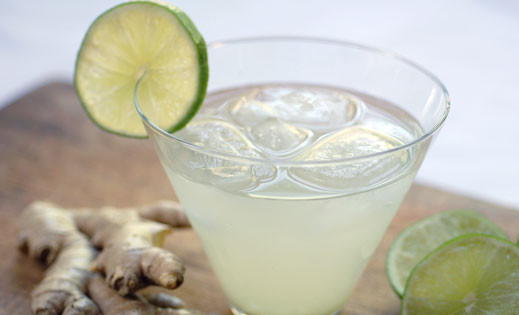
Top Ten Non-Alcoholic Cocktails for Designated Drivers
Is it your turn to be the designated driver for your group’s next big night out? Don’t worry, just because you can’t drink alcohol doesn’t mean you can’t have fun. You also won’t be stuck sipping plain soda and lime or soft drinks; here are some of the best non-alcoholic cocktails you’ll be able to enjoy while assuring your party that everyone will get home safe and sound.
Sweet Drinks
10. Orange-Lime Mocktail
1 highball glass, chilled
2.5 ounces orange juice
1 ounce lime juice
5 ounces Sprite or 7-up
1 wedge of lime for garnish
Pour the sprite into a chilled cocktail shaker, add the orange and lime juices, and shake well. Pour into the chilled highball glass, and garnish with a wedge of lime or an orange slice.
9. Shirley Temple
1 Highball glass, full of ice cubes
Orange juice
Pineapple juice
Dash of lime syrup
Sprite or 7 up
Grenadine
Fill glass 1/3 with orange juice. Add some pineapple juice and a dash of lime syrup. Fill the glass with sprite or 7up. Top with grenadine. Garnish with an orange slice and a maraschino cherry.
8. Roy Rogers
1 Highball glass, full of ice cubes
Orange juice
Pineapple juice
Dash of lime syrup
Coca cola
Grenadine
Fill glass 1/3 with orange juice. Add some pineapple juice and a dash of lime syrup. Fill the glass with Coca-cola. Top with grenadine. Garnish with an orange slice and a maraschino cherry.
7. Strawberry Piña Colada Mocktail
1 Cocktail or wine glass or Highball glass
1 cup crushed ice
2 ounces coconut milk
3 ounces pineapple juice
2 tablespoons strawberry syrup
1 tablespoon sugar syrup
Handful fresh strawberries
Cinnamon stick and orange slice for garnish.
Put ice, coconut milk, pineapple juice, sugar syrup, strawberry syrup and strawberries into blender or shaker. Shake well, do not strain. Pour into glass. Garnish with orange slice and cinnamon stick.
6. Mock Margarita
Do not make the mistake of thinking that simply throwing some pre-made margarita mix into a blender with some ice will make a great non-alcoholic drink. Many of these mixes have strange aftertastes and are simply too sweet. The best solution is to make your own mock margarita from scratch.
1 cocktail glass, rimmed with coarse sea salt
1 ounce freshly squeezed lime juice (use more for a more tart drink)
2 ounces of freshly squeezed orange juice (adjust to your liking)
1 teaspoon or sugar (again adjust to your liking)
About 3.4 cup ice
Place all ingredients into a blender, and blend well. Adjust the amount of lime juice or orange juice according to your personal preference. Pour into the cocktail glass, and garnish with a slice of lime.
To make this a fruit margarita, simply add a handful of fresh or frozen fruit, and use a sugared rim instead of a salted one.
5. Karachi Lemonade
1 tall glass
1 ounce of lime or lemon juice, freshly squeezed
Sugar to taste
Pinch of salt
Carbonated mineral water
Ice cubes
Place the lime juice, sugar, and salt in the glass and stir until the sugar and salt are dissolved. Add the carbonated mineral water and ice cubes, stir and serve. An excellent drink when it’s hot outside.
4. Rail Splitter
1 tall glass
1 ounce lemon juice, freshly squeezed
2 teaspoons sugar syrup or plain sugar
Ginger ale
Mix the lemon juice and sugar together in a tall glass. Once the sugar has dissolved, fill glass with ginger ale and add ice cubes if desired.
Savory Drinks
3. Spicy Mock Salty Dog
1 cocktail glass, rimmed with coarse sea salt
3 ounces grapefruit juice
1 dash Tabasco sauce
1 small pinch cayenne pepper
Place all ingredients in a cocktail shaker with plenty of ice. Shake well, at least 30 seconds, strain and pour into a salt-rimmed cocktail glass.
2. Tamarind Mocktail
1 tall glass
1 teaspoon of tamarind paste with seeds removed (see method below)
1 teaspoon sugar
1 generous pinch of salt
1 generous pinch of cayenne pepper
Water or soda water
Mix the tamarind paste with sugar, salt, and cayenne pepper in the bottom of a tall glass. Fill the glass with water or soda water, and add ice cubes if desired.
There are many tamarind pastes available on the market that do not contain seeds; however if the paste is hard are there are seeds, you’ll just need to follow a few short steps. Take about a tablespoon of the paste, place it in a bowl, and pour some hot water over it. Stir, and a few minutes later, you’ll be able to remove the seeds and the paste will be ready to use.
And our number one non-alcoholic cocktail is…
The Mock Caesar
This classic Canadian cocktail is the perfect non-alcoholic drink; it’s tasty without being too thick, it’s spicy without being overpowering, and it is excellent for those who want something other than the run-of-the-mill sugary non-boozy offerings. It’s also much more flavorful than the world-renowned Bloody Mary due to the use of clamato juice instead of plain tomato juice. If clamato juice is not available in your area, please see the note below.
1 Highball glass or tulip glass, rimmed with celery salt and filled with ice cubes.
2 teaspoons fresh lime juice, not syrup
Clamato juice
3-4 dashes Worcestershire sauce
2-3 drops Tabasco sauce
Celery stick for garnish
Pour the lime juice, Worcestershire and Tabasco sauces and Clamato juice over the ice cubes, and stir. Add a dash of salt and pepper if you like, and garnish with a wedge of lime and a celery stick. For better visual effect, use a stalk that still has leaves on it.
If you cannot get clamato juice in your area, you can make your own by mixing tomato juice and the juice from a tin of prepared clams.
Tweet It!: #Non-AlcoholicCocktails
The Best Margarita Mixes

The Best Margarita Mixes: The Good, The Bad, and The Ugly
We all want to be star bartenders when we give a party at home; however, because of the number of guests it may very well be impossible to make fancy frozen drinks from scratch with fresh ingredients. Time becomes of the essence and instead of making the perfect cocktail, guests simply want a cocktail that tastes good. One of the ways you can cut down on your drink-making time at your party is to use packaged mixes; this way your guests can have a tasty drink and you’ll be able to enjoy your get-together and chat with your friends instead of slaving away behind your home bar.
The most popular cocktail in North America to serve to men and women at parties is the famous Margarita. It can be a sweet “girly” drink by simply adding fruit and substituting a salted rim for a sugared one; the original version with its combination of tequila, sweet, sour and salty pleases even the most macho of guests. Here is our selection of the best Margarita mixes to use at your next house party.
The Good
Margaritaville
This sugary-sweet mix, while it isn’t nearly as good as a freshly-made drink, is still good enough to use when you’re pressed for time. Although it doesn’t contain any juice, reviewers state that it’s tart enough to go well with salt. It does have a slight chemical aftertaste, and people who’ve tried say that cocktails made with it taste like hard lemonade.
Ingredients include water, corn syrup, citric acid, sodium citrate, cellulose gum for texture, gum acacia, natural flavors, preservatives, and food coloring.
Williams-Sonoma Key Lime
This offering has a few more organic ingredients and items that are a bit more recognizable as edible; although it tastes strongly of orange rather than limes, it’s good enough to serve at a party. One of the more unexpected flavors from this mix is the faint taste of honey, and reviewers say that “it hits the spot”.
Ingredients include filtered water, organic agave syrup (to highlight the taste of the tequila), sugar, tangerine juice, key lime juice, citric acid, natural flavors, key lime extract and ascorbic acid which serves as a preservative.
Jose Cuervo Original Margarita Mix
From the makers of Jose Cuervo tequila, this pre-made mix does the job and is recommended for people who prefer their margaritas on the sweeter side. Described as “yummy juice”, it is also a bit salty to bring some balance to the cocktail and also keeps the drink from tasting more like a sweet daiquiri.
Key ingredients include water, high fructose corn syrup, wine, citric acid, sodium citrate, sodium benzoate, cellulose gum, natural flavors, food coloring and preservatives.
Master of Mixes
Although this mix makes a cocktail that tastes more like a sweet lemonade and definitely needs more lime flavor, it still works for party situations. It has key lime notes, but some reviewers claim it tastes of chemicals.
The list of ingredients for this pre-packaged mix include water and high fructose corn syrup, lime juice and lemon juice from concentrate, citric acid, sugar, natural flavors, agave nectar, corn starch, and an entire host of chemicals that act as preservatives and colorants.
The Bad
Mr. & Mrs. T Margarita Mix
This mix has been generously described as strangely floral and soapy. Some tasters claim the sweet to sour ratio is good, but most think the mix is simply far too sweet. Unless you like sugary and soapy margaritas, you’re better off giving this one a pass. The only natural ingredient in this mix appears to be agave nectar.
Daily’s Margarita Mix
Overpoweringly sweet with absolutely no lime taste, Daily’s actually makes the world’s most refreshing cocktail cloying, heavy, and no fun to drink. The only reason why a person should serve this at a party is absolutely nothing else is available.
Bacardi Margarita Mix
Sold as concentrate to which water and tequila are added, Bacardi’s mix looks beautiful and makes a handsome cocktail. However, that is as far as it goes; where taste is concerned, it’s a sugar bomb while being overwhelmingly sour. It tastes too much like the sour candies we used to eat as children.
The Ugly
TGI Friday’s Margarita Blenders
This one leaves a waxy residue in your mouth and tastes of chemicals like those found in bug spray. Enough said!
Skinny Girl Margarita
Skinny Girl Margarita isn’t technically a mix; it’s a pre-made bottled cocktail, ready to pour. It’s on our list because it should never be served, no matter how much of a rush you’re in at your party. Although it’s heavily hyped in the media because it’s the brainchild of “Real Housewives of NYC” star Bethenny Frankel, the truth is the beverage is awful. Generous reviewers call the drink “watery”, while others complained the cocktail tasted of onions. The citrus flavor is too heavy, the chemical aftertaste strong, and Skinny Girl Margarita also has the delightful taste of soap.
Both of the “ugly” margarita mixes do come in handy, though; if you want to shut the party down and go to bed, these two mixes will certainly encourage guests to leave!
Remember that Fresh is Always Best
Margarita mixes, no matter how good they are, will never be as good as freshly made cocktails. If you’ve got the time, then make them from scratch. However, if you don’t, then don’t panic; our selections in the “good” category will do. If you can’t find these mixes in your local shops, just remember this rule of thumb: margarita mixes that contain alcohol will usually not taste good. Go for the ones where you need to add alcohol yourself.
Tweet It!: #BestMargaritaMixes
The Difference between Champagne and Sparkling Wine

What’s the Difference between Champagne and Sparkling Wine?
When it comes to special occasions, everybody likes a glass of bubbly to celebrate in style. Champagne is the first thing that comes to mind when milestones are reached and nothing evokes the image of luxury more than sound of a champagne cork popping. However, there are some misconceptions about Champagne and sparkling white wine. Ask a person on the street if there is a difference, and the typical answer will be that sparkling white wine is cheap and inferior while Champagne is the more refined beverage. This is not necessarily true, and here we will explain why.
Champagne
Champagne is a sparkling wine that comes from the French region named “Champagne”, hence the name. Standards of wine labeling in France are a little bit different than in other wine regions of the world: while other countries will use the name of the grape varietal, French wines will use the name of the region where the grapes were grown.
In almost all countries of the world, “Champagne” must be made from grapes grown in the Champagne region and fermented using a prescribed method which is based on international trademark agreements outlined in the 1919 Treaty of Versailles.
Sparkling Wine
Sparkling wine is the exact same thing as Champagne; it is simply produced in other regions of the world. Many times, the method used to produce sparkling wine is exactly the same that is used in Champagne, France. However, as mentioned above, the name or “appellation” Champagne is legally protected; hardly any other countries are allowed to call their product Champagne.
However, in the United States, due to national labeling laws, it is legal for wine producers to call their sparkling wines “champagne”.
Is There a Difference in Quality?
While at first glance, many people might say no, all sparkling wines are the same, but the truth is that quality can range from terrible to absolutely sublime. First of all, there are many reasons why Champagne is considered to be the King of All Wines. All Champagne is basically made the same way and all production is held to an incredibly high standard; furthermore, any Champagne, even one that is relatively inexpensive, will be considered to be the finest of the fine wines.
This means that no matter what bottle of Champagne you choose, you’re going to be happy; and even though the entry-level Champagnes are great, the more expensive ones simply get better the higher the price is.
On the other hand, sparkling wines, because they only need to be “fizzy” and aren’t held to the same high standards, can range from truly awful to simply beautiful. One of the reasons why some sparkling wines can taste so bad is that they are not made by the same methods as Champagne. The French product takes years to make, while imitation champagne and inferior sparkling wines only need a few months.
Therefore, in general terms, Champagne is a sparkling wine, but not all wines that sparkle are Champagne.
How do I Select a Good Sparkling Wine or Champagne?
First of all, avoid half bottles or the tiny single serving bottles of champagne or sparkling wine. They are simply not worth it; they’re usually not fresh and won’t taste good. Always get a full-sized bottle or better yet, get a magnum, which is the equivalent of two bottles. Larger bottles let the Champagne age more gently. Some of the best Champagne and sparkling wine will come in a double magnum.
Champagne comes in a range from bone-dry to super-sweet. As a rule of thumb, any Champagne with the word “Brut” on the label will mean that it is dry to extra dry; “Sec” means medium dry, while “Doux” means sweet. As mentioned earlier, due to high production standards, all Champagne will be expensive but well worth the money.
Cava is sparkling wine from Spain. Although it is very good quality, it is not produced with the same hand-made method; the process is mechanized. This means that the price will be a fraction of those of French Champagnes. Cava tends to be dry with a hint of green apples and smoke. If budget is a concern, then Cava might be the best sparkling wine for you to try.
Prosecco from Italy is a sweeter sparkling wine that is also made differently from Champagne and Cava. This is a very good wine for casual sipping, and is very affordable. Professional wine reviewers like the fruity flavors and state that this is an excellent alternative to Champagne if price is a concern.
Asti is another Italian sparkling wine that is sweet, affordable, and quite low in alcohol content. For those who like sweet wines, Asti is a balanced sparkler that is never cloying. It only contains half the amount of alcohol that Champagne has.
Crémant sparkling wine from France is the one you want to try if you can’t afford Champagne but still want something of superior quality. Basically, it is the same as Champagne, made with the same methods but the grape varietals used may be different. The average price for a bottle of Crémant is about $20 USD, an absolute bargain for the quality of wine you get.
Sparkling Wines to Avoid
A good rule of thumb is that there are plenty of good sparkling wines that are under $20 USD. You don’t need to spend a fortune to get good quality. You do however, need to spend something. Dirt-cheap sparkling wines usually have a low alcohol content and will taste like fizzy soft drinks, cloyingly sweet and pinkish in color. They are made with the lowest common denominator when it comes to quality. With all the affordable and beautiful-tasting sparkling wines on the market, there’s no reason to select something that will leave you unsatisfied and unhappy!
Tweet It! #ChampagneandSparklingWine
Top 5 Hot Alcoholic Drinks
The Top 5 Hot Drinks for Cold Weather
When it’s snowing outside and the temperatures dip below the freezing point, there’s nothing nicer than coming back indoors and enjoying a nice hot beverage. Instead of having a regular cup of tea, coffee or hot chocolate, why not jazz things up a bit with one of our top five hot cocktails?
5. Blueberry Tea
This drink is an old-fashioned, sophisticated classic; while present-day bartenders may not be familiar with it, the recipe is easy enough to describe and it can be made at home in a jiffy.
1 brandy snifter (a footed glass with a large bowl), with a sugared rim
1 ounce Grand Marnier
1 ounce Amaretto
Hot black tea, unsweetened (orange pekoe or Assam black tea work best)
Slice of orange for garnish
For maximum aroma and flavor, first warm the glass by pouring in hot (not boiling) water, and let it sit for a minute or two, then empty out the water and sugar the rim. Pour in the Grand Marnier, Amaretto, and fill the glass with the hot brewed tea. Garnish with a slice of orange. Perfect for those who want a winter warmer that isn’t heavy with cream or other thick liquids. The caffeine from the tea will also work as a pick-me-up to help you recover from the cold.
For an extra special treat, use Earl Grey tea instead of a plain black version. Herbal tea may also be used.
4. Spanish Coffee
This timeless after-dinner dessert drink also is perfect after an evening walk in the snow or cold weather. To get the best flavors, only use freshly brewed drip coffee because instant coffee will taste somewhat metallic.
1 coffee mug or pousse-cafe glass, with a sugared rim
1 ounce Kahlua or other coffee liqueur
1 ounce white or silver unaged rum (Bacardi works best)
Black, freshly brewed coffee
Whipped cream
Orange slice for garnish
Warm the coffee mug first by pouring some hot water in it and leaving it for about 30 seconds. Remove the water, sugar the rim, and add the Kahlua and Bacardi rum. Fill the mug with hot black coffee, and top with whipped cream. Garnish with an orange.
To make the Spanish Coffee a bit more elaborate, drizzle some Kahlua over top of the whipped cream and add a maraschino cherry.
3. Hot Toddy
A favorite with the older generation, this is a beautiful hot drink that should not be ignored by the younger crowd. The combination of spices and hard liquor will warm you up, and anecdotal evidence exists that a hot toddy can help alleviate some of the symptoms of a common cold.
1 coffee mug or pousse-cafe glass
1 ounce blended whisky
2 teaspoons honey (add more to taste)
2 cloves
1 star anise
1 cinnamon stick
1 slice of lemon
Hot water
In a pot, boil the water with the spices and slice of lemon, let simmer for a few minutes so that the spices infuse the water. In the coffee mug, add the whiskey and honey, stir. Add the spiced water, serve, and enjoy.
2. Hot Buttered Rum
Another old-time favorite hot drink, hot buttered rum is an absolute delight to drink on cold, wet, and windy days. White unaged rum can be used, but if you want a cocktail that will delight your taste buds and knock your socks off, try the dark, spiced rum that comes from the West Indies.
1 coffee mug
1 or two ounces of dark spiced rum
1 teaspoon butter
1 or 2 teaspoons brown sugar
Hot water
1 cinnamon stick
2 cloves
1 slice of lemon
1 star anise
Boil the water in a pot with the spices and lemon slice. While everything is simmering, place the butter and brown sugar in the coffee mug, and muddle the two together. Add the spiced hot water, and add the rum. Give everything a stir and enjoy.
And our choice for the best hot drink for cold weather is…
Polar Bear Hot Chocolate
This is the grown up version of a drink we all grew up with; hot chocolate. Nothing in the world beats a creamy smooth hot chocolate topped with a spoonful of whipped cream; here’s how to make it with a delightful adult twist. The Polar Bear is more than likely to become your new favorite winter-time beverage. It can be made with a pre-packaged instant hot chocolate powder, but it is simply phenomenal when made from scratch.
1 coffee mug
1 ounce white crème de menthe liqueur or Koskenkorva Minttu if available
1 ounce chocolate liqueur
5 or six ounces of milk
2 or 3 pieces of semi-sweet chocolate
Whipping cream
Orange slice and maraschino cherry for garnish
Warm the milk in a pan, and add the pieces of chocolate, stirring often until the chocolate is melted and you have basic hot chocolate. Add the Koskenkorva Minttu and chocolate liqueur to the mug, then pour in the hot chocolate. Stir briefly, then top with whipping cream, and garnish with an orange slice and maraschino cherry.
To add to this drink’s wow factor, drizzle a small amount of green crème de menthe liqueur on top of the whipped cream and top with the maraschino cherry; the combination of white, green and red will make the drink look like a gorgeous liquid peppermint candy.
Tweet It: #HotAlcoholicDrinks