Mai-Kai Launches Its Own Rum: Now Available for Purchase!

Mai-Kai, the iconic Polynesian dining destination in Oakland Park, has expanded its offerings with the launch of its own rum, named Mai-Kai Old Style Special Rum Number 1. This new spirit can be purchased at the restaurant’s gift shop, bringing a unique twist to their already vibrant experience.
Pia Dahlquist, the restaurant’s public relations director, shares how this venture began after the previous rum they used, Dagger Rum from Jamaica, was discontinued. The Mai-Kai was known for its signature cocktails that utilized this rum, leading to a noticeable shift in flavor when they had to find a replacement. The team embarked on a multi-year quest to create a rum that would closely replicate the taste of its predecessor, and they finally succeeded with the new Mai-Kai Rum.
Available for $75 per liter or $400 for a case of six, the rum is a full-bodied 100 proof that makes for both excellent mixers and enjoyable shots. The tasting notes reveal a complex profile, featuring aromas of banana and toasted oak, with a finish reminiscent of fruit cake and brown butter.
This release follows a significant renovation worth over $20 million, aimed at revitalizing the Mai-Kai experience, complete with a redesigned venue, new stage shows, and updated menus. For more details, customers can contact the Mai-Kai at 954-563-3272 or visit maikairum.com.
How Whales, Vodka, and Volcanic Ice Could Pave the Way in the Fight Against Climate Change

For years, efforts to address climate change have largely centered around reducing fossil fuel use. However, as of 2025, innovative strategies that involve unconventional approaches to carbon capture are gaining attention. With global emissions at record levels in 2024 and average temperatures consistently exceeding critical thresholds, a new plan is essential.
Prominent climate scientists are now advocating for adopting carbon capture techniques, believing we will need to eliminate around a trillion tonnes of CO2 by the end of the century. Instead of purely focusing on reducing emissions, it’s become clear that capturing existing greenhouse gases is a crucial part of fighting climate change.
The standard methods of capturing CO2 have often included initiatives like tree planting, which may not capture enough carbon quickly enough for current needs. A 2024 report from Oxford’s Net Zero program has highlighted new methods that involve injecting captured CO2 into geological formations like volcanic rocks.
Here are some unconventional carbon capture ideas that could make a difference:
1. Injecting Volcanic Rocks
The Orca plant in Iceland, the world’s first large-scale facility employing direct air capture (DAC) technology, is actively sucking in CO2 from the atmosphere. When captured, this CO2 is mixed with water before being injected into volcanic rocks deep underground, where it can solidify and remain trapped permanently.
2. Abandoned Salt Mines
Engineers in China are eyeing old salt mines as potential sites for storing CO2 produced by heavy industrial emissions. These caverns, if repurposed correctly, could potentially contain significant amounts of CO2 and mitigate emissions from industries prolific in the region.
3. Whales, Dead or Alive
Whales could play an unexpected role in carbon capture. By storing substantial amounts of carbon over their 100+ year lifespans and contributing to marine ecosystems through their death, which supports deep-sea carbon storage, whales are being studied as a natural solution for capturing CO2.
4. Vodka and Tonic
In a surprising twist, some beverage producers are sourcing CO2 from power plant emissions for their drinks. This approach captures CO2 but raises concerns about its long-term fate, as carbon can quickly return to the atmosphere after consumption.
5. In the Walls
Efforts to incorporate CO2 into concrete production aim to create carbon-negative materials. By modifying how concrete is made, researchers are exploring ways to reduce emissions associated with traditional concrete while potentially utilizing captured CO2.
6. Painting Projects
Recent innovations in paint technology have introduced approaches that utilize microorganisms to absorb CO2 from the air. These "living paints" could potentially help reduce overall emissions if widely adopted in building projects.
These emerging solutions represent a crucial shift in our approach to climate change. As traditional methods have fallen short, incorporating these innovative techniques may be vital for addressing the ongoing crisis.
Madison Beer’s Micro Shorts Look: The Trend That Makes You Appreciate the Internet More

Madison Beer recently captured attention with a striking Instagram post featuring her in chic black micro shorts paired with a sheer, nude-hued top. The image highlights her toned legs and showcases her impeccable sense of style. Along with the post, she teased fans with a glimpse of her upcoming album, set to be released next month.
The outfit, which included a fitted top and contrasting black micro shorts, accentuates her figure beautifully. Madison completed her look with elegant black Christian Louboutin heels, known for their distinctive red soles. Her post received enthusiastic responses from fans eager for her music, with comments expressing excitement and admiration for both her talent and beauty.
For more details, you can view the original article here: Reality Tea.
Top Bartender-Recommended Rums for the Perfect Hot Buttered Rum

Hot Buttered Rum is a classic cocktail that brings warmth and comfort during the holiday season. Made with dark rum, hot water, and a spiced butter batter, it’s easy to create and offers a nostalgic touch. Niko Imbert, senior vice president at Bon Vivants in the Bahamas, highlights this drink as a festive way to slow down and savor the holidays, while Aaron Kim from NYC’s 53 calls it the “liquid equivalent of a cozy fireside blanket.”
The rum you choose plays a crucial role in the drink’s flavor profile. Bartenders from across the country shared their top picks for the best rums to enhance this holiday delight.
Rum Selections for Hot Buttered Rum
-
Planteray Cut & Dry Coconut Rum
- Selected by Aaron Kim, this rum combines the depth of dark aged rum with a subtle coconut flavor, enhancing the cocktail’s richness.
-
Smith & Cross Traditional Jamaican Rum
- Alec Gropman favors this for its high proof and funky flavor, noting that it cuts through butter and spices for balance.
-
Coconut Cartel Rum
- Niko Imbert prefers this for its coconut-forward profile, which adds a tropical touch to the traditional drink.
-
Chairman’s Reserve Original Rum
- Kim recommends this Saint Lucia rum for its complex flavors of caramelized fruit and vanilla, perfect for a sophisticated Hot Buttered Rum.
-
Diplomático Reserva
- Erin Green keeps this aged rum on hand for its harmonious notes of orange peel and toffee, which work well with the drink’s rich ingredients.
-
Ten to One Dark Rum
- Luis Hernandez describes this Jamaican pot still rum as ideal, especially when paired with brown butter for added depth.
-
Planteray’s 20th Anniversary XO Rum
- Imbert also enjoys this rum for the rich blend of flavors it contributes to the cocktail.
-
Bacardi Ocho
- Hemant Pathak opts for this aged rum due to its mellow flavor, ensuring the cocktail maintains balance and doesn’t become too sweet.
-
Ron Zacapa 23 Centenario Rum
- Aliz Meszesi favors rich, aged dark rums like Zacapa, which contribute warm, dessert-like notes to the drink.
Each of these rums brings a unique element, making Hot Buttered Rum a versatile cocktail for holiday gatherings. Whether entertaining family or friends, selecting the right rum can elevate this classic drink, providing warmth and celebration with every sip.
Revamp Your Drinks: Introducing My Rum Rum Rudolph – The Perfect Upgrade for Your Rum & Coke!

My Rum Rum Rudolph is an exciting twist on the classic Rum & Coke that brings festive flavor to your drink.
Ingredients
- 1 rosemary sprig
- 1 maraschino cherry
- Ice
- 4 oz. Coca-Cola
- 2 oz. white or dark rum
- 1 1/2 oz. tart cherry juice
Directions
-
Cut the rosemary sprig into two 2-inch pieces, stripping the leaves from the bottom half. Poke two holes in the maraschino cherry using a toothpick, then insert the rosemary sprigs into each hole. Finally, skew the toothpick through the cherry to secure it while avoiding the pit.
-
Fill a Collins glass with ice and add Coca-Cola, rum, and tart cherry juice. Stir gently to combine, then garnish with the prepared cherry.
This refreshing drink is a perfect holiday treat that is easy to make and sure to impress your guests. Enjoy!
The Top Wines of 2025: A Curated Guide by a Renowned Wine Writer—Featuring Zero-Proof Picks!

These wines highlight the best selections from a year filled with tastings, spanning prices from $20 to over $200, showcasing the incredible diversity of wine. This year, the wine industry faced various challenges, including tariffs and the rise of zero-proof options, yet the fundamental joy of wine remains: a unique, shared experience that fosters connection.
Top Selections of the Year
- Bodegas Hispano+Suizas: Based in the Utiel-Requena region of Spain, they produce wines from both traditional and non-traditional grape varieties. Notable offerings include:
- Albariño Finca Casa Julia 2024 ($21): A classic Albarino with tropical fruit flavors complemented by a savory finish.
- Bassus Finca Casilla Herrera ($21): A complex blend featuring dark cherry and spice notes.
- Tantum Ergo Chardonnay & Pinot Noir ($19.70): A sparkling wine aged for complexity and creaminess.
Zero Proof Innovations
- Tomorrow Cellars Red Blend, CA, 2023 ($30): This non-alcoholic red blend retains the essence of traditional wines. It’s crafted from Petite Sirah, offering rich fruit and spice without the alcohol content.
Sparkling Choices
- Champagne Henriot Brut Millesime 2014 ($120): With eight years of aging, this Champagne exhibits complexity, creamy texture, and rich flavors of pie crust and ripe pear.
- Ruinart Blanc Singulier Edition 19 ($130): A zero dosage Champagne with a vibrant palate of peach and candied lemon, aged for extra complexity.
Highlighting Local Varieties
- Nero d’Avola from Sicily: Known for its elegant character, this grape thrives in Sicily’s climate. A standout is:
- Nero d’Avola Il Moro, Valle dell’Acate 2021: Features rich fruit and a savory finish, made from organic grapes.
Exceptional American Pinot Noir
- Nestweaver Pinot Noir, Sonoma Coast 2022 ($125): A complex wine from a limited run, featuring high-toned fruit flavors.
- Rosemary’s Vineyard Pinot Noir, 2023 ($95): A silky, vibrant wine from the San Luis Obispo Coast, showcasing deep cherry and raspberry notes.
Classic Napa Selection
- Williams Selyem Beckstoffer Missouri Hopper Cabernet Sauvignon 2022 ($225): Made from grapes sourced from famed grower Andy Beckstoffer, this wine reflects the elegance of Napa Valley winemaking techniques, delivering a silky texture and notes of black cherry and spice.
As we venture into 2026, let these selected wines guide you in sharing moments with friends, deepening connections, and embracing the art of conviviality.
The Day Josh Allen Inspired a Legendary Beer Snake: A Superfan’s Epic Moment

When Josh Allen personally invited Jaxon Sweep to create the "biggest beer snake f***ing possible" during a University of Wyoming football game, a legendary moment was born. Although Sweep doesn’t drink beer, his passion as a lifelong Cowboys superfan drove him to accept the challenge enthusiastically.
The memorable event took place on November 22, shortly after the university retired Allen’s jersey at War Memorial Stadium during the game against Nevada. As Allen walked past the student section, he spotted Sweep and called out to him, prompting Sweep to rally the crowd to collect empty beer cups for the ambitious project.
The concept of a beer snake has emerged as a modern incarnation of the traditional human wave at sporting events, with fans collaborating to stack countless empty cups. With Allen’s encouragement, Sweep quickly became the leader in this endeavor, gathering support from fellow fans to construct a giant slithering tower of cups throughout the stadium.
Leading up to the event, Sweep and his brother Caden ensured they secured front-row seats for the game. Armed with clever signs, including a nod to a famous movie quote attributed to Allen, Sweep prepared to capture the quarterback’s attention. When the moment finally arrived, Allen acknowledged Sweep amid a crowd chanting "MVP," solidifying his status as ‘the beer snake guy.’
Despite being underage and not drinking, Sweep effectively rallied other fans to collect cups, shouting, "This is what Josh wants." The community effort paid off, resulting in a remarkable beer snake that reached the second level of War Memorial Stadium by the end of the game.
The moment quickly gained traction on social media, with footage of Sweep’s interaction with Allen spreading across various platforms. The following day, local and national outlets highlighted the event, even culminating in Sweep’s appearance on the popular "New Heights" podcast hosted by NFL stars Jason and Travis Kelce. The mention of his efforts and the proud endorsement of Wyoming added to the growing legend surrounding Sweep and his beer snake.
Sweep’s father observed the event from the stands, speaking proudly of his son’s dedication to the Cowboys and his deep familial ties to Wyoming’s football legacy. The incorporation of his own childhood enthusiasm for the sport and celebratory traditions around it played a role in shaping Sweep’s vibrant fandom.
As the firestorm of attention continued, the University of Wyoming recognized the impact of the beer snake moment as a valuable publicity tool, enhancing its appeal to prospective students seeking a lively college experience. This community-driven spectacle not only showcased school spirit but also contributed to an enthusiastic representation of what it means to be a Cowboy fan.
Now, with the beer snake’s fame etched into the lore of the university, Sweep has commemorated the experience with keepsakes, including a personalized illustration of that iconic moment, solidifying his role in this extraordinary tale of sports fandom.
New Culinary Adventure: Potter’s Pasties Opens Inside St. Paul’s Beer Dabbler Depot
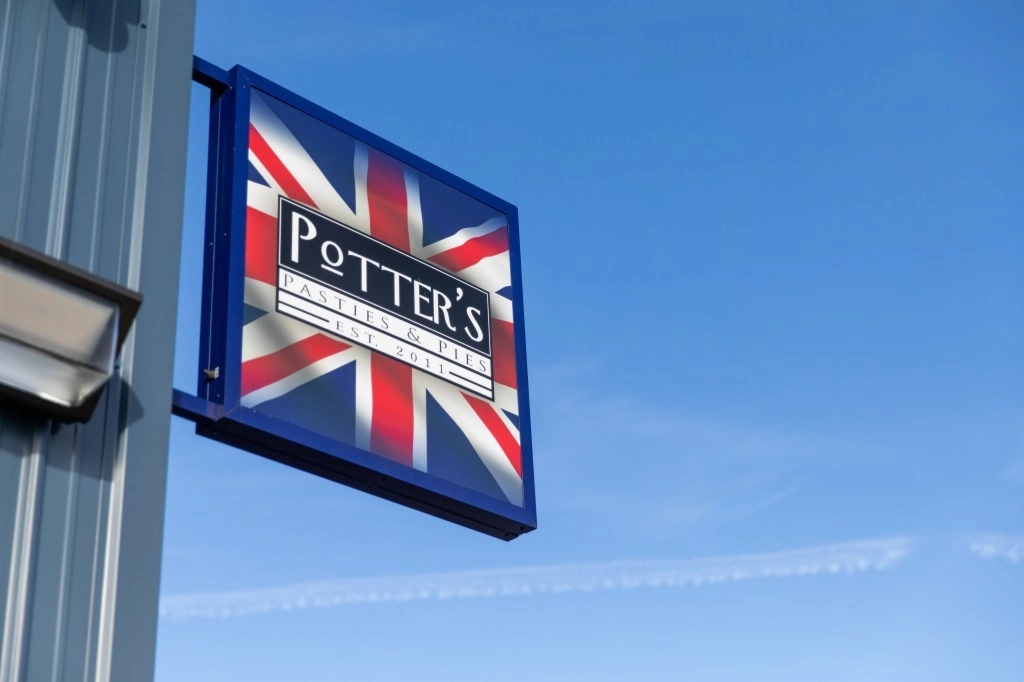
Potter’s Pasties has recently opened its second location in St. Paul, specifically in the former coffee and doughnut area of the Beer Dabbler Depot liquor store on West Seventh Street. Known for its meat and vegetable hand pies as well as dessert pies, Potter’s Pasties has been a fixture in the Saintly City with its food truck and now offers a brick-and-mortar option available seven days a week.
This new location has expanded the menu to include half-sized pasties, gluten-free options, and vegan selections. Additionally, they now offer take-and-bake pasties, perfect for stocking up for those days when you may not be able to venture out.
Alec Duncan, the owner, emphasizes that the partnership with Beer Dabbler Depot will also facilitate themed tastings and dinners that celebrate UK food and drink traditions. This aligns with the origins of pasties, which are staple fare in the U.K. and were also popular among miners in Upper Michigan, serving as convenient, portable lunches.
In the spring, Potter’s Pasties intends to launch an ice cream program, reminiscent of offerings from its original Como Avenue location in Minneapolis. “We’re excited to expand into St. Paul and bring even more of our British-inspired comfort food to the community,” Duncan stated.
For more information, visit Potter’s Pasties or drop by the new location at 1545 W. Seventh St., St. Paul; 763-447-8338.
New Cocktails-to-Go Law Set to Take Effect This July: What You Need to Know

Rob Reiner and his wife, Michele Singer Reiner, were tragically found dead in their home, and their son, Nick Reiner, is currently under investigation as a suspect. The couple, both prominent figures in the entertainment industry, were discovered with fatal injuries, leading to a police inquiry into the circumstances surrounding their deaths.
Sources have reported that there was a family altercation that may have escalated prior to the incident. Nick, 32, reportedly had a heated argument with his parents before the killings, according to witnesses at a party earlier that same day. Friends described him as behaving erratically, which raised concerns among those present.
Their daughter, Romy Reiner, made a shocking claim to law enforcement, suggesting that another family member could be dangerous and should be considered a suspect in the case. As the investigation unfolds, family dynamics and past grievances are coming to light, painting a complex picture of the Reiner household. Additionally, a houseguest who was present during the dispute left prior to the violence due to discomfort with Nick’s behavior.
As the community grapples with this shocking event, the Reiner family’s friends and colleagues express their disbelief and condolences. The investigation by authorities continues, focusing on the relationship between Nick and his parents to uncover the truth behind this tragic incident.
David Chang’s Unexpectedly Basic Favorite Beer Revealed
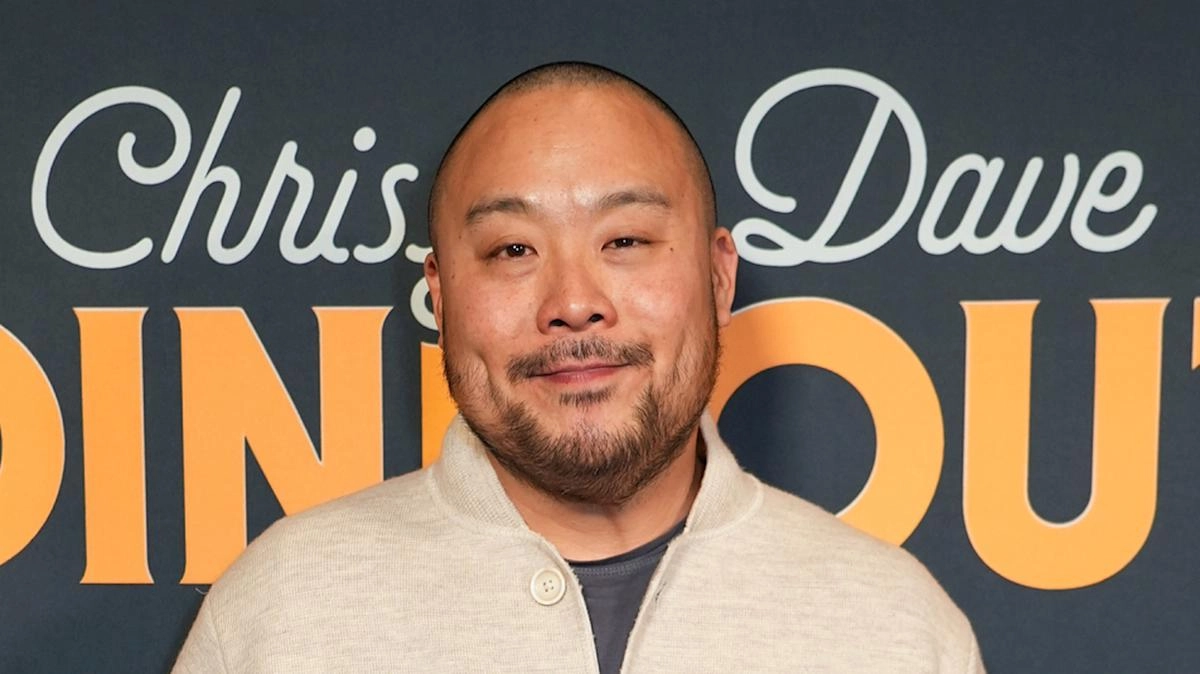
David Chang has carved out a unique spot in the culinary world, renowned not just for his innovative cuisine but also for his surprisingly conventional choice in beer. Despite the explosion of craft beer brands since the 1990s, Chang remains loyal to Bud Light, viewing it as his beverage of choice for its simplicity and nostalgic value. He has openly expressed his preference, citing fond memories associated with the drink, which he describes as the “only foodstuff” he consistently buys for his home.
In a 2014 article for GQ titled "My Name Is David Chang, and I Hate Fancy Beer," Chang made it clear that his preference for Bud Light isn’t solely based on taste; he finds many craft beers superior in flavor. However, what he values more is the experience and memories tied to drinking Bud Light, which has been a staple throughout his life. "There’s no beverage that I’ve drunk more of in my life than Bud Light… And there’s no drink I love more," he remarked.
Chang’s aversion to craft beers stems partly from his annoyance with the snobbish culture that often accompanies them. He argues that while beers like imperial stouts and barrel-aged saisons can be enjoyable, he doesn’t want complexity from his beer; he just wants something refreshing. This disdain mirrors sentiments shared by the late Anthony Bourdain, who also enjoyed craft beer but expressed disinterest in dissecting it.
For Chang, the attraction to Bud Light is deeply personal, intertwined with his life experiences rather than a pursuit of flavor. He embraces the truth that drinking should be enjoyable without unnecessary pretensions, distinguishing himself from the "beer snobs" he criticizes who complicate what should be a straightforward pleasure.