The issue with ‘Mommy Wine Culture’ does not lie in the wine itself.

Understanding the True Consequences of “Mommy Wine Culture”
There seems to be an ongoing debate surrounding the concept of “mommy wine culture.” The question remains: where do we draw the line between a mother enjoying a glass of wine and the underlying implications of using alcohol as a crutch for parenting? It is crucial to define the term before diving into the discussion.
When referring to “mommy wine culture,” we are addressing the societal narrative that suggests mothers require wine to cope with the challenges of raising children. This issue goes beyond simply enjoying a drink; it revolves around blaming our children for our need to drink and substituting wine for the necessary support struggling mothers truly need.
Some may argue that it’s all just a joke, a way to relieve the stress of parenting. Parenting is undeniably challenging, and it’s understandable that we all seek solidarity during this exhausting phase of life. However, this particular joke comes at a cost – the expense of both mothers and their children. It distracts us from the core problem: moms need better support. Ultimately, the beneficiaries of this joke are alcohol companies and the patriarchal system. Allow me to elaborate.
The problem with mommy wine culture lies in its dangerous implications. It places the blame for our struggles and frustrations on our children. Expressions like “my kids are the reason I drink” or “my kids whine so mommy wines” inaccurately convey that children are the root cause of our stress, which is unfair and damaging. Furthermore, it diverts attention from the urgent need for support systems for mothers who are genuinely struggling. Making light of this issue, suggesting that wine is the answer, is not only hurtful but also insensitive to those who are silently crying out for help.
This culture wrongly implies that alcohol can be a helpful and healthy coping mechanism, when, in reality, it is far from it. Multiple studies have proven that there is no safe amount of alcohol consumption, especially considering the fact that alcohol is a depressant. For mothers who are deep in the trenches of parenting, or even experiencing postpartum depression, this perspective becomes a dangerous temptation. Moreover, it sets a poor example for our children by modeling unhealthy coping mechanisms.
Another crucial point to address is the addictiveness of alcohol. Allowing alcohol to act as a crutch for coping with parenting responsibilities is irresponsible. It can lead to a state where effective parenting becomes impossible or even non-existent. Suggesting such an approach is not only negligent but also has the potential to cause irreparable harm.
It is essential to note that discussing mommy wine culture is not an attack on mothers or anyone who indulges in wine. Rather, it is an expression of frustration with the underlying message that alcohol can solve broader societal issues that hinder the progress of parents, particularly mothers. Mothers deserve better than this. Our children deserve better as well.
In essence, mommy wine culture trivializes significant societal issues that are far from a laughing matter. By making light of them, we are doing ourselves a disservice. Instead of suggesting that mothers resort to wine for solace, we should be advocating for better pre- and postnatal support, guaranteed paid maternity leave, affordable childcare, equal distribution of household labor, and relief from the mental load they carry. Only then can we truly reach a point where mothers don’t feel the need to rely on wine to cope, because they will have the support they have always needed.
Celeste Yvonne, a writer and certified recovery coach, sheds light on these pertinent issues in her book, “It’s Not About the Wine: The Loaded Truth Behind Mommy Wine Culture.” As a sober mother with over five years of sobriety, Celeste advocates for struggling mothers who are battling addiction and mental health challenges. Her book offers healthy solutions and coping strategies during the beautiful but demanding years of motherhood.
In conclusion, we need to challenge the harmful narrative of mommy wine culture and strive for a society that uplifts and supports mothers in meaningful ways. It is high time we recognize that mothers don’t need wine; they need a system that values their well-being and provides the necessary resources for them to thrive.
“Stay Connected: Join the SheKnows Community”
Hello there, fellow knowledge seekers and social media enthusiasts! We have some exciting news to share with you today about how to keep up with the latest updates from SheKnows. But before we dive into the story and all the juicy details, let’s take a moment to appreciate the power of staying connected in this digital age.
In a world where information is constantly at our fingertips, staying in the loop has never been easier. Whether it’s following our favorite brands on social media or signing up for newsletters, we have become conditioned to crave the latest news and updates. And at SheKnows, we understand the importance of catering to this innate desire.
Now, let’s get to the good stuff! We are thrilled to introduce our newsletter, a curated collection of stories that will keep you informed, entertained, and inspired. By signing up for our newsletter, you’ll gain exclusive access to a wealth of valuable content, catered specifically to your interests. From lifestyle and entertainment to health and wellness, our newsletter has got you covered.
But that’s not all – we understand that not everyone is a fan of newsletters. Some prefer to engage with us on their favorite social media platforms. If you’re one of those individuals, fear not! SheKnows is also active on Facebook, Twitter, and Instagram. By following us on these platforms, you’ll receive daily doses of valuable information, updates on the latest trends, and be part of a vibrant community of like-minded individuals.
So, how can you join the SheKnows community and ensure you never miss out on our latest stories? Well, the options are plenty! If you’re a newsletter lover, simply sign up through our website and start receiving our specially crafted content right in your inbox. If social media is your preferred choice of interaction, hit that follow button on Facebook, Twitter, and Instagram to embark on a visual and textual journey through the world of SheKnows.
Let’s face it – life is busy, and our time is precious. By staying connected with us, you can rest assured that you won’t miss out on any exciting news or valuable insights. We want to be your go-to source of information, inspiration, and entertainment. So whether you choose to absorb our content through newsletters or catch up with us on social media, we promise to keep delivering the stories and knowledge you crave.
Don’t miss out on the opportunity to join the SheKnows community and gain access to a world of valuable content. Sign up for our newsletter or follow us on Facebook, Twitter, and Instagram today to embark on an exciting journey of discovery. We can’t wait for you to join us!
The appeal of a man who claims Beer Depot sold him opioids disguised as multivitamins has been rejected by the court.
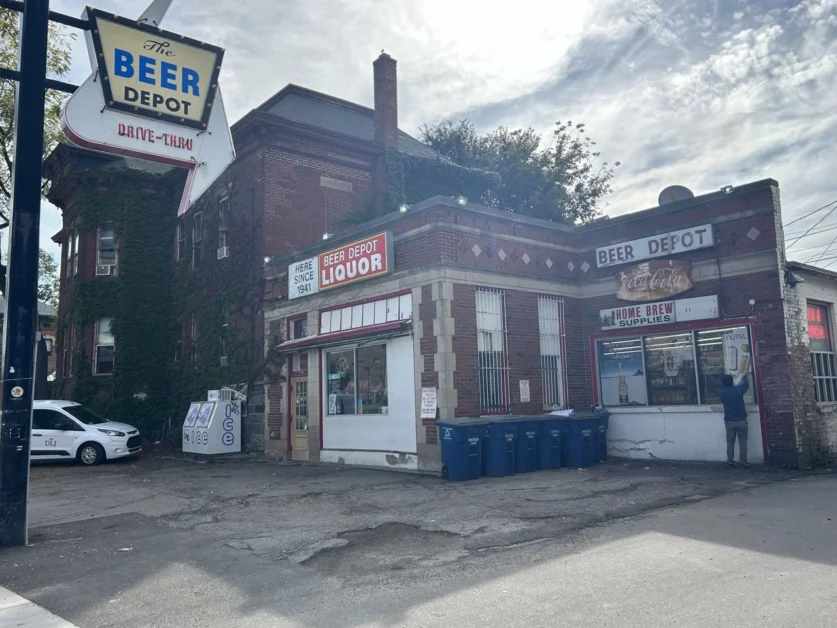
Title: The Ann Arbor Beer Depot Clears Itself of Liability in a Bizarre Multivitamin Mix-up
Introduction:
In a recent ruling, the Michigan Court of Appeals has absolved The Ann Arbor Beer Depot of any liability in a civil lawsuit brought forth by a man who claimed to have suffered an overdose from opioids he mistakenly believed were multivitamins purchased at the store. The court’s decision reiterates the importance of thorough investigations and accurate evidence in determining liability in such cases. Let’s dive into the details of this strange and unexpected situation.
The Unforeseen Multivitamin Mishap:
Larry Lee, a 42-year-old man, filed a lawsuit in Washtenaw County Trial Court in October 2019, alleging that he had inadvertently consumed opioids from a bottle of Congaplex Multivitamins he had purchased from The Ann Arbor Beer Depot. Lee maintained that he had taken between 10 to 12 pills from the bottle, resulting in loss of consciousness and subsequent medical treatment.
Evidence and Confrontation:
Hospital tests confirmed the presence of Norco, an opioid, in Lee’s system. Following his hospitalization, Lee confronted an employee of The Beer Depot, accusing them of selling him the pills. A video recording captured Lee asking the employee about the pills’ source, to which the employee responded that the pills had been left behind by someone else.
The Lawsuit’s Allegations:
Lee’s lawsuit accused The Beer Depot of negligence, asserting that the store had sold and marketed the multivitamin bottle. Although Lee claimed to have purchased the bottle for a modest sum of $4 to $6 in cash, he did not possess a receipt to support his claim.
The Jury Trial and Verdict:
The case proceeded to a jury trial before Washtenaw County Trial Court Judge Archie Brown in August 2022. The Beer Depot’s owner testified that the store had never sold vitamins. Furthermore, the owner stated that Lee had not requested surveillance footage to prove he had purchased the pills, and by the time of the trial, the existing footage had been overwritten.
The jury was instructed to first ascertain whether The Beer Depot had sold the multivitamin bottle to Lee. Based on the jury’s verdict, it was determined that the store had never sold multivitamins to the plaintiff, thereby absolving them of any liability in the case.
Court of Appeals Decision:
Larry Lee filed an appeal in October 2022, seeking to reverse the trial court’s judgment. However, on September 28, 2023, three Michigan Court of Appeals justices upheld the trial court’s decision. They supported the trial court’s emphasis on the key question of whether The Beer Depot sold the pills to Lee, which was dispositive in determining liability.
Conclusion:
The ruling by the Michigan Court of Appeals solidifies that The Ann Arbor Beer Depot bears no liability in the civil lawsuit concerning the sale of opioids disguised as multivitamins. Additionally, it highlights the significance of accurate evidence and thorough investigations in legal proceedings. While this case is undoubtedly peculiar, it serves as a stark reminder of the importance of consumer awareness and vigilance when purchasing products from any establishment.
References:
– [Opinion of the Michigan Court of Appeals](insert link here)
Read more:
– [No state university is bigger than the University of Michigan, data shows](insert link here)
– [Sexual assaults increased at the University of Michigan in 2022, data shows](insert link here)
– [‘Just anything but this.’ Drive-thru Taco Bell gets reluctant OK in Ann Arbor](insert link here)
– [Ann Arbor estimates storms, power outages in 2023 have cost city](insert link here)
Here at our website, we value transparency and want to make sure you have all the information you need to know. That’s why we want to explain to you exactly how we receive compensation if you purchase a product or register for an account through a link on our site, and how your personal information is handled.
First off, when you use this site, you are agreeing to our User Agreement, which is a standard practice. We want you to be aware that we may receive compensation if you decide to make a purchase or register for an account by clicking on a link provided on our site. This compensation helps us to continue providing the content and services you enjoy.
When it comes to your personal information, we understand the importance of privacy. Rest assured that we take your privacy seriously and make every effort to protect your personal information. However, it’s important to note that by using our site, you are consenting for us to collect, record, and/or store your clicks, interactions, and personal information.
We also want to be transparent about our involvement with social media and other third-party partners. These partners may also collect, record, and/or store your personal information when you use their platforms through links provided on our site. We want to emphasize that your privacy continues to be a top priority for us, but it’s important to recognize that these partners have their own privacy policies and practices that may differ from ours.
If you have any concerns about your personal information or how it is being handled, we encourage you to read our Privacy Policy carefully. Our Privacy Policy outlines the measures we take to protect your information and provides details on how it may be used.
In conclusion, we want to assure you that your trust and privacy are of utmost importance to us. We are committed to providing you with valuable content and services, and by using this site, you acknowledge and consent to our User Agreement, as well as the potential collection, recording, and storage of your personal information. We encourage you to review our Privacy Policy for further details and contact us if you have any questions or concerns. Thank you for being a valued member of our community.
The Technology Behind Today’s Wine: When Silicon Valley Met Sauvignon Blanc.

shake up an industry quite like technology does. From the early days of wine presses to the modern era of AI and blockchain, technology has continuously revolutionized the world of wine. As the founder and CEO of WineCap, an investment platform that aims to make wine investment accessible and transparent, I have witnessed firsthand some of the most exciting developments in the industry.
One fascinating exploration of technology’s potential lies in the realm of generative AI. Winemakers Anthony Aubert and Jean-Charles Mathieu recently tapped into the capabilities of ChatGPT, an AI language model, to create organic wine. By providing specific information about the grapes they had available, the founders let the AI take the reins. In a surprising turn of events, ChatGPT even came up with the branding for the wine, naming it “The End,” which has an intriguingly mysterious quality. Could this be a glimpse into the future where AI develops its sense of humor?
But AI doesn’t stop at winemaking. Some manufacturers have taken it a step further and tested whether ChatGPT can serve as a sommelier. Yes, you read that right – a non-sentient robot potentially becoming an expert in the art of wine tasting. The possibilities are endless, and it’s safe to say that we should keep an eye on this space to see how AI continues to integrate into all aspects of winemaking.
Another groundbreaking technology that is making waves in the world of wine is blockchain. This revolutionary way of storing information and ownership has found its way into the wine universe, offering a new layer of transparency and security. In a recent collaboration, the VDP, an association of top wine producers in Germany, partnered with a startup called VINiD to combine NFT and near field communication (NFC) technology. This collaboration aims to protect wine from forgery by creating a digital record of the bottle’s journey, storage conditions, previous owners, and more. Investors can now scan a QR code on the back of a bottle to access its complete history, empowering them to make more informed decisions. Some wineries even take it a step further by pairing blockchain records with NFT art or exclusive vineyard experiences, further enhancing the value of wine investments.
While technology certainly has its advantages, it’s important to acknowledge the potential pitfalls. Bias is an inherent human quality that can cloud our judgment when it comes to investment decisions, even in the wine industry. Morningstar’s research found that 98% of Americans have at least one bias when it comes to their finances, leading to poor investment choices and significant financial losses. This is where robots and machine learning platforms come in. By leveraging machine learning algorithms, professional investors can analyze vast amounts of data to identify potential investment opportunities that may have been overlooked. In the world of wine, this opens up a whole new realm of exciting possibilities, such as scanning auction rooms and trading platforms to uncover hidden gems.
Not only has technology transformed the way we invest in wine, but it has also revolutionized the broader investment landscape. Take Robinhood, for example, a platform that aimed to democratize investing and brought it to the masses. Since its launch in 2013, millions of people have flocked to Robinhood, sparking a fintech revolution that has resulted in a thriving online investment trading market valued at $9.32 billion and growing at a rate of 6% each year. And it’s not just stocks that are attracting attention; the wine investment market is also experiencing a boom in online trading platforms. A quick search on the AppStore reveals around 25 platforms dedicated to trading fine wine. As buyers become younger, more tech-savvy, and increasingly diverse, it’s safe to say that the world of wine investments will continue to evolve and adapt to these changing demographics.
Looking ahead, the future of wine investments is bound to be intertwined with technology. As the industry embraces fractional shares and other innovative approaches, wine investments will become more accessible to a wider range of investors. With each technological advancement, the world of wine becomes more transparent, affordable, and exciting.
So, what’s next for wine and technology? Nobody knows for sure, but one thing is certain – technology will continue to push boundaries, redefine the wine industry, and unlock new opportunities for investors and enthusiasts alike. It’s an exciting time to be part of this ever-evolving landscape, and I can’t wait to see what the future holds for wine and technology.
Revolutionize Your Business: Insights from Vineyards
Innovation is the key to success in today’s rapidly evolving business world. Just like vineyards, it’s essential for companies to leverage the latest technology and experiment with every stage of the process. Whether it’s embedded finance checkouts or futuristic metaverse warehouses filled with fine wine NFTs, the possibilities are truly endless.
As a business leader, my advice to you is simple: apply this innovative approach to your own company, processes, and strategies. It’s crucial to constantly stay up to date with technology trends. This could mean continuously enhancing the user experience on your apps and websites, incorporating AI into your strategic planning for better decision-making, or even diving into the power of blockchain. Failure to do so could result in being the next “Blockbuster” – a company that failed to adapt and was left behind.
Of course, embracing new technology brings its fair share of challenges. Not every innovation will be a perfect fit for your company. That’s why it’s crucial to hire creative experts, trust in your teams, and keep an open mind. By doing so, you may uncover groundbreaking solutions that can make your products and services stand the test of time.
Are you interested in joining a community dedicated to business growth and networking? Look no further than the Forbes Business Council. As the foremost organization for business owners and leaders, it offers valuable insights and connections that can drive your success.
So, are you ready to revolutionize your business? Embrace innovation, keep up with the latest technology trends, and leverage the expertise of your team. By doing so, you’ll position your company for longevity and success in the ever-changing business landscape.
Enhance the complexity of your Espresso Martini by using Pecan Rum and Amarula.

Exploring the Boundaries of Espresso Martinis: A Unique Twist on a Classic
The popularity of espresso martinis has skyrocketed in recent years, prompting bars and homes alike to get creative with their variations of this beloved coffee cocktail. While the traditional recipe calls for ingredients like vodka, Kahlua, espresso, and simple syrup, mixologists have been experimenting with a wide range of flavors, from vanilla to peanut butter. One of these innovative combinations that has garnered a lot of attention is pecan rum and Amarula.
When pecan rum and Amarula come together, the result is a truly transformative experience for your taste buds. “The pecan rum and Amarula add a nutty, as well as fruity note to the cocktail,” says Brandon Bailey, beverage manager at The Foundry Hotel in Asheville, North Carolina. This unique twist removes the bitterness from the espresso, creating a flavor profile reminiscent of a Kona coffee. Amarula, which is made from the Marula fruit native to South Africa, adds a touch of exotic sweetness with hints of mangoes, caramel, chocolate-covered strawberries, and vanilla.
If you’re looking to elevate your espresso martinis, the combination of Amarula and pecan rum is a great place to start. You’ll need simple syrup, espresso, chocolate liquor, and of course, Amarula and pecan rum. While you can buy a bottle of pecan rum, making your own from scratch is a rewarding endeavor that enhances the authenticity of the drink. Luckily, Brandon Bailey has shared his easy-to-follow steps to make your own pecan rum.
To begin, you’ll need to make pecan butter using high-quality pecans, sea salt, and ground cinnamon. Toast the pecans in a skillet over medium heat for four to eight minutes, ensuring they don’t burn. Once toasted, let them cool before blending them in a food processor or blender. Bailey advises against overheating the mixture as it can result in oil separation, so be mindful of that. Add a pinch of salt and a dash of cinnamon, blend one final time, and store the pecan butter in the refrigerator for up to a month.
Now that you have your pecan butter, it’s time to mix it with the rum. Bailey recommends using 25 ounces of Havana Club Añejo Blanco, a white rum, and approximately 120 grams of your homemade pecan butter. Combine the two in a plastic container, cover it, and let it sit at room temperature for about two hours to infuse the flavors. After that, transfer the mixture to the freezer and allow it to freeze for a minimum of 24 hours to settle.
To strain your pecan rum, line a strainer with a coffee filter and place it over a large container. Carefully pour the rum-pecan mixture through the strainer, using multiple coffee filters if necessary to prevent clogging. Once strained, transfer the liquid into a jar or bottle, and voila! Your homemade pecan rum is now ready to be enjoyed in your espresso martini.
This unique twist on a classic cocktail offers an exciting opportunity to explore the boundaries of flavor and push the limits of creativity. By embracing variations like pecan rum and Amarula, you can elevate your espresso martinis to new heights. So gather your ingredients, follow Brandon Bailey’s expert guidance, and get ready to savor a truly remarkable drink that will delight your senses and impress your guests. Cheers to the art of mixology!
Discover the delectable offerings of Power Trip 2023, where one can devour birria, dumplings, whiskey, and hot chicken.

Are you ready for Power Trip this weekend? The festival is sure to leave you feeling energized and ready to rock out, but you’ll also need to refuel with some delicious food and drinks. Luckily, there are plenty of options available on the festival grounds to satisfy your cravings.
Just like other music festivals, such as Coachella and Stagecoach, Power Trip will have a wide variety of food vendors offering cuisines from around the world. Whether you’re in the mood for tacos, nachos, pizza, sushi, or something else entirely, you won’t have to travel far from the music to find it.
But if you’re up for exploring the food scene in the festival’s host city of Indio, there are some great options there too. The Desert Sun has put together a guide to the best burgers, sandwiches, and pizza in town. So you can grab a bite to eat, have a drink, and even catch a game on TV before heading to the concerts.
For those who are camping at the festival, The Holy Dive Bar is the place to be. It will be open from Thursday evening for campers arriving early, and from Friday to Sunday from 9 a.m. It’s located to the right of the main festival entrance and is accessible from the camping lots. Just make sure you have your festival wristband to enter.
The Holy Dive Bar will have a variety of food vendors to choose from, including Corn Dogs Gone Wild, LA Pizza Co, and Taste of Brazil. They’ll be serving up everything from hand-dipped hot dogs to wood-fired pizzas and authentic Brazilian cuisine. And don’t worry, there are plenty of vegetarian and gluten-free options available too.
But if you’re closer to the North Lounge, you’ll find even more delicious options. Birrieria Michi offers birria and munchies, while The Drunken Dumpling serves up classic dumplings and wontons. And if you’re in the mood for something spicy, Spicy Pie has got you covered with their spicy pizza slices.
Heading over to the South Lounge? Then you can indulge in some all-American comfort food from Bacon Nation or enjoy Korean fusion food from Bulgogi. And if you’re in the mood for something sweet, Bom Bom is the original churrería and donut shop concept.
No matter where you are at Power Trip, you’ll never be too far away from tasty food options. Whether you want soul food, pizza, fried chicken, or anything else, there’s something for everyone to enjoy. So make sure to refuel and recharge so you can keep the energy up for all the amazing music that awaits you.
Revamping the Food Scene at Power Trip 2023
Food options at festivals have come a long way in recent years. No longer limited to greasy burgers and stale chips, music lovers now have a plethora of delicious and diverse options to choose from. Power Trip 2023 is no exception, with a wide range of culinary delights to satisfy any craving. Let’s take a closer look at what awaits festival-goers in terms of food and drinks.
Starting with the Asian-inspired dishes, The Venue Sushi offers a selection of mouthwatering tuna and salmon rolls, sashimi, and other bites. If you have dietary restrictions, don’t worry – just ask about their special dietary options. Vesti, on the other hand, draws inspiration from Mediterranean cuisine, with a focus on cured meats and punchy cheeses. Vegetarian options are also available for those who prefer plant-based fare.
For those in the mood for something fried and indulgent, The Terrace is the place to be. The Baja Shrimp awaits you with delectable shrimp tacos, and if you’re feeling adventurous, give the Bulgogi Corn Dogs from Gone Wild a try. And let’s not forget about Dave’s Hot Chicken, where each piece of chicken is topped with Dave’s signature mix of spices. To accommodate different dietary needs, be sure to ask about their options.
Looking for something sweet and refreshing? You won’t be disappointed. Dole Whip offers swirled pineapple soft serve, perfect for those hot festival days. Meanwhile, Dream Donuts satisfies your cravings with specialty SoCal donuts. Both vendors provide dietary options, so everyone can enjoy their treats guilt-free.
If you’re in the mood for a hearty bowl, Festi Bowls has got you covered. Gerard’s Paella brings authentic Spanish paella and tapas to the festival, while Loving Cup offers hand-churned frozen yogurt made-to-order. Mason’s Den serves up corn and esquites, funnel cakes, and other fried goodies. And of course, Pies and Lows offers a slice of pizza to enjoy while listening to your favorite bands.
Craving some cheesy goodness? Look no further than Poutine Brothers, where you can indulge in cheesy and gravy-coated fries. For a taste of New York in the desert, Uncle Paulie’s Deli serves up classic deli sandwiches, with dietary options available upon request. West Coast Noodles brings you the best of both Asian and American-Italian noodles, so you can savor a fusion of flavors.
But what about the South Terrace, you ask? Don’t worry, there’s plenty to satisfy your cravings there too. Wolfie’s specializes in plant-based fried hot chicken sandwiches and tenders, catering to vegan and vegetarian tastes. Bacon Nation Bulldog Burgers offers burgers, fries, and more, with options available for vegan, vegetarian, and gluten-free diets. Heritage LA Spicy Pie Street Kitchen brings you classic California cuisine with a spicy twist. Surfer Taco offers seafood tacos, burritos, and quesadillas, with options for vegans, vegetarians, and gluten-free eaters. And let’s not forget about the Waffles & Wings food truck, serving up the perfect combination of chicken and waffles.
For those camping at the festival, there are additional food options near the campgrounds. Good Times Ice Cream Truck is the place to go for all your favorite ice cream flavors, with dietary options available upon request. Something Good LA offers a taste of soul with their fresh fruit smoothies, perfect for a refreshing pick-me-up. And if you’re in the mood for a drink, Blackened Whiskey Bar has got you covered with their unconventional whiskey creations. The Cabin offers top-shelf craft cocktails on tap, while the Craft Beer Barn provides a wide variety of local and regional craft beers. Menotti’s is the go-to spot for specialty coffees, including classic espresso drinks and unique signature blends.
But that’s not all – there’s also 6FT Under, a hidden speakeasy inside Pies & Lows where you can enjoy specialty drinks. Monster Java will be handing out samples of their supercharged coffee with cream and sugar, infused with their famous Monster Energy blend, from 10 a.m. to 2 p.m. Smoothie Patrol offers plant-based smoothies and espresso drinks, perfect for a quick pick-me-up. Just Squeezed provides freshly squeezed craft lemonade, catering to various dietary needs.
If you’re a whiskey enthusiast, make sure to check out the daily whiskey tastings at the Holy Dive Bar. Sample a selection of whiskeys, including the unique Blackened Whiskey, as well as other popular brands.
As you can see, the food and drink options at Power Trip 2023 are diverse and exciting. Whether you’re a fan of sushi, tacos, burgers, or smoothies, there’s something for everyone. So come hungry, explore the various vendors, and indulge in the delicious offerings. Power Trip 2023 is not just about the music – it’s a culinary adventure waiting to be savored.
To learn more about the food and drink options available at Power Trip 2023, visit https://powertrip.live/eat-drink/.
The world’s top countries known for producing exceptional rum are as follows:

Hey there! Today, we’re exploring the fascinating world of rum production and taking a closer look at the countries that are known for producing the best rum. We won’t bore you with intricate details about the global rum market or the recent acquisition in the industry. Instead, we’ll dive right into the heart of the matter and uncover the top 5 countries renowned for crafting exceptional rum.
Rum, with its rich history and simple production process, is considered one of the oldest spirits known to man. Its main ingredient, sugarcane, was first fermented way back in 350 BC in India. As explorers ventured across the seas, they stumbled upon islands blessed with the perfect climate for growing sugarcane, leading to the birth of many world-class rum distilleries in the Caribbean.
During the late 1400s, Europeans introduced sugarcane to the Caribbean, where it flourished. Colonialists, seeking to profit from the booming sugarcane industry, set up sugar plantations that relied heavily on enslaved labor from Africa. It was from these plantations that rum emerged as a byproduct of sugar production. Rum’s popularity quickly spread to Colonial North America, so much so that it’s estimated that men and women in the American colonies were consuming an average of three imperial gallons of rum per year before the American Revolutionary War.
Now, let’s fast forward to the present day. The global rum market, according to Future Market Insights, is projected to reach a staggering $24.5 billion by 2033, with a compound annual growth rate of 3.5%. While major producers still dominate rum sales, consumer preferences have been shifting towards craft and aged rums, signaling a growing appreciation for quality and craftsmanship. Rum also holds a significant role in cocktail culture, with four out of the top 10 best-selling cocktails being rum-based, making it a staple for any bar program.
Now, without further ado, let’s unveil the top 5 countries that produce the best rum in the world:
1. The Philippines – Tanduay, a Filipino brand, has taken the crown as the best-selling rum globally, with a whopping 27.4 million nine-liter cases sold in 2022. The brand’s aggressive international expansion, coupled with the rise of cocktail culture, has contributed to its remarkable growth. Tanduay’s diverse product offerings have also played a significant role in its success.
2. Cuba – Cuba, known for its iconic Havana Club rum, has a long-standing tradition of rum production. Cuban rum is celebrated for its smoothness and rich flavors, making it a favorite among rum enthusiasts worldwide.
3. Jamaica – Jamaican rum is renowned for its distinctive funkiness and bold flavors. The island’s rum production draws on traditional methods, including the use of pot stills, which contribute to its unique character.
4. Barbados – Barbados takes pride in its rum heritage, with the oldest registered rum brand, Mount Gay, hailing from the island. Barbadian rums are well-regarded for their smoothness and complexity.
5. Martinique – This French Caribbean island produces Agricole rum, which is crafted from freshly squeezed sugarcane juice instead of molasses. Agricole rum has a vibrant and grassy flavor profile, setting it apart from other types of rum.
So there you have it, the top 5 countries that produce the finest rum in the world. Each of these countries brings its own distinct characteristics and flavors to the world of rum. Whether you prefer the smoothness of the Philippines’ Tanduay rum or the funkiness of Jamaican rum, there’s a rum out there waiting to be discovered and enjoyed. So grab a glass, savor the flavors, and embark on a rum-tasting adventure like no other!
Please note that rum consumption should always be enjoyed responsibly, and only by legal drinking age individuals. Cheers!
In an ever-evolving drinks industry, fueled by a growing number of health-conscious consumers, there is a noticeable shift towards non-alcoholic alternatives. This trend is largely driven by Millennials and Generation Z, who are demanding more from their beverages and adopting a healthier lifestyle. However, they are not the only ones embracing this change. From fitness enthusiasts to older individuals looking to improve their overall well-being, people across various demographics are prioritizing what they put into their bodies.
In fact, Gen Z is leading the way when it comes to choosing non-alcoholic options. In 2022 alone, 38% of Gen Z consumers increased their purchases of non-alcoholic beverages compared to the previous year. This significant shift in consumer behavior has not gone unnoticed by industry players, who are now focusing on innovative solutions to cater to this growing market.
The renowned Captain Morgan rum brand, owned by Diageo Plc, is one such example. In August, Captain Morgan introduced Captain Morgan Spiced Gold 0.0%, an alcohol-free alternative to their popular Original Spiced Gold rum. This new offering provides the same deliciously spiced flavor profile without the alcohol content. The launch of Captain Morgan Spiced Gold 0.0% follows the successful introduction of other alcohol-free options from Diageo, such as Guinness 0.0%, Tanqueray 0.0%, and Gordons 0.0%.
As one of the most popular spirits globally, with 22.9 million cases sold in 2022, Captain Morgan is now expanding its portfolio to include a dark spirit that appeals to the growing demand for alcohol-free options. Initially introduced in Great Britain, Captain Morgan Spiced Gold 0.0% will soon be available in other European countries as well.
Investors have also taken notice of Diageo’s ventures into the non-alcoholic space. Renowned investor Warren Buffett initiated a position in Diageo in the first quarter of 2023, which remained unchanged in the second quarter. While Diageo represented only 0.1% of Berkshire Hathaway’s portfolio in Q2, Markel Gayner Asset Management held the most significant stake in the company with 1.35 million shares.
Now, let’s explore some of the countries that produce the best rum in the world. To compile this list, we referred to various sources, including Illegal Tender Rum Co., Forbes, and Reddit. Countries that appeared at least twice in these sources were assigned a score based on their number of mentions and ranked accordingly. In the case of tied scores, the countries were ranked based on the size of their rum markets.
Topping the list is Puerto Rico, often hailed as the Rum Capital of the World. Apart from being a significant rum exporter, the island’s rum industry generates $300 million annually and provides employment for 700 individuals in distilleries. Notably, the famous Bacardí rum brand is produced in Puerto Rico, solidifying its position as one of the world’s top rum producers.
Next, we turn our attention to Australia, where rum has played a pivotal role throughout history. In the early days of the colony of New South Wales, rum was even used as an official currency. Today, Australia’s ideal climate for sugarcane cultivation and its large sugarcane crop allow the country to produce exceptional quality rum. As a result, Australia has established itself as one of the best rum-producing countries in the world.
As the drinks industry continues to evolve, it is evident that consumers are seeking alternatives to traditional alcoholic beverages. The rise of non-alcoholic options caters to the growing demand for healthier alternatives. With brands like Captain Morgan embracing this trend, it’s clear that the no-alcohol movement is here to stay. So whether you’re a Gen Z consumer, a fitness enthusiast, or someone simply looking to make more informed choices about what you consume, the drinks industry is evolving to meet your needs.
Craft beer and whiskey have dominated the beverage industry headlines for years, but amidst the hype, rum has quietly made a comeback. With a rich history that dates back centuries, rum has captured the hearts of distillers across the United States. For the first time since the 18th century, hundreds of distilleries are producing rum in the country. This growth can be attributed to the increasing number of people discovering the unique and high-quality offerings of artisanal rum distillers. In fact, the United States is now one of the largest rum exporting countries.
While India may not be world-famous for its rum, it holds the title for both the highest rum consumption per capita and the largest quantity of rum consumed annually. With an estimated market size of $52.5 billion in 2020, India’s alcoholic beverages market is one of the fastest growing globally. Rum accounts for 11% of the total volume, mainly due to its affordability and availability. Old Monk, an inexpensive and sweet dark rum, has become the most popular rum brand in India, shaping the taste preferences of generations.
In Trinidad, rum production is a significant part of the culture, particularly during Carnival, a joyous celebration. The island produces vast quantities of light rum from column stills, and its largest rum brand, Angostura, is also known for its cocktail bitters. Many renowned rum brands incorporate Trinidadian rum into their blends. Trinidad, therefore, holds a special place among countries that specialize in rum.
The Philippines, known for its vibrant sugar industry, is also a major player in the rum-producing scene. The country produces smooth and complex white and gold rum, with Tanduay being the highest-selling brand worldwide. Despite not being commonly associated with rum production, the quality of rum made in the Philippines proves that the best rum isn’t exclusive to the West Indies. With the third-largest rum market globally after India and the United States, the Philippines is a force to be reckoned with in the rum industry.
While rum’s association with Caribbean culture is well established, Haitian bottlings often go overlooked. Yet, Haiti is home to over 500 local distilleries, arguably more than any other country in the region. This thriving DIY distilling scene makes Haiti a hub of diverse rum production. Rhum Barbancourt, produced from pure sugar cane juice and bottled in Haiti, is the country’s most famous export. Widely acclaimed as one of the finest rums globally for over a century and a half, Rhum Barbancourt has solidified Haiti’s position as the sixth largest rum-producing country.
In conclusion, rum’s resurgence has brought it back into the spotlight, earning it a place among the world’s top spirits. With the United States, India, Trinidad, the Philippines, and Haiti each contributing unique elements to the world of rum, it’s clear that the best rum can be found across the globe. So, the next time you raise your glass, remember the craftsmanship and cultural significance behind each sip of this beloved spirit.
To read more about the five countries that produce the best rum in the world, continue reading here.
Suggested Articles:
– Vodka Consumption by Country: Top 20 Countries
– 25 Best Bourbon Whiskeys Under $50
– Top 20 Wine Producing Countries in the World
Disclosure: None.
“12 Countries that Produce the Best Rum in the World” originally published on Insider Monkey.
Bird Gang Spirits and the Philadelphia Eagles join forces to reveal a fresh range of vodka and bourbon.

The Philadelphia Eagles have made a surprising move off the football field, venturing into the world of spirits. Teaming up with Philly-based Bird Gang Spirits, the Birds have released their very own commemorative vodka and bourbon whiskey. This exciting partnership aims to provide fans with a taste of Philadelphia while supporting local businesses.
Ted Clair, the vice president of sales for Bird Gang Spirits, proudly declares, “We are the official spirits of the Philadelphia Eagles.” The collaboration involves working with BOTLD, a Philadelphia distiller, to create the first batch of Bird Gang products. Clair emphasizes the importance of authenticity, stating, “Real Philadelphians don’t drink vodka from Texas, they want to drink vodka from Philadelphia.”
Adding a touch of nostalgia, the bottles are dressed in Kelly green wrappers to align with the team’s retro uniforms. The label showcases the phrase “volare aquilae volare,” which translates to “fly Eagles fly” in Latin. To further emphasize the Eagles’ legacy, the label also displays the slogan “Thirsty Birds Fly Faster” alongside the old-school Eagles helmet. This attention to detail and honoring the team’s history sets these spirits apart.
The first offering from Bird Gang Spirits is a vodka made from 100% corn, distilled six times. Clair describes it as having a delightful touch of sweetness and being incredibly easy to drink or mix into cocktails. This vodka represents the essence of Philadelphia, providing a unique and flavorful experience.
The second commemorative release is a 3-year-old bourbon whiskey, known for its robust character. Aged in virgin American oak and featuring a traditional mash bill with 52% corn and a hint of malted barley, this bourbon showcases the Eagles’ commitment to excellence both on and off the field.
This venture marks the first time the Eagles have collaborated with a distillery to create team-sponsored spirits. “We’re getting ready to make tailgates better down at the Linc this year, and beyond,” says Clair, hinting at future plans to enhance the fan experience.
To get your hands on these limited-edition spirits, head to BOTLD’s shop on 18th Street near Rittenhouse Square. But if you’re looking for the ultimate Eagles fan experience, don’t miss the pop-up event at Lincoln Financial Field, specifically Lot K, on Friday from 10 a.m. to 4 p.m. Be sure to check out the link provided for more details.
In conclusion, the Philadelphia Eagles have taken an innovative step into the world of spirits, partnering with Bird Gang Spirits and BOTLD to create commemorative vodka and bourbon whiskey. By offering high-quality, locally-made products, the Eagles are not only celebrating their heritage but also supporting the Philadelphia community. So, whether you’re a die-hard Eagles fan or just appreciate a good drink, don’t miss the opportunity to raise a glass to the Birds. Cheers!
The Blue Moon Burger Bash is expected to once again be a highlight of the NYC Wine & Food Festival.

Food enthusiasts from all corners of the world are getting ready for the 16th annual New York Wine and Food Festival (NYCWFF), a four-day charity event scheduled to happen from October 12-15. The festival is a delightful mix of tastings, master classes, drag brunches, cocktail parties, dinners, and events hosted by renowned celebrity chefs. With over 80 food and beverage-related events taking place in some of New York City’s most iconic locations, NYCWFF promises to cater to every foodie’s palate.
Out of all the events at NYCWFF, one that creates the most buzz is the annual Blue Moon Burger Bash. Initially intended to be a one-night event in 2007, the Burger Bash became so popular that it has returned every year since. Now a legendary party, it offers guests the chance to sample more than 25 of the finest burgers NYC has to offer, along with sides, sweets, and spirits provided by Southern Glazer’s Wine and Spirits, as well as Blue Moon beer. Celebrity chef and author Rachael Ray will be hosting the party for the 16th consecutive year. This outdoor extravaganza will be held at New York City’s famous Pier 86, home to the Intrepid Sea, Air, and Space Museum. Attendees can also enjoy live music performances, breathtaking views, and a healthy dose of friendly competition.
But that’s not all – attendees of the Blue Moon Burger Bash at NYCWFF will also have the opportunity to vote for the festival’s best burger. While a panel of esteemed judges will award their favorite burger with the Judge’s Choice Award, party guests will have the chance to select the winner of the People’s Choice Award. Last year, Chef Kenny Cuomo from Source Urban Brewery in Philadelphia won the People’s Choice Award, while the burger from San Matteo Pizzeria e Cucina walked away with the Judge’s Choice Award.
The Blue Moon Burger Bash is not just about burgers and fun; it also serves a greater purpose. All proceeds from the festival, including those raised at the Burger Bash, will be donated to God’s Love We Deliver, an organization that provides specially designed meals to critically ill New York City residents. NYCWFF has been collaborating with God’s Love We Deliver since 2007 and has contributed a significant amount of $14.8 million over the past 15 years.
This year’s Blue Moon Burger Bash is set to take place on Friday, October 13, at Pier 86 in Hudson River Park. While the event officially runs from 7 p.m. to 10 p.m., Capital One cardholders will be granted early entry at 6:30 p.m. It’s worth noting that Static Media is the proud owner of Mashed and Tasting Table, two prominent entities in the food and beverage industry.
In conclusion, the New York Wine and Food Festival is an event that no foodie should miss. The Blue Moon Burger Bash, with its tantalizing array of burgers and side dishes, combined with the opportunity to vote for the best burger, creates a truly unforgettable experience. And to top it off, knowing that all proceeds go to a noble cause makes this event even more special. So mark your calendars and get ready for a food-filled extravaganza like no other.
This year, the Autumn Wine Stroll will be returning downtown on October 21 in Alameda.

The Downtown Alameda Autumn Wine Stroll is making its highly anticipated return on October 21st! This year, the Downtown Alameda Business Association (DABA) is teaming up with the All Good Living Foundation, a non-profit organization dedicated to helping vulnerable children in the Bay Area. They firmly believe that no child should go without the necessities needed for a healthy and happy life.
It’s important to address these issues, as they affect more families than we realize. By uniting the community and working together, the foundation aims to provide the essentials that these children desperately need. If you want to participate in the wine stroll or learn more information, you can visit bit.ly/alawinestroll2023 online.
In other news, the Alameda police have arrested someone who was suspected of robbing a bank. Officers responded to a report of a possible bank robbery and were told that an individual handed a note to a teller, demanding money while simulating being armed with a gun. The teller complied, and the suspect left with an undisclosed amount of money.
Fortunately, the bank’s staff was able to provide video footage and other evidence to aid in the investigation. The image of the suspect was sent out to all patrol units, and officers managed to locate and apprehend the unnamed individual without incident. The investigation is ongoing, and the police have not released any further details.
In transportation news, the Main Street Ferry Terminal in Alameda is set to undergo a renovation for over two months starting in late October. This temporary closure is necessary for the repair and replacement of the terminal’s aging infrastructure to comply with seismic safety requirements. During this period, downtown San Francisco-bound riders can utilize the Alameda Seaplane Lagoon Ferry Terminal, while ferries to Chase Center and South San Francisco will only be available from the Oakland Ferry Terminal.
Unfortunately, the Alameda Short Hop route will be suspended during the closure. Operations at the Main Street terminal are scheduled to resume on January 2nd, serving the Oakland and Alameda, South San Francisco, Alameda Short Hop, Oracle Park, and Chase Center ferry routes. The renovations also include design elements that prepare the terminal for future fleet electrification needs. Once completed, passengers can expect more efficient ferry operations and modernized terminal lighting.
Lastly, there is an upcoming luxury event held in the heart of the Bay Area on historic Alameda Point called Corks, Forks, Rhythm & Brews. This event, taking place on Saturday from 12pm to 4pm, will feature California’s best wineries, spirits, breweries, gourmet foods, restaurants, and live music. All the proceeds from this fundraiser will directly benefit the Alameda Boys & Girls Club (ABGC).
ABGC is a non-profit organization that has been providing high-impact, affordable youth development programs and services for kids ages 6 to 18 since 1949. Their mission is to inspire and enable all youth, especially those who need the club most, to realize their full potential as productive, caring, and responsible citizens.
If you’re interested in attending the Corks, Forks, Rhythm & Brews event or want more information, you can visit bit.ly/corksforks2023 online.
In a recent decision after a contested administrative hearing, an independent hearing officer has ruled that 150 units of former naval housing in Alameda are subject to the city’s rent control regulations. The landlord had argued that state law prevents the city from limiting rent increases for tenants at the Admirals Cove property. However, the hearing officer’s decision affirms that the city has the authority to regulate rent increases, as maintained by the rent program and several court cases.
As we can see, there are many exciting events, developments, and challenges taking place in Alameda. Whether it’s supporting local businesses, helping vulnerable children, improving transportation infrastructure, or addressing housing affordability, it’s essential for the community to come together and work towards a better future for everyone.
Bill Chapin, the director of Alameda’s rent program, emphasizes that the rent control limits imposed by the legislature were intended to only apply to newly constructed units that expand a city’s housing stock. Therefore, the Admirals Cove property apartments, which have been housing Alameda community members since the 1960s, are entitled to the full protections of the rent control ordinance.
Located on a 15-acre parcel between Alameda Landing and the city’s Main Street Ferry Terminal, the Admirals Cove property consists of renovated townhomes. These buildings were originally constructed in 1969 to accommodate personnel stationed at the nearby Naval Air Station Alameda and their families. In 2017, the U.S. government auctioned off the vacant buildings and the parcel, with developer Carmel Partners of San Francisco winning the bid. Carmel Partners then proceeded to renovate the units and began leasing them to tenants in October 2019.
From September 2019 onwards, Alameda’s rent control ordinance has enforced an annual cap on rent increases known as the annual general adjustment (AGA). The AGA is calculated at 70% of the change in the Consumer Price Index and currently stands at 2.9% as of September 1. While certain provisions of the rent control ordinance, such as registration requirements and restrictions on “no-fault” terminations of tenancy, apply to all rental units in Alameda, the Costa-Hawkins Rental Housing Act prevents local governments from imposing an AGA limit on specific housing units. These include units built after February 1995 and units that can be individually purchased, such as single-family homes and condominiums.
Alameda’s rent control ordinance plays a central role in the city’s commitment to protecting and preserving affordable housing. City Attorney Yibin Shen affirms the dedication of the City Attorney’s Office, including the rent program, to justly enforcing state and local housing laws in order to maintain Alameda as an inclusive community that people from all backgrounds and income levels can call home.
If residents of Admirals Cove or any other rental property in Alameda have questions regarding rent increases they have received, they can contact the rent program staff at 510-747-7520 or rentprogram@alamedaca.gov for further information.
To contribute an item for our “In brief” section, please email it to njackson@bayareanewsgroup.com at least three days before publication. Each item should be 90 to 180 words and include a short headline along with the name of the group or individual to whom credit should be given.
New spirits released this week include whiskey with a Dungeon & Dragons theme – check out the latest brands and celebrities involved.

Introducing Quest’s End: Paladin, a brand new whiskey that combines the magic of fantasy tabletop games with the craftsmanship of spirits. Produced by Find Familiar Spirits, a collaboration between actor and gaming entrepreneur Matthew Lillard, Tim Sparapani of Blue Run Spirits, and screenwriter Justin Ware, Quest’s End is set to join the ranks of sought-after whiskeys in the market.
Whiskey and Dungeons & Dragons may seem like an unlikely pairing, but Lillard disagrees. He believes that the immersive storytelling of D&D and the long aging process of whiskey are a perfect match. Both offer a rich and captivating experience that can span years, creating a sense of nostalgia and wonder. With this idea in mind, Lillard and his partners created Find Familiar Spirits to bridge the gap between their love for fantasy and their appreciation for quality spirits.
Quest’s End: Paladin is just the beginning of a series of whiskeys inspired by the world of Dungeon & Dragons. Subsequent releases, such as Rogue, Warlock, and Dragon, are set to arrive in 2024. Each whiskey in the series boasts a unique flavor profile and comes with stunning artwork by renowned illustrator Tyler Jacobson, known for his work in Dungeons & Dragons and Magic: The Gathering. Additionally, every bottle is accompanied by a chapter in an original fantasy saga penned by writer and game narrative director Kate Welch.
To craft a whiskey that captured the essence of a paladin (knight), master blender Ale Ochoa took on the challenge of finding the perfect blend. After tasting numerous bourbons, Ochoa blended together the flavors that best represented the character. The goal was not only to create a delicious bourbon but also to enhance the gaming experiences and sense of community among fans.
Whiskey continues to dominate the spirits industry, accounting for a significant portion of sales. In 2022 alone, whiskey made up $7.7 billion of the total $21.4 billion in sales. Tequila, while experiencing a 6% increase in sales this year, only accounted for 13% of the dollar sales compared to whiskey’s impressive 36% share. These statistics highlight the enduring popularity of whiskey among consumers.
Quest’s End joins a growing list of celebrity-backed whiskey brands making waves in the market. Metallica, known for their heavy metal music, released their first Blackened whiskey in 2018 and are set to launch their 2023 Masters of Whiskey release, a collaboration with Rabbit Hole Distillery. Similarly, country music star Eric Church ventured into the whiskey game with his Outsider Spirits brand. With these notable names entering the whiskey industry, the market is evolving and expanding to cater to a variety of tastes and preferences.
In a world where fantasy and reality blend, Quest’s End: Paladin offers whiskey aficionados a chance to embark on their own epic adventure. This unique blend of spirits and storytelling invites drinkers to indulge in the magic of the glass and immerse themselves in a world of imagination. So raise your glass and toast to the perfect combination of whiskey and fantasy – a match made in a realm that transcends time.
In a recent press release, Metallica bassist Robert Trujillo expressed his excitement about the collaboration between the band and the whiskey industry. Just as Metallica pushes boundaries in their music and artistic style, they are thrilled to do the same with their approach to crafting exceptional whiskey.
One of the latest releases in this collaboration is the Blackened 72 Seasons Batch. This whiskey, priced at $49.99 and 90 proof, undergoes a unique finishing process in brandy casks while being serenaded by Metallica’s music from their “72 Seasons” album.
Heaven’s Door whiskey, a brand created with the involvement of legendary musician Bob Dylan, has also made waves in the industry since its initial release in 2018. The latest addition to their lineup is a cask-strength wheated bourbon that has been aged for 7 years in the picturesque surroundings of Minnesota’s North Country. This aging process imparts distinctive flavors of honey, caramel, dried fruit, vanilla, and nutmeg, which culminate in a long and mellow finish.
For true enthusiasts, Heaven’s Door is offering a limited-edition bundle priced at $149. This exclusive package includes a bottle of the 122.7-proof cask-strength whiskey, a custom box containing a copy of Bob Dylan’s original handwritten lyrics to “Knockin’ On Heaven’s Door,” and a book titled “Bob Dylan: Mixing Up The Medicine.” The latter features a collection of draft lyrics, writings, photographs, drawings, and other artifacts housed in the Bob Dylan Center in Tulsa, Oklahoma. Pre-orders for this bundle will ship in conjunction with the book’s release on October 24. Homesick Blues whiskey, priced at $79.99, can also be purchased as a standalone option.
Drawing inspiration from iconic actor John Wayne, the Duke Spirits brand has released their Grand Cru Bourbon Founder’s Reserve. Priced at $129.99 and boasting an impressive 110 proof, this whiskey is made using 9-year-old Kentucky Straight bourbon aged in barrels previously used for 98-100 point single vineyard California Cult Cabernets.
Duke Spirits is set to release another enticing offering in the near future. The Double Barrel Rye Founder’s Reserve, priced at $129.99 and 98 proof, is aged first in American oak barrels and then in French oak barrels that previously housed Napa cabernet and Duke Spirits’ Reserve Kentucky Straight Bourbon. The finishing touch is a second barrel conditioning in once-used barrels that held the brand’s 5-year bourbon.
While whiskey continues to be a popular choice, the rise of ready-to-drink cocktails is evidence that not everyone prefers it or consumes it exclusively. Seagram’s Escapes has introduced the Berry Mimosa, a flavored malt beverage with an ABV of 3.2%. This new addition to their lineup was created in collaboration with “The Real Housewives of Atlanta” star, Cynthia Bailey. Bailey previously partnered with Seagram’s in 2018 for the Peach Bellini beverage. The Berry Mimosa is described as sweet but also slightly tart, making it the perfect complement to Bailey’s Peach Bellini flavor.
It’s clear that the whiskey industry is constantly evolving and experimenting with new collaborations and unique offerings. Whether you’re a fan of Metallica, Bob Dylan, or John Wayne, there’s something for everyone to enjoy in this diverse and exciting world of whiskey. Stay tuned for more updates and releases from these iconic brands.