World Cup Beer Sales Soar: Brewers Aim to Keep the Momentum Going Beyond the Tournament
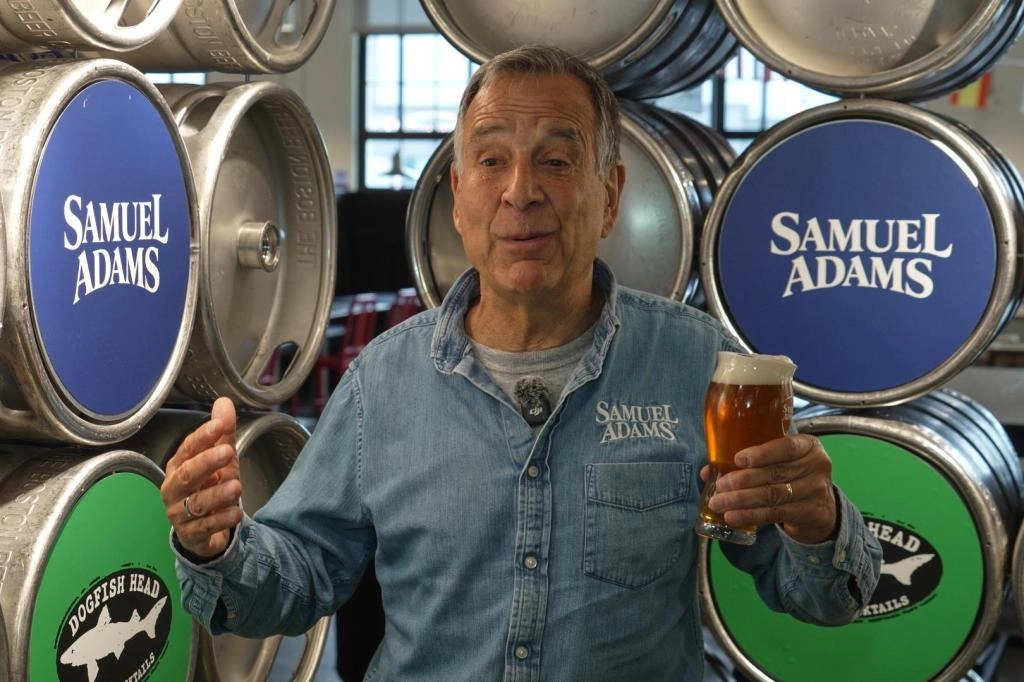
The World Cup has proven to be a significant boon for the beer industry in the U.S., offering a brief respite from a decade-long decline in beer consumption. During this tournament, bars, particularly in locations like Boston, have struggled to meet the surge in demand, requiring emergency deliveries to supply thirsty fans. Reports indicate that 290,000 beers were consumed across six matches in Philadelphia, emphasizing the event’s impact on beer sales.
However, despite the lively atmosphere surrounding the tournament, the reality remains that beer sales have been on a global downturn. In the U.S., the Brewers Association documents a steady decrease in beer consumption, and similar trends have been noted in Canada and the European Union. This decline is attributed to changing consumer preferences, with more people opting for health-conscious and non-alcoholic options.
A notable shift in consumer behavior has emerged, where many individuals choose to limit their alcohol intake for health reasons. This was highlighted in a recent Gallup poll, which showed that for the first time, over half of Americans view daily drinking of a couple of drinks as detrimental to their health.
Despite these trends, the World Cup has invigorated beer sales significantly, with a reported 14% increase in sales during the tournament in U.S. host cities compared to the previous year. Nationally, sales have increased by 4%. Breweries, including the Boston Beer Co., have benefitted directly from this uptick in sales, with some establishments reporting impressive figures of beer sold during matches.
Soccer fans have taken the opportunity to immerse themselves in the spirit of the games, often gathering in bars and public venues that promote socializing over a drink. Contrasting with the last World Cup in Qatar, where alcohol sales were heavily restricted, this year’s tournament has allowed breweries to capitalize on communal celebrations.
As breweries ramp up marketing efforts, some companies have reported planned increases in their advertising budgets around this sporting event. It is yet to be seen how sales will fare once the tournament concludes, particularly as teams like Mexico and Brazil have exited the competition, impacting customer mood and consumption levels.
Nevertheless, industry leaders express optimism, citing upcoming global sporting events such as the Summer Olympics in 2028, which could reignite interest in beer consumption as social activities resume in full swing.
Fat Mike Launches Exciting New Vodka Business!
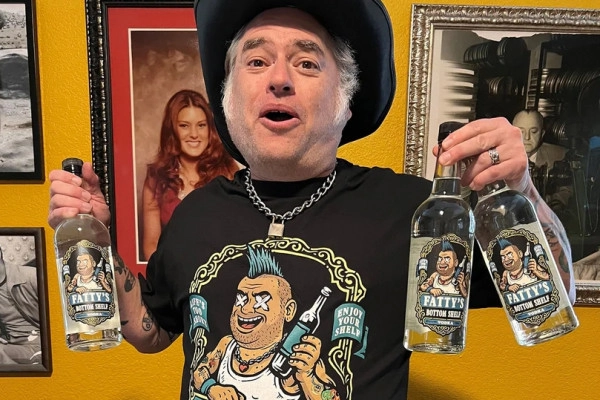
Fat Mike, the frontman of NOFX, has ventured into the vodka business with a brand called "Fatty’s Bottom Shelf." His rationale for starting this venture stems from his belief that all vodkas have a similar taste. He shared that he sampled over five different recipes, finding it difficult to distinguish between them. Consequently, he instructed the vodka makers to create a product that was easy to produce, resulting in a vodka that supposedly tastes "almost like good tasting vodka."
Fat Mike humorously mentions that many of his friends have commented, “I’ve had worse,” which leads him to declare, “if it’s almost good enough for them… it’s good enough for me!”
The vodka, which comes in at 40% alcohol by volume, is being sold in packs that include an exclusive 7-inch record featuring Fat Mike.
The Best-Selling Wine Brand in the U.S.: A Familiar Label Everyone Recognizes

It’s always a delight to indulge in a splendid bottle of wine, but sometimes, the best options are those familiar and beloved brands. When selecting affordable yet tasty wines, American choices can often surprise you, and one particular name stands out above the rest: Barefoot.
Barefoot, originating from California vineyards, has established itself as the best-selling wine brand in the U.S. It has received accolades including the title of the 2025 American Winery of the Year from Wine Enthusiast. Additionally, the American Association of Wine Economists recognized Barefoot as the leading U.S. wine brand, selling over 19 million cases in 2023. Since its inception in 1965, Barefoot has curated a wide variety of delicious and budget-friendly wines.
Typically, a bottle of Barefoot ranges from $5 to $12, which makes it accessible for any occasion, whether for a gathering, dinner, or even cooking. They offer a diverse lineup across different wine types including white, red, and bubbly options. However, not all varieties are created equal, so here are some recommendations.
Among Barefoot’s offerings, the Barefoot Moscato stands out, renowned for its sweet flavor and smooth finish, making it an excellent match for spicy dishes. Fans of this wine have passionate sentiments, even humorously stating desires to be buried with it. The Barefoot Riesling has also gained popularity, lauded for its refreshing fruity notes and winning accolades like top honors at the San Francisco International Wine Competition in 2024. On the contrary, some consumers have criticized the Barefoot Merlot, suggesting it lacks a pleasant taste throughout, although serving it at the proper temperature might improve the experience.
Barefoot demonstrates that quality does not have to come at a high cost, and its widespread availability ensures that you can find a bottle practically anywhere. With its notable achievements, serving Barefoot may even impress the most discerning wine aficionados.
For those looking to expand their culinary knowledge, signing up for a food newsletter can offer tips and insights to elevate your cooking and dining experiences.
Martha Washington’s Classic Favorite Drink: A Timeless Tradition Passed Down from Her Mother

Martha Washington’s favorite drink, a delightful rum punch, has its roots in a cherished family recipe passed down from her mother. During her time in the White House from 1789 to 1797, Martha became known for her hospitality, often serving this punch at her famed gatherings.
The recipe, preserved at George Washington’s Mount Vernon, includes an enticing mix of white rum, dark rum, orange curaçao, simple syrup, fresh lemons and oranges, along with spices such as nutmeg, cinnamon, and cloves. To prepare, she would muddle the fruits with the spices and syrup, adding the spirits and water before straining the mixture for a smooth finish.
Rum was an integral part of the colonial economy and culture, with estimates suggesting that the average colonist consumed about 3.7 gallons of rum annually by the American Revolution. George Washington even operated one of the largest distilleries of the time, so it’s likely that the rum in Martha’s punch was distilled by him.
Throughout the 1600s to 1700s, rum surpassed whiskey in popularity, largely due to its availability from molasses, a byproduct of the sugar trade with the West Indies. This spirit was not only enjoyed socially but also often used as currency in the colonies.
As tastes evolved in America, the preference shifted toward whiskey in the 1800s, reflecting the changing palates of the country’s citizens. However, Martha’s legacy lives on, inviting modern enthusiasts to recreate her punch for festive gatherings, encouraging a return to Colonial-style celebrations.
For those interested in trying Martha Washington’s rum punch, you can find the recipe on the Mount Vernon website.
Cheers to Afro-Latino Heritage: Nelson German’s New Book on Caribbean Cocktails
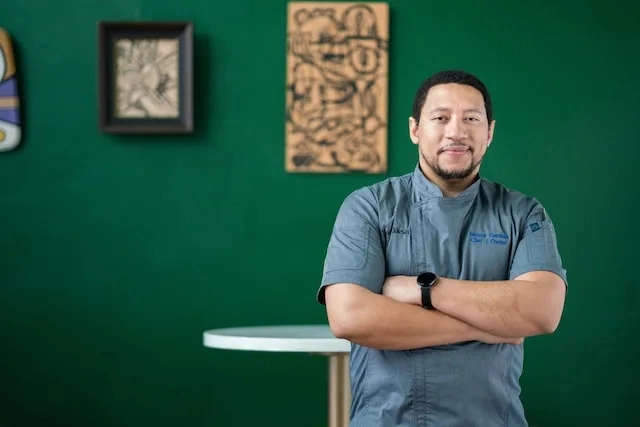
Chef Nelson German, known for his acclaimed restaurants, found himself behind the bar during a staff shortage, leading to a passion for mixology. This unexpected shift inspired him to co-author "Caribbean Cocktails: Drinks and Bites from the Afro-Latino Diaspora," alongside James Beard Award-winning author Andréa Lawson Gray.
For German, the early days of bartending revealed the art of cocktail creation intertwined with storytelling. He discovered that, unlike the kitchen’s solitary pace, bartending created opportunities for connection and interaction with customers. Inspired by his Dominican heritage, he aims to share the rich narratives of Afro-Latino culture through Caribbean cocktail recipes.
Emphasizing the importance of rum, German suggests it be viewed not just as a drink but a medium for storytelling—a tradition passed down through generations. He sees rum as a social spirit that fosters connection, detaching it from mere consumption to creating a broader understanding of cultural history.
In his book, German provides over 40 drink recipes and 20 food recipes, crafted for both novice and experienced home bartenders. He encourages readers to start with quality rum, like Dominica’s Brugal 1888, and to explore sweeteners like agave or honey, and freshly squeezed lime juice to elevate their cocktail-making experience.
While still in love with the culinary world, German relishes the engaging atmosphere of the bar. He believes that cocktails can bridge cultural divides, bringing people together in the spirit of community and joy amidst uncertain times.
New Amsterdam Vodka Reveals Award-Winning Packaging Redesign: A Fresh Look for a Top Spirits Brand
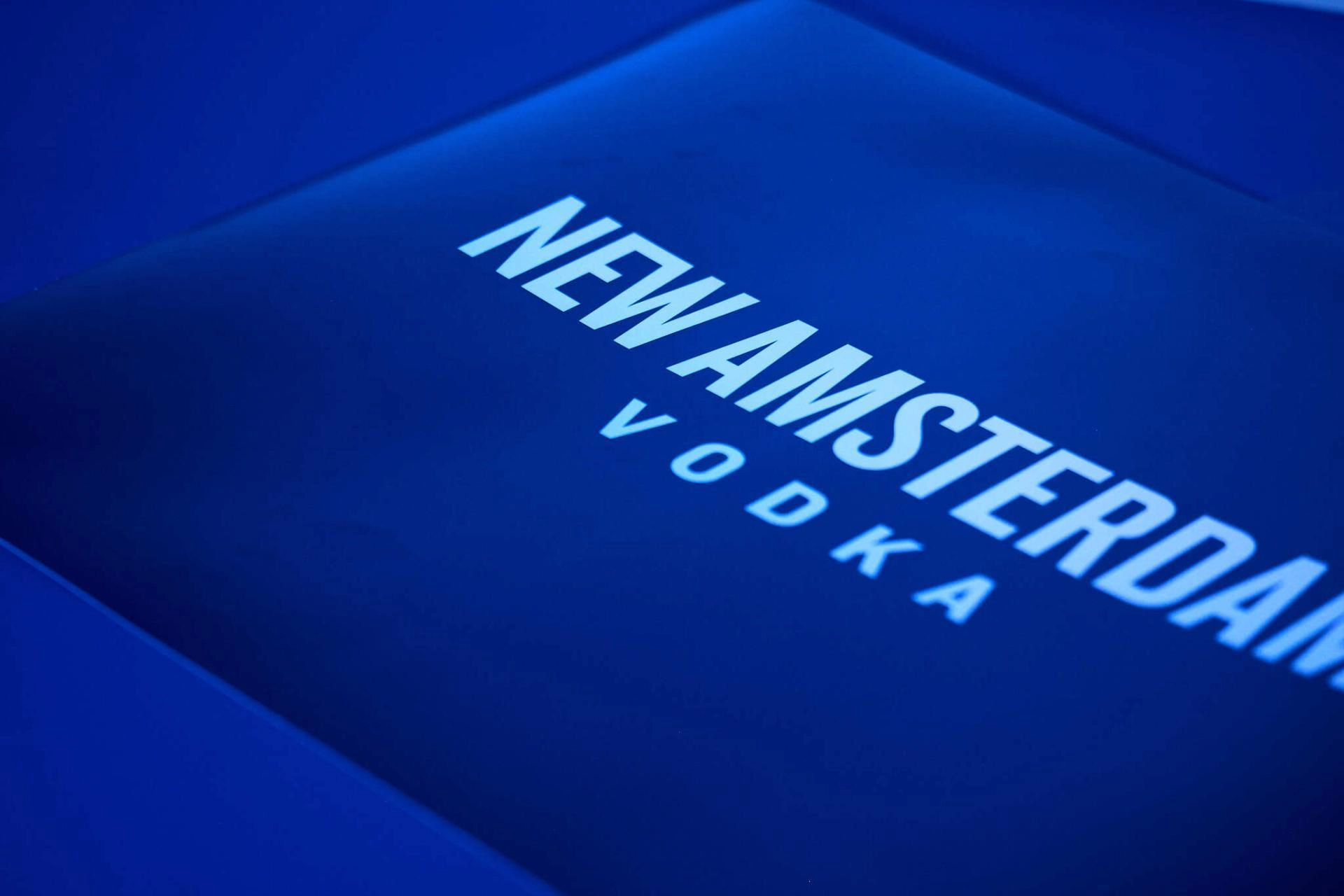
In a saturated vodka market, where numerous brands vie for consumer attention, the redesign of New Amsterdam Vodka stands out as a significant evolution in branding. The task was handled by design agency ForceMAJEURE, which aimed to modernize the packaging while maintaining the brand’s recognizable elements.
New Amsterdam, owned by E. & J. Gallo, embarked on its first major redesign since its inception in order to enhance its visual identity and achieve a cohesive look across its product line. The fresh design features a striking midnight-blue palette, setting it apart from the typical clear and silver bottles that dominate the shelves.
One of the notable changes was elevating the iconic cityscape graphic, previously a mere decorative aspect, to become a central visual component. The refined vertical wordmark now imbues the bottle with a confident and contemporary presence, ensuring clear visibility whether on display in a store or behind the bar.
This comprehensive redesign was the result of close collaboration between the multidisciplinary team at ForceMAJEURE and E. & J. Gallo, spearheaded by Creative Director Michelle Mak. The redesign process was meticulously coordinated, driven by dedicated account and production professionals.
Key members of the creative team, including Tim Devereaux and Tianyun Jiang, contributed significantly to refining the label’s structure and enhancing the typographic hierarchy. Jiang played a crucial role in establishing the new visual aesthetic and contributing to broader design consistency.
The redesign has not gone unnoticed in the industry, earning numerous accolades such as a Silver Award from Graphis, a Gold Award at the 2026 MUSE Design Awards, and recognition from the PAC Global Award. These honors underscore the project’s strength and validate the high-quality craftsmanship and creative execution behind New Amsterdam Vodka’s revamped visual identity.
Cool Off This Summer: The Best Whites and Reds to Beat the Heat

With summer in full swing and heat intensifying, it’s time to switch up your wine choices. While strong tannic wines like cabernet sauvignon may pair well with grilled meats in air-conditioned spaces, outdoor summer gatherings call for something lighter and more refreshing.
While many gravitate towards chardonnay, it’s easy to fall into a repetitive rut of the same varieties. To break free, we’ve compiled a list of 15 delightful wines—excluding chardonnay and sauvignon blanc—that can serve as great aperitifs or complement summer dishes such as seafood, cheese, and veggie platters.
White Wines
-
Big Salt Oregon White Table Wine 2025 ($19): An intriguing blend of riesling, gewurztraminer, muscat, and pinot blanc, this wine bursts with fresh acidity, citrus, and stone fruit notes, finishing with a mineral essence.
-
La Crema Monterey Pinot Gris 2024 ($20): Lively and fresh, this pinot gris is ideal as a summer sipper or with grilled shrimp.
-
Ehlers Estate Sylviane Napa Valley 2024 ($50): A captivating wine combining sauvignon blanc with semillon, offering aromatic orange blossom, apricot, and peach flavors with a zesty lemon and mineral finish.
-
Alma Rosa El Jabali Pinot Blanc Sta. Rita Hills 2024 ($40): This unique varietal presents melon and citrus flavors with refreshing acidity.
-
Bouchaine Alsatian Blend 2024 ($50): A stunning mix of Alsatian grapes, resulting in textured wine brimming with floral notes and stone fruit flavors.
-
Tablas Creek Vineyard Esprit Blanc de Tablas 2024 ($70): This Rhone-style blend showcases exceptional roundness and acidity, making it a perfect partner for spring fare.
-
Bodegas Shaya Verdejo Rueda 2024 ($15): A crisp organic wine from Spain’s Rueda region, ideal for light summer pairings.
-
Latitud 42 Blanco 2021 Rioja ($13): Spunky and refreshing, with notes of pear and pineapple.
-
Tenuta Olianas Vermentino 2025 ($21): An excellent choice for cheese pairings, with fresh citrus notes.
-
Vale do Bomfim White 2023 ($15): Aromatically vibrant, this Portuguese blend is citrusy and refreshing.
-
A to Z Pinot Gris 2024 ($16): A bright, easy-drinking option.
-
Priest Ranch Grenache Blanc 2024 ($30): A light and aromatic wine to complement grilled meats.
-
Pasqua Passione Sentimento Veneto Bianco 2023 ($20): A delightful vinification of garganega with vibrant peach and citrus notes.
-
Brassfield Estate Pinot Gris 2024 ($22): Apples and stone fruit dominate this beautifully textured wine.
-
Early Mountain Petit Manseng Virginia 2023 ($65): Exemplifies Virginia’s winemaking prowess with floral and peach nuances.
Red Wines
For those who prefer red, choose light- to medium-bodied varieties that can be mildly chilled:
-
Tenuta Olianas Cannonau 2024 ($23): This grenache variant is perfect for warm days and pairs beautifully with lighter fare.
-
Mezzacorona Dinotte Red Blend Vigneti delle Dolomiti IGT 2022 ($16): An engaging northern Italian blend with freshness.
-
Tablas Creek Vineyard Cotes de Tablas 2024 ($40): A versatile blend reminiscent of Cotes du Rhone, showcasing fresh red fruit.
-
Avignonesi Vino Nobile di Montepuliciano DOCG 2022 ($26): A lovely sangiovese that is a delicious embodiment of southern Tuscany.
-
Pasqua Passione Sentimento Romeo & Juliet Rosso Veneto IGT 2021 ($15): A fruity blend with a unique drying process that enhances intensity and texture.
Wine Picks
-
Penfolds Bin 311 Chardonnay South Eastern Australia 2020 ($40): Though not a recent vintage, this wine is rich in peach and apple notes.
-
Garofoli Piancarda Blu Rosso Conero DOC 2023 ($21): Simple yet well-crafted, showcasing steady red fruit flavors.
-
Bodegas Juan Gil Vino Silver Organic Monastrell 2026 ($18): A great value with deep red fruit notes layered with spice.
-
H&B Rosé Coteaux d’Aix-en-Provence 2025 ($25): This refreshing blend features white peach and vibrant citrus notes.
This summer, expand your wine horizons while enjoying the warm weather with these recommendations that promise to refresh and delight.
A Sneak Peek at Yellowstone Bourbon’s 2026 Limited-Edition Whiskey
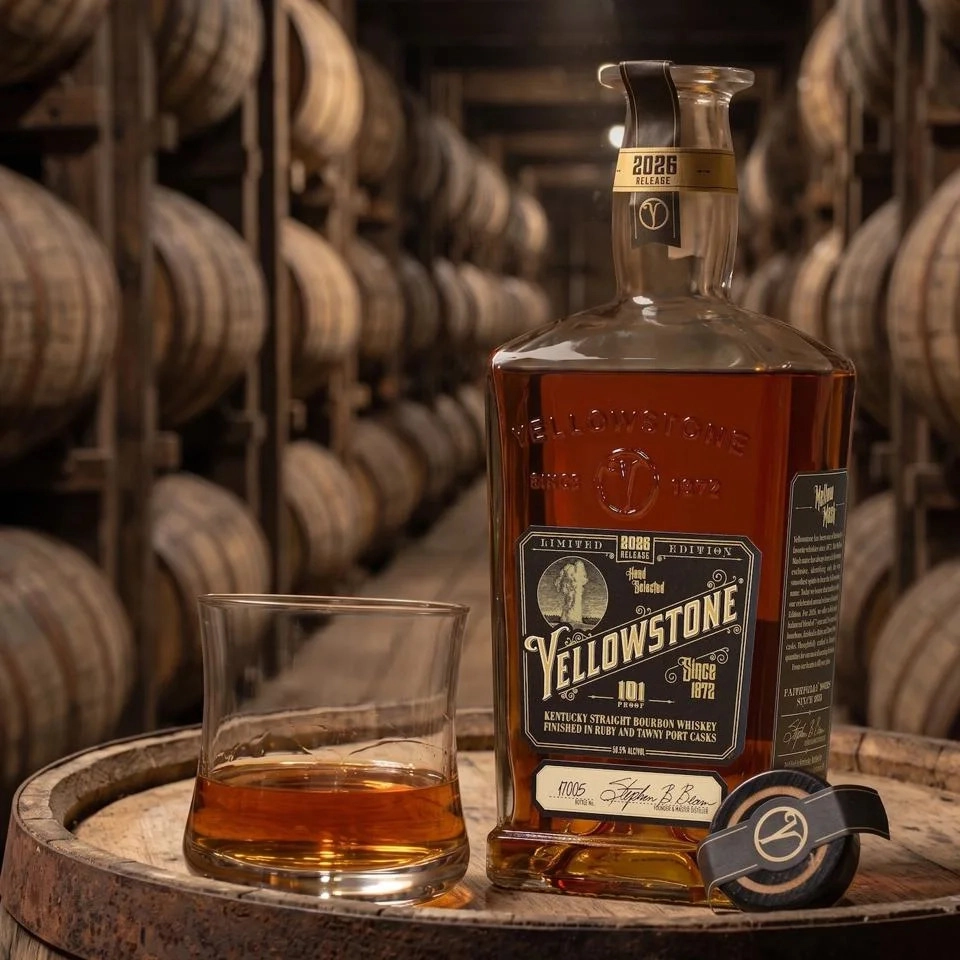
Yellowstone Bourbon has a storied history that dates back to 1872 when Joseph Bernard Dant named a series of whiskeys after Yellowstone National Park. Today, the brand is managed by his descendant, Stephen Beam, who, alongside his brother Paul, founded Limestone Branch Distillery in 2010 and revived the Yellowstone label. In 2015, they formed a partnership with Luxco, which was acquired by MGP in 2021.
The brand is particularly known for its annual Limited Edition releases, with the latest, the 2026 Limited Edition, being its 11th release. This bottling will be available nationwide starting August 2026.
For this year’s edition, Stephen Beam blended 7-year-old and 14-year-old Kentucky straight bourbons. Neither whiskey was produced at Limestone Branch. The 7-year-old is speculated to be sourced from Lux Row or another undisclosed distillery, while the 14-year component comes from an undisclosed Kentucky distillery.
After blending, the bourbon underwent secondary maturation in Ruby and Tawny Port casks for roughly 12 weeks, followed by a final bottling at a proof of 101 (50.5% ABV).
Upon tasting, the 2026 Limited Edition exhibits a rich nuttiness on the nose, with aromas reminiscent of peanut brittle, toffee, and dark dried fruits. The palate reveals similar nutty characteristics alongside dates, figs, and a hint of baked fruit. The finish offers burnt caramel notes, concluding a pleasant drinking experience.
At a price of $99, it’s positioned as a premium but moderately accessible bourbon, especially appealing to those fond of nutty, toffee-like flavors. The 2026 Limited Edition is available at the Limestone Branch Distillery Visitor’s Center and will soon roll out to wider distribution.
Win Big: Popular Beer Brand Offers Free Solar Walk-In Cooler and $15K Cash Giveaway!

As temperatures rise this summer, keeping drinks cold can turn into a challenge. Natural Light has introduced a novel solution with its "CoolShed," a solar-powered cooler designed to keep beverages chilled.
Starting now and running until Friday, July 31st, individuals aged 21 and older in the U.S. can enter for a chance to win their own CoolShed, along with what the company dubs a “lifetime’s worth of beer money” — specifically, a prepaid card worth $15,531.60. This amount allows the winner to buy two 24-packs of Natural Light each month for 35 years, totaling 840 cases.
To enter, participants need to provide their name, date of birth, zip code, and email address. Additionally, the first 500 entrants will receive a $15 prepaid card described as “beer money.”
A promotional video showcases the CoolShed and highlights its unique features, including 250 cubic feet of cooling space, an insulated aluminum composite interior, heavy-duty shelving, and monocrystalline solar panels. According to the narrator, this innovative cooler harnesses sunlight to provide chilly beer for years to come.
Only one winner will receive the CoolShed and the benefit of a lifetime’s worth of Natural Light.
For more details, you can check out the official entry page here.
The Secret to Delicious Homemade Italian Tomato Sauce: Why You Can Skip the Expensive Vodka
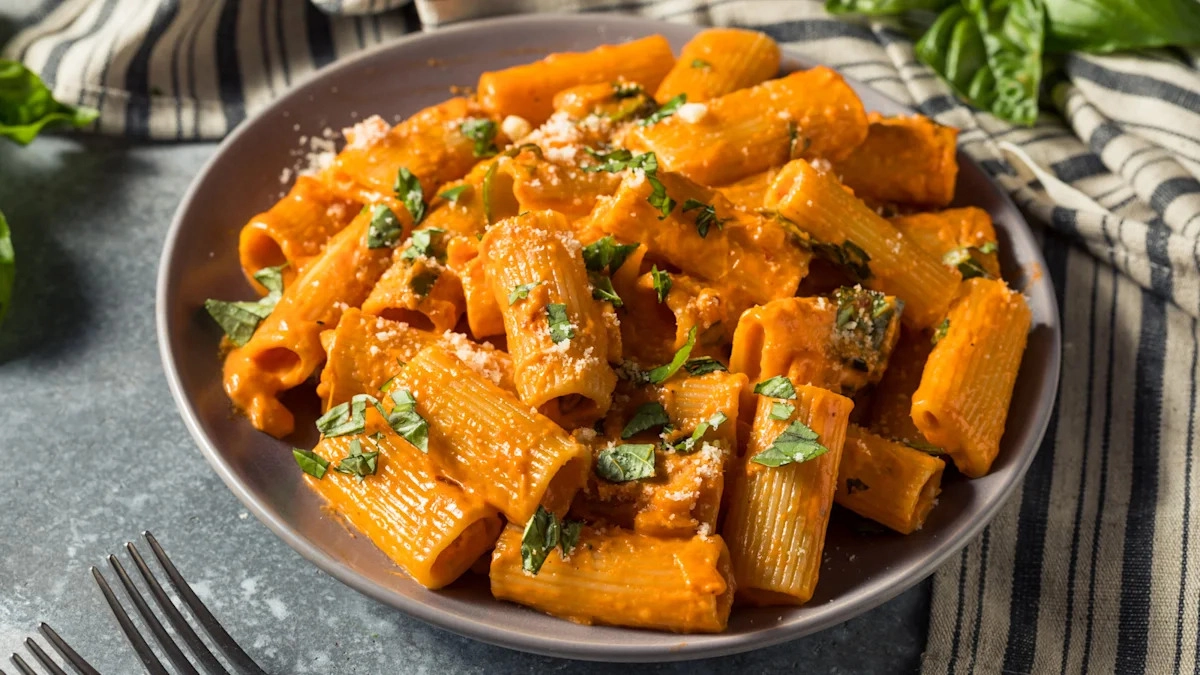
When preparing a rich vodka sauce, it might be tempting to opt for your finest vodka to impress your guests. However, experts suggest that this could be unnecessary. The flavors that make expensive vodka desirable for sipping or cocktails tend to vanish when it’s cooked down with tomatoes, cream, and other ingredients in a sauce. Instead, choosing a more reasonably priced vodka, like Smirnoff or Tito’s, will serve the recipe well without breaking the bank.
The key role of vodka in the sauce is not to impart a strong flavor but to enhance the taste of the tomatoes. Vodka helps to dissolve flavor compounds that wouldn’t blend as well with water or fat alone, contributing to a deeper, more balanced sauce. As the sauce cooks, the alcohol evaporates, leaving behind only its flavor-enhancing properties.
It’s also important to avoid the cheapest vodka, as it may leave an unpleasant aftertaste that doesn’t improve even after simmering for a long time. The recommended approach is to select a midrange vodka that won’t overpower the dish with harsh flavors.
After adding the vodka to your sauce, ensure you let it simmer for several minutes. This allows the alcohol to interact with the ingredients, enriching the overall flavor without the sauce tasting of vodka itself.
Though the history of vodka sauce remains somewhat unclear, what is evident is that a budget-friendly vodka can significantly enhance your homemade creamy tomato sauce. Save those high-end bottles for cocktails, and enjoy the culinary benefits of a more economical choice when cooking.