New Tariffs Pose a “Massive Problem” for the U.S. Wine Industry, Warns Trade Group President

The U.S. wine industry is facing significant challenges after Canada imposed a 25% tariff on several American products, including wine. This action comes in retaliation to new tariffs set by the U.S., which, although some were paused until early April, have already begun to disrupt trade relationships.
Benjamin Aneff, the president of the U.S. Wine Trade Alliance, expressed concerns about how these tariffs will affect U.S. wine suppliers. He highlighted that the tariffs represent a massive problem for the industry, impacting both producers and consumers.
This scenario underscores the complexity of international trade and the ripple effects tariffs can have across various sectors, particularly for businesses reliant on exporting goods. As negotiations continue, the outlook for the U.S. wine industry remains uncertain, prompting calls for reevaluation of the trade policies affecting it.
18 Months Probation for Vodka Thief Who Assaulted Ex-Girlfriend

A provincial court in Prince George has sentenced Jordon Zachery Roland Cote, a 22-year-old man, to an 18-month conditional discharge after he entered a guilty plea for stealing alcohol and assaulting his ex-girlfriend. This ruling, made on March 12, allows Cote to avoid a criminal record if he meets the terms of his 18-month probation.
Judge Cassandra Malfair emphasized the seriousness of domestic violence, noting that typically, offenders would face a record for such acts. However, she acknowledged the joint plea agreement, Cote’s Indigenous background, and the addition of a counseling requirement aimed at addressing his issues.
The court was informed that Cote had stolen a bottle of Smirnoff vodka, valued at $40, by concealing it in his pants while leaving a BC Liquor Store in Cache Creek on April 27, 2024. The store manager became aware of the theft through surveillance footage.
In an unrelated incident on June 30, 2024, Cote was involved in an altercation where he verbally abused a woman, physically assaulted her by throwing her to the ground, and damaged her cell phone.
In addition to probation, Judge Malfair imposed several conditions on Cote, including completing 50 hours of community service, refraining from contact with specific individuals, avoiding weapons, and staying away from any BC Liquor Store locations.
Collin Harmon: Mastering the Art of Pairing Classic Cocktails with Food for a Perfect Home Run

Pairing food with cocktails can elevate the dining experience significantly. While wine and food pairings are traditional, matching dishes with classic cocktails offers a new level of delight for the palate. In Santa Barbara and Montecito, several restaurants curate menus specifically designed for cocktail pairings, featuring flavors that complement each other seamlessly.
Here are six iconic cocktails, their ideal dish pairings, and recipes for you to recreate these classic combinations at home:
1. Old Fashioned & Steak from Lucky’s
An Old Fashioned, with its bourbon base and depth, pairs excellently with a well-marbled steak, like the bone-in ribeye or filet mignon from Lucky’s. The rich flavors of the steak enhance the caramel and oak notes from the whiskey.
Old Fashioned Recipe
-
Ingredients:
- 2 ounces bourbon or rye whisky
- 1 sugar cube (or ½ teaspoon simple syrup)
- 2 dashes Angostura bitters
- 1 orange peel
- Ice cubes
-
Instructions:
- Place the sugar cube in a glass and soak it with bitters.
- Add a splash of water and muddle until dissolved.
- Fill with ice, pour in the whiskey, stir gently, and garnish with an orange peel.
2. Classic Martini & Oysters from the Raw Bar
The crispness of a classic martini enhances the briny freshness of oysters. The herbal notes from the gin combined with dry vermouth make for an ideal complement.
Classic Martini Recipe
-
Ingredients:
- 2½ ounces gin
- ½ ounce dry vermouth
- Ice
- Lemon twist or olives for garnish
-
Instructions:
- Stir gin and vermouth with ice until well chilled.
- Strain into a chilled martini glass and garnish with a lemon twist or olives.
3. Negroni & Cicchetti at Pane e Vino Trattoria
Pairing small bites, like crostini with prosciutto, with a Negroni creates a wonderful synthesis of salty and savory flavors.
Negroni Recipe
-
Ingredients:
- 1 ounce gin
- 1 ounce Campari
- 1 ounce sweet vermouth
- Ice
- Orange peel for garnish
-
Instructions:
- Stir all ingredients with ice until well mixed.
- Strain into a rocks glass filled with ice and garnish with an orange peel.
4. Manhattan & Roast Chicken
The robust flavors of a Manhattan stand up to the crispy skin and juicy meat of a roast chicken, making it a perfect pairing.
Manhattan Recipe
-
Ingredients:
- 2 ounces rye whisky
- 1 ounce sweet vermouth
- 2 dashes Angostura bitters
- Ice
- Cherry for garnish
-
Instructions:
- Stir whiskey, vermouth, and bitters with ice until chilled.
- Strain into a chilled glass and garnish with a cherry.
5. Tom Collins & Caesar Salad
The refreshing effervescence of a Tom Collins makes it a fantastic match for a Caesar salad, balancing the acidity of the dressing with its citrusy profile.
Tom Collins Recipe
-
Ingredients:
- 2 ounces gin
- ¾ ounce lemon juice
- ¾ ounce simple syrup
- Club soda
- Ice
- Lemon wheel for garnish
-
Instructions:
- Shake gin, lemon juice, and simple syrup with ice.
- Strain into a tall glass filled with ice, top with club soda, and garnish with a lemon wheel.
6. Sazerac & Gumbo from The Palace Grill
A Sazerac, with its blend of rye whisky and absinthe, pairs beautifully with the rich, smoky flavors of gumbo, creating a bold dining experience.
Sazerac Recipe
-
Ingredients:
- 2 ounces rye whisky
- ¼ ounce absinthe
- 1 sugar cube
- 2 dashes Peychaud’s bitters
- Ice
- Lemon peel for garnish
-
Instructions:
- Rinse a chilled glass with absinthe and discard the excess.
- Muddle the sugar cube with bitters in a separate glass.
- Add rye whisky and stir with ice.
- Strain into the prepared glass and garnish with lemon peel.
Final Thoughts
The art of pairing cocktails with food is centered around balancing flavors to enhance both the drink and the dish. Whether you’re dining out or hosting a gathering at home, consider these pairings to elevate your meals. Cheers!
Vodka Thief Sentenced to 18 Months Probation After Assaulting Ex-Girlfriend

A provincial court in Prince George has sentenced 22-year-old Jordon Zachery Roland Cote to 18 months of probation for stealing liquor and assaulting his ex-girlfriend. On March 12, after pleading guilty to charges of theft under $5,000 and domestic assault, Cote received a conditional discharge, meaning he will not have a criminal record if he successfully completes his sentence.
Judge Cassandra Malfair emphasized the seriousness of domestic violence but noted that her decision took into account the joint nature of the submission, Cote’s Indigenous background, and the inclusion of a counseling term aimed at addressing underlying issues.
The court heard that Cote had stolen a bottle of Smirnoff vodka, valued at $40, from a BC Liquor Store in Cache Creek on April 27, 2024, concealing it in his pants. The store manager discovered the theft after reviewing surveillance footage. Additionally, on June 30, 2024, Cote was involved in another incident where he verbally assaulted a woman, physically attacked her, and damaged her cell phone.
As part of his probation conditions, Cote must complete 50 hours of community service, refrain from contacting specific individuals, avoid possessing weapons, and is prohibited from entering any BC Liquor Store.
Mixing History and Flavor: A Dive into ‘Chicago Cocktails’ and Its Windy City Drink Recipes
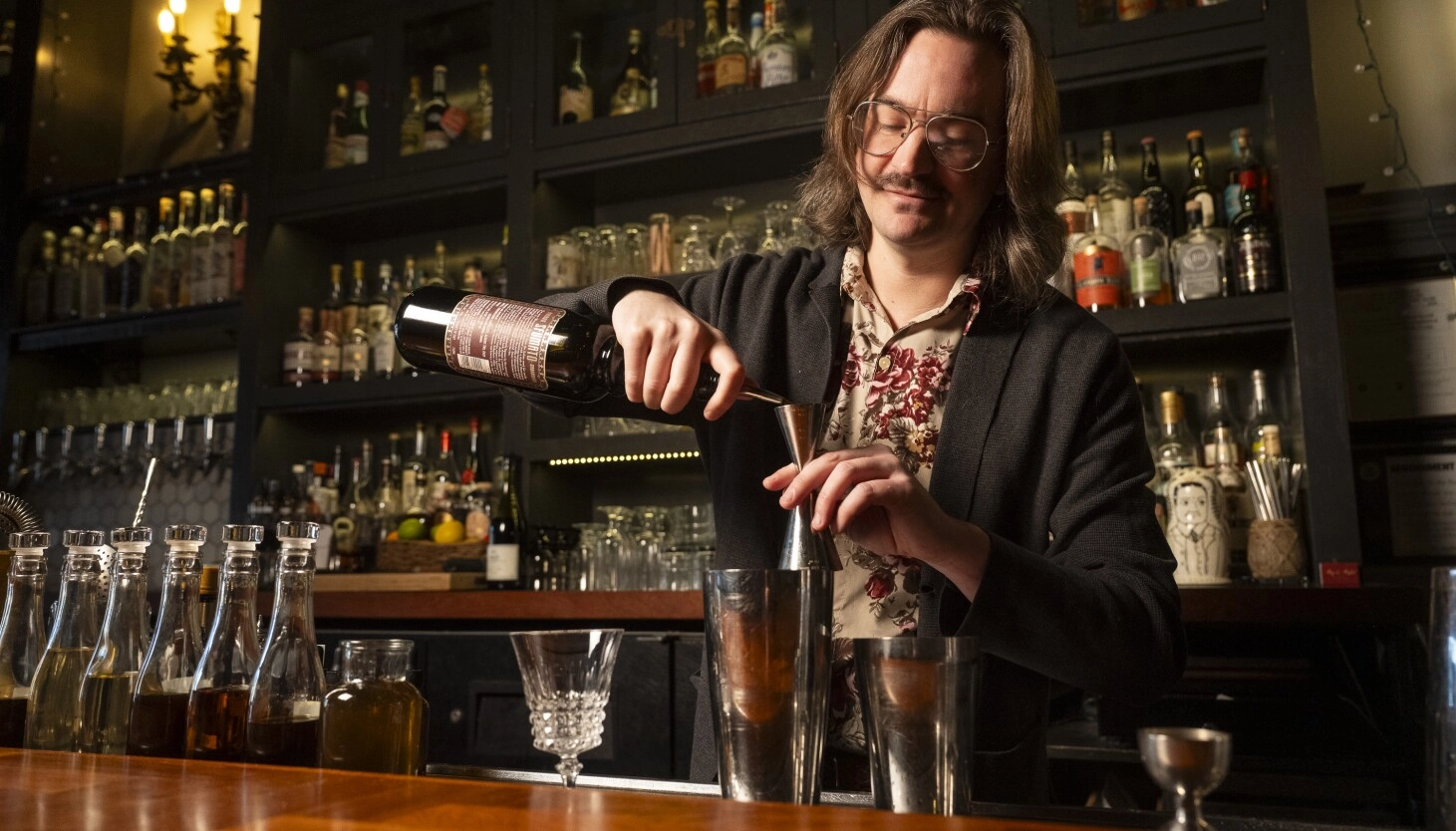
Chicago’s cocktail scene has become a vibrant tapestry, intertwining the city’s neighborhoods with creative, history-infused drinks. "Chicago Cocktails," a new book by Nicole Schnitzler, offers an insightful exploration of this culture, featuring 100 recipes organized by neighborhood. With contributions from numerous bartenders and industry insiders, the book captures the essence of the city’s evolving beverage landscape.
Schnitzler aims to celebrate Chicago’s unique cocktail creativity and hospitality. Her research highlights the transformation from a city known mainly for beer and shots to one where cocktails are crafted with intention and artistry. “My hope is that it is really an ode to Chicago and the ways in which the industry is showing up for its city,” she says.
The book also delves into the history of Chicago’s cocktail culture, tracing its roots back to the late 1800s. Notable drinks from that era include the Old Fashioned, documented in the 1888 “Bartenders Manual” by Theodore Proulx, and others like the "Cohasset Punch" and "South Side" cocktail, reportedly favored by Al Capone.
Modern Chicago bars reflect this renaissance, where places like The Violet Hour and The Whistler have cultivated an environment for thoughtful drinking experiences. As Schnitzler notes, today’s bars provide an opportunity for patrons to linger, enhancing both community and creativity.
Among the featured cocktails is the "Parallelogram," a unique twist on the Aperol margarita, created by Ryan Rezvani at The Long Room. Inspired by his background as a teacher, Rezvani enriched the drink with homemade bitters and a Mexican spice rub. "It got them thinking about language arts… it also helped them develop vocabulary," he explains, demonstrating how bartending and teaching share a fundamental connection.
Another standout is the "Amaro Daiquiri" from Billy Sunday, where Corban Kell substitutes rum with amaro, crafting a cocktail that balances herbaceousness, bitterness, and sweetness—a testament to innovation in drink making. Kell expresses pride in the bar’s reputation as an incubator for new ideas, which has led to some staff opening their own successful establishments.
“Chicago Cocktails” doesn’t just share recipes; it tells the stories behind the creations. Through interviews and historical anecdotes, it paints a picture of the influential figures who have shaped the city’s bar scene, allowing readers to craft not just drinks, but also connections to Chicago’s rich beverage heritage.
For cocktail enthusiasts looking to immerse themselves in Chicago’s unique flavors, this book serves as a guide to not only the recipes but also the communal spirit that defines the city’s drinking culture.
24 Irresistibly Green Cocktails to Celebrate St. Patrick’s Day with Good Fortune
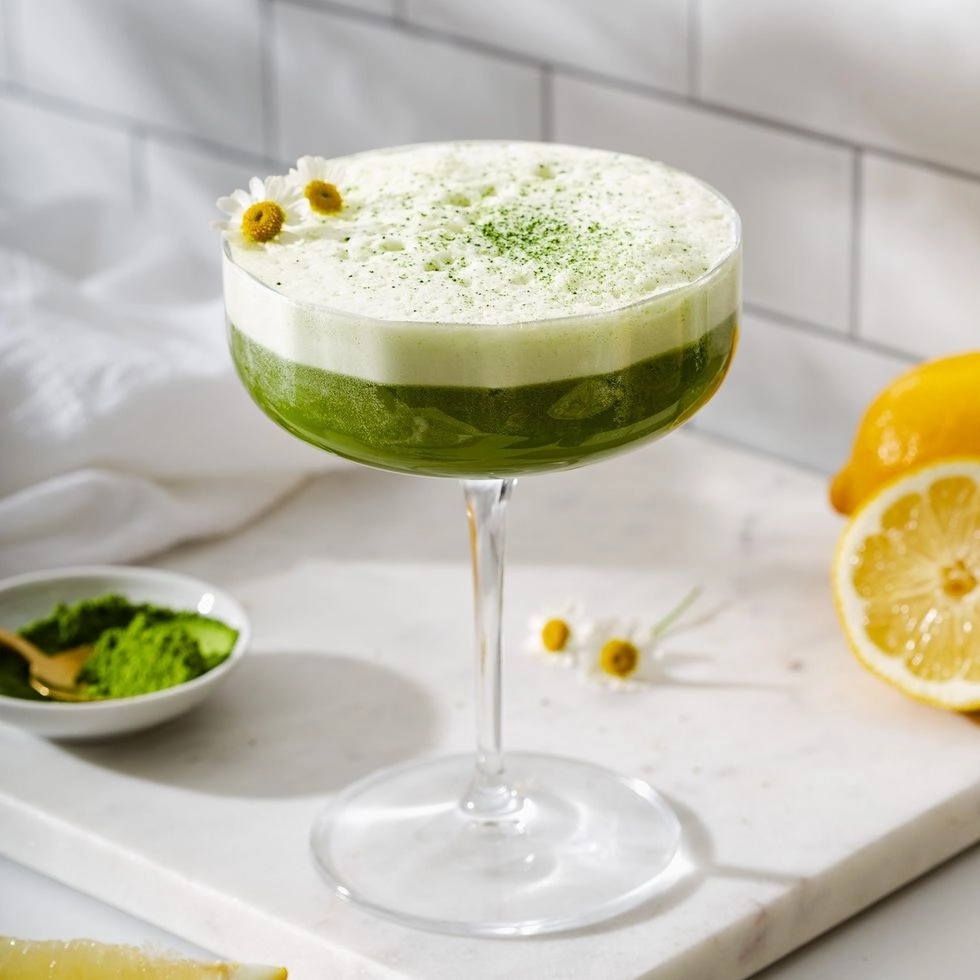
St. Patrick’s Day is a time to embrace all things green, from outfits to cocktails. Celebrating the holiday is incomplete without a good drink, so we’ve compiled a list of green cocktails perfect for March 17.
Popular Drinks for St. Patrick’s Day
Green beer, Guinness, and cocktails made with crème de menthe and Irish cream reign supreme during St. Patrick’s celebrations. Enjoying a green spirit is a festive and fun way to join in the festivities.
Irish Favorites
Though Americans enjoy themed drinks, Irish locals typically celebrate with pints of Guinness, local ciders, Dublin Mules, Irish whiskey shots, and Black and Blacks.
Cocktails to Try
- Green Beer: A classic American-Irish drink that’s simple to make.
- Cucumber Gin Slushie: A refreshing slushy made with just six ingredients, perfect for warmer weather.
- St. Patrick’s Day Green Shots: A fun dessert shot with a chocolate base, layered with boozy pudding.
- Pickleback: Made with green pickle juice and bacon bourbon in a salt-rimmed glass.
- Mezcalima Lime Cocktail: This citrusy margarita is invigorating and has ginger beer for a lighter option.
- Midori Lemonata: Tastes like melon-flavored lemonade with a boozy twist.
- Shamrock Sour Cocktail: A whiskey sour variant made with Irish whiskey.
- Luck of the Irish Sunrise: A colorful cocktail mixed with whiskey and blue curaçao.
More Unique Options
- Grasshopper Cocktail: A dessert-like drink made from green crème de menthe and crème de cacao.
- Mint Matcha Latte: Healthy and refreshing, this can be spiked with Irish cream if you prefer.
- Classic Mint Julep: A refreshing favorite that fits perfectly into the celebration.
Themed Mocktails
For those not drinking alcohol, a Bali Squeezed Mocktail made with nutrient-rich superfoods and coconut water can keep you festive without the booze.
With this array of cocktails, your St. Patrick’s Day celebration is sure to be a spirited affair! Enjoy the luck of the Irish!
Next Century Spirits Teams Up with Kenny Chesney Through Acquisition of Blue Chair Bay Rum®

Next Century Spirits (NCS) has officially acquired Blue Chair Bay Rum, a premium rum brand that was founded by country music star Kenny Chesney. This strategic move allows NCS to enhance its presence within the growing premium rum market, as Blue Chair Bay Rum has gained notoriety as the largest independently-owned rum brand globally and has sold millions of cases since its creation.
Kenny Chesney will remain heavily involved with the brand, holding a significant stake in NCS and continuing to influence its direction and growth. "Blue Chair Bay Rum has endless potential, and we’re excited to bring it into the NCS family," stated Anthony Moniello, Co-CEO of NCS. He emphasized the importance of building a "team of fast-moving entrepreneurs" and creating unique brands that resonate with modern spirits consumers.
Chesney expressed his enthusiasm for the partnership, describing Blue Chair Bay Rum as a reflection of his life experiences and a spirit meant to be shared with friends. He believes NCS shares a similar vision, with a spirit of innovation and adventure that mirrors his brand ethos.
The collaboration comes at a pivotal time for Chesney, who is set to make history as the first country artist to headline at Las Vegas’ Sphere starting in May 2025. Rob Mason, Co-CEO of NCS, noted that this partnership marks an exciting step forward as they work to shape the future of spirits.
NCS, headquartered in Zebulon, North Carolina, is committed to redefining what is possible in spirits production through its patented Spiranova™ process. This innovative approach accelerates flavor transformation using only natural ingredients, resulting in a unique portfolio that includes Nue Vodka, Numbskull Whiskey, and now, Blue Chair Bay Rum.
For further details about Next Century Spirits, visit Next Century Spirits’ website.
About Blue Chair Bay Rum
Blue Chair Bay Rum is an authentic Caribbean rum crafted with premium natural ingredients and is offered in various flavors, including Spiced, Coconut, and Vanilla. Chesney collaborated with top master blenders to ensure each blend captures the essence of joyful memories shared with friends.
STS Capital Partners represented NCS in the acquisition, demonstrating their expertise in navigating complex negotiations to secure the deal.
Hulk Hogan Makes a Comeback in Wisconsin to Promote Real American Beer!

WWE legend Hulk Hogan is making a return to Wisconsin. This visit is not just a nostalgic trip; Hogan is promoting his new line of craft beer, aptly named "Real American Beer." Known for his iconic status in the wrestling world, Hogan’s foray into the brewing industry marks an exciting chapter in both his career and the local beer scene.
The promotion of the beer is part of a broader trend where celebrities step into the beverage industry, capitalizing on their fame to attract fans and consumers. Hogan’s initiative is expected to draw significant attention, given his long-lasting influence in wrestling and pop culture.
Fans can anticipate a firsthand encounter with Hogan as he engages with his audience through promotions and perhaps even personal appearances at select venues. This venture not only highlights Hogan’s branding skills but also brings an entertaining twist to Wisconsin’s craft beer market.
For updates about Hulk Hogan and "Real American Beer," stay tuned to local event listings and social media channels.
20 Unexpected and Delicious Ways to Cook with Your Favorite Beer

Beer lovers know that the first sip from a freshly opened can or bottle is a delightful moment. Beyond just drinking it, beer can be creatively incorporated into various dishes, particularly around festivities like St. Patrick’s Day. This occasion sees an abundance of Irish beers, which are perfect for crafting traditional recipes such as savory pies and stews, as well as indulgent desserts.
However, beer is not only limited to Irish cuisine. It can be utilized in an array of dishes for both winter comfort and summer cookouts. For instance, it serves as a fabulous braising liquid, enhancing chili recipes and grilling favorites like beer brats and beer can chicken.
Notably, beer can also act as a deglazing agent and is a great addition to batters, providing a fizzy lift when frying. Here are some inventive ways to incorporate your favorite beer into meals:
Instant Pot Corned Beef
Prepare this classic St. Patrick’s Day dish in a fraction of the time using an Instant Pot for tender results.
Get the Instant Pot Corned Beef recipe.
Steak and Potato Pie
Craft a comforting meat pie filled with beef, potatoes, and a splash of Guinness.
Get Ree’s Steak and Potato Pie recipe.
Beer Cheese Dip
Create a dip using your preferred beer, accompanied by pretzels for the perfect snack.
Get the Beer Cheese Dip recipe.
Beer Brats
Braise brats in beer for added juiciness; pair them with German potato salad for a cookout staple.
Get the Beer Brats recipe.
Chocolate Guinness Cake
The combination of dark chocolate and stout results in a rich dessert, accentuated by Irish cream frosting.
Get the Chocolate Guinness Cake recipe.
Beef Stew with Beer and Paprika
Let beer help tenderize beef in this flavorful one-pot comfort meal.
Get Ree’s Beef Stew with Beer and Paprika recipe.
Beer Battered Fish
Use beer in the batter for a crunchy fish and chips experience.
Get the Beer Battered Fish recipe.
Beer Can Chicken
Grill a chicken sitting atop a can of beer for a juicy, flavorful result with minimal effort.
Get the Beer Can Chicken recipe.
Beer Bread
A simple yet delicious bread that pairs wonderfully with cheese, perfect for any meal.
Get the Beer Bread recipe.
Guinness Brownies
These brownies, enhanced with Guinness, yield a fudgy treat that’s sure to satisfy.
Get the Guinness Brownies recipe.
Chipotle Chili Dogs
Top hot dogs with a smoky chili made with dark lager for a spicy twist.
Get Ree’s Chipotle Chili Dogs recipe.
Corned Beef and Cabbage
A traditional dish that pairs tender corned beef with cabbage braised in beer.
Get Ree’s Corned Beef and Cabbage recipe.
Michelada with Crushed Tortilla Chip Rim
A spicy Mexican cocktail that combines tomato juice, chili powder, and light beer for a refreshing drink.
Get Ree’s Michelada with Crushed Tortilla Chip Rim recipe.
Irish Brown Bread
This traditional bread made with Guinness boasts a uniquely nutty flavor.
Get Ree’s Irish Brown Bread recipe.
Guinness Float
An unexpected dessert that can be enjoyed year-round, simply substituting soda for Guinness.
Get Ree’s Guinness Float recipe.
Braised Beef with Onions
Enhance your braised beef by replacing broth with beer for a richer flavor.
Get Ree’s Braised Beef with Onions recipe.
Chipotle Chicken Chili
A comforting chili that uses beer to build flavor and moisture as it simmers.
Get Ree’s Chipotle Chicken Chili recipe.
Green Beer
A fun drink idea for St. Patrick’s Day—just add green food coloring to a light beer.
Get the Green Beer recipe.
Welsh Rarebit
An English classic made with a savory cheese sauce spread over toast.
Get Ree’s Welsh Rarebit recipe.
Veggie Chili
Boost the flavor of a vegetarian chili with a splash of light Mexican lager.
Get Ree’s Veggie Chili recipe.
With these recipe ideas, you can explore the diverse culinary applications of beer and take your cooking to another level!
AI in Wine and Whiskey Investing: A Smart Tool or a Sour Strategy?
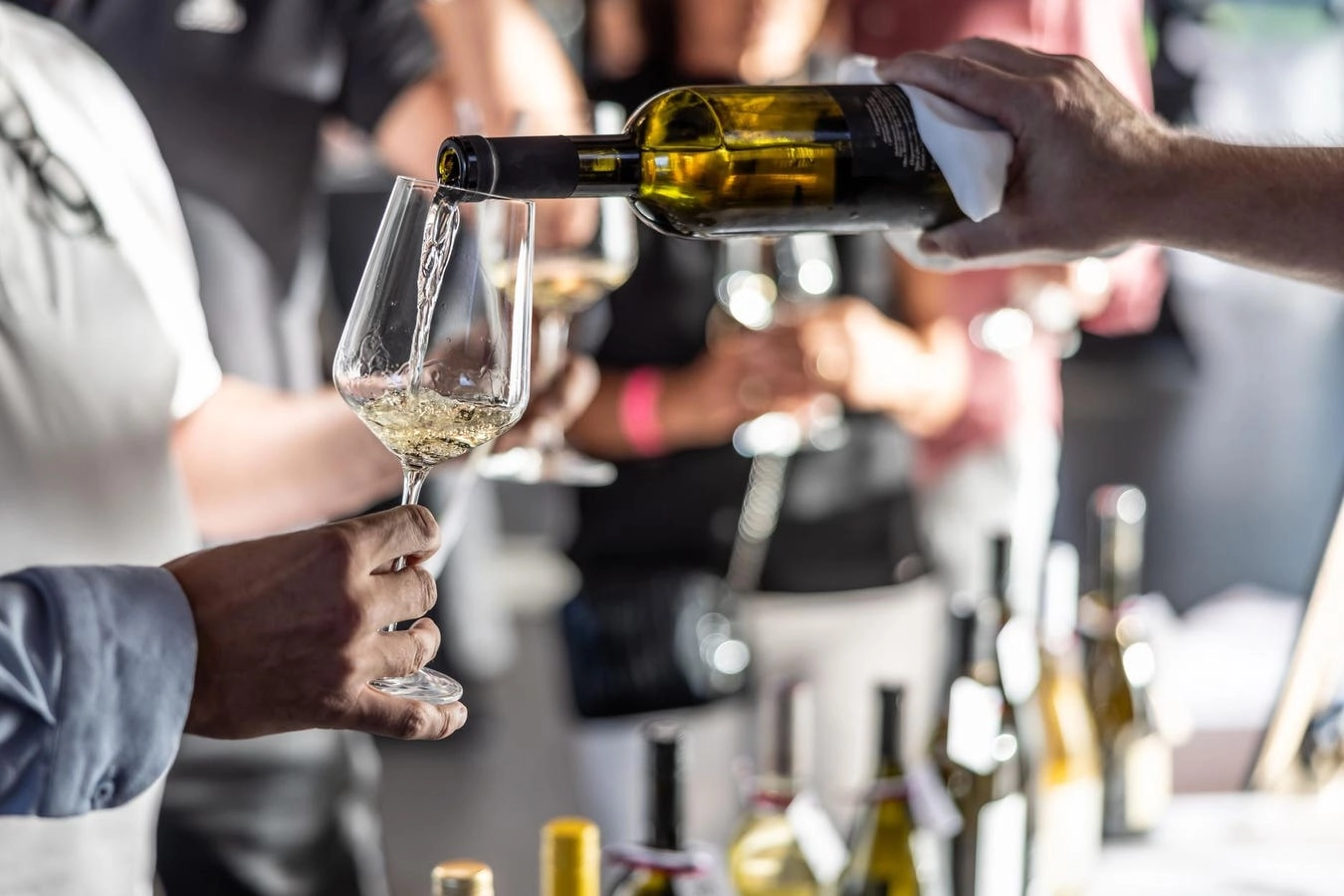
Fine wine and whiskey have transitioned from mere collector’s items to significant alternative assets, often providing better returns than traditional investments. For instance, the Knight Frank Luxury Investment Index reveals that rare whisky prices have risen by 280% in the past decade, while fine wine prices increased by 146%.
With the recent advancements in AI technology, investors are now exploring how to leverage AI to better navigate these complex and lucrative markets. Although AI can effectively handle large datasets, it cannot fully substitute human expertise in areas such as brand value, cultural influences, and sensory assessments.
Where AI Excels in Wine and Whiskey Investing
1. Predicting Price Trends
AI’s analytical capabilities allow it to utilize auction results, critic ratings, and market sentiment to forecast prices. For example, platforms like Liv-ex leverage machine learning to track fine wine appreciation, yielding meaningful returns over time. Likewise, Rare Whisky 101 employs AI to identify undervalued distilleries, as evidenced by The Macallan 1926, which recently sold for an astonishing $2.7 million at auction.
2. Risk Management and Diversification
AI-driven investment platforms analyze various factors, such as market fluctuations, climate conditions impacting vintages, and inventory levels, to assess risks. They assist investors in diversifying their portfolios by balancing established assets like Château Lafite Rothschild with emerging contenders like German Pinot Noir.
3. Fraud Detection and Authentication
AI plays a crucial role in combating counterfeiting, a significant concern in high-value transactions. Utilizing image recognition and blockchain technologies, startups like Entrupy can effectively identify counterfeit labels, engravings, and cork patterns.
Limitations of AI in this Domain
1. Understanding Brand Prestige and Collector Sentiment
While AI can handle data, it cannot quantify the intangible aspects of brand prestige or collector psychology. The value of a bottle like Macallan 1926 is influenced not solely by its rarity, but also by historical significance and brand heritage. Similarly, the global rise of Japanese whisky is rooted in cultural narratives that AI cannot fully grasp.
2. Sensory Evaluation and Aging Potential
AI isn’t capable of tasting or smelling. Although it can analyze chemical components, it lacks the nuanced judgment of a master sommelier or distiller regarding how flavors might evolve over years.
3. Navigating Private Sales and Off-Market Transactions
Rarest and most valuable bottles are often traded through private collectors and winery allocations, where personal relationships and negotiation skills are critical. In these situations, human expertise remains indispensable.
The Balanced Approach: AI and Human Expertise
The most successful investment strategies will likely blend AI capabilities with human intuition. While the future may see an increased reliance on AI in this sector, the importance of human insight and expertise will endure, particularly in a market as intricate and specialized as fine wine and whiskey investing.