11 Must-Have Cocktails for Your Memorial Day Cookout

As Memorial Day weekend approaches, it marks the unofficial arrival of summer—a perfect time to celebrate with friends and family. This holiday weekend often involves gatherings where refreshing drinks are a must, whether you’re hosting a casual backyard barbecue or a lively pool party. While a cooler filled with beers is always a safe option, impressing your guests with creative cocktails can elevate the experience.
Here are 11 cocktail recipes that are not only easy to prepare but also refreshingly delicious, perfectly suited for your Memorial Day celebrations:
-
Wild Gin & Tonic
This twist on the classic gin and tonic incorporates toasted Szechuan peppercorns for a subtle heat, yuzu juice, orange bitters, and elderflower tonic water for added complexity.
Get the Recipe -
Singapore Sling
A modern version of a 19th-century cocktail combining gin, Cherry Heering, orange liqueur, Bénédictine, and pineapple and lime juices. Perfect for any poolside party.
Get the Recipe -
Charred Citrus Margarita
If you’re firing up the grill, this margarita features grilled grapefruit, oranges, and tangerines, offering a smoky twist on a traditional favorite.
Get the Recipe -
Honey Mint Julep
This refreshing drink replaces simple syrup with honey syrup to complement bourbon and mint. Served over crushed ice, it’s perfect for hot days.
Get the Recipe -
Godfather
A simple yet sophisticated cocktail made of two parts scotch and one part amaretto. It offers a smooth, almond-flavored experience.
Get the Recipe -
Tommy’s Margarita
This minimalist take on the margarita uses tequila, agave syrup, and lime, allowing the agave flavors to shine without the orange liqueur.
Get the Recipe -
Rusty Nail
A two-ingredient cocktail of scotch whisky and Drambuie that creates a smooth, herbal drink—ideal for relaxed gatherings.
Get the Recipe -
Mojito
A classic combination of unaged rum, sugar, fresh lime, and mint, topped with club soda for a refreshing zing.
Get the Recipe -
Ranch Water
Perfect for warm weather, Ranch Water combines tequila, fresh lime juice, and sparkling mineral water for a light, refreshing drink.
Get the Recipe -
Hemingway Daiquiri
A tribute to the author, this version features white rum, lime juice, maraschino liqueur, and grapefruit juice for a tart and slightly sweet flavor.
Get the Recipe -
Dirty Martini Spritz
Combining the classic Dirty Martini with the effervescence of a spritz, this cocktail delivers a briny, botanical flavor profile enhanced by club soda.
Get the Recipe
These cocktails are sure to make your Memorial Day celebration memorable and delicious!
Old J Spiced Rum and Tubby Tom’s Team Up for Limited Edition Pineapple Honey Glaze

Old J Spiced Rum, celebrated for its vibrant flavors, is collaborating with the popular condiment brand Tubby Tom’s to introduce a limited-edition Pineapple Honey Glaze, infused with Old J’s tropical Pineapple Spiced Rum. This partnership represents Old J’s inaugural move into the food market, merging its distinctive flavor characteristics with Tubby Tom’s artisanal sauce-making expertise.
The Pineapple Honey Glaze combines sweet honey with Caribbean spices and a splash of rum, making it ideal for BBQ favorites like wings, ribs, halloumi, or grilled vegetables as summer kicks off. This launch aligns with the increasing consumer interest in spirit-infused sauces, appealing to those looking for unique flavor experiences. Tom Hughes, founder of Tubby Tom’s, describes the glaze as a "true flavor bomb," noting its addictive qualities and the fun experimentation with flavors that both brands embrace.
To bring this innovative product to market, a 12-week on-trade activation is set from June 1 to August 31, featuring the glaze in over 100 pubs and bars across the UK. The activation includes a special offer where customers can enjoy six wings glazed in the Pineapple Honey Sauce along with any double Old J drink, providing a fresh way to engage with the brand.
Nic Ponticakis, Brand Manager for Old J, expresses enthusiasm for this collaboration, saying it perfectly embodies Old J’s spirit of flavor and fun. The Pineapple Honey Glaze will also be available in limited quantities on the Tubby Tom’s website and select online retailers starting June 1, creating opportunities for seasonal promotions and cross-marketing for both brands.
Retailers seeking to capitalize on the growing trend of tropical flavors and alcohol-infused condiments should act quickly, as this limited-edition product is expected to sell out fast.
The Beverage Testing Institute’s Rankings: Discover the World’s Top Rums

Homemade Mai Tai Cocktail with Pineapple Cherry and Rum
The Beverage Testing Institute recently crowned the top rums of 2025, showcasing an exciting array of flavors for enthusiasts. The highlight of the event was the Barceló Imperial 40 Aniversario Premium Blend, recognized as the World’s Best Rum, earning a Platinum medal with a score of 96/100. This Dominican rum, known for its commitment to sustainability, features a blend aged 12 years in American and French oak barrels, complemented by a finish in ex-Sauterne wine casks. Its tasting notes reveal an aromatic profile of dried fruits, chocolate, and toasted coconut, culminating in a smooth finish with hints of leather and sweet oak.
Another standout was the Planteray Cut & Dry Coconut Rum, also claiming a Platinum medal with a score of 96/100. Crafted in Barbados, this coconut-flavored rum is distinguished by its all-natural ingredients and lack of added sugars. The rum delivers a delightful blend of fresh coconut and vanilla flavors, presenting a creamy mouthfeel and a long, tropical finish reminiscent of sun-soaked beaches.
Among the Gold Medal winners, Rhum Barbancourt Haitian Proof Rum stood out as the top overproof option. Scoring 95/100, this rum maintains the rich character of Haitian Agricole style, boasting bold flavors of black pepper, licorice, and earthy cane juice. Its complexity is praised for balancing overproof heat with sweetness, making it a versatile ingredient for cocktails.
The prestigious event also showcased Ron Zacapa Solera Gran Reserva No. 23, recognized in the Aged Fresh Cane Juice category, scoring 94/100. This Guatemalan rum, known for its high-altitude aging process, offers a rich array of flavors, including caramel, vanilla, and dried fruits, making it excellent for sipping or pairing with cigars.
Likewise, Zhumir High Altitude Sugarcane Spirit and Kuleana Rum Works Hōkūlei Aged Rum each received Gold Medals, further emphasizing the diverse offerings from high-quality rum producers around the world.
The rums awarded both Platinum and Gold medals exemplify a broad spectrum of aromas and taste profiles, ensuring there is much for rum lovers to explore. Whether enjoyed straight or in cocktails, these selections promise to enhance any drinking experience.
This Whiskey Takes Home Top Honors at the 2025 San Francisco World Spirits Competition

Stranahan’s Distillery has made a significant mark at the 2025 San Francisco World Spirits Competition, securing an impressive seven Gold and Double Gold medals. Notably, their Snowflake Redcloud Peak was honored as a Best of Class finalist in the American Single Malt category. The distillery, based in Denver, is renowned for creating award-winning American single malts, and their limited-release Snowflake has gained a cult following, with fans eagerly camping out to secure a bottle each winter.
Head Blender Justin Aden, who joined Stranahan’s in May 2022, led the crafting of this year’s Snowflake release. His approach focused on fruit-forward flavors without the influence of peat or smoke, incorporating a blend of fortified wines, including Sherry, Port, and Sauternes, into the barrels. This meticulous process involved tasting hundreds of barrels to finalize the components that would create the luscious palette of Redcloud Peak.
The aging process in the Colorado climate, with its dry conditions, leads to a unique flavor profile. As the rickhouses evaporate more water than alcohol, the spirit’s concentration increases over time, resulting in whiskeys that retain bright fruit characteristics.
Aden emphasized the importance of Stranahan’s legacy in craft distilling, highlighting the distillery’s refusal to source whiskey and its commitment to innovation over the years. The loyalty from customers, some of whom have attended every Snowflake release for a decade, is a testament to the distillery’s dedication to quality and excellence.
In addition to the Snowflake, Stranahan’s lineup performed remarkably well, with their Mountain Angel 10-Year and Mountain Angel 12-Year also achieving Double Gold medals. It’s clear that Stranahan’s is not just about its limited releases; the entire product range showcases their commitment to high-quality, craft whiskey.
Outrage as Man Shatters Shop Door with Vodka Bottles and Racially Abuses Staff in Shocking Incident

A data engineer, Alexsandras Bogdanovic (37), faced a Dublin court for a violent incident where he verbally abused a shop employee and vandalized the store. The abuse, which included racist insults against the worker’s Asian heritage, occurred during an initial altercation. In a subsequent incident days later, Bogdanovic returned to the shop, where he used vodka bottles to smash the front door, causing over €2,000 in damage. Store staff had to close the door for safety, protecting themselves and customers from his aggression.
For more information, visit the related topics: Dublin Courts and Andrew Phelan.
Lawrence Woman Arrested for Allegedly Providing Vodka to Dogs: Facing Charges of Trespassing and Animal Cruelty

A woman from Lawrence was arrested on Sunday afternoon after allegedly providing vodka to the dogs of another resident. The situation unfolded near the intersection of 24th Street and Ousdahl Road, where a dispute arose over the woman refusing to leave someone else’s porch, according to Lawrence Police spokeswoman Laura McCabe.
Upon the arrival of the police, officers attempted to persuade the woman to leave, but she resisted, seemingly under the influence and making remarks about the resident’s dogs. Even after multiple requests to vacate the premises, she remained unresponsive to law enforcement.
Investigating further, the officers asked the resident to present the dogs. The resident complied, showing two young bully mixes that appeared healthy and sociable. However, as the police delved deeper into the incident, they discovered evidence suggesting that the woman had poured vodka into her hands and encouraged the dogs to drink it. This led to her arrest on suspicion of animal cruelty and trespassing.
Green River Distilling Co. Honors U.S. Army’s 250th Anniversary with Special Commemorative Whiskey

Green River Distilling Co., the 10th oldest licensed distillery in Kentucky, is set to launch a limited edition bourbon in honor of the U.S. Army’s 250th anniversary. The whiskey, seasoned with 77 percent corn, 14 percent rye, and 9 percent malted barley, will have an Army Strong 111.1 Proof and will be priced at $49.99. Its release date is slated for June 14th, with availability extending throughout the year in select stores, military bases, and online.
Col. (ret.) Mark Erwin, the CEO of Lofted Spirits, Green River’s parent company, remarked, "This whiskey is a salute to 250 years of courage, commitment and sacrifice," emphasizing the pride of celebrating the Army and all who have served.
A portion of the proceeds from the sale of this bourbon will benefit various charitable organizations, including The Special Operations Warrior Foundation and USA Cares, aimed at supporting soldiers and their families. More details can be found at army250.greenriverwhiskey.com.
Great Lakes Unveils Exclusive Limited Edition Smoked Malt Whiskey This Week

Great Lakes Distillery has announced the upcoming release of its highly limited Still & Oak Smoked Malt Whiskey, set for noon on Wednesday, May 21. This whiskey is crafted from a single barrel, producing only 170 bottles, with the first 100 packaged in complimentary wooden gift boxes. Each bottle is priced at $89, and given the limited availability, they are expected to sell quickly.
The whiskey is a seven-year-old straight American single malt distilled from 100% malted barley, aged in used American oak barrels. Tasting notes suggest a bouquet of toffee, toasted almond, and dried fruit on the nose, while the palate reveals flavors of caramel, dark chocolate, black cherry, and a hint of spice. The finish of the whiskey is characterized by oak, vanilla, and a subtle smokiness.
Customers can only purchase this 90 proof whiskey at Great Lakes’ tasting rooms located in Milwaukee and West Allis. The introduction of American Single Malt as an official category by the federal government in December 2024 is noted by GLD founder Guy Rehorst, who has been producing malt whiskey for over 15 years, prior to this release.
For more information, visit Great Lakes Distillery.
Inside the Wild World of 90s F1 Parties: Vodka Bingeing, Unforgettable Moments, and Schumacher’s Legendary Shirt Tear

In the high-octane world of Formula One, where danger, rivalry, and pressure reign, there exists a contrasting reality—an extravagant life filled with luxury yachts, supermodels, and wild partying. The 1990s were particularly notorious for F1 celebrations, with drivers known to indulge wholeheartedly after a race.
Ex-Red Bull boss Richard Hopkins recalled a shocking incident involving Mercedes driver Mika Hakkinen, who allegedly downed an entire bottle of vodka in one night following a race. Hopkins remarked, "Hakkinen drank a bottle of vodka in one Sunday night. I thought he might have a little sip or a shot or something, but to down a bottle of vodka? He wouldn’t turn up the next day…. he was extraordinarily hungover." This particular episode supposedly occurred during the 1998 or 1999 season during a post-race function, where Hakkinen’s escapades often led to more than just fun.
Michael Schumacher, often seen as a ruthless competitor on the track, showcased a different side at after-parties. Friends revealed that he was easily swayed by party-loving teammates like Eddie Irvine. Hopkins noted, "Eddie could lead anybody astray… if somebody had won a race or a championship, then he was going to be in among it and quite happily buying the champagne and vodka." Schumacher, known for his serious demeanor, enjoyed unleashing his playful side, often engaging in lighthearted antics such as ripping off his shirt during celebrations.
Hopkins provided insight into how the drivers decompressed, recalling tales of Schumacher’s revelry on rooftops and gatherings at a log cabin in Suzuka after races. He humorously pointed out that even racers like Ayrton Senna found ways to unwind, leading to stories that would remain untold. Another driver and commentator, Christian Danner, affirmed that Schumacher preferred simpler pleasures, often enjoying cigars alongside Bacardi and Coke in the neutral space of Bernie Ecclestone’s motorhome.
However, the vibrant party scene isn’t the whole story of Schumacher’s life. In December 2013, he suffered a devastating skiing accident, resulting in severe brain injuries. Initially placed in a medically induced coma for recovery, his condition became a closely guarded secret as his family strived to maintain privacy amid growing concern and speculation.
Now, more than a decade since that tragic event, Michael Schumacher remains largely out of the public eye, as updates on his health are infrequent and tightly controlled by his family. While once a beacon of thrilling entertainment, his life now serves as a reminder of the fragility hidden beneath the glitz and glamour of the F1 world.
Honolulu Beerworks Unveils New Kalihi Taproom Alongside Unique Conservation Beer
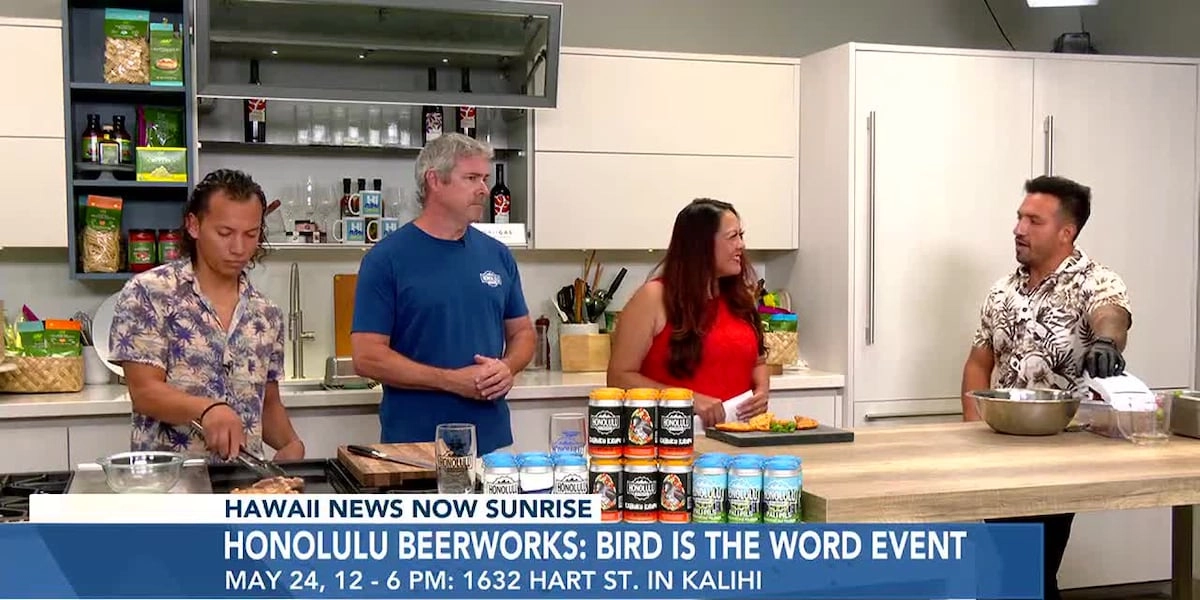
HONOLULU – In celebration of American Craft Beer Week, Honolulu Beerworks has launched a new taproom in Kalihi alongside their latest conservation beer, aimed at raising awareness for the endangered black-footed albatross. Founded in 2014, the brewery has expanded significantly, unveiling a spacious facility at 1632 Hart St.
To commemorate the opening and the release of their new beer, Kahuku Ka’upu, the brewery is hosting a “Bird is the Word” event on May 24. Owner Geoffrey Seideman shared details on HNN’s Sunrise, introducing patrons to the innovative beer crafted with tangerines, in collaboration with the James Campbell Wildlife Refuge.
The new taproom will operate from Thursday to Saturday between noon and 6 p.m., featuring rotating food trucks and a diverse array of handcrafted beers that incorporate local ingredients such as tropical fruits, honey, and coffee. Seideman emphasized the brewery’s strong community engagement, highlighting their commitment to environmental causes through seasonal conservation beers.
For more information about Honolulu Beerworks and their offerings, visit honolulubeerworks.com.