Behind the Brew: How This Alberta Brewery Crafted the World’s Best Lambic-Style Beer
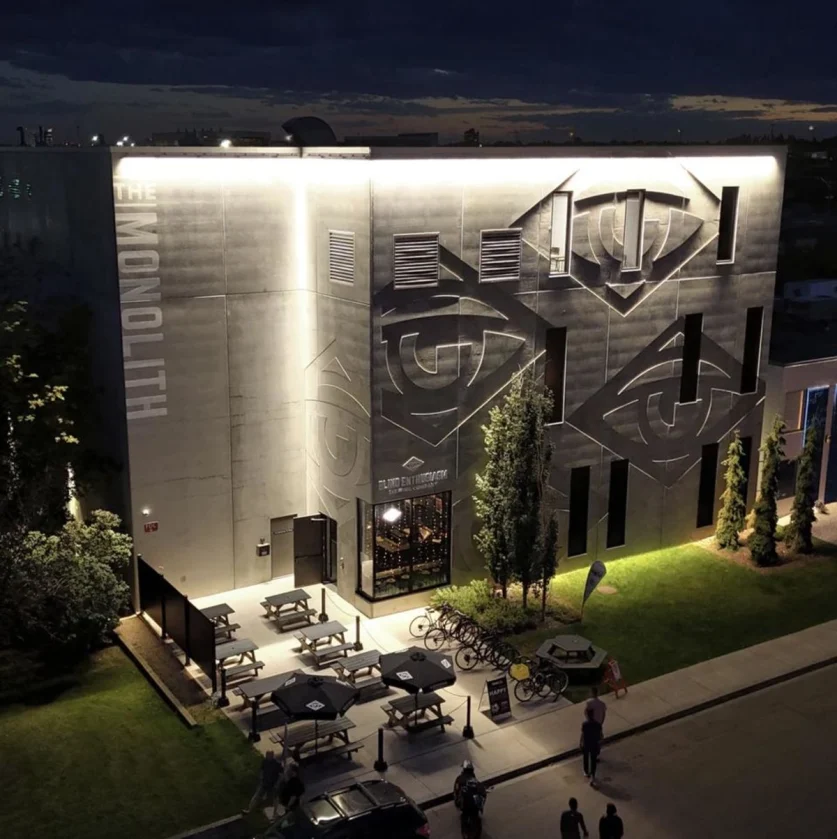
Blind Enthusiasm Brewing in Edmonton has made waves in the craft beer community by winning two prestigious awards at the 2026 World Beer Awards. While they are inspired by the lambic style, which originates from Belgium’s Zenne Valley and is protected by the EU, they do not claim to produce authentic lambic. Their unique process and modern facility, known as The Monolith, allow them to create spontaneously-fermented beers that have gained international recognition.
Doug Checknita, the head brewer, highlighted that the design of their brewery facilitates exposure to naturally-occurring microbes, which are used in the fermentation process. The beer is aged in barrels that house a variety of microbes, creating complex flavors through a cooperative fermentation process.
Blind Enthusiasm’s Grand Manifesto was named the World’s Best Gueuze. This beer is a blend of two, three, and four-year-old spontaneously-fermented beers. Checknita emphasized that this particular blend is among their finest work. The brewery has also been recognized for its Fruitful Pursuits: Cherry, which was awarded the title of World’s Best Kriek for the second consecutive year. Initially hesitant to create a kriek, Checknita changed his mind after tasting incredible cherries from British Columbia’s Okanagan Valley, recognizing the potential for a truly exceptional beer.
Blind Enthusiasm’s beers are available for purchase in Canada and internationally, including markets in the United States, the Netherlands, and Japan. The brewery’s blend of historical methods and contemporary techniques has positioned them as a significant player in the craft beer scene, and they continue to attract attention from beer enthusiasts and industry experts alike.
The Perfect Pairing: Choosing the Best Wine for Classic Beef Bourguignon
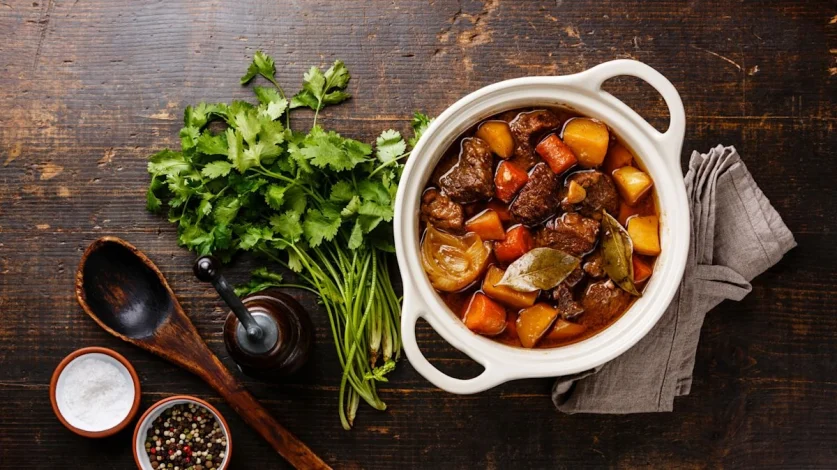
When preparing a classic beef bourguignon, the choice of red wine is crucial to enhance the dish’s flavors. According to chef Mawa McQueen, the ideal selection is a Burgundy made from pinot noir. McQueen emphasizes that while the wine should be balanced, earthy, and fruit-forward, it doesn’t have to break the bank. A good-quality, reasonably priced bottle will suffice—Costco’s Kirkland wines, known for their exceptional value, can be a perfect option.
McQueen explains that pinot noir has a bright acidity that tenderizes the meat and balances the dish’s richness. Its fruity and herbal notes complement the flavors of mushrooms, onions, and the rich sauce that makes beef bourguignon so delightful.
To properly incorporate the wine, add it to the pot after browning the beef. First, remove the beef, then deglaze the pot with the wine, scraping up the flavorful bits stuck to the base. This step is vital; it’s not just about the alcohol breaking down the fond, but rather the contrast between the cool wine and the hot pan that makes those flavors release. After simmering the wine to cook off the alcohol, you can add the beef back along with the stock, allowing the flavors to meld.
For more on selecting and using pinot noir in cooking, Tasting Table offers a comprehensive guide worth checking out.
Koloa Rum Appoints New Head of Distillery Operations: A Toast to New Beginnings!

Koloa Rum Company, renowned for its premium, small-batch Hawaiian rum, has named Duke Yadao as the new Head of Distillery Operations. A native of Kalaheo, just a short distance from the distillery, Yadao has spent nearly a decade immersed in the art of craft rum production. Joining Koloa Rum in 2018, he gained extensive hands-on experience, working across various stages of production and developing a deep understanding of the company’s brand and values.
Excited about his new role, Yadao expressed gratitude for the support from his family and colleagues. “I’m grateful for the opportunity to carry that experience forward,” he said, emphasizing his goal to create a rum that reflects the unique heritage of Hawaii, encapsulating the essence of ‘The Spirit of Aloha.’
Yadao’s journey to this leadership position is a return to his roots. Growing up on a family farm fostering an appreciation for local ingredients and agricultural traditions, he had a connection to the land that would later inform his work at Koloa Rum. Encouraged by a friend already employed at the distillery, Yadao applied for an opening, viewing it as a perfect opportunity to enter the beverage industry.
Starting his career on the bottling line and transitioning to blending, Yadao gained increasing responsibilities and was mentored by seasoned members of the distillery team. He further honed his craft through professional development experiences, including training at Moonshine University and participation in industry trade shows.
Now overseeing distillery operations, Yadao merges his near-decade of practical experience with his strong ties to Kaua‘i, guiding production while ensuring Koloa Rum maintains its commitment to quality and craftsmanship. The company, founded in 2009, values the rich agricultural heritage of Kaua‘i, using pure rainwater and cane sugar for its rums, and collaborating with local farms for ingredients in their flavored rums.
Koloa Rum is known for its dedication to sustainability and authentic representation of Hawaiian culture, with a portfolio that includes various expressions like White, Gold, Dark, Spice, Coconut, and Coffee rums, each celebrated for its unique taste. Available in 36 states and select international markets, Koloa has established itself as the first licensed distillery in Kaua‘i since the end of Prohibition.
For more information about Koloa Rum and to find a retailer, visit KoloaRum.com.
Voodoo Ranger’s Spooktacular Offer: Free Beer for Every Michael Myers Fan!
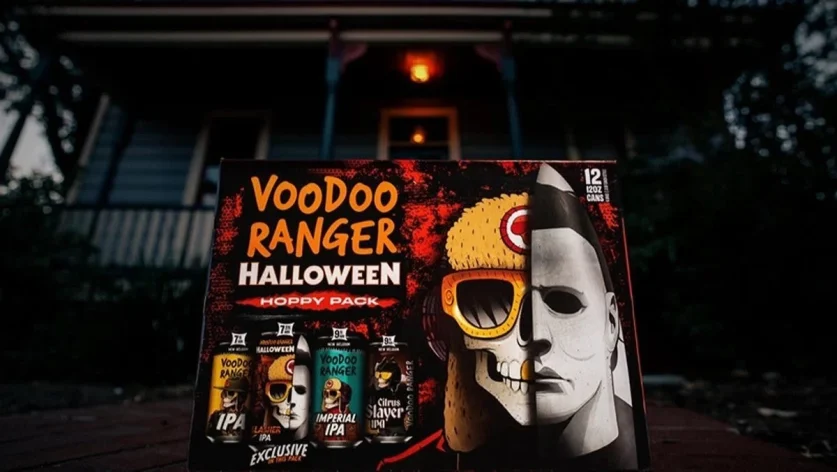
Craft beer company Voodoo Ranger is initiating a creative promotion to celebrate the spooky season. They are launching a contest titled "Slasher Manhunt" where anyone legally named Michael Myers can win free beer for a year. This giveaway coincides with the release of their limited-edition Slasher IPA as part of the Halloween Hoppy Pack promoting the upcoming Halloween: The Game.
The contest runs until October 7, culminating in a special event in New York City called the "Party Without Fear." Here, participants named Michael Myers can present valid identification to claim their prizes, which include slashed bar tabs, game demos, and other giveaways. The lucky winner who secures a year’s worth of beer will be announced on October 19, coinciding with the iconic slasher’s fictional birthday.
Kiron Chakraborty, Voodoo Ranger’s Marketing Director, stated, "Being named Michael Myers has come with enough baggage, so we’re here with the beer," highlighting the brand’s humorous take on a name associated with horror. They aim to ensure that Halloween is celebrated with joy, backed by the tagline that there’s no better beer for the occasion than Voodoo Ranger.
Those interested can participate through Voodoo Ranger’s official site. Additionally, anyone of legal drinking age can purchase the Halloween Hoppy Pack while supplies last.
For further details, you can visit: Voodoo Ranger Contest and Hoppy Pack.
Transform Your Fall with Fizzy Caramel Apple Cocktail Classics
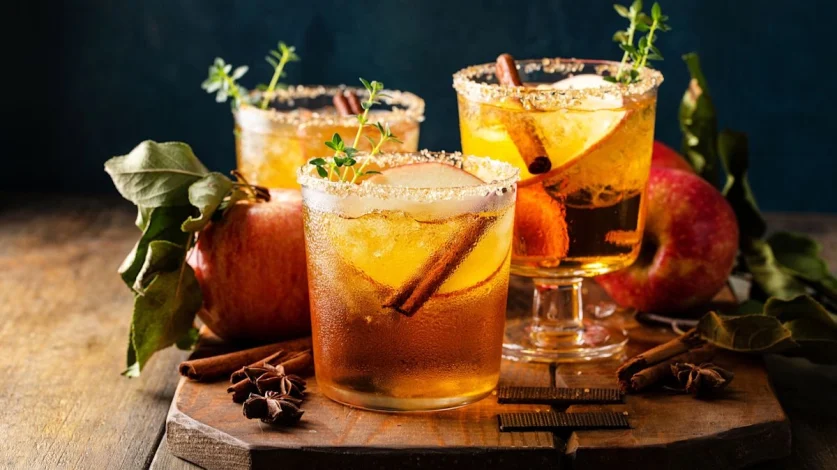
As the autumn season embraces us, caramel apple cocktails are making a comeback, and adding ginger ale can transform these classic drinks into something extraordinary. This fizzy ingredient harmonizes with the sweet notes of caramel and apple, offering a refreshing twist that lifts any cocktail.
For a delightful autumn beverage, consider crafting a caramel apple Moscow mule or a caramel apple white wine sangria. Simply mix apple cider, ginger ale, caramel vodka, and a crisp white wine. To enhance your drink, garnish with fresh apple and orange slices, a sprinkle of cinnamon sticks, and a drizzle of caramel for a visually appealing centerpiece at fall gatherings.
When mixing cocktails with ginger ale, there are a few important guidelines to follow. If the recipe requires shaking, always add the ginger ale afterward to maintain its carbonation. Opt for whiskey or vodka over rum or tequila, as these spirits marry well with apple flavors. Whiskey naturally complements caramel notes, while vodka serves as a versatile base for various flavors.
Prioritize quality when selecting ginger ale; research has identified Vernors as a top choice among brands. A splash of ginger ale could be just the ingredient missing from your favorite caramel apple concoction, so don’t overlook the benefit of a cinnamon sugar rim either. A straightforward recipe circulating on social media involves apple vodka, caramel sauce, apple juice, and ginger ale—perfect for a cozy fall sip.
For more culinary inspiration, consider subscribing to food newsletters or exploring different sources for unique recipes.
Can Wildfire Smoke Spoil Wine? A Deep Dive into Bordeaux’s 2026 Vintage
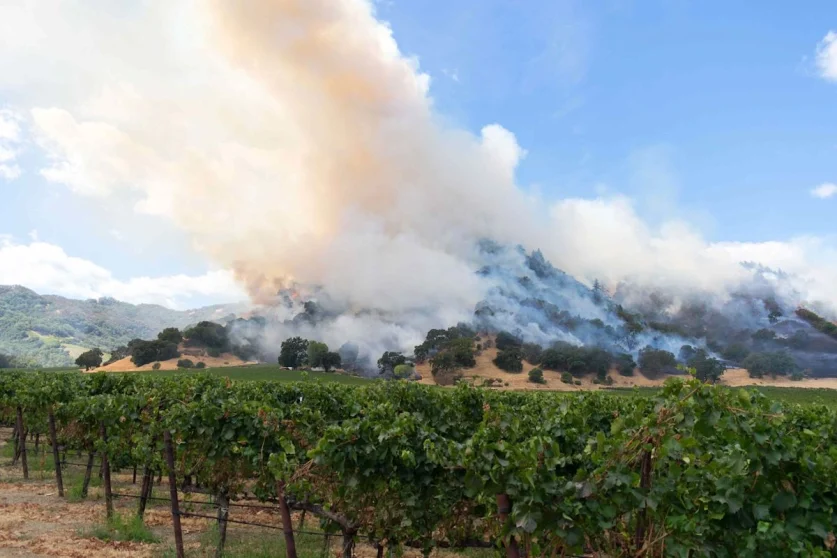
The summer wildfires that raged through parts of France and Spain raised concerns about smoke taint in wines from affected regions, particularly Bordeaux. Smoke taint refers to the undesirable smoky or ashy flavors that can develop in wine grapes exposed to wildfire smoke during the growing season. This complex issue can be challenging to detect and requires extensive testing to assess its impact on the grapes and resulting wine.
Despite over 100,000 acres burned in Bordeaux, many experts believe that most vineyards were spared from the fires, thus avoiding significant smoke taint in the 2026 vintage. Carlton McCoy, a Master Sommelier and CEO of Lawrence Wine Estates, affirmed that “the fires had no real effect” on the wines. Fortunately, advancements in testing have allowed winemakers to analyze a range of compounds to evaluate if smoke has affected their fruit.
According to Julien Fayard, a Napa Valley winemaker, smoke can travel and affect grapes even when the fire is distant. When grapes absorb smoke compounds, they can bond with the sugars in the skin, making them more pronounced in red wines, which ferment with skins. Because most smoke-derived compounds remain in the skins, white wines, typically made without skin contact, are less vulnerable.
Looking ahead, the 2026 Bordeaux vintage is expected to be characterized more by the warm and dry weather conditions than by smoke. McCoy suggests that the wines will be richer with well-preserved acidity, striking a natural balance despite the challenges posed by climate variations. Many in the wine trade predict that discussions surrounding smoke taint will primarily concern industry insiders rather than consumers, who can still enjoy high-quality wines from this vintage.
For more insights into Bordeaux wines and their development, visit Food & Wine.
National Drink Beer Day: Celebrating a Hoppy Tradition Since 2005
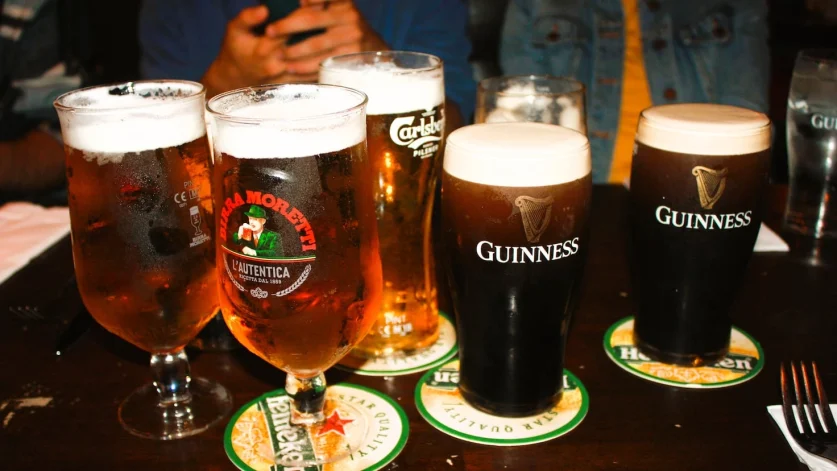
Today, September 28, is celebrated as National Drink Beer Day, a day dedicated to appreciating one of the oldest alcoholic beverages in the world. Beer, the third most consumed drink globally after water and tea, has a history of fermentation that goes back approximately 13,000 years to ancient Middle Eastern civilizations.
Celebrating this day is straightforward: simply grab your favorite beer—whether it’s a lager, ale, or stout—and relax.
Origins and History of National Drink Beer Day
The true origins of National Drink Beer Day are somewhat murky. Some believe the date is significant because it is close to the birth of Arthur Guinness, the founder of the iconic Irish brewery, who was born on September 24, 1725. However, this connection is tenuous at best.
Another theory links the day to the Oktoberfest, which has been celebrated in Munich since 1810 and attracts over six million visitors annually. Despite its proximity to Oktoberfest, there’s no solid evidence suggesting that National Drink Beer Day was established in connection with this famous festival, although many local bars might offer German-style beers in its honor.
Interestingly, another day dedicated to beer occurs in the U.S.—National Beer Day, which is celebrated on April 7. This date marks the enactment of the Cullen-Harrison Act, which allowed the sale of beer containing up to 3.2% alcohol, signaling the decline of Prohibition.
When Did National Drink Beer Day Begin?
As with its origins, the exact date when National Drink Beer Day started is unclear. Some sources claim it can be traced back to the early 1900s, but reliable documentation is lacking.
Regardless of when it began, the day has found its place on the national calendar, allowing beer enthusiasts to come together and celebrate. So, let’s raise a glass to National Drink Beer Day! Cheers!
Indulge in Fall Flavors: Blue Chair Bay Rum’s Pumpkin Spiced Rum Cream
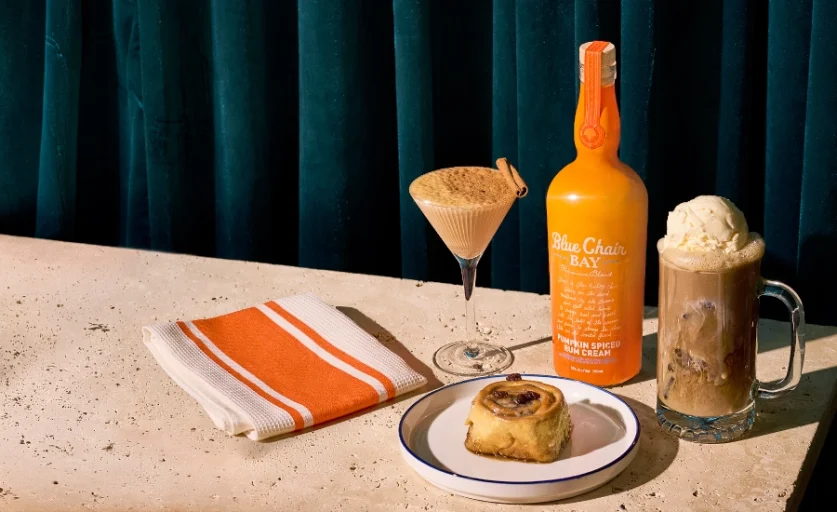
Blue Chair Bay Rum has introduced a limited-edition Pumpkin Spiced Rum Cream, marking the brand’s first seasonal release since its inception by Grammy-winning artist Kenny Chesney. This new flavor is designed to expand Blue Chair Bay’s acclaimed range of premium rums and is the first innovation in three years.
The Pumpkin Spiced Rum Cream features a rich and buttery profile with hints of warm baking spices, sweet cream, and caramel. The brand claims that it offers a lighter, smoother version of the traditional fall flavor, distinguishing itself in the cream liqueur market, which is often dominated by Irish and bourbon creams.
Anthony Moniello, CEO of Next Century Spirits, stated that the new rum cream is crafted with real spices, pumpkin, and cream, providing a fresh twist for effortless entertaining without the heft of traditional options.
Packaged in a 750 ml bottle with an alcohol by volume (ABV) of 15%, Blue Chair Bay Pumpkin Spiced Rum Cream is priced at $19.99 and available at national retailers and through direct orders from their website.
For more information, visit Blue Chair Bay Rum.
WINE #34: Understanding the Purpose and Benefits of a Wine Cooler
La Sala was in the middle of business hours when Yuri prepared a wine cooler for Natsumi. Standing before the sleek silver cooler, Yuri pondered what it was for.
"I know what this is… it’s the thing that chills wine!" she thought, and reached to fill it with ice.
Suddenly, Natsumi interrupted her. "Wait a second, Yuri."
"Yes?" Yuri replied.
Natsumi gazed at the cooler and asked, "How much do you want to chill this wine?"
Yuri paused, questioning, "How much?"
"It’s white wine, so aren’t we supposed to chill it?" she clarified.
"Yes, it’s a wine that should be served chilled," Natsumi confirmed.
"Then I’ll put ice in it…" Yuri began but was interrupted again.
"Before you do that," Natsumi continued, "how much do you want to chill it?"
"My hand stopped," Yuri thought, looking back and forth between the cooler and the wine bottle. "Isn’t it just whether to chill it or not?"
She had always believed a wine cooler merely kept wine cold, but a realization struck her. "If you chill it too much… the aroma becomes hard to detect?" Natsumi added.
"Exactly! We went over that before!" Yuri exclaimed, remembering past lessons.
White wine isn’t necessarily better when colder, and she had always viewed that as a characteristic of the wine itself. Now, she began to connect it to the wine cooler before her.
“Then…” Yuri looked at the cooler once more, contemplating. “It’s not just about cooling it down, is it?”
“Nope,” Natsumi confirmed. “Do you want to cool it more than it is now, or maintain the current temperature?”
A light bulb flickered in Yuri’s mind. Instead of seeing the cooler as merely a tool for low temperatures, she now recognized the importance of determining just how much cooling was needed for the wine at hand.
“I see!” she thought, glancing at the ice in her hands. “So what should I do with this wine?”
Natsumi smiled warmly. “Let’s think about that together again.”
“Yes!” Yuri responded, understanding that in wine service, a hasty "just do something" approach often leads to undesirable outcomes.
Key Consideration
Before using a wine cooler, one must consider:
- Do you want to chill it more than it currently is?
- Do you want to maintain the current temperature?
The approach to using the cooler changes based on the state of the wine. Always ask yourself, “How cold do I want this wine to be right now?” before reaching for the cooler.
With their newfound understanding that white wine isn’t always better cold, Yuri felt more prepared for the next step in their service journey.
Next time, Yuri’s curiosity will be piqued by a mysterious basket next to the cooler. “What is a panier used for?” she wonders.
The Top Beer Choice for Gen X: Breaking Down 2026’s Favorite Brew
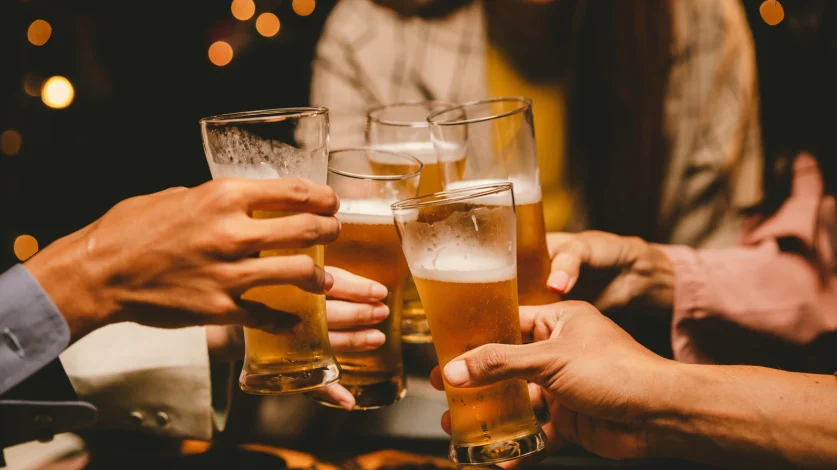
Although lagers have dominated American beer sales for decades, the preferences of beer drinkers have evolved over time. As trends change, so do the brands that capture the hearts of each generation. For Generation X, those born between 1965 and 1980, the most popular beer as of 2026 is Blue Moon, according to a report from YouGov.
Blue Moon is an unfiltered Belgian-style wheat ale with an ABV of 5.4%. It is characterized by a sweet and citrusy profile that is lightly spiced, thanks to ingredients such as coriander and orange peel. The beer is famously garnished with an orange slice, a tradition established by its creator, Keith Villa.
Despite being marketed as a craft beer, Blue Moon is produced by MillerCoors, known for other popular beers like Miller Lite and High Life. Thus, it occupies a unique space in the market as a major brand that presents itself with a craft identity, garnering a loyal following without being an independent brewery or an imported brand.
The journey of Blue Moon began in 1995 at the Coors-backed Sandlot Brewery located at the Coors baseball field in Denver, Colorado. Its initial sales were limited to this venue, but word-of-mouth and favorable reception quickly pushed Coors to expand distribution to 22 states within a year, followed by broader marketing efforts.
Over the years, Blue Moon has grown to be widely available across the country, capturing the loyalty of Gen X drinkers, many of whom have strong connections to sports, particularly Major League Baseball (MLB). The beer is often enjoyed alongside traditional stadium fare and is well-promoted in contexts like golf, where it partners with professional players. Celebrity endorsements, including collaborations with Colin Jost from "SNL," have helped to maintain and strengthen its appeal among Gen X.
Blue Moon has also adapted to modern drinking trends, with the introduction of a non-alcoholic version and flavored varieties. This ability to innovate while maintaining its signature taste has helped solidify Blue Moon’s status as a go-to beer for Generation X into 2026.
For more insights, you can read the original article on Food Republic.