Pouring a Glass: 4 Essential Country Songs About Whiskey from Chris Stapleton to George Jones

Country music has a rich tradition of songs centered around whiskey, with some tracks making the drink a focal point in their narratives. The following four songs capture both joyful and sorrowful moments associated with whiskey, showcasing its dual nature in the context of life experiences.
“Tennessee Whiskey” by Chris Stapleton
Chris Stapleton’s rendition of “Tennessee Whiskey” stands out as a remarkable interpretation of this classic. While originally recorded by David Alan Coe and George Jones, Stapleton’s smoky blues-infused arrangement has become the most recognized version. The song elegantly compares a lover to whiskey, cementing its status as a cherished drinking song across the genre.
“Whiskey River” by Willie Nelson
Another iconic track, “Whiskey River,” has been a staple in Willie Nelson’s performances since the 1970s. Written by Johnny Bush, this song poignantly illustrates the age-old attempt to drown heartache in drink, making it a profound expression of the comfort sought in whiskey.
“C.C. Waterback” by Merle Haggard & George Jones
This collaboration between Merle Haggard and George Jones fuses two legends with humor and a hangover. The title refers to Canadian Club whiskey paired with a water chaser, encapsulating a lively party atmosphere that leaves its marks. The lyrics humorously reflect the aftermath of a wild night, making it a memorable ode to the social aspects of drinking.
“White Lightning” by George Jones
Finally, George Jones delivers a lively narrative with “White Lightning,” his first No. 1 hit that celebrates the potent moonshine from the Appalachian hills. More than just a novelty song, it embodies the rebellious spirit of moonshiners, depicting their evasion of the law while crafting irresistibly strong brew, capturing the essence of that era.
These songs collectively reflect the enduring connection between whiskey and country music, portraying both the highs and lows of life through its lens.
Michelin’s New Venture: The Controversy of Rating Wineries in the Wine World

The Michelin Guide has recently expanded its renowned rating system to wineries, leading to a mix of confusion and skepticism among wine enthusiasts and professionals. Traditionally focused on restaurants, Michelin’s new initiative assigns grape ratings to wineries, with one grape indicating a good producer, two for an excellent producer, and three for exceptional ones.
Despite the significant changes, the wine community’s response has been muted. Robin Kelley O’Connor, a prominent wine educator, noted a lack of discussion within the industry. However, social media chatter tells a different story, as many industry insiders express their incredulity—best exemplified by Adam Lee of Clarice Wine Company, who called the ratings "laughable.”
The Michelin Guide’s expansion has included regions like South Korea and South Carolina over the last decade, and as of 2024, it has also begun rating hotels. The latest ratings for wineries were released in Bordeaux, where 84 wineries received recognition. Among Bordeaux’s 7,000 producing châteaus, only a select number secured grape ratings, sparking debate about the criteria and selection process.
The guide’s approach has raised eyebrows, particularly regarding its criteria for inclusion. Many of the notable omissions—like Château Margaux and others that received lower ratings than expected—have incited questions about the evaluators’ expertise. Critics argue that the complexity of vineyard assessments and the expertise required to properly judge them is beyond what the Michelin inspectors might possess.
Jeff Leve, a wine critic, pointed out that the guide has not been transparent about its evaluation methods and that the focus on whole estates rather than individual vintages ignores the realities of wine production, where variations can change dramatically from year to year.
While some prestigious wineries celebrated their ratings, like Château Troplong Mondot, the sense among many is that the guide should stick to its culinary roots. Yet, amidst the controversies, some industry voices see an opportunity for increased visibility for the struggling wine market. The introduction of such a distinguished name like Michelin into the wine world could bring attention to lesser-known vineyards, providing a potential boost to sales despite the backlash.
Overall, the reception to Michelin’s venture into the wine sector remains mixed, with many hoping for clarity and credibility in the ratings moving forward.
The Last-Minute Pasta: How Carbone’s Spicy Rigatoni Vodka Became a Global Sensation
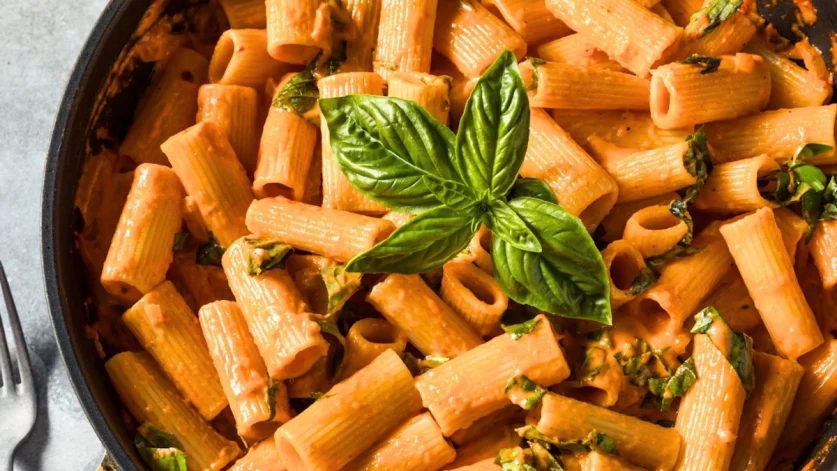
Mario Carbone’s journey into the culinary spotlight began with an unexpected menu development in 2013 at his restaurant, Carbone, in New York City’s Greenwich Village. Faced with the challenge of incorporating a vegetarian option, he quickly crafted a cheeky spicy rigatoni vodka dish, little aware that this last-minute addition would become a cultural phenomenon.
The original Carbone, known for its exclusive dining experience and a reservation system akin to a lottery, saw the spicy rigatoni vodka rise above other menu items like veal parmesan and lobster fra diavolo. This pasta dish went from a mere afterthought to the centerpiece of conversations amongst diners, achieving fame that transcended the restaurant.
Carbone expanded to Las Vegas the same year, maintaining the dish’s reputation on the Strip and eventually spreading to locations in Miami, Hong Kong, Dallas, and London. The newest venue, CARBONE Riviera, opened at the Bellagio hotel in late 2025, offering an elevated experience against a stunning backdrop of fountains, yet still keeping the spicy rigatoni vodka menu staple.
As demand soared, getting a taste at the restaurant became a logistical challenge. It wasn’t until the summer of 2023 that Carbone Fine Food released a jarred version of the spicy vodka sauce, allowing home cooks to recreate the dish. The jarred product encouraged culinary experimentation, but dedicated fans had already started reverse-engineering the recipe via social platforms well before its official release.
What makes this dish remarkable is not only its journey from a last-minute option to a front-runner in the culinary world but also how it continues to evolve. It is served in select restaurants, made available in stores, and crafted at home by aspiring chefs. The spicy rigatoni vodka has outgrown its original setting, reflecting a broader home-cooking trend while setting a standard for vodka sauce itself.
Carbone’s serendipitous creation changed the landscape of pasta dishes, solidifying its place in culinary history, demonstrating how a simple need can lead to unexpected greatness.
Discover Albariño: The Refreshing and Affordable White Wine You Need to Try Now!
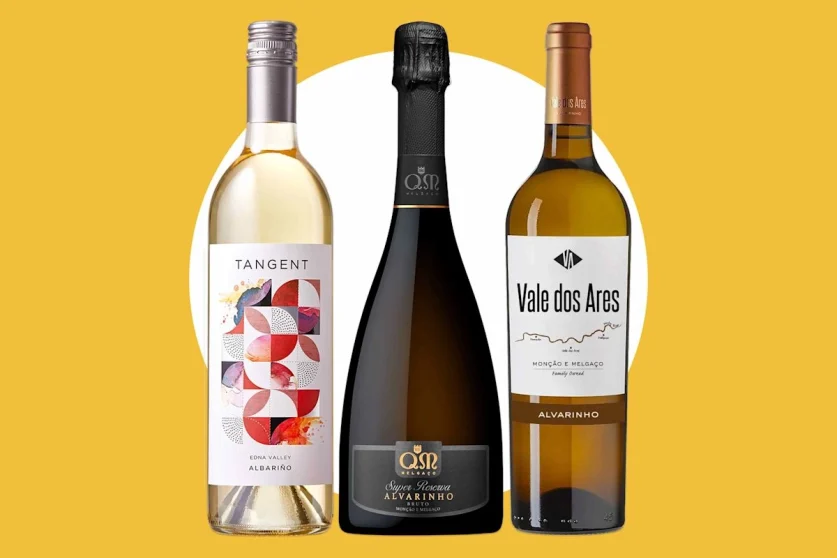
Albariño is a refreshing, high-acid white wine that is gaining recognition as one of the best values in the wine market. Originating from the Iberian Peninsula, this wine showcases its versatility through various expressions, including sparkling and still versions. Sandra Gomes Rocha, founder of Diniz Cellars, describes wine as a staple in Portuguese culture, enjoyed without a specific occasion. At a recent wine event in Los Angeles, she highlighted the Quintas de Melgaço Super Reserva sparkling Alvarinho as particularly refreshing during hot weather.
Alvarinho’s reputation is steadily rising due to its bright flavor profile and low alcohol content. It competes well with other white wines, like Sauvignon Blanc, making it suitable for various cuisines, including Thai and Italian. As the market begins to appreciate the complexity and quality of Portuguese wines, prices are slowly increasing, though many favorite offerings remain affordably priced.
While Alvarinho is often associated with Rías Baixas in Spain, Portugal proudly claims its roots in the Vinho Verde region. Winemakers in this area, such as Miguel Queimado of Vale dos Ares, produce distinct single-varietal wines that exhibit a balance of volume, texture, and freshness. The region’s unique climate and soil types contribute to the wine’s character, characterized by flavors like green apple, patisserie, and tropical fruit notes.
It’s worth trying several Alvarinho wines, such as Chapeleiro Alvarinho ($15), QM Alvarinho ($13.21), and Quintas de Melgaço Super Reserva Alvarinho ($25 – $35) to explore the variety’s range.
In the U.S., winemakers are also getting involved, particularly in regions like Oregon’s Willamette Valley and California’s Edna Valley. They strive to express the grape’s qualities through their own regional characteristics. Oregon’s Sacred Shore Wines reflects the similar climate to Rías Baixas, producing a wine with distinct saline tension.
Both Oregon and California are working towards defining their unique Alvarinho styles, balancing the grape’s potential for ripe fruit with its inherent acidity. Notable wines to sample from these regions include Sacred Shore Albariño ($27 to $40) and Tangent Albariño ($17), which showcase the grape’s potential interpreted through different terroirs.
For more information on Albariño and wine tasting, visit Food & Wine.
How Much Should You Invest in a Quality Bottle of White Wine in 2026?

Many novice wine drinkers often mistakenly believe that pricier wines are inherently superior to cheaper options. The perception that high cost equates to better quality can mislead consumers, causing them to rate a mediocre, expensive wine higher than it deserves. Fortunately, there are numerous affordable wines that offer exceptional quality, especially in the white wine category. Typically, bottles priced between $15 and $25 (with potential increases due to market trends) can provide a satisfying experience without breaking the bank.
To illustrate this point, a trip to Fine Wine & Good Spirits revealed notable entries in the budget-friendly category. Woodbridge by Robert Mondavi Chardonnay is available for around $15.99, while the Domaine Alain Geoffroy Petit Chablis 2023 and Wagner Vineyards Riesling Semi Dry Finger Lakes are priced at $22.99 and $17.99, respectively. Notably, white wines are often less expensive than red, mainly because the latter typically requires longer aging, thus increasing production costs.
When selecting a bottle, it’s essential to understand the various factors that contribute to wine pricing. Costs related to land, grape cultivation, labor, and shipping all play roles in determining the retail price. Some grape varieties, like those used in premium Burgundy Chardonnay, can demand exorbitant prices—some exceeding $10,000. Thankfully, many delicious and affordable white wine options abound.
For those looking to elevate their wine appreciation, mastering the tasting process is key. Affordable whites can be nuanced and complex, much like their expensive counterparts. To better appreciate these wines, swirl them in the glass to aerate and release aromas, then take short inhales before sipping. This method can deepen your sensory experience and help you discover what types of wines resonate with your palate.
For additional insights, explore more about wine tasting techniques and the differences between white wine types.
Why Soju Makes the Perfect Alternative to Vodka
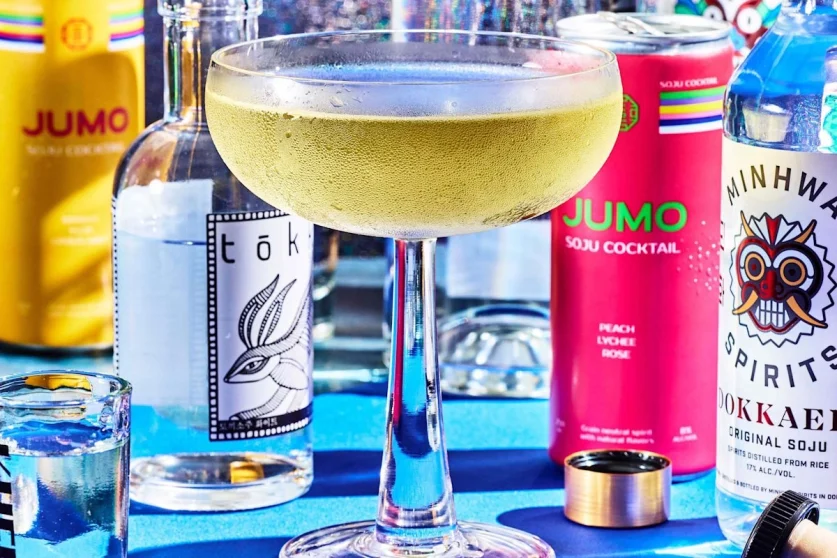
Soju, a traditional Korean spirit, is emerging as a versatile alternative to vodka in cocktails. Known for its clean and neutral flavor, soju can enhance the profiles of various drinks without overpowering them. Generally containing between 12% and 25% alcohol, it provides a lower-alcohol option compared to vodka, which typically measures around 40% alcohol.
According to experts like Andy Han, lead bartender at Lazy Betty in Atlanta, soju retains the starchy characteristics of grain alcohol while offering a broad spectrum of flavors ideal for mixing. As the trend of lower-alcohol beverages grows, soju cocktails are gaining popularity amongst both younger and older drinkers.
In the U.S., a surge of soju brands such as Minhwa Spirits, Khee, and Yobo is providing cocktail enthusiasts with a variety of craft offerings. This increased availability allows bartenders to educate patrons on the historical and cultural significance of soju, enhancing their drinking experience.
Soju’s mildness makes it an exceptional base for cocktails. It can be paired with a range of ingredients to accentuate its discreet notes. Han suggests that home bartenders experiment with soju by crafting infusions, mixing it with herbs or citrus, or even blending it with vodka to create balanced cocktails.
For instance, the Seoulside cocktail is a soju variation of the classic Westside, where lemon peel is shaken with soju to create a refreshing drink that highlights the spirit’s texture and flavor nuances.
Home bartenders can also create infusions using soju, a practice common in Korea where it’s often infused with therapeutic herbs. New York’s Orion Bar makes infusions such as jujube and various teas to add depth to their cocktails. A prime example is the Dasima Martini that incorporates dried kelp, lemon peel, and shiitake mushrooms, enhancing umami flavors.
For those looking to cut down on alcohol without compromising taste, a simple technique is to substitute half of the vodka in a cocktail with soju. This method retains the drink’s flavor profile while reducing its overall potency.
Soju is not just a drink; it’s a cultural experience, opening new avenues for cocktails that blend flavors, history, and enjoyment. For those interested in exploring this unique spirit, now is an excellent time to discover how it can elevate your cocktail repertoire.
Is RUM Group (RUM) a Hidden Gem Following Anthropic’s $13.7 Billion GPU Deal?

The recent confirmation that Anthropic is the partner for RUM Group on a substantial six-year contract valued at $13.7 billion for GPU services has intensified interest in RUM Group’s stock, which is making a notable pivot toward AI infrastructure.
RUM Group has had a volatile trading history, currently exhibiting a 2.50% increase in share price for the day and a 9.92% increase over the past month. Despite some fluctuations since preliminary reports about the contract, the stock has seen a 28.73% increase year-to-date and a total shareholder return of 45.13% over three years. However, the longer-term perspective reveals a more complicated picture, with only a 10.07% return over the past year and a notable 16.07% decline over the last five years.
Investor sentiment is divided. Many are optimistic about the potential of the Anthropic deal as a cornerstone for RUM Group’s shift into AI, quoting a perceived fair value of $22.00 for the stock, compared to its closing price of $8.20. This suggests that investors see the stock as undervalued by approximately 63%. The bullish argument emphasizes the ongoing growth in AI and cloud infrastructure, spurred by potentially transformative investments, such as a possible acquisition of Northern Data that aims to expand their reach in enterprise and government sectors.
Conversely, sceptics point to ongoing losses, funding challenges, and risks of dilution as potential pitfalls for RUM Group’s future. They argue that at a P/S ratio of 27.9x, the stock is priced higher than its industry peers, which have a much lower average ratio. They raise concerns that if growth or profit margins falter, the stock could face a significant downward adjustment.
While the debate on RUM Group’s valuation and future prospects continues, it is clear that both sides present compelling arguments. Investors are encouraged to assess the underlying data carefully, keeping in mind the potential risks and rewards associated with this stock’s current trajectory.
For further analysis of RUM’s valuation and the underlying factors driving its potential, view the full report here.
The Boca Raton Unveils the Third Annual Artisans of Wine & Food: Celebrating the Largest Gathering of Napa Valley Vintners Outside of Napa

The Boca Raton is set to host the third annual "Artisans of Wine & Food," a premier food and wine festival scheduled from January 14–17, 2027. This festival, in partnership with Napa Valley Vintners, will feature over 100 wineries and more than 20 prestigious Michelin-starred chefs. It aims to showcase a diverse array of culinary experiences while also focusing on philanthropy.
During this four-day event, guests will enjoy a mix of wine tastings, gourmet meals, and social interactions in a vibrant atmosphere that transforms The Boca Raton into a mini wine-country destination. Daniel A. Hostettler, President and CEO of The Boca Raton, emphasized the festival’s goal of uniting extraordinary talents in a single venue, where each culinary experience tells its own story.
The festival offers numerous highlights, such as:
-
Winemaker Series & Vintner-Hosted Dinners: The event will kick off with the "Artisans Toast" and feature exclusive dinners hosted by prominent vintners, where guests can explore unique wine pairings.
-
Daytime Activities: Activities include a "Pickleball Social," a "Vintners Mahjong Tournament," and the "Discover Napa Valley Tasting Pavilion," allowing guests to sample wines from over 100 producers.
-
Charity Gala: A highlight of Saturday evening, this gala will feature a family-style dinner curated by world-renowned chef David Burke, accompanied by a live auction to support the Selfless Love Foundation, which aids youth in foster care.
-
European Wine Tasting Pavilion: Sunday will showcase exquisite wines from notable European estates, providing a global flavor to the event.
Beyond wine and food, the festival focuses on charitable efforts, with proceeds from events directed towards improving outcomes for children in foster care through the Selfless Love Foundation.
All-Access Passes for the festival are currently available, offering priority access to all experiences. Individual event tickets will be sold starting October 1, 2026. For more information and reservations, visit Artisans of Wine and Food.
Elevate Your Bourbon Cocktails with These Overlooked Fall Spices
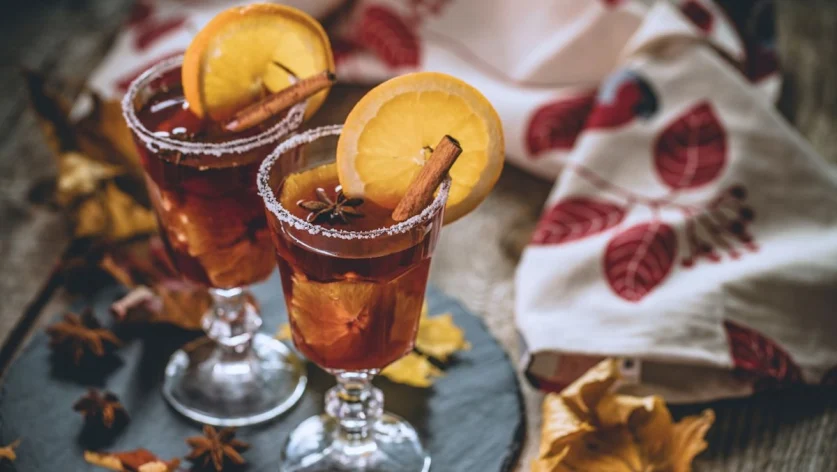
Baking spices are commonly associated with cozy fall desserts like pumpkin pie and apple cider donuts, but they can also enhance bourbon cocktails. Cocktail expert Anton Kinloch, a bartender at Lone Wolf, emphasizes the power of spices like nutmeg, clove, ginger, and allspice. Instead of relying solely on cinnamon and pumpkin, these spices can be incorporated into cocktails using homemade syrups.
To make a spiced simple syrup, simply boil water and sugar, reduce to a simmer, add whole spices, and let it steep for about ten minutes. This process draws out the flavors significantly, making it a versatile addition to a range of cocktails.
Once you’ve prepared your spiced syrup, you might wonder how best to utilize it in bourbon cocktails. Here are some creative ideas:
-
Old Fashioned Variations: Replace the traditional sugar cube with a spiced syrup infused with star anise, ginger, and cloves for a warm twist on the classic.
-
Chai Old Fashioned: Skip the spice infusing process altogether and utilize chai tea bags for an easy base filled with aromatic spices.
-
Hot Toddy: Use a honey syrup infused with nutmeg and cinnamon to enhance this warm drink.
-
Bourbon Sour: Sweeten this classic cocktail with a simple syrup made from cardamom and ginger.
-
Apple Bourbon Smash: Combine apple cider, lemon juice, and bourbon with a spicy maple syrup for a refreshing fall beverage.
-
Pumpkin Pie Cocktail: Blend pumpkin puree with a syrup spiced with allspice, ginger, clove, and nutmeg for a delectable seasonal drink.
-
Bourbon Milk Punch: For a brunch treat, create a blend with nutmeg and maple syrup, vanilla extract, bourbon, milk, and heavy cream.
These combinations showcase how spiced syrups can elevate classic bourbon cocktails into seasonal delights. For those eager to explore more culinary insights, signing up for cooking newsletters could be beneficial.
Unanimous Choice: The Best $25 Sparkling Wine According to 5 Wine Experts
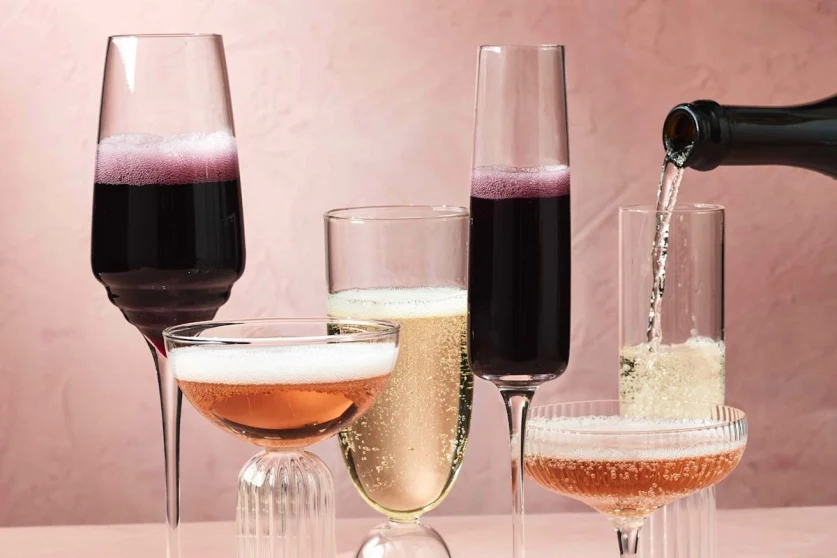
When seeking affordable sparkling wine, consider crémant as a wonderful alternative to Champagne. Not only is crémant made using the same traditional methods, but it’s often priced significantly lower. Five wine professionals unanimously recommended Pierre Sparr Crémant d’Alsace, a delightful choice at around $25, boasting vibrant fruit flavors and effervescent bubbles that rival more expensive bottles.
Many wine enthusiasts mistakenly reserve sparkling wine exclusively for special occasions, associating it primarily with costly Champagne, which can be hard to find at prices below $50. As a result, these premium bottles often remain unopened until family celebrations or holidays arise.
However, sparkling wines other than Champagne, such as crémant, are more accessible and versatile. They can pair beautifully with a variety of foods, from salty snacks and fried chicken to caviar and French onion soup, making them perfect for both casual gatherings and festive meals.
What is Crémant?
Crémant refers to French sparkling wines produced outside the Champagne region. These wines are crafted using the same labor-intensive traditional method, but because they come from different areas, such as Alsace or Bordeaux, they are more affordable. Recognized officially since 1975, crémants exemplify the distinct terroirs of their regions, allowing winemakers to showcase local grapes and techniques.
The Best Affordable Sparkling Wine
The expert consensus highlights Pierre Sparr Crémant d’Alsace as the top pick. Crafted from sustainably farmed grapes in Alsace, this crémant is celebrated for its crispness, generous flavor profile featuring apple, pear, and a hint of nuttiness, and a creamy mouthfeel that delivers a polished experience.
Master sommelier Barb Werley describes it as citrus-driven with a refreshing acidity, making it a versatile companion to a variety of dishes or simply enjoyable on a cozy patio with some snacks. Wine director Leah Matthews agrees, noting that it serves well as an apéritif and pairs excellently with foods across the spectrum.
Exploring More Options
For enthusiasts willing to explore, there are other noteworthy bottles. Costco offers affordable, authentic Champagne between $20 and $30. Additionally, Cava from Spain stands out as a solid choice, while sommeliers like Matthews and Pruitt recommend other crémants, such as Marie de Louvoy Carte Noire Crémant de Bourgogne and Arnaud Lambert Crémant de Loire, both known for their quality and reasonable pricing.
In conclusion, with many sparkling wines available for under $30, crémant asserts itself as a fantastic option that proves you don’t need to reserve bubbly only for special occasions. Whether it’s to celebrate a win or simply to savor a quiet evening, a quality sparkling wine can elevate any day.