Introducing The Curated Barrel Project: Colorado Distiller Launches Unique Barrel-Finished Whiskey
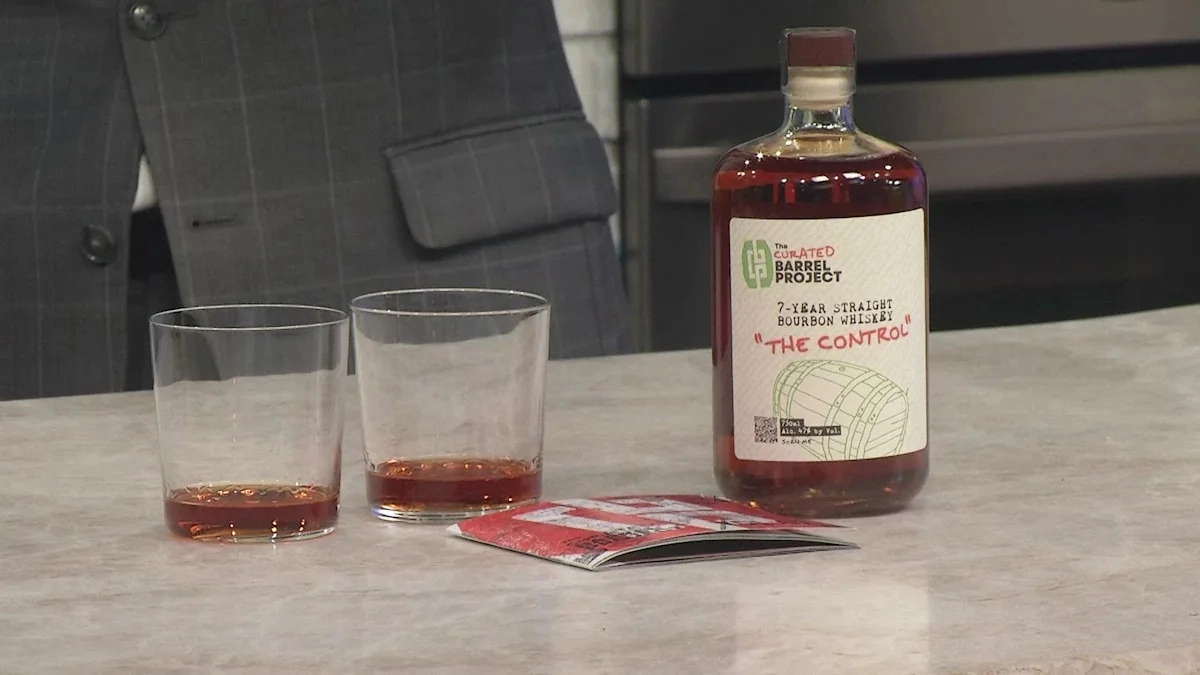
Jake Norris, a renowned distiller known for his contributions to Colorado’s whiskey scene with brands like Stranahan’s Whiskey and Law Whiskey House, has co-founded a new venture called The Curated Barrel Project. This initiative aims to create unique barrel-finished whiskeys, showcasing the art and craftsmanship behind whiskey distillation. Each whiskey produced under this project is meticulously crafted to highlight distinctive flavors and aromas, appealing to whiskey enthusiasts and connoisseurs alike. This endeavor represents Norris’s continued commitment to innovation and quality in the distilling industry.
Pabst Ends 177-Year Legacy: Schlitz Beer Production Comes to a Close
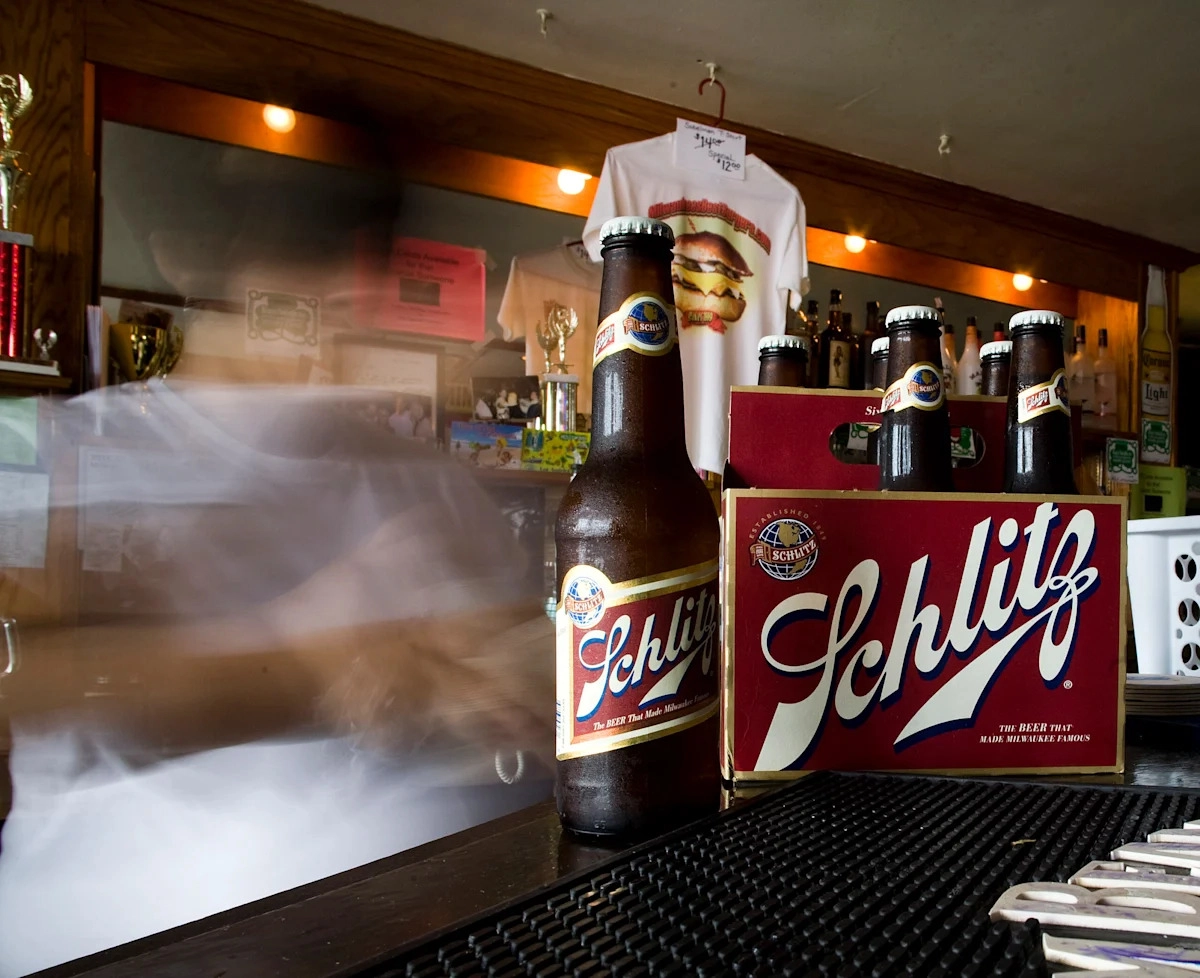
Pabst Brewing Co. has announced the discontinuation of Schlitz Beer, a beloved brand often referred to as "the beer that made Milwaukee famous." This decision was confirmed not directly by Pabst but through a press release from Wisconsin Brewing Co., which will produce a final batch of the beer using a recipe from 1948. This special brew, dubbed "The Last Schlitz," is set for release on June 27. After this, any available stock will be in the hands of retailers and resellers.
According to brewmaster Kirby Nelson, "This brew will represent The Golden Age of Schlitz," showcasing the vintage charm that the beer holds in the hearts of its fans. Schlitz Beer traces its origins back to 1849 when German immigrant August Krug first created the beverage. Following Krug’s passing, bookkeeper Joseph Schlitz took over, changing the beer’s name and ultimately marrying Krug’s widow.
Throughout its 177-year history, the brand has seen its share of successes and failures. At one time, it was the largest brewery in the U.S., but struggled after modifying its recipe in the 1970s, leading to dwindling sales and its acquisition by Stroh Brewery. Pabst purchased Schlitz in 1999 and attempted to revive interest by reinstating its original recipe.
Despite its ups and downs, Schlitz has maintained a loyal following, particularly in the Midwest. The #SaveOurSchlitz campaign has gained traction on social media, and a petition is circulating to preserve the brand’s legacy as a classic American beer.
The continuous changes within the Pabst Brewing Co. came into sharper focus last December when approximately 60 to 70 employees were let go from their San Antonio headquarters as part of a strategy to consolidate sales territories for improved efficiency.
For those who want to support the brewing tradition, you can add your voice to the effort to keep Schlitz alive by signing the petition.
Meet the $45 Whiskey Crowned 2026 Straight Bourbon of the Year at the London Spirits Competition
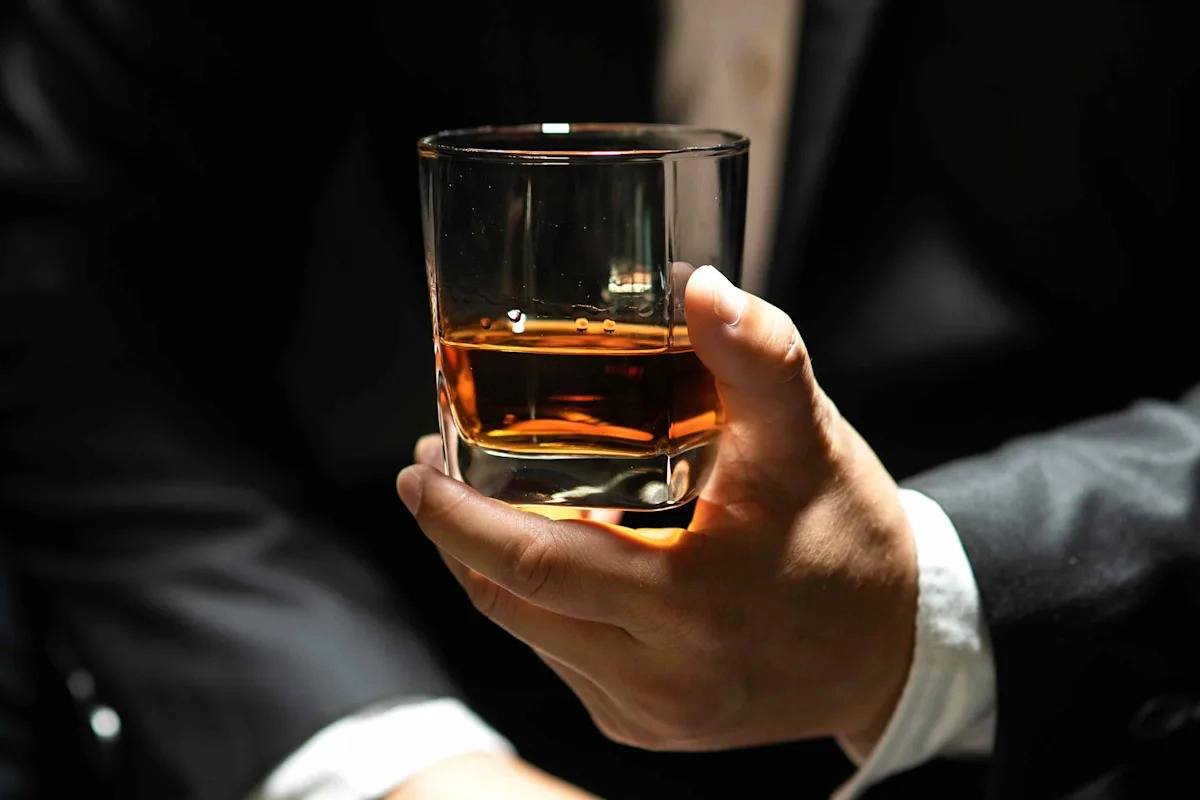
The London Spirits Competition has unveiled its choice for the 2026 Straight Bourbon of the Year: Maker’s Mark Cask Strength. This distinguished whiskey achieved an impressive score of 96 points, earning a Double Gold Medal due to its quality, value, and packaging.
Introduced in 2014, Maker’s Mark Cask Strength features the distillery’s classic wheated mashbill and boasts a proof range of 107 to 114. Typically aged between seven and eight years, the bourbon offers a robust character that whiskey aficionados eagerly appreciate. Earlier this year, Maker’s Mark began featuring batch-specific age statements on its labels, providing consumers with valuable insights into each batch’s flavor profile.
Described as having a rich aroma with notes of baked apple, raisin, and honey, the palate is highlighted by toasted oak, vanilla caramel, and toasted nuts, culminating in a long finish of honey, pepper, and jammy fruit.
The competition awards Double Gold Medals to spirits scoring between 96 and 100 points, with significant emphasis placed on their assessment criteria: Quality, Value, and Packaging. In this case, the appealing price point of around $45 undoubtedly contributed to its high rating in the Value category. The recognizable red wax packaging and the new label design featuring detailed information further enhanced its appeal.
Not limited to just Cask Strength, other Maker’s Mark offerings also performed admirably at the competition, with Maker’s Mark Kentucky Straight Bourbon and Maker’s Mark 46 French Oak Bourbon each achieving scores of 95 points and earning Gold Medals.
For those interested in tasting a little bit of history—and the 2026 Straight Bourbon of the Year—the Maker’s Mark Cask Strength is widely available across the United States.
Mastering the Art of Ordering Wine by the Glass: Tips for a Better Experience
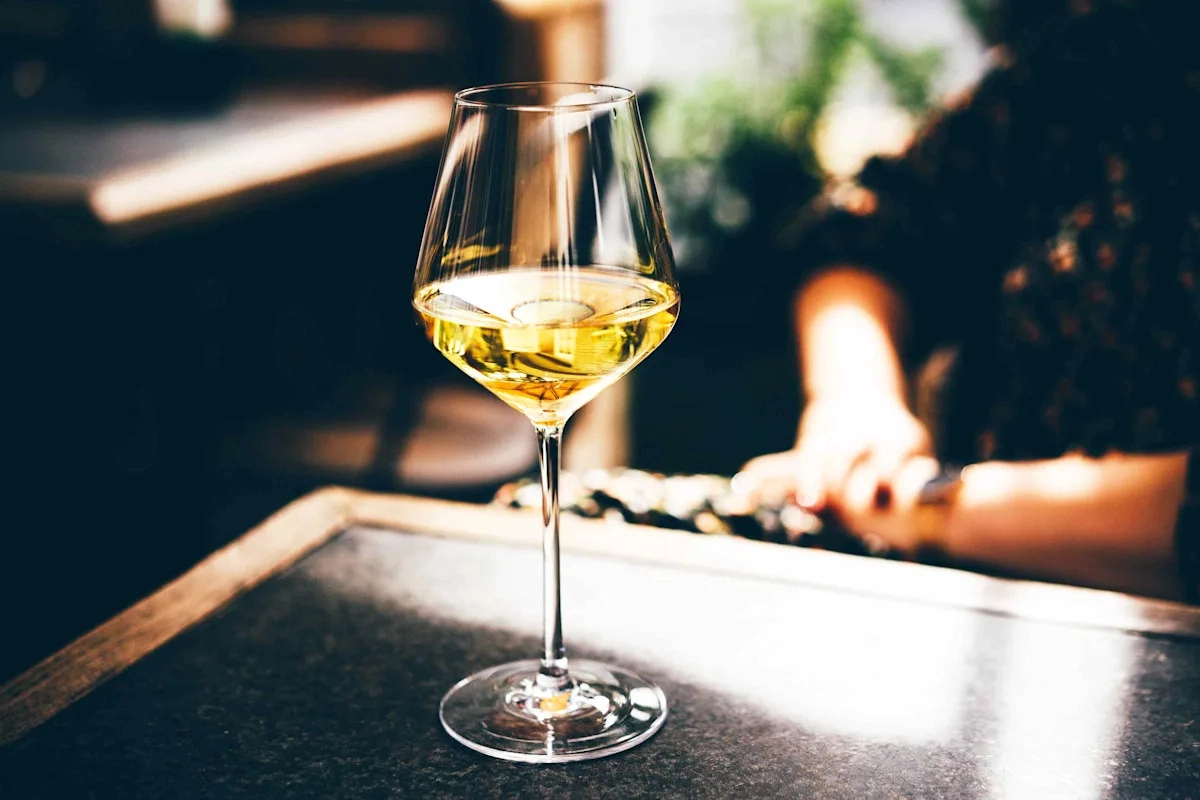
When you order a bottle of wine at a restaurant, you’re likely accustomed to a specific ritual: the bottle is presented to you, the cork is removed, and you are offered a taste. This moment not only signals quality service, but it also enhances your wine experience. However, when it comes to ordering wine by the glass, this ritual can often be omitted. The wine typically arrives already poured, leaving you without the opportunity to see the label or taste before you commit.
For a more engaging experience when ordering wine by the glass, ask for the wine to be poured tableside. This practice not only adds transparency—allowing you to see exactly what you’re drinking—but it also builds a connection to the wine and the story it represents. Albert Señor, head sommelier at Quirat in Barcelona, emphasizes this approach stating that it fosters trust between guests and the restaurant.
Seeing the wine bottle informs your understanding of the wine’s heritage—it’s not just fermented juice, but a product influenced by regional practices and vineyard choices. Experts like Andy Fortgang, co-owner of Canard and Le Pigeon in Portland, Oregon, believe that the label offers more than just marketing; it’s part of the wine’s story, enhancing your connection to it.
The experience can also change depending on whether you see the bottle being poured or not. Kristina Hayden Bustamante, wine director at Rosewood Inn of the Anasazi in Santa Fe, New Mexico, points out that seeing the bottle can alter your perception of the wine’s value. If wine is poured out of sight, you might not fully appreciate what you’re drinking.
So, should you sample the wine before committing to a full glass? If the wine is presented before you, it makes sense to offer a small taste. This helps confirm that it meets your expectations. The chance to taste allows you to fully enjoy the experience or consider a different option if necessary.
Despite the obvious benefits of tableside pours, logistical challenges often prevent this practice from being standard. Efficiency and temperature control can impact the service, leading some restaurants to avoid it. However, it’s acceptable to politely ask if tableside service is possible; a straightforward request may yield positive results.
In conclusion, ordering wine by glass doesn’t have to lack ceremony. By requesting a tableside pour, you invite a richer experience, transforming the simple act of drinking wine into a memorable occasion.
Let’s Toast: Essential Tips for Crafting Perfect Cocktails at Home
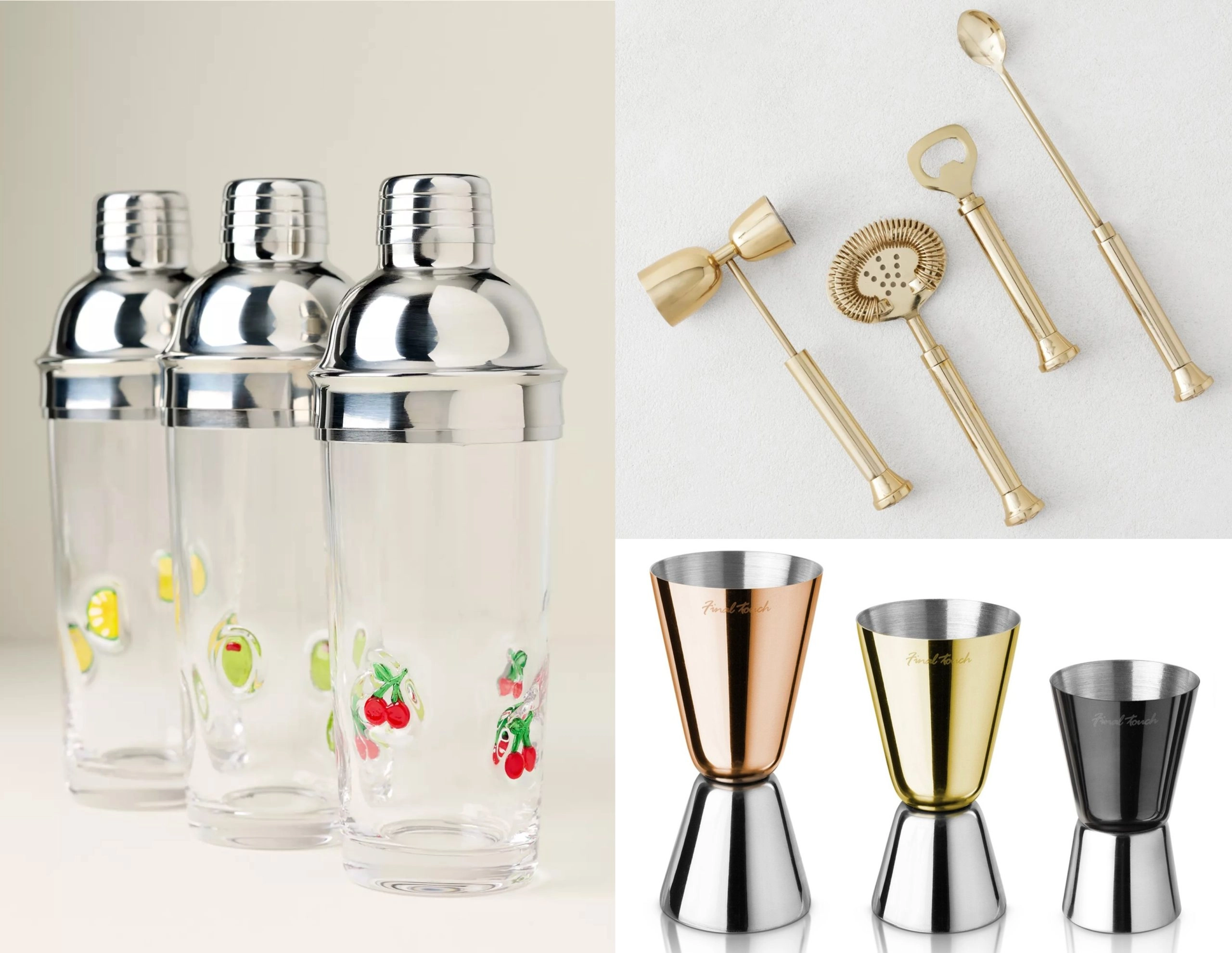
Cocktails play a significant role in social gatherings, serving as a centerpiece for celebrations and gatherings with friends. While heading out for drinks is always convenient, crafting your own cocktails at home can be both enjoyable and rewarding. This allows you to unleash your creativity and develop personalized flavors.
To achieve great cocktails or mocktails, it’s essential to have the right tools at your home bar. A quality shaker blends ingredients perfectly, a jigger ensures your measurements are accurate, and stylish accessories can elevate the overall experience. Whether your budget is tight or you’re willing to splurge, there’s a variety of barware available to help you build an impressive setup.
Here are some recommended items to help enhance your cocktail-making experience and impress your guests:
-
The Icon Cocktail Shaker: A bold and playful design that ensures smooth mixing and serves as a statement piece on your bar cart. Available at Anthropologie.
-
Cantinero Shot Glass Serving Set: This organized shot glass set includes multiple glasses and a coordinating serving tray, perfect for any gathering. Available at Michael’s.
-
Garnish Cocktail Spoons (Set of 4): These stylish spoons are useful for stirring and serving garnishes while adding flair to your presentation. Available at Anthropologie.
-
Michael Aram Reflective Ice Bucket & Tongs: Featuring a mirror-like finish, this luxury ice bucket is both a functional accessory and a stunning decor piece. Available at Saks Fifth Avenue.
-
Bar Tool Set by Ashland®: An affordable starter kit that includes essential tools like a shaker, strainer, and mixing spoon, perfect for beginners. Available at Michael’s.
-
Zaza Lustered 24k Gold Accent Martini Glasses (Set of 4): Elegant glasses that add glamour to your presentation and make martinis a luxurious experience. Available at Anthropologie.
-
Final Touch Mixed Metal Jigger Set: This jigger set allows for precise measurements, essential for crafting perfect cocktails. Available at Michael’s.
Creating a well-stocked home bar is about blending function with style, allowing you to serve impressive drinks at your next get-together. As you mix, remember to savor the moments and enjoy the creative process!
Inside Svedka’s Future-Forward Marketing: Insights from the Senior Brand Director
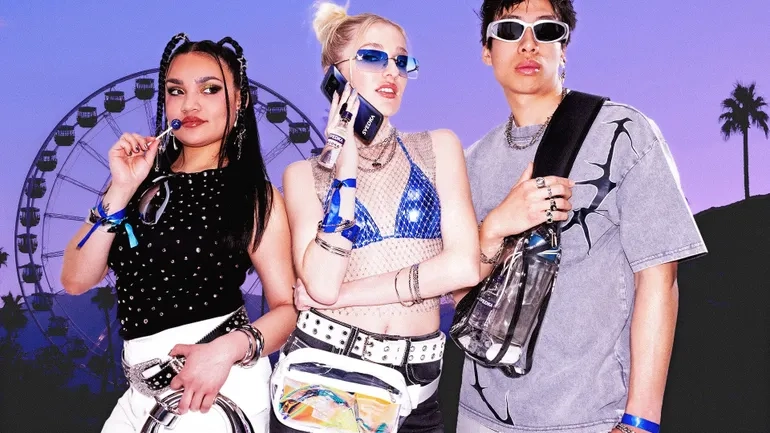
Svedka is creatively reinventing itself after being sold to Sazerac last year, reigniting its marketing strategy with nostalgic elements. The vodka brand, known for its bold identity, previously garnered attention in the mid-2000s by branding itself as the “No. 1 vodka of 2033,” with a distinctive Fembot mascot.
Now, Svedka is adapting that vision for a fresh narrative, calling itself the “No. 1 vodka of 2055.” This updated campaign not only revives the Fembot but also encourages a human connection in an era dominated by technology. Their marketing strategy plays on Y2K nostalgia, recently featuring a flip phone that can only make calls and send texts, aimed at younger consumers feeling overwhelmed by digital saturation.
Their efforts to promote in-person interactions began with a campaign last August where consumers were offered to have their bar tabs covered if they agreed to set aside their phones. Svedka then made a splash during the Super Bowl, where they showcased an AI-generated ad that highlighted their Fembot character, sparking both controversy and interest.
David Binder, Svedka’s Senior Brand Director, addressed how their current marketing approach differs from the past, emphasizing the importance of nostalgia and the brand’s purpose. By reintroducing the Fembot in a context that resonates with the modern consumer, Svedka aims to balance technology with the essence of human engagement.
As Binder notes, the Fembot had a whimsical connection to the future when she was first introduced, a stark contrast to today’s anxieties surrounding rapid technological advancements like AI. Svedka’s strategy is not just about capitalizing on nostalgia but also about addressing current consumer sentiments about technology and connection.
Despite skepticism about their AI-generated Super Bowl ad, Binder views the polarizing discussions it ignited as a reflection of effective marketing—encouraging dialogue and engagement. The campaign resulted in a significant sales boost during the Super Bowl season, reaffirming their strategy’s resonance.
Both Svedka and competing brands, like Heineken, are tapping into similar nostalgic insights to connect with consumers yearning for simplicity amidst the complexities of modern life. Svedka’s approaches underscore a broader trend within marketing where brands are seeking to ground their identities in familiar, comforting imagery, bridging generational divides.
For more details about Svedka’s latest offerings and marketing strategies, you can visit:
Introducing New Riff’s Latest Gem: The Newest American Single Malt Whiskey Unveiled!

New Riff has introduced its latest release in the American single malt whiskey segment, showcasing an innovative blend of flavors that whiskey enthusiasts will not want to miss. The 2026 installment of New Riff Single Malt Whiskey features a unique mash bill composed entirely of malted barley, with various barley types including Marris Otter, Golden Promise, and a beer-inspired Barleywine.
The distillation process employs a variety of five distinct cask types for maturation: new charred oak, de-charred toasted oak, used bourbon barrels, and both Spanish oloroso and Pedro Ximenez sherry casks. The result is a robust, balanced whiskey with a proof of 111.7. Upon tasting, the whiskey reveals rich layers of dark fruit, cacao, and smoky citrus on the nose, while the palate is met with notes of oak, sweet fruit, sherry, and smoke. The finish offers a delightful hint of candied orange peels and peat smoke.
Master Distiller Brian Sprance expressed excitement about this year’s blend, particularly the inclusion of Chevallier malt, which adds a distinctive character to the whiskey. He noted, “These whiskeys are inspired by malted barleys used in the brewing industry, reimagined through our Kentucky regimen.”
Fans can purchase this new whiskey at the distillery’s gift shop or online at New Riff Distilling starting May 15, with a suggested retail price of $69.99.
For more information, visit New Riff Distilling.
Madison Beer Stuns in Lingerie-Style Mini Dress at Concert, Captivating Fans

Madison Beer made a stunning appearance at her recent concert, capturing attention with her beautiful corset dress. The “Make You Mine” singer officially kicked off The Locket Tour in Kraków, Poland, on May 11, promoting her third studio album, "Locket," which was released in January.
At the concert held at the Tauron Arena, Madison donned a lavender lace corset mini dress featuring a sweetheart neckline, structured boning channels, and delicate spaghetti straps. The dress was elegantly adorned with a bow detail at the center and a ruffled hemline. She styled her long hair in loose waves with a messy middle part, adding a whimsical touch to her ensemble.
Madison shared highlights from the concert on her Instagram, expressing her gratitude in the caption: "Opening night of the locket tour ❦ thank u forever and ever ? our first night in the tunnel of love was magical ?"
Her fashion choice and performance sparked excitement among fans, showcasing yet another memorable moment of her evolving artistry. For more updates, you can follow her journey on social media.
Vodka Fried Chicken: Discover the CRISPIEST Fried Chicken Recipe You’ll Ever Taste!
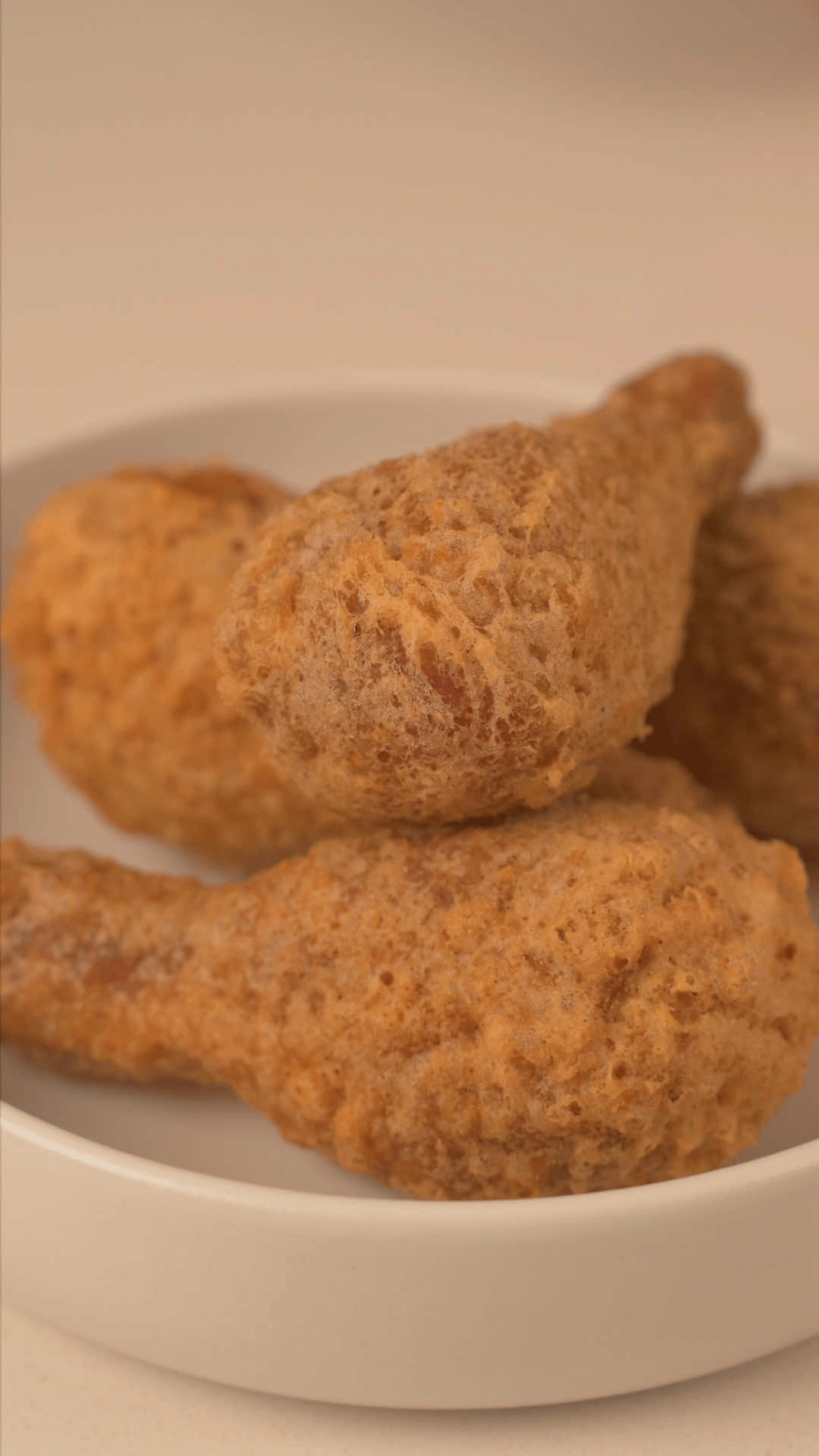
Vodka Fried Chicken: The Secret to the Crispiest Fried Chicken Ever
If you’re seeking the crispiest fried chicken, it’s time to rethink your batter. While traditional methods like buttermilk brining or air frying yield decent results, using vodka in your batter can elevate your fried chicken experience to a whole new level.
The Science Behind the Magic
The key ingredient in this dish is vodka, which transforms the way the batter interacts with the chicken. Here’s how it works:
-
Inhibiting Gluten Formation: Vodka interferes with gluten development, meaning that even if your batter is slightly overmixed, the crust remains light and crispy instead of tough and chewy.
-
Rapid Evaporation: Alcohol evaporates quickly, creating tiny bubbles in the batter that contribute to a lighter texture. This leaves behind a porous structure that enhances crunchiness.
-
Dramatic Temperature Differential: Using ice-cold vodka creates a sharper temperature contrast when the batter hits the hot oil, leading to a quicker set of the crust, minimizing oil absorption, and maximizing crispiness.
Adding sparkling water gives an extra boost with its CO2 bubbles, further aerating the batter as it cooks.
Versatility of the Vodka Batter
This vodka batter isn’t just for chicken; it can also be used for frying onion rings, shrimp, fish fillets, or any other fried treat. Make a batch and keep it handy for various frying ventures.
Vodka Fried Chicken Recipe
Ingredients
Chicken
- 12–16 chicken drumsticks
- Oil, for frying
Seasoning
- 10 g salt
- 5 g garlic powder
- 5 g white pepper
- 5 g chicken powder
Dredge
- 80 g all-purpose flour
- 8 g baking powder
- 150 g rice flour
- 240 g cornstarch
- 20 g salt
- 10 g garlic powder
- 10 g chicken powder
- 5 g white pepper
Vodka Batter
- 250 g dredge (set aside from above)
- 180 g vodka, ice cold
- 150 g sparkling water or beer, ice cold
Instructions
Step 1: Season and Dredge
- Mix the seasoning ingredients and rub them over all drumsticks.
- Combine dredge ingredients, reserving 250 g for the batter.
Step 2: First Fry
- Heat oil to 300°F (149°C) and fry the chicken for 8–12 minutes until it reaches an internal temperature of 165°F (74°C). Cool on a wire rack for at least 10 minutes.
Step 3: Make the Vodka Batter
- Combine the reserved 250 g dredge with ice-cold vodka and sparkling water, whisking until smooth.
Step 4: Second Fry
- Raise oil temperature to 350°F (175°C). Dip each drumstick in the vodka batter and fry for 2 minutes. Rest on a wire rack for at least 10 minutes.
Step 5: Third Fry
- Repeat the batter dip and fry for another 2 minutes, which will provide the ultimate crispy crust.
Step 6: Season and Serve
- While the crust is still hot, season your chicken with soy-garlic glaze, Nashville hot glaze, or a dusting of mushroom powder. Enjoy immediately.
This vodka-fried chicken is guaranteed to impress with its extraordinary crunch and lightness, making it a must-try for any fried chicken lover.
Sip into Paradise: Barstool’s Koloa Rum Cocktail Recipe for Your Hawaiian Getaway
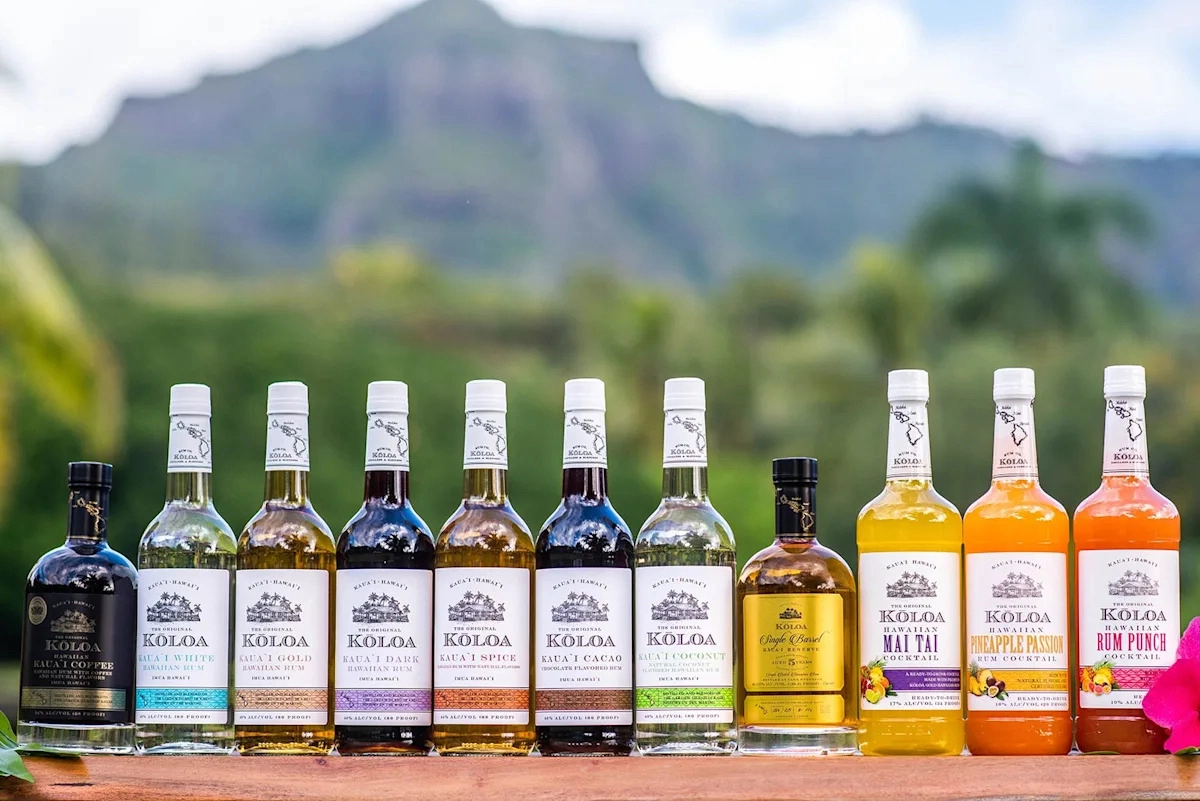
Spring break may be over, but the excitement for travel and memorable cocktails continues. A delightful cocktail recipe featuring Koloa Rum from Kaua’i takes center stage, transporting you to Hawaii with every sip. This recipe is perfect for those dreaming of the tropics, even if you’re just relaxing at home.
Coconut Citrus Sunrise
This colorful drink not only looks stunning but also delivers on flavor, thanks to a blend of fresh fruit and rum enhanced by the bitter notes of Campari.
Ingredients:
- 1 ounce Kōloa Kauaʻi Coconut Rum
- 1/2 ounce Campari
- 3 ounces fresh-squeezed orange juice
- Honey, orange wheel, and shredded coconut for garnish
Method:
- Start by preparing a rocks glass: brush the rim with honey and roll it in shredded coconut, if desired.
- Fill the glass with ice and pour the Campari directly into the base.
- In a cocktail shaker, combine the coconut rum and orange juice over ice, shaking well.
- Strain the mixture into the glass over the Campari to create an appealing layered effect.
- Add an orange wheel for garnish.
For those looking to explore more about rum, check out our best dark rum guide for additional cocktail inspirations.
This recipe is all about fun, flavor, and a dash of tropical flair, reminding us that no matter where we are, a great drink can take us on a journey. Cheers!