Innovation in Newberg Winery: Converting Wildfire Tainted Grapes into Whiskey
Next up in 5
Example video title will go here for this video
Next up in 5
Example video title will go here for this video
NEWBERG, Ore. — Recent summer wildfires have devastated many Oregon wineries, leaving the local wine industry with tainted grapes and unsellable wine. Now one Newburg winery has teamed up with a distiller and found a creative use for the smoke-filled grapes. Instead of throwing away hundreds of thousands of dollars worth of wine, they turned it into whiskey.
Jim Anderson, owner of Patricia Green Cellars in Newberg, recalled that he began the summer of 2020 full of anticipation for a bountiful wine season. The 2020 Vintage was coming along nicely, and it was looking to be another early harvest in Oregon. But the anticipation quickly turned into fear.
“The fires start,” he said. “You couldn’t see the top of our vineyard from the bottom of it.”
The 2020 Labor Day wildfires destroyed more than a million acres. The Oregon Department of Transportation called the blaze the most destructive wildfire in state history.
“For over around two weeks, we had some of the worst air quality index in the world,” Anderson said.
The Patricia Green Cellars property was spared, and after the smoke cleared, Anderson tried to get back to business — but he quickly found that there were a lot of pieces to pick up.
“We knew from California and Australia fires that smoke and grapes are a bad thing, but we didn’t know exactly what we’re getting into,” he said. “We had at around twelve to fourteen thousand gallons of wine that in our in our view, was not potable and was not sellable.”
The wine tasted terrible, and Anderson said he didn’t know what to do. But as fate would have it, he met distiller and Corvallis native Lynsee Sardell, who had some ideas for new possibilities.
“I’m not really interested in being constrained by what other people have done or haven’t done,” Sardell said.
Together, they transformed the wine into whiskey.
“I was aware that distillation could yield some remarkable aspects of the wine, while eliminating those tainted by smoke,” expressed Sardell.
The first endeavour was to demonstrate that the wine could be distilled into brandy — “then utilize that as a platform to marry single varietals of barley whiskey into a blend that creates a structure of a whiskey that is flavorful, delightful and reflective of Oregon,” Sardell stated. “Being capable of crafting something that symbolizes this landscape is simply an honor.”
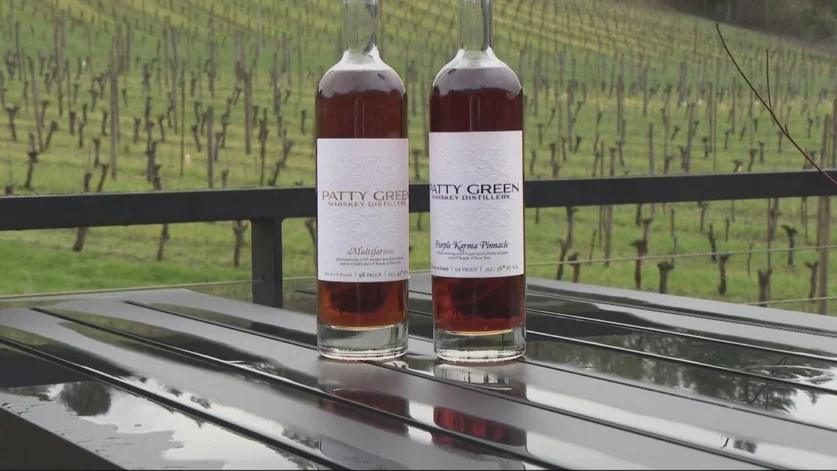
The duo created two innovative whiskeys called Multifarious and Purple Karma Pinnacle.
“Taking something old, something damaged, something broken and finding another home for it, another use for it, another life for it,” Anderson said.
The whiskey is currently exclusively sold at Patricia Green Cellars. There are future plans to expand into Oregon bars, restaurants and stores.
Understanding Diageo’s Strategic Acquisition of Don Papa Rum
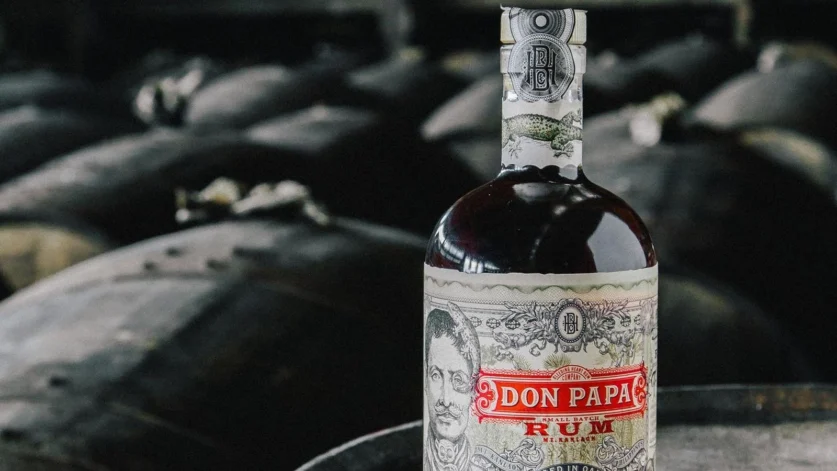
The original Don Papa Rum
Almost one year ago to the day, Diageo – arguably the spirits’ industry’s foremost global leader – acquired Don Papa Rum for €260 million ($284 million), with the potential bonus of a further €178 million ($194 million) added over the following five years.
It was an interesting move for Diageo – a company already profiting off its mass-market rum Captain Morgan – but not a surprising one. The company has become renowned for investing in high-growth brands over the last couple of years; premium and super-premium brands, in particular.
Back in August 2017, Diageo completed its acquisition of George Clooney-founded Casamigos in a deal that valued the tequila brand at roughly $1 billion. Another huge investment, yet one which has seen the brand’s volumes nearly double on an annual basis ever since.
Don Papa, in that sense, looks set to become the conglomerate’s Casamigos of the rum world. Albeit without the tequila brand’s celebrity draw.
In fact, at Don Papa, it’s all about the liquid.
Behind the scenes at Don Papa’s sugar mill
Before former Rémy Cointreau executive Stephen Carroll founded the brand in 2012, it was simply a beautiful idea. Carrol had taken a trip to Negros Occidental, an island in the Philippines’ Western Visayas region, in 2000, and found his mind racing with the promise of utilizing the region’s abundant sugarcane – and the world’s lack of premium rum.
In subsequent years, he and his crew, who are mostly based in Manila and have remained as dedicated stewards of the business, strove to create the most extraordinary rum the world had ever tasted. They successfully accomplished this using molasses from Mount Kanlaon’s base, the island’s active volcano.
Don Papa in the sugarcane field
The iconic rum, Don Papa, is a global favorite for rum enthusiasts. Distilled locally on the island, the rum is matured in ex-bourbon American oak barrels and mixed with Mount Kanlaon spring water. This procedure results in a robust and intricate flavor profile consisting of vanillin, citrus, honey, and candied fruit.
Don Papa Masskara, which takes inspiration from the colourful and whimsical Masskara Festival, is another tribute to the richness of the Philippines. Following pot-distillation, it is infused with calamansi, a economically significant “lime” citrus hybrid, and siling labuyo, a local chili, to add a little heat.
Don Papa Gayuma, which is aged in ex-bourbon American oak casks for three years before undergoing a double barrel finish of high toast ex-Rioja barrels and toasted oak Islay barrels, is a unique release that demonstrates risk-taking that is rarely seen in other rum companies. This daring approach is rewarded by consumer appreciation. Their limited-edition releases, which are finished in various casks including sherry, rye, and even Vino de Naranja, have proven incredibly popular, selling out quicker than the brand could replenish stocks. This is all before the investment from Diageo. The brand’s following has grown exponentially in countries like Germany, France, and Italy in a very short amount of time.
Therefore, the potential investment of approximately €400 million ($437 million) in Don Papa can be seen as a wise and worthwhile decision.
Pedro Pascal Replaces Snoop Dogg in Corona’s Marketing Strategy to Reach Latino Beer Drinkers

Mexican beer brand Corona is introducing a fresh marketing initiative, acquiring Chilean actor Pedro Pascal’s service aiming to engage Latino consumers.
The beer brand’s previous campaign, “La Vida Mas Fina,” featured the rapper Snoop Dogg. But with the transition to Pascal, the company expresses the need for “a shift in tone” in its marketing strategy.
“Every member of Corona is enthusiastic to give a warm welcome to Pedro as part of our team,” shared Saul Trejo, Corona’s marketing executive. “Pedro’s cultural influence is beyond doubt, and to honour our common roots and establish ourselves as a comprehensive Latino brand, we couldn’t ask for a better collaborator than Pedro Pascal.”
Meanwhile, Constellation Brands, responsible for Corona’s marketing in the U.S., stated that while appreciative of Snoop Dog’s contributions, they will be moving forward with Pascal for future campaigns.
Pascal, who is recognized for his main characters in The Last of Us and The Mandalorian, incurred the anger of conservatives in November 2021 when he shared posts on social media exculpating Joseph Rosenbaum and Anthony Huber, the two individuals who were fatally shot by Kyle Rittenhouse in an act of self-defense. Pascal’s justification for Rosenbaum, a former convict with numerous child sex offenses, was sharply critiqued, with one legal expert terming it as “glorifying a child rapist.”
TO READ MORE FROM THE WASHINGTON EXAMINER, CLICK HERE
In addition to his identifiable characters, Pascal is also acclaimed for his portrayal of Oberyn Martell in the Game of Thrones series.
The change of Corona’s spokesperson coincides with a surge in the popularity of international beers in the U.S. In the last year, Modelo outpaced Bud Light to become the best-selling beer brand in the nation.
Crystal Head Vodka Introduces Ready-To-Drink Espresso Martini and Cosmopolitan to Their Collection
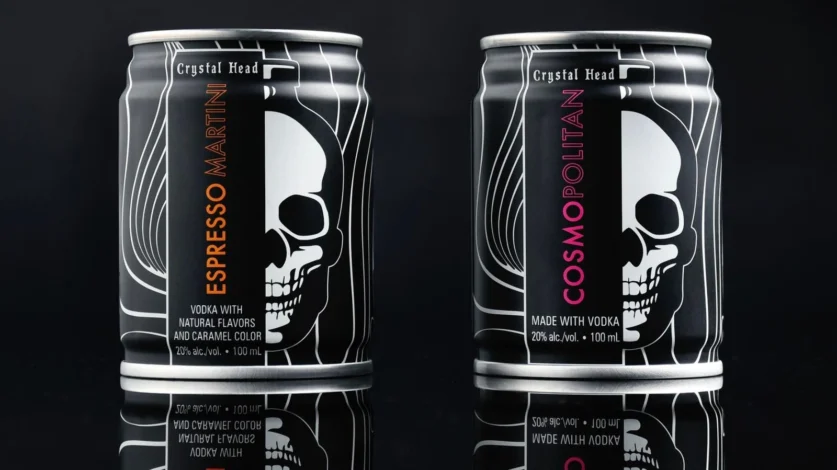
The latest additions into the world of RTD cocktails.
The premixed cocktail category continues to soar, long past its initial boom during the Covid era. According to the latest data from the Distilled Spirits Council of the United States, sales of spirit-based ready-to-drink offerings are now totaling around $2.8 billion per year. As a result, an ongoing parade of marquee brands are entering the space. The latest example comes from Crystal Head, the award-winning vodka launched by actor Dan Aykroyd and artist John Alexander back in 2008.
Debuting later this spring, the 100ml cans will be available in two flavors: Espresso Martini and Cosmopolitan. They offer the ingredient-driven quality and consistency of the same popular preparations made at your favorite local bar. Only you don’t have to leave home to savor them. And they’ll only cost you $5 per pour. So the appeal is obvious.
But for Aykroyd, the point of separation all begins with the quality of the spirit at its base. “We use peaches and cream corn for our mash— a single farm strain originally from the 1800s,” he tells Forbes. “Then we mix that with glacial aquifer water from the Wisconsin glacier, which sat over the northeastern part of North America 16,000 years ago. When it melted over Newfoundland it produced all of these beautiful lakes and ponds and this phenomenal supply of untouched, unpolluted water directly underneath.”
Crystal Head’s flagship vodka is distilled four times and then passed through carbon filtration seven times. “This results in arguably the purest vodka on earth,” he notes. “To my knowledge, we are the only vodka that does not contain any additives.”
This clean flavor profile makes it a perfect base for mixers in cocktails, unimpeded by any undesired nuances. The Espresso Martini offers a subtly sweet, freshly brewed mocha roast flavor. The Cosmopolitan is a tart and refreshing favorite. However, why did Aykroyd and the team decide it was the right time to delve into the RTD market?
“We didn’t want to overlook the burgeoning trend,” confesses the actor and writer of Ghostbusters, who has always been directly involved in the brand’s progression. “We are on the verge of breaking into the mainstream market with full force. I can already envision the marketing potential – beachside resorts, giant barrels or tubs filled with ice, and our cans tossed in. I believe they will sell very well.”
Crystal Head has been a successful alcohol brand since its introduction. Aykroyd attributes the brand’s success to not just the superior quality product, but also to cultivating strong personal connections with distributors and bartenders across North America, and never faltering in promoting the product.
DUESSELDORF, GERMANY – SEPTEMBER 19: Dan Aykroyd poses with a bottle of ‘Crystal Head’ vodka at Capella Bar Breidenbacher Hof on September 19, 2014 in Duesseldorf, Germany. (Photo by Mathis Wienand/Getty Images)
“I was just at AMC theater doing a cocktail for the new Ghostbusters movie,” he says, during an exclusive sampling of the new RTDs. “We do videos, we do events—because we don’t have the big resources of Remy, or LVMH or Diageo. But if we ever partnered with a group like that, boy, it would take them about two years to turn this into a mega-brand, with their staff and their sales people. Right now we have a super-brand now. But that would be a mega-brand.”
Is that something that he’s actually interested in? “It all depends on the terms,” he says. “Right now we are happy to finance these initiative ourselves. We’re having fun with it. It’s been consistently profitable all the way through. So now we’re putting that money back into agency. It’s all about boots on the grounds. We’re confident with it.”
He’s also confident that the latest installment in the Ghostbusters franchise (Frozen Empire, premiering March 14th) will be a hit, just the same. The cinematic universe he created 40 years ago is still going strong. And it involves subject matter that he clearly holds near and dear to his heart.
I’m a spiritualist, that’s what I believe in,” he explains. “I believe that with the proper trans-channel medium you can reach to the other side and talk with those that have gone before. My great grandfather was a spiritualist. And he wrote about mediumship.
I grew up reading those journals as a kid. It was kind of the family business. The afternoon that I conceived and originated Ghostbusters, I was in the old family barn where actual seances took place. It just came to me: we’ll do an old style Abbott and Costello, Dean Martin and Jerry Lewis-type ghost movie with all of those comic values, but using the real vernacular. Who knew what ectoplasm was before the original Ghostbusters?
Clearly Aykroyd is passionate about spirits, both beyond and inside the bottle—or can, as the case will soon be.
The new Espresso Martini RTD from Crystal Head is available now.
Gold Medal Triumph: Wiggly Bridge Distillery’s Whiskey Recognized in York
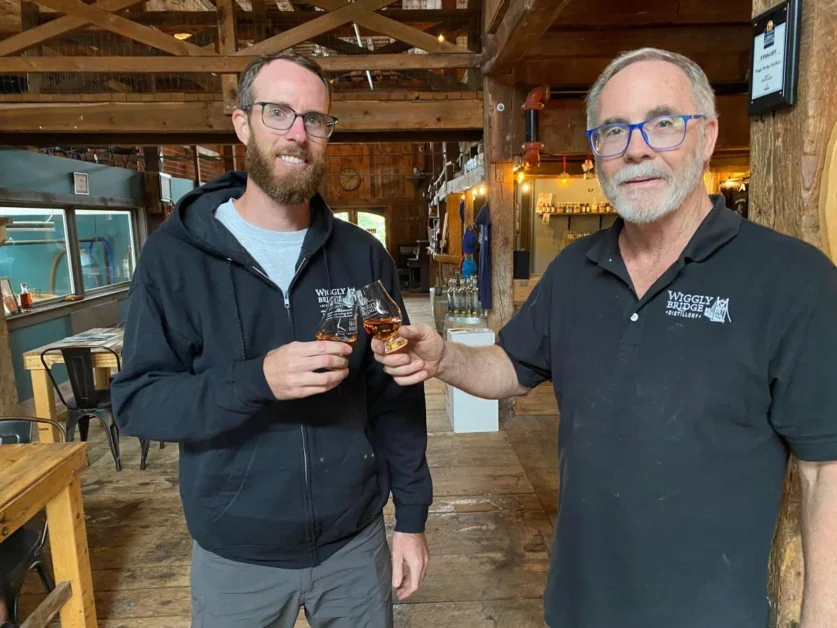
YORK, Maine — Wiggly Bridge Distillery, a family-owned and operated craft distillery in York, has been awarded a Gold medal by The Fifty Best for its New England Single Malt Whiskey.
The Fifty Best is a digital guide to wines and spirits. Using professional criteria, a panel of judges blind-tasted more than a dozen American single malt whiskies and rated them individually on a 1- to 5-point scoring system with 5 being the highest.
After tallying the scores, Wiggly Bridge Distillery was one of the ones who came out on top.
Their award-winning New England Single Malt is crafted from 100% Maine-grown malted barley.
“My son and I have always been connoisseurs of top-notch whiskies, with a special penchant for bourbon,” stated David Woods, co-proprietor of Wiggly Bridge. “Our foray into crafting a unique New England Single Malt Whisky stimulated by a wish to innovate while paying tribute to tradition. This recognition illustrates our pledge to high quality.”
Woods detailed that the extraction process commences with barley gathered from the upper regions of Maine. It endures floor malting at Blue Ox Malthouse in Lisbon Falls, Maine, prior to initiating the route of cooking, fermenting, distilling, and barrel maturing at Wiggly Bridge’s facility.
The adjudicators’ remarks reflect a detailed portrait of the whisky’s complex character: “Beginning from the fragrant blend of caramel, toffee, and mocha to the intricate palate incorporating hints of honey, dried fruit, and ginger, culminating in a finish brimming with dark chocolate, mocha, and a velvety, ultra-smooth texture. This profile highlights the distillery’s expertise within the craft, producing a whisky that personifies the spirit of creativity and tradition that defines the American single malt category.”
Wiggly Bridge Distillery was instituted in 2012 by David Woods and his progeny David Woods Jr. The distillery derives its name from the Wiggly Bridge, a miniature wooden footbridge in York, reputed to be the world’s smallest suspension bridge. The distillery extends a selection of spirits, such as bourbon, rye, rum, gin, and vodka, besides tours, tastings, and occasions. The distillery has acquired numerous accolades and distinctions for its contributions, inclusive of the 2019 Best In Category at the Seattle International Spirits Competition.
This article originally appeared on Portsmouth Herald: Wiggly Bridge Distillery in York wins gold medal for whiskey
Kylie Jenner Dives into Alcohol Industry with Sprinter, Her New Vodka Soda Brand
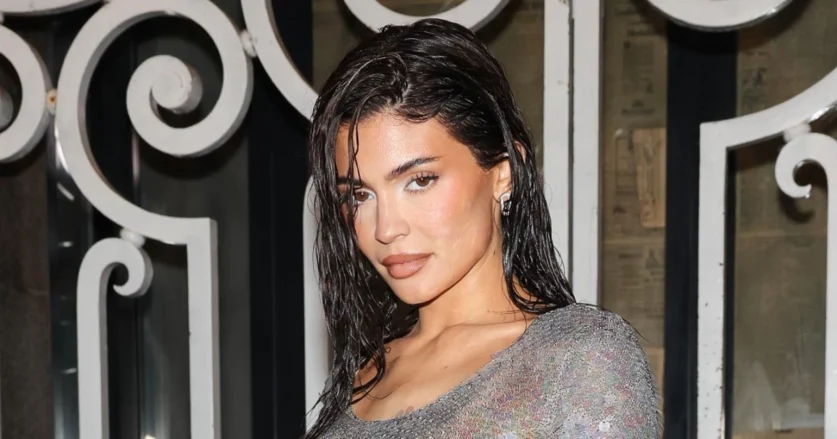
Kylie Jenner has introduced another venture, stepping into the alcoholic beverage field, much like her sister Kendall Jenner.
On March 5, Kylie, 26, unveiled Sprinter, her vodka soda cocktail in a can, through a bikini-adorned Instagram video. She announced that the drink would be accessible for buyers throughout the country starting March 21.
In a statement about the new product, Kylie said, “Sprinter is my response to the increasing consumer desire for high-grade canned cocktails. We are joining a market currently dominated by a few key players with an incredibly tasty vodka soda in a can. Apart from its distinctive bold branding that represents the joy of hanging out with friends, Sprinter is the best vodka soda I’ve ever had. I’m excited for people to try it themselves.”
But Sprinter is not Kylie’s inaugural venture in the world of beverages. She became an equity stakeholder in Glow Beverages Inc., a sparkling vitamin water brand initiated by football celebrity Dak Prescott, in October 2022. For her latest company, Kylie hired Chandra Richter, a veteran in the alcohol sector with two decades of experience and a PhD in molecular biology. Richter, who serves as the Head of Product Development and Operations at Sprinter, stated their aim to make the four flavours – black cherry, lime, grapefruit, and peach – as “natural” and as close-to fruit as they can get.
The Kardashians star’s decision to dabble in the lucrative alcohol industry may have been inspired by her big sis. Kendall, 28, launched 818 Tequila in May 2021. The brand has won 13 awards since its launch and earned the model a spot on the Forbes 30 Under 30 list in 2024.
In addition to Sprinter, Kylie has unveiled a number of new projects as of late. On Friday, March 1, she announced the debut of her first fragrance, Cosmic. The product, which boasts a “sweet, warm floral, elevated scent” will be available for purchase through Kylie Cosmetics on Thursday, March 7.
Just five months prior, Kylie launched her clothing line Khy, which takes inspiration from her “King Kylie” era of style. The brand has dropped four collections since it’s inception. Before jumping head first into her fashion line, the Keeping Up With the Kardashians alum created Kylie Swim, which was met with mixed reviews for its 2021 and 2022 collections.
Kylie is no stranger to entrepreneurship after launching her makeup empire in 2015, which came to be Kylie Cosmetics. In November 2019, Coty bought a 51 percent controlling stake in the company for $600 million, valuing Kylie Cosmetics at approximately $1.2 billion.
You have successfully subscribed.
By signing up, I agree to the Terms and Privacy Policy and to receive emails from Us Weekly
Check our latest news in Google News
Check our latest news in Apple News
Kylie Cosmetics branched out in 2019 to commence Kylie Skin, featuring a range of body and skincare products such as moisturizers and lip oils. In 2021, the empire further broadened its horizons by launching Kylie Baby products.
Her mother, Kris Jenner, has been a solid pillar of support in her journey right from her teen years, shared Kylie, and the experience has been an enlightening one for her.
At the tender age of 15, an obsession with lipstick led Kylie to her mother, expressing her desire to start a beauty product line. Initially, her aspiration wasn’t taken too seriously, but later, her mother started supporting her in this venture,” Kylie divulged to Vanity Fair in February 2023. “There were slip-ups along the way, but they are inherent parts of any initiatives and necessary for progress. Perhaps it’s not right to label them as ‘mistakes’.”
Subscription successful.
By signing up, I agree to the Terms and Privacy Policy and to receive emails from Us Weekly
Top Irish Whiskeys to Savor This St. Paddy’s Day – Bypassing the Green Beer Tradition

The best Irish whiskey is an utterly sippable spirit and the perfect way to more maturely raise a glass this March 17. So put down the Midori and Sour Apple Pucker. And yes, you, with the green beer — that’s quite enough. St. Patrick’s Day may have come a long way from its original religious roots in the Emerald Isle, but we’re here to say that this festive holiday can still be enjoyed with a simulacrum of sophistication.
Though many may have been introduced to Irish whiskey via the venerable mainstay Jameson, things have come a long way in the last two decades. “In 2013, there were only 4 operating distilleries in Ireland. That number has grown to around 30 now,” says Jonathan Adler, beverage director of New York City’s trendy Shinji’s cocktail bar. In fact, according to DISCUS, (Distilled Spirits Council of the United States), it’s the higher end, premium and super premium brands that have been pulling folks in for a twee taste, allowing Irish whiskey to grow a staggering 932 percent and 6000 percent respectively.
Related article: The 7 best wine subscriptions for bottles delivered to your door
They may look similar, but not all whiskeys are created equal. “It has been highly contested whether the Irish or Scots actually created whiskey, but the differences between the two make it quite the exciting spirit to sip on,” Adler says, adding that his tastes skew towards Irish whiskeys with less malted grain, which tend to be on the lighter side.
The first thing to note is the three categories you can choose from: blended, single pot still and single malt. But what truly sets Irish whiskeys apart are their looser specifications. “Irish whiskey is a relatively flexible term in that the whiskey needs only to be made in Ireland and aged for a minimum of three years from any yeast-fermented mash of cereal grains,” says Brett Esler, a bartender at Murray’s Tavern, Austin, TX. “This allows for very diverse flavor profiles across the spirit category as a whole in comparison to its popular counterparts like Bourbon and Scotch, which are a bit more bound to their legal requirements.”
But why should you give it a try and what do you need to know before you decide on a bottle? “Irish whiskey is perhaps the most approachable category of whiskey for newcomers. Most Irish whiskeys (but not all) are triple-distilled, which gives them an extra smoothness that can be lacking in many other types of whiskey,” says Mark Gallespie, host of the WhiskeyCast podcast. “Look for the creaminess in a blended Irish whiskey, while Single Pot Still will have a lot of baking spices on the nose and palate. Single malts will generally combine the two with barley sugar sweetness.”
Patrick Watson, wine & spirits educator at Smith & Vine, a local wine store in Carroll Gardens, Brooklyn, sees Irish whiskey sales picking up considerably around this time of year. And he’s a fan. “What I love about Irish whiskey is … it has a rich viscosity and rarely burns like some other high alcohol whiskeys,” he adds.
Of course, if you’re playing it safe with wine this year, or want to join the fun without the alcohol, there’s plenty of other options as well. But if you decide to pick up a bottle of Irish whiskey before you paint the town green this St. Patrick’s Day, here are six of our favorite bottles.
Why not put a new spin on a classic favourite? Jameson’s Black Barrel Irish whiskey is often touted as the most enjoyable sip, a sentiment we concur with. This irish whiskey, which is triple distilled and rich in single pot ingredients, bursts with flavour. It’s also seasoned for up to 16 years, resulting in a robust, sweet, and potent drink. The initial smoky charred scent is particularly appealing to us.
Suitably named after the Natterjack toad native to — you guessed it, Ireland — this newly introduced, triple-distilled spirit advertises itself as an Irish whiskey featuring an American accent. The blend consists of 20% malted barley and 80% corn, which is then refined in American oak casks — giving it an ultra-smooth and mild flavour, with notes of toffee, vanilla, and even a hint of cinnamon. Coupled with the fantastic design on the bottle, it makes for an ideal gift for whiskey enthusiasts.
Produced in a distillery stationed at Slane Castle, a stone’s throw away from Dublin, this high-quality, triple distilled blend of three casks offers a first note of pronounced spice, mellows out to a sweet flavour, featuring subtle hints of butterscotch and banana. What we particularly appreciate about it is its toasty finish — and its reasonable price tag. And who could forget that Slane grows its own barley on site for brewing?
Are you in the mood for something slightly unique? Powers is the first-ever Irish whiskey made entirely from Irish rye mash, and it’s definitely worth a try. Aged in American oak barrels, this whiskey has a lighter gold hue compared to our other selections, and the flavour veers towards the sweet to counterbalance the earthy spice. In addition, it’s smoother to sip than your usual American ryes.
Micro Distilleries have become extremely popular, which has brought the same attention to Irish whiskey. This one-of-a-kind single-pot whiskey, developed by the expert distillers at Midleton Distillery in County Cork, has an unique, somewhat earthy aroma, primarily due to the Garryana oak barrels it’s matured in, sourced from the Pacific Northwest. Even though it’s a little pricey at almost $100, it’s certainly worth it for the smooth texture and the complex flavors of sweet golden raisins and crushed black pepper.
Redbreast is the first taste of high-end Irish whiskey for many, and this 12-year-old spirit is the perfect starting point for those new to the experience. It’s a combination of malted and unmalted barleys and has been aged in both sherry and bourbon casks. This single pot still whiskey is very enjoyable to drink, with a sweet aroma, a creamy, nutty flavor and a dry yet spicy conclusion.
Miss Manners Advises: Navigating Social Dinners as a Newly Sober Individual

Judith Martin, known as Miss Manners, answers a question about expectations of bringing wine when invited to dine.Canva
DEAR MISS MANNERS: I’m newly sober — a long time coming — and wondering if it’s still required to bring a bottle of wine when I’ve been invited to dine. I’m happy to do this, but just curious about protocol.
GENTLE READER: Bringing wine was never required. Traditionally, it was even considered somewhat insulting, as if the host could not be counted on to provide a decent drink. Flowers or candy were the usual choices.
But Miss Manners understands why you thought otherwise, now that guests assume that they must contribute to the actual meals in their hosts’ homes. Bringing wine — if not a course of the dinner — has become commonplace, even though it may not go with the food and may not be enough for the number of guests. It makes hosts feel they must serve it anyway.
But they are not obliged to serve it, and you are not obliged to bring it in the first place.
***
(Please send your questions to Miss Manners at her website, www.missmanners.com; to her email, dearmissmanners@gmail.com; or through postal mail to Miss Manners, Andrews McMeel Syndication, 1130 Walnut St., Kansas City, MO 64106.)
If you purchase a product or register for an account through a link on our site, we may receive compensation. By using this site, you consent to our User Agreement and agree that your clicks, interactions, and personal information may be collected, recorded, and/or stored by us and social media and other third-party partners in accordance with our Privacy Policy.
Kylie Jenner Unveils Sprinter- Her New Line of Canned Vodka Sodas

Jenner said her new line is the “best tasting vodka soda I’ve ever tried — and I’ve tried a lot.”
Erik Pendzich/Shutterstock; Travis Rathbone
Kylie Jenner is throwing her hat into the celeb spirit game.
On Tuesday, the Kylie Cosmetics founder announced the launch of her new canned vodka soda line, Sprinter. The drinks come in four flavors — black cherry, peach, grapefruit and lime. Each can contains 100 calories with no added sugar.
To bring her new business venture to life, Jenner, 26, worked with drink development expert, Chandra Richter, for one year before the cans were perfected.
The 4.5% ABV canned vodka soda will be available in an eight-can variety pack for $20 when it launches nationwide on March 21.
Travis Rathbone
Related: Oreo Adds a New Flavor That Will Take You Back to Your Childhood
“Sprinter is my answer to the growing consumer demand for quality canned cocktails — we’re adding to a market dominated by only a few players with an incredibly delicious vodka soda in a can,” Jenner said in a statement.
She said that her entrance into the liquor industry is with a beverage she’s proud of.
“Not only does Sprinter have a unique bold branding that captures the feeling of fun with your friends, it is also the best tasting vodka soda I’ve ever tried – and I’ve tried a lot. I can’t wait for people to taste it for themselves,” she added.
Jenner subtly revealed Sprinter on social media before officially announcing the venture. She posted a getting-ready TikTok from her car on Sunday before posing in a mirror holding a case of the cans.
The mom of two is following her sister’s lead into the alcohol space. In 2021, Kendall Jenner launched 818 Tequila. Her announcement gave a behind-the-scenes look at what went into building the brand.
“For almost 4 years I’ve been on a journey to create the best-tasting tequila. After dozens of blind taste tests, trips to our distillery, entering into world tasting competitions anonymously and WINNING (🥳)…3.5 years later i think we’ve done it!” Kendall, 28, wrote in the post at the time.
Related: Kylie Jenner Launches First Fragrance: ‘Elevated Scent That Is Perfect for Day and Night’
A post shared by Kendall (@kendalljenner)
Named after The Kardashians star’s hometown area code, the spirit anonymously won several tasting competitions the year that it launched. The tequila is available in four varieties — Blanco, Reposado, Añejo and Eight Reserve by 818— and is sold at restaurants and bars nationwide, even at 818 Shack, an open-air cocktail lounge at SLS Baha Mar in the Bahamas.
Kendall has been taking her tequila on a college tour. From Oct. 9-11, the model visited four college campuses across the Midwest to promote 818 Tequila. Ohio State University, Indiana University, the University of Illinois Urbana-Champaign and the University of Michigan were all on her list.
The founder made multiple stops at each campus where she surprised students and patrons with signed bottles, meet-and-greets and brand merch items.
“i ♥️college @drink818,” Kendall captioned an Instagram montage of her college stops. “Ohio, Indiana, Illinois, Michigan thank you for the warm welcome 🥹🫶”
For more People news, make sure to sign up for our newsletter!
Read the original article on People.
Ultimate Rap League Announces Face-off between Loaded Lux and Rum Nitty Alongside Major Update to URLtv App

Ultimate Rap League just unveiled an exciting new development to the URLtv app, announcing the arrival of live streaming.
URL enjoyed a fairly quiet start to the year with no major event announcements, but they are making up for it in a big way with the news of their latest developments, including the return of Loaded Lux.
Over the weekend, the self-proclaimed “world’s most respected” battle rap platform told fans to tune into their app on Monday (March 4) “to be a part of history” for their debut live stream.
The broadcast, hosted by acclaimed battle rap media personality Jay Blac, marked the first time viewers could watch live content on the app.
That was just the beginning. Blac then revealed that the upcoming Volume XI card would be streamed live on the URLtv App.
URL, the owner of the app launched in 2019, billed it as “the Netflix of battle rap,” transforming how fans engaged with the media. It fostered new talents, offered licensing prospects for smaller leagues to share their content, and established a video network for the community.
URL also unveiled another thrilling news. The eagerly awaited showdown between the legendary Harlem lyricist Loaded Lux and the Phoenix, Arizona-based “Alien”, Rum Nitty is now happening. After months of fans’ anticipation and requests, the battle between Lux and Nitty is planned for the Spring.
This Spring #youcantcopyrespect @iAmLoadedLux versus @RumNitty
Download the https://t.co/ylYNue1dQL app today
Their first ever live stream on the URLtv App will feature the full-packed Volume XI event on March 16. The main event of the card is Tay Roc vs. Serius Jones. Review the entire lineup below and view the trailer at the conclusion of the page.
The App is accessible on the URLtv website and various servers. Look for it on platforms like Apple TV, Roku, Amazon Fire Stick, Samsung Smart TV, XBOX, and more.
URL’S SMACK VOLUME XI
SAT MARCH 16TH 3PM EST ON https://t.co/K989dTUlaw WEBSITE OR ON THE URLTV TELEVISION APP ON AMAZON FIRESTICK, APPLE TV, XBOX, ROKU & SAMSUNG SMART TV’S
$40 App Subscribers
$60 Non Subscribers pic.twitter.com/VE8An9OxsP