Brewing Excitement: How the World Cup and Qingdao’s Beer Culture Create the Perfect Match

With many World Cup matches airing in the early hours across North America, Qingdao’s late-night beer houses and seafood stalls have become go-to spots for soccer fans. The coastal city in Shandong province is bustling with supporters gathered around screens, toasting with freshly poured Tsingtao beer accompanied by delicious seafood. With cheers of joy erupting for every goal, the atmosphere is electric, filled with the enticing aromas of malt, grilled skewers, and the ocean breeze.
The World Cup has reinvigorated Qingdao’s summer nightlife, blending soccer with its rich beer culture. Bars are filled with diverse groups watching the games, like German expatriate Lucas Schmidt, who appreciates the unique beer experience. Having lived in Qingdao for three years, Schmidt was first introduced to Tsingtao beer in Germany and appreciates its refreshing taste. Since moving to the city, he has enjoyed the locally brewed draft and raw ale, with the latter being a cloudy, fresh option that offers a more intense flavor profile.
Wang Gen, who owns a bar in Qingdao, has noticed that customer traffic increases by around 30% during major soccer events. He highlights a shift among consumers toward valuing freshness, quality, and the overall drinking experience rather than just price.
For residents like 42-year-old Zhang Kai, beer is woven into daily life, exemplified by the tradition of buying "bag beer" after work—fresh beer is carried in transparent bags while bikers and pedestrians make their way home. This custom has become an iconic part of Qingdao’s culture, symbolizing both a beverage choice and a social connector.
Qingdao’s identity is deeply linked to beer, reflected in its annual festivals and renowned brewery districts, making it one of China’s premier culinary destinations.
Crushing It: How Canned Cocktails Dominated British Summertime
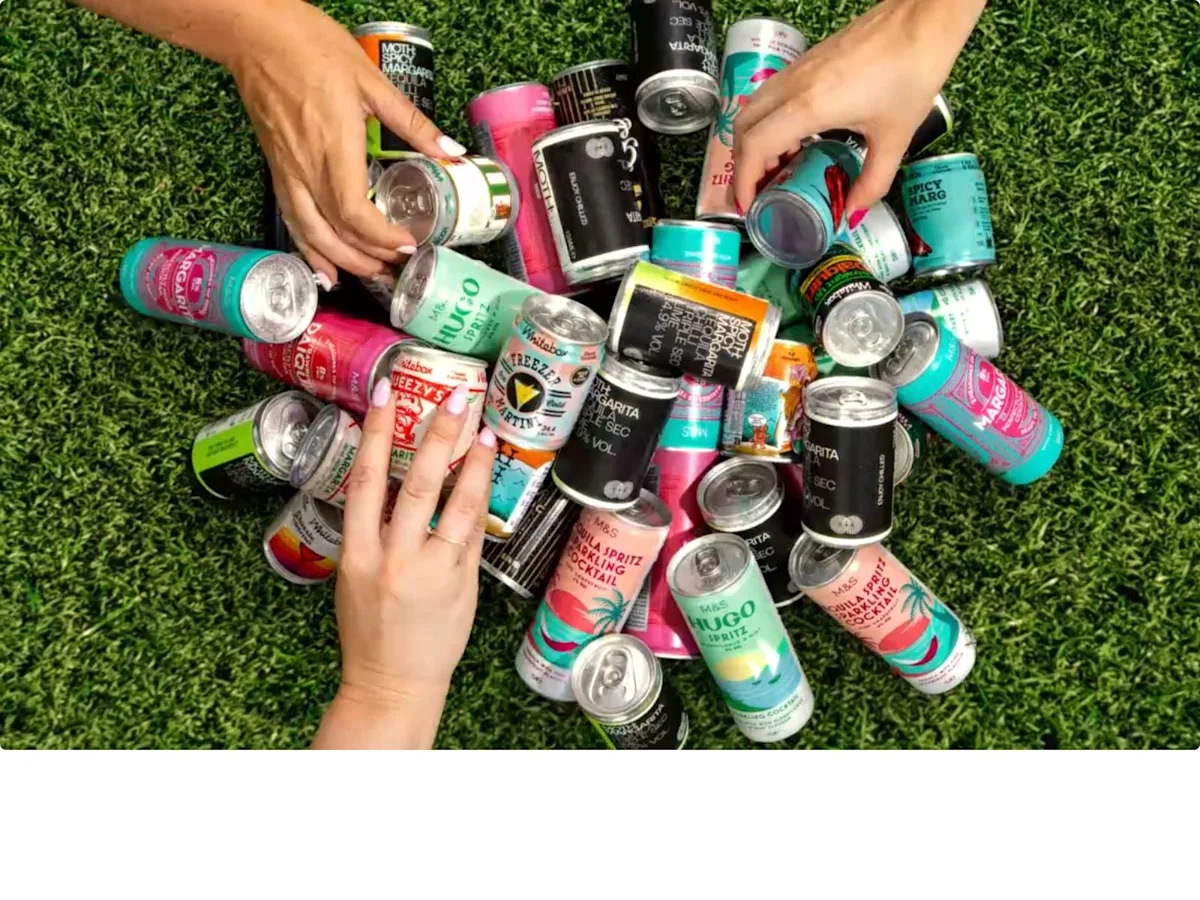
One Sunday morning last October, Scott Gibbins was taken aback when he opened Facebook to find photos of a local park littered with debris left by a large gathering of youths the night before. Seeing the aftermath prompted him and fellow volunteers from the South Leicestershire Litter Wombles to take action. Gibbins, who has a reputation for his litter cleaning efforts, noted that he collected an astounding 1,600 bags of trash in 2025 alone.
On that fateful day, alongside discarded energy drink cans, Gibbins encountered approximately 700 nitrous oxide canisters, commonly used for their fleeting highs. Among the waste, he was also met with unfamiliar items—small, round containers that at first glance seemed to contain juice. Upon closer inspection, these turned out to be BuzzBallz, ready-to-drink cocktails that are rapidly becoming a staple for Gen Z party-goers. Unfortunately, their unique combination of plastic and aluminum also presents recycling challenges.
BuzzBallz, created by Texas schoolteacher Merrilee Kick, is now recognized as the fastest-growing alcohol brand in the UK, with almost 1,000% sales growth in the last year. These 200ml cocktails pack 13.5% alcohol by volume and come in various flavors, making them popular for their vibrant branding that emphasizes that "Life’s too short for boring drinks."
The rise of BuzzBallz is reflective of a broader shift in drinking habits over the last decade, moving from traditional cocktails served in bars to convenience-oriented, pre-mixed options that can be found at music festivals and supermarkets alike. This trend is observed not just among youths but across various demographics, signaling a growing acceptance and popularity of ready-to-drink cocktails.
Despite some criticism of this canned cocktail trend as being a youth-driven approach to drinking, evidence shows that these beverages are contributing positively to the broader alcohol market that has faced challenges post-pandemic. Sales in this category are booming while other segments, such as beer and wine, are seeing declines.
Retailers like Tesco have reported that the RTD (ready-to-drink) segment has doubled in size over recent months, driven by factors such as affordability during the cost of living crisis and a desire among consumers for novelty. BuzzBallz and others like Moth are leading within this category, with Moth co-founder Rob Wallis noting a shift away from subdued drinking habits and a ready desire for unique cocktail experiences.
Established retailers have adapted too—Marks & Spencer, for example, pioneered the introduction of gin in cans and reports that its Hugo Spritz has emerged as a runaway bestseller, demonstrating consumers’ eagerness for new cocktail flavor options.
Overall, despite some skepticism from bartenders and cocktail purists, the uptake of quality canned cocktails indicates a market expanding towards convenience without sacrificing taste. With RTDs evolving beyond simple mixes to include complex cocktail profiles, they offer a middle ground that appeals to both casual drinkers and aficionados. As the market continues to evolve, one thing remains clear: today’s consumers are keen to indulge in unique, flavorful drinks that fit seamlessly into their diverse lifestyles.
Reduce Whiskey Bitterness: A Simple Pantry Ingredient Trick
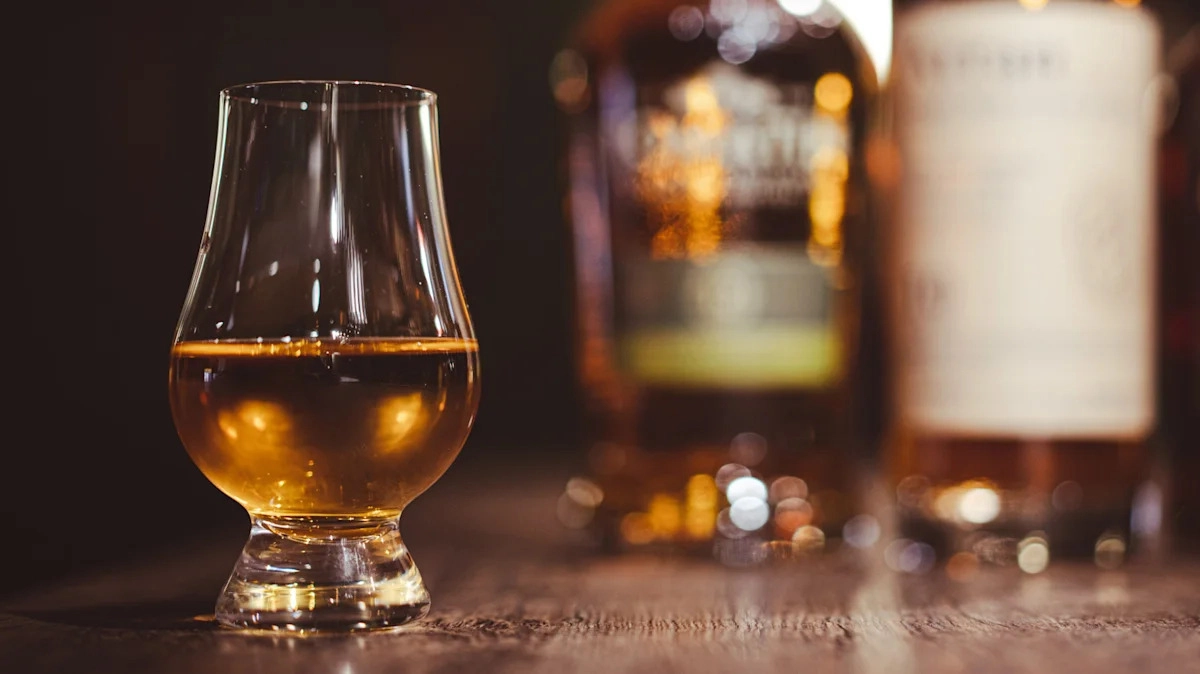
Whiskey is often considered an acquired taste, appreciated for its complex flavors but sometimes criticized for its bitterness. For those who find whiskey’s strong notes a bit overwhelming, there’s a straightforward remedy that you can easily apply whether you’re at home or in a bar: a touch of sugar. According to experts Rodrigo Urraca and Eric van Beek from Handshake Speakeasy, sugar can help mellow out the bitter taste of whiskey.
If you’re at a bar, opt for whiskey-based cocktails that incorporate syrups or other sweet ingredients. For home experiments, simple additions like a sugar rim or a spoonful of sugar can help. For a more adventurous twist, consider blending in canned or fresh fruits to your whiskey.
Alternatively, you can choose to enjoy whiskey neat and pair it with something sweeter on the side, like peanut butter or chocolate. This pairing technique can help train your palate to appreciate the rich flavors of whiskey while making its bitterness more tolerable. As Urraca and van Beek suggest, achieving balance is key to enhancing your drinking experience.
Sugar isn’t the only kitchen staple that can enhance your cocktails. Salt can also play a crucial role in elevating flavors. A tiny pinch of salt can make a cocktail come alive, adding depth without overwhelming the palate. The same principle applies to other salty ingredients, such as soy sauce, which can add complexity.
However, caution is advised when incorporating salt, especially in drinks meant to lessen whiskey’s bitterness. Salt pairs excellently with tequila, enhancing its flavor profile without masking it. For example, a salt rim can significantly elevate the flavor of margaritas.
By applying these tips to your whiskey experience, you can improve your enjoyment of this complex spirit. Whether you’re mixing at home or ordering at a bar, remember that small adjustments can lead to a more enjoyable drink.
For further exploration of whiskey and cocktails, check out:
Discover the Elusive Midwest Beer You Can Only Find in Wisconsin
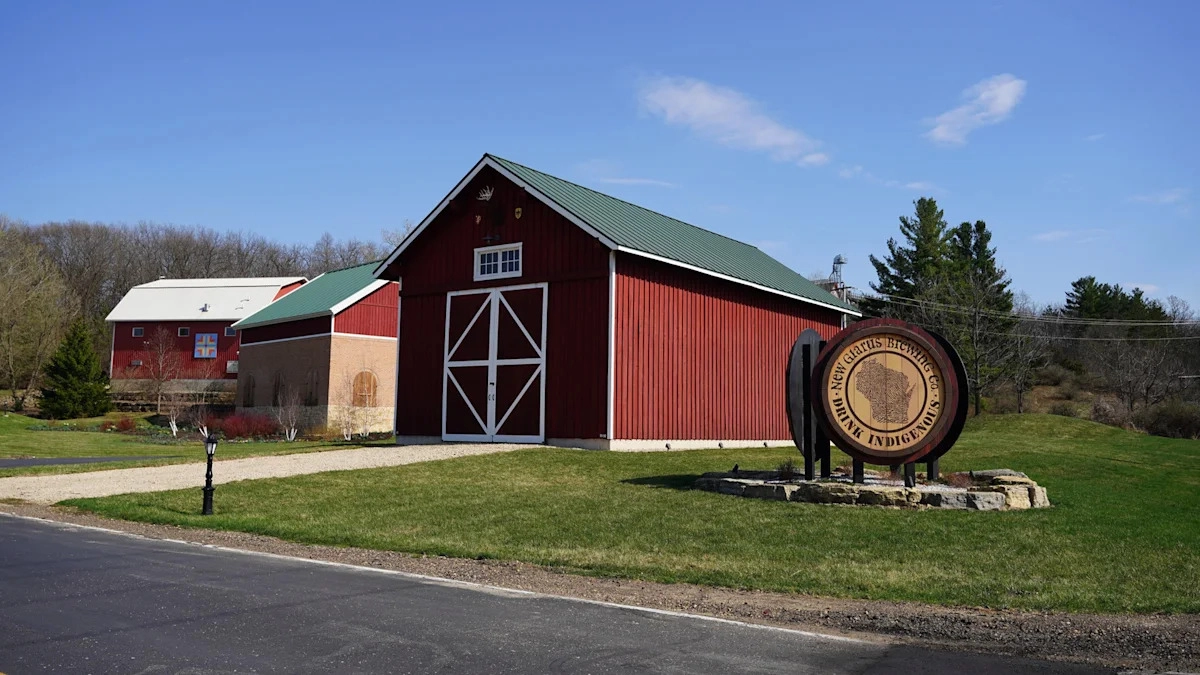
If you’re in the Midwest, a visit to Wisconsin promises delightful experiences, particularly for beer enthusiasts eager to taste Spotted Cow, the flagship brew from New Glarus Brewing Co. Known for its immense popularity, Spotted Cow is a farmhouse ale that has become symbolic of the state, rivaling even the most prominent national brands like Busch Light and Miller.
New Glarus Brewing Co., founded by Dan and Deb Carey in 1993, is unique as it only sells its beer within Wisconsin. This limitation isn’t the result of a lack of ambition but is primarily about maintaining quality control and nurturing a community-centered ethos. The decision to keep their beloved Spotted Cow—or any beer—exclusive to Wisconsin stems from the brewery’s commitment to local sourcing and supporting the state’s economy. In fact, almost all production materials, right down to the cans, are sourced from within the state.
Although Spotted Cow was briefly available in Illinois from 1998 to 2003, overwhelming demand forced the brewery to revert to an "Only in Wisconsin" policy to sustain quality and manage production. Deb Carey has noted that her philosophy around food reflects a belief that it should have a regional character—something that resonates deeply with the brewery’s mission.
Spotted Cow, inspired by traditional German farmhouse ales, is crafted according to the German Reinheitsgebot purity laws, using just four ingredients: yeast, hops, water, and malted barley. Its unfiltered nature contributes to its complexity, presenting a well-balanced profile that’s both light and subtly sweet with a hint of sourness. This accessibility, combined with its nuanced flavor, resonates with both casual drinkers and craft beer lovers alike.
Fans of Spotted Cow express their admiration passionately online, with many lamenting its unavailability outside Wisconsin. Some describe it as the "best easy-drinking beer," perfect for summer patios. Its exceptional balance and approachable flavor profile contribute to its esteemed reputation and cult-like following.
In sum, New Glarus Brewing Co. and its flagship Spotted Cow represent a local treasure cherished by Wisconsinites and craft beer aficionados alike. The only question remains: will you make the pilgrimage to taste this acclaimed ale?
Exploring Culinary Delights: A Food and Wine Lover’s Journey Through Bilbao, Bordeaux, and Beyond

Traveling through northern Spain and southwestern France offers a delightful experience, especially for food and wine enthusiasts. The vibrant culture and rich history of this region entice visitors to explore its culinary gems.
A visit to Bilbao, known for its stunning architecture and the iconic Guggenheim Museum, is a great start. The city is famed for its Basque cuisine, inviting visitors to enjoy pintxos — bite-sized snacks traditionally served with drinks. Culinary delights can also be found in nearby San Sebastián, where the picturesque La Concha Beach and vibrant atmosphere enhance the dining experience.
Crossing into France, Bordeaux awaits with its lush vineyards and world-renowned wines. The region offers various wine tours, allowing you to sample some of the finest varieties and enjoy beautiful landscapes.
Throughout this journey, travelers can indulge in diverse local dishes, learn about the history embedded in the cuisine, and immerse themselves in cultural landmarks. This corner of Europe promises to be a feast for both the palate and the senses, creating unforgettable memories for any visitor.
ALB® Vodka Teams Up with Columbia Distributing to Broaden Reach in Washington State
ALB Vodka Expands Distribution with Columbia Distributing in Washington
ALB Vodka has announced a new partnership with Columbia Distributing to enhance its distribution network in Washington. This collaboration marks a significant step in ALB Vodka’s growth strategy as it aims to penetrate deeper into the Northwest market.
The partnership comes on the heels of Columbia Distributing acquiring selected distribution rights from RNDC, enabling a broader reach for ALB Vodka across Washington State. As a part of this strategy, ALB Vodka looks to increase its presence in both on-premise and off-premise locations, facilitating access to new consumers throughout the region.
Brian Grimsley, National Sales Director of ALB Vodka, expressed excitement about the partnership, stating, "In Columbia Distributing, we found a trusted partner to take the next step in ALB Vodka’s nationwide distribution… Columbia Distributing is perfectly positioned to grow ALB Vodka’s consumer base."
The collaboration is pivotal for ALB Vodka, one of the fastest-growing independent spirit brands in the U.S. The brand started as a regional product in Albany, New York, and is now expanding its distribution strategy nationwide, with Columbia Distributing playing a crucial role in this endeavor.
Chris Steffanci, CEO of Columbia Distributing, also shared his enthusiasm for the partnership, noting ALB Vodka’s compelling brand story and product quality that aligns well with the customer’s needs across the Northwest.
As ALB Vodka continues its expansion journey, they plan to deepen their market reach into Oregon and Alaska, with announcements expected in the near future.
A significant factor in ALB Vodka’s recent growth is attributed to strategic marketing initiatives such as a national inflight partnership with JetBlue and JSX, promoting the vodka to travelers domestically and internationally.
Currently, ALB Vodka is becoming increasingly accessible to consumers nationwide who are looking for high-quality independently produced vodka.
For more information, visit albvodka.com and www.coldist.com.
Coors’ $80 Bottle Crowned Highest-Scoring American Malt Whiskey at the 2026 International Wine & Spirit Competition
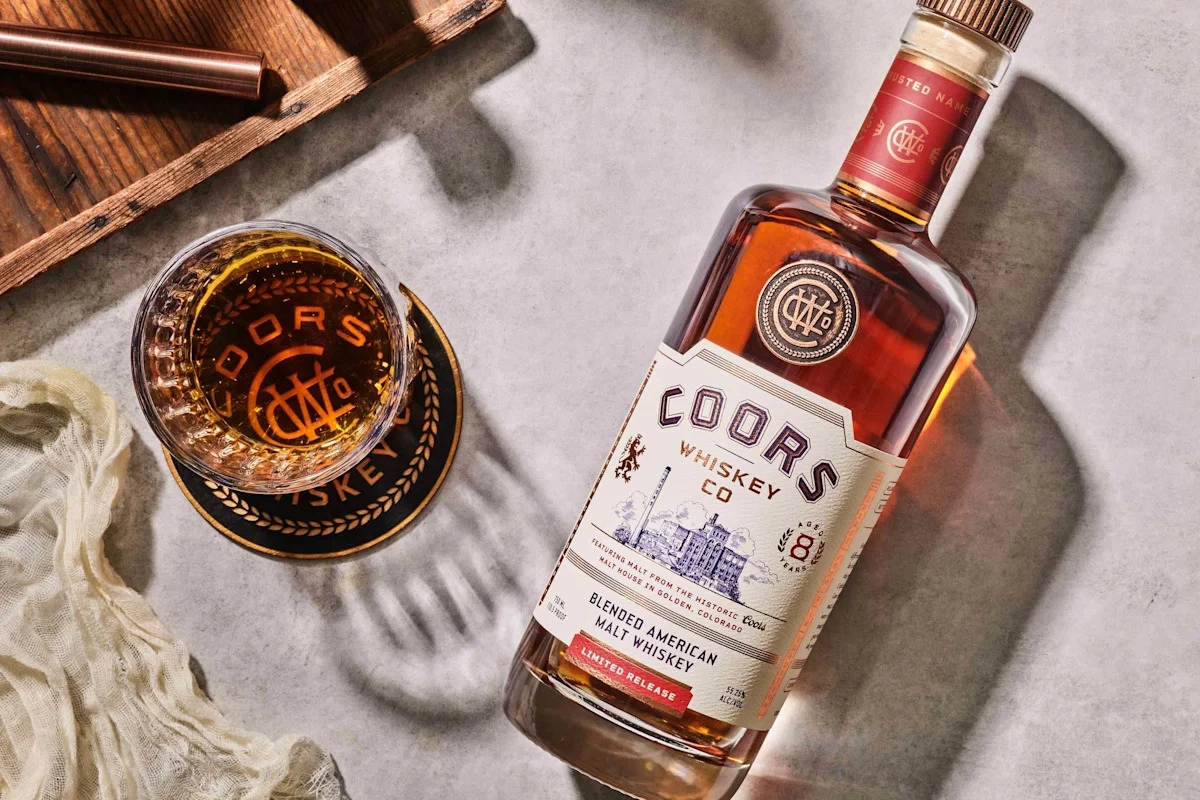
Coors Whiskey Co.’s 8-Year-Old Blended American Malt Whiskey has made waves in the spirits industry by earning an impressive score of 98 points at the 2026 International Wine & Spirit Competition (IWSC), marking it as the highest-scoring malt whiskey in the country and securing a Gold Outstanding designation.
Crafted from a proprietary blend of malts, including those sourced from Colorado, this whiskey showcases a unique aging process where all components are matured for a minimum of eight years before bottling. Only 1,200 bottles of this exceptional whiskey will be available for purchase in Colorado and Illinois, with a suggested retail price of $80.
The whiskey is produced under the auspices of Coors, a name synonymous with American brewing since 1873. Recently, the company has expanded its portfolio to include spirits through its subsidiary, Coors Spirits Co., which debuted its first whiskey, Five Trail Blended American Whiskey, in 2021. By 2023, Coors had also acquired a stake in Blue Run Spirits, further thrusting it into the spirits market.
Judges at the IWSC were captivated by the whiskey’s aromas, which included caramelized peaches, iced tea, beeswax, and creamy vanilla. The tasting notes revealed hints of tropical fruit and milk chocolate on the palate, all culminating in a long, savory finish.
This blended malt whiskey is distilled in Bardstown, Kentucky, and is classified differently from traditional single malts, using a series of undisclosed mashbills. The blend’s extensive maturation and the expertise Coors has amassed over the years in brewing have been critically acknowledged, positioning it as a formidable player in the competitive spirits arena.
For those interested, Coors Whiskey Co.’s award-winning 8-Year-Old Blended American Malt Whiskey can surely delight both whiskey aficionados and newcomers alike, with its notable craftsmanship and flavorful complexities.
Budweiser Celebrates America’s 250th with Free Beer: Here’s How to Get Yours!
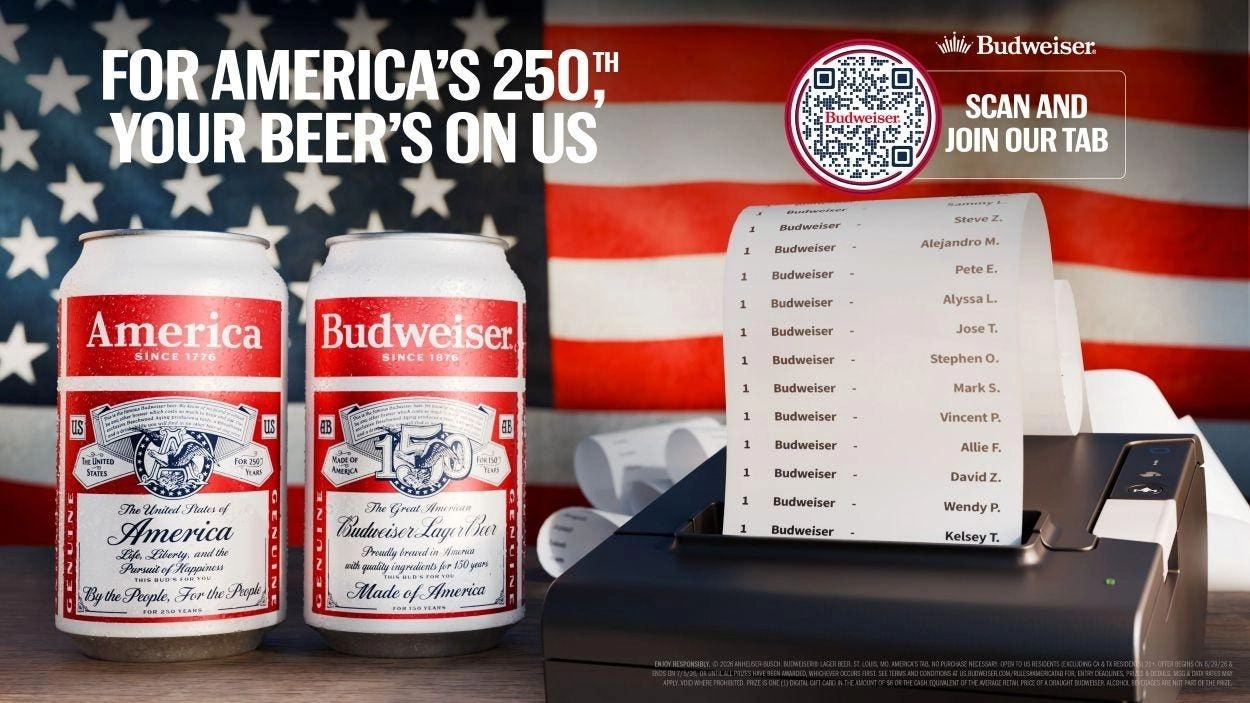
Budweiser is celebrating America’s 250th anniversary alongside its own 150th by offering a unique free beer promotion. Launched on June 29, the campaign quickly became a hit, depleting its initial budget of $150,000 meant for this initiative, which covered around 25,000 beers. The overwhelming response left many latecomers disappointed, as the promotional page indicated the tab was closed due to demand.
Responding swiftly to the excitement, Budweiser added another $100,000 to the promotion, allowing an additional 16,600 Americans to enjoy a free 16-ounce beer by July 4. This move not only salvaged the situation but ensured that their patriotic campaign—centered around the “Made of America” message—remained impactful. Budweiser’s commitment extends beyond just selling beer; it is invested in connecting with consumers through shared values, which includes supporting the Folds of Honor charity, providing educational scholarships to military families.
In reinforcing its brand identity during this historical celebration, Budweiser is tapping into a sense of national pride. A YouGov poll shows that 70% of Americans feel proud to be American, an ideal Budweiser embodies through its messaging and imagery. The company’s summer campaign features familiar symbols of Americana, depicting Clydesdale horses and utilizing patriotic imagery to strengthen that connection.
Moreover, the brand is taking tangible actions, such as donating up to $1.5 million from sales to Folds of Honor, enhancing its goodwill. The reopening of the America 250 tab illustrates Budweiser’s dedication to its consumers and highlights the company’s commitment to authenticity during a significant milestone year. This correction ensures that the celebration resonates positively while reinforcing its values of community, service, and shared American optimism.
This approach showcases Budweiser’s understanding that meaningful engagement with consumers is crucial, maintaining goodwill while cultivating a strong brand connection during this historic occasion.
Debunking the Myth: Is Vodka Always Made from Potatoes?
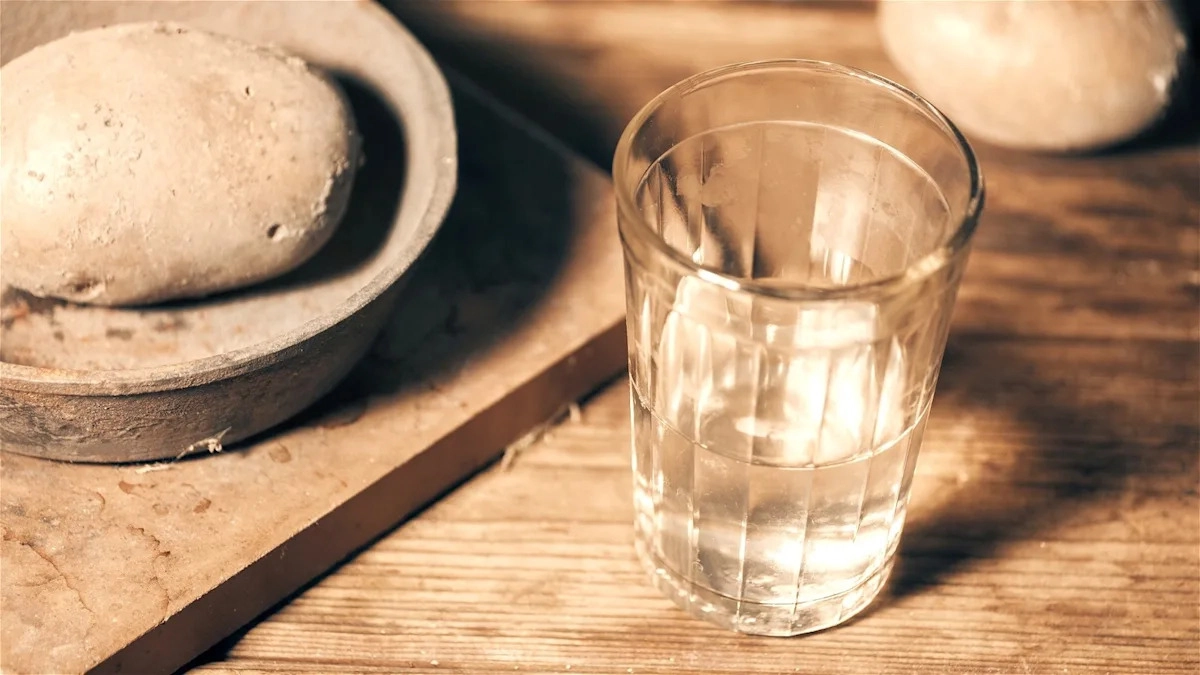
There’s a common belief that vodka is primarily made from potatoes, thanks to jokes and popular culture. However, this is a misconception. In reality, only around 3% of the world’s commercially produced vodka comes from potatoes, positioning it as an exception rather than the rule. Most well-known vodkas are actually derived from grains such as wheat, barley, and rye, with brands like Ketel One, Grey Goose, and Smirnoff primarily using wheat in their distillation process.
In addition to grains, other ingredients like corn are increasingly utilized, with Tito’s Handmade Vodka being a notable example. Indeed, potato vodkas are quite rare; at the time of writing, only 32 out of 481 vodkas listed on Difford’s Guide were potato-based.
Historically, potatoes did not even exist in the early production of vodka. The spirit’s origins—involving a disputed history between Poland and Russia—date back to the 1400s, while potatoes were introduced to Europe much later in the 1500s. Therefore, vodka is not consistently made from potatoes, and in fact, it’s more accurately characterized by its variety and grain-based compositions.
Is Potato Vodka Better Than Grain Vodka?
The assumption that potato vodka’s rarity adds a special quality to it is common, but whether it truly is superior to grain vodka remains subjective. Potato vodka offers a creamier mouthfeel and a subtle hint of sweetness, while grain vodka is often celebrated for its clean, crisp finish. The choice between them largely depends on personal preference—potato vodka might be more enjoyable for sipping, while grain vodka benefits cocktail versatility.
To fully appreciate their differences, a side-by-side taste test, such as with a classic vodka martini, can provide insights into the unique characteristics of each vodka type.
Unveiling the Best Bourbon: Insights from the Author of “Hacking Whiskey
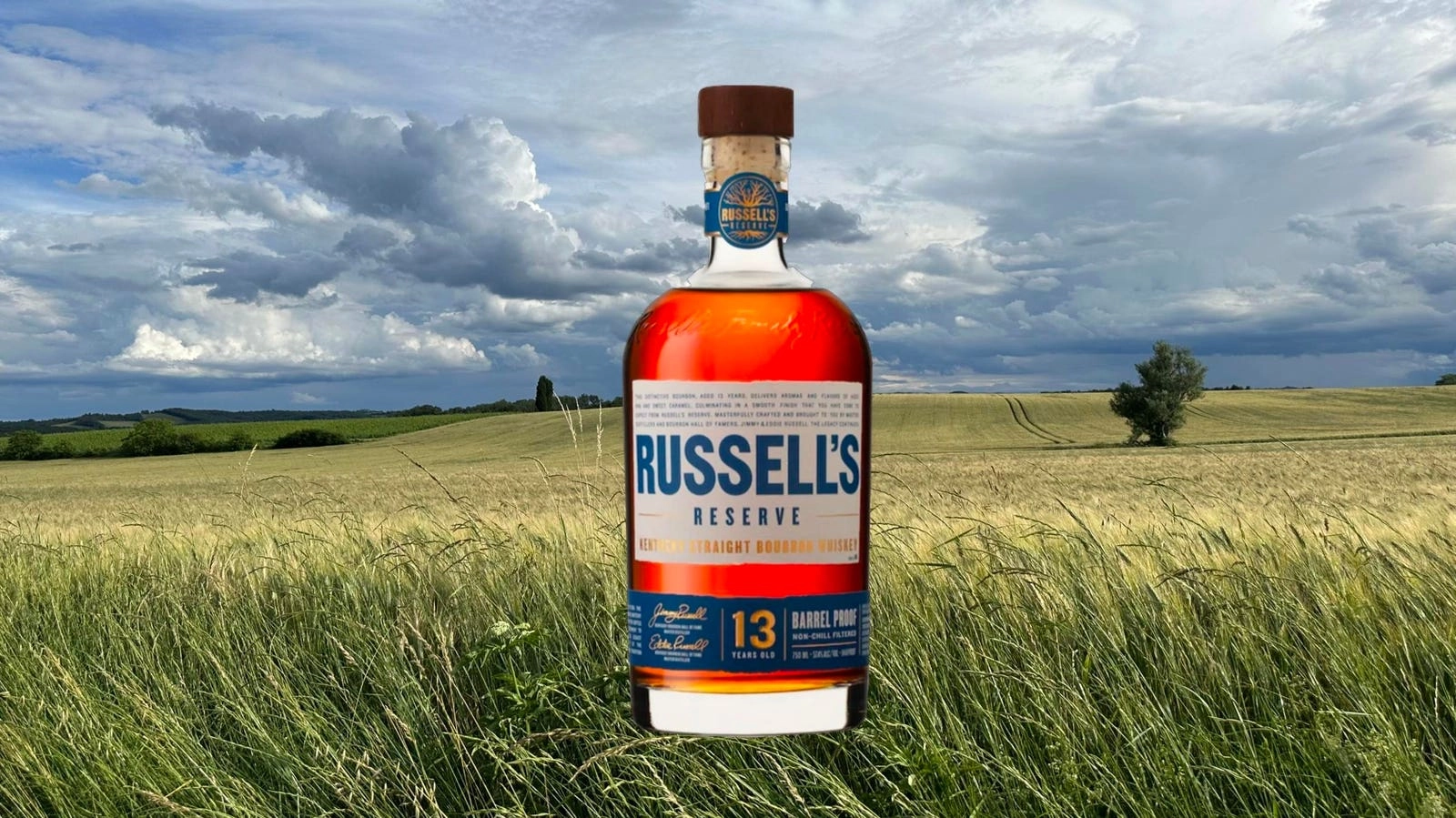
Whiskey expert Aaron Goldfarb, known for his book "Hacking Whiskey," has named Russell’s Reserve 13-Year-Old Bourbon as the best annual release. He highlights its consistent quality, steering clear of the hype often surrounding allocated whiskeys. The 2026 version pays tribute to master distiller Eddie Russell on his 45th anniversary with Wild Turkey. This bourbon, known for its deep flavors such as toffee and oak, comes bottled at a robust 121.2 proof and is crafted from barrels aged 14-18 years.
Despite its ultra-premium price point of $200, it can often be found at or near retail, which makes it accessible compared to many other allocated brands. Goldfarb points out that while some view Wild Turkey as a budget brand, true connoisseurs recognize the sophisticated craftsmanship of the Russell family, which has been evident for generations.
Goldfarb’s endorsement of Russell’s Reserve 13 raises the question of whether it could be considered the best yearly bourbon release. He confidently asserts its value amidst a plethora of overhyped offerings that flood the market each year. The uniqueness of the Russell’s Reserve 13 stems from its non-chill filtered, barrel-proof nature, making it a genuine choice for bourbon aficionados rather than a luxury item aimed at a wealthier audience.
For years, the Russell family has been committed to creating high-quality bourbon, leading to a long-standing appreciation among enthusiasts. Their latest release further establishes Russell’s Reserve 13 as a standout choice for those seeking a rich and flavorful bourbon experience.