Liquor-articles 2100
CÎROC Ultra-Premium Vodka Launches Inaugural Blue Dot Creative Residency in Park City for Festival Week

CÎROC Ultra-Premium Vodka has officially launched applications for its inaugural Blue Dot Creative Residency (BDCR), aimed at supporting ambitious creatives. Agreed upon during the program’s announcement in December, the first selected members for BDCR are well-known actors Woody McClain and Erika Alexander.
The BDCR initiative is designed to empower storytellers by providing direct funding, resources, and support, enabling them to turn their passion projects into reality. This creative program was showcased at a recent festival in Park City, Utah, where creatives gather to network and promote their work.
Throughout the festival, Woody McClain participated in workshops and immersive sessions to facilitate his creative process, including a panel discussion titled "Addressing the Creator’s Dilemma." Moderated by Imani Ellis, it featured a dialogue with fellow actors like Michael Ealy, Jharrel Jerome, and David Oyelowo, centering on the challenges of balancing personal passions with financial success.
During a session designed for creative ease, McClain worked with collaborators on refining his ideas. The experience was balanced with leisure activities, allowing participants to engage in the local ski culture after their sessions, fostering both creativity and camaraderie.
Applications for the BDCR are open to U.S. residents aged 25 and older, with the deadline set for February 24, 2025. Selected applicants will gain access to funding and support to develop their creative endeavors.
Michael Ealy emphasized the significance of creative support in overcoming the obstacles faced during project execution, stating, "The connection and community that CÎROC’s Blue Dot Creative Residency is providing is going to do a lot to help its members push through what can be the hardest parts of being a creative."
CÎROC remains committed to fostering creative communities and will continue to support other cultural events throughout the year, allowing participants to grow and showcase their projects. They encourage all interested creatives to apply through CÎROC’s official page to become part of this transformative initiative.
High-Speed Chase in Thurston County: Suspect Caught Sipping Vodka Behind the Wheel

On Saturday morning, a dramatic chase unfolded in Thurston County when deputies pursued a suspect driving a stolen SUV, reaching speeds exceeding 100 mph. The incident began when a deputy noticed the vehicle running a red light in Tumwater. Initially, the suspect pulled over but then sped away as the deputy approached.
The chase escalated onto Interstate 5 South, where speeds climbed above 100 mph. After the suspect exited the interstate at Maytown Road, a deputy attempted a PIT maneuver to safely immobilize the vehicle. Though the maneuver failed to stop the suspect, a second attempt successfully pinned the SUV.
In a bizarre twist, as deputies approached to arrest the suspect, he began drinking vodka from a bottle, disregarding commands to surrender. With a K-9 unit present, deputies ordered the suspect to the ground. Then, the suspect tossed the vodka bottle aside and complied, leading to his arrest.
It was revealed that this suspect had previously evaded authorities in an October chase and had recently been released from prison. He was booked into Thurston County Jail on multiple charges, including driving under the influence, attempting to elude law enforcement, and driving with a suspended license, along with infractions for running a red light and public intoxication.
In a statement on social media, Sheriff Sanders discussed concerns regarding the state’s handling of repeat offenders, emphasizing the need for legislative changes to better manage high-speed pursuits and car theft rates.
How Colorado Whiskey is Redefining American Spirits: A New Era of Flavor and Craftsmanship

The landscape of American whiskey is evolving, and Colorado is at the forefront of this change. Traditionally dominated by states like Kentucky and Tennessee, the whiskey scene is now expanding to diverse regions, with Colorado producers showcasing unique flavors influenced by local grains and geographic features.
Emphasizing Local Ingredients
Producers in Colorado, such as Jamie Burns from The Family Jones, emphasize sourcing grains from local family farms that practice regenerative agriculture. Burns points out that Colorado’s geography—splitting between mountainous and plains regions—supports the growth of essential whiskey grains such as corn, rye, wheat, and barley. This local sourcing not only enhances flavor but also strengthens community ties between farmers and distilleries.
Burns highlights the importance of long fermentations and double pot distillation, which together help retain the complex flavors derived from these heirloom grains. The significance of Colorado’s climate—characterized by conditions like high altitude and significant temperature swings—is also critical during barrel aging. These factors contribute to the distinctive flavor profiles of Colorado whiskeys, yielding complex spice notes and ripe fruit characteristics.
Building Community Relationships
The close relationship between producers and growers fosters innovation and sustainability within the whiskey-making process. Burns emphasizes their commitment to supporting farmers and cultivating friendships that enrich the production cycle. Similarly, Al Laws of Laws Whiskey House echoes this sentiment, noting that they source their grains from just two family farms, allowing them to craft a whiskey that uniquely represents Colorado’s terroir.
The Future of Colorado Whiskey
The excitement surrounding Colorado whiskey is palpable as many distilleries begin to release aged spirits. Burns anticipates the release of products averaging four to five years in age, predicting they will represent a sweet spot where these spirits truly shine. Collaborations between distilleries, breweries, and local vineyards further enhance the craft scene, creating a collaborative environment ripe for innovation.
Laws also sees promise in the burgeoning scene, pointing to collaborations, such as aging whiskey in barrels that previously held craft beer, as key to exploring unique flavors. With increasing consumer curiosity about American Single Malt varieties, Colorado whiskey is poised for recognition alongside its brethren from Kentucky and Tennessee.
In conclusion, Colorado whiskey embodies a partnership between land and makers, reflecting the distinct characteristics of its origins. The continued evolution and maturation of this sector suggest a bright future where Colorado’s contribution to American whiskey will continue to grow and diversify, creating a lasting legacy that consumers across the nation can savor.
For more insights into this vibrant whiskey scene, explore:
Time Flies When You’re Having Rum: A Deep Dive into Tampa’s Gasparilla Pirate Festival

On January 25, 2025, Tampa’s Gasparilla Pirate Festival drew around 300,000 revelers to the city’s waterfront, their spirits high despite a recent tragic event in New Orleans. Participants donned pirate costumes, complete with fake tattoos and stuffed parrots, joining in the mock invasion led by the infamous Ye Mystic Krewe. The tradition, which sees pirates claiming the city and parading down Bayshore Boulevard, saw attendees come together, united in celebration.
Jennifer Prowell, 33, attended with friends seeking respite from real-world turmoil, saying, “That’s why we throw on our $10 wigs and dress up like our real pirates.” The community atmosphere was palpable, even as many attendees were mindful of the terror attack that had occurred just weeks earlier, causing some to reconsider their attendance.
With visible security and a strong police presence, the festival proceeded with revelry. Aaron Strynar, 27, captured the festive spirit with enthusiasm, proclaiming, “Time flies when you’re having rum.” The crowd enjoyed varied drinks, including a potent mix known as "borg," while others showcased creativity in their pirate attire. Dennis Martin, 62, donned a towering puppet-like outfit as “Skully the Pirate,” reflecting the joy of the celebration.
Music filled the air, and as the ship associated with the festival drew nearer, the atmosphere intensified. Attendees cheered as the pirate-themed spectacle unfolded, with a light-hearted competition for beads thrown from the boat.
Among the attendees was Kristi Asero from South Carolina, who traveled to celebrate a birthday, reinforcing the festival’s status as a gathering point for friends and community. For many, Gasparilla transcends mere festivities. Jim Arena, a long-time participant and member of the Krewe of Sant’ Yago, emphasized the tradition of community service tied to the event.
Hector Lamb, whose family has participated since the 1960s, echoed the sentiment, stating the festival represents a unique opportunity for community celebration. The vibrant gathering served as a reminder of joy and unity in the face of adversity, contributing to the rich cultural fabric of Tampa.
For more information on the Gasparilla festival and its importance to the local community, you can visit Gasparilla Pirate Festival.
High-Speed Chase in Thurston County: Suspect Sips Vodka Behind the Wheel

On a Saturday morning in Thurston County, Washington, deputies pursued a suspect in a stolen SUV, reaching speeds over 100 miles per hour. The incident began when authorities were notified of a stolen vehicle in the Grand Mound area. A deputy subsequently spotted the SUV running a red light in Tumwater.
When the deputy attempted to pull the vehicle over, the driver initially complied but then fled the scene. The chase continued onto I-5 South, with the suspect accelerating beyond the 100 mph mark. After exiting the interstate at Maytown Road, deputies observed the driver maintain speeds in the 80s.
In attempts to stop the vehicle, deputies first executed a Precision Immobilization Technique (PIT) maneuver but the suspect regained control and continued to flee. A second attempt with the PIT maneuver was more successful, as the SUV was pinned down. However, upon exiting the vehicle, the driver displayed troubling behavior by consuming vodka directly from a bottle, disregarding commands from deputies to surrender.
After throwing the bottle aside, the suspect complied by laying down on the ground. Upon arrest, it was revealed that the individual had been pursued by law enforcement in a similar incident just months earlier, coinciding with a recent release from prison.
The driver was booked into Thurston County Jail on multiple charges, including driving under the influence, attempting to elude police, and operating a vehicle with a suspended license. Additional citations were issued for running a red light, public intoxication, and littering.
Sheriff Sanders expressed concerns on social media about the state’s approach to high-speed chases and auto theft, highlighting the need for increased accountability for repeat offenders. He noted the disheartening trend in legislative discussions seeming to favor reducing sentencing penalties, which could proliferate dangerous behaviors that endanger public safety.
For more information, view the video of the chase and subsequent arrest here.
Discovering the Friendliest Caribbean Island: Pink Beaches, Direct UK Flights, and the Oldest Rum Distillery
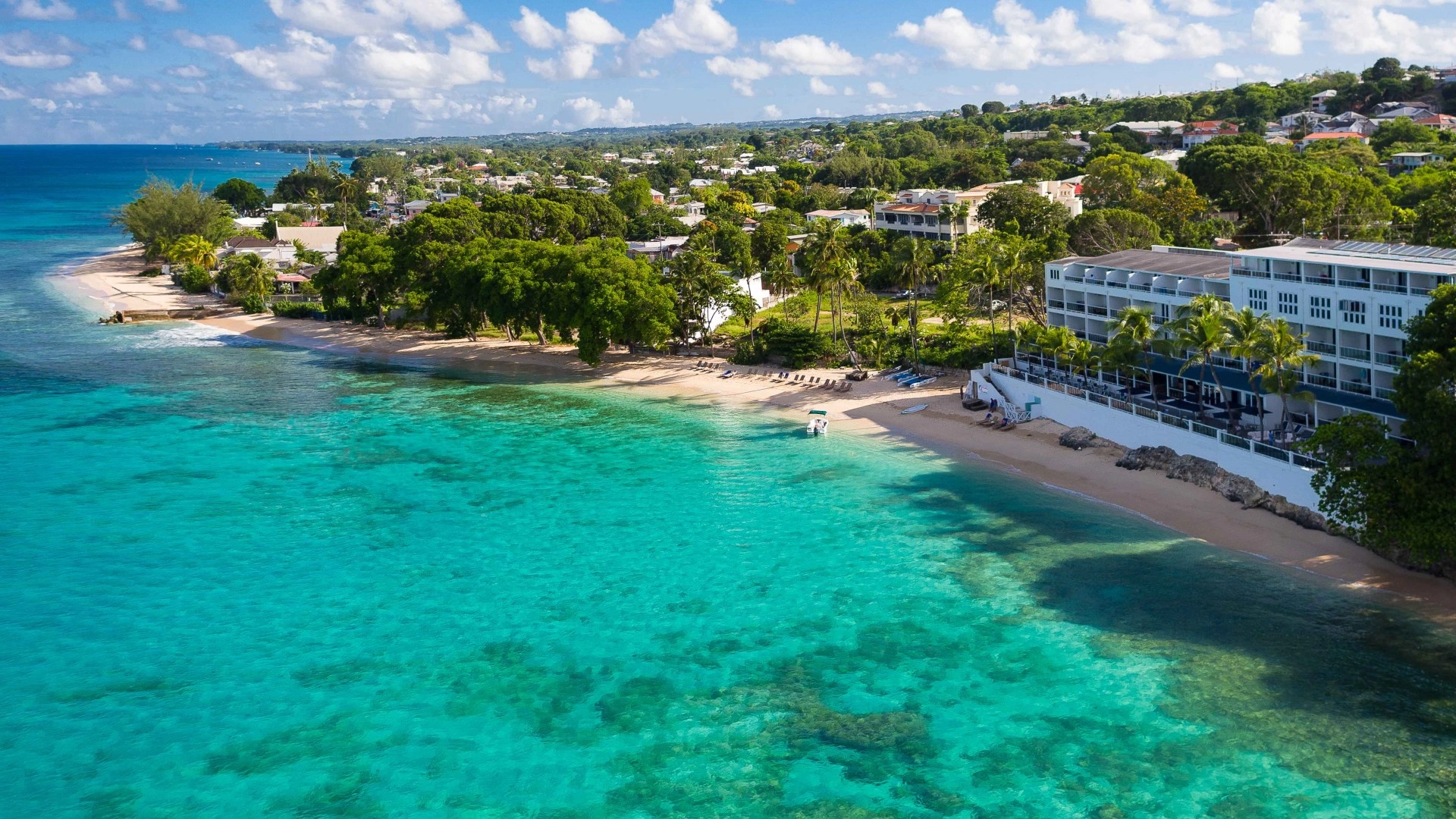
Barbados, the island renowned for its vibrant atmosphere and spectacular scenery, beckons travelers with its ‘pink’ beaches and cultural gems, including the oldest rum distillery in the world, Mount Gay.
Upon arrival, we were greeted by a friendly tour guide who humorously nudged us to try a sip of warming rum, a fitting welcome to escape the chill of the UK winter. Rum has deep roots in Barbadian culture, with about 1,500 rum bars spread across this small island nation. A visit to the famous Harrison’s Cave is a must, leading up to delightful rum tasting sessions, where we were entertained with anecdotes about the local love for rum, much to our amusement.
After indulging in some local spirits, we were advised to try the KFC, said to be far superior in the Caribbean. When we stopped by, we discovered the drive-thru was surprisingly empty, but our quick-thinking driver Earl managed to get us an order, showcasing the island’s easy-going vibe.
Of course, no trip to Barbados is complete without a nod to its superstar daughter, Rihanna. We stopped by Rihanna Drive, pausing at her childhood home and taking pictures at National Heroes’ Square, where she’s celebrated as a local icon. It was unfortunate that Rihanna had just departed the island prior to our arrival, but we made an attempt to visit Boatyard, her favorite beach club, only to be turned away due to high demand—a common challenge during cruise season.
Luckily, our hotel, Waves Resort & Spa, had its own beautiful beach. This Marriott property, one of several undergoing renovations, provided stunning views of Prospect Bay, allowing us to unwind and enjoy picturesque sunsets right from our balcony.
The people of Barbados truly embody the island’s charm, known for their friendliness, whether it was a coconut vendor on the roadside or a hotel receptionist who greeted me with warmth. This welcoming attitude permeated every interaction and contributed to the overall feel of happiness that enveloped the island.
For adventure seekers, Barbados offers a range of activities from scenic boat trips to thrilling off-road safaris. The resort also provided convenient access to other Marriott hotels via a free water taxi, ideal for all-inclusive guests looking to explore.
As the day escaped into night, I found myself drawn back to the bar for a refreshing rum cocktail, indulging in the island’s essence—where hospitality meets a laid-back lifestyle. After all, as the saying goes, "This Is What You Came For!”
Getting There
Return flights from Heathrow with Virgin Atlantic start from £529.
Staying There
Prices for rooms at Waves Resort & Spa begin at £395 per night for two on an all-inclusive basis.
Out & About
A Nature Trail, Tram, and Rum Tasting at Harrison’s Cave is available from £122.83.
For further details on travel options and experiences, visit Virgin Atlantic and Chukka.
Unveiling the Rum of the Year: Insights from the International Wines & Spirits Competition
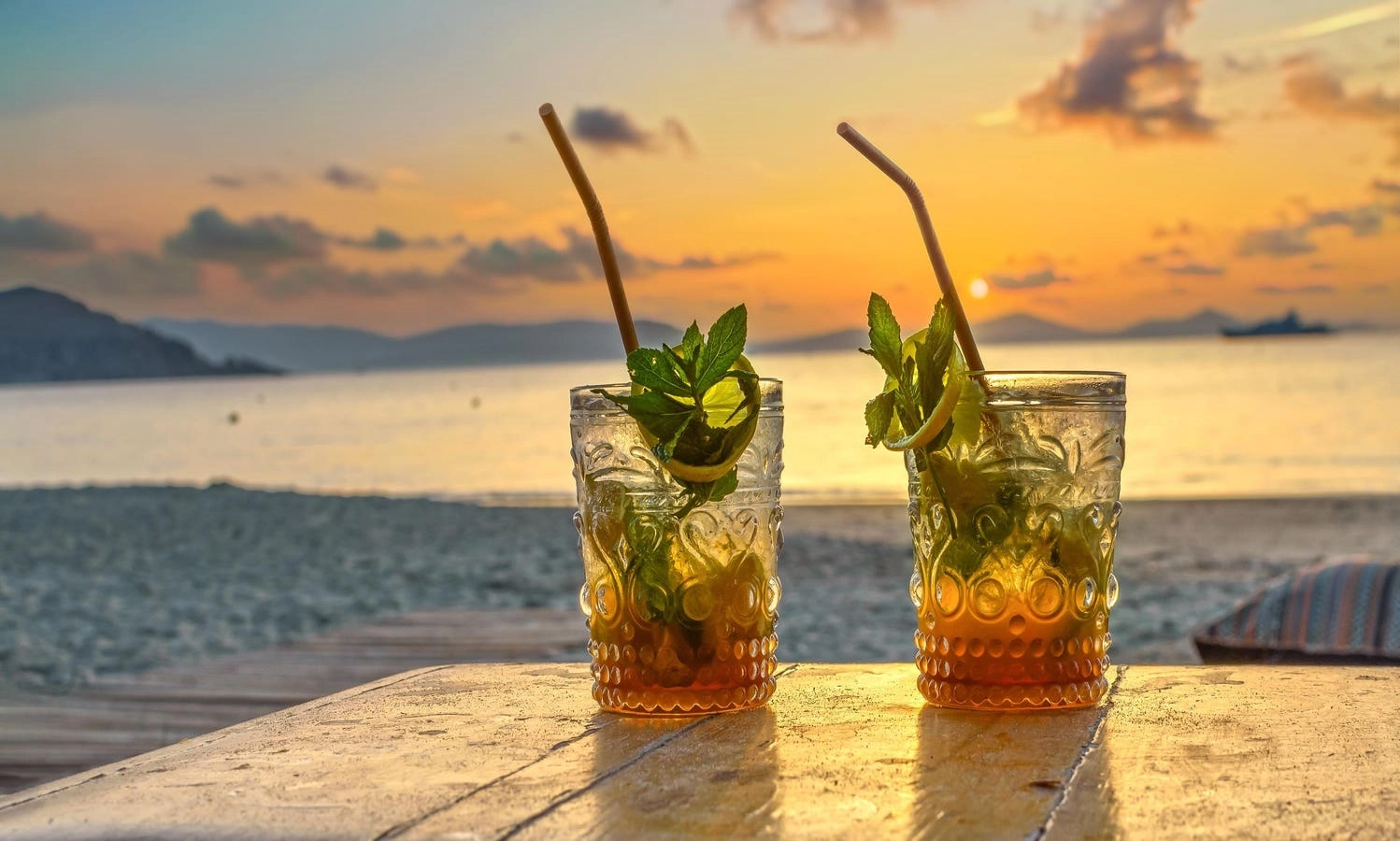
The International Wines & Spirits Competition (IWSC) has announced the 2024 Rums of the Year, showcasing a curated collection of 10 exceptional rums selected by their judging panel. The dominant presence of Barbadian rums, particularly from Foursquare Distillery, is notable. Ian Burrell, who chairs the Rum Panel, provides insights into current trends within the rum industry.
Current Rum Industry Trends
According to Burrell, rum producers are diversifying their cask usage beyond the traditional ex-Bourbon and ex-Cognac casks. There is an increasing trend of using various wine casks, including Sherry, Madeira, and even Tokaji wine casks, to influence the flavor profiles of new rums. Additionally, he highlighted a rise in higher alcohol by volume (ABV) bottlings, suggesting a value proposition of “more bang for their buck” for consumers.
Burrell emphasizes the importance of balance in rum, stating that flavors should harmonize rather than overwhelm. He argues that rums must be sippable and enjoyable, offering richness and complexity without being cloying.
2024 IWSC Rum of the Year
R.L. Seale, Foursquare 14 YO Equipoise Rum
This rum was awarded the 2024 Rum of the Year, achieving an impressive score of 99/100 points. Tasting notes describe it as having an enticing mix of leather, olive oil, citrus, cinnamon, oak, dark chocolate, and nutmeg, offering a long-lasting finish of caramel, banana bread, and tobacco.
Barbadian producers dominated the list, with several Foursquare rums making the top ranking:
- Foursquare 2011 Rum: Described as a beautiful blend of tropical fruit, dark chocolate, and a complex finish reminiscent of Oloroso wine.
- Foursquare Covenant Rum: Noted for its balance of toffee sweetness, tropical fruit, and a finish of butter and coffee.
Notable Entries from Around the World
Taiwan Tabacco & Liquor Corporation Nantou Winery, Craft Cask Strength Single Rhum
This rum features deep cacao aromas complemented by tropical fruit and a well-rounded palate.
Sangsom Distillery, Phraya Deep Matured Gold Rum (Thailand)
Characterized by notes of milk chocolate and caramel, leading to a finish rich in baking spices and coconut.
Mt. Uncle Distillery, FNQ Iridium X Agave Cask 10 YO Rum (Australia)
Aromas of honey and Sauterne complexity blend with flavors of oak and citrus for a satisfying finish.
Equiano, Ominira 11 YO Rum
This rum offers rich vanilla and nutmeg tones, combining flavors like crème brûlée and dark chocolate.
St Nicholas Abbey, 12 YO & 8 YO Cask Strength Rums
Both entries exhibit rich aromas and flavors, showcasing the quality of Barbadian rums.
Desert Diamond Distillery, Gold Miner 12 YO Barrel Reserve Platinum Rum (USA)
Celebrated for its floral aromas and a palate rich in coffee and caramel, finishing with tropical fruit notes.
The IWSC’s 2024 Rums of the Year highlights some of the most outstanding rums globally, reflecting innovative maturation practices while retaining essential rum characteristics. Whether enjoyed straight or in cocktails, this list promises to delight rum enthusiasts. For more information on the current trends and exceptional rums, you can see The Rum of The Year.
Everything You Need to Know About “Whiskey On The Rocks” Season 1: Release Date, Plot, Cast, and More!

Hulu’s Whiskey On The Rocks offers a satirical interpretation of a potential global crisis from the 1980s, rooted in real historical events. The series takes place during the Cold War, highlighting a significant incident in 1981 when a Soviet submarine, U-137, ran aground near Sweden’s Karlskrona archipelago, which is adjacent to a secret naval base.
At the time, Sweden maintained a position of neutrality, but the submarine’s incident placed immense pressure on the Swedish Prime Minister, Thorbjörn Fälldin, who was faced with the task of defusing a tense situation. Despite the seriousness of the circumstances, the show injects humor into the narrative, exploring the eccentricities of various world leaders including Soviet leader Leonid Brezhnev and U.S. President Ronald Reagan.
Whiskey On The Rocks premiered on Hulu in the United States on January 22, 2025. The show had already been released in Sweden on the SVT1 channel back in December 2024, and all six episodes were made available at once, allowing viewers to binge-watch.
The plot follows the precarious scenario of the U-137 crew, who had been celebrating a new father among them, only for their festivities to turn into an international incident. The series not only delves into historical events but also cleverly blends political satire with comedy, presenting the strange dynamics between Eastern and Western leaders at the time. The series synopsis captures this essence:
“In 1981, the Soviet submarine U137 ran aground in the Karlskrona archipelago; never before had the world been so close to a major global conflict; the entire responsibility fell on Swedish Prime Minister Fälldin.”
The cast features Rolf Lassgård portraying Thorbjörn Fälldin, with Stasys Jakštas as Leonid Brezhnev and Mark Noble as Ronald Reagan. Supporting roles include Anders Mossling as Foreign Affairs Minister Ola Ullsten, and Niklas Engdahl as Chief of Defense Börje Lagerkrantz. The ensemble also includes actors like Filip Berg, Elsa Saisio, and Adam Lundgren, among others.
For those intrigued by satirical perspectives on history, Whiskey On The Rocks promises a unique combination of humor and political drama, encouraging viewers to reflect on a moment that could have changed the course of international relations.
The Art of Whiskey Making: How High West Distillery Creates Exceptional Spirits
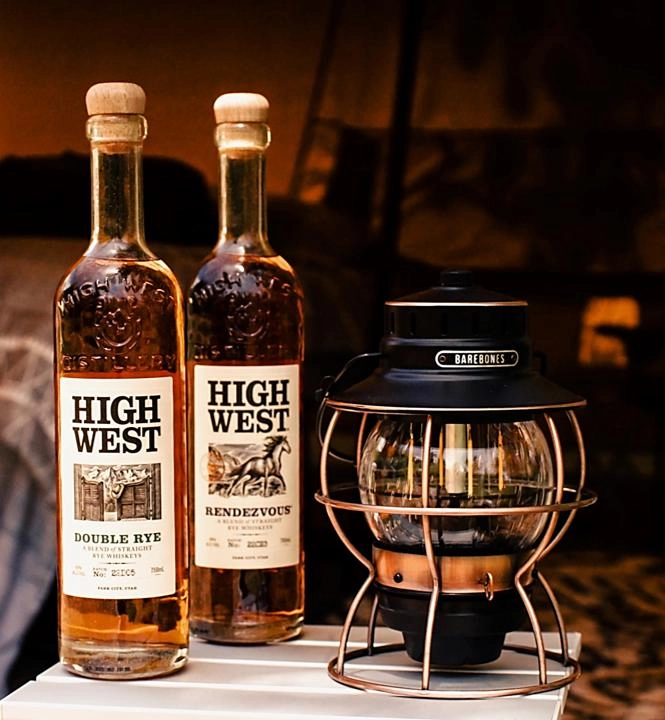
How High West Distillery Crafts Its Exceptional Whiskey
High West Distillery, located in Park City, Utah, has gained a reputation for its innovative blending of sourced whiskey with its own distilled products, seamlessly merging tradition with creativity. Founded in 2006 by David Perkins, a biochemist whose passion for whiskey-making ignited during a visit to a Kentucky distillery, High West became the first legal distillery in Utah since Prohibition. The Old West location significantly influences its branding and packaging.
The distillery is committed to sustainability and transparency, frequently sharing detailed information about the mash bills, ages, and origins of the whiskeys used in its blends. High West’s range showcases a compelling mix of sourced and house-distilled whiskeys, appealing to both casual drinkers and seasoned connoisseurs. In 2016, the distillery was acquired by Constellation Brands, which has facilitated wider distribution and expansion while preserving its artisanal essence.
Core Whiskey Range
High West Bourbon (46% ABV, 750 ml, Batch No. 24001)
This bourbon features a blend of several high rye mash bill whiskeys. The aroma presents ripe cherries, honey, and vanilla, along with hints of cinnamon and toasted oak. On the palate, it delivers smooth flavors of caramel, vanilla, apple pie, and a touch of black pepper, finishing with a long, slightly sweet note of seasoned oak and spices.
High West Campfire (46% ABV, 750 ml, Batch No. 23P13)
A signature multi-category blend, Campfire combines straight rye, straight bourbon, and malt Scotch whiskeys. This intricate mixture highlights the spiciness of rye, the fruitiness of bourbon, and the smoky notes of peated Scotch. Its flavor profile includes honey, orange zest, caramel, and a robust palate of dried fruits and a complex combination of herbs and spices, concluding with a long, sweet finish.
High West Double Rye (46% ABV, 750 ml, Batch No. 24C28)
This expression consists of both pot and column-distilled rye whiskeys. The nose reveals characteristic spices complemented by pine, eucalyptus, and citrus. On the palate, it showcases a medley of cinnamon, clove, and other spices, finishing with lingering notes of chai tea and pepper.
High West Bourye (46% ABV, 750 ml, Batch No. 24B20)
A blend of bourbon and rye, Bourye offers a rich aromatic experience featuring caramel, maple syrup, and dried cherries. The palate is creamy and complex, balancing fruit and sweet notes from the bourbon with spicy characteristics from the rye, resulting in a long, sweet finish.
High West Bottled in Bond Straight Rye Whiskey (50% ABV, 750 ml, Batch No. 23L19 H 218)
This rye whiskey features a spiced and fruity profile. The palate offers flavors of caramel, toasted rye, and various spices, concluding with a long, spicy finish.
High West Distillery’s remarkable range underlines its skill in blending and innovation, creating unique aroma and flavor profiles across its offerings. From the bold Campfire to the aromatic Double Rye, each whiskey exemplifies the distillery’s commitment to craft and quality, catering to a wide range of tastes and solidifying its place among notable American whiskey producers.
For more information, visit High West Distillery.
Nemiroff Vodka Expands Footprint in English Soccer Following Sixfold Growth

In a bold move amid challenging circumstances, Ukraine’s Nemiroff Vodka is penetrating the English soccer market, capitalizing on a significant sixfold increase in sales over the past year. Following a strategic partnership with Scotch whisky producer Whyte & Mackay, Nemiroff has shifted its distribution strategy, which has driven substantial growth in the UK.
The ongoing war in Ukraine has forced many businesses to seek international expansion, and Nemiroff is no exception. As Western sanctions limit the availability of Russian-made products, the vodka brand has gained traction in various markets. Nemiroff’s CEO, Yuriy Sorochynskiy, sees this shift as an opportunity to redefine the perception of vodka as solely a Russian product. The company is seeking to highlight the quality of Ukrainian vodka and is focusing on enhancing its presence as a premium product.
To bolster its visibility, Nemiroff has secured partnerships with four English Premier League clubs: Aston Villa, West Ham United, Everton, and Fulham FC. This collaboration includes launching a campaign called “That’s My Spirit” which reflects the brand’s ambition to reach a broader audience beyond mere logo placements. The partnership will extend for at least two seasons and will encompass initiatives like club-themed cocktails, match-day promotions, and digital engagement strategies aimed at increasing product consumption.
In addition to reinforcing its international strategy, Nemiroff has plans to support Ukraine’s domestic economy. As the country’s leading vodka producer, Nemiroff’s exports significantly impact local suppliers and the overall economy. With prospects of introducing its luxury vodka, Lex, to the UK market in 2025, Nemiroff aims to continue its trajectory of growth, also eyeing potential expansions into North America.
Overall, the war in Ukraine has prompted some businesses, like Nemiroff, to not just survive but thrive by adapting their strategies and seeking new markets. The company stands as a testament to resilience and the potential for reinvention in the face of adversity.