Liquor-articles 2100
31 Irresistible Whiskey Cocktails That Will Have Dad Asking for More This Father’s Day
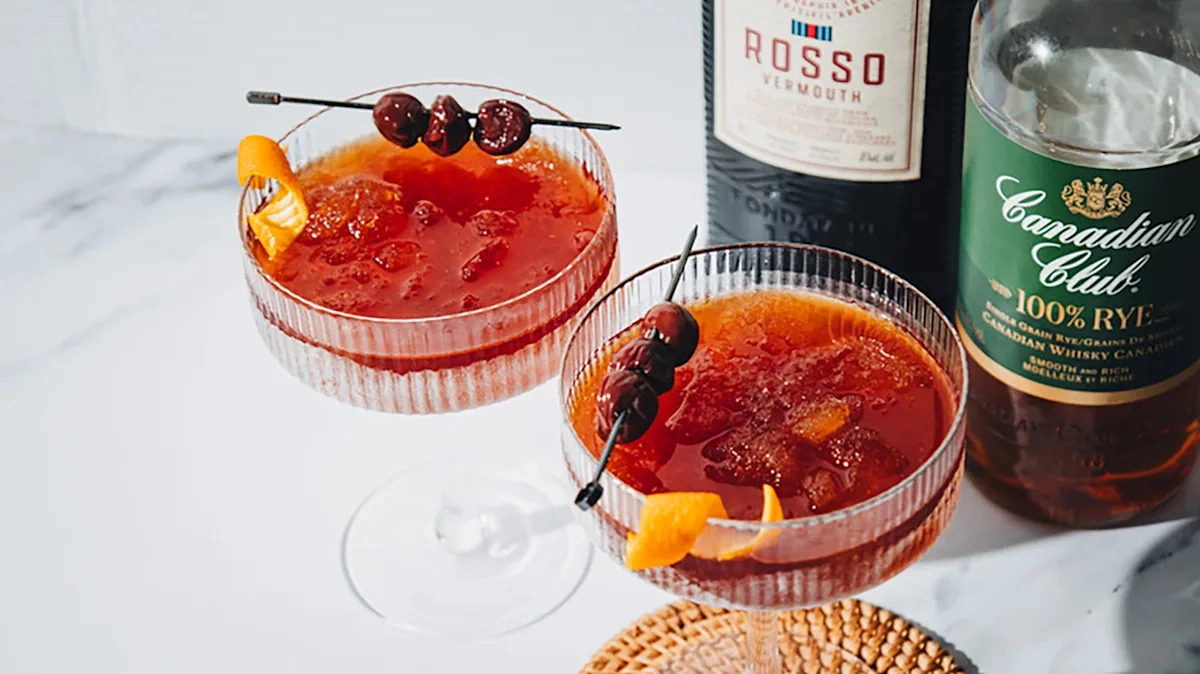
Father’s Day is an opportunity to celebrate with a special touch, and what better way to do that than crafting a few whiskey cocktails for the dad in your life? Whiskey’s versatility makes it a fantastic base for numerous cocktails, each promising to elevate the experience of this special day. Here are some enticing whiskey cocktail recipes to try that are sure to have Dad asking for seconds.
1. Classic Manhattan Cocktail
A quintessential cocktail, the Manhattan combines robust rye whiskey with sweet vermouth and Angostura bitters, creating a refined drink garnished with an orange peel.
Recipe: Classic Manhattan Cocktail
2. Frothy Whiskey Sour
This cocktail balances sweetness and tartness, enhanced by a frothy egg white for a delightful texture. It’s perfect for those who enjoy a slightly more playful drink.
Recipe: Classic Frothy Whiskey Sour Cocktail
3. Smoked Old Fashioned
An upscale take on the Old Fashioned, this version incorporates a smoky flavor by infusing the cocktail with smoke and finishing with a flambéed rosemary sprig.
Recipe: Smoked Old Fashioned Cocktail
4. Rob Roy
This simple but effective cocktail utilizes blended Scotch and combines it with sweet red vermouth and Peychaud’s bitters for a drink that’s bold yet refreshing.
Recipe: 3-Ingredient Rob Roy
5. Hot Buttered Whiskey Spiced Cocktail
For a warm, comforting drink, try hot buttered whiskey with caramel-like syrup and warming spices. It’s a delicious choice for cozy nights.
Recipe: Hot Buttered Whiskey Spiced Cocktail
6. Sazerac
Combining rye whiskey with sugar, Peychaud’s bitters, and an absinthe rinse, this cocktail is both fragrant and flavorful, making it perfect for sipping slowly.
Recipe: Classic Sazerac Cocktail
7. Smooth Old Fashioned
Prepare the classic with just the right balance of sweetness and bitterness, emphasizing the whiskey’s rich aroma for a perfect slow-sip.
Recipe: Smooth Old Fashioned Cocktail
8. Boulevardier
Swap gin for rye whiskey in this cocktail, producing a rich drink that embodies the warmth of whiskey complemented by sweet vermouth and Campari.
Recipe: Classic Boulevardier Cocktail
9. Gold Rush
Swapping the traditional sour mix for honey syrup and lemon, this bourbon-based drink brings a refreshing twist perfect for warm days.
Recipe: Classic Gold Rush Cocktail
10. Watermelon Old Fashioned
This cocktail adds a seasonal fruit twist to the Old Fashioned by incorporating watermelon syrup and fresh puree for a summer-friendly drink.
Recipe: Watermelon Old Fashioned Drink
11. Peach Whiskey Smash
Bringing summertime flavors together, this cocktail muddles fresh peaches with whiskey, lemon, and syrup for a refreshing beverage.
Recipe: Summertime Peach Whiskey Smash
12. Raspberry Scotch Sour
A vibrant mix of raspberry flavors combined with whiskey, this drink features a frothy finish that enhances the berry essence for a sweet-tart sip.
Recipe: Raspberry Scotch Sour
13. Frozen Manhattan
Perfect for a hot day, this slushy twist on the Manhattan combines cherry juice and whiskey to deliver a refreshing and fruity cocktail.
Recipe: Frozen Manhattan Cocktail
14. Spiced Chai Old Fashioned
This version infuses the classic with chai spices for a unique flavor profile, complemented by fresh citrus notes for extra brightness.
Recipe: Spiced Chai Old Fashioned
As you prepare to toast to Dad this Father’s Day, these whiskey cocktails will surely bring a sense of celebration and warmth, making the day memorable. Cheers!
Top Rye Whiskeys in America: The American Distilling Institute’s Best Picks
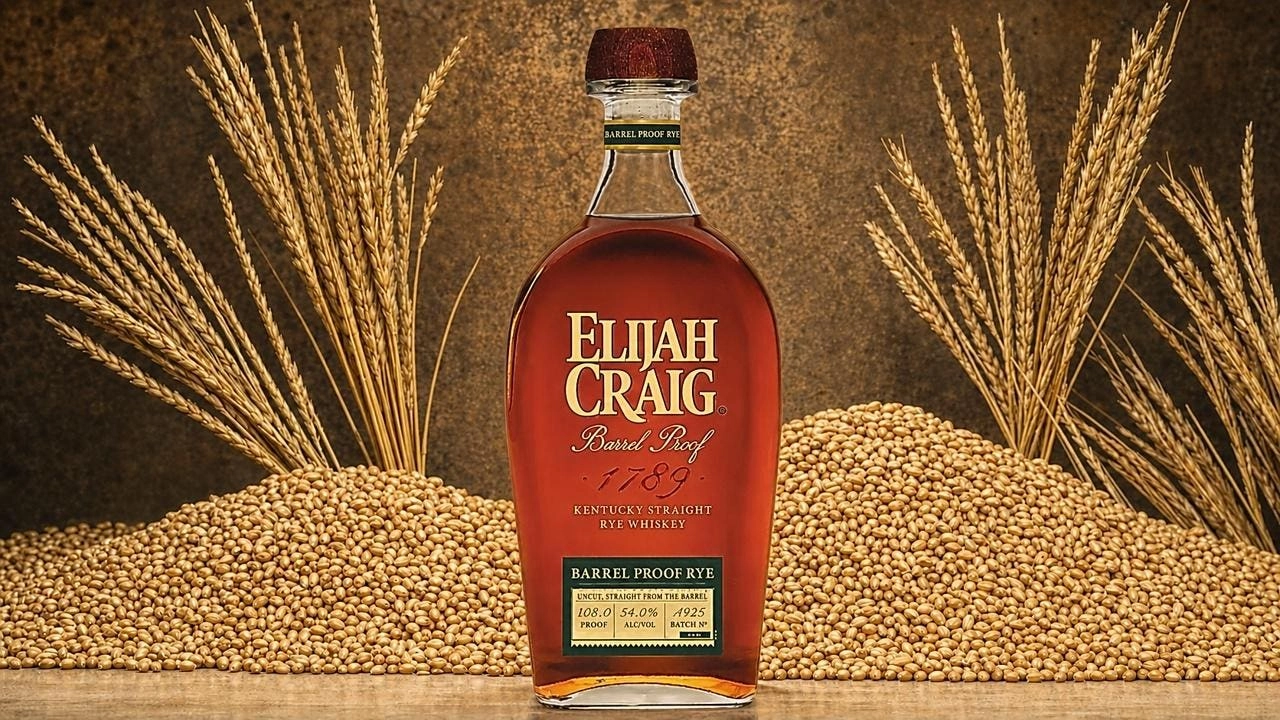
Rye whiskey has taken a prominent role in the world of American spirits, showcasing innovative techniques through various cask finishes, aging processes, and proof levels. The latest American Distilling Institute’s 2026 judging revealed some remarkable offerings that demonstrate the evolution of rye whiskey beyond its classic profile. Below are highlights from the top-rated rye whiskeys featured in the competition.
Elijah Craig Barrel Proof Rye A925
This 12-year, 3-month Kentucky straight rye whiskey has earned the title of Best of Category and is recognized as America’s Greatest Whiskey for 2026. Coming in at 54% ABV, its mash bill consists of 51% rye, 35% corn, and 14% malted barley. As a result, it presents a unique blend of bourbon-like sweetness along with traditional rye spiciness. The aroma is rich with notes of strawberry jam and stewed cherries, complemented by baking spices and a creamy texture. Each sip unveils flavors of dark berries, butterscotch, and a smooth finish, making it a defining example of bourbon-influenced rye.
Minglewood Distilling Bottled‑in‑Bond Rye Whiskey
Claiming the title of America’s Best Bottled-in-Bond Whiskey, this expression hails from Wooster, Ohio. It adheres closely to the stipulations of the Bond Act, being bottled at 50% ABV and produced from locally sourced grains. The nose offers classic rye signatures with hints of caramel and vanilla, while the palate balances rye spice with sweetness, all showcased at a robust 100 proof.
WhistlePig The Boss Hog XII “Feather & Flame”
This ultra-limited single-barrel rye, which also won Best of Category in the Bottled & Blended Whiskey category, is aged in pulque and cacao barrels. This inventive approach infuses earthy agave tones and dark chocolate into a mature rye base. On the nose, expect traditional rye characteristics coupled with evocative flavors of citrus and spice. The palate features assertive notes of pepper and clove intertwined with tantalizing sweetness, making for a complex drinking experience.
Hush & Whisper Distilling Single Barrel Straight Rye Whiskey
Situated in Bryan, Texas, Hush & Whisper focuses on the craftsmanship behind single-barrel whiskeys shaped by the state’s distinct climate. While the exact mash bill isn’t disclosed, it’s believed to be high in rye. The whiskey displays a powerful, balanced profile with rich spices met with sweetness and oak. Its viscous mouthfeel and warming finish produce lasting flavors of cinnamon and dried fruits.
These carefully crafted ryes demonstrate how diverse and rich the category has become, moving past its traditional roots. Whether on their own or in cocktails, each of these whiskeys offers a distinctive tasting experience worth exploring for both enthusiasts and newcomers alike.
Why Choosing Additive-Free Rum is the Next Big Trend in Distilling
With the recent surge in popularity of additive-free tequila, the rum industry may be on the brink of a similar transformation. Unlike tequila, which has strict regulations regarding its production in Mexico, the rum landscape is marked by considerable variation, as it can be produced anywhere globally, leading to a lack of standardization and transparency about additives.
Additives in rum can include sweeteners, flavorings, and coloring agents, which can be added after distillation to achieve a consistent product. These practices are not commonly disclosed by producers, making consumers skeptical. According to Eduardo Bacardi, director of sales and marketing for Ron del Barrilito in Puerto Rico, the absence of a denomination of origin for rum means that production standards vary significantly from one country to another.
In Martinique, for example, the regulations prohibit the use of any additives for rums labeled under the Appellation d’Origine Contrôlée (AOC) designation. Conversely, in countries like India, distillers can create rum-like products using grain spirits and artificial flavoring, leading to a potential dilution of consumer trust.
Despite these challenges, some distillers are setting a precedent by producing rums without any additives. Oxbow Rum in Louisiana, led by president Olivia Stewart, emphasizes the purity of their product, stating that they want the natural ingredients to shine through. Stewart believes that the movement toward additive-free rums is gaining traction, aided by the rising awareness of consumers and producers alike.
Industry experts agree that education is vital for the future of additive-free rum. Both Stewart and Madhu Kanna, of Piccadily Agro Industries in India, express hope that as awareness grows and consumers taste unadulterated rums, a demand for transparency will emerge.
As awareness of the rum industry’s practices increases, so does the interest in additive-free offerings. Eduardo Bacardi notes that some brands are beginning to disclose their production processes and ingredients to gain consumer trust. Ben Jones from Spiribam believes there’s room for both additive-free and sweetened rums within the market, emphasizing the importance of transparency in altering consumer behavior.
For enthusiasts looking to explore this growing category, additive-free rums are becoming more accessible as brands recognize the potential for a shift in consumer preference.
Elevate Your Whiskey Cocktails: The Magic of Caramelized Oranges
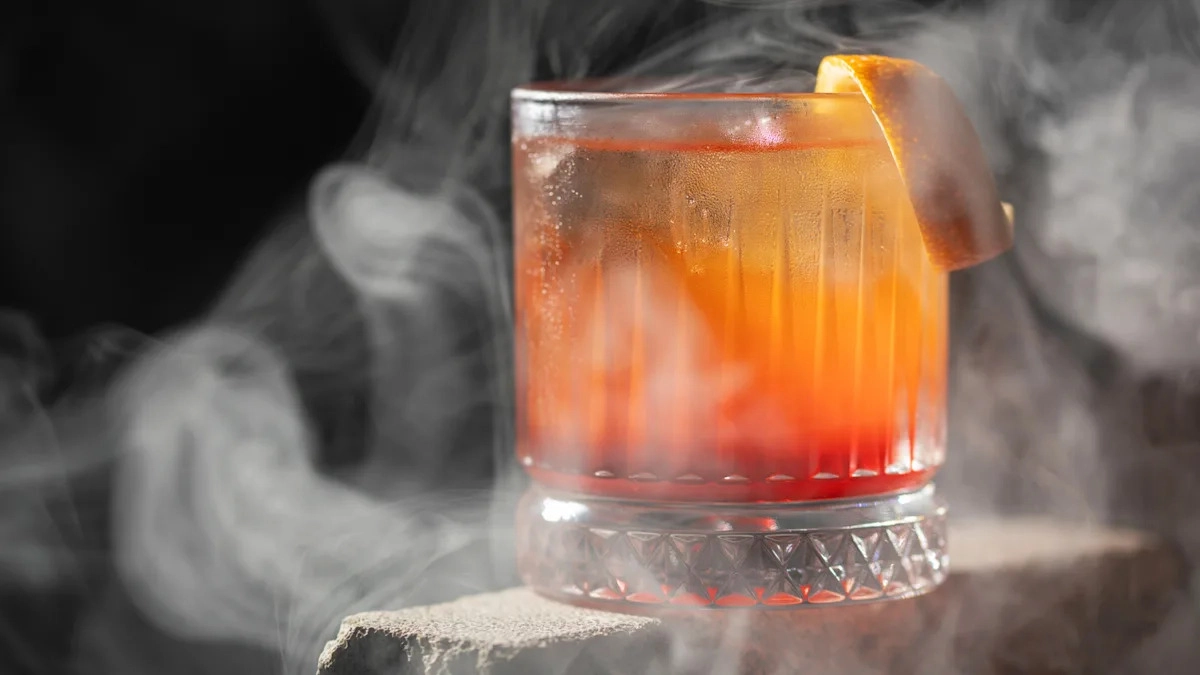
Adding caramelized oranges to whiskey cocktails can enhance the drink’s flavor profile significantly. This technique brings forth a complex blend of the whiskey’s notes and the bittersweet essence of caramelized sugar, creating a sophisticated and complementary taste.
Oranges are a staple in many whiskey cocktails, including the classic old fashioned, where the citrus peel acts as a harmonious add-on. The sweetness of caramelized oranges not only elevates the cocktail but also bridges the flavors effectively, especially if paired with sweeter orange varieties.
How to Caramelize Oranges
Caramelizing oranges is simple and requires just oranges, sugar, and a heat source. One method involves slicing the fruit and cooking it in a pan with sugar until browned. This can release caramelized sugars and juices into the drink. For a more subtle incorporation, you can use a slice of caramelized orange as a garnish, while simultaneously adding fresh orange juice or a flavored liqueur to enhance the citrus notes.
You can explore various cooking methods, such as:
- Stovetop: Sauté orange slices with sugar for a quick caramelization. Adding ingredients like black tea can create a unique infusion for whiskey cocktails.
- Broiler or Grill: Use a broiler or a BBQ, taking care to prevent sticking with light oil.
- Air Fryer: An air fryer works well for caramelizing oranges at a consistent temperature.
- Kitchen Blowtorch: For a quick garnish, sprinkle sugar on orange slices and caramelize them with a torch.
It’s crucial to monitor the caramelization process. A darker sugar brings pronounced flavor but also risk of bitterness. Opt for thinner orange slices for decoration or choose different sugars for varied taste. Brown sugar can create a warm profile, while blood oranges contribute a tart, visually stunning aspect.
By skillfully caramelizing oranges, you can unlock new dimensions of flavor in whiskey cocktails, turning a simple drink into a delightful experience.
For more delicious ideas, you can read the full article.
Discovering the World’s Best Cane Juice Rum: Insights from BevTest
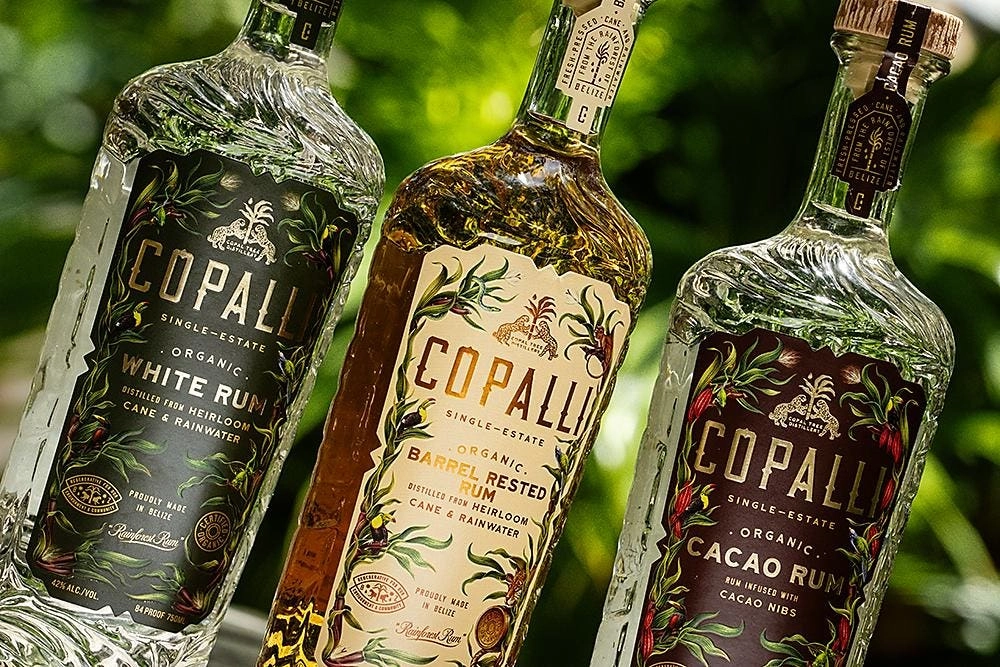
Cane juice rum has long been associated with the French Caribbean Agricole tradition, but its versatility is increasingly being recognized across the entire Caribbean Basin. The Beverage Testing Institute’s recent award winners highlight the evolution of this category, showing how different factors like terroir, fermentation, and aging can create unique profiles from a single raw material.
Prominent examples include Copalli rum from Belize and Rhum Barbancourt from Haiti, which showcase the broad spectrum of flavors available in cane juice rums, from vibrant and unaged options to deeply structured, aged varieties.
Copalli, 5-Year-Aged Fresh Cane Juice Organic RumThis rum is made entirely from fresh-pressed sugarcane juice, standing out in a landscape often dominated by molasses-based products. It boasts complex aromas of fresh sugarcane, vanilla, green banana, and toasted coconut. The palate reveals flavors of caramelized cane sugar, grilled pineapple, and light herbal notes. With a silky texture and a long, spicy finish, it exemplifies the rums that leave a lasting impression on their drinkers.
Copalli Unaged Fresh Cane Juice Organic White RumPreserving the raw cane character through minimal processing, this white rum displays vibrant aromas of grass, lime zest, and white flowers. The taste is fresh and lively, with sugarcane sweetness balanced by hints of tropical fruit and earthy minerality. This rum strongly emphasizes the raw material’s complexity, characteristic of high-quality cane spirits.
Copalli Barrel-Rested Organic Aged Fresh Cane Juice RumWith a shorter aging process, this rum retains much of its cane-driven profile while incorporating subtle oak influences. Aromas of grassy cane, vanilla cream, and caramel make for an inviting nasal experience. The tasting notes include tropical fruit, honey, and light oak spices, creating a well-rounded, vibrant spirit.
Rhum Barbancourt 15 Year Old Estate Reserve Aged RumA testament to traditional distillation methods, this rum captures the essence of historic practices. Its rich, layered aroma encompasses dried apricot, orange peel, and baking spices, while the palate is robust with honey, dark caramel, and polished oak flavors. The finish is sophisticated and well-integrated, offering a complexity that speaks to both its history and craftsmanship.
Overall, these award-winning rums challenge the perception of cane juice rum as a niche category, demonstrating its place as a dynamic part of the premium rum market. They highlight a shared philosophy among producers—emphasizing raw material integrity, precise fermentation, and thoughtful aging—making them appealing choices for both casual drinkers and serious collectors.
Introducing The Curated Barrel Project: Colorado Distiller Launches Unique Barrel-Finished Whiskey
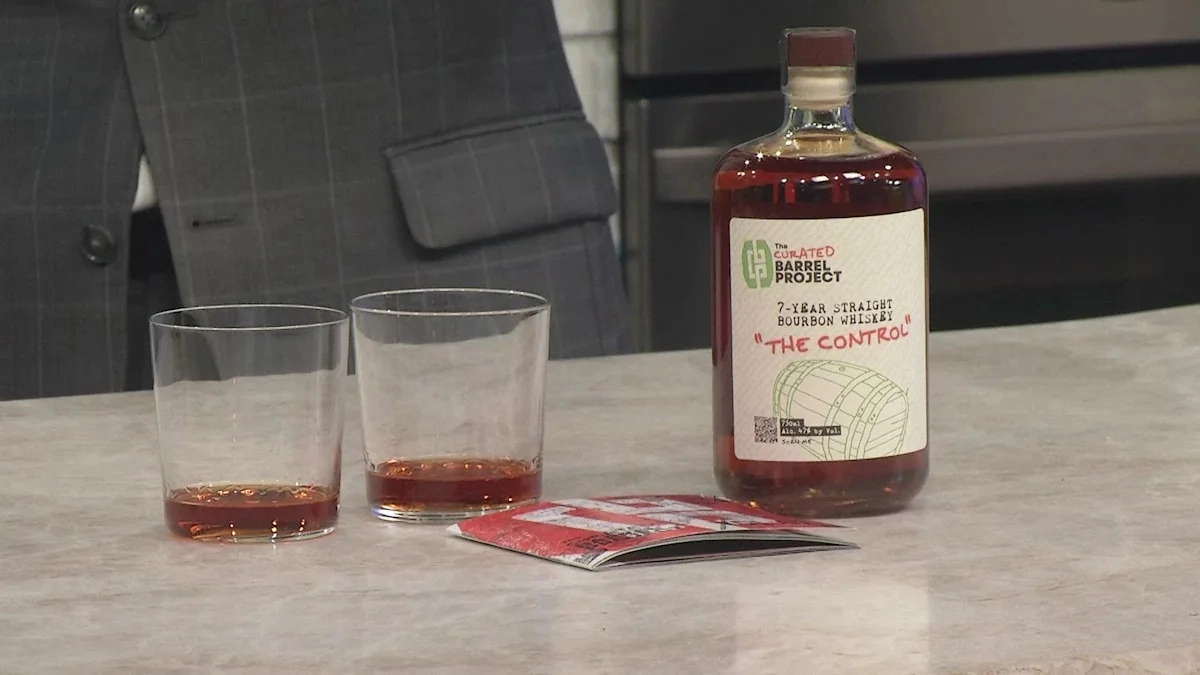
Jake Norris, a renowned distiller known for his contributions to Colorado’s whiskey scene with brands like Stranahan’s Whiskey and Law Whiskey House, has co-founded a new venture called The Curated Barrel Project. This initiative aims to create unique barrel-finished whiskeys, showcasing the art and craftsmanship behind whiskey distillation. Each whiskey produced under this project is meticulously crafted to highlight distinctive flavors and aromas, appealing to whiskey enthusiasts and connoisseurs alike. This endeavor represents Norris’s continued commitment to innovation and quality in the distilling industry.
Meet the $45 Whiskey Crowned 2026 Straight Bourbon of the Year at the London Spirits Competition
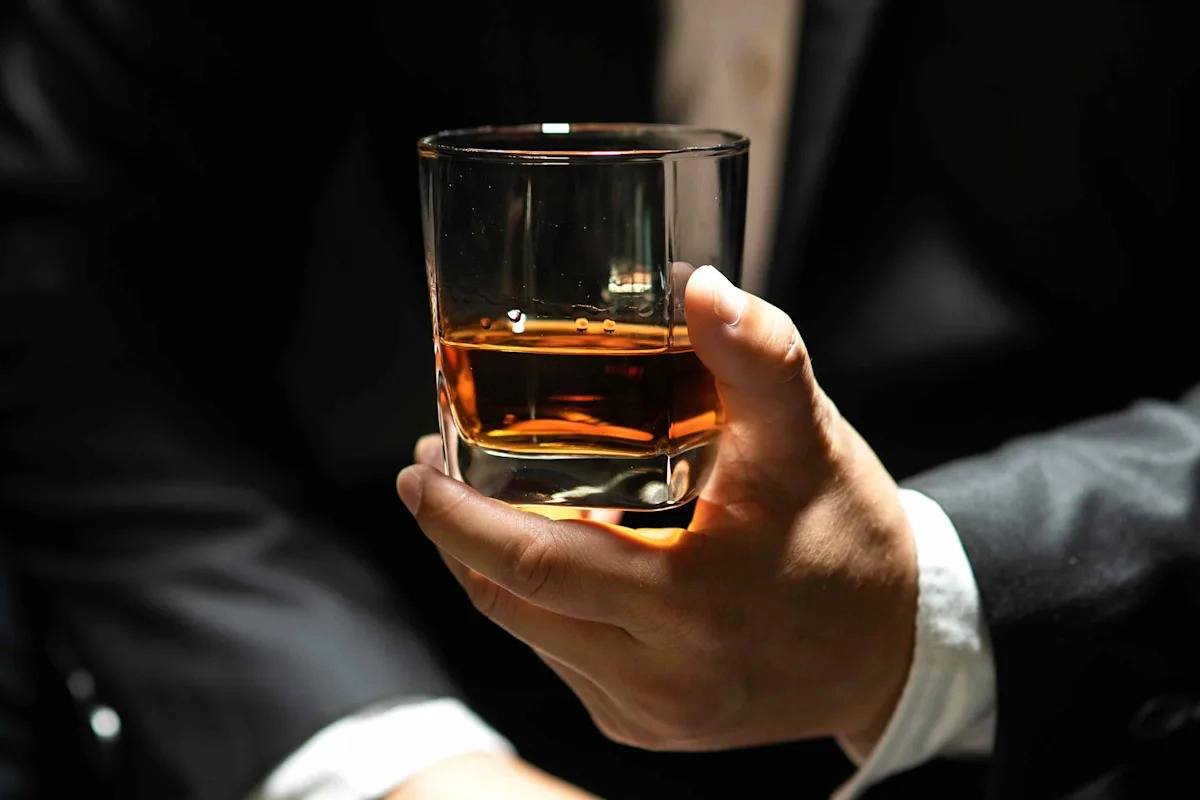
The London Spirits Competition has unveiled its choice for the 2026 Straight Bourbon of the Year: Maker’s Mark Cask Strength. This distinguished whiskey achieved an impressive score of 96 points, earning a Double Gold Medal due to its quality, value, and packaging.
Introduced in 2014, Maker’s Mark Cask Strength features the distillery’s classic wheated mashbill and boasts a proof range of 107 to 114. Typically aged between seven and eight years, the bourbon offers a robust character that whiskey aficionados eagerly appreciate. Earlier this year, Maker’s Mark began featuring batch-specific age statements on its labels, providing consumers with valuable insights into each batch’s flavor profile.
Described as having a rich aroma with notes of baked apple, raisin, and honey, the palate is highlighted by toasted oak, vanilla caramel, and toasted nuts, culminating in a long finish of honey, pepper, and jammy fruit.
The competition awards Double Gold Medals to spirits scoring between 96 and 100 points, with significant emphasis placed on their assessment criteria: Quality, Value, and Packaging. In this case, the appealing price point of around $45 undoubtedly contributed to its high rating in the Value category. The recognizable red wax packaging and the new label design featuring detailed information further enhanced its appeal.
Not limited to just Cask Strength, other Maker’s Mark offerings also performed admirably at the competition, with Maker’s Mark Kentucky Straight Bourbon and Maker’s Mark 46 French Oak Bourbon each achieving scores of 95 points and earning Gold Medals.
For those interested in tasting a little bit of history—and the 2026 Straight Bourbon of the Year—the Maker’s Mark Cask Strength is widely available across the United States.
Inside Svedka’s Future-Forward Marketing: Insights from the Senior Brand Director

Svedka is creatively reinventing itself after being sold to Sazerac last year, reigniting its marketing strategy with nostalgic elements. The vodka brand, known for its bold identity, previously garnered attention in the mid-2000s by branding itself as the “No. 1 vodka of 2033,” with a distinctive Fembot mascot.
Now, Svedka is adapting that vision for a fresh narrative, calling itself the “No. 1 vodka of 2055.” This updated campaign not only revives the Fembot but also encourages a human connection in an era dominated by technology. Their marketing strategy plays on Y2K nostalgia, recently featuring a flip phone that can only make calls and send texts, aimed at younger consumers feeling overwhelmed by digital saturation.
Their efforts to promote in-person interactions began with a campaign last August where consumers were offered to have their bar tabs covered if they agreed to set aside their phones. Svedka then made a splash during the Super Bowl, where they showcased an AI-generated ad that highlighted their Fembot character, sparking both controversy and interest.
David Binder, Svedka’s Senior Brand Director, addressed how their current marketing approach differs from the past, emphasizing the importance of nostalgia and the brand’s purpose. By reintroducing the Fembot in a context that resonates with the modern consumer, Svedka aims to balance technology with the essence of human engagement.
As Binder notes, the Fembot had a whimsical connection to the future when she was first introduced, a stark contrast to today’s anxieties surrounding rapid technological advancements like AI. Svedka’s strategy is not just about capitalizing on nostalgia but also about addressing current consumer sentiments about technology and connection.
Despite skepticism about their AI-generated Super Bowl ad, Binder views the polarizing discussions it ignited as a reflection of effective marketing—encouraging dialogue and engagement. The campaign resulted in a significant sales boost during the Super Bowl season, reaffirming their strategy’s resonance.
Both Svedka and competing brands, like Heineken, are tapping into similar nostalgic insights to connect with consumers yearning for simplicity amidst the complexities of modern life. Svedka’s approaches underscore a broader trend within marketing where brands are seeking to ground their identities in familiar, comforting imagery, bridging generational divides.
For more details about Svedka’s latest offerings and marketing strategies, you can visit:
Introducing New Riff’s Latest Gem: The Newest American Single Malt Whiskey Unveiled!
New Riff has introduced its latest release in the American single malt whiskey segment, showcasing an innovative blend of flavors that whiskey enthusiasts will not want to miss. The 2026 installment of New Riff Single Malt Whiskey features a unique mash bill composed entirely of malted barley, with various barley types including Marris Otter, Golden Promise, and a beer-inspired Barleywine.
The distillation process employs a variety of five distinct cask types for maturation: new charred oak, de-charred toasted oak, used bourbon barrels, and both Spanish oloroso and Pedro Ximenez sherry casks. The result is a robust, balanced whiskey with a proof of 111.7. Upon tasting, the whiskey reveals rich layers of dark fruit, cacao, and smoky citrus on the nose, while the palate is met with notes of oak, sweet fruit, sherry, and smoke. The finish offers a delightful hint of candied orange peels and peat smoke.
Master Distiller Brian Sprance expressed excitement about this year’s blend, particularly the inclusion of Chevallier malt, which adds a distinctive character to the whiskey. He noted, “These whiskeys are inspired by malted barleys used in the brewing industry, reimagined through our Kentucky regimen.”
Fans can purchase this new whiskey at the distillery’s gift shop or online at New Riff Distilling starting May 15, with a suggested retail price of $69.99.
For more information, visit New Riff Distilling.
Vodka Fried Chicken: Discover the CRISPIEST Fried Chicken Recipe You’ll Ever Taste!
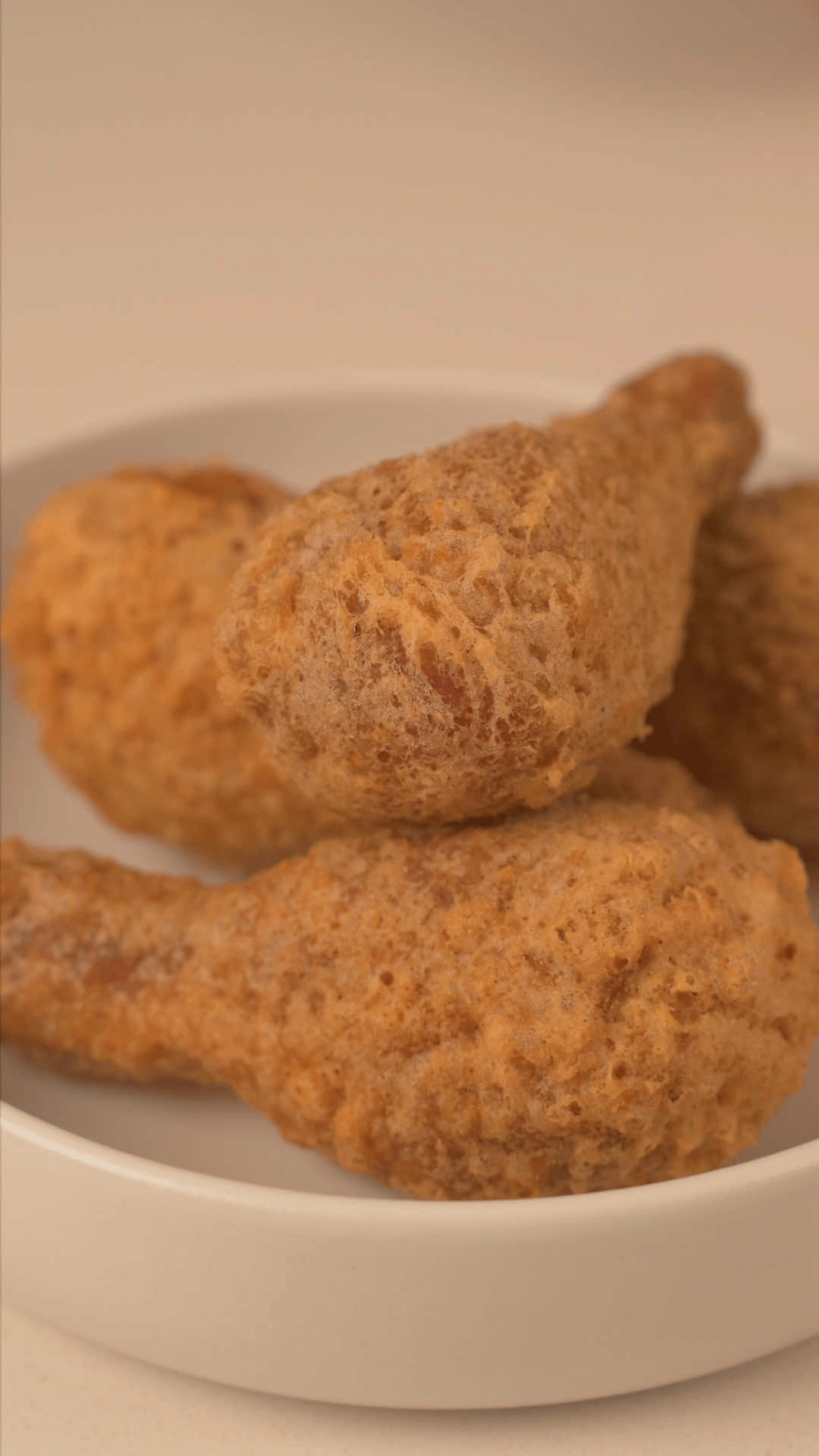
Vodka Fried Chicken: The Secret to the Crispiest Fried Chicken Ever
If you’re seeking the crispiest fried chicken, it’s time to rethink your batter. While traditional methods like buttermilk brining or air frying yield decent results, using vodka in your batter can elevate your fried chicken experience to a whole new level.
The Science Behind the Magic
The key ingredient in this dish is vodka, which transforms the way the batter interacts with the chicken. Here’s how it works:
-
Inhibiting Gluten Formation: Vodka interferes with gluten development, meaning that even if your batter is slightly overmixed, the crust remains light and crispy instead of tough and chewy.
-
Rapid Evaporation: Alcohol evaporates quickly, creating tiny bubbles in the batter that contribute to a lighter texture. This leaves behind a porous structure that enhances crunchiness.
-
Dramatic Temperature Differential: Using ice-cold vodka creates a sharper temperature contrast when the batter hits the hot oil, leading to a quicker set of the crust, minimizing oil absorption, and maximizing crispiness.
Adding sparkling water gives an extra boost with its CO2 bubbles, further aerating the batter as it cooks.
Versatility of the Vodka Batter
This vodka batter isn’t just for chicken; it can also be used for frying onion rings, shrimp, fish fillets, or any other fried treat. Make a batch and keep it handy for various frying ventures.
Vodka Fried Chicken Recipe
Ingredients
Chicken
- 12–16 chicken drumsticks
- Oil, for frying
Seasoning
- 10 g salt
- 5 g garlic powder
- 5 g white pepper
- 5 g chicken powder
Dredge
- 80 g all-purpose flour
- 8 g baking powder
- 150 g rice flour
- 240 g cornstarch
- 20 g salt
- 10 g garlic powder
- 10 g chicken powder
- 5 g white pepper
Vodka Batter
- 250 g dredge (set aside from above)
- 180 g vodka, ice cold
- 150 g sparkling water or beer, ice cold
Instructions
Step 1: Season and Dredge
- Mix the seasoning ingredients and rub them over all drumsticks.
- Combine dredge ingredients, reserving 250 g for the batter.
Step 2: First Fry
- Heat oil to 300°F (149°C) and fry the chicken for 8–12 minutes until it reaches an internal temperature of 165°F (74°C). Cool on a wire rack for at least 10 minutes.
Step 3: Make the Vodka Batter
- Combine the reserved 250 g dredge with ice-cold vodka and sparkling water, whisking until smooth.
Step 4: Second Fry
- Raise oil temperature to 350°F (175°C). Dip each drumstick in the vodka batter and fry for 2 minutes. Rest on a wire rack for at least 10 minutes.
Step 5: Third Fry
- Repeat the batter dip and fry for another 2 minutes, which will provide the ultimate crispy crust.
Step 6: Season and Serve
- While the crust is still hot, season your chicken with soy-garlic glaze, Nashville hot glaze, or a dusting of mushroom powder. Enjoy immediately.
This vodka-fried chicken is guaranteed to impress with its extraordinary crunch and lightness, making it a must-try for any fried chicken lover.