Liquor-articles 2100
Frustrations in Rural NY as Whiskey Warehouse-Linked Fungus Invades: ‘No One’s Listening to Us’
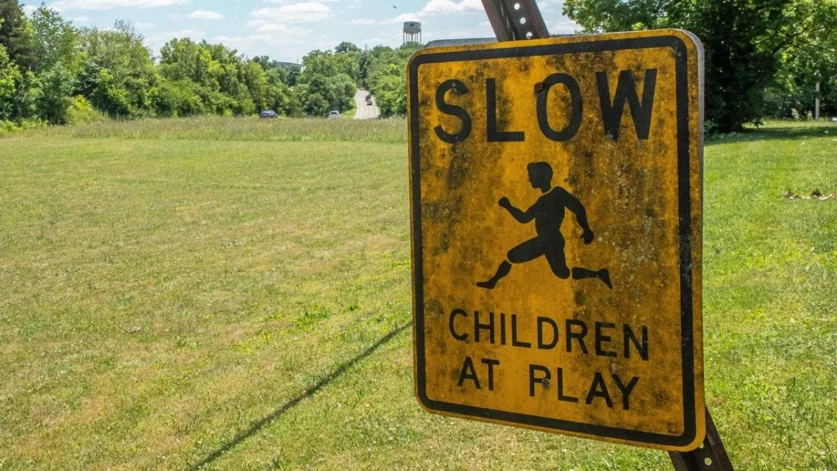
A rural New York community is being overtaken by a sticky fungus that is believed to have come from a nearby whiskey facility, leaving some residents in the area concerned about their health and the preservation of their homes.
Known as whiskey fungus, or Baudoinia compniacensis, the sticky residue has populated Mineville, a hamlet with a population of around 1,300 that’s located in Essex County.
State regulators have tested the mold-like substance and concluded that it is whiskey fungus in some instances. First reported by the Adirondack Explorer, the fungus rapidly spreading throughout Mineville, according to health and environmental officials cited by the outlet, marks the first case of whiskey fungus in the Empire State.
While it’s uncommon in most areas around the country, those who live in neighborhoods near whiskey facilities are no stranger to the spread of the fungus, which covers their homes and vehicles and leaves behind a dark, sometimes speckled substance that can take hours to remove. First documented by scientists in the 1870s, the fungus has recently affected residents in a Tennessee community near the Jack Daniel’s plant, as well as a neighborhood near the Wiggly Bridge Distillery in Maine.
The Explorer also noted that the state Department of Environmental Conservation (DEC) tested the substance in some locations and determined it to be whiskey fungus on buildings throughout the community.
Lifelong Mineville residents said the sticky residue is new to the area. The source for it all, according to those living in the area, is the WhistlePig Whiskey storage facility that came to the area in 2017 and is located a half-mile northwest of town. The Vermont-based distillery, according to the Explorer, has “rows of 14,000-square-foot, barn-red buildings” that hold thousands of barrels of aging whiskey.
WhistlePig, established in 2007, bought land in Mineville from the Essex County Industrial Development Agency (ECIDA) in 2016 for the production, aging, and bottling of their spirits, as reported by the Explorer. WhistlePig constructed seven warehouses each measuring 14,000 square feet, and a bottling plant of similar size in the Moriah Business Park.
Residents in the community reported to Fox News Digital that a black substance they had thoroughly removed from their homes earlier this year is currently reappearing.
Before cleaning her home during the summer, Sandra Ploufe, a resident in the Grover Hills neighborhood, and 83 years of age, claimed that her house was heavily covered by the black residue.
“We were unable to do anything about it. My two sons and husband couldn’t manage it,” recalled Ploufe. “Initially, my husband sought help from the town supervisor who disappointingly stated that there’s nothing he could do about it, yet it was through his authority that the issue had come about.”
Ploufe also mentioned that her husband sought help from the WhistlePig establishment to clean their home, only to be asked to vacate the premises. “They weren’t very helpful,” she recalled.
In the end, Ploufe’s husband and sons had to resort to cleaning the house themselves, acquiring the required materials from a local Lowe’s store. “They did this in June only for it to resurface,” she narrated, speaking about the troublesome substance.
“They managed to get rid of it once,” added Ploufe. “But now its reappearing. It began reemerging in August, and multiple houses in the vicinity have been affected.”
WHISKEY VS. WHISKY: DO YOU KNOW THE DIFFERENCE BETWEEN THESE TWO LIQUORS?
Joe Ploufe, spouse of Ploufe, expressed in an interview with Fox that he had been zealous in his pursuit of a resolution, seeking to rid their property of this invasive substance. Previous to this, he had even toured the WhistlePig facility in hopes that they might extend their services to aid in the sanitization of his residence. Initially, he was given assurances that this would be the course of action, but a year passed by with no change, as documented in the Explorer. On revisiting the issue with WhistlePig, Ploufe was summarily dismissed.
Sandra added that despite the active involvement of her husband in liaising with the health department to facilitate domestic sanitary services, the local administration has remained incommunicado about the widespread presence of this fungal outbreak. Consequently, the couple and their family are left anxious about the air they are inhaling every day.
In the first stages of the alleged fungal invasion, Sandra discloses that she and her husband were informed their home was infested with mold, an update that coincided with their apprehensions about the facility’s expansion.
Sandra voiced her concerns, “Is every dwelling in Grover Hills afflicted with mold?” and dismissed the notion as nonsensical.
“You should be here and see it, to see all the houses that have the whiskey fungus,” she added. “We’re all complaining and they’re doing nothing about it. … No one’s listening to us.”
Thomas Scozzafava, who serves as supervisor for the town of Moriah, told the Explorer that WhistlePig is not in violation of any regulations and that the town can’t do much about the situation.
“Some things you’re going to have to live with,” Scozzafava said. “But I agree with the homeowners. If I was next door, I would expect something.”
As part of the aging process, alcohol stored in whiskey facilities evaporates into a vapor known as “angel’s share.”
“I call it devil’s bulls—,” says Harold (Joe) Nephew, a 74-year-old Mineville resident. His home has also been covered by a black substance. He believes that this substance is whiskey fungus, however, he hasn’t had what’s covering his home tested for it yet. Cleaning his home is nearly impossible for him as he has a tracheostomy.
He reportedly spoke to a worker at WhistlePig and was told that the business was not responsible for cleaning outside of 900 feet from the operation. According to Nephew, WhistlePig determined his home was about 1,000 feet away but agreed to clean his home anyway. Until now, he has not received any response.
“It’s discouraging,” says Nephew.
WhistlePig, as reported by the Explorer, argues that the black residue found on local residences cannot be solely attributed to their operations. Nonetheless, they have considered cleaning the affected properties on an individual basis.
In quotes attributed to Scozzafava by the outlet, WhistlePig is described as a great neighbor. They are acknowledged for their contribution to the local economy, including good wages, property taxes, and their general investment in the community. However, the issue of the whiskey fungus has been a matter of concern.
The Explorer was informed by Jody Olcott, the co-director of the ECIDA, that WhistlePig was sold additional adjacent land by the agency. On this land, the company is currently building eight warehouses, each 14,000 square feet in size. According to Olcott, each warehouse can accommodate roughly 14,000 barrels, this, in turn, would enable WhistlePig to age over 200,000 barrels after the facilities are complete.
Requests for comments on the spreading fungus from both WhistlePig and Scozzafava by Fox News Digital have yet to receive responses.
Original article source: Fungus linked to whiskey warehouse bedevils rural New York community: ‘No one’s listening to us’
Unveiling the World’s Best Vodka at the 2023 New York World Wine and Spirits Competition

Stumbras Premium Organic Vodka takes home the top prize at this year’s New York World Spirits Competition.
Earlier this year a panel of expert judges convened in a nondescript hotel convention hall in Brooklyn to assess merit across all major categories of spirit. It was part of the annual New York World Wine & Spirits Competition, which in just several iterations has already grown into one of the city’s premiere tasting events.
We’ve spent significant time covering the top-rated whiskies from that competition. It included several jaw-dropping surprises, all of which are worthy of exploration—if you fancy aged spirit. Now we’re going to venture into the realm of vodka. But first we must address the elephant in the room: how does one define greatness in a category that is flavorless by design?
Well, for starters, vodka isn’t flavorless, exactly. It is often conflated with neutral grain spirit, but that’s a vast oversimplification. And an outdated one. Vodka doesn’t even have to be made from grain at all. It can be distilled from vegetables, fruit, honey, starches—we’ve seen compelling examples come from all sorts of base ingredients. And it certainly doesn’t need to be neutral in flavor or aroma. If you have doubts, you ought to consider cracking open a bottle of the very expression that the New York Wine & Spirits Competition dubbed the best of 2023: Stumbras Premium Organic Vodka.
The first organic vodka to ever be produced in Lithuania is carefully crafted following strict production guidelines. It starts as wheat grown on an organic farm nestled in the heart of the Baltic nation. After distillation, the fluid undergoes a unique linen-based filtration process. This process bestows upon the vodka its renowned smoothness and slight viscosity.
You may argue whether there’s a hint of a gimmick involved, but what’s undeniable is that the core wheat infuses a delightful sweetness onto the taste buds. This sweetness persists, lingering in the aftertaste and leaving you to ruminate over the subtleties of this flavor. Yes, we’re indeed talking about a flavor in vodka.
Just to make it clear, we are not discussing flavored vodka. As a matter of fact, Stumbras also excels in that area, particularly in a cranberry variant, which was likewise lauded by the judges in New York for its outstanding bitter notes. Having honed its craft for over 115 years, the company knows its business inside and out.
You can conveniently find its award-winning organic version on American store shelves, priced at approximately $20 per bottle. The aforementioned nuances of its tasting profile make it a perfect pair with tonic or soda, served over ice. It’s particularly delightful if you’re planning to add a twist of lemon or lime, as the tart and bitter components of citrus offset the sweetness from the wheat in the vodka.
Or do the unthinkable: try the 80-proof spirit neat. Maybe you’ll be able to call out some of the same grassy aromatics in the liquid that won over those contest judges back in Brooklyn. Perhaps you, too, will call it one of the more interesting vodka on shelves today. But what you won’t be able to do is call it flavorless.
LITHUANIA – NOVEMBER 25: Mill, Open air ethnographic museum, Rumsiskes, Dzukija, Lithuania. (Photo … [+]) by DeAgostini/Getty Images)
Debunking the Myth: Alcohol Content in Rum Cake
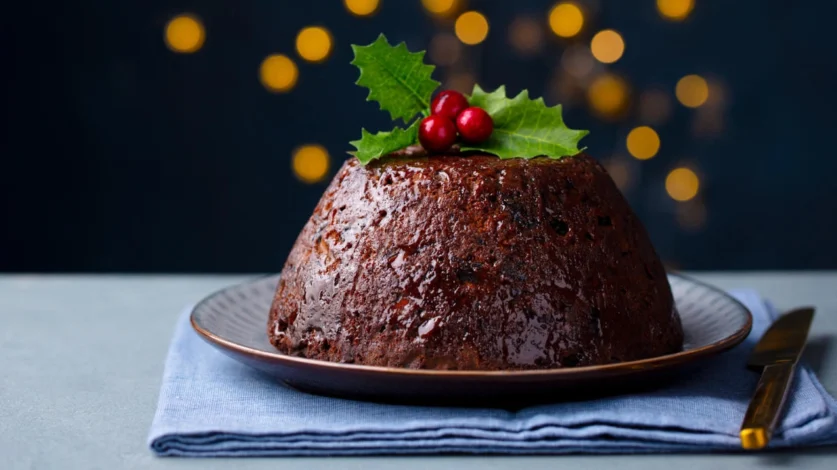
A rum cake is an easy, festive addition to any holiday table. The rum-spiked sponge is baked in a Bundt pan, and sprinkled with a rum syrup. The result is a cake that’s so moist and rich that it doesn’t need any glaze or frosting. It goes ideally with a cup of coffee, or to end a day of celebrations. However, if you’re refraining from alcohol, don’t take it at face value when people say all the alcohol bakes off during the cooking process. Spoiler alert — it doesn’t.
Usually, alcohol is just a medium for the flavor a specific recipe demands, whether it’s a scrumptious rum cake or a red wine sauce for your steak. Alcohol also amplifies the flavors of other ingredients, like in a penne alla vodka where the vodka brings out the tomato and tenderizes the meat. It’s a versatile ingredient, and there are ample reasons to use it, but you should keep in mind that although a substantial amount of the alcohol does cook off, it’s never completely gone.
Read more: 10 Of The Healthiest Beers You Can Drink
When cooking with booze, it’s impossible to cook or bake all the alcohol out of a dish or dessert, but how much remains in the final presentation depends on a few factors, namely temperature and duration of cooking, as well as the surface area of your cooking dish. Alcohol evaporates faster at higher temperatures, and more alcohol cooks off the longer something bakes. Regardless, alcohol molecules will adhere to molecules of other substances in the dish and remain there. Studies have shown that even cooking dishes for hours still leaves a small percentage of alcohol remaining in the dish.
Additionally, it’s important to consider the size of your cooking vessel when making rum cake. The larger the surface area, the more contact with oxygen the dish has, so the alcohol will evaporate more quickly in a larger pan or skillet. It’s important to also keep in mind what ingredients you use and what you’re making. A rum syrup drizzle to top your rum cake with, for example, will likely not have cooked nearly long enough (or at the appropriate temperature) to evaporate much alcohol. The cake itself, on the other hand, typically incorporates anywhere from a half to a full cup of rum, resulting in a baked cake with around 5% alcohol (the equivalent of a beer!).
While other dishes might not turn out as boozy as rum cake, there might be any number of reasons to substitute the alcohol in anything you cook. Whether it’s health-related, recovery, or religious, you don’t need to feel left out of the world of boozy bakes. There are many ways to replace the alcohol in rum cake and other recipes that call for alcohol because what you want to focus on is the flavor — the alcohol is just the carrier. There are myriad ways to get similar flavors without alcohol using cooking and baking ingredient swaps such as using various vinegars, herbs, spices, and syrups.
A rum cake can be made with rum extracts and rum-flavored syrups, or a combination of ingredients like white grape juice, molasses, and almond extract. Conversely, you can also hunt down non-alcoholic rum. There are plenty of non-alcoholic spirits that can take the place of their boozy counterparts, so make your next rum cake a booze-free one, and don’t fret about the alcohol content in your next bake.
Read the original article on Daily Meal.
Ian McNulty: 14 Parishes Brings Authentic Jamaican Flavors and Rum to Algiers Point
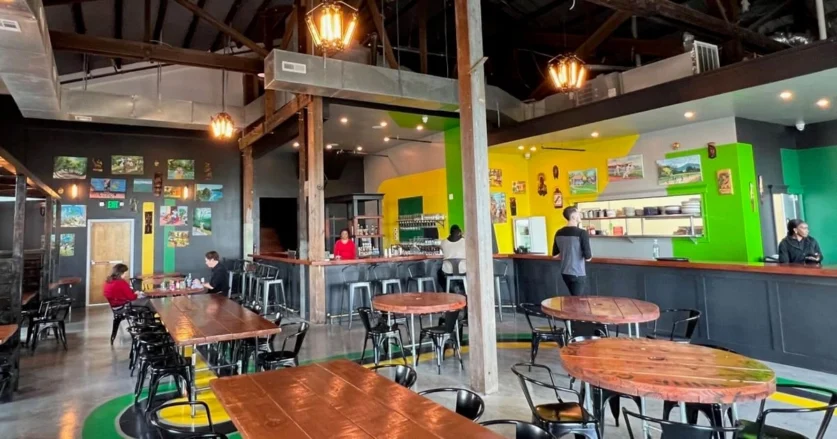
Island art and Jamaican colors form the vibrant decoration of the freshly opened 14 Parishes in Algiers Point. The source of this anecdote is a staff photo by Ian McNulty, NOLA.com | The Times-Picayune.
This grand brick building, located right next to the levee in Algiers Point, has been the subject of much local speculation over the years due to its prolonged vacancy. However, Lauren Blake saw it as an opportunity.
The extension of the popular Jamaican restaurant, 14 Parishes, can be found on the levee front in Algiers Point. Another exciting tidbit from a staff photo by Ian McNulty, NOLA.com | The Times-Picayune.
Lauren, with her partner Charles, successfully run 14 Parishes, a Jamaican dining hotspot on Oak Street, wildly known for its mastery of jerk seasoning and distinctive rum cocktails. The audacious plan of opening a second establishment across the river has now been brought into reality.
“Once I saw it, I knew what we could do here,” Lauren Blake said.
Lauren Blake is co-founder of 14 Parishes, the Jamaican restaurant with a new second location in Algiers. (Courtesy: The Times-Picayune | NOLA.com)
Now the couple has developed the front portion of 801 Patterson Road into a vibrant new Jamaican restaurant for Algiers. It opened this month with limited hours, and a plan to expand to the full schedule in January.
Island art and Jamaican colors decorate the new location of 14 Parishes in Algiers Point. (Courtesy: The Times-Picayune | NOLA.com)
It’s part of a small, but very promising clutch of new restaurants for the neighborhood. Nighthawk Napoletana just opened by the ferry landing in the former Tavolino, the Congregation Coffee café just reopened under new ownership around the corner from that.
The new 14 Parishes is next to the large new residential development fronting the levee here.
The Jamaican restaurant 14 Parishes has bold island flavors and a bar with rum drinks. (Staff photo by Ian McNulty, NOLA.com | The Times-Picayune)
Under its high ceilings, Lauren and Charles are cultivating a similar vibe to their Oak Street restaurant.
The red punch is a popular drink at the Jamaican restaurant 14 Parishes. (Staff photo by Ian McNulty, NOLA.com | The Times-Picayune)
The bar is a significant aspect of the restaurant, featured by a unique zig-zag counter with a comprehensive cocktail list emphasizing rum beverages. A notable example is the bobsled cocktail, creatively crafted from hibiscus tea and ginger.
Jerk lamb chops, served with greens and rice and peas, are a signature dish at 14 Parishes situated on Oak Street. (Staff photo by Ian McNulty, Nola.com | The Times-Picayune)
The menu continues with various unique offerings such as salmon sliders, jerk wings and king fish (mackerel) bites. Jerk style preparation, characterized by its deep spice and layered tastes, is used in dishes featuring chicken, ribs and shrimp available on their standard menu list. However, special creations by Chef Charles also emerge regularly including his well-loved jerk lamb chops and jerk N.Y. strip steak.
Whole red snapper in brown stew with festival fry bread and rice with spinach at the Jamaican restaurant 14 Parishes. Photo by Ian McNulty, NOLA.com | The Times-Picayune
The whole snapper with brown sauce is a dish not to be missed. The Jamaican brown sauce is flavored with chiles, ginger, garlic and other seasonings.
Chef Charles Blake and Lauren Blake are the husband and wife team at the helm of 14 Parishes, a Jamaican restaurant in New Orleans. Photo by Ian McNulty, NOLA.com | The Times-Picayune
The name of the restaurant, 14 Parishes, is a nod to the 14 parishes that comprise Jamaica, comparable to the parishes of Louisiana. Charles Blake hails from St. Catherine Parish, located near Kingston, Jamaica’s capital. Being the youngest of four boys, Charles’ mother ingrained in them self-reliance, one aspect of which was learning to cook.
He shared his experience: “I practiced cooking alongside my mother. Every Sunday, I would be tasked with preparing dinner while she attended church. If I burned it, no one would get to eat. It was a valuable lesson.”
The Jamaican spot, 14 Parishes, is known for its jerk shrimp (Credit: Ian McNulty, Nola.com | The Times-Picayune).
Subsequently, he relocated to New York and then to Atlanta, where he operated his own dining institution. Here, he got acquainted with Lauren Blake, and they ultimately shifted to her birthplace of New Orleans.
This change was an opportunity for a new beginning. Charles rekindled his love for cooking, initially vending jerk dishes from their residence. Eventually, this idea evolved into 14 Parishes.
Jerk lamb chops and jerk shrimp with sides at 14 Parishes, the Jamaican restaurant. (Staff photo by Ian McNulty, Nola.com | The Times-Picayune)
The couple initially had a restaurant on Clio Street in Central City, just off St. Charles Avenue, and later opened a stand in the Pythian Market. That downtown food hall closed last year.
But in 2021, in the midst of the pandemic, they made a big move by opening on Oak Street, bringing back to life the colorful two-story building that had been a Mellow Mushroom pizzeria.
This Algiers edition of 14 Parishes is now open Thursday 4-9 p.m., Friday 11 a.m.-10 p.m. and Sunday 11 a.m.-9 p.m.
In January, hours will expand to dinner Tuesday through Sunday, with lunch on Friday and Saturday and brunch on Sunday.
801 Patterson Road, 504-345-2500
and
8227 Oak St., (504) 264-7457
Follow Where NOLA Eats on Instagram at @wherenolaeats, join the Where NOLA Eats Facebook group and subscribe to the free Where NOLA Eats weekly newsletter here.
Email Ian McNulty at imcnulty@theadvocate.com.
Tumultuous times mean change, and so it was in the New Orleans restaurant world in 2023. There have been many closures and a high number of re…
What’s a loungerie? That’s been a question since we learned just such a thing was taking shape in downtown New Orleans at the new Jolie, which…
As with pubs or bakeries, a good coffee shop can have a central role in neighborhood life. Losing one can be a heavy blow. So it was with the …
From a seat at the dining counter, you can look directly into the glowing maw of the domed pizza oven and the little bonfire of oak logs withi…
{{description}}
Email notifications are only dispatched once daily, and only when there are fresh items that match your criteria.
Fire Up Your Winter Nights with these 8 Whiskey Cocktail Recipes
Close up shot of burning firewood in the fireplace.
There’s nothing quite like a dram of your favorite whisky when you’re snuggled up by the fire. While a neat pour can be great in a pinch, if you’re having a few folks over this winter or you just want to spice things up with a cocktail instead, there are several excellent whisky (and whisky) cocktails worth giving a try.
Winter whisky cocktails often feature dark fruit and spiced flavors, a contrast to the bright fruits you find in cocktails during warmer months.
The perfect way to warm up on a cool evening, most of these recipes are easy enough for a beginner to make on their own, while a few employ skills like making your own simple syrups, which are still fairly easy to do but might pose a bit more of a challenge.
Whether you’re celebrating with friends, or comfortably nestling in with an enticing novel, here are some delightful winter whisky cocktails to provide warmth during chilly winters.
Sherry Old Fashioned
Mix ingredients with ice in a rocks glass. Embellish with fig or orange peel.
*Fig Syrup: Put .25 cup sugar in a jar, pour ¼ cup hot water into the jar, and stir until completely dissolved. Include 10 sliced figs and stir. Steep for the entire night in the refrigerator. Discard figs and use for garnishing later.
Raspberry Wheat 75
Method: Combine all ingredients, top with sparkling rose and garnish with fresh raspberry
Apple Pie Martini
Ingredients:
Directions: In a Boston shaker filled with ice, add 2 oz Proper Irish Apple, 2 oz Irish Cream Liqueur, and a dash of cinnamon. Shake and strain into a martini glass rimmed with crushed graham cracker. Garnish with a dash of cinnamon.
Hibiscus Sour
Ingredients:
Flower Garnish
Method: Shake all ingredients together, add ice and shake it again. Strain into a coupe glass.
Glendalough Fall Apple Fizz
Ingredients:
Method: Add Glendalough Double Barrel Irish Whiskey to a cocktail shaker with the pear liqueur, lemon juice, honey syrup and ice. Shake well until chilled. Add fresh ice to a highball glass and strain over. Add a splash of hard apple cider and garnish with apple slices & freshly grated cinnamon.
Good Old Country Comforts
Ingredients:
Garnish:
Candied pecan
Instructions:
Add maple syrup to heavy cream in a small glass, whip with milk frother/whisk and set aside. Shake up everything else and fine strain into a straight sided coupe. Gently spoon the maple cream float over the cocktail.
A Misty Isle Sour
Ingredients:
Method: Half fill a cocktail shaker with ice. Pour in Isle of Skye 12-year-old, lemon juice simple syrup and separated egg white (optional) and shake vigorously for one minute. Strain into an old fashioned glass filled with fresh ice cubes.
To float the red wine, place a bar spoon over the surface of the drink and pour the wine onto the back of the spoon allowing it to roll off it and stay on top of the drink. This cocktail does not require a garnish but feel free to add.
Slane Irish Whiskey
Ingredients:
Garnish: Orange Dark Chocolate Shavings
Method:
Heat a 6oz Georgian glass with boiling water (for approximately 1 minute and then empty). Add 1 oz of Slane Irish Whiskey and demerara vanilla syrup to the heated glass. Add freshly made double espresso to the glass and top slightly with 1oz boiling water and stir. Use a bar spoon to gently float the heavy cream on the surface of the coffee. Grate dark orange chocolate onto cream float and serve with a dark chocolate piece
House-made Demerara Syrup:
Add desired amount of sugar to a heat resistant-dish and add an equal part of boiling water. Stir until all sugar has fully dissolved. Transfer the syrup to a glass bottle while liquid is still hot. Add a whole Madagascan vanilla pod to the mix and leave to sit for 48 Hours to infuse. Strain and refrigerate
Unraveling the Mystery: Why Russians Sniff Bread After Drinking Vodka

Russia is famous for its delectable cuisine and ample quantities of vodka. The widespread practice of downing vodka shots straight is a direct impact of Russian tradition. The nation’s extreme respect for vodka is even mirrored in its origin; the term literally translates to “little water”. Vodka is the main component in the widely loved White Russian cocktail, and drinking vodka solo comes with a distinct custom: a chaser not meant for swallowing but for sniffing. In Russia, it’s the norm to sniff a loaf of bread after downing a shot of vodka. Seems odd? Give it a shot before passing judgment.
Sniffing bread is essentially a scientific experiment, delving into the innatural relationship between smell and taste within our olfactory system. The aroma of the bread supposedly eases the swallowing of vodka, but the practice is also emblematic. Chasing potent alcohol with a fervent declaration crowned with a whiff of glutinous delight, the gastronome signals the purity of their intentions. The subtext is “I’m not merely gulping vodka for the buzz,” but “I’m here for the quality food and superior companionship.”
Read further: 23 Cocktails To Try If You Like Drinking Gin
The connection between Russia and vodka may trace back to Russian chemist, Dmitri Mendeleev, believed to have standardized vodka at 40% ABV. In Russia, January 31 is marked as Vodka Day in honor of Mendeleev’s defense of his dissertation titled “On Combining Water and Alcohol” in 1865, four years prior to the publication of the Periodic Table of Elements.
Social drinking in Russia is characterized by togetherness and abundance. Even the Russia-themed episode of Anthony Bourdain’s first show “A Cook’s Tour” is playfully subtitled “So Much Vodka, So Little Time,” and part of this renowned national limit may be credited to consistent snacking while savoring “so much” vodka. In Russia, drinking isn’t something to be done in solitude, or without an extensive variety of Russian snacks (zakuski) such as pickles, black rye bread, salted herring, and caviar. As per tradition, if you don’t have adequate funds to provide snacks like these, then you sniff the bread by tearing off a piece. Even after stomachs are filled with food, the shots and the sniffing continue.
The reality that drinking straight vodka takes place regardless of the presence of such a spread is a homage to the liquor’s solidified position as a regular element in Russian life. Even if food is scarce, bread can always be sniffed as a gesture of propriety, and no shot in Russia is complete without a complex toast (another acknowledgement to the central point of togetherness).
Read the original article on Tasting Table.
Unveiling the Mystery: Why Russians Sniff Bread After Drinking Vodka

Russia is renowned for its excellent food and abundant vodka. Drinking shots of straight vodka is an influence from Russian culture that’s embraced globally. Even the word “vodka” reflects how revered the spirit is in Russia; it translates to “little water” in English. The spirit is a critical component in the widely enjoyed White Russian cocktail. However, when consumed neat, vodka comes with a unique drinking ritual: sniffing bread, not swallowing it, after a shot. It might sound odd, but don’t knock it until you’ve tried it.
The bread-sniffing ritual is less about the oddity and more about the inherent relationship between aroma and taste, as experienced through the olfactory system. The fragrance of the bread purportedly enhances the vodka’s smoothness. However, it’s not merely about the physical experience but also the symbolic act. By following the liquor with a fervent inhalation of the bread’s scent, drinkers symbolically express their sincerity. They communicate that they’re not merely drinking vodka for the high, but also for the appreciation of good food and great company.
Find more interesting reads: 23 Cocktails To Try If You Like Drinking Gin
The affinity for vodka in Russia might have started with Russian chemist Dmitri Mendeleev. He is believed to have standardized vodka to 40% Alcohol By Volume (ABV). Russians even celebrate January 31 as Vodka Day to mark Mendeleev’s defense of his dissertation “On Combining Water and Alcohol” in 1865, four years before he published the Periodic Table of Elements.
Social drinking in Russia is marked by unity and plenty. This is wonderfully exemplified in the Russian-inspired installment of Anthony Bourdain’s renowned show “A Cook’s Tour”, which carries the playful name “So Much Vodka, So Little Time.” Much of this famed national skill could be attributable to the regular snacking that accompanies the frequent vodka shots. In Russian culture, alcohol consumption isn’t seen as something to do in solitude, or without an elaborate array of Russian snacks, such as pickles, black rye bread, salted herring, and caviar. As per tradition, if your wallet does not allow for a spread like this, you make do by tearing off and sniffing a piece of bread. The vodka shots and bread-sniffing persist even after stomachs are sated with food.
The practice of drinking vodka neat, even when there isn’t ample food supply, stands as a testament to its deep-seated role in Russian everyday life. Even if food is scarce, one always has the option to sniff bread as a sign of propriety. Furthermore, no vodka shot in Russia is considered complete without a grandiose toast, once again emphasizing the significance of unity and togetherness.
For more, you can refer to the original article on Tasting Table.
Debunking the Myth about Alcohol Content in Rum Cake

A rum cake is a festive dish perfect for holiday celebrations. The core of the recipe involves baking a sponge with an addition of rum in a bundt pan, and topping it up with rum syrup. This infuses the cake with moisture and richness that needs no frosting or glaze. Serving it with coffee or as the highlight of your celebratory feast makes it all the more delightful. However, for those avoiding alcohol, it’s important to know that contrary to popular belief, not all alcohol evaporates during cooking.
Most often, alcohol acts as a flavor carrier in various recipes. It plays a major role in dishes like a delicious rum cake or a red wine sauce for steak. Additionally, it enhances the flavor of other ingredients, such as in a penne alla vodka dish where vodka brings out the taste of tomatoes and tenderizes the meat. Even though a significant amount of alcohol does evaporate during cooking, 100% elimination is a myth.
Read more: 10 Of The Healthiest Beers You Can Drink
While cooking with alcohol, it’s crucial to remember that it’s impossible to completely cook out the alcohol from a dish. The residual amount of alcohol depends on the cooking temperature, the duration of time spent cooking, and the surface area of your cooking dish. The higher the temperature and longer the cooking duration, the more alcohol evaporates. However, some alcohol molecules bond with other molecules in the dish and remain present. Studies have shown that a small percentage of alcohol tends to remain in the dish even after prolonged cooking times.
Also crucial to remember is the impact of your cooking vessel’s size when baking a rum cake. The more surface area it has, the more it is exposed to oxygen, enabling the alcohol to evaporate more quickly if baked in a wider pan or skillet. Bear in mind the ingredients you are using and what you aim to prepare. For instance, a rum syrup topping for your rum cake probably hasn’t been cooked long enough or at the right temperature to evaporate a significant amount of alcohol. The cake itself would typically incorporate half to a full cup of rum, producing a cake with approximately a 5% alcohol content, similar to a beer.
Other dishes might not result as alcohol-rich as rum cake, but there can be many reasons to replace the alcohol in your cooking – it could be due to health, recovery, or religious reasons. There’s no reason to feel you’re missing out from the world of booze-infused baking. There are several alternatives to alcohol in rum cake and other alcohol-requiring recipes, focusing on preserving the flavor—where the alcohol merely serves as a carrier. Numerous ways exist to achieve similar flavors without alcohol, using cooking and baking ingredient swaps, including various vinegars, herbs, spices, and syrups.
A rum cake can instead be created using rum extracts, rum-flavored syrups, or a mix of ingredients like white grape juice, molasses, and almond extract. Alternatively, one can even explore non-alcoholic rum options. There are numerous non-alcoholic spirits that can replace their alcoholic equivalents, so go ahead and make your next rum cake an alcohol-free one, without worrying about the alcohol content in your next bake.
Visit the original article on Daily Meal to learn more.
Historic Milestone Reached as Seattle Distillery’s Whiskey Ranks Third Globally

Westland Whiskey, a distiller based in Seattle, made history this month when one of its whiskies was ranked third in the world.
This recognition comes from the Whiskey Advocate, placing Westland’s limited-release Garryana Edition 8 in the third spot for its “Most Exciting Whiskies of 2023”. This is noteworthy as it is the first time an American single malt has breached the top three of this list.
The rankings compiled by Whiskey Advocate reviewers are based on blind taste tests, with no prior knowledge of the whiskey’s origin, age, or producer.
The following review is provided by the Whiskey Advocate regarding Westland’s eighth Garryana release: “This is Seattle, Washington-based Westland’s eighth Garryana release, and it just keeps getting better. The influence of oak is beautifully done, bringing out notes of charcoal grill, Krispy Kreme doughnut, Honey Nut Cheerios, and a slight touch of salinity on the nose.”
Garryana 8 trails only a pair of Scottish offerings in the ranking, beating out a slew of other well-known brands, including Maker’s Mark, Dewars, Glenmorangie, Glenfiddich, and Crown Royal among others.
“From day one, we set out to tell the story of place, and our Garryana whiskeys served as a profound milestone in stepping beyond what our industry thought was possible,” Westland Whiskey said on Facebook. “Thank you to all of our friends and supporters who have championed Westland along the way.”
Westland first set up shop as a small local distiller in Seattle’s SoDo neighborhood in 2010. Since then, they’ve expanded to offer their whiskies at bars and stores across the globe.
Unveiling the Secret: Why Vodka Never Freezes – The Cold Hard Truth about This Spirit
Fox News Flash top headlines are here. Check out what’s clicking on Foxnews.com.
If you put wine or beer in a freezer, it will be frozen solid in just a few hours.
But if you put vodka in your home freezer, it won’t freeze, even after weeks — or months.
So whether you’re blending vodka with fruit juices to create favorites like a screwdriver, crafting a vodka martini or mixing up a trendy Moscow Mule, having the beverage ice-cold — but not frozen — elevates the taste of the cocktail for sure.
DO HEALING CRYSTALS HAVE ANY SCIENTIFIC BACKING? SOME CITE REMARKABLE BENEFITS
It’s very common to store vodka in the freezer so that you have chilled vodka ready at a moment’s notice.
Still, you may have pondered why vodka never freezes in your home freezer.
Whether you’re blending vodka with fruit juices to create favorites like a screwdriver or crafting a vodka martini, having ice-cold vodka elevates the taste of the cocktail. But ever wonder why this spirit doesn’t freeze in a home freezer?
A science specialist uncovered the solid reality about why this spirit doesn’t freeze in an average household freezer.
The alcoholic substance in liquor is named ethanol.
Tara S. Carpenter, PhD, a key lecturer in the chemistry and biochemistry department at the University of Maryland Baltimore County in Baltimore. “Vodka is commonly around 80 proof, which intimates it contains 40% ethanol by volume,” she explained.
SHAUN WHITE, OLYMPIC SNOWBOARDER, PARTNERS WITH UTAH’S HIGH WEST DISTILLERY TO PRESERVE WESTERN USA
“The other 60% is mostly water, although there can be added flavorings, sugar or dissolved impurities,” she said.
The freezing point of alcohol is much lower than the widely known freezing point for liquids such as water.
The freezing point of water is 0°C or 32°F, she said, while the freezing point of ethanol is -114.1°C or -173.5°F.
Since the freezing point of alcohol is much lower than the widely known freezing point for liquids such as water — vodka won’t freeze in an everyday home freezer.
Bottles of assorted alcoholic beverages. Placing vodka in the freezer will affect it somewhat, however, it won’t freeze solid in your common household freezer. (iStock)
With an alcohol content around 40% (80-proof), vodka has a freezing point approximately at -16 degrees Fahrenheit. Even if you store it in the freezer, it won’t freeze completely in a regular home freezer, according to Reader’s Digest.
Indeed, a neat scientific lesson.
When water and ethanol are combined, the concoction acquires an exclusive freezing point that is below the freezing point of water, due to a phenomenon known as freezing point depression,” explained Carpenter.
6 BREWERIES ACROSS AMERICA THAT OFFER GREAT BREWS AND STUNNING VIEWS, TOO
That said, if you prefer your vodka without a mixer and on the rocks, or if shots of vodka are your go-to drink, storing it in your freezer is a sound strategy.
For most vodka, storing it in the freezer is the way to go, and it will probably make the shot much easier to handle, according to the VinePair.com.
Many Americans keep a bottle or two stored in their home freezer, but is that truly the best place to store it?
A variety of Smirnoff vodka liquors. Don’t fret about not storing vodka in your freezer — as that leaves more room for frozen pizza and ice cream.
If your vodka of choice is top-tier, skip the freezer, Grey Goose vodka creator Francois Thibault told Business Insider.
If you prefer a more budget-friendly vodka, he said it’s not a bad idea to keep it in the freezer, since cold temperatures may mask the vodka’s notes or properties, which could be “aggressive” and “burning,” according to Thibault.
CLICK HERE TO GET THE FOX NEWS APP
So, deciding to store vodka in your home freezer is a personal decision.
Cold temperatures may mask a vodka’s notes or properties.
It won’t freeze, but the quality of vodka could impact your decision about whether to store it in your fridge or your freezer.
CLICK HERE TO SIGN UP FOR OUR LIFESTYLE NEWSLETTER
Still, if you choose not to store vodka in the freezer, don’t fret — as that leaves more room for frozen pizza and ice cream.
For more Lifestyle articles, visit www.foxnews.com/lifestyle.
Erica Lamberg is a contributing reporter for Fox News Digital.
Fun stories about food, relationships, the great outdoors and more.
Subscribed
You’ve successfully subscribed to this newsletter!