Liquor-articles 2100
ALB® Vodka Teams Up with Columbia Distributing to Broaden Reach in Washington State
ALB Vodka Expands Distribution with Columbia Distributing in Washington
ALB Vodka has announced a new partnership with Columbia Distributing to enhance its distribution network in Washington. This collaboration marks a significant step in ALB Vodka’s growth strategy as it aims to penetrate deeper into the Northwest market.
The partnership comes on the heels of Columbia Distributing acquiring selected distribution rights from RNDC, enabling a broader reach for ALB Vodka across Washington State. As a part of this strategy, ALB Vodka looks to increase its presence in both on-premise and off-premise locations, facilitating access to new consumers throughout the region.
Brian Grimsley, National Sales Director of ALB Vodka, expressed excitement about the partnership, stating, "In Columbia Distributing, we found a trusted partner to take the next step in ALB Vodka’s nationwide distribution… Columbia Distributing is perfectly positioned to grow ALB Vodka’s consumer base."
The collaboration is pivotal for ALB Vodka, one of the fastest-growing independent spirit brands in the U.S. The brand started as a regional product in Albany, New York, and is now expanding its distribution strategy nationwide, with Columbia Distributing playing a crucial role in this endeavor.
Chris Steffanci, CEO of Columbia Distributing, also shared his enthusiasm for the partnership, noting ALB Vodka’s compelling brand story and product quality that aligns well with the customer’s needs across the Northwest.
As ALB Vodka continues its expansion journey, they plan to deepen their market reach into Oregon and Alaska, with announcements expected in the near future.
A significant factor in ALB Vodka’s recent growth is attributed to strategic marketing initiatives such as a national inflight partnership with JetBlue and JSX, promoting the vodka to travelers domestically and internationally.
Currently, ALB Vodka is becoming increasingly accessible to consumers nationwide who are looking for high-quality independently produced vodka.
For more information, visit albvodka.com and www.coldist.com.
Coors’ $80 Bottle Crowned Highest-Scoring American Malt Whiskey at the 2026 International Wine & Spirit Competition
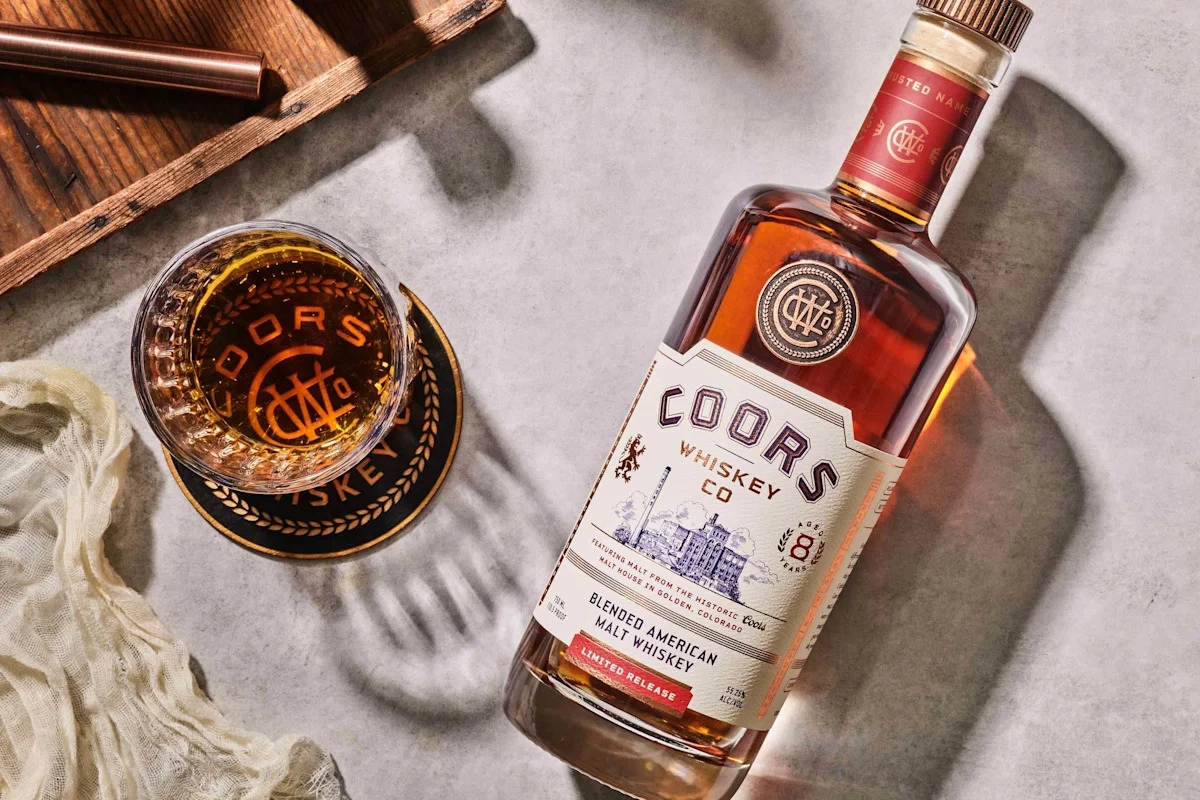
Coors Whiskey Co.’s 8-Year-Old Blended American Malt Whiskey has made waves in the spirits industry by earning an impressive score of 98 points at the 2026 International Wine & Spirit Competition (IWSC), marking it as the highest-scoring malt whiskey in the country and securing a Gold Outstanding designation.
Crafted from a proprietary blend of malts, including those sourced from Colorado, this whiskey showcases a unique aging process where all components are matured for a minimum of eight years before bottling. Only 1,200 bottles of this exceptional whiskey will be available for purchase in Colorado and Illinois, with a suggested retail price of $80.
The whiskey is produced under the auspices of Coors, a name synonymous with American brewing since 1873. Recently, the company has expanded its portfolio to include spirits through its subsidiary, Coors Spirits Co., which debuted its first whiskey, Five Trail Blended American Whiskey, in 2021. By 2023, Coors had also acquired a stake in Blue Run Spirits, further thrusting it into the spirits market.
Judges at the IWSC were captivated by the whiskey’s aromas, which included caramelized peaches, iced tea, beeswax, and creamy vanilla. The tasting notes revealed hints of tropical fruit and milk chocolate on the palate, all culminating in a long, savory finish.
This blended malt whiskey is distilled in Bardstown, Kentucky, and is classified differently from traditional single malts, using a series of undisclosed mashbills. The blend’s extensive maturation and the expertise Coors has amassed over the years in brewing have been critically acknowledged, positioning it as a formidable player in the competitive spirits arena.
For those interested, Coors Whiskey Co.’s award-winning 8-Year-Old Blended American Malt Whiskey can surely delight both whiskey aficionados and newcomers alike, with its notable craftsmanship and flavorful complexities.
Debunking the Myth: Is Vodka Always Made from Potatoes?
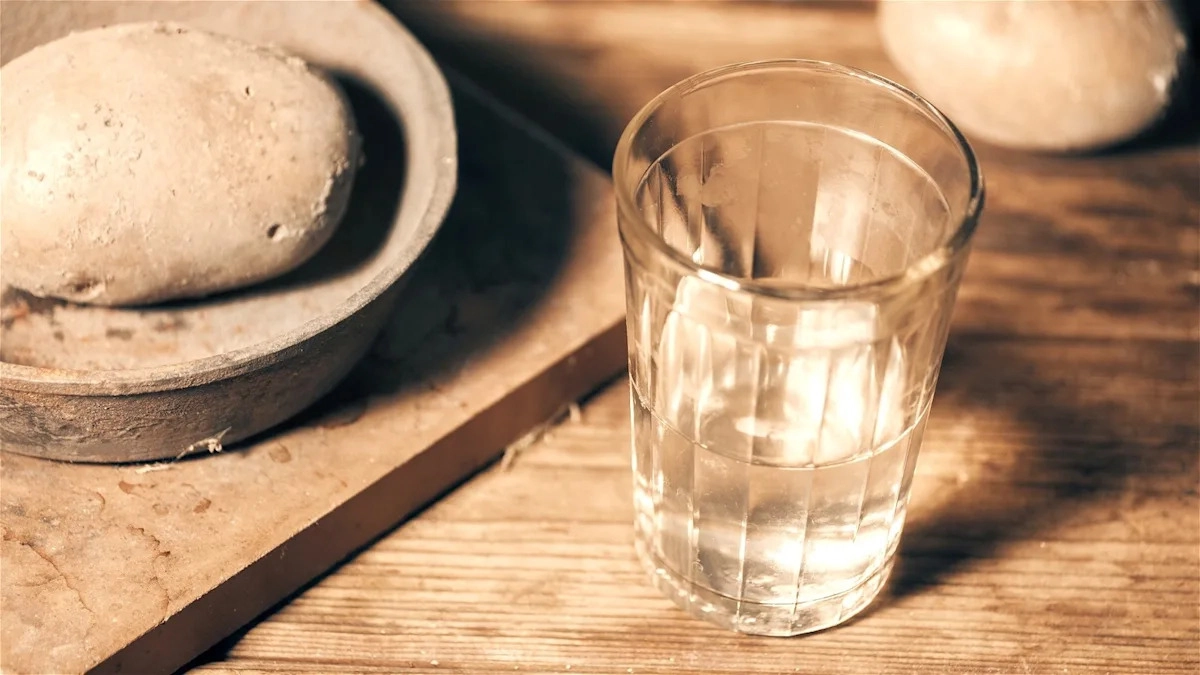
There’s a common belief that vodka is primarily made from potatoes, thanks to jokes and popular culture. However, this is a misconception. In reality, only around 3% of the world’s commercially produced vodka comes from potatoes, positioning it as an exception rather than the rule. Most well-known vodkas are actually derived from grains such as wheat, barley, and rye, with brands like Ketel One, Grey Goose, and Smirnoff primarily using wheat in their distillation process.
In addition to grains, other ingredients like corn are increasingly utilized, with Tito’s Handmade Vodka being a notable example. Indeed, potato vodkas are quite rare; at the time of writing, only 32 out of 481 vodkas listed on Difford’s Guide were potato-based.
Historically, potatoes did not even exist in the early production of vodka. The spirit’s origins—involving a disputed history between Poland and Russia—date back to the 1400s, while potatoes were introduced to Europe much later in the 1500s. Therefore, vodka is not consistently made from potatoes, and in fact, it’s more accurately characterized by its variety and grain-based compositions.
Is Potato Vodka Better Than Grain Vodka?
The assumption that potato vodka’s rarity adds a special quality to it is common, but whether it truly is superior to grain vodka remains subjective. Potato vodka offers a creamier mouthfeel and a subtle hint of sweetness, while grain vodka is often celebrated for its clean, crisp finish. The choice between them largely depends on personal preference—potato vodka might be more enjoyable for sipping, while grain vodka benefits cocktail versatility.
To fully appreciate their differences, a side-by-side taste test, such as with a classic vodka martini, can provide insights into the unique characteristics of each vodka type.
Unveiling the Best Bourbon: Insights from the Author of “Hacking Whiskey
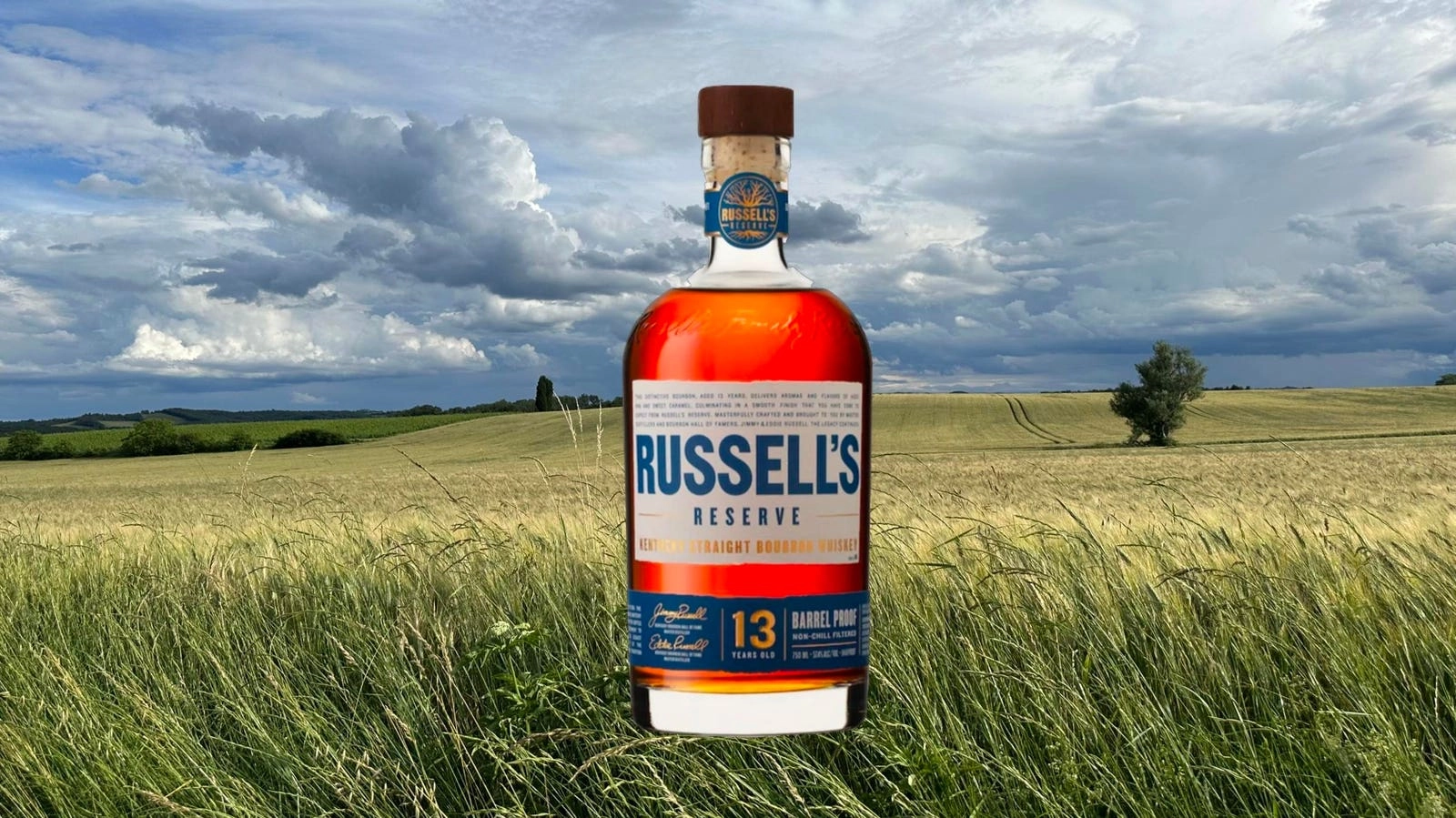
Whiskey expert Aaron Goldfarb, known for his book "Hacking Whiskey," has named Russell’s Reserve 13-Year-Old Bourbon as the best annual release. He highlights its consistent quality, steering clear of the hype often surrounding allocated whiskeys. The 2026 version pays tribute to master distiller Eddie Russell on his 45th anniversary with Wild Turkey. This bourbon, known for its deep flavors such as toffee and oak, comes bottled at a robust 121.2 proof and is crafted from barrels aged 14-18 years.
Despite its ultra-premium price point of $200, it can often be found at or near retail, which makes it accessible compared to many other allocated brands. Goldfarb points out that while some view Wild Turkey as a budget brand, true connoisseurs recognize the sophisticated craftsmanship of the Russell family, which has been evident for generations.
Goldfarb’s endorsement of Russell’s Reserve 13 raises the question of whether it could be considered the best yearly bourbon release. He confidently asserts its value amidst a plethora of overhyped offerings that flood the market each year. The uniqueness of the Russell’s Reserve 13 stems from its non-chill filtered, barrel-proof nature, making it a genuine choice for bourbon aficionados rather than a luxury item aimed at a wealthier audience.
For years, the Russell family has been committed to creating high-quality bourbon, leading to a long-standing appreciation among enthusiasts. Their latest release further establishes Russell’s Reserve 13 as a standout choice for those seeking a rich and flavorful bourbon experience.
Debunking the Myth: Is Vodka Always Made from Potatoes?
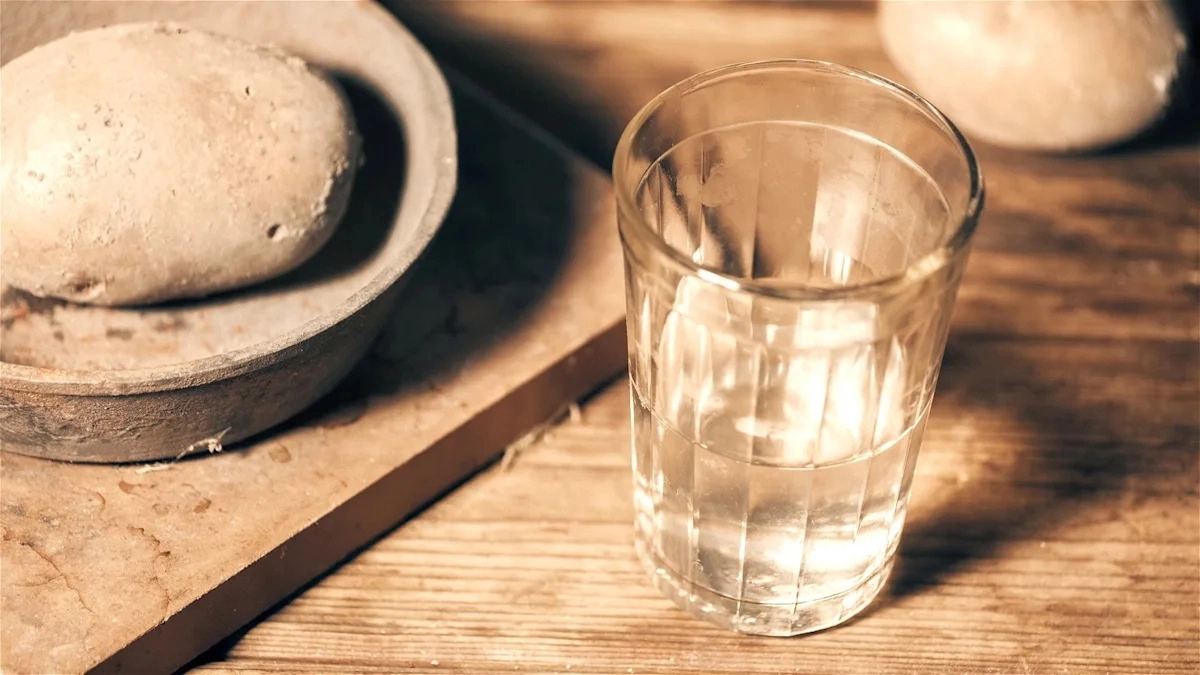
There’s a common joke that suggests potatoes are the go-to source for making vodka: "Potatoes make french fries, chips, and vodka. It’s like the other vegetables aren’t even trying." However, this notion is misleading. In reality, only about 3% of the world’s vodka is produced from potatoes. Most well-known vodkas, such as Ketel One, Grey Goose, and Smirnoff, are distilled from grains like wheat, barley, and rye. Even corn is increasingly utilized, with brands like Tito’s Handmade Vodka leading the way.
An examination of vodka varieties reveals the rarity of potato-based options. On platforms like Difford’s Guide, only 32 out of 481 vodka entries are made from potatoes, highlighting their unusual status in the market. Furthermore, potatoes were introduced to Europe in the 1500s, well after vodka was first recorded in the 1400s, debunking the idea that they could have been the original ingredient for this spirit.
When it comes to the qualities of potato vodka compared to grain vodka, opinions vary. Potato vodka offers a creamy texture and retains a hint of earthiness, making it ideal for sipping. Conversely, grain vodka tends to have a clean, crisp finish and is versatile for cocktails. The choice between the two ultimately comes down to personal preference, with each type offering distinct characteristics worth exploring.
For those curious to experience the differences firsthand, making a classic vodka martini with both potato and grain vodka can reveal their unique flavors. This simple drink allows vodka lovers to appreciate the contrasts between these two distinct styles of vodka.
Sagamore Whiskey Celebrates Maryland Heritage with Exciting New Releases
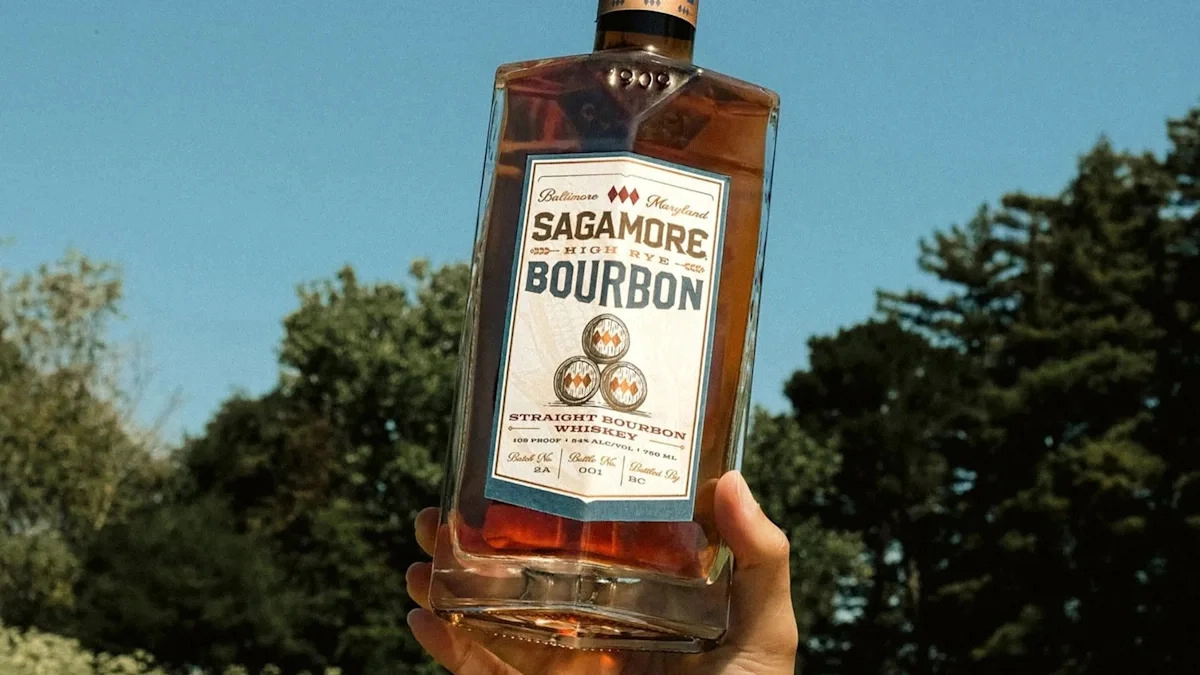
Long before Kentucky bourbon dominated the American whiskey scene, Maryland was known for its quality rye whiskey production. Sagamore Spirit, a Baltimore-based distillery, aims to revive this heritage with two notable releases this July.
The first release is the Sagarmore High Rye Straight Bourbon, which debuted nationally on July 1 at a suggested retail price of $50. This bourbon is part of the brand’s Reserve Series and, while technically classified as bourbon, it maintains a high rye content—60% corn, 25% rye, and 15% malted rye. Aged for six years in new charred American oak, it boasts a robust 54% ABV.
Additionally, the distillery offers a limited-edition collectible: the America 250 Straight Rye, an eight-year-old, 110-proof rye whiskey celebrating the 250th anniversary of the United States. Only 250 bottles of this exclusive release will be available, each individually numbered and accompanied by a commemorative coin. Priced at $125, it can only be purchased at the distillery in Baltimore starting mid-July, making it a rare find for collectors.
Maryland rye whiskey, prior to Prohibition, was a unique and respected style, significantly overshadowed in the 20th century. Watch as Sagamore reestablishes its presence in the market with these releases. The High Rye Straight Bourbon is already out at retailers nationwide, whereas the America 250 Straight Rye will soon be a coveted item at the source.
For more information about Sagamore Whiskey, visit their website.
Celebrate America 250: Sandra Lee’s Unique Vodka-Infused Apple Pie Recipe for Independence Day
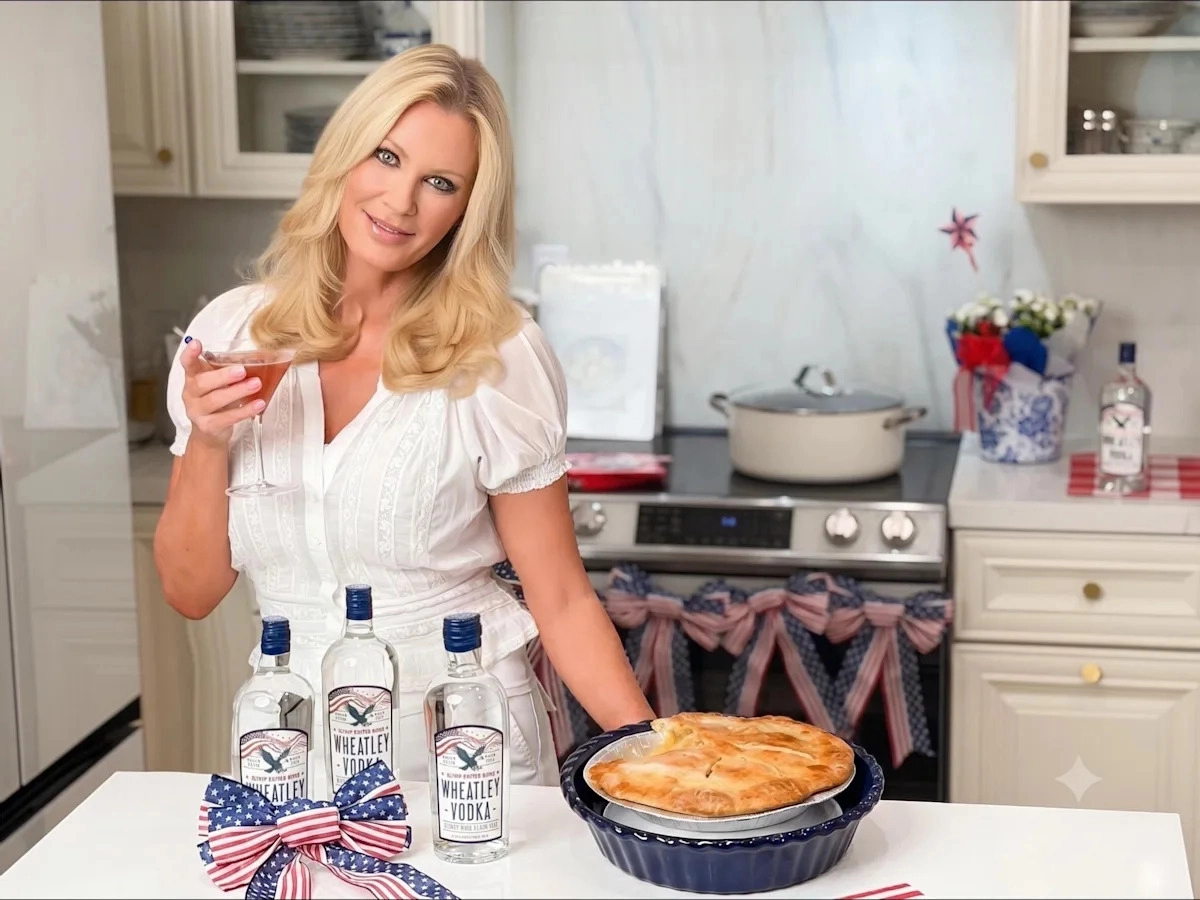
Sandra Lee has introduced a creative twist on the classic apple pie just in time for the Fourth of July, coinciding with America’s 250th anniversary. The renowned TV chef teamed up with Wheatley American Vodka to craft a vodka-infused apple pie, highlighting a nostalgic theme reminiscent of her past cooking segments.
In a recent Instagram video, Lee showcased her recipe, which includes "two shots of vodka," a nod to a playful moment she shared with her audience back in 2008. Her excitement for the anniversary and its celebration comes through in her statement, expressing the importance of creating memorable experiences with loved ones during this significant occasion.
Wheatley has also embraced the festive spirit by launching a limited USA 250th Birthday Edition bottle, celebrating American traditions such as backyard BBQs and the enjoyment of sharing apple pie among friends and family.
Deep Dish Apple Pie Recipe
Serves: 8
Ingredients:
- 2-1/2 pounds firm tart apples (about 5 large), peeled, cored, and sliced 1/4 inch thick
- 2-1/2 pounds firm sweet apples (about 5 large), peeled, cored, and sliced 1/4 inch thick
- 1/2 cup plus 1 tbsp granulated sugar
- 1/4 cup light brown sugar
- 2 tbsp lemon juice
- 1/4 tsp apple pie spice
- 1/2 cup pecan-infused vodka
- 2 tbsp unsalted butter
- 2 frozen deep-dish pie crusts
- 1 large egg white, lightly beaten
- 1/4 cup Wheatley Vodka
Instructions:
To Prep:
- Mix both types of apples with 1/2 cup granulated sugar, brown sugar, lemon juice, apple pie spice, vodka-infused pecans, and salt in a large bowl.
- Melt butter in a large dutch oven over medium heat. Add the apple mixture and cook until the apples are tender (10-12 minutes). Transfer apples to a baking sheet to cool.
To Make the Pie:
- Preheat the oven to 350°F. Lightly coat a 9×13-inch baking dish with butter.
- Combine the cooled apple mixture with the remaining vodka and pie spice. Layer the mixture with yellow cake mix and dot with thin slices of cold butter. Sprinkle brown sugar on top. Bake until golden and bubbling, about 1 hour.
- Prepare one crust by piercing the bottom, filling with pie weights, and baking for 15 minutes. Brush the crust with an egg white and let it set.
- Add the apple filling into the crust, cover with the second crust, and crimp the edges. Brush with an egg wash and sprinkle sugar on top. Bake at 425°F until the crust is golden (25 minutes), then lower the temp to 375°F for 30-40 minutes until juices are bubbling.
Pecan-Infused Vodka Recipe
Yield: 1-1/2 cups
Ingredients:
- 1-1/2 cups Wheatley Vodka
- 1/2 cup chopped, toasted pecans
Instructions:
- Toast the pecans in a non-stick pan until golden. Cool, then combine with vodka in an airtight jar. Let sit in a dark place for 3-5 days before straining.
This delightful recipe not only honors traditional flavors but also adds a spirited twist for a truly memorable Fourth of July celebration.
Sip Into Summer: Refreshing Watermelon Vodka Slush Recipe
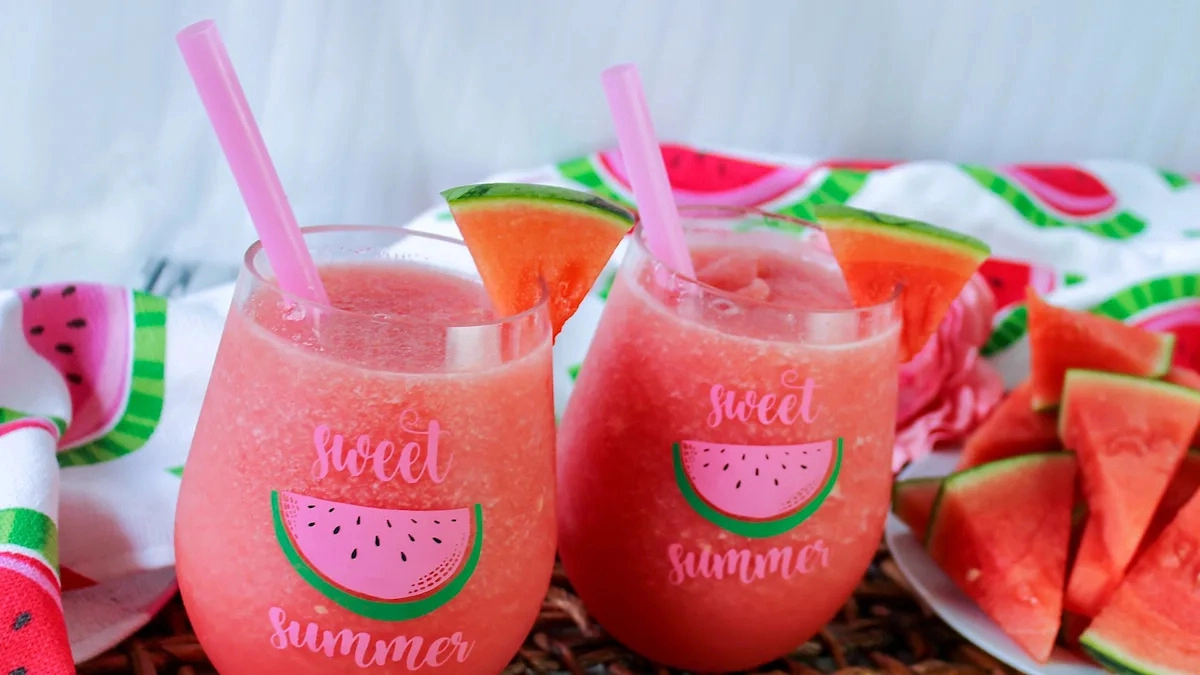
We’ve discovered the perfect summertime cocktail: the Watermelon Vodka Slush. This delightful slushy drink combines the sweet flavor of watermelon with the tangy zest of limeade, making it an ideal refreshment for hot summer days. The addition of watermelon vodka enhances the sweetness without overpowering the taste with a harsh alcohol flavor, making it a surprisingly easy drink to enjoy—though you might want to watch out as it can sneak up on you!
Ingredients
- 8 cups frozen watermelon chunks
- 12 oz frozen limeade
- 12 oz lemon-lime soda (like 7-Up or Sprite)
- 12 oz watermelon vodka
Instructions
- Gather all your ingredients.
- In a blender, add the frozen watermelon chunks.
- Pour the frozen limeade into the blender.
- Add the lemon-lime soda for some fizz.
- Finally, pour in the watermelon vodka.
- Blend until the mixture reaches a slushy consistency.
This Watermelon Vodka Slush has received a Blue Ribbon from The Just A Pinch Test Kitchen, acknowledging its popularity and deliciousness among home cooks. Perfect for summer gatherings or a relaxing day by the pool, this cocktail is sure to be a hit. Enjoy responsibly!
Introducing the First-Ever Bourbon Crafted with Whiskey from All 50 States
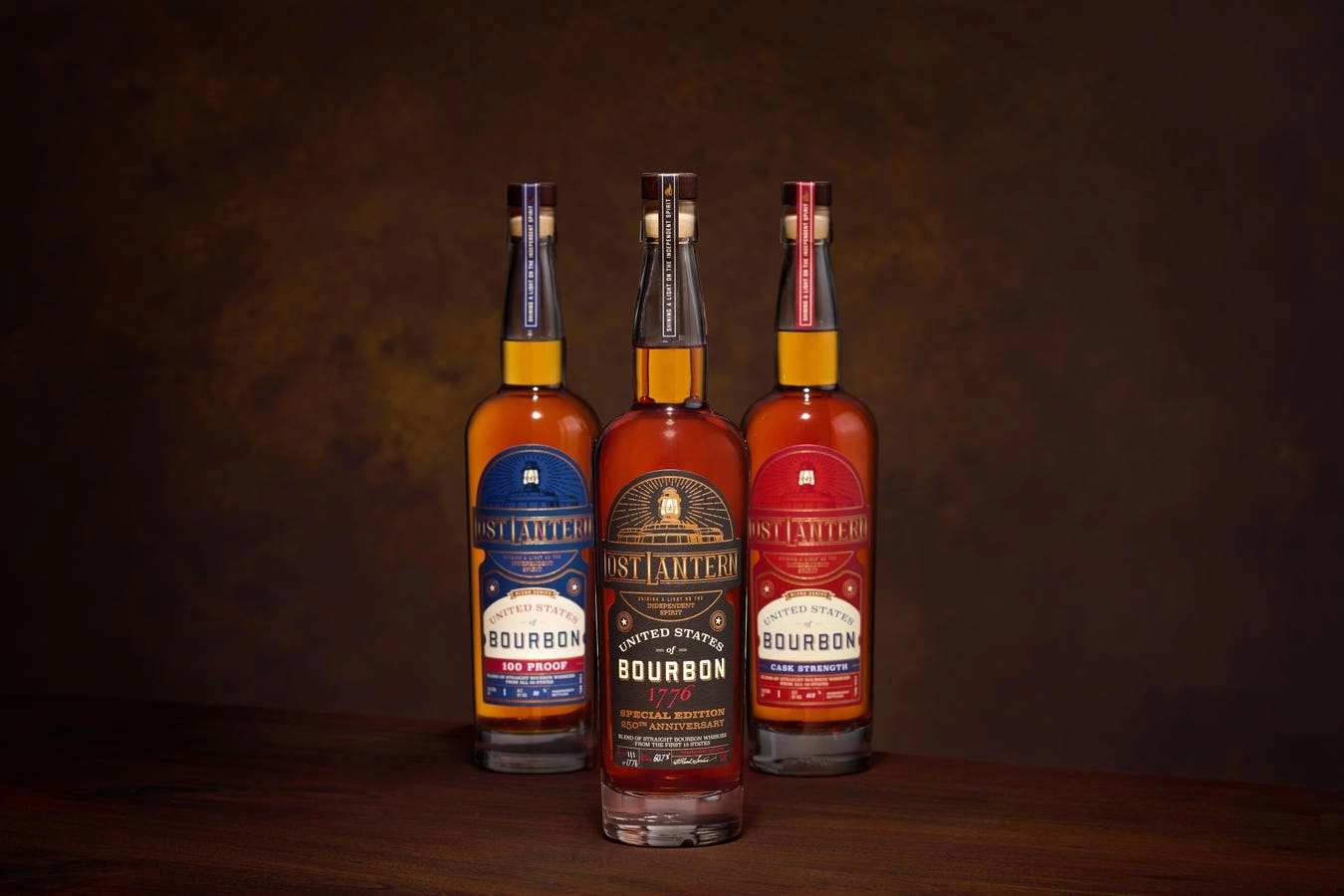
Lost Lantern has garnered attention with its groundbreaking release, "United States of Bourbon," which blends bourbon from all 50 states to celebrate America’s 250th birthday. This ambitious project challenges the traditional notion that bourbon must come exclusively from Kentucky. Instead, it showcases a diverse range of flavor profiles that reflect the unique characteristics of bourbon produced nationwide.
The release includes a cask-strength and a 100-proof version, along with a special "1776" edition, which focuses on bourbon from the original 13 colonies. This marks a historic moment as it’s the first time a bourbon blend from all 50 states has been commercially produced.
Lost Lantern’s co-founders, Adam Polonski and Nora Ganley-Roper, shared insights into the conceptualization and execution of this project. They noted that while sourcing whiskey from across the country is a logistical challenge, their independence as a bottler allows for greater transparency. They proudly label each component on the bottle, giving credit to the distilleries that contributed.
The endeavor began five years ago, during which the team collected barrels from various states to create a comprehensive blend. When they finally decided to pursue the 50-state blend in earnest in 2024, the challenge escalated. Polonski embarked on road trips to ensure quality distilleries would participate. The acceptance of these distilleries was critical, as the project could only move forward with unanimous participation.
Creating a final blend that was cohesive yet reflective of various regional nuances required extensive tasting and iteration. Ganley-Roper dedicated two weeks purely to sampling and evaluating potential components. The aim was to ensure that the flavors would resonate with a wide audience—while still celebrating the complexity of bourbon.
In crafting the 1776 edition, Ganley-Roper encountered its unique challenges. The aim was to capture the essence of what bourbon tasted like along the East Coast, often resulting in a profile that emphasizes grain notes over the typical oak influence.
The final product lists all 50 distilleries in the order of their statehood, enhancing its patriotic significance. The cask-strength version, bottled at 61.5% ABV, presents a rich amber appearance and features tasting notes of caramel, baked apple, vanilla, and various spices, culminating in a complex and inviting finish.
The "United States of Bourbon" series not only honors a significant anniversary but also exemplifies how collaboration can yield remarkable results. It illustrates that, just as in bourbon blending, different elements can come together to create a stronger, more cohesive whole. These ongoing annual releases promise to keep the conversation around bourbon vibrant and inclusive for years to come.
The Decline of Whiskey Barrel-Backed Loans: A Reflection of Changing American Drinking Habits

Signs of significant stress in the American whiskey market are becoming evident as the supply reaches unprecedented levels while demand lags. Distillers in Kentucky and Tennessee are grappling with a surge in barrelled whiskey that is failing to generate the expected financial returns, thanks to the fading bourbon boom and shifting consumer preferences.
As alcohol consumption trends have decreased, especially post-pandemic with the rise of weight-loss medications and legalized cannabis, leading brands like Jack Daniel’s and smaller newcomers like Uncle Nearest are finding it increasingly difficult to convert their aging barrels into valuable products. This has led to a distressing situation where distillers are using barrels as collateral for loans, which has become problematic as the value of that collateral has diminished alongside rising inventory and falling buyer interest.
Missed loan payments are forcing some financial institutions to take control of struggling distilleries. This predicament is especially apparent at Uncle Nearest, where approximately 56,000 barrels were pledged against around $100 million in loans. Following defaults, Farm Credit Mid-America initiated court proceedings to recover funds, putting the ownership of the barrels and the business into dispute.
A courtroom ruling revealed Uncle Nearest to be insolvent, as there was a significant discrepancy between the anticipated and actual market value of their barrels. A court-appointed receiver attempted to sell 10,000 casks for $1,000 each but received only one offer of $400 per barrel, highlighting the stark reality of the oversaturated market. Ownership disputes intensified as the Weavers argued that the barrels had a higher potential worth, while evidence from the legal proceedings indicated otherwise.
Similar challenges have befallen other distilleries, such as Kentucky Owl, which entered bankruptcy in 2024 under analogous market pressures. Though the industry is expected to rebound eventually, the extensive collateral problems emphasize a challenging trend for distillers and their financial backers. Banks remain hesitant to reclaim whiskey barrels, knowing that they may struggle to find buyers in the current market landscape.
The current climate has seen over 30 distilleries file for bankruptcy since 2024, as consumer interest shifts and supply outstrips demand. This transformation in the whiskey market underscores broader economic shifts that are impacting distillers at every level, forcing many to reassess their positions and strategies for the future.