Liquor-articles 2100
Common Mistakes Everyone Makes When Handling Vodka

Vodka is a spirit that divides opinions. Some people won’t touch it after drinking a cheap hairspray-tasting bottle or getting sick on screwdrivers in their younger years. Others see it as a classic cocktail ingredient that deserves a place in every liquor cabinet. But, there are some mistakes everyone makes with vodka. If you’re generally a vodka-avoider, learning the missteps to avoid could turn your relationship around. If you love the stuff, you might improve your drinks and find some new things to do with this spirit.
While vodka is used in drinks more often than it is in food, it can also be a great ingredient to cook or bake with. So we wanted to cover mistakes with both using it in drinks and cooking with it. From not knowing when to use cheap bottles (and when to break out the top-shelf stuff) to using too much vodka in recipes, there are so many errors people can make — but just as many ways to fix or avoid them.
But don’t just take our word for it. We spoke to three food and drink experts: a vodka brand founder, a cocktail expert, and a food blogger who regularly cooks with the spirit. Armed with their hot takes, we’re about to demystify common vodka myths and mistakes and help you avoid these frequent pitfalls.
Read more: Popular Vodka Brands Ranked From Worst To Best
If you’ve made up your mind that all vodka tastes like kerosene, then you might be drinking from the wrong bottle. While vodka is renowned for its neutral taste, the super cheap variants can come off as bitterly unpleasant with a smell similar to paint thinner. Not every affordable bottle is subpar, but there are times when opting for cheap vodka could prove to be a mistake.
There is often a debate whether there’s any significant difference between cheap and high-end brands. “If it’s a martini or any drink where the vodka taste is perceptible, then the difference is immediately noticeable,” says Mia Crusto, the general manager and cocktail expert at ROOF on theWit based in Chicago. A similar sentiment is echoed by Andy Pitts, the owner and curator of Lord Vodka, who opines that high-quality vodka significantly enhances the experience of drinking martinis.
What you intend to use the vodka for is a determinant on whether to go for an affordable or expensive option. “Tito’s is my preferred all-around choice — but for martinis, I prefer Grey Goose or Ciroc as they have a smoother taste,” suggests Crusto. Naturally, there are a multitude of drinks where vodka is the key ingredient, but if the vodka is high-quality enough to taste good in a martini recipe, it should equally be satisfactory in other vodka-driven drinks. When it comes to cooking, especially with savory pan sauces and macerating fruits, use a vodka you enjoy drinking because the clean notes and bite would be more pronounced,” recommends Lisa Lotts from Garlic and Zest.
In certain instances, you don’t really need expensive vodka. We’re not hinting that you resort to the cheapest, nastiest bottle available, as that would invariably affect the overall taste. However, a reasonable bottom-shelf option may sometimes be fitting for a certain drink or recipe.
“When choosing a vodka to cook with, I don’t go with anything super expensive,” Lisa Lotts remarks. “A moderately priced 80-proof vodka will work for most cooking applications.” Anything top-shelf is likely to get lost in the mix in most recipes. “For baked goods or fry batter, a less expensive bottle is fine, as the recipes won’t require much, and those styles of recipes use vodka for different reasons: to create light coatings and flaky textures or crusts,” Lotts continues.
As for drinks, Mia Crusto explains there’s a time and place for affordable vodka. “If you’re putting it in a punch or something else, it’s totally fine to go with something cheaper! You’re probably not going to notice the difference too much there.” So, think about how prominent the vodka is in a cocktail recipe or mixed drink. If it contains a number of other liquors or a lot of juice, soda, or other ingredients, quality is less of an issue. An expensive bottle will just be a waste.
A common mistake folks make when buying vodka is assuming that the more expensive it is, the better it will be. “Quality doesn’t always correlate with price,” notes Andy Pitts. Sure, there is some link between price and quality, but it isn’t as simple as saying that if a bottle costs more, it will definitely be better.
For example, you’ll occasionally get a bottle for $25 that you prefer to a $50 one. And “prefer” is a key word here. When it comes to food and drink, there’s always an element of preference. What some people love, others hate. So you may have to shop around and try a few duds before you find a brand you love. Don’t believe that an expensive spirit is sure to be amazing; judge a vodka by price alone and you might be disappointed.
Discovering quality vodka for your money involves research and sampling, not just focusing on the cost, suggests Pitts. Advice and tasting opportunities may be proffered at a reputable liquor store with informed staff.
The assumption that vodka originates only from grains or potatoes is erroneous. The reality is that vodka can have a wide variety of base ingredients, and appreciating the differences these ingredients yield is crucial. Understanding individual preferences could reveal marked distinctions or enhance personal enjoyment, leading to the purchase of a much beloved bottle.
Andy Pitts elaborates on this topic: “Grain-distilled vodka, such as corn, may invoke a distinctive mouthfeel or burn, despite filtration methods.” He proposes wheat or potato-based varieties for a different sensory experience. However, Mia Crusto argues that it’s more about individual tastes. She recommends actual produce tasting to make an informed decision: “Grey Goose is derived from grapes, Tito’s from corn. Opt for what suits your palate!”
There’s a multitude of choices in the market since vodka can be distilled from a broad range of grains. Wheat-based vodka might carry a hint of zest and aniseed; rye-based vodka often possesses a unique nutty sweetness akin to rye bread. Also, vodka can be fermented from different fruits, with grapes garnering fame for imparting subtle lemon zest flavors. Potatoes, a conventional base for Russian and Eastern European vodkas, deliver a full-bodied flavor and creamy texture.
People often hold back from cooking with vodka due to the fear that it might introduce an overpowering alcoholic flavor to the dishes. However, the key lies in using it with balance and not going overboard. Vodka generally has a neutral taste profile, hence it doesn’t add much to the recipes themselves. Instead, it plays a role in elevating the flavors present in the dishes, a point made clear by Lisa Lotts.
For beginners venturing into the realm of incorporating vodka in their cooking, it’s advisable to stick to a tried and tested recipe that includes vodka. This ensures a measured and balanced addition of vodka in the dish. Lotts further recommends using a measuring tool for adding the spirit rather than freely pouring it from the bottle which might lead to excess.
Once you have gained some confidence in cooking with vodka, you might be inclined to experiment and adjust your familiar recipes to include vodka. The question of how much vodka to use can be answered by Lotts, who suggests that “⅓ to ½ a cup should be good for braises, but an additional 2-3 tablespoons wouldn’t do any harm”. However, remember to start with a small, conservative amount, then gradually increase it until you achieve the desired flavor.
While cooking with highly potent vodka (100 proof or higher) can be a misstep depending on your recipe and cooking method, it’s particularly important to avoid strong spirits while flambéing. For safety reasons, Lotts suggests using an 80 proof vodka, which contains more water than alcohol, thereby reducing the duration of the flame and making the flambé safer.
While overproof vodka is not dangerous to use for other purposes, you might want to rethink using it for a couple reasons. Firstly, overproof spirits have a stronger kick to them. This can be good for certain cocktails or when you’re in a festive mood, but not ideal for a strongly alcoholic sauce or too much of that punchy vodka bitterness. Additionally, overproof alcohol tends to cost more. If your plan is to cook off most of the alcohol in a recipe, using stronger alcohol could be seen as wasteful. Use something with lower alcohol content. This choice could save you money and possibly lead to a better-tasting dish.
Most avid cooks have heard of penne alla vodka. While we definitely agree that this is a delicious dish, it’s not the sole thing you can create with this well-known spirit. If it’s the only thing you’ve ever thought of cooking with vodka, you might be limiting your culinary creativity. There are many convincing arguments why you should be cooking with vodka and there’s a multitude of fantastic dishes you can use it in.
Other plate ideas that involve vodka that you might want to attempt include Bloody Mary soup, martini cheese dip, bruschetta, vodka-infused grilled corn, and baked beans. There are also diverse pasta recipes that include vodka in their sauces that go beyond just a classic penne alla vodka.
Don’t hesitate to adapt and experiment with recipes that typically use other kinds of alcohol. For example, Lisa Lotts shares, “I like to use vodka in any recipe I’d usually add wine or vermouth or to replace water when deglazing a pan. After searing chicken breasts or pork chops, use roughly ¼ cup of spirits to lift the browned bits, scraping them up with a wooden spoon. Season with fresh herbs, a touch of Dijon mustard, and a pat of butter for a tasty pan sauce.”
Ever considered using vodka in desserts and other sweet concoctions? If not, you might want to reconsider. This versatile alcohol can be a handy addition to a variety of sweet dishes, while being nearly tasteless in the final treat. One cooking expert who swears by vodka in desserts is Lisa Lotts, who generously shared some of her secret recipes with us.
According to Lotts, a splash of vodka in pie crust turns out to be a game changer in creating flaky textures. “As the crust bakes, vodka creates and then evaporates pockets of air, leaving a perfectly flaky crust in its place”. However, the magic of vodka doesn’t end with pie crusts. “Shortbread cookies can also benefit from a drop or two of vodka,” she suggests. She notes that vodka helps in making the cookie dough softer and easier to handle. But don’t worry about having alcohol-flavored cookies, she reassures us. “Most of the alcohol is likely to evaporate during baking, resulting in light, crispy, melt-in-your-mouth shortbread cookies,” adds Lotts.
But perhaps, the most surprising application of vodka in desserts is in homemade no-churn ice cream. Generally, ice cream needs an ice cream maker or rigorous manual churning to achieve a creamy texture. However, a splash of vodka in the ice cream mixture can ward off the formation of ice crystals. One last tip from Lotts – vodka-preserved fruits can add a delightful boozy flavor to your sweet dishes while preventing bacterial growth.
There’s one crucial factor to bear in mind when cooking with vodka. One common mistake people commit is not allowing the vodka to cook off sufficiently. The downside of inadequate cooking is that it may leave a strong alcohol flavor in your dish, which can be off-putting. Therefore, if you are planning to use vodka in your culinary experiments, ensure that it is adequately cooked off to get the best results.
Have you ever wondered how to ensure the alcohol in your meal is cooked thoroughly, so that your dish not only tastes fabulous but also doesn’t retain the harsh taste of vodka? The secret lies in either simmering it steadily or using high heat for speedy cooking-flambéing is a good example. If unsure, stick to your recipe directions, which should provide adequate simmering time to bring out the flavors and soften the strong vodka taste.
It’s worth mentioning that cooking a dish with alcohol doesn’t eliminate its alcohol content entirely. For instance, simmering for 15 minutes leaves behind around 40% of the alcohol, whilst simmering for an hour reduces it to about 25%. Hence, be cautious when serving such dishes to children or anyone refraining from alcohol.
According to culinary expert Lisa Lotts, vodka proves useful in marinades to heighten the flavors of a dish. However, she warns against a common pitfall – marinating proteins in vodka for extended periods. Excessive marination doesn’t necessarily jeopardize the taste but it can impact the texture instead.
Lisa explains, “If left to soak for too long, the texture of certain proteins could get compromised.” She recommends, “For chicken or pork, limit it to 20 to 30 minutes and for seafood, 10 to 15 minutes is sufficient.” Thus, if marinating ingredients for hours or overnight is part of your usual cooking routine, it might be time to switch things up a bit.
To let other flavors shine in your marinade, immerse the protein in the remaining marinade ingredients for a few hours or overnight before incorporating the vodka for the last 10 to 30 minutes. This approach allows long marination without an overwhelming vodka flavor or modification of your protein’s texture.
People frequently mishandle vodka, particularly when it comes to temperature. Nonetheless, the correct temperature is contingent on the use. As a general rule, vodka does not need to be chilled. According to Mia Crusto, vodka should only be stored in the freezer when you need it ice-cold with zero dilution for shots. She adds that room temperature is ideal for martinis since shaking the vodka in a martini provides a pleasant chill and slight dilution from melting ice, creating the martini’s distinctive flavor.
Pastry making, on the other hand, requires a different approach. Lisa Lotts advises using a few tablespoons of cold vodka to achieve flaky pie crust. According to her, the vodka must be cold, and this is crucial for the pastry to puff up and develop flakiness. Using room-temperature vodka won’t yield the same results.
Generally, room temperature is preferable, except when taking shots or baking pastry. However, Andy Pitts proposes another perspective. He mentions that whether vodka is refrigerated or frozen is purely personal preference, especially during cocktail hour. He is of the opinion that colder vodka is able to alleviate the slight ‘burn’ present in some vodkas, either consumed straight or used heavily in cooking.
While indulging at a bar, Mia Crusto believes that many people are overly selective about their vodka choices. You may have favorite vodka brands, yet the professional mixologists who design the drink list possess expert knowledge. Crusto indicates that if a bar or restaurant opts for Belvedere over Grey Goose in a cocktail, they likely have a rationale. “Do not presume it would taste superior if you replace it with your usual choice of vodka. Have faith in the bar’s selection and menu curation!” she advises.
This notion holds true even when concocting cocktails at home. If a recipe doesn’t specify a vodka brand, feel free to use your preferred choice. However, if the recipe explicitly states a certain brand, there must be a valid reason, perhaps that particular vodka’s subtleties enhance the cocktail. Conversely, if a vodka brand authored or backed the recipe and it recommends using its product, you have permission to be doubtful and utilize any vodka you have available.
For further reading, consider viewing the original article on Mashed.
Creating a Napoleon: The Ultimate Summer Whiskey Cocktail Guide

Not all warm-weather drinks are created equal.
Some spirits feel designed for summer. Pisco comes to mind. Or blanco tequila. Things like cachaça and rum are practically made of sunshine and wait for the first day of summer like school children. Whiskey, meanwhile, is sulking in the corner, and recoils from the sunshine like a vampire. With its richer profile, elevated proof and heavy blanket of oak and spice, whiskey is much more at home in the cold, and the darker the better.
More from Robb Report
You’ll Need an NBA Salary to Drink Steph Curry’s New 15-Year-Old Bourbon
Woodford Reserve’s New Bourbon Is a Delicious Accident
How to Make a Bronx Cocktail, the Gin and Juice Upgrade That’ll Refresh You This Summer
All of this puts whiskey drinkers in a bit of a dilemma. The weather is getting warmer, and the sun is setting later, and trying to fit whiskey into a pair of flip flops requires a bit of mixological trickery:
One way to do this is with charm—specifically the charm of egg whites, which, as with something like the Whiskey Sour, binds to the oak tannins in the spirit, neutralizing the astringency and making it all smooth as silk. Another way is with fruit, like in the New York Sour—throw a bunch of red fruit at whiskey and it provides a lovely misdirection from the oaky bite. Yet another is with some herbaceousness, to add complexity to the sweet-sour pull and entice the palate, like in the excellent Paper Plane.
RELATED: The 50 Best Bourbons of the 21st Century So Far
Or, you could do literally all three of these in a single drink, which is called Napoleon. The Napoleon is a cocktail that utilizes bourbon, fresh lemon juice, and sugar—very similar to a whiskey sour—infused with fresh raspberries, spiced with blanc vermouth and Campari, and smoothened with an egg white. It radiates a bright, refreshing, fruity, and slightly bitter taste. The drink is characterized by the use of bourbon that accentuates the flavor giving it a summer touch. It starts with a mix of raspberry and lemon with a grainy spice taste of the whiskey, transitioning to blanc vermouth spicing the whiskey’s corn and fruit, and wraps up with Campari that adds a slight bitter taste to the whiskey’s oaky texture.
This innovative concoction, Napoleon, is the creation of Sam Penton from the Manor Bar located in Rosewood Miramar Beach, Montecito, Calif. The bar features concept menus, the latest being one called “Villains” inspired by great antagonists of literature. So, Napoleon is named after the cunning Marxist pig from the renowned George Orwell’s Animal Farm.
The Rosewood, positioned near the coast just outside Santa Barbara, operates all year but its coastal location is best for enjoying warm weather, sunlight, and relaxing with refreshing cocktails like the Napoleon. In fact, the Napoleon is a master at making whiskey apt for warm weather. It’s so successful that we might need to change our initial description: Perhaps all warm-weather drinks are made equal, just some tend to be more equal than the rest.
1.5 oz. high-proof bourbon
0.5 oz. blanc vermouth (or “blanco” or “bianco”)
0.75 oz. Simple Syrup
0.75 oz. lemon juice
3-4 fresh raspberries
1 tsp. Campari
1 egg white
Add all ingredients to a cocktail shaker without ice. Seal the shaker, hold it firmly, and give it a “dry” shake without ice for three to five seconds. Then add ice, seal again, and vigorously shake for eight to 10 seconds. Strain finely into a cocktail or coupe glass, and garnish with a few droplets of Angostura bitters or a raspberry, skewered on a pick.
NOTES ON INGREDIENTS
Bourbon: A cask-strength version of Maker’s Mark, specifically made for the Rosewood Miramar Beach and bottled at 54.1 percent alcohol is the choice of Penton. In my tries, I used 40 percent bourbon, 45, 50, and 55, and found the 55 percent most favorable. Using low-proof makes the drink still great, but the strong and persistent whiskey character is missed. Though Maker’s Mark is delicious, I also liked the rye spice flavor, which Maker’s Mark doesn’t have as it uses wheat instead of rye as a flavoring grain. So if you do not have Rosewood’s unique Maker’s Mark, bourbon brands with high proof and rye-forward like Stellum, Bulleit Cask Strength, Knob Creek, or others would do just fine.
Blanc Vermouth: Most cocktails are made with either “sweet” or “dry” vermouths. In this recipe though, blanc is used, a style that’s light in color like dry vermouth, but rich on the palate like sweet. Dolin is widely used and readily available. I’m particularly a big fan of Yzaguirre Blanco, and also, Cocchi Americano, which while not exactly a blanc vermouth, it functions like one. Any of these would be great.
Raspberry: Penton employs raspberry syrup. It gives a cleaner mix (no pulp in the shaker) and is simpler to use (fresh raspberries rot quickly and maintaining them is a bit of a chore). That said, for recipes like the Clover Club, I love the vivid flavor of fresh berries. So, if you’re just making one or two drinks, forget about the syrup and just toss in fresh berries in the shaker letting the ice to do its job.
Simple Syrup: Equal parts, sugar and water, and stir until the sugar dissolves. Simple.
Best of Robb Report
Why a Heritage Turkey Is the Best Thanksgiving Bird—and How to Get One
9 Stellar West Coast Pinot Noirs to Drink Right Now
The 10 Best Wines to Pair With Steak, From Cabernet to Malbec
Sign up for Robb Report’s Newsletter. For the latest news, follow us on Facebook, Twitter, and Instagram.
Norwich Distillery Bags International Award for its Debut Rum Production

A Norwich distillery known for its exciting range of gins has won an international award for its first ever rum.
Bullards’ blood orange-flavoured rum, named Nelson’s Blood, was launched in late 2023 and has since won the Best Limited Edition Design title from the 2024 World Rum Awards.
The spirit, featuring a blend of blood orange with tonka bean, was created in homage to Norfolk’s seafaring tradition.
Bullards was resurrected by Russell Evans in 2015 with collaboration from the founder’s great, great grandson John Bullard.
Oliver Chapman, Bullards’ brand experience manager, said: “We are immensely proud of Nelson’s Blood winning Best Limited Edition Design at the 2024 World Rum Awards.
“This award is particularly special as it’s our first foray into spirits beyond gin.
“Our bottle design, reminiscent of the old Bullards Brewery chimney, celebrates our brand’s rich heritage, drawing inspiration from Bullards beer bottles of the 1800s and 1900s.
READ MORE: Bullards Tipsy Anchor Bar and Shop to open in Norwich Lanes
“This recognition excites us as we continue to innovate and expand our offerings.”
He added that Bullards will also be releasing a line of liqueurs soon, starting with Limingino, a gin-based Limoncello-type drink.
The original Bullards brewery has been rooted in Norwich since 1837.
The name was revived by Russell Evans in 2015 in collaboration with the founder’s great, great grandson John Bullard.
Charlie Day from ‘Always Sunny’ Autographs Whiskey Bottles at New Costco in Sacramento Area

Katryna Remy waited patiently in line Thursday afternoon at the new Costco store in Loomis, her cart filled with a blanket, snacks, water and two 750-milliliter bottles of Four Walls Irish Whiskey.
“I haven’t tried the whiskey yet,” said Remy, of Citrus Heights. “I’m sure it’s good.”
She was the first in line, waiting for more than two hours to meet Charlie Day, one of the stars of the long-running FX sitcom “It’s Always Sunny in Philadelphia.” He’s also one of the celebrities behind the Four Walls whiskey brand.
“It’s just a comfort show for me. I just rewatch it all the time,” Remy said of the outlandish TV series that is still running after 16 seasons.
She brought some headphones along while she waited in line, but she never used them. Instead, she passed the time meeting other fans of the show as they waited to have their bottles of whiskey signed by the Hollywood star.
“We’ve made a lot of friends; just a really good memory,” Remy said. “I’ve been doing a lot of people-watching.”
She was talking about the crowded store filled with shoppers Thursday as Costco celebrated its grand opening at the Loomis location. Costco openings around the region have become a community celebration for residents as well as elected officials.
A few dozen fans greeted Day with applause and cheers as he approached the table with posters of the whiskey brand and its creators.
Rob McElhenney, Glenn Howerton, and Day, the stars and co-creators of “It’s Always Sunny in Philadelphia,” which takes place in a bar, initially introduced a special, collector’s edition bottle of Four Walls whiskey to aid the bartending community during the COVID-19 pandemic. The creators of the whiskey brand have recently launched a general drinking version of Four Walls.
“We wished to establish a brand that commemorates the four walls which have stored our most cherished memories in and kept our problems away — the bar,” stated Howerton about their whiskey on the brand’s website.
Day, who is also renowned for film roles in “Horrible Bosses,” “Pacific Rim,” and “The Super Mario Bros. Movie,” heartily welcomed fans queuing for his whiskey and took pictures with them.
Noah Benjamins from Rocklin purchased five bottles of the basic-drinking version, yet he also carried his collector’s edition bottle of the whiskey for Day to autograph. He had been in line since roughly 11 a.m. for the 2 p.m. bottle-signing event with Day.
“He’s awesome. He’s great,” Benjamins said with a huge grin while displaying his signed collector’s edition bottle. “When I got here, I was shocked that I would be the 10th or 12th person in line. A lot of people were coming up asking, ‘What are you waiting in line for?’”
The newest Costco store in the Sacramento region, opened its gates at about 7:30 a.m. on Thursday. The 155,000-square-foot store is located at 4101 Sierra College Blvd. The turnout was less than expected, but Day’s appearance caused a minor ruckus with shoppers crowding around his table for photos.
Among the excited Costco shoppers was Miracle Rodriguez of Citrus Heights. She was one of the passionate customers who lined up outside the store overnight, sleeping in sleeping bags to be among the early birds. Rodriguez returned to the store after finishing her shopping just to meet Day.
She discovered “It’s Always Sunny in Philadelphia” in its eighth season and became a dedicated fan. Rodriguez admires Day’s character on the show, Charlie Kelly, a lowbrow, somewhat naive, high-energy grinder amongst a group of fools operating a lowbrow bar in Philadelphia. The series, which is available to stream on Hulu, also features Kaitlin Olson and Danny DeVito.
“He’s my favorite. His character is like a little kid,” Rodriguez said of Day’s character. “It’s been the time of my life. Memories forever.”
Unveiling the Best Rum of the Year 2024

In this article, we are going to discuss the best rum in 2024. If you’re up for the challenge, check out the other top rums in our list of the 20 Best Rums in 2024.
As we mentioned in our article – 20 Countries that Export the Most Rum in the World – the global rum market was estimated at $17.4 billion in 2023 and is expected to reach $24.5 billion by 2033, with a CAGR of 3.5% during the forecast period.
Rum is building momentum and getting more popular in U.S.A. Today, the category is one of the most steadily growing and continues to benefit from several intersecting popularity shifts. In recent years, distillers have experimented with flavored rums, making the category much more versatile in offerings, and so today, flavored and spiced offerings account for over 57% of all rums sold.
This highly mixable spirit also provides a key function in cocktail culture. While rum is a staple of on-premise tiki bars, it is also one of the only spirits for which it’s common to blend multiple varieties in the same cocktail. According to Bacardi’s 2022 Cocktail Trends Report, four of the top-10 best-selling cocktails are rum drinks, making the spirit a must-have for all on-premise programs.
Rum has traditionally been associated with tropical cocktails, but recent years have seen a shift in how it’s perceived. Despite the rum industry still being largely controlled by big-name producers, consumers are showing a growing preference for craft and aged rums over standard, low-cost options. This change of preference, along with the increasing popularity of quality, aged rums, has led to the drink being considered a high-end option, suitable for savoring much like top-tier whiskies and tequilas.
In the world of rum, as with other spirits, premiumization typically involves the use of superior ingredients and inventive finishing touches in barrels. This offers consumers an extensive and exciting lineup of novel flavors to enjoy. Although the global rum market shows only gradual growth, the premium rum segment is growing rapidly with a compound annual growth rate exceeding 24%.
A global trend towards low and non-alcohol drinks is causing profound changes in the beverage industry. This shift is fueled mainly by health-conscious consumers desiring alternatives to traditional alcoholic beverages. Millennials and Generation Z are leading this charge, demanding more diversity in their drink choices and embracing a healthier way of life. This wellness-oriented approach is not limited to the younger generations, as individuals across various life stages place increasing importance on mindful consumption.
Several industry leaders have acknowledged the staying power of this trend towards non-alcoholic drinks and have undertaken innovative initiatives to retain current customers while drawing in a new, younger demographic. And rum has certainly not been left out of this transformation.
Owned by Diageo plc (NYSE:DEO), the renowned Captain Morgan rum brand introduced Captain Morgan Spiced Gold 0.0% in August 2023, a non-alcoholic variant of the celebrated Original Spiced Gold, providing a delectably spiced taste profile. In the wake of the triumphant releases of Guinness 0.0%, Tanqueray 0.0%, and Gordons 0.0% in recent years, Captain Morgan Spiced Gold 0.0% brings additional options to the market as the newest brand, and first dark spirit, to join Diageo plc (NYSE:DEO)’s alcohol-free range. Captain Morgan’s sales reached 22.9 million cases globally in 2022, making it the 17th Most Popular Spirit in the World.
The initial launch of Captain Morgan Spiced Gold 0.0% Alcohol Free Rum took place in Great Britain in September of the preceding year, before further distribution throughout Europe in 2024. The retail price of Captain Morgan Spiced Gold 0.0% Alcohol Free Rum is less than $20 in Great Britain.
Diageo plc (NYSE:DEO) holds the 4th position among the Most Valuable Alcohol Companies in the World.
For the compilation of data in this article, we referred to several reputable sources such as Liquor, VinePair, Men’s Journal, Reddit etc., in pursuit of the Top Rums to Buy in 2024. To ensure the recommendations are of the highest quality, we made a shortlist of rums that were prominently featured on these websites, and assigned them a point each time they were endorsed by these sources. The total scores were then summed up and our list was ranked accordingly. In instances where two or more rums garnered the same score, we ranked them based on the price (excluding tax) of their 750 ml bottles.
Insider Monkey Score: 15
Ranked as the Number 1 Rum according to our methodology, this single estate spirit originates from a careful selection of rare golden rums. Each one has been aged for at least 12 years in Jamaica’s tropical climate. This refined rum presents a smooth, robust, and woody profile, boasting hints of toasted oak, dried fruit, and hazelnut.
In December 2012, Appleton, along with the Wray & Nephew and Coruba Rum brands, became part of Gruppo Campari’s portfolio. This acquisition was part of the Italian corporation’s purchase of the Jamaican company Lascelles deMercado & Co, costing close to $415 million. At present, the Appleton Estate 12 Year Old Rare Casks Rum holds the top spot in our Best Rums in 2024 list.
For those interested in learning about the other rums that made the cut, please click here.
READ NEXT: 20 Best Rums for a Refreshing Mojito and 12 Countries that Produce the Best Rum in the World.
Disclosure: None. This article is originally published on Insider Monkey.
60 Unique Father’s Day Gifts to Replace Whiskey Stones: What Dad Really Wants

Content is crafted by CNN Underscored’s editorial team, independent of the CNN newsroom. Commissions may be earned from purchases made through links on our site, by CNN and its syndication partners. Learn more
It’s a challenge to find valuable Father’s Day gifts that aren’t just another pair of wool socks or the clichéed whiskey stones. We often seek out gifts that are thoughtful, creative, and stand out – the sort of gifts that he wouldn’t think of buying for himself but will be appreciated when presented. From tech organizers and grilling gadgets to pizza ovens and fire pits, we’ve gathered a list of unique Father’s Day gifts to make him feel special.
Looking for more Father’s Day gift ideas? Explore our handpicked gifts from Amazon, practical gifts, and gifts from Uncommon Goods.
Colsen Hex Small Tabletop Fire Pit
Lounging on the patio on a warm summer night just got much more comfortable thanks to this tabletop fire pit. It’s completely smokeless and odorless and burns for up to an hour at a time.
MasterClass Subscription
A MasterClass subscription gives Dad the chance to learn from leaders in entertainment, tech, food and more. New classes are also being added all the time, so he’ll never run out of things to master.
Burlap and Barrel Spice Club Gift Subscription
This gift offers a one-year prepaid subscription. This subscription allows four full-sized spice jars to be delivered to the recipient’s doorstep four times a year. It is an inspiring gift for a cook who loves to bring creativity into the kitchen through experimenting with new flavors.
Cost: $180 at Burlap and Barrel.
Uncommon Goods MLB Stadium Blueprints
Baseball aficionados will be enamoured by this creative tribute to their top MLB stadium. The retro-themed work of art pays homage to the history and architectural beauty of the chosen stadium, and is also accompanied by a frame.
Corkcicle Cigar Glass
If your father enjoys relaxing after a demanding week with his favourite whiskey and a cigar, he will be excited to include this glass on his bar cart. This 9-ounce glass is equipped with an integrated cigar rest, enabling him to merge his two preferred pastimes. Believe us, this outshines any whiskey stones.
Loop Earplugs
These earplugs come in variations for people who deal with loud work spaces, who need to cut out external noises for sleep or who attend concerts. Any time Dad is in a situation where he needs to focus, achieve deeper sleep or just has a sensitivity to intense noise, he’ll want to have these earplugs on hand.
ConairMan Ear, Nose and Eyebrow Hair Trimmer
Both a gift for him and everyone around him, this beloved ear, nose and eyebrow hair trimmer comes with its own travel case and is battery-operated so he won’t have to deal with messy cords.
Boarderie Father’s Day Cheese & Charcuterie Board
Food is almost always a great gift, especially for the dad who has everything. Boarderie’s pre-arranged cheese and charcuterie boards come with free overnight shipping, making them an excellent last-minute Father’s Day gift idea.
Ontel Battery Daddy
Speaking of batteries, won’t Dad love this Battery Daddy? But really, think of something that screams “Dad” more than this organizer that can even keep track of how much battery life is left in each one. Trust us, he’ll love it.
$20 at Amazon
Bagsmart Electronic Organizer
Make sure all his tech stays organized with this clever cord organizer he can take wherever he goes.
Sakuraco Gift Subscription
Sakuraco is a subscription box from Japan that sends you 20 genuine snacks, along with tea and small kitchenware, every month. Choose a gift subscription for dads who enjoy Japanese cuisine.
Options include three-, six-, or 12-month subscriptions. Along with their subscription, they will receive complimentary gifts inspired by the rich culture of Tokyo.
Asics Novablast 4
If your father is a fitness enthusiast or planning to enhance his exercise routine this year, these running shoes will be an ideal gift. Perfect for long runs and typical gym days, the shoes offer ample cushioning to ensure comfort and support.
Ooni Karu 12 Wood- and Charcoal-Fired Portable Pizza Oven
Forget delivery — when Dad can finally whip up his own pizza in the comfort of his patio or backyard, it’s over for standard barbecues. The Ooni Karu portable oven cooks pizza in 60 seconds using wood, charcoal, or gas, and its ceramic fiber-insulated construction stays piping hot (like, up to 932 degrees Fahrenheit hot).
$299 at Sur La Table
Ultimate Ears Boom 3
If Dad plans to host any barbecues or pool parties this summer, grab this waterproof portable speaker for him. It has a long battery life and high-quality sound so you can even hear kids’ laughter. And because it’s the size of a water bottle, it can easily be thrown in a backpack to take to the park or on a camping trip.
$113 at Best Buy
Stonewall Kitchen Build-Your-Own Bloody Mary Gift
If Dad’s favorite meal is brunch (we can’t blame him), gift him this Bloody Mary kit that has everything he needs to make the most excellent daytime cocktail. Plus, pickled carrots and olives are included.
Costs $65 at Stonewall Kitchen
Hamilton Beach Breakfast Sandwich Maker
Breakfast sandwiches can drastically improve the quality of every morning. Elevate his mornings with the Hamilton Beach Breakfast Sandwich Maker, which features an egg cooker ring. It can be easily cleaned in the dishwasher and is perfect for any meal time throughout the day.
$30 at Amazon
MoCuishle Shiatsu Back, Shoulder and Neck Massager
Between garden tasks and workouts, Dad’s shoulders could be feeling a bit tense. This back massager with eight nodes works efficiently in relieving tension, while its infrared warmth soothes sore muscles.
$50 at Amazon
Samsung The Freestyle Projector
This portable, easy-to-use projector is definitely a splurge-but-worth-it gift pick, and we fell in love with it in our Samsung Freestyle review. It’s not only an excellent projector that can project up to a 100-inch screen but also a speaker, light or groovy star show projector.
From $598 at Amazon
L.L.Bean Men’s Wicked Good Moccasins
Dad will reach for these shearling-lined slippers every night. They offer unbeatable coziness and will keep his feet warm in any weather. Plus, they have a little bit of traction on the bottom so there’s no chance he’ll slip while sneaking off to the kitchen for a midnight snack.
Made In Blue Carbon Steel Wok
Does Dad view himself as a master chef? If so, he definitely needs this carbon steel wok, an alternative that’s easier on the wrist compared to cast iron. It’s created with high temperatures and fast movements in mind (perfect for noodles and stir-fry), making him feel as though he’s cooking in a top-notch commercial kitchen.
Only $139 at Made In
Personalized Carhartt Foundry Series Tool Tote
Consider this for the most awesome gift he’s ever received: a personalized Carhartt tool tote bag with his name or initials so he can feel like a pro in his own workspace. This handy, water-resistant bag features a total of 22 pockets and an internal metal frame to maintain its form.
Just $87 at Personalization Mall
Coowoz Large Travel Backpack
If the dad in your life loves to travel, this is the backpack he needs. It has a multitude of internal pockets and storage compartments to store everything from toiletries to extra T-shirts, so he’ll always have his favorite gear on hand. Since it’s waterproof, it can handle surprise weather incidents, and the back and straps are padded for comfortable all-day wear.
Apple Watch Series 9
For tech enthusiasts who love to accessorize, the Apple Watch remains unparalleled. The Series 9 pairs innovative design with plenty of applications for fitness enthusiasts, offering not just style but substance as well.
AeroPress Coffee Press: The Original and Still Unbeaten
When it comes to brewing coffee with minimal fuss, the AeroPress is hard to beat. With its portable and compact design, it’s not just home-friendly but also a great fit for the office. Regardless of the type of coffee grounds you choose, the AeroPress promises a freshly brewed cup in just a minute. The manual plunger operation is the icing on the cake for coffee enthusiasts who prefer simplicity over complex features.
$32 at Amazon
Draft Top Lift Can Opener
This handy gadget removes the lid from any aluminum can, without leaving any sharp edges behind, making it much easier to sip beer or soda. It’s a great tool to have on hand at barbecues, pool parties and camping trips. It’s one of the best gifts for beer lovers.
$22 at Amazon
Cuisinart 1.5-Quart Ice Cream Maker ICE-21P1
Does Dad love ice cream? Then gift him our pick for the best ice cream maker. In our testing, it churned some of the best, creamiest ice cream of the entire group while also being one of the cheapest.
$70 at Amazon
Leatherman Skeletool CX
This Leatherman multi-tool is the perfect gift for the father who loves the great outdoors. Despite weighing a mere 5 ounces, this compact but mighty tool is equipped with seven essential instruments like a sharp knife, a handy bottle opener, and a sturdy set of pliers.
Paint Your Life Custom Portrait
How about giving a personal touch to your gift? Simply upload Dad’s cherished family photo and watch it transform into a masterfully hand-painted portrait. The artist can also combine different individuals from separate photographs into a single canvas. If the past year has hindered your family gatherings, surprise Dad with an invaluable snapshot of the missed family reunion. It’s a gift he’ll treasure for many years.
Patagonia Men’s Torrentshell 3L
Any dad who isn’t daunted by the rain when it comes to embarking on outdoor adventures needs this Patagonia jacket. The breathable material helps reduce sweat, and it promises to keep you dry even in a downpour.
Ina Garten’s Beatty’s Chocolate Cake
Goldbelly has tons of iconic treats to shop from, including the Barefoot Contessa’s decadent chocolate cake, which is sure to fill up Dad’s heart and stomach.
100 at Goldbelly
Soundcore by Anker Sleep A10
If Dad needs a little extra help getting to sleep at night, these Anker headphones pipe white noise straight to into his ears (or he can use the Bluetooth to play his own sounds). Not only are they comfortable enough for all-night wear, but they also cancel out outside noises.
130 at Best Buy
Fluance RT82
Back in his heyday, Dad probably listened to a ton of records. Let him recapture his favorites with this record player, which offers a sophisticated design and impressive sound quality — after all, vinyl is cool again.
Vintage Candy Co. Retro Gift Box
For the father who enjoys sweets, this gift box will most definitely bring back cherished memories. With over 68 pieces of candy that were popular during the 1970s, it’s sure to bring a smile to his face.
Available for $44 at Amazon
Kikkerland Earbud Cleaning Kit
Don’t be fooled by its compact size that fits into the palm of your hand, this cleaning kit is filled with 11 tools. It’s designed to maintain and sanitize the earbuds your father uses daily. This ensures optimal sound quality and comfort.
Blundstone Classic 550 Chelsea Boots
If Dad takes a while to get ready in the morning, he’ll love the fan-favorite Blundstone Chelsea boots made of premium leather, which are appropriate for virtually any activity or occasion, be it heading to the office or hiking his favorite trail. $230 at REI
Uncommon Goods Make Your Own Barbecue Sauce Kit
The selected chief of BBQ in the family also carries the title of sauce connoisseur. Let him elevate his grilling game with this do-it-yourself sauce kit. This set comprises all the essentials for concocting fiery and flavorful sauces, such as liquid smoke, labels, and a variety of ground spices.
Available for $46 at Uncommon Goods
Solo Stove Ranger 2.0 With Stand
If he desires to heat up cool summer evenings or simulate a campfire experience indoors, this portable 15-inch Solo Stove will quickly become his favorite tool. Designed with optimal airflow and top vents, it produces no smoke or ash, making it an easy-to-maintain device for warmth or for cooking scrumptious campfire-style delicacies.
$235 at Solo Stove
$240 at Amazon
Image3D Viewfinder Reel
Everybody looks at photos on their cellphones. Make Dad a custom reel of his favorite memories with this fun viewfinder. It’s reminiscent of a similar toy from childhood, so any time Dad wants to look at a reel of photos of his children or friends, all he has to do is pick this viewfinder up and let the good memories roll.
$35 at Amazon
Tushy Classic 3.0
What Dad does in the bathroom is his business, but you can give him a helpful hint. With the Tushy bidet attachment, which we named the best bidet attachment, he’ll be able to enjoy the bliss and joy of a bidet with just the turn of a knob.
$99 at Tushy
M&M’S Dad Gift Jar
Say how you really feel in chocolate form with a custom note printed on hundreds of M&M’S. Trust us, Dad will eat this gift right up.
$30 at M&M’s
Philips SmartSleep Wake-Up Light
Between school drop-offs, sports practice and dinner every night, Dad is probably ready for a good night’s sleep. This alarm clock ensures that his wake-up is gradual, thanks to the soft light. Natural sounds, like chirping birds or waves, helps create a sense of calm as he starts his morning.
$109 at Amazon
Kobo Libra Colour
So much more than an e-reader, the Kobo Libra Colour has a color screen, and lets you physically write in it, too. Dad might also appreciate the break from finnicky touch screens — this one can be controlled via buttons on the control panel.
Nalakuvara Golf Pen Desktop Game
When Dad just needs a break from the office grind, he’ll be pleased to have this mini golf game in his desk drawer. The putting green offers a pocket-size version of his favorite game — plus, the golf clubs double as actual pens.
FrankiePrintCo Love Letter Blanket
Here’s a cozy way to memorialize your love for Dad. This handwritten-note-turned-blanket will let him reread your heartfelt sentiments for a long time, and while they’ll no doubt warm his heart in any form, sharing your love through this blanket will ensure his feet stay toasty too.
From $159 at Etsy
Conair Handheld Garment Steamer
This is the handy tool Dad has been looking for to keep his suits wrinkle-free so he always looks sharp at work, weddings and other special occasions. It takes just 20 seconds to heat up, so expect it to work fast, and the steady stream of steam helps keeps his clothes looking their best.
Sondiko Butane Torch
For his next crème brûlée or BBQ adventure, this easy-to-use butane torch is a kitchen essential and pretty exciting at that.
Suri Sustainable Electric Toothbrush
Upgrade Dad’s dental hygiene routine with the Suri toothbrush. The battery lasts for at least 40 days at a time and the lightweight body makes it travel-friendly. And as an added bonus for the eco-conscious Dad, the bristles are made from plant-based materials.
From $92 at Suri
Therabody Theragun Elite
Every father who seems to always be exercising or training would greatly benefit from a Theragun massage gun. One of our top picks from this brand is the Theragun Elite. Despite its quiet operation, it delivers powerful pulses that can soothe muscle cramps and discomfort.
The Grill Personalized Hardwood Cutting Board
Enhance his self-assurance in the kitchen with this customized reclaimed hardwood cutting board. It features a juice groove and handles for a cleaner meal preparation process, and you can choose from three sizes.
From $45 at Personalization Mall
Sony WH-1000XM4 Wireless Over-Ear Headphones
For a man who’s musically inclined and appreciates an immersive experience, these Sony wireless over-ear headphones are our pick for the best over-ear headphones. They offer the best sound quality, comfort, battery life and noise cancellation of the models we tested.
Honeywell QuietSet Tower Fan
When the weather gets hot, Dad will want to stay cool and comfortable when he has the time to relax outdoors. This tower fan is slim enough to fit in most bedrooms and living rooms. It runs quietly and features eight speed settings. Plus, the sturdy base prevents it from toppling over.
Great Northern Popcorn Foundation Popcorn Machine
No one enjoys a movie night more than Dad. His living room can be transformed into a cinema with this popcorn machine. It can produce 2 gallons of popcorn per use and has a warming deck, a reject kernel tray and tempered safety glass walls.
Available for $140 on Amazon
The Uncommon Goods Pistachio Pedestal is an ingenious solution for Dad. He can enjoy his nuts without the mess, thanks to this specially designed pistachio plate. It has a separate spot for shells, so Dad won’t have to fret about creating a mess.
Starting from $54 at Uncommon Goods
Away The Carry-On
Away makes one of the most stylish carry-on suitcases out there. If Dad is a jet-setter and he doesn’t already have one, he needs it. The durable outer shell can withstand any travel mishaps. Inside, there is a compression strap, which helps maximize space, plus a zippered compartment for storing shoes or toiletries or keeping any formal clothes wrinkle-free.
Aura Carver Luxe HD Smart Digital Picture Frame
Dad doesn’t want to always have to go on Facebook to reflect on life’s most cherished memories. Allow him to display them right on his desk or mantle with Aura, Oprah’s favorite digital smart frame. Once connected to the app, load the frame with photos, videos and messages that are sure to bring a tear to his eye.
From $149 at Amazon
Pixxart Super Dad Badge Beach Towel
Let the other beachgoers know who’s in charge with this Superman-inspired beach towel. It’s made with cotton terry and soft polyester microfiber, and he’ll love showing it off when he’s not sprawled out across it.
$51 at Society6
Ninja Foodi 6-in-1 2-Basket Air Fryer
Foodies love variety, and that’s why Dad is bound to gravitate toward the 6-in-1 Ninja Foodi that serves as an air fryer, an oven, a broiler and a dehydrator. Ninja made our pick for the best air fryer, so we know this is good. With this air fryer’s two independent baskets, Dad can cook more food in less time. Just pray you’ll be invited to a taste test.
$160 at Amazon
Uncommon Goods 3/9 Baseball Game
Let Dad put his baseball strategy prowess to the test with this board game from Uncommon Goods. Meant for die-hard fans, this game of chance is powered by probability, but will have the whole family thinking on their toes.
Lululemon City Sweat Jogger
Dads love to lounge. Heck, they probably invented lounging. With their breathable and lightweight terry cloth fabric and secure pockets, these popular Lululemon joggers are the ultimate wardrobe staple for taking it easy.
Amazon Kindle Paperwhite
Bookworms are some of the best people — let Dad channel that side of himself with the Kindle Paperwhite, which allows you to read thousands of books from a crisp and glare-free screen. A single charge lasts up to 10 weeks, making it ideal for dads on the go.
$150 at Amazon
Note: The prices above reflect the retailers’ listed price at the time of publication.
For more CNN news and newsletters create an account at CNN.com
Rum River Festival Ready to Soar with Major Attractions
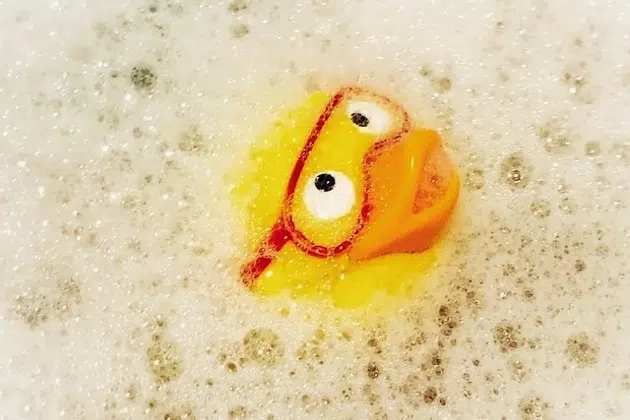
Everyone is talking about the anticipated Rum River Festival.
The Executive Director of Princeton Area Chamber of Commerce and Tourism, Kim Young, states that rubber ducks are a common sight at the event. However, this year will stand out due to a big surprise.
“The Duck, declared as the ‘World’s Largest Rubber’, stands at an impressive six stories high, approximately 61 feet tall. It’ll overshadow any building we have here in Princeton, making it a sight worth seeing.”
Young expressed her astonishment over the successful booking of this colossal attraction. She reflects that locking it down for 2024 was perceived as a far-fetched, possibly even silly, concept.
“I thought, ‘Oh! Well, this would be kind of fun to bring the world’s largest rubber duck.’ And, so, they have a form on their website, I filled out the form, sent it off, and didn’t really think much of it. They called me back a couple of weeks later, and he was really excited that it would be a really good fit.”
She believes this is the first time the giant rubber duck has been at an event south of Duluth, so move over Duck Dodgers and Howard the Duck, Princeton is mallard for the World’s Largest Rubber Duck, on display June 7th to the 9th. The more traditional variety of rubber ducks race down the Rum River on that Friday night, with the winners claiming cash prizes.
A full list of Rum River Festival activities is here.
___
Copyright 2024 Leighton Media. All rights reserved. This material may not be broadcast, published, redistributed, or rewritten, in any way without consent.
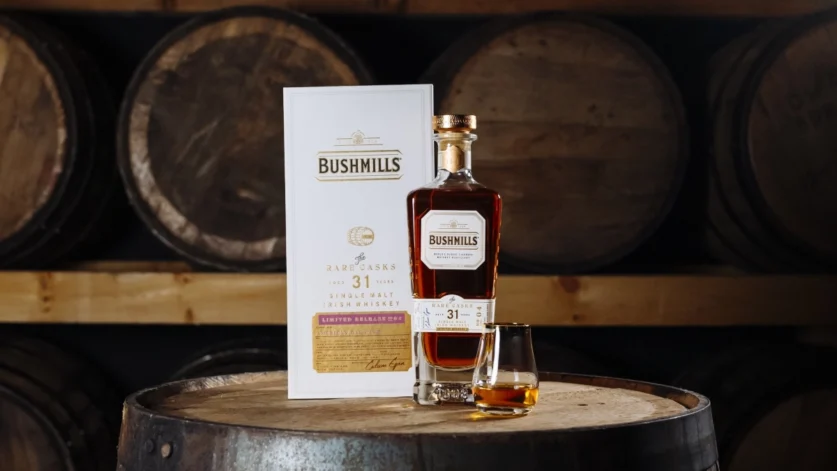
Introducing Bushmills’ Final Rare Cask: A 31-Year-Old Single Malt Irish Whiskey with American Heritage
If you purchase an independently reviewed product or service through a link on our website, we may receive an affiliate commission.
This month, Bushmills‘ Rare Casks series comes to a conclusion with the release of a new 31-year-old Irish single malt whiskey. This is the oldest one in the series, and it was matured unlike any of the other releases—this whiskey spent more than half its time aging inside virgin oak barrels, the same type that are used to mature bourbon.
More from Robb Report
Jim Beam’s Newest Little Book Whiskey Leans Into the Power of Rye
Buffalo Trace Just Unveiled a New Ultra-Luxury Whiskey-and We Got a First Taste
All of the whiskeys in the Rare Casks series are older single malts that got lengthy maturation periods in different types of barrels: The first release was a 28-year-old single malt that spent 17 years in Cognac casks sourced from France; the second was a 29-year-old single malt which spent that same amount of time in Pedro Ximenez sherry casks from Spain; and the third was a 30-year-old whiskey that spent 17 years in first-fill Madeira wine barrels. Rare Cask 04 is a 31-year-old single malt that spent 14 years maturing in ex-bourbon and sherry casks before being moved into new American oak barrels that were toasted to Bushmills‘ specifications, and over the past few years the whiskey was watched over by Alex Thomas, who was appointed master blender in 2021.
According to the brand, this secondary maturation was meant to mark “the deep-rooted connections between Ireland and the United States,” which makes sense given that bourbon must be aged in new charred oak, and after being used once those barrels are sent to Ireland, Scotland, and other countries to be refilled with whiskey (and whisky) as well as other spirits. We got an early sample of the new Rare Cask 04, and it’s an elegant and refined Irish single malt. Despite having spent so long in new oak, which can sometimes overwhelm a spirit, the palate is a spicy fruit bowl that is bursting with fresh red berries, orange, apple, vanilla, black pepper, and chocolate. There is a bit of tannic char present as well, but surely the more forgiving climate of Northern Ireland, as compared to Kentucky, allowed this whiskey to soak up flavor from virgin oak without going overboard.
There are just 780 bottles available of Bushmills Rare Cask 04, which has a price tag of $2,600. You can currently find it for sale via ReserveBar, along with the entire Bushmills catalog of blended whiskeys and single malts.
Best of Robb Report
Why a Heritage Turkey Is the Best Thanksgiving Bird—and How to Get One
9 Stellar West Coast Pinot Noirs to Drink Right Now
The 10 Best Wines to Pair With Steak, From Cabernet to Malbec
Sign up for Robb Report’s Newsletter. For the latest news, follow us on Facebook, Twitter, and Instagram.
Uncle Nearest Whiskey Acquires Square One Organic Spirits: A New Chapter in Vodka Industry

Uncle Nearest’s rise in the spirits industry continues to accelerate.
The whiskey brand, founded in 2016 by Fawn Weaver to pay tribute to Nathan “Nearest” Green, a former slave who taught Jack Daniel whiskey distillation techniques, is now available in 30,000 establishments, including bars, hotels, and restaurants across 12 countries, as previously reported by AFROTECH™.
Bloomberg’s latest report indicates Weaver’s aspirations for a larger stake in the spirits market. This attitude has led the company to acquire organic vodka maker Square One Organic Spirits.
Weaver also refers to a resolved legal conflict between Diageo Plc and Sean “Diddy” Combs over his vodka brand as an influencing factor in her latest acquisition, emphasizing a gap in the market and the significance of black-owned vodka brands taking up space. Major companies like Diageo PLC and LVMH, whose valuations total around $79 billion and $423 billion respectively, heavily dominate the market, the report says.
Uncle Nearest is gaining significantly in the industry, with its valuation close to unicorn status, as it’s worth is over $900 million after the recent acquisition, as Weaver mentions. The details of how much Uncle Nearest paid for Square One Organic Spirits are not shared, but the acquisition was financed through the company’s Series E funding round.
“There are a lot of requests coming in for brands that are authentically owned and culturally relevant,” stated Weaver in the news release provided to AFROTECH™. “Customers are becoming more particular and are looking for products that deliver high quality and also showcase real ties with the cultures they reflect.”
Further, she added, “This move towards authenticity has developed an important opportunity for a firm like ours. Uncle Nearest’s extensive country-wide distribution network combined with our serious commitment to heritage and authenticity place us as a perfect fit to cater to this rising demand. By introducing to the vodka market, we are not only diversifying our portfolio, but also answering a consumer demand for transparent and culturally connected brands.”
In the coming future, Square One Organic Spirits will rebrand under the guidance of The Formulation Group, with fresh gluten-free vodka choices and scale to all states in the country. Allison Evanow, the founder of the company, will still have a leadership role.
“While we have really loved being an independent brand so that we could focus on quality organic ingredients and unique flavor profiles, the intense demands of handling nearly all sales personally underscored the need for stronger backing,” Evanow said in the news release. “Uncle Nearest will not only preserve our independent spirit and world class quality, but also bring the robust sales and distribution capabilities we need to reach our full potential.”
Discover the Best and Most Underrated Global Whiskies for World Whiskey Day

World Whisky Day has arrived! This international festivity seeks to celebrate some of the finest spirits on earth, and our excitement to partake in the merriment cannot be understated. Be it bourbon, single malt or rye, there are remarkably superior and distinctive whiskies being crafted worldwide. To assist you in discerning among the highlighted whisky/whiskey-producing nations and partake in the revelry, we compiled this list celebrating the most under-estimated, as well as some of the topmost from each area.
A quick pointer for those less familiar – The spelling “whiskey” is mainly adopted in the United States while “whisky” is generally used worldwide. There are folkways that deviate from this norm, but for clear understanding, we’ll apply both spellings where relevant throughout the compilation.
With that clarified, let us proceed to the main course. Presenting the top and most overlooked whiskies from the ten leading whisky-producing countries globally!
ABV: 40%
Average Price: $70
Morris of Rutherglen, established in the mid-1800s, has long been ingrained in the alcohol production industry. Their latest release is a whisky aged for a minimum of 3 years, which then undergoes a finishing process in the winery’s fortified wine barrels. This wholly Australian product embodies a fusion of family tradition and local heritage.
Flavour Profile:
Aroma: The aroma unfolds an enchanting bouquet of red fruits, chiefly vibrant cherries, delivered by the fortified wine finish. Undertones of leather and grain add complexity.
Taste: Upon tasting, the grain proudly asserts itself, reminiscent of the comforting taste of Honey Nut Cheerios, augmented by nuances of vanilla extract, cocoa powder, and red fruits.
Finish: The finish is refreshingly simple yet captivating, characterised by a delicate spice of black pepper that enhances the grainy profile, and sealed with a final hint of red berries.
Final Thoughts:
All links should have rel=”nofollow” and target=”_blank” attributes. Please remove any iframe, embed, form, img, style, and noscript elements. No id, class, style, width, or height attributes should be present.
With Morris Australian Signature Single Malt Whisky, you may not find layers of complexity, but you will definitely enjoy its simple and delightful taste, enticing you to explore more of the region’s unique wines.
ABV: 48%
Average Price:
Established in 2007, Starward holds the title of Australia’s leading whisky producer, and their latest offing easily ranks among the finest in the region. They have coordinated a collaboration with Lagavulin that has eventuated in an exclusive release in the United States. The unique touch to this release is its 18-month finish in the brand’s peated Islay whisky barrels.
Tasting Notes:
Nose: The whisky’s aroma is dominated by vibrant cherries and roasted pineapples, along with a subtle touch of smoke. Swirling the drink around reveals a sharper note of white pepper and allspice, complemented by a hint of sweet honey.
Palate: These notes carry forward onto the palate, where the influence of the Islay whisky casks becomes unmissable. A smoke-laden gust swathes the tongue, lavishing it with the same tangy fruit flavors. Once the initial surprise fades, the palate is graced with the flavors of black tea and honey-coated baklava.
Finish: The finish carries a soft undertone of leather, coupled with recurring notes of roasted pineapple and a delicate peaty touch. This makes for an agreeable experience from the beginning to the end.
In Conclusion:
This pour is conspicuously indulgent. It presents a multitude of flavors, thanks to the combined attributes of the base whisky and the finishing cask. This amalgamation of flavors not only exhibits equilibrium, but it also serves as a testament to the prowess of the top distillery in Australia.
ABV: 50.35%
Average Price: $195
Rare Perfection is a label produced by Preservation Distillery, located in Bardstown, Kentucky. Although the whisky is distilled and aged in Canada, it utilizes a “bourbon mash bill.” The mash bill is primarily corn-based with wheat, rye, and malted barley serving as flavoring grains.
Tasting Notes:
Nose: The inaugural aroma is uniquely rich, layered with butterscotch, shredded coconut, clove, and warm brioche — it strikes a remarkable resemblance to traditional bourbon notes as opposed to Canadian whisky.
Palate: Palate-wise, the creamy butterscotch flavor is profound, mingling well with accents of coconut against a backdrop of woodchips, nectarines, and graham crackers.
Finish: The finale note carries slight essence of cracked black pepper and a uniquely sweet maple candy profile. It benefits from having a long-lasting yet moderately viscous texture.
Bottom Line:
Canadian whisky is excellent when it showcases sweetness without being treacly and delivers flavor without scorching your palate with proof. That’s exactly what Rare Perfection 14 Year achieves, and that’s why it’s one of the most underrated Canadian whiskies on the market.
ABV: 78.9%
Average Price: $200
Obtainium Canadian Whisky from Cats Eye Distillery is a range of sourced corn whisky that hits some truly eye-popping proof points. For their Obtainium range they utilize all sourced whisky and this particular offering is 100% corn whisky distilled at about 160 proof and then aged in used rye barrels from Palliser Distillery.
Tasting Notes:
Nose: Initial high heat gives way to notes of corn pudding, vanilla extract, hints of rye spice, and mild oak tannins.
Palate: Intense white heat hits the palate first, causing a sensory shock before blooming into rich flavors of butterscotch, honey, sweet corn, and vanilla candy.
Finish: The finish brings forth the taste of freshly ground black pepper and the impact of oak tannins, which are mellowed out by additional corn pudding and sweet sticky toffee.
Bottom Line:
Obtainium by Cats Eye Distillery is not a drink for the meek, but is a worthwhile exploration for those curious about what makes the extreme ABV of some Canadian whiskies irresistible. It’s not merely the high heat that makes this drink worth trying, but also the blend of smooth flavors contrasting with the daring proof point.
ABV: 48%
Average Price: $116
As a richer version of Brenne’s flagship French Single Malt Whiskey, Brenne Ten encompasses four specially chosen barrels of self-distilled whiskey by Brenne which has aged through the blend of new French Limousin oak and Cognac casks.
Tasting Notes:
Nose: The light sensation of Brenne’s single malt distillate undergoes a transformation, incorporating more herb flavor, a significant aroma of golden raisins, and the pleasant addition of baking spices such as tarragon.
Palate: The taste brings forth a lush mix of dried red fruits and apricots, accompanied by hints of cinnamon, cake frosting, and diluted maple syrup.
Finish: Leaving a subtly sweet aftertaste, the finish introduces leading notes of black tea, vanilla, and butterscotch.
Bottom Line:
Brenne Ten showcases a richness and depth in its flavors that truly reflect the exceptional skill of the distillery’s blending team. The drink’s full-bodied texture, paired with the unmistakable differentiation between each flavor, defines the drinking experience.
ABV: 55%
Average Price: $185
The Blavier 2003 from Version Françes, which was distilled in 2003 and bottled in 2023, is distinctive for its blend of whiskies produced using both pot and column stills. These single malt whiskies undergo additional maturing in ex-red wine casks sourced from Jura.
Tasting Notes:
Nose: On the nose this whisky is bursting with varied notes like rancio walnut shell, brioche buns, and the strong fruity influence of sherry that all comes together magnificently.
Palate: On the palate those sherry notes definitely shine and take the lead but they’re buttressed by cocoa powder, tomato paste, and cardamom.
Finish: The finish sees an uptick in citrus notes with some orange blossom and black pepper joining the fray along with some faint leather aspects that seemingly last forever.
Bottom Line:
The Blavier 2003 expression from Version Françes is not only the pinnacle of their recent releases, but it’s also among the very best French whiskies available on the market. By exploring a depth of flavors and displaying them with refinement, Version Françes succeeds in every way with their Blavier 2003 release.
ABV: 50%
Average Price: $75
Introduced in 2004, Amrut Single Malt Indian Whisky is a definitive representation of whiskies from India. This spirit is produced from 100% 6-row malted barley, distilled using twin pot stills in Bengaluru, India, and fermented over a span of five days.
Flavor Profile:
Description: The aroma of this whisky immediately reminds one of Scottish single malt whiskies, featuring prominent citrus hints embodied in orange peel and lemon custard. This initial scent gradually gives way to more nuanced undertones of toasted malt, vanilla pods, dried apricots, and a doughy, bread-like note.
Upon the palate, Amrut Single Malt extends the nose’s features, but enhances them with a smoother texture, richer vanilla essence, and the well-blended trace of dark chocolate.
The finish, of medium length, brings out the doughy notes detected in the scent, accompanied by gentle hints of oak and a sweet, creamy custard.
Final Thoughts:
Considering the accomplished status of one of India’s premier whiskies, it’s somewhat unjust to label Amrut Single Malt as “underrated”. It remarkably combines a blend of flavors that appeases the masses while subtly embracing a complex formulation.
ABV: 60.5%
Average Price: $800
This peated, pot-distilled Indian Single Malt Whiskey incorporates locally harvested 6-row barley. The brew is matured in ex-PX sherry casks, resulting in a robust 121 proof spirit at bottling.
Tasting Notes:
Nose: A grand festival of nuts, dried fruits, and chocolate bits teases the senses initially. It graduates to a broader palette of smoke, saffron, and hazelnut to enhance the aromatic landscape.
Palate: The flavor indulges in the sweetness of candied ginger and roasted plums, preceded by a hint of mocha and malt chocolate that complements the nose notes perfectly.
Finish: As the journey ends, the smoky leather essence catches the trail, but is pleasantly overpowered by nutty and dried fruity undertones, creating an enduring aftertaste.
Bottom Line:
As with the other ‘bests’ on this compilation, the 2023 Diwali Collector’s Edition from Indri hits an ace in delivering a flavorful depth that is uniquely rare. Its multitude of defined flavors spices up the experience, earning it a spot amongst the world’s best whiskies.
ABV: 40%
Average Price: $120
The 16-year expression from Bushmills undergoes a triple distillation process before being matured for more than 15 years in ex-bourbon and ex-sherry casks. Following this maturation process, the whisky is rested for another 9 months in port pipes.
Tasting Profile:
Aromas: The primary aromas are of ripe red apples and juicy orange rind. Backing these fruity notes are subtle hints of leather and mulling spices, rounded off with the scent of fresh pecans.
Tastes: The initial fruity aromas evolve into a vibrant mix on the palate, with the addition of velvety butterscotch, tobacco leaf, cinnamon bark, and a surprising hint of marzipan making their presence felt.
Aftertaste: The medium-length farewell is pleasantly warming, with the dominance of cinnamon and leather providing a soothing, spice-filled goodbye.
Final Verdict:
Bushmills is famous for making whiskies of superb quality with a high age statement; the epitome of their craftsmanship is the Bushmills Aged 25 Years. This impeccable pour remains somewhat unknown, but it shouldn’t be passed over.
ABV: 53.1%
Average Price: $20,000
Midleton’s Very Rare collection, introduced in 1984, is among the most costly Irish distillers’ yearly expressions. Every release is unique, and the 40th-anniversary tribute to distilling expertise, completed in port barrels, is Master Distiller Kevin O’Gorman’s third.
Tasting Notes:
Nose: The scent of red berries melds with the blissful notes of malted chocolate, honeycomb, sandalwood, and mellow oak from its rest in the port barrels.
Palate: The palate reveals the delightful paring of chocolate and red berries, like tasting chocolate wafers and fresh raspberries. At mid-taste, a hint of honey and graham cracker emerges, completing the taste journey.
Finish: The finish introduces a dash of white pepper along with a rich, viscous texture that clings to your palate long after you’ve swallowed.
Bottom Line:
In their 40th ode to the art of distillation, Midleton Very Rare’s Ruby Edition takes you on a historical and flavorful ride. The blend of three unique casks further enhanced by ruby port finishing results in an elevated taste profile.
ABV: 42%
Average Price: $83
Hakata 10-Year Sherry Cask Whisky is an introductory brew from the Hakata collection, produced in Fukuoka, Japan from completely malted barley. A fraction of the barley undergoes koji-fermentation and the complete whisky is matured in former sherry casks.
Tasting Annotations:
Smell: Instantly, you can identify notes of umami, clove, lemon cream, cinnamon, and sage. Each of these flavors blend perfectly yet keeping their individual essence intact.
Taste: When you taste this whisky, it’s brimming with flavors like raisin, orange zest, more umami, accompanied by a slight hint of nuttiness. All these flavors come together in harmony providing good balance, solid mouthfeel that cling onto your taste buds allowing each flavor to unfurl.
Aftertaste: The aftertaste is dominated by umami flavor, a hint of nuttiness, and predominantly — the fruity notes imparted by the sherry cask. Additionally, traces of freshly ground pepper spice contribute to the medium-lasting finish.
Final Verdict: A bottle bursting with flavors and overflowing with inventiveness is what makes this a standout.
ABV: 43%
Average Price: $8,500
This blend of malt and grain whiskies, hand-selected and mingled by Suntory’s Chief Blender Shinji Fukuyo and his team, marks the first time in Hibiki’s storied history that they’ve utilized Mizunara oak for an expression. Created to honor the 100th anniversary of the House of Suntory, this limited-time offering was released in 2023.
Tasting Notes:
Nose: The nose on this whisky is utterly impressive with a delicate balance between star fruit, jasmine blooms, and kumquat. The aroma of Japanese sandalwood is also prominent, and likely brought forth by the Mizunara casks.
Palate: On the palate there’s a strong floral aspect with sandalwood and even acacia bark blooming across the roof of the mouth, and clover honey finding root along the periphery of the tongue.
Finish: The floral notes continue to blossom on the lengthy finish that’s only reigned in by the delight in parsing the differences between them. Sometimes jasmine, at other times lavender or dried coriander, they all have something to contribute.
Bottom Line:
Hibiki is a prominent whisky worldwide, and for their centennial bottling, they daringly included one of Japan’s prevalent oak types for the first. The results are extraordinary and genuinely demonstrate the magnificence of what Japanese whisky can achieve globally.
ABV: 43%
Average Price: $60
Gran Maizal Corn Whiskey utilizes nal t’eel, acknowledged as one of the oldest grains discovered in the Yucatan Peninsula, paying respect to tradition in an unheralded manner. The whiskey is subsequently rested with vanilla pods and cacao nibs.
Tasting Notes:
Nose: You will encounter floral fragrances once you pour this whiskey, a contribution from the vanilla pods. The scent of nixtamalized maize fills the air, accompanied by clover honey, paprika hints, and a dash of cocoa powder.
Palate: The most noticeable flavors on the palate are responsible to vanilla extract, corn chips, and maple candy. The subtlety of cacao nibs introduces the taste of wet tobacco leaf and a hazelnut element that completes the flavor profile.
Finish: As for the finish, the cacao nibs stand out as they create a lingering taste of cocoa in the medium-length finish.
Bottom Line:
Cesar Ayala, the founder of Gran Maizal, deserves recognition for leading nal t’eel. Apart from simply acknowledging this ancient grain, Gran Maizal is crafting a deeply captivating whiskey. A tribute to regional history and a flavor-packed path into the future.
ABV: 43%
Average Price: $47
Abasolo Whisky is arguably the most recognized variant in the segment. This NAS whisky originated from the first farm-to-whisky distillery in Mexico, and is brewed from non-GMO Cacahuazintle corn, a heritage of 200 generations of Mexican farmers.
Tasting Notes:
Nose: The dominating smell of corn nuts, characteristic of Mexican whiskies, is undeniably present, punctuated by a slight sweet tinge. The overt note of buttercream frosting follows, accompanied by subtle undercurrents of stone fruits, chocolate, and a hint of an elusive herbaceous note, making for a delightful experience.
Palate: This herbaceous factor metamorphoses into mint leaves and nopales on the palate, complemented by hints of charred green pepper, cane sugar, and the quintessential field corn that round out the party.
Finish: The finish is remembered by the charred green pepper, cake frosting, and corn hints. The texture of the spirit is quite minimalist, which translates to a lean texture and a curt but pleasurable finish to the drink.
Final Verdict:
Mexican whiskey, similar to several others on our list, tends to highlight the premium characteristics of its homegrown grains. Abasolo is a prime example. Its grain-rich profile pays respect to the deep-rooted history of the area, making it an exquisite choice for the World Whisky Day celebration.
ABV: 40%
Average Price: $200
Oloroso, PX, and Moscatel casks lend their distinct uniqueness to this “Triple Sherry Cask” whiskey of Taiwan brewed by Kavalan. Although it doesn’t have a specified age statement and the mash bill remains uncertain, it’s widely believed to contain at least 51% malted barley and aged for a minimum of 4 years.
Tasting Notes:
Nose: The distinct sweet sherry notes provide the primary characteristic for the aromas in this whisky. Accompanying these are light indications of Brazil nuts, freshly cracked black pepper, nutmeg, and floral elements that resemble perfume.
Palate: The taste is filled with lavish red berries, emphasizing on raisins, fresh raspberries, and dried cherries. As the experience continues, enjoy hints of milk chocolate and espresso with a substantial, not excessively thick, texture on the tongue.
Finish: A fairly long finish where vibrant berries and cherries take the lead, supported by flavors of milk chocolate, and oak tannins.
Bottom Line:
This whisky is indeed a “sherry bomb”, yet the mastery lies in its balance of the various sherry varieties, while allowing room for the base whisky notes to come forward. This finely crafted expression from Kavalan deserves more recognition.
ABV: 46%
Average Price: $160
The Kavalan Oloroso Sherry Oak Single Malt is a lesser concentrated version of the highly praised Kavalan Solist expression, it uses Taiwanese spring water to bring it down to an ABV of 46%.
Tasting Notes:
Nose: The fragrance of this whisky is heavily influenced by the Oloroso Sherry, with the dominant scent of dates, figs, and red berries. This fruity aroma is supported by a hint of nuttiness akin to cashews, and amplified by mixed spices, pound cake and dust from chocolate truffles.
Palate: Every sip showcases ripe parts of red berries along with marzipan, vanilla pastry impressions, and candied orange wheel flavors that uplift the whole experience. The whisky’s smooth texture adds to its allure, making it an absolute joy to uncover each of those flavors as they are exquisitely presented and highly refined.
Finish: The finish uncovers the mixed spices, vanilla extract, and a slight hint of cracked pepper, providing a balance to the sweeter, fruitier notes detected at the front and middle of the palate.
Bottom Line:
Although the Triple Sherry Cask release from Kavalan may not have the same recognition, demonstrating their blending prowess, the Oloroso Sherry Oak expression narrows their focus on the utilization of finishing casks to propel their base spirit forward. It’s true that in their product line, more impressive options may exist, but the masterful balance in this one surely warrants significant praise.
ABV: 45.3%
Average Price: $6,000
The Gordon family, who own Willliam Grant & Sons, originated the product line of House of Hazelwood with the idea of distributing their large inventory of unique whisky. The whisky in focus here was distilled back in 1972 and aged in casks of European and American oak. This was followed by a fifteen-year secondary aging process in active ex-bourbon barrels. The final product comes with a 50-year age statement.
Tasting Notes:
Nose: At the first whiff, one can sense the complexity with waves of thick toffee sweetness paired with a subtle floral hint, rich malted chocolate, and faint whiffs of hazelnut spread.
Palate: The richness of this whisky is most notable in the palate. The promise of toffee from the nose comes through, mingling with orange marmalade, chocolate truffle powder, and lemon buttercream. The texture is noteworthy, transmitting a sensation from the tip of the tongue to the roof of the mouth.
Finish: As the whisky finishes, malted chocolate reappears on the flavor wheel, and rich toffee adheres to the back of your teeth, providing a long-lasting and extremely satisfying experience.
Bottom Line:
Despite its recent appearance on the scene in 2022, House of Hazelwood boasts a rich history in the industry and an exquisitely curated collection of well-aged Scotch whisky. In their top-of-the-line Charles Gordon Collection, only “A Singular Blend” carries a higher age statement, but none can surpass the overarching quality.
ABV: 53.6%
Average Price: $50,000
The Port Ellen Gemini Remnant Cask is the second sibling in a set of whiskies from the Port Ellen distillery. The distillery was rekindled to life by Diageo in March 2024 after it had been shuttered for 40 years. In 1983, this whisky expression was distilled and saved. Since then, it has spent the remaining period of its 44-year maturation developing in what is commonly referred to as a remnant cask, originally from the Port Ellen distillery, that was re-seasoned.
Tasting Notes:
Nose: The scent of the whiskey is potent with vivacious raspberries, belying the time it spent maturing. Along with these come the aromas of sugary ginger, restrained smokiness, marzipan, and a dash of tantalizing salinity. Complementing these notes are the subtle hints of leather, coconut flakes, and clove.
Palate: Upon tasting, the raspberries and candied ginger truly stand out. The smoky influence that was subtly hinted at in the scent, becomes more pronounced on the palate. It comes accompanied by dried apricot and poached pear flavors that lend a subtle sweetness that is worth the discovery.
Finish: The whiskey leaves behind a lingering delight of toasted coconut flakes, pleasing raspberry sweetness, and leather. To close off the experience is a gentle smoky blanket that extends throughout the lengthy finish.
Bottom Line:
In a delightful two-for-one arrangement, we have the Remnant Cask and its twin, the Port Ellen Gemini Original. The Gemini Original gives you a delightful taste of Port Ellen’s history, while the Remnant Cask boasts of a stronger flavor and a thicker texture, reminiscent of the significant past it carries. Amongst the Scotch whiskies in today’s world, this stands out as one of the best.
ABV: 47%
Average Price: $130 (Exclusive to the distillery)
Nameed Stranahan’s Snowflake, this limited annual expression is known to have varieties that differ with each release. Past expressions have seen flavors like reposado tequila and chocolate stour. However, the jaw-dropping 2023 release had a mix of several finishing casks including sherry, ruby port, rum, Islay quarter-casks, and mezcal. It’s worth noting that the base liquids utilized in this blend aged for 6-8 years, even before reaching these finishing casks.
Tasting Notes:
Nose: The aroma of this whisky is characterized by subtle smokiness reminiscent of a distant brush fire, evoking notes of pine, stewed fruits- think along the lines of peaches and red cherries- and candied blood orange rinds. Faint traces of agave syrup waft out of the glass, with an overarching subtle smoky scent enriching all of these elements.
Palate: On tasting, the delightful amalgamation of fruity flavors is discernible, evolving on a gentle smoky layer while being balanced by agave syrup, candied ginger and a slight earthiness. The texture is sturdy yet restrained, showing the deft dexterity commonly associated with agile athletes.
Finish: The finale sees the elements of herbaceousness, smokiness, and ripeness of the fruit flavors coming together in a pleasing symphony. The velvety texture helps in this process, providing ample opportunity for these flavors to merge during the lingering aftermath.
Bottom Line:
ABV: 50.7%
Average Price: $300
Old Cassidy signifies the newest creation from one of the most sought-after bourbon brands of this year — Rare Character. This particular single barrel selection was chosen by no other than the chief whiskey critic at UPROXX, Frank Dobbins III (myself), in September of the year 2023. The source of this bourbon has been kept undisclosed but it originates from Kentucky and has been aged for almost 11 years, with the final product being bottled in March of 2024.
Tasting Overview:
Smell: The inaugural scent of this rich and indulgent bourbon is that of cherry strudel, baked phyllo dough and toasted almonds. This is soon followed by notes of clove, nutmeg, peanut brittle, and a smooth scent of milk chocolate.
Taste: Tasting this bourbon reveals the generously sweet flavors of cherry syrup and milk chocolate, reminiscent of cherry cordials, supported by the presence of allspice, soft buttercream and peanut brittle. Further tasting brings out subtle notes of sage and glossy leather that lend a well-rounded balance to the overwhelmingly sweet flavor profile.
Aftertaste: The lingering flavor is distinguished by a hint of tobacco leaf and the persistence of the milk chocolate and cherry tastes. The aftertaste lasts for a medium-to-long duration and ends on a pleasantly sweet note, inviting continuous drinking to reinstate the experience.
Final Thoughts:
It is with utmost reverence that I acknowledge the delectable whiskeys crafted across the length and breadth of the U.S. Yet, amongst them all, for me, the Old Cassidy label unmistakably stands out. It is why it has been selected. This specific label is slated to be a unique, single-release expression for 2024, and there is a chance that it may even be the only release from the brand. This fact accentuates the distinctiveness of the bottle. Keeping its rarity aside, this bourbon truly deserves its place at the top tier of the Rare Character portfolio, and amongst the world’s best whiskies.