Liquor-articles 2100
Celebrity Liquor Lines: Beyoncé’s Whisky, Kylie Jenner’s Vodka Soda, and More Stars Joining the Alcohol Industry
That’s the spirit! These celebrities have started their own liquor brands
Atiba Jefferson; Mason Poole/Parkwood Media/Getty
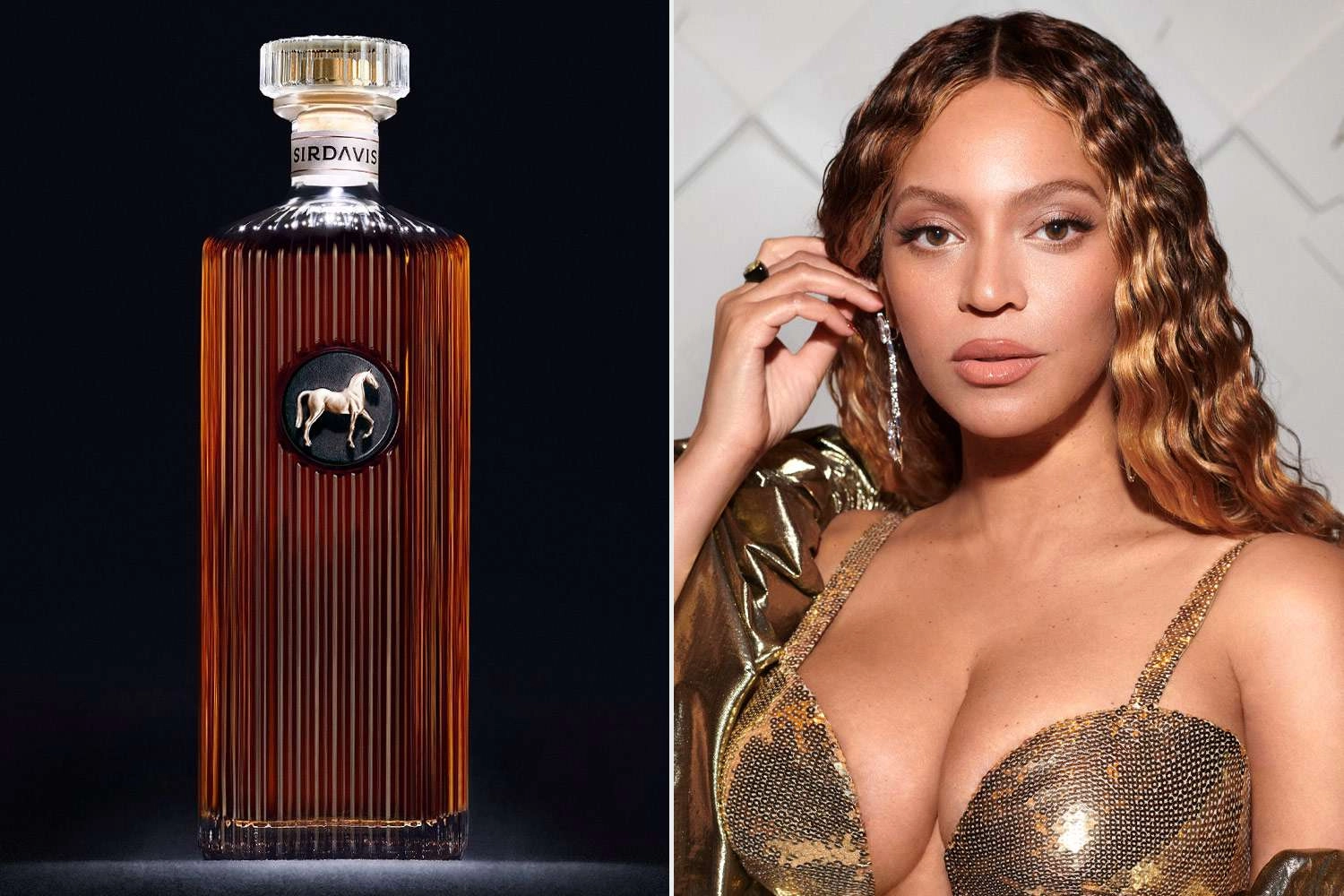
SirDavis Whisky
The “Cowboy Carter” singer announced her venture into the liquor industry with SirDavis Whisky ($89), which pays homage to her home state of Texas and her family. The brand’s name is in honor of her great-grandfather, Davis Hogue, who was a farmer and moonshiner in the South.
“When I discovered that my great-grandfather had been a moonshine man, it felt like my love for whisky was fated. SirDavis is a way for me to pay homage to him, uniting us through a new shared legacy,” Beyoncé said in a statement.
Using oak barrels and sherry casks for its aging process, the product is broken down to 51% rye and 49% malted barley. The result is a texture reminiscent of Japanese and Scotch whiskies with the deep flavor of American rye.
Sprinter
Kylie Jenner said her canned vodka soda line “captures the feeling of fun with your friends.” Sprinter drinks (8 for $20) come in four flavors — black cherry, peach, grapefruit and lime. Each can contains 100 calories with no added sugar.
“It’s the best tasting vodka soda I’ve ever tried – and I’ve tried a lot. I can’t wait for people to taste it for themselves,” she said.
Pantalones Organic Tequila
Pantalones Organic Tequila
In an amusing acknowledgment to their latest venture’s name, the married duo featured without pants in a playful video to introduce their brand.
“When did tequila stop being tequila?” poses Matthew in the video. “Right? Where’s the fun in that?” replies Camila.
“Pantalones Organic Tequila – the best thing we’ve crafted while fully dressed,” they humorously state together.
Their tequila selection features three unique bottles. The Blanco, priced at $45, boasts “notes of honey and citrus.” Priced at $50, the Reposado is matured for nine months, offering a fruitier taste with a fresh oak finish. The Añejo, costing $55 and aged 15 months, is described with flavors of vanilla, butterscotch, and maple.
Cincoro Tequila
Michael Jordan co-founded Cincoro Tequila alongside four other NBA owners and companions. This tequila, crafted using 100% Weber Blue agave from Jalisco, Mexico, is noted for being “smooth on the palate with a complex, long finish,” according to a press statement. The range includes blanco, reposado, añejo, gold, and extra añejo.
Crossfire Hurricane Rum
After 18 years since their last album release, the iconic British rock band has ventured into the spirits market with their own brand of rum, named Crossfire Hurricane after a lyric from their 1968 hit “Jumpin’ Jack Flash.” The Rolling Stones found their inspiration for rum during the 1970s while recording their album Goats Head Soup in Jamaica. Each bottle, priced at $37, promises the “taste of rock and roll” and is available at crossfirehurricane.com, with plans to hit store shelves in early 2024.
Emanuel Fantini
Mezcalum
Fans of Real Housewives of New York are being treated to a taste of Tulum, thanks to the show’s star who, along with her husband Abe Lichy, launched Erin and Abe Lichy have introduced Mezcalum. This new mezcal draws inspiration from the Mayan Riviera, a cherished place where the couple enjoys the spirit with friends. Priced at $50, Mezcalum is marketed as “mezcal for the mindful,” containing no additives, according to their press release.
Fraser & Thompson
Fraser and Thompson
The “Feeling Good” singer has launched a new whiskey brand in collaboration with expert distiller, Paul Cirka. Inspiration for the name came easily to Bublé.
“I spent many summers with my grandfather at the confluence of the Fraser and Thompson rivers in British Columbia,” he said in a release. “When I heard Paul’s vision for creating a new kind of whiskey, I knew instantly what I wanted to call it.”
Along with Cirka, Bublé said he worked three years to create the “perfect” whiskey ($30) that’s both “elegant and approachable.”
Courtesy of Vosa Spirits
Vosa Spirits
The model has joined the canned drink company as a co-owner. In honor of the new venture, Vosa Spirits dropped two new lines: Vodka Water ($11 per 4-pack) and High Line ($13 per 4-pack). Both come in various flavors like peach, pineapple and cherry.
“I love sharing a drink with friends and family, making sure I’m drinking something that’s free of preservatives and made with high-quality spirits is important to me,” Upton said in a statement.
Courtesy of Holistic Spirit Company
Holistic Spirits Company
The White Men Can’t Jump actor is kicking off his liquor line with two unique spirits. The Academy Award nominee teamed up with entrepreneur Amy Holmwood to launch Origen vodka ($40-$46) and Harmony gin ($41-$47). Both blend artichoke and green tea leaves, elderberries, and muscadine grapes with other natural ingredients.
“For years I’ve wondered who was going to come along and put my favorite superfoods into spirits,” Harrelson said in a release. “I think it’s a marvelous thing that Amy came up with, and I admire her sense of purpose. It was a no-brainer to get involved from the start.”
The “holistic” name is not just for branding — for every bottle sold ForestPlanet will plant a tree, and the brand donates to charities local to the alcohol’s distribution spots.
Volley Tequila Seltzer
Volley Tequila Seltzer
The celebrated soccer icon is venturing into the beverage industry with her latest venture in canned drinks. The captain of the United States Women’s National Team has announced her co-ownership of Volley Tequila Seltzer, a brand based in Charleston that boasts of “insanely clean” ready-to-drink options.
Volley presents a refreshing blend of blue agave tequila, organic fruit juice, and sparkling water available in four distinct flavors: sharp grapefruit, spicy ginger, tropical mango, and zesty lime. The purity of the ingredients in Volley ($30 for 8) extends beyond its contents, as each can is sealed with a protective foil lid.
“Real ingredients just taste better,” stated Morgan.
Tetya Kapa
The Dancing with the Stars professional recently introduced a new vodka brand, which pays homage to his family heritage. “This vodka is dedicated to my dear tetya (aunt) Kapa, who exemplified family, love, tradition, honor, and perseverance,” commented Chmerkovskiy.
The vodka, priced at $55, is a collaborative effort between Chmerkovskiy, Arthur Hartunian, the founder of Napa Valley Distillery, and vintner Ian Devereux White.
“This premium vodka combines the finest Sauvignon Blanc grapes from Napa and traditional winter-grains from Ukraine,” Chmerkovskiy noted. “It reflects the importance of connecting past, present, and future.”
Matt Winkelmeyer/Getty, Sweet Grass Vodka
Sweet Grass Vodka
Eight months after a horrifying snowplow accident, Jeremy Renner is celebrating his recovery and embarking on new ventures. The Hawkeye star shared his new partnership with the Charleston-based potato vodka ($26) through an Instagram post.
“I’m so grateful for the progress I’ve made since the start of this year, which allowed me to pursue my interest in Sweet Grass Vodka,” the actor expressed in his post. “Their mission, grounded in community and shared experience, resonated deeply with me, compelling me to join them the moment I tasted it.”
Courtesy of Betty Booze
Betty Booze
After nearly two years of success with her non-alcoholic mixer brand, Betty Buzz, Blake Lively introduced alcoholic versions to her lineup. Betty Booze is positioned as the mature counterpart to her Betty Buzz mixers, featuring three distinct flavors: sparkling tequila with lime shiso, sparkling tequila with oak smoked lemonade, and sparkling bourbon with apple ginger sour cherry.
Announcing the launch on Instagram, the abstinent celebrity shared her rationale for the new product line. “Drinking isn’t my thing. But for f* sake, flavor is,” she commented about the cans priced at $15 for 4. “Homemade recipes. Real fruit. Real ingredients. Quality booze. No crap. Also a real-time saver.”
Delola
For anyone looking for some liquid courage when dancing on the floor, Jennifer Lopez has just the drink. The singer’s line of ready-to-drink spritzes ($23 for 750ml) come in a mix of flavors and spirits: the Bella Berry is made with vodka, the Paloma Rosa has tequila and the L’orange features an amaro base. Lopez told PEOPLE that because she only enjoys the “occasional cocktail here and there,” nailing the flavor was key.
“I’m not a huge alcohol whatever-alcohol drinker, so it needed to be something that was really pleasant tasting,” she told PEOPLE in April. “I loved the idea of creating something a little more healthy, a little bit more to my taste with kind of healthier ingredients and being gluten-free.”
Gentleman’s Cut Kentucky Straight Bourbon Whiskey
Stephen Curry is diving into the spirits industry with his debut bourbon called Gentleman’s Cut Kentucky Straight Bourbon Whiskey. This bourbon, aged between five to seven years, embodies flavors of honey, vanilla, and caramel. The basketball icon from the Golden State Warriors highlights this bourbon as “rich, complex and bold,” describing it as ideal for celebrating significant life moments.
This bourbon is priced at $80 and will be available for purchase on the official bourbon website by the end of May.
Renais Gin
Emma Watson along with her brother, Alex, have introduced Renais Gin, promoting it as a “carbon-neutral product” made from “upcycled wine grapes.”
In her Instagram post announcing the new venture, the Harry Potter star said the brand is an “ode to the sun-kissed vineyards of Chablis where my family has been making wine these past 30 years. Renais Gin is our love letter to Chablis,” she wrote.
The gin is currently only available in the U.K. for £45 ($48.88) on the Renais website.
Sunny Vodka
Anastasia Karanikolaou co-leads and directs Sunny Vodka ($25) with DJ Zack Bia. The brand is known for producing vegan and gluten-free vodka that’s made from corn and “handcrafted in small batches.”
Mercer + Prince
A$AP Rocky‘s Mercer + Prince is a Canadian whisky ($32) that highlights notes of “fruit, vanilla and caramel” along with “hints of baked apple and cinnamon.” This brand not only aims to celebrate creativity but also reflects the rapper’s unique style and is named after his two favorite streets in New York City.
Kickstand
Although J.J. Watt has announced his retirement from the NFL, his ventures continue as he is far from slowing down. The former Arizona Cardinals star, his wife, professional soccer player Kealia, and his brother, Pittsburgh Steelers star T.J., have launched KickStand — a product line of canned vodka-based cocktails with a twist of chiles. The debut collection features four flavors: Roasted Jalapeño Cucumber (mild), Charred Pineapple Poblano (medium), Smashed Raspberry Serrano (medium), and Torched Peach Chipotle (hot).
“I prefer a clean, crisp cocktail with a bit of a kick. When I first tried KickStand, it delivered exactly that, so I knew I had to get involved,” said J.J., who celebrated the line launch with Kealia and T.J. at the “Party With ’99” event on Feb. 11 during Super Bowl weekend in Arizona.
For now, KickStand Cocktails — which cost $15 for 4 cans — are only sold in Arizona, Ohio, Pennsylvania and Tennessee, but will soon be available nationally.
WhistlePig Whiskey
The Grammy-winning country duo, made up of brothers TJ and John, are teaming with WhistlePig for the brand’s latest whiskey collaboration. Part of their PiggyBack Legends Series, the spirit — a balance of sweet, spice and smoke — is a single barrel, limited-edition 100% rye whiskey.
“At its core, music is a string of notes that creates a perfect melody, and the same applies to whiskey. You want a combination of various components that complement one another, and whether it’s music or whiskey, it’s always a dynamic mix,” the Brothers said in a statement. “We are huge fans of WhistlePig, so much so we included them in our recent music video [for ‘I’m Not for Everyone.’]. We’re inviting everyone to raise a glass with us to something dangerously good!”
Bottles are available in Texas, Tennessee and Illinois, as well as online for $50 each. Additionally, 100 autographed bottles are being sold for $225, in honor of Deuce & a Quarter, the Brothers’ original family band with their father. Proceeds from the sales of each bottle will benefit Rogers Behavioral Health and their foundation, Mission Possible Fund, which raises funds to provide free mental health treatment to low-income patients.
Nocheluna Sotol
The “American Woman” singer launched his new liquor, a “wild” spirit that comes from the Chihuahuan Desert in Mexico. His team of local experts predominantly used “hand-harvesting” techniques to source the sotol ($80 per bottle).
“As an artist myself, I respect the journey and am inspired by every intricate step of how this team crafts Nocheluna Sotol. I appreciate how this spirit stays true to the traditional ways of making sotol, exemplifying a true understanding of this familial craft,” Kravitz said in a statement.
Sláinte Irish Whiskey
The actor and director’s new whiskey, which he created with co-founder Richard Davies, isn’t just about drinking good, it’s about doing good. While the Smooth Blend sells for $38 per bottle, the limited edition, 18-year-old bottle is $499 — and all the funds from the aged bottle will go towards the partners’ humanitarian organization, BlueCheck Ukraine, which offers assistance to those in areas of conflict.
“This brand began with an act of charity and as far as I’m concerned that’s an auspicious start,” Schreiber said in a statement. “I love the idea of building a brand that stands by its commitment to bring people together in more ways than one.”
Long Drink
Miles Teller just tapped into the canned cocktail industry. The actor is now an investor in Long Drink. a Finnish-style bubbly beverage made with gin and juniper berry flavors. It’s available in the traditional grapefruit flavor or cranberry, plus Long Drink has a zero-sugar option or a “strong” version with 8.5% alcohol compared to their standard 5.5%. A six-pack of 12-ounce cans starts at $12.
Margalicious Margarita
In May, the three powerhouse actresses launched their new, ready-to-drink cocktail, the Margalicious Margarita, which is a collaboration with Thomas Ashbourne Craft Spirits. At the time of the drink’s debut, PEOPLE spoke with the three stars about their friendship and the refreshing tequila-based drink.
“We’ve had so much fun making it — from perfecting the taste, creating the looks of the cans, the bottles, the colors, and everything,” Benson told PEOPLE.
The Margalicious Margarita is out now starting at $44 for two 375ml bottles.
Old Fashioned by John Cena
Add pro drink maker to the WWE star’s list of talents. John Cena‘s latest creation with Thomas Ashbourne is a bottled version of an old fashioned. The drink boasts hints of maple wood and an aroma of caramel, along with a taste of bright orange bitters. Two 375ml bottles are priced at $44, while two packs of eight cans go for $60.
JAJA Tequila
The Grammy-winning duo has provided party playlists for years, but now they also offer a party beverage: tequila! The Chainsmokers, Drew Taggart and Alex Pall, are co-owners of JAJA tequila. The brand’s offerings include Blanco ($35), Reposado ($40) and Añejo ($45) varieties. “We’re really proud of it, it’s exciting. The tequila business is really hard, it’s a door-to-door sales job,” Taggart told PEOPLE in February. “I definitely underestimated how difficult this business is, but it’s very rewarding. And at the end of the day, it’s tequila, so it’s fun.”
Silverbelly Whiskey
The Country Music Hall of Famer is tipping his cowboy hat to spirits with his new whiskey brand. Silverbelly Whiskey — named after superstar Alan Jackson’s iconic cowboy hat — has aromas and flavors of “caramel, spiced apples and toasty brown sugar,” per to the release. The whiskey ($40) is currently only available in stores in Tennessee but can be shipped nationwide.
Redmont Vodka
The Basketball Hall of Famer is giving his fans the opportunity to drink like a champion. In 2019, Barkley became a majority owner of Redmont Vodka. The small-batch Alabama distillery offers two types of spirits: Redmont Vodka ($24) and Vulcan Gin ($35).
The Perfect Cosmo by SJP
Sex and the City fans are one step closer to living out their Carrie Bradshaw dreams. With Thomas Ashbourne Craft Spirits, founding partner Sarah Jessica Parker has created her own Cosmopolitan tailored to her unique style. “The Perfect Cosmo by SJP,” which starts at $44 for two 375ml bottles or $60 for eight cans, features a mix of cranberry and hints of lime and strawberry, topped off with vodka and triple sec. In an Instagram post of the campaign video, the And Just Like That… star conveyed that her new pink drink is a modern take on Bradshaw’s signature cocktail. “To old loves and new beginnings,” she wrote.
Gran Coramino
On May 2, the well-known comedian and lover of tequila introduced his new venture: Gran Coramino Tequila. This brand is a joint effort with the 11th generation tequila maker Juan Domingo Beckmann. Both are dedicated to the ethos that “hard work tastes different,” which they have infused into their tequila. Kevin Hart announced this on his Instagram, describing their tequila as a Cristalino that epitomizes smoothness.
BLACKENED Whiskey
The band famous for their heavy metal music now lends their distinctive flavor to their own whiskey. Introduced in 2018, BLACKENED Whiskey released a special 72 Seasons Batch in honor of Metallica’s new album. The packaging reflects the album with a yellow top showcasing Metallica’s ‘M’ and the 72 Seasons graphic. Interestingly, Metallica’s influence extends into the whiskey making process as well. Their music plays while the whiskey matures in barrels, using a process where low-frequency sound waves from Metallica’s tracks vibrate the barrels, known as sonic-enhancement, intensifying the infusion of wood flavors into the spirit.
MF Libations
Celebrity duo Jeffrey Dean Morgan and Hilarie Burton are diving into the spirits industry with their latest project: MF Libations. They are thrilled to announce a limited number of pre-orders for their new products, Bonfire Rye and Blackberry Gin, as per a recent Instagram post by Burton. The couple is excited to introduce these offerings and hint at more innovations coming soon.
“Our goal is to allow people from all over to get a sense of our lifestyle here in the charming Hudson Valley,” Burton elaborated in her post. Collaborating with local artisans like @thevalefox and @harneyteas has been central to their ethos. The couple takes pride in creating products they adore and are eager to share them with the wider world.
Sweetens Cove Bourbon
It’s been six years since the two-time Super Bowl champion retired from the NFL, but now, he’s venturing into the liquor industry by introducing Sweetens Cove Bourbon alongside tennis pro Andy Roddick. Developed under the supervision of Kentucky’s first female Master Distiller Marianne Eaves, this bourbon is a mixture of Tennessee bourbons aged between 4 and 16 years and features rich notes of toasted oak and sweet brown sugar. Peyton’s bourbon, priced at $200, enjoys support from his family as well—his brothers Cooper and former NFL star Eli are also backers.
Flecha Azul Tequila
The two-time Academy Award nominee is leveraging his entrepreneurial flair into the spirits industry. Wahlberg has recently aligned with Flecha Azul Tequila as an owner-partner, in collaboration with co-founders Mexican PGA golfer Abraham Ancer and Mexican entrepreneur Aron Marquez. Founded in 2017 and launched in 2020, Flecha Azul offers selections such as blanco, reposado, añejo, cristalino, and extra añejo starting at $43. Crafted in Jalisco, Mexico from 100% estate-grown Blue Weber Agave, this ultra-premium tequila celebrates Mexican heritage, as Wahlberg highlights on Instagram.
EIGHT
Named after the former Dallas Cowboy’s jersey number, this low-cal and low-carb beer is packed with flavor and organic grains but no sugars. “Health and wellness are something that’s really important to me, and so I’m very meticulous about what I put in my body,” Aikman told PEOPLE. “I wanted to make a beer that didn’t compromise all of the hard work and effort that was put in during the week.”
For now, his beer will only be available at Texan restaurants and bars beginning in February but will be sold in stores across Texas in March.
American Highway Reserve
The country music icon revealed his newest project: American Highway Reserve. This bourbon ($99.99) was aged in barrels that followed his 2019 nationwide tour for 7,314 miles across 25 states in a 53-foot semi-trailer. “Bourbon is like songwriting, it’s a blend of things coming together to make something incredible,” said Paisley in a press release. Described as sweet and spicy with notes of apricot and cinnamon, the bourbon was a collaborative project between Paisley and experts at Bardstown Bourbon Company in Kentucky.
Ten To One Rum
On Oct. 1, the singer became part of the rum business by joining the Ten To One Rum team. Ciara has expanded her portfolio to include roles such as singer, dancer, beauty brand owner, fashion house founder, and now, investor, co-owner, and director of Ten To One. Founded by Marc Farrell, the company offers varieties including dark rum, white rum, and a 17 year single cask reserve rum, with prices between $37 and $150.
Casa Del Sol Tequila
“It is always my mission to uplift the voices of women and celebrate my Mexican heritage, so that others may be inspired by the limitless genius and artistry that is rich in our communities,” stated the actress in a press release. Casa Del Sol, co-founded with Alejandra Pelayo (“protégé and goddaughter” of Patron creator Francisco Alcaraz) and Mariana Padilla (daughter of Jalisco’s Paco Padilla), translates to “house of the sun” in Spanish and uses aging techniques involving French Cognac barrels and French Limousin Oak. She noted these methods produce a tequila with a smooth body and distinctive flavor. The product line includes blanco, reposado, and añejo tequilas, priced between $60 and $100, and are available now.
Calirosa Tequila
The Victoria’s Secret model and Maroon 5 frontman are avid fans of tequila and are co-founders of Calirosa — a distinctively created pink-tinted tequila made in Mexico and aged in California red wine barrels. Unlike the typical aging in whiskey or bourbon barrels, this process gives Calirosa tequila a fruity red wine flavor and a blush tone, especially noted in their blanco tequila. Following their brand launch earlier this summer, they have introduced a 30-day aged Rosa Blanco and an 18-month aged Añejo (with an Extra Añejo coming soon). The tequila pricing ranges from $49 to $85 and is available in select states.
Edinburgh Gin
The Emmy Award-winning actress assures that the appreciation for this limited-edition gin will endure. Celebrated in season 2 of Waller-Bridge’s BBC/Amazon series Fleabag, gin and tonics are central to the narrative, and the bottle design honors the series. All profits from Waller-Bridge’s gin are dedicated to the Edinburgh Festival Fringe, aimed at supporting the arts’ revival in 2022.
Brother’s Bond Bourbon
Over the past decade, this bourbon has been a passion project for The Vampire Diaries actors Somerhalder and Wesley. Described as “pseudo bourbon snob connoisseurs,” their characters frequently enjoyed bourbon on the show, making their choice of spirit a natural one. Wesley asserts that unlike many who simply endorse products, “everything in this bottle is ours.” Priced at $44.99, their bourbon can be found here.
818 Tequila
The tequila, named after Kendall Jenner‘s hometown area code, burst onto the scene earlier this year. Award-winning at various tasting competitions, it places a strong emphasis on sustainable packaging and sourcing practices. The three variants – Blanco, Reposado, and Añejo – are available now.
Black Irish Cream Liqueur
The music icon chose the name for her new liqueur—available in Original Irish Cream, Salted Caramel, and White Chocolate varieties—as “a playful nod to her Black and Irish lineage,” according to the press release. Her father, Alfred Roy, was of Black and Venezuelan descent, and her mother, Patricia, has an Irish background. “I have been putting my heart into this project for almost two years and I am so excited to finally share this news with you all,” Carey said. The bottles, which are designed with a cap and seal stamped with her “MC” initials and her signature butterfly, retail for $29.99 and are available now.
BSB-Brown Sugar Bourbon
After first enjoying the sweet bourbon at one of his parties, Foxx decided to mix business and pleasure. The Golden Globe winner is the new owner of BSB — a spirit company first launched in 2016. Under Foxx’s creative direction is the original BSB-Brown Sugar Bourbon, a smooth liquor with hints of cinnamon and brown sugar, and the “big brother” of the brand, BSB 103, which is a higher proof, bolder bourbon. “Before the quarantine I watched bottles of BSB disappear at all my celebrations and knew this was a brand I wanted to bring into the spotlight,” he said in a press release. “Anyone who tries BSB is going to love it just like I do.”
SelvaRey Rum
The singer relaunched his rum in 2020 and the new packaging exudes the ultimate vacation vibes. It is offered in four varieties — White, Chocolate, Coconut, and Owner’s Reserve — and features a distinctive toucan crest on the bottle.
Wolf Moon Bourbon
The liquor, developed by the country star alongside Florida Georgia Line, celebrates the memorable times they shared. This straight bourbon whiskey, matured for four years in American oak casks, offers a delicately smooth flavor profile.
Dos Primos Tequila
The renowned country musician and his cousin Jeff Worn have recently introduced a new tequila brand after three years of meticulous development. Dos Primos, meaning “two cousins” in Spanish, is produced by a family with four generations of experience in tequila making, blending traditional Mexican elements with the duo’s Southern heritage. Rhett expressed his immense pride in their final product through a post on his Instagram.
INDOGGO Gin
More than two decades since his hit “Gin & Juice” rocked the music scene, Snoop Dogg has entered the spirits market. The gin is described as embodying a “laid-back California style”, distilled five times and infused with seven botanicals, which give it a unique strawberry and citrus profile that’s both slightly sweet and refreshingly crisp.
Le Chemin du Roi
Curtis “50 Cent” Jackson has introduced an extravagantly presented champagne known as Le Chemin du Roi, meaning “the king’s path”. This selection includes brut, rosé, and blanc de blancs priced at $199, $325, and $999. Originating from French vineyards, each bottle is meticulously decorated with a 14-karat gold-plated emblem shaped like a king chess piece, available across numerous liquor outlets across the country.
King St. Vodka
Actress Kate Hudson has embarked on a new endeavor, King St. Vodka. Expressing her fascination with the spirits industry and her love for Dirty Vodka Martinis, Hudson aims to cater to her taste with a visually appealing bottle. “The creative side of me thought it would be a fun challenge to develop a vodka for my palate, and in a beautiful package that I would love to have on my bar and share with friends. The businessperson in me is now looking forward to the challenge of building a brand in an entirely new industry,” Hudson stated. Distilled seven times in small batches, King St. Vodka is gluten-free and incorporates alkaline water for a refined and pure vodka experience.
Villa One
The youngest Jonas Brother collaborated this summer with his friend, fashion designer John Varvatos, to launch a new ultra-premium, hand-crafted tequila named Villa One. He expressed on Instagram, “We could not be more excited to introduce you to @VillaOne…We’re incredibly proud of this product we’ve worked so hard on and hope you guys love it too. Here’s to #LifeAsItShouldBe!”
Teremana Tequila
The Jumanji actor has always been a fan of tequila, making it a natural step for him to create his own tequila brand. The Rock announced the name of his tequila in a late October Instagram post, declaring, “Ladies and gents, I proudly bring you, TEREMANA TEQUILA 🥃 TERA is meant to represent ‘Terre’ which means of the earth and MANA is our powerful Polynesian spirit that guides us.” He shared that his aim was to produce a high-quality, hand-crafted tequila, and that “after years of hard work, this blessing is truly a dream come true – but it’s just the beginning and there’s much more work to be done. I’m committed with my team to bring you the best tequila, because quality and legacy are what matter most.”
Wild Turkey Longbranch
McConaughey has long worked with the Kentucky-based company Wild Turkey — writing, starring in and directing a series of TV and digital ad campaigns for them — but more recently he took the relationship to the next level by releasing his own bottle of booze. Longbranch is a subtly smoky bourbon made with a blend of vanilla and spices.
Buy It! Wild Turkey Longbranch, $39.99; totalwine.com
Próspero Tequila
The British singer joined Próspero Tequila as a shareholder and Chief Creative Partner. Próspero Tequila was created by Stella Anguiano, one of the first female tequila distillers in the world. “This has been one of my favorite projects to work on because it has given me the opportunity to work with Stella,” says Ora. “Stella and her team are incredibly passionate about what they do and have given me the chance to collaborate on a project that celebrates all women. I can’t wait to toast this new partnership with my family, friends and fans.”
Heaven’s Door Spirits
The musician announced a collection of premium handcrafted whiskeys that feature his own artwork on the bottle. The first three blends include a Straight Tennessee Bourbon, a Double Barrel Whiskey, and a Straight Rye Whiskey finished in “Cigar” Barrels from Vosges, France. Dylan said in a statement that he and his partner Marc Bushala “wanted to create a collection of American whiskeys that, in their own way, tell a story.” The product is slated to be available mid-May, but initially only in select regions including Tennessee, Texas, California, Florida, New York, and Illinois, with additional cities anticipated soon.
Old Camp Whiskey
The country music duo introduced America’s first-ever Peach Pecan Whiskey in 2016. “We wanted it to taste like home,” they told PEOPLE. “With peaches and pecans, you have a hint of Florida and Georgia. The whiskey encapsulates the essence, offering an experience to indulge in all three.”
Aviation Gin
The actor, writer and producer is adding another role to his lengthy resume—owner of Aviation Gin. “Aviation is the best tasting gin in the world. Once I tried it, I knew I wanted to get involved with the company in a big way,” Reynolds said in a statement. He plays an active role in the day-to-day business and oversees creative direction of the company.
Virginia Black Whiskey
In a joint venture back in 2016, the Grammy-winning rapper and spirits producer Brent Hocking launched an aged Bourbon whiskey. The spirit was described by our taste testers as “much smoother and sweeter than your average bourbon.” If that sounds enticing to you, the Canadian artist is now offering his fans a piece of the business. The partners recently announced that they are hoping to raise $30 million in investments with an IPO starting at the end of this fiscal quarter.
Proper No. Twelve Irish Whiskey
The MMA champion and entrepreneur released his Irish Whiskey brand in September 2018, and it saw the most impactful launch within the spirits category ever. Proper No. Twelve sold 200,000 cases in its first year on the market and features a blend of Ireland’s finest golden grain and single malt whiskey.
Backstage Southern Whiskey
Before he hits the stage, the country singer takes a ceremonial group whiskey shot with his band to kick off the show. It’s a longstanding tradition for Rucker (also the frontman for Hootie & the Blowfish, who penned a song titled “Whiskey and You”) to bring good luck for each show—and now he continues the ritual with his line of liquor. According to a PEOPLE staffer who got to taste test the drink—which is only available in select South Carolina locations for now—Backstage Whiskey is “definitely worth a try,” she says. “Even if nothing will top drinking it with Rucker himself.”
Born and Bred Vodka
The Magic Mike star embarked on a venture in the vodka industry when he couldn’t find a “good American vodka.” He collaborated with Idaho’s Grand Teton Distillery to create the potato-based vodka which offers “a smooth taste to it, like a cool feeling in your mouth,” as he described in an interview with Bon Appetit. He noted that “The after taste doesn’t burn.”
Santo Mezquila
The Maroon 5 lead and a former Van Halen band member found common ground beyond rock music through their shared appreciation for tequila, giving rise to Santo, the first-ever mezquila (a blend of tequila and mezcal). This fusion, as Hagar mentions, resulted in “a higher spirit.”
The Hilhaven Lodge Whiskey
The latest passion project of a renowned director is distinguished by its candied fruit flavors, crafted from a mix of bourbon, Tennessee whiskey, and rye whiskey. It is named after Hilhaven Lodge, an actual retreat in Beverly Hills owned by Ratner.
Sauza 901 Tequila
Timberlake and tequila — the association alone is enticing. The singer-actor teamed up with the iconic Casa Sauza to develop this smooth, triple distilled spirit.
Casamigos Tequila
“Our idea was to make the best-tasting, smoothest tequila whose taste didn’t have to be covered up with salt or lime,” the business partner-friends say of their tequila, which is available in blanco, reposado or añejo. “So we did.” Orange margarita, anyone?
Código 1530
“This year, I’m resolving to drink more water, and better tequila,” the country singer recently declared. Easy enough since Strait has brought the “previously nameless” tequila to the U.S. from Mexico. “Celebrating a successful show with a shot of tequila backstage has been a concert ritual for a long time now,” he said.
Skinnygirl
The Real Housewives star’s brand has expanded way beyond the original Skinnygirl Margarita. The company now sells more than 20 types of cocktails including wine, vodka and sangria — but they all promise the same: to skimp on calories, not taste.
Haig Club
The retired soccer star and dad partnered with British entrepreneur Simon Fuller to create a single grain scotch whisky bottled in a distinctive blue square.
Crystal Head Vodka
The Ghostbusters star’s liquor is known for coming encased in its unique bottle. Why skull-shaped? Aykroyd and designer John Alexander say it is a “symbol of life, reflecting power and enlightenment.”
Blue Chair Bay Rum
Flavors for Chesney’s liquor made in “authentic beachside distilleries” include white, coconut, and banana to induce automatic vacation mode.
Casa Dragones
Can’t get enough Seacrest? The TV host has a stake in the tequila business. “This has a crisp, smooth taste that is perfect on the rocks or in signature craft cocktails,” says the investor in the brand. On the rocks, it is!
Exploring the Charm of Rum Bars at the Farmer’s Table
I am a member of The Tasty Reads Book Club, which gathers at Cicada Books in Huntington’s Old Central City at 6:30 p.m. on the first Tuesday every month.
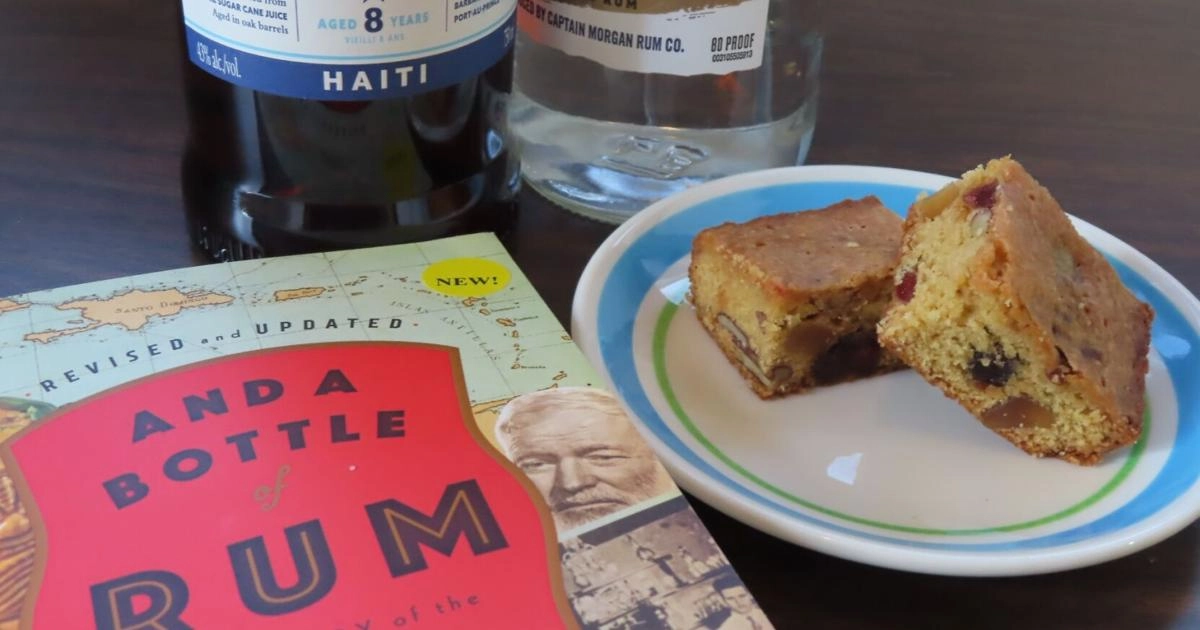
For August, we read “And a Bottle of Rum: A History of the New World in Ten Cocktails” by Wayne Curtis. Initially, I doubted the book’s engagement level, suspecting it might be dull. To my delight, it turned out to be exceptionally lively and entertaining.
The author, Curtis, thoroughly researched and brilliantly blended the intriguing history of rum with fascinating bits of trivia.
Historically, rum is believed to have originated in the Caribbean in the 17th century, born out of the discovery that molasses, a by-product from refining sugar, could be fermented and distilled into alcohol.
Rum quickly became a popular drink among sailors, pirates, and the general populace, finding its way into taverns across the American colonies. It is said that even Paul Revere took a moment for a rum drink before his legendary midnight ride.
The book captivated me with its blend of education and entertainment, providing a comprehensive look at rum’s history, production techniques, and its socio-economic significance. It even includes several rum-based recipes. Engaging and accessible, the book proves to be a worthwhile read.
During our book club meetings, it is customary for members to create snacks inspired by our current read. At this meeting, the chef from The Wild Ramp prepared a delectable Banana Rum Cake, another member brought molasses cookies topped with a rum glaze, and I contributed Rum Bars, utilizing Haitian Barbancourt Rum—a brand mentioned in the book and aged 8 years—which enhanced the flavors of our treats.
The Rum Bars were a hit, perfectly complementing our discussion of an exceptional book.
Next month’s read will be “Tuscawilla: Stories of the Farm.” It is a collection of stories written by the late Jane Cary about farm life in Greenbrier County in the middle of the 20th century. Cary’s niece, Kaaren Cary Ford, compiled and edited the book. She will join the discussion on Zoom.
“Tuscawilla” is a good book, too. You are welcome to join us!
2 cups chopped pecans, toasted
½ cup butter, softened
1 cup packed brown sugar
2 eggs, room temperature
1 tablespoon vanilla extract
½ cup flour
1 cup red candied cherries
¾ cup candied pineapple bits
¼ cup candied citron
2½ tablespoons rum
Preparation:
Preheat oven to 350°.
Prepare an 8-inch-by-8-inch baking pan by greasing it.
In a sizable bowl, mix butter and brown sugar until they are light and fluffy. Incorporate eggs one at a time, ensuring each is well blended before adding the next. Mix in vanilla extract.
Slowly mix in flour to the butter mixture. Stir in toasted pecans, cherries, pineapple, and citron until fully combined.
Allow to bake until a toothpick inserted into the middle comes out clean, typically taking between 45 minutes and an hour.
Remove pan from oven and sprinkle rum over the top of the hot bars.
Cool completely in the pan on a wire rack. Cut into bars. Store in an airtight container.
For questions about recipes or other information, contact Susan Maslowski at mudriverpottery@aol.com or go to metrokanawha.com. Susan also has a Farmer’s Table page on Facebook.
Redemption Sur Lee Rye Whiskey: Revolutionizing the Art of Aging

Redemption Sur Lee Rye Whiskey
Redemption Whiskey is reinforcing its Sur Lee straight rye whiskey as a constant offering in its Specialty Series portfolio, signaling a critical achievement for this distinct iteration with a novel maturation technique. The choice is a reaction to rising appeal from both avid aficionados and new patrons, as stated by the entity.
Sur Lie is a French winemaking method where wine is matured on its lees, or spent yeast cells, to bring about additional complexity and a richer texture. Inspired by this, Redemption has adjusted the approach for this specific rye whiskey by integrating so-called “whiskey lees” into the barrels prior to aging, enriching the whiskey’s richness and flavor nuances. (Hence the name “Sur Lee.”)
“What initially attracted me to this technique was its untapped possibility,” Alan Kennedy, Redemption Whiskey’s master blender, tells Forbes. “No one had ever utilized it in whiskey before, and it presented a unique chance to enhance rye’s intricacy and transform the whiskey into something distinctly extraordinary.”
The result is a flavor profile that is both deep and complex, Kennedy describes. “The result is a whiskey with rich, nuanced layers of flavor evolving with each sip,” he explains. “You’ll find floral notes up front, followed by a nutty backdrop. Then decadent, buttery flavors of toasted marshmallow, maple and nutmeg. All of this is perfectly balanced with a lingering spicy finish that leaves a lasting impression.”
Kennedy also acknowledges the challenges and learning curve involved in developing this new technique.
“When we first conceived this expression at Redemption, we were venturing into uncharted territory,” Kennedy says. “We weren’t certain how the whiskey lees would influence our rye mash bill, so our biggest challenge was understanding the impact of this technique and finding the right balance. With such an unconventional approach, it was crucial to ensure the process didn’t overshadow the essence of our rye but rather pushed its boundaries.”
Redemption Sur Lee begins with a classic pre-Prohibition rye mash bill, featuring 95% rye and 5% barley content with an ABV of approximately 47%.
“We were also challenged by the techniques needed to create the whiskey,” Kennedy says. “With a new-to-world expression comes new-to-world techniques needed to create it. Almost every step in the whiskey making process had to be modified and new methods created.
“As the whiskey ages, we periodically rotate the barrels to ensure the backset continues to naturally interact with the liquid,” Kennedy says. “The result is a rye whiskey with layers of unexpected flavors and notes that are truly unique.”
By introducing a never-before-seen technique, Kennedy says he’s excited to see what inspiration this might spark in the industry.
“Within the whiskey industry, we’ve seen many ways that the wine category has influenced whiskey-making, most notably through the use of various casks to secondarily age whiskey and enhance its flavor profile,” Kennedy says. “However, we haven’t seen wine techniques influence whiskey in the way that the Sur Lee process did for us. We anticipate that more whiskey brands will begin to explore ways to combine these two worlds, just as we did, to further push the boundaries of the category.”
One Community. Many Voices. Create a free account to share your thoughts.
Our community is about connecting people through open and thoughtful conversations. We want our readers to share their views and exchange ideas and facts in a safe space.
In order to do so, please follow the posting rules in our site’s Terms of Service. We’ve summarized some of those key rules below. Simply put, keep it civil.
Your post will be rejected if we notice that it seems to contain:
User accounts will be blocked if we notice or believe that users are engaged in:
So, how can you be a power user?
Thanks for reading our community guidelines. Please read the full list of posting rules found in our site’s Terms of Service.
Father’s Day Extravaganza: Experience a Giant Whiskey Tasting Event on a Football Field!

Bryce Webster
Forget the socks and jocks this year, fellas! Buffalo Trace Distillery, the world’s most awarded whiskey distillery, is throwing a Father’s Day bash you won’t forget – Australia’s BIGGEST whiskey tasting ever, held right on a footy field in Sydney’s Marrickville.
If you’re stuck for a Father’s Day gift that’s as unique as he is, this is the ultimate experience for any bloke who loves a good whiskey, a bit of footy, and a cracking feed. Buffalo Trace Distillery is the oldest continually operating distillery in the U.S, and it’s celebrating 250 years with the release of 250 tickets for a special tasting event following the Newtown Jets vs. Warriors game (which marks the end of the Knock-On Effect NSW Cup).
Known for its old-school rugby charm, Marrickville’s Henson Park will be transformed into a whiskey lovers’ paradise for one night only, bringing together fans through great tastes and thrilling plays, including a feast from the renowned Sydney restaurant Black Bear BBQ.
Advert
Treat him to something different this year – tickets are on sale now but they’re running out fast, so grab yours before they’re gone, or you’ll miss out on seeing Andrew Barnett, one of Australia’s top comedians and football personalities, alongside Buffalo Trace Distillery whiskey expert, Gee David host one of Sydney’s most unique whiskey tasting events.
Here’s the lowdown:
Click here to snag your tickets.
Advert
This is gonna be a cracker of a night, so round up your fam, round up your mates, and get ready to celebrate Father’s Day with plenty of laughs, epic whiskeys, and chat footy with industry legends.
Topics: Food And Drink, Rugby
Beachwood Brewing Expands Its Horizons: Now Serving Custom Rum, Gin, and Vodka Cocktails in Long Beach

Beachwood Brewing is an award-winning brewery known for its significant achievements, including being named the World Beer Cup Champion Large Brewpub in 2016, and securing silver and bronze medals at the Great American Beer Festival in 2023.
The brewery has now expanded into the spirits market, launching Beachwood Brewing & Distilling in Long Beach, where they produce their own gins, rums, and vodkas.
“We wanted to diversify. We didn’t just want to focus on beer; we wanted to explore other types of alcoholic beverages. With our extensive background in brewing, we felt well-prepared to venture into the production of spirits rather than wine,” explained Julian Shrago, the founder, co-owner, and brewmaster of Beachwood Brewing.
Beachwood Brewing & Distilling, celebrated for their beers, has officially started their distillery cocktail program in Long Beach. Since Friday, Aug. 16, 2024, they have been offering cocktails made with housemade gin, rum, and vodka.
Beachwood Brewing & Distilling, celebrated for their award-winning beers, has now officially inaugurated their distillery cocktail program in Long Beach on Friday, Aug. 16, 2024. Starting from Aug. 14, they have been offering cocktails crafted with their own gin, rum, and vodka.
Beachwood Brewing & Distilling, known for their top-quality beers, announced this week the official start of their distillery cocktail program in Long Beach, on Friday, Aug. 16, 2024. As of Aug. 14, the establishment started serving a variety of cocktails featuring their housemade gin, rum, and vodka, including a classic vodka and soda.
Beachwood Brewing & Distilling, a name synonymous with award-winning beers, has expanded its offerings with the launch of a distillery cocktail program in Long Beach as of Friday, Aug. 16, 2024. They began serving house-crafted spirits like gin, rum, and vodka in their cocktails from Aug. 14 onwards.
Beachwood Brewing & Distilling, acclaimed for their exceptional beers, this week launched their new distillery cocktail program in Long Beach, effective Friday, Aug. 16, 2024. Since Aug. 14, customers have been enjoying cocktails made with in-house gin, rum, and vodka, including a delightful Painkiller cocktail.
Beachwood Brewing & Distilling, famed for their award-winning beers, officially launched their distillery cocktail program in Long Beach on Friday, Aug. 16, 2024. Starting on Aug. 14, they began serving cocktails made with house-produced gin, rum, and vodka.
The launch showcased a variety of cocktails, including a ChiChi, Gimlet, Painkiller, and Vodka and soda, highlighting their newly crafted spirits.
The initial offerings of the program featured popular choices like a gimlet and a vodka and soda, crafted from their housemade spirits.
Demonstrating the art of cocktail making, a bartender skillfully prepared a gimlet for an eager customer at the event.
Beachwood Brewing & Distilling, renowned for their exceptional beers, marked a new milestone by initiating their distillery cocktail program in Long Beach on August 16, 2024. As of August 14, they started offering cocktails crafted with their housemade gin, rum, and vodka. Since its inception in 2022, Beachwood Brewing & Distilling has been catering to patrons with food and beer on tap. The recent launch on August 14 introduced a cocktail lineup featuring original recipes using spirits distilled on-site with a 150-gallon, four-plate copper column still.
The distillery primarily produces gin, rum, and vodka. “Gin is a significant part of our distillery’s offerings. It’s a culinary-focused spirit influenced greatly by botanicals, similar to many culinary practices,” he explained.
Shrago is also a fan of Tiki drinks so rum was a must, while vodka appealed to them because of its clean and versatile nature that can be used in many drinks.
“We were very curious about this too. Could we do it? Should we do it? And what do we really have to lose by trying?” Shrago said.
There are about two dozen cocktails on the new menu and some of the highlights include creations like the Saturn, a blend of house gin with passionfruit, lemon, and orgeat. There’s the Chi Chi, which is a twist on the classic piña colada made with house vodka, pineapple, coconut cream, and lime. Another noteworthy drink is the 1944 Mai Tai, a Tiki classic made with rum, lime, orgeat, and orange curaçao. The menu includes other classic cocktails like the gin and tonic, made with tonic water created in-house.
“We have multiple scratch-made tonic waters and several different types of gin. So it’s almost kind of like choose your own adventure when it comes to gin and tonic at our distillery,” he said.
While Beachwood is still primarily known for beers, Shrago believes that beer enthusiasts will equally appreciate their cocktails.
“I’m confident they will taste the passion and the research and the purpose behind every drink,” he stated.
Beachwood Brewing & Distilling is located at 3630 Atlantic Ave, Long Beach. For more details, visit beachwoodbrewing.com.
Beachwood Brewing Expands into Spirits: Now Serving Rum, Gin, and Vodka Cocktails in Long Beach

Beachwood Brewing, an award-winning brewery, has earned accolades such as the World Beer Cup Champion Large Brewpub at the World Beer Cup Awards in 2016, and silver and bronze medals at the Great American Beer Festival in 2023. Now, the brewery is expanding its offerings by venturing into the production of gins, rums, and vodkas at Beachwood Brewing & Distilling in Long Beach.
“We wanted to diversify. We didn’t want to limit ourselves to just beer, but also to explore other types of alcoholic beverages. With our expertise in brewing, we felt it could be well applied to either spirits or wine. We decided on spirits,” stated Julian Shrago, the founder, co-owner, and brewmaster of Beachwood Brewing.
Beachwood Brewing & Distilling, renowned for their award-winning beers, officially launched their distillery cocktail program in Long Beach on Friday, Aug. 16, 2024. Starting from Aug. 14, they began offering cocktails made with house-distilled gin, rum, and vodka.
Beachwood Brewing & Distilling, renowned for their top-notch beers, has now initiated their distillery cocktail program in Long Beach. The launch took place on Friday, August 16, 2024. Since August 14, they have started offering cocktails crafted with their own gin, rum, and vodka.
The new cocktail menu includes creations made from their in-house distilled vodka, gin, and rum, expanding their offerings beyond beer. The official commencement was marked in Long Beach on August 16, 2024.
Continuing their tradition of excellence in brewing, Beachwood Brewing & Distilling started serving their signature cocktails with housemade spirits on August 14, featuring ingredients such as gin, rum, and vodka.
From August 14, patrons have been able to enjoy specialty cocktails like the Painkiller, showcasing Beachwood’s dedication to quality and innovation in their newly launched cocktail program in Long Beach, starting August 16, 2024.
Beachwood Brewing & Distilling, famed for their top-notch beers, ventured into a new territory with the initiation of their distillery cocktail program in Long Beach, commencing on August 16, 2024. Starting August 14, they’ve been offering cocktails crafted with their own gin, rum, and vodka.
The debut of Beachwood Brewing & Distilling’s cocktail program in Long Beach was marked by the introduction of several drinks including A ChiChi, Gimlet, Painkiller, and Vodka and soda. The program officially started on Friday, August 16, 2024, following their cocktail commencement on August 14.
Since August 14, Beachwood Brewing & Distilling has been serving a new selection of cocktails featuring house-made gin, rum, and vodka. Among the offerings are a gimlet and a vodka and soda, marking the start of their new distillery cocktail program in Long Beach on August 16, 2024.
With the launch of their distillery cocktail program in Long Beach, Beachwood Brewing & Distilling began serving handcrafted cocktails on August 14, 2024. A bartender was noted carefully pouring a gimlet for a customer, signaling the official start on August 16, 2024.
Beachwood Brewing & Distilling, famed for their exceptional beers, embarked on a new venture with the launch of their distillery cocktail program in Long Beach on August 16, 2024. From August 14, they started offering cocktails crafted with their own gin, rum, and vodka.
Since its inception in 2022, Beachwood Brewing & Distilling has been serving both food and beer on tap. The recent introduction of their distillery cocktail program includes a selection of unique drinks made using spirits distilled on-site in a 150-gallon, four-plate copper column still.
The focus at the distillery is primarily on gin, rum, and vodka. Gin, in particular, is spotlighted for its culinary qualities, being heavily influenced by botanicals akin to cooking techniques.
Shrago is also a fan of Tiki drinks so rum was a must, while vodka appealed to them because of its clean and versatile nature that can be used in many drinks.
“We were very curious about this too. Could we do it? Should we do it? And what do we really have to lose by trying?” Shrago said.
There are about two dozen cocktails on the new menu and some of the highlights include creations like the Saturn, a blend of house gin with passionfruit, lemon, and orgeat. There’s the Chi Chi, which is a twist on the classic piña colada made with house vodka, pineapple, coconut cream, and lime. Another noteworthy drink is the 1944 Mai Tai, a Tiki classic made with rum, lime, orgeat, and orange curaçao. The menu includes other classic cocktails like the gin and tonic, made with tonic water created in-house.
“We have multiple scratch-made tonic waters and several different types of gin. So it’s almost kind of like choose your own adventure when it comes to gin and tonic at our distillery,” he said.
While Beachwood is still primarily known for beers, Shrago thinks beer drinkers will enjoy their cocktails as much as their brews.
“I’m confident they will taste the passion and the research and the purpose behind every drink,” he said.
Beachwood Brewing & Distilling is located at 3630 Atlantic Ave, Long Beach. For more information, visit beachwoodbrewing.com.
Revealed: The Top American Whiskey at the Whiskies of the World Awards
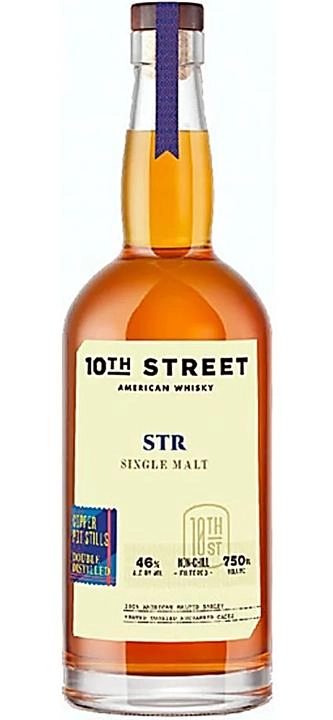
The Best in Show Whiskey at the 2024 Whiskies of the World Awards was deemed to be the 10th Street Triple Cask STR, American Single Malt Whiskey, with a notable 55.6% ABV and available in 750 ml.
The Whiskies of the World Awards, managed by the Whiskies of the World (WOW) group, aims to enhance whisky appreciation globally. Affiliated with the International Wines and Spirits Competition, WOW is recognized for their whisky expos held throughout the U.S. Here’s the highlight of the best American whiskeys from their latest event.
The standout this year is the 10th Street Triple Cask STR, American Single Malt Whiskey, 55.6% ABV, 750 ml.
Based in San Jose, California, 10th Street Distillery marries traditional Scottish whisky craft with Californian innovation. The Triple Cask STR has been aged in three types of barrels—shaved, toasted, and re-charred (STR), a technique influenced by whiskey expert Dr. Jim Swan. This aging process intends to intensify the oak’s impact, creating a whiskey rich in complexity. The 55.6% ABV underscores its robust and multifaceted character.
The aroma is rich and complex, filled with scents of dried fruits, caramel, and toasted oak. There are hints of spice, dark chocolate, and a subtle note of citrus, enhancing the overall profile.
On the palate, the whisky is robust and full, with dominant flavors of toffee, dark chocolate, and roasted nuts. The triple cask aging process contributes additional dimensions of spice, charred wood, and a hint of smokiness, which are complemented by the sweeter flavors of vanilla and honey.
The finish offers a long, warm sensation, characterized by persistent flavors of oak, spice, and a satisfying smoky aftertaste that gradually dissipates, leaving behind a deeply savory experience.
Lion’s Pride Distillery was awarded Best in Class Honors for Thresh & Winnow American Single Malt Single Cask, 8 YO, 50% ABV, 750 ml.
Lion’s Pride Distillery is renowned for its focus on producing superior, artisanal spirits. Its Thresh & Winnow American Single Malt Single Cask stands as a testament to this dedication, showcasing a unique and concentrated flavor that evolves during its aging process.
The scent is dense and multifaceted, featuring layers of roasted malt, caramel, and vanilla. It is further enriched by subtle nuances of dried fruits, oak, and a hint of spice, enhancing the overall complexity of the aroma.
On tasting, Thresh & Winnow presents a full-bodied and robust profile. It leads with flavors of sweet malt and honey, seamlessly followed by toffee, dark chocolate, and baking spices. The oak element is pronounced yet seamlessly melded, enriching the flavor without overpowering the inherent sweetness of the malt.
The finish is extensive and warming, characterized by enduring notes of oak, spice, and a subtle smokiness that gently dwindles, leaving an enduring impression of opulence and equilibrium.
Redwood Whiskey achieved Best in Class honors for High Proof Rye Whiskey with Redwood Empire Bottled in Bond, featuring Grizzly Beast Bourbon at 54% ABV in a 750 ml bottle.
Redwood Empire Whiskey, located in Sonoma County, California, is celebrated for its sustainable practices and dedication to producing top-tier spirits that encapsulate the essence of the region. The distillery excels in creating robust, richly flavored whiskies.
The Bottled in Bond designation of this particular whiskey guarantees compliance with rigorous federal regulations, which stipulate that the spirit must be produced by one distillery within a single distillation season, aged for a minimum of four years, and bottled at precisely 100 proof (50% ABV). Notably, this whiskey is bottled at a higher proof of 54% ABV (108 proof), underscoring its potent character.
The scent is powerful and intricate, filled with the bright essence of rye spice, black pepper, and fresh dill, alongside undertones of dark chocolate, vanilla, and burnt oak.
In tasting, this potent rye whiskey presents a bold and substantial profile. The initial onslaught of robust spice paves the way for mature layers of caramel, toasted rye bread, and dehydrated fruits. The elevated alcohol content intensifies these tastes, ensuring a complex and evolving gustatory journey.
The conclusion of each sip is extended, warm, and richly spiced, persisting with flavors of cinnamon, clove, and a subtle hint of sweet oak, making a profound and balanced final imprint.
Few Spirits received top accolades as the Best in Class for Flavored Whiskey with Few Immortal Rye Whiskey, 46.5% ABV, 750 ml.
See the Whiskies of the World Awards for a complete listing of all of the medalists.
Cheers
One Community. Many Voices. Create a free account to share your thoughts.
Our community is about connecting people through open and thoughtful conversations. We want our readers to share their views and exchange ideas and facts in a safe space.
In order to do so, please follow the posting rules outlined in our site’s Terms of Service. Below, we’ve summarized some of those key rules. Essentially, maintain a civil tone.
Your post will be rejected if we determine that it contains prohibited content.
User accounts will be blocked if we determine or suspect that users are engaged in unacceptable activities.
So, how can you become a power user?
Thanks for reading our community guidelines. Please read the full list of posting rules found in our site’s Terms of Service.
Taste Test: Does the Viral Vodka Pasta Live Up to the Hype? Something’s Off!

Vodka pasta has become the latest foodie trend to take the internet by storm, with even celebs like supermodel Gigi Hadid whipping up their own versions of the dish.
Despite its recent surge in popularity, vodka pasta isn’t a new invention – it’s been around since at least the early 1970s, and its earlier origins remain a mystery.
The dish has not only been a hit in upscale eateries but also on social media, where people have been eagerly trying out recipes and sharing their culinary exploits online.
Heinz teamed up with Absolut Vodka in 2023 to launch a ready-made vodka pasta sauce. The collaboration was a massive success, with the sauce selling out within four days and some savvy buyers flipping jars on eBay for as much as £250.
A spokesperson from Heinz indicated that the company received numerous messages from enthusiasts who were eager for their sauce, with one fan expressing that they’ve “been desperately trying to get it.” Several people have been questioning, “Will you be restocking?” These inquiries have been ongoing for more than a year.
READ MORE: I made homemade sorbet and I won’t be buying sickly store-bought ever again
Driven by the growing enthusiasm, I acquired two jars of this much-acclaimed sauce and was eager to taste the tomato-vodka fusion. Those interested in trying this can find Heinz’s vodka tomato sauce at Waitrose for £1.50 or on the Heinz To Home website for £2.50.
I have a penchant for tomato-based, carb-rich foods and occasionally enjoy a vodka lemonade on weekends, so my anticipation was high. However, my culinary experiment with spaghetti was a misstep; Penne Alla Vodka traditionally uses penne pasta tubes, which I’ll opt for next time.
The Heinz Absolut sauce meant there wasn’t much for me to do other than cook my pasta and warm up the sauce. I began by boiling some water in a pan and when it started to bubble, I added some spaghetti I had in my cupboard from Co-Op.
Once the pasta was soft and my stomach was growling, I drained the water and set the spaghetti aside. Using the same pan, I poured two pots of the tomato and vodka sauce in and cooked it for about five minutes on medium heat.
We use your sign-up to provide content in ways you’ve consented to and to improve our understanding of you. This may include adverts from us and 3rd parties based on our understanding. You can unsubscribe at any time. Read our Privacy Policy.
I stirred it a few times and heated it a bit longer before adding in some garlic granules, ground pepper, and basil flakes for extra flavour. Then I added the spaghetti and mixed everything together before serving.
A spokesperson from Heinz detailed that the vodka mostly evaporates during the cooking process, which helps to heighten the inherent flavors in the tomatoes and generates a richer texture that adeptly melds the creamy aspects with the deep tomato taste and aromatic basil.
The pasta, soaked in a plentiful layer of sauce, provided a creamy culinary experience. At first, it seemed akin to any standard tomato pasta sauce, but the introduction of vodka elevated the flavor profile and intensified the dish’s scent. The vodka’s impact was subtle at first yet left a lingering, enjoyable aftertaste.
Each bite was relished thoroughly, and fortunately, there was enough prepared for my partner to enjoy a portion, with some remaining for future meals. Vodka-infused pasta for lunch was a definite yes.
While many have hailed vodka pasta as the pinnacle of culinary delight, in my view, it doesn’t topple the classic favorites like carbonara or penne arrabbiata. Nevertheless, I’d readily make it again or opt for it in a dining setting for a taste variation.
Rating: 8/10
Ultimate Packing List for Wadi Rum Desert Camping: Essentials for a Memorable Adventure

Wadi Rum, often called the Valley of the Moon, is a mesmerizing destination for desert camping enthusiasts. Its expansive, arid landscape is punctuated by towering sandstone mountains and adorned with ancient rock carvings, offering a glimpse into the past. This unique setting demands thorough preparation to fully enjoy its majestic beauty in comfort and safety, making it an unforgettable adventure for those who visit.
In the relentless desert sun, high SPF sunscreen is essential. Choose a broad-spectrum formula to shield against UVA and UVB rays. It’s critical to reapply every two hours, particularly if you’re perspiring or come into contact with sand. This precaution can help avoid painful sunburns and protect against long-term skin damage, ensuring your desert adventure remains enjoyable and safe.
Staying hydrated is critical in the desert’s dry conditions. Bring durable water containers that can hold at least two liters of water per person per day. Consider insulated bottles to keep your water cool throughout the day. Remember, dehydration can sneak up on you in the heat, so drink regularly even if you don’t feel thirsty.
In Wadi Rum, temperatures drop significantly at night. It’s essential to pack lightweight yet warm clothing to layer up after the sun sets. A high-quality thermal jacket is crucial for staying comfortable during the cold desert nights without burdening your backpack. Additionally, don’t forget to include a hat and sunglasses to shield yourself from the sun’s rays during the day.
The terrain in Wadi Rum includes soft sand and rocky trails, requiring sturdy footwear. Choose shoes with good grip and ankle support for safe navigation across this varied landscape. Sand can heat up and enter open shoes, so closed-toe options are preferable. These ensure comfort during long walks or hikes, making them essential for exploring the desert’s diverse conditions.
For desert camping in Wadi Rum, a reliable tent or shelter is vital. Choose one that provides ventilation for warm nights and protection against windblown sand. Opt for a lightweight yet sturdy option, making it easy to transport and set up in the vast wilderness. This ensures safety and comfort under the stars, preparing you for a memorable experience in Jordan‘s landscapes.
Tommy Fury Seen Kissing Unknown Blonde During Late-Night Club Outing, Days Before Split with Molly-Mae Announced

BRAZEN Tommy Fury has been accused of kissing a blonde in a nightclub during a 2am vodka binge just days before his fiancée Molly-Mae Hague announced their split.
Witnesses say the boxer was partying with the Danish woman the night after their kiss in front of hundreds at a nightspot in North Macedonia.
Molly-Mae — who was pictured last night without her £600,000 engagement ring as she visited a McDonald’s drive-thru — was 1,700 miles away at home while Tommy was on the booze-fuelled trip with six lads.
A reveller who witnessed the kiss said: “He was downing Grey Goose vodka and didn’t seem to care who saw him with the girl. He kissed her.”
“This will be heartbreaking for Molly-Mae.”
The Sun reported on Friday the influencer ended her relationship with Tommy after confronting him about allegations of his infidelity during a vacation.
Sources disclosed that Molly-Mae, 25, received a distressing video of Tommy from the trip, prompting her to break up with him just one hour after his arrival back in the UK on Wednesday.
Tommy’s flight was delayed by an hour, and a fellow passenger noted he seemed “agitated”.
The British visitor noted, “He seemed increasingly irritated and constantly stayed on his phone.”
Tommy paid a visit to Molly-Mae yesterday at their £3.5 million mansion in Cheshire, where they live with their one-year-old daughter Bambi.
Appearing very serious, he arrived at the gated estate in his £180,000 Mercedes G Wagon at 2:25 pm, but he departed after just 55 minutes.
Residents of Ohrid, a rising party destination in Europe, mentioned that Tommy’s security was erasing videos and photos taken by fans of the 25-year-old late into the night.
Tommy was observed enjoying himself in the VIP section of INclusive club.
This section, guarded by security personnel, is elevated and separate from the rest of the club, yet remains within sight of other guests.
There, he was seen with a blonde woman, whom onlookers say he kissed. She bid him farewell and departed with her companions later.
The following night, Tommy was spotted conversing with the same woman at the prestigious beach club, Cuba Libre.
It is reported that she was born in Denmark but currently resides in North Macedonia, having met the boxer via mutual acquaintances.
Workers at the vibrant venue noted that he had booked the table nearest to the lightly-dressed Latino dancers, which are a regular feature of the evening’s entertainment.
He was consuming Grey Goose vodka and appeared indifferent to being seen with the lady.
A server commented: “Tommy was with his friends and they all seemed to thoroughly enjoy the show — and the dancing women.”
“There was a blonde girl — identified as Macedonian but born in Denmark — present at the club that evening, engaging in conversation with him.”
Likewise, the same blonde woman was seen conversing with Tommy by the poolside at the Golden Beach resort, situated just a ten-minute stroll from his luxurious five-star lodgings at Inex Olgica.
Workers at the resort, a favored spot where Tommy and his companions frequently enjoyed Patron tequila by the pool, mentioned that the “entire town” was abuzz with discussions about his romantic encounter with a woman at the nightclub.
A few beach club barmen noted, “The subject is on everyone’s lips. She’s a young blonde woman from Macedonia. Though her Danish roots are not confirmed, it’s quite plausible he had encounters with several women.”
“That was the vibe of the group and they were going out every night and drinking in the daytime.
“It was a wild lads’ holiday. He was ordering tequila in the afternoon. They were talking to some girls next to them and then a blonde girl came over and said goodbye to Tommy.”
On the final day of his trip, Tommy and his pals dined at a swanky restaurant until midnight.
The group then partied at nightclub Omnia, which closes at 4am and is above a casino.
They sat at a table and ordered bottles of Grey Goose vodka.
The club’s owner, Trajche Ristevski, mentioned, “Tommy’s group of British lads arrived at around 1am. His security obstructed the view of his table by positioning themselves in front so that nobody could approach them or see them.”
“A fan began recording Tommy, which caused his security to react strongly. They confiscated the fan’s phone and erased all the photos and videos he had captured.”
“They were keen on keeping his activities private.”
A staff member from Omnia mentioned, “Tommy picked Ohrid for its privacy yet it rivals Ibiza in its party scene.”
Tommy returned to Manchester Airport on the TUI flight that left at 11.55am on Wednesday.
The plane touched down at 2.45pm, and shortly after, at 3.52pm, Molly-Mae told her 7.9 million Instagram followers that they had parted ways.
She expressed her sentiments stating, “Never in a million years did I think I’d ever have to write this.”
“After five years of being together I never imagined our story would end, especially not this way.”
“I am extremely upset to announce that mine and Tommy’s relationship has come to an end.”
“I am extremely upset to announce that mine and Tommy’s relationship has come to an end”
“I will forever be grateful for the most important thing to me now and always, my beautiful daughter.”
Tommy and Molly-Mae hooked up on Love Island in 2019.
They had their daughter in January 2023 and Tommy proposed six months later.
Their relationship was said to have been put under strain by Tommy’s partying in recent months.
It was revealed in May that influencer Molly-Mae has £5.3million of assets in her companies due to brand deals.
Friends claim the couple had an explosive row on Wednesday and that a video was involved.
Since the split, Tommy — the brother of ex-world champion Tyson Fury, 36 — has lost tens of thousands of Instagram followers.
Tommy has denied cheating via a spokesman, who said: “Tommy is horrified by the false allegations of cheating being circulated by the media and he is consulting his lawyers.”
Last night a spokesman for Molly-Mae declined to comment.