Beer-articles 1026
One drink that combines a classic cocktail and your favorite beach beer is the Corona Sunrise.

Imagine this: you’re in the mood for a refreshing drink to enjoy during your next happy hour or a memorable meal with your friends. You want something that combines the timeless allure of a classic cocktail with the familiar taste of your favorite beach beer. Well, look no further because the Corona Sunrise is here to fulfill your desires. This delightful concoction seamlessly merges the best of both worlds into one delicious beverage.
Before we delve into the details, let’s first take a look at the classic Tequila Sunrise. This cocktail has been around for decades and is famous for its vibrant, sunrise-like appearance and the perfect blend of tequila, orange juice, and grenadine syrup. Although its origins can be traced back to the 1930s, it really gained popularity during the 1970s and has since become a staple in bars and beachside destinations all over the world.
While the Tequila Sunrise is undoubtedly delicious, there’s something undeniably comforting about enjoying an ice-cold beer. And when it comes to the world of beers, Corona stands out with its light, crisp, and refreshing taste. Combining these two beloved drinks creates a unique explosion of flavors. The sharpness of the tequila, the sweetness of orange juice and grenadine, and the slightly sour and refreshing qualities of the beer all come together perfectly in the Corona Sunrise.
To create your very own Corona Sunrise, you’ll need the following ingredients: 1 ounce of your favorite tequila, 2 ounces of freshly squeezed orange juice, 1/2 ounce of grenadine syrup, some lime juice, 1 bottle of chilled Corona Extra, and optional garnishes like orange slices, lime wedges, and maraschino cherries.
To begin, pour out (or drink) a portion of the beer so that the liquid is level with the top of the label. This will create enough space for the rest of the recipe. Next, add the tequila followed by the freshly squeezed orange juice. Then, pour in the grenadine syrup and finish off with a splash of lime juice. With your thumb, plug the bottle’s lid, gently invert it, and carefully return it to its upright position, avoiding any spills. Finally, garnish your Corona Sunrise with a citrus wedge and a maraschino cherry.
As easy as cracking open a canned cocktail, the Corona Sunrise is the ultimate drink for the beach. It effortlessly combines the timeless charm of a classic Tequila Sunrise with the soothing and refreshing qualities of Corona. Whether you’re sipping it at a sandy paradise, by the pool, or simply in your backyard, this drink encapsulates the essence of a carefree vacation. So, the next time you find yourself yearning for that perfect beachside beverage, treat yourself to a Corona Sunrise and indulge in the best of both worlds with every sublime sip. Cheers to paradise in a glass!
During the MLB playoff game, a generous Phillies fan surprised everyone in their section by treating them to free beer.
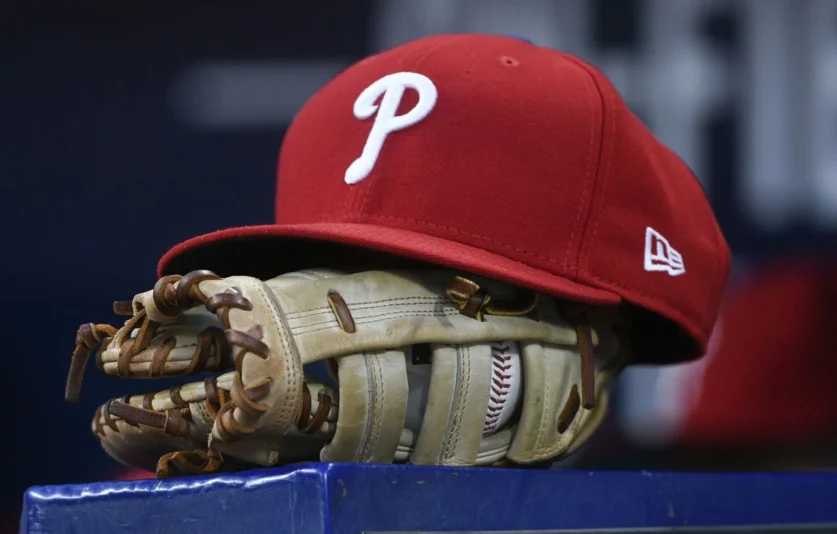
Philadelphia Phillies fans were in for a surprise during Wednesday’s Wild Card series game against the Miami Marlins. After the Phillies secured a 7-1 victory, a video began circulating on social media, showing a vendor at Citizens Bank Park distributing $4,500 worth of beer to the delighted fans in a particular section.
The video, originally posted on Instagram by the vendor himself, quickly went viral, captivating fans across the city. In the footage, the vendor, Reggie Douvalsaint, can be seen cracking open beer after beer and handing them out generously, reminiscent of Oprah Winfrey’s famous giveaways. The crowd looks on in shock as Douvalsaint exclaims, “You get a beer, and you get a beer!” It is revealed that a kind-hearted anonymous fan had purchased the beers for the entire section, leading to the euphoric scene.
For Phillies fans, this was the cherry on top of an already exciting game. Just moments before the beer incident, infielder Bryson Stot hit a grand slam, extending the team’s lead to 7-0. Fans were so overcome with joy that they started sharing videos of the home run, with the only sound being the deafening roar of the crowd. The atmosphere in South Philly was reminiscent of Bryce Harper’s memorable home run during Game 3 of the World Series, when fans celebrated so passionately that they believed it caused an earthquake at Penn State, a theory that was later debunked.
While Stott’s homer didn’t spark any false rumors, it did provide an excellent reason for a beer giveaway celebration. Phillies fans embraced the unexpected gesture, enjoying their complimentary drinks and basking in the team’s victory.
Moments like these remind us of the joy and camaraderie that sports can bring. The generosity of the nameless fan and the viral nature of the video serve as a testament to the passion and spirit of Philadelphia Phillies fans. It feels good to be part of a community that stands together and celebrates together, even during challenging times.
So, to the anonymous fan and Reggie Douvalsaint, we raise our glasses and toast to your generosity and the unforgettable memories you created for the Phillies faithful. Let’s hope that this act of kindness sets the stage for even more memorable moments in the future. Cheers!
Stefon Diggs of the Bills has been fined $13,659 for his ‘Stone Cold’ beer celebration against the Dolphins.

Buffalo Bills wide receiver Stefon Diggs has been fined a hefty sum of $13,659 for his unsportsmanlike conduct during a touchdown celebration in the team’s recent victory over the Miami Dolphins. The news was shared by Tom Pelissero of NFL Network, which highlighted Diggs’ costly tribute to former WWE superstar Stone Cold Steve Austin.
Following his second touchdown in the game, a remarkable 11-yard catch that propelled Buffalo to a 20-14 lead in the second quarter, Diggs decided to channel his inner wrestling fan. He sprinted towards the crowd, grabbed two beers, and with great gusto, slammed them together just like Stone Cold Steve Austin used to do in his prime. Little did Diggs know, this act of celebration would come with a hefty price tag.
While the financial blow may sting, it is important to note that Diggs had an exceptional performance throughout the game, leading Buffalo to a resounding 48-20 win over the previously undefeated Dolphins. His dominant outing included six catches for an impressive 120 yards and three touchdowns. This performance only solidifies his impact on the team, as he now boasts an impressive stat line of 31 receptions, 399 receiving yards, and four touchdowns for the season.
Looking ahead, Diggs and the 3-1 Bills will be heading to London to face the Jacksonville Jaguars on Sunday. The game is scheduled for an early start at 9:30 a.m. ET. Despite the hefty fine, Diggs will surely bring his A-game to this international matchup as Buffalo looks to continue their winning streak.
In conclusion, while Diggs’ touchdown celebration may have cost him a significant amount of money, it cannot diminish the impact he had on the game nor the team’s victory. As fans, we should focus on the incredible performance he delivered and look forward to what he brings to the field in future games.
Some beer tastes like buttered popcorn for a scientific reason.

The Curious Case of Butterbeer: A Brewing Mystery
For all the beer connoisseurs out there, the concept of “butterbeer” may not be as fictional as it seems. Sure, we’ve all encountered those licensed novelty drinks at theme parks, but every now and then, you might stumble upon a beer that has a faint taste of buttered popcorn, even when it’s fresh from the tap or bottle. Intriguing, isn’t it? But how does this buttery flavor find its way into the beer in the first place? Well, let’s delve into the fascinating and somewhat surprising world of diacetyl.
Diacetyl, an alpha-diketone, is a chemical compound produced during the beer manufacturing process. It is commonly used as an artificial flavoring due to its strong buttery aroma. You might recognize its taste from microwave popcorn, movie theater popcorn, and some artificially flavored coffees. Surprisingly, diacetyl is also found in e-cigarettes and is even used to enhance the buttery taste in margarine, butter, and oil sprays. You might be surprised to learn that even real butter itself contains low levels of diacetyl.
Now here’s the interesting part: diacetyl is a natural byproduct of yeast fermentation. So, most beers produced with yeast will have some level of diacetyl during the brewing process. However, brewers usually have methods to control and eliminate diacetyl before the beer is ready for sale. If you detect that unmistakable buttery taste in your beer, it could mean that the diacetyl was intentionally left in for flavor, or there might have been sanitation issues during production.
As intriguing as butter-flavored beer may sound, it’s important to note that a hint of butter in your brew is far from harmless. Prolonged exposure to high levels of diacetyl is known to cause bronchiolitis obliterans, a severe and often fatal lung condition commonly referred to as “popcorn lung.” This condition initially came to light when it was discovered among microwave popcorn factory workers (via the American Lung Association). Even though the low levels of diacetyl found in beer and flavored foods were generally considered safe, recent studies suggest that even minimal exposure to diacetyl from consuming flavored foods can increase your susceptibility to COVID-19. Needless to say, it’s not something you want to find in your beer.
If you’re a novice home brewer, it’s crucial to understand how to control diacetyl in your creations. First and foremost, pay utmost attention to sanitation. While diacetyl is a natural byproduct of fermentation, it can also result from unwanted bacteria. Ensuring proper sanitation of your equipment and bottles will help mitigate the diacetyl issue and prevent any other potential contamination problems. Additionally, creating the right conditions for yeast to naturally reabsorb diacetyl during fermentation is key. This involves increasing the temperature towards the end of fermentation to enhance yeast metabolism, followed by cooling it down and allowing the yeast to rest in the bottles for a week before removing them. Furthermore, it’s essential to keep the beer cold after bottling to avoid any further re-fermentation of diacetyl during storage.
In conclusion, while the concept of butterbeer may have originated from the realms of fiction, there is indeed a scientific basis behind its flavor. Diacetyl, a chemical compound produced during the beer manufacturing process, lends that familiar buttery taste to certain brews. However, it’s crucial to ensure that diacetyl is controlled and kept at safe levels. As enjoyable as a hint of butter may be in your beer, it’s important to prioritize your health and make informed choices when it comes to consuming beverages with diacetyl.
Source: Tasting Table
It is common to serve beer in a glass that is ice cold for a reason.

Cracking open a cold one is a simple pleasure that people all over the world enjoy. There’s nothing quite like a chilled beer to cool you down on a hot day. Unlike other beverages like wine or soft drinks, beer glasses are often seen covered in frost. Have you ever wondered why this is the case? The reason is actually quite simple – it keeps the beer cold without diluting it.
Although serving a beer too cold can affect the overall experience, freezing beer glasses is a common practice. Beer experts argue that freezing glasses can subdue the subtle flavors and aromas that brewers work hard to create. The ideal temperature for serving beer is between 40 to 55 degrees Fahrenheit, depending on the style. Most professionals in the beer industry, including brewers, bartenders, and cicerones (beer sommeliers), would advise against freezing your glass before pouring.
However, if your beer hasn’t been refrigerated, using a frosted glass is better than adding ice cubes. Ice cubes could dilute the flavor and body of the beer, which is not ideal for craft beers with complex flavors. On the other hand, frozen glasses are acceptable when serving macrobrews, the mass-produced lagers that are often enjoyed during casual occasions. These beers are not known for their complexity, so a frozen glass won’t make much of a difference.
When it comes to drinking beer at home, you have the freedom to do as you wish. If you prefer your beer served in a glass fresh from the freezer, go ahead. There are no strict rules or beer police to stop you. Just keep in mind that beer enthusiasts may judge your choice. However, it shouldn’t matter what others think as long as you enjoy your beer.
To achieve an icy glass, start with a room temperature glass, preferably a mug that is less likely to crack. Running cold water over the outside of the glass before freezing will help frost form. While some may argue against drinking a beer that is too cold, there is nothing wrong with it if it’s what you prefer. After all, you’re not freezing the beer itself or adding questionable ice cubes.
In the end, the choice is yours. Whether you follow the beer-serving best practices or not, the most important thing is to enjoy your beer in a way that brings you happiness and refreshment. So go ahead, crack open a cold one and savor the moment. Cheers!
Are you aware of the mysterious and chilling secrets that lay hidden within the confines of your freezer? It’s time to uncover the truth about what’s lurking behind that frosty door. Join me on this journey as we delve deep into the chilling unknown.
We all have that one appliance in our kitchen that we take for granted, the freezer. It’s where we store our ice cream, leftovers, and those frozen vegetables we swear we’ll eat one day. But have you ever stopped to wonder what else might be lurking in there, hidden beneath the frozen surface? The truth may shock you.
Imagine this: it’s a dark and stormy night. The power goes out, leaving your home in complete darkness. As you stumble around, looking for a flashlight, you can’t help but feel an eerie presence nearby. Goosebumps raise on your arms as the cold air from the freezer brushes against your skin. The hair on the back of your neck stands up, and you can’t shake the feeling that someone or something is watching you.
You cautiously make your way towards the freezer, the only source of light being the soft glow of the moon outside. You place your trembling hand on the handle, slowly pulling the door open. As you do, a gust of frigid air rushes out, sending shivers down your spine. And there, amidst the frozen goods, you spot it. Two glowing red eyes piercing through the darkness.
At first, you dismiss it as a trick of the light. But as the eyes grow brighter, you realize that something is terribly wrong. In a panic, you slam the door shut, but the eyes continue to burn into your memory. You can’t shake the feeling that whatever is in there is relentless and hungry.
Days turn into weeks, and the memories of those glowing eyes haunt your dreams. You try to forget, to go about your daily life as if nothing happened. But deep down, you know that the presence in your freezer hasn’t left. It’s waiting, patiently biding its time until the perfect moment to strike.
You become obsessed with finding answers, searching for clues that might explain the mysterious entity in your freezer. Late nights are spent scouring the internet for stories of similar occurrences, desperate to find someone who has experienced the same terrifying ordeal.
And then, one fateful evening, you stumble upon an article. The headline reads: “Lurking in Your Freezer: Uncovering the truth behind frozen hauntings.” You click, your heart pounding with anticipation, hoping to finally find the answers you’ve been seeking.
As you read through the article, a sense of both relief and dread washes over you. It turns out, you’re not alone in your chilling experience. Many others have encountered similar phenomena, with reports spanning across the globe. Theories range from vengeful spirits seeking refuge in the cold, to interdimensional beings that can only manifest through frozen portals.
One thing becomes clear – the mystery of the freezer lurker is far from solved. But armed with knowledge and the support of a newfound community, you feel a renewed sense of determination. You no longer feel like a helpless victim, but rather a brave explorer, ready to face the unknown.
So, the next time you open your freezer and feel that icy chill run down your spine, remember that you’re not alone. Somewhere out there, someone else is facing the same fear, the same uncertainty. Together, we can shine a light on the darkness and uncover the truth behind what’s lurking in our freezers.
The beer party in October 2023 was the largest Oktoberfest ever held.

The world’s largest celebration of beer, Munich’s Oktoberfest, broke records in 2023 with a staggering 7.2 million attendees. This year’s festival, which ran from September 16th to October 3rd, was extended by two additional days to coincide with the German Unity Day national holiday. The attendance numbers surpassed previous years, with 5.7 million people in 2022 and 6.3 million in 2019.
What is interesting, however, is that despite the record-breaking number of attendees, the thirst for beer seemed to have dwindled. Surprisingly, only an estimated 6.5 million measures of beer were served this year, which amounts to less than one per person. In comparison, 7.1 million measures were served in 2020, and 7.3 million in 2019.
Instead of reaching for the traditional amber elixir, festival-goers seemed to have a different agenda this year. Sales of non-alcoholic beverages saw a whopping 50% increase, indicating a shift in preferences. It appears that people are opting for healthier, non-alcoholic alternatives, which aligns with the rising trend of health-conscious living.
But it wasn’t just the beverages that saw a change in consumer behavior. Sales of food also experienced a boost, with a 15% increase compared to previous years. It seems that attendees were more interested in satisfying their culinary cravings rather than indulging in copious amounts of beer. This could be attributed to the growing popularity of food as an integral part of the Oktoberfest experience, with attendees seeking out traditional Bavarian delicacies and exploring a diverse range of culinary options.
The 2023 edition of Oktoberfest also had its fair share of intriguing tidbits. Beyond the attendance and beverage statistics, the festival witnessed numerous entertaining moments. From yodeling contests to bratwurst-eating competitions, there was no shortage of fun and games. Visitors were treated to a diverse range of attractions, including live music performances, traditional Bavarian dances, and mesmerizing firework displays lighting up the night sky.
Oktoberfest has always been synonymous with beer, but the 2023 edition showcased a new dimension to the festivities. The surge in non-alcoholic beverage sales and the emphasis on culinary experiences highlights an evolving consumer landscape. As people prioritize their well-being and embrace healthier choices, it is clear that the Oktoberfest experience is adapting to cater to these shifting preferences.
Despite the changes, one thing remains constant – the enduring spirit of camaraderie and celebration that permeates through the festival grounds. Whether it’s raising a glass of beer or indulging in delicious food, Oktoberfest continues to unite beer lovers from around the world in a joyous and unforgettable experience.
According to an expert, the beer that pairs best with buffalo wings is…
Beer and Buffalo wings go hand in hand, but choosing the right beer to pair with this classic dish can be a bit tricky. To help us navigate this delicious dilemma, we turned to Jeff Tyler, the head brewer and co-owner of Colorado’s Spice Trade Brewery + Kitchen.
Tyler recommends opting for something light, effervescent, and crisp when enjoying Buffalo wings. His top choice? A Mexican lager. This type of beer provides the perfect balance to the spicy buffalo sauce without overwhelming it. The spice and acidity of the wings need a beer that can cleanse the palate between bites without filling you up, and a Mexican lager fits the bill perfectly.
However, it’s important to note that not all beers are a good match for wings. If you’re a fan of hoppy IPAs, you may want to steer clear when enjoying this savory dish. Hops can intensify the spiciness of the sauce, making it even hotter. So unless you’re a glutton for pain, it’s best to save the IPAs for another occasion.
But what if you want to turn up the heat even more? Tyler suggests trying a chili beer, such as their Jalapeno Mexican lager, which adds an extra kick to your wings. Unfortunately, if you don’t have access to Spice Trade’s brews, there are other chili-spiced beers readily available across the country. For example, Wilson, North Carolina’s Casita Brewing Company offers Fiesta Fiesta Lager, made with Tajín Clásico chili/lime seasoning, lime juice, and habanero. This lager provides a crisp and acidic companion to your Buffalo wings, along with a subtle background heat from the spices.
Another option is Evil Twin Brewing’s ET Stay Home 8 from New York City, which combines pineapple and guava fruits with a chili kick. This tropical twist on chili beer is lightly sweet and fruity, with a citrus acidity that pairs beautifully with Buffalo wings.
So the next time you indulge in a plate of delicious Buffalo wings, remember to choose your beer wisely. A light and crisp Mexican lager will complement the flavors perfectly, while a chili beer can add an extra level of spice if you’re feeling adventurous. Whatever you decide, just be sure to have plenty of napkins on hand!
In addition to stouts and IPAs, the beer fridge of my deceased friend contained a variety of beverages that I had to clear out.

Craft beer is a beautiful thing. It has the power to bring people together from all walks of life, creating connections that may have otherwise never existed. I have personally experienced this in my own life, meeting incredible individuals who share a passion for stouts, IPAs, bottle releases, and line shares.
One individual in particular stands out among my craft beer friendships – Chris Von Wahlde. Chris and I go way back, even before our love for beer developed. We actually met through our shared interest in gaming, spending countless Monday evenings with a small group of friends, immersing ourselves in complicated games of make-believe. Chris quickly became my closest friend, and we never ran out of things to talk about. From pro wrestling and music to art and dogs, our conversations were always filled with laughter and genuine connection.
As time went on, both Chris and I found our way into the craft beer industry, and our shared passion only grew stronger. Chris eventually became the beer and wine steward at a local Kroger, but his love for craft beer extended far beyond his professional responsibilities. Each year, he and his wife Lynette made sure to attend the Cincy Winter Beerfest, securing connoisseur tickets to fully indulge in their shared love for craft beer. Chris was not the type to let his hobby become a burden – he genuinely enjoyed every moment of his beer journey.
Unfortunately, I find myself writing about Chris today due to the tragic news of his passing. He was found unresponsive in his home, and despite the efforts of the ambulance crew, they were unable to revive him. Chris was only 47 years old, a shockingly young age to say goodbye to someone so full of life. I can already imagine him expressing his disbelief, as he believed that even Jimmy Buffet had been taken too early at the age of 76.
Truthfully, I hadn’t seen Chris much lately, as life tends to pull people in different directions when they reach their 40s. However, we had made attempts to catch up over a pint or two. Our plans to meet at Nine Giant Fermentorium last summer fell through, but I still cherish the messages we exchanged on Facebook leading up to that day. Little did I know, Chris was facing health challenges that he didn’t wish to burden others with. An examination following his passing revealed an enlarged heart and an inoperable brain tumor. His wife, Lynette, was aware of his struggles, as he battled chronic back pain, forcing him to take a leave from work, and endured crippling headaches.
It was on Monday morning that Lynette reached out to me, asking if I could come over and help her sort through the beer Chris had left behind in their fridge. The very thought of it broke my heart, but there was no way I could refuse. When I arrived, I was overwhelmed by the sheer quantity of beer in that fridge. It was packed to the brim, with some bottles and cans that I knew hadn’t been produced in years. Chris couldn’t bear the thought of pouring any of it down the drain, so that’s what I did for him and his wife. With the exception of a fresh six-pack of Rhinegeist Wowie, anything that wasn’t a stout or a porter met its end in the sink. The rest, I brought home with me, a small token of the friendship we shared.
Before leaving, I made a point to visit Chris’s parents next door. He always wanted his loved ones nearby, and it was clear that he had intentionally chosen a home close to his parents. I wanted to offer my support and condolences to them, knowing how much it meant to Chris to have his loved ones united.
As I sit here and write, I can’t help but reflect on the impact Chris had on my life. His friendship and love for craft beer brought so much joy into my world, and I will forever be grateful for our time together. It’s through writing and sharing these memories that I find some solace in his sudden departure from this world. Chris will be deeply missed, but his spirit lives on in the memories we made and the craft beer community he was so passionate about. Cheers to you, my oldest and best friend in the industry.
A Farewell to Chris: Memories from a Beer Fridge###
Growing up, Chris lived next door to me, always in close proximity to his family. What I admired most about him was his unwavering love for the ocean and his fondness for cruises. It seemed peculiar to me that he longed to spend so much time surrounded by people, especially in the wake of the post-pandemic world. However, everything fell into place when I discovered his plans for his mother and late wife to embark on a cruise, using a ticket designated for him. On this voyage, they would fulfill his final wish – to scatter his ashes into the vast expanse of the Pacific Ocean, a place he cherished. Chris loathed funerals and memorial services, refusing to attend any. While I never understood his reasons, I now realize that his desires echo my own – a shared sentiment that has brought us closer even after his passing.
Like Chris, I, too, detest the idea of somber farewells. Instead, he wanted those he left behind to celebrate his life with a joyous gathering. He wanted us to raise a glass and revel in the memories we shared, for he had adored his life and the people who filled it. And so, it is my duty to carry out his wishes. A grand celebration of Chris Von Wahlde’s life will indeed take place, and I am determined to be there, honoring him in every way possible. As a memento, I have taken a beer from his refrigerator. Regardless of where we end up toasting his memory – whether it be a discreet parking lot or a more suitable location – that beer shall be present. If circumstances permit, we shall pour it into proper glassware. But if not, the essence of our gathering will be captured in humble Solo cups. We may be wild at heart, but surely not savages.
Farewell, dear Chris. Though we part ways for now, I hope that our paths will cross again someday. If that day arrives, allow me the privilege of treating you to the first round. You will always hold a significant place in our hearts and minds.
*This article originally appeared on Cincinnati Enquirer: “I cleaned out my late friend’s beer fridge, and it’s full of memories.”*
The appeal of a man who claims Beer Depot sold him opioids disguised as multivitamins has been rejected by the court.
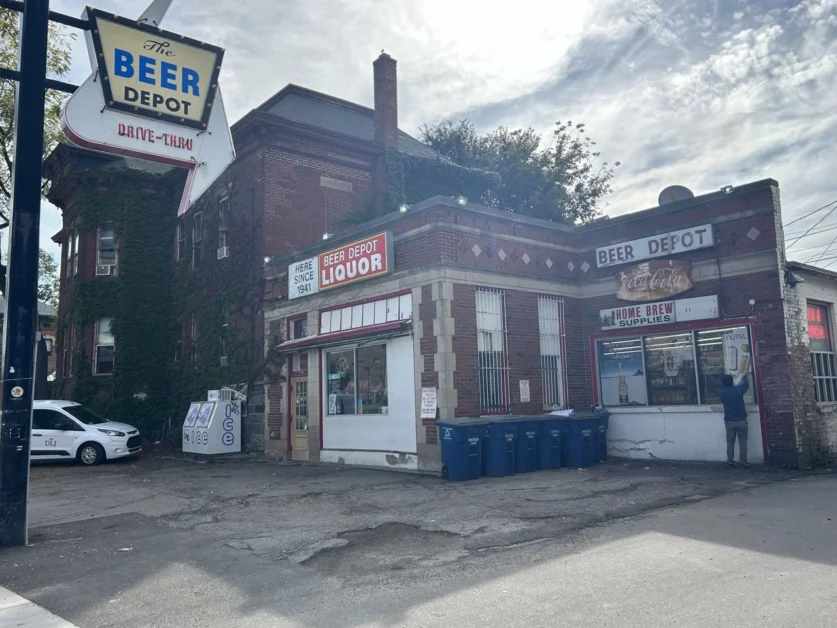
Title: The Ann Arbor Beer Depot Clears Itself of Liability in a Bizarre Multivitamin Mix-up
Introduction:
In a recent ruling, the Michigan Court of Appeals has absolved The Ann Arbor Beer Depot of any liability in a civil lawsuit brought forth by a man who claimed to have suffered an overdose from opioids he mistakenly believed were multivitamins purchased at the store. The court’s decision reiterates the importance of thorough investigations and accurate evidence in determining liability in such cases. Let’s dive into the details of this strange and unexpected situation.
The Unforeseen Multivitamin Mishap:
Larry Lee, a 42-year-old man, filed a lawsuit in Washtenaw County Trial Court in October 2019, alleging that he had inadvertently consumed opioids from a bottle of Congaplex Multivitamins he had purchased from The Ann Arbor Beer Depot. Lee maintained that he had taken between 10 to 12 pills from the bottle, resulting in loss of consciousness and subsequent medical treatment.
Evidence and Confrontation:
Hospital tests confirmed the presence of Norco, an opioid, in Lee’s system. Following his hospitalization, Lee confronted an employee of The Beer Depot, accusing them of selling him the pills. A video recording captured Lee asking the employee about the pills’ source, to which the employee responded that the pills had been left behind by someone else.
The Lawsuit’s Allegations:
Lee’s lawsuit accused The Beer Depot of negligence, asserting that the store had sold and marketed the multivitamin bottle. Although Lee claimed to have purchased the bottle for a modest sum of $4 to $6 in cash, he did not possess a receipt to support his claim.
The Jury Trial and Verdict:
The case proceeded to a jury trial before Washtenaw County Trial Court Judge Archie Brown in August 2022. The Beer Depot’s owner testified that the store had never sold vitamins. Furthermore, the owner stated that Lee had not requested surveillance footage to prove he had purchased the pills, and by the time of the trial, the existing footage had been overwritten.
The jury was instructed to first ascertain whether The Beer Depot had sold the multivitamin bottle to Lee. Based on the jury’s verdict, it was determined that the store had never sold multivitamins to the plaintiff, thereby absolving them of any liability in the case.
Court of Appeals Decision:
Larry Lee filed an appeal in October 2022, seeking to reverse the trial court’s judgment. However, on September 28, 2023, three Michigan Court of Appeals justices upheld the trial court’s decision. They supported the trial court’s emphasis on the key question of whether The Beer Depot sold the pills to Lee, which was dispositive in determining liability.
Conclusion:
The ruling by the Michigan Court of Appeals solidifies that The Ann Arbor Beer Depot bears no liability in the civil lawsuit concerning the sale of opioids disguised as multivitamins. Additionally, it highlights the significance of accurate evidence and thorough investigations in legal proceedings. While this case is undoubtedly peculiar, it serves as a stark reminder of the importance of consumer awareness and vigilance when purchasing products from any establishment.
References:
– [Opinion of the Michigan Court of Appeals](insert link here)
Read more:
– [No state university is bigger than the University of Michigan, data shows](insert link here)
– [Sexual assaults increased at the University of Michigan in 2022, data shows](insert link here)
– [‘Just anything but this.’ Drive-thru Taco Bell gets reluctant OK in Ann Arbor](insert link here)
– [Ann Arbor estimates storms, power outages in 2023 have cost city](insert link here)
Here at our website, we value transparency and want to make sure you have all the information you need to know. That’s why we want to explain to you exactly how we receive compensation if you purchase a product or register for an account through a link on our site, and how your personal information is handled.
First off, when you use this site, you are agreeing to our User Agreement, which is a standard practice. We want you to be aware that we may receive compensation if you decide to make a purchase or register for an account by clicking on a link provided on our site. This compensation helps us to continue providing the content and services you enjoy.
When it comes to your personal information, we understand the importance of privacy. Rest assured that we take your privacy seriously and make every effort to protect your personal information. However, it’s important to note that by using our site, you are consenting for us to collect, record, and/or store your clicks, interactions, and personal information.
We also want to be transparent about our involvement with social media and other third-party partners. These partners may also collect, record, and/or store your personal information when you use their platforms through links provided on our site. We want to emphasize that your privacy continues to be a top priority for us, but it’s important to recognize that these partners have their own privacy policies and practices that may differ from ours.
If you have any concerns about your personal information or how it is being handled, we encourage you to read our Privacy Policy carefully. Our Privacy Policy outlines the measures we take to protect your information and provides details on how it may be used.
In conclusion, we want to assure you that your trust and privacy are of utmost importance to us. We are committed to providing you with valuable content and services, and by using this site, you acknowledge and consent to our User Agreement, as well as the potential collection, recording, and storage of your personal information. We encourage you to review our Privacy Policy for further details and contact us if you have any questions or concerns. Thank you for being a valued member of our community.
Discover the top craft beers worth seeking out this October, a fantastic month for beer enthusiasts.

If September still feels like summer (since technically, most of the month lands in that season), October is when we notice that fall has officially arrived. If you live somewhere with seasons, you’re likely seeing leaves begin to change colors or grabbing a light jacket when you leave the house in the morning. When it comes to beer, you’re leaning toward darker, maltier, and potentially even pumpkin-flavored brews. October is a great month for beer drinkers with a lot to offer from a sprawling variety of beer styles.
Oktoberfest-style beers, Vienna lagers, pumpkin beers, and even darker, bolder beers are starting to make their respective appearances. The fact that it’s a sort of tricky weather month means it’s a great beer month. Random 80-degree day? Grab an IPA or pilsner. Cloudy, cold, and rainy? It’s brown ale, porter, or even stout time. We decided to help map out your October imbibing by picking eight great, new, seasonal beers that pair perfectly with the season. Keep scrolling to see them all.
ABV: 6.66%
Average Price: $16 for a four-pack of 16-ounce cans
The Beer: The October beer list is complete without a spooky beer, right? Well, this beer might have a Halloween-themed name but there’s nothing scary about this “hoppy dark ale” brewed with roasted barley, Blackprinz malt, and hopped with Chinook, Saaz, and Crystal hops.
Tasting Notes: The nose is all chocolate, roasted malts, dried fruits, and light floral hops. The palate is a mixture of freshly brewed coffee, roasted malts, dark chocolate, caramel, dried fruits, and gentle floral, piney hops at the end. It’s a nice mix of malts and hops.
Bottom Line: This black IPA is a great entry into fall. It’s bold, malty, and bittersweet. All in all, it’s a great beer for the season’s brisk days.
ABV: 4%
Average Price: $20 for a four-pack of 16-ounce cans
The Beer: Not all of your October beer choices need to be dark, robust, and malty. The recently released Grimm Ambient Fizz: Koyo Berry is a respite from a month otherwise dominated by those beers. This sour beer was fermented and aged in oak barrels with wild yeast and bacteria. It was fermented a second time with Oishii Koyo berries.
Tasting Notes: Aromas of ripe berries, lemon peel, funky yeast, and oaky wood begin your tasting journey with this unique beer. Sipping it reveals a sour, tart, slightly sweet beer loaded with strawberries, raspberries, lemongrass, and oak flavors. It’s refreshing, effervescent, and highly memorable.
Bottom Line: This sparkling, tart, refreshing beer is a great break from the inevitable Marzen-style beers, Vienna lagers, and darker beers that make an appearance in October.
ABV: 5.9%
Average Price: $15 for a four-pack of 16-ounce cans
The Beer: Brewed with Pale and Munich malts, Bronx Brewing’s annual take on the classic Oktoberfest beer leans toward the Marzen-style side of things. It’s known for its mix of sweet, caramel malts, roasted flavors, and floral, earthy, herbal hops. It’s a very well-balanced fall sipper.
Tasting Notes: A nose of roasted malts, biscuit-like malts, caramel, and floral, earthy hops begins everything off right. A palate of bready malts, toffee, roasted malts, and more floral, herbal, noble hops rounds everything together nicely. All in all, a great example of an American-style Oktoberfest beer.
Bottom Line: After you’ve enjoyed traditional Oktoberfest beers, try an American craft version like Das Bronx. You’ll be happy you did.
ABV: 7.5%
Average Price: $13 for a four-pack of 16-ounce cans
The Beer: This annual pumpkin beer begins with 3,000 pounds of locally sourced pumpkins. It’s spiced with cloves, cinnamon, ginger, nutmeg, and French Saison yeast. While spiced, it’s known for its light, pumpkin-forward flavor profile that sets it apart from the other overly sweet, spiced beers on the market.
Tasting Notes: On the nose, you’ll find notes of roasted pumpkins, caramel malts, nutmeg, cinnamon, and other spices. On the palate, you’ll find a ton of toffee, ripe pumpkin, cinnamon sugar, and nutmeg. It’s sweet, spiced, and surprisingly well-balanced.
Bottom Line: In a market of over-the-top pumpkin beers, Troegs’ Master of Pumpkins is a well-balanced, flavorful option that will make you rethink the style.
ABV: 5.5%
Average Price: Limited Availability
The Beer: Brewed
Introducing Oktoberbrews: The Perfect Beers for a Chilly Fall Day
As the temperature drops and the leaves change color, it’s time to swap out those light, refreshing summer beers for something a bit heartier. Lucky for us, the craft beer scene is booming with delicious options that perfectly capture the essence of fall. Today, we’re diving into four incredible brews that are guaranteed to warm you up on those brisk autumn evenings.
First up, we have an ESB (extra special bitter) that combines Dark Crystal, English Maris Otter, and Honey malts. This beer is known for its mix of bready malts, toffee, and dried fruits, creating a malty and sweet flavor profile that perfectly complements the season. With just the right balance, it’s the ideal companion for a chilly fall day.
Moving on to a “hoppy amber ale,” which could easily pass as a blend of a red IPA and a brown ale. This beer is renowned for its roasted malts, caramel, and floral hops, making it a complex and satisfying choice. The aroma alone, with its sweet caramel and candied orange peel notes, is enough to entice anyone. Add in the flavors of roasted malts, toffee candy, and orange peels, and you’ve got a winner. It’s like wrapping yourself in a soft, warm flannel shirt – pure comfort in a glass.
For the IPA enthusiasts out there, we have a treat in store. Ska Brewing’s Double Modus DIPA takes their beloved Modus Hoperandi and turns it up to eleven. This imperial version packs a punch with its dank pine and ripe citrus flavors. The nose alone is a fragrant blend of tropical fruits, tangerine, lime peels, and resinous pine. The palate follows suit with a symphony of pineapple, caramel malts, lemongrass, and orange peels, all balanced by a wallop of dank, spicy, piney hops. It’s an elevated experience for those who already enjoy the original Modus Hoperandi.
Last but not least, we have von Trapp Brewing’s Vienna Lager. Yes, it’s the same family from “The Sound of Music,” but they are also making some seriously delicious European-style beers. Brewed with German malts and hops, this American take on the classic style is a standout. Picture the aroma of freshly baked bread, roasted malts, wet grass, and floral, herbal, earthy hops. The taste follows suit with a biscuit-like malt sweetness, freshly cut grass, toffee, and an abundance of noble, floral, fresh hops. It’s sweet, it’s bitter, it’s everything you could want in an American-made Vienna Lager.
So there you have it – four incredible beers that are tailor-made for the fall season. Whether you’re in the mood for a malty ESB, a hoppy amber ale, an elevated double IPA, or an authentic Vienna Lager, these brews will not disappoint. Grab a six-pack, gather your friends, and savor the flavors of autumn with these exceptional Oktoberbrews. Cheers!