Mastering Whiskey Tasting: Expert Tips for Discovering Flavors Like a Pro
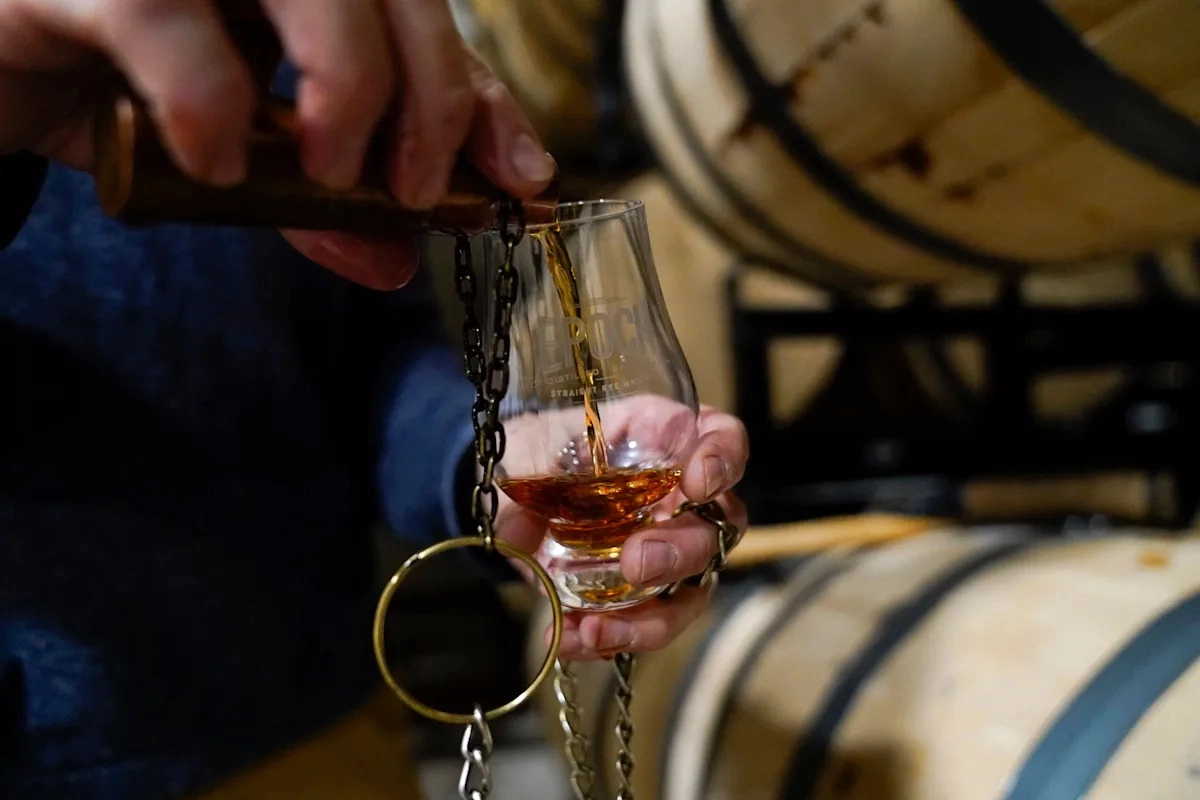
If you’re keen to explore the rich world of whiskey tasting, you’re in for a delightful experience. Whether you’re a seasoned enthusiast or a curious newcomer, understanding how to assess the flavors in whiskey can enhance your appreciation. Here are some key insights to elevate your whiskey tasting skills.
Understanding Flavor Sources
To fully appreciate whiskey, it’s essential to recognize where its flavors originate. They come primarily from two sources: the distillate and the barrel.
The Distillate
The distillate gains its flavor from the grains and the yeast used during fermentation.
-
Mashbill: This is the recipe used to create whiskey, typically made up of various grains. For instance, bourbon must contain at least 51% corn, which contributes to flavors like cornbread and roasted corn. Other grains such as wheat and rye add sweetness or spiciness, respectively.
-
Yeast: The type of yeast used significantly influences flavor. Distilleries often use proprietary yeast strains which impart unique characteristics to their whiskey. For example, different yeast strains can introduce notes ranging from fruity to herbal.
The Barrel
Whiskey aging occurs in new, charred oak barrels, which infuse various flavors into the spirit. The barrel’s wood contains components like tannins and sugars, which caramelize upon charring. As the whiskey ages, it interacts with the wood, extracting sweetness and flavors like vanilla and caramel.
The Art of Identifying Tastes
When you encounter tasting notes like “waffle cone” or “marzipan,” it’s about making connections to flavors you’ve experienced before. Familiarizing yourself with different aromas and tastes from your kitchen, such as spices and fresh produce, can help you recognize these profiles in whiskey.
You might find it beneficial to use aroma kits designed for whiskey tasting, allowing you to compare different scents while enjoying a pour. Sampling various spirits finished in different casks, such as sherry or rum, can also enhance your understanding of how maturation impacts flavor.
Mind Your Palate
Your palate can be influenced by what you’ve recently eaten or drunk. Neutral snacks, such as crackers, can reset your taste buds between tastings. Note that higher alcohol content can tire the palate more quickly; thus, pacing yourself and adding a few drops of water can help bring out different flavors.
Personal Experience Matters
Ultimately, whiskey tasting is a personal journey with no right or wrong way to enjoy it. Whether you prefer it neat, on the rocks, or in a cocktail, the most important aspect is that you find pleasure in the experience.
Enhance your whiskey tasting skills, and enjoy the various flavors and aromas that this beloved spirit has to offer!
Deliciously Decadent Rum Balls: A Festive Treat You Can’t Resist!
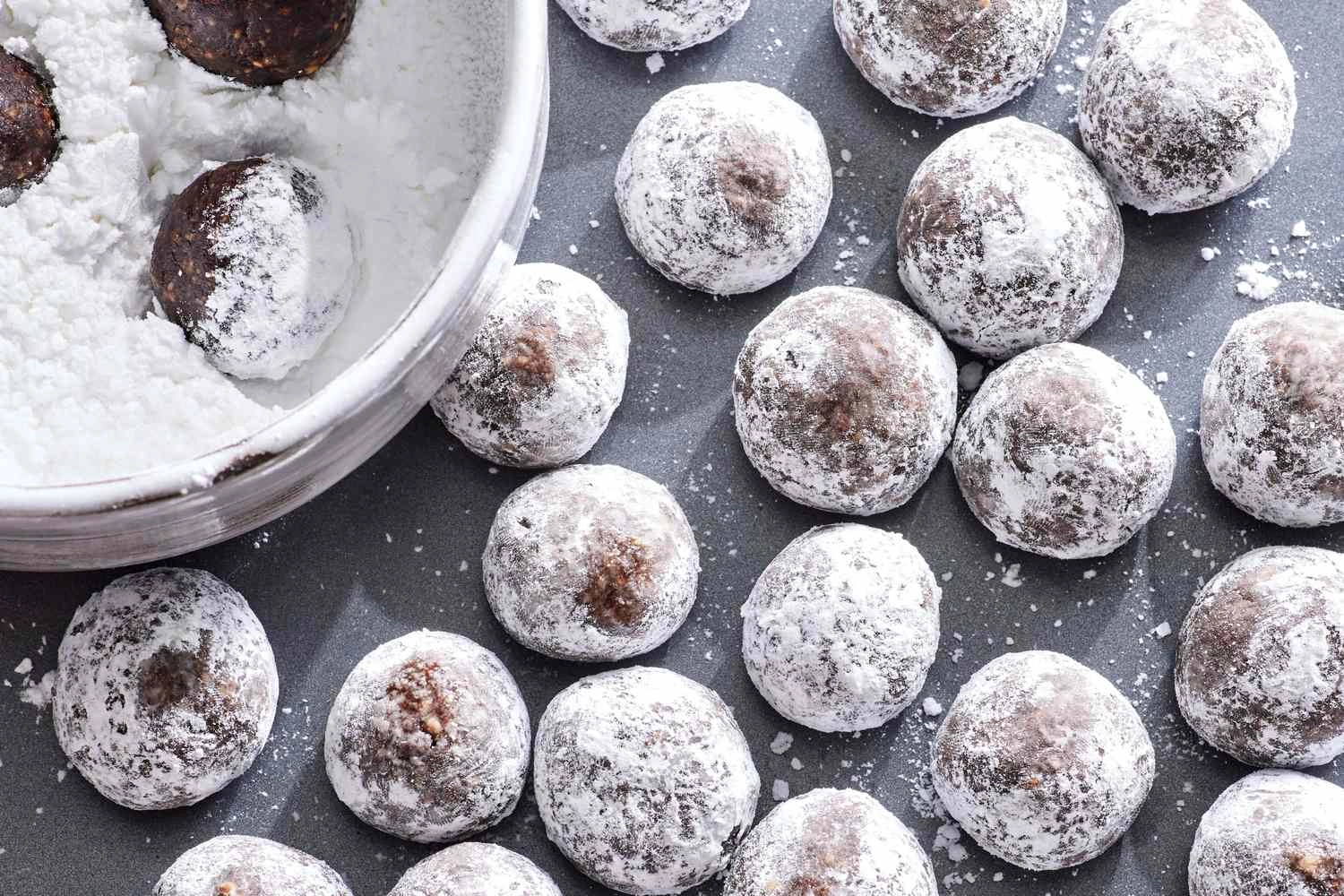
Rum balls are a classic holiday treat, perfect for gifting or enjoying during festivities. These delightful confections are quick to prepare, taking just over half an hour, and while they can be enjoyed right after making, they develop even better flavors if left overnight.
Ingredients and Preparation:
The rum balls are crafted from a mixture of crunchy toasted pecans, chocolate wafer cookies, powdered sugar, cocoa powder, and light corn syrup combined with honey and rum for richness and binding. The preparation begins by toasting 1 cup of pecans in the oven, then combining them with broken chocolate wafer cookies in a food processor until finely chopped.
Once this mixture is ready, it is mixed with 1 cup of powdered sugar, cocoa, and salt. A separate saucepan is used to heat honey and corn syrup before adding the rum. This warm mixture is then combined with the chocolate mixture to form a dough-like consistency that can be rolled into balls.
To finish, the rum balls are rolled in a coating of powdered sugar, though alternatives like cocoa powder or chopped nuts are also delightful options.
History:
Originally, Danish bakers created rum balls as a way to use up leftover cakes and pastries. The recipe is enjoyed across Europe, Australia, and America, and while variations exist, the core ingredients of rum and chocolate remain constant.
Serving and Storage:
This recipe yields about 32 rum balls, with 3 ounces of rum imparting a subtle taste; this amounts to slightly over a teaspoon of rum per ball. For those who prefer a stronger flavor, substituting with dark or spiced rum can enhance the richness. The finished rum balls should be chilled before serving, and they can be stored in the refrigerator for up to two weeks, making them an excellent choice for easy holiday treats.
Recipe Directions:
- Preheat the oven to 350°F and toast the pecans for 10 minutes.
- Mix the pecans and cookies in a food processor, then combine with powdered sugar, cocoa, and salt in a bowl.
- Warm honey and corn syrup in a saucepan, then stir in rum before adding to the dry mix.
- Shape the mixture into balls and roll in powdered sugar. Chill before serving.
This timeless recipe not only brings delightful flavors but also a bit of history with every bite, making it a cherished holiday tradition.
The Pivotal Meeting That Transformed Napa Valley: How a Group of Farmers Revolutionized American Wine

Ren Harris’s journey to reshape Napa Valley began not with grand ambitions but rather a simple desire for better grape prices. In 1975, he convened a meeting at his home in Oakville, inviting several local farmers, including notable figures like John Trefethen and Andy Beckstoffer. What emerged from that informal gathering was the inception of the Napa Valley Grapegrowers, an organization now celebrating its 50th anniversary.
This group played a pivotal role in defining Napa Valley’s wine identity, implementing standardized grape pricing, establishing labeling laws, and advocating for farmworker protections. Its influence helped transition Napa from a modest agricultural area to one of the most recognized wine regions in the world.
During the 1970s, when Harris began his own grape-growing venture, the landscape of Napa Valley was uncertain. Many growers lacked respect and financial stability, unable to secure fair pricing. Beckstoffer, who had transitioned from the corporate world, faced similar struggles after investing heavily in vineyard land and encountering financial difficulties.
Significant milestones for Napa Valley included the creation of the Agricultural Preserve in 1968, which prioritized agriculture as the primary land use, and the iconic Judgment of Paris tasting in 1976, showcasing Napa wines’ capability to compete globally. However, the foundational work of grape growers like Harris was crucial in setting the stage for these events to occur.
With consistent challenges such as a lack of pricing transparency and respect, the group worked to elevate the standing of growers. Their first major initiative was establishing a requirement for grape prices to be set before sales, which helped boost grower earnings significantly.
Labeling standards were another area needing reform, as laws were inconsistent and often misleading. Beckstoffer traveled to Washington, D.C., in 1977 to advocate for these changes, securing impactful regulations that ensured wine labels accurately reflected their content.
Besides the economic aspects, there was also a pressing need for stable labor in the vineyards. Many vineyard workers were transient and undocumented. Harris initiated a health insurance program for farmworkers, which laid the groundwork for ongoing support and recognition of these essential contributors to the industry.
Today, the Napa Valley Grapegrowers functions as a vital advocacy group for over 600 members, promoting research, education, and development. Under new leadership focused on navigating modern challenges, such as changing consumer behaviors and market oversupply, the organization aims to continue its legacy of fostering a strong community of grape growers.
As Napa Valley moves forward, plans for initiatives like the Napa Valley Center for Grape Growing and Farmworker Education are underway, promising a bright future for the region and its agricultural roots. Harris and Beckstoffer, who once shared a kitchen table discussing their dreams, are now recognized as key figures in Napa’s transformation, both admitting that the scale of success was beyond their initial imaginings.
Thoughtful Wine Gifts for the Special People on Your Holiday List
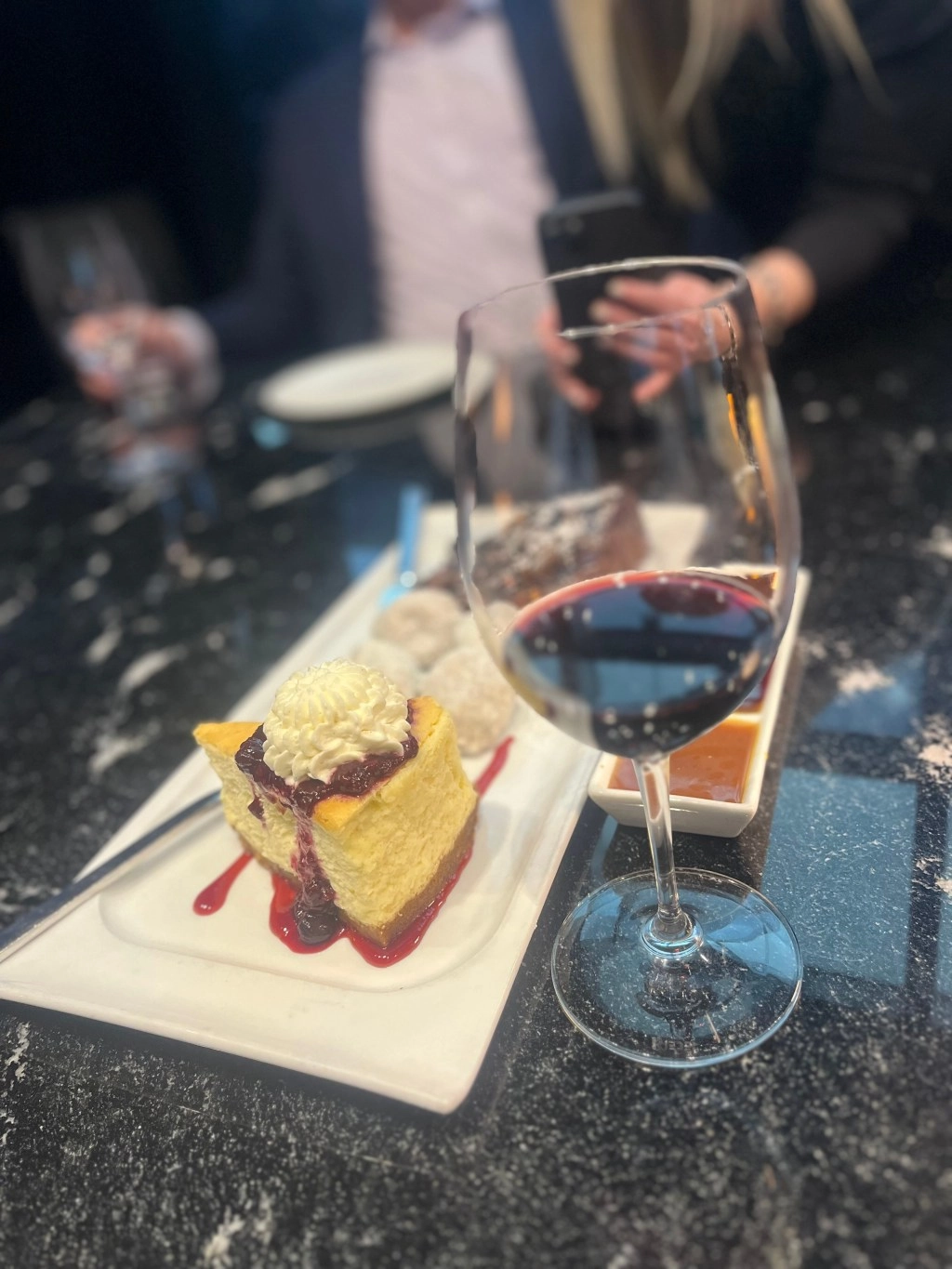
Some years are best reflected upon with a good glass of wine, while others might call for a full bottle. For 2025, here are some noteworthy wines to consider:
-
Double Diamond 2022 Oakville Cabernet Sauvignon ($90) – Initially, this wine may seem standoffish, but let it breathe. It rewards patience with a finish that feels hopeful about the upcoming year.
-
Stags’ Leap Petite Sirah ($50) – This wine embodies the essence of holiday baking, offering flavors akin to blackberry pie or black cherry cobbler. It’s smooth from first sip and has a long-lasting finish.
-
Mount Veeder 2022 Napa Valley Cabernet Sauvignon ($70) – Known for its caramel smoothness, this wine presents flavors of red fruits, black cherries, and figs, making it a perfect companion to grilled meats or goat cheese.
-
J Vineyards 2022 Russian River Chardonnay ($40) – If you’re looking for a fruit-forward Chardonnay minus the heavy oak, this one has pear, white peach, and pineapple notes and is best reserved for someone especially deserving.
-
Beringer Vineyards 2022 Knights Valley Cabernet Sauvignon ($40) – This bold wine pairs excellently with dishes like prime rib, turkey, or a cheese platter. It’s versatile enough for any holiday meal.
-
2022 The Estates Fumé Blanc ($65) – This smooth Oakville wine, bearing Robert Mondavi’s autograph, has an exquisite mix of pear, lychee, and mango. A testament to Mondavi’s winemaking prowess.
-
Don Melchor Cabernet Sauvignon 2021 ($294) – For that extraordinarily nice person, this wine is what dreams are made of. With flavors of raspberry and plum, it’s a fitting tribute to reflect on the past year or to celebrate what’s to come.
Whether you opt for a single glass or a full bottle, these selections are sure to elevate any gift-giving occasion this holiday season.
Exploring Puerto Rico’s Unique Rum: Aged 31 Years and Single Barrel Perfection
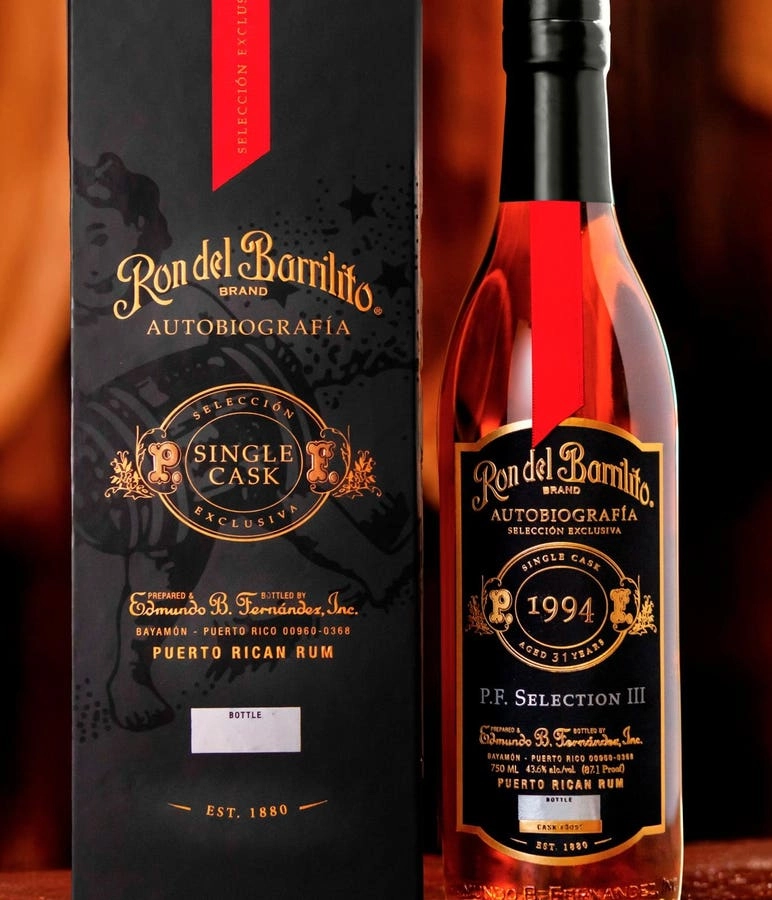
Ron del Barrilito, based in Puerto Rico, has recently launched its latest offering, the Don Pedro Fernández Selection III, a 31-year-old single barrel rum. Limited to just 186 bottles worldwide, this is part of a series that emphasizes the distillery’s rich history, dating back to 1880. Unlike most rum producers that distill on-site, Ron del Barrilito sources its rum from Central America and the Caribbean, aging it at its hacienda post-Prohibition.
The rum undergoes a unique maceration process with a proprietary blend of fruits, nuts, and spices, affecting its flavor profile significantly. Following this, the rum is aged in former Oloroso sherry barrels, resulting in rich and complex notes. The Don Pedro Fernández Selection III, aged for over three decades, showcases deep, rich flavors reminiscent of cognac, along with notes of cinnamon, clove, and dark chocolate.
This new release is notably priced at about $1,499.99 for a 750 ml bottle, making it a luxury item not suitable for every palate. However, for those who appreciate fine aged rums, this expression from Ron del Barrilito promises an exquisite tasting experience. Newcomers may start with their Three Stars offering, which is more reasonably priced at $39.99, to explore the brand’s remarkable flavors.
From Sobriety to Mixology Mastery: Celebrating 5 Years and Crafting Cocktails at Ann Arbor’s Trendiest New Venue
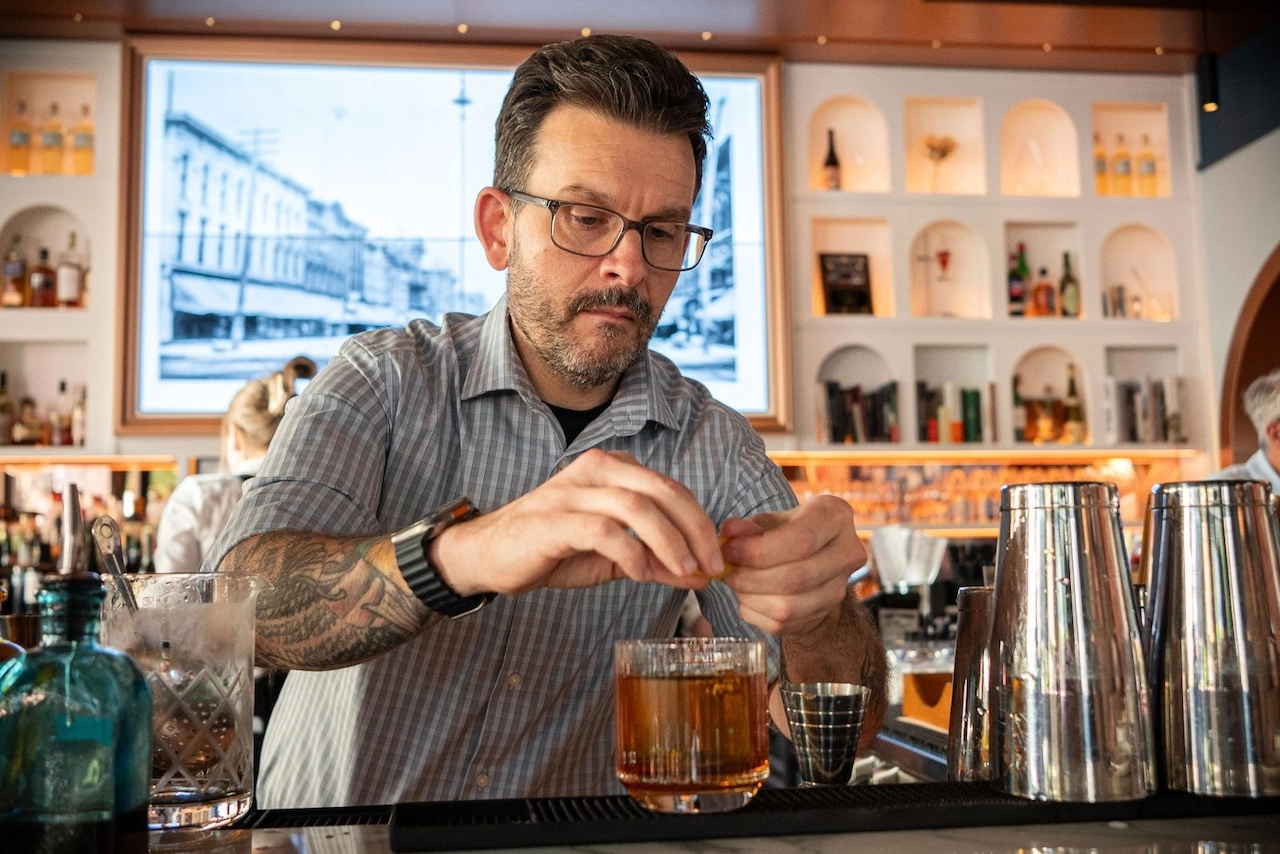
Max Schikora, a 44-year-old from Ferndale, has embraced a new chapter in his life after overcoming a 17-year battle with alcoholism. He made the pivotal decision to stop drinking on March 22, 2020, just days before the COVID-19 pandemic took hold in the United States, recognizing that alcohol was a mental and emotional crutch rather than a source of enjoyment.
Now celebrating five years of sobriety, Schikora has transitioned into the role of bar manager at Echelon, a high-end restaurant located at 200 S. Main St. in Ann Arbor. There, he creates unique cocktails, including spirit-free options, demonstrating that sobriety can coexist with a career in hospitality.
Schikora manages the complexities of working in an environment where alcohol is prevalent by focusing on his job and being mindful of safe serving practices. He relies on his team’s expertise to craft drinks, valuing their feedback in the creative process.
A significant aspect of the Echelon team is its members in recovery; Schikora is involved in the Ann Arbor chapter of Ben’s Friends, a community for food and beverage professionals pursuing sobriety. His relationship with executive chef Joseph VanWagner has been particularly influential in his career, highlighting a shared bond that extends beyond work.
Schikora’s journey into the restaurant industry began unexpectedly. After initially studying to become a teacher and spending years in technology sales, he found himself drawn to hospitality during a time of personal loss. Though hesitant at first, he quickly excelled in the field, developing a reputation for creativity and connection with patrons.
His experience at Echelon has been positive, fostering a culture of support among professionals. Schikora’s story serves as a testament to the possibility of thriving in challenging environments and encourages others in recovery that they can pursue their passions while maintaining their sobriety.
For more about the Echelon restaurant, visit Echelon Ann Arbor.
The 16 Best Chain Restaurant Cocktails You Need to Try Right Now
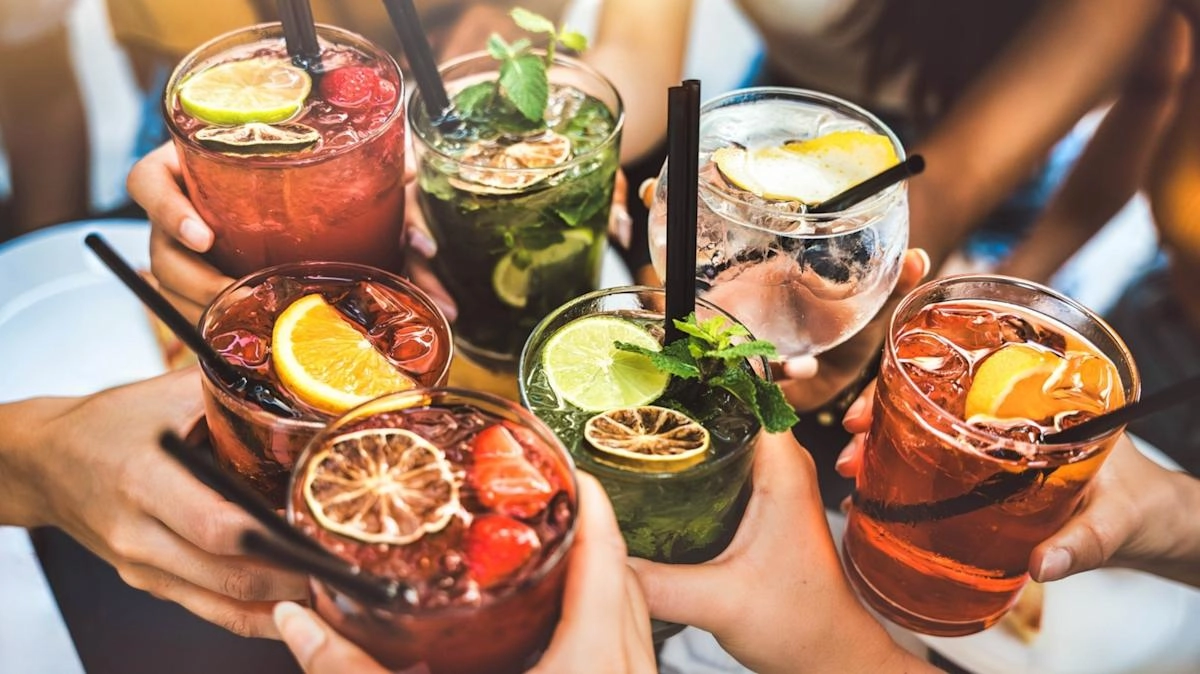
Chain restaurants often go above and beyond with their cocktail offerings, creating vibrant drinks that not only complement their food menus but also showcase creativity. The following is a look at some of the best cocktails worth trying at popular chain restaurants.
Olive Garden – Italian Margarita
Olive Garden’s Italian Margarita puts a unique spin on a classic favorite. It combines Jose Cuervo Especial Silver, triple sec, and margarita mix, paired with a side of amaretto for an interactive experience. The amaretto mellows the tartness, creating a refreshing drink that goes well with hearty pasta dishes.
TGI Fridays – Frozen Mudslide
For dessert lovers, TGI Fridays offers the Frozen Mudslide, a cocktail that is like a spiked milkshake. Blending chocolate and vanilla ice creams with Baileys and coffee liqueur, it’s served with chocolate syrup and whipped cream, making it an indulgent option.
The Cheesecake Factory – Pineapple Moscow Mule
The Pineapple Moscow Mule at The Cheesecake Factory features vodka, lime, ginger beer, and pineapple juice. This refreshing cocktail contrasts perfectly with the restaurant’s rich menu and showcases unique ingredients like Finnlandia vodka.
Outback Steakhouse – The Wallaby Darned
Outback’s Wallaby Darned is a frozen cocktail made with Prosecco, vodka, and peach schnapps, plus real peach blended to create a slushy consistency. Its sweet flavor makes it a popular choice among patrons.
Texas Roadhouse – The Legend Margarita
For margarita aficionados, the Legend Margarita boasts a blend of three Patrón tequilas, ensuring a rich tequila flavor that shines through amid its citrus and sugar components.
Chili’s – Frozen Spicy Patrón Margarita
Chili’s highlights its margarita selection with the Frozen Spicy Patrón Margarita, made with Patrón Silver, jalapeño flavor, and a hint of chili-lime seasoning, providing a kick that keeps patrons coming back for more.
P.F. Chang’s – Japanese Old Fashioned
P.F. Chang’s offers a Japanese Old Fashioned that melds high-quality Japanese whisky with unique flavors like green tea, topping it with aromatic smoke for a refined take on the classic cocktail.
Red Lobster – Bahama Mama
Red Lobster’s Bahama Mama combines Bacardi and Captain Morgan rums with tropical fruit juices, delivering a delicious and refreshing cocktail that’s ideal for pairing with seafood.
These cocktails demonstrate the versatility and creativity found in chain restaurant drinks, proving that you can find satisfying sips no matter where you choose to dine.
Unveiling the World’s Best Whiskey: Highlights from the 2025 Asia Spirits Ratings
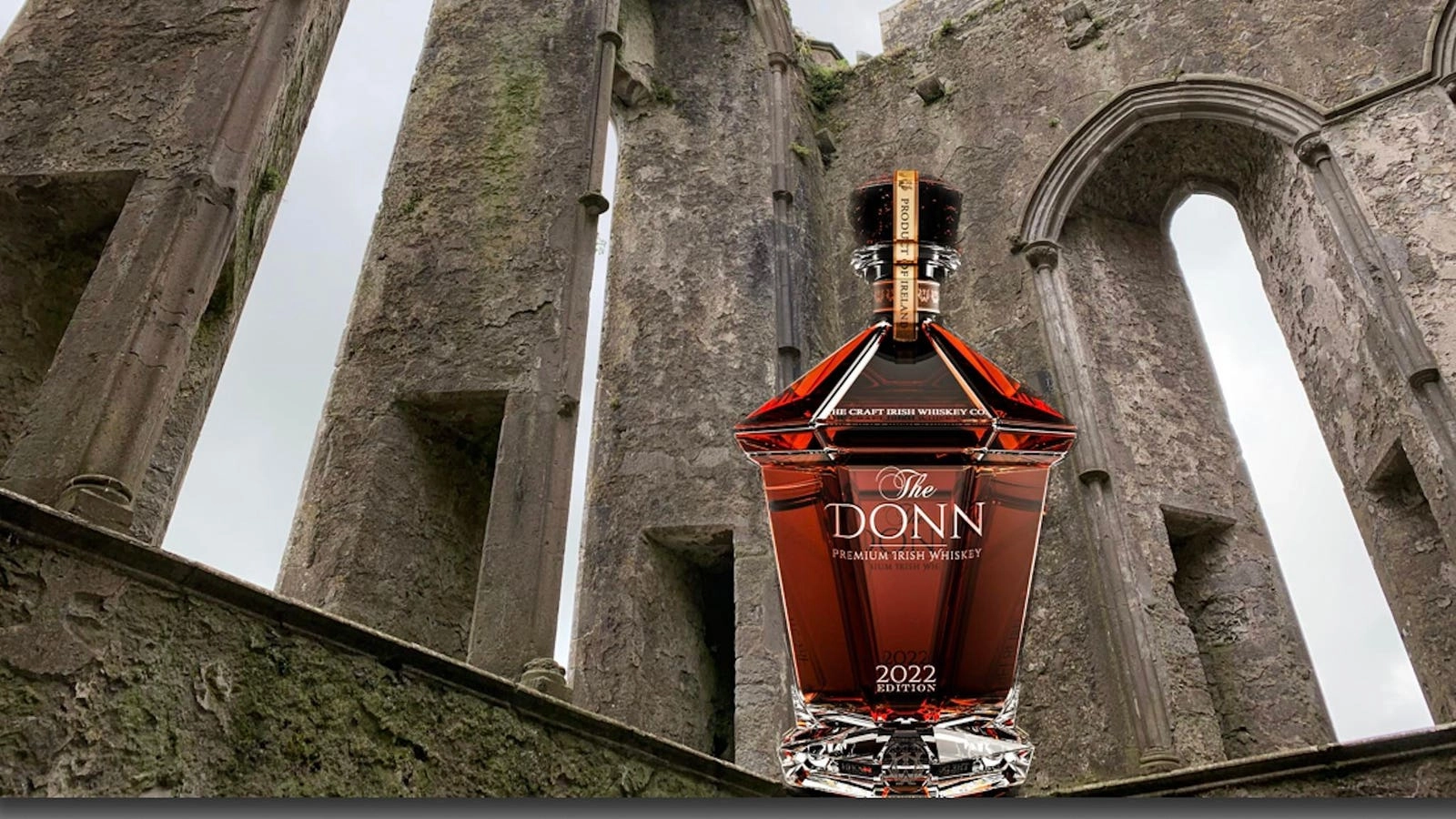
The inaugural Asia Spirits Ratings, launched this year, has revealed the top-rated whiskey, and it’s a surprising win for an Irish brand. The Donn ’23 Edition from Craft Irish Whiskey Company clinched the highest honor, setting the stage for significant market interest across Asia.
This competition evaluated not just the quality of spirits, but also their pricing, packaging, and perceived value—an approach intended to reflect the real-world commercial landscape of the spirits industry. Judges comprised independent retailers and industry experts to ensure that the awarded labels would be impactful in key markets such as Thailand, Vietnam, South Korea, Japan, Singapore, and China.
The Donn is a cask-strength single malt matured across various cask types, including bourbon and PX sherry, resulting in a complex tasting profile with rich and robust flavors. Priced at approximately $350 per bottle, this whiskey is not widely available outside Ireland and the UK, making its recognition at the Asia Spirits Ratings significant.
The bottle had previously gained accolades, winning the World’s Best Irish Whiskey at the Global Spirits Masters Blind Tasting in 2023, underscoring its growing prestige in the whiskey sector. As the demand for super-premium Irish whiskey has escalated, the success of The Donn could herald further expansion into Asian markets, reflecting a remarkable growth rate for Irish whiskey, previously recorded at about 1,874% in the U.S. since 2003.
For those interested in the broader results of the 2025 Asia Spirits Ratings, detailed outcomes can be found here.
Travis Jay of Rum Punch: Claiming the Right to Capture Attention in Comedy and Beyond

Travis Jay is back on BBC Radio 4 with a full season of his award-winning sitcom, Rum Punch, following the success of its pilot episode. In a recent interview, he expressed his excitement about reaching a broader audience on a platform that was unfamiliar to him. The positive reception of the pilot, which won Best Comedy Sitcom at the 2025 Audio Drama Awards, took him by surprise and validated his work.
In Rum Punch, Jay plays Marley, an aspiring boxer navigating life alongside his family as they manage their Caribbean restaurant. The show is described as a multigenerational family sitcom set in Lewisham, highlighting the shared experiences and ambitions within the Campbell family. Jay draws inspiration from iconic Black sitcoms like Desmond’s, My Wife and Kids, and The Fresh Prince of Bel-Air, aiming to capture the essence of their legacy.
The live studio format of the show allows for genuine audience interaction, with laughter recorded during performances adding to the authenticity of the comedy. Jay embraces the challenge of ensuring the series remains a full-fledged comedy, emphasizing that if he misses the mark, it’s a reflection of his efforts as a writer.
Reflecting on the themes of Rum Punch, Jay aims to tell a relatable story rooted in his own experiences and cultural community. He believes in the importance of authenticity in storytelling and expresses hope that audiences will connect with the family’s dynamic, regardless of their backgrounds.
With aspirations to adapt Rum Punch for television, Jay sees the success of the radio series as a stepping stone to enhance his writing capabilities further. He values the opportunity to share a narrative representing diverse family experiences, and looks forward to continuing to bridge connections through comedy.
Rum Punch premiered on Thursday, November 27th, at 6:30 PM on Radio 4, and is available for streaming on BBC Sounds. For additional information, visit the Rum Punch page.
Sip in Style: The 8 Best Rums Recommended by Bar Experts

Rum is often overlooked in the spirits world, especially compared to whiskey or cognac. While many popular brands are designed for mixing or are overly sweet, true rum aficionados know that high-quality rums can be complex and delightful when sipped neat. Rubén Rolón, bar director at Bar Colette in Dallas, points out that many consumers don’t realize the range and depth available in the world of rum, which can encompass a variety of styles, origins, and aging processes.
To help navigate this diverse category, a group of bartenders has curated a list of excellent sipping rums worth exploring. Here are eight standout selections:
1. Worthy Park Madeira Cask
Kyle Rioux, a beverage consultant, hails this rum as his favorite for its controlled quality, sourced entirely from a single estate in Jamaica. The rum is aged for eight years in bourbon barrels, followed by two more years in Madeira casks, yielding bold flavors of coriander and bright orange complemented by aroma notes of almond and vanilla.
2. Privateer Queen’s Share 4 Year
Another favorite of Rioux, this rum from Ipswich, Massachusetts, is known for its unique distillation process that focuses on the "seconds" — a method more typical of Cognac. The result is a cask-strength spirit with rich baking spices and floral notes, making it ideal for slow sipping.
3. Rhum J.M. Terroir Volcanique
Rolón praises this Martinique rum for its blend of three-year-old varieties that encapsulate the island’s volcanic terroir. It offers a touch of funk without overwhelming newcomers, making it accessible yet intriguing.
4. Holmes Cay Belize 2006
This limited-release rum offers a unique profile of stone fruits, caramel, and vanilla, thanks to its bourbon barrel aging. Rolón recommends it among the limited editions from Holmes Cay, which sources distinctive rums globally.
5. Ron Barceló Imperial
Willy Mesa, beverage director at Las’ Lap Miami, highlights this Dominican rum produced from 100% sugar cane juice, boasting notes of dried cherries, vanilla, and caramelized nuts, balanced by its medium body.
6. Worthy Park Single Estate Reserve
Distilled entirely in copper pot stills, this rum offers consistency and quality, according to Mesa, along with flavors of light vanilla and tropical fruits.
7. Planteray Sealander
Daniel Johnson, beverage director of Ma Der Lao Kitchen, describes this rum as the result of a unique blending process that combines rums from three different islands, allowing for a balance that appeals to both experienced drinkers and newcomers. The notes of grass and anise add an extra layer of intrigue.
8. El Dorado 15 Year
Joao Diniz, head bartender at Moon in Houston, suggests this rum for its balance of complexity and smoothness, featuring bold flavors of brown sugar, vanilla, and coffee.
These selections show that fearlessly exploring rum can lead to discovering new favorites that stand out on the shelf much like whiskey or cognac.