Three fundamentals of wine tasting are put to the test in a taste test.

often overlooked, but it can greatly enhance your overall wine tasting experience. Texture refers to the physical sensations you feel when you take a sip of wine. Is it smooth and velvety, or is it rough and tannic? Is it heavy and full-bodied, or light and crisp?
When it comes to texture, there are a few key factors to consider. One of the most important is tannin, which is found mainly in red wines. Tannins are compounds that come from the grape skins, seeds, and stems, as well as from aging in oak barrels. They create a drying sensation in your mouth and can add structure and complexity to a wine. When you drink a wine with high tannins, you may notice a slight bitterness or astringency.
Another factor to consider is acidity. Acidity is what gives wine its freshness and liveliness. It adds a tartness and can make your mouth water. Wines with high acidity are often described as crisp or zesty, while wines with low acidity can taste flat or flabby.
Body is another important aspect of texture. It refers to the weight and richness of a wine on your palate. Wines can range from light-bodied, like a delicate Pinot Noir, to heavy-bodied, like a full-bodied Cabernet Sauvignon. Each style of wine has its own unique characteristics and can pair well with different foods.
Finally, there is the aspect of effervescence. Some wines, like Champagne or Prosecco, have bubbles that add a lively and refreshing quality to the texture. These wines can feel fizzy on your tongue and can be great for celebrations or as an aperitif.
Understanding the texture of a wine can help you better appreciate its flavors and aromas. For example, a light-bodied, crisp white wine might pair well with light seafood dishes, while a full-bodied red with high tannins would pair well with a rich, fatty steak.
Don’t be intimidated by the technical terms or the snobbery surrounding wine tasting. Start with the basics and build your knowledge and confidence over time. Pay attention to the aromas, flavors, and textures of the wines you try, and soon you’ll be able to navigate the world of wine with ease. Cheers!
The Connection Between Wine and Fabric Sensations###
When we think of wine, we often associate it with the textures of various fabrics. It’s like experiencing the silky smoothness of satin, the plushness of velvet, the warmth of wool, or the earthy feel of flax or linen-like fibers. But have you ever wondered how winemakers create these tactile sensations in the wines we enjoy?
It all comes down to the decisions made by the winemakers themselves. They have the power to influence the texture of the wine by carefully handling the grapes during the production process. For instance, the decision to include or exclude the stems, and how long to macerate the juice on the grape skins, can significantly impact the final texture.
Another important factor is the choice of aging vessel. Whether it’s wood, stainless steel, concrete, or clay, the vessel plays a crucial role in integrating or eluding tannins. These tannins come from the stems, pits, and skins of the grape, and contribute bitterness and astringency to the wine. Additionally, the barrels themselves impart their own unique flavors, such as spice, char, fruit, or sweetness, which ultimately contribute to the wine’s structure and complexity.
But here’s an interesting twist: there are some critics out there who simply don’t like wine. They don’t appreciate the textures, flavors, and aromas that wine has to offer. However, on the other end of the spectrum, there are textures that can be quite jolting and invigorating. Take, for example, high-acid white wines like dry Rieslings from Alsace and Germany, Assyrtiko from Santorini, or Chablis and some Sauvignon Blancs. These wines have a zesty freshness that is both vibrant and food-friendly. They showcase a purity of fruit and often reflect the skillful craftsmanship (or slight of hand) of the winemaker.
When it comes to describing the texture of a wine, there are numerous terms that come into play. Some wines are described as racy, indicating a lively and energetic texture. Others are referred to as round, mouth filling, or creamy, suggesting a more luxurious and smooth sensation in the mouth. Yet some wines can be described as waxy, tense, taut, or even nervous, reflecting their unique and sometimes challenging textures.
In our next installment of Taste Test, we will delve deeper into these texture descriptors and explore tried and true methods for honing your wine tasting skills. Remember, each wine tells a story through its texture, and understanding the connection between wine and fabric sensations can truly enhance your appreciation of this ancient and beloved beverage. Cheers to discovering a whole new world of wine textures!
Discover the ultimate combinations of wine and chips for an idyllic evening at home with our curated list of the top 10 options.

Welcome to the ultimate guide on sipping and snacking! We all love lounging on the couch with a glass of wine and a bag of chips, right? It’s a classic combination that brings us joy and comfort. But why settle for ordinary when we can elevate these pairings and take snacking to new heights?
We’ve got some expert tips from Sande Friedman, the beverage program manager at Di Bruno Brothers in Philadelphia. She knows a thing or two about pairing wine with everyday snacks for maximum enjoyment. And for some added inspiration, we’ve also picked up “Big Macs & Burgundy: Wine Pairings for the Real World” by sommelier and writer Vanessa Price.
According to Sande, when it comes to regular potato chips, go wild with whatever unique wine strikes your fancy at that moment. Or if you want to jazz up your palate, try a skin-contact pétillant-naturel (or “pét-nat”) from Bloomer Creek in upstate New York. These unfiltered sparkling wines are dry, earthy, and have lively bubbles that elevate the snacking experience. On the other hand, Vanessa Price recommends pairing classic potato chips with champagne, because who needs an excuse to drink the good stuff, right?
Now, let’s talk about BBQ chips. Sande suggests pairing them with a medium or fuller red wine, like a soft Merlot-based red. But for those who want to be more adventurous, she recommends Mariotti Smarazen Bianco dell’Emilia, a fizzy blend of Trebbiano and Malvasia grapes that has a peachy flavor reminiscent of peach barbecue sauce. Vanessa Price agrees and suggests Central Coast Pinot Noir as another excellent pairing with BBQ chips.
When it comes to vinegar chips, Sande admits it’s a challenging pairing. The strong vinegar flavor requires a wine that can handle the intensity. She recommends a still rosé made with Gamay grapes, like Edmunds St. John Bone-Jolly Gamay Noir Rosé. If you can’t find Gamay, a dry rosé will also do the trick.
Now, let’s indulge in some splurging. Sande loves Bichi’s Pet Mex Tecate, a rosé pétillant made from a wide blend of grapes. It balances the cheddar flavor of Doritos with its delightful sweetness and frothy-peachy taste. Sande also suggests off-dry wines like Riesling, Muscat, or Gewurztraminer-based wines as alternatives to balance the cheddar goodness.
Lastly, the junkiest of chip options, Cheetos. Sande recommends pairing them with a chilled light red wine like Fossil & Fawn’s annual ‘Do Nothing’ red blend. It’s a casual pairing that never disappoints. Vanessa Price also mentions Cheetos in her book and suggests pairing them with Sancerre, a crisp and dry white wine made with Sauvignon Blanc grapes from the Loire Valley.
So there you have it, fun tips on sipping and snacking from the pros. Remember, don’t be afraid to experiment and let your taste buds guide you to your perfect pairing. Whether you’re indulging in classic potato chips, BBQ chips, vinegar chips, Doritos, or Cheetos, there’s a wine out there that will enhance your snacking experience and take it to the next level. Cheers!
When it comes to snacks, we all have our favorites. Whether it’s a bag of sour cream and onion chips or a can of Pringles, there’s nothing quite like enjoying a salty treat while kicking back and watching a movie. But have you ever thought about what wine would pair best with these delectable snacks? Well, wine expert Sande has some suggestions for you.
Let’s start with the classic sour cream and onion chips. Sande recommends pairing these with a French Chardonnay. Look for one that is unoaked and medium weight, as this will provide the perfect balance for the bright lemon profile of the chips. The sour cream dust that coats the chips calls for a fairly substantial white wine, so something too light won’t do the trick. This pairing would also work well with salted potato chips and French onion dip.
Next up, Pringles. These iconic potato chips call for a fairly neutral palate, so Sande suggests going with a Chenin Blanc. This honeyed white grape from the Loire Valley in France is a favorite among wine geeks and complements the all-American chip perfectly. Specifically, Sande recommends Hobo Wine Co.’s Folk Machine Chenin Blanc.
Now, let’s talk about pretzels. The instinct might be to go with a red wine, but Sande recommends trying a Zweigelt-based wine instead. This will bring a little peppery flavor to the malty and wheaty taste of the pretzels. Sande also suggests experimenting with something funky, like a Jura white wine. These wines have an oxidative and aromatic profile, similar to sherry, and could be a unique and delicious pairing with a hard dark rye-style pretzel.
Moving on to sweet potato anything, Sande believes Pinot Noir is the red grape of choice. Whether it’s a sweet or savory sweet potato dish, Pinot Noir is the way to go. For a fancy option, Sande recommends Amelie Berthaut’s entry-level Bourgogne Hautes-Côtes de Nuits. If you’re looking for something with a bit more spice, the Copper Pot Pinot Noir from Thorne & Daughters in South Africa is a great choice. It has brambly and spicy notes but still maintains elegance and grace.
Finally, we come to the catch-all fun pairing for chips – Champagne. It’s not wrong to pair chips with Champagne, but Sande thinks if you’re splurging on real Champagne, you should also indulge in a luxury-flavored chip. Sande’s dream splurge includes Moussé Fils ‘Spécial Club’ Brut Champagne paired with Torres Truffle Chips. And why stop there? Sande suggests dunking the chips in some really ripe Harbison or Amontillado cheese for the ultimate indulgence.
So, the next time you’re craving a snack and a glass of wine, consider these expert recommendations. Who says chips and wine don’t go together?
Additional shipments of Barrell Bourbon and Rum are on their way.
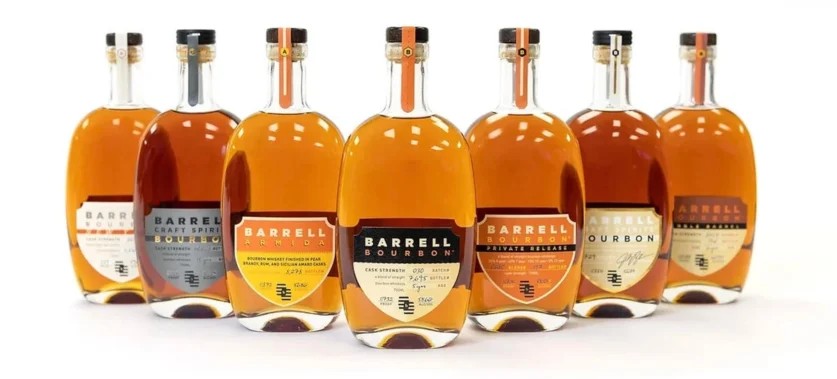
A Refreshing Change in the World of Whiskey and Rum
For all the whiskey and rum connoisseurs out there, get ready to rejoice. Barrell Craft Spirits (BCS), one of America’s original independent whiskey and rum blenders, is gearing up to increase production of their award-winning bottles. Founded in 2013 by Joe Beatrice in Louisville, Kentucky, BCS had a vision to revolutionize the concept of a modern whiskey brand. Inspired by the traditional Scottish method of blending liquid from different barrels, Beatrice chose to source barrels of finished product instead of distilling their own. This unique approach has proven to be wildly successful.
BCS made a significant mark in 2017 when they won the prestigious Best Bourbon award at the San Francisco World Spirits Competition with their Barrell Bourbon Batch 011. This recognition caught the attention of drinkers everywhere, propelling their expertly blended bottles to the forefront of the bourbon boom. Despite their rising popularity, BCS remains relatively unknown to the general public.
One reason for their growing reputation is their commitment to continually releasing different cask-strength bottlings that sell out quickly. Each release is distinct, ensuring that no two bottles are alike. With hundreds of releases over the past decade, BCS has cultivated a vast collection that would impress even the most discerning bar owners.
BCS is not limited to whiskey and bourbon alone. They also dabble in rye and rum, showcasing their versatility and willingness to embrace a variety of blends and finishes. One of their notable creations is the Barrell Tale of Two Islands Rum, which combines Jamaican pot still rum with the aging process in Scottish Islay whisky casks. Another popular offering is the Barrell New Year 2023 Bourbon, a blend of straight bourbons ranging from 5 to 10 years old, sourced from multiple states across the country.
Limited editions are a common occurrence at BCS, as they work with what they consider exceptional barrels. As demand grew, space constraints hindered their ability to blend and age their products. To address this, they recently opened a new 31,000 square-foot facility in Jeffersonville, Indiana, just across the Ohio River from Louisville. This state-of-the-art facility boasts eight blending tanks with a capacity of 64,000 gallons, allowing BCS to increase their annual blending capacity by over 500%. Additionally, new bottling lines have been installed, capable of producing one million bottles per year. To accommodate all their barrels, BCS also acquired a historic 18,000-barrel rickhouse near their facility.
Joe Beatrice, the founder of BCS, expressed his excitement about the new facility, saying, “We’re thrilled to unveil our new state-of-the-art blending facility and to continue our 10-year legacy of developing sought-after award-winning blends that push the boundaries of American whiskey.” With their expanded capabilities, BCS is poised to make an even larger mark in the industry, ensuring that their premium bottles find their way onto shelves nationwide.
For those who appreciate fine spirits, the rise of Barrell Craft Spirits is nothing short of excellent news. This innovative and creative brand is sure to leave a lasting impression on drinkers’ minds, further solidifying their place in the world of whiskey and rum. So, raise a glass and toast to a new era of extraordinary blends from Barrell Craft Spirits.
The ‘Whiskey Fungus Zone’ campaign is targeting the expansion of Wiggly Bridge Distillery in York.
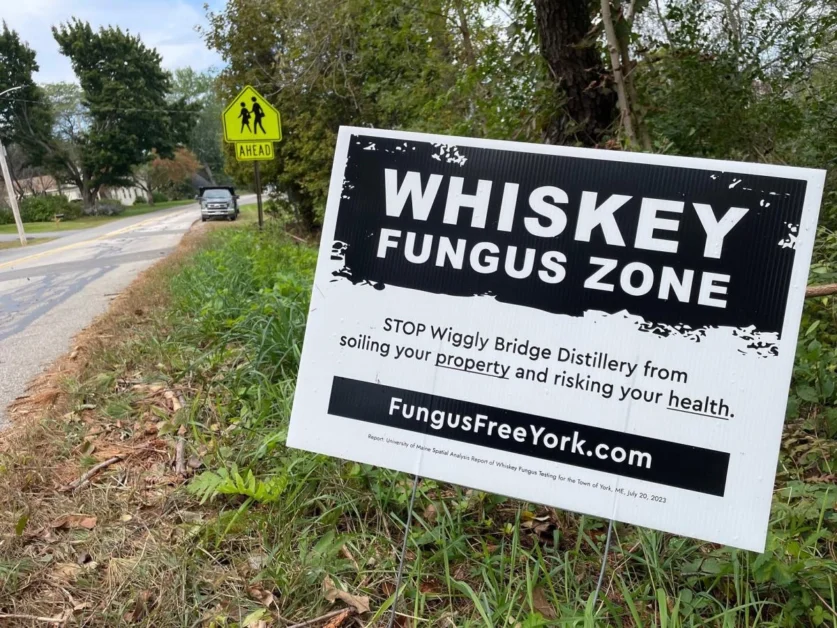
YORK, Maine — Signs have appeared around town cautioning residents about the possibility of a “Whiskey fungus zone” in York. The signs, which can be seen on York Street, urge residents to take action against Wiggly Bridge Distillery’s proposed expansion. One sign even directs people to a website called fungusfreeyork.com, which condemns the approval for the distillery’s new rickhouses.
The decision of whether or not Wiggly Bridge Distillery will be allowed to build a new barrel house and expand its facility lies in the hands of the Planning Board. The board is set to meet on Thursday to discuss and vote on the matter. The presence of Baudoinia, also known as “whiskey fungus,” is a determining factor in the board’s decision. Concerns have been raised by neighboring property owners about the fungus and its potential impact on property values and health.
A study commissioned by the town, conducted by the University of Maine, concluded that the distillery was the likely source of the nearby fungus. However, the owners of Wiggly Bridge Distillery dispute these findings and argue that there is no evidence to suggest that the fungus poses a health risk.
Residents have become increasingly organized in their opposition to the distillery’s expansion. The website fungusfreeyork.com features an interactive map showing the locations of Baudoinia spores and their proximity to different addresses. Additionally, a petition has been started calling for Wiggly Bridge Distillery to be found in violation of the town’s ordinance due to the existing fungus. The petition demands that the distillery relocate its barrelhouse to a location that will not affect homes and businesses.
The distillery, which has been in operation for a decade, claims that the expansion is necessary in order to accommodate the growing demand for their product. They emphasize the need for more storage space for aging barrels, as well as plans to expand their whiskey-making facility and tasting room.
The Planning Board is currently reviewing the town’s code to determine if the presence of whiskey fungus violates any regulations regarding health and property. The website fungusfreeyork.com, whose creator is unknown, acknowledges the lack of research on the health effects of long-term exposure to the airborne spores of Baudoinia.
While there are contrasting opinions among residents, it is important for dialogue and communication to remain open. Concerns regarding the potential damage to vegetation and property siding caused by whiskey fungus are valid and require attention. The board’s decision will shape the future of Wiggly Bridge Distillery and its relationship with the community. It is crucial for all parties to come together to find a resolution that balances the interests of the distillery and the well-being of the residents.
Title: Wiggly Bridge Distillery Expansion: Whiskey Fungus Controversy
In a digital age where online debates and discussions are prevalent, the Wiggly Bridge Distillery expansion project in York, Maine faced an unexpected challenge. Jude Augusta, a concerned citizen, took to a Google Document titled “Fungus facts?” to express his worries about the potential harm caused by the distillery’s expansion. However, Augusta’s document also highlighted the positive contributions of the Woods family to the town and emphasized their love and care for the community in which they reside.
Seeking guidance and expertise, Augusta consulted whiskey distillation experts from the southern regions, who provided valuable insights. Included in his document was a detailed diagram comparing the average barrel house size of major distillers, which ranged from 20,000 to 45,000 square feet, with the Wiggly Bridge Distillery’s barrel house, measuring a modest 2,800 square feet.
David Woods, co-owner of the distillery, expressed gratitude for the support from Augusta and others who recognized the family’s genuine dedication to their craft and community. Nevertheless, the distillery opted not to engage with online opponents of the expansion. Woods firmly believed that matters of this nature should be addressed in a public forum, where decisions are made based on comprehensive discussions and input, rather than in the vast, sometimes chaotic expanse of the internet.
The Portsmouth Herald originally reported on the ongoing controversy surrounding Wiggly Bridge Distillery’s expansion and its encounter with whiskey fungus foes. While the story remains the same, it is essential to acknowledge the distinctive format chosen for this blog post.
In a departure from traditional narratives, this retelling aims to foster a unique reading experience that challenges the conventional style while maintaining the integrity of the original story. By presenting the facts in a different way, readers are encouraged to engage with the content from a fresh perspective, encouraging critical thinking and a departure from the mundane.
The Wiggly Bridge Distillery expansion battle underscores the importance of open dialogue and public discourse in resolving conflicts. While the internet provides a platform for exchange, it can often lack the necessary depth and nuance required for detailed discussions. Therefore, an in-person, public forum serves as a more appropriate arena for impartial, thorough decision-making.
Regardless of the format in which the story is presented, the heart of the matter remains the same: the concerns of community members, the commitment of the Woods family, and the need for thoughtful, inclusive discussions to find a resolution that benefits all parties involved.
A major obstacle has been overcome as plans for a beer brewing facility and taproom in the former Coke plant move forward.

Rain Inside the Coca-Cola Plant: A Modern-Day Magic Show
Last weekend, amidst the rain-soaked streets of Queen City Mischief and Magic festival, a peculiar sight could be found inside the old Coca-Cola plant on N. Augusta Street. It was raining not only outdoors but also within the confines of the massive, dormant structure. This unexpected occurrence perfectly encapsulates the current state of the building that has remained neglected for many years.
Fortunately, there is hope for the future of this historic site. The Staunton City Planning Commission recently voted in favor of recommending the approval of a Special Use Permit, allowing for the brewing of beer on-site in the old Coca-Cola building. Unlike the previous meeting, property owner John Schoeb made sure to attend this time, eager to share his plans and address any concerns raised by council members and the public.
Rodney Rhodes, Staunton’s Senior Planner, reintroduced Schoeb’s request to rezone 709 N. Augusta Street from B1 Local Business District to B2 General Business District, Conditional. This rezoning would enable the establishment of a 15-20 barrel microbrewery and a tasting room, without immediate plans for a restaurant. Rhodes clarified that eating and drinking establishments could already be established without an additional permit, and beer brewing could be approved as an accessory to a restaurant. However, Schoeb’s intention is to begin with brewing and a tasting room, which necessitated the rezoning request.
The building itself, which is over a century old and includes two additions, spans a vast 26,000 square feet. Rhodes summarized the proposal, noting that the new business would be similar to existing establishments in the wharf district. However, it’s important to highlight that earlier exemptions were made to incentivize investors to repurpose older buildings, including the Coca-Cola plant. These exemptions, dating back to 2009, were granted to accommodate building footprints that couldn’t provide on-site parking. Rhodes emphasized that all potential uses of the property are exempt from providing off-street parking.
Despite the exemptions, concerns about parking were raised by residents living in the neighborhood surrounding the old building. Additionally, there were worries about the potential for intoxicated drivers in a residential area. During the public comment portion of the hearing, Zach Lewis expressed his support for the project but voiced concerns about the idea of a “tasting room,” which he believed was just a fancy term for a bar. Lewis feared that intoxicated customers leaving parked cars on residential streets could pose a risk to children in the neighborhood.
Schoeb reassured Lewis and the commission that he shared their concern about parking. He revealed that he was in talks with the owners of two properties to either purchase or lease parking spaces from them. Commission member Adam Campbell suggested that the city could explore ways to protect residential parking in the neighborhood. Campbell acknowledged the immense potential of this venture for the city and urged the commitment to that vision to be reflected in the zoning package. He also hinted at potential improvements to the intersection of Sunnyside and New Streets, which currently empty onto N. Augusta on different sides of the stoplight at Churchville Avenue.
Schoeb provided further details about the logistics of the brewery and tasting room. There would be no on-street loading or unloading, and a small box truck would park in the alley beside the southern side of the building. Schoeb proposed that employees would park within the building, if permitted. Once the tasting room opens, customers would enter through one of the side alleys, offering a safer entrance option.
Schoeb took pride in pointing out that everything used in the brewing process is all-natural, as this is a farm brewery. Water conservation is a priority, with all grains being collected in totes and given to farmers instead of being wasted. Schoeb emphasized that the brewery’s water consumption is significantly lower than the national average, ensuring a more sustainable operation.
In conclusion, the once-neglected Coca-Cola plant on N. Augusta Street is on the brink of transformation. With the potential rezoning and the establishment of a microbrewery and tasting room, the building will once again find purpose and bring economic opportunities to the city. The concerns of residents regarding parking and safety have not gone unnoticed, and efforts are being made to address them. This project represents a chance for the city to flourish while preserving its historic character and promoting sustainable practices. With careful planning and collaboration, Staunton may witness the rebirth of a forgotten gem, turning rain into the magic of opportunity.
Highlighting Historical Significance and the Concerns of the Community: A Refreshing Perspective on the Coke Factory
When a historic building sits idle, it becomes a topic of debate for any community. Such is the case with the Coca-Cola factory in Staunton. Members of the public recently gathered to discuss whether rezoning this iconic structure was a wise decision or a potential threat to the neighborhood. The arguments presented on both sides shed light on the advantages of repurposing a historic building and the potential drawbacks, such as increased traffic and the loss of another historically Black neighborhood.
Constance Birch, one of the attendees at the meeting, voiced her concerns regarding the impact on traffic in the area. She believed that the building’s location would attract more people, generating a surge in downtown traffic. On the other hand, Karen Lynn Johnston, who conducts walking tours of the area, spoke in favor of the rezoning, emphasizing the importance of preserving the building’s heritage. She expressed her disappointment at seeing such a grand structure left unused, as tourists frequently inquire about its history during her tours.
Caroline Book, a resident who moved to the community in 2005, spoke passionately about the vibrant atmosphere downtown once possessed. She believed that the Coca-Cola building played a crucial role in creating a sense of life and energy, ultimately attracting more people to the community. A local realtor echoed Book’s sentiments, highlighting how potential buyers are always drawn to the building’s grand mosaic in the front. They argued that the building’s unique space perfectly suited the purpose at hand.
Cassie Ivy, with a background in tourism, emphasized the importance of walkable cities for tourists and their desire for accessibility. She argued that repurposing the Coca-Cola factory would be a step towards meeting this demand. Cleveland Morris, a supporter of the project, shared his experience working at the Staunton Public Library and how visitors often view the unused building as a sign of decay. He emphasized the beauty of the mosaic art adorning the building’s front, applauding Carter Green’s ideas for a wall illustrating the neighborhood’s history.
While some community members advocated for the project, others expressed reservations. Christie Craig feared that the concerns of long-standing community members might be disregarded in favor of those with deeper pockets. She raised questions about equal protection for all citizens and the potential violation of zoning regulations. Clinton Davis, whose family has deep roots in the community, voiced his concerns about preserving the historic neighborhood and the impact that another business would have on its legacy.
In contrast, Renee Clark, a long-time resident of the Sunnyside neighborhood, supported the project. She highlighted the overwhelming number of people who attended an open house tour of the building and how parking was not an issue during that time. Preston Carter, another Sunnyside resident, shared his experiences of the negative effects of the Coca-Cola factory’s emissions on the neighborhood’s health, advocating for a new environmentally friendly business.
The discussion surrounding the rezoning of the Coca-Cola factory is clearly multifaceted, with various perspectives reflecting historical significance, community concerns, and the need for responsible development. As the decision-making process continues, it is essential to consider all viewpoints to ensure that the final outcome benefits the entire community while preserving the rich history that defines Staunton.
Title: A Strategic Transformation for the Sunnyside Neighborhood
Introduction
In a neighborhood that has been overlooked for far too long, the proposed rezoning of the old Coke plant in Staunton has sparked both excitement and concern among local residents. While the project promises potential benefits such as job creation and revitalization, there are valid worries regarding parking, water quality, and historical preservation. In this blog post, we will delve into these issues and explore the different perspectives voiced during the planning commission meeting.
Addressing Environmental Concerns
One of the primary concerns raised by residents was the presence of old tanks left behind by the Coca-Cola company. Preston Carter, a local homeowner, expressed his worries about their potential impact, urging Schoeb (the developer) to address the issue promptly. Schoeb responded to Carter’s concerns by stating that the tanks had been diligently remediated to ensure safety. Furthermore, he promised to remediate the entire building for asbestos, displaying his commitment to environmental preservation.
Water Quality and Historical Preservation
Ellen Teigert, a concerned citizen, voiced her worries regarding water quality in the neighborhood. Water quality is a crucial matter that needs to be thoroughly addressed to ensure the well-being of the community. Teigert proposed that if any issues arose due to the project, a system should be in place to handle them effectively. It is vital for the developer to prioritize the community’s health and find ways to mitigate potential negative effects on water quality.
Rachel Watts, a long-time resident of Sunnyside, spoke in favor of the rezoning and emphasized the potential benefits it could bring to the community. She highlighted the small staff requirements of a brewing operation, debunking misconceptions about traffic congestion. Furthermore, she pointed out the ample available parking spaces in the area, including the diagonal parking on N. Augusta Street.
Celebrating History and Creating a Sense of Community
Schoeb, a history major himself, expressed his intentions to honor the neighborhood’s rich history through the design of the new brewery. He envisioned creating a “wall of history,” allowing passersby to peer into the two outside windows and connect with the community’s past. This thoughtful gesture reveals Schoeb’s commitment to preserving the cultural heritage of Sunnyside.
Navigating Parking Challenges
Parking concerns were raised by several residents, particularly with an increase in traffic anticipated due to the rezoning. Schoeb acknowledged this issue and pledged to provide parking advice on the project’s website. By informing visitors about the best places to park and directing them towards off-site parking options, Schoeb aims to alleviate any future parking challenges. Such proactive measures will help maintain a harmonious balance between the business and the residents’ parking needs.
Moving Forward
Following a comprehensive discussion, the planning commission unanimously recommended approval of the rezoning. Rodney Rhodes, who accurately characterized the proposal as more than just spot-zoning, highlighted the mixture of zoning types existing in the area. The commission chair, Judith Wiegand, reassured the community that drainage concerns will be thoroughly addressed during the process.
Conclusion
Staunton’s Coke plant rezoning effort is beginning to gather momentum, with the planning commission fully supporting the proposed changes. Although concerns regarding parking, water quality, and historical preservation were raised, it is evident that community members and the developer share a common goal of creating a thriving, responsible, and inclusive Sunnyside neighborhood. As the rezoning moves towards City Council review in October, it is vital that all stakeholders continue to engage in constructive dialogue to ensure the best possible outcome for everyone involved.
Candela Mamajuana Rum is the perfect choice to enhance your celebration during Hispanic Heritage Month and make the party even more exciting.
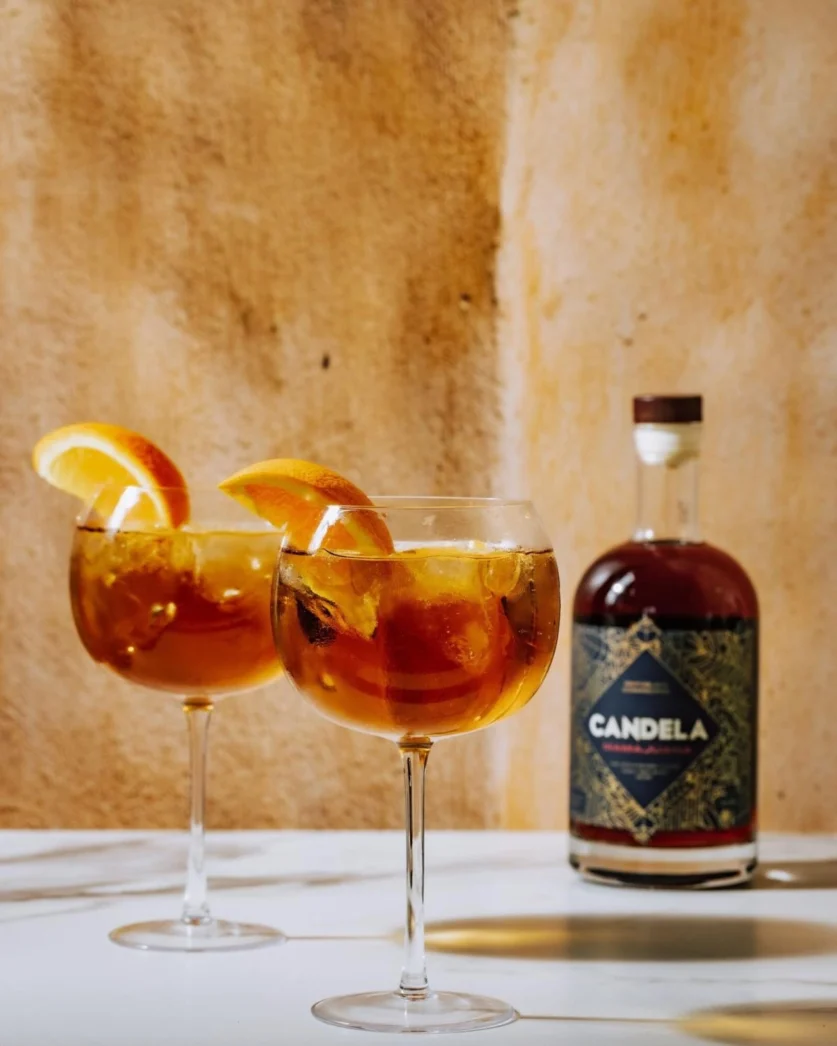
During Hispanic Heritage Month, it’s important to recognize and support latino-owned businesses that celebrate our roots. One such business is Candela Mamajuana Rum, which not only provides us with an exquisite taste of Dominican culture but also focuses on revolutionary sustainability practices.
In a recent interview with People Chica, Alejandro Russo, the founder of Candela, shared his thoughts on Hispanic Heritage Month and the future of rum. One of the questions asked was how Candela Mamajuana is celebrating this special month. Alejandro explained that their purpose is to ignite the fuego by sharing the best flavors and experiences from Latin culture with the world. They have organized several events, including happy hours, drink specials, Candela pairing dinners, and even a Reggeaton party and a Bachata Dance party! These events promise to keep things fun and flavorful, representing our rich heritages.
Mamajuana is an iconic rum in the Dominican Republic, deeply rooted in its history. When asked how Candela Mamajuana honors this history, Alejandro emphasized that they are not simply offering a drink but elevating a cultural ritual. They stay true to their roots by using only the purest, all-Dominican, locally-sourced ingredients. They are determined to showcase the amazing quality produced in the Dominican Republic and ensure authenticity in every aspect of their product.
What sets Candela apart is their commitment to eco-friendly practices. They firmly believe in leaving the world better than they found it. Candela Mamajuana is not just about creating jobs and investing resources in the Dominican Republic but also preserving the environment. They strive to provide a zero-waste, low-footprint product lineup. Through a partnership with ecoSPIRITS, Candela serves leading hotels with their new zero-waste reusable packaging. Moreover, their state-of-the-art, energy-efficient facility goes above and beyond in reducing waste, reusing resources, and recycling.
Looking ahead, Candela aims to become a legacy brand that truly embodies Latin culture. Alejandro envisions a brand that celebrates life’s great moments with friends and family, living life to the fullest. Candela has exciting product launches in the pipeline that will bring even more fuego to customers. They also plan on expanding to new markets, going wider and deeper to become the most exciting brand on the liquor shelf. Candela isn’t just spicing up the rum game; they are revolutionizing the entire liquor industry with sustainably produced, delicious drinks that everyone of legal drinking age can enjoy.
So this Hispanic Heritage Month, raise a glass of Candela Mamajuana Rum, supporting a brand that embraces our rich culture, honors tradition, and spearheads sustainability efforts. Salud!
Wine Cellars Running Wild.
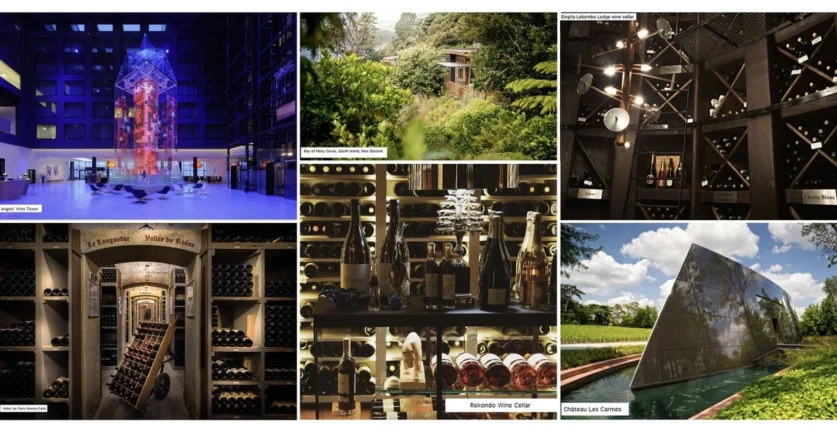
Discover the Most Incredible Wine Cellars Across the Globe
When it comes to wine cellars, there is truly something for everyone. Whether you prefer the underground mystique or the awe-inspiring grandeur of an above-ground display, the world is full of stunning wine collections that will leave you speechless. From secret caves to modern architectural wonders, these cellars not only house some of the world’s best wines but also provide an experience like no other.
If you’re a fan of fine dining and impeccable cellars, Architectural Digest has compiled a list of five restaurants with the best wine collections. From hidden caves to trendy urban spaces, these places offer a unique ambiance for enjoying a glass of your favorite vino.
The Travel Channel takes you on a wild journey with their slideshow on the “10 Craziest Cellars and Wineries” around the world. Explore ancient Etruscan caves, Tuscan-inspired castles, and even futuristic wineries that seem ready to take off into space.
For those interested in the largest wine collections, Wine Enthusiast has gathered a list of the world’s biggest hotel and restaurant cellars. These establishments pride themselves on their expansive selections, ensuring that there is something to please every palate.
If you’re looking for wine cellars owned by the rich and famous, the Armchair Sommelier has you covered. Discover the cool and unique designs of celebrities and entertainment moguls who have created their own personalized wine havens.
For a truly impressive experience, The World of Fine Wine offers a selection of awe-inspiring cellars. From a blue-lit cathedral-inspired cellar in Tennessee to mesmerizing light shows in Turkey, these collections will leave you breathless.
VinoVest explores the world of renowned wine collectors. With their expertly curated cellars, these collectors have amassed an enviable selection of wines that any wine enthusiast would envy.
CNN Style showcases the best-designed cellars, spanning from underground bunkers to volcanic environments. These cellars combine functionality with artistic appeal, creating a feast for the eyes as well as the palate.
If you’re planning a trip to Porto, Portugal, Portugal.net has compiled a list of the best cellars to visit in the city’s historic Vila Nova de Gaia neighborhood. Explore the birthplace of port wine and learn about the fascinating history behind its production.
For champagne lovers, Winalist.com highlights five historic cellars and caves that are a must-visit in the Champagne region. Delve into the world of champagne production and immerse yourself in its rich traditions.
Punch.com takes you inside a singular cellar situated in Spain’s gastronomic capital. Discover the hidden gems of this cellar and learn why it holds a special place in the hearts of locals.
For those seeking luxury, upscalelivingmag.com rounds up eight wine cellars not to miss. From exclusive designs to breathtaking light shows, these cellars are the epitome of opulence.
Take a unique approach to wine cellar exploration with boatinternational.com. Discover wine cellars accessible by super yacht and create a truly unforgettable experience.
The Times of India offers a global itinerary of must-visit cellars, including a U-shaped cellar overlooking the iconic Bosphorus Strait in Istanbul.
No matter your preference, these incredible wine cellars offer a glimpse into a world of luxury, history, and unparalleled beauty. So, whether you’re a seasoned wine connoisseur or simply enjoy the occasional glass, take the time to explore these remarkable collections and let yourself be captivated by their charm.
Luxury American Single Malt is being continually defined by Wolves Whiskey.

Jon Buscemi, a co-founder of Wolves Whiskey, recently sat down for a Q and A about the new release of Lot 2, American Single Malt, and the pursuit of luxury. Wolves Whiskey is known for its unique approach to American Single Malt Whiskey and for pushing the boundaries of what is considered luxurious.
When asked why they decided to focus on American Single Malt, Buscemi explained that Wolves leads with intuition and authenticity. They believe that the best American whiskey is luxurious, complex, and a form of pure art. He also noted that American Single Malt is a testament to the concept of terroir, as each region in the United States produces a unique flavor profile.
The category of American Single Malt has seen significant growth in recent years, with a 75 percent increase in the last five years, according to ISWR. Buscemi believes that the category will continue to expand across the U.S. and gain popularity internationally.
The development of Wolves Whiskey was driven by a desire to create something unique and special. With a deep respect for distilling and blending, Buscemi and his team sought to create a product that represented the best of American whiskey heritage. They spared no expense in sourcing the finest ingredients and presenting the whiskey in a way that honors the liquid and creates an experience for the consumer.
The label of Wolves Whiskey is one aspect that truly sets it apart. Made with sheepskin, it adds a tactile and visual element to the tasting experience. Buscemi believes that the feel, smell, and look of the sheepskin accentuate the mouthfeel, flavor profile, and finish of the whiskey. Despite the challenges and costs associated with this unique label, Wolves saw it as an opportunity for innovation and greatness.
When asked if he expected Wolves to be as coveted as it is, Buscemi responded that while making a coveted product was not the goal, they did believe in creating whiskey that they themselves would covet. Wolves never compromises and never allows sales trends or data to determine what they introduce to the world. They trust the consumer’s ability to identify something truly special.
Regarding the latest release of Lot Two, Buscemi highlighted the meticulousness and refusal to compromise that went into its creation. 13th generation Master Distiller Marko Karakasevic locked himself away in Northern California for 10 days at a time, pursuing perfection with his imported Alembic pot still. This dedication and attention to detail is reflected in the whiskey.
Looking ahead, Wolves aims for consistency and plans to release Winter Run and Spring Run, continuing to showcase their signature blended American whiskeys. They also have a few special collaborations in the works. Each run will be unique, as the team tirelessly works on their newly-built still to develop exceptional whiskey.
In conclusion, Wolves Whiskey is paving the way for luxury American Single Malt Whiskey. With their focus on authenticity, innovation, and refusing to compromise, they have created a truly sought-after product. Fans can look forward to consistency in quality and the release of new and unique blends in the future.
Today, I want to talk to you about a remarkable product that is revolutionizing the way we express our ethos. It’s like our very own Air Force One, representing everything we stand for. From the initial concept to the final packaging, every moment spent in the lab during our research and development phase has been a thrilling experience.
Now, you might be wondering if we plan on expanding into other types of whiskeys or spirits. The beauty of leading from a place of authenticity is that expansion happens naturally. When the time is right and it feels like the next step, we pour our heart and soul into it. As Wolves Whiskey is still in its infancy, our products will continue to evolve alongside the brand itself.
I’m sure you’re curious about our future plans or any exciting ventures we have in store for you. While we do love playing in our current space, we also crave innovation and change as the brand matures. However, for now, we prefer to keep our secrets close. Rest assured, though, that anything you see us doing will be something we wholeheartedly love and strive to integrate into our personal and professional lives. At this moment, our love for whiskey, particularly Wolves Whiskey, knows no bounds.
I must take a moment to express my deep gratitude to the Wolves team and community. Your support and understanding have truly inspired me. Our goal is to continue delivering exceptional products in the most unique and differentiated way possible. We may take big leaps and venture far from our comfort zones, but our commitment to providing extraordinary whiskey remains unfaltering.
Now, let’s talk about how quickly our releases sell out or who our customers are. The answer is simple – fast. Once it’s gone, it’s gone, except for our founders’ stash. We believe that there is elegance in moderation, and too much of a good thing isn’t always beneficial or even accessible.
In conclusion, we are thrilled to be on this journey with you. Wolves Whiskey is more than just a brand; it’s a symbol of our passion and dedication to excellence. So, stay tuned, because we have an exciting adventure ahead, and we can’t wait to share it with you.
“Discover excellent Italian sparkling wines beyond Prosecco with Wine Press.”
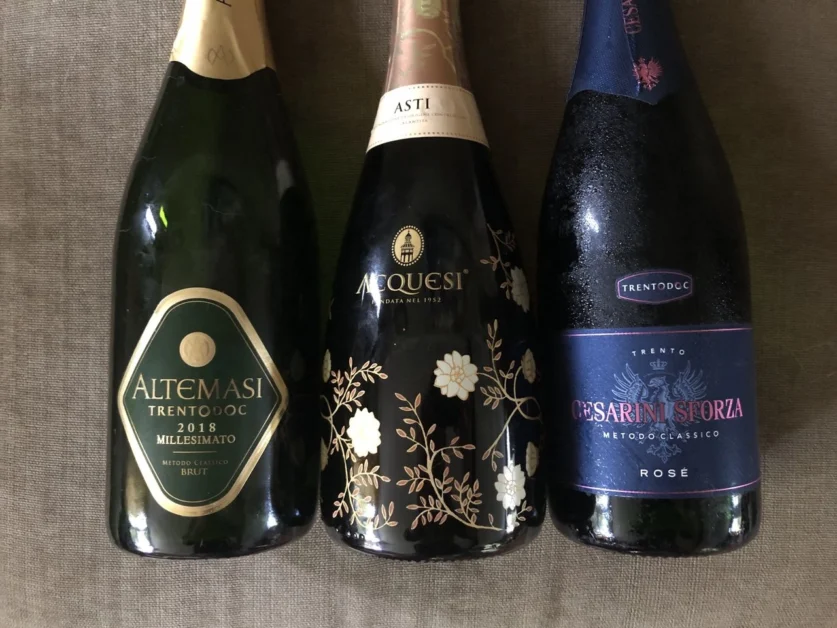
Champagne, the godly beverage that brings joy and celebration to every occasion. We all love a good glass of bubbly, don’t we? But wait, can any sparkling wine be called Champagne? Absolutely not. Champagne can only come from the Champagne region in France. Period. I understand that this may irritate some people who use the term Champagne for any sparkling wine. It’s not about being snobbish, it’s about honoring the geographical origin of this exquisite drink. It’s like calling someone from Spain a Swede or someone from Massachusetts a New Yorker. It just doesn’t make sense.
Speaking of geographical origin, let’s talk about Prosecco. Many of us mistakenly label all Italian sparkling wine as Prosecco. However, just like Champagne, Prosecco can only be called Prosecco if it is produced in specific locations in Italy. More precisely, Prosecco can only come from nine provinces in the Veneto and Friuli Venezia Giulia regions near Venice. In fact, there’s even a village called Prosecco in this region. And here’s where it gets even more confusing – before 2009, the grape used to make Prosecco was called “prosecco.” But now, it goes by the name glera since Prosecco winemakers wanted to trademark the name of the Prosecco wine region in Italy and avoid confusion between the grape and the region. Complicated, isn’t it?
Now, let’s explore the world of Italian sparkling wines beyond Prosecco. Italy boasts a variety of distinct and delightful sparkling wines, each with its own story and flavor profile. However, when it comes to wine, simplicity is not always the norm. Sometimes, the name of the sparkling wine has more to do with the production method rather than its origin. But hey, wine is meant to be enjoyed, so if you happen to pick up the “wrong” one, don’t fret. Just try a different one next time and expand your sparkling wine horizons.
When exploring Italian sparkling wines, you may come across terms on the labels that describe the sweetness level or the production method. These additional words provide useful information and can guide you towards the right wine for your taste preferences. Embrace these terms as they enhance your wine journey and deepen your understanding of the diverse world of Italian sparkling wines.
Now, let’s move on to some recommendations and tasting notes. Here are a few Italian sparkling wines that have caught my attention:
1. Asti Acquesi ($16.99 Suggested Retail Price): This sparkling wine hails from Italy’s Asti region. It falls under the specific type of sparkling wine known as Asti. Made with moscato bianco grapes, it leans towards the sweeter side, making it a perfect choice for dessert. Prepare your taste buds for a delightful blend of flavors ranging from black licorice and caramel to vanilla and orange zest.
2. Cesarini Sforza Metodo Classico Rose ($31 SRP): Crafted by Cesarini Sforza winery in the Trento/Trentino region of Italy, this sparkling rose is crisp, dry, and effortlessly captures the essence of Italian sparkling wines. A blend of 85% chardonnay grapes and 15% pinot noir, it offers subtle hints of fresh strawberries and raspberries, accompanied by soft rose notes and a touch of sea salt and black pepper. This sparkling wine will surely leave a lasting impression.
3. 2018 Altemasi Trentodoc Millesimato Brut ($31 SRP): A vintage sparkling wine that showcases the craftsmanship of the Trento region, this gem can rival many great brut Champagnes from France. Made exclusively with chardonnay grapes grown near Italy’s majestic Dolomite mountains, this sparkling wine is the driest of the three recommendations. As you savor each sip, you’ll detect a chalky, mineral-like finish with hints of toasted almonds, dried lemons, and roasted apricots. It truly shines a light on Italy’s remarkable sparkling wine production.
Cheers to the world of Italian sparkling wines! May they continue to enchant us and add a touch of effervescence to our lives. Remember, wine should always be enjoyed with curiosity and a sense of adventure. So, go ahead, explore and embrace the diversity of Italian sparklers. Let your taste buds be your guide on this delightful journey. Salute!
(This blog post is a reimagining of the original article written by Ken Ross, featured on Masslive.com)
Earn Rewards and Protect Your Privacy###
Imagine this scenario: you come across a fantastic product or service on our website. It’s something you’ve been searching for, and you’re ready to make a purchase or register for an account. Well, guess what? By doing so through a link on our site, you not only get what you want, but you also earn valuable rewards. That’s right – we appreciate your support and want to show our gratitude.
Now, you may be wondering how this works. It’s simple. When you make a purchase or sign up through one of our links, we receive compensation. This allows us to continue providing the content you love, without any cost to you. So, not only are you benefiting from a fantastic product or service, but you’re also helping us grow and thrive.
Speaking of benefits, let’s talk about privacy. We understand that your personal information is important to you. That’s why we want to assure you that we take privacy seriously. When you use our site, you consent to our User Agreement, which means you’re agreeing to allow us to collect, record, and store your clicks, interactions, and personal information. But don’t worry, we handle your data with care and never sell it to third parties.
In addition to us, social media and other third-party partners also collect data based on your clicks and interactions. But don’t fret – this isn’t just some shady operation. We work with reputable partners who also prioritize your privacy and ensure that your information is kept secure and confidential.
Now, you may be wondering why we’re so transparent about this. Well, we believe in being open and honest with our users. We want you to feel confident in your decision to support us and use our site. Transparency is the foundation of trust, and trust is what keeps us going.
So, the next time you find a product or service you love on our site, remember that you’re not only getting what you want but also earning rewards and supporting a platform that values your privacy. By making your purchase or registration through our links, you’re not only investing in yourself but also investing in the growth and development of our site.
In conclusion, we appreciate your continued support and can’t wait to bring you even more amazing content, products, and services. Together, we create a win-win situation where you earn rewards and protect your privacy. Cheers to that!
Is it possible for the Willamette Valley to combine the finest attributes of Napa and Burgundy in order to transform into the ultimate destination for wine lovers?
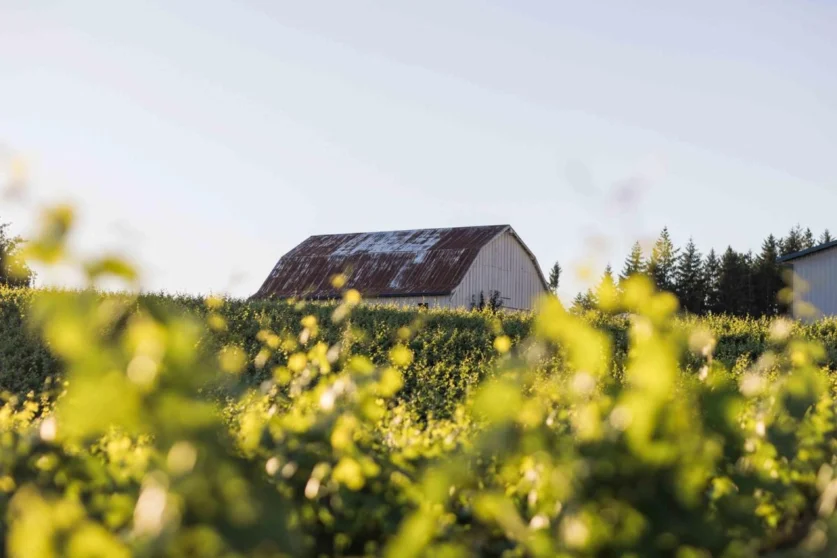
The arrival of new businesses and investments in Oregon wine country has brought about a time of critical decisions for the future of the region. Katie Jackson and Shaun Kajiwara opened Tributary, a luxurious boutique hotel in the quiet town of McMinnville, with the belief that it has the potential to become the central hub for visitors to Oregon wine country. With high-end rooms priced at $1,000 a night and an ambitious farm-to-table flagship restaurant called Okta, the couple hopes to attract luxury investments and elevate the region’s status, similar to what happened in Napa Valley.
This trend of upscale development in smaller towns is not new. Elin McCoy, a Bloomberg columnist, noted that SingleThread, a small inn and restaurant in Healdsburg, sparked a similar phenomenon in Sonoma County. SingleThread’s success led to an influx of luxury investments in the area and elevated its reputation in the culinary world. Tributary and Okta seem to be on the same path, with Okta recently being named one of the New York Times’ best restaurants of 2023.
The similarities between Tributary and SingleThread make it an important time to consider the direction that Willamette Valley is heading in. The concept of “Napafication” has been a topic of discussion among winemakers, bloggers, and even TIME magazine. It raises the question of whether the region is slowly becoming a replica of Napa Valley and, if so, whether this is a positive or negative development. Can Willamette Valley embrace the influence and success of Napa while still maintaining its own identity and benefiting winemakers, tourists, and hospitality professionals?
The rise in prominence of Oregon Pinot Noir has attracted major players from Napa and Sonoma. Companies like Constellation Brands and Silver Oak have acquired vineyards in the region, while Burgundian wineries like Domaine Drouhin and Maison Louis Jadot have seen the potential in Oregon’s climate for producing world-class Pinot Noir. This interest from well-established wine companies indicates the growing reputation and profitability of the region.
A key factor in this growth is the favorable climate for winemaking in Oregon. The region has experienced hot and dry weather, which is ideal for grape cultivation. This, combined with the absence of a recent bad vintage, has increased investment interest in Oregon wine country. The clear return on investment and the potential for success have made the region more attractive to investors.
In conclusion, the arrival of luxury establishments like Tributary and Okta in Oregon’s wine country marks a crucial moment for the region. The parallels between this development and the “Napafication” of Napa Valley raise important questions about the future of Willamette Valley. However, with the rise in prominence of Oregon Pinot Noir and the favorable climate for winemaking, this could be a transformative opportunity for the region. It remains to be seen how Willamette Valley will navigate this influx of investment while preserving its own unique identity and supporting the wine industry as a whole.
Bergstrom Wines Estate: Paving a Different Path for Oregon Wines
When we think of major wine regions, Napa and Sonoma in California are often the first to come to mind. However, in recent years, Oregon’s wines have been gaining recognition and attracting investment from major players outside the region. While this could easily lead to unchecked development and the loss of its unique charm, Oregon’s wine industry has found ways to chart a different course and preserve its heritage.
One of the key factors in Oregon’s success is the recognition by the pioneering families of the tremendous value of the land for agricultural purposes. Back in the 1970s, these families passed laws to preserve land use exclusively for agriculture. This foresight and commitment to preserving the land’s integrity have prevented the unchecked development that has occurred in other wine regions like Napa and Sonoma.
Another factor that sets Oregon apart is the socioeconomic makeup and urban density of its closest cities, San Francisco and Portland. Unlike the congested traffic and long travel times from San Francisco to Napa, the drive from Portland to Willamette, the heart of Oregon wine country, takes only about 45 minutes. This proximity and ease of access make it more appealing for tourists to visit and support the local economy.
Jason Lett, a second-generation winemaker and the mastermind behind Oregon’s pioneering Eyrie Vineyards, highlights the importance of thoughtful hospitality investment in the region’s downtown areas. Lett, along with many other local winemakers and preservationist organizations like Friends of Yamhill, is concerned about the rising tide of commercial development on farmland. Unlike other wine regions like Burgundy or Piedmont, where vineyards are considered too precious to be transformed into tourist destinations, Oregon’s vineyards face the risk of losing their value if not protected.
This risk is particularly evident with larger resorts, which have the potential to encroach on farmland. However, some developers, like Ken and Joan Austin, who opened the Allison Inn & Spa in the early 2000s, have proven that size isn’t an excuse. The Allison Inn & Spa, with its 85 rooms and luxurious amenities, has successfully integrated into the region’s tourism infrastructure without compromising the integrity of the farmland.
Restoration efforts are also a cause for optimism among winemakers in the valley. For example, Jackson and Kajiwara saw the potential in a century-old former hardware store in downtown McMinnville and transformed it into Oregon’s first Relais & Chateau hotel. Recognizing their commitment to historic preservation, the town awarded them the best historic preservation award in 2020.
The combination of land preservation laws, proximity to major cities, and thoughtful investment in downtown areas has allowed Oregon’s wine industry to flourish without losing its unique character. Winemakers, like Lett, emphasize the importance of taking farmland seriously and advocating for investments in local towns. With so much to offer, Oregon’s cool and diverse wine country has the potential to become a world-class destination, attracting tourists from near and far.
So, the next time you’re planning a wine trip, consider exploring Oregon’s wine country. You’ll not only experience exceptional wines but also contribute to the preservation of a region that values the land and the communities that call it home.
Acceptance Doesn’t Come Easy in the Willamette Valley
In the picturesque town of Willamette, a battle is brewing. It’s a battle between those who see the potential for growth and prosperity in the region’s tourism industry, and those who fear that it will come at the cost of the area’s agricultural heritage.
The town has seen numerous proposals for hotel projects in the past, but none have been approved. As Kent Kajiwara, a local resident, explains, “There have been a lot of other hotel project proposals that just haven’t been approved by the town.” It’s clear that gaining acceptance for such projects is no easy feat.
For wineries like Bergström, the majority of their business is conducted through their tasting room in the Dundee Hills. This beautiful space, once the family’s private residence, now serves as a hub for direct-to-consumer and on-premise sales. As the demand for winery visits and experiences grows, having adequate tourist infrastructure becomes increasingly vital.
The Willamette Valley is at a crossroads, trying to strike a delicate balance. On one hand, the region wants to preserve its agricultural roots and the value of its farmland. On the other hand, it recognizes the importance of tourism in supporting local winemakers and businesses. Walking this tightrope is not without its challenges.
One of the main concerns voiced by winemaker Bergström is the potential intrusion of larger, profit-driven players who may not share the same commitment to the region’s history and community. He warns of the erosion of community that can occur when outsiders only look to make a quick buck. His solution? “I say let’s develop the Willamette Valley on our own terms…with people who are responsible and respectful of our region investing here.”
It remains to be seen whether the Willamette Valley can find the right balance between preserving its agricultural heritage and embracing tourism. The struggle between these competing interests is not unique to this region alone. Many wine regions around the world face similar battles.
In the end, it will require collaboration, understanding, and a shared vision for the future. Only then can Willamette truly rise to its fullest potential, attracting visitors while maintaining the very essence of what makes it special.