Sulfur Dioxide’s Significance as an Ingredient in Wine

In the vast world of winemaking, there is a humble ingredient that holds the key to its preservation: grapes. Throughout history, wine production has evolved from a simple process of fermenting crushed grapes to a refined and technical industry. As the demand for wine grew on a global scale, the need for additional ingredients became evident.
One such ingredient is sulfur dioxide, commonly referred to as SO2. This compound plays a crucial role in winemaking as a preservative. Its antimicrobial and antioxidant properties help protect the wine from oxidation and spoilage, ensuring a longer shelf life. While sulfites naturally occur during fermentation, the addition of sulfur dioxide provides an extra layer of protection.
However, not all winemakers rely on sulfur dioxide. Some organic growers and producers choose to make wine without this additive, resulting in a different taste experience. For example, a Cabernet Franc may have a distinct flavor profile depending on the presence or absence of sulfur dioxide. Nevertheless, sulfur dioxide remains a vital ingredient in commercial wine production.
Scientifically, sulfur dioxide is composed of one sulfur atom and two oxygen atoms, denoted as SO2. In winemaking, the specific form used is potassium metabisulfite, a granular salt added at various stages of the process. Winemakers regularly monitor the concentration of sulfur dioxide throughout fermentation and aging. The total concentration is measured as “bound SO2,” which has bonded with the yeasts and sugars, and “free SO2,” which has not.
The desired concentration of sulfur dioxide in wine ranges between 0.5 and 0.8 milligrams per liter. This level is sufficient to prevent oxidation and bacterial growth without overwhelming the wine’s flavor. A concentration higher than 0.8 milligrams can result in a strong, burning sensation in the nostrils when smelling the wine.
The amount of sulfites in wine varies between different types, such as red, white, rosé, and sweet wines. Generally, sweet wines contain a higher concentration of sulfites than others. Strict regulations ensure that the levels of sulfites in wine remain within safe limits, eliminating the risk of consuming toxic amounts of sulfur dioxide.
For those who prefer to avoid sulfites altogether, natural wines offer a great alternative. However, it’s worth noting that the majority of wines found in liquor stores adhere to regulated limits and are safe for consumption.
In conclusion, while wine is fundamentally made from grapes, the addition of sulfur dioxide has become an essential aspect of winemaking. This ingredient provides the necessary protection against oxidation and spoilage, ensuring a longer shelf life for wines. Whether sulfur dioxide is present or not, it undoubtedly shapes the taste and characteristics of the final product.
The delight of a genuine pint of beer is being discovered by Americans.

AT THE BARS of the United Centre, a sports arena on the near west side of Chicago, the default drink available is Modelo, a Mexican lager that in May became America’s best-selling beer. But a popular alternative is a craft beer sold in cans from a fridge behind the bar, called “Tropical Beer Hug”. Adorned with a picture of a cartoon bear wearing sunglasses, the marketing is memorable. But to your British correspondent, the more striking part is the size of the cans.
Each one contains 19.2 US customary fluid ounces of beer. That is 568ml in metric measures. But more importantly, it is 20 Imperial fluid ounces, known in Britain, Ireland and a few other former British territories as “one pint”.
In the past five years or so, the 19.2oz can of beer has soared in popularity across America. According to data analysed by Molson Coors, a big brewing firm, pint cans now make up 92% of craft beers sold in individual cans in convenience stores, up from less than 10% six years ago.
Though most beer sold in shops is still in 12oz six-packs, and in 16oz measures (an American “pint”) in bars, the true British pint has crowded out other heftier-sized brews, at least when it comes to craft beers.
Besides convenience stores, the format is becoming ubiquitous at America’s music festivals, sports events and other places where customers have to pick up a drink and carry it around. Why would Americans be turning to proper pints?
T.J. Annerino of Goose Island, the Chicago-based craft brewery that sells the Tropical Beer Hug, says that the initial motivation came from convenience stores. But demand has been “phenomenal”. He speculates that 19.2oz sells because it is large enough that drinkers do not need to return to the bar (or fridge) too soon, without being so large as to get warm and stale in one’s hand. Hence the success at gigs and sports events.
Andrew McGuire of Molson Coors argues that the size is ideal for people who want to try a new beer alongside a familiar six-pack. Many new canning machines tend to include the size as a default, which means it is easy for brewers to produce without extra cost.
Beer-industry types generally refuse to admit any direct inspiration from British measures. “19.2oz cans are widely popular within the United States, and have been for a while,” sniffs Melody Gregson, at American Canning, which sells both tins and the machines to fill them. None calls the measure a pint; some insist on calling it a “stovepipe”. But perhaps they just need to drink a few. As James Joyce, a novelist, once wrote, “the sacred pint alone can unbind the tongue.” Chin chin.
The new cravings report from Uber Eats in 2023 has revealed unexpected pairings like apple whiskey and lobster.

Apple whiskey and lobster have emerged as a surprisingly popular combination in the world of food and alcohol pairings, according to the latest findings from Uber Eats. In their recently released cravings report for 2023, the online food ordering and delivery platform revealed some fascinating trends and insights into customers’ delivery requests.
It seems that people are not only indulging in lobster tail but are also frequently pairing it with apple whiskey. Marco Vita, senior data scientist at Uber Eats, explained, “Nothing tastes better than the thing you want to eat right now.” This sentiment seems to ring true as vodka and ribeye took the top spot as the most popular food and alcohol pairing, followed closely by frozen margaritas and cheeseburgers, frozen piña coladas and chicken, and daiquiris and tamales.
When it comes to alcohol orders, New York City, Washington, Denver, and Chicago stood out as the cities with the highest number of purchases on the e-commerce alcohol delivery platform Drizly, a subsidiary of Uber. Another interesting finding from the report was the late-night cravings of students. Pennsylvania State University topped the list for the most late-night orders between midnight and 4 a.m., followed by the University of Iowa, University of Illinois, and Texas A&M University.
The cravings report also highlighted a growing trend in non-alcoholic beverages. Dry months like Dry January and Sober October saw a significant increase in orders for zero-proof spirits. In January 2023, non-alcoholic beverages experienced a whopping 75 percent growth compared to the previous year. Popular non-alcoholic brands such as Seedlip, Ritual Zero Proof, Lyre’s Non-Alcoholic, St. Agrestis, and Ghia were among the top sellers.
Interestingly, the report also shed light on changing preferences in wine consumption. Rosé wine sales declined throughout the summer, making way for the rise of crisp styles of white wine and lighter-bodied reds. This shift indicates that consumers are becoming more adventurous with their wine choices.
Beyond alcohol-related trends, the report offered intriguing insights into popular delivery requests across the United States. Special instructions like “no onions” and “dressing on the side” featured prominently. Additionally, French fries, garlic naan, and pad thai emerged as the most frequently ordered items.
Uber Eats also shared some delightful and unique delivery requests, showcasing the friendly and humorous correspondence between customers and delivery workers. These heartwarming messages can be found in the full report, adding a touch of humanity to the otherwise digital interaction between the two sides of the screen.
In conclusion, the Uber Eats cravings report for 2023 provides a fascinating glimpse into the evolving food and beverage preferences of consumers. From unexpected food and alcohol pairings to changing wine trends and peculiar delivery requests, it is clear that people’s tastes and desires continue to evolve.
The 2024 Charleston Wine + Food Festival tickets are now available for purchase.

**Experience the Ultimate Foodie Celebration at the 2024 Charleston Wine + Food Festival**
Calling all foodies! Hold onto your taste buds because the 2024 Charleston Wine + Food Festival is here, and it promises to be an epic culinary extravaganza like no other. Get ready for 100+ boozy brunches, unforgettable dinners, late-night bashes, and so much more, spread across the vibrant Holy City. With culinary field trips, hands-on classes, and a lineup of over 300 top chefs, wine connoisseurs, and cocktail experts, this festival is not to be missed.
Starting from March 6 through 10, prepare yourself for a five-day journey into the world of delectable food and drink. The recently announced schedule has us drooling in anticipation. Alyssa Maute Smith, the Executive Director, couldn’t contain her excitement, saying, “We’re incredibly proud and excited for the festival ahead. Every year we aim to grow and develop unique and interesting events that marry the beauty of the Lowcountry and the foodways that unite us.”
One of the festival’s highlights is the Culinary Village, where you will experience a food-sampling heaven. This year, the Village will feature the beloved rosé garden, an abundance of food for purchase, an expanded selection of wines, and even a dedicated non-alcoholic zone, ensuring that there’s something for everyone. Indulge in a diverse range of flavors and savor the culinary delights from renowned chefs.
And that’s not all! The festival’s Signature Events will leave you craving for more. Street Eats, in partnership with Saveur magazine, offers a gastronomic adventure of international street food. The Bowens Island Catch of the Day brings you the freshest seafood, showcasing Charleston’s coastal charm. For families, the Wine + Food Street Fest caters to both young and old, providing a fantastic day out with delicious food and drinks, and it’s absolutely free!
Adventure awaits at ¡Sabor!: A Taste of Spain, where you’ll sample the vibrant flavors of Spanish cuisine. And for all the BBQ and whiskey enthusiasts, The Smokeshow is a mouth-watering ode to smoky flavors and hearty libations.
Prepare to be star-struck! The festival will be graced by more than 300 culinary rockstars, including celebrity chefs, wine experts, and other culinary talents. Their expertise will be displayed through captivating live cooking demonstrations, wine pairings, and insightful discussions, leaving you with a wealth of gastronomic knowledge.
Tickets for the 2024 Charleston Wine + Food Festival are now available for purchase on their website, starting from today, October 19th. However, if some events are sold out, don’t fret. Waitlists will be available, ensuring that no foodie is left behind.
Immerse yourself in the culinary wonders that await you at the 2024 Charleston Wine + Food Festival. It’s time to tantalize your taste buds, expand your palate, and indulge in the ultimate foodie celebration. For more information and to secure your spot, visit the official Charleston Wine + Food website.
Are you ready for a life-changing culinary experience? Get your forks and wine glasses ready, because the 2024 Charleston Wine + Food Festival is calling your name!
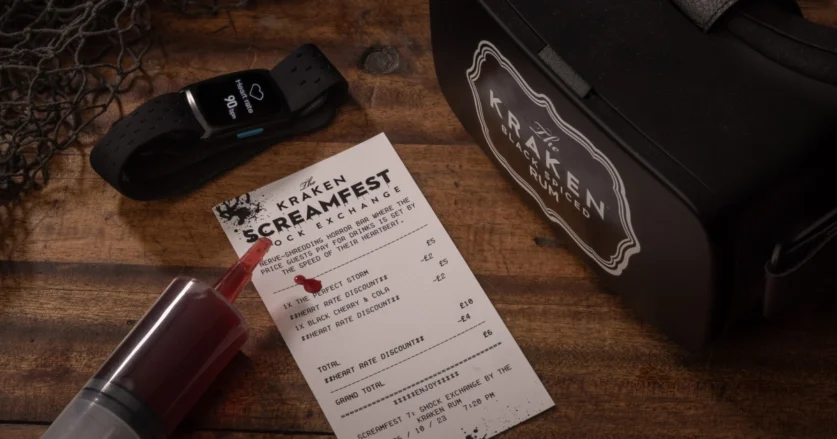
Immersive horror bar opens for Halloween, featuring The Kraken Rum.
A recent report, the Q3 2023 IPA Bellwether Report, has shed light on a small but significant growth in the industry. While this growth is certainly encouraging, it comes at a time of great uncertainty. However, amidst this uncertainty, there is a policy that aims to make a substantial difference in how the industry retains and supports midlife women.
The policy in question is none other than the Menopause Policy, designed to address the specific needs and challenges faced by women going through this natural phase of life. This policy, if implemented effectively, has the potential to spearhead a sea change in the industry, offering much-needed support and understanding to women experiencing menopause.
But why is this policy so important? Well, the answer lies in the media landscape, as highlighted in MediaLink’s The Marketers Forecast 2024. The report reveals that marketing leaders need to regain the growth and innovation agenda. In order to do so, it is crucial for these leaders to create an inclusive and supportive environment for all employees, including midlife women navigating through menopause.
One company that has taken the initiative to address this issue head-on is TBWALondon. Their new campaign stars none other than British icon Sir Trevor McDonald, who lends his voice and influence to shed light on the impact of having a Menopause Policy in the workplace. By featuring such a well-respected figure, TBWALondon aims to raise awareness and bring about positive change within the industry.
The effects of menopause are not limited to an individual’s personal life but extend to their professional life as well. The physical and emotional symptoms can have a significant impact on productivity, confidence, and overall well-being. By acknowledging and accommodating these challenges, companies can create a work environment where midlife women feel valued and supported – ultimately leading to increased growth and innovation within the industry.
The Menopause Policy is not simply a matter of ticking a box or fulfilling a legal requirement. It is a crucial step towards addressing the specific needs of women in the workplace during a transitional phase in their lives. It shows a commitment to inclusivity, understanding, and support for employees at all stages of their career.
In conclusion, while the Q3 2023 IPA Bellwether Report may show modest growth in the industry, the true potential lies in the adoption of progressive policies like the Menopause Policy. As highlighted in MediaLink’s The Marketers Forecast 2024, marketing leaders must prioritize growth and innovation. And by embracing initiatives such as TBWALondon’s campaign starring Sir Trevor McDonald, the industry can work towards creating a more inclusive, supportive, and successful future for all.
Get the lowdown on tickets, parking, and libations for the Carousel Center Beer and Wine Festival.
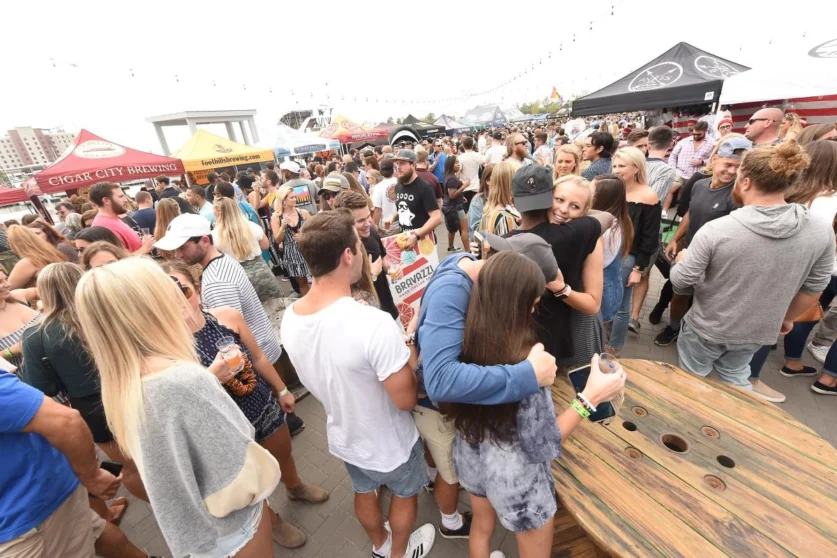
Discover the Magic of the Carousel Center Beer and Wine Festival!
Calling all wine aficionados, beer experts, and eager experimenters! If you’re looking for a unique and unforgettable experience, mark your calendars for the Carousel Center Beer and Wine Festival on Saturday, Oct. 28. Hosted by Lighthouse Beer and Wine, this highly anticipated event is back with a bang, bringing together the joy of tasting exquisite wine and beer with the added excitement of the Voracious & Rare Beer and Wine Festival.
The Carousel Child Advocacy Center Beer and Wine Festival plays a significant role in supporting the Carousel Child Advocacy Center’s yearly budget. As an organization dedicated to providing essential services to child survivors of abuse and their families, the festival’s proceeds allow the Carousel Center to continue making a difference in the lives of those in need.
Set against the picturesque backdrop of the Live Oak Bank Pavilion in Riverfront Park, located at 10 Cowan St., Wilmington, the festival promises a day filled with tantalizing flavors and delightful entertainment. Rain or shine, locals and visitors alike are invited to immerse themselves in the vibrant atmosphere and explore a vast selection of beers, wines, and delectable culinary delights from the 100-120 vendors in attendance.
To ensure that participants make the most of their tasting experience, each entry ticket includes a tasting cup for sampling the wide array of beverages available. For those looking to indulge further, tasting tokens may be purchased separately, allowing them to explore additional offerings not covered by the ticket. And if you’re feeling peckish, fear not, as the festival will also feature an enticing selection of food vendors to satisfy your cravings.
In addition to the remarkable libations and gourmet treats, the Carousel Center Beer and Wine Festival will treat attendees to live performances by three local bands: The Swellians, Billy Heathen, and Soul on Fire. Let the eclectic melodies and captivating rhythms set the mood as you navigate through the festival grounds, discovering new flavors and mingling with fellow enthusiasts.
As with any event of this magnitude, there are a few essential guidelines to ensure a seamless experience. Please note that coolers, bottles, or drink containers are not permitted on the festival grounds. However, worry not about parking, as you can find ample space in downtown Wilmington. Just remember to familiarize yourself with the parking rules and laws to avoid any unwanted surprises.
While we understand that our furry friends hold a special place in our hearts, pets are not permitted at the festival. Additionally, we kindly request that attendees refrain from bringing large bags to maintain a comfortable and enjoyable atmosphere for all.
Tickets for the Carousel Center Beer and Wine Festival are available at varying prices, beginning at $35 for designated driver tickets, and $70 for general admission. Please note that there are no refunds for purchased tickets, and re-entry into the festival grounds is not permitted once you have exited.
We are thrilled to invite you to this one-of-a-kind event that embraces the spirit of community, pleasure, and giving back. By joining us at the Carousel Center Beer and Wine Festival, not only will you pamper your taste buds and enjoy a day of merriment, but you will also be supporting a crucial cause, making a meaningful impact on the lives of those in need.
So, gather your friends, mark the date, and get ready to embark on a magical journey of flavors, music, and heartfelt connections. We can’t wait to see you at the Carousel Center Beer and Wine Festival!
*This article originally appeared on Wilmington StarNews: What to know about Carousel Center Beer and Wine Festival in Wilmington*
Learn about tickets, parking, and the beverages at the Carousel Center Beer and Wine Festival.
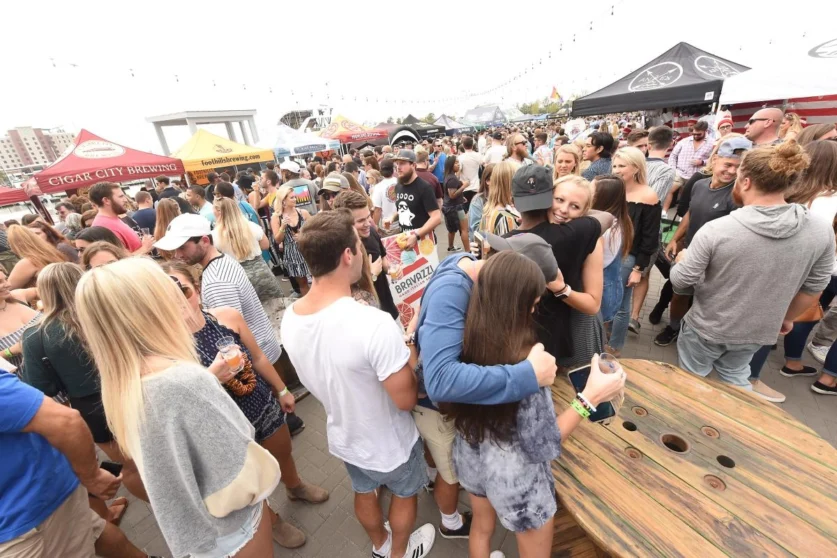
Calling all wine enthusiasts and beer lovers! We have an exciting event coming up that is sure to satisfy your taste buds. The Carousel Center Beer and Wine Festival is back again this year, and it’s bigger and better than ever. Hosted by Lighthouse Beer and Wine, this festival is not to be missed.
But that’s not all – this year, we have a special treat for you. The Voracious & Rare Beer and Wine Festival will be held the day before, on Friday, Oct. 27, right in downtown Wilmington. So mark your calendars for a weekend filled with delicious drinks and good times.
Now, let’s talk about why this festival is so important. Not only is it a fantastic opportunity to indulge in your favorite beverages, but it also plays a crucial role in supporting the Carousel Child Advocacy Center. This organization provides vital services to child survivors of abuse and their families, and the funds raised from the festival go directly towards helping those in need. So by attending this event, you are not only treating yourself, but you are also making a difference in someone’s life.
The festival will take place from noon to 5 p.m. at the Live Oak Bank Pavilion in Riverfront Park, located at 10 Cowan St. in Wilmington. Rain or shine, the festivities will go on. And trust us, they are worth it.
To add to the ambiance, we have lined up three fantastic local bands to keep you entertained throughout the day. The Swellians, Billy Heathen, and Soul on Fire will be performing live, creating the perfect atmosphere to enjoy your drinks and mingle with fellow enthusiasts.
Speaking of drinks, get ready to be amazed. We have over 100 beer, wine, and food vendors who will be showcasing their finest offerings. As you enter the festival, you will receive a tasting cup, allowing you to sample the wide variety of beverages available. And if you want to try something extra special, you can purchase tasting tokens that give you access to exclusive drinks not included in your ticket.
Now, let’s go over a few logistics. Coolers, bottles, or drink containers are not allowed inside the festival grounds. But don’t worry, we have everything you need right there for your enjoyment. As for parking, the venue itself does not offer parking spaces, so we recommend parking anywhere in downtown Wilmington, making sure to follow the parking rules and regulations.
We kindly ask that you leave your beloved pets at home for this event, as they are not permitted. Additionally, no large bags will be allowed, so please plan accordingly.
Tickets for the festival start at $35 for designated drivers ($70 for general admission) and can be purchased online at The Beer and Wine Festival – Lighthouse Beer & Wine. We want to remind you that there are no refunds, and once you leave the festival, re-entry is not permitted.
So, mark your calendars, gather your friends, and get ready for a weekend filled with delectable drinks and a great cause. Join us at the Carousel Center Beer and Wine Festival in Wilmington, and let’s make a difference together.
This article was originally published on Wilmington StarNews: What to know about Carousel Center Beer and Wine Festival in Wilmington.
Ending wine tariffs is contingent upon China’s requirement of a steel deal.

Title: Navigating a Complex Trade Stand-Off: Australia and China’s Tariff Dispute
Introduction:
In recent times, negotiations between Australia and China have been testing the resilience of their trade relationship. An impasse has emerged, with both sides insisting on a resolution that favors their respective interests. At the center of this standoff are Australia’s anti-dumping tariffs on Chinese steel products and China’s retaliatory tariffs on Australian wine exports. This blog post explores the challenges and potential solutions to this complex trade dispute.
Background:
Australia, concerned about the impact of cheap Chinese steel flooding its market, had imposed anti-dumping tariffs. However, this move ignited a trade war, with China retaliating by imposing punitive tariffs on Australian wine exports worth $1.2 billion. The dispute has reached an impasse, with both countries demanding a resolution that addresses their concerns.
The Importance of Anthony Albanese’s Visit:
Efforts to resolve the trade issues have been complicated by the upcoming visit of Anthony Albanese, Australia’s representative, to Beijing. This visit carries significant symbolic weight, as it marks the 50th anniversary of Gough Whitlam’s historic visit, laying the foundation for strong bilateral ties. However, both sides fear that the trade dispute may overshadow the intended purpose of the visit, turning it into a public relations battle.
Efforts for Resolution:
Australia, recognizing the need for a mutually beneficial resolution, has offered a face-saving approach to China, similar to the one that led to the removal of barley tariffs. The proposal suggests suspending the ongoing World Trade Organization (WTO) challenge regarding wine tariffs while China reviews and voluntarily removes the tariffs. However, China, determined to address its own concerns, has linked the resolution of wine tariffs to Australia’s anti-dumping tariffs on Chinese-made wind towers, kitchen sinks, and railway wheels.
Challenges and Domestic Fallout:
China argues that the removal of wine tariffs must consider the domestic repercussions it may face within its nascent wine industry and other countries that have stepped in to fill the void left by Australian exports. This has placed Australian officials in a difficult position, as they push for individual dispute resolution while China insists on a bundled approach, citing earlier eased restrictions on other goods as a precedent.
The Way Forward:
Australia remains firm in its approach, emphasizing that the same pathway used for the lifting of barley tariffs should be employed to address the wine dispute. Trade Minister Don Farrell reaffirms Australia’s commitment to securing an expedited outcome for its wine producers and expresses confidence in a positive outcome through WTO proceedings.
Conclusion:
The ongoing tariff dispute between Australia and China presents substantial challenges, but both sides are hopeful for a resolution that protects their respective interests. As negotiations continue, it is imperative for the two nations to find common ground and chart a way forward that promotes a balanced and mutually beneficial trade relationship. With key diplomatic visits on the horizon, the significance of reaching an agreement cannot be overstated.
Finishers of Saturday’s Garmin KC Marathon can look forward to Boulevard beer, Jack Stack BBQ, and more.

Breaking News: Runners Gear Up for the Exciting Garmin Kansas City Marathon 2023
Are you ready for a thrilling race experience? The Garmin Kansas City Marathon is back and better than ever, with exciting new additions and improvements to make this year’s event unforgettable. As the largest fundraiser for the Kansas City Sports Commission and Foundation, this marathon is not just about running—it’s about supporting a fantastic cause and bringing premier sporting events to our town.
Feedback from runners is valuable, and as soon as the surveys from last year’s marathon started trickling in, the organizing team of the 2023 Garmin Kansas City Marathon began their work. The response has been overwhelmingly positive. Participants love the date and the course, which starts and finishes in front of the iconic Nelson-Atkins Museum of Art. This year, the focus is on fine-tuning the experience to bring registration numbers back to pre-pandemic levels.
To keep things fresh and exciting, the team is enhancing the pre- and post-race experiences. Race director, Dave Borchardt, reveals some of the top priorities for this year’s marathon. “The big finish-line festival in Tice Park is back. We’ll have Jack Stack barbecue, Boulevard beer, and live music,” he said. “This is also the 100-year anniversary of Russell Stover, and they’ll be giving out a free finisher chocolate. We’ll also have fireworks at the start of the race, down toward the Plaza, to create that memorable moment.”
As registrations continue to flow in, Borchardt anticipates a final count of around 7,000-7,500 runners across all races—the 5K, 10K, half-marathon, and full marathon. This is a significant improvement compared to last year’s 6,500 participants. But it’s not just about the numbers; the team is determined to provide an exceptional gift bag for those taking part in the longer races. This year, runners will receive running gloves as part of their race pack.
The course has been carefully planned out, and now the focus is on fine-tuning the little things to ensure the race exceeds everyone’s expectations. Borchardt explains, “We’ve got the course in a pretty good spot, and we’re fine-tuning the little things to make the race as good as possible.”
It’s not just about the race, though—it’s about supporting the Kansas City Sports Commission and Foundation. This non-profit organization has been instrumental in bringing remarkable sporting events to our city, such as the upcoming 2023 NFL Draft, 2026 World Cup, and Big 12 men’s and women’s basketball tournaments. By participating in the Garmin Kansas City Marathon, runners contribute to the growth of sports in our community.
Runners of all levels will be challenging themselves on Saturday, and race director, Dave Borchardt, couldn’t be more excited. He shares his favorite moments, saying, “There’s a nervous energy in the hour leading up to the race. Runners are walking around, stretching. We try to think through the pre-race experience in terms of pump-up music, the national anthem, fireworks, and the opening horn. The finish-line experience is great. Even if it’s just a 5K, they’re finishing a goal. Or maybe they have a new personal best (or) qualified for the Boston Marathon. That’s my favorite thing on race day.”
The festivities kick off on Thursday and Friday with the two-day Health and Fitness Expo presented by Blue Cross and Blue Shield of Kansas City at Union Station. Runners can meet Garmin-sponsored athletes and Olympians Courtney Frerichs and Cory McGee, who will be signing autographs at Union Station on Friday from 12:30-1 p.m. Half-marathon participants will also have the chance to run with Frerichs, as she’ll be pacing the 1 hour, 30-minute group.
The exciting competition starts on Saturday morning at 7 a.m. with the full and half-marathons, followed by the 10K at 7:30 a.m. and the 5K at 7:45 a.m. This is an opportunity for runners from all around the Midwest to challenge themselves and be a part of the premier event on the Kansas City running calendar.
As the 2023 Garmin Kansas City Marathon comes to a close, the organizers are already looking ahead to next year. But before they begin planning for 2024, they want to make sure that runners from around the region have the opportunity to experience this incredible race first.
So mark your calendars and get ready for an amazing marathon experience. The Garmin Kansas City Marathon 2023 is here, and it’s time to lace up your running shoes, push your limits, and create unforgettable memories. We’ll see you at the finish line!
The Whiskey of the Week is the Angel’s Envy 2023 Cask Strength Rye.
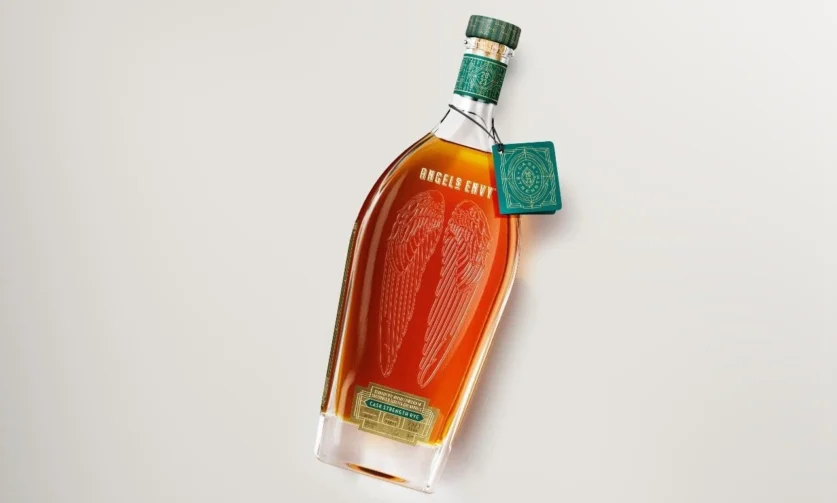
**Title: The Controversial Journey of Angel’s Envy: From Kentucky Derby to Limited Edition Rye**
Angel’s Envy, a well-established whiskey brand today, has a fascinating history that many may not be aware of. When it made its debut in 2010, it caused quite a stir in the industry. The master distiller behind it was Lincoln Henderson, a renowned figure at Brown-Forman, known for his involvement in creating popular brands such as Woodford Reserve and Gentleman Jack. However, Henderson came out of retirement and created Angel’s Envy with his son Wes through their own Louisville Distilling Co. This move apparently did not sit well with Henderson’s former employers.
What set Angel’s Envy apart from others at the time was its unique finish. The flagship bourbon was aged in port barrels, a practice that has now become relatively common but was almost unheard of back then. Traditionalists were scandalized, arguing that this barrel finish disqualified it from being called a bourbon. Despite the controversy, one thing was undeniable – Angel’s Envy was good. Its quality and success eventually caught the attention of Bacardi, who acquired the brand in 2015, two years after Lincoln Henderson’s passing.
As an enthusiast of Angel’s Envy, I must admit that it’s the rye expression that truly captivates me. First released in 2013, this rye whiskey is finished in Caribbean rum casks, infusing it with a delightful sweetness. I remember a particular moment at the Kentucky Derby a few years ago when I decided to break away from the bourbon and mint juleps and switched to Angel’s Envy rye Manhattans. The blend of rum casks and spicy rye, combined with sweet and dry vermouth, created a perfect balance of flavors. Since then, it has become one of my go-to Manhattans.
Interestingly, when Angel’s Envy initially launched, the distillery itself had not yet been built. The brand relied on sourced whiskey, including the rye, which came from the renowned MGP distillery in Indiana. Even without an official master distiller after Henderson’s passing, Angel’s Envy continued to produce top-quality whiskey. With Wes Henderson as the Innovation Manager and his son Kyle as the production manager, the brand thrived. However, with Wes’ retirement and Kyle’s departure, changes were inevitable.
In 2022, Owen Martin, formerly of Stranahan’s in Colorado, became Angel’s Envy’s new master distiller and the face of the brand. Martin made an impressive debut by releasing Angel’s Envy Cask Strength Rye Whiskey Finished In Sauternes & Toasted Oak Barrels. This limited edition cask-strength rye is a blend of two separate batches of MGP’s classic 95% rye/5% malted barley mashbill, aged between five and seven years. One batch was further matured in Sauternes wine casks for three years, while the other aged in a combination of American and French toasted oak barrels for six months. Bottled at 57.2% ABV, this whiskey exhibits the sweetness of Sauternes on the nose and the palate. Notes of chocolate-covered cherries, nougat, and caramel complement the dry oak, peppery rye spice, and the bold alcohol presence. A touch of water mellows the intensity, revealing sweet vanilla and toffee undertones. Personally, I prefer the robust flavors and the full-bodied experience.
This limited edition release, consisting of only 5,500 bottles, is the kind of whiskey that whiskey enthusiasts eagerly line up for long in advance outside distilleries or allocated stores. Its scarcity causes the price to skyrocket on the secondary market (suggested retail price is $269.99). Set to be released on December 1st, whiskey enthusiasts should start preparing their whiskey hunting gear and sleeping bags if they want to secure a bottle.
Angel’s Envy has come a long way since its controversial debut, and its journey continues to evolve under the guidance of new talent. The brand’s commitment to innovation, quality, and pushing boundaries ensures that it will continue to capture the hearts and palates of whiskey enthusiasts for years to come.