Top 10 Must-Visit Beer Gardens Across the U.S.

A beer toast.
There’s something truly delightful about enjoying a chilled beer in an open-air environment. Beer gardens provide a one-of-a-kind experience for socializing with friends, sampling local brews, and soaking in the ambiance. Throughout the United States, beer gardens vary from laid-back neighborhood spots to expansive venues rich in history. Whether you’re a lover of traditional lagers or contemporary IPAs, these beer gardens have been chosen for their exceptional settings that are perfect for your next drink.
Founded in 1866, Scholz Garten stands as the oldest operating beer garden in the country and retains a strong tie to its German heritage. Just a short stroll from the Texas Capitol, this Austin landmark is renowned for its vibrant atmosphere, local brews, and German-style lagers. The spacious outdoor area is perfect for gathering, and during the football season, it becomes a favored spot for University of Texas supporters. Enjoy a bratwurst, order a local beer, and bask in the Texas sun.
Nestled beneath the High Line in Manhattan’s Meatpacking District, The Standard Biergarten merges New York City’s urban chicness with the classic beer garden atmosphere. This lively spot features communal picnic tables, ping-pong tables, and a menu showcasing pretzels, bratwurst, and German beers. Despite its stylish location, The Standard offers a laid-back vibe, making it a favorite hangout for both locals and travelers looking to relax with a beer after exploring the city.
Hofbräuhaus Las Vegas is a faithful replica of the original Hofbräuhaus in Munich, featuring a spacious outdoor beer garden that captures the essence of Bavarian charm. Here, the beer is imported straight from Munich, crafted in accordance with the Reinheitsgebot (German Beer Purity Law). Guests can anticipate a lively atmosphere complete with authentic Bavarian music and delicious German cuisine. For anyone seeking to enjoy a genuine Oktoberfest atmosphere in the U.S., this beer garden presents an authentic taste of Bavaria right on the Las Vegas Strip.
Established in 1910, Bohemian Hall & Beer Garden stands as one of the few remaining traditional beer gardens in New York City. Situated in Astoria, Queens, it has been a cherished community gathering spot for over a hundred years. The spacious outdoor area is adorned with leafy trees and shaded picnic tables, creating an inviting atmosphere to savor Czech pilsners, German lagers, or local craft beers. Alongside beverages, Bohemian Hall serves up classic Central European dishes, making it an ideal place for a long and leisurely afternoon.
Nestled in Orange County, The Biergarten at Old World brings a taste of Germany to sunny California. This beer garden is part of the expansive Old World Village, a Bavarian-themed complex that includes German restaurants, shops, and even Oktoberfest celebrations. The outdoor seating area is perfect for enjoying imported German beers along with traditional dishes like schnitzel and sausages. Its close proximity to the beach offers a relaxed atmosphere, making it an excellent choice for enjoying a beer after a sunny day.
Housed in a historic building that once functioned as the German clubhouse in Indianapolis, The Rathskeller Biergarten has been delighting patrons with beers since 1894. The spacious beer garden, equipped with a stage for live performances, remains a favorite destination in the city. Guests can relish an extensive selection of German and local beers alongside hearty offerings like schnitzel, sausages, and pretzels. The beer garden is particularly lively during warmer months, attracting locals who gather to enjoy drinks and live music.
If you enjoy Budweiser, the Biergarten at Anheuser-Busch in St. Louis is an essential destination. Situated on the historic Anheuser-Busch Brewery grounds, this beer garden allows you to savor beers crafted just a stone’s throw away. The expansive outdoor space is ideal for beer enthusiasts eager to explore a diverse selection from the Anheuser-Busch portfolio, featuring some exclusive brews available only at this location. The atmosphere is relaxed and family-oriented, with brewery tours offered before or after your experience.
In the picturesque Blue Ridge Mountains, Devil’s Backbone Basecamp Brewpub & Meadows provides breathtaking views alongside an excellent beer selection. Known for its outdoor ambiance, this Virginia brewery allows guests to enjoy craft beers amidst nature. The beer garden, called The Meadows, features fire pits, a stage for live music, and ample picnic tables, making it a perfect stop for hikers, campers, or anyone seeking a cold beer in a refreshing mountain setting.
Perched atop Ponce City Market, The Beer Garden boasts panoramic views of Atlanta’s skyline and offers a thoughtfully curated selection of beers. As part of the larger Rooftop at Ponce City Market complex, which features games, dining options, and event spaces, this garden invites guests looking to enjoy a casual afternoon drink or to catch the sunset. The lively, inviting atmosphere is complemented by beers from both local and international breweries.
In the Northern Liberties area of Philadelphia, Frankford Hall adds a contemporary flair to the traditional beer garden scene. This urban setting features a blend of indoor and outdoor seating with long communal tables, fire pits, and even ping-pong tables. The beer menu prominently showcases German classics like Weihenstephaner and Köstritzer while also offering diverse local craft selections. Its laid-back, comfortable vibe makes it an ideal spot for enjoying a few beers with friends.
Across the nation, these famous beer gardens showcase just a selection of the fantastic places where you can savor a drink in the open air. Whether you prefer classic German beer halls or contemporary rooftop venues, there is a beer garden suited for every beer enthusiast.
One Community. Many Voices. Create a free account to share your perspectives.
Our community aims to bring individuals together through open and meaningful discussions. We encourage our readers to express their thoughts and swap ideas and information in a welcoming environment.
To achieve this, please adhere to the posting guidelines outlined in our site’s Terms of Service. We have highlighted some of those essential rules below. In short, maintain a respectful dialogue.
Your submission may be turned down if it appears to contain:
User accounts may be suspended if any activity related to the following is observed or suspected:
What steps can you take to become a proficient user?
We appreciate you taking the time to read our community guidelines. For a complete overview of our posting regulations, please refer to our site’s Terms of Service.
The Main Ingredient Needed to Make Rum: Understanding the Role of Sugarcane
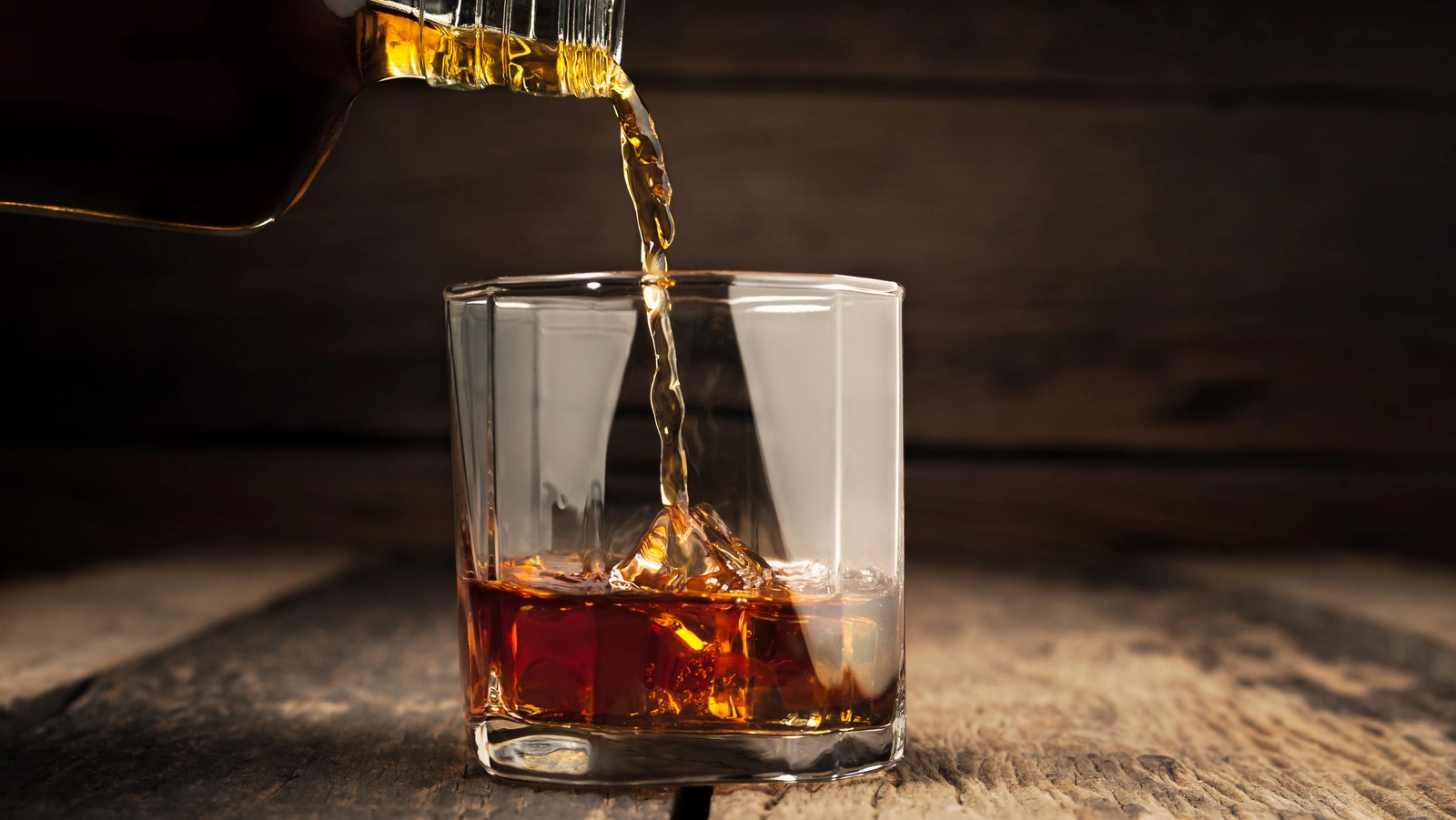
“Yo, ho, ho and a bottle of rum.” This spirited drink, often associated with legendary pirates and sailors navigating the open waters, has also gained immense popularity in cocktails enjoyed on solid ground. From the elegant Dark and Stormy cocktail to the timeless classic Mai Tai, rum appears in countless mixed drinks, celebrated for the sweet flavors it introduces. Though the dark spirit itself isn’t overly sweet, it blends harmoniously with sugary mixers, primarily due to its origins. One intriguing fact about rum is that its primary ingredient is sugar cane.
Indeed, many components used in rum production originate from sugar cane, including raw cane juice, syrup, cane sugar, and molasses. The journey from sugar cane to a bottle of rum involves harvesting the plant, which is then quickly ground to extract cane juice, followed by a thorough fermentation and distillation process.
For more insights, explore 18 Unusual Craft Cocktail Ingredients You Should Try At Least Once.
Although it might seem logical to think that rum contains a substantial amount of sugar due to its cane origins, the truth is that distilled rum has zero grams of sugar owing to the fermentation process. Typically, making rum involves transforming cane juice into molasses which is fermented by mixing with water and yeast. During this process, the sugar cane products are heated and eventually turned into alcohol. Following this, the liquid is distilled, matured, and bottled for consumers to relish.
While pure distilled rum is devoid of sugar, many flavored rums available in stores, such as coconut Malibu and raspberry Bacardi, do harbor sugars from added artificial flavorings and sweeteners. Additionally, rum cocktails often feature high sugar content due to mixers like fruit juices and seltzers, which typically contain significant amounts of sugar. Fortunately for those who enjoy rum-based cocktails, the myth surrounding sugary drinks and severe hangovers has been proven false. However, it is important to note that the sweetness in these drinks can mask the bitter taste of alcohol, leading to overconsumption and potentially stronger hangovers.
If you’re looking for more culinary insights, join our free newsletter which guides countless food enthusiasts, like yourself, on the journey to becoming culinary experts, one email at a time.
Explore the original piece on Food Republic for more information.
Explore RiNo’s Best New Murals, Whiskey Fest, and Exciting Events in Denver!
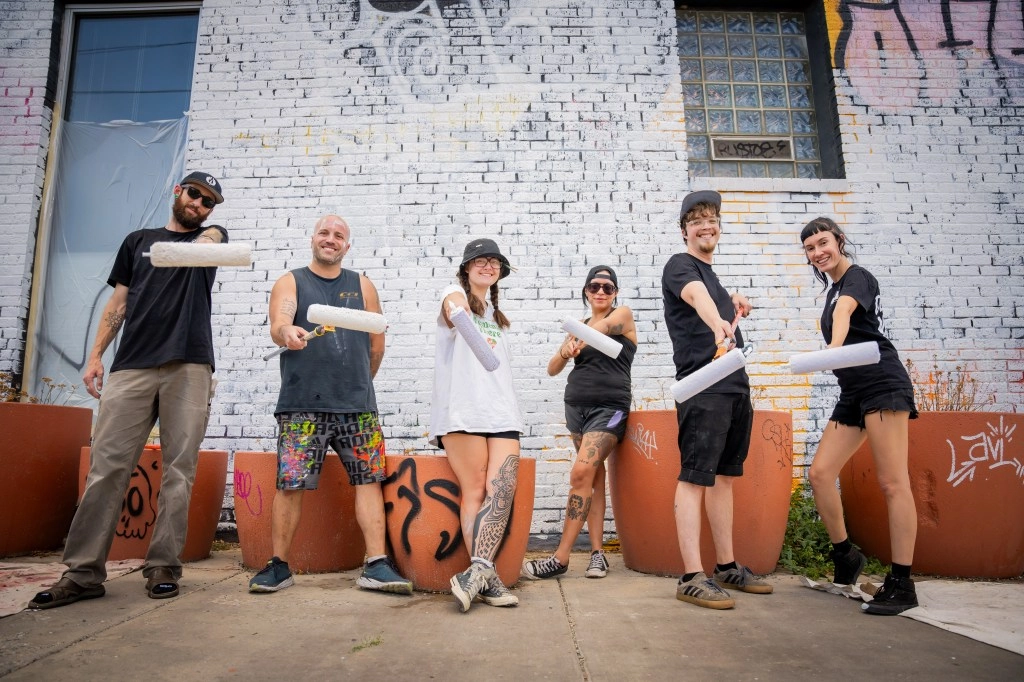
Through Saturday. A weekend of hot, sunny weather is expected for the Denver Walls mural festival, making it a perfect opportunity to enjoy the outdoors. This event brings together muralists from Denver as well as artists from various parts of the U.S. and around the world. In addition to live painting sessions, attendees can explore an interactive map that guides them through the festival in a scavenger hunt format, offering digital rewards along the way.
The festivities also include a free block party and skateboard competition at RiNo ArtPark on the closing night, Saturday, Oct. 5, which is open to everyone. An afterparty at No Vacancy (also free and open to the public) will take place, alongside a gallery exhibition that delves into the history of graffiti at RedLine. The festival’s activities on Friday, Oct. 4, will focus on project mapping, as indicated on the official website.
Beginning on Oct. 2, the festival runs through Saturday, Oct. 5, at various venues in the River North Art District. denverwalls.com — John Wenzel
Saturday. Enthusiasts of whiskey will gather at The Brighton this weekend, where more than 200 distinct spirits will be available for tasting. Distilleries from across the nation will join in to showcase their finest offerings.
Notable brands you won’t want to miss include Uncle Nearest Whiskey from Tennessee, Balcones Distilling from Texas, along with local favorites like Laws Whiskey House and Old Elk. Attendees will have the opportunity to explore the subtle differences between a variety of bourbon pours, enjoy flavored whiskies, and sample cocktails specially crafted by the participating companies at the festival. The ticket includes unlimited samples, so be sure to plan for a safe journey home.
The event, known as Whiskey Riot, is scheduled to happen at 3403 Brighton Blvd. in Denver, from 3 to 7 p.m. on Saturday, October 5. Ticket prices are $90 for general admission or $120 for VIP access at whiskeyriot.com/buy-tickets. — Tiney Ricciardi
Thursday. A fascinating new exhibit called “Where Is Denver’s Chinatown? Stories Remembered, Reclaimed, Reimagined” is set to launch on Thursday, October 10, at History Colorado Center. This exhibit delves into the history and evolution of the city’s long-vanished Chinatown, located in what is now Lower Downtown, featuring historical narratives, artifacts from the museum’s collection, and artistic interpretations of the area.
This includes a detailed recreation of a typical home from a time when the neighborhood was among the most diverse in the late 19th and early 20th centuries, as well as insights into the racism and violence faced by its residents. The museum operates daily from 10 a.m. to 5 p.m. at 1200 Broadway in Denver. Admission is $15 for adults, while children 18 and under can enter for free. historycolorado.org — John Wenzel
Saturday. The new Groundworks Arts Lab is set to provide a cutting-edge creative space when it opens its doors on Saturday, Oct. 5, in Boulder. This expansive 12,500-square-foot structure, located at 3750 Canfield St. in the city’s northeast, will feature a programming area, a central gallery, and a private rooftop deck perfect for events, showcasing stunning mountain views, as detailed in a press release.
This facility serves as the main hub for a program that currently conducts classes at two other sites. Participants will have the opportunity to explore materials such as clay, metal, glass, print, and wood as Groundworks integrates its previous Studio Arts Boulder and Pottery Lab operations under one name.
An inclusive community open house is scheduled for 2-7 p.m. on Saturday, with a formal ceremony at 5 p.m. Local residents are invited to RSVP via eventbrite.com or facebook.com/groundworksartlab. — John Wenzel
Poway Fall Festival: Enjoy a Delightful Beer & Wine Garden, Food, and Entertainment!

The 2024 Poway Fall Festival is set to embrace the spirit of autumn with an array of food trucks, a Beer & Wine Garden, engaging music, and lively entertainment on Sunday, October 6.
This delightful event, which is free to attend, will take place from 10 a.m. to 5 p.m. on Midland Road, stretching from Poway Road to Hilleary Place.
The Beer & Wine Garden will feature refreshing drinks from AleSmith Brewing Company, The Hop Stop, Barrel Riot craft wine, and Bernardo Winery. Located at the southern end of the festival near the main stage, this year will see an increase in seating to better serve food and beverage patrons.
For the younger attendees, a Kids Fun Zone will offer jumps and slides. Each activity will be available for a fee of $10, but an unlimited all-day pass can be purchased for $30.
The upcoming event will showcase a classic car exhibition alongside a fire engine display, where attendees can meet firefighters and Sheriff’s personnel featured in a Community Heroes area located at the north end of the event.
Organized by the Poway Chamber of Commerce, this gathering is one of their primary fundraising activities of the year.
Mike Leland, President and CEO of the Chamber, mentioned that the funds raised during the festival support the Chamber’s operations, including various community activities.
“As we improve our financial standing, we are eager to reinvest more resources back into the community,” Leland shared. “We are experiencing significant growth and attracting many new members. Word is spreading about the quality of our events, and we are committed to maintaining that standard.”
Here is a preliminary schedule for the Community Stage:
To learn more, check out Poway.com, where you’ll find events listed on the Events Calendar.
20 Essential Vodka Cocktails to Celebrate National Vodka Day
Ketel One Espresso Martini
October 4th marks National Vodka Day, presenting a fantastic opportunity to delve into the remarkable versatility of this beloved spirit. Thanks to its clean and neutral taste, vodka seamlessly complements a myriad of cocktails, catering to both traditionalists and adventurers alike. From straightforward combinations to inventive concoctions, these vodka-based cocktails are perfect for your celebration.
Vodka significantly leads the spirits market, accounting for nearly one-third of all sales, as noted by the Distilled Spirits Council. A substantial contributor to this trend is the rise of flavored vodkas, which now occupy around 21% of the market share. These diverse flavors—ranging from zesty citrus and rich vanilla to bold spicy infusions—offer enthusiasts even more ways to savor vodka.
If you’re eager to spice up your go-to cocktail or venture into something fresh, these beverages encourage your creativity.
Five-Star Gold Martini from The Setai Miami Beach
Miami Beach blends unique ingredients such as Louis XIII Cognac and Inniskillin Ice Wine, creating a lavish delight with a touch of glamour. This extravagant martini is the perfect indulgence.
Ingredients:
Instructions: Combine all ingredients in a mixing glass. Add ice and stir until thoroughly chilled. Strain into a coupe glass. Top with a light dusting of 24-carat edible gold flakes for an elegant presentation.
Wingman Collins
This contemporary variation of the traditional Tom Collins combines minty tea and lemon, delivering an invigorating explosion of taste.
Ingredients:
Instructions: Combine all ingredients in a shaker with ice. Strain into a Collins glass filled with fresh ice, add club soda on top, and finish with a garnish of lemon and a cherry.
New Amsterdam Vodka
This invigorating take on the classic Moscow Mule marries the zesty kick of ginger beer with the smoothness of New Amsterdam vodka and a hint of lime. Quick and simple to prepare, this cocktail is ideal for both a cozy night at home and a relaxed gathering with friends. The refreshing mint and lime garnish adds a vibrant touch, making the flavors even more delightful.
Ingredients:
Instructions: Combine the ingredients in a mule mug filled with ice, stirring to blend and chill. Finish off by garnishing with lime and mint.
Cosmos from Pegasus Distillerie
This classic, fruity cocktail delivers an ideal harmony of sweetness and tartness, enhanced by a hint of lime that pairs beautifully with cranberry and vodka.
Ingredients:
Instructions: Combine all ingredients in a shaker with ice and shake until thoroughly chilled. Strain into a pre-chilled martini glass. Finish with a twist of lime peel and a dusting of lime zest.
Blackberry Sage
A rich and fruity cocktail with a hint of earthiness from the sage, balanced by the brightness of lemon juice and bubbles.
Ingredients:
Instructions: Shake vodka, lemon juice, and syrup with ice. Strain into a glass, top with champagne, and garnish with baby’s breath.
For Blackberry Sage Syrup: In a bowl, mix one cup of blackberries, one cup of sugar, and fresh sage. Allow the mixture to sit for over 30 hours, then strain and store.
Spicy Tamarita from Smirnoff
This cocktail offers more than just a typical margarita experience. The addition of tamarind imparts a delightful tang, while lime juice and agave provide a harmonious balance. A touch of heat from the jalapeño garnish adds liveliness without being too intense. If you’re someone who enjoys spice, this drink is a thrilling way to enhance your palate—especially with a Tajin rim for that added zing.
Ingredients:
Instructions: Combine all the ingredients in a cocktail shaker and shake well. Strain the mixture into a double old fashioned glass filled with fresh ice. Add your favorite garnish and enjoy.
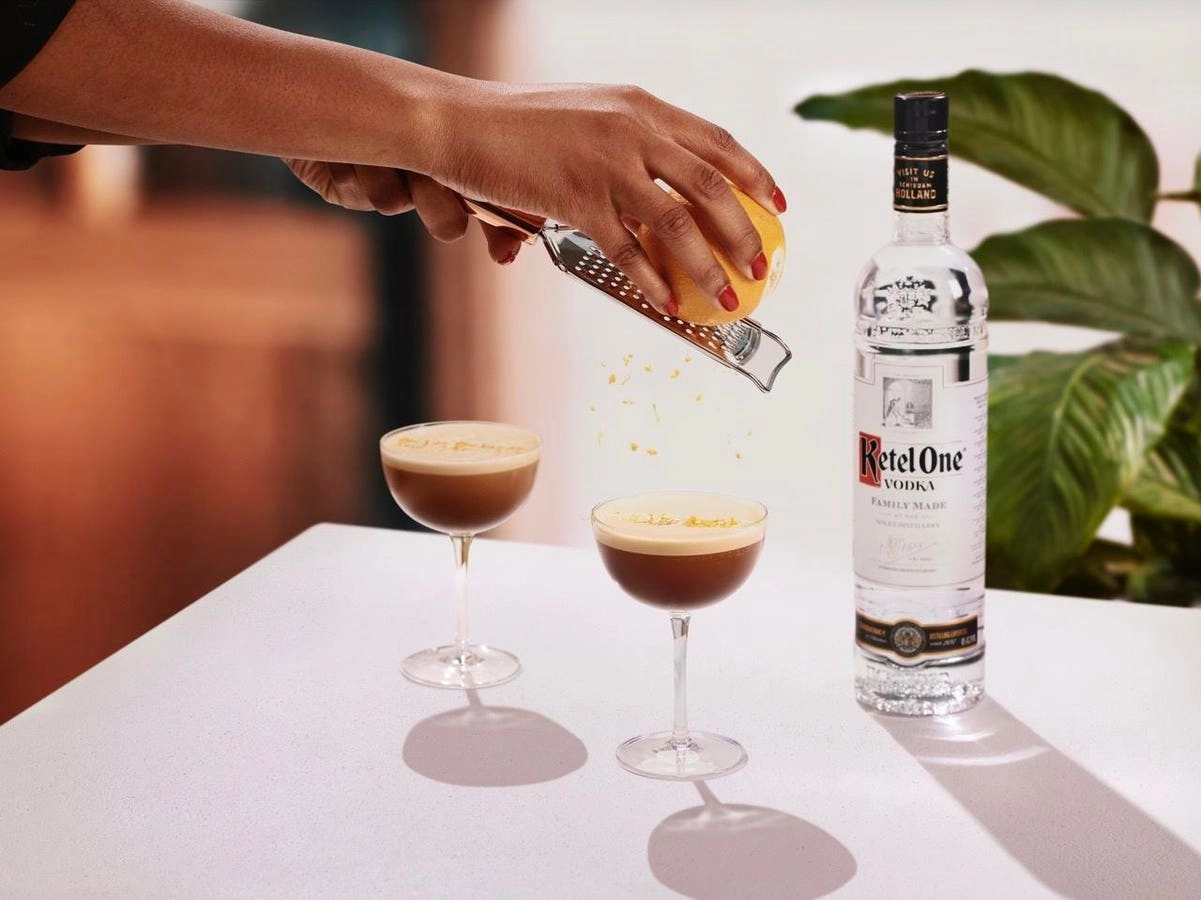
Ketel One Espresso Martini
This espresso martini is both rich and smooth, making it an ideal choice for coffee enthusiasts seeking an invigorating cocktail experience. Featuring a harmonious mix of vodka, espresso, and coffee liqueur, it offers robust flavors balanced perfectly with a hint of sweetness.
Ingredients:
Instructions: Combine all the ingredients in a shaker filled with ice. Shake vigorously and then fine strain into a chilled martini glass. Finish with a garnish of three coffee beans or a twist of orange zest on top.
Pau Maui Vodka
Forget about mimosas and try this delightful brunch cocktail, featuring a zesty kick from apple cider vinegar. The refreshing combination of fresh pineapple and lemon juices perfectly complements the sharpness of the vinegar.
Ingredients:
Instructions: Combine all the ingredients in a shaker tin. Fill the shaker with ice and shake vigorously for 6 to 8 seconds. Strain the mixture over ice cubes or a large rock cube. Add a garnish of fresh cubed pineapple on a skewer (or dried if preferred) and a piece of candied ginger.
Cafe Con Party
This cocktail is perfect for coffee enthusiasts seeking an extra kick. Blending horchata-flavored vodka with the rich notes of cold brew and cinnamon, it serves as a delightful dessert in a glass.
Ingredients:
Instructions: Combine all ingredients in a pint glass. Swizzle with crushed ice until frosty. Garnish with a cinnamon stick and dust with chocolate.
Ginger Passion Fruit Martini
A tropical and spicy martini with hints of cranberry and passion fruit, completed with a sprinkle of chili flakes.
Ingredients:
Instructions: Combine all ingredients with ice and pour into a martini glass. Top with a sprinkle of chili flakes.
Cran-Blackberry Mule from Nixie
This guilt-free mule delivers a spicy ginger kick, complemented by the delightful sweetness of cranberries and blackberries. Ideal for autumn, it offers a refreshing and light experience.
Ingredients:
Instructions: Muddle blackberries in a glass. Stir in cranberry juice, lime juice, and vodka. Finish with Nixie Ginger Ale. Garnish with fresh mint and frozen cranberries.
Grey Goose Martini
Timelessness defines elegance, and a classic Grey Goose Martini embodies this philosophy, presented in a stylish, frosted glass adorned with either a solitary olive or a twist of lemon, showcasing its minimalist charm. The allure of this martini is a reflection of the sophisticated yet subtle fashion aesthetic.
Ingredients
Instructions: Combine Grey Goose, vermouth, and bitters in a cocktail shaker filled with ice. Stir gently and strain into a chilled martini glass. Finish with a twist of lemon as garnish.
Maui Cranberry Orange Spritz
This cocktail offers a lively and tropical twist on the classic spritz, blending the tangy flavor of cranberry juice with the effervescent sweetness of Prosecco.
Ingredients:
Instructions: Fill a wine glass with ice. Pour in vodka, triple sec, and cranberry juice. Stir gently and finish by topping with Prosecco. Add a garnish of orange zest and cranberries.
Sunset Martini by Eunice Silva
This vibrant martini bursts with cherry flavor and offers a refreshing citrus twist, making it the ideal drink to enjoy as the sun sets.
Ingredients:
Instructions: Shake all ingredients with ice, strain into a martini glass, and garnish with a brandied cherry.
Ribbons and Bows Galore from St. Germain
The Ribbons and Bows Galore cocktail is light, floral, and perfect for special occasions. St-Germain elderflower liqueur adds a gentle sweetness that combines beautifully with the crisp vodka base, while a touch of lemon juice keeps the drink feeling fresh. For an elegant touch, consider garnishing with edible flowers. This cocktail is easy to prepare yet offers the sophisticated taste and presentation reminiscent of a high-end bar.
Ingredients:
Instructions: Begin by pouring St-Germain, vodka, freshly squeezed lemon juice, and sugar syrup into a cocktail shaker. Next, add ice to the shaker and shake it vigorously until the mixture is well chilled. Once chilled, fine strain the mixture into a chilled coupette glass. To enhance the drink’s aroma, gently twist a piece of lemon peel over the glass to release its oils and then discard it. Optionally, you can garnish the drink with edible flowers.
Wandering No.9 by Derrick Turner
This cocktail presents a delightful blend of tropical and floral notes, featuring the exotic tastes of lychee, coconut, and hibiscus, beautifully accented with the striking color of butterfly pea tea.
Ingredients:
Instructions: Combine all ingredients with ice, then strain into a rocks glass filled with fresh ice, and finish off with a garnish of crushed hibiscus flowers.
One Community. Many Voices. Sign up for a free account to voice your opinions.
Our community aims to unite individuals through open and meaningful discussions. We encourage our readers to express their perspectives and share insights in a supportive environment.
To facilitate this, please adhere to the guidelines outlined in our site’s Terms of Service. Below are some of the key rules summarized. In essence, maintain a respectful tone.
Your submission may be denied if it appears to include:
User accounts could be suspended if we suspect or find evidence of users participating in:
So, what steps can you take to become a power user?
We appreciate you taking the time to review our community guidelines. For a comprehensive overview of posting rules, please refer to the complete list in our site’s Terms of Service.
Why You Should Add the Caribbean Food and Wine Festival to Your Fall Travel Itinerary
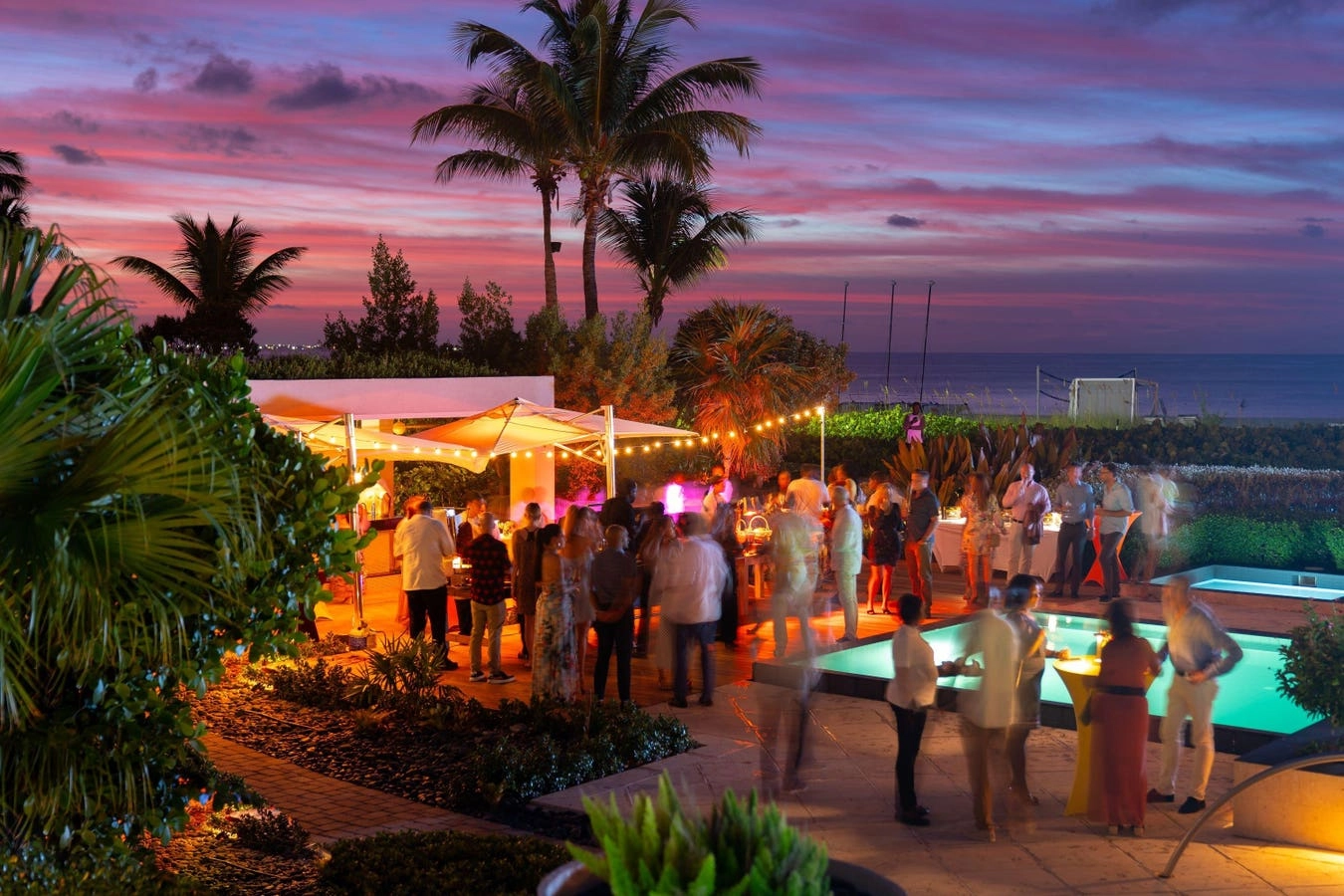
The 14th annual Caribbean Food & Wine Festival is set to return to the beautiful Turks & Caicos this November.
Across the Caribbean, resorts and hotels are starting to highlight attractions that go beyond their powdery white beaches and crystal-clear waters. Recently, culinary festivals and gastronomic events have emerged from Dominica to Trinidad, showcasing a delightful blend of local dishes and renowned chefs from around the globe. However, one particular island has been ahead of the curve, hosting food and wine festivals long before the trend took off.
This November, Grace Bay Club, a high-end resort located in Providenciales, will celebrate its 14th annual Caribbean Food & Wine Festival. This premier event includes an array of local and international culinary talent, featuring award-winning chefs and winemakers in a vibrant culinary celebration set against the backdrop of one of the world’s most breathtaking beaches. The festival is scheduled for November 7 – 10, 2024, with tickets available for purchase on their website.
Each year, a portion of the festival’s proceeds is contributed to the Turks & Caicos Islands Community College. The previous year’s festival generated sufficient funds to enable a group of students to travel to South America for training and cultural immersion.
Chef Nikita Skippings recently hosted an engaging walkabout event at his establishment, Crackpot Kitchen, where he showcased the rich flavors of traditional Turks & Caicos cuisine.
“As proud community partners, we at Grace Bay Resorts are delighted to support the local Turks & Caicos Islands Community College with a portion of the proceeds from this event,” stated Nikheel Advani, COO and principal of Grace Bay Resorts, and co-chairman of the Caribbean Food & Wine Festival committee, in a press release.
“With more award-winning culinary and beverage experts than ever participating, this year’s Caribbean Food & Wine Festival is set to be an extraordinary celebration, highlighting the finest cuisine with a delightful Caribbean twist.”
This year’s festival will showcase Phillip Frankland Lee and Margarita Kallas-Lee from Scratch Restaurants, renowned for their unique Sushi by Scratch omakase experience, alongside chef Adrianne Calvo from Chef Adrianne’s Vineyard Restaurant and Bar. They will join chefs from the Grace Bay Resorts properties to partake in wine pairing events, special dinners, and the widely celebrated Sunday Brunch. Additionally, a complimentary Culinary Trends Symposium will take place at South Bank Ocean Estate, which will also be accessible online for those unable to attend in person in Turks & Caicos.
The festival draws a diverse crowd, featuring attendees from the U.S. and Canada, alongside regular visitors from nearby Caribbean islands who have joined in over the years. This creates an atmosphere that stands apart from typical food and wine festivals in North America. The event radiates elegance and sophistication, yet it also conveys the feeling of enjoying a gathering at a friend’s stunning beachfront home, complete with dishes crafted by acclaimed chefs from around the globe.
At the Caribbean Food & Wine Festival, local tastes blend seamlessly with international dishes crafted by world-renowned chefs.
“The Caribbean Food & Wine Festival is a distinct tribute to our vibrant culinary heritage here in the Caribbean,” shares Olivier Hilton, executive chef of Point Grace. “We are excited to present global flavors in our tropical haven, yet the true essence of the festival is in showcasing the lively and diverse traditions of Caribbean cuisine. From fresh, locally sourced seafood to our bold spices and age-old cooking methods, this festival allows us to celebrate the flavors that make the Caribbean unique and present them prominently for our guests.”
Last year, chef Nikita Skippings hosted an energetic walkabout event at Crackpot Kitchen, his establishment that exemplifies Caribbean culinary culture. Chef Nikita serves as the culinary ambassador of Turks & Caicos and is also the host and producer of the Crackpot Kitchen Cooking Show, the premiere televised cooking program in the nation. Attendees enjoyed local delicacies such as fresh conch salad, crack conch fritters, curry goat, chicken souse, and more, all accompanied by the lively ambiance of carnival festivities along with traditional music and dance acts.
This year’s festival will feature an exciting highlight known as the Gourmet Safari, offering a unique dining journey across five stunning locations in Turks & Caicos. The experience begins with the first course at Coyaba, continues to the second course at Grace’s Cottage, moves on to the main course at The Palms, followed by dessert at Wymara, and concludes with cocktails at Rock House.
Olivier Hilton, the executive chef of Point Grace, is among the talented chefs contributing to the festival.
The event will showcase exquisite wines from Oregon’s Ken Wright Cellars, alongside Veuve Clicquot Champagne and creative cocktails from The Macallan for the opening cocktail party. Attendees are encouraged to savor the local Turks Head beers and Bambarra Rum at the newly redesigned Infinity Bar, known as the longest bar in the Caribbean.
Beyond the culinary delights of the Caribbean Food & Wine Festival, guests will have the opportunity to explore new developments within the Grace Bay Resorts portfolio, which includes an innovative beach club concept named Offshore and the debut of South Bank, the latest residential resort on the island.
“The Caribbean Food & Wine Festival is about inspiring the next generation in our field,” chef Hilton shares. “This event not only captures attention but also provides chefs the chance to educate and mentor our junior chefs on the finest offerings of the Caribbean. Furthermore, it allows us to reach out to the entire island and the world through the positive media attention it garners.”
The atmosphere at the Caribbean Food & Wine Festival is friendly and laid-back, set in a stunning tropical backdrop.
Each year, the festival draws more international talent, but most importantly, it provides local culinary students a unique opportunity to enhance their skills by preparing and serving dishes crafted by both local and guest chefs.
“I anticipate the event will continue expanding and improving with each iteration, and I always look forward to creating something innovative or adding my unique touch to a traditional dish whenever the CFWF takes place,” Hilton states.
The Caribbean Food & Wine Festival is set to be held from November 7 to 10, 2024, in Providenciales, Turks & Caicos. Tickets and packages are currently available, click here to view the schedule for more information.
One Community. Many Voices. Create an account for free to express your opinions.
Our community aims to connect individuals through open and meaningful discussions. We encourage our readers to voice their thoughts and share ideas and information in a welcoming environment.
To facilitate this, please adhere to the posting guidelines outlined in our site’s Terms of Service. We’ve highlighted some key guidelines below. In summary, please maintain a civil tone in your interactions.
Your submission may be denied if it includes any of the following:
User accounts may be suspended if there are indications or suspicions of users participating in:
What steps can you take to become a power user?
We appreciate your attention to our community guidelines. For a complete overview of our posting rules, please consult our site’s Terms of Service.
The Rum to Skip: Expert Insights on the Best Choices at the Liquor Store
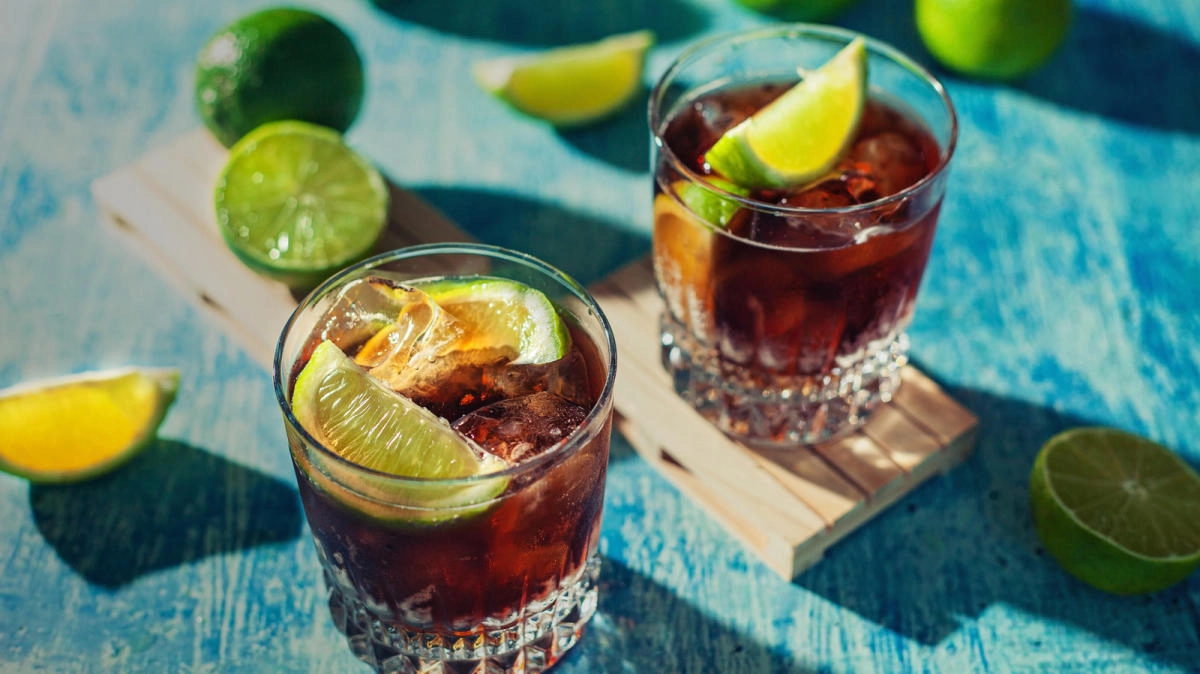
The market is filled with flavored rums, ranging from the tropical fruitiness of Malibu to Kirkland’s spiced rum. For many, these sweet options represent their first foray into the world of rum and often encompass all they know about this spirit. However, Robyn Smith, the founder of rum et al and This Blog’s NEAT, suggests that rum enthusiasts should steer clear of sugary offerings. “Personally, I don’t choose to drink spiced or flavored rums, as they are usually too sweet and overshadow the intricacies that make rum fascinating,” Smith explains.
Given that rum originates from sugarcane molasses, many people mistakenly believe that it is fundamentally sweet. This isn’t necessarily true; during fermentation, yeast consumes the sugars in the liquor, effectively stripping away any inherent sweetness. The notion of rum being overly sweet likely stems from the popularity of flavored varieties that contain added sugar. For those eager to explore rum’s authentic flavor notes, which can range from vanilla and molasses to more grassy or funky elements, it’s advisable to avoid bottles with artificial flavorings.
For further reading: 13 Types Of Beer Glasses And When To Use Them
If you’re fond of spiced rum but wish to try a less sugary alternative, there are several options available. An example is Goldstone’s Spiced Rum, which forgoes added sugar or the processed form of vanilla known as vanilla essence. Instead, this spirit derives its flavor from a mix of spices like ginger, clove, and orange peel, along with real vanilla bean, resulting in a more refined and balanced taste experience.
Numerous rums are celebrated for their spicy profiles even if they don’t fall under the spiced rum category. For instance, Smith & Cross Traditional Jamaican Rum stands out with only a hint of sweetness and no added sugar. With flavors of overripe fruit, oak, and a touch of spicy cinnamon, this rum offers a complex and distinctive taste, providing a delightful experience beyond just a cloying sweetness. The universe of rum is vast, allowing you to explore beyond the added sugars while retaining the spicy and tropical notes that you cherish.
Read the original article on Chowhound.
Dueling Studies Spark Controversy Over Whiskey Fungus at Wiggly Bridge Distillery in York
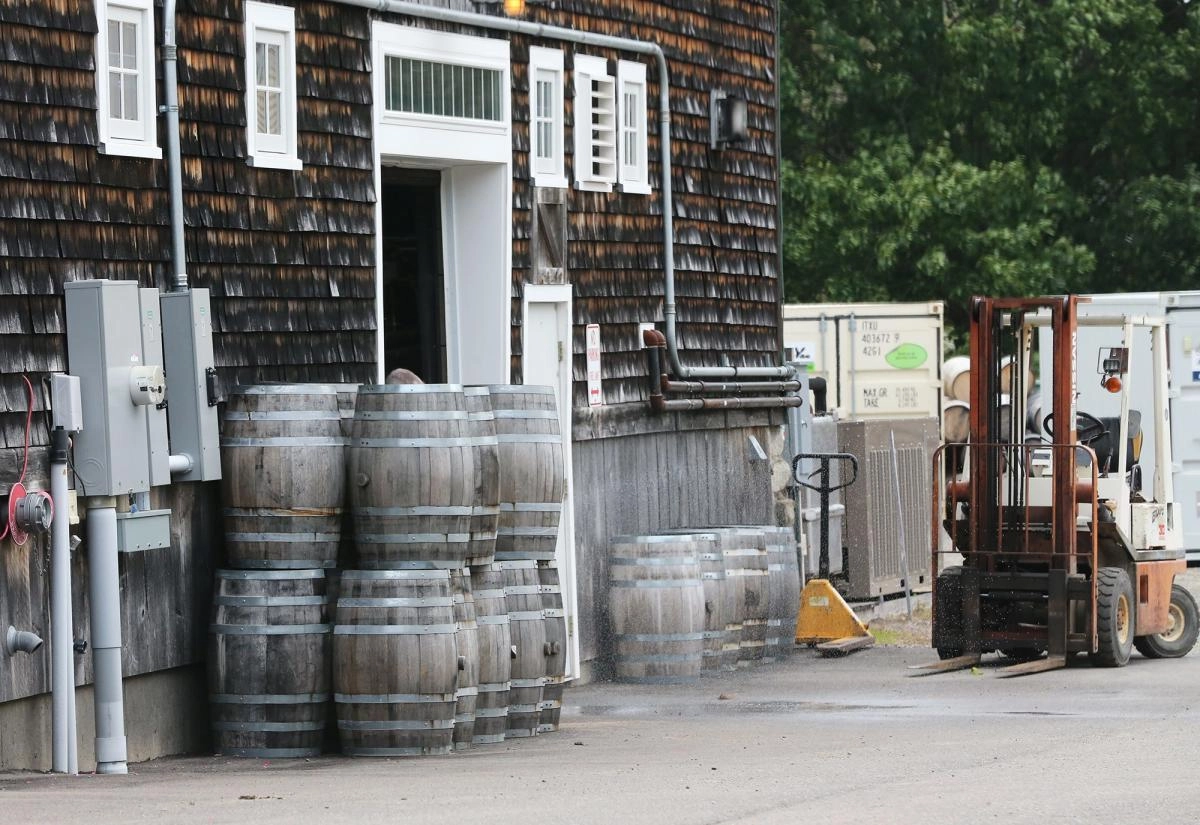
YORK, Maine — Competing studies regarding the presence of whiskey fungus in York have set expert opinions against each other as local efforts aim to block a distillery’s proposed expansion.
A recent report from the Canadian firm Sporometrics, dated September 23, disputes a study funded by Wiggly Bridge Distillery from earlier this year, which asserted that there was no whiskey fungus (Baudoinia) detected via DNA analysis near its location on Route 1. The new report, written by Richard Summerbell, has been presented by residents to the town Planning Board, which is currently evaluating the distillery’s proposed expansion plans.
Summerbell’s findings criticized the study by the University of New Hampshire for allegedly failing to utilize appropriate methods and for not taking into account several factors that might lead to whiskey fungus being overlooked. He characterized the claim that the study’s techniques were dependable as “grossly inaccurate.”
The DNA study commissioned by Wiggly Bridge was carried out by a microbial ecologist at UNH. Serita Frey, the professor who conducted the distillery’s DNA study, has since issued her own letter countering Summerbell’s allegations.
“(Summerbell’s) detailed criticism diverts attention from the absence of DNA-based proof of Baudoinia in York,” Frey mentioned in her reply.
More: York Beach lifeguard chief resigns after ignored calls for action on public drinking
There is growing worry among residents that Baudoinia, a dark fungus that flourishes on ethanol vapors, could proliferate if the distillery’s proposed expansion is granted.
The initial attempt by the distillery to expand was turned down by the Planning Board due to worries regarding the fungus and the town’s vapor emissions regulations. Currently, the distillery is looking to construct a similar storage facility for items other than aging whiskey, along with providing space for a kitchen.
Prior to the DNA study commissioned by the Wiggly Bridge, the town conducted its own study in 2023. This research involved Tora Johnson, a geographer from the University of Maine, who found that Baudoinia was identified using microscopy, suggesting that the distillery was likely the source of the findings.
In contrast, the UNH DNA study led by Frey determined that Baudoinia could not be identified through microscopy and necessitated DNA analysis instead. Amanda Woods, whose husband, David Woods II, along with his father, David Woods, established the distillery, asserted in September that the study offered an “undeniable answer” regarding the presence of whiskey fungus in the vicinity.
A resident named Adam Flaherty, who is an outspoken opponent of the distillery’s expansion, contacted Summerbell from the Ontario-based company Sporometrics following the DNA study’s report, which found no traces of Baudoinia.
“I reached out to (Summerbell) to gain clarity on the DNA report, hoping to understand why the findings could differ so significantly,” Flaherty mentioned. He also noted that he has not incurred any costs for Summerbell’s response thus far.
Summerbell pointed out a critical flaw in Frey’s report: the lack of a proper positive control. He contended that Frey’s choice of a “known fungal standard” as a positive control implied that any fungus could be randomly chosen.
“This is unreasonable,” Summerbell remarked. He emphasized that positive controls should consist of a field-collected sample that has been demonstrated to contain Baudoinia.
Summerbell observed that certain technical biases could obscure the detection of specific fungal community members while exaggerating the prominence of others, especially when employing methods akin to those in the Frey study. He highlighted several potential biases in Frey’s testing methodology, including DNA extraction bias, which suggests that some fungal materials might not release their DNA in proportion to how abundant they are.
Summerbell expressed that the sample sites were “far from optimal” for discovering Baudoinia. He noted that many of the organisms that were prominently detected had names that seemed “so implausible as alternative explanations for Baudoinia-like growth that, to the mycologist, the data… appear to function as an inadvertent smokescreen obstructing explanation of the original Baudoinia findings.”
Summerbell disputes the assertion that Baudoinia is untraceable through microscopy. He pointed out that Baudoinia is the unique fungus capable of starting blackening colonization on surfaces such as a glass tabletop or the windows and rooftops of cars when exposed to airborne ethanol from dewfall.
Community members have posted photographs showing dark substances on the sides of buildings in proximity to the distillery, including the nearby REMAX building.
More: Lawyer weighs in on whether York should buy Long Sands Beach for $4M
Amanda Woods mentioned that Wiggly Bridge received a reply regarding Frey’s DNA study from Flaherty the evening prior to the Planning Board meeting on September 27.
According to her, Frey responded to Summerbell’s critique within a day.
In his review, Frey emphasized that Summerbell’s own acknowledgment that microscopy alone is insufficient for the definitive identification of Baudoinia is the key takeaway.
Frey pointed out that Summerbell had not traveled to York while evaluating her study. She argued that Summerbell’s claim regarding the flawed positive controls in her research demonstrated his understanding was not in line with the current advancements in environmental metabarcoding.
Additionally, Frey contended that it was inconsistent to argue that a positive control must be a field-sourced Baudoinia sample when the objective of the study is to demonstrate the absence of Baudoinia. During their sampling expedition in York, she noted they observed no locations showing clear signs of extensive colonization by the “sooty mold” growth typical of Baudoinia.
“He appears to imply that to demonstrate the absence of Baudoinia at a certain location, one must first have gathered and recognized Baudoinia from that location,” Frey stated. “This is, in our view, evidently illogical and unscientific.”
Members of the Planning Board indicate that they do not plan to address the whiskey fungus reports during their discussions, as the present application does not pertain to the storage of aging barrels. The board made no determination regarding the suggested expansion and postponed the application to a subsequent meeting.
During public commentary on Sept. 27, Flaherty and other residents urged the Planning Board to reject the proposed expansion. He voiced concerns that the town should look into whether the distillery is breaching local vapor emissions regulations.
The code enforcement office responded with “no” when inquired if there was a violation, in an email presented to the Planning Board. Town planner DeCarlo Brown clarified in the Thursday meeting that “no” only indicated that a violation was not present at that moment but did not confirm whether the town has conducted any further investigations.
At the same time, Wiggly Bridge and its surrounding community are voicing their concerns about a citizen petition that will be on the ballot on November 5, which aims to impose new restrictions on the locations of distilleries. The proposed ordinance would mandate that distilleries must be at least 400 feet away from residential units and situated on a minimum of 25 acres of land.
In response, Wiggly Bridge has initiated a counter campaign against this petition, even organizing a launch event at their historic barn facility on Sunday, where they distributed signs to supporters. They have referred to the petition as a direct assault on local businesses.
“This ordinance is not simply detrimental to us,” stated the business in a press release. “Such a referendum poses a threat to small businesses everywhere.”
This article originally appeared on Portsmouth Herald: Dueling studies clash: Wiggly Bridge Distillery whiskey fungus debate
20 Irresistible Vodka Cocktails to Celebrate National Vodka Day
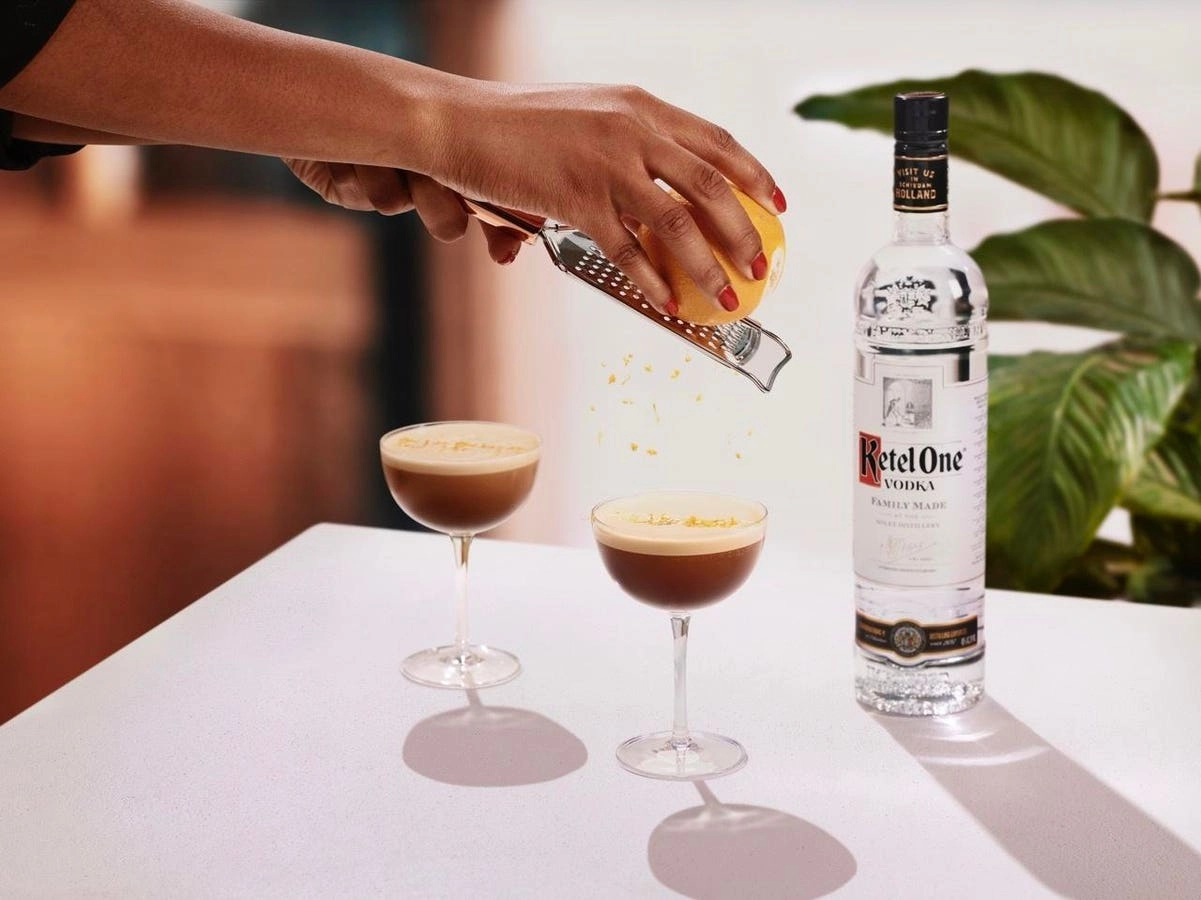
Ketel One Espresso Martini
October 4th marks National Vodka Day, providing an excellent opportunity to delve into the versatility of this beloved spirit. With its clean and neutral flavor, vodka seamlessly blends into a wide range of cocktails, whether you’re inclined towards traditional recipes or eager to experiment with fresh concoctions. From straightforward mixers to imaginative creations, these vodka cocktails will enhance your celebration.
Vodka reigns supreme in the spirits industry, accounting for nearly one-third of all sales, as reported by the Distilled Spirits Council. This success is significantly fueled by the rising trend of flavored vodkas, which now capture around 21% of the market share. With options that vary from spicy blends to zesty citrus and decadent vanilla, these flavored vodkas offer consumers diverse ways to savor this spirit.
Whether you’re aiming to put a spin on a classic cocktail or wish to discover a new favorite, these beverages simplify the process of getting creative.
Five-Star Gold Martini from The Setai Miami Beach
Located in Miami Beach, this exquisite cocktail features a blend of rare components such as Louis XIII Cognac and Inniskillin Ice Wine, creating an indulgent experience with a glamorous flair. This lavish martini is truly a delight.
Ingredients:
Instructions: Combine all ingredients in a mixing glass. Add ice and stir until well chilled. Strain into a coupe glass. For a luxurious touch, garnish with a sprinkle of 24-carat edible gold flakes.
Wingman Collins
This contemporary take on the traditional Tom Collins combines refreshing mint tea and zesty lemon for a vibrant flavor experience.
Ingredients:
Instructions: Combine all ingredients in a shaker with ice. Strain into a Collins glass filled with fresh ice, add club soda on top, and finish with a garnish of lemon and a cherry.
New Amsterdam Vodka
This invigorating take on the traditional Moscow Mule combines the zesty kick of ginger beer with the smoothness of New Amsterdam vodka and a hint of lime. Quick to prepare, this cocktail is perfect for both a cozy night in and a laid-back gathering with friends. The addition of mint and lime as garnishes adds a refreshing touch, making the flavors delightful to savor.
Ingredients:
Instructions: Combine the ingredients in a mule mug filled with ice and stir to mix and chill. Finish off with a garnish of lime and mint.
Cosmos from Pegasus Distillerie
This classic, fruity cocktail presents an ideal blend of sweetness and tartness, enhanced by a splash of lime that pairs beautifully with the cranberry and vodka.
Ingredients:
Instructions: Combine all ingredients with ice and shake until thoroughly chilled. Strain the mixture into a chilled martini glass. Finish with a twist of lime peel and a dash of lime zest for garnish.
Blackberry Sage
A rich and fruity cocktail with a hint of earthiness from the sage, balanced by the brightness of lemon juice and bubbles.
Ingredients:
Instructions: Shake vodka, lemon juice, and syrup with ice. Strain into a glass, top with champagne, and garnish with baby’s breath.
For Blackberry Sage Syrup: In a bowl, mix one cup of blackberries, one cup of sugar, and fresh sage. Allow it to sit for over 30 hours, then strain and store the syrup.
Spicy Tamarita from Smirnoff
This is not your typical margarita—the addition of tamarind provides a tangy edge, while lime juice and agave harmonize the flavors perfectly. A dash of heat from a jalapeño garnish adds liveliness without overwhelming the palate. If you enjoy a bit of spice, this cocktail offers a delightful way to enhance the flavor, all topped off with a Tajin rim for an extra burst of zest.
Ingredients:
Instructions: Combine all the ingredients in a cocktail shaker. Strain the mixture into a double old fashioned glass filled with fresh ice. Add a garnish and serve immediately.
Ketel One Espresso Martini
Experience a luxurious and velvety espresso martini, ideal for coffee enthusiasts seeking a spirited twist in their drink. This cocktail, featuring vodka, espresso, and coffee liqueur, offers intense flavors balanced with a hint of sweetness.
Ingredients:
Instructions: In a shaker filled with ice, combine all ingredients. Shake thoroughly and strain into a chilled martini glass. For garnish, place three coffee beans or some orange zest on top.
Pau Maui Vodka
Skip the mimosas and try this delightful brunch cocktail that introduces a zesty twist with apple cider vinegar. The fresh juices from pineapple and lemon create a bright blend that perfectly counterbalances the tang.
Ingredients:
Instructions: Combine all ingredients in a shaker tin. Add ice to the shaker and shake vigorously for 6 to 8 seconds. Strain the mixture over ice cubes or a large rock cube. Garnish with a fresh cubed pineapple on a skewer (or dried, if preferred) and a piece of candied ginger.
Cafe Con Party
If you enjoy coffee with a twist, this cocktail featuring horchata-flavored vodka serves as a delightful dessert in a glass, boasting the luscious flavors of cold brew and cinnamon.
Ingredients:
Instructions: Combine all ingredients in a pint glass. Swizzle with crushed ice until frosty. Garnish with a cinnamon stick and dust with chocolate.
Ginger Passion Fruit Martini
A tropical and spicy martini with notes of cranberry and passion fruit, finished with a sprinkle of chili flakes.
Ingredients:
Instructions: Shake all ingredients with ice and serve in a martini glass. Garnish with chili flakes.
Cran-Blackberry Mule from Nixie
This zero-sugar mule delivers a bold ginger kick while harmonizing the sweetness of cranberries and blackberries. Ideal for the fall season, it’s both light and refreshing.
Ingredients:
Instructions: Muddle blackberries in a glass. Incorporate cranberry juice, lime juice, and vodka. Finish with Nixie Ginger Ale. Adorn with fresh mint and frozen cranberries.
Grey Goose Martini
Elegance is timeless, just like a classic Grey Goose Martini, presented in a smooth, frosted glass along with a solitary olive or a twist of lemon, embodying minimalist sophistication. The straightforwardness of the martini echoes the chic yet subtle fashion trend.
Ingredients
Instructions: Combine Grey Goose, vermouth, and bitters in a cocktail shaker filled with ice. Stir thoroughly and strain into a chilled martini glass. Finish with a twist of lemon as a garnish.
A refreshing tropical twist on a spritz, this cocktail blends the tangy flavor of cranberry juice with the effervescent sweetness of Prosecco.
Ingredients:
Instructions: Fill a wine glass with ice. Pour in vodka, triple sec, and cranberry juice. Stir gently and finish with Prosecco. Garnish with orange zest and cranberries.
Sunset Martini by Eunice Silva
A vibrant, cherry-driven martini with a refreshing citrus kick, ideal for enjoying at sunset.
Ingredients:
Instructions: Shake all ingredients with ice, strain into a martini glass, and finish with a brandied cherry as a garnish.
Ribbons and Bows Galore from St. Germain
The Ribbons and Bows Galore cocktail offers a light and floral experience, making it a wonderful choice for special celebrations. The St-Germain elderflower liqueur adds a gentle sweetness that complements the crisp vodka foundation, while a touch of lemon juice delivers a refreshing zing. For an extra touch of sophistication, consider garnishing with edible flowers. This cocktail is easy to prepare, yet it presents and tastes as if crafted by a skilled bartender at a high-end bar.
Ingredients:
Instructions: Begin by combining the St-Germain, vodka, freshly squeezed lemon juice, and sugar syrup in a cocktail shaker. Add a generous amount of ice and shake the mixture vigorously until it reaches a nice chill. Once chilled, fine strain the cocktail into a cool coupette glass. To enhance the aroma, gently twist a piece of lemon peel over the drink to release its oils, then discard the peel. Optionally, finish with a garnish of edible flowers.
Wandering No.9 by Derrick Turner
This cocktail blends tropical and floral elements with the exotic tastes of lychee, coconut, and hibiscus, resulting in a captivating hue derived from butterfly pea tea.
Ingredients:
Instructions: Combine all ingredients with ice, then strain into a rocks glass filled with fresh ice. Finish by garnishing with crushed hibiscus flowers.
One Community. Many Voices. Create a complimentary account to express your opinions.
Our community focuses on connecting individuals through open, considerate conversations. We encourage our readers to voice their perspectives and share ideas in a secure environment.
To facilitate this, please adhere to the posting guidelines outlined in our site’s Terms of Service. Here’s a brief overview of some essential rules: simply maintain a civil discourse.
Your submission may be declined if we detect the following:
User accounts may face suspension if we discover or suspect involvement in any of the following activities:
So, what does it take to become a power user?
We appreciate your attention to our community guidelines. For a comprehensive overview of our posting regulations, please refer to our site’s Terms of Service.
Spooktacular Sips: Halloween Cocktails to Try at Home in Delaware

Although Halloween is still more than a month away, it’s never too early to start arranging this year’s Halloween gathering.
Just in time for the eerie season, these Halloween cocktails offer creative ways to embrace the festive spirit. If Sober October is what you prefer, you can easily modify these recipes into equally delightful non-alcoholic beverages.
Delaware boasts a variety of cocktail bars and breweries that provide drinks inspired by the autumn season.
Here are some recipes to experiment with at home, along with Halloween-themed brews to seek out in Delaware.
Get ready for some delightful Halloween and fall-inspired cocktail recipes that you can try out this season. Additionally, there are options to adjust the recipes for those under 21 or for guests who prefer non-alcoholic drinks.
This adaptable beverage captures the essence of the season while being simple to prepare, blending the characteristic flavors of fall into a choice that’s either spirited or made with orange juice.
Ingredients you’ll need:
Honey
Brown sugar
Pumpkin puree
Lemon juice
Bourbon
Ginger Beer
Lemon Twist
Begin by preparing a rim for your glass using honey and brown sugar. Then, mix together the pumpkin puree, lemon juice, bourbon, and ginger beer in the glass, finishing it off with a twist of lemon. If you prefer a non-alcoholic drink, you can replace the bourbon with orange juice or ginger ale.
If you have a bit of time and want to wow your guests at a Halloween gathering, consider making these fun Jell-O shots. They feature layered colors reminiscent of Halloween and can be made with your choice of vodka or left alcohol-free.
Essential Ingredients:
Packets of gelatin
Jell-O flavors: grape, peach, and melon
Vodka
Sweetened condensed milk
Begin by dissolving the gelatin packets in a saucepan over low heat. While this is happening, prepare the Jell-O flavors of grape, peach, and melon separately, adding vodka to each mixture if desired. For the white layer, combine a cup of the gelatin mixture with the sweetened condensed milk and set it aside. Then, stir half a cup of the gelatin mixture into each of the colored Jell-O vodka mixtures.
Once everything is ready, add one teaspoon of the colored Jell-O to each cup placed in a chilled mini muffin pan. Afterward, put the pan in the freezer for about three minutes until the mixture solidifies. Afterwards, take the pan out and add one teaspoon of the sweetened condensed milk, then return it to the freezer for another three minutes. Repeat this layering process until all colors and mixtures have been used, and finally place it back in the freezer to let them set thoroughly.
This visually striking punch is an ideal treat for a family-friendly Halloween celebration, or an easy-to-enjoy spiked drink for adults while the children go trick-or-treating.
Ingredients required:
1 quart of lime sherbet
1 liter of lemon-lime soda
2.5 cups of pineapple juice
To create this delightful punch, simply measure your ingredients and mix them in a generous punch bowl. Begin by placing scoops of sherbet into the bowl, then proceed to pour in the soda and pineapple juice. For those wanting to elevate the festivities, consider adding your favorite liquor and stir thoroughly!
Embrace the spirit of fall and Halloween with a cocktail that harmoniously combines the sweet and smoky flavors of the season.
Ingredients required:
4 oz. of apple cider
One ounce of whiskey, or a non-alcoholic alternative.
Half an ounce of ginger syrup.
Apple slices and cinnamon sticks for garnish.
A cocktail shaker will be needed for mixing.
Start by filling a cocktail shaker with ice cubes, then add your apple cider, whiskey, and ginger syrup. Shake the blend for about 10 to 15 seconds and strain it into a glass filled with ice. To finish, top off the drink with an orange slice or a cinnamon stick for garnish.
1007 Kings Highway, Lewes and 6152 South Rehoboth Blvd., Milford; www.bigoysterbrewery.com
For those in the downstate area, Big Oyster Brewery is a well-known spot. This year, the brewery expanded by opening a second location in Milford, complementing its original venue in Lewes.
The brewery’s iconic Shuckin’ Pumpkin beer is an ideal choice for those who enjoy the flavors of fall. Often referred to as a “taste of fall”, this beer boasts a 5.5% ABV with hints of spices such as cinnamon, cloves, and nutmeg, paired with rich caramel and dark fruit flavors.
Halloween Guides: Discover your Halloween 2024 shopping guide in Delaware with local happenings, contests, and sales
Dogfish Head
316 Rehoboth Ave., Rehoboth Beach; Visit Dogfish Head
Returning for its 30th year, Dogfish Head’s renowned Punkin Ale is now available in stores. This full-bodied brown ale offers flavors of pumpkin, brown sugar, allspice, nutmeg, and cinnamon, and can be enjoyed on draft or in six-pack formats.
For a limited time, Dogfish Head is offering its Punkin Liqueur. These 375-ml bottles start out as Punkin Ale, which is then distilled and matured in rum barrels, bringing in flavors of oak and molasses. The liqueur is finished off with a blend of spices, along with ginger and vanilla.
The brewery and distillery are also featuring a Fall Variety Pack. This pack contains a 12-pack of four different beers, which include the 60 Minute IPA, SeaQuench Ale, Blue Hen Pilsner, and the new Tasty Traveler Jasmine Rice Lager. The Tasty Traveler is crafted with jasmine rice, lemongrass, wildflower honey, and makrut lime leaf, delivering a light, citrusy, and crisp flavor profile.
586 Milford Harrington Highway, Milford; www.easyspeakspirits.com
EasySpeak Spirits produces 14 cocktails and 19 spirits on-site. The Milford distillery also offers a selection of bar snacks, quesadillas, sandwiches, and main dishes. There are numerous specialty cocktails available at the bar to satisfy your fall cravings, and for an added twist, don’t miss out on the Apple Cider Moscow Mule.
Molly McVety reports on community and environmental matters in Delaware. You can reach her at mmcvety@delawareonline.com. Stay updated with her on Twitter @mollymcvety.
This piece was first published by Delaware News Journal: Halloween cocktails to make, try in Delaware