13 Spooktacular Halloween Cocktails to Brew Up This Season

Get ready for a thrilling selection of Halloween cocktails that are sure to elevate your spooky festivities. Whether you prefer haunting shooters or ghostly punches, these drink recipes will help you cast a spell over your guests.
Prepare to infuse some enchanting vibes into your upcoming Halloween party with these chilling cocktail recipes crafted by skilled bartenders from fabulous locations. With a mix of dark, enigmatic ingredients and bright autumnal hues, these drinks will captivate your attendees and keep the excitement flowing throughout the evening.
Every cocktail comes with its own unique background—drawing inspiration from ancient myths to exclusive mixes from renowned bars worldwide. Here’s your essential guide to 13 simple Halloween cocktail ideas for your eerie celebrations.
A striking red cocktail adorned with a blood orange garnish, ideal for embracing the ghostly glow of moonlight during Halloween.
Featuring a hauntingly delightful twist, the Blood Moon cocktail embodies the chilling spirit of Halloween with its striking deep red color and a refreshing spiciness from ginger beer. This drink, combining blood orange and Amarena cherries, not only stands out visually but also makes for a perfect toast during the spooky season.
Ingredients:
Instructions:
Mix Bacardí Superior Rum, lime juice, and blood orange syrup in a shaker filled with ice. Shake it well, then pour into a Collins glass filled with fresh ice. Add ginger beer on top, stir gently to mix and garnish with a slice of blood orange and an Amarena cherry.
Nightmare In Florence
Drawing inspiration from the enigmatic atmosphere of Florence after dark, this cocktail features a mix of Martini & Rossi’s Fiero, Bitter liqueur, Bombay Sapphire gin, and cold brew coffee. The outcome is a striking drink that balances boldness and bitterness, complemented by a subtle caffeine kick—an excellent choice for autumn nights.
Instructions: Mix the ingredients well, pour into a coupe glass, and adorn it with a slice of orange.
A mesmerizing cocktail boasting a vibrant hue and a unique garnish that is both whimsical and intriguing.
The hint is clear: this cocktail must be prepared. With a harmonious blend of Tres Agaves Blanco Tequila, black currant juice, and Campari, this drink showcases a deep color enhanced by spicy ginger syrup, making it perfect for an atmospheric fall evening. A chicken feather garnish adds an ethereal element to this delightful drink.
Ingredients:
Instructions: Begin by shaking all the ingredients vigorously without ice to create a dry mixture. Next, incorporate ice and continue shaking until well chilled. Strain the mixture into a pre-chilled cocktail glass, and for a decorative touch, garnish with a chicken feather and a maraschino cherry.
A luxurious dark cocktail showcasing notes of coconut and coffee, finished with a sprinkle of espresso salt—this drink is perfect for late-night enchantment.
The Midnight Widow embodies intrigue—a beverage that harmonizes Bacardí coconut rum with cold brew and vanilla, resulting in a rich, smooth, and slightly energizing delight. This cocktail is the perfect companion for those evening gatherings when the magic of the night unfolds.
Ingredients:
Instructions: Combine all ingredients with ice in a shaker. Strain into a Collins glass filled with fresh ice, stir to combine, and finish with a sprinkle of espresso salt on top.
A deep red and herbaceous concoction, this Bloody Negroni is vibrant in both color and flavor—a true classic for the fall season.
This variation on the traditional Negroni features the rich red tones of Martini & Rossi’s Riserva Speciale Rubino and Bitter. When mixed with Bombay Sapphire gin, the Bloody Negroni creates a delightful balance of bitterness, spice, and herbal undertones—ideal for those cool autumn nights.
Ingredients:
Instructions: Combine the ingredients and pour the mixture into a rocks glass filled with ice. Top it off with an orange peel garnish.
A punch bowl overflowing with a smoky allure and spooky eyeballs makes for an ideal focal point at a Halloween gathering.
Eye Luv It dazzles at Halloween festivities, presented in a punch bowl that features a striking smoky dry ice effect. Crafted with Bacardí Superior Rum, elderflower liqueur, and passionfruit juice, this drink is adorned with mint and rambutan cherries, crafting an enchanting display of “eyeballs” floating within the bowl.
Ingredients:
Instructions: Serve in a large punch bowl with dry ice to create a smoky ambiance. Pour into a glass over ice and finish with a garnish of a mint sprig and a rambutan cherry.
A velvety and aromatic Manhattan accompanied by a brandied cherry—a delightful and warming cocktail for fall.
This variation of the Manhattan delivers a luxurious experience through the inclusion of Averna. The Black Manhattan beautifully combines the herbal intricacies of amaro with the spicy notes of Russell’s Reserve Rye, resulting in a deep, smoky flavor that’s ideal for cool autumn evenings.
Ingredients:
Instructions: Combine all ingredients with ice and strain into a coupe glass. Finish with a brandied cherry on top.
A striking red margarita featuring beet juice, certain to excite and refresh this Halloween.
Embrace your inner spirit with Beet-le Juice, a colorful tequila drink crafted with fresh beet juice. The rich earthiness combined with lime and agave creates a one-of-a-kind, delightfully eerie spin on the traditional margarita.
Ingredients:
Instructions: Combine all ingredients with ice and shake until thoroughly chilled. Strain into a rocks glass filled with fresh ice. Complete the presentation with a dehydrated lime wheel for an added touch of eeriness.
A haunting mojito featuring floating green “eyeballs” that will surprise your guests.
Mojito Mischief transforms the traditional mojito by introducing a spooky element, incorporating green boba pearls that resemble eerie eyes bobbing in the drink. The revitalizing blend of Bacardí Superior Rum, lime, and mojito syrup makes this cocktail an ideal choice for a spine-tingling refreshment.
Ingredients:
Instructions: Begin by shaking the rum, lime juice, and syrup with ice. Next, strain this mixture into a glass filled with fresh ice. Top it off with club soda and stir gently. For the finishing touch, garnish with a lime wedge, a sprig of mint, and some green boba pearls.
A strikingly enchanting cocktail featuring a sugar-charcoal rim, ideal for celebrating the spooky season in an elegant manner.
This eerie yet delightful drink blends the tartness of cherry compote with the rich creaminess of coconut cream, producing a flavorful concoction inspired by Halloween. The sugar-charcoal rim adds a dark, enigmatic allure, making it a perfect choice for autumn gatherings.
Ingredients:
Instructions: Combine all ingredients in a shaker with ice and shake thoroughly. Coat the rim of your glass in cherry compote, followed by a mixture of sugar and charcoal. Fill your glass with ice and carefully pour the cocktail over the fresh ice. Finish with a garnish of a dehydrated lime wheel.
A whimsical and spirited interpretation of candy corn, featuring lively layers of lemon, orange, and creamy white gelatin—a delightful treat for Halloween.
This multi-layered shot is inspired by traditional candy corn, showcasing vibrant layers of lemon, orange, and sweetened condensed milk gelatin, all enhanced with Kōloa Kauaʻi Rum. It makes for a fantastic adult treat at any Halloween celebration and can be tailored for different events using various flavors and colors.
Ingredients (Serves 16):
Instructions:
Lemon Layer: Begin by pouring 3/4 cup of boiling water into a small bowl. Add the lemon gelatin mix and stir until it dissolves completely. Next, measure 1 cup of Kōloa Kauaʻi Gold Rum in a glass measuring cup and add enough ice to reach a total of 1 1/4 cups. Mix this into the lemon gelatin until it thickens slightly, ensuring to remove any unmelted ice. Pour the lemon gelatin mixture into shot glasses, filling each one a third of the way. Place these in the refrigerator to set, which should take at least 90 minutes.
Orange Layer: For the orange layer, pour the remaining 3/4 cup of boiling water into the same small bowl. Add the orange gelatin mix and stir until completely dissolved. Again, pour the remaining 1 cup of Kōloa Kauaʻi Gold Rum into a glass measuring cup and add enough ice to bring it to 1 1/4 cups. Stir this into the orange gelatin until it slightly thickens and remove any unmelted ice. Carefully pour this orange gelatin over the set lemon layer. Refrigerate once more until fully set, which will take at least 90 minutes.
Milk Layer: Begin by pouring 2 tablespoons of warm water into a bowl. Add unflavored gelatin and mix until it fully dissolves. Incorporate condensed milk along with 1/2 cup of Kōloa Kauaʻi Spiced Rum. Carefully pour this mixture over the orange gelatin layer. Place it in the refrigerator until the top layer has completely set, which should take at least 30 minutes.
These gelatin shots are versatile and can be modified for various celebrations by altering the colors and flavors of both the gelatin and the rum. The essential factor is to ensure that each layer is completely set prior to adding the next, in order to achieve neat and defined layers.
A lively shot garnished with a lemon twist, making it an ideal choice for Halloween gatherings infused with a touch of spookiness.
The Jack The Ripper is a captivating and colorful shooter that combines fresh carrot juice with the zesty flavors of Bauchant Orange Liqueur. Its rich orange hue and citrus garnish render it an excellent selection for the Halloween season.
Ingredients:
Instructions: Combine the ingredients in a cocktail shaker filled with ice. Shake thoroughly and pour into a shot glass. Finish by garnishing with a twist of lemon.
A tropical, eerie punch adorned with bone-shaped candies, adding an element of fun and fright to your Halloween celebrations.
The Kraken Bones Punch is a rich and tropical beverage for Halloween, featuring the intense flavors of Kraken Black Spiced Rum mixed with pineapple juice and a hint of grenadine. The bone-shaped candies contribute a whimsical, spooky flair to this lively cocktail, making it an ideal choice for marking the season.
Ingredients:
Instructions: In a shaker filled with ice, blend together Kraken Black Spiced Rum, pineapple juice, and grenadine. Shake thoroughly and then pour the mixture, including the ice, into a glass. Decorate with a cherry and some bone-shaped candies for a festive touch.
One Community. Many Voices. Create a free account to voice your opinions.
Our platform aims to unite individuals through open and meaningful discussions. We encourage our readers to express their perspectives and share knowledge in a welcoming environment.
To proceed, we kindly ask you to adhere to the posting guidelines outlined in our site’s Terms of Service. Below, we have highlighted some of the key rules. In short, please maintain a respectful tone.
Your submission may be rejected if it appears to include:
User accounts may be suspended if we observe or suspect that individuals are participating in:
So, what can you do to become a valued contributor?
Thank you for taking the time to review our community guidelines. We encourage you to familiarize yourself with the complete set of posting rules available in our site’s Terms of Service.
Introducing Myers’s Rum: Unveiling Two New Premium Collections
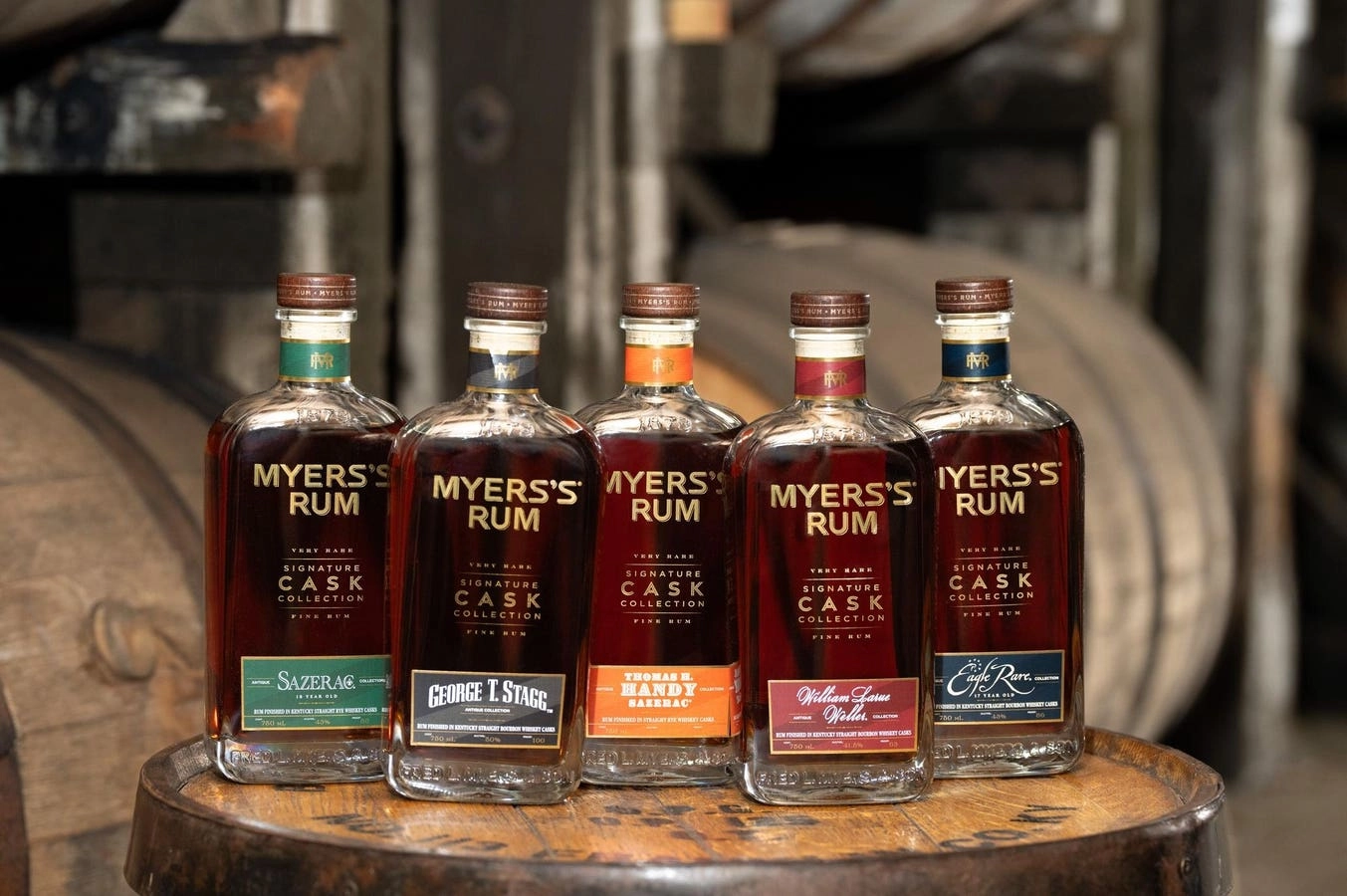
Myers’s Rum has unveiled two premium offerings: the Signature Legends Collection and the Signature Cask Collection. The latter is uniquely crafted using whiskey barrels sourced from Sazerac’s renowned Antique Collection.
Myers’s Rum Signature Cask Range
With a legacy spanning over 140 years, Myers’s Rum stands as one of Jamaica’s esteemed rum brands. Recently, they have introduced two exciting collections, the Signature Legends Collection and the Signature Cask Collection. These collections truly reflect the rich heritage of Myers’s Rum, showcasing their centuries-old expertise in sourcing, distilling, and blending premium rums from across the globe. They serve as a remarkable example of how a brand can enhance its offerings through collaborations with other iconic labels.
The Signature Legends Collection features the unique Legacy Blend #1, crafted in collaboration with Richard Seale, the Master Blender from Foursquare Rum. Meanwhile, the Signature Cask Collection boasts five distinct aged rums, each elegantly finished in barrels that once held the famed whiskeys from the Buffalo Trace Antique Collection.
Meyer’s, once viewed as a mainstream rum manufacturer for the general public, became part of the Sazerac Company in 2018. The company stated that it embraced the innovative approach Sazerac is renowned for in its bourbon production to explore new horizons in the premium rum sector.
Each of the five new offerings in the Signature Cask Collection has been meticulously developed by Sazerac Master Blender Drew Mayville, who has experience with all the award-winning creations from Buffalo Trace Distillery.
Mayville remarked:
In developing these rums, we concentrated on sourcing and experimenting with exceptional spirits and producers to create groundbreaking products. With these new collections, we’re merging spirit categories to see how the flavors intertwine, pushing ourselves to think outside the box to produce items that encourage consumers to explore options they may not have considered before. The outcomes are genuinely remarkable.
Myers’s Signature Legends Collection: The Legacy Blend
Myers’s presents the Signature Legends Collection, a thoughtfully curated series of exclusive, limited-edition rums that highlight innovative techniques and unique collaborations with industry legends.
For the debut release, Mayville collaborated with Richard Seale, the Master Distiller and Blender at Foursquare Rum Distillery, to develop Legacy Blend #1. Their combined experience of over 70 years in the industry was reflected in this exquisite blend of Jamaican and Barbados rum, which honors Myers’s heritage and pays tribute to all who are passionate about creating remarkable rums.
Myers’s Legends Legacy Blend embodies the essence of classic rum. It features tropical fruit notes, particularly ripe bananas, pineapple, and mango, which blend beautifully with profound hints of molasses and dark brown sugar, creating an enticing aroma. On the palate, this rum offers a rich, full-bodied sweetness, complemented by a smooth, creamy texture enriched with flavors of fruit and honey, alongside spicy clove notes and an earthy, almost smoky essence. The finish is long-lasting and fruity, leaving a delightful sweetness behind.
The Myers’s Rum Signature Cask Collection presents five unique expressions, each finishing Myers’s Original Dark Rum in barrels that once aged spirits from the esteemed Buffalo Trace Antique Collection. This celebrated collection includes renowned whiskeys such as George T. Stagg, William Larue Weller, Sazerac Rye 18 YO, Thomas H. Handy Sazerac Rye, and Eagle Rare 17 YO, all known for their exceptional distillation and aging processes.
The rums are released at various proof levels, highlighting the individual characteristics imparted by each barrel. This collection promises an unparalleled tasting journey, marrying the distinctive profile of Myers’s Original Dark Rum with the nuanced influences of each barrel. Tasting notes from Myers’s Rum have been provided.
This rum presents a bold character, with its aroma richly layered with dark molasses, leather, coffee, and the charred oak notes derived from the barrel aging. Among the five expressions, this taste is the most robust and complex, showcasing profound flavors of dark cherries and brown sugar. Its higher proof delivers an invigorating punch while allowing the rum’s essence to emerge prominently. The finish is full-bodied, featuring a significant oak presence alongside a lingering smoky note, complemented by a touch of bitterness that enhances its complexity.
This expression reveals a deep and rich nose, with prominent aromas of brown sugar, butterscotch, and ripe bananas. Oak and caramel rise to the forefront, alongside a subtle hint of toasted coconut. The flavor profile is exquisitely balanced, offering toffee and dark cherry notes, while the bourbon barrel enriches it with elements of vanilla, charred oak, and delightful baking spices. The bourbon and oak finish lingers pleasantly, and a delicate nuttiness at the close adds an extra dimension to the overall flavor experience.
This rum presents a lively aroma with hints of rye spice, orange zest, and a variety of subtle spices. On the palate, the bold rye flavor intertwines seamlessly with fruity notes of banana, pineapple, and vanilla. The natural sweetness lends a pleasing contrast to the sharp rye, resulting in a well-balanced flavor experience. The finish is moderate, with a lingering peppery essence from the rye.
This rum’s aroma encompasses pepper, cinnamon, nutmeg, and fruit. The flavor is bright and harmoniously balanced, showcasing tropical fruit elements. The rye spice from the barrels enhances the deep molasses and banana flavors, producing a nicely layered tasting profile. The finish is intriguing and spicy, accompanied by hints of dried fruit and herbal notes.
This rum is rich and appealing. Its aroma features soft vanilla intertwined with subtle hints of baking spices and dark fruit, alongside bourbon influences and traces of dark chocolate. The bourbon character derived from the Eagle Rare barrel complements the rum’s tropical fruit and classic notes, achieving a perfect balance between oak and fruit. The finish is smooth and gentle, with lingering hints of vanilla and dried fruit.
The Legacy Blend #1 will retail for a suggested price of $49.99. The remaining five expressions from the Myers’s Signature Cask Collection will be available individually for $79.99 each. All six rums are contained in 750 ml bottles and are set for a limited release in October 2024 through Sazerac’s American and international distribution networks.
If you enjoy bourbon, rye whiskey, rum, or a combination of these spirits, Myer’s Signature Collections presents a unique blend of the aromas and flavor profiles of legendary American whiskies along with Caribbean rum. All options are certainly worth experiencing.
One Community. Many Voices. Create a complimentary account to express your opinions.
Our community focuses on bringing people together through open and meaningful discussions. We encourage our readers to voice their thoughts and exchange ideas and information in a welcoming environment.
To maintain this space, please adhere to the posting guidelines in our site’s Terms of Service. Below is a summary of some essential rules. In short, remember to keep conversations respectful.
Your submission may be denied if it appears to include:
User accounts may be suspended if there is evidence or suspicion of users participating in:
So, what steps can you take to become a power user?
Thank you for reviewing our community guidelines. For a comprehensive overview of posting regulations, please check our site’s Terms of Service.
Your Ultimate Guide to Running a Stress-Free Wine Tasting Event
BORDEAUX, FRANCE – SEPTEMBER 22: (NO UK Sales For 28 Days Post Create Date) King Charles III and … [+] Queen Camilla participated in a wine tasting at Chateau Smith Haut Lafitte to explore sustainable vineyard practices in the Bordeaux wine region on September 22, 2023. This marks the King and the Queen’s inaugural state visit to France, which will cover Paris, Versailles, and Bordeaux from Wednesday, September 20, to Friday, September 23, 2023. The visit was originally planned for March 26 to 29 but was delayed due to widespread strikes and protests.
In the past, the notion of hosting a wine tasting at home might have seemed like a snooty way to spoil a fun gathering. Nowadays, however, such tastings are viewed as much less pretentious and can serve as a delightful way to gather friends without the hassle and expense of a formal dinner. Plus, it’s unlikely anyone will get overly upset about losing a hand of poker during the evening!
That said, randomly selecting wines to taste can lack direction and may fall flat. While inviting wine enthusiasts is not essential, including guests with a moderate appreciation for wine can lead to an enjoyable and enriching experience for everyone involved.
With that in mind, here are some helpful tips for organizing a wine tasting aimed at those who possess a casual understanding and interest in wine, as opposed to those who engage in deep discussions about vineyard technology and pH levels during social events.
When hosting a wine tasting, it’s essential not to overdo it with the number of selections. Ideally, aim for four to six different wines. Offering fewer just doesn’t provide enough variety, while presenting too many can feel overwhelming.
The next consideration is whether you want to conduct a blind tasting. This approach allows participants to evaluate the wines without any bias from knowing the brands. If you choose this method, cover the bottles with paper bags to conceal both the labels and the shape, which can be a giveaway for certain varietals like Pinot Noir and Riesling that often come in unique bottles. Number the bags and unveil the labels only after everyone has made their evaluations.
You can showcase wines from specific regions such as Tuscany, New Zealand, Napa Valley, or Sicily. Alternatively, you could focus on varietal grapes like Cabernet Sauvignon, Grenache, or Chardonnay.
A vertical tasting involves sampling the same wine from a single producer across various vintages, which may not be ideal for those who are unfamiliar with wine.
On the other hand, a horizontal tasting consists of trying wines from the same vintage or grape varietal but produced by different winemakers.
When it comes to glassware, enthusiasts often prefer a specific shape, despite restaurants choosing varied styles for different wine types, such as serving Alsatian wines in green-stemmed glasses. Ideal wine glasses should be thin, allowing for a four-ounce pour to fill about half the glass. This design facilitates swirling and examining the wine’s aroma, which is essential for discussion. It’s important to note that a proper tasting experience differs significantly from sipping five half-glasses during a meal. Interestingly, you can find quality thin wineglasses for less than five dollars at large retailers like Costco.
Having plain water and some crackers or bread on hand is a good idea to cleanse your palate between wines during a tasting. Using salted butter on the cracker can also enhance the flavors of the wine, as the fat helps to deliver flavor more effectively.
If you plan to serve wine alongside dinner, it’s advisable to keep the food uncomplicated to ensure that the wine takes center stage: consider pairing simply grilled red meats with bold red wines, and cheeses or seafood with white wines, and vice versa.
Colorized engraving features a portrait of the British poet and writer George Gordon, Lord Byron (1788 – 1824), from the early 1800s. (Photo by Stock Montage/Getty Images)
As the host, it’s a great idea to encourage conversation, perhaps by raising a toast, reminiscent of Lord Byron’s words: “Let us have wine and women, mirth and laughter,/ Sermons and soda-water the day after.”
Additionally, it’s important to consider who will cover the cost of the wines; friends may wish to chip in to share the expenses. Keep in mind that one bottle can typically provide a tasting sample for about six friends, so having six bottles should be more than enough.
One Community. Many Voices. Create a free account to share your thoughts.
Our community focuses on bringing people together through open, respectful conversations. We encourage our readers to voice their opinions and exchange ideas in a supportive environment.
To achieve this, please adhere to the posting guidelines outlined in our site’s Terms of Service. We have highlighted some of the essential rules below. In short, maintain a respectful tone.
Your contribution may be declined if we find that it includes:
User accounts may be suspended if we observe or suspect that users are involved in:
So, what steps can you take to become a top contributor?
Thank you for taking the time to review our community guidelines. To learn more about our posting rules, please refer to the complete list provided in our site’s Terms of Service.
Kamala Harris Chats with Stephen Colbert Over Beer and Critiques Donald Trump’s Diplomatic Approach

Kamala Harris concluded a full day of media appearances with a visit to Late Show with Stephen Colbert. During her time on the show, she reiterated her pointed criticisms of Donald Trump and described her experience in the “whirlwind” of a presidential campaign.
Excerpts from a pool report highlighted that Harris’ conversation with Colbert took place in a congenial atmosphere, even leading them to enjoy a Miller High Life together.
Colbert commended her performance in debates against Trump, inquiring about her thoughts captured in a photograph from that night where she is seen resting her chin on her hand.
“It’s family TV, right? It starts with a W, there’s a letter between it, then the last letter’s F,” Harris responded.
Colbert inquired about some of the insights from Bob Woodward’s forthcoming book, War. As reported by The Washington Post and other sources today, Woodward mentions that Trump had seven conversations with Russian President Vladimir Putin since leaving office. In response, Trump’s campaign has criticized Woodward and his work.
Harris commented, “I first heard about it today. I haven’t had a chance to read it. However, I stated during the debate that Donald Trump openly admires dictators and authoritarian leaders. He has expressed a desire to become a dictator from day one if he were to regain the presidency. He is manipulated by these figures. He is drawn to so-called strongmen and is easily swayed by their flattery or favors.”
Harris also referenced another segment of Woodward’s book, which mentions that during the early phase of the Covid pandemic, Trump sent testing kits to Putin.
“If the information I’ve heard about Bob Woodward’s book is accurate, Donald Trump covertly sent Covid test kits to Putin for his personal use. I urge everyone here and everyone watching to reflect: do you recall what those times were like? Think about how many individuals struggled to obtain tests and were frantically trying to find them?”
She remarked, “Consider the implications of this alongside his affectionate correspondence with Kim Jong Un. Really think about it. He seems to believe, ‘Well, that’s his buddy.’ What about the American citizens? They should be your primary focus.”
Similar to Jimmy Kimmel, who featured Tim Walz on his show recently, Colbert has participated in campaign events for Joe Biden and Kamala Harris. He moderated a fundraising event in March with Biden, as well as former presidents Barack Obama and Bill Clinton, while the president was still in the race for reelection.
Stay updated with our Breaking News Alerts and brighten up your inbox.
Urgent Health Alert: The Dangers of Vodka Consumption – Key Signs to Watch For
Authorities have issued a warning regarding a counterfeit vodka that poses significant health risks. This suspicious beverage, marketed as Glen’s vodka, contains a harmful chemical that may lead to severe health consequences, including coma.
Officials were compelled to sound the alarm after tests uncovered a hazardous chemical lurking in counterfeit vodka.
The Food Standard Scotland indicated that isopropyl was detected in “half bottles” – those containing 35cl of liquid – which were incorrectly labeled as the Glen’s brand. A statement released by North Lanarkshire Council in September cautioned the public to be “aware” that the counterfeit vodka may emit a “peculiar smell and differ in taste from authentic vodka, and thus should not be consumed.”
The announcement elaborated: “Even minor consumption of isopropyl can be hazardous. Symptoms associated with isopropyl alcohol poisoning can include abdominal pain, vomiting, dizziness, headaches, confusion, slowed respiration, and in extreme instances, coma or death. Counterfeit items containing isopropyl alcohol will have a distinctly different smell and flavor compared to legitimate alcohol.”
According to Healthline, the symptoms of isopropyl poisoning may encompass stomach pain, confusion, slowed breathing, and dizziness. In extreme cases, an individual might end up in a coma. Anyone who suspects they may have bought a counterfeit product should reach out to the Food Standards Scotland (FSS) Scottish Food Crime and Incidents Unit. When the alert was made public, the FSS stated that the “scale of distribution of counterfeit product is still unknown.” The Mirror has requested an update from the organization.
Gordon Mitchell, Head of Food Crime Operations at FSS, remarked: “After our warning to consumers following the discovery of counterfeit products earlier this month, we are reiterating our call for the public to remain vigilant due to the potential risks associated with consuming any product containing isopropyl.
“We are taking all necessary measures to ensure that any hazardous products are removed from the market, but in the meantime, we urge those who might have purchased a counterfeit product to inspect it, and if there are any uncertainties, please refrain from consuming it and contact us as soon as possible.”
Paul Bannister, Protective Services Manager at North Lanarkshire Council, emphasized: “This product could potentially inflict serious harm if ingested, so it is essential for individuals to heed the advice given. Avoid consuming the liquid if an unusual or strange odor is noticed upon opening the bottle.
“The absence of proper quality checks and safety measures in the production of counterfeit alcohol is a major concern. This illicit liquor is produced by organized crime syndicates solely for profit, without any regard for the wellbeing of consumers. Such criminal activities negatively affect communities, and the pursuit of quick financial gain through counterfeit products poses serious risks to local residents.”
Subscribe to receive daily updates on the most significant stories.
From Bottles to Justice: How a Whiskey Bottle Led to the Conviction of a Lunenburg Rapist

DNA evidence collected from an open whiskey bottle was crucial in securing the conviction of a man from Lunenburg who was involved in a knifepoint rape incident in Acton back in 2013.
Christopher Aldrich, now 30 years old, received a 15-year prison sentence on Tuesday, as confirmed by Middlesex County District Attorney Marian Ryan in a statement.
According to the statement, Aldrich fled the scene after assaulting the unnamed woman at the South Acton Commuter Rail station. Authorities struggled to locate him and noted that there were no nearby surveillance cameras to assist in the investigation.
If you purchase a product or register for an account through a link on our site, we may receive compensation. By using this site, you consent to our User Agreement and agree that your clicks, interactions, and personal information may be collected, recorded, and/or stored by us and social media and other third-party partners in accordance with our Privacy Policy.
Sip Like a Vampire: Explore Portland’s Wine Bar Pairings Inspired by Taylor Swift, Bridgerton, and More!
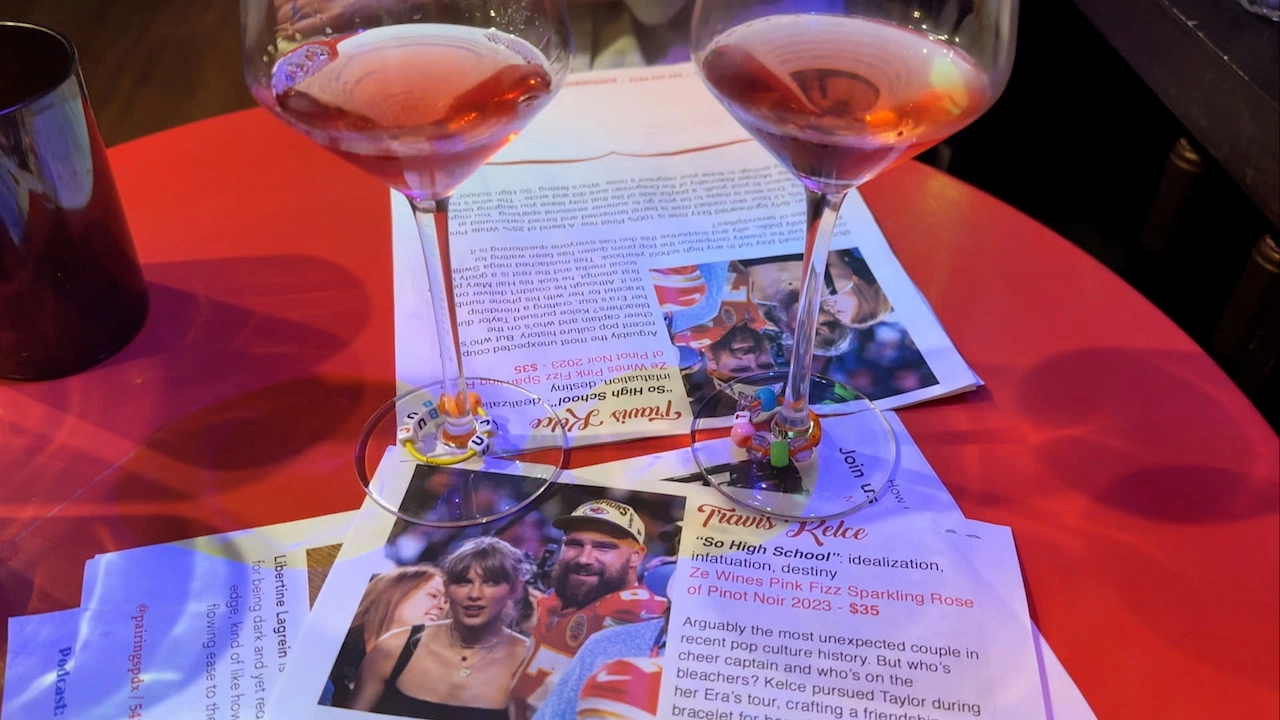
On July 30, 2024, Pairings Portland presented a wine flight inspired by Taylor Swift. This wine bar located in Northeast Portland is known for its unique concept of pairing wines with elements of pop culture, literature, and even adjectives.Teresa Mahoney
Pairings Portland, a wine bar situated in Northeast Portland, is dedicated to curating wine flights that connect with pop culture icons, TV shows, books, and more.
The owner, Jeffrey Weissler, aims to make wine enjoyable and accessible by transforming the conversation around it. His bar emphasizes pairings based on familiar, everyday words—terms that people can relate to emotionally—rather than the often complex and daunting terminologies typically seen in wine tasting notes.
This innovative approach has led to a diverse array of wine pairings linked to various subjects, including beloved TV shows like Bridgerton, popular fantasy literature, and even the Portland Trail Blazers—and intriguingly, even the experiences associated with menopause.
We embarked on a quest to discover some of the most innovative or surprising methods to relish fine, local wines. Pairings, with its energetic and distinctive approach to wine enjoyment, was included in our list of exceptional wine experiences in the region.
This past summer, we attended the bar’s Taylor Swift Lovers wine flight event. Each flight comprised eight wines, with each one reflecting Taylor Swift’s significant relationships – including ex-boyfriends, past best friends, and her current partner, Travis Kelce.
If you visit on a weeknight, we suggest sharing a flight. The servings are plentiful, and we had work commitments the following day.
Pairings presents a diverse array of themed flights throughout the year. This month, in celebration of the spooky season, the wines will be matched with ‘sexy vampires’ from pop culture – featuring references from Twilight, Vampire Diaries, Anne Rice, and many others.
Pairings Portland, 455 NE 24th Ave, Portland, Monday 4 p.m.-8 p.m., Tuesday-Thursday 12 p.m.-8 p.m., Friday-Saturday 12 p.m.-9 p.m., Sunday 12 p.m.-8 p.m.
— Julie Evensen covers trending topics and popular culture. She can be reached at jevensen@oregonian.com or @juliecevensen on Twitter and @julieevensen on Threads.
Our journalism needs your support. Subscribe today to OregonLive.com.
Subscribe to The Best Thing I Ate This Week newsletter Each week, restaurant critic Michael Russell takes Oregonian/OregonLive subscribers along on his culinary explorations. Not a subscriber? You can receive a few weeks of The Best Thing I Ate This Week newsletter as a free trial. Sign up here.
If you decide to buy a product or sign up for an account through a link on our website, we may earn compensation. By using this website, you agree to our User Agreement and understand that your clicks, interactions, and personal details might be gathered, recorded, and/or stored by us, as well as social media and other third-party partners, in line with our Privacy Policy.
Exploring Brooklyn’s Widow Jane Distillery: Unveiling Their Latest Rare Whiskey Release
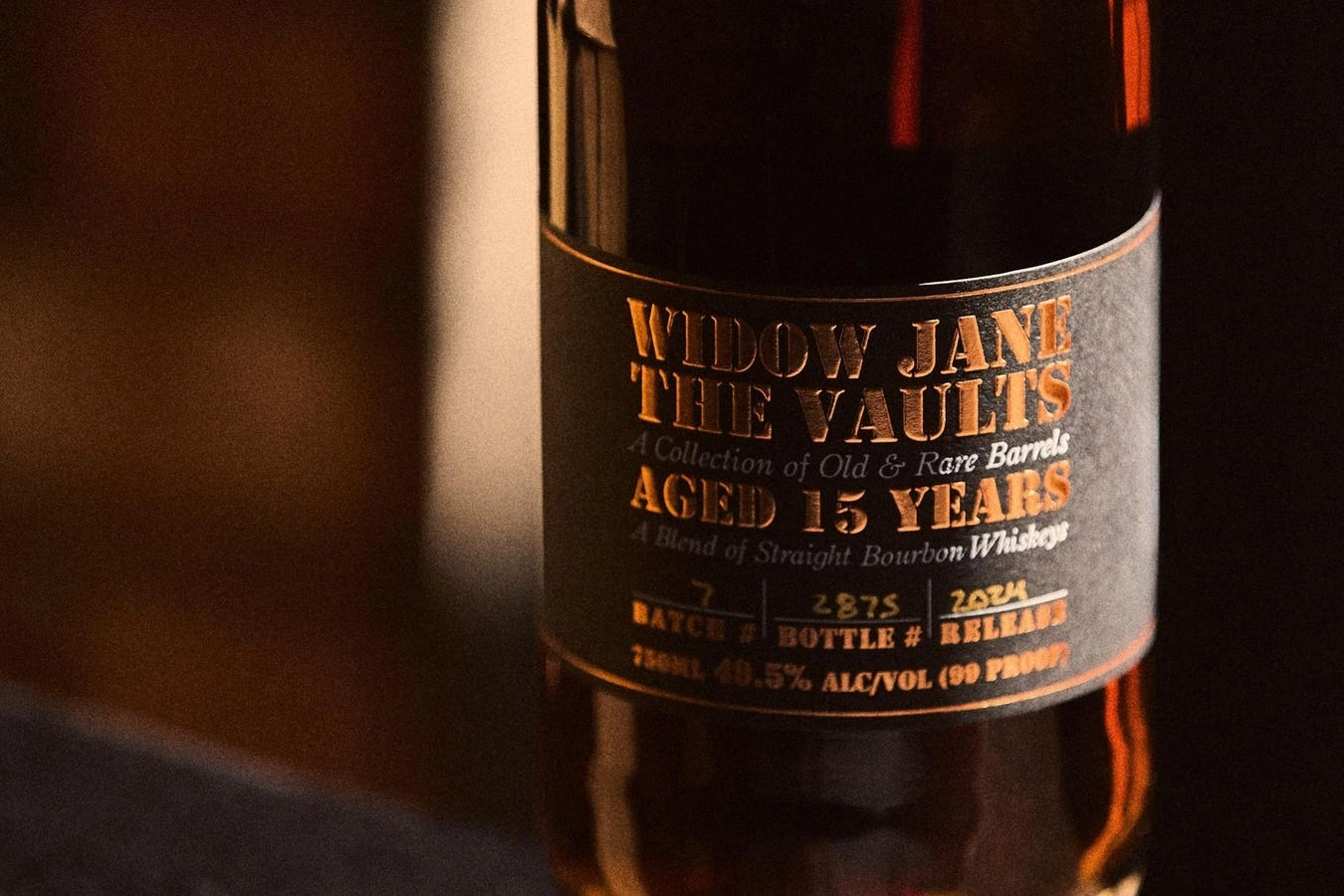
The unique blend of aged whiskey and the distinct qualities of Amburana wood casks creates a whiskey that transcends the typical expectations of American whiskey.
The Vaults 2024 marks the latest entry in the brand’s annual journey into wood finishes, featuring select barrels from its exclusive and vintage whiskey collection.
Widow Jane, a craft distillery located in the Brooklyn Red Hook waterfront area, is gearing up for the release of its newest edition in an ongoing series of limited-edition whiskeys.
Launched in 2019, The Vaults series is celebrated for its innovative use of wood finishes, with this year’s offering taking that innovation further by incorporating Amburana wood casks. The Vaults 2024 features a 15-year-old blend crafted from handpicked barrels from Widow Jane’s rare whiskey collection.
Sienna Jevremov, who serves as the head distiller and blender at Widow Jane, takes charge of selecting the casks and meticulously oversees the blending process.
“While choosing the barrels for this year’s edition of The Vaults, I aimed for whiskeys that offer great texture,” Jevremov stated during an interview at the distillery. “The tannins from older whiskey contribute to a mouthfeel I would describe as chewy, resembling sticky dark caramel.”
This particular blend includes whiskeys aged 20 years and 16 years, selected for their harmonious flavor profiles. Jevremov emphasized the blend’s rich flavors, noting deep notes such as dark chocolate ganache and burnt orange caramel, in addition to sweet smoke, spiced heat, and savory herbs.
“My intention was to enhance the earthier spiced notes of the Amburana, moving beyond the more classic ‘cinnamon bun’ appeal,” Jevremov explained.
Widow Jane follows a meticulous production process that encompasses mashing, fermentation, distillation, barreling, aging, blending, warehousing, and bottling, all accomplished at their Brooklyn facility.
The choice to finish the whiskey in Amburana wood casks, also referred to as Brazilian oak, infuses a unique depth into the final product. This particular wood is renowned for its rich, tropical aromas and is harvested from Brazil and northern Argentina, where the trees thrive in tough conditions with scarce nutrients and erratic rainfall.
“Amburana is an exuberant wood teeming with rich, aromatic qualities,” says Jevremov. “My initial aim was to craft a blend that emphasizes the earthy and textural robustness of 15- and 20-year-old whiskeys, while gracefully integrating the Amburana to harmonize with those notes.”
The Vaults 2024 is offered at 49.5% ABV (99-proof) and will see a special release of only 4,000 cases. As is customary with all Widow Jane offerings, the whiskey is non-chill filtered and proofed using pure limestone mineral water sourced from the Rosendale Mines in upstate New York, a method that enhances its distinctive smooth mouthfeel and prolonged finish.
With a price tag of $250 for a 750-milliliter bottle, Widow Jane is clearly aiming to carve out a space for this new offering in the premium whiskey sector. The timing for such a launch is intriguing. Similar to the global spirits industry as a whole, craft spirits have also been experiencing some tough times recently. According to a report by the American Craft Spirits Association, the U.S. craft spirits market recorded its first decline in volume since records began in 2016, falling by 3.6% to 13.5 million cases in 2023 from 14 million in 2022. When looking at value, sales in this market reached $7.8 billion, revealing a growth rate of -1.1%. However, there is a sliver of hope—craft spirits makers enjoyed increased sales in their home states last year, with their market share rising from 48.1% in 2022 to a slightly elevated level in 2023.
Jevremov notes that working with aged whiskeys presents both rewards and challenges, stating that each barrel introduces unique and intense flavors that need to be harmonized in the final blend.
“I chose the Amburana because I appreciate the tropical aromatics it imparts—like fig leaf and cinnamon bark—but I also wanted to test my abilities in blending those elements in a way that doesn’t overshadow the base whiskey’s narrative,” Jevremov mentioned. “Striking the perfect balance is both the joy and the hurdle when working with these ingredients. It’s about recognizing how one barrel can influence the entire blend while maintaining its integrity.”
One Community. Many Voices. Create a free account to share your thoughts.
Our community is dedicated to fostering connections through meaningful and open dialogue. We encourage our readers to express their thoughts and share ideas in a welcoming environment.
To maintain this environment, we kindly ask that you adhere to the posting guidelines outlined in our site’s Terms of Service. Below, we’ve highlighted some of the essential rules. In simple terms, please remain respectful.
Posts may be disapproved if they appear to contain:
User accounts may be suspended if it is observed or suspected that users are participating in:
Have you ever wondered how to become a power user?
We appreciate you taking the time to read our community guidelines. For a complete overview of posting rules, please refer to our site’s Terms of Service.
13 Spooktacular Halloween Cocktails to Brew Up This Season
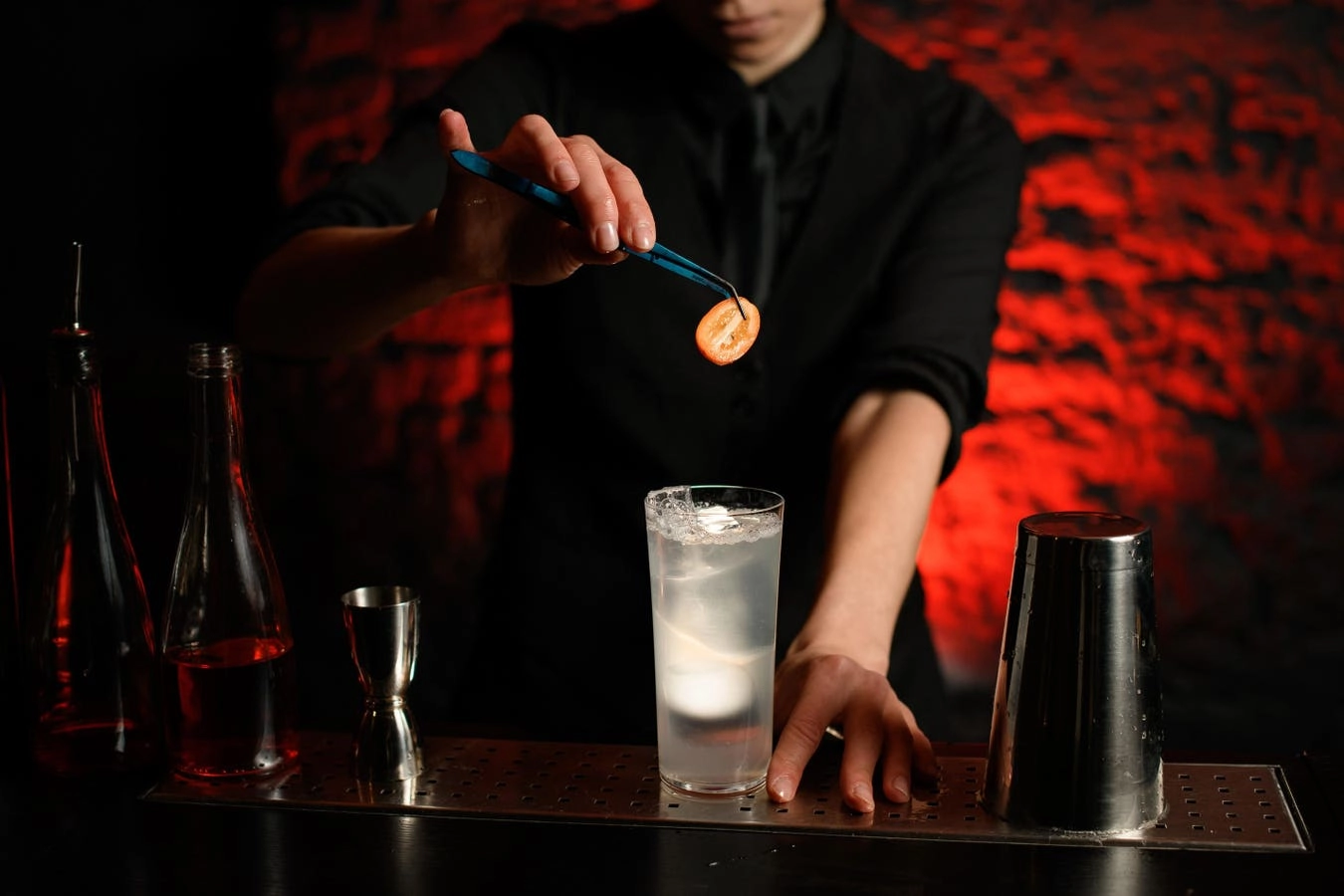
Discover a collection of Halloween cocktails that will elevate your festive gathering. Ranging from creepy shooters to spine-tingling punches, these delightful drinks are sure to captivate your guests.
Prepare to infuse your upcoming Halloween party with some enchanting spirit through these chilling cocktails, handpicked from an array of skilled mixologists and renowned venues. Featuring dark, enigmatic flavors alongside bright seasonal hues, these drinks will bewitch your audience and keep the atmosphere lively throughout the evening.
Every cocktail tells a story—from inspirations drawn from legendary tales to unique blends crafted at leading bars worldwide. Here’s your comprehensive guide to 13 simple Halloween cocktail suggestions for your thrilling celebrations.
A striking red drink adorned with a blood orange slice, ideal for evoking the haunting glow of the moonlight this Halloween.
Featuring a classic appeal with a haunting allure, the Blood Moon cocktail embodies the spooky essence of Halloween with its vibrant red color and a zesty kick from ginger beer. The fusion of blood orange and Amarena cherries results in a drink that’s as visually captivating as it is fitting for a ghostly celebratory toast.
Ingredients:
Instructions: Combine BACARDÍ Superior Rum, lime juice, and blood orange syrup in a shaker filled with ice. Shake thoroughly, then strain the mixture into a Collins glass filled with fresh ice. Finish by topping it with ginger beer, giving it a gentle stir to mix, and decorate with a slice of blood orange and an Amarena cherry.
Nightmare In Florence
Drawing inspiration from the enigmatic and enchanting atmosphere of Florence during nighttime, this cocktail features a mix of Martini & Rossi’s Fiero and Bitter liqueur combined with Bombay Sapphire Gin and cold brew coffee. The outcome is a strikingly bold and bittersweet beverage with a subtle caffeine kick—a perfect evening treat for those autumn nights.
Instructions: Mix the ingredients, pour into a coupe glass, and top it off with a slice of orange.
A captivating cocktail with a vibrant hue and an intriguing garnish that adds a touch of playfulness and mystery.
The message is clear: this cocktail is a must-try. With its combination of Tres Agaves Blanco Tequila, black currant juice, and Campari, this drink showcases a deep color and spicy ginger syrup, making it perfect for an intriguing fall evening. The unconventional addition of a chicken feather as a garnish lends it an ethereal flair.
Ingredients:
Instructions: Begin by shaking all the ingredients vigorously without ice (a dry shake). After that, incorporate ice and shake once more until well chilled. Strain the mixture into a pre-chilled cocktail glass and finish off the presentation with a chicken feather and a maraschino cherry.
A luxurious black cocktail featuring a subtle blend of coconut and coffee, topped with espresso salt—ideal for late-night indulgence.
The Midnight Widow embodies intrigue—a cocktail that fuses BACARDÍ Coconut Rum with cold brew and vanilla for a dark, silky, and slightly energizing experience. This beverage is perfect for those gatherings that take place as the late hours approach.
Ingredients:
Instructions: Combine all ingredients in a shaker filled with ice. Strain the mixture into a Collins glass filled with fresh ice, gently stir to combine, and finish with a sprinkle of espresso salt for garnish.
A striking deep red color, this herbaceous Bloody Negroni is not only visually appealing but also bursting with flavor—a true staple for the fall season.
This rendition of the traditional Negroni features the rich red tones of Martini & Rossi’s Riserva Speciale Rubino and Bitter. When mixed with Bombay Sapphire Gin, the Bloody Negroni achieves an exquisite harmony of bitterness, spice, and herbal characteristics—ideal for those cozy autumn nights.
Ingredients:
Instructions: Combine the ingredients and pour the mixture into a rocks glass filled with ice. Finish by garnishing with a twist of orange peel.
A punch bowl full of smoky intrigue and unsettling eyeballs makes for an ideal decoration at a Halloween celebration.
Eye Luv It is sure to be a hit at Halloween gatherings, presented in a punch bowl that simulates a spooky dry ice effect. This delightful concoction features BACARDÍ Superior Rum, elderflower liqueur, and passionfruit juice, and is beautifully topped with mint and rambutan cherries, creating an illusion of ghostly “eyeballs” floating in the mixture.
Ingredients:
Instructions: Present this drink in a large punch bowl accompanied by dry ice for an enchanting smoky effect. Serve over ice in a glass and add a garnish of a mint sprig along with a rambutan cherry.
A decadent and flavorful Manhattan that features a brandied cherry—an ideal and comforting cocktail for the fall season.
This variation of a Manhattan provides a luscious and smooth experience thanks to the inclusion of Averna. The Black Manhattan harmonizes the herbal intricacies of amaro with the warmth of Russell’s Reserve Rye, resulting in a deep, smoky character that’s well-suited for chilly autumn nights.
Ingredients:
Instructions: Combine all ingredients with ice and strain into a coupe glass. Top it off with a brandied cherry.
A bright red margarita featuring beet juice, sure to excite and refresh your Halloween festivities.
Unleash your inner spirit with Beet-le Juice, a striking tequila-based cocktail crafted with fresh beet juice. The blend of earthy notes with lime and agave creates a distinctive and slightly eerie variation of the traditional margarita.
Ingredients:
Instructions: Combine all ingredients with ice and shake until thoroughly chilled. Strain the mixture into a rocks glass filled with fresh ice. For an added spooky effect, garnish with a dehydrated lime wheel.
A chilling mojito featuring floating green “eyeballs” that will certainly surprise your guests.
Mojito Mischief transforms the traditional mojito into a spine-tingling delight, incorporating green boba pearls that resemble eerie eyes bobbing in the drink. The invigorating combination of BACARDÍ Superior Rum, lime, and mojito syrup makes this cocktail an ideal choice for a frightfully refreshing treat.
Ingredients:
Instructions: Combine the rum, lime juice, and syrup in a shaker with ice. Strain the mixture into a glass filled with fresh ice, then add club soda and give it a gentle stir. For a final touch, adorn your drink with a lime wedge, a sprig of mint, and green boba pearls.
A captivating cocktail featuring a sugar-charcoal rim, ideal for enjoying the spooky season with flair.
This delightful Halloween-themed drink marries the tangy notes of cherry compote with the smooth richness of coconut cream, resulting in a scrumptious beverage perfect for autumn festivities. The sugar charcoal rim adds an enigmatic allure that enhances the drink’s fall ambiance.
Ingredients:
Instructions: Combine all the ingredients in a shaker along with ice, and shake thoroughly. Moisten the rim of your glass with cherry compote, then dip it into a sugar and charcoal rim mixture. Fill your glass with ice and strain the cocktail over it. Finish by garnishing with a dehydrated lime wheel.
A whimsical, spirited version of candy corn, showcasing striking layers of lemon, orange, and creamy white gelatin—this is a delightful Halloween indulgence.
This vibrant layered shot is inspired by traditional candy corn, featuring eye-catching layers of lemon, orange, and sweetened condensed milk gelatin, each enriched with Kōloa Kauaʻi Rum. It’s an ideal spirited dessert for a Halloween celebration and can be customized for any occasion with a variety of flavors and colors.
Ingredients (Serves 16):
Instructions:
Lemon Layer: Begin by adding 3/4 cup of boiling water to a small bowl. Introduce the lemon gelatin mix and stir until it’s fully dissolved. Next, measure 1 cup of Kōloa Kauaʻi Gold Rum using a glass measuring cup and add enough ice to reach a total of 1 1/4 cups. Combine this mixture with the lemon gelatin until it begins to thicken slightly, discarding any un-melted ice. Then, fill shot glasses a third of the way with the lemon gelatin mixture and place them in the refrigerator until set, which will take at least 90 minutes.
Orange Layer: For the orange layer, pour the remaining 3/4 cup of boiling water into the same small bowl. Add the orange gelatin mix and stir until fully dissolved. Measure out the remaining 1 cup of Kōloa Kauaʻi Gold Rum in a glass measuring cup, adding ice again to total 1 1/4 cups. Mix this with the orange gelatin until slightly thickened, removing any unmelted ice. Carefully pour this orange gelatin mixture over the previously set lemon gelatin layer. Return to the refrigerator until this layer has set as well, which will also take at least 90 minutes.
Milk Layer: Begin by pouring 2 tablespoons of warm water into a bowl. Add unflavored gelatin and mix until fully dissolved. Incorporate condensed milk and 1/2 cup of Kōloa Kauaʻi Spiced Rum into the mixture. Carefully pour this over the orange gelatin layer. Allow it to cool in the refrigerator until the top layer solidifies, which should take at least 30 minutes.
These gelatin shots offer flexibility for various celebrations by altering the colors and flavors of both the gelatin and the rum. The crucial point is to ensure that each layer is completely set prior to adding the subsequent one, which guarantees clean and distinct boundaries.
A lively shot featuring a lemon twist, making it an ideal choice for Halloween gatherings with a chilling theme.
The Jack The Ripper is a striking and captivating shooter that combines fresh carrot juice with the zesty flavors of Bauchant Orange Liqueur. Its intense orange hue and citrus garnish render it a perfect fit for the Halloween season.
Ingredients:
Instructions: Combine ingredients in a cocktail shaker filled with ice. Shake well and pour into a shot glass. Add a lemon twist for garnish.
A vibrant and eerie punch adorned with bone-shaped candies, adding an element of fun and frights to your Halloween celebrations.
The Kraken Bones Punch is a rich and tropical Halloween beverage that merges the intense flavors of Kraken Black Spiced Rum with pineapple juice, enhanced by a hint of grenadine. The playful bone-shaped candies introduce a whimsical, spooky flair to this lively cocktail, making it an excellent choice for the festive season.
Ingredients:
Instructions: In a shaker, mix Kraken Black Spiced Rum, pineapple juice, and grenadine over ice. Shake thoroughly and then pour the mixture, including the ice, into a glass. Add a cherry and some bone-shaped candies as a garnish.
Join Our Community: Sign up for free to express your opinions.
Our community focuses on bringing individuals together through open and engaging discussions. We encourage our readers to share their opinions and exchange ideas and information in a welcoming environment.
To proceed, please adhere to the posting guidelines stated in our site’s Terms of Service. Below, we’ve highlighted some of the essential rules. In simple terms, maintain a respectful tone.
Your submission may be declined if we detect any of the following:
User accounts may be suspended if we observe or suspect users are involved in:
So, what steps can you take to become a prominent user?
We appreciate your interest in our community guidelines. For a comprehensive overview of our posting rules, please visit our site’s Terms of Service.
Apple Pie Vodka Makes a Comeback: Gypsy Spirits and Blake’s Hard Cider Join Forces!
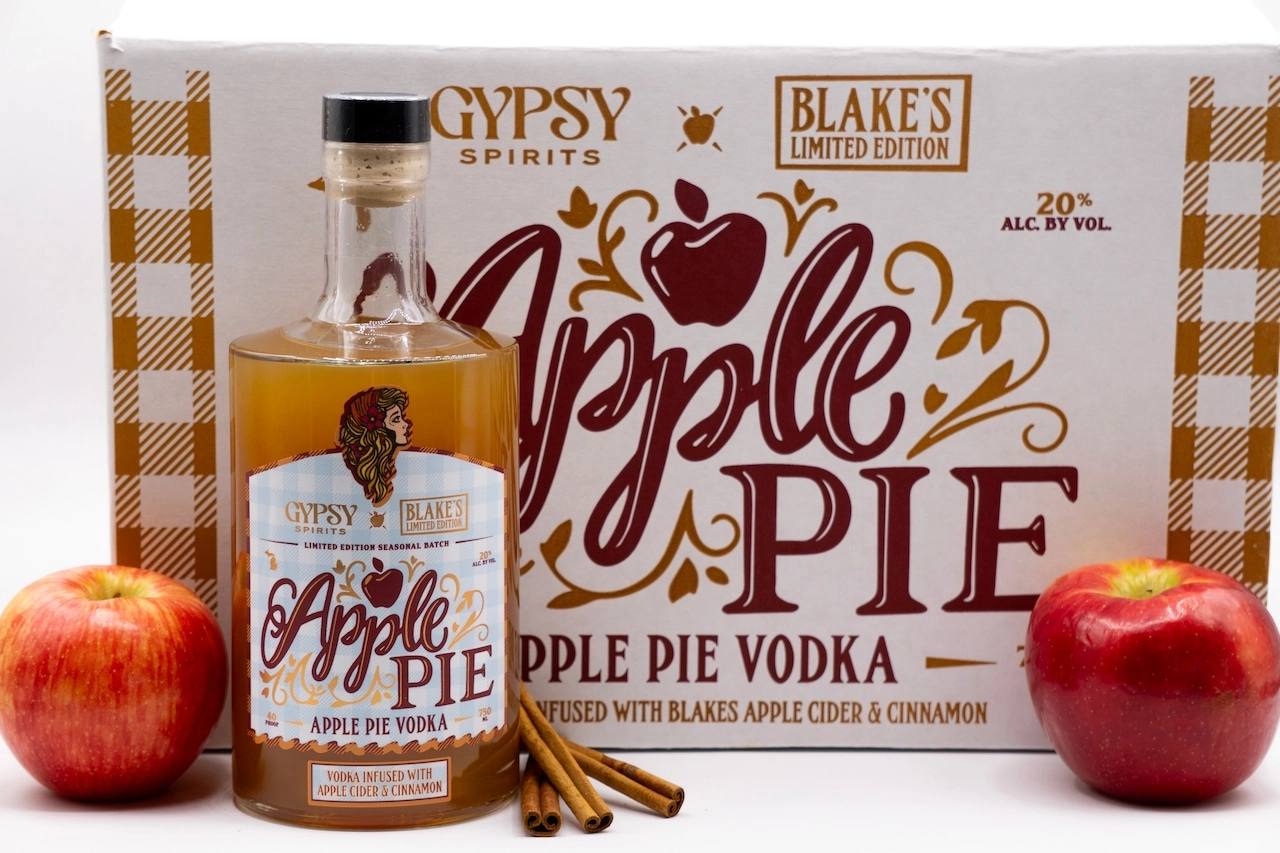
This delightful collaboration between two Michigan enterprises is returning to store shelves.Gypsy Spirits
ARMADA, MI – When two of Michigan’s craft beverage makers joined forces last year to create Apple Pie Vodka, they had no idea just how popular that sweet concoction would become.
Now in its second year, the fall-inspired spirit is once again available, marking a coveted partnership between Blake’s Hard Cider of Armada and Gypsy Spirits from Petoskey.
This limited-edition Apple Pie Vodka combines Gypsy’s premium vodka with the taste of Blake’s freshly-pressed apple cider, enhanced by hints of cinnamon and brown sugar.
“We were extremely pleased with the response last year, and we were eager to return for another season,” stated Michael Kazanowski, who co-established Gypsy Spirits alongside his twin brother, Adam. “This collaboration with Blake’s has been truly inspiring, and we can’t wait to once again share this beloved, Michigan-made spirit with our community.”
Apple Pie Vodka is now offered at both Blake’s and Gypsy Spirits tasting rooms. It can also be found on retail shelves, including locations like Meijer and Total Wine stores.
Blake’s Hard Cider and Gypsy Spirits are back with their fall collaboration for the second consecutive year.Gypsy Spirits
RECOMMENDED•mlive.com
Civil War era cider mill is still a fall staple after 160 yearsOct. 4, 2024, 6:00 a.m.
Ed Dunneback & Girls Farm Market restaurant delivers unique, fall flavorsOct. 5, 2024, 6:40 a.m.
The collaboration marks Blake’s first venture into a spirits-based beverage. The hard cider company, established over ten years ago on their family farm in Southeast Michigan, has become one of the largest craft cider enterprises in the nation.
Gypsy Spirits has also gained recognition in Northern Michigan and beyond. Their latest venture, a combined production area and expansive tasting room and events center, has turned into a notable destination just beyond Petoskey. Some of its most popular products include not only its vodka but also its Petoskey Stone Gin, Mackinac Island Rum, and its canned cocktails.
“Working alongside the Gypsy Spirits team has been a rewarding experience across four collaborations,” stated Andrew Blake, CEO of Blake’s Beverage Company. “The return of Apple Pie Vodka, which is always a favorite during the fall, truly highlights what two dedicated Michigan companies can accomplish together.”
If you choose to buy a product or sign up for an account through a link on our website, we may earn a commission. By continuing to use this site, you agree to our User Agreement and acknowledge that your interactions, clicks, and personal data may be collected, recorded, and/or stored by us and social media and other third-party partners in alignment with our Privacy Policy.