Decoding the Science Behind the Color of Your Wine Bottle

Wine is a luxurious, sophisticated beverage with different flavors, colors, and bodies. Its creation is a conscious and careful action, fine-tuning numerous variables to strike the right balance. Making a wine is more than just selecting quality grapes, it includes considering the wine’s age and the type of storage it involves. Even aspects like the difference between oak and steel barrel-aged wine play a significant role. Another notable variable in this delicate equation is the color of the wine bottle itself.
Packaging, though often seen as a marketing element, plays an essential role in wine bottling. The color of the wine bottle not only promotes marketability but also influences the wine’s quality. Thus, its selection is intentional by wine produces.
You can read more here: 10 Of The Healthiest Beers You Can Drink.
The color of the wine bottle influences the wine due to one primary factor – the sun. The UV radiation from the sun, although mostly filtered by the glass, still manages to permeate, especially if the glass is translucent or transparent. This incidental light may disrupt the wine’s fermentation process and interact with its compounds to bring about sulfur – impacting the wine’s flavor and aroma. This unfavorable effect is referred to as “light strike” by wine experts. Hence, if sunlight manages to penetrate a wine bottle, it could potentially damage the wine that is stored within over time.
Dark-colored glasses are a practical solution for wine producers to safeguard against light strike, as these can inhibit UV radiation. This explains why wine fridges have tinted glass and why it’s preferable to store unopened bottles in a cool, dimly lit cellar. It’s worth noting that one of the most detrimental things you can do is to keep your wine in direct sunlight. Read more about common wine mistakes you can make.
Despite the demonstrated benefits of dark glass in curbing light strike, it’s not uncommon to find many wines, especially whites and rosés, packaged in light or clear bottles, often referred to as ‘flint glass’ in the wine industry. This is primarily a marketing strategy where producers intend to showcase the vibrant colors of their wines as an indication of their crisp and refreshing flavors.
Additional consideration is given to the fact that light wines are designed to be consumed within a short period of time. Just like their red counterparts, they should be stored in a dark, cool area. Expert guidance recommends finishing an opened bottle on the same day or securely sealing it and refrigerating for a few more days at most.
Given the delicate nature of wine and the brevity of its optimal conditions, it can often seem daunting to handle. Regardless of the type or the color of the bottle, abiding by the cardinal rule of storing it in a dark, cool place can help maintain the quality of your wine.
Read the original article on Daily Meal.
Journey into the Deep Roots of Tennessee Whiskey: A Man’s Mission

For all you whiskey fans, there’s a man who is just as enthusiastic about the history of Tennessee’s spirit.
Report: Oklahoma Father Abandons Car Crash Scene Leaving Injured Daughter, with Evidence of Alcohol and Drugs Behind

Fox News correspondent Jeff Paul has the latest on speeding from Los Angeles, CA
An Oklahoma father allegedly fled the scene after crashing his car into a street sign last week, leaving his injured wife and children – including his 16-year-old, who succumbed to her injuries – behind in the wreck.
Elliott Binney, 41, had two black eyes and a busted lip in his Tulsa County Jail mugshot, taken several hours after the Jan. 11 rollover crash.
The Bixby Police Department responded to the scene around 9:20 p.m., and transported Binney’s wife and two elementary school-aged children to a hospital to treat their injuries, 2 News reported.
ESCAPED OKLAHOMA INMATE BACK IN CUSTODY AFTER ‘WALKING AWAY’ FROM PRISON, OFFICIALS SAY
Elliott Binney was charged with leaving the scene of a collision resulting in death, first-degree manslaughter and passing a vehicle in a no-passing zone, according to online records. He bonded out of Tulsa County Jail after posting a $102,100 bond, the records indicate.
It seems Shelby Binney was not buckled up when the family’s SUV met with an accident, and consequently, was ejected from the vehicle upon the collision. Police informed the media that she was pronounced dead in a hospital later the same day.
Strangely, Binney was missing from the accident spot. His wife, who was still present there, informed the police that they had been engaged in an argument just before the crash occurred.
The arrest and booking report disclosed that a bottle of vodka and several pill bottles with their labels torn off were discovered in Binney’s vehicle, according to a report by 2 News. The report goes on to state that the father confessed to buying the liquor earlier that night and had drunk from it repeatedly prior to the accident.
But by the time he was apprehended the next morning, it was too late to test Binney’s blood alcohol content, police told 2 News. The father would later claim that an oil slick caused him to skid and run off the road, Fox 23 reported.
FLORIDA CANCER SURVIVOR, 9, KILLED AFTER CRAWLING UNDER SCHOOL BUS
High school sophomore Shelby Binney, 16, was not wearing a seat belt at the time of the crash. She was thrown from the vehicle upon impact on Thursday and pronounced dead in an area hospital later that night.
Police tracked him down to Checotah, about 50 miles away, the morning after the crash. Binney initially fled on foot, they believe, before getting into a second vehicle to further distance himself from the crash.
“He walked to a family-owned business and retrieved a vehicle. We were able to track this vehicle electronically and ultimately made an arrest in the case,” Bixby Police Chief Todd Blish told FOX23.
The arrest report made public that a vodka bottle and pill containers with erased labels were found in the second vehicle, which was a gray pickup truck. These were discovered when Binney was caught, according to the news.
Shelby, in a photo with her father, who now faces manslaughter charges related to her demise, was a high school sophomore. Her cheerleading gym noted her in a tribute post as “a radiant presence in the gym, a diligent athlete, and the most supportive team member you could wish for.” (Source: Elliott Binney/Facebook)
A witness whose identity wasn’t disclosed informed 2 News about seeing a bewildered man standing outside the crashed SUV that night. When the witness requested the man to sit down and inquired if anyone got hurt in the accident, the perplexed man fled from the scene, the witness recollected.
Previously, onlookers reportedly observed Binney driving at approximately 70 mph and passing cars unlawfully, informed the police.
Binney was charged with leaving the scene of a collision resulting in death, first-degree manslaughter and passing a vehicle in a no-passing zone, according to online records, which showed he was released from Tulsa County Jail after posting $102,100 bond.
Binney has an extensive history of reckless driving and hit-and-runs, according to records obtained on the Oklahoma State Courts Network, including previous DUIs and three previous charges for leaving the scene of an accident that were dismissed in 2010 and 2016.
MISSING MONTANA MOTHER’S BOYFRIEND FOUND LIVING WITH BODY: COPS
He was also previously convicted on larceny from a retailer and assault with a dangerous weapon charges in 2002, records show.
Shelby Binney was a sophomore and cheerleader at Bixby High School, and was remembered as a “bright light” with a “heart of gold” in a social media post from her cheerleading gym.
Both her mother and Binney shared memorial photos of their daughter on their respective Facebook profiles.
Christina Coulter is a U.S. and World reporter for Fox News Digital. Email story tips to christina.coulter@fox.com.
Fox News’ “Antisemitism Exposed” newsletter brings you stories on the rising anti-Jewish prejudice across the U.S. and the world.
Subscribed
You’ve successfully subscribed to this newsletter!
Understanding the Similarities between Non-Alcoholic Wine and Perfume: Insights from Giesen’s Winemaker

Vineyard in Marlborough, New Zealand – Home to Giesen Winery
With Dry January in full swing, many consumers are seeking non-alcoholic beverage choices, and fortunately the wine, beer, and spirits industry has been introducing many new options over the past two years. This makes sense, given that the category is one of the fastest growing in the past year, with a volume increase of 31.2% in 2023 compared to the previous year, according to NielsenIQ.
One winery that is making a big splash in the non-alcoholic category is Giesen. Based in New Zealand, Giesen has been making wine since 1981, but only started producing its zero alcohol wines in early 2020. Recently their head winemaker, Duncan Shouler, hosted an online tasting of six of their zero alcohol wines, and explained the special winemaking process used to maintain aromas and flavors while removing the alcohol.
‘High quality non-alcoholic wine depends on two factors – high-quality grapes and a process to delicately remove the alcohol,” stated Duncan Shouler, head winemaker for the Giesen-Zero wine portfolio. It turns out that the delicate process is similar to what the perfume industry uses to extract aromas.
Giesen has to this point crafted and launched seven distinct non-alcoholic wine options: a sparkling brut, sauvignon blanc, pinot grigio, rosé, riesling, merlot, and a red blend. These wines are also low in calories and carbohydrates, which range from 19 to 33 calories and comprise 4.5 to 9 carbs per 5-ounce serving. The recommended retail prices in the U.S. span from $16 to $19.99.
Duncan Shouler, the Head Winemaker at Giesen Winery in New Zealand
#1) Initiate with Sustainably Cultivated Wine Grapes: Duncan disclosed that all Giesen wines are accredited sustainable according to Sustainable Winegrowing New Zealand. This declaration implies that every single grape used in the production of these wines have been grown sustainably, incorporating specific practices for soil, water, plant protection, and human interaction. The grapes for the zero alcohol wine are sourced from these very vineyards.
#2) Create Wine in Identical Manner: The grapes undergo fermentation in a similar way to standard wine, typically in a stainless steel tank using yeast. After that, the white and rosé wines are aged for a number of months in the tank. Fermentation and aging of the red wines are handled with oak chips and staves to infuse a subtle hint of toasty oak.
Remove Aromas From Wine, Then Alcohol: There are several methods to remove alcohol from wine, but Duncan says they prefer to use the spinning cone technology.
“We use spinning cone technology, which is used in the perfume industry, because it is really good at extracting aroma. We do this first, and then slowly heat up the wine and remove the alcohol,” stated Duncan.
They do this in multiple passes so that it is a gentle process. “We have our own spinning cone, so we get to control the quality,” explained Duncan. (Other methods to remove alcohol from wine include vacuum distillation and reverse osmosis.)
Blend All Components: The last step is to blend the aromas and the dealcoholized wine back together, along with a small amount of pure grape juice (no sugar is added to the wine). When bottling, they add a small amount of SO2 (around 30 ppm free) to protect the wine, as is common with traditional wines.
“The end result is wine that is 0.35 to 0.4% alcohol, similar to fruit juices. If you were to drink 20 bottles, you would still be fresh,” said Duncan.
In the past non-alcoholic wines have received a ‘bad rap’ because they either taste too thin or too sweet – like drinking grape juice. The good news is they are getting better, and some of the Giesen wine are a testament to this – especially if you like dry wines – which are quite popular in New Zealand and Australia.
Duncan led us through a tastings of six wines, and my personal favorites were the Giesen Pinot Grigio and Sparkling Brut, but all six wines are appealing for Dry January. Following are some brief notes on the wines, with calories and carbs calculated for a 5-ounce glass serving:
Giesen Zero Pinot Grigio = nose of pear with a hint of floral, with tart green apple and good texture on the palate. It ends with a surprisingly long and refreshing finish, and would pair well with salad, cheeses, and lighter fish dishes. 27 calories, 7 carbs, $16 (My personal favorite)
Giesen Zero Sparkling Brut – Light fresh nose with ripe golden apple and lemon; frothy bubbles in the beginning that transition to a pleasant pétillance on palate. Very dry and refreshing with good acidity. Made with a blend of chardonnay, pinot grigio and sauvignon blanc grapes. 21 calories, 6 carbs, $19.99.
Giesen Zero Rosé – Appealing salmon color, a hint of pear, tart strawberry and rhubarb on nose and palate, juicy acidity with dry finish. 19 calories, 4.5 carbs, $16.
Giesen Zero Riesling (semi-sweet) – A hint of classic diesel on nose, but brimming with peach, honey, and lime on palate. Nice texture with good acidity and decent length. Lingers on the palate in a pleasant manner. Would pair well with spicy cuisine. 33 calories, 9 carbs, $16.
Giesen Zero Sauvignon Blanc – Classic gooseberry and grass on nose, which follows through on palate with strong lime and a hint of kiwi. Light bodied with high acid. 19 calories, 4.5 carbs, $16.
Giesen Zero Red Blend – a surprisingly aromatic nose with ripe berries, spice and toasted oak. A bit thin on the mid-palate, but has an enjoyable finish with plum, cloves, oak and a pleasant tannin structure. A fine effort – given that producing dry red non-alcoholic wines is very challenging. This wine could even stand up to heartier dishes, such as pork with mushrooms and hard cheeses. It also pairs well with chocolate. 27 calories, 7 carbs, $16.
When asked, Duncan said the best sellers were the “sauvignon blanc, sparkling brut, pinot gris, and rosé, but the red blend is also gaining in popularity.”
Portfolio of Giesen Zero Alcohol Wines
Giesen has also developed an interesting database of wine cocktail recipes for their non-alcoholic wines. Many were developed by master mixologist, Pam Wiznitzer, and are available on their website. Examples include ‘The Ruby Slipper Fizz, The Gigi Spritz, and Minted Sunset Smash.”
The number of non-alcoholic wine brands is growing, and some classic brands, such as Fre have just released some new varietals, such as their Fre Sauvignon Blanc. This zero-alcohol wine features the classic grassy, gooseberry nose, but bursts with melon and sweet ruby grapefruit on the palate. 37 calories, 9 carbs per 5 ounce serving.
Other popular brands include Arial, Wander+Found, Proxies Blanc Slate, Dr. Lo, and Leitz Einzs Zwei Zero, amongst others.
Innovative Approach in Winemaking: Poway Winery Introduces Barrel-Aged Wines Inspired by Bourbon, Rum, and Tequila Flavors
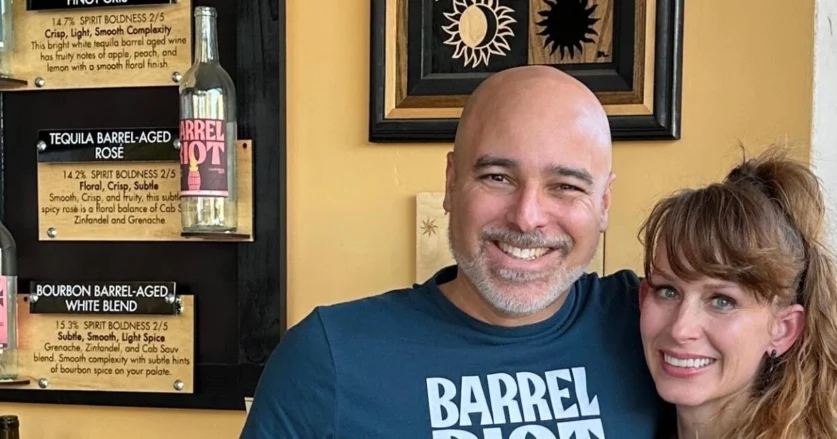
Barrel Riot Wines, as the name implies, is out to shake things up in the wine sector.
This wine production company, located in Poway, sets itself apart by offering unconventional wines seasoned with the tastes of rum, bourbon, and tequila.
At the 2020 San Diego International Wine & Spirits Competition, two of its wines received awards: the golden Tequila Barrel-Aged Orange Muscat and the silver Bourbon Barrel-Aged Cabernet Sauvignon.
“I’ve created all my wines to add a little more excitement in a sector that’s maintained its traditions for thousands of years,” says Dan Lipsky, the 50-year-old owner of Barrel Riot Wines, who gets his grapes from Temecula, Warner Springs, and Napa Valley.
“I’m not a farmer and I have no aspiration to become one,” he asserted. “I’m definitely not one of those wine enthusiasts who dream of retirement in a vineyard, looking after grapes. I more lean towards innovation, keen to craft unique and enjoyable products that allure drink lovers outside the circle of traditional wine consumers.”
He drew an analogy between his venture and the craft beer industry, particularly brewers who age their beer in barrels that once held bourbon or other spirits.
The home-brewer points out his target audience to be bourbon, scotch, whiskey, tequila, rum, and beer drinkers whom he hopes to familiarize with his wine product.
Lipsky allows his wines to mature approximately three to six months in barrels that were earlier used to mature bourbon, rum, or tequila.
Four years ago, when the production started, barrels were provided by Cutwater Spirits in San Diego. However, when Cutwater ceased to supply, he switched to importing barrels from the East Coast, Tennessee, and Kentucky. His tequila barrels are directly sourced from Tequila, located in the state of Jalisco, Mexico.
Some part of the aging process occurs in his residence on Midland Road, while other wines mature in Warner Springs, situated east of Temecula, he remarked.
According to Lipsky, Barrel Riot Wines is one of the scant companies in the sector concentrating on rum-, tequila- and bourbon-enhanced wines. The firm boasts a selection of 16 wines, such as Tequila Barrel-Aged Zinfandel, Spirit Barrel-Aged Merlot, Bourbon Barrel-Aged Cabernet Sauvignon, and Rum Barrel-Aged Grenache.
He accomplished a significant achievement the previous year when Total Wine & More, the wholesaler, consented to vend his Tequila Barrel-Aged Orange Muscat. This varietal is currently distributed in 22 locations across Southern California, he noted.
Several Barrel Riot wines are also sold at Smokin’ J’s BBQ, which has a location in Poway on Midland Road.
Smokin’ J’s BBQ co-owner Josh George said two of his restaurants, in Poway and downtown San Diego, sell Barrel Riot’s wines in 200 milliliter bottles for $15 and 750 milliliter bottles for $45. The larger bottles include the Orange Muscat, Cabernet Sauvignon, Red Zinfandel and a red blend, and the smaller bottles are available in most of Barrel Riot’s varieties.
George expressed his appreciation for the unique aging process and how the wines pair perfectly with their signature barbecue meals. He also mentioned his desire to support fellow businesses in Poway.
According to George, the demand for the wines has been increasingly on a surge, notably in the Poway area.
“We appreciate the uniqueness of our restaurant’s offerings,” he stated. “Not only does it help us stand out from the crowd, but it also complements our food perfectly.”
The wine is also available for purchase at the Welk Resort’s farmers market in Escondido on Mondays, and at the farmers market in Old Poway Park on Saturdays.
Lipsky, a resident of Poway since 2014, used to work in the tech sector, but left it due to the lack of physical activity. He took some of the skills he had acquired in software development and software configuration management and applied them to his newfound interest in winemaking.
When he started taking winemaking seriously, he collaborated with Mission Cellars, an urban winery and tasting room located on Midland Road. Although their partnership ended, Lipsky continued to refine his distillation process.
“I do not add any fortification to the wines. Distilled beverages such as rum, bourbon, or tequila are not included in my process,” he reported. “I merely take advantage of barrels that have previously aged alcohol. The essence of the wood infuses the wine, generating the unique flavor.”
The exclusive outdoor tasting room of Barrel Riot, situated at the residence of Lipsky and his spouse, April Lipsky, is located at Midland Road’s 13625. Reservations are mandatory to utilize this space, complete with free fire pits and music, through the BarrelRiot.com website, states Lipsky.
The tasting patio, accommodating roughly 100 guests, has served as a Casino Night fundraiser location for the Poway wrestling team, and as an introductory venue for the Poway Chamber of Commerce’s nonprofit gathering, according to Lipsky.
While simultaneously supporting local community events and advocating for his venture, Lipsky is passionate about recounting his tale of innovation.
Your input doesn’t contain any HTML code that needs to be stripped or modified. The input is already cleaned and does not contain any iframe, embed, form, img, style, noscript elements, class, id, height, width, or style attributes. It also does not contain any links that would require adding rel=”nofollow” and target=”_blank” attributes. As a blogger, you can use this paragraph directly in your blog post. It’s already in the correct format.
Record-Breaking $2.8 Million Paid for Rare Irish Whiskey by Collector
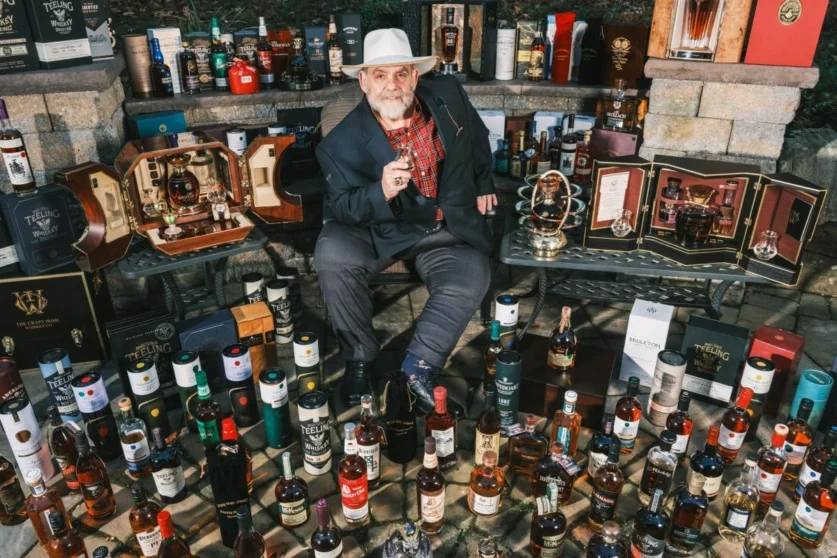
Whiskey lovers who splurge over $100 for a bottle have had it easy. The most recent record-breaking bid for a sought-after super-premium spirit stands at $2.8 million for a bottle of rare Irish whiskey.
The Craft Irish Whiskey Co. reports the sale of a bottle of The Emerald Isle triple-distilled Irish single malt whiskey for $2.8 million to American whiskey collector Mike Daley. This beats the price tag on the former record holder, a bottle of The Macallan 1926, which sold for $2.7 million in an auction conducted by Sotheby’s in November 2023.
Daley, an aficionado with thousands of bottles of Irish and American whiskies, as well as Scotch, identifies Irish whiskey as the future. “Irish is the future of whiskey. I’m thrilled to be part of it, not just as a collector, but primarily as a drinker,” he proclaimed in a statement in a press release about the sale.
See the list of dozens of products being recalled due to salmonella concerns
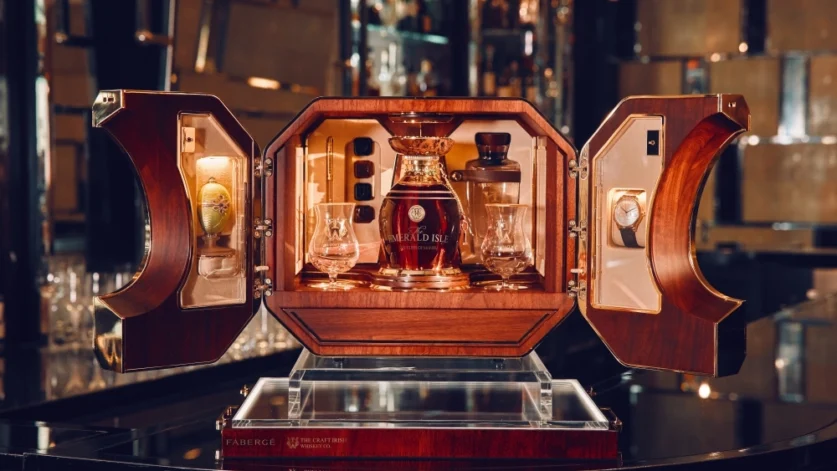
The Emerald Isle Irish whiskey, aged for three glamorous decades in various barrels, features an exceptional packaging set. The package comprises a charming walnut case cradling the whiskey bottle, a decanter, a set of tulip-shaped sipping glasses, a singular Fabergé egg, a wristwatch, whiskey stones, and two exquisite Cohiba cigars. This package is among only seven sets produced by the distiller.
While some would argue that the extravagant packaging led to the whiskey’s soaring price, the distiller suggests that the same applied for the previous holder of the record. Its value significantly escalated due to a label specially designed by the Italian artist Valerio Adami, according toa press release by The Craft Irish Whiskey Co.
“A monumental achievement for my business,” remarked Jay Bradley, the founder and CEO of The Craft Irish Whiskey Co. He launched the company with a vision to reinstate Irish whiskey as the most coveted luxury spirit and revive Ireland’s status for creating the world’s best whiskeys. With this accomplishment, Bradley believes the company has made commendable progress towards their vision after only six years. He eagerly anticipates revealing what else The Craft Irish Whiskey Co. has to offer to its customers and competitors.
In conversation withFood & Wine, Daley stated that “the rebirth of Irish whiskey is relatively new, so I feel like I’m getting in on the ground floor.” This multi-millionaire proudly displays large portions of his collection at his grand Bucks County, Pennsylvania estate. Nevertheless, some of the collection also finds a home at his beach house in Delaware.
“Luxury scotch, to me, is already a crowded type of market,” Daley he said. “But we’re only just starting to see luxury Irish make a name for itself. I guarantee you that in the years to come, it will get to where scotch is today.”
If you don’t have a few million to drop on Irish whiskey, The Craft Irish Whiskey Co. has an upcoming release of The Donn, “a dynamically aged single malt brimming with dark chocolate, prune, and cinnamon notes, which is expected to retail for about $200, according to Food & Wine.
And if you fancy some swank scotch in special packaging, there’s Dewar’s Double Double 37-year-old set, (priced at $1,687.99 on ReserveBar), which comes with a pair of Baccarat crystal tumblers. The Scotch whisky has been aged four times and matured in Oloroso sherry casks previously used for aging Aultmore Single Malt.
Follow Mike Snider on @mikesnider & mikegsnider.
What’s everyone talking about? Sign up for our trending newsletter to get the latest news of the day
This article originally appeared on USA TODAY: Most expensive whiskey: $2.8 million for Emerald Isle Irish whiskey
The Perfect Pair: Why Pale Ale Complements Fried Food Best
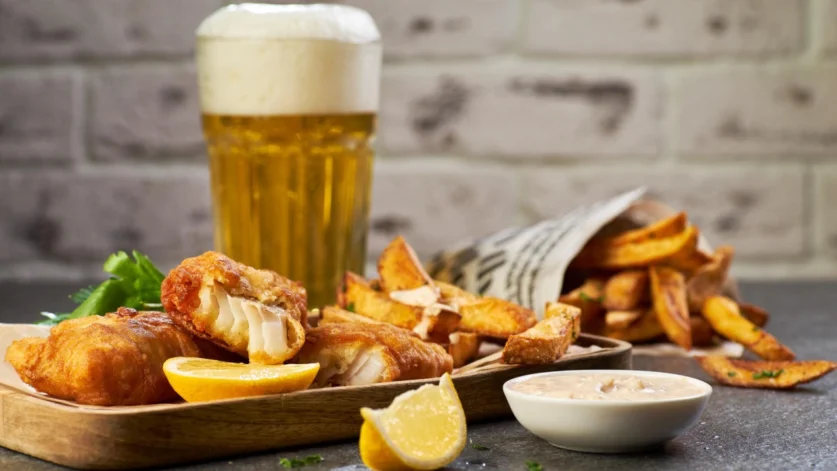
Pairing drinks with food can often lead you to either delicate wines with intricate floral, herbal, and mineral aromas, or a full-bodied, frothy beer that pairs well with your meal. Particularly with fried food, many people find themselves yearning for a refreshing beer.
Ideally, the beer you choose should echo the flavours of your meal while simultaneously balancing its texture and weight. Jessie Massie, Taproom Executive Chef at Sierra Nevada Brewing Co., suggests that a pale ale is an excellent choice of beer to consume with fried food.
Massie explains to the Daily Meal that “A universally suitable choice would be a traditional bar-style beer like a pale ale. A quality English-style or American pale ale can both cut through rich fatty flavors to cleanse the palate and also complement fry batter spices with approachable hoppy aromas.”
Pale ales are medium-bodied, gold or amber-hued beers, closely related to the IPA, that offer a wide array of flavors and fragrances due to their high hop content. They can be somewhat bitter with hints of bread and toast, and usually have significant carbonation. Pale ales are able to find the perfect balance of being adaptable and flavourful without being overpowering, making them the perfect accompaniment for your favourite deep-fried foods.
Read more: 10 Of The Healthiest Beers You Can Drink
Pairing food and drink is an art, not a science, with many different directions one can take. The factors to pay attention to are, of course, the flavors of the food, as well as the mouthfeel and general eating experience. Fried foods like chicken wings or French fries are saturated with oil, which can dominate the palate and make it hard to sense more delicate flavors. When choosing a beer, you’ll want one that has strong enough flavors to stand up to heavy food, and a healthy amount of carbonation to break up the residual fat left on your palate.
American-style pale ales (also known as APAs) tend to be more carbonated than English pale ales (also known as ESBs, or extra special bitters), so if you’re eating something really greasy, you may want to go American to thoroughly cleanse your palate. In either case, the beer’s flavor won’t get lost in the richness of the food, and the carbonation will be extra refreshing between bites.
Massie also advises diners to pay attention to the IBU of a beer, which stands for International Bitterness Units and, as you can probably guess, measures how bitter a beer is. Pale ales typically have an IBU in the range of 30 to 50 (with a score of 120 indicating maximum bitterness), and Massie advises diners to lean toward the lower end of this range.
“Bitterness isn’t all bad, but not all dishes will benefit from a bitter beer,” Massie said. “Generally with fried foods, like classic pub foods, I usually recommend going middle-of-the-road and choosing a beer somewhere in the range of 25 to 45 IBU.” Most breweries don’t print the IBUs on bottle labels, so you might want to do a little research before hitting the store.
The actual flavor notes of both styles of pale ales can vary widely, but English pale ales tend to have a little bit more malty sweetness alongside the hoppy bitterness, offering notes of caramel or toffee. American pale ales typically offer more hops and are known for their more bitter flavor profiles. In fact, the company Massie works for, Sierra Nevada Brewing Co., is generally recognized as having invented this style of beer through its incorporation of Cascade hops, which offers a grapefruit-like taste and aroma. American-style pale ales will be predictably easier to find in the U.S. than other kinds, especially if you don’t have access to a solid bottle shop.
Read the original article on Daily Meal.
Innovating the Wine Industry: Poway Winery’s Barrel-aged Wines with Bourbon, Rum and Tequila Flavors
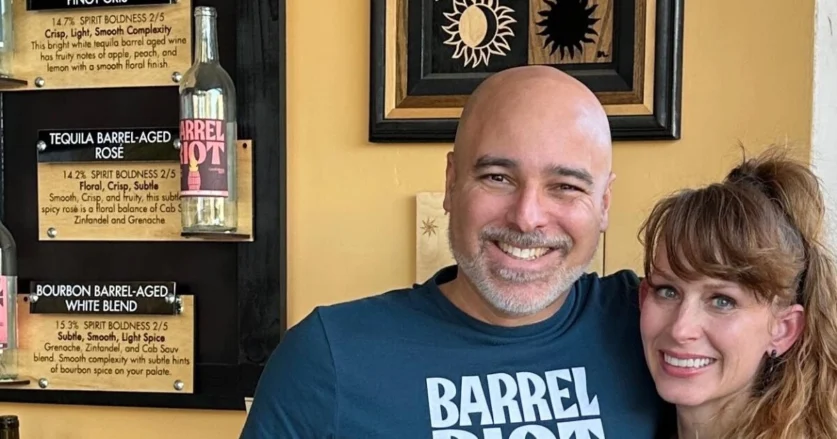
Barrel Riot Wines, as suggested by its name, has the objective to cause a significant change in the wine market.
Located in Poway, this wine manufacturer achieves its aim by creating unconventional wines imbued with the distinctive zest and aroma of rum, bourbon, and tequila.
In the 2020 San Diego International Wine & Spirits Challenge, it gained critical acclaim for its exquisite Tequila Barrel-Aged Orange Muscat, which won the Gold, and the Bourbon Barrel-Aged Cabernet Sauvignon that secured a Silver.
“All the wines I create aim to inject a bit more excitement into an industry that has largely remained conventional for centuries,” says Dan Lipsky, the 50-year-old owner of Barrel Riot Wines. The grapes for his wines are sourced from some of the most renowned vineyards in Temecula, Warner Springs, and Napa Valley.
“I’m not a farmer and I have no desire to be a farmer,” he said. “I’m definitely not one of those wine guys that wants to retire on a vineyard and take care of grapes. I’m more cutting-edge, wanting to create unique, fun products that will entice other drinkers than traditional wine drinkers.”
He compared his enterprise to the craft beer industry and brewers who age their beer in barrels that once contained bourbon or other spirits.
The home-brewer says his target market is bourbon, scotch, whiskey, tequila, rum and beer drinkers, who he wants to introduce to the wine product.
Lipsky ages his wines for roughly three to six months in barrels that were formerly used to age bourbon, rum or tequila.
Four years ago, at the start of production, barrels were obtained from Cutwater Spirits in San Diego. However, when Cutwater ceased their supply, barrels began being imported from the East Coast, Tennessee, and Kentucky. Tequila barrels are sourced directly from Tequila, Mexico, specifically in the state of Jalisco.
A portion of the aging process happens at his residence on Midland Road, while other wines are aged in Warner Springs, positioned to the east of Temecula.
Lipsky states that Barrel Riot Wines is among a select few companies in the sector that are primarily dedicated to rum-, tequila-, and bourbon-enhanced wines. Their product list includes 16 wines, such as Tequila Barrel-Aged Zinfandel, Spirit Barrel-Aged Merlot, Bourbon Barrel-Aged Cabernet Sauvignon, and Rum Barrel-Aged Grenache.
Last year concluded with a significant achievement when Total Wine & More, a wholesaler, consented to market his Tequila Barrel-Aged Orange Muscat. This varietal is currently distributed to 22 locations in Southern California.
Your HTML code does not contain any item that needs to be removed or modified as per your instructions. Your given code is pretty clean and doesn’t contain any link, iframe, embed, form, img, style, noscript elements or id, class, style, width, height attributes.
Therefore, your given code can be used as it is. Here’s the same code:
<p>Several Barrel Riot wines are also sold at Smokin’ J’s BBQ, which has a location in Poway on Midland Road.</p>
<p>Smokin’ J’s BBQ co-owner Josh George said two of his restaurants, in Poway and downtown San Diego, sell Barrel Riot’s wines in 200 milliliter bottles for $15 and 750 milliliter bottles for $45. The larger bottles include the Orange Muscat, Cabernet Sauvignon, Red Zinfandel and a red blend, and the smaller bottles are available in most of Barrel Riot’s varieties.</p>
<p>George said he likes the uniqueness of the aging process, and the wines pair nicely with the barbecue meals they serve. He also thought it would be nice to support another Poway business, he said.</p>
<p>Demand for the wines is starting to pick up steam, especially in Poway, George added.</p>
Please let me know if you have any other instructions.
“It’s a unique offering for a restaurant, which we really like,” he said. “It helps differentiate ourselves and it helps that it goes along nicely with the food.”
The wine is also sold at the Farmers Market at Welk Resort in Escondido on Mondays and at the Poway Farmers Market Saturdays near Old Poway Park.
Lipsky, a Poway resident since 2014, worked in the tech industry until he got burned out from sitting in front of a computer all day. He began to take some of the skills he used in software development while working in software configuration management and applied them to his winemaking craft.
When his dabbling turned serious, he began partnering with Mission Cellars urban winery and tasting room, also on Midland Road. Although the partnership fizzled, Lipsky continued to hone his spirit aging process.
“I don’t fortify the wines. I don’t pour any rum, bourbon or tequila in the wine,” he said. “I simply use barrels that have aged alcohol before. The flavor of the wood seeps into the wine and creates that flavor.”
Barrel Riot’s private outdoor tasting room at the home of Lipsky and his wife, April Lipsky, is at 13625 Midland Road. Reservations are required through the BarrelRiot.com website to use the outdoor space with complimentary firepits and music, Lipsky said.
The tasting patio, which can fit about 100 people, has been used as a Casino Night fundraiser for the Poway wrestling team and as a meet-and-greet venue for the Poway Chamber of Commerce’s nonprofit meeting, Lipsky said.
Along with supporting community events and promoting his business, Lipsky is eager to share his story of disruption.
“Even the logo on the bottles shows a little bit of a story of how the barrels were created,” he said. “The logo has a barrel with flames coming out. That’s how they prepare the spirit barrels. Before they put a spirit in the barrel they char the inside of the barrel. It looks like a barrel with flames coming out of it.”
Twitter Abuzz with Memes on This Viral Wine Brand
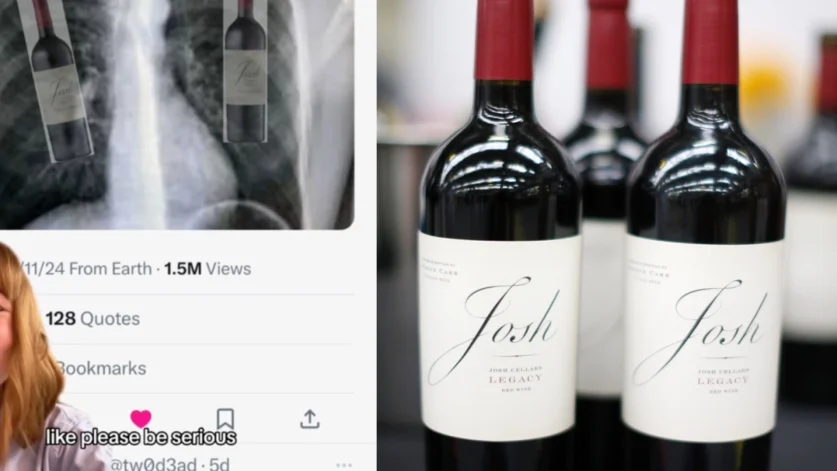
The most luxurious wines usually have fancy names to match: Chateau Lafite Rothschild, Dom Pérignon, Domaine d’Auvenay, the list goes on. Figuring out how to pronounce the label on your bottle is almost as tough as selecting which one you should buy in the first place. But right now, the name on everybody’s lips is decidedly more simple: Josh.
If you’ve ever browsed the shelves of your local wine shop in search of an affordable Cab Sauv, a bottle from Josh Cellars was likely for sale. Since founded in 2007, the California-based winery has expanded their repertoire to include 11 varietals.
Joseph Carr named the brand after his father, a military veteran who also worked as a lumberjack and firefighter. The brand honors Josh’s legacy with every bottle. And for the past week, that legacy has taken on a life of its own.
Earlier this month, a user on X shared a post about the brand’s Merlot. What started as an entirely earnest suggestion became a launchpad for online memes poking fun at the name.
I’m not gonna keep telling y’all to grow up and leave that Stella & Barefoot alone pic.twitter.com/XrkSN7zukC
— King Pisces 🔱🧸 (@OptimusGrind__) January 7, 2024
With a suggested price of $17.99 a bottle, many users argued that Josh Cellars Merlot isn’t as much of an upgrade from Barefoot and Stella Rosa wine as the original post may lead us to believe. As well-balanced and delicious as it may be, ordering a glass of Josh feels just a little bit silly.
And then the memes started taking over our social media feeds like a tidal wave.
got the results back from the doctor and i’m afraid to say i got that josh in me pic.twitter.com/rKIvRNU7Wt
— horse dentist (@equine__dentist) January 11, 2024
Pour up (Josh), head shot (Josh)
Sit down (Josh), stand up (Josh)
Pass out (Josh), wake up (Josh)
Faded (Josh), faded (Josh)
— swag (@chillextremist) January 11, 2024
Me and the boys after a bottle of Josh wine pic.twitter.com/d1EQIGqgD5
— Vincent A DiGeronimo (@vincedige) January 13, 2024
The memes surrounding Josh wine have provided the winery with more exposure than ever. Data from Google indicates that interest in Josh wine has never been higher. It’s too soon to tell, but there’s a good chance that this newfound brand attention will translate into a Josh renaissance.
How has Josh Cellars been handling all the memes? According to Dan Kleinman, Chief Brand Officer of Josh Cellars, they’re taking the jokes in stride. “The wittiness of these posts have captivated us and we’re delighted to see our brand be part of the broader social media conversation,” he says. “Let the memes flow!”
You Might Also Like
Record-Breaking Sale: Irish Single Malt Crowned as the Priciest Whiskey Ever Sold
If you purchase an independently reviewed product or service through a link on our website, Robb Report may receive an affiliate commission.
It feels like it was just yesterday that we reported on the most expensive bottle of whiskey ever sold at auction. Well, just like that the record’s been broken, but the whiskey in question might surprise you: It’s a bottle of Irish single malt that comes with a Faberge egg.
More from Robb Report
Manhattan’s Only Whiskey Distillery Just Dropped a Bourbon With Some Serious Smoke
Taste Test: This New American Single Malt is One of the Best That We’ve Tried
Garrison Brothers Is Bringing Back Its Big, Bold Port-Finished Bourbon
Typically, the bottles of whiskey (or whisky, most of the time) that sell for millions at auction are single malt scotch, and the most recent earth-shattering sale was a bottle of The Macallan 1926. This 60-year-old whisky became the most expensive ever sold when the hammer dropped at a Sotheby’s auction in November when someone paid $2.7 million for it. But last week came news that whiskey collector Mike Daley purchased The Craft Irish Whiskey Co.’s The Emerald Isle set for $100,000 more, setting a new record at $2.8 million.
So what makes this whiskey so special? The actual liquid itself sounds kind of standard, at least in the ultra-premium category. It’s a triple-distilled, 30-year-old Irish single malt whiskey aged in bourbon and sherry casks, something you could find from Bushmills for about $2,000 instead of $2 million. But The Craft Irish Whiskey Co. is known for its luxury packaging and exclusivity, and both apply here. Just seven sets of this particular whiskey were released, and each bottle comes inside a walnut case that has a Faberge egg with an emerald inside, a custom Faberge timepiece, and a couple of Cohiba cigars from Cuba.
According to Daley, who made his money by investing in hyaluronic acid, Irish whiskey is the future of whiskey overall. “The rebirth of Irish whiskey is relatively new, so I feel like I’m getting in on the ground floor,” he said in a statement. “Luxury scotch, to me, is already a crowded type of market. But we’re only just starting to see luxury Irish make a name for itself. I guarantee you that in the years to come, it will get to where scotch is today.”
As for The Craft Irish Whiskey Co., founder Jay Bradley’s goal was always to make Irish whiskey a luxury category, and this brings that vision one step closer to realization. You probably won’t find another Emerald Isle set for sale at the moment, but The Brollach single malt set is now available for pre-order from ReserveBar for just under eight grand.
Best of Robb Report
Why a Heritage Turkey Is the Best Thanksgiving Bird—and How to Get One
9 Stellar West Coast Pinot Noirs to Drink Right Now
The 10 Best Wines to Pair With Steak, From Cabernet to Malbec
Sign up for Robb Report’s Newsletter. For the latest news, follow us on Facebook, Twitter, and Instagram.