Sip in Style: The World’s 30 Greatest Cocktails and Where to Enjoy Them

A frosty glass, a slice of pineapple perched on the rim, and a little umbrella swaying gently. A moment that truly encapsulates the beginning of your holiday is when a bartender expertly sets down your Piña Colada at the bar, topped with creamy coconut, smooth rum, and the promise of sun-soaked days ahead.
However, the holiday cocktail represents more than just a signal to unwind; it serves as a definitive symbol of location. Be it an Aperol spritz enjoyed while people-watching in a sunny square, an Irish coffee savored on a chilly evening in Cork, a dry Martini indulged in at a posh London hotel bar, or a frosty daiquiri that refreshes you on a sweltering afternoon in Havana – the world’s iconic cocktails are deeply intertwined with the essence of our beloved destinations.
As the latest champion is announced at the World’s 50 Best Bars awards in Madrid (this year it’s Handshake Speakeasy in Mexico City, for those curious), let’s celebrate the significant role played by the humble holiday cocktail by exploring the quirky, fascinating, and sometimes outrageous history of 30 cocktails that have truly made their mark.
1. Manhattan: New York City, USA
2. Singapore sling: Singapore
3. Pisco sour: Lima, Peru
4. Daiquiri: Santiago De Cuba, Cuba
5. Caipirinha: São Paulo, Brazil
6. Espresso martini: London, UK
7. Mai tai: California, USA
8. Old fashioned: Kentucky, USA
9. Vesper martini: London, UK
10. Bloody Mary: Paris, France
11. Cosmopolitan: Florida, USA
12. Irish coffee: County Clare, Ireland
13. Grasshopper: New Orleans, USA
14. Margarita: Tequila, Mexico
15. Negroni sbagliato: Milan, Italy
16. Negroni: Florence, Italy
17. Sazerac: New Orleans, USA
18. Hanky panky: London, UK
19. Mojito: Havana, Cuba
20. Mint julep: The Deep South, USA
21. Bellini: Venice, Italy
22. Penicillin: New York, USA
23.Aperol spritz: Veneto Region, Italy
24. Painkiller: British Virgin Islands
25. French 75: Paris, France
26. Whisky highball: Japan
27. Piña colada: Puerto Rico
28. Vieux carre: New Orleans, USA
29. Ferroviario: Buenos Aires, Argentina
30. Jungle bird: Kuala Lumpur, Malaysia
American whiskey, vermouth
The exact origins of the Manhattan cocktail are often debated; one popular story suggests it was crafted in the 1870s at the Manhattan Club in New York for a banquet that was hosted by Churchill’s mother. Regardless of its true beginnings, the Manhattan has cemented its place as one of the most iconic dark-spirit cocktails in the world.
The Manhattan Club officially closed its doors in 1979, but the bar at 60th-floor Manhatta in NYC’s Financial District acts as a remarkable alternative, offering breathtaking views of lower Manhattan (manhattarestaurant.com; $23/£17.60).
The Beekman offers double rooms starting at £648.
Discover more cocktail ideas in our expert guide to the best bars in New York.
The ingredients include gin, Benedictine, cherry liqueur, dry curaçao, grenadine, pineapple and lime juice, along with bitters.
This vibrant, pinkish drink was crafted around 1915 by Ngiam Tong Boon, a bartender at the Long Bar in the original Raffles Hotel. Its creation aimed to deceive critics at a time when women were discouraged from openly enjoying traditional alcoholic drinks in public.
The Long Bar at Raffles is famous for selling around 1,200 Singapore Slings each day, which certainly indicates they have a successful formula (raffles.com; £23).
Raffles Singapore offers rooms starting from £884.
The ingredients include Pisco, lime juice, egg whites, sugar syrup, and aromatic bitters.
Both Peru and Chile assert that they are the rightful home of the Pisco Sour. However, this iconic cocktail – a variation of the traditional whiskey sour – was created by American bartender Victor Vaughen Morris in Peru back in 1904, prompted by local celebrations that led to a whiskey shortage.
Country Club Lima Hotel’s English Bar is widely regarded as the place to find the finest Pisco Sour in Lima.
Country Club Lima Hotel offers accommodations starting at £237.
Ingredients include rum, lime juice, and sugar.
The Daiquiri, another cocktail shrouded in debate regarding its origins, is generally believed to be named after an iron mine located near Santiago de Cuba, with its creation dating back to the late 1800s. However, it wasn’t until the 1940s, during a time of rationing that limited the availability of whiskey and vodka, that the cocktail – alongside rum – truly gained popularity.
The historic Floridita in Havana is known as the birthplace of the frozen daiquiri, where Ernest Hemingway devised his stronger version, the Papa Doble, priced at $6.25/£4.80.
The luxurious Gran Hotel Manzana Kempinski La Habana offers accommodations starting from £295.
Cachaça, sugar, lime
In the 19th century, farmers in the vicinity of São Paulo pioneered a mixture of the readily available sugarcane and galeguinho, a fruit reminiscent of lemons, along with Cachaça, Brazil’s most popular distilled beverage. This concoction not only served as a treatment during the Spanish flu pandemic but continues to be a favored home remedy for colds.
Bar Veloso in São Paulo is famous for its Caipirinhas and flavorful coxinhas (Brazilian chicken croquettes) priced at £2.75.
Hotel Emiliano offers double rooms starting at £458.
The drink features vodka, coffee liqueur, espresso, and sugar.
Originating in London, this cocktail began as the “Vodka Espresso,” served short over ice, topped with the iconic three-coffee bean garnish. It was invented by British mixologist Dick Bradsell at the Soho Brasserie in 1983, inspired by a supermodel’s request for a beverage that would “wake me up and f – – k me up.”
Although the Soho Brasserie has closed its doors, you can still spot the old sign from the venue and enjoy a wonderful rendition of this modern classic at the nearby Bar Swift for £14.
The charming Kettner’s offers doubles starting from £285.
Explore the best places for a drink in London with our comprehensive guide to the best bars and pubs in the city.
This delightful drink combines rums, dry curacao, orgeat syrup, lime juice, and sugar syrup.
This classic Tiki cocktail rose to fame thanks to the now-iconic Polynesian-themed Trader Vic’s restaurants during the Tiki bar craze of the 1940s and 50s. An appearance in Elvis’s 1961 film, Blue Hawaii, only added to its popularity. Today, it remains a favorite among those who enjoy strong and sweet beverages.
While many of Trader Vic’s famed locations (such as the one at London’s Hilton Park Lane) have since closed, Athens’s Tiki sanctuary Baba Au Rum is known for serving what many consider to be Europe’s best Mai Tai. They craft this drink using the original recipes from Trader Vic and feature an award-winning selection of spirits. Guests can enjoy it under the watchful eye of Mr. Presley himself—at least in poster form—for €11/£9.20.
The NEW Hotel in Athens offers rooms starting from £186.
The drink is made with American whiskey, sugar, and Angostura bitters.
Various claims surround the origins of this cocktail, but the most prominent story attributes its creation to a bartender at the Pendennis, a gentlemen’s club in Louisville, Kentucky. According to legend, he crafted the drink in the 1890s at the request of Colonel James E. Pepper, a distinguished bourbon distiller from Kentucky, who later took the recipe to New York. Of course, the truth of this tale can vary depending on whom you ask.
One of the finest versions can be found at Death & Co in New York City, a renowned cocktail establishment that has published two books dedicated to the art of classic cocktails, justifying its price of $17/£13.
If you’re looking to indulge, The Mercer offers doubles starting at £815.
The ingredients include gin, vodka, and Kina Lillet.
The iconic drink associated with 007 makes an appearance in Ian Fleming’s inaugural Bond novel, Casino Royale, where the famous line “shaken, not stirred” originates. This signature cocktail was reportedly inspired by Fleming’s visits to Dukes Bar located in London.
Dukes Bar continues to serve the Vesper but offers a more intense, unshaken variant that is chilled to near-freezing temperatures and served without any dilution. It’s definitely not for the timid, priced at £25.
Dukes London provides accommodations starting from £414.
The cocktail is composed of vodka, tomato juice, lemon juice, Tabasco, salt, and pepper.
A well-known gathering spot from the 1920s for adventurous American expats (who introduced canned tomato juice) and Russians escaping revolution (who brought vodka), it is no surprise that Harry’s New York Bar in Paris became the birthplace of this iconic brunch cocktail.
Visit the original location at Harry’s New York Bar (€14/£11.70).
Ritz Paris offers accommodations starting from £1,720.
Explore more of the finest beverages in Paris with our expert guide to the city’s best cafes and bars.
Citron vodka, cranberry juice, triple sec, lime juice
The Cosmo boasts an intriguing history, featuring a rise to fame during the 1970s among the gay communities in Massachusetts and the trendy singles bars of San Francisco. Its comeback in the late 90s was largely influenced by endorsements from celebrities like Madonna and the iconic character Carrie Bradshaw from Sex and the City. However, it was Cheryl Cook, a bartender at the now-closed Strand Restaurant in Miami’s South Beach, who elegantly served it in a Martini glass—catering to the desire of patrons who wanted to be seen with that classy drink. For that reason, we credit her with its rise to prominence.
The Strand may no longer be around, but you can still channel your inner star by visiting Miami’s Carbone ($22/£17).
Alternatively, the Setai in Miami Beach offers accommodations starting from £688.
Irish whiskey, coffee, sugar, cream
While variations of this delightful beverage were enjoyed in Central European coffee houses as early as the mid-1800s, it was in 1943 that the drink truly captured hearts. A chef at Foynes Air Base, the flying boat terminal near what is now Shannon Airport, started integrating whiskey into coffee for cold and weary travelers, and it quickly gained popularity.
By the 1950s, Irish coffee had cemented its place in American culture, particularly in New York. Today, The Dead Rabbit is celebrated for crafting arguably the finest version of this drink, priced at $16.
If you’re looking for a place to stay, 33 Hotel New York City in Seaport offers accommodations starting from £428.
Crème de menthe, crème de cacao
This striking green dessert beverage originates from the Creole culture of New Orleans, with its official creation credited to Philip Guichet, the proprietor of Tujague’s restaurant in the French Quarter, back in 1918. By the 1960s, it had garnered popularity throughout the American South and has since become a nostalgic classic served in establishments globally.
Tujague’s continues to stand as a beloved landmark in New Orleans, with the Grasshopper cocktail being its most popular offering ($12/£9.20).
The Windsor Court also offers luxurious accommodations starting from £378.
Tequila, triple sec, lime juice, sugar
The story behind the world’s most famed tequila cocktail is somewhat elusive. Some accounts indicate that the creation can be attributed to Carlos “Danny” Herrera, who was asked to craft a tequila drink for Marjorie King, a star of the Ziegfeld Follies who had an allergy to most other spirits, at his establishment, Rancho La Gloria, located near Tequila, in 1938.
This iconic drink has undergone numerous transformations, but if you’re looking for something unique, consider trying the Margarita al Pastor at a bar in Mexico City called Licorería Limantour. This special cocktail features a blend of tequila, triple sec, lime, and an intriguing “taco mix” composed of pineapple, coriander, and chilies, priced at £5.
If you’re planning a visit, Hotel Geneve in Mexico City offers double rooms starting at £93.
Campari, vermouth, Prosecco
The slightly humorous name of this drink, which means “mistake,” pays tribute to its origin story. In 1972, bartender Mirko Stochetto at Bar Basso was preparing a Negroni but accidentally reached for a bottle of Prosecco instead of gin. The outcome was a lighter, longer, and more refreshing beverage that quickly gained popularity among patrons. Initially served in a whimsically oversized wine glass, you can still order it that way today.
Currently managed by his son, Maurizio, Bar Basso continues to serve this delightful mistake for €10/£8.40.
Château Montfort offers doubles starting from £451.
Explore more of the finest bars in Milan by checking out our expert guide to the best nightlife in the city.
Gin, Campari, vermouth
Considered one of the most iconic cocktails, this Italian classic is believed to have originated at Florence’s Caffè Casoni in 1919. The story goes that Count Camillo Negroni requested bartender Fosco Scarselli to replace the soda in his Americano with gin, resulting in a stronger and shorter drink.
Over the years, Caffè Casoni has transformed into Caffè Giacosa, where the Negroni is celebrated with almost reverent admiration (0039 055 202 1617; €15/£12.50).
The hotel La Gemma offers double rooms starting from £628.
If you’re looking for more inspiration for your visit to Florence, check out our expert guide to the best bars and nightlife.
Ingredients include American whiskey or cognac, absinthe, sugar, and Peychaud’s bitters.
This cocktail, known as the official drink of New Orleans and often regarded as America’s oldest cocktail, was originally crafted with cognac. It was supposedly created by pharmacist Antoine Amédée Peychaud in the mid-1800s. However, the cognac was replaced with whiskey after the phylloxera epidemic of the 1880s wiped out grapevines, leading to the birth of a true classic.
The Sazerac Bar at the Roosevelt Hotel has been significant in New Orleans’ drinking culture, being the first establishment in the city to welcome women when a group of them took a stand at the bar in 1949 ($22/£17).
The Roosevelt Hotel offers accommodations starting at £388.
Ingredients: Gin, vermouth, Fernet Branca
This creation is attributed to Ada Coleman, who was the head bartender at the Savoy’s American Bar back in 1903, making her mark in an overwhelmingly male-dominated field. She crafted the cocktail for Sir Charles Hawtrey, a regular patron and a known cocktail enthusiast. After enjoying the drink, Hawtrey famously remarked, “By Jove! That is the real hanky-panky,” thus giving her drink its memorable name.
The American Bar is still the finest spot to enjoy Ada’s celebrated cocktail (£20).
The Savoy offers doubles starting from £900.
Ingredients include rum, lime juice, mint, sugar, and soda.
Some believe that we owe this delightful drink to none other than Sir Francis Drake, or at least to its 16th-century brandy-based predecessor, the “El Draque”. Lime juice was recognized as an effective remedy for scurvy and dysentery, and it seems that the addition of alcohol enhanced its popularity among his crew. With all its components native to Cuba, this drink has become a key cultural symbol of the island.
La Bodeguita del Medio, a favorite haunt of Hemingway, is located in Havana and is widely recognized as the official birthplace of the Mojito (0053 7 8671374; £4).
Hotel Nacional de Cuba offers double rooms starting at £102.
Bourbon, sugar, mint
This mix of mint and bourbon, once thought to have medicinal properties in the Middle East—its name deriving from the Persian word “gulab”, meaning flower water—originated in the American South. It was typically served in punch bowls at social events throughout the 18th century. However, it wasn’t until the 1930s, when it became the official drink of the Kentucky Derby, that it was presented in its now-iconic metal tumbler filled with crushed ice.
Tied to the tradition of the Kentucky Derby, Louisville’s Brown Hotel is well-known for serving this refreshing drink ($14/£11).
Rooms at the Brown Hotel start at £174.
Prosecco, peach puree
This delightful concoction was created in the 1940s by Giuseppe Cipriani at Harry’s Bar in Venice. The cocktail’s name was inspired by the distinctive pink color of the peach puree, which evoked the work of 15th-century Venetian painter Giovanni Bellini (though which artwork it resembles remains a mystery).
Harry’s Bar remains a timeless favorite in Venice. While the drink has gained global popularity, it is best enjoyed here (€22/£19).
At Baglioni Hotel Luna, rooms start from £801 for a double.
Explore the finest bars in Venice in our guide to Venice nightlife.
Ingredients include blended Scotch, lemon juice, honey ginger syrup, and a single malt float.
Originating from Sam Ross at Milk & Honey in New York during the speakeasy revival of the mid-2000s, this cocktail remains one of the few drinks introduced after the turn of the millennium that continues to appear on bar menus across the globe.
The original location of Milk & Honey is now home to the renowned Attaboy bar, co-owned by Sam Ross, where the Penicillin cocktail remains a favorite among patrons, priced at $20/£15.30.
For accommodations, citizenM New York Bowery offers rooms starting from £121.
Aperol, Prosecco, soda
The iconic spritz that won over the globe (its name is synonymous with a vibrant orange hue) is not merely a modern-day concoction. The Aperol brand was established by brothers Luigi and Silvio Barbieri back in 1919. However, it wasn’t until the 1950s that the authentic spritz recipe came to life – crafted as a light, pre-dinner beverage – which quickly became a sensation. Jump ahead to the marketing boom of the 2000s, and this delightfully easy-to-enjoy bubbly and bittersweet drink solidified its status in the cocktail elite, becoming a staple on sun-drenched patios worldwide.
In Venice, the renowned Terrazza Aperol offers the beloved spritz throughout the day (€7/£6).
Hotel Villa Franceschi features stays starting from £246.
Rum, coconut cream, orange, and pineapple juice
The Soggy Dollar Bar, established by George and Marie Myrick on Jost Van Dyke island in 1970, has become a beloved Caribbean landmark. In its early days, visitors had to wade through the water to reach the bar, giving rise to its unique name. Perhaps its most notable contribution to cocktail culture is the creation of the ultimate desert-island drink, which is rumored to be named after a local bush rather than the effects of its ample rum content.
The Soggy Dollar is still operating and now accepts card payments, ensuring that your cash remains secure ($9/£6.90).
The Hideout offers accommodations starting at £650 for a two-night stay.
Ingredients include gin, lemon juice, sugar, and Champagne.
Originating in 1915 at Harry’s New York Bar in Paris, the sophisticated French 75, also known as Soixante Quinze, derives its name from the French 75mm field gun. You may wonder about the link; the answer lies in their shared potency.
Harry’s New York Bar is undoubtedly the best venue in Paris—and indeed the entire globe—to savor this cocktail (€16/£13).
For those looking for accommodation, Hôtel Fauchon offers rooms starting from £449.
Japanese whisky and soda
Although Japan did not create the whisky soda, the demand for affordable and easy-to-make drinks after the Second World War, along with the influence of whisky giant Suntory, led to bars offering highballs on tap and stores selling them in cans. This drink has since become an integral part of Japanese drinking culture.
You can find high-quality canned highballs at nearly every convenience store in Japan. For a unique experience, visit one of Star Bar’s four branches and enjoy their exquisite “Ninja Ice” variation (starbar.jp; £12).
The Tokyo EDITION offers stays starting from £840 for doubles.
Ingredients include rum, coconut cream, and fresh pineapple.
While tales of an 18th-century pirate concocting the Piña Colada to inspire his crew are enticing, the true origins of the drink are credited to bartender Ramón “Monchito” Marrero. In 1954, he aimed to craft a cocktail that truly reflected the essence of Puerto Rico during his tenure at the Beachcomber Bar in the Caribe Hilton Hotel.
Although the hotel still stands, the bar has since vanished. For a taste of the Piña Colada, make your way to San Juan’s Barrachina, which also lays claim to this iconic cocktail ($9/£6.90).
You can find accommodations at the Caribe Hilton, with rates starting from £290.
The ingredients include rye whiskey, cognac, benedictine, sweet vermouth, Angostura bitters, and Peychaud’s bitters.
In 1937, Walter Bergeron, the head bartender at the Carousel Bar located in Hotel Monteleone, crafted a drink that serves as a heartfelt homage to its surroundings. The drink’s name, which translates to “old square,” pays respect to the iconic French Quarter. Each ingredient reflects the diverse cultural tapestry of the area, featuring cognac and Benedictine to honor the French, rye whiskey representing the Americans, sweet vermouth for the Italians, and bitters that pay tribute to the Caribbean heritage.
The Carousel Bar and Lounge continues to serve this robust cocktail from New Orleans at a price of $21/£16.
At Hotel Monteleone, accommodations start at £321 for double rooms.
Fernet, vermouth, soda
A long-standing element of Argentinian drinking traditions, largely due to the popularity of fernet (a complex and aromatic bitter liqueur from Italy), this traditional cocktail can be found in a variety of venues, from casual all-day cantinas to upscale bars.
Throughout Argentina, this refreshing mix is readily available, but it’s at Buenos Aires’ Tres Monos where you’ll discover a particularly delightful version that features strawberry, rosemary, and thyme for only $8/£6.
For accommodations, Mine Hotel offers rates starting from £119.
The drink consists of rum, Campari, pineapple juice, lime juice, and sugar syrup.
The Jungle Bird cocktail, conceived in the 1970s by Jeffrey Ong, who worked as a manager at the Aviary Bar in Kuala Lumpur Hilton, was inspired by the vibrant tropical birds that adorned the hotel’s poolside.
The Aviary Bar remains popular today, with its signature Jungle Bird cocktail still delivering a delightful experience at £12.
You can stay at Hilton Kuala Lumpur with room rates starting from £325.
Top California Wines Under $20: Great Picks for Budget-Conscious Wine Lovers

These are the kinds of wines you’ll want to buy by the case.
Victor Protasio / Food Styling by Margaret Monroe Dickey / Prop Styling by Julia Bayless
Due to the rising costs of labor and land in California, discovering exceptional wine values priced under $15 has become increasingly challenging — with emphasis on “exceptional.” While it’s certainly possible to locate less costly California wines, many of these tend to be mass-produced and lack appeal. They aren’t necessarily poor choices, just rather unremarkable.
However, once you consider spending between $15 and $20, the landscape shifts significantly, revealing a wealth of bottles that present not only immediate enjoyment but also distinct character. Here are 15 reliable selections to consider, year after year.
When it comes to a reliable choice for pairing with burgers, steaks, and sausages, Bogle’s rich and juicy Petite Sirah stands out as a top contender. Since its inception in 1968, when Warren Bogle first cultivated this variety, it has been known as a great value.
Arroyo Seco, located in Monterey County, provides the perfect balance of warmth and sunlight, resulting in a white wine that showcases a generous texture and flavors reminiscent of orchard fruits. The region’s cool winds contribute just the right amount of acidity, preventing it from becoming too heavy.
This initiative by wine importers Harmon and Michael Skurnik began in 2009 and quickly established itself as a favorite for those seeking Pinot Noir options under $20 that truly embody the essence of the varietal: bright, crisp, bursting with vibrant berry nuances and a subtle touch of spice.
Morgan Twain-Peterson showcases his talent with old-vine reds, whether through his premium selections at Bedrock Wine Co., which highlights California’s historic vineyards, or in this exceptionally delicious blend combining Zinfandel and a medley of other varietals, offering delightful blue fruit flavors.
The Varner brothers have established a reputation for their premium single-vineyard Pinot Noir. However, since the inception of their Foxglove brand in 1991, they have also excelled in offering some of the best value wines in California, including this refined and consistently delightful Cabernet Sauvignon.
Year after year, this Sauvignon Blanc stands as a dependable choice, showcasing California’s strengths with flavors of melon and citrus, balanced by fresh, yet mild acidity, and just a trace of the typical grassiness associated with the variety.
Since 1995, Napa Valley’s Pine Ridge Vineyards has been producing an intriguing and highly appealing white blend. Currently, this Chenin Blanc is sourced from Clarksburg in the Sacramento River delta, with 20% of Viognier coming from Lodi. It presents a juicy and aromatic profile, making it a wonderful pairing with dishes ranging from roast chicken to fresh green salads.
Clarksburg has emerged as a premier location for Chenin Blanc, which is experiencing a much-deserved revival in California. Long recognized for its merit, Dry Creek has been crafting this jasmine-scented, melon-flavored dry Chenin since 1972, proving its ongoing popularity.
The Mediterranean grape Malvasia is not widely cultivated in California; it is more commonly found in Italy, particularly in the Aeolian Islands off the coast of Sicily, and in Spain, including the Canary Islands. However, Birichino, a producer from the Central Coast, discovered a source in Monterey County, and from this vineyard, they produce a lime-scented, bone-dry white wine that is excitingly refreshing.
Bonny Doon’s Le Cigare Blanc is a harmonious blend of southern French varieties Vermentino (Rolle) and Grenache Blanc, striking a balance between richness and brightness. Its flavor profile includes notes of tart quince and ripe pears, making it incredibly versatile—equally delightful with a fresh salad or a roast chicken.
It’s a common belief that many rosés taste quite similar—pale pink, somewhat fruity, and vaguely crisp; they are pleasant but often forgettable. This Grenache-based rosé from California breaks that mold, offering distinctive and refreshing strawberry-raspberry flavors, complemented by floral notes that add depth. It has enough body that its flavor remains intact even when paired with food.
This Sauvignon Blanc from Sonoma County features a hint of barrel fermentation (around 15% of the wine), which contributes a greater texture and a silkier mouthfeel than what is typically expected from the variety. This slight richness enhances the wine’s grapefruit and lemon flavors, adding an extra layer of complexity.
Wente holds the distinction of being among the earliest California wineries to cultivate Chardonnay, first planting it in 1908. Today, the “Wente clone” of Chardonnay is recognized as one of the most widely cultivated varieties in the state. This full-bodied, citrus-infused white wine is an excellent choice for those who appreciate Chardonnay and are looking to buy in bulk.
Chris Bilbro, the founder of Marietta in 1978, had a remarkable concept for this consistently affordable red wine, which continues to be produced by his son, Scot Bilbro, after Chris’s passing in 2019. He ingeniously blended the vibrant berry notes of new-vintage Zinfandel with the robust intensity of Petite Sirah, aged for about three years in barrels, and added a splash of two-year-old Syrah for an extra kick of spice (along with a few additional varietals as necessary). While the wine doesn’t carry a vintage label, it offers a complexity and richness that surpasses many others in its price range.
Olema’s reserve bottling represents a rare kind of Chardonnay that appeals to both fans of rich, full-bodied wines and those who prefer a brighter, crisper option. Its apple-pear fruit profile is complemented by hints of vanilla and toasted bread, derived from partial aging in new French oak barrels.
Alvin Kamara’s Hilarious Response to Brewery’s Beer Offer After Securing New Saints Contract

Alvin Kamara has caught the attention of a local brewery following the announcement of his two-year, $24.5 million extension with the New Orleans Saints.
Abita Beer, based in Louisiana, has expressed their intention to offer Kamara a “lifetime supply of beer,” while affectionately referring to him as a “loyal king.” It appears that Kamara is open to discussing the specifics with the brewery.
He took to X to inquire, “Do you need my address.. how we do this?”
Do you need my address.. how we do this? https://t.co/JH920UhKYZ
Kamara, who has dedicated his entire eight-year career to the Saints, has now secured his presence in New Orleans until the 2026 season with his new contract.
During the offseason, Kamara missed the conclusion of the Saints’ mandatory minicamp in pursuit of a new deal, but he didn’t engage in a holdout. Despite his disappointment over not getting the extension he desired, he consistently expressed his intention to remain in New Orleans.
“I want to be a Saint,” he stated in July. “I want to retire here.”
With the new extension in hand, his wish has been granted, much to the delight of fans. His commitment to the team that drafted him has not gone unnoticed, as local businesses have even offered him free beer. If Kamara continues to excel in the backfield, he may attract even more local breweries and restaurants eager to provide him with lifelong supplies of their specialties.
Alvin Kamara has recorded 438 rushing yards and six touchdown runs, complemented by 252 receiving yards and one touchdown as the season unfolds. The Saints kicked off the year impressively with commanding victories over the Carolina Panthers and Dallas Cowboys, but their momentum has faltered with five consecutive losses.
Now fueled by a fresh contract, Kamara will be pivotal for New Orleans as they aim to turn their season around and possibly end a three-year absence from the playoffs.
Plank Road Distillery’s Rum Earns Spot Among the Top 10 in the US for Three Consecutive Years!
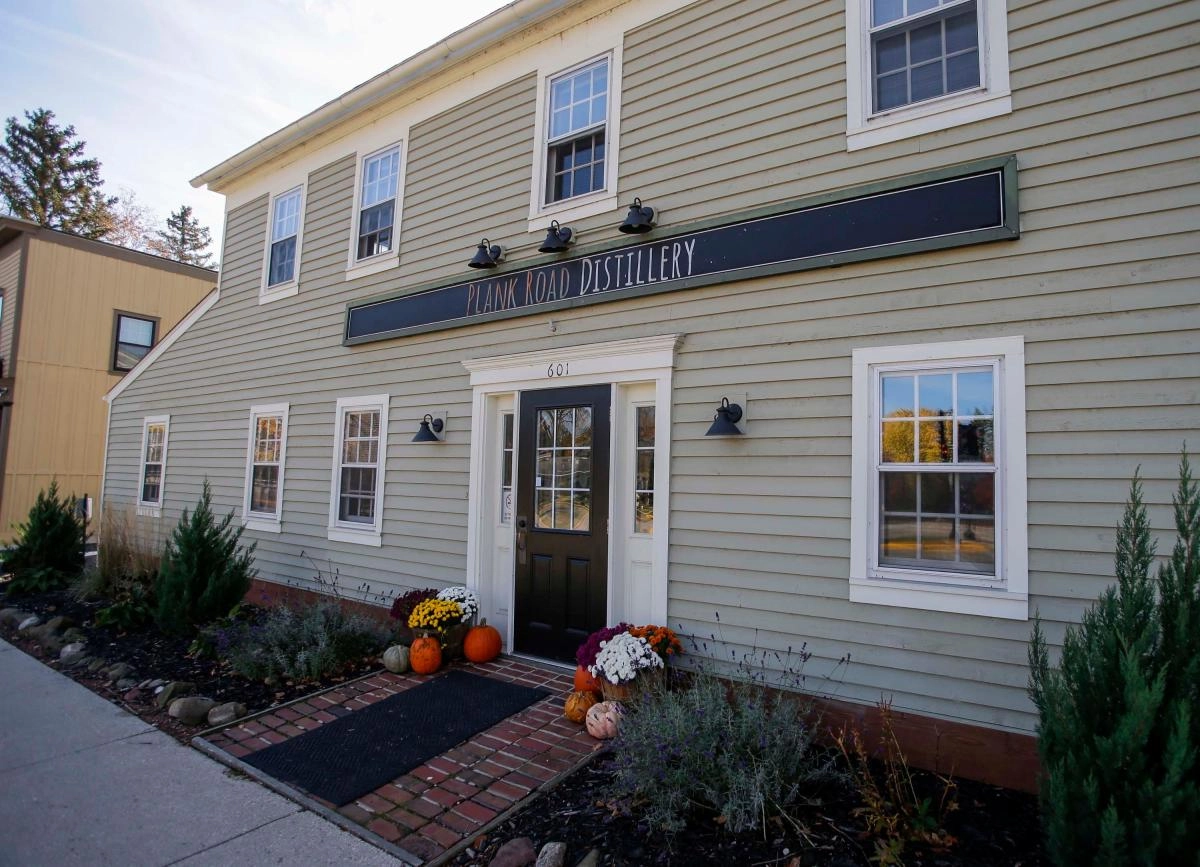
PLYMOUTH – Plank Road Distillery has earned a spot among the top 10 craft rum distilleries in the United States for the third consecutive year, as voted by USA TODAY readers.
Located at 601 Eastern Ave., the distillery claimed the second position in the USA TODAY 10Best Readers’ Choice Awards for craft spirits, following the lead of LYON RUM from St. Michaels, Maryland.
In this year’s rankings, Plank Road Distillery outperformed notable competitors such as St. Augustine Distillery in Florida and Koloa Rum Company in Hawaii.
Last year, Plank Road Distillery finished second behind LYON RUM, while in 2023 it placed behind Key West Legal Rum.
In 2021, readers recognized Plank Road as the fourth best new craft distillery.
Subscribe to the Streetwise newsletter to receive all the news about business openings and closings directly in your inbox.
Jarin and Michele Gelhar launched Plank Road in 2019, focusing on a range of craft spirits including vodka, gin, and bourbon.
Jarin previously shared with the Sheboygan Press that being ranked second in 2022 was “very humbling.”
Among the categories for the reader choice awards were Best Craft Vodka, Best Canned Cocktail Company, and Best Craft Distillery Tour.
Explore the history of a distillery building: Plymouth’s oldest building, now a distillery, dates to 1846. It started as an inn and has also served as a blacksmith shop and a church.
Additionally, two more companies from Wisconsin made their mark in the rankings: Madison’s State Line Distillery secured the fifth position for Best Craft Specialty Spirits, while Dane’s J Henry & Sons also ranked fifth in the Best Craft Whiskey category.
The process for the USA TODAY 10Best Readers’ Choice Awards begins with a selection of industry experts who are invited to propose their favorite nominees in various travel, lifestyle, and food and drink categories. Following their recommendations, editors compile a list of final nominees that is then made available for public voting.
Earlier this year, the Sports Car Club of America’s National Championship Runoffs took place at Road America, where it was recognized as one of the top 10 best motorsports races by USA TODAY readers. The event earned a commendable fourth place in the rankings, based on the 2024 USA TODAY 10Best Readers’ Choice Awards.
Have a story tip? Contact Alex Garner at 224-374-2332 or agarner@gannett.com. You can also follow her on X (formerly Twitter) at @alexx_garner.
This article originally appeared on Sheboygan Press: USA TODAY readers: Plymouth’s Plank Road Distillery rum placed second
A Whiskey Lover’s Perfect Weekend: Exploring Louisville in Three Days
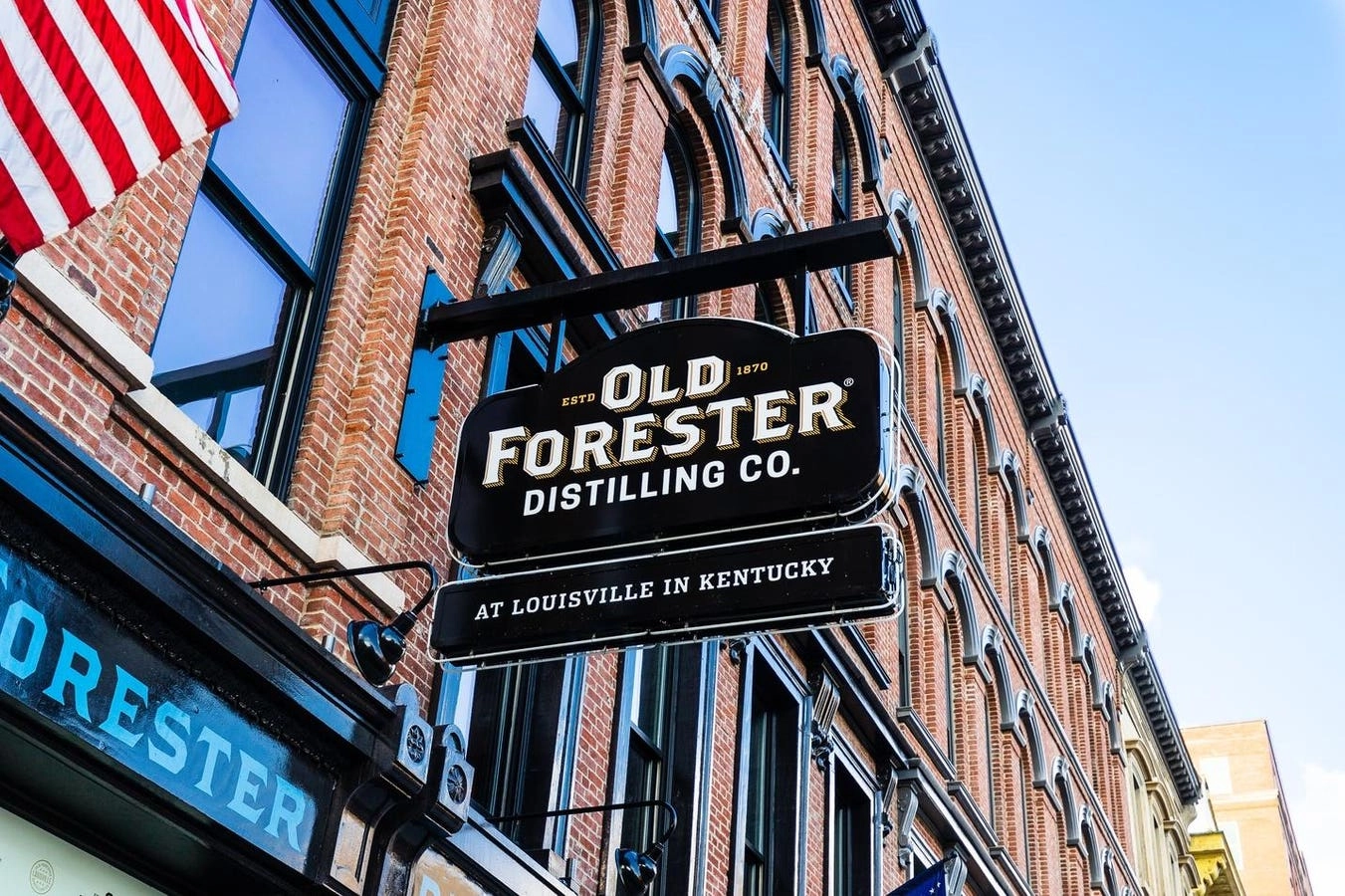
Planning a weekend getaway in Louisville, Kentucky? Here are 20 essential spots for whisky enthusiasts in America’s bourbon capital, covering everything from bars and retailers to distilleries and various attractions.
LOUISVILLE, KY, USA – JULY 24, 2018: Old Forester, a brand of Kentucky Straight Bourbon Whiskey produced by the Brown-Forman Corporation, is the longest continuously running bourbon in the market.
Are you in Louisville for the weekend? Check out these 20 must-see destinations for whisky aficionados in America’s bourbon capital, featuring bars, retailers, distilleries, museums, and other notable locations.
Situated on the historic Whiskey Row, Old Forester Distillery boasts the only cooperage located in downtown Louisville. Guests can explore the complete whiskey-making journey, from crafting barrels to aging, culminating in a tasting of their exceptional offerings. The distillery’s gift shop features renowned selections such as Old Forester 1920 Prohibition Style and Birthday Bourbon, along with exclusive releases available right on the premises.
The Bourbon Experience combines a whiskey museum with a micro-distillery, presenting a range of tours that include a whiskey and charcuterie pairing as well as a speakeasy-style bar. The gift shop features a comprehensive selection of Evan Williams bourbons and various offerings from the Heaven Hill family, including Elijah Craig and Parker’s Heritage.
Barrels of bourbon are aging at the Stitzel-Weller Distillery.
Set in a historic building, Angel’s Envy is a modern and spacious distillery that provides immersive tours culminating in a whiskey and chocolate pairing. This venue blends traditional elements with contemporary design, focusing on cask-finished bourbons with unique expressions found solely at the distillery.
Rabbit Hole is an innovative craft distillery recognized for its sleek design and modern approach to bourbon production. It features interactive tours and tastings at its Overlook Bar, and the gift shop showcases pioneering bourbons and rye whiskeys, including experimental finishes and limited-edition releases.
Situated within a historic edifice, Michter’s provides a personal and educational tour that explores the brand’s heritage, along with a tasting of its renowned small-batch and single-barrel whiskies. The gift shop features a selection of rare finds such as Michter’s 10 YO Rye and Michter’s 20 YO Bourbon.
A newly inaugurated tasting room and bottle shop presents exclusive barrel selections in a welcoming bar setting. The gift store focuses on distinct barrel-aged rye whiskies, offering special releases that are available on-site.
Part of the esteemed whiskey collection at Jason’s House of Bourbon.
This exceptional bottle shop and tasting room showcases a vast assortment of rare and collectible bourbons. Knowledgeable staff members offer expert advice and assistance. The shop boasts dusty bottles, rare releases, and limited editions, catering to enthusiasts of unique bourbons.
Doc’s boasts the largest collection of whiskey in Kentucky. With its extensive 60-page whiskey menu and inviting ambiance, it provides an excellent setting for sampling and discovering rare bottles. The establishment showcases over 2,000 different whiskies, including a variety of hard-to-find and vintage selections.
Although it isn’t a distillery, the Frazier Museum features exhibitions dedicated to Kentucky’s history, highlighting the state’s deep bourbon traditions. This venue marks the official beginning of the Kentucky Bourbon Trail. Visitors can explore historical artifacts related to bourbon production, as well as exhibits on several distilleries.
The Stitzel-Weller Distillery Today
Located just a short drive from Louisville, this historic distillery is the renowned home of the beloved Pappy Van Winkle whiskey range and is now part of the Diageo family. The distillery invites guests to embark on guided tours, partake in tastings, and enjoy the cocktail bar. The gift shop carries notable brands such as Blade and Bow, Orphan Barrel, and I.W. Harper, featuring exclusive barrel-aged expressions.
Renowned for its cutting-edge brandy production, this distillery also provides a variety of whiskies. The site boasts a contemporary ambiance, stunning rooftop views, and a trendy tasting room. In the gift shop, you’ll find exclusive, limited-edition whiskeys and unique experimental cask-aged brandies.
This honkytonk-style bar is deeply passionate about bourbon, offering a relaxed atmosphere complemented by live music and traditional Southern cuisine. It has an impressive selection of over 150 bourbons, with an emphasis on Kentucky distilleries and vintage bottles—making it the ideal starting point for your bourbon journey.
Nestled discreetly, this speakeasy features a cozy, library-like ambiance and is celebrated for its carefully curated whisky selection and inventive cocktails. It boasts an extraordinary assortment of whiskies from across the globe, including some rare and exclusive choices.
Merle’s expertly fuses Southern comfort food with an extensive bourbon collection. Known for its laid-back vibe, it offers barrel picks from top-tier distilleries. Featured selections include picks from renowned brands like Wild Turkey and Buffalo Trace, among other Kentucky favorites.
A bottle of Peerless Straight Rye Whiskey rests on the bar at Merles Whiskey Kitchen.
This family-owned distillery, which resumed operations after almost a century, is celebrated for its careful small-batch production and rich flavors. In 2024, it was awarded the title of World’s Best Bourbon at the International Wine & Spirits Competition. Their gift shop showcases one-of-a-kind single-barrel and small-batch rye and bourbon whiskeys.
Situated within Michter’s Fort Nelson Distillery, the bar provides an elegant yet laid-back atmosphere for sampling rare Michter’s offerings, including exclusive bottlings and craft cocktails crafted from their finest spirits.
Repeal is a distinguished dining establishment famed for its oak-fired steaks and outstanding selection of whiskeys. Nestled on Whiskey Row, it serves as a perfect conclusion to a day filled with bourbon tastings. Its extensive bourbon list features rare and premium selections, ideal for complementing its exquisite menu.
Prohibition is a boutique distillery that specializes in crafting bourbon, gin, and rum. It emphasizes artisanal production and offers personalized tours for its visitors. The gift shop showcases limited-edition bourbons and unique spirits that are available for tasting and purchasing.
Although its primary focus is on baseball, the museum sits on Whiskey Row, integrating itself into the rich cultural fabric of the area. It presents a fascinating contrast between the worlds of sports and bourbon history. While it isn’t a whisky venue, every baseball lover should stop by to gain insight into the local culture and its historical significance.
21c is a hotel that centers around art, featuring an ever-changing array of contemporary artworks throughout its space. Within the hotel, you can find Proof on Main, an in-house restaurant renowned for its extensive bourbon selection. It boasts a carefully curated list of Kentucky bourbons, ideal for complementing their sophisticated dining experience.
These diverse venues provide a variety of experiences for bourbon lovers, from informative distillery tours to secret speakeasies, making Louisville an essential stop for enthusiasts of this beloved spirit.
One Community. Many Voices. Create an account free of charge to express your opinions.
Our community focuses on bringing individuals together through engaging and respectful discussions. We encourage our readers to voice their perspectives and exchange ideas and information within a safe environment.
To facilitate this, please adhere to the posting guidelines outlined in our site’s Terms of Service. We’ve highlighted some essential rules below. In simple terms, please maintain a courteous tone.
Your submission may be dismissed if it appears to contain:
User accounts will be blocked if we notice or believe that users are engaged in:
So, how can you be a power user?
Thanks for reading our community guidelines. Please read the full list of posting rules found in our site’s Terms of Service.
Tragic Incident: Oakland Man Dies After Allegedly Chugging Vodka Post-Assault
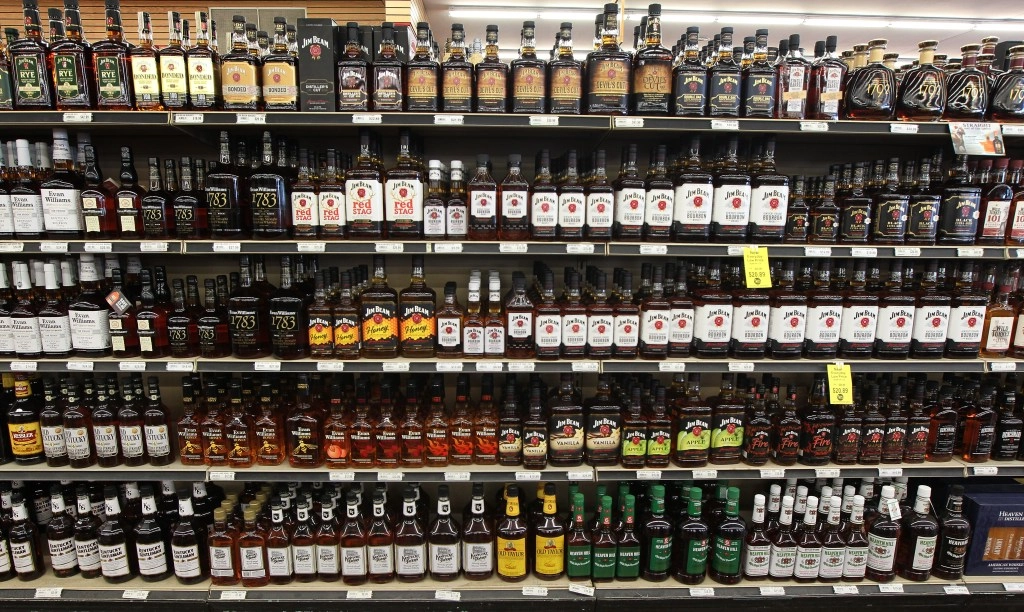
OAKLAND — A local man endured a violent assault at a liquor store and managed to return home, where he consumed two bottles of hard liquor and fell asleep, but tragically passed away at home two days afterward, according to police reports.
The victim, 49-year-old Shawn Corrigan, was attacked by several individuals outside the liquor store, sustaining severe injuries and losing consciousness during the confrontation, as reported by authorities. After the incident, Corrigan made his way home, drank two bottles of vodka, and fell asleep, only getting up sporadically over the next two days before his untimely death, officials stated.
On October 8, Corrigan’s roommate alerted the police about the death, mentioning that Corrigan seemed to be coughing in his sleep that morning as the roommate left for work. An autopsy indicated potential causes of death, including fluid in his lungs and liver disease, although a final determination is still pending, authorities noted.
Currently, Oakland police are investigating Corrigan’s death as a homicide and are seeking to identify those responsible for the attack. It is reported that an argument occurred between Corrigan and another man inside the liquor store on School Street, which escalated when Corrigan touched the other man’s soda can and challenged him.
Outside the store, Corrigan faced an assault by at least two individuals linked to a man he had been in a dispute with, according to law enforcement officials. The assailants kicked and stomped on him after he fell, taunting him with the words, “I bet you won’t talk no more s—,” once the altercation concluded, as reported by authorities.
Although Corrigan appeared to lose consciousness, he eventually managed to get up and make his way home, according to officials.
Law enforcement was able to identify the man who had argued with Corrigan inside the store. He claimed he did not participate in the assault due to his Christian beliefs, authorities reported.
Based on surveillance video, police identified one of the attackers as a resident of Oakland in his 20s, who currently faces a pending misdemeanor charge related to gun possession. So far, no suspects have been charged in connection with Corrigan’s death, and the investigation is ongoing.
Home Start’s Hallo-Wine Fall Festival: A Creative Approach to Combat Child Abuse

An array of supporters, including Anna-Marie Bratty, Jo Ann Yang, Katlyn Bussell, Alexandra Giglio, and Olivia Brown, gathered for Home Start’s Hallo-Wine Fall Festival on October 19 in Point Loma. (Milan Kovacevic)
The musical atmosphere at the Hallo-Wine Fall Festival was brought to life by Willie and Bill Flemming. (Milan Kovacevic)
Home Start’s Chief Executive, Laura Tancredi-Baese, was joined by board President Steven Ephraim and Erica Asbury for the event. (Milan Kovacevic)
Juanita Molestina and Alexis Leftridge were also in attendance. (Milan Kovacevic)
Silent-auction items are showcased during the Hallo-Wine Fall Festival.
A lively crowd comes together for Home Start’s Hallo-Wine Fall Festival, with a stunning view of the ocean in Point Loma.
Loni Botticelli and Angie Sandoval participate in the festivities.
Keana Dennis and Manuel Maturino enjoy the event.
Seidy and Bassim Hamadeh.
Maura Moed engaged in conversation with San Diego County Supervisor Monica Montgomery Steppe.
Laura Oglesby and Jesus Aguilar.
Elizabeth Derouin and Amy Chase conversing with Mike McWilliams from San Pasqual Winery.
Laura Tancredi-Baese, the chief executive of Home Start, shares her insights at the Hallo-Wine Fall Festival. (Milan Kovacevic)
Kelsie Jones and Autumn Miller enjoying the festivities. (Milan Kovacevic)
Valeria Medina, Joey Morado, and Maria Badillo come together for a moment. (Milan Kovacevic)
Romin Behseta and Angela Demers are captured enjoying the event. (Milan Kovacevic)
Attendees socialize during Home Start’s Hallo-Wine Fall Festival held in Point Loma. (Milan Kovacevic)
Melissa and Bob Ellis enjoy the festivities. (Milan Kovacevic)
James and Lindsay Spotanski make memorable moments together. (Milan Kovacevic)
David and Edna Wallace take part in the celebration. (Milan Kovacevic)
On October 19, Anna-Marie Bratty, Jo Ann Yang, Katlyn Bussell, Alexandra Giglio, and Olivia Brown attended the Hallo-Wine Fall Festival organized by Home Start in Point Loma. (Milan Kovacevic)
Home Start, a nonprofit organization dedicated to preventing and treating child abuse, hosted its 17th annual Hallo-Wine Fall Festival at a private estate with ocean views in Point Loma.
Many local vendors were present, providing an array of food samples, wines, handcrafted beers, and spirits, all while guests enjoyed live entertainment, a silent auction, and various activities.
This festival takes place each October to honor National Domestic Violence Awareness Month and aims to raise funds to support Home Start’s initiatives for aiding children and families.
Local Distillery Makes USA Today’s Top 10: Discover the Best Tours and Whiskeys!
Are you eager to indulge in some of America’s finest whiskey?
Your adventure awaits just a quick drive across the state line in Bluffton, S.C.
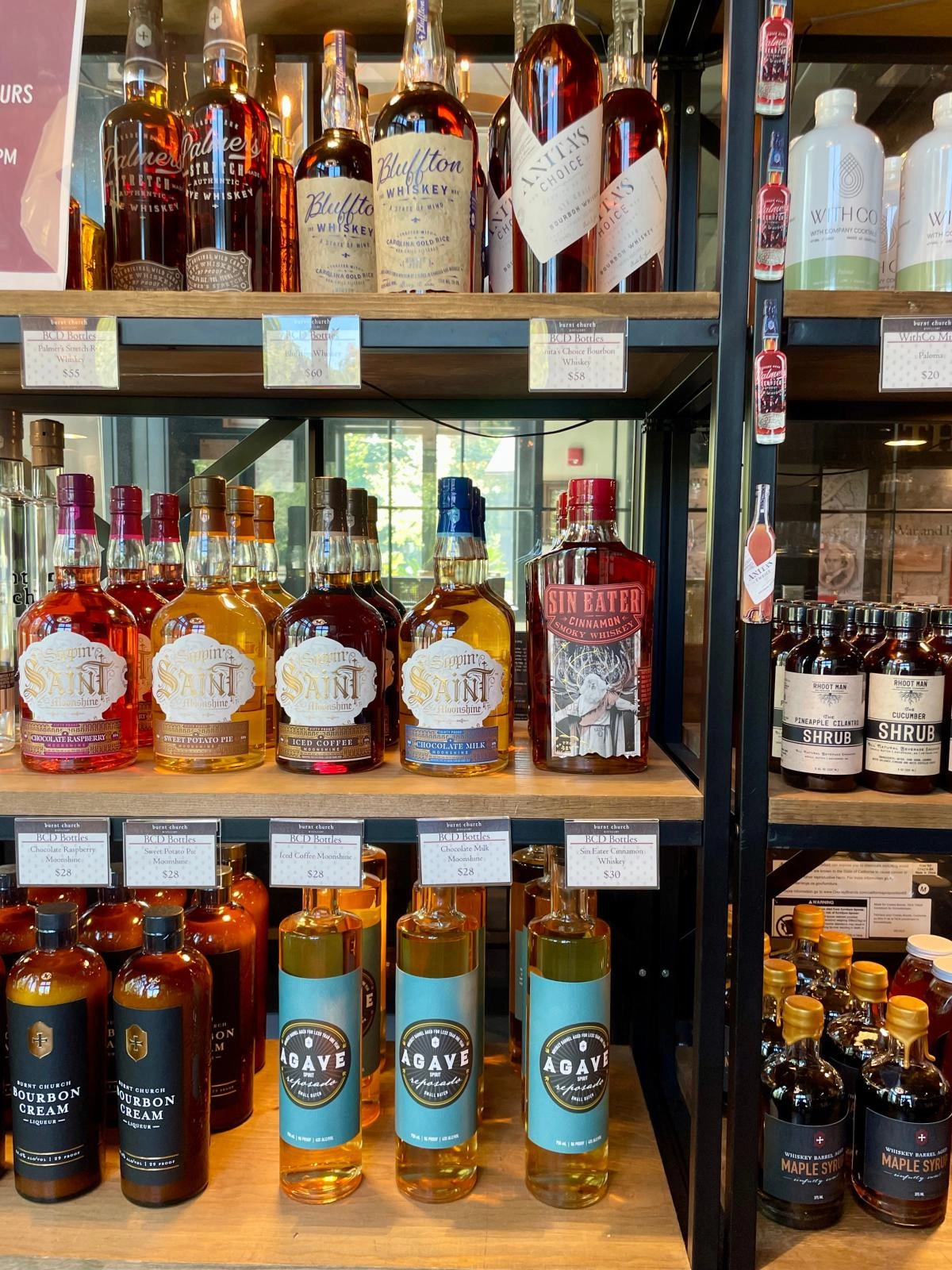
Burnt Church Distillery has been featured in USA TODAY’s 10Best Readers’ Choice Awards, earning accolades in two separate categories, positioning it among the nation’s top 10 distilleries.
This exceptional distillery claimed the ninth spot in the Best Distillery Tour and ranked eighth in the Best Craft Whiskey categories, competing with renowned distilleries from states like Florida, Kentucky, Tennessee, New York, Washington, Texas, and beyond.
Burnt Church Distillery has secured the premier position in USA TODAY’s 10Best New Craft Distilleries.
Established in 2021, Burnt Church Distillery is situated at 120 Bluffton Rd, Bluffton, S.C., and specializes in crafting a diverse range of spirits including bourbon, whiskey, vodka, gin, and even moonshine.
A post shared by Burnt Church Distillery (@burntchurchdistillery)
This year, Burnt Church teamed up with Georgia Southern’s NIL collective, Eagle Nation Collective, to introduce Hail South Premium Vodka. A percentage of the earnings from each bottle sold contributes to the NIL collective, supporting athletes and NIL initiatives.
Distillery tours are available for booking Thursday through Saturday and are $25 for each individual.
A limited number of mixology classes can also be reserved starting at $75 per class.
1. Hemingway Distillery, Key West – Producers of Papa’s Pilar Rum (Key West, Florida)
2. St. Augustine Distillery (St. Augustine, Florida)
3. Angel’s Envy Distillery located in Louisville, Kentucky
4. Nelson’s Green Brier Distillery found in Nashville, Tennessee
5. Starlight Distillery based in Borden, Indiana
6. Kentucky Peerless Distilling Co. situated in Louisville, Kentucky
7. Castle & Key Distillery located in Frankfort, Kentucky
8. Woodinville Whiskey Co. based in Woodinville, Washington
9. Burnt Church Distillery situated in Bluffton, South Carolina
10. Great Jones Distilling Co. found in New York City, New York
1. Ironroot Republic located in Denison, Texas
2. Wyoming Whiskey situated in Kirby, Wyoming
3. Log Still Distillery based in New Haven, Kentucky
4. Kentucky Peerless Distilling Co. found in Louisville, Kentucky
5. J Henry & Sons located in Dane, Wisconsin
6. Traverse City Whiskey Co. found in Traverse City, Michigan
7. Castle & Key Distillery based in Frankfort, Kentucky
8. Burnt Church Distillery situated in Bluffton, South Carolina
9. Woodinville Whiskey Co. (Woodinville, Washington)
10. Redemption Whiskey (Lawrenceburg, Indiana)
This article originally appeared on Savannah Morning News: Burnt Church Distillery in Bluffton one of Top 10 in country, USA Today says
Mini Canned Cocktails: The Ultimate Grown-Up Trick-or-Treat Treat!

These compact beverages deliver a delightful experience.
Food & Wine / Getty Images / Whitebox Cocktails / Straightaway Cocktails / Hochstadter’s Slow & Low
Ready-to-drink (RTD) cocktails represent one of the most rapidly expanding areas in the alcohol market, with an impressive consumption increase of 102% over recent years. Since their initial surge nearly ten years ago, the quality of these cocktails continues to improve.
Among the standout options are award-winning selections featuring classic recipes made with premium ingredients, sophisticated flavors, and crafted in small batches. Notably, the trend of single-serving, mini canned cocktails is beginning to gain recognition.
Related: We Tasted 17 Canned Cocktails — Here Are Our Favorites
At a mere 100 milliliters, or just shy of 3 1/2 ounces, these charmingly compact cans offer a portable, single-serving experience, yet don’t let their small size fool you. With an average alcohol by volume (ABV) hovering between 25–40%, these pint-sized beverages are authentic cocktails that deliver a punch.
Here are our top recommendations for the best small but powerful canned cocktails that you can indulge in.
Food & Wine / Golden Rule Spirits
Based in San Francisco, Golden Rule Spirits was established in 2017 by cousins James Mauk and Hunter Sprole, both of whom have a rich history in the restaurant industry focusing on agave spirits. Their Margarita Original is made using 100% blue agave tequila, a unique triple-sec recipe, and a substantial amount of fresh lime juice. With an alcohol by volume (ABV) of 27%, this robust mini drink showcases high-quality ingredients, making it one of the finest ready-to-drink Margaritas available today.
The Cooper Spirits Co. is the independent beverage maker known for St-Germain Elderflower Liqueur. Since 2013, they have been producing Hochstadter’s Slow & Low Rock and Rye, a variation on the Old Fashioned inspired by the classic “rock and rye,” a whiskey cocktail popular before Prohibition, typically made with unaged whiskey and sweetened with rock candy. In 2016, they introduced these mini cans, adhering to the original recipe.
Slow & Low is a blend of straight rye whiskey, raw honey, Angostura bitters, orange peel, and a hint of rock candy. With a proof of 84, this cocktail is bold, spicy, and relatively dry — akin to one sugar cube for every two-ounce serving — delivering an explosion of flavor with each sip.
Food & Wine / Post Meridiem Spirits
The term Post Meridiem, which is abbreviated as p.m., translates from Latin to “after noon.” This Atlanta-based canned cocktail company made its debut in 2019, and in 2022, it introduced the Espresso Martini to its already successful range. This drink has quickly turned into the brand’s most popular offering.
Crafted with vodka, coffee liqueur, and 100% arabica cold brew coffee, this cocktail of the moment boasts a strength of 45 proof. The traditional variant from Post Meridiem is well-balanced, evokes the authentic taste of an Espresso Martini, and is perfect for those who truly appreciate a coffee-centric cocktail.
Food & Wine / Tip Top Cocktails
Tip Top Proper Cocktails, situated in Atlanta, has rapidly emerged as one of the leading canned cocktail brands in the United States. Since its inception in 2019, the company has crafted 16 unique cocktails, including the newly introduced Whiskey Sour.
Among their offerings is the vibrant and flavorful Jungle Bird cocktail, which combines rum, lime, pineapple juices, and red bitter liqueur, boasting a punchy 50-proof. With its bright and tropical profile enhanced by a touch of bittersweetness, it’s highly recommended to serve it over ice for a refreshing experience.
Moving on to Portland, Oregon, since opening its doors in 2018, Straightaway Cocktails has distinguished itself by emphasizing local and premium ingredients while collaborating with other Pacific Northwest brands. Their notable mini canned cocktail collection includes a Margarita, a gin cocktail called Lintik inspired by Filipino flavors, a Nitro Espresso Martini featuring cold brew from Stumptown Coffee Roasters, and a unique version of the Bees Knees cocktail.
This gin-based cocktail, presented at 50 proof, is a zesty blend featuring cold-pressed lemon juice, West Coast honey, and Straightaway’s Accompani Blue Dorris Liqueur. The addition of this floral liqueur introduces delicate herbal undertones of chamomile and citrus.
Food & Wine / Whitebox Cocktails
Whitebox Cocktails, a canned cocktail producer based in the U.K., offers unique concoctions. While sourcing many of their products may prove challenging, the Pocket Negroni can be found in the States.
This version, at 43.6 proof, closely follows the classic Negroni recipe with equal parts gin, sweet vermouth, and bitter red liqueur. It also offers the dilution typical of a craft cocktail bar’s ice, making it ideal for on-the-go enjoyment. While it’s perfectly acceptable to sip directly from the can, we recommend pouring it into a glass over a large ice cube and garnishing with a thick slice of orange peel for an optimal experience.
To stay updated with the latest in Food & Wine, be sure to sign up for our newsletter!
For the full article, visit Food & Wine.
Local Beverage Retailer Beats the Odds: Thriving Despite Declining U.S. Wine Sales

Fresh local produce. An impressive selection of cheeses. A tempting olive bar. A delightful variety of potato salads. Local wines. A vast assortment of beers. And now, an eye-catching four-foot display showcasing nonalcoholic wines and spirits.
“The most common request we receive is for wines with no or low alcohol content,” explained Josh Kirchhoff, the corporate wine and liquor coordinator for Oliver’s Market. “Sales have doubled compared to last year. This is clearly the trend right now.”
Oliver’s Markets, a cherished independent grocery chain with four locations in Sonoma County, is well-known for its outstanding selection of food and drinks.
Throughout his five years at the company, Kirchhoff has been closely observing the changing preferences in alcoholic beverages among customers as national trends resonate through the aisles.
In recent times, notable trends have emerged, including a rising interest in low and no-alcohol wines, canned cocktails, and Sauvignon Blanc, along with a shift towards more affordable wine options.
“The demand for nonalcoholic beverages has been remarkably robust, particularly among younger consumers,” he remarked. “The improvement in quality within this category continues to attract new customers.”
At present, Oliver’s offers approximately 75 different nonalcoholic wines, beers, and spirits, with new products being added on a weekly basis.
“As long as the trend for nonalcoholic beverages persists, we will keep them available for our customers,” Kirchhoff stated.
As the market is flooded with beverage alternatives and wine consumption declines across the United States, Kirchhoff has needed to discover innovative methods to attract Oliver’s customers to alcoholic wines.
In September, he kicked off a Varietal of the Month initiative, showcasing five local wines at varying price points. The first spotlighted wine was Sauvignon Blanc, which took over the title of the store’s bestselling white varietal from Chardonnay last year.
Kirchhoff noted that the promotion was “wildly successful,” resulting in a 25% increase in Sauvignon Blanc sales compared to last September.
In spite of declining U.S. wine sales, Sauvignon Blanc has emerged as a shining success story, both on a national scale and at Oliver’s. According to May 2024 data from NIQ, sales of Sauvignon Blanc in the U.S. increased by 5% over the last 52 weeks, with volume also climbing nearly 3%.
According to Kirchhoff, Oliver’s sells a significant amount of Sauvignon Blanc priced around $15, with the store brand’s “Oliver’s Own” Sauvignon Blanc ($10.99) being particularly sought after.
“We’ve noticed customers switching from $30 wines to ones in the $15-20 range,” he explained. “That’s the reason behind the success of Oliver’s Own wines.”
Oliver’s Own, crafted locally, includes seven wines from Sonoma County along with a California sparkling option, all priced between $10.99 and $17.99.
“Each wine we create consistently ranks among the top five bestsellers in its category,” Kirchhoff shared. “We introduced the sparkling variety around six months ago, and its popularity has soared.”
Liz Thach, a Master of Wine and president of the marketing research firm Wine Market Council, recommends Oliver’s Own Russian River Valley Pinot Noir ($16.99) as a staple choice.
“A neighbor introduced me to it once, and it has since become one of my favorite wines,” she shared. “It’s budget-friendly and wonderfully fruity, featuring notes of raspberries, earth, spices, and vanilla — ideal for a Tuesday night pork chop.”
Established in Cotati by Steve and Ruth Maass in 1988, Oliver’s Markets still operates its initial location, in addition to two others in Santa Rosa and one in Windsor.
Prior to starting Oliver’s, Maass operated a roadside produce stand in San Francisco and envisioned a market dedicated to creating an enjoyable shopping experience.
To achieve this, he concentrated on promoting high-quality local products that benefitted the community, including support for local farmers. Additionally, he offered customers the option of organic or conventional goods, all while maintaining a strong commitment to exceptional customer service and employee benefits.
This approach resonated with the community and continues to attract new patrons daily.
Jacob Peters, a financial analyst for Oliver’s Market, noted that the company experienced an increase of approximately 3,000 transactions weekly from January to August this year compared to the same timeframe last year.
“With inflation significantly rising at restaurants this year, many have turned to our prepared meals as an alternative to takeout,” he explained. “We’ve also intensified our ad pricing strategies and broadened our marketing initiatives. Both actions have effectively increased customer traffic.”
Recognizing the popularity of ready-to-drink cocktails like Cut Water and High Noon at Oliver’s Market, Kirchhoff identified a chance to capture some of that market share.
This August, the company collaborated with New Alchemy Distilling located in El Dorado Hills to introduce a new line of Oliver’s Own canned cocktails. Retailing at $14.99 for a four-pack and $3.99 per individual can, the offerings currently include Vodka Lemonade and Paloma. By the end of the year, they plan to add Moscow Mule, Kentucky Sunshine, and Greyhound to their lineup.
According to IWSR, ready-to-drink cocktails were the only significant alcohol category to experience both volume growth (+2%) and value growth (+6%) in 2023. This upward trend is projected to continue, with a compound annual growth rate of +3% expected by 2028.
“We were optimistic about how the cocktails would perform, but the sales far surpassed our expectations,” Kirchhoff remarked. “In just 90 days, we managed to sell around 1,000 four-packs. They have quickly become one of the top five bestsellers in the category.”
(The brand’s vibrant and fresh packaging just received a silver medal at the prestigious NYX Awards in Advertising & Design.)
Oliver’s Markets’ dedication to offering high-quality, locally sourced products has fostered a strong sense of trust among shoppers. This reliability has made the Oliver’s Own brand particularly popular, especially in the wine and beverage section.
On October 30, the store will unveil its latest venture into the beverage sector: artisan spirits. Produced in collaboration with New Alchemy Distilling, this new line will debut with a vodka priced at $18.99, followed by a bourbon and tequila set to arrive just in time for the holiday season.
“In the current economic climate, it’s often more affordable to visit Oliver’s for a delightful dinner paired with some local wine than to dine out,” noted Kirchhoff. “Consumers are looking for the best value for their money. I believe that’s a significant factor behind many of our recent successes.”
You can contact Staff Writer Sarah Doyle at 707-521-5478 or sarah.doyle@pressdemocrat.com. You can also follow Sarah on Instagram at @whiskymuse.