July 2026 90
Sales Surge: Mondavi and The Prisoner Wine Maker Reports Growth Across Wine and Spirits Portfolio

Constellation Brands has recently announced a significant decline in its wine and spirits division, which includes prestigious names such as Robert Mondavi and The Prisoner. For the first fiscal quarter ending May 31, the company experienced a staggering 47% drop in net sales for this division, totaling $149.2 million. This downturn follows the sale of numerous lower-priced labels in June 2025, which has led to a reduction in shipment volumes by 64.1% compared to the previous year.
In stark contrast, the organic sales of its remaining brands showed a positive trend, with an 8% increase to $149.2 million from $138.5 million a year earlier. Shipment volumes for these organic brands rose by 7.7%, reflecting a 6.6% increase in distributor sales to retailers.
Constellation noted that their premium wine and spirits brands outperformed the broader market, making them the second-largest gainer by dollar share in the overall wine category, thanks largely to brands like Kim Crawford and The Prisoner. The division also reduced its operating loss to $1.1 million from $6 million in the same quarter last year, thanks to increased organic shipment volumes and reduced marketing expenses.
Overall, Constellation Brands’ total net sales for the first quarter were $2.43 billion, marking a 3% decrease from the previous year, although organic sales excluding divested brands actually increased by 3%. Furthermore, operating income climbed 18% to $845 million, while earnings per share rose by 31% to $3.79.
Despite these challenges, beer continues to dominate the company’s revenue, with $2.28 billion coming from this sector, which represents more than 94% of total sales. For the upcoming fiscal year, the company expects essentially flat organic net sales growth, while projecting that wine and spirits sales will also hover around stable levels.
Constellation previously sold various mainstream wine brands to focus on high-end products, aiming to concentrate on labels priced above $15 per bottle. Shares in Constellation traded at $136.88 following the earnings report, reflecting a slight decline in value amid fluctuating stock prices over the past year.
Debunking the Myth: Is Vodka Always Made from Potatoes?
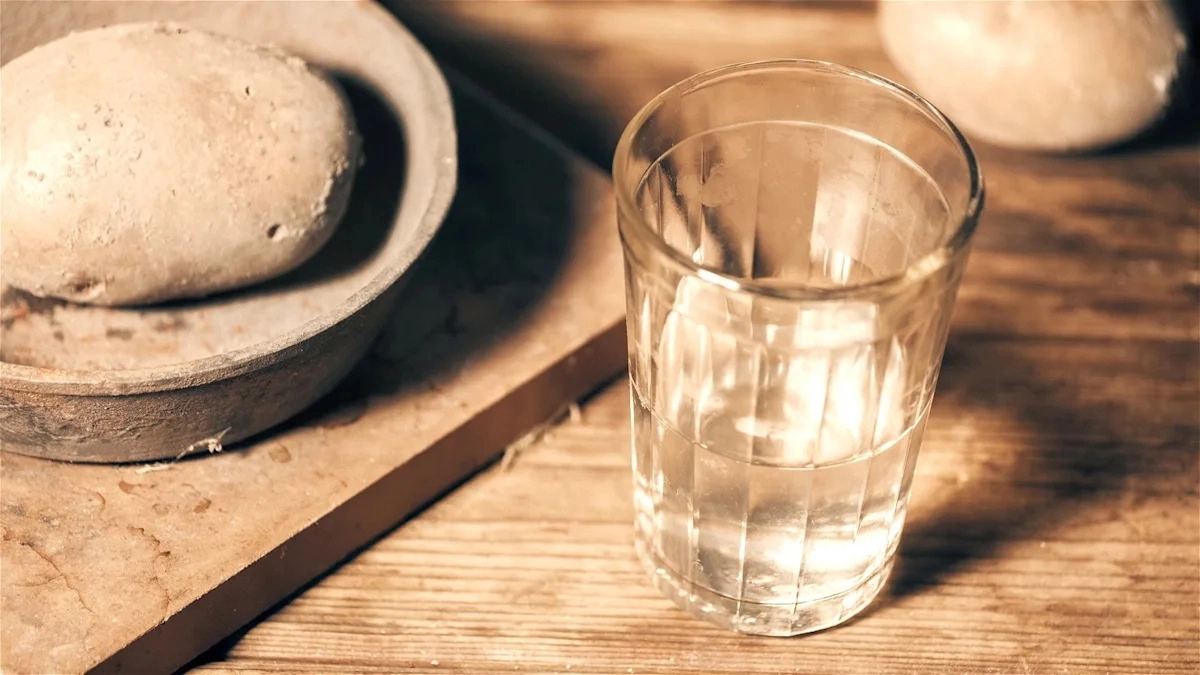
There’s a common joke that suggests potatoes are the go-to source for making vodka: "Potatoes make french fries, chips, and vodka. It’s like the other vegetables aren’t even trying." However, this notion is misleading. In reality, only about 3% of the world’s vodka is produced from potatoes. Most well-known vodkas, such as Ketel One, Grey Goose, and Smirnoff, are distilled from grains like wheat, barley, and rye. Even corn is increasingly utilized, with brands like Tito’s Handmade Vodka leading the way.
An examination of vodka varieties reveals the rarity of potato-based options. On platforms like Difford’s Guide, only 32 out of 481 vodka entries are made from potatoes, highlighting their unusual status in the market. Furthermore, potatoes were introduced to Europe in the 1500s, well after vodka was first recorded in the 1400s, debunking the idea that they could have been the original ingredient for this spirit.
When it comes to the qualities of potato vodka compared to grain vodka, opinions vary. Potato vodka offers a creamy texture and retains a hint of earthiness, making it ideal for sipping. Conversely, grain vodka tends to have a clean, crisp finish and is versatile for cocktails. The choice between the two ultimately comes down to personal preference, with each type offering distinct characteristics worth exploring.
For those curious to experience the differences firsthand, making a classic vodka martini with both potato and grain vodka can reveal their unique flavors. This simple drink allows vodka lovers to appreciate the contrasts between these two distinct styles of vodka.
Elevate Your Home Bartending: 2-Ingredient Cocktails You Need to Try!
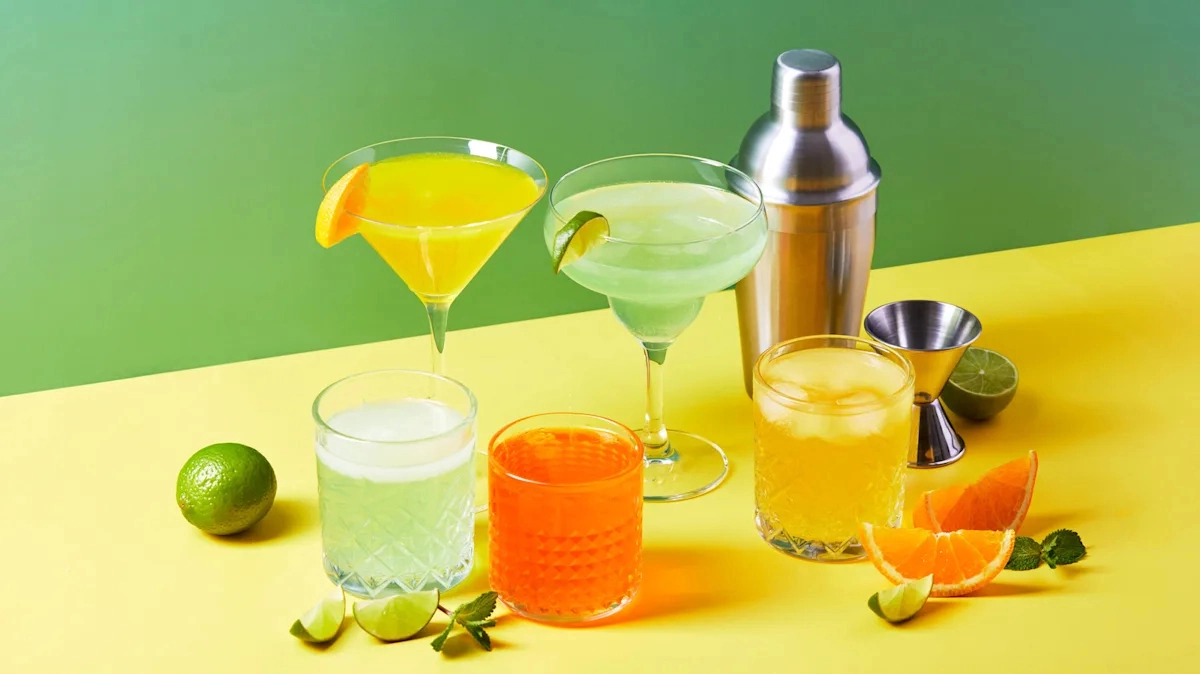
Home bartenders enjoy crafting complex cocktails, but these intricate drinks can sometimes be labor-intensive and costly to prepare. However, there’s a simpler approach that can elevate your cocktail game without the need for a fully stocked bar: two-ingredient cocktails.
These drinks are not just easier to make, but they can also be just as delicious (if not more) than their elaborate counterparts. By focusing on a handful of simple recipes, you can highlight essential flavors while saving time and money. Each two-ingredient cocktail can consist of an alcohol and a mixer, with optional garnishes for flair.
Here are some standout options to inspire your next gathering:
Gin and Tonic
A classic combination, the gin and tonic is a crowd-pleaser. Different gins offer unique flavors, which the tonic enhances without overshadowing. For a delightful finish, consider garnishing with a sprig of rosemary or a wheel of lemon.
Mango Mimosa
To jazz up your brunch, swap traditional orange juice for mango nectar in your mimosa. Pair it with sparkling wine like Champagne or Prosecco, and add fresh fruit slices for a colorful presentation.
Cuba Libre
This simple drink translates to "Free Cuba" and consists of rum and Coca-Cola, often garnished with lime. For an added flavor boost, consider including a sprig of mint.
Rusty Nail
Made from equal parts scotch and Drambuie, the Rusty Nail offers a sweet and smoky experience. Garnish with a twist of lemon for an extra layer of taste.
Bellini
A refreshing choice similar to the mimosa, the Bellini features Prosecco combined with peach puree. It’s an excellent option for warm weather gatherings and can be adorned with seasonal fruits.
Screwdriver
Combining vodka and orange juice, the Screwdriver is a go-to choice for easy mixing. You can prepare it in batches or let guests serve themselves for added convenience.
Greyhound
Swap orange juice in a Screwdriver for grapefruit juice to create a Greyhound cocktail. A garnish of grapefruit or lime adds both flavor and aesthetics.
Dark ‘n Stormy
This trademarked cocktail requires Goslings Black Seal rum and ginger beer, complemented by a lime garnish to balance the spices of the ginger beer with acidity.
Godfather
With blended Scotch whisky and amaretto liqueur, this cocktail delights with its sweet and smoky notes. Adjust the amaretto to suit your palate or serve straight up with an orange twist.
Black Russian
A combination of vodka and coffee liqueur, the Black Russian serves up a caffeine-infused treat. It’s perfect for those who enjoy a slight kick.
Añejo Soda
Using añejo tequila, this drink becomes special when mixed with soda water. Optionally, add an orange wedge for garnishing.
Red Wine Spritzer
Combine red wine with club soda for a refreshing summer drink. Garnishing with an orange wedge adds a pop of color and flavor.
Martini
This iconic cocktail consists of gin and vermouth, garnished with olives. Adjust the vermouth based on your preference for a dry or wet martini.
These straightforward cocktails pack flavor without requiring excessive effort or ingredients. They allow you to enjoy the essence of each drink while keeping your home bartending fresh and fun.
The Unexpected US Wine Region Ready to Challenge California’s Dominance

In a surprising development within the wine industry, Idaho’s Snake River Valley is gaining recognition as a viable wine-producing region, showing promise to rival more established areas like California. The state, long known for its outdoor activities and potatoes, is now producing award-winning wines that have recently outperformed offerings from recognized wine regions such as Washington and Oregon at prestigious competitions.
Will Wetmore, owner and winemaker at Veer Wine Project, is at the forefront of this Idaho wine renaissance. Wetmore’s unique winemaking techniques include low-toast oak aging, which contribute to the distinctive character of his wines. While tasting a complex Rhône-style red named Mataro, he showcased the potential of Idaho vineyards to produce exceptional wines with flavors reminiscent of more famous wine regions.
Idaho currently supports around 65 wineries, and in just a decade, the economic impact of wine production in the state has grown to approximately $314 million. Greg Koenig of Devil’s Bedstead Winery echoed this sentiment, emphasizing that the state is still discovering its identity in the winemaking world but has the potential for growth. He believes that the ideal climatic conditions, including well-drained volcanic soils and significant temperature swings between day and night, are essential for producing quality grapes.
During a visit to the region, the charm of Idaho’s up-and-coming wine scene was palpable. Tasting rooms in Garden City adjacent to Boise, like Cinder Wines, reflect the creative energy of local winemakers, with diverse offerings including a vibrant tempranillo that showcases similarities to Spain’s Ribera del Duero region.
Idaho’s wine landscape is continuously evolving, with varietals like viognier beginning to emerge as standout options. At venues like Scoria Vineyards, winemakers are tapping into the unique terroir for distinctive Rhône varietals. The ongoing exploration of grape varieties keeps the region dynamic and ensures that wine enthusiasts can look forward to new experiences.
As Idaho continues to build its reputation, new ventures like Gem 73 are part of the growth narrative, providing stunning tasting experiences directly overlooking the valley. Despite lacking extensive accommodation options, the warmth and friendliness of Idaho wineries offer an appealing and intimate atmosphere for visitors, making each wine tasting a memorable discovery.
In terms of logistics, visitors can fly into Boise and explore local accommodations or embark on wine tours that highlight the breadth of Idaho’s wine offerings, making it a fascinating destination for those eager to uncover the next great American wine region.
Sagamore Whiskey Celebrates Maryland Heritage with Exciting New Releases
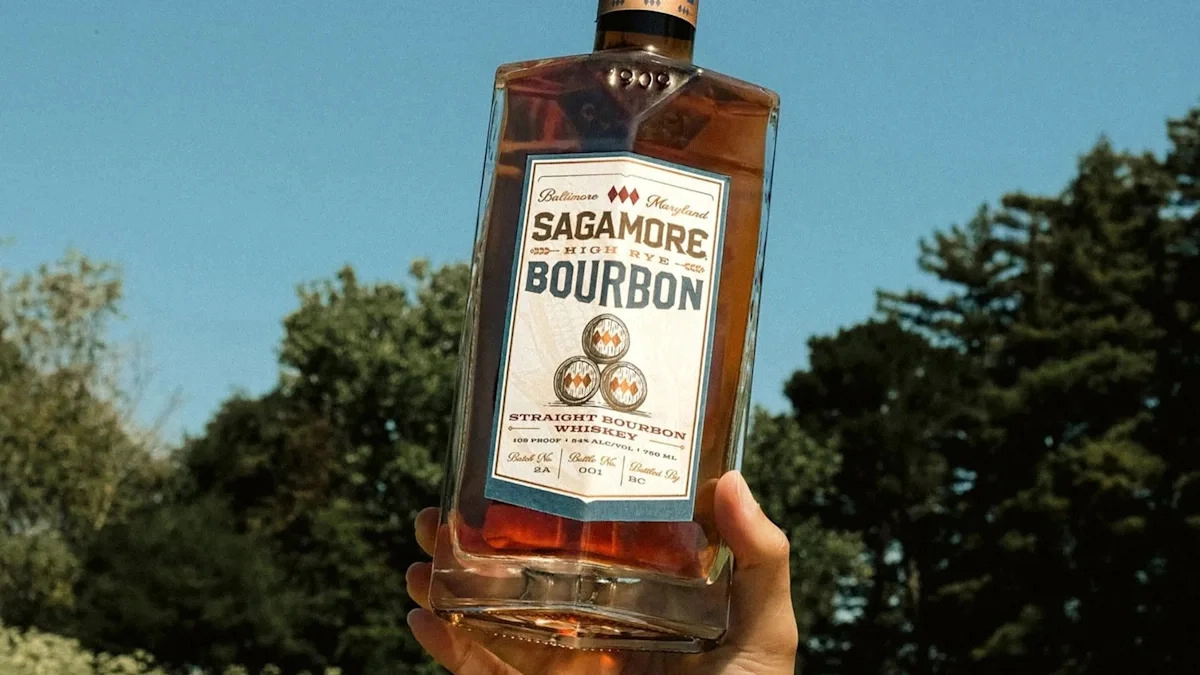
Long before Kentucky bourbon dominated the American whiskey scene, Maryland was known for its quality rye whiskey production. Sagamore Spirit, a Baltimore-based distillery, aims to revive this heritage with two notable releases this July.
The first release is the Sagarmore High Rye Straight Bourbon, which debuted nationally on July 1 at a suggested retail price of $50. This bourbon is part of the brand’s Reserve Series and, while technically classified as bourbon, it maintains a high rye content—60% corn, 25% rye, and 15% malted rye. Aged for six years in new charred American oak, it boasts a robust 54% ABV.
Additionally, the distillery offers a limited-edition collectible: the America 250 Straight Rye, an eight-year-old, 110-proof rye whiskey celebrating the 250th anniversary of the United States. Only 250 bottles of this exclusive release will be available, each individually numbered and accompanied by a commemorative coin. Priced at $125, it can only be purchased at the distillery in Baltimore starting mid-July, making it a rare find for collectors.
Maryland rye whiskey, prior to Prohibition, was a unique and respected style, significantly overshadowed in the 20th century. Watch as Sagamore reestablishes its presence in the market with these releases. The High Rye Straight Bourbon is already out at retailers nationwide, whereas the America 250 Straight Rye will soon be a coveted item at the source.
For more information about Sagamore Whiskey, visit their website.
Celebrate America 250: Sandra Lee’s Unique Vodka-Infused Apple Pie Recipe for Independence Day

Sandra Lee has introduced a creative twist on the classic apple pie just in time for the Fourth of July, coinciding with America’s 250th anniversary. The renowned TV chef teamed up with Wheatley American Vodka to craft a vodka-infused apple pie, highlighting a nostalgic theme reminiscent of her past cooking segments.
In a recent Instagram video, Lee showcased her recipe, which includes "two shots of vodka," a nod to a playful moment she shared with her audience back in 2008. Her excitement for the anniversary and its celebration comes through in her statement, expressing the importance of creating memorable experiences with loved ones during this significant occasion.
Wheatley has also embraced the festive spirit by launching a limited USA 250th Birthday Edition bottle, celebrating American traditions such as backyard BBQs and the enjoyment of sharing apple pie among friends and family.
Deep Dish Apple Pie Recipe
Serves: 8
Ingredients:
- 2-1/2 pounds firm tart apples (about 5 large), peeled, cored, and sliced 1/4 inch thick
- 2-1/2 pounds firm sweet apples (about 5 large), peeled, cored, and sliced 1/4 inch thick
- 1/2 cup plus 1 tbsp granulated sugar
- 1/4 cup light brown sugar
- 2 tbsp lemon juice
- 1/4 tsp apple pie spice
- 1/2 cup pecan-infused vodka
- 2 tbsp unsalted butter
- 2 frozen deep-dish pie crusts
- 1 large egg white, lightly beaten
- 1/4 cup Wheatley Vodka
Instructions:
To Prep:
- Mix both types of apples with 1/2 cup granulated sugar, brown sugar, lemon juice, apple pie spice, vodka-infused pecans, and salt in a large bowl.
- Melt butter in a large dutch oven over medium heat. Add the apple mixture and cook until the apples are tender (10-12 minutes). Transfer apples to a baking sheet to cool.
To Make the Pie:
- Preheat the oven to 350°F. Lightly coat a 9×13-inch baking dish with butter.
- Combine the cooled apple mixture with the remaining vodka and pie spice. Layer the mixture with yellow cake mix and dot with thin slices of cold butter. Sprinkle brown sugar on top. Bake until golden and bubbling, about 1 hour.
- Prepare one crust by piercing the bottom, filling with pie weights, and baking for 15 minutes. Brush the crust with an egg white and let it set.
- Add the apple filling into the crust, cover with the second crust, and crimp the edges. Brush with an egg wash and sprinkle sugar on top. Bake at 425°F until the crust is golden (25 minutes), then lower the temp to 375°F for 30-40 minutes until juices are bubbling.
Pecan-Infused Vodka Recipe
Yield: 1-1/2 cups
Ingredients:
- 1-1/2 cups Wheatley Vodka
- 1/2 cup chopped, toasted pecans
Instructions:
- Toast the pecans in a non-stick pan until golden. Cool, then combine with vodka in an airtight jar. Let sit in a dark place for 3-5 days before straining.
This delightful recipe not only honors traditional flavors but also adds a spirited twist for a truly memorable Fourth of July celebration.
Study Reveals Consumers Willing to Pay Premium for Climate-Proof Wine
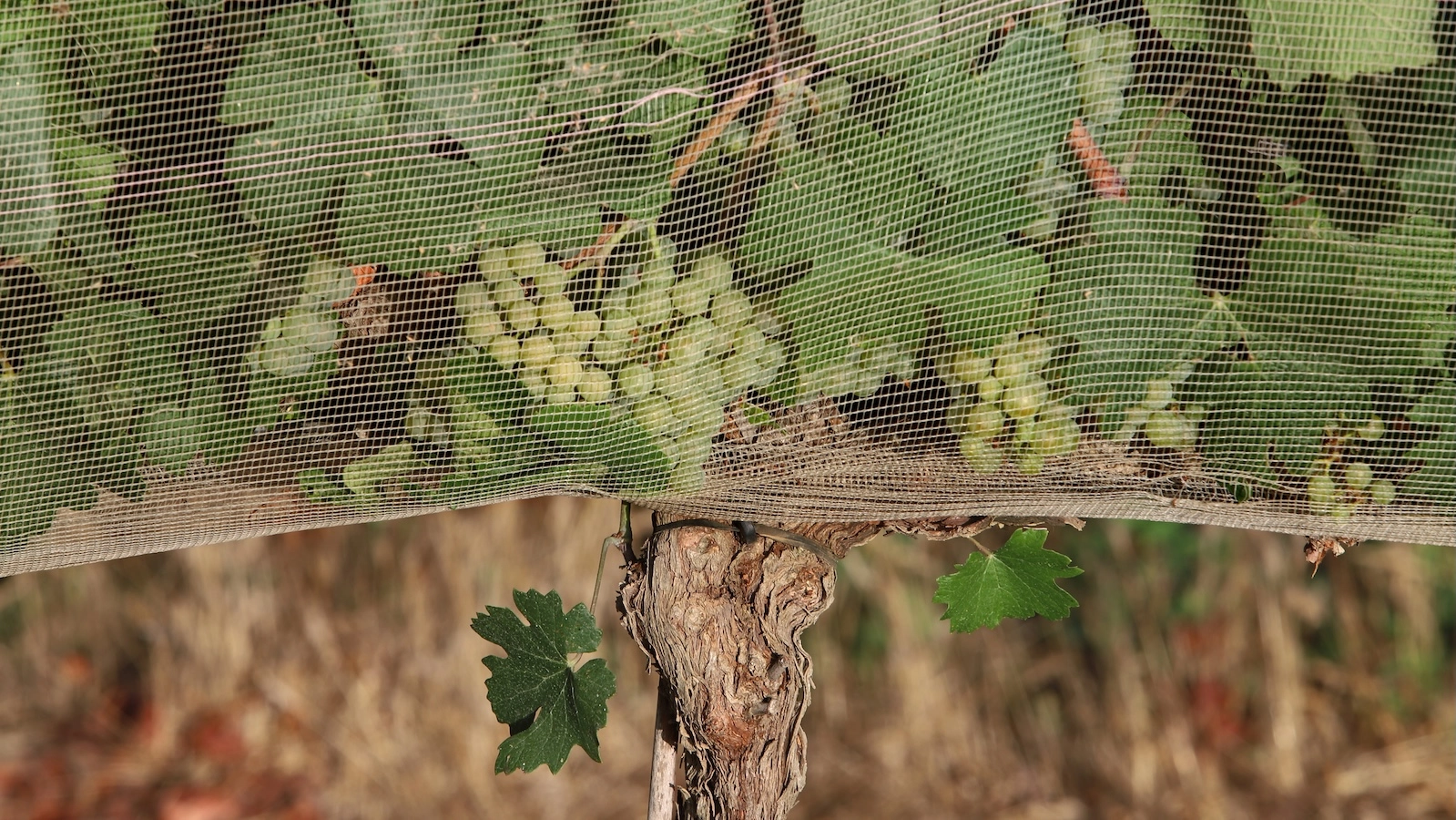
What should winemakers do in the face of a warming planet? Climate change poses significant risks to viticulture globally, prompting a rethinking of practices. In Chile, winemakers are grappling with prolonged droughts affecting irrigation strategies. California’s vintners are dealing with the dual challenge of wildfires and smoke, which can alter grape flavors. Meanwhile, severe frosts in Champagne are impacting grape acidity and flavor, leading some growers to adapt.
A recent study from Cornell University explored three strategies for winegrape producers to cope with rising temperatures: installing shade cloths for grape protection, planting new heat-resilient grape varieties, or relocating to cooler climates. The research discovered that consumers are willing to pay a premium for wines produced using these methods, even if it means sacrificing some brand recognition associated with regions like Napa Valley.
This market study aims to inform growers of available adaptation strategies, associated costs, and consumer perceptions. According to Alex Susskind, a co-author of the study, a producer’s efforts are futile if consumers do not appreciate or understand them.
Among the strategies considered, only two—switching grape varieties or relocating—are readily apparent to consumers. For instance, if a California vineyard adds shade cloths, most consumers would remain uninformed unless noted on the label. Conversely, if a renowned Cabernet Sauvignon vineyard transitions to growing Carignane grapes or relocates to a cooler region, consumers are likely to notice the change.
The study found that consumers were least willing to pay more for wines produced from relocated grapes. However, they still showed a willingness to pay extra for wines made with heat-resilient techniques.
While the study offers valuable insights, it has limitations. It focuses solely on adaptation for winegrape growers, not on mitigation strategies aimed at reducing carbon impact. The survey involved only 300 participants, mostly eco-conscious college graduates under 40, which may not accurately reflect the broader public’s preferences. Researchers noted that consumer enthusiasm for climate-resilient wine could diminish over time.
Despite these limitations, industry experts find the study results promising. Jimena Balic, a winemaking researcher in Chile, highlighted the importance of documenting the economics of climate adaptation. She believes that growers are unlikely to adopt these strategies unless they show clear financial benefits and suggested that adaptation might be implemented gradually.
Greg Jones, an experienced wine climatologist, echoed that educating consumers about viticulture processes and climate impacts is critical. He remains optimistic, hoping the study will spur further research into adaptation strategies and consumer preferences.
Ultimately, the fate of winemaking amidst climate change may depend on how effectively the industry communicates its adaptations and engages consumers in understanding the evolving landscape of wine production.
For more information on the effects of climate change on viticulture, check out the detailed study from Cornell University here.
Sip Into Summer: Refreshing Watermelon Vodka Slush Recipe
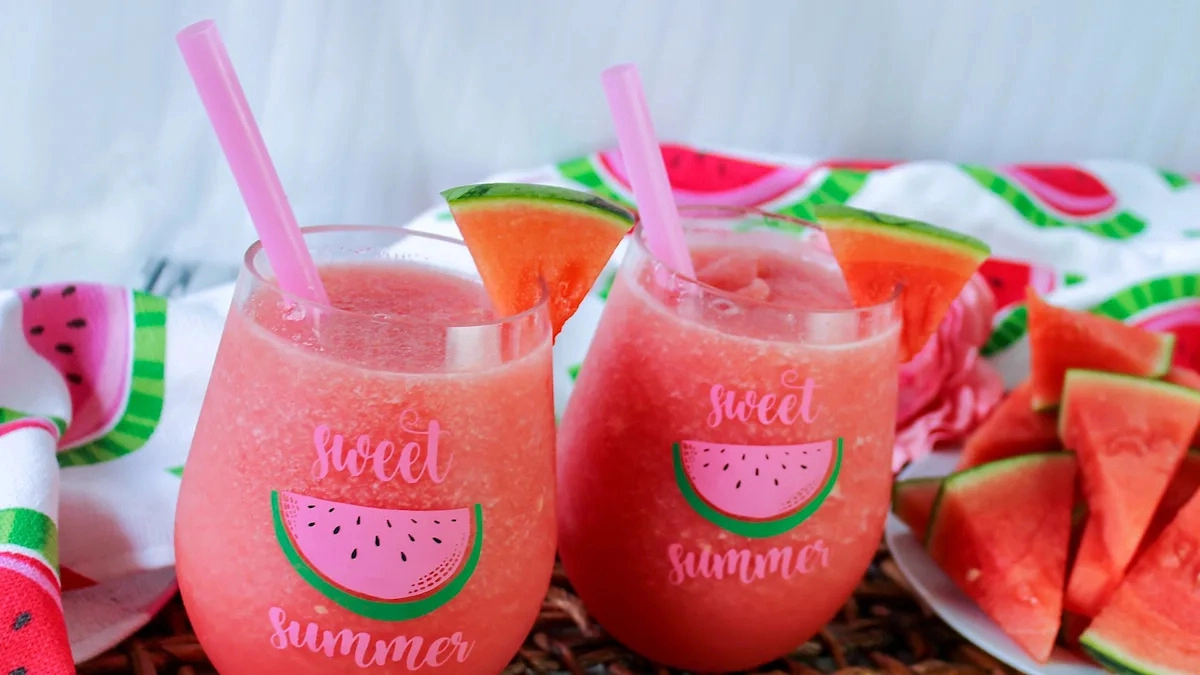
We’ve discovered the perfect summertime cocktail: the Watermelon Vodka Slush. This delightful slushy drink combines the sweet flavor of watermelon with the tangy zest of limeade, making it an ideal refreshment for hot summer days. The addition of watermelon vodka enhances the sweetness without overpowering the taste with a harsh alcohol flavor, making it a surprisingly easy drink to enjoy—though you might want to watch out as it can sneak up on you!
Ingredients
- 8 cups frozen watermelon chunks
- 12 oz frozen limeade
- 12 oz lemon-lime soda (like 7-Up or Sprite)
- 12 oz watermelon vodka
Instructions
- Gather all your ingredients.
- In a blender, add the frozen watermelon chunks.
- Pour the frozen limeade into the blender.
- Add the lemon-lime soda for some fizz.
- Finally, pour in the watermelon vodka.
- Blend until the mixture reaches a slushy consistency.
This Watermelon Vodka Slush has received a Blue Ribbon from The Just A Pinch Test Kitchen, acknowledging its popularity and deliciousness among home cooks. Perfect for summer gatherings or a relaxing day by the pool, this cocktail is sure to be a hit. Enjoy responsibly!
Budweiser Reopens the Tab: Celebrate America’s 250th with Free Beer!

Budweiser recently celebrated America’s 250th anniversary alongside its own 150th by offering free beers as part of a promotional event. The initiative was announced on June 29, with an initial budget of $150,000 meant to provide free beers to about 25,000 participants. The overwhelming demand quickly drained the tab, leaving many who arrived late without their free drink.
In response to this unexpected popularity, Budweiser added another $100,000 to the promotion, allowing an additional 16,600 Americans to claim their free 16-ounce beer by July 4th. This quick decision aimed to salvage the promotion’s earlier setbacks and maintain positive consumer relations, particularly as the brand was heavily engaging in patriotic marketing, incorporating traditional symbols like the iconic Clydesdales.
To underline its commitment to American values, Budweiser highlighted its dual anniversary in its messaging, focusing on unifying themes that resonate with consumers. The brand also supports Folds of Honor, which offers scholarships to the spouses and children of U.S. military members and first responders. This year, Budweiser is contributing up to $1.5 million from its sales to support this cause, having previously donated $37 million to fund over 7,400 scholarships.
Budweiser’s marketing efforts are particularly poignant during the 250th-anniversary celebrations, giving them the opportunity to reinforce their brand identity as a symbol of Americana. With elements such as Heritage cans featuring messages about liberty and the American spirit, the brand is aligning itself with values that many consumers still hold dear, despite reports indicating a decline in patriotism.
The brand’s messaging has continued through a summer advertising campaign filled with national imagery and soundtracks that evoke pride in American heritage. From the Clydesdales’ public appearances to their participation in significant events, Budweiser successfully tapped into communal sentiments while ensuring that its celebratory message remained consistent and sincere.
By quickly reopening the beer tab, Budweiser not only rectified the initial disappointment but also solidified its standing as a brand committed to shared values and community service. This gesture reflects their intention to not just sell beer but to foster goodwill during significant milestones for both the brand and the nation.
The Hottest Summer Pick: Shoppers Can’t Get Enough of This Rosé at Total Wine!

The summer season brings a surge in popularity for rosé wine, known for its bright and fruit-forward flavor profile. Recently, Adam Lapierre, a master of wine at Total Wine, highlighted a notable newcomer: the Celesia Côtes de Provence rosé. This wine, priced at $17.49 per bottle, comes from France’s esteemed Estandon wine cooperative and embodies the traditional Provence characteristics—pale, dry, crisp, and refreshing.
Lapierre emphasized the versatility of this rosé, stating it pairs wonderfully with seafood, salads, and grilled chicken. To enjoy it at its best, serving temperatures between 46 and 50 degrees Fahrenheit are recommended, which may require refrigerating it for up to three hours beforehand.
The appeal of rosé is also influenced by environmental factors such as regional weather conditions and terroir. The Côtes de Provence region, situated along the Mediterranean coast, is ideal for grape growing, producing primarily rosé wines. As summer temperatures rise, interest in rosé increases particularly in the Northeastern U.S., as consumers seek wines that complement outdoor dining experiences and seafood dishes.
In contrast, wine preferences in warmer regions like the South and West Coast also gravitate towards refreshing whites and sparkling wines year-round, aligning with a lifestyle of outdoor entertaining.
This summer, the Celesia Côtes de Provence rosé is expected to be a popular choice among wine enthusiasts, thanks to its affordability, quality, and flavor profile that embodies the essence of summer. For ideas on pairing food with this delightful wine, explore some favorite wine and snack combinations.