Liquor-articles 2100
Beyond Vodka and Lemon: Exciting Drink Alternatives for Freshers’ Week
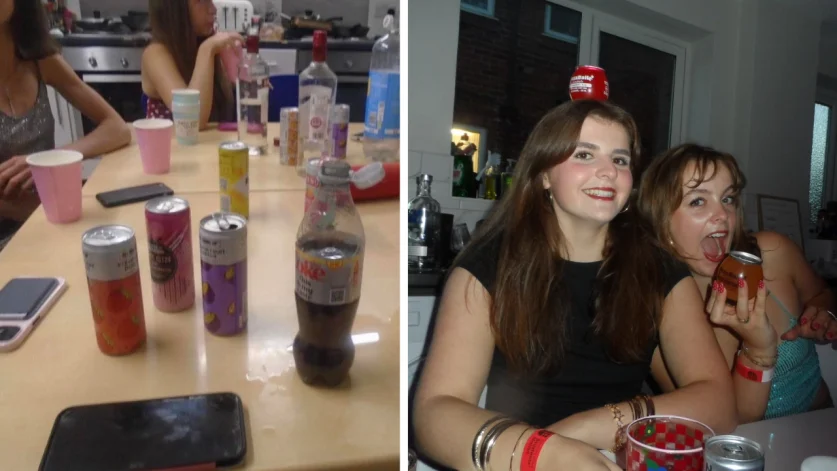
Drinking is an integral part of the university experience for many students. From social nights to surprise outings, there’s likely to be an opportunity to drink at least once a week. While it’s possible to enjoy university without alcohol, many find themselves drinking regularly, often reverting to the same old choices and growing tired of them.
To help shake things up for Freshers’ Week, consider these budget-friendly pre-drink alternatives:
1. Flavour Your Spirits
If you’re getting bored with your usual drinks, the solution may lie in adding flavor. Instead of spending money on a pricey flavored vodka, mix your regular vodka with some flavored cordial or squash. A simple mix of equal parts vodka and squash, topped with lemonade or tonic water, can create a more exciting drink without breaking the bank. For an extra kick, try adding a splash of pineapple juice or elderflower cordial.
2. Explore Tinned Cocktails
Transporting drinks can be a hassle if you’re not hosting, leading to repeated choices. Instead of doing the usual vodka and mixer in a plastic bottle, why not try tinned cocktails? They’re often available on mix-and-match deals and provide a fun change of pace while staying wallet-friendly.
3. Take Advantage of Deals
One of the best strategies is to shop smart. Look for deals at supermarkets and utilize loyalty cards. For instance, Tesco may offer discounts when you buy six bottles of wine. If you find a reasonably priced wine that you enjoy, taking advantage of such promotions can diversify your drinking options without stretching your budget.
4. Try Cheap Cocktails
Making cocktails doesn’t have to be expensive. For a student-friendly version of a classic cocktail, consider this easy recipe: mix one part vodka with two parts peach schnapps, followed by two parts of both orange and cranberry juice. With some creativity, it can taste just as good as the pricier versions.
5. Get Creative with Leftovers
When funds are low at the end of the semester, it’s time to get inventive. Combining what you have left in your cupboard can lead to surprisingly good concoctions. For example, mixing vodka with cranberry juice and lemonade can create a delightful new drink.
Embrace the spirit of creativity this Freshers’ Week and break free from the dull routine of your standard drink choices. Enjoy experimenting and discovering new favorites while keeping your budget in check.
Understanding Cigar Blend Whiskey: A Unique Spirit with No Tobacco Involved
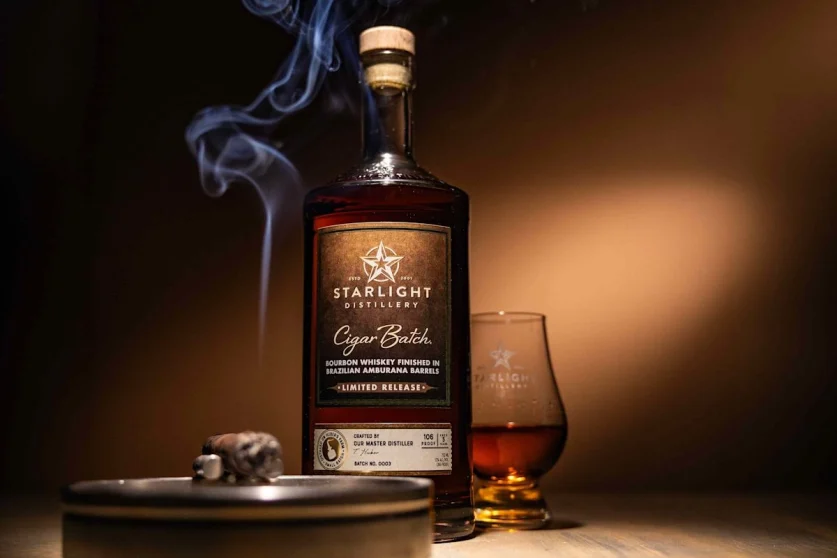
If you’ve encountered the term "cigar blend whiskey," you might wonder what it means. Contrary to what the name suggests, there is no tobacco involved. However, the specifics of what constitutes a cigar blend whiskey can vary widely among producers.
Christian Huber from Starlight Distillery explains their approach: "For us, a cigar blend whiskey is crafted to be enjoyed alongside a cigar." This means the flavors—spice, tannin, and sweetness—are deliberately balanced to complement the cigar’s smoke, forming a harmonious pairing instead of clashing.
There isn’t a universally accepted definition for cigar blend whiskey, referred to by various names like "cigar cut." Generally, these whiskies undergo cask finishing processes, often in barrels that previously contained Armagnac, Cognac, or sherry. The base can be derived from bourbon, Scotch, rye, or a mix of whiskey types, and it doesn’t even have to be whiskey, as the category can include brandy.
Many cigar blends utilize secondary maturation in unique cask types. For instance, Starlight’s cigar release features aging in Amburana wood, which Huber notes pairs excellently with Nicaraguan cigars due to shared spice notes.
The concept of cigar blend whiskey is said to have roots in brandy, where the idea originated before making its way to American whiskey. Nancy Fraley, a master blender at Jos. A. Magnus, is credited with popularizing the cigar blend bourbon in the U.S. but acknowledges past influences from her time in the brandy sector.
Fraley’s first blend was inspired by a moment of smoking a pipe on her deck. She crafted the idea around pairing whiskies with cigars, akin to enjoying chocolate and peanut butter together. The result was a cigar blend bourbon which boasts notes of tobacco, baking spices, vanilla, and dried fruits from its aging in Armagnac, Cognac, and sherry casks.
The creation of a successful cigar blend involves both art and science. Fraley points out that brandy carries more fatty acids than bourbon, resulting in a particular flavor profile that complements cigars beautifully. This unique blend of flavors is careful to not simply capitalize on novelty; it aims to enhance the overall experience of drinking.
Despite the growing popularity of the cigar blend category, the nuances of each expression can differ dramatically among distilleries. Some brands, according to Fraley, may not fully grasp the principles behind their blends, leading to less effective pairings.
Amanda Beckworth from Virginia Distillery Co. shares the sentiment that while there is room for innovative interpretations of cigar blends, honoring the tradition of the category remains vital. Their Cigar Blend employs additional aging in a variety of casks, enriching the offering with complex flavors.
Enjoying a cigar blend doesn’t necessitate pairing it with a cigar. It can complement desserts or be utilized in cocktails. Beckworth points to dessert pairings like chocolate truffles or suggests cocktails like a Black Manhattan featuring cigar blends for a rich experience.
Huber emphasizes the importance of education around cigar and whiskey pairings, fostering a deeper appreciation for both. The idea is to understand and enjoy the interaction between cigars and whiskey beyond simply selecting a bottle.
For those intrigued by cigar blend whiskey, the journey involves exploring a unique and immersive interplay of flavors, whether with or without an accompanying cigar.
Whiskey Wednesday: Exploring Jack Daniel’s, Hard Truth, and Beyond!
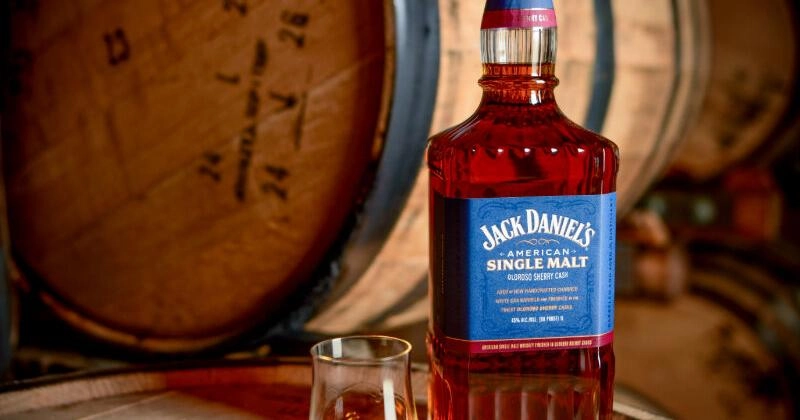
I’m excited to share some recent innovations in the whiskey world, highlighting the latest offerings from Jack Daniel’s, Hard Truth, and a collaborative effort among Tennessee distilleries.
Jack Daniel’s American Single Malt Whiskey
Jack Daniel’s has finally made its American Single Malt Whiskey available nationwide. Initially released for select duty-free stores, this whiskey has garnered attention since the Alcohol and Tobacco Tax and Trade Bureau recognized American Single Malt as a new whiskey category. This limited-availability product boasts a mash bill made entirely from malted barley, distilled in Lynchburg, and aged in charred American oak barrels. It’s finished in used casks that previously held oloroso sherry.
With a gentle 45% ABV, this whiskey offers fruity notes of dark chocolate and berries on the nose. The palate features bitter cocoa and dark fruits, with a finish highlighting oak and sherry nuances. It’s being sold in 1-liter bottles for around $74.99, making it more accessible than previous years.
Hard Truth’s Dark Roast Rye
Hard Truth Distilling Co. from Nashville, Indiana, is known for its innovative approaches to whiskey-making. Their latest release, the Master Distiller’s Reserve Dark Roast Rye, is a well-crafted blend of chocolate malt rye and caramel malt rye, distilled in one season and aged for at least four years. Bottled at 100 proof, this rye encapsulates a complex profile, featuring strong roast and chocolate notes alongside traditional rye spiciness.
With its compelling flavor of fudge brownie and dark roast coffee, this release is perfect for the anticipated cooler autumn evenings, ready to complement a cigar by the fire.
The Tennessee Collective American Whiskey
The third new product comes from a project involving 11 members of the Tennessee Whiskey Trail. They collaborated at Old Glory Distilling Co. to craft a blended whiskey that captures the essence of Tennessee’s whiskey-making talent. The second iteration of The Tennessee Collective has been released as a limited-edition cask-strength whiskey.
This whiskey is characterized by immediate oaky and nutty notes, followed by caramel and spicy vanilla from the aging process. This cohesive blend maintains a balanced flavor profile while inviting exploration with each sip. Available at an SRP of $79.99, it’s a unique way to experience a slice of the state’s distilling heritage.
In summary, these new releases reflect the creativity and dedication of Tennessee’s distilleries in navigating the evolving landscape of spirits. Whether you’re a fan of Jack Daniel’s unique offerings, Hard Truth’s innovative experiments, or the collaborative charm of The Tennessee Collective, there’s something exciting to discover.
Unveiling the Hauntingly Delicious: Macabre Spirits Launches Ghost Face Vodka in Blood Orange Flavor
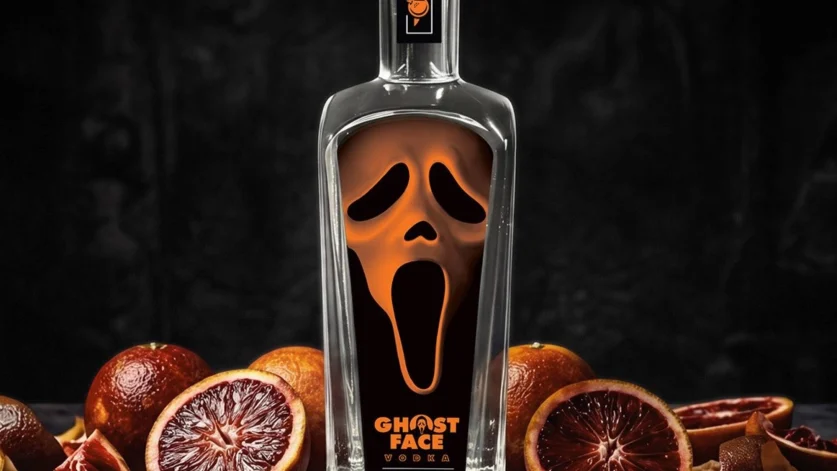
Just in time for Halloween, Macabre Spirits, the horror-themed alcohol brand created by Matthew Lillard and Justin Ware’s Find Familiar Spirits, has launched a new flavor of Ghost Face Vodka: Blood Orange. This follows the success of the original vodka, which sold out shortly after its release in February.
The new Blood Orange flavor is aimed at the horror fan demographic who may have missed out on the first release. In addition to the vodka, a Ghost Face Blood Orange Killer Collection box set will be available online starting September 29. Details about what’s included in the box set are still under wraps, but it is expected to be similar to the original, which featured an autographed bottle, pins, rocks glasses, and more.
Ghost Face Vodka Blood Orange is crafted from 100% non-GMO potatoes, creating a gluten-free spirit that boasts a smooth texture and rich flavor. It is infused with a mix of pressed citrus fruits, including blood oranges, and undergoes a meticulous fermentation and distillation process to ensure a clean finish.
Matthew Lillard expressed excitement about the new release, saying, "We were blown away by the response to the first box, but disappointed so many of our fans weren’t able to get their hands on one. If you weren’t able to score the original, we’re confident the sequel won’t disappoint."
For those interested in trying the new flavor, it will be available in stores nationwide, alongside the original flavor, making it more accessible to a larger audience of horror and vodka enthusiasts.
5 Delightful Cocktails to Make with Costco’s Kirkland Signature Vodka
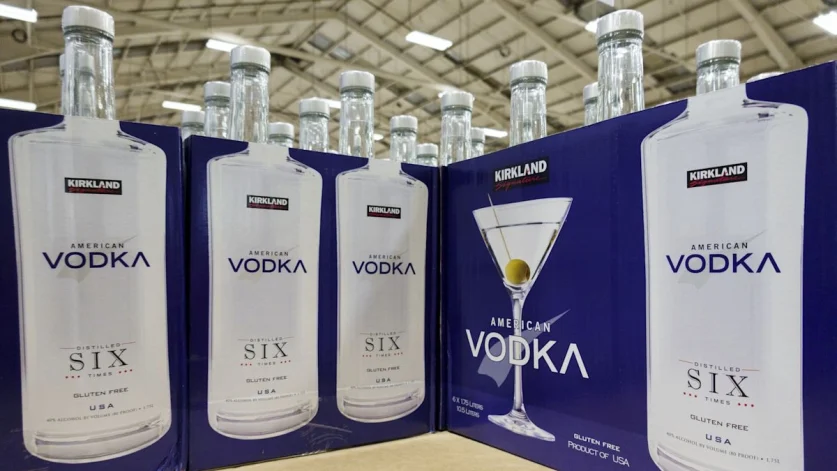
Costco’s Kirkland Signature Vodka has gained popularity for its smoothness, drinkability, and affordability, making it an excellent base for a variety of cocktails. Priced at around $13.69 for a 1.75-liter bottle in some regions, this vodka can be stored in the refrigerator to help maintain quality. Here’s a rundown of five cocktails that pair perfectly with Kirkland Signature Vodka.
Bloody Mary
A classic brunch staple, the Bloody Mary is a delightful mix of vodka, tomato juice, and an array of spices and garnishes. The muted flavor of Costco’s vodka allows the bolder ingredients—like hot sauce, pickle juice, and Worcestershire sauce—to shine. For a spicy twist, consider infusing your vodka with hot peppers using a sous vide process to elevate your Bloody Mary experience.
Moscow Mule
This refreshing cocktail combines vodka with ginger beer and lime juice, ideally served in a chilled copper mug. The mild profile of Kirkland Signature Vodka complements the spiciness of ginger beer, making it a trendy choice. Interestingly, although it’s named after the Russian spirit, the Moscow Mule originated in the U.S. in the 1940s as a marketing ploy.
Espresso Martini
Perfect for brunch, the espresso martini is a delightful blend of vodka, coffee, coffee liqueur, and simple syrup. The Kirkland vodka’s smooth texture enhances the rich flavors of the cocktail. You can personalize the drink by adjusting the amount of coffee liqueur or adding spices like cinnamon for warmth or hazelnut liqueur for a nutty flavor.
Lemon Drop
This sweet and sour cocktail, reminiscent of candy, is crafted with vodka, fresh lemon juice, triple sec, and simple syrup, often served with a sugared rim. While triple sec is standard, you can also use Kirkland’s orange liqueur to create a richer flavor profile.
Dirty Shirley
A grown-up version of the beloved childhood mocktail, the Dirty Shirley features vodka mixed with grenadine, lemon-lime soda, and garnished with maraschino cherries. The combination of fruity sweetness and bubbly carbonation creates a refreshing experience, with Kirkland Vodka providing a smooth background that allows the other flavors to shine.
These cocktails showcase the versatility of Kirkland Signature Vodka, making it a go-to option for any home bartender looking to craft delicious drinks without breaking the bank.
Bayou Rum Designates Crescent Crown Distributing as Its Louisiana Distribution Partner
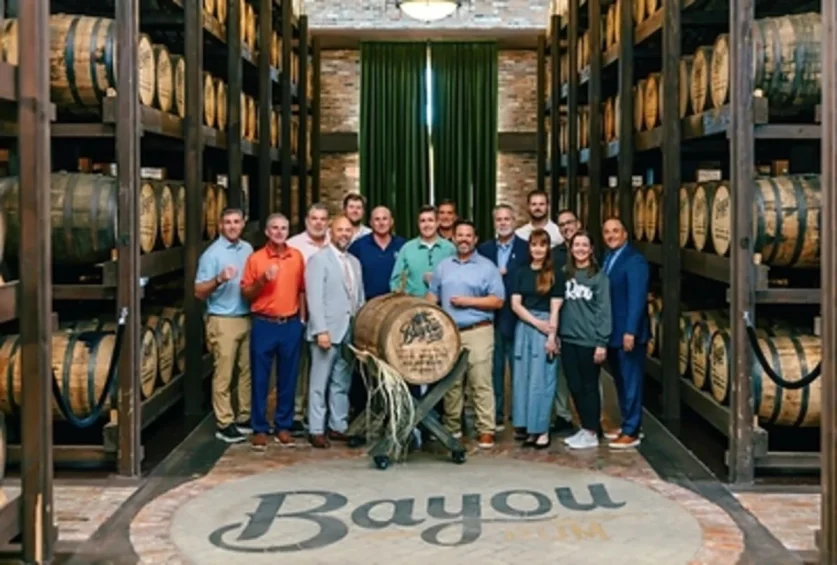
Bayou Rum has announced its partnership with Crescent Crown Distributing as its distribution partner in Louisiana, marking a significant step for the distillery. The first shipments of Bayou Rum commenced on September 1, 2026, with Crescent Crown, a family-owned distributor since 1982, operating in multiple locations in Louisiana.
Crescent Crown Distributing serves around 8,000 retail and on-premise accounts across South Louisiana and has been expanding its portfolio to include spirits since 2023. This partnership signifies a return to local roots for Bayou Rum, which is distilled in Lacassine, Louisiana from locally grown sugarcane and molasses sourced from M.A. Patout & Son, the oldest family-owned sugar mill in the U.S.
The new distribution agreement arrives alongside a major rebranding and product overhaul for Bayou Rum, which includes an updated recipe for its flagship expressions—Bayou White and Bayou Spiced—designed to enhance flavor and overall character. The brand has also implemented a modernized production line capable of filling 3,600 bottles per hour and repositioned its shelf space to compete more effectively against imported rums.
Angelo Torre, President of Louisiana Spirits LLC, expressed pride in the collaboration, stating, "Bayou Rum is proudly born and raised in Louisiana, so entrusting our brand to a Louisiana-based distributor makes this partnership with Crescent Crown especially meaningful." Similarly, Chris Bourg, President of Crescent Crown Distributing, emphasized the honor of adding Bayou Rum to their portfolio and the shared Louisiana heritage between both entities.
Going forward, Bayou Rum plans to expand its distribution beyond Louisiana, aiming to establish a broader presence across several southern states with further developments expected in the fall.
BACARDÍ: Honoring Tradition While Building a Vibrant Brand Legacy in Rum
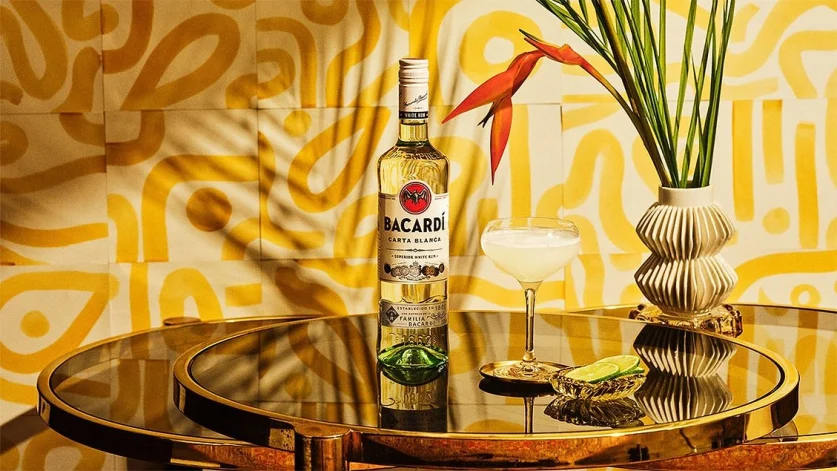
BACARDÍ continues to enhance its brand presence and legacy in the rum category while engaging consumers through innovative experiences and educational initiatives. As August draws to a close, signaling the end of National Rum Month, the role of rum in various celebration contexts remains significant.
Lisa Pfenning, the Americas Vice President of BACARDÍ Rum, emphasizes the brand’s focus on the evolving preferences of U.S. consumers who are now more intentional about their drink choices. They seek premium and authentic spirits that promote quality experiences. This shift creates opportunities for BACARDÍ to revisit its heritage while innovating for modern drinkers.
The popularity of cocktails like Mojitos and Rum and Coke continues, highlighting rum’s versatility in today’s cocktail culture. BACARDÍ has taken steps to strengthen its brand visibility through partnerships with music festivals and bartender-led campaigns.
Notably, there is a growing interest in classic cocktails, particularly the Daiquiri, which offers endless interpretations despite its simple three-ingredient composition. Darnell Holguin, BACARDÍ’s national brand ambassador, points out that this cocktail allows bartenders to showcase their creativity and individuality, moving it beyond a mere ‘safe order’ into a platform for innovation.
Pfenning mentions that educating consumers about rum’s versatility is vital. While many still associate rum with traditional tropical drinks, there are opportunities to promote it as suitable for various occasions, including brunch and daytime socializing. This approach not only broadens rum’s appeal but also aligns with BACARDÍ’s commitment to maintaining its legacy while adapting to new trends.
BACARDÍ has announced an immersive experience called the Maestro’s Walk tour at its Puerto Rico facility. This 90-minute tour enables visitors to explore the rum-making process and sample rum straight from the barrel. This initiative is part of BACARDÍ’s commitment to building on its 160-year heritage in rum production, with a particular focus on its Puerto Rican operations.
Pfenning states that BACARDÍ aims to shape the future of rum by expanding its consumer base, fostering relationships with bartenders, and driving cultural moments, particularly in music. The brand intends to highlight both traditional rum cocktails and new interpretations, creating a vibrant narrative around rum and its diverse possibilities in contemporary drinking culture.
This dedication to innovation and education reinforces BACARDÍ’s longstanding aim of inviting new generations to explore and enjoy the world of rum, ensuring the brand not only remains relevant but thrives in a competitive spirits landscape.
Raising the Bar: Vodka’s Growing Popularity in India, Peg by Peg
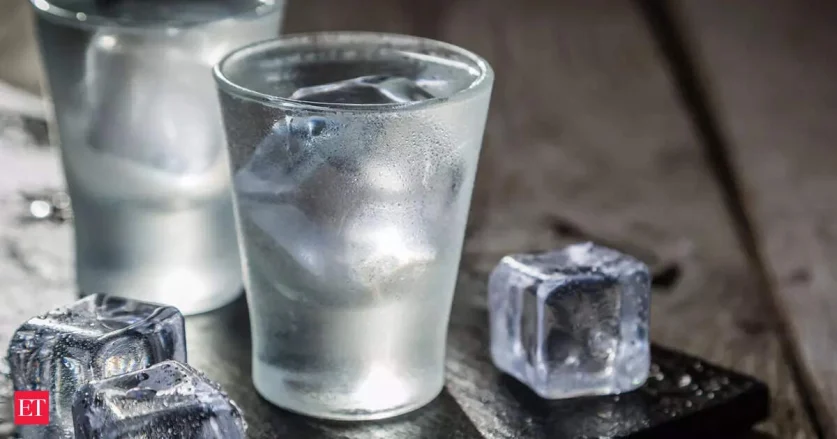
Vodka is gaining a significant foothold in India’s liquor market, traditionally dominated by whisky, with younger consumers and women leading this change. The vodka segment’s market share has surged to 6.1% from 3.8% in just one year, indicating a pivotal shift towards white spirits. Abhishek Khaitan, MD of Radico Khaitan, noted that the appeal of vodka lies in its mixability and a variety of flavors that attract new customers.
This expansion within the vodka category represents more than just a trend; it’s a notable structural change within a market that exceeds 400 million cases annually. Notably, the recent growth in vodka sales exceeds even that of gin and tequila combined, encroaching on the traditionally dominant brown spirits like whisky, rum, and brandy, which collectively comprise about 90% of the market.
Khaitan, who previously considered selling Radico Khaitan, invested years into building the vodka brand before witnessing its current growth trajectory. The vodka category has experienced consistent annual growth of 20% over the last five years. States like Rajasthan and Uttar Pradesh report particularly quick gains for vodka, with established brands gaining ground at the expense of their brown spirit counterparts.
Globally, vodka commands around 28% of the spirits market, leaving ample room for growth in India. Radico’s leading vodka brand, Magic Moments, recorded 3.25 million cases sold in the last quarter alone, reflecting a 43% growth compared to the previous year, securing approximately 60% of India’s vodka market share.
In light of these changes, Radico also endeavors to position itself in the premium spirits segment, traditionally dominated by multinational brands. Their whisky products, like Virasat and Rampur, cater to various price segments, allowing Radico to mitigate dependence on lower-priced liquor and to adapt to market fluctuations. Their premium portfolio’s share has risen from about 40-43% to 52%, showcasing a deliberate shift away from commodity selling.
While the brand plans to maintain a stable portfolio only in jurisdictions that yield sufficient margins, it signifies a strategic repositioning within the industry to lean towards premium offerings that promise better profitability.
Jack Daniel’s Unveils Exclusive Whiskey Finally Available to American Consumers
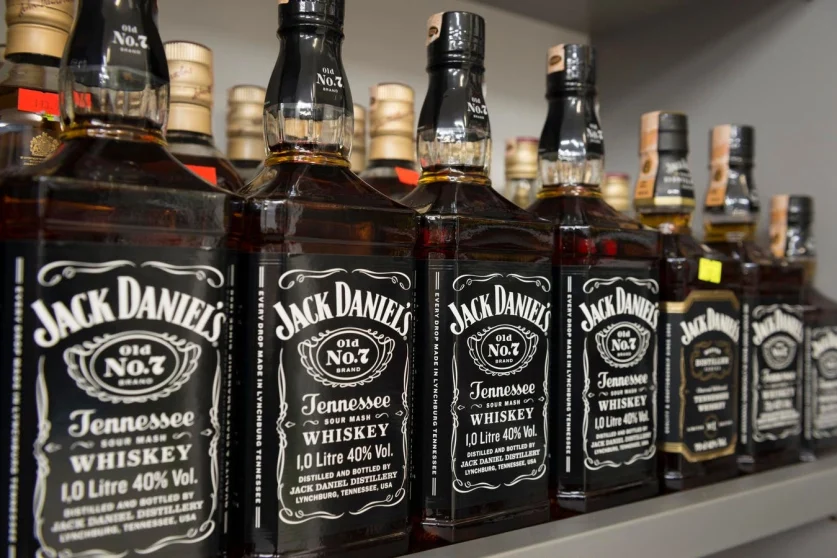
Jack Daniel’s is set to release a new whiskey variant that diverges from its traditional offerings. The Jack Daniel’s American Single Malt Whiskey, made entirely from malted barley and finished in Oloroso Sherry casks, will be available across the United States starting this fall. This limited edition will be sold in one-liter bottles priced at $74.99.
Marking a significant moment, this release not only adds to the Jack Daniel’s portfolio but also represents a milestone for American single malt whiskey, which was formally recognized as a distinct category by the Alcohol and Tobacco Tax and Trade Bureau (TTB) in January 2025. The official definition specifies that producers must distill the whiskey at a single U.S. distillery using 100% malted barley, with aging and bottling standards set in place.
Jack Daniel’s Master Distiller, Chris Fletcher, emphasized the brand’s aim for innovation in whiskey crafting, reflecting the positive responses from international markets where the American Single Malt was previously available primarily through duty-free shops.
This new whiskey incorporates the iconic elements of Jack Daniel’s, including its unique charcoal mellowing process and aging in new charred American oak barrels, before being finished in Sherry casks. The resulting whiskey presents a complex profile with notes of oak, fruit, cocoa, and a hint of Sherry sweetness.
The American Single Malt Whiskey will not join the permanent lineup but will be released in limited quantities for a limited time, making it a collectible item for whiskey enthusiasts eager to explore this new avenue of flavor from one of the world’s most recognized whiskey brands.
For those interested, this limited edition whiskey will be available nationwide beginning fall 2026.
Sinless Vodka Cocktails: Why Gen Z is Shaping the Future of Beverage Trends

Gen Z has become the focus of a new survey from Sinless Vodka Cocktails, revealing their thirst for romance is not only about drinks but also the complexities of modern dating. The survey highlights how this generation engages in a range of behaviors that complicate romantic relationships—ranging from ghosting to love bombing—at higher rates than Millennials.
The findings from the "Modern Dating Sindex" uncover the realities of dating in today’s world. A staggering 92% of U.S. adults aged 25-45 admit to experiencing at least one hallmark of modern romance, demonstrating widespread engagement in these "little dating sins."
Key insights from the survey indicate:
-
Higher Incidence of Dating Disappointments: Gen Z reported higher instances of ghosting (79% vs. 75% for Millennials), double texting (59% vs. 50%), and being love bombed (55% vs. 46%). However, they also set firmer boundaries, with more considering dealbreakers such as chronic lateness or inconsiderate behavior.
-
Dating Rosters Are Common: Nearly two-thirds (65%) of respondents have maintained a casual dating roster. About 42% consider a "party companion," while 39% have a "hookup" option.
-
Ghosting Statistics: Over three-quarters (76%) have been ghosted, with 58% admitting to having done the same. The average ghoster has left about 11 relationships unfinished.
-
Digital Research Prior to Dates: The data suggests that 76% of people look into their potential dates online, revealing the lengths to which individuals will go before going on a date.
-
Strategic Relationship Endings: More than two in five (42%) have ended relationships purposefully before significant holidays or events, often to avoid complications or emotional baggage.
-
Partner Behavior Impact: Nearly 90% agree certain behaviors can turn a partner into a dealbreaker, with rudeness to service staff topping the list.
Overall, the "Modern Dating Sindex" serves as a vivid portrayal of the current dating landscape, characterized by both modern temptations and the universal experiences that bind people together. Sinless Vodka Cocktails encourages individuals to embrace these dating truths—recognizing that many of the "sins" prompt a shared understanding rather than shame.