Beer-articles 1038
Discover the Elusive Midwest Beer You Can Only Find in Wisconsin
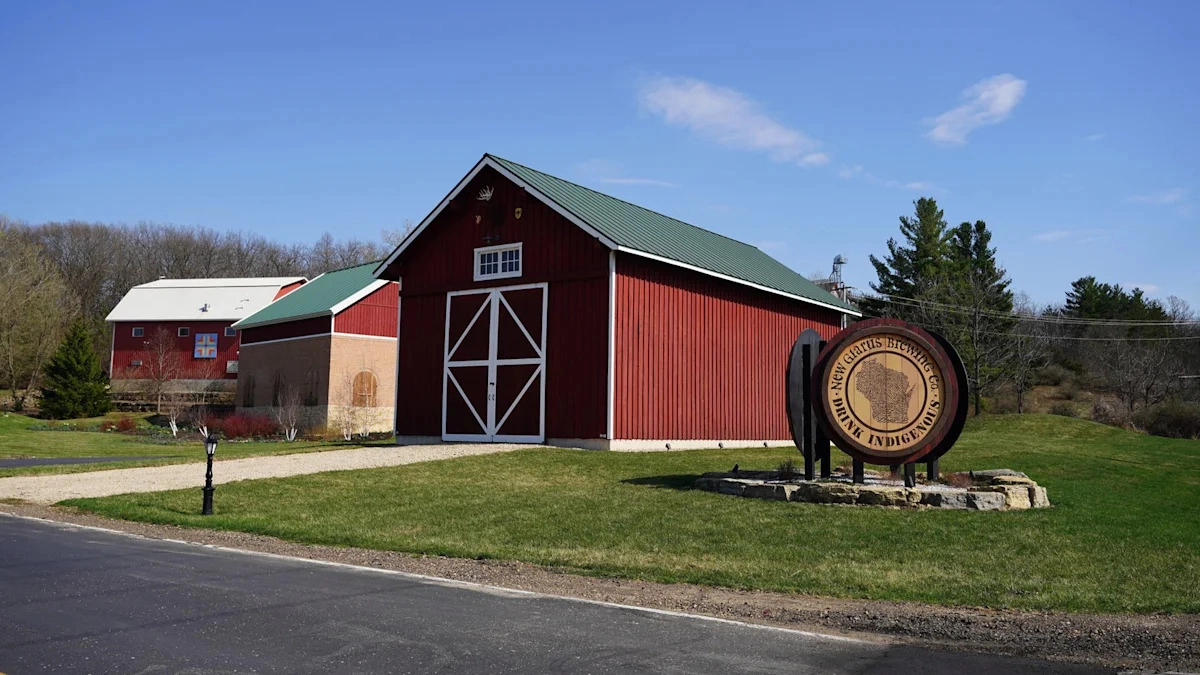
If you’re in the Midwest, a visit to Wisconsin promises delightful experiences, particularly for beer enthusiasts eager to taste Spotted Cow, the flagship brew from New Glarus Brewing Co. Known for its immense popularity, Spotted Cow is a farmhouse ale that has become symbolic of the state, rivaling even the most prominent national brands like Busch Light and Miller.
New Glarus Brewing Co., founded by Dan and Deb Carey in 1993, is unique as it only sells its beer within Wisconsin. This limitation isn’t the result of a lack of ambition but is primarily about maintaining quality control and nurturing a community-centered ethos. The decision to keep their beloved Spotted Cow—or any beer—exclusive to Wisconsin stems from the brewery’s commitment to local sourcing and supporting the state’s economy. In fact, almost all production materials, right down to the cans, are sourced from within the state.
Although Spotted Cow was briefly available in Illinois from 1998 to 2003, overwhelming demand forced the brewery to revert to an "Only in Wisconsin" policy to sustain quality and manage production. Deb Carey has noted that her philosophy around food reflects a belief that it should have a regional character—something that resonates deeply with the brewery’s mission.
Spotted Cow, inspired by traditional German farmhouse ales, is crafted according to the German Reinheitsgebot purity laws, using just four ingredients: yeast, hops, water, and malted barley. Its unfiltered nature contributes to its complexity, presenting a well-balanced profile that’s both light and subtly sweet with a hint of sourness. This accessibility, combined with its nuanced flavor, resonates with both casual drinkers and craft beer lovers alike.
Fans of Spotted Cow express their admiration passionately online, with many lamenting its unavailability outside Wisconsin. Some describe it as the "best easy-drinking beer," perfect for summer patios. Its exceptional balance and approachable flavor profile contribute to its esteemed reputation and cult-like following.
In sum, New Glarus Brewing Co. and its flagship Spotted Cow represent a local treasure cherished by Wisconsinites and craft beer aficionados alike. The only question remains: will you make the pilgrimage to taste this acclaimed ale?
Budweiser Celebrates America’s 250th with Free Beer: Here’s How to Get Yours!
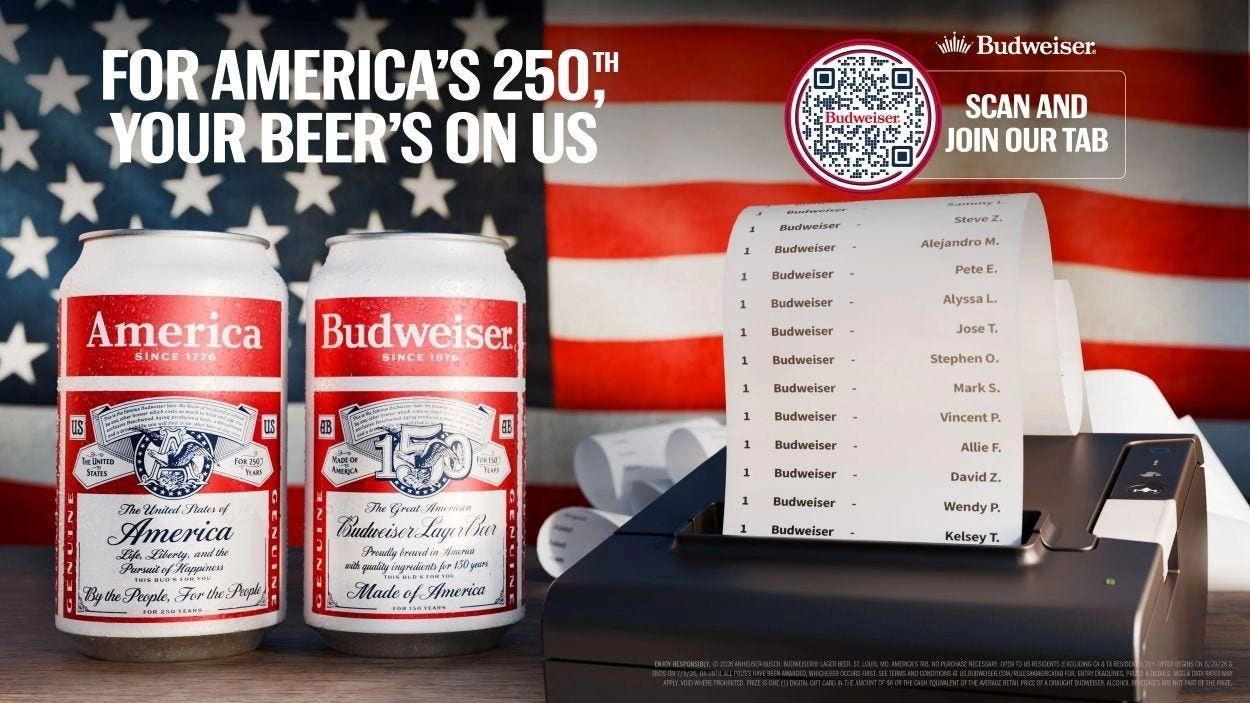
Budweiser is celebrating America’s 250th anniversary alongside its own 150th by offering a unique free beer promotion. Launched on June 29, the campaign quickly became a hit, depleting its initial budget of $150,000 meant for this initiative, which covered around 25,000 beers. The overwhelming response left many latecomers disappointed, as the promotional page indicated the tab was closed due to demand.
Responding swiftly to the excitement, Budweiser added another $100,000 to the promotion, allowing an additional 16,600 Americans to enjoy a free 16-ounce beer by July 4. This move not only salvaged the situation but ensured that their patriotic campaign—centered around the “Made of America” message—remained impactful. Budweiser’s commitment extends beyond just selling beer; it is invested in connecting with consumers through shared values, which includes supporting the Folds of Honor charity, providing educational scholarships to military families.
In reinforcing its brand identity during this historical celebration, Budweiser is tapping into a sense of national pride. A YouGov poll shows that 70% of Americans feel proud to be American, an ideal Budweiser embodies through its messaging and imagery. The company’s summer campaign features familiar symbols of Americana, depicting Clydesdale horses and utilizing patriotic imagery to strengthen that connection.
Moreover, the brand is taking tangible actions, such as donating up to $1.5 million from sales to Folds of Honor, enhancing its goodwill. The reopening of the America 250 tab illustrates Budweiser’s dedication to its consumers and highlights the company’s commitment to authenticity during a significant milestone year. This correction ensures that the celebration resonates positively while reinforcing its values of community, service, and shared American optimism.
This approach showcases Budweiser’s understanding that meaningful engagement with consumers is crucial, maintaining goodwill while cultivating a strong brand connection during this historic occasion.
Budweiser Reopens the Tab: Celebrate America’s 250th with Free Beer!
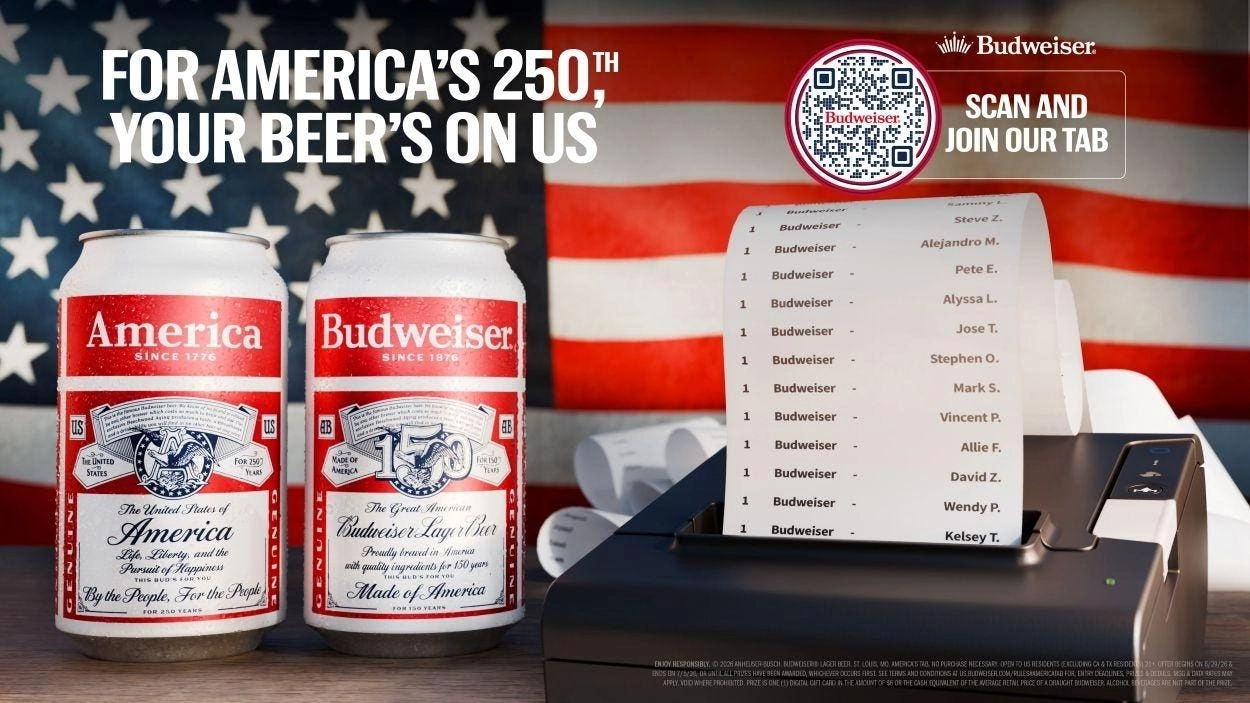
Budweiser recently celebrated America’s 250th anniversary alongside its own 150th by offering free beers as part of a promotional event. The initiative was announced on June 29, with an initial budget of $150,000 meant to provide free beers to about 25,000 participants. The overwhelming demand quickly drained the tab, leaving many who arrived late without their free drink.
In response to this unexpected popularity, Budweiser added another $100,000 to the promotion, allowing an additional 16,600 Americans to claim their free 16-ounce beer by July 4th. This quick decision aimed to salvage the promotion’s earlier setbacks and maintain positive consumer relations, particularly as the brand was heavily engaging in patriotic marketing, incorporating traditional symbols like the iconic Clydesdales.
To underline its commitment to American values, Budweiser highlighted its dual anniversary in its messaging, focusing on unifying themes that resonate with consumers. The brand also supports Folds of Honor, which offers scholarships to the spouses and children of U.S. military members and first responders. This year, Budweiser is contributing up to $1.5 million from its sales to support this cause, having previously donated $37 million to fund over 7,400 scholarships.
Budweiser’s marketing efforts are particularly poignant during the 250th-anniversary celebrations, giving them the opportunity to reinforce their brand identity as a symbol of Americana. With elements such as Heritage cans featuring messages about liberty and the American spirit, the brand is aligning itself with values that many consumers still hold dear, despite reports indicating a decline in patriotism.
The brand’s messaging has continued through a summer advertising campaign filled with national imagery and soundtracks that evoke pride in American heritage. From the Clydesdales’ public appearances to their participation in significant events, Budweiser successfully tapped into communal sentiments while ensuring that its celebratory message remained consistent and sincere.
By quickly reopening the beer tab, Budweiser not only rectified the initial disappointment but also solidified its standing as a brand committed to shared values and community service. This gesture reflects their intention to not just sell beer but to foster goodwill during significant milestones for both the brand and the nation.
Rediscovering the Iconic All-American Beer You Probably Forgot Existed

Old Milwaukee beer, first brewed in 1849, has long represented a slice of American tradition, particularly in the Midwest, where it initially gained popularity. Originating from Milwaukee’s Joseph Schlitz Brewing Company, Old Milwaukee has since been marketed by the Pabst Brewing Company, touting itself as "America’s Beer." The brand’s advertising has historically embraced a rural, outdoorsy theme, though its image has somewhat evolved since the outrageous ads of the 1990s.
Despite its rich history, Old Milwaukee never achieved the same level of national recognition as its competitors like Bud Light and Corona. As of 2024, Old Milwaukee did not even register among the top-selling beers in America, with a noted decline in sales exceeding 50% from 2007 to 2012. Its distribution primarily remains in the Midwest and Canada, where it is produced by a different company.
However, Old Milwaukee has not faded into obscurity unnoticed. It has garnered a loyal following, which includes celebrity endorsements, notably from comedian Will Ferrell, who created commercials for the brand out of love for the beer. Also, the beer has maintained a respectable acclaim within the brewing community, winning 19 gold medals from the Great American Beer Festival across its various brews.
In essence, while Old Milwaukee may not dominate beer lists or sales rankings, it continues to occupy a niche in American culture, appealing to those with a fondness for its authentic, working-class image. Its reputation as a value lager and the nostalgia of its past remains a draw for many beer enthusiasts.
Could Dim Sum Be the Unexpected Alternative to Beer?

In Hong Kong, a trend is emerging among soccer fans who are replacing their late-night beer pints with a different option: dim sum. This shift highlights a cultural transformation, as traditional drinking habits yield to a new preference for enjoying popular Cantonese snacks during matches.
The movement seems to stem from a broader interest in finding healthier alternatives and exploring local cuisine, rather than just the typical drinking experience often associated with watching sports. Enthusiasts assert that dim sum offers a unique social experience that beer simply cannot match. The combination of delicious food and lively conversation may enhance the overall enjoyment of the game, fostering a more communal atmosphere among supporters.
As such, dim sum could be paving a new path in how fans experience soccer, promoting a lifestyle that prioritizes both culinary delights and community bonding over the traditional consumption of alcohol.
Summer Unlocked: Garage Beer Sees Unprecedented Growth!

Garage Beer is witnessing exceptional growth, with dollar sales increasing by 66%, significantly outstripping the broader beer category despite a general slowdown in the industry. This Ohio-based brand, recognized as "America’s fastest growing light lager," recently expanded its reach to all 50 states, revealing vast opportunities for further expansion.
The brand attributes its success to an unconventional marketing strategy, which places content creation at the forefront of its distribution efforts. Notably, Garage Beer collaborated with 20th Century Studios for the release of Predator: Badlands and produced humorous spoof films related to the franchise. Their innovative approach also includes partnerships with pop-punk bands and athletes, fostering a strong digital presence that resonates with consumers through themes of nostalgia and Americana—critical elements in today’s competitive market.
Garage Beer only offers two flavors—Classic Light and Lime—but has seen robust sales, particularly during peak summer events. According to Nielsen data, their growth during Memorial Day outperformed the total beer category, super-premium beers, and larger competitors, despite having 76% fewer buying accounts. Brian Amico, the brand’s president, emphasized the exciting future ahead, suggesting that the disparity in store presence relative to competitors showcases their potential for continued growth.
Their unique marketing campaigns and collaborations have resulted in substantial follower counts on social media, surpassing several bigger competitors in the super-premium beer sector. Amico and his team focus on offering a product that brings people together, emphasizing authenticity and creativity in their outreach.
As summer approaches, Garage Beer aims to capitalize on seasonal gatherings, enhancing its market presence while staying true to its original vision. By continually adapting and embracing innovative marketing strategies, Garage Beer is poised for sustained success.
The Perfect Beer Pairings for Ginger Ale Lovers

If you’re ever uncertain about what to mix with your drinks, ginger ale is a fantastic choice. This versatile soda enhances a variety of cocktails, such as being mixed with wine in Italy for a refreshing spritzer or combined with whiskey for a simple summer cocktail. Among its many combinations, ginger ale paired with beer stands out as a delightful low-proof option for warm weather.
However, the key to a successful ginger ale and beer mix lies in selecting the right type of beer. With myriad options available, choosing a Belgian ale can often be the best bet. Belgian ales typically feature fruity, spicy, and herbal notes complemented by a pleasant bitterness. When combined with ginger ale, these flavors are amplified, creating a flavorful and lower-alcohol cocktail ideal for summer sipping.
Beer cocktails are nothing new. In fact, different cultures have embraced various mixers for beer. For instance, shandies and radlers, which are popular in parts of Western Europe, combine beer with tart citrus flavors. To the east, German drinkers enjoy a mix of beer and cola, while the classic michelada presents a savory alternative. Ginger ale can also fit into this lineup beautifully, as a simple switch can transform a regular shandy into a refreshing drink when ginger ale is used instead.
Ultimately, there’s no shortage of inspiration for cocktails featuring ginger ale. With a selection of quality ingredients at hand, you can create exciting and invigorating drinks well into the summer.
For more ideas on drink pairings, consider checking out articles on ginger ale and beer cocktails as well as tips for making various types of beer cocktails.
Rediscovering the Affordable Wisconsin Beer You Haven’t Tasted Since the Early ’70s

In the heart of the Midwest, a beer once graced many refrigerators: Chief Oshkosh. Produced in Oshkosh, Wisconsin, this smooth, mild lager was a staple among locals during the 1970s. Its formula combined six-row barley, flaked corn, and hops, resulting in a light pale gold drink that cost a mere $1.25 for an eight-pack of 12-ounce stubby bottles in 1963—making it a popular choice for casual gatherings and garage polishing sessions.
The history of Chief Oshkosh dates back to 1928 when it first appeared on the market as a non-alcoholic beverage during Prohibition. The beer gained traction when the Cullen-Harrison Act of March 1933 legalized the sale of low-alcohol beers. By the end of that year, Chief Oshkosh transitioned to a 4.5% ABV lager, gaining popularity until it was discontinued in 1972.
Initially, Chief Oshkosh was crafted with a hoppier and fuller-bodied profile compared to other lagers. The original recipe remained unchanged until 1950, when it was modified to suit changing consumer preferences, resulting in a lighter, less robust beer. By 1953, the Oshkosh Brewing Company—creators of Chief Oshkosh—was producing over 60,000 barrels a year. However, in 1961, cost-cutting measures diminished the quality of the beer, which subsequently led to declining sales. The Oshkosh Brewing Company closed in 1971, with Chief Oshkosh’s production ceasing the following year.
Today, Chief Oshkosh exists only in the memories of its fans and through vintage memorabilia, often traded at auctions. Collectors are willing to pay top dollar for these relics; a Chief Oshkosh "crowntainer" from the 1950s recently sold for over $111,000, a testament to its nostalgic value and rarity. Although the beer itself has not been produced in over five decades, it remains a cherished part of Wisconsin’s rich brewing history, reflecting the region’s cultural identity and the significant impact of its breweries.
The Florida Brewery That Pioneered the 6-Pack of Beer: A Look at Its Legacy

There’s a fascinating history behind the six-pack of beer, credited in part to a company named Jax Brewing based in Jacksonville, Florida. Founded by German immigrant William Ostner in 1914, Jax quickly became a favorite in the Southeast region. By 1943, the brewery was producing around 100,000 barrels per year, with a significant portion sold in bottles.
Initiating a revolutionary idea, Ostner decided to package the beer in six-packs instead of selling individual bottles. This innovation made purchasing more appealing; they offered six beers at a price point of just $1.29—an incredible bargain compared to today’s prices. In 1935, canned beer made its debut with Kreuger’s Special Beer, but it wasn’t until post-World War II that canned beer gained popularity due to the metal shortages during the war, leading to a focus on bottle sales.
Despite its innovative spirit, Jax Brewing struggled financially and ultimately ceased operations in 1956. The introduction of canned beer was cited as a significant factor that contributed to the brewery’s decline.
Other companies also lay claim to the history of the six-pack. For instance, after World War II, Pabst marketed six packs geared towards a weight that could be easily managed by the typical shopper. The National Brewing Company, known for Natty Boh, claimed to also have pioneered the portable six-pack. Coca-Cola’s president, Robert Woodruff, sought to enhance six-pack sales in the 1920s by distributing bottle openers to households. Meanwhile, Newark’s Ballantine brewery has been suggested to have first marketed six beers in a single pack as early as 1938.
Today, the evolution of beer packaging continues with craft breweries finding innovative methods to maximize convenience and customize packaging, including eco-friendly options for six-packs.
Scotland Fans Spark ‘Emergency’ Beer Deliveries as Boston Bars Run Dry
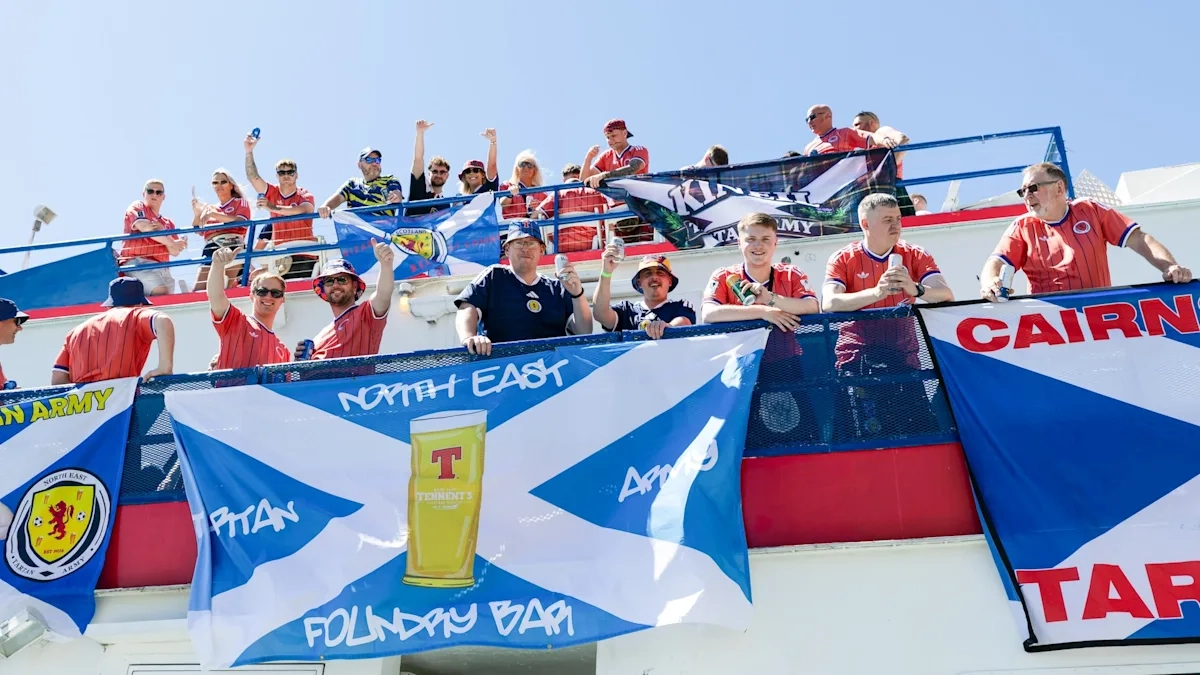
Scotland soccer fans have taken over Massachusetts during the 2026 FIFA World Cup, leading to dramatic beer shortages in Boston bars. According to Devon Savage, Communications Manager for Samuel Adams, the "Tartan Army" drank four times more beer than usual over the span of a long weekend from June 11 to June 21. This surge in consumption resulted in the Sam Adams Downtown Boston Taproom running out of its flagship Boston Lager by Saturday, prompting an emergency resupply.
In total, over 4,000 pints of the lager were sold, nearly 90 kegs were emptied, and four emergency deliveries were made to meet the overwhelming demand. Other bars in Boston, such as the White Bull Tavern and Hennessy’s Bar, also reported beer shortages, with patrons remarking that the Scottish fans had depleted their stock. Scottish fan Dave Orr noted, "There was no beer" left at the White Bull Tavern.
To ensure bars are stocked for the upcoming matches, the Boston Beer Company announced plans for additional deliveries in the days to come. Scotland’s national team had recently secured a 1-0 victory against Haiti in their opening group stage match, and they were gearing up to face Morocco next, followed by a match against Brazil.
The atmosphere surrounding the World Cup has led to a lively scene in Boston, showcasing the enthusiasm and commitment of Scotland’s fans.