Beer-articles 1026
Jason Kelce Discusses the Controversy Over Travis Kelce’s Beer Chug: Why It Should Upset You

While Travis Kelce attempted to explain away his controversial beer chug, brother Jason Kelce started a new conversation about why people should actually be upset.
During the Wednesday, April 17, episode of his “New Heights” podcast, Travis, 34, addressed the backlash after a live taping ended with him chugging a beer at an impromptu graduation ceremony at their alma mater.
“Lastly, we ended the night in a truly epic fashion. Since neither of us got a chance to walk during our graduation ceremonies,” Travis explained about how he and Jason, 36, previously graduated from the University of Cincinnati. “We both already got our degrees, so all of you that are thinking this was a graduation ceremony because we just finished our degrees and it was a very serious thing, it was kind of a fun way to close out the night.”
The Kansas City Chiefs tight end clarified why he ended up chugging a beer during the informal event, adding, “Hopefully you can understand that me chugging the beer was because I had a beer in my hand and I had to receive the diploma. I had to get the beer out of my hand some way and I might as well just finish it. It happened to be full, I don’t know how that happened.”
Football Players Who Have Brothers That Also Play in the NFL: The Kelces, The Mannings and More
Jason, however, pointed out that Travis didn’t successfully finish his drink. “There was still beer pouring out of it,” the former Philadelphia Eagles center noted, to which Travis replied that there was just “foam” left in the cup.
The siblings subsequently got into a disagreement over whether Travis completed his beer chug.
“If there’s anything anyone should be upset with is that you didn’t finish that chug,” Jason added. “[It was] not a successful chug.”
Travis disagreed with Jason, saying, “I did finish it. You were scared to brace me. You were terrified. You don’t want the misery that is coming.”
Jason continued to argue that Travis didn’t actually finish his drink. “I think if you would have finished your beer then people would be way less upset with you,” he joked. “People chug out of beer cans all the time. If there’s that much foam coming out of the can then universally we can accept that that is not a complete chug.”
A Swiftie’s Guide to Travis Kelce: Everything to Know About Taylor Swift’s Rumored New Man
Travis ended the back-and-forth by claiming that he could “chug faster” than his brother. He also reiterated that fans shouldn’t get upset about the event because it “wasn’t that serious.”
Earlier this month, Jason defended Travis’ behavior after it made headlines, writing via X, “I know it looks like a graduation from the video, but this was actually at the end of a ‘New Heights Live’ podcast that we put on to raise money for the University’s NIL. The university did this to poke fun at my brother and I for never really picking up our diplomas.”
Jason is no stranger to shotgunning beer as well. While attending Travis’ Kansas City Chiefs playoff game in January, Jason notably took his shirt off and climbed out the suite in excitement.
Travis Kelce and Jason Kelce’s Most Supportive Quotes About Each Other
“I mean, honestly one of the most fun experiences I’ve ever had from start to finish. Buffalo, Bills Mafia … it was an electric atmosphere,” he recalled during a January episode of their podcast. “This was an opportunity to honestly just go someplace and forget about all that and just go have fun and root on [my] brother.”
Jason explained at the time that it was always the plan for him to celebrate the Chiefs’ victory in style.
“I wanted to go outside early and I wanted to take my shirt off then and be out there. I feel like — I don’t know if I’m wrong in my head — I feel like taking your shirt off is a Buffalo Bills thing, right?” he added. “I’m like, ‘Dude, I want the full experience.’ I wanted to take everything off and be out there with the fans. … I feel like at this tailgate I was possessed by Bills Mafia.”
Beer Nut: The Story of Two Exceptional Czech Pilsners from Easthampton
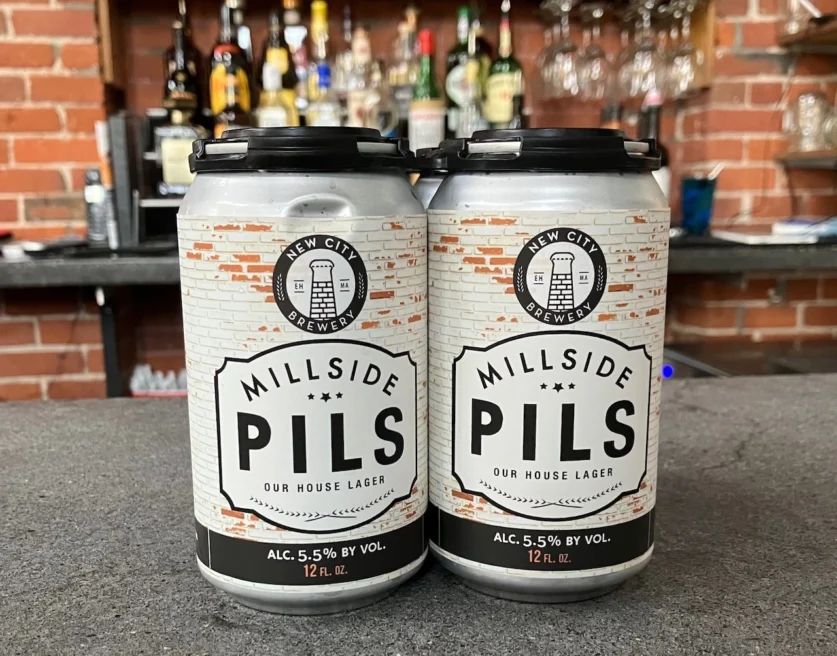
Millside Pils by New City Brewing in Easthampton. Submitted
With any luck, the wintery spring weather is behind us. We’ve had a handful of lovely days after the snow earlier this month, and while the rain has been insistent, consistent warm weather is certainly nigh.
For beer fans, of course, this means shifting the balance between beer styles from heavier and darker brews to lighter and crisper beers. Of course we can still enjoy stouts and double IPAs, but spring always makes me gravitate to refreshing lagers.
I recently had two such animals in neighboring Easthampton breweries: New City Brewing’s Millside Pils and Abandoned Building Brewing’s Curbside Pilsner. Both are excellent and offer slightly different takes on the style.
Millside Pils is a Czech pilsner that sits at 5% ABV. The brew was initially a small batch version of the brewery’s house lager, but it looks like it has maintained its place, which is commendable.
The beer exhibits a lovely golden hue with an orange tinge around the edges when poured. It leaves a delicate and short-lived lacing on the glass as you drink it.
The flavor profile begins with a rounded dollop of malt deliciousness, which strikes a balance somewhere between a doughy biscuit cracker and a soda cracker. There’s a hint of fresh bread that appears as the flavor unfolds. As the beer warms in your mouth, a subdued whiff of honey delicately arises, but it’s subdued enough to keep it from being overly sweet.
The finish is quite classic: sharp and mostly dry, with a lingering tartness on the tongue. This characteristic is likely due to the combination of Amarillo and Citra hops used.
While New City’s flagship is its Ginger Beer, Millside Pils could easily be considered a worthy rival. It’s a perfect afternoon brew for sunny summer days.
About 200 yards down the parking lot, Abandoned Building serves up an equally delicious take on the Czech pilsner style with Curbside. The beer pours a clean golden color that also leaves a light lacing on the glass that doesn’t linger.
The malt structure here is more bready and understated than Millside, but also offers a nice complexity with tasty cereal notes coming to the fore as the beer warms. The hops offer a balanced bitterness and a bit of spice, and they bring the beer to a satisfying dry finish with a hint of citrus.
Both these brews are worth trying, with Millside offering a slightly sweeter flavor profile and Curbside having a more standard Czech pilsner construction. And another great thing is that you can try them back-to-back with just a three-minute stroll between the venues.
If you purchase a product or register for an account through a link on our site, we may receive compensation. By using this site, you consent to our User Agreement and agree that your clicks, interactions, and personal information may be collected, recorded, and/or stored by us and social media and other third-party partners in accordance with our Privacy Policy.
Bid on a Piece of History: Grand Rapids Brewing Co.’s Liquidation Auction
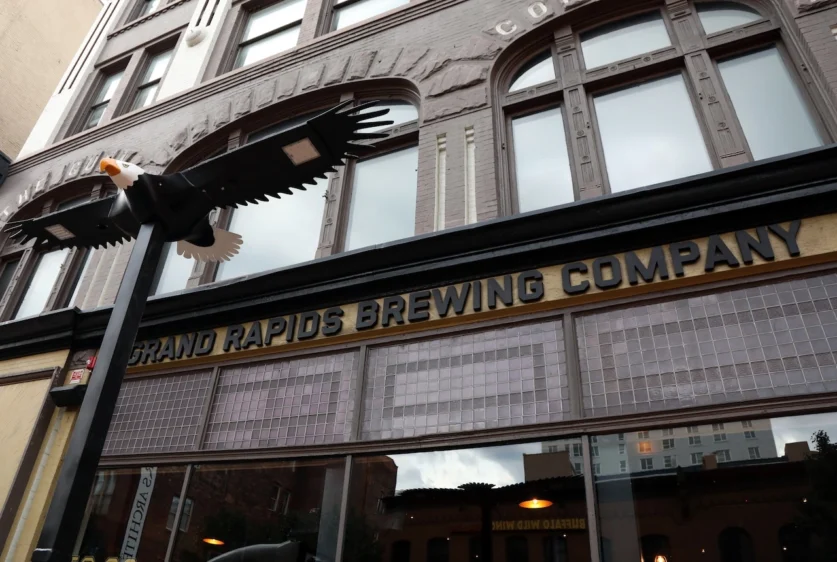
Artist Rashed Taher’s ArtPrize entry “The American Eagle is on display outside Grand Rapids Brewing Company on Tuesday, Sept. 20, 2022. The piece is made of a bench with an eagle solar light above. Rylan Capper | rcapper@mlive.com
GRAND RAPIDS, MI — Are you in need of beer brewing equipment, restaurant tables, light fixtures or whiskey barrels? A Grand Rapids brewery is auctioning off all that and more after recently announcing its permanent closure.
The liquidation auction is for pretty much everything but the walls and floor inside Grand Rapids Brewing Co., 1 Ionia Ave. SW, which announced it would be closing for good last month after a fire damaged its kitchen and HVAC system.
The auction, held online by Biddergy.com, is set for 8 a.m. Thursday, April 18. Winning bidders need to collect their purchased equipment from Grand Rapids Brewing Co. on either Monday, April 22 or Tuesday, April 23.
All equipment is being sold as-is, and the auction company recommends buyers inspect the equipment between 10 a.m. and 4 p.m. the day of the auction at Grand Rapids Brewing Co.
RELATED: Grand Rapids Brewing Company closing for good following fire
Bidding for brewing equipment, which includes uni-tank fermentors, two-vessel brewing systems and stainless steel tanks, starts at either $15 or $25, depending on the type of machine.
Bidding on other items like whiskey barrels, groups of kegs, sinks, televisions, ice bins and dining tables with chairs start at $5.
Other items in the liquidation auction include light fixtures, artwork, beer tap handles, bar glasses, champagne flutes, wine glasses, martini glasses, signage, an upright piano and metal shelving.
The Grand Rapids Brewing Co. Sign that hung outside the brewery is also up for auction, complete with the metal eagle holding hops in its talons.
A full list of all the items up for auction is available at this link.
Grand Rapids Brewing Co. opened in 2012 in the heart of downtown Grand Rapids.
RELATED: Firefighters responding to blaze at Grand Rapids Brewing Company
“After 11 years brewing Beer City’s namesake beer and serving our downtown Grand Rapids community, we’ve faced the difficult decision to close our doors to Grand Rapids Brewing Company,” the brewery said on social media at the end of March. “A fire on February 23rd damaged our kitchen and HVAC system, forcing a temporary closure that we’ve now decided will be permanent.”
The brewery’s name was a nod to the original Grand Rapids Brewing Co., which was founded at the corner of Michigan Street and Ionia Avenue in 1893.
Want more Grand Rapids-area news? Bookmark the local Grand Rapids news page or sign up for the free “3@3 Grand Rapids” daily newsletter.
If you purchase a product or register for an account through a link on our site, we may receive compensation. By using this site, you consent to our User Agreement and agree that your clicks, interactions, and personal information may be collected, recorded, and/or stored by us and social media and other third-party partners in accordance with our Privacy Policy.
A Pleasant Surprise: My Experience with Shorty’s Vast Beer Palette

If you’ve got more than enough Bob Ross moments — happy little accidents — in your life, then I envy you. Most of us could use far more of those than the world provides. And when they happen, or when we stumble upon them, they should be enjoyed, cherished, and even celebrated.
I experienced a pleasantly surprising moment recently (actually, more than one) when I walked into a familiar place known to serve beer, although I only expected to find the usual selection found in most restaurants. My plan was merely to grab a quick meal, not to embark on a vast exploration of exquisite brews. The last time I visited the establishment, I found nothing especially remarkable about their choice of beers. However, I was pleasantly surprised when I noticed on their menu a beer prominently advertised as a joint effort between the restaurant and a local brewery.
The surprises didn’t end there. As I browsed the rest of the beer list, I discovered an array of craft beers hailing from around NH and MA, each with different distinct styles and intriguing descriptions. For a split second, I wondered if I had somehow been mysteriously transported to HopKnot in downtown Manchester! Yet another delightful surprise ensued when I finally tasted the collaboration beer, which was utterly delicious. In fact, it was so good that it nearly made me forget all about ordering their quesadillas.
I’ve always been a fan of the quesadillas at Shorty’s Mexican RoadHouse, specifically from the Northside Plaza in Manchester (almost in Hooksett). In terms of beers, I had expected the usual ones like Corona, Dos Equis, and Budweiser. While they did have those staple brands, I hadn’t anticipated that Shorty’s would carry an extensive array of locally brewed selections. Whoever is responsible for their beer selection has definitely stepped things up. The Nashua location probably has similar offerings, although a quick look at the Untappd page for Shorty’s Nashua revealed differences in the Manchester beer list. They offer a different but equally exciting array of beers, which means I might find myself craving Mexican food in Nashua soon!
The night of my visit, I had a craving for quesadillas and saw several options on the menu that were new to me. The one that caught my eye was the Little Havana Cuban, a delightful combination of pulled pork, ham, dill pickles, mustard & swiss cheese. The mere description was enough to make my mouth water, so naturally, I ordered it. It was not only delicious but also so filling that I brought half of it home, which made for a great meal the next day.
The breweries brewing in collaboration brought forth a new beer, KettleHead Brewing located in Tilton, a venue we featured in a previous column. They named the beer Shorty’s Super Hombre. This IPA had a light hop presence, complemented by a subtle hint of citrus. I thoroughly enjoyed it and am looking forward to savoring more as the weather becomes warmer. It’s unclear whether the credits go to the Shorty’s or KettleHead team, but this brew is undeniably a front-runner. I hope to see many more such collaborations.
My next day began with a hangover — not due to the drink (I had just one beer, and that too with dinner), but because of the anticipation of enjoying more of Shorty’s beer selection. It was clear to me that I had to revisit soon and delve deeper into their brew list. And that’s exactly what I did – I found myself back at Shorty’s on a weekday evening. As usual, the place was bustling with customers, however, I was able to find a spot at the bar.
During this visit, I decided to complement my beer with my old favourite from Shorty’s, a portobello mushroom quesadilla. It was filled with caramelized onions, spinach, and pepper jack cheese. It was delicious and less filling as compared to the Cuban, yet equally remarkable.
I began my beer exploration with a brew I remembered from my previous visit – the Cloud Candy IPA, crafted by Mighty Squirrel Brewing Co. located in Waltham. This brew was certainly memorable. A wonderfully crisp IPA with a smooth finish, it had the perfect balance of sweetness. It was light, but not too light, and was thankfully not insubstantial.
While the bartender was refilling my drink, the keg unfortunately ran out. As a consequence, I began with only a half-filled glass. This twist of fate opened the door to exploration.
Prior to my quesadilla being served, I decided to order a Funk Daddy sour IPA from Greater Good Imperial Brewing Company located in Worcester. This unique brew was described as a NEIPA turned magically into a sour with a flavor profile containing aspects of lemon and orange zest. Although I tend to not lean towards IPAs, and even less so towards NEIPAs, I must admit this particular drink was quite satisfactory. The process of transforming a NEIPA into a sour is somewhat of a mystery to me, but the end result was definitely enjoyable with its subtle touch of citrus taste.
Accompanying my quesadilla, I opted for an Easy Operator IPA from Deciduous Brewing Company based in Newmarket. Surprisingly, it was another hit! It seems like I am developing a taste for IPAs. This one was slightly hazy with a tinge of pink, and lacked the strong hoppy flavor usually associated with IPAs. Regardless of the categorization, it was certainly a tasty beverage.
I am looking forward to visiting Shorty’s in Manchester once again, and there are a few other drinks that certainly seem worth exploring.
And when I make it to their Nashua restaurant, the beer palette looks really broad & colorful:
So do yourself a favor. Go out for some delicious Mexican food at Shorty’s in Manchester or Nashua, and while you’re there, take a stroll through the wild side of their beer menu. ¡Y buena suerte!
Shorty’s Mexican Roadhouse in Manchester is located at…
1050 Bicentennial Drive,
Manchester NH 03104
(near Hannaford, almost in Hooksett)
Phone number: 603-625-1730
Shorty’s Mexican Roadhouse in Nashua is located at…
48 Gusabel Ave,
Nashua NH 03063
(near the Nashua Mall)
Phone number: 603-882-4070
Hours:
Sun-Thu — 11:30a – 9p
Fri-Sat — 11:30a – 10p
Email: use “contact” section of their website
Acquire a Slice of Beer City History at the Grand Rapids Brewing Co. Liquidation Auction

Artist Rashed Taher’s ArtPrize entry “The American Eagle is on display outside Grand Rapids Brewing Company on Tuesday, Sept. 20, 2022. The piece is made of a bench with an eagle solar light above. Rylan Capper | rcapper@mlive.com
GRAND RAPIDS, MI — Are you in need of beer brewing equipment, restaurant tables, light fixtures or whiskey barrels? A Grand Rapids brewery is auctioning off all that and more after recently announcing its permanent closure.
The liquidation auction is for pretty much everything but the walls and floor inside Grand Rapids Brewing Co., 1 Ionia Ave. SW, which announced it would be closing for good last month after a fire damaged its kitchen and HVAC system.
If you purchase a product or register for an account through a link on our site, we may receive compensation. By using this site, you consent to our User Agreement and agree that your clicks, interactions, and personal information may be collected, recorded, and/or stored by us and social media and other third-party partners in accordance with our Privacy Policy.
Exploring Whether ID is Required to Buy Non-Alcoholic Beer

Non- and low-alcoholic drinks have gained popularity over the years, with numerous enjoyable choices available. The market for these beverages has grown significantly since 2018, making non-alcoholic options like Bud Zero easily spotted in stores. This might prompt the question, “Do I need my ID for this?” The immediate response might be ‘no’, since there’s no alcohol involved, it’s almost like buying a juice or so you would think.
However, this is not entirely true. Non-alcoholic beers, despite what their name suggests, still fall under the regulatory jurisdiction of the Federal Alcohol Administration (FAA) Act. The FAA Act oversees all malt drinks, alcoholic content notwithstanding, categorizing these non-alcoholic varieties under the general “beer” classification. The regulations regarding non-alcoholic wines and spirits are a bit more ambiguous though anecdotally, most retail stores require age verification for purchase.
Different states have varying rules. Therefore, it’s advisable to familiarize oneself with local regulations which might be more lenient or stricter. Some states, for instance, allow individuals under the age of 21 to purchase non-alcoholic beers, while others do not. In states like Oregon, West Virginia, and Wyoming, one can purchase these beverages without age limitation if they contain less than 0.5% alcohol by volume (ABV). Ohio stands out as the only state which sets the legal age for purchase at 18 instead of 21.
Read more: Popular Vodka Brands Ranked From Worst To Best
You may be looking at the 0.5% rule and thinking, “Wait, does that mean that non-alcoholic beer is still kind of alcoholic?” The answer is yes. Most non-alcoholic beer contains up to 0.5% ABV, hence the 0.5% rule adhered to by some states. There are certain drinks that are entirely free of alcohol, such as Heineken 0.0, but for the most part, you can expect to be consuming a small amount. This is likely fine if you’re drinking non-alcoholic-free beer fairly casually, but if you’re aiming to go completely sober, then you will need to take care when looking for the right brand.
If you want to be sure, check the label. There’s a difference between “non-alcoholic” and “alcohol-free” — only beer with 0.0% ABV can be labeled as alcohol-free. In fact, in order to acquire this label, breweries must send a sample of the drink to the Tobacco Tax and Trade Bureau (TTB). If you’re unable to find an alcohol-free option or want to know exactly how much you’re consuming, you should be able to find the exact percentage printed on the bottle.
Read the original article on Mashed
Bull Riding, Music and Dancing: Highlights of the Upcoming Ramona Beer and Tacos Festival
It’s not your typical taco festival.
Expect attractions like bull riding, Latino music, a variety of food and crafts stalls, and naturally, beer at the upcoming Tacos and Beer Festival 2024, organized by the Ramona Chamber of Commerce on May 4.
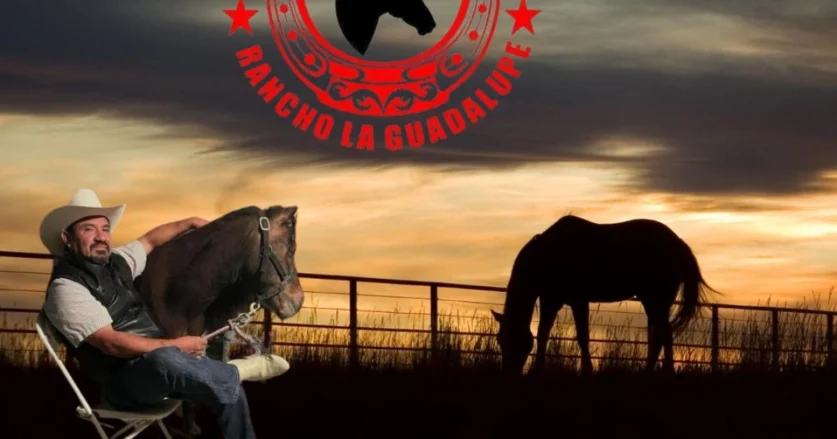
The Chamber has partnered with Juan Larios of Rancho La Guadalupe for this occasion, which is set at the Ramona Outdoor Community Centre, located at 423 Aqua Lane.
“We noticed that the Latino demographic in our community felt underrepresented, hence we decided to host an event especially for them,” said Bob Krysak, president of the Chamber.
He estimated that Latinos make up about 40% of Ramona’s population.
“There will be bull riding, some heavy hitting bands, taco vendors and craft vendors for a variety of food, music and entertainment,” he said.
Krysak said the event is expected to attract between 1,500 and 2,000 people.
“We wanted to pump up our little taco fest,” said Laura Leeman, office manager at the Chamber. “All our previous fests have been pretty packed, so we wanted to revamp it and make it bigger and better.”
An event that consists of bull riding, music, and dancing is referred to as a jaripeo in Mexico. This tradition is common in the central and southern parts of Mexico, having presence in both rural communities and ranches.
Several bands, celebrated for their festive tunes, are scheduled to perform. These include La Septima Banda, Banda Zeta, Banda Tierra Surena, Group Zona Blindada, and Seis N Linea.
The event will also be featuring outstanding bulls from the ranch Rancho El Aguaje, owned by Sergio Pelayo, Jr. Located in Puerto Vallarta Jalisco, the ranch boasts of housing several million-dollar bulls.
In addition to this, over a dozen food vendors will be present at the venue.
“The cuisine is a blend, largely Mexican, offering everything from seafood and chips to funnel cakes and ice cream,” said Leeman.
“The primary beer on offer will be Modelo, alongside shots, given its popularity,” mentioned Krysak.
He also revealed that, despite there being numerous beer outlets, they would not be serving mixed drinks due to the high anticipated attendee numbers as well as the time and effort each mixed drink requires.
Moreover, there will be over a dozen craft vendors displaying an array of products such as jewelry, wooden arts, Western attire, and T-shirts.
“There will also be a face painter for the kids,” Leeman said.
Chamber officials are still seeking volunteers, specifically for the entry gate and to tend bar (must be over 21).
There are also sponsorships open at the $200, $400 and $600 levels.
Doors open at 1 p.m. Event hours are 2 p.m. to 10 p.m. General admission is $80, VIP passes $130, but will go up closer to the date of the event.
“All the money raised goes right back into the community, so we hope everyone comes out and has a good time,” Leeman said.
For more information, contact the Ramona Chamber of Commerce at 760-789-1311.
The Triumph of Stout: Guinness’s Domination of the UK Beer Market

The Guinness resurgence is alive and well across the UK – why is the traditional stout enjoying a resurgence? (Photo by Rob Cousins/Evening Standard/Getty Images)
In the ever-evolving landscape of the global beer industry, few brands have achieved the iconic status and enduring popularity of Guinness. This dark, creamy stout, with its distinctive flavour and rich history, has not only become a staple in pubs and bars worldwide but has also seen a remarkable surge in popularity recently, particularly in the UK.
A Surge in Sales and Market Dominance
Recent financial reports reveal a striking upward trajectory for Guinness. The beer division of its parent company, Diageo, reported a 14% increase in net sales, with volumes up by 3%. This growth is attributed to strong performance across all regions, with the notable exception of Asia Pacific. In the UK, Guinness has achieved a significant milestone, becoming the best-selling beer in both the on-trade (pubs and bars) and off-trade (retail) markets which underscores the brand’s deep-rooted appeal and its ability to resonate with a diverse range of consumers.
Historical Perspective: From Local Brew to Global Phenomenon
The prominence of Guinness is a narrative that traverses beyond two centuries. Its establishment was in 1759 by Arthur Guinness. During its life span, it has seen economic collapses, conflicts, and evolving customer choice. In 1868, its sales stood at 350,000 barrels. Fast forward to 1876, the number had escalated to 779,000 barrels. Choosing to publicize in 1886 marked a turning point. It created the required revenue to broaden procedures and delivery networks. Currently, Guinness stands as not just a prominent British and Irish brewer but also a global giant. Its stouts and ales are being relished in more than 150 nations.
Innovation and Adaptation: The Key to Sustained Growth
Guinness’s recent growth owes much to its capacity to innovate and adapt to shifting market trends. They introduced Guinness 0.0, a non-alcoholic variant of their classic stout, in 2021. This decision was strategic and aimed at the market where customers are progressively seeking low-alcohol or alcohol-free substitutes. Guinness 0.0 quickly became the best selling non-alcoholic beer in Great Britain in the four-pack format. This initiative is not just about expanding the brand’s appeal, but it also emphasizes its commitment towards inclusivity and responsible alcohol consumption.
The Power of Branding and Experience
Guinness owes a large part of its enduring popularity to its effective branding strategies and the creation of immersive consumer experiences. The Guinness Storehouse, situated in Dublin, plays host to a premier brewery experience that has turned it into a must-visit location for beer fans and tourists alike. It’s undeniable that since its inception, it’s played a key role in re-energizing the brand and cementing its relationship with consumers. The 2012 launch of the ‘Made of More’ advertising campaign further bolstered the brand’s identity. The campaign, noted for its emotional storytelling and top-quality production value, has struck a chord with worldwide audiences, further bolstering the brand’s market position.
Challenges and Opportunities Ahead
Despite its achievements, Guinness still has to grapple with various challenges in an intensively competitive and dynamic industry. The advent of craft beers and shifting consumer preferences could potentially chip away at its market share. However, the brand’s robust heritage, ongoing innovation, and successful marketing strategies all bolster its ability to tackle these challenges head-on. As Guinness steers towards the future, it will need to persistently innovate and adapt, while at the same time upholding its core values. Broadening its range of products, penetrating new markets, and harnessing digital technology to enhance marketing efforts and engage consumers will be instrumental in sustaining its growth momentum.
The rise in popularity of Guinness is indeed testament to its quality, innovation and branding kudos. As it continues to adapt to the changing landscape of the beer industry, Guinness is poised to remain a beloved brand for generations to come. Whether it’s the classic stout or the newer non-alcoholic variant, Guinness has secured its place in the hearts of beer lovers worldwide, proving that it is indeed “Made of More.”
Beer Nut: Positive Brewing News for the ‘End Times’
Here in New England we just survived an early April ice/snowstorm and an earthquake. By the time you read this, a solar eclipse will also have happened.
Add in a record amount of cicadas predicted to hit the East Coast in a month or two, and you might well think it’s the End Times.
But we beer aficionados like to look on the bright side of things, so today let’s look at some good news from the Brewers Association.
First up is the 27th annual Big Brew Day on May 4. This yearly event is an opportunity to celebrate homebrewing.
The Brewers Association provides plenty of resources to get you involved in the art of homebrewing, including recipes, supplies, tutorials and marketing materials.
The Brewers Association also just announced that its latest group of aspiring brewers and start-ups in its Mentorship Program matches the largest number ever to date: 35. The program has served 200 members thus far in its history. The program provides a 12-week virtual mentorship where each mentee works with three mentors in their areas of interest.
Last but not least, the BA is supporting H.R. 7577, the Creating Hospitality Economic Enhancement for Restaurants and Servers [CHEERS] Act) a bipartisan piece of legislation to support local businesses, restaurants, and bars that utilize draft beer systems and help revitalize the hospitality industry.
The CHEERS Act looks to expand tax incentives for energy-efficient systems that would include keg and tap systems. Draft beer is the most sustainable type of packaging for retailers and suppliers, and the legislation would provide tax relief to small businesses that use them.
Beer notes:
In local news, the Manhan Charitable Foundation’s Brewfest will take place at 6 p.m. in the Boylston Room at Easthampton’s Keystone Mill on April 25. The event will feature beers from local breweries such as Abandoned Building, Bright Ideas, Fort Hill, New City Brewery, Leadfoot Brewing, and Progression.
Tickets are $25 in advance or $30 at the door through Venmo @MCF1876. The Manhan Charitable Foundation is run by current and former Easthampton Firefighters. Keystone Mill is at 122 Pleasant St.
Speaking of Easthampton, my ongoing search for good old-school West Coast IPAs was rewarded by a recent visit to New City Brewery, where I enjoyed the venue’s Signature IPA, a 6.5% gem that hit all the marks. I also sampled the delicious Microburst Imperial IPA, an 8.2% double IPA that was perfectly balanced between malt structure and hoppy complexity, with no hint of the elevated booziness in the flavor. Both are recommended.
If you purchase a product or register for an account through a link on our site, we may receive compensation. By using this site, you consent to our User Agreement and agree that your clicks, interactions, and personal information may be collected, recorded, and/or stored by us and social media and other third-party partners in accordance with our Privacy Policy.
Score Sippable Savings with these 15 National Beer Day Deals
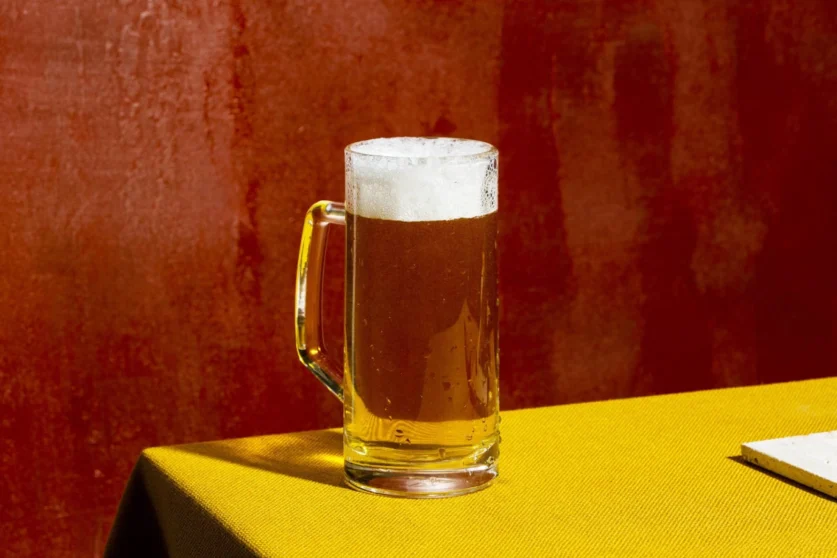
Oh, hoppy day! Whether you prefer lager, stout, pilsner or IPAs, brew lovers can all agree that National Beer Day is a cause for celebration.
The drink-devoted holiday falls on Sunday, April 7, and many restaurants and bars are brewing up deals to mark the special occasion. Here are a few that’ll leave you saying, “Cheers!”
On National Beer Day, Anthony’s Coal Fired Pizza & Wings is offering dine-in customers a 12-inch cheese pizza and draft beer for just $15. To cash in on the deal, simply mention the offer at the register at participating locations.
What goes better with wings than beer? To celebrate National Beer Day, Buffalo Wild Wings is pouring 22-ounce glasses of Coors Light for $5 all day.
BurgerFi is offering dine-in customers a cheeseburger and a draft beer for $10 on April 7 at participating locations. Simply mention the offer at the register to score the deal.
To celebrate National Beer Day, City Brew Tours is offering customers 10% off its in-person City Brew Tours (they operate in 20+ cities in the U.S.), the Beer of the Month Club (it features a new craft beer city every month delivered to your home) and Holiday Advent Beer Boxes. Simply use the code BEERDAY to cash in on the deal.
Feel like playing some games while you’re enjoying your beer? Dave & Buster’s will have $2 beer all day on April 7.
Dogfish Head has brewed up an offer just for TODAY.com readers! If you’re one of the first 50 people to visit Dogfish Head’s e-store and add this merchandise bundle to your cart, you’ll get a free shower beer holder and a bar of Dogfish Head beer soap (customers will need to pay the cost of shipping). Simply use the code DFHBEERDAY at checkout through April 12.
When you buy a pint at Dog Haus Biergartens on April 7, you’ll get upgraded to a liter at the following participating locations.
Arizona: Tempe
California: Alhambra, Long Beach, North Burbank, Old Pasadena
Colorado: Colorado Springs
Maryland: Bethesda, Dupont, Kentlands, Silver Spring
New York: Clifton Park
Texas: Arlington Highlands, Frisco, Richardson
Wisconsin: Ballpark Commons
When it comes to beer, variety is always best and GourmetGiftBaskets.com has plenty of gift baskets with several types of beer. The site is offering TODAY.com readers 30% off beer gifts through April 30 with the code BEERTODAY.
MonthlyClubs.com offers a variety of food and beverage clubs, including a beer club. The site is currently running the following sale, just in time for National Beer Day:
$10 off any 4-shipment order with the code SAVE10
$15 off any prepaid 6-shipment order with the code SAVE15
$30 off any prepaid 12-shipment order with the code SAVE30
Between April 7 — 13, Mr Brews is serving up $8 beer flights and other daily promotions to help brew lovers celebrate National Beer Day.
On April 7, Razzoo’s Cajun Cafe is serving draft beer for $4 a pint and $6 a mug.
Samuel Adams has a special offer for TODAY.com readers! The first 50 people to visit the Sam Adams e-store and add this merchandise bundle to their cart will score a free 16-ounce Perfect Pint glass and a branded bottle opener (customers are responsible for the cost of shipping). Simply use the code SAMBEERDAY at checkout through April 12 to take advantage of the offer.
Participating Taco Bell Cantina locations will have the following offer on April 7: Buy two beers and get two free tacos.
Have you ever wished that a pizza-flavored beer existed? No? Well, it does now. Tombstone and Voodoo Ranger have teamed up to create I(Pizza)A, a limited-edition pizza-flavored beer that goes on sale online on April 7.
Through National Beer Day, you can enter for the chance to win a four-pack of the new flavor and one of Tombstone’s new pizzas.
If you’ve ever seen Yard House‘s Half Yards (aka 32 ounces of beer), you know they’re pretty epic. The restaurant is selling them for $10 all day long on April 7.
The restaurant has an exciting offer for anyone celebrating their 21st birthday on National Beer Day. The first 50 individuals to DM Yard House proof of their date of birth will receive a fun surprise.
This article was originally published on TODAY.com